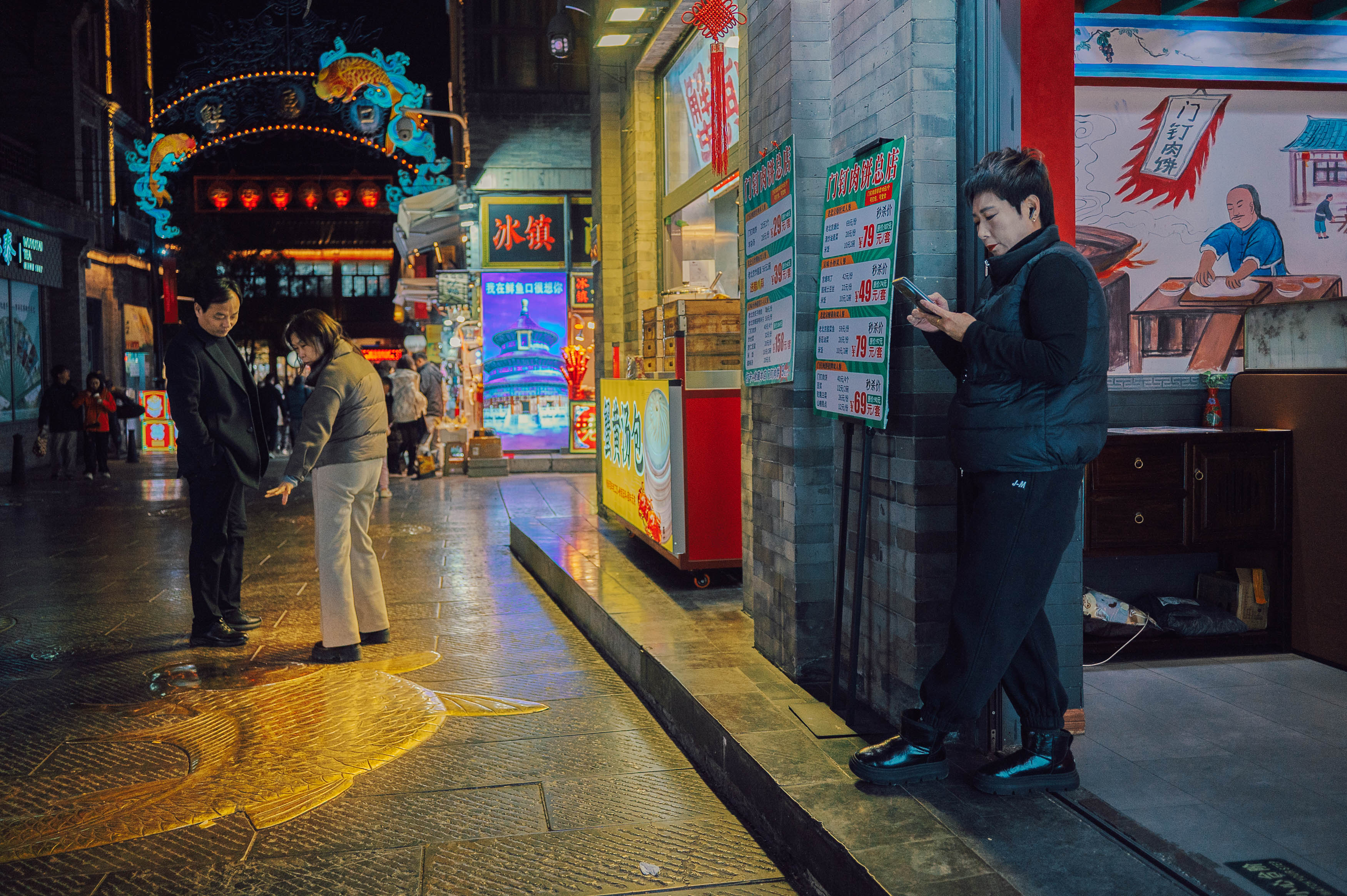
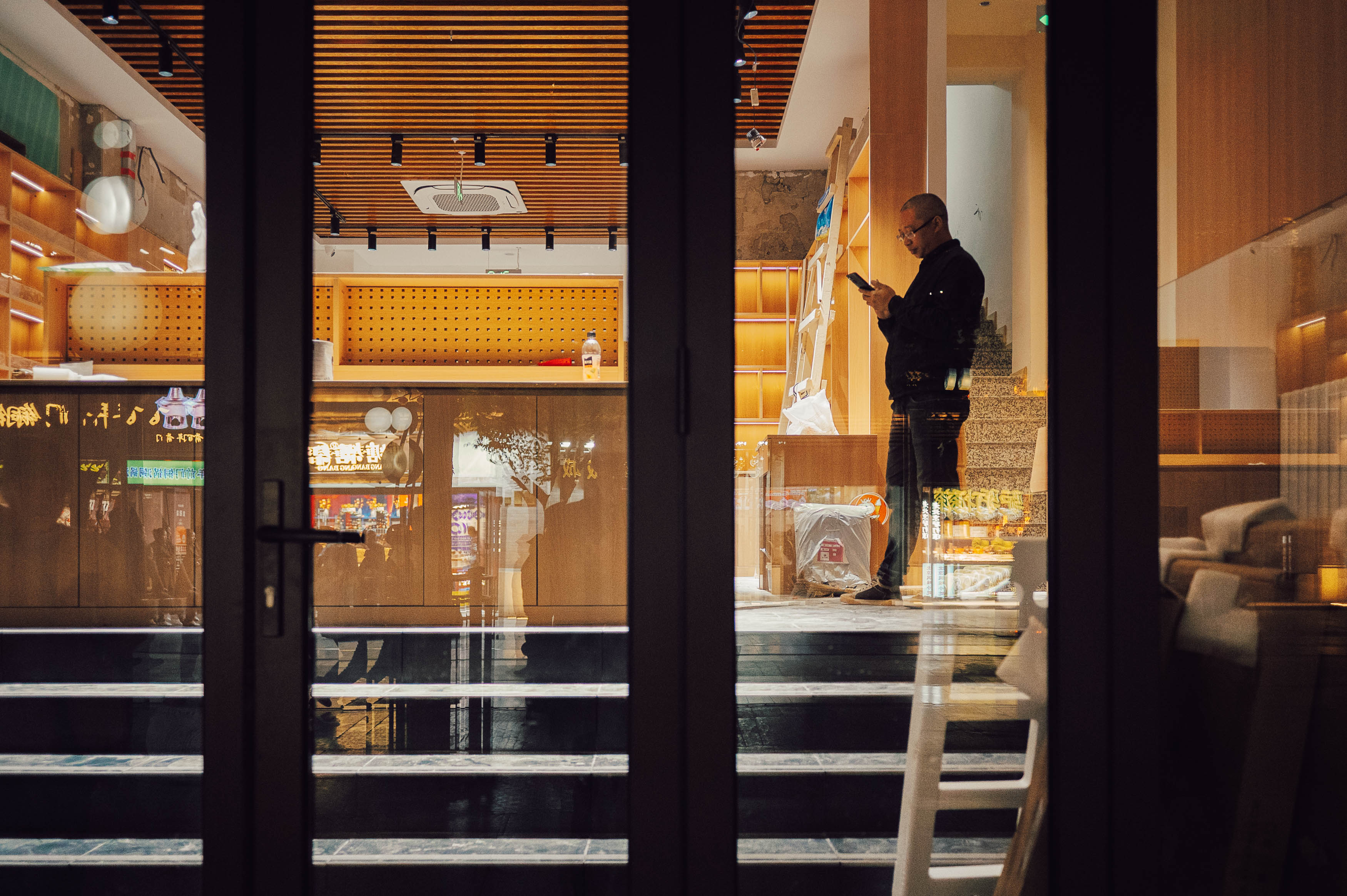
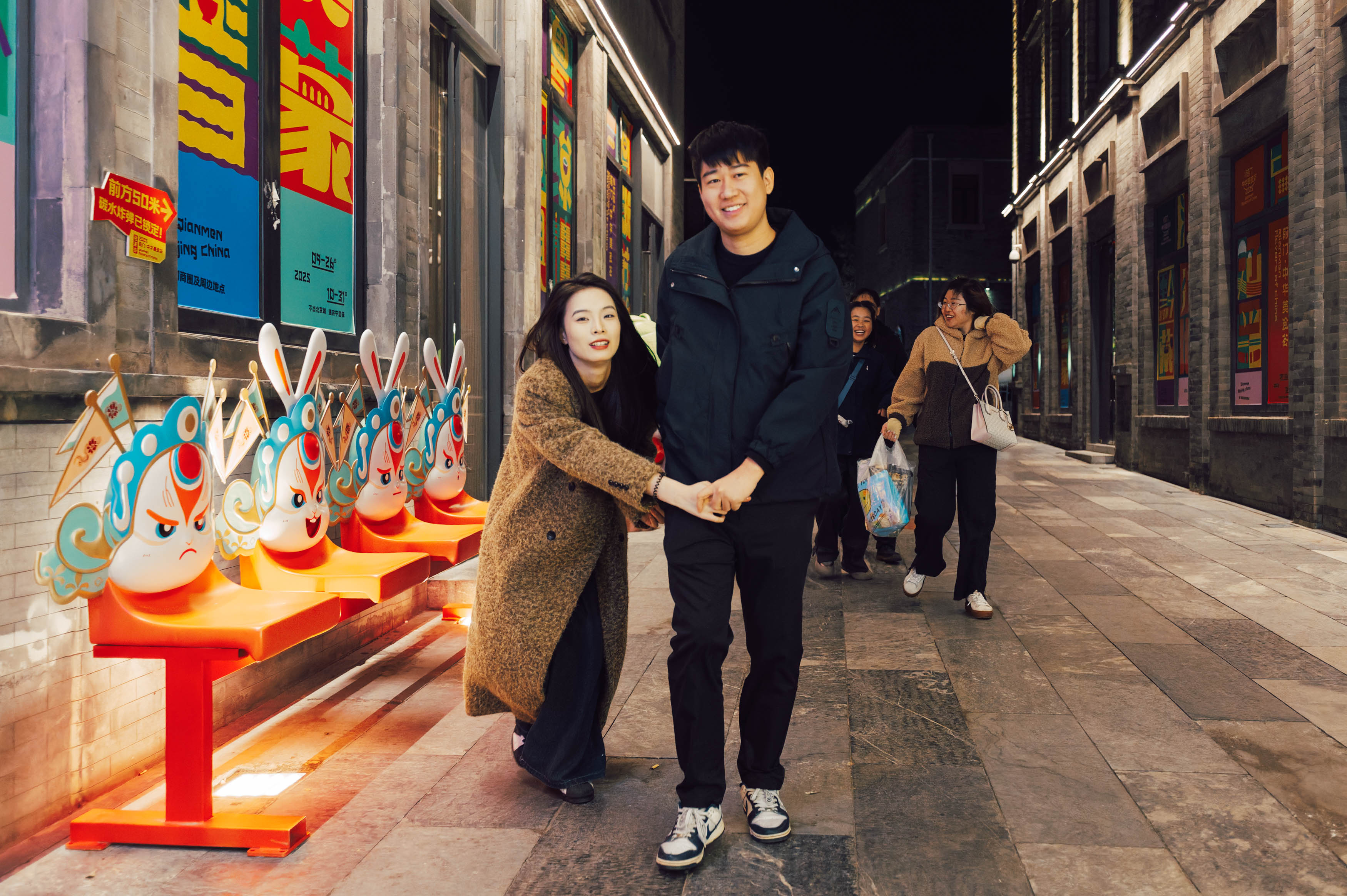
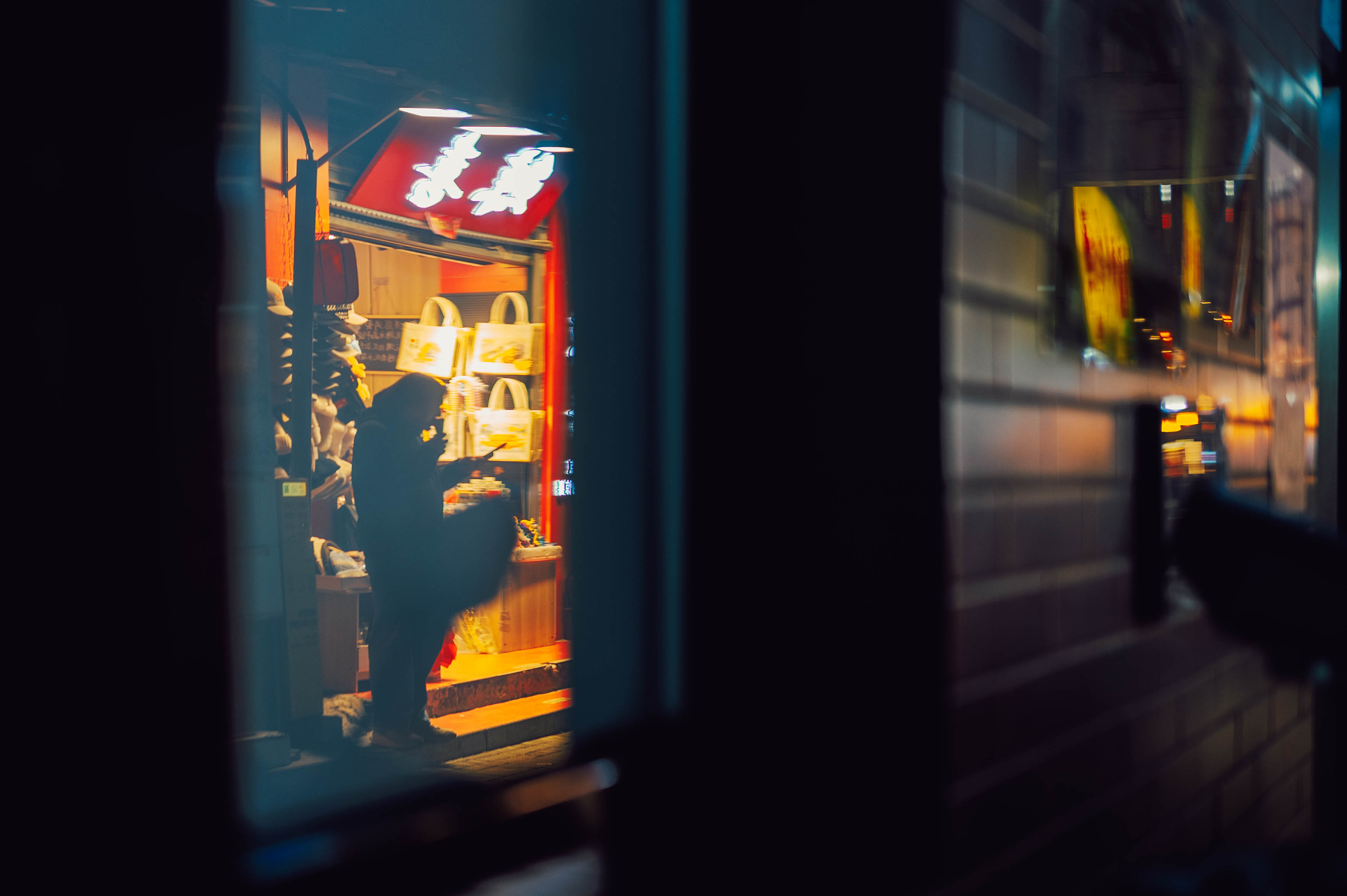
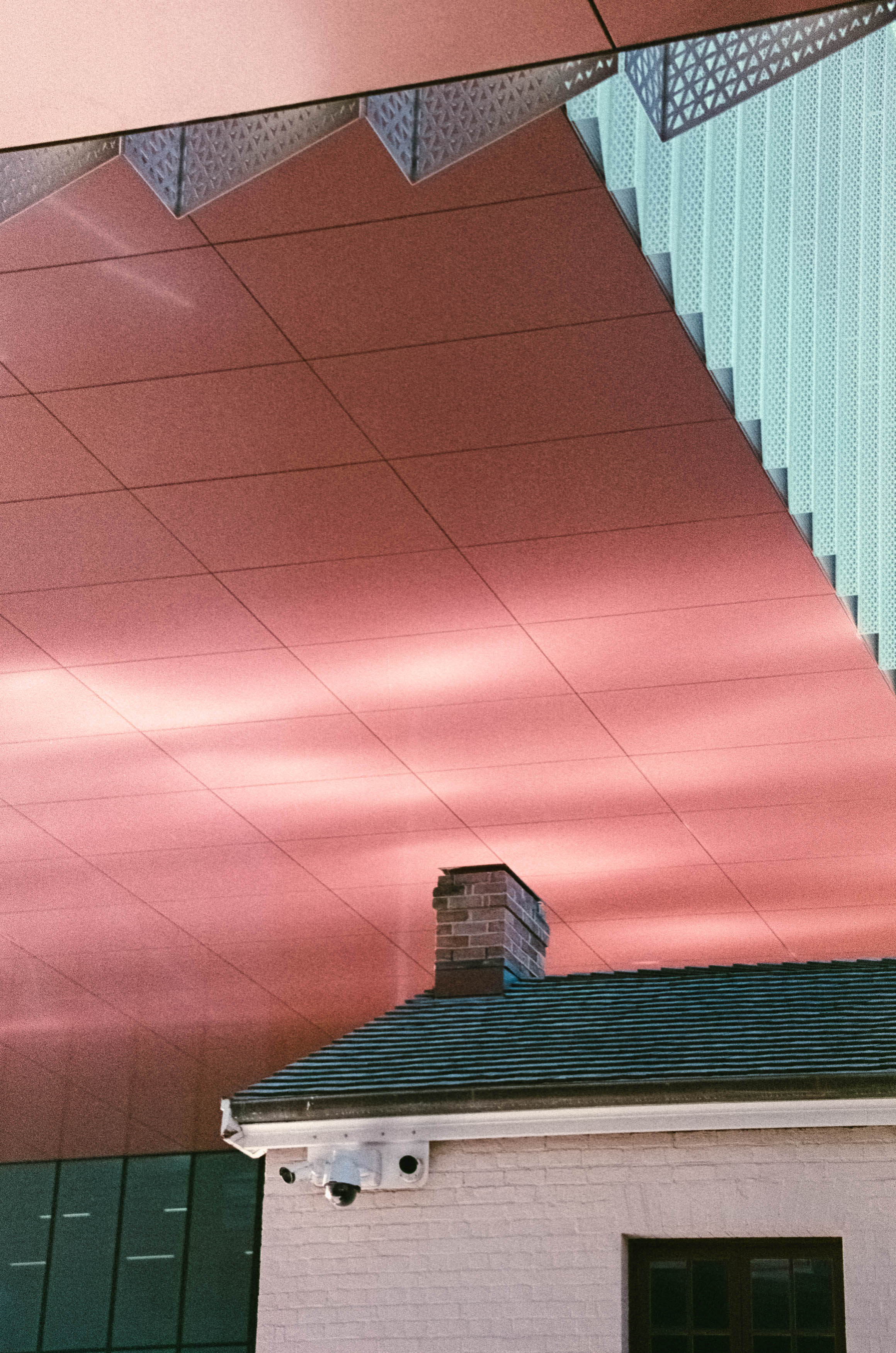
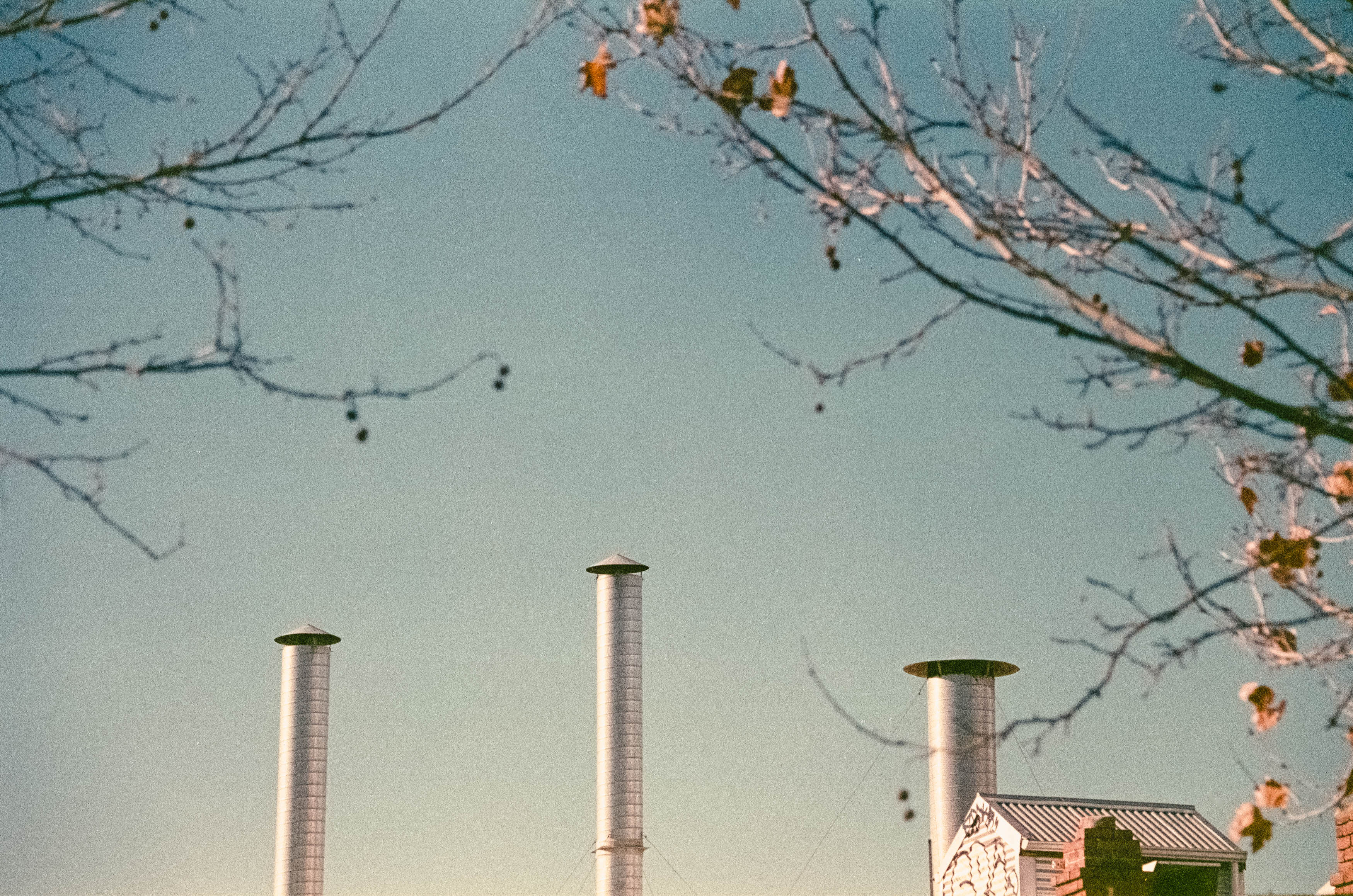
Everyone talks DOWN the Nikon AF Nikkor 28mm f/2.8 BUT…

The Nikon AF Nikkor 28mm f/2.8 isn’t exactly a lens that inspires excitement. Twenty-eight millimetres might be a useful focal length, but it hardly sets the photographic world on fire. It’s wide enough to take in the world without making everything look like a Kubrick film, and there’s a good reason these lenses are so common: they’re practical and versatile.

Unfortunately, this particular version has something of a reputation problem. Introduced in 1994, the AF 28mm f/2.8 is generally regarded as a compromise compared with Nikon’s celebrated manual-focus AI-S version, which has an eight-element optical design and remained in production for more than thirty years. The AF has just six elements and is often considered optically inferior, although it’s still regarded as an improvement over the Series E lens that preceded it. The general consensus is that Nikon did better with its 24mm lenses, leaving this 28mm near the bottom of the wide-angle pile.

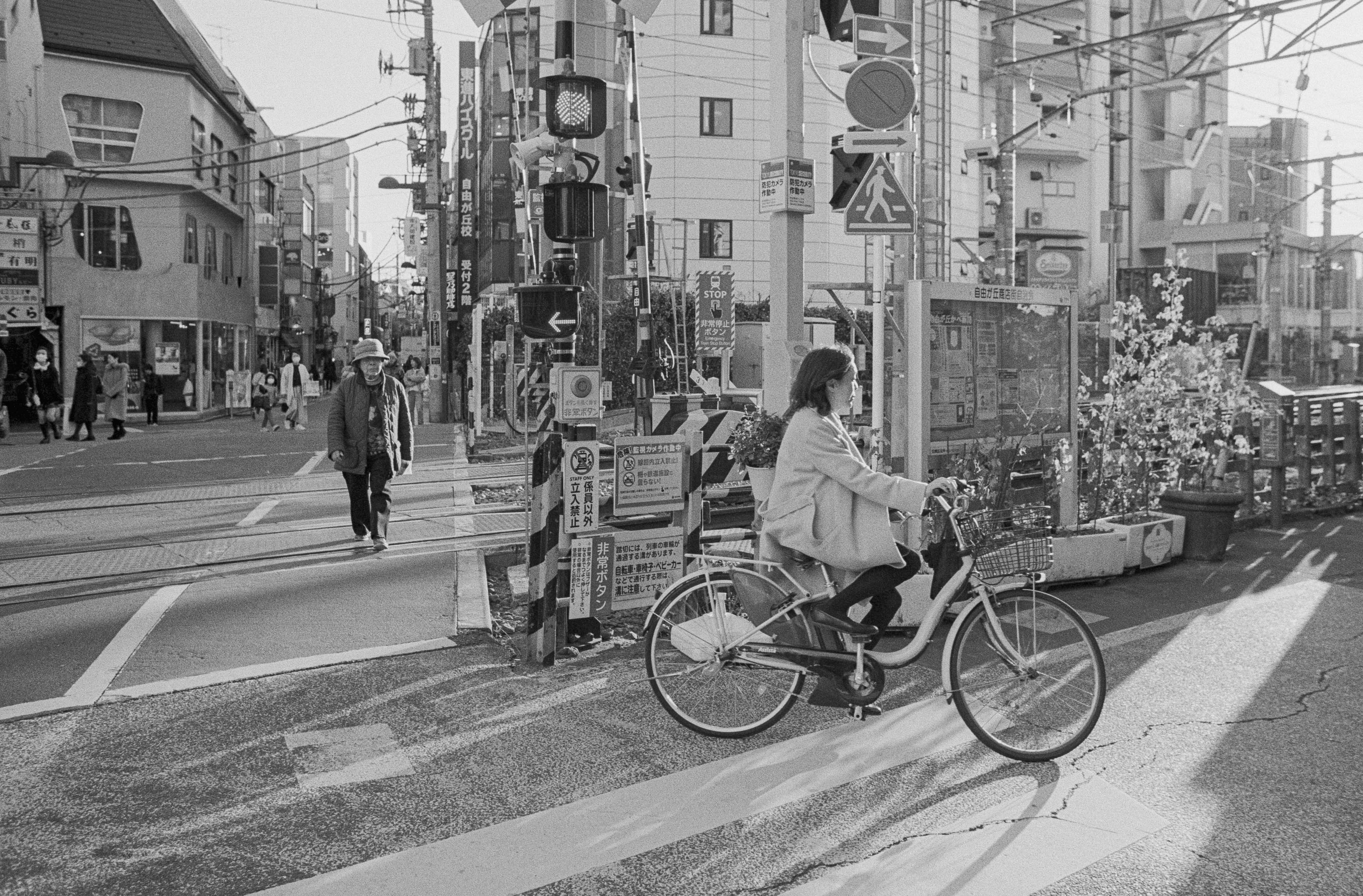
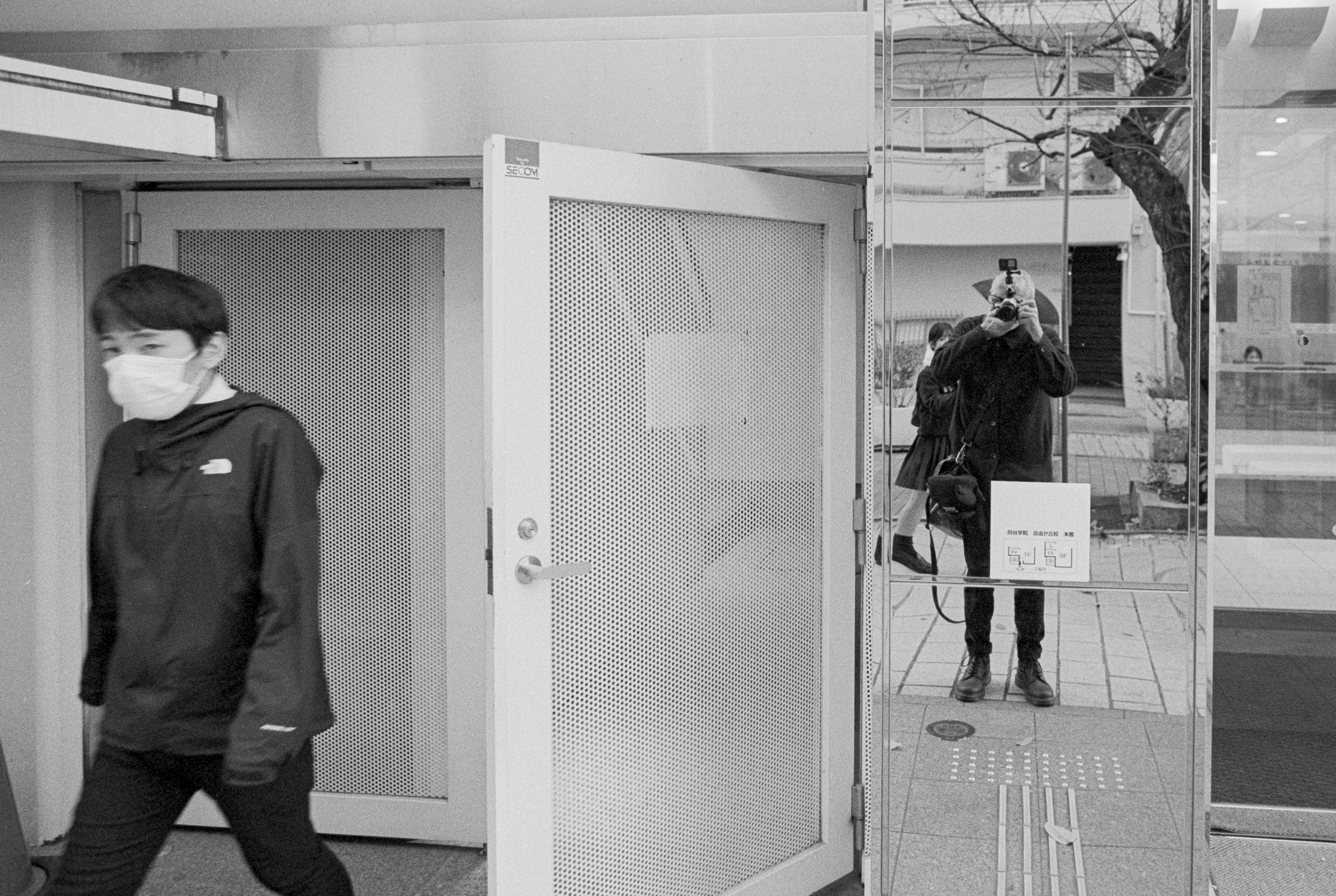
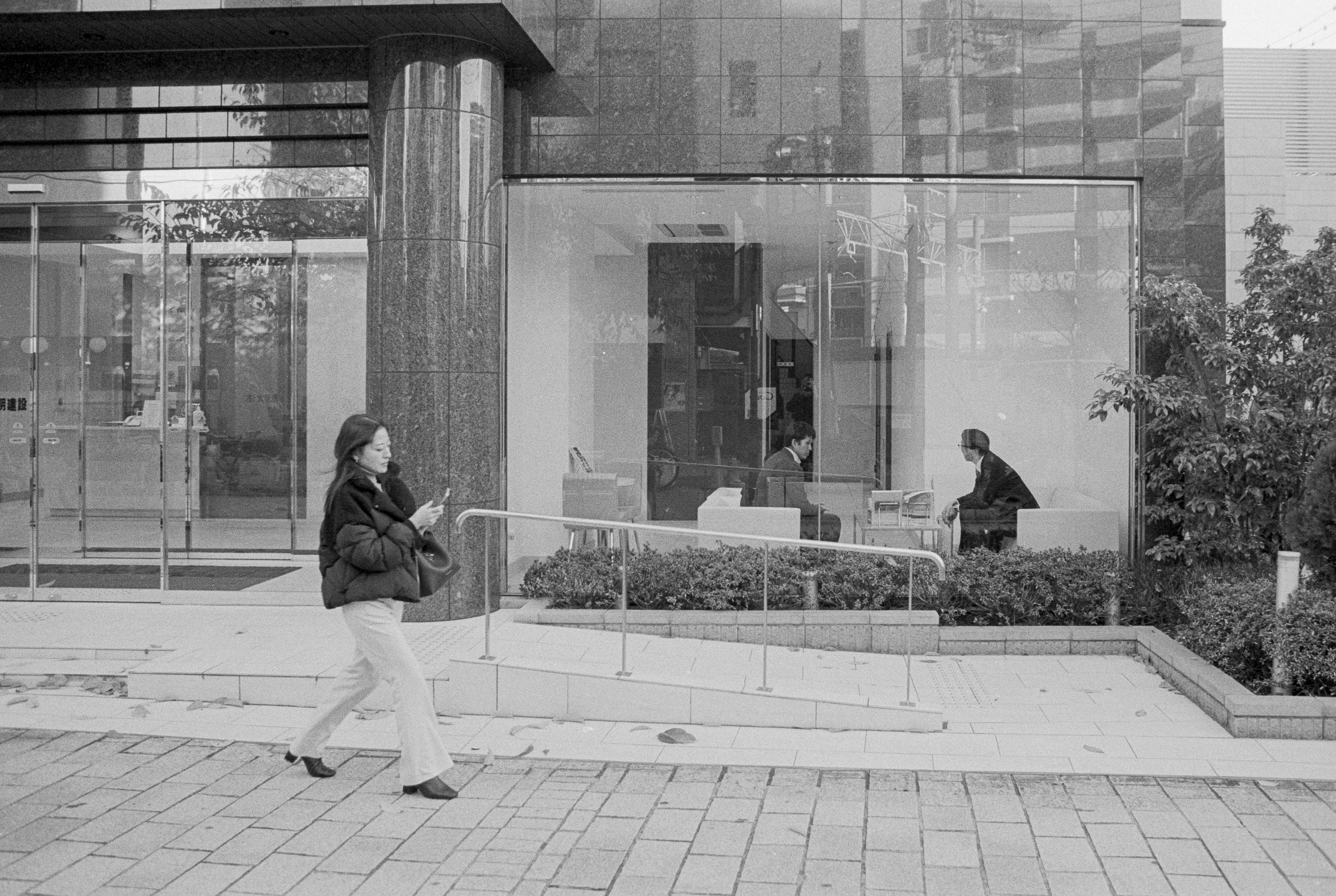
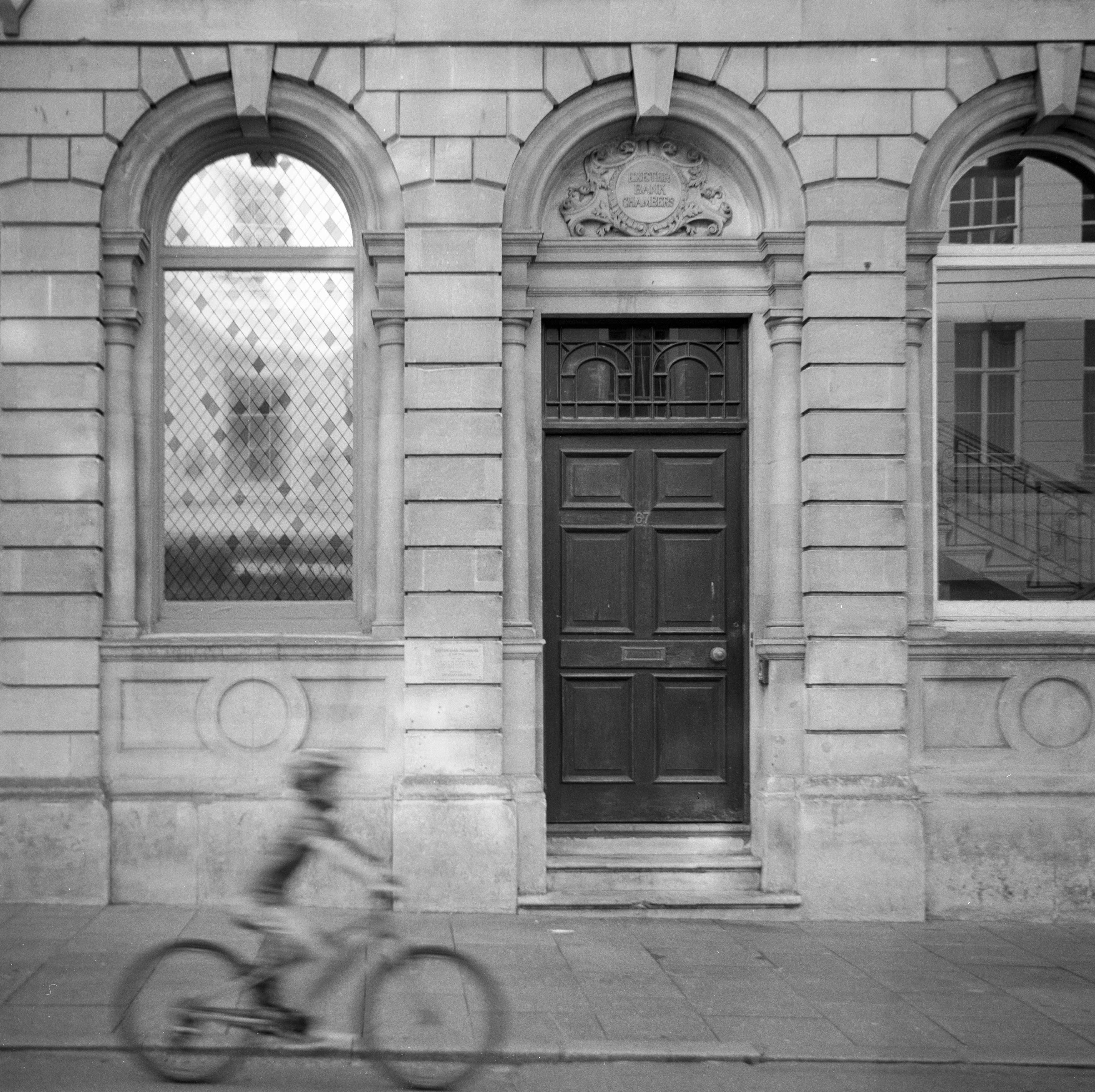
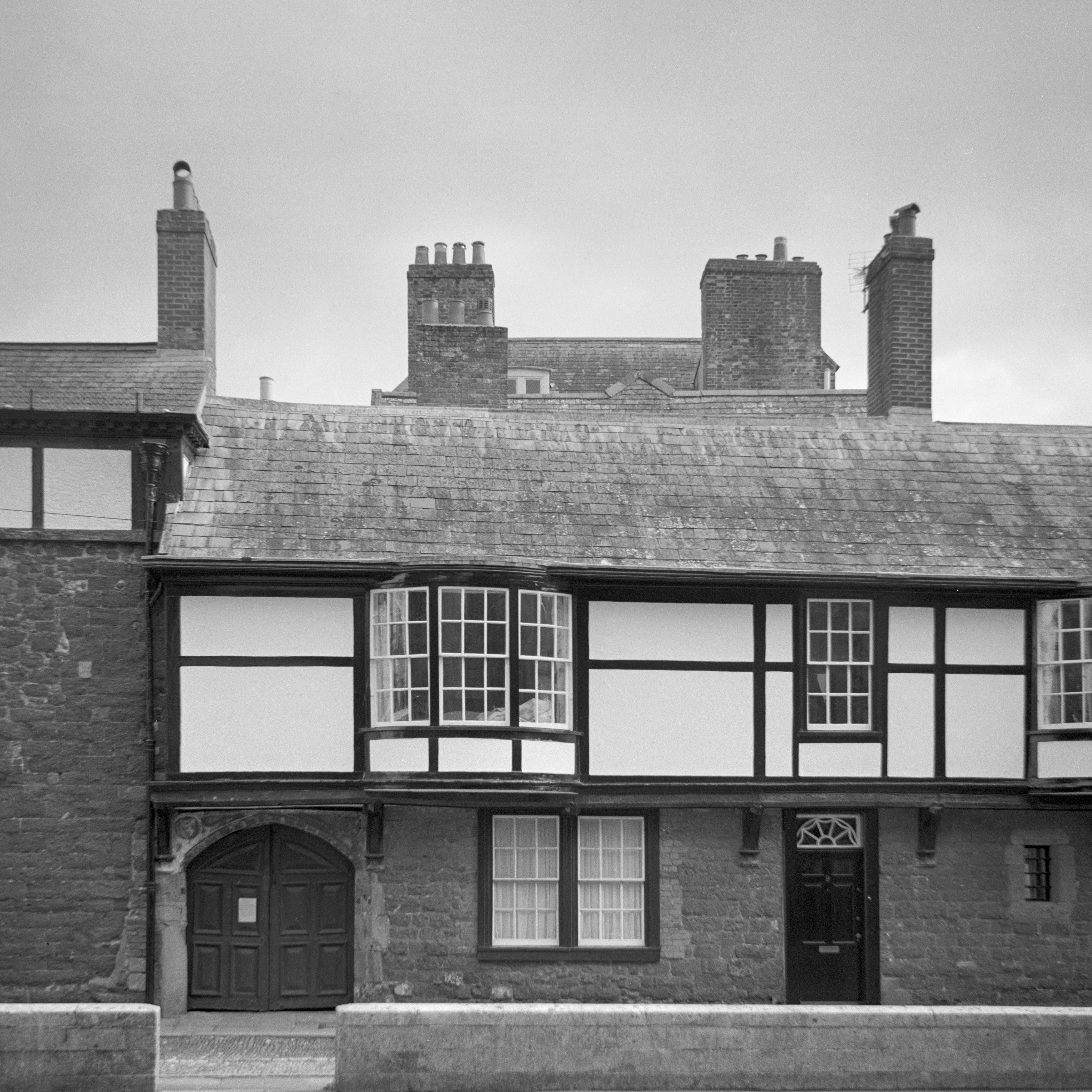
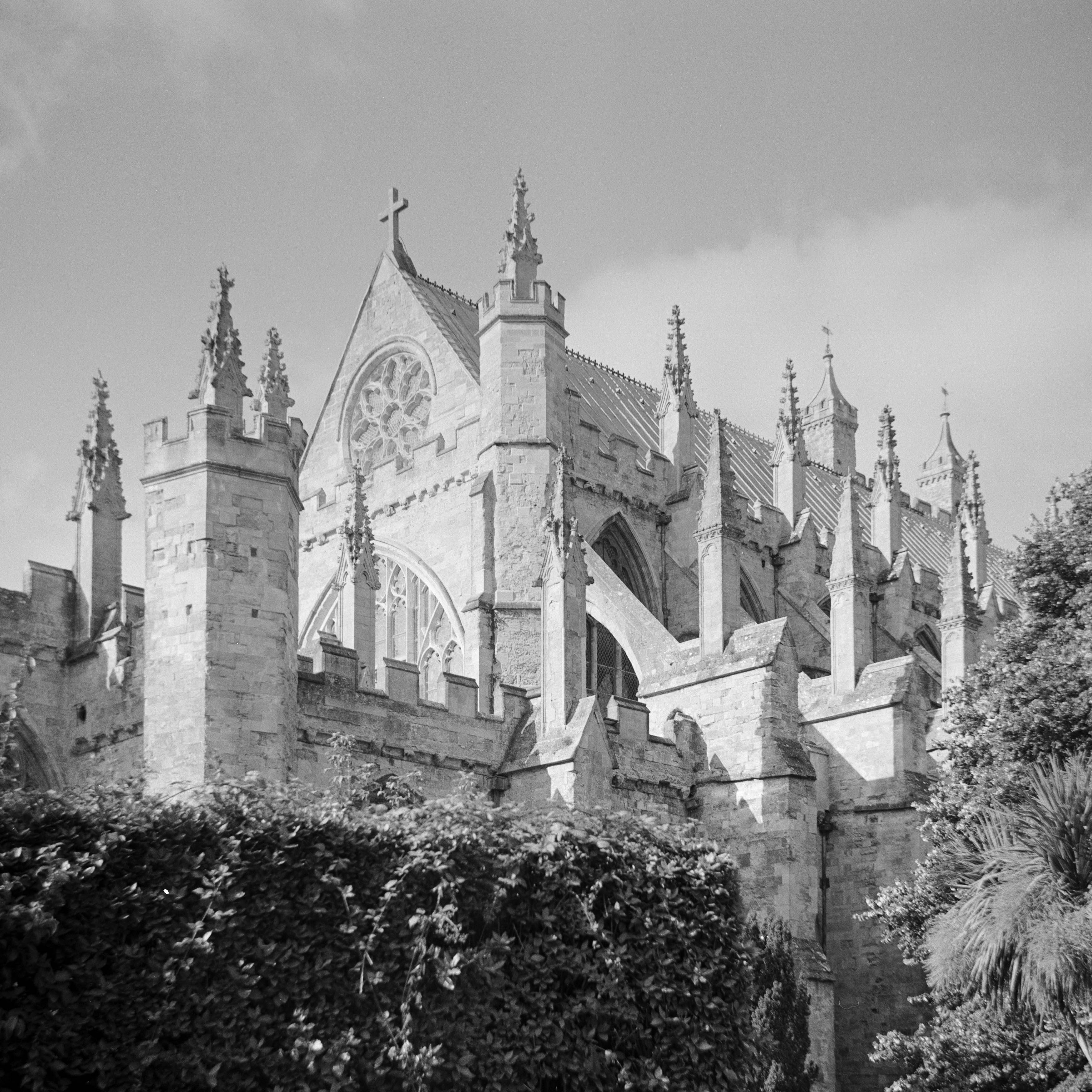
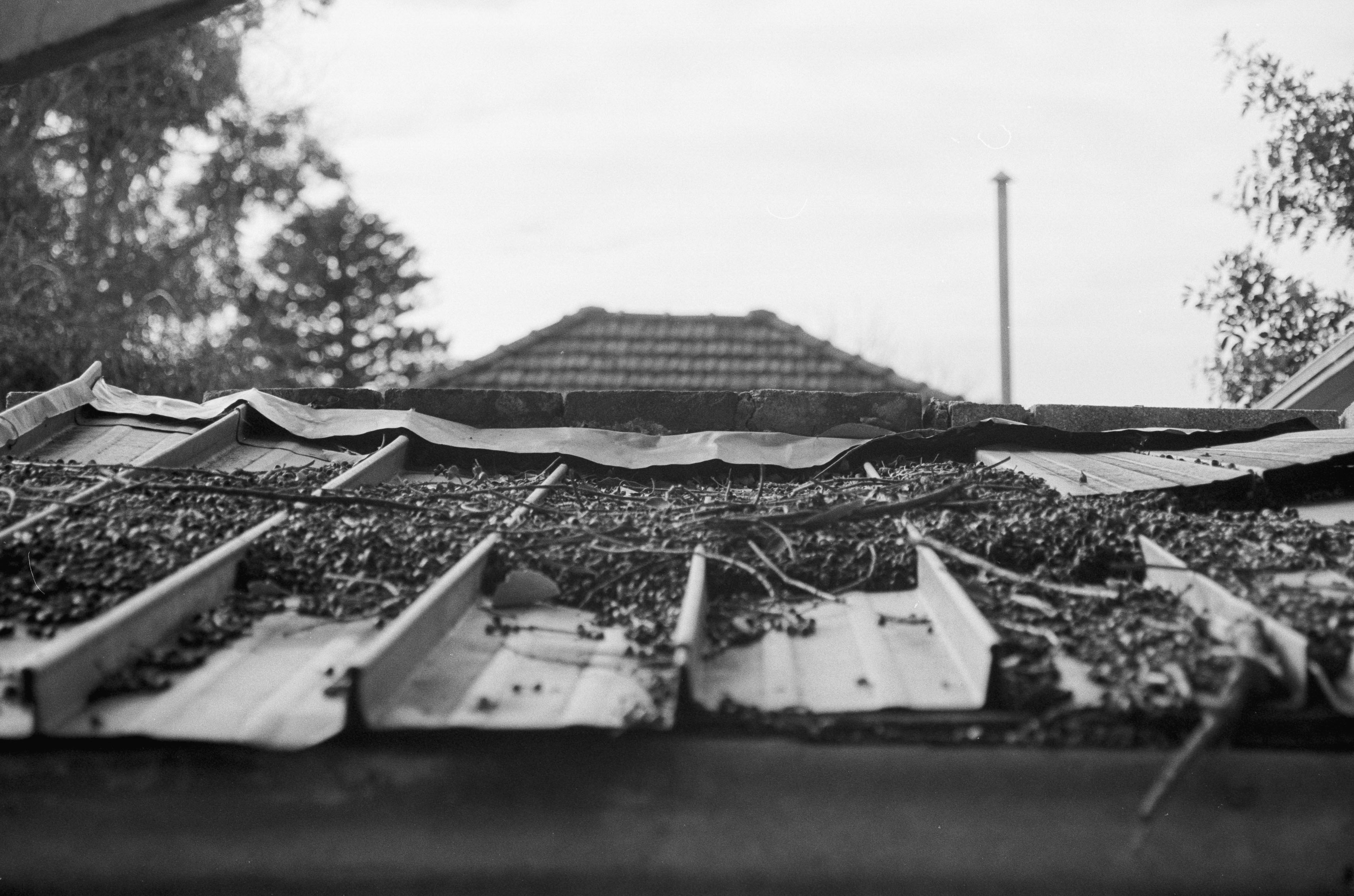
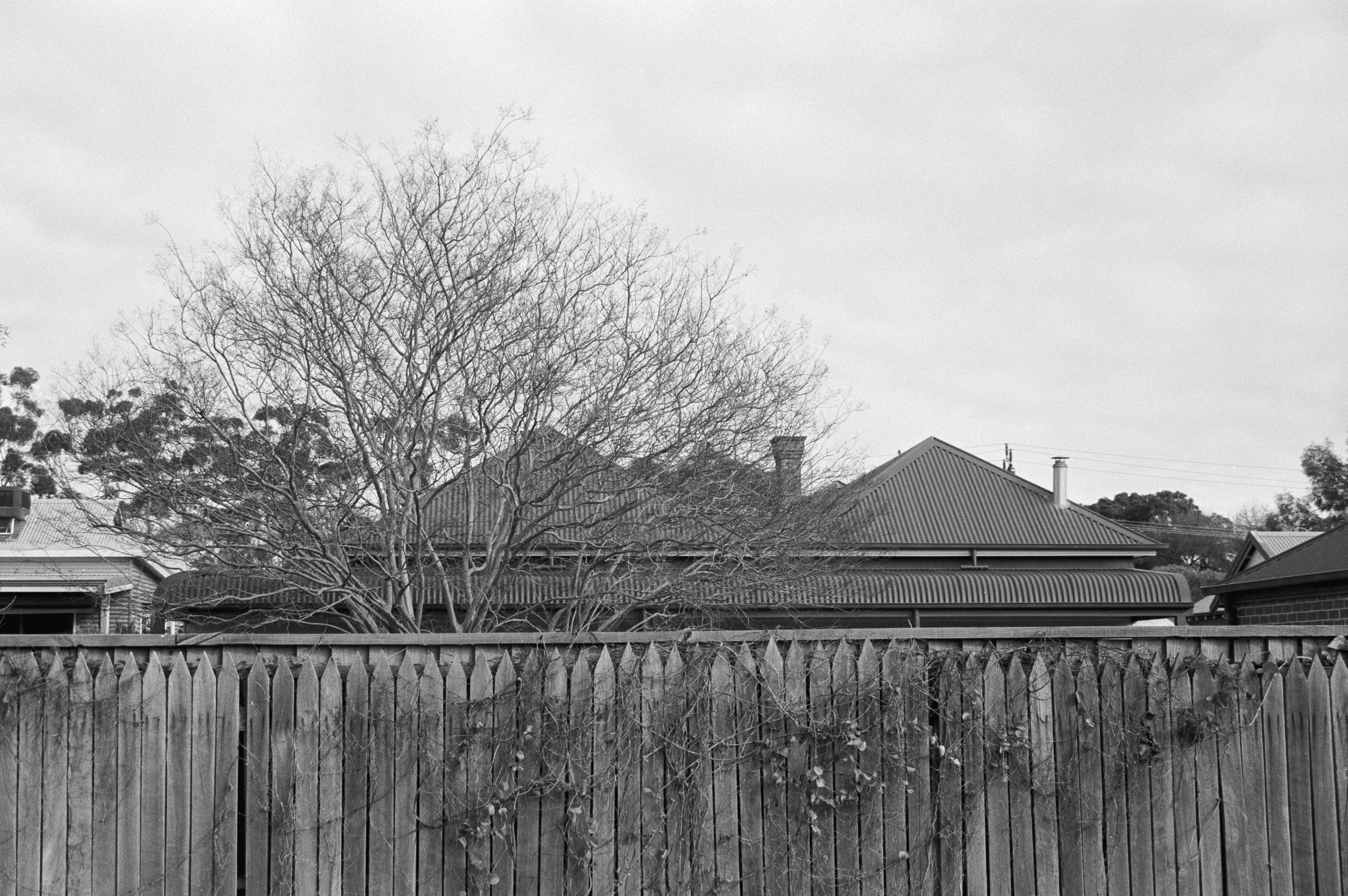
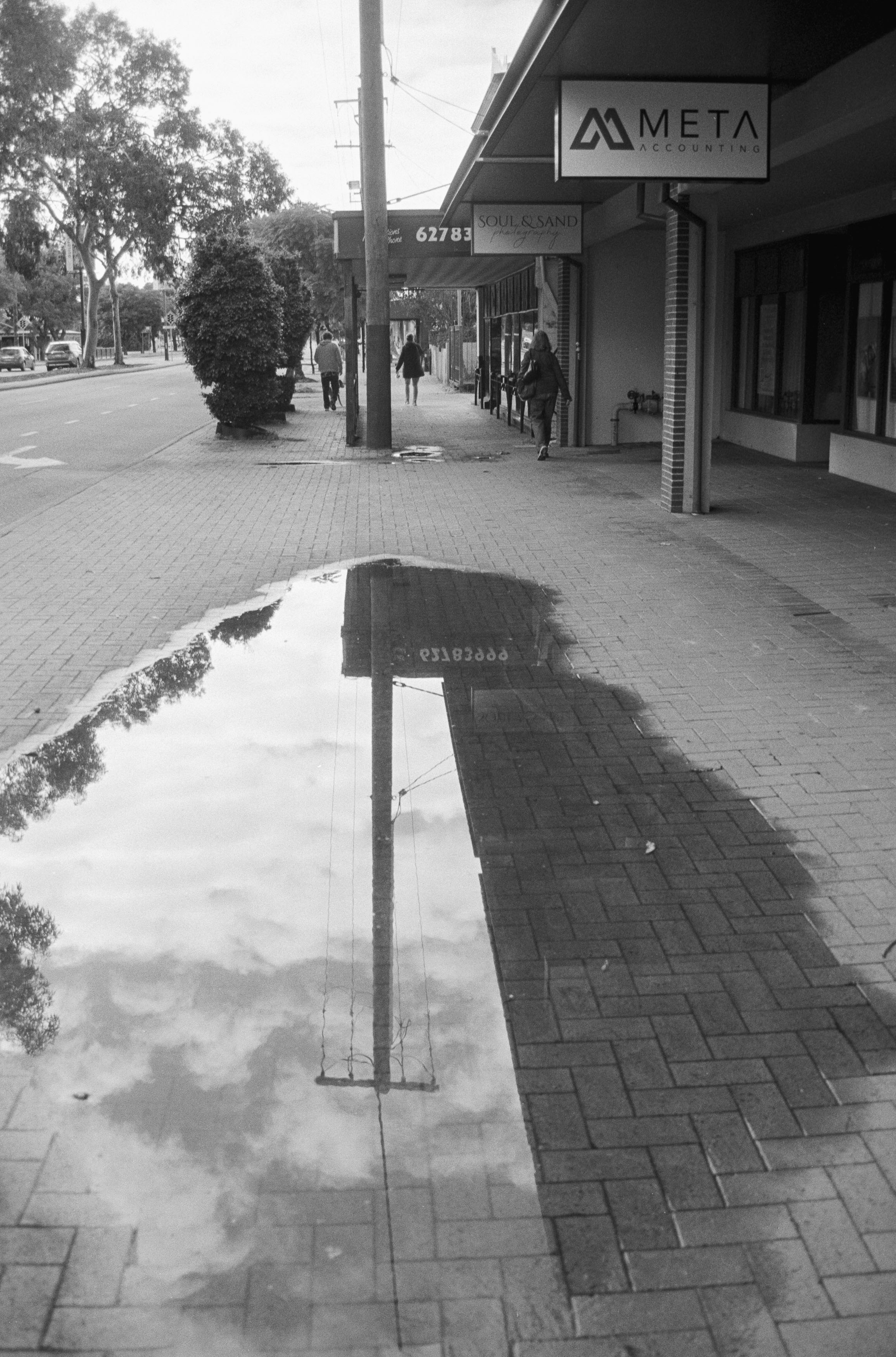
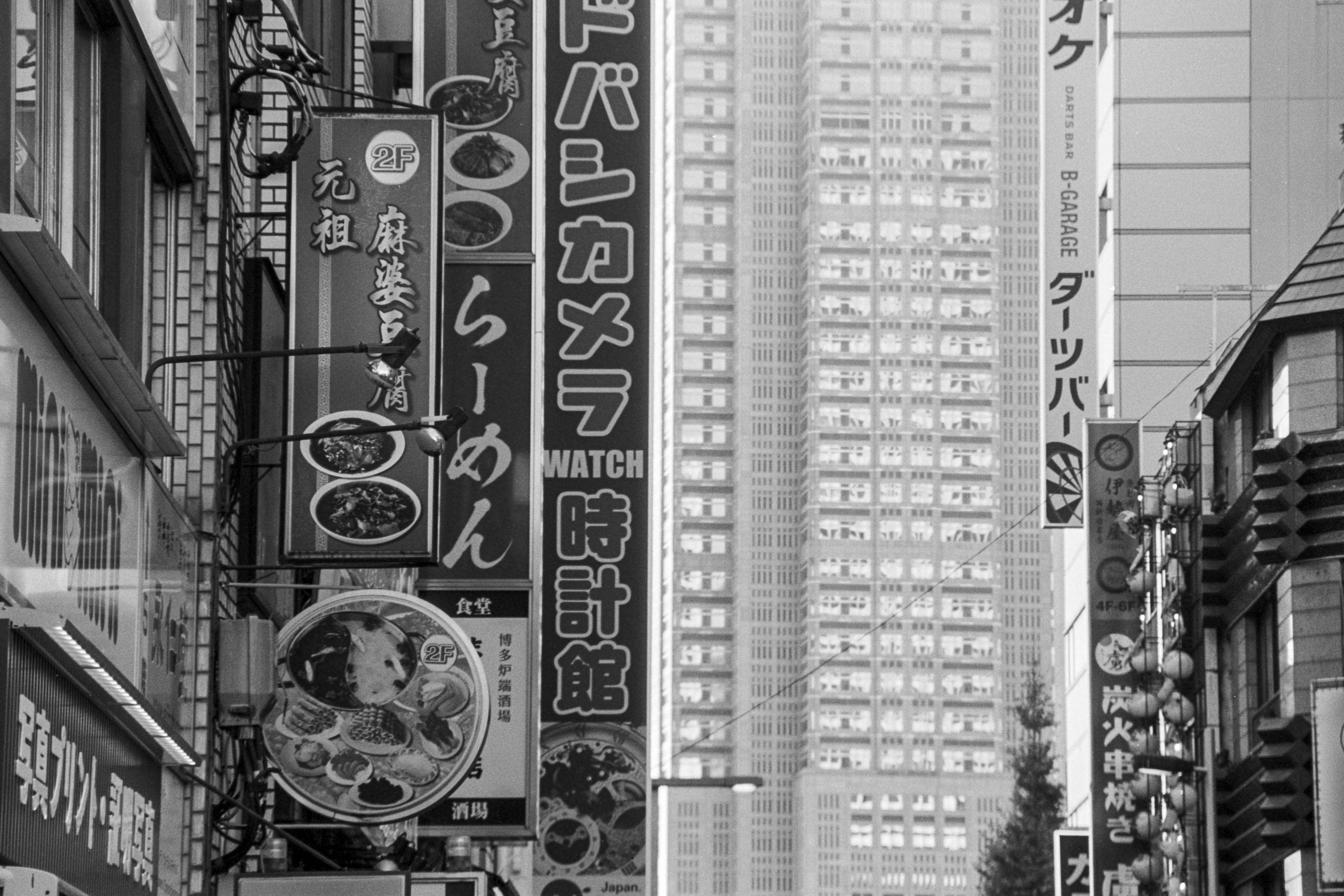
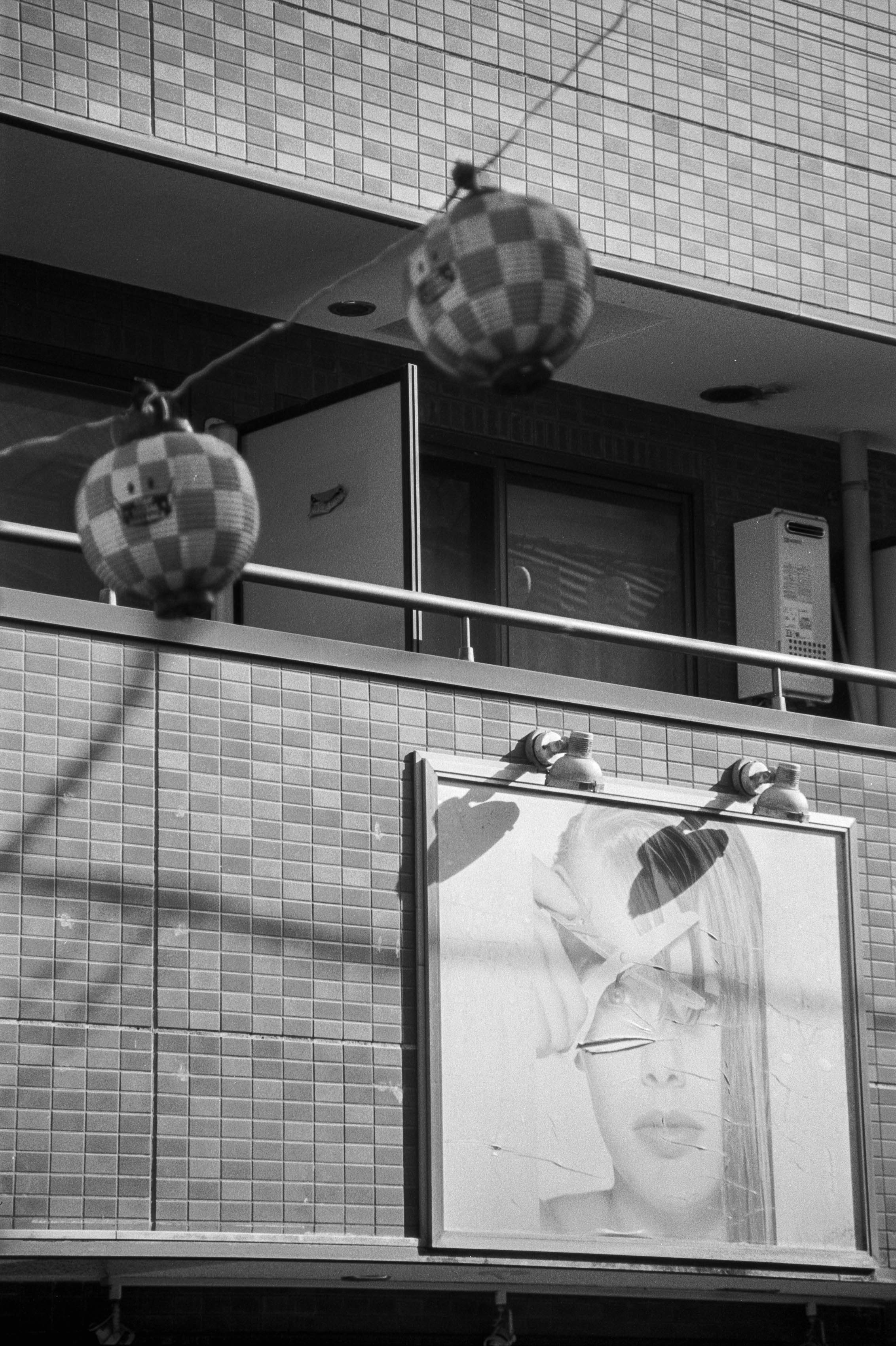
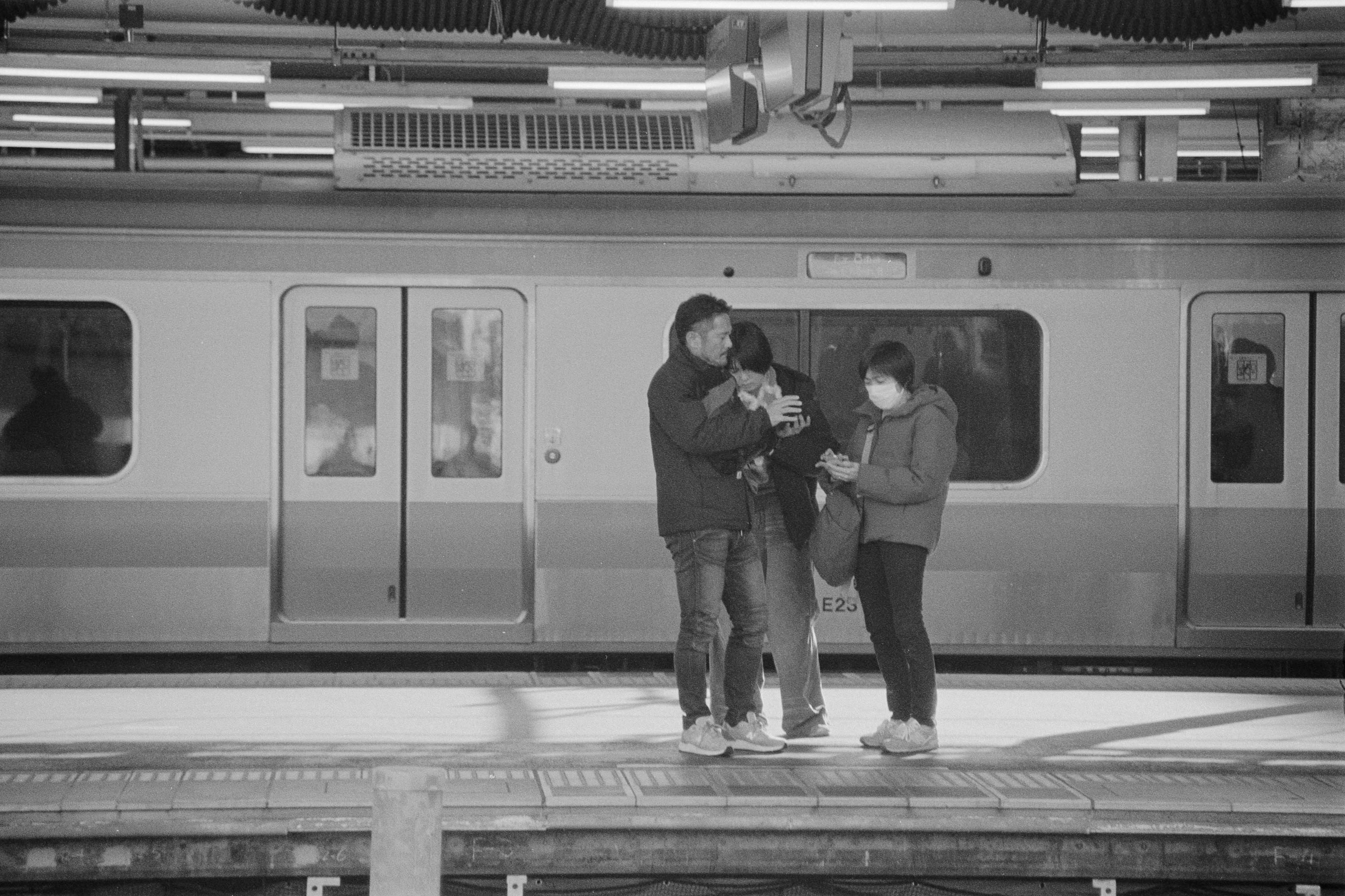
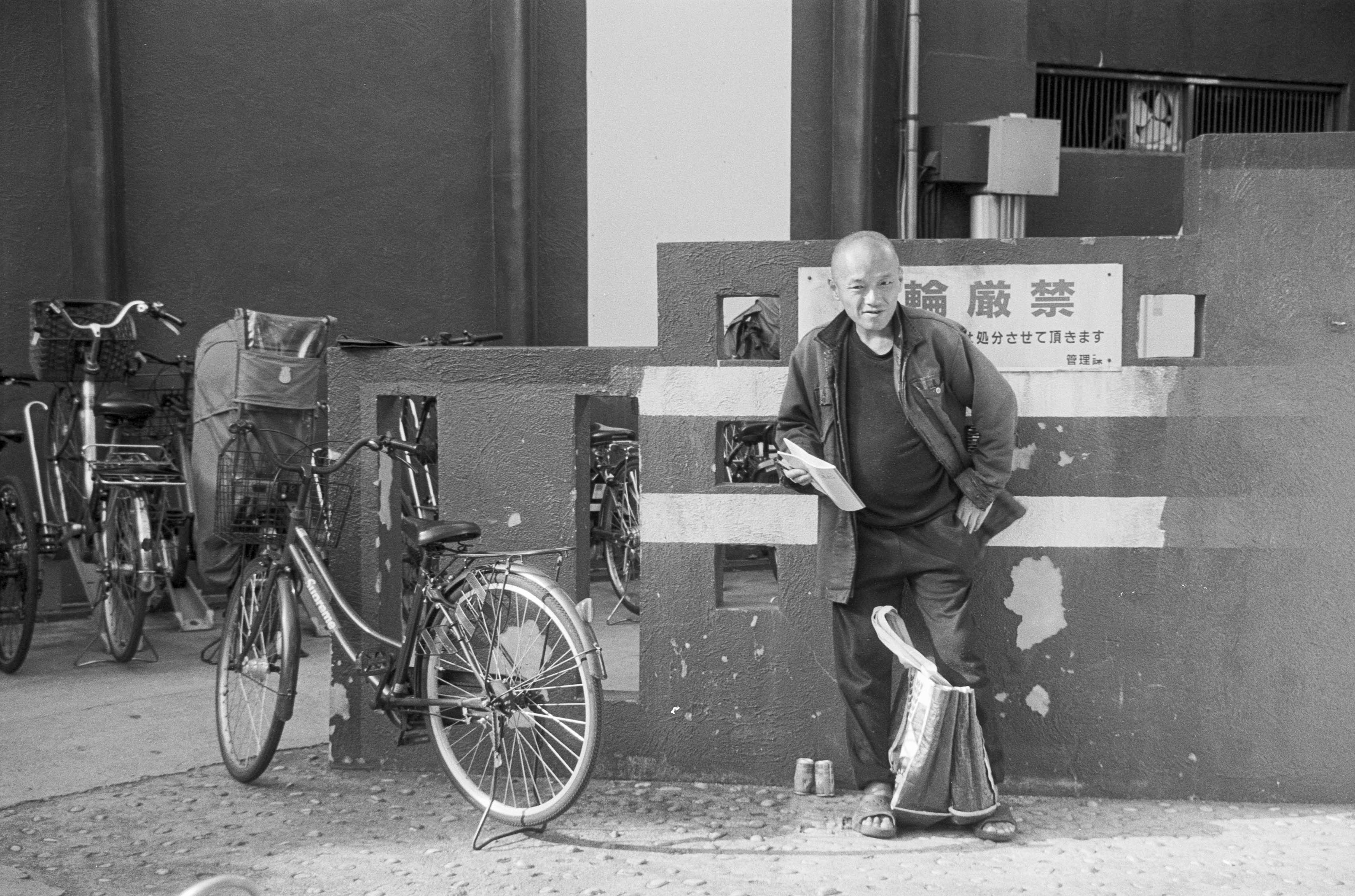
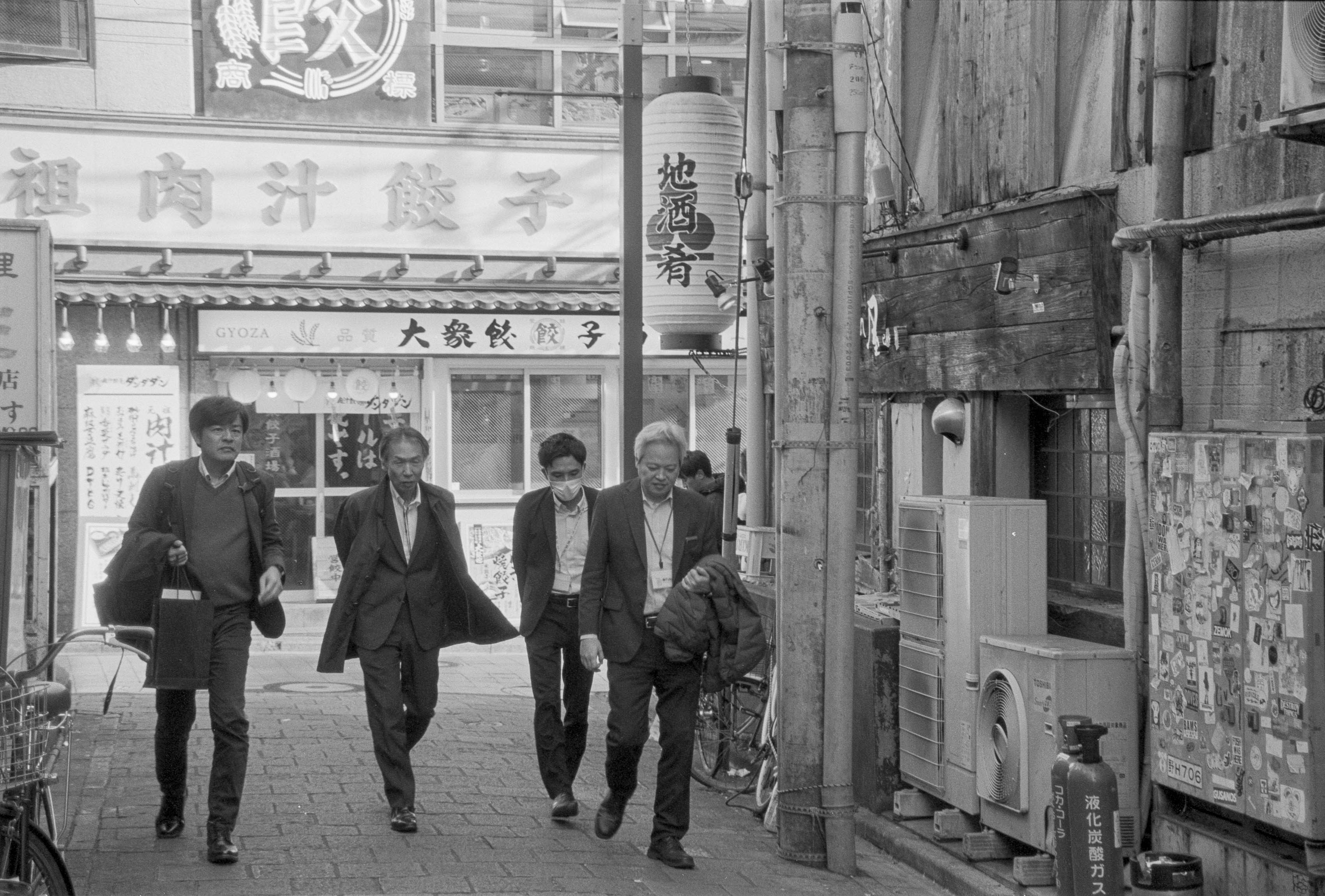
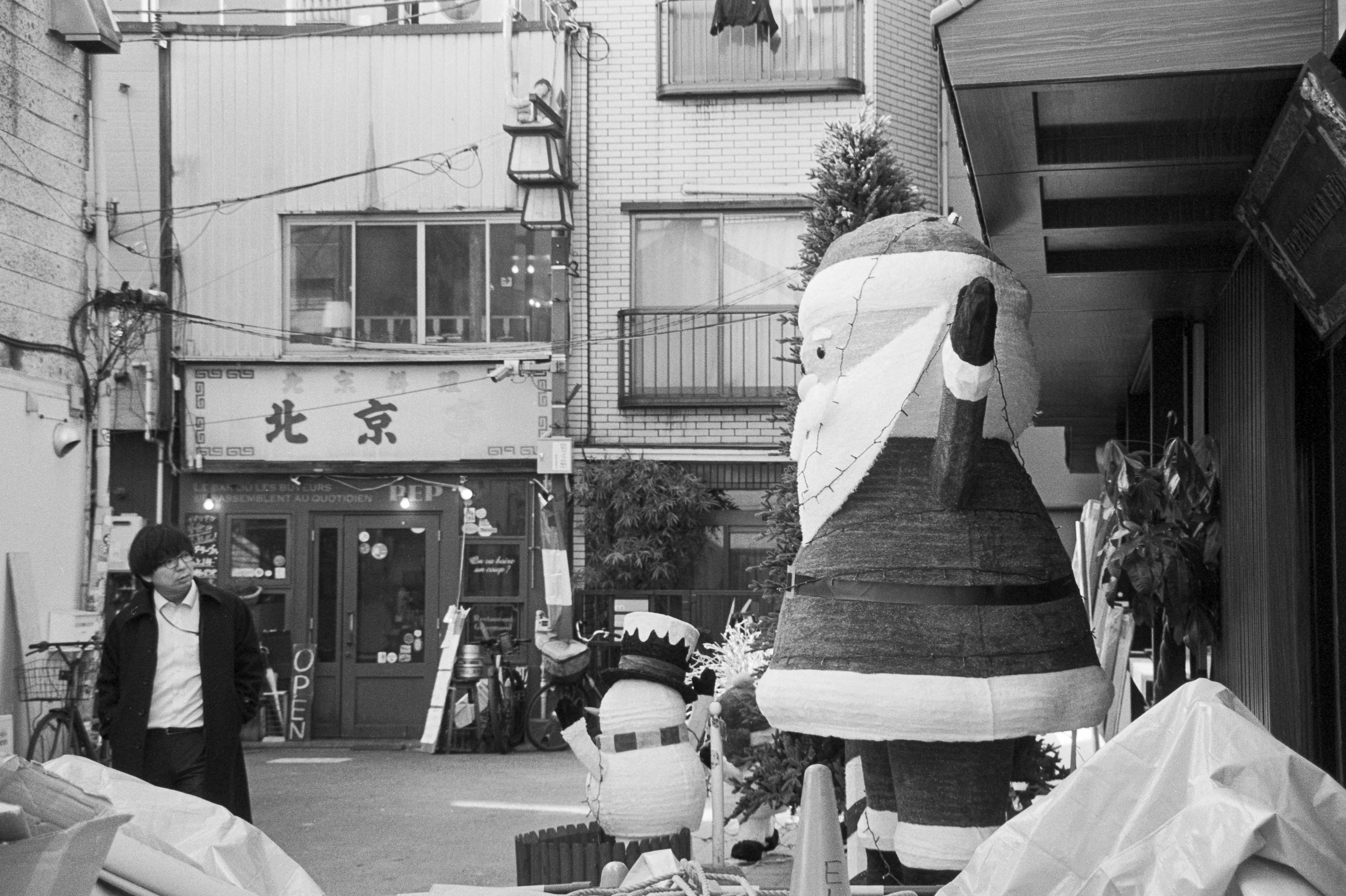
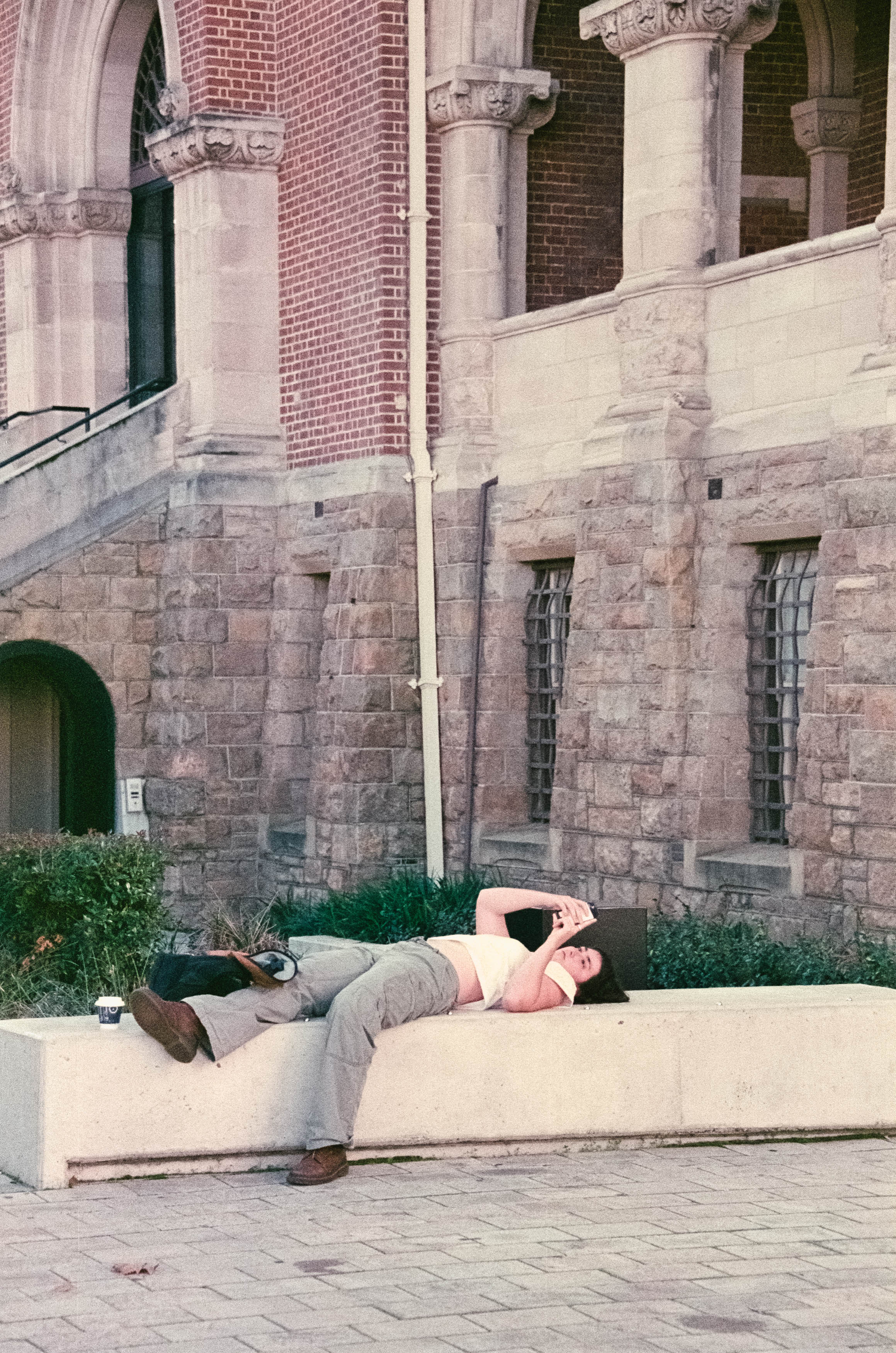
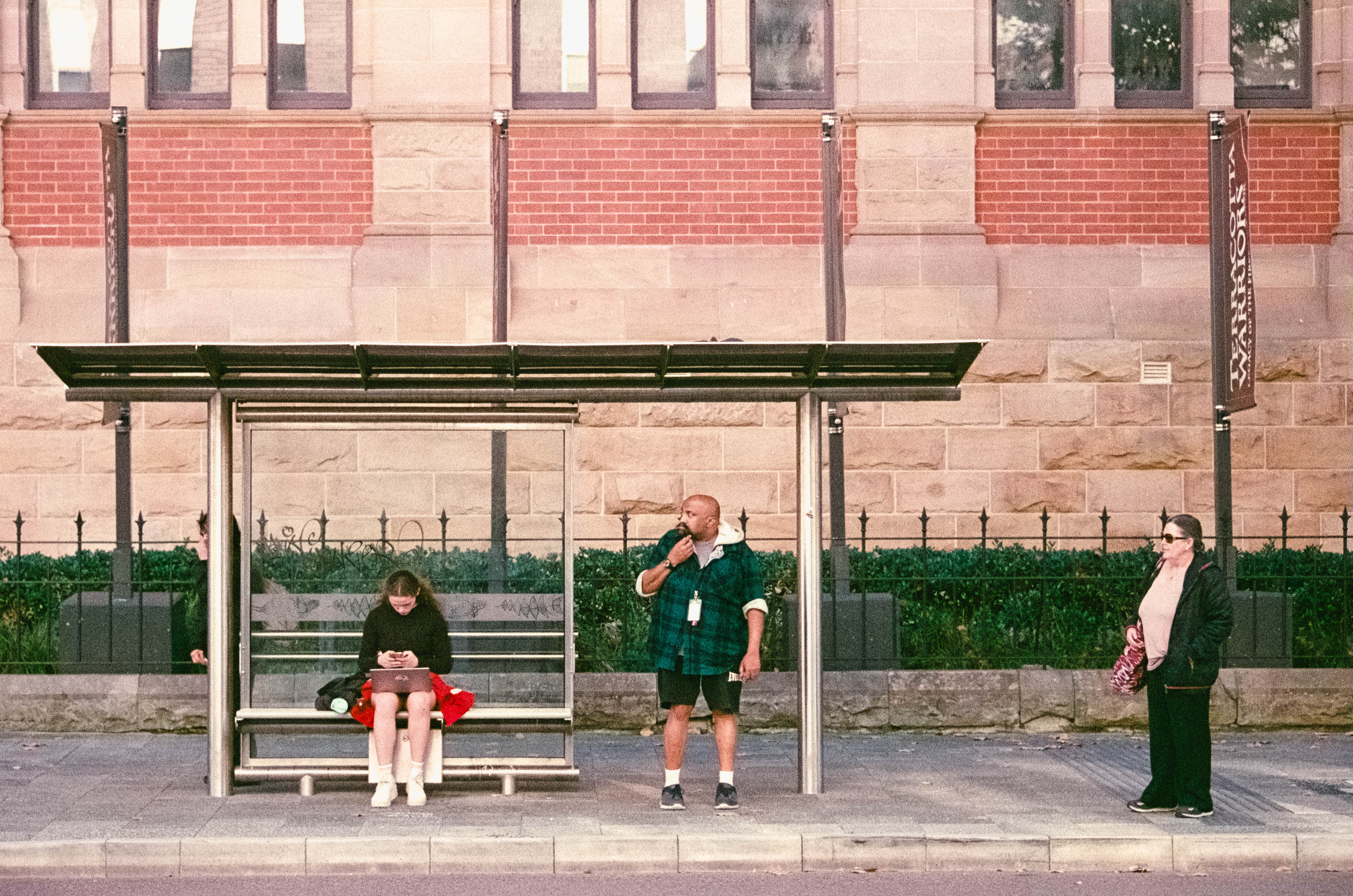
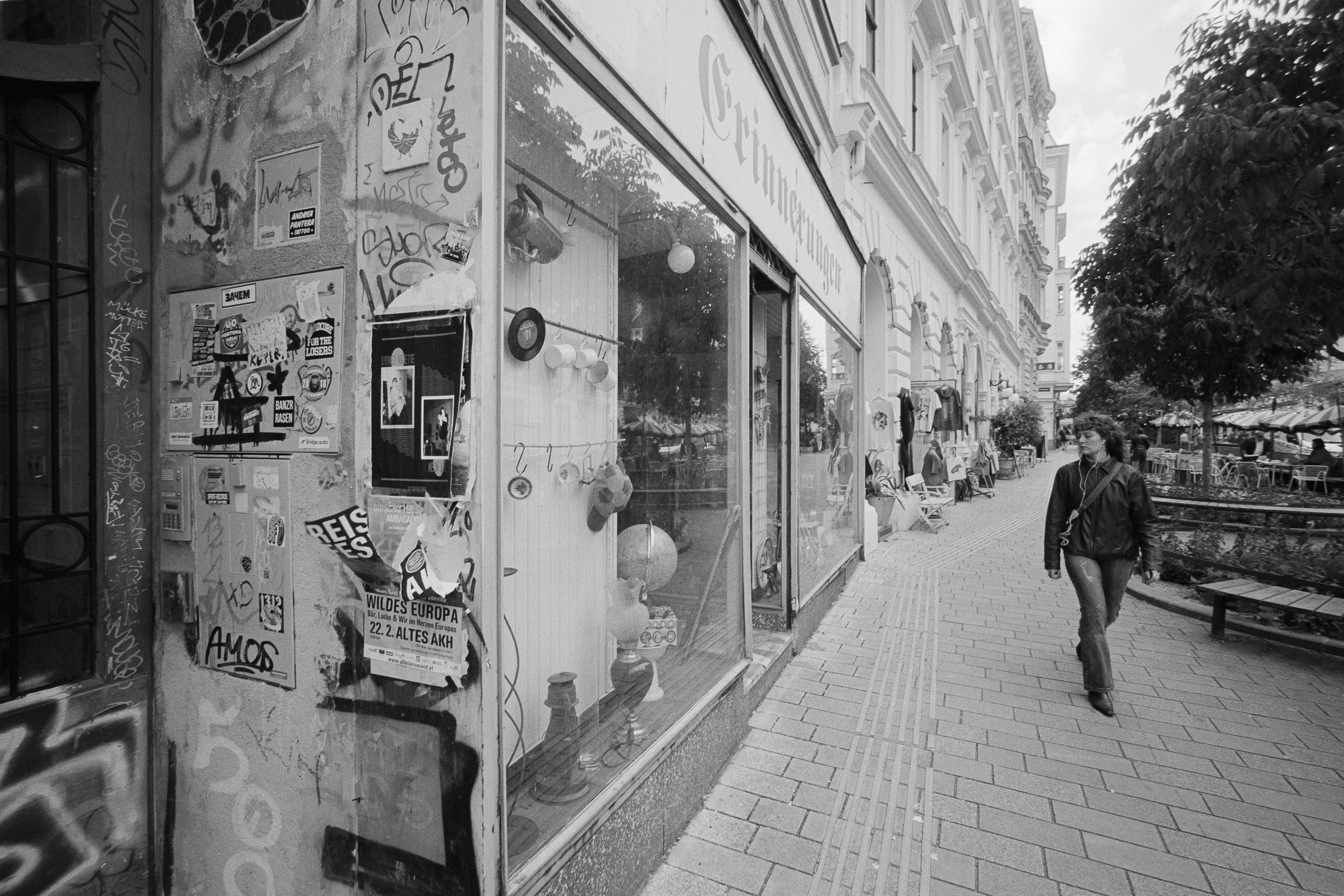
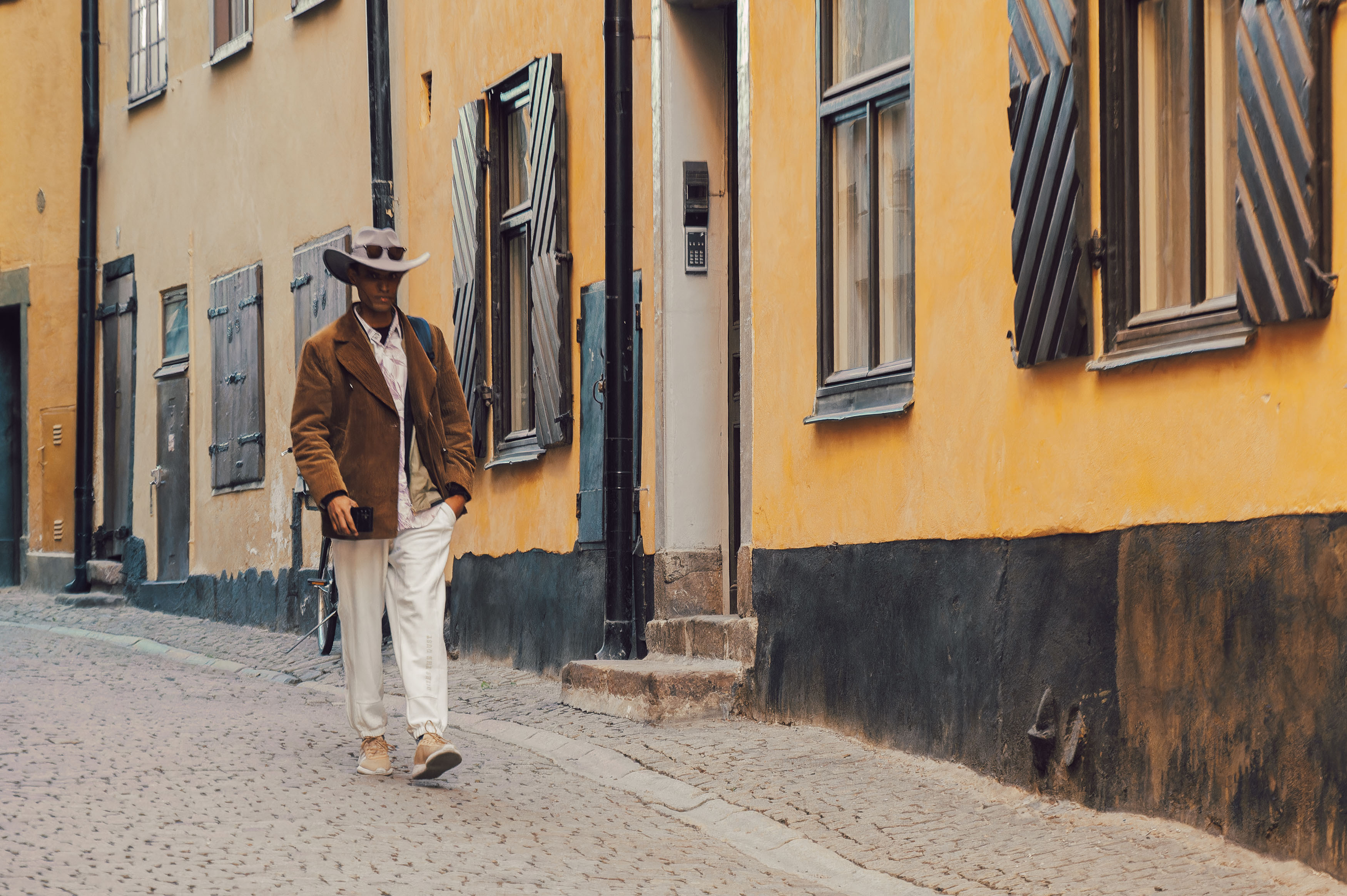
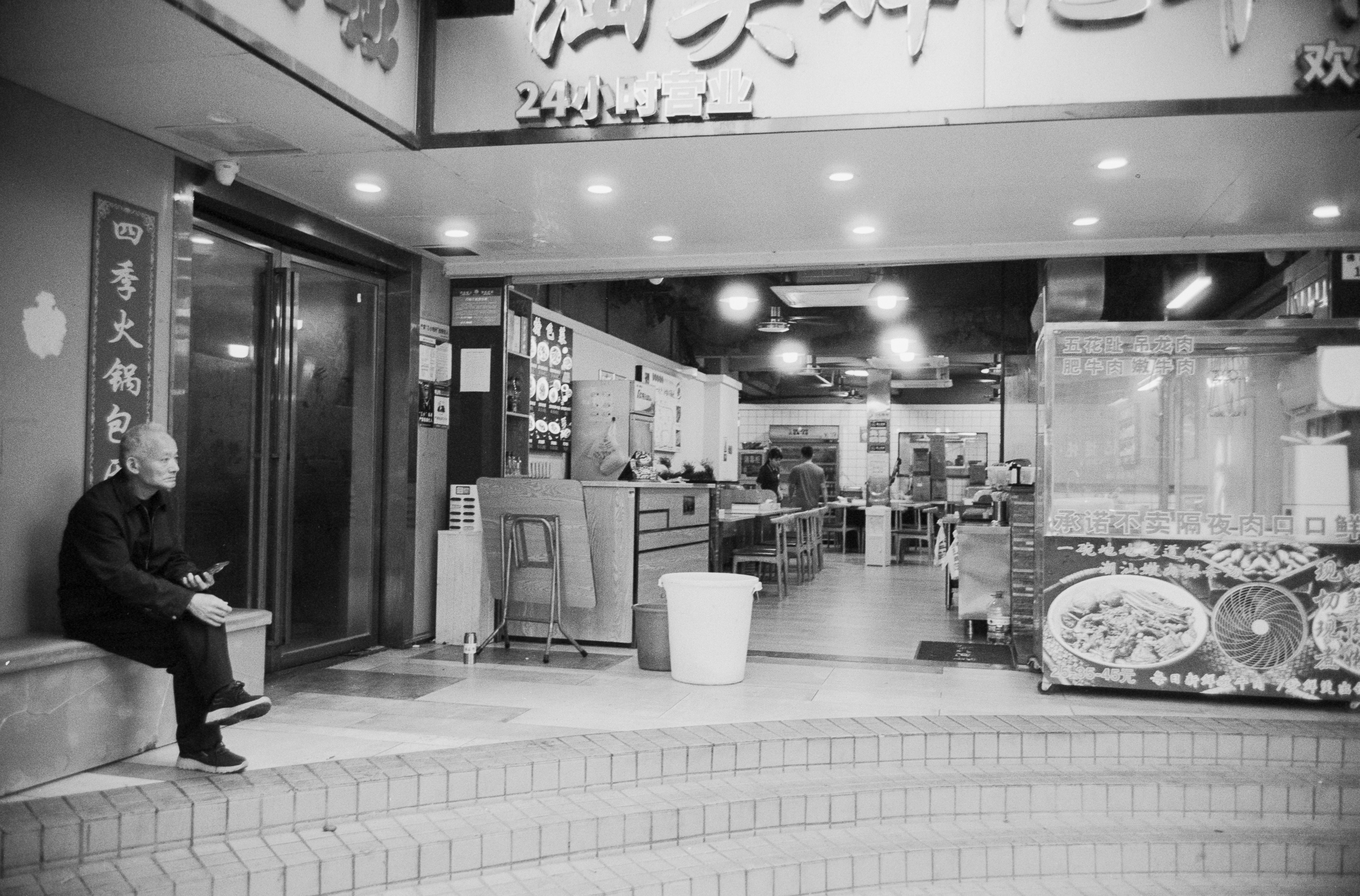
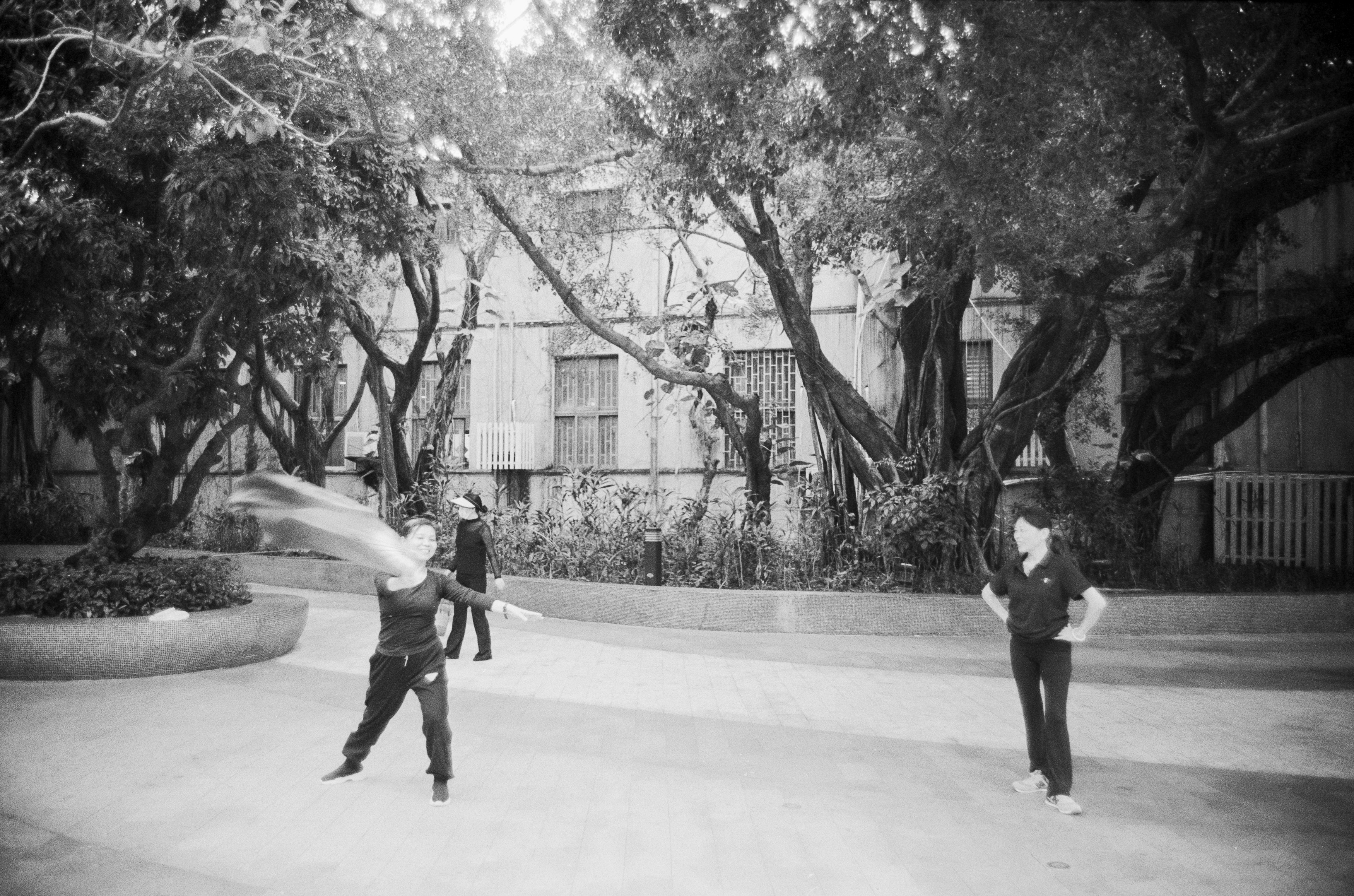
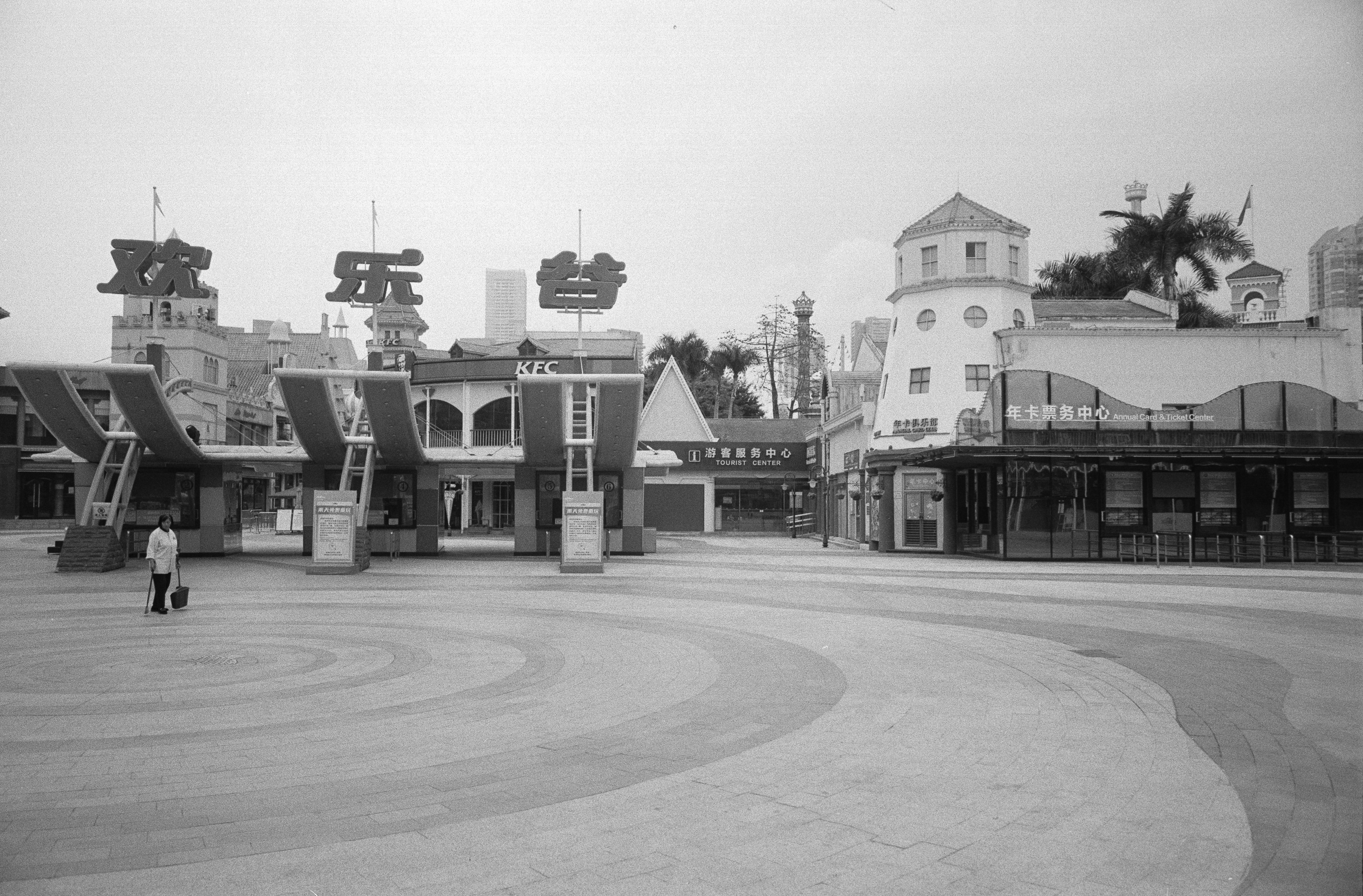
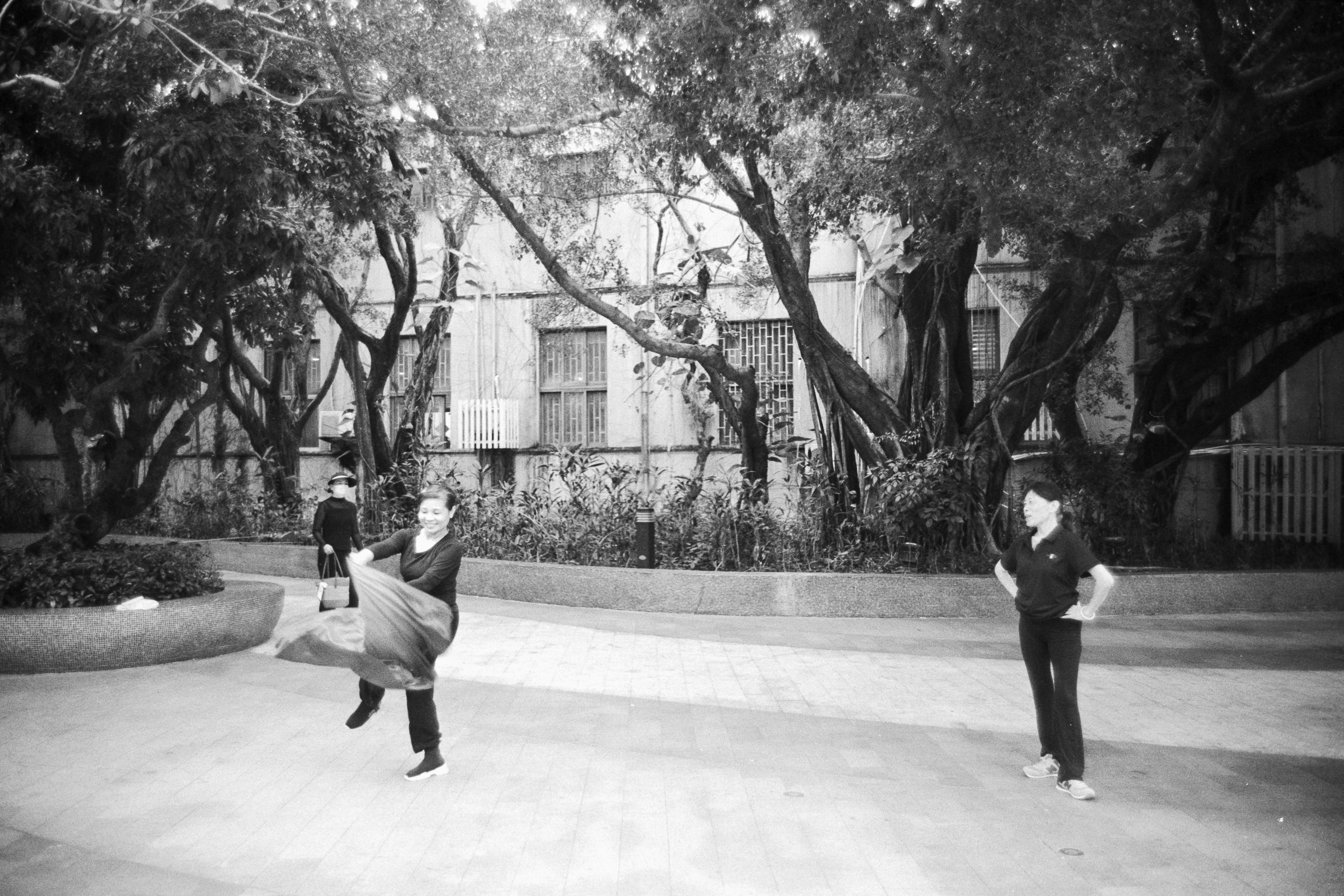
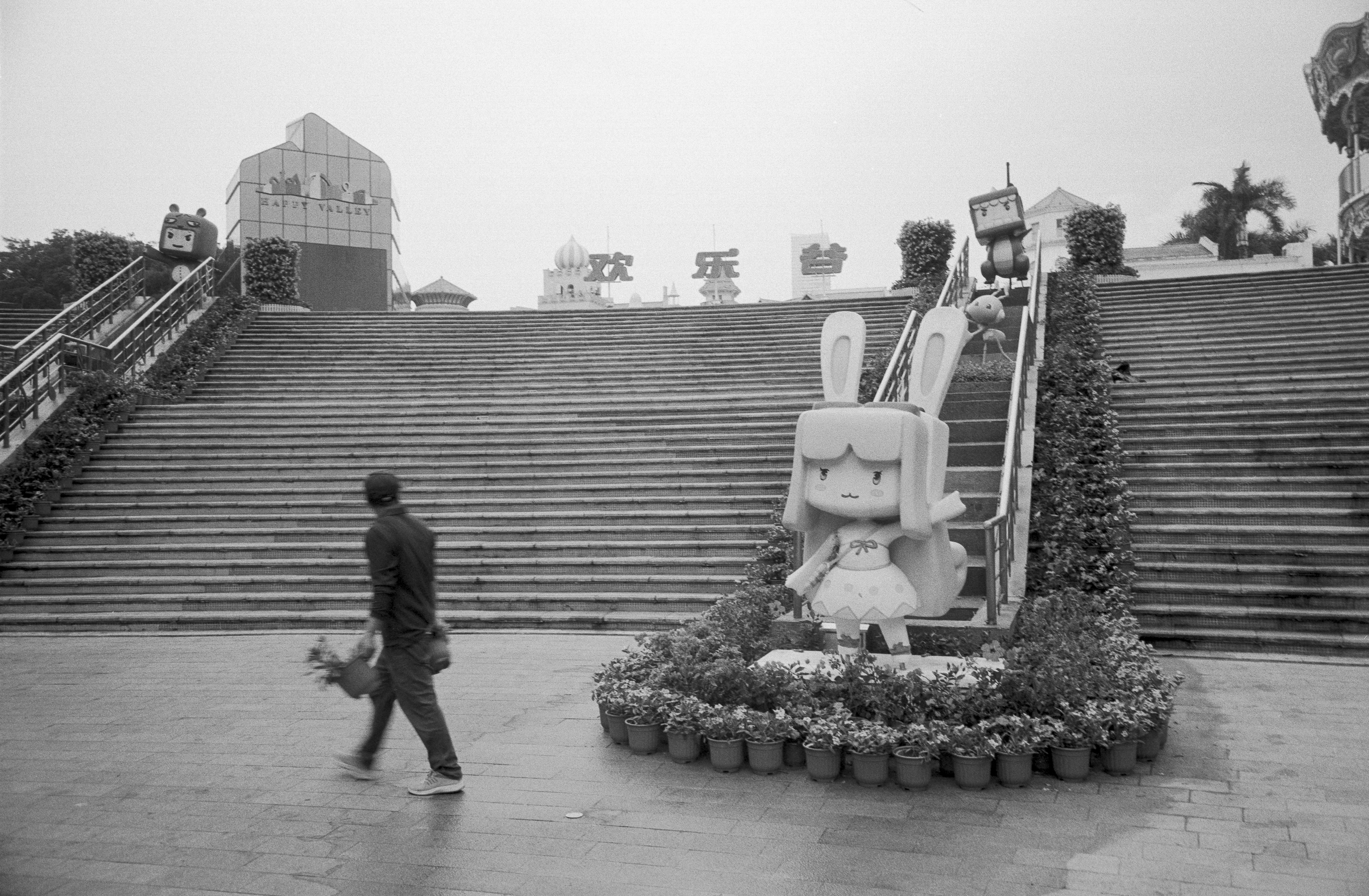
Naturally, I wanted to see whether it was really as bad as its reputation suggested. I bought the lens in Tokyo last year for my Nikon N65 and took it for a walk around Setagaya, travelling along the Oimachi line towards Jiyugaoka. To test its resolving power, I chose Ilford HP5 pushed to ISO 800. Hardly the ideal film for a resolution test, perhaps, but I’ve never been particularly good at following instructions.

A Lens That Doesn’t Want to Make a Scene

Physically, the AF 28mm f/2.8 is about as unremarkable as a lens can be. It’s small, discreet and reasonably solid, with a metal mount and an aperture ring that makes it compatible with a broad range of Nikon cameras. The manual-focus ring is narrow but usable, with a rubberised surface and reasonably smooth movement. It doesn’t feel luxurious, but neither does it seem likely to fall apart.

As an AF lens, it relies on the camera’s screw-drive autofocus motor, so it won’t autofocus on bodies that lack one, including many cheaper DSLRs and Nikon Z-series cameras. Put it on a compatible body such as the N65, however, and it focuses quickly enough to get on with the job. There’s nothing especially exciting about its construction or handling, but that’s part of its appeal: it quietly gets on with things.
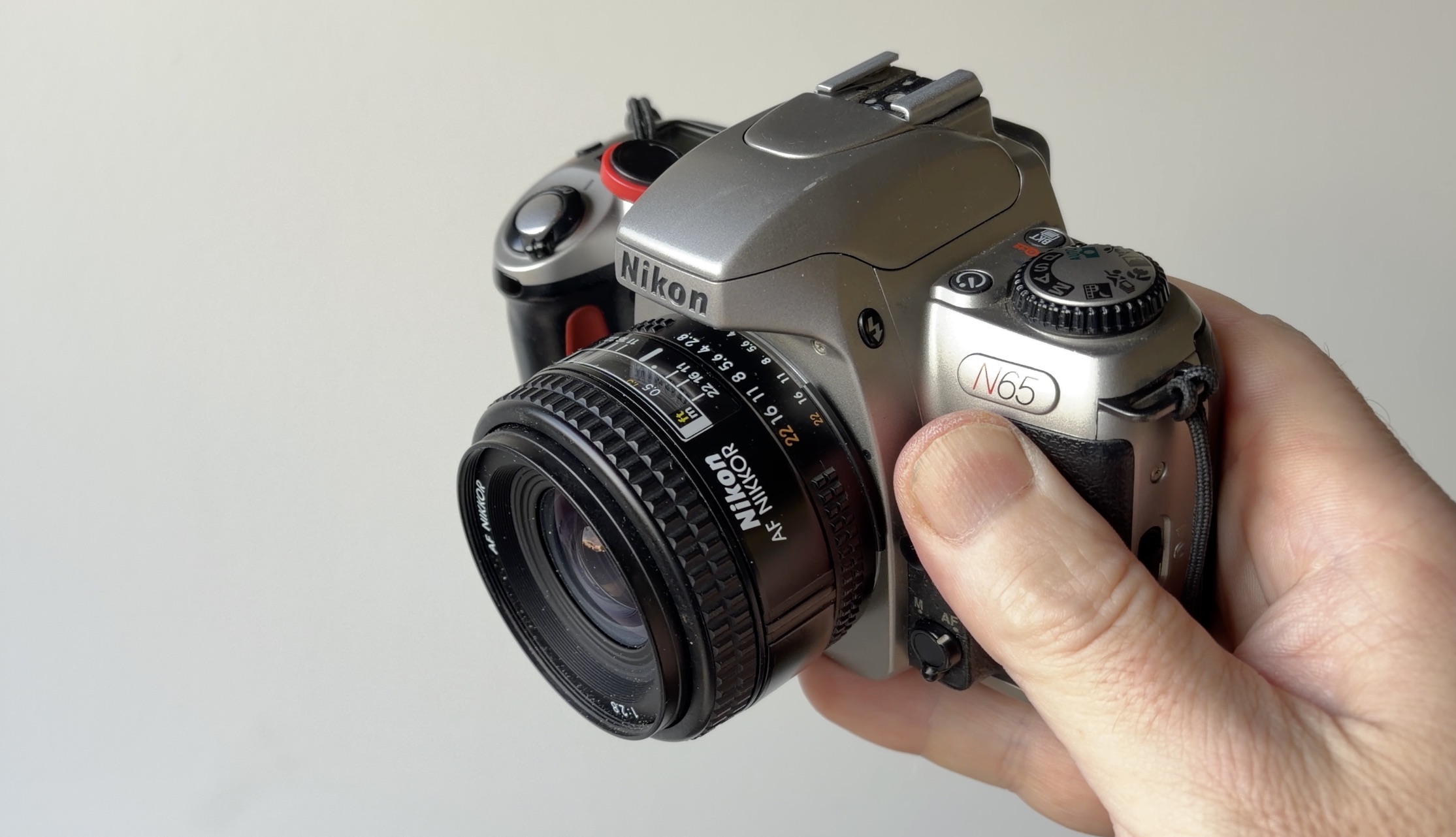
The bigger challenge was learning to work with the 28mm focal length. I often wished I could get closer to my subjects, particularly when photographing people across a railway platform or trying to give an individual more presence in a busy scene. Some images needed cropping, while others would have benefited from a different approach to composition. Famous street photographers such as Garry Winogrand and Daido Moriyama have made remarkable photographs with 28mm lenses, but that doesn’t mean I’m automatically going to achieve the same results.

In practice, this feels like a meat-and-potatoes lens: a sensible choice for photojournalists, enthusiasts and anyone wanting something wider than a standard lens. It’s useful, but it requires thought about distance, framing and how much of the surrounding environment belongs in the picture.

The Optical Problems Are Real

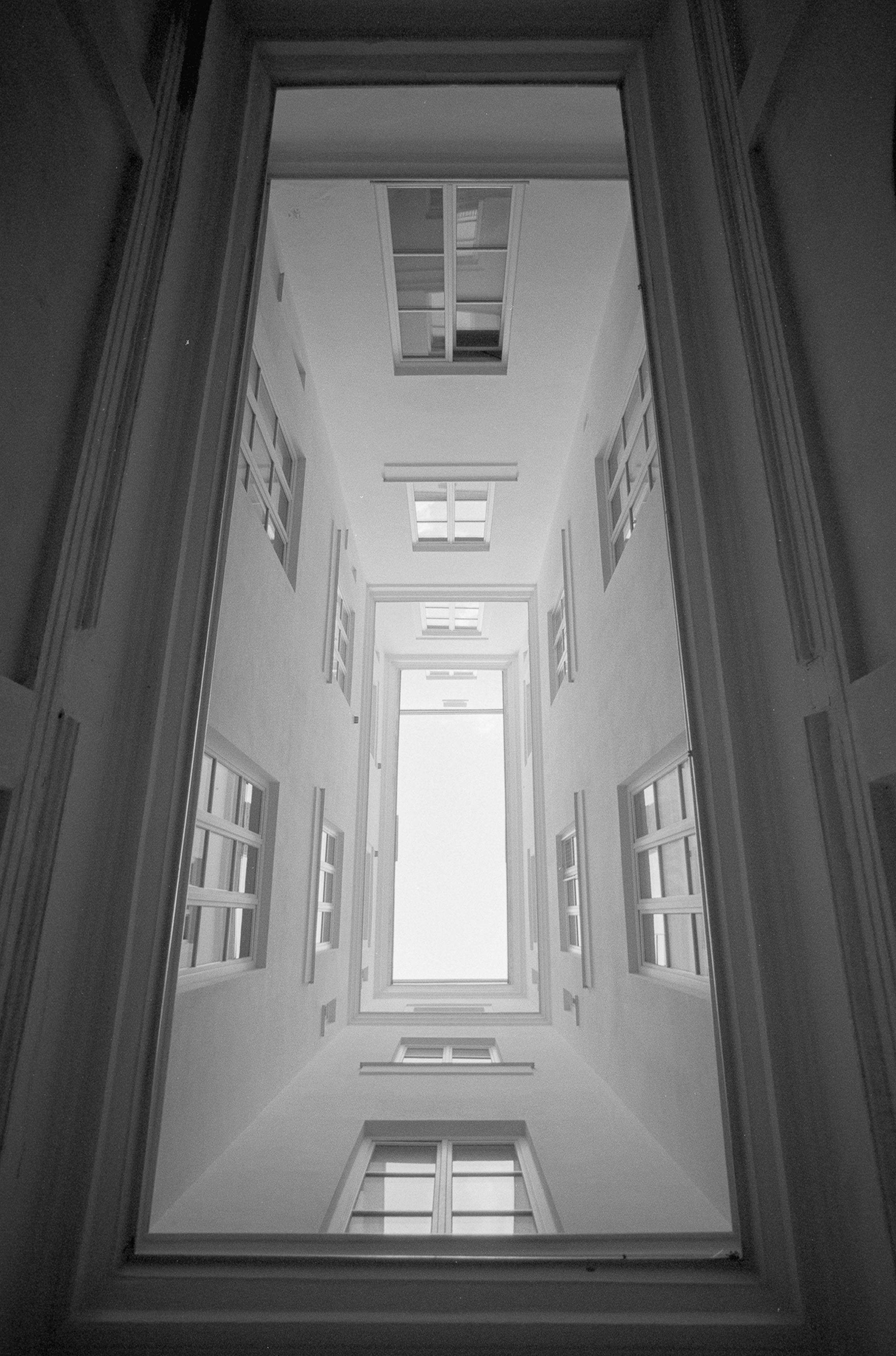
When it comes to optical performance, the AF 28mm f/2.8 doesn’t exactly cover itself in glory. Distortion is one of its more obvious shortcomings, particularly in scenes containing straight lines. Software correction helps, but the distortion isn’t uniform, and architectural photography would probably require additional Photoshop work to deal with the remaining moustache-shaped warping.
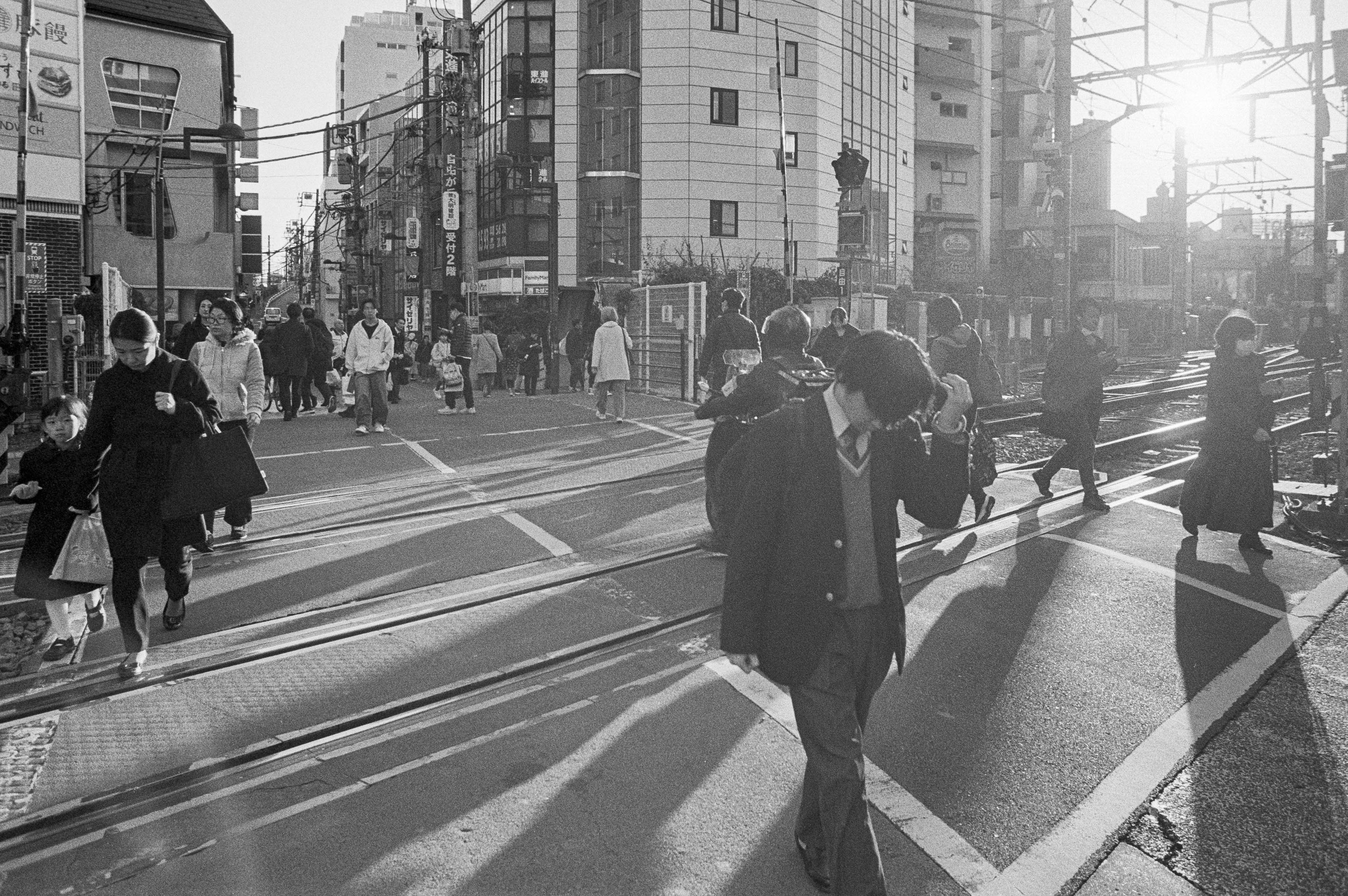
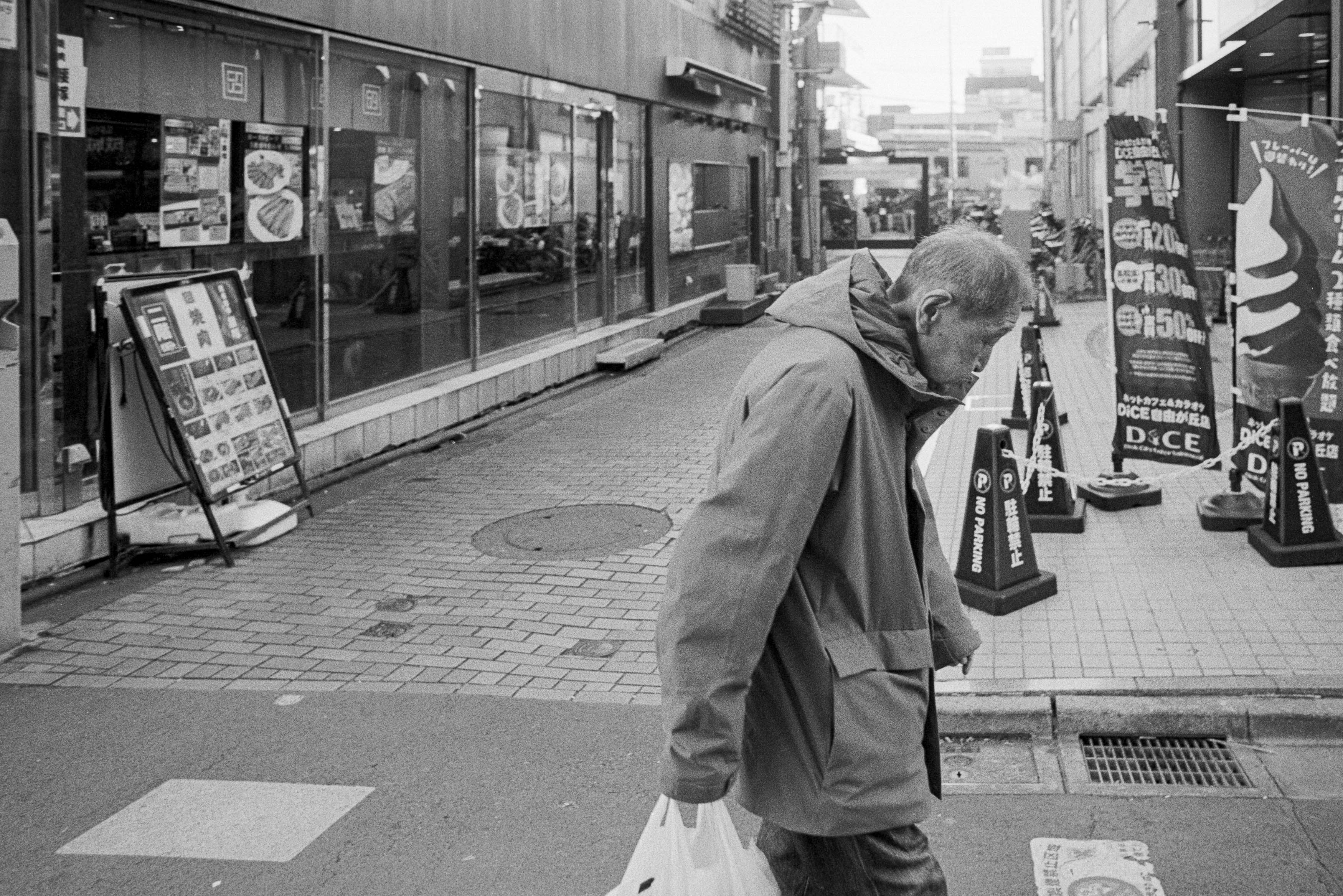
Sharpness is another weakness. At f/2.8, the centre is reasonably sharp, but the corners look as though someone has smeared them with Vaseline. Stopping down improves matters, although the lens really begins to look convincing around f/11, when sharpness becomes more consistent across the frame. That’s hardly ideal if you want modern, clinically sharp results, but it isn’t necessarily the end of the story.

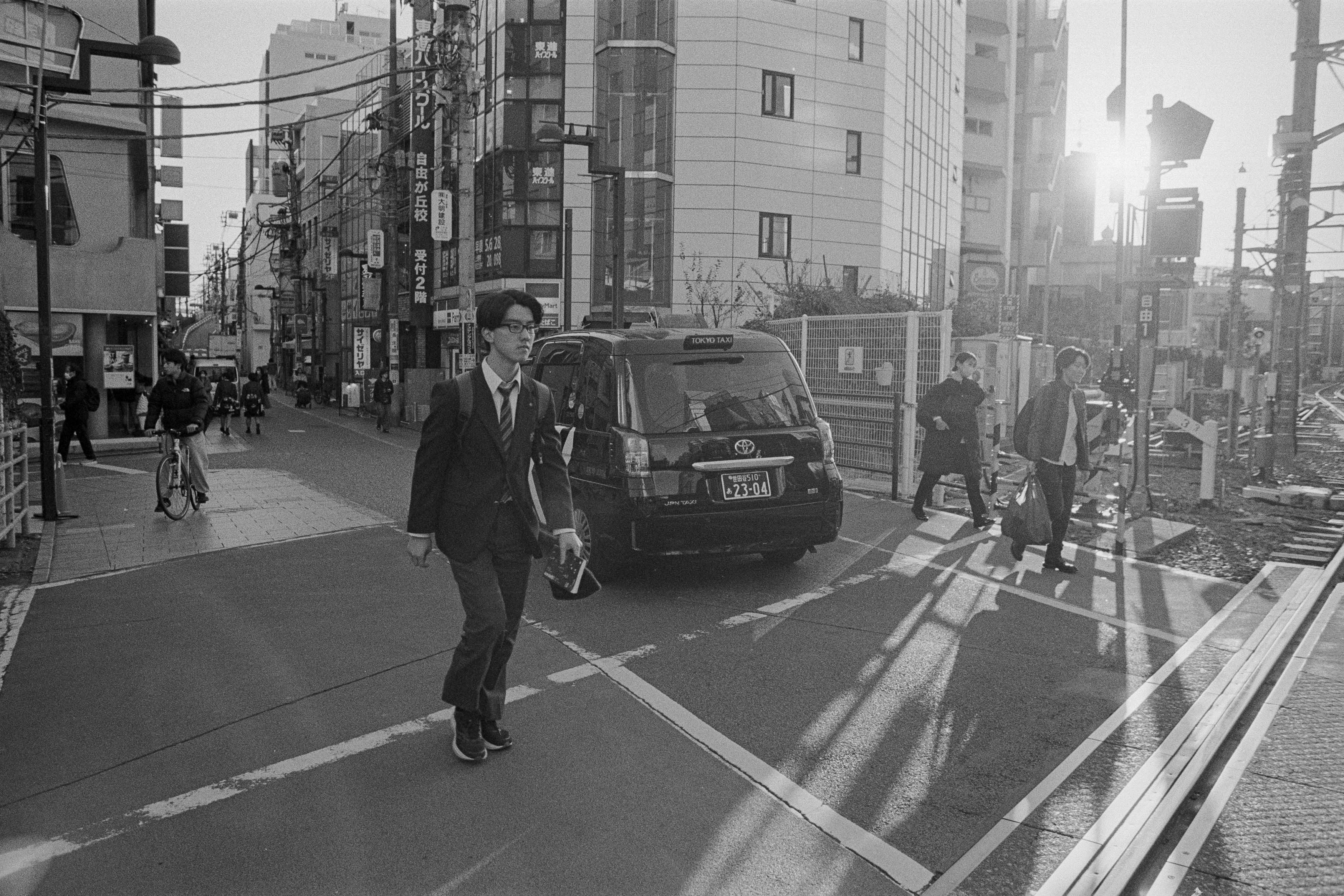
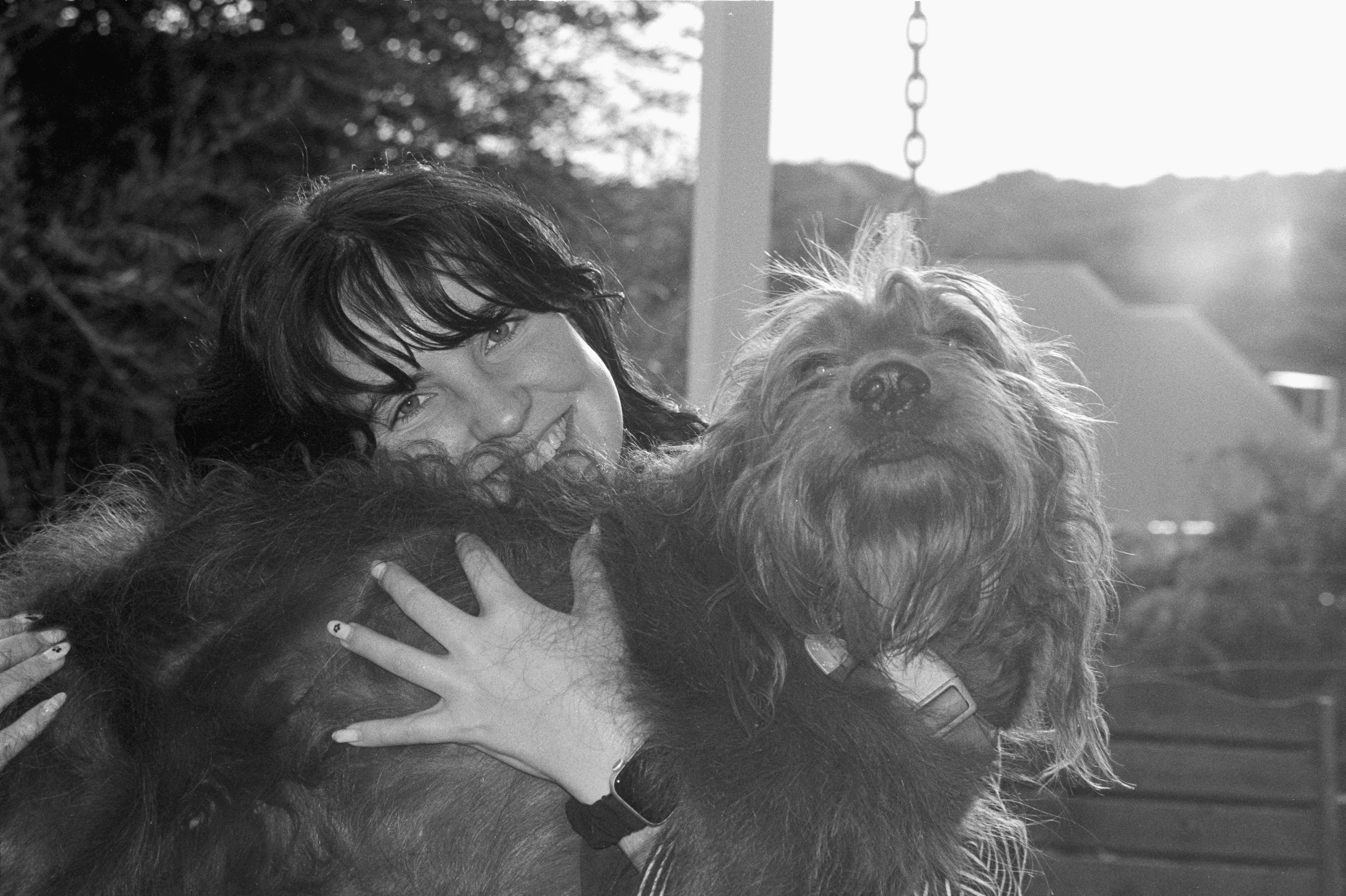
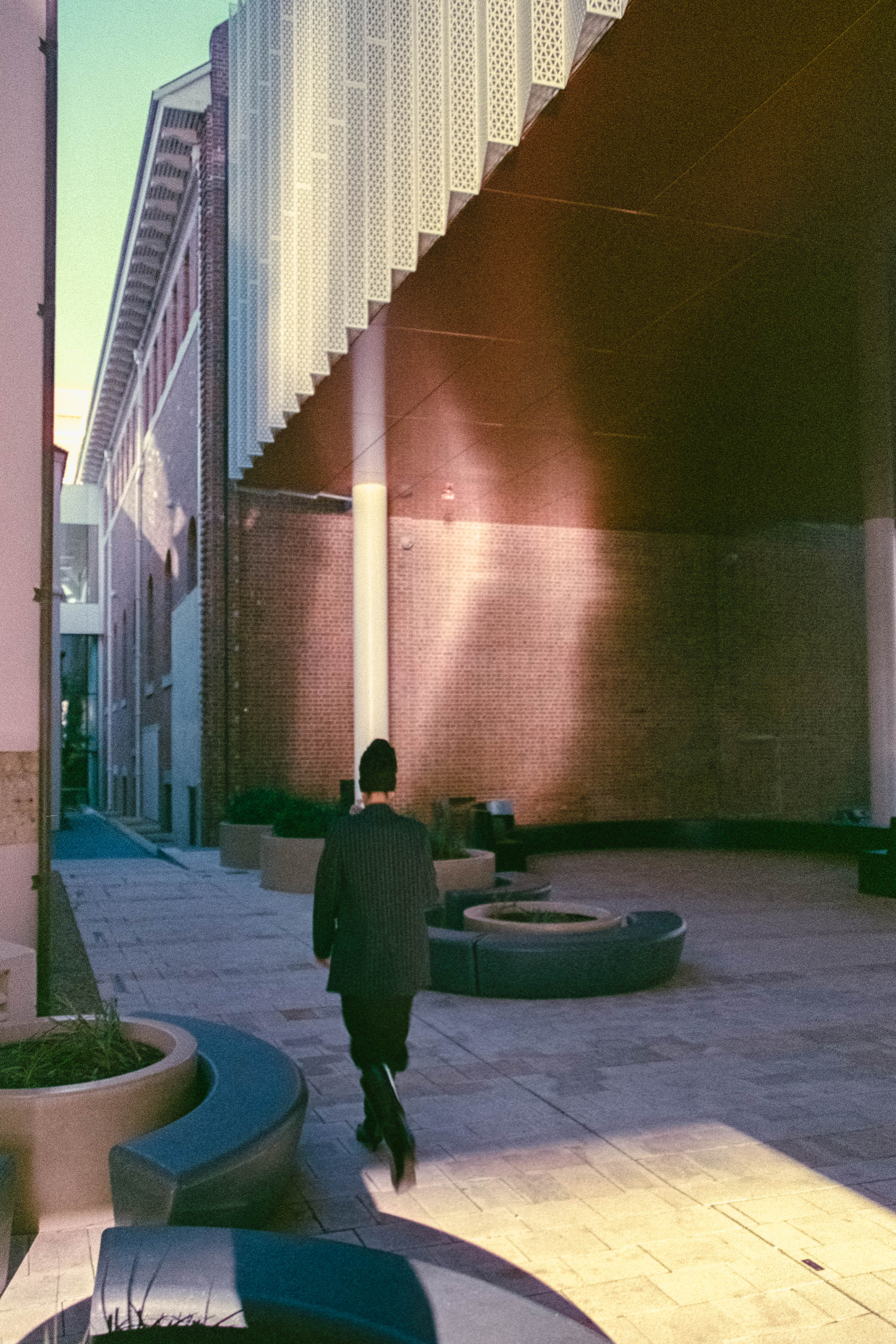
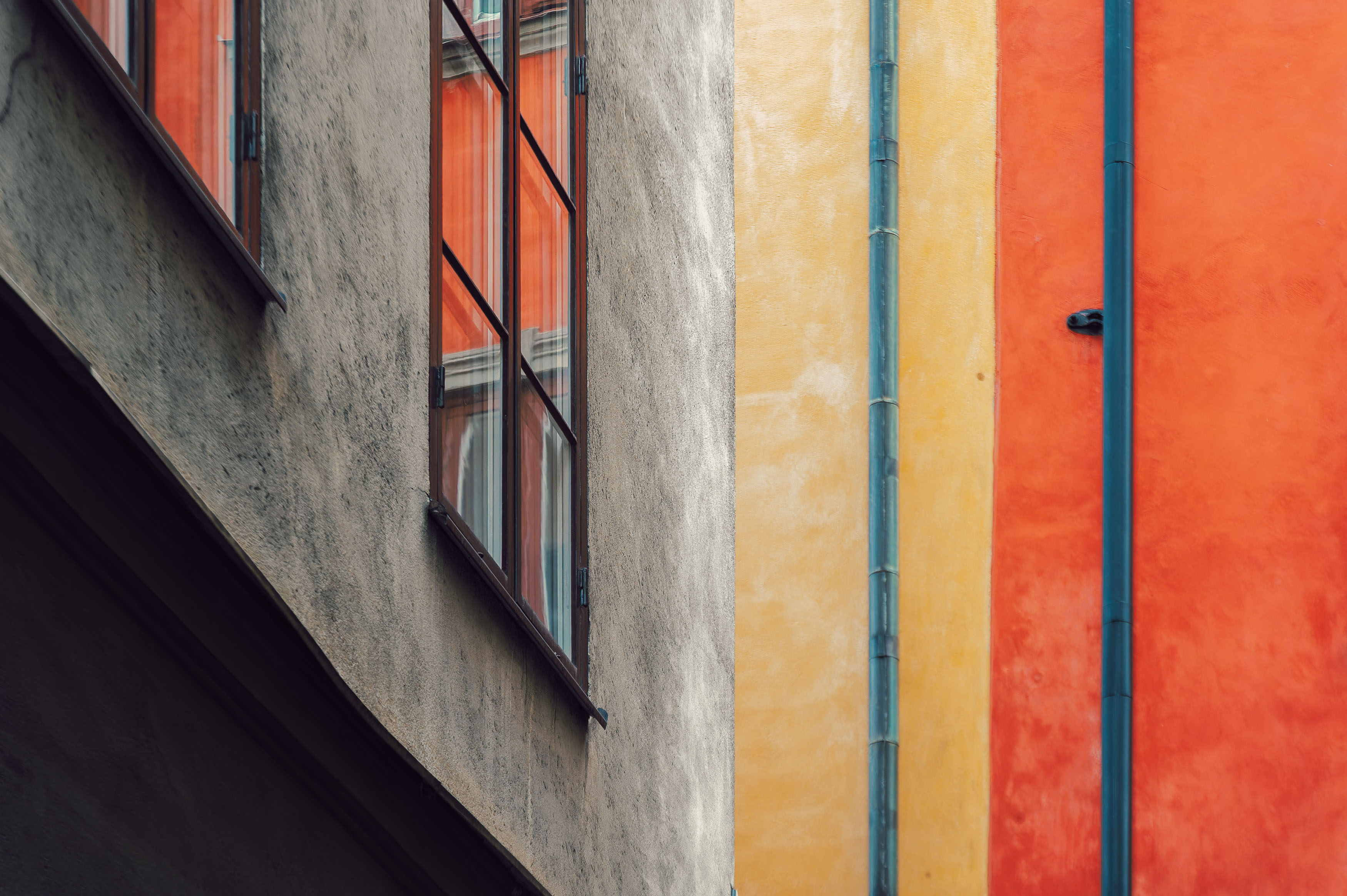
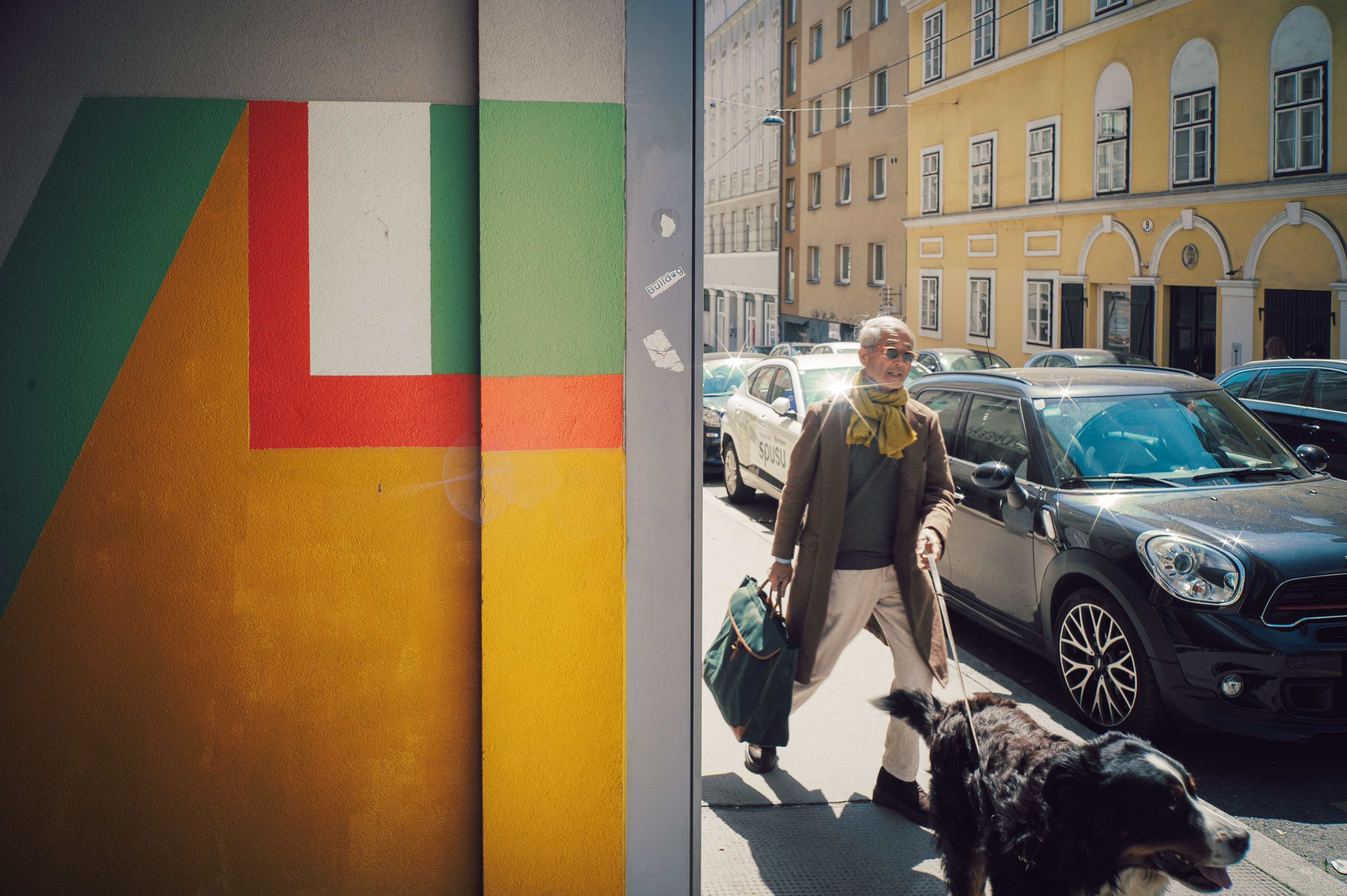
Flare is more complicated. The small, recessed front element helps in ordinary shooting, but pointing the lens directly towards the sun can produce obvious flare, particularly at wider apertures. Whether that’s a problem depends on what you’re trying to achieve. I enjoyed the effects when photographing in the weak winter sunlight around Jiyugaoka. Rather than ruining the photographs, the flare sometimes added atmosphere and made busy scenes more interesting.

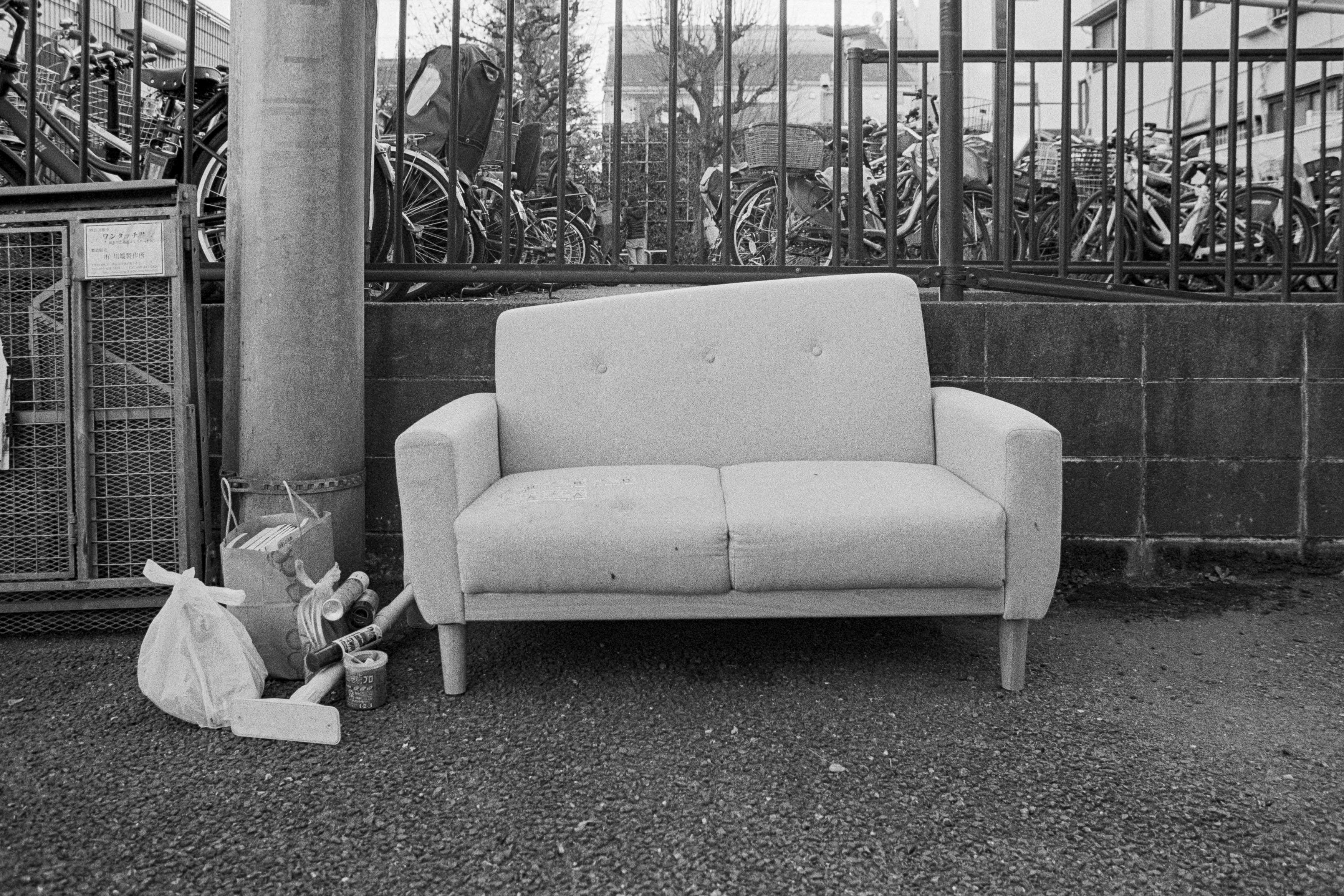
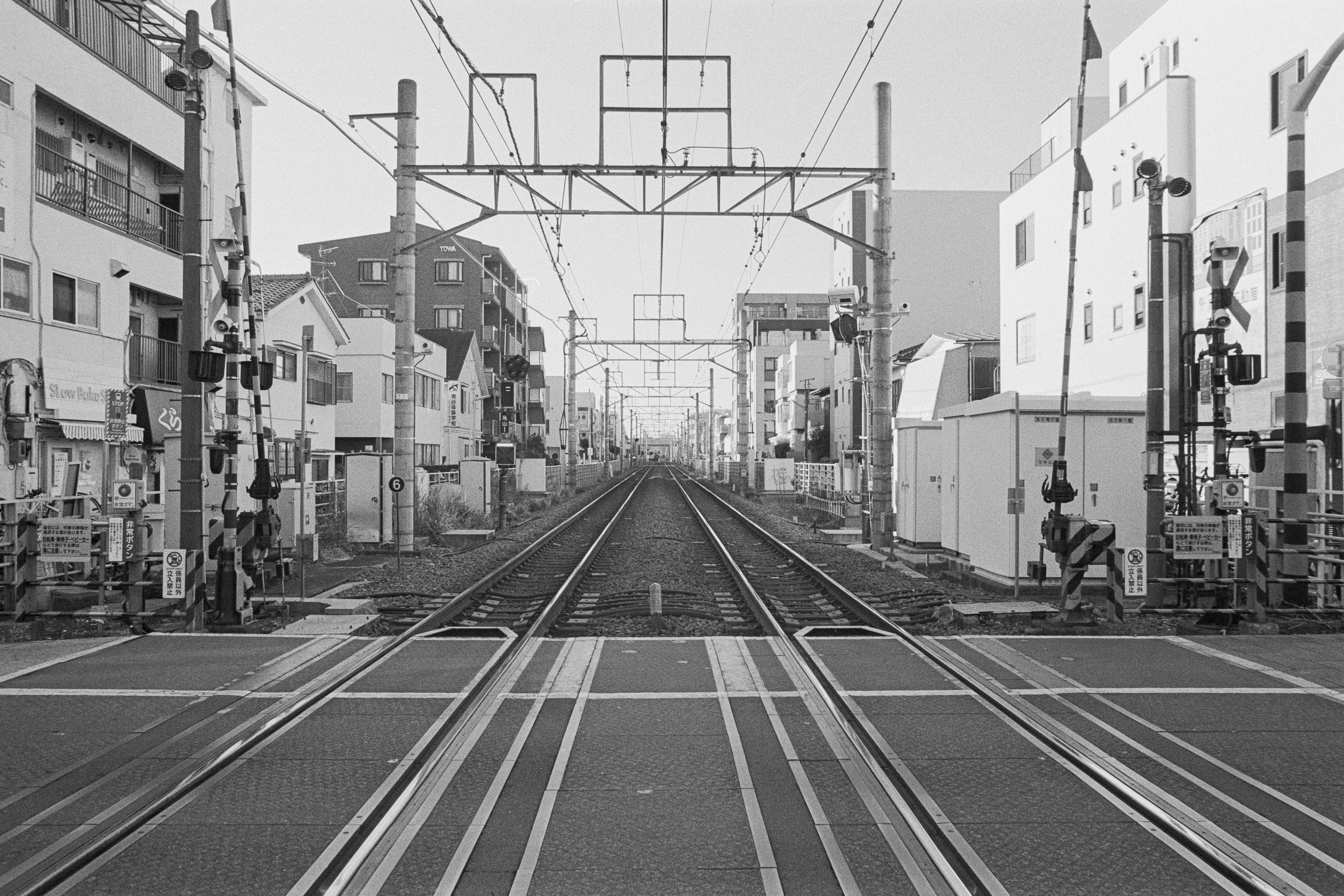
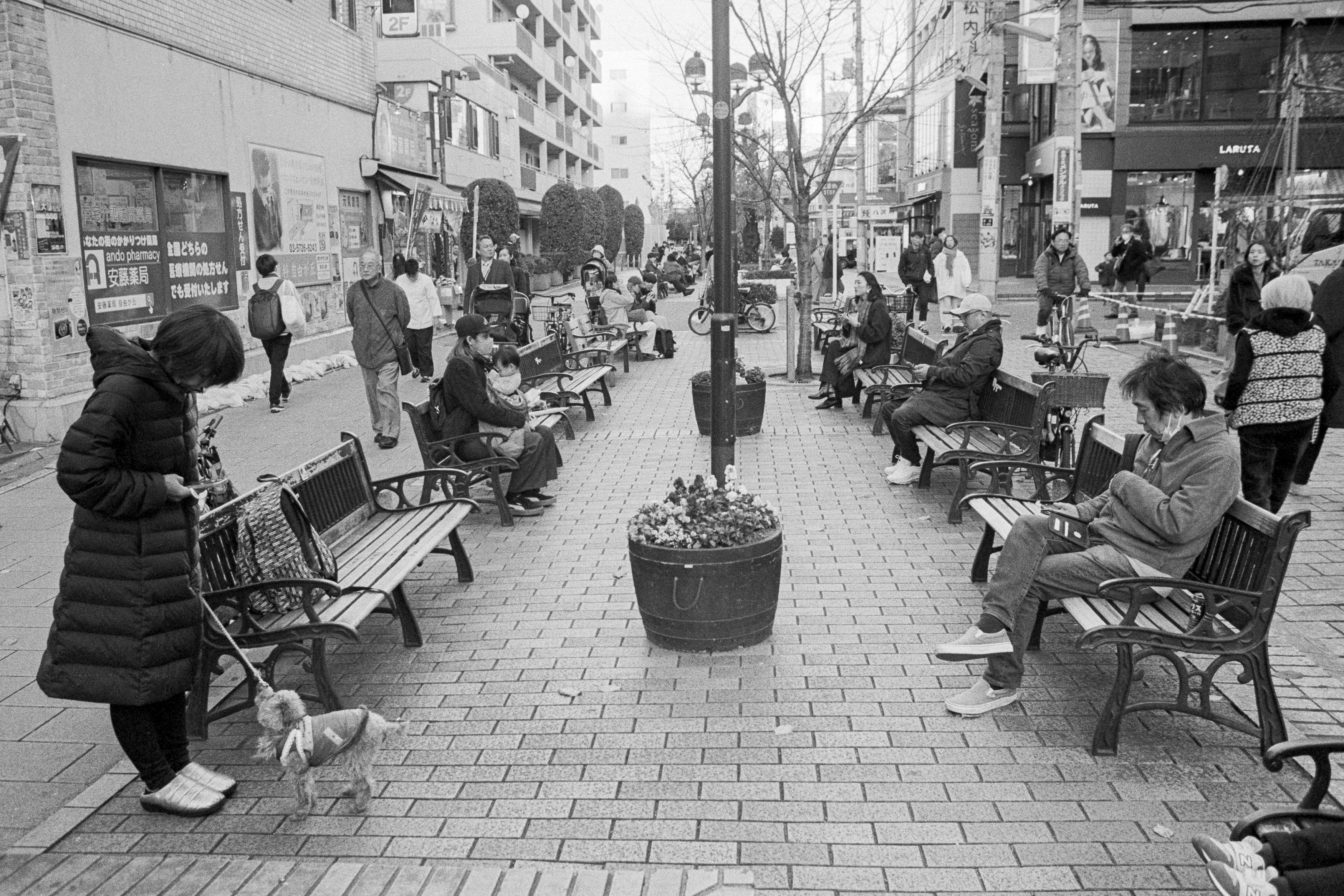
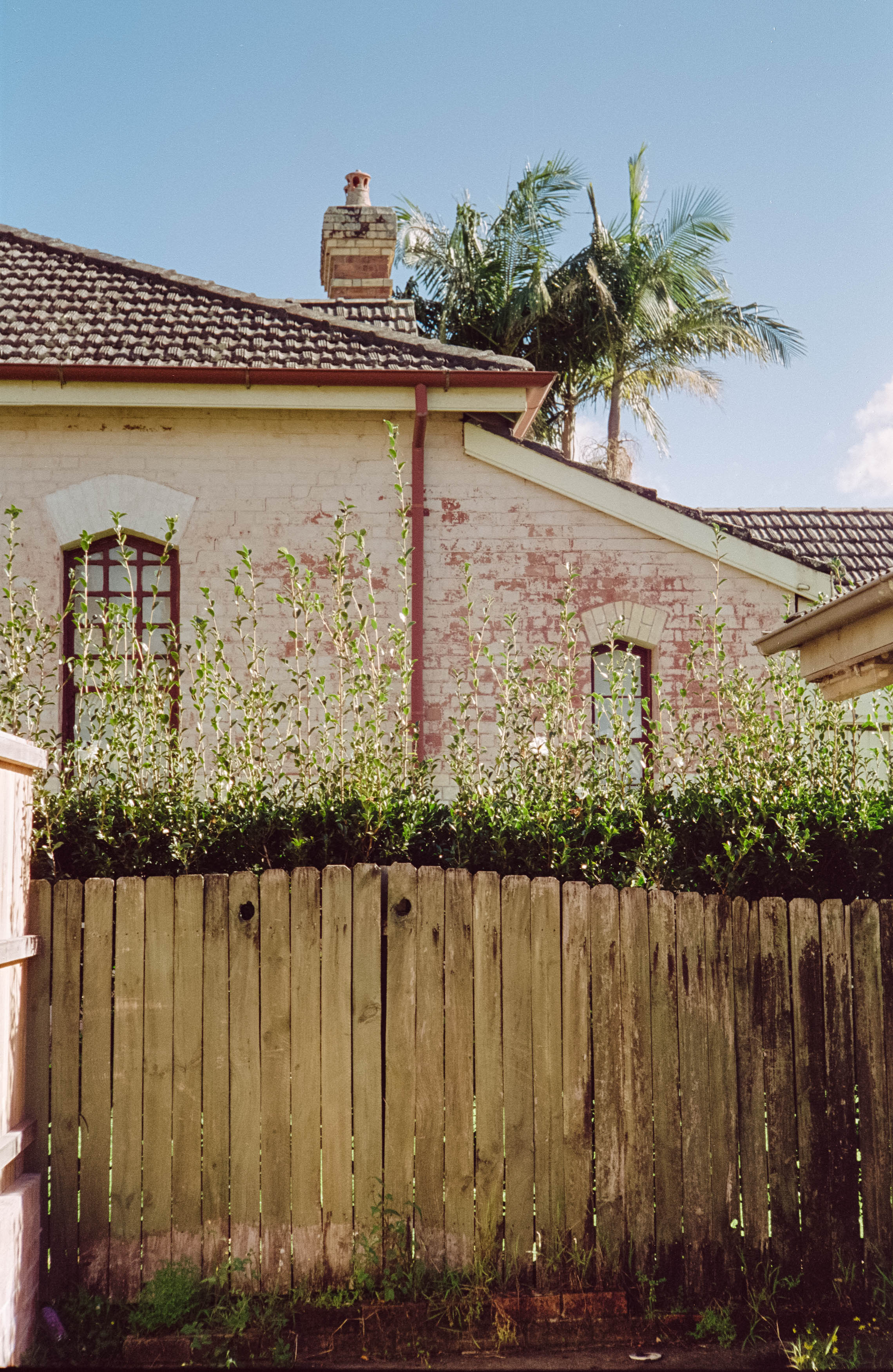
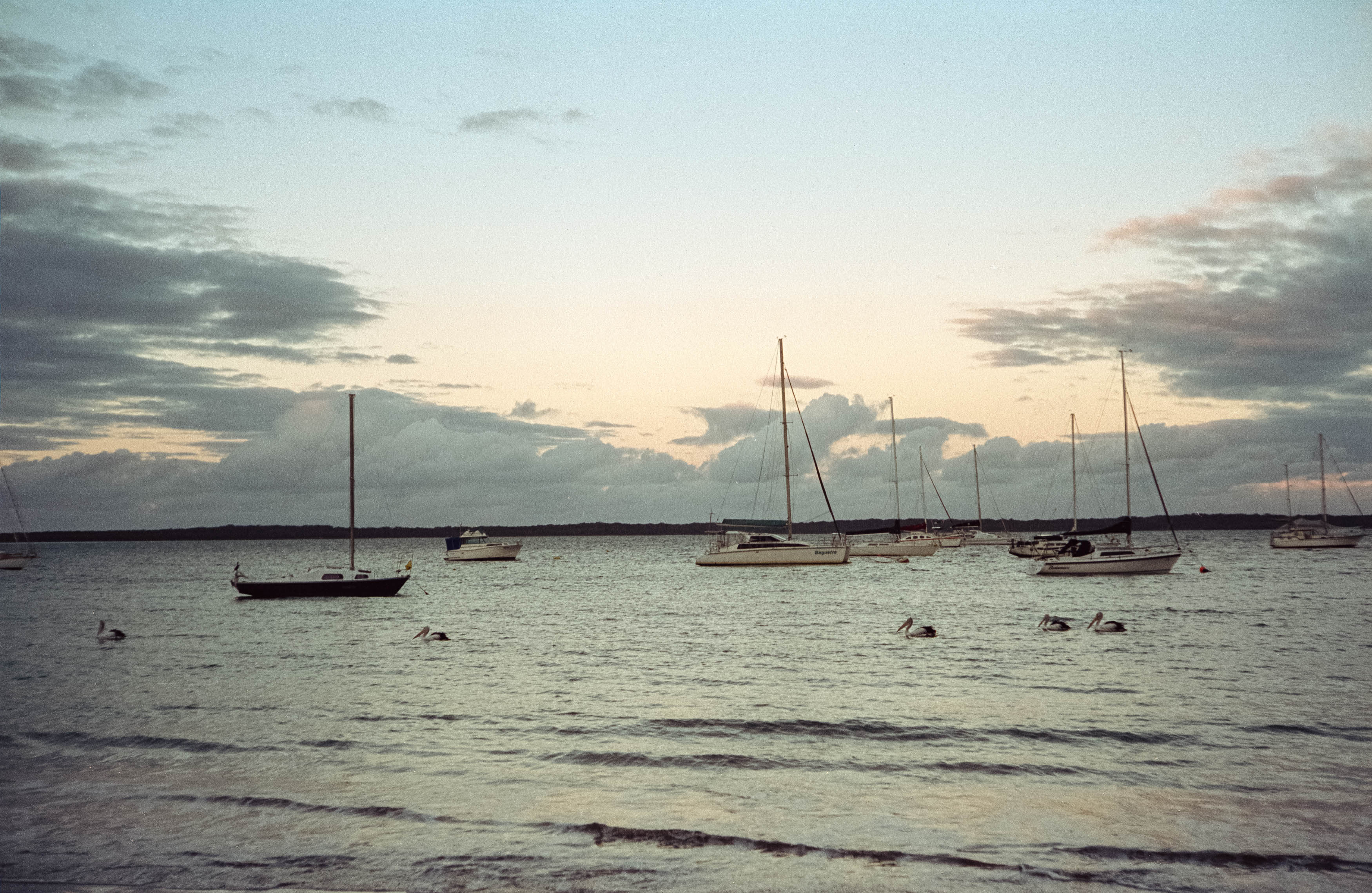
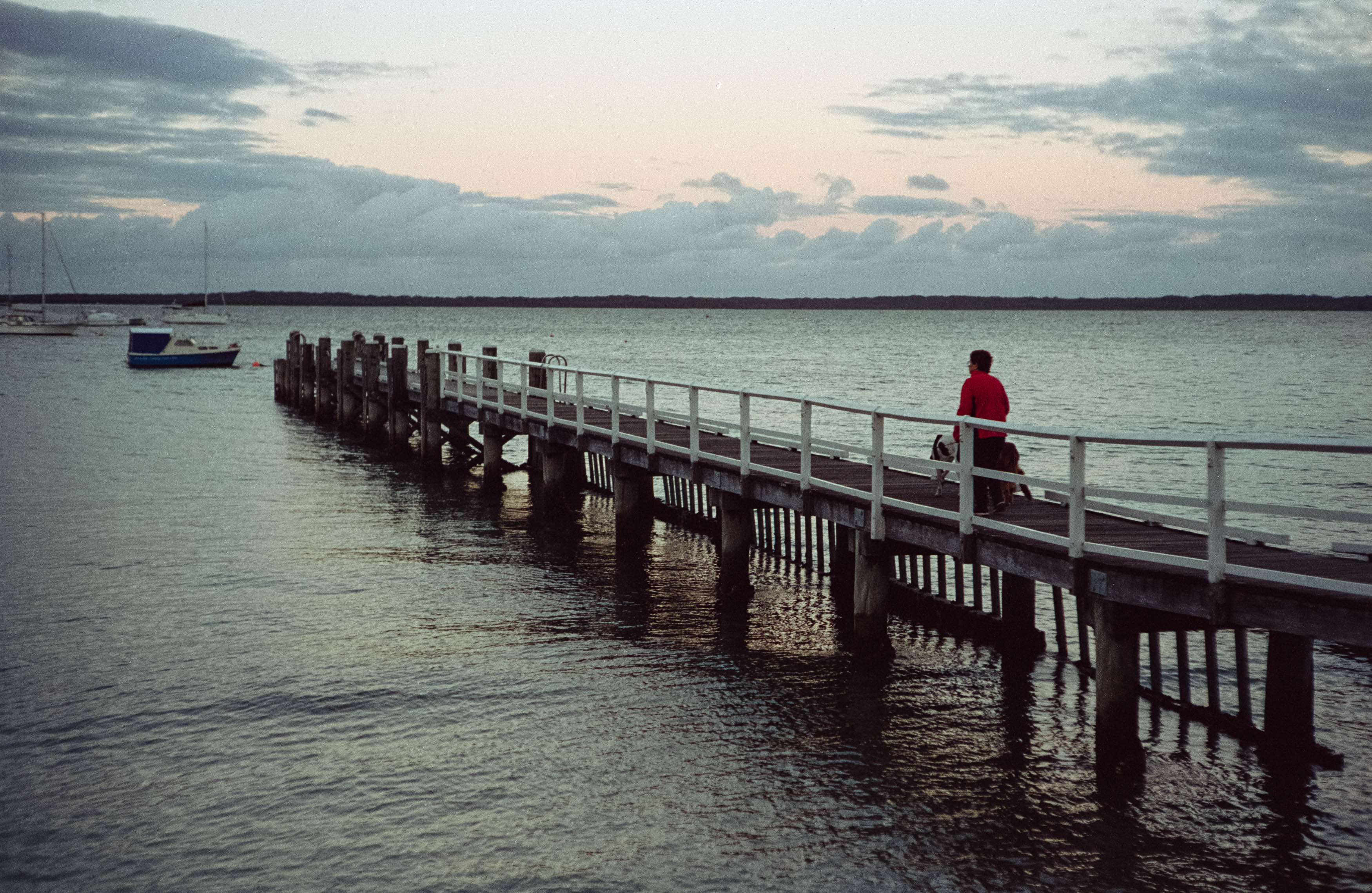
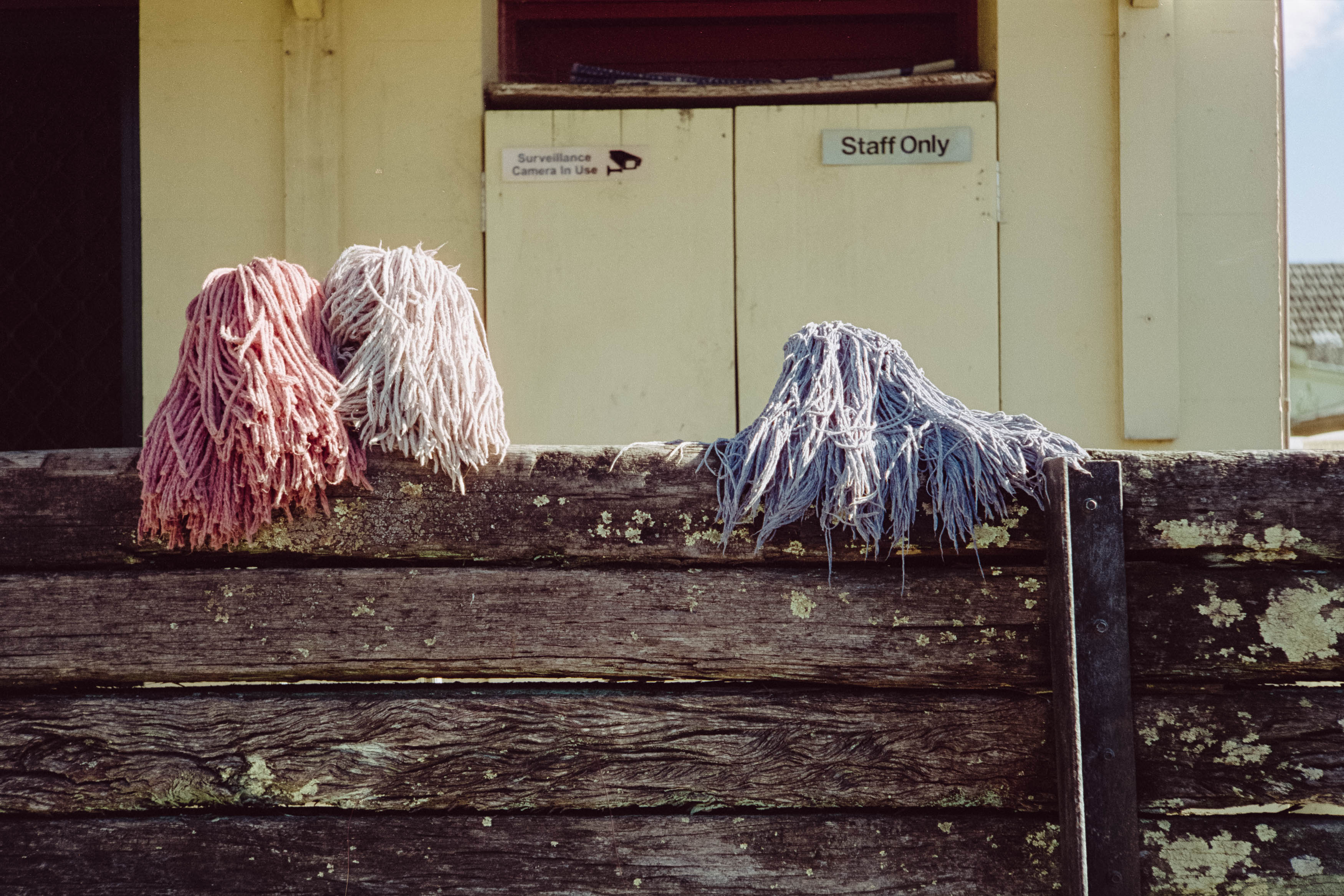
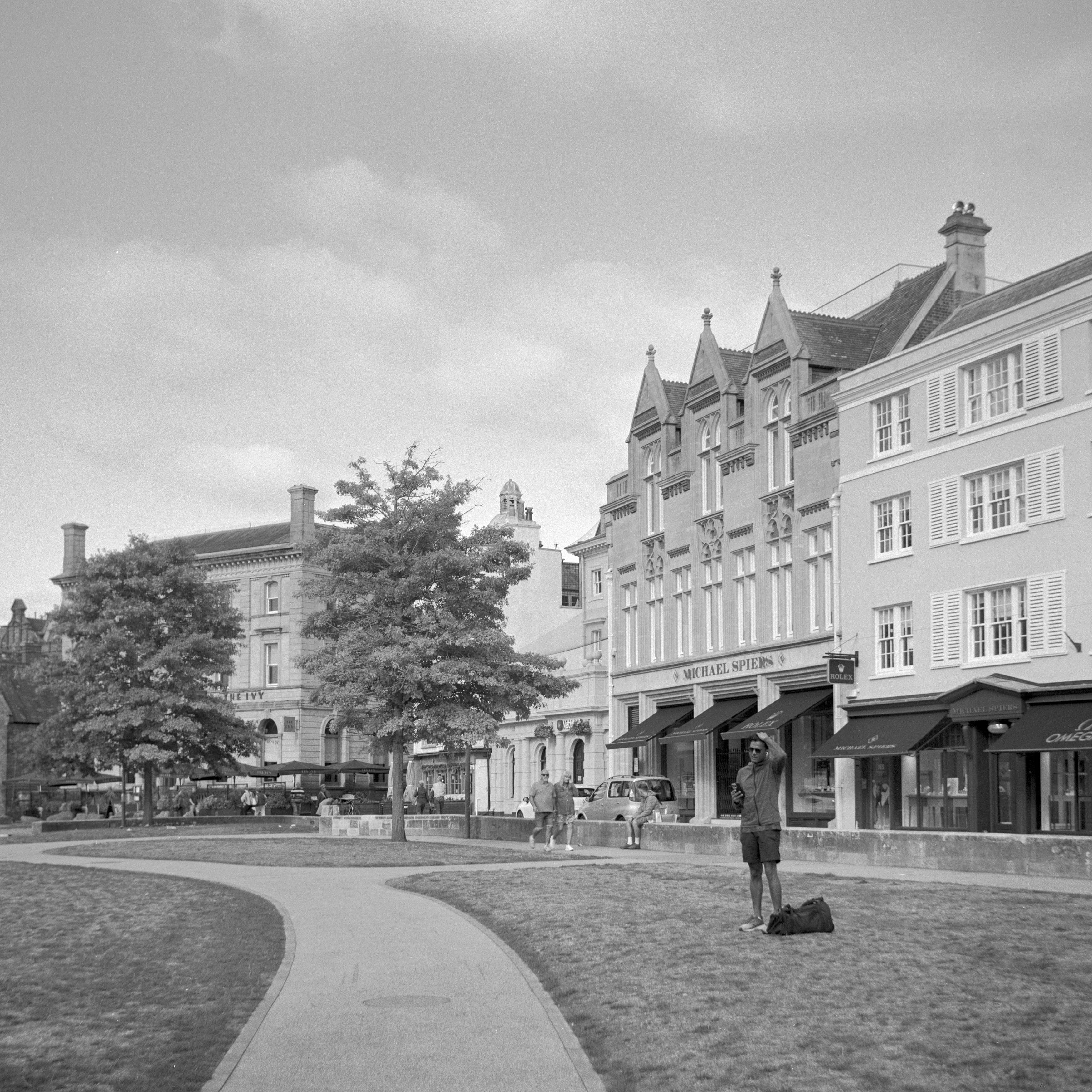
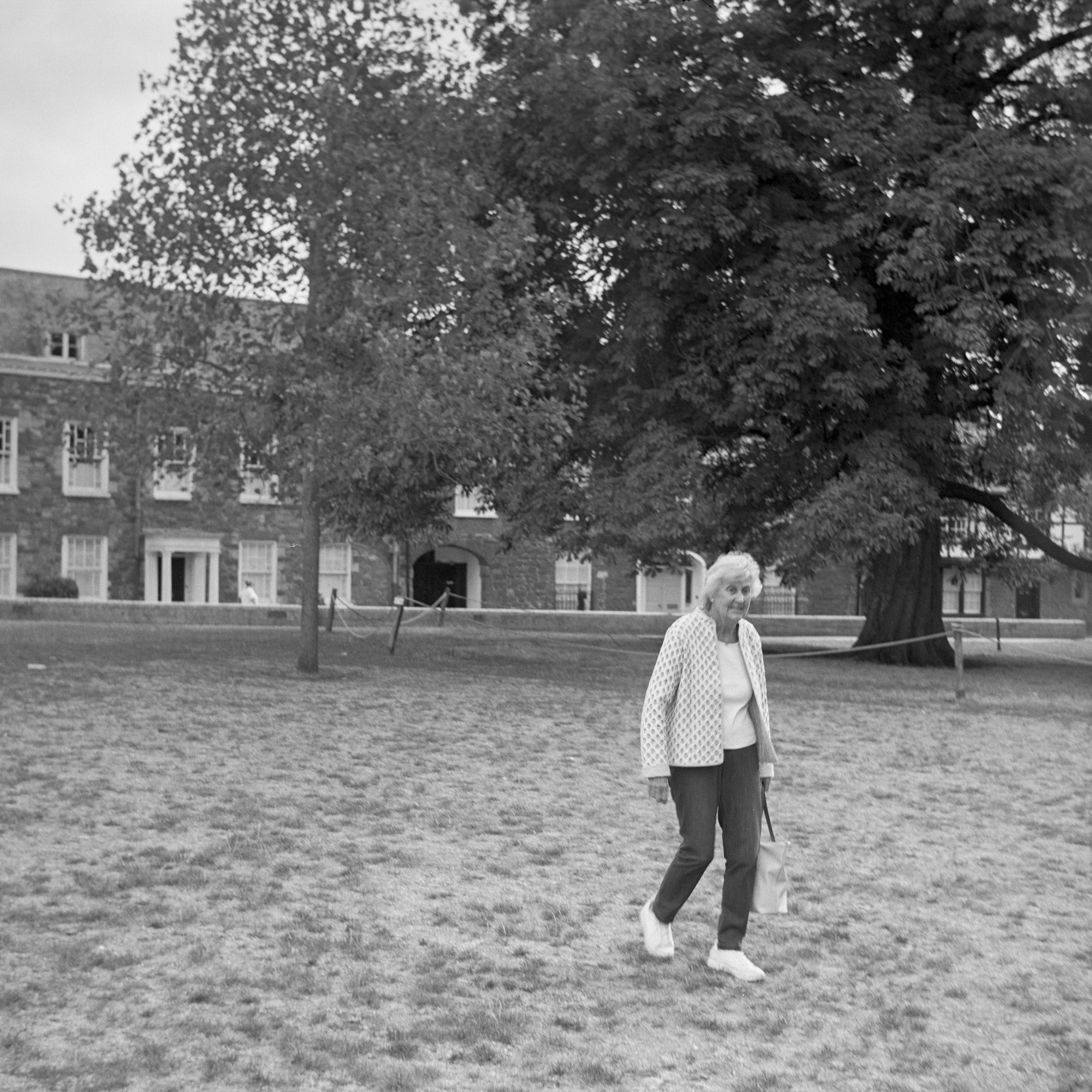
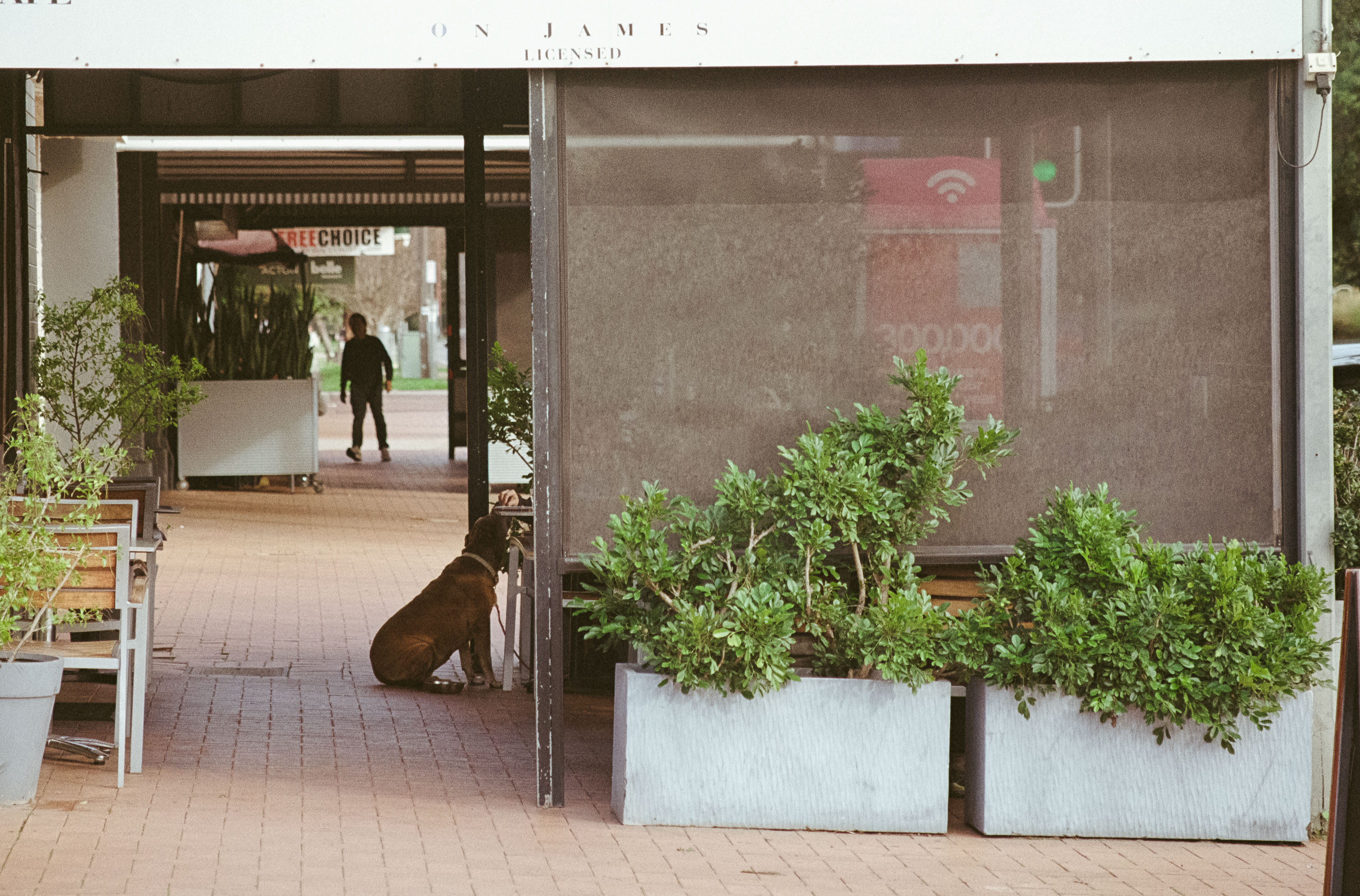
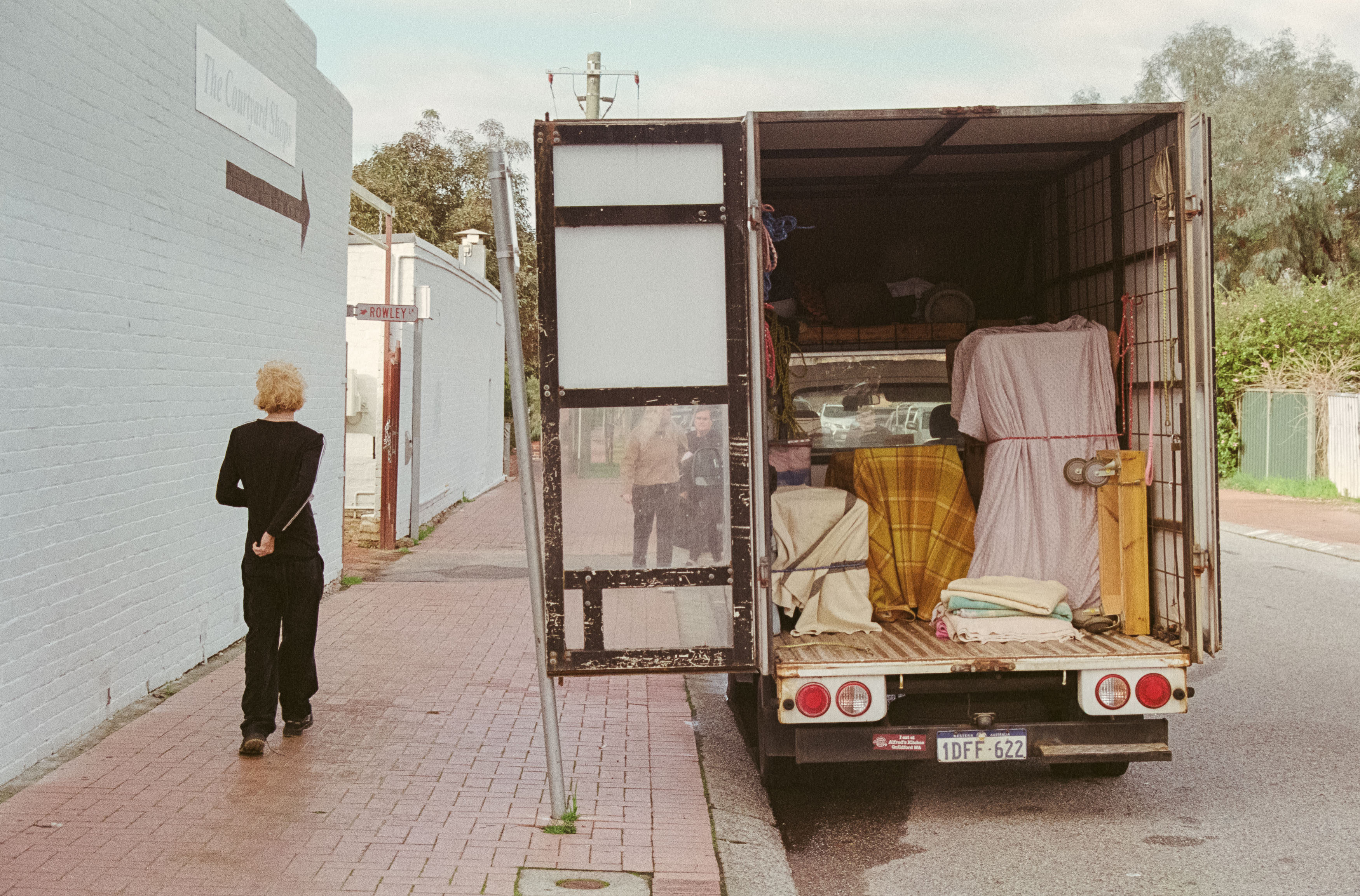
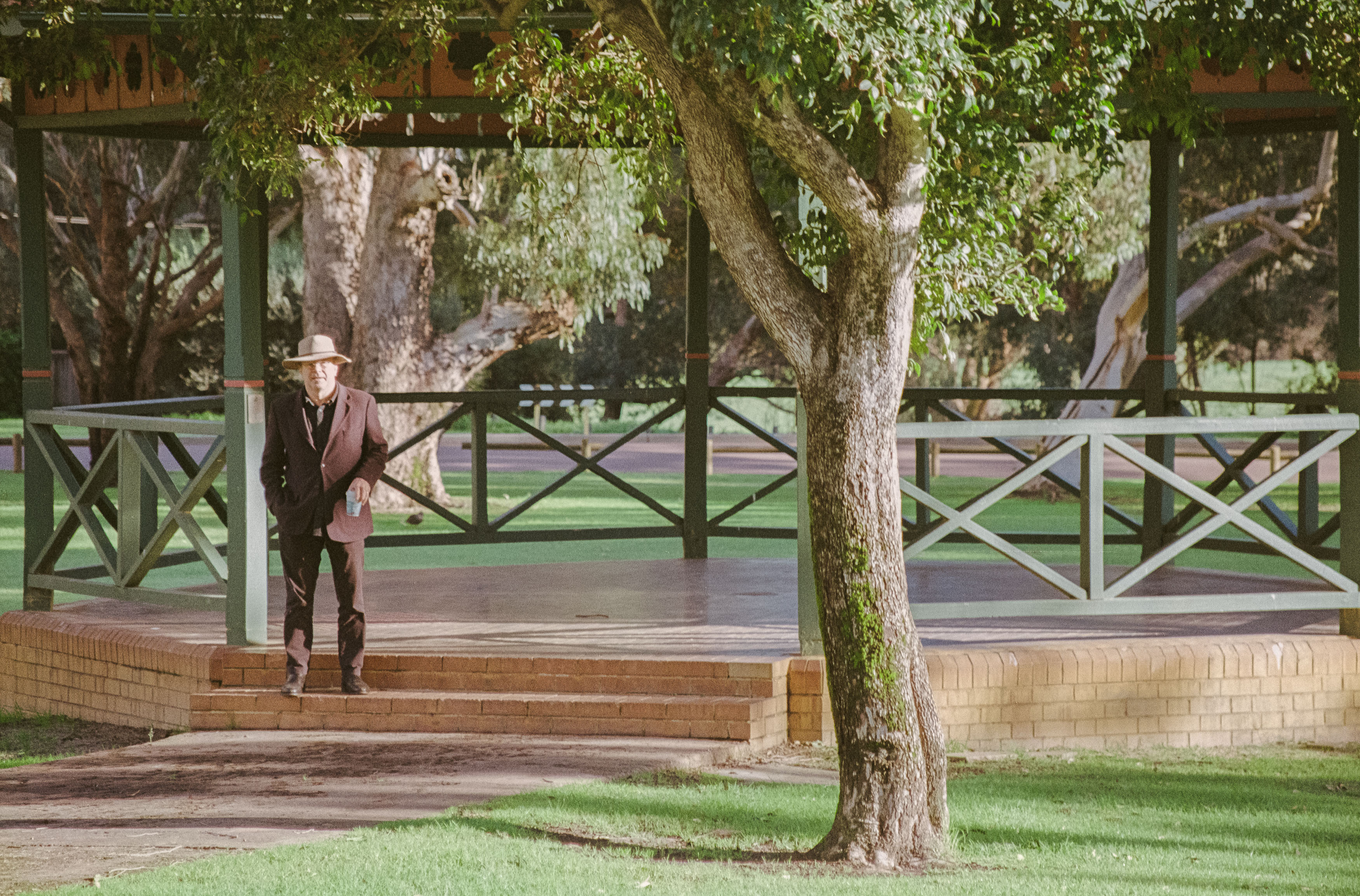
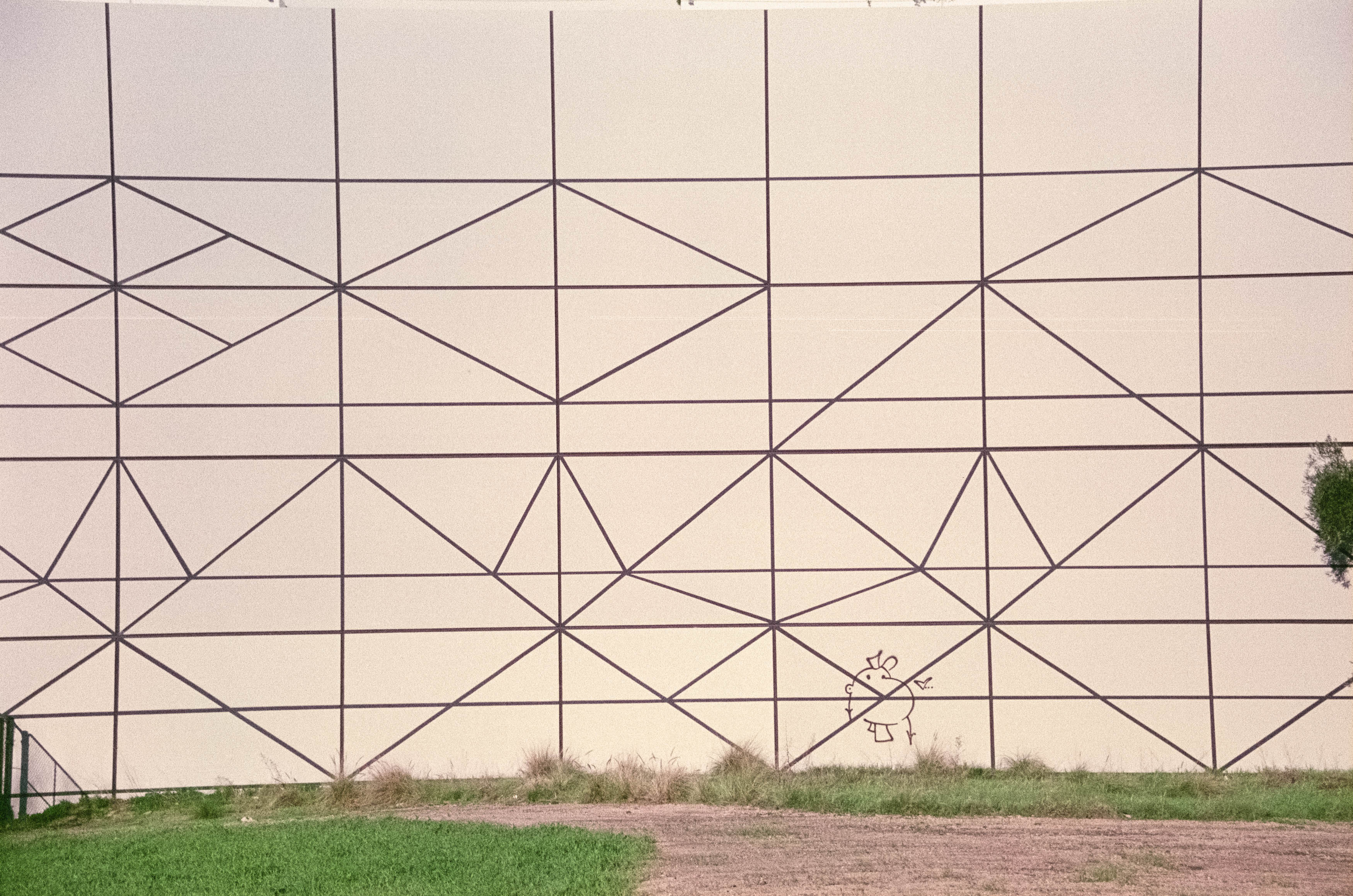
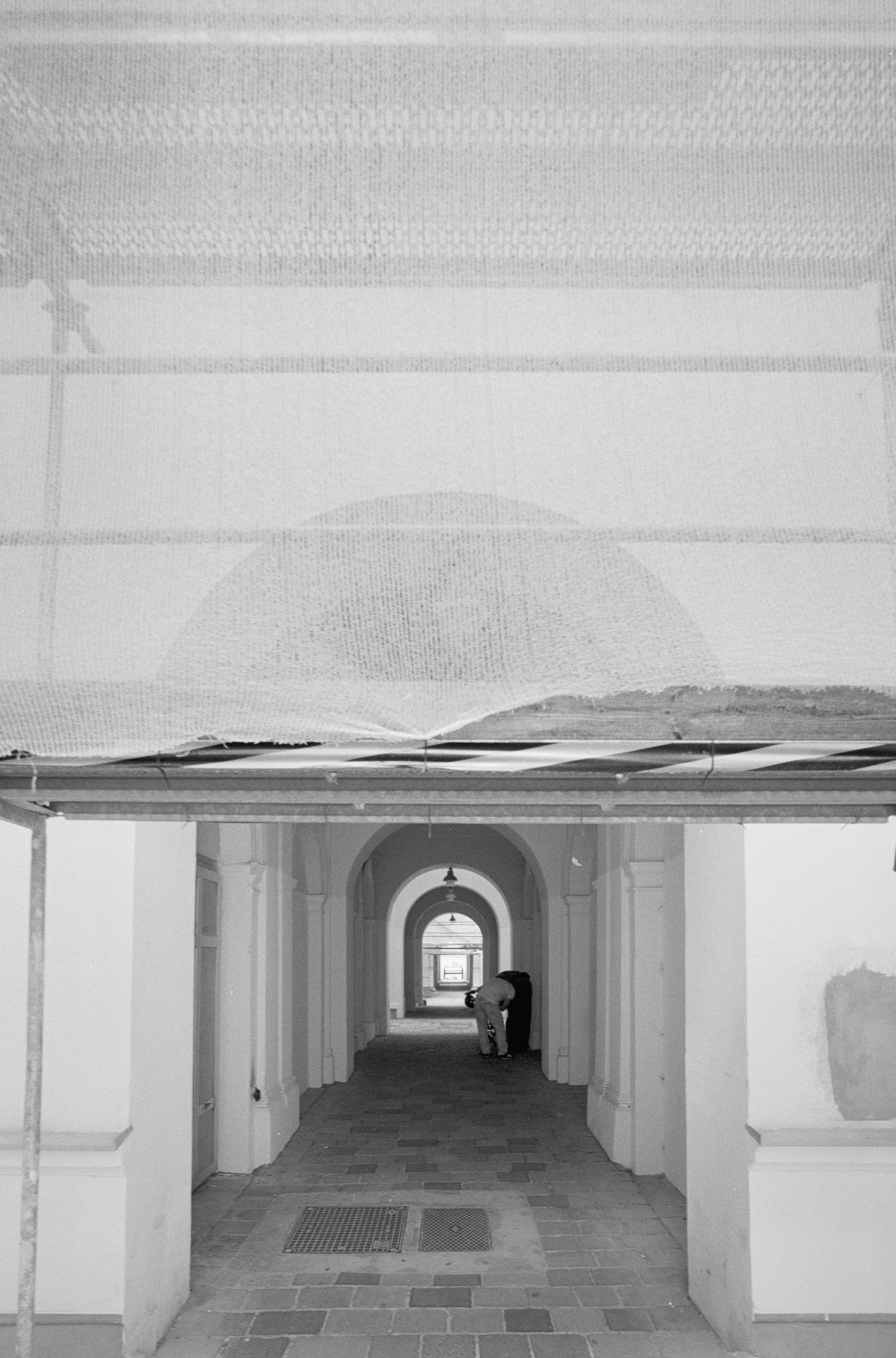
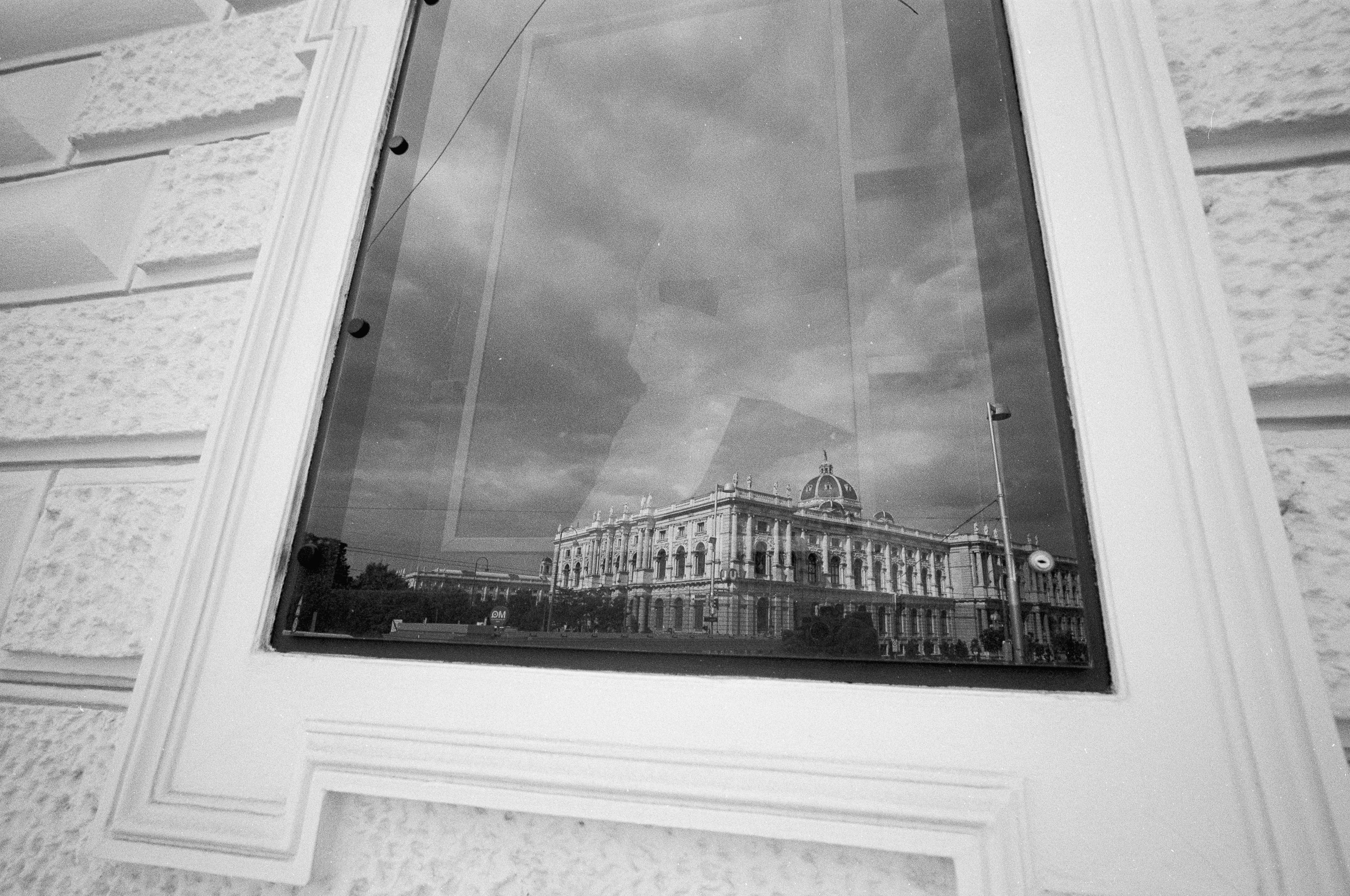
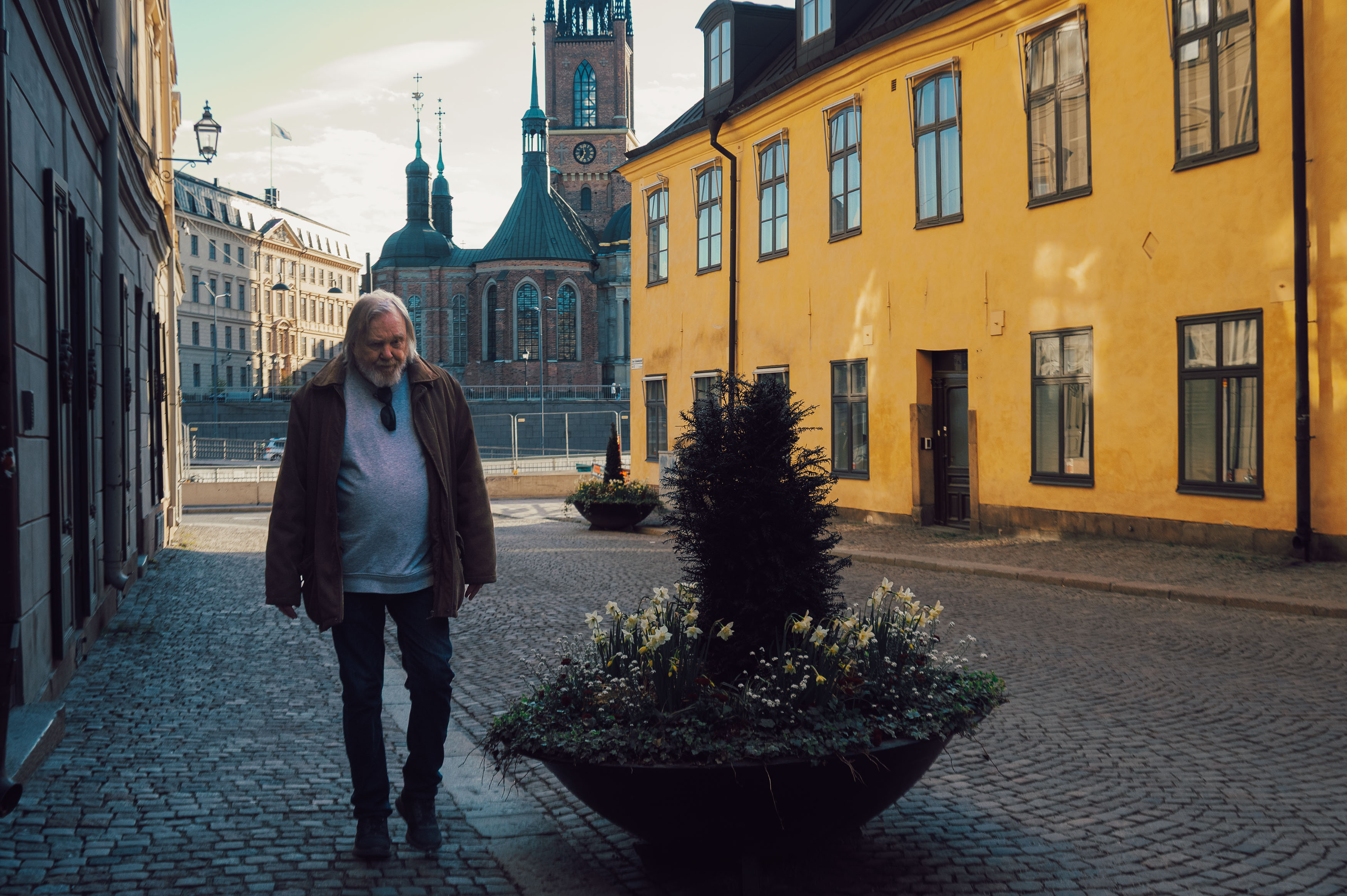
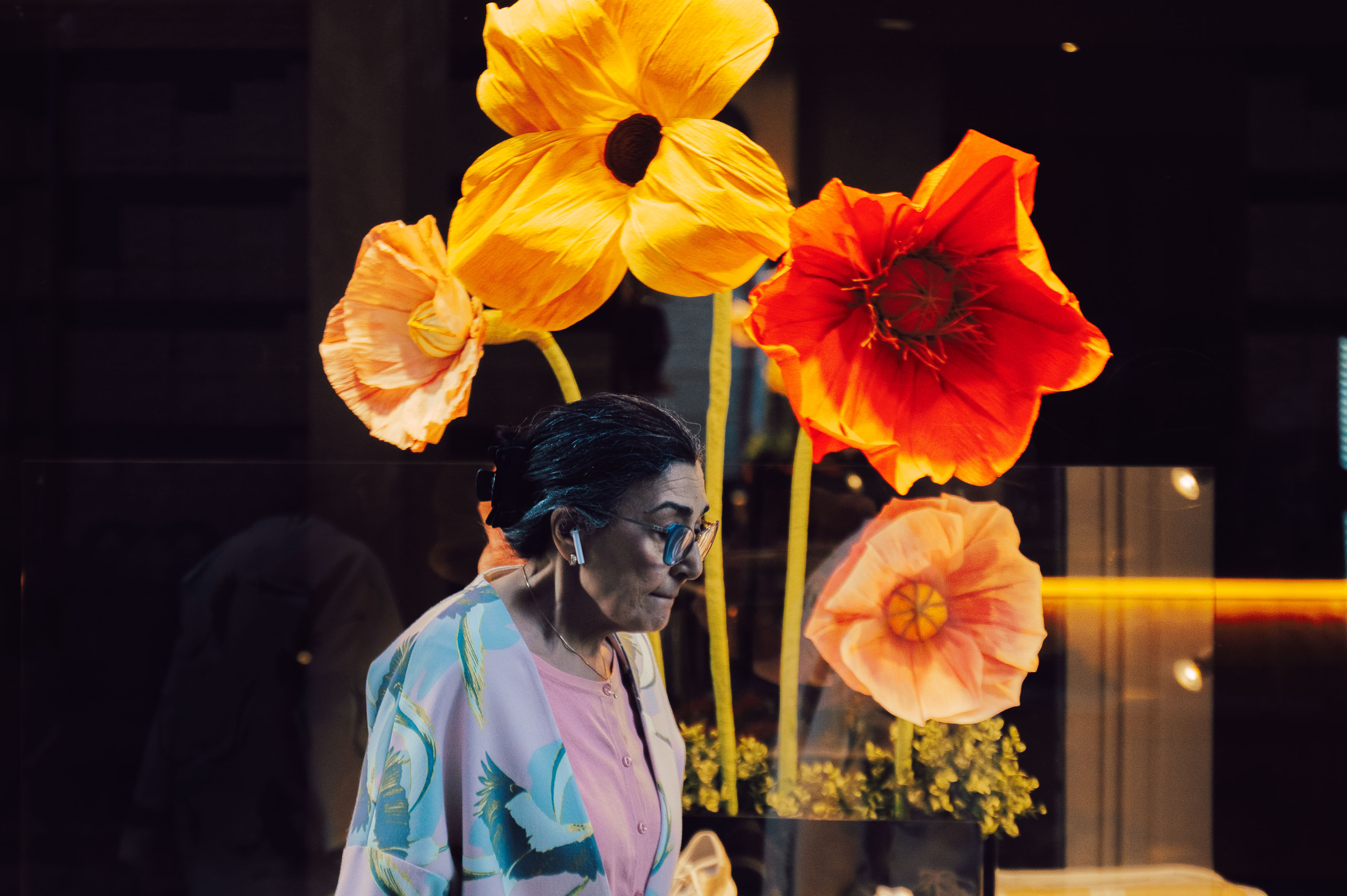
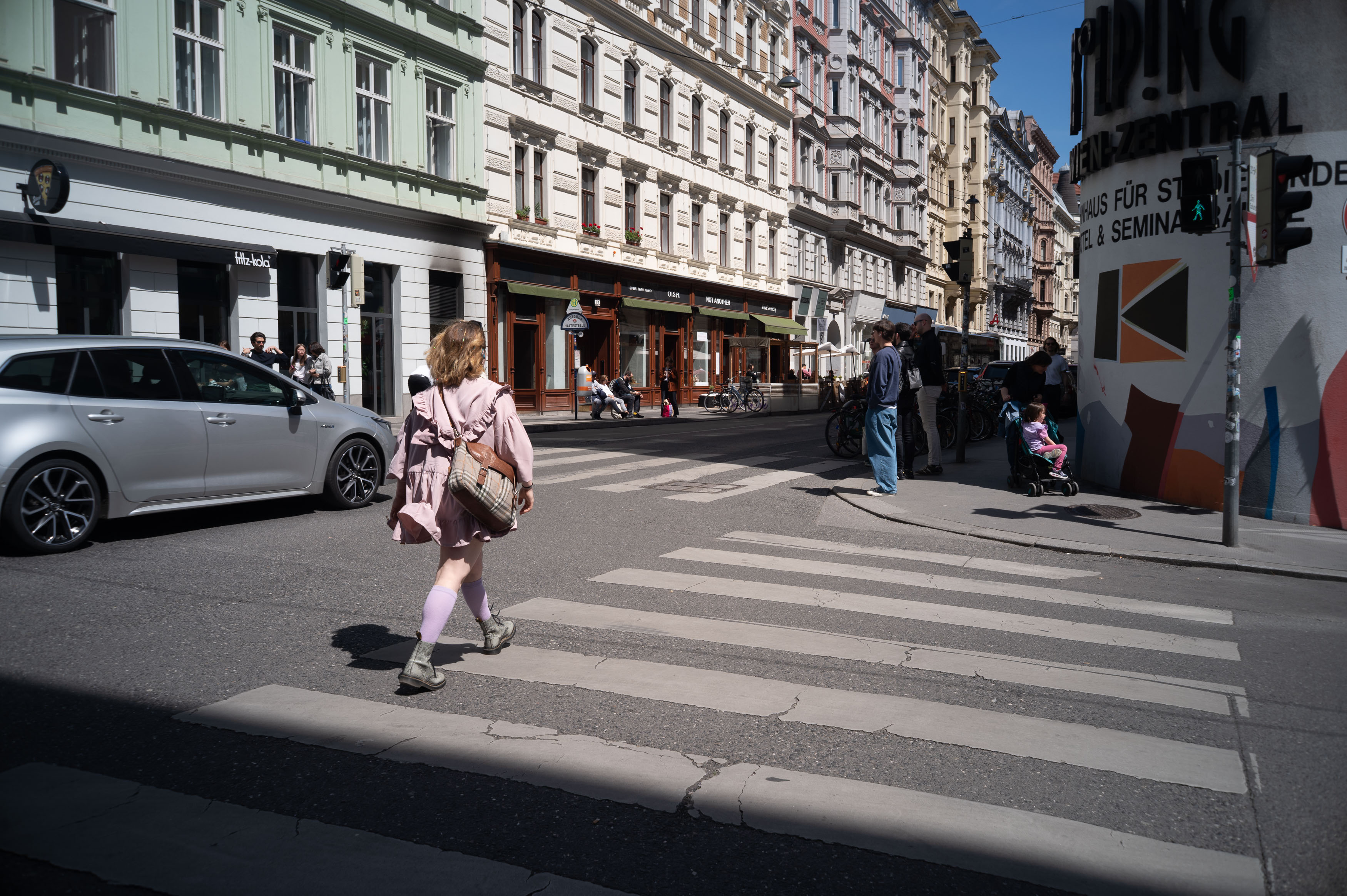
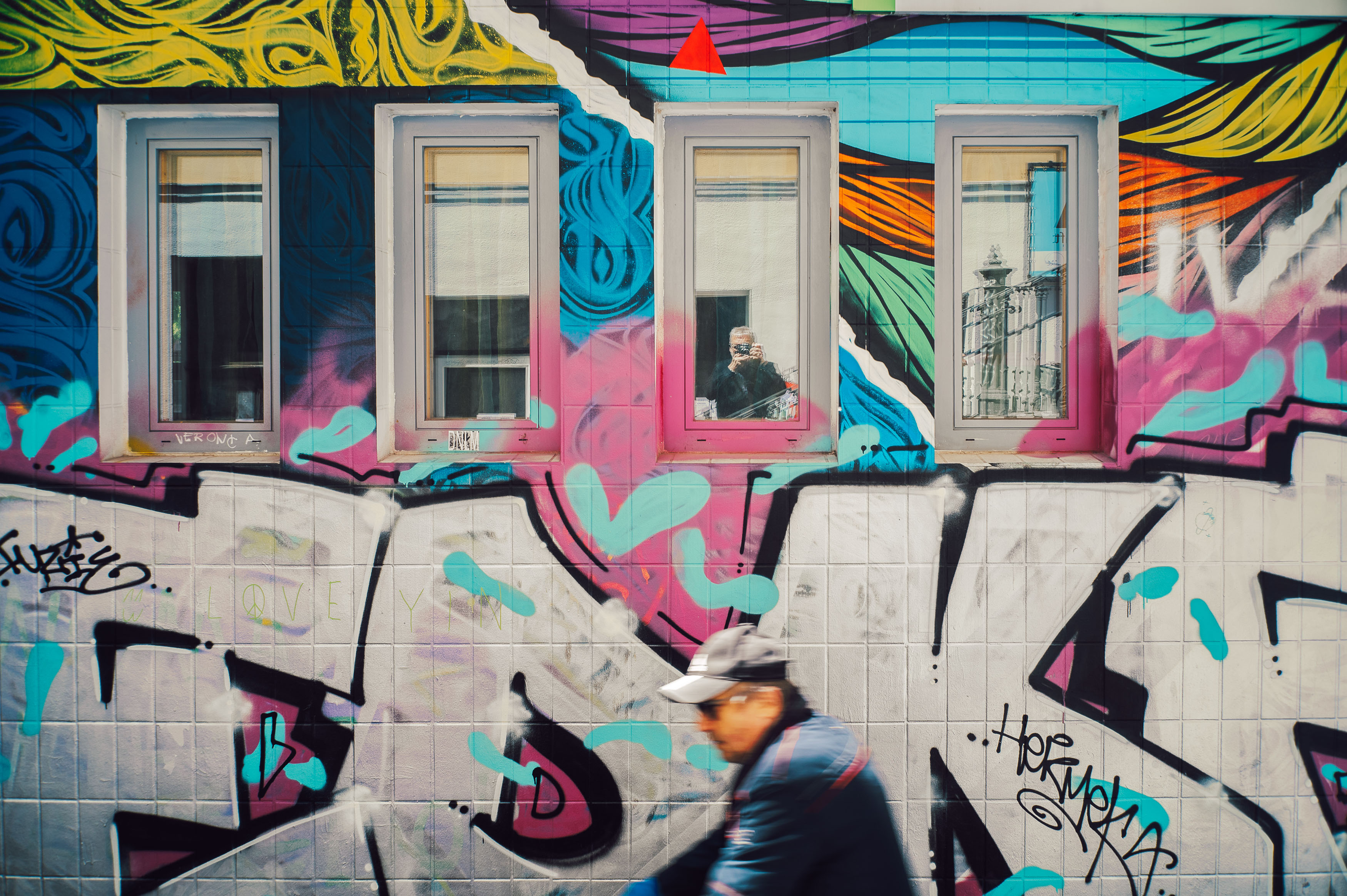
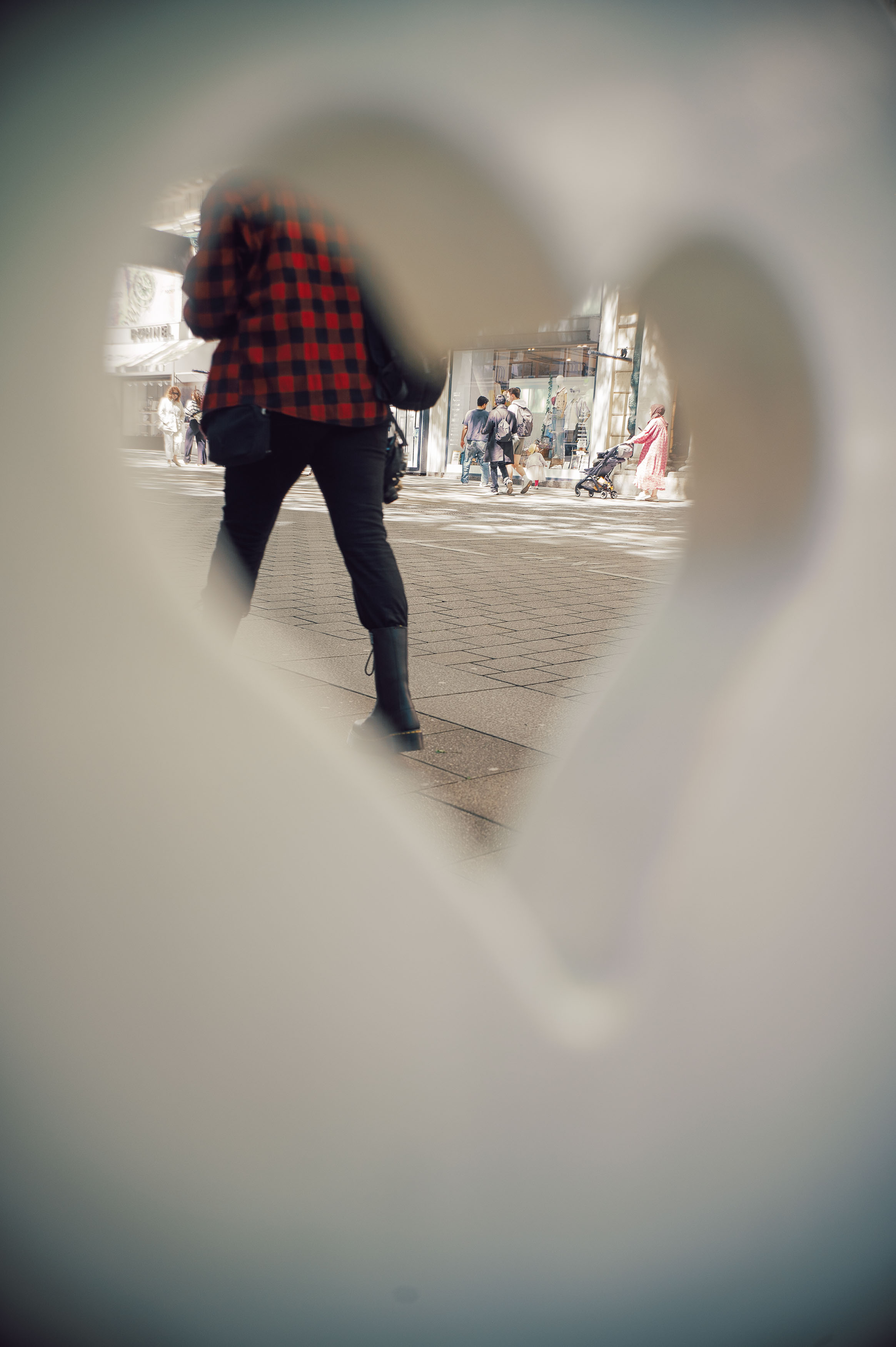
After two rolls of HP5 pushed to ISO 800, I had enough photographs to judge the lens on its own terms. The results weren’t technically impressive in every respect, but they were far from useless. The busier street scenes generally worked best, with people becoming part of the environment rather than isolated subjects. I particularly liked balanced compositions where anonymous figures contributed to the scene and the lighting did more of the work than sharpness ever could. Even a railway crossing proved difficult to resist, although railway crossings are practically cheating when it comes to street photography.

More Than the Sum of Its Parts

So, is the Nikon AF Nikkor 28mm f/2.8 a terrible lens? Optically, there are certainly reasons to criticise it. It’s soft at wider apertures, distortion can be troublesome, and shooting directly into the light reveals its limitations. If technical perfection is the goal, there are better options, including Nikon’s more highly regarded manual-focus 28mm.

Yet I came away feeling more positive about this lens than its reputation might suggest. Once it was on the camera, I stopped worrying about its shortcomings and simply enjoyed taking photographs. I didn’t particularly mind the results either, which is not always something I can say about my own work.
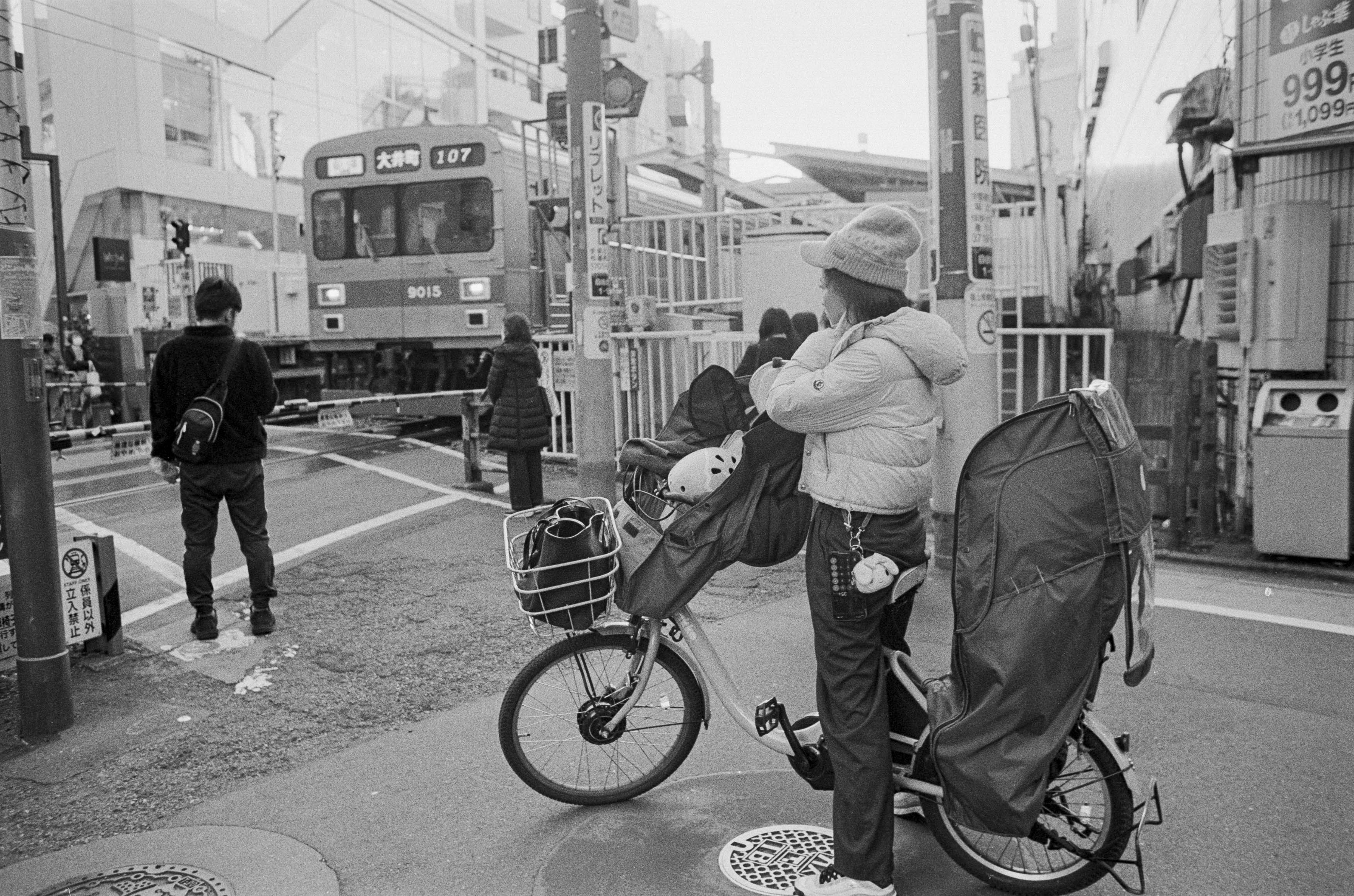
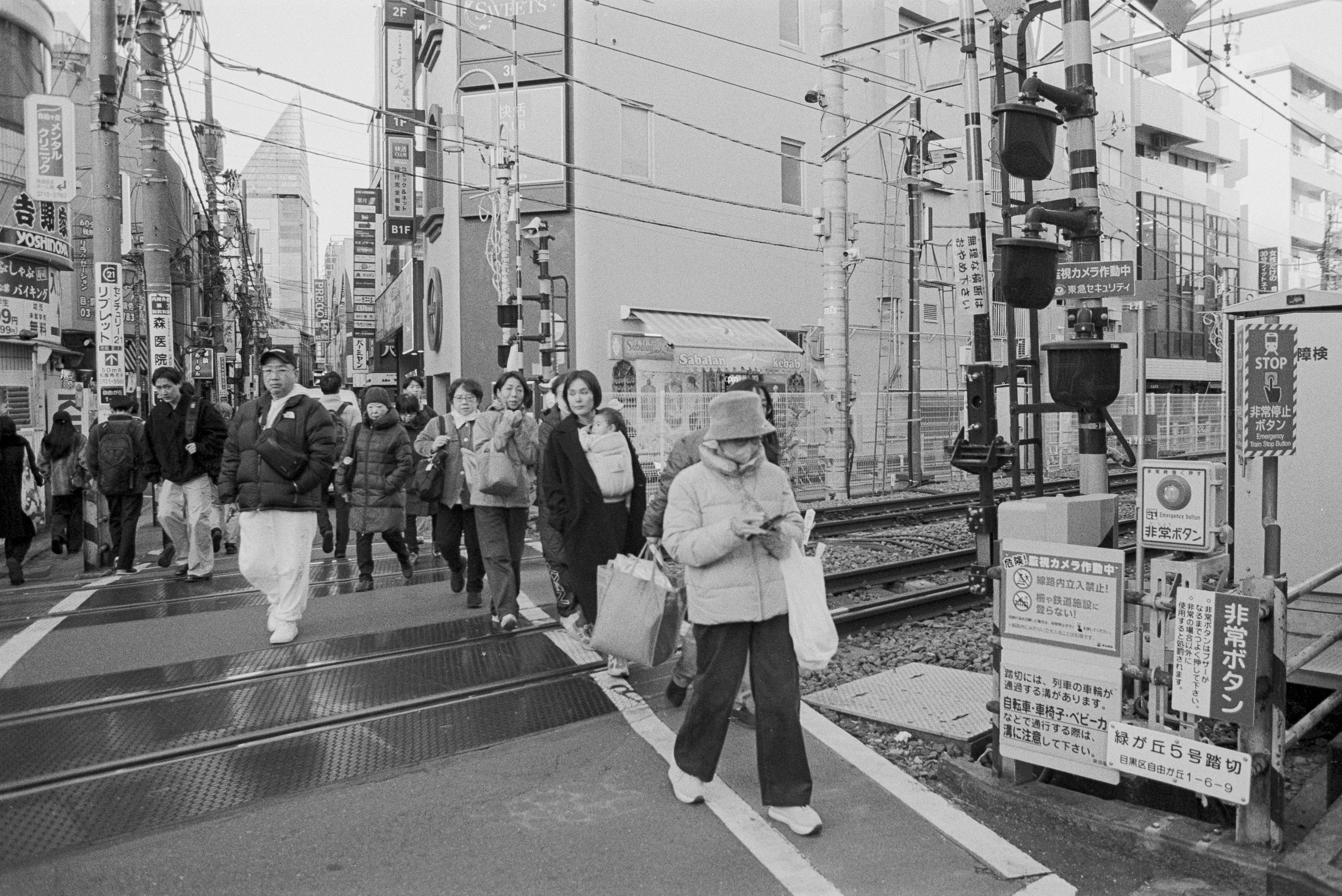
The photos here are evidence that a lens can be imperfect and still produce images worth looking at. Its limitations became part of the experience rather than a reason to abandon it, and the occasional flare or softness could even contribute to a photograph’s character.

We spend a great deal of time comparing specifications, counting optical elements and deciding which lenses deserve our approval. Those things matter, but they don’t always tell us whether we’ll enjoy using a lens or whether it will help us make photographs we like. The AF 28mm f/2.8 may not be Nikon’s finest wide-angle design, but it proved to be an agreeable companion on the streets of Tokyo.

I wouldn’t recommend it as a miracle bargain or pretend its flaws don’t exist. I would, however, suggest that it deserves more consideration than its reputation allows. Sometimes an unassuming, imperfect lens is enough to get you out taking photographs, and that’s a more useful quality than a perfect set of laboratory results. I’ll probably take this one out again, along with the other questionable cameras and lenses that seem to find their way into my collection.
Can One Camera, One Lens, and One Film Make You a Better Photographer?

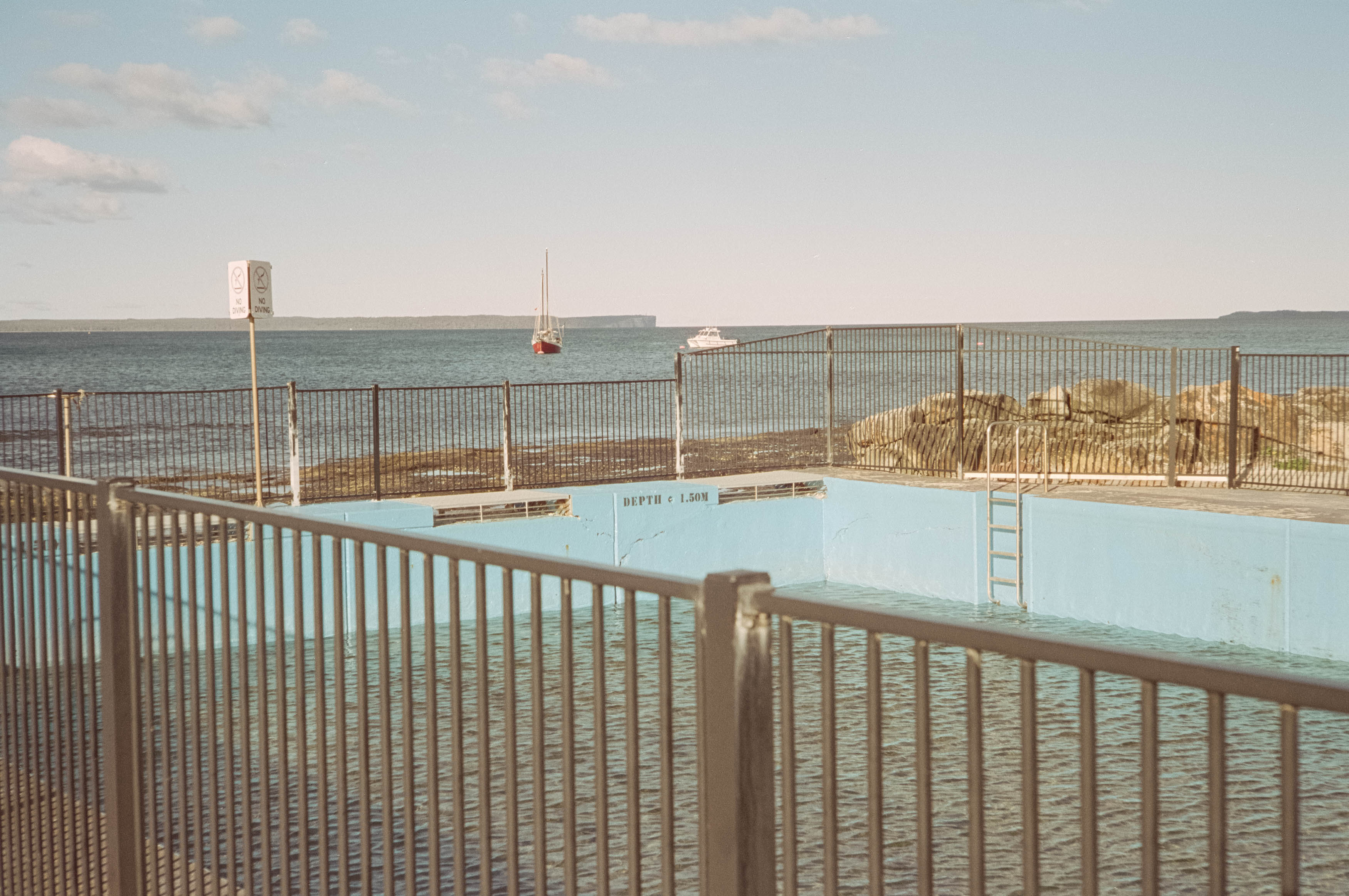
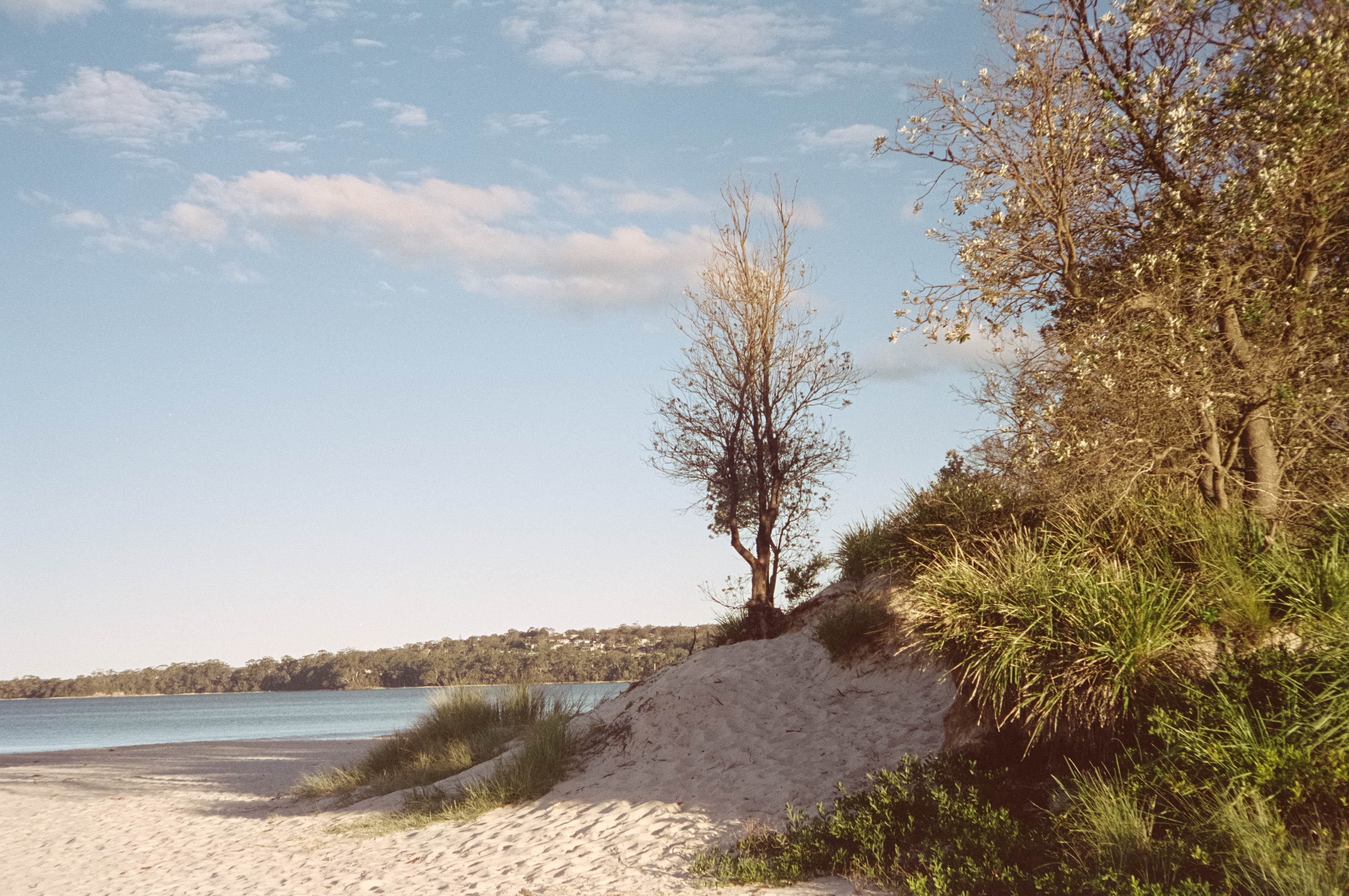
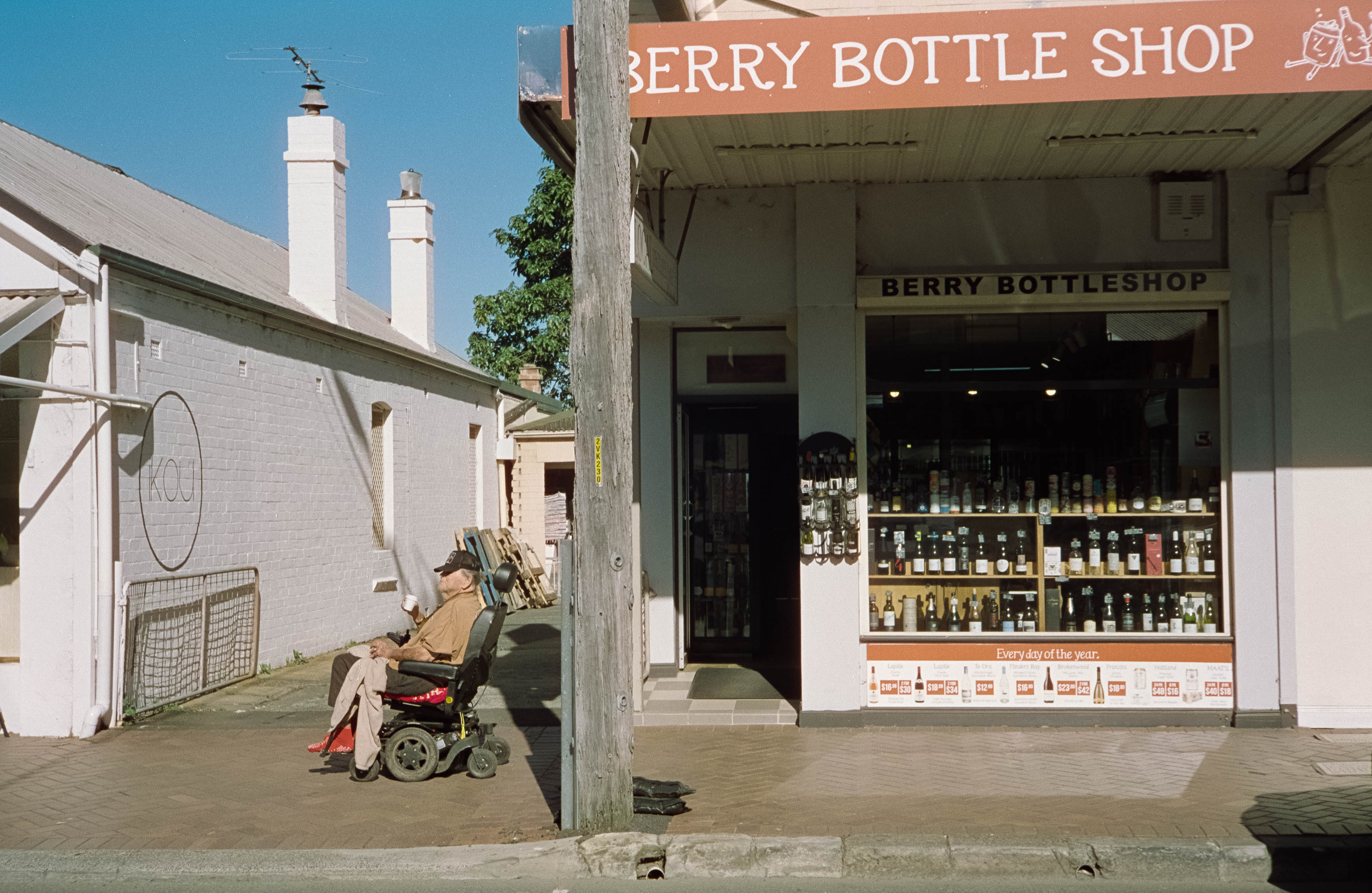
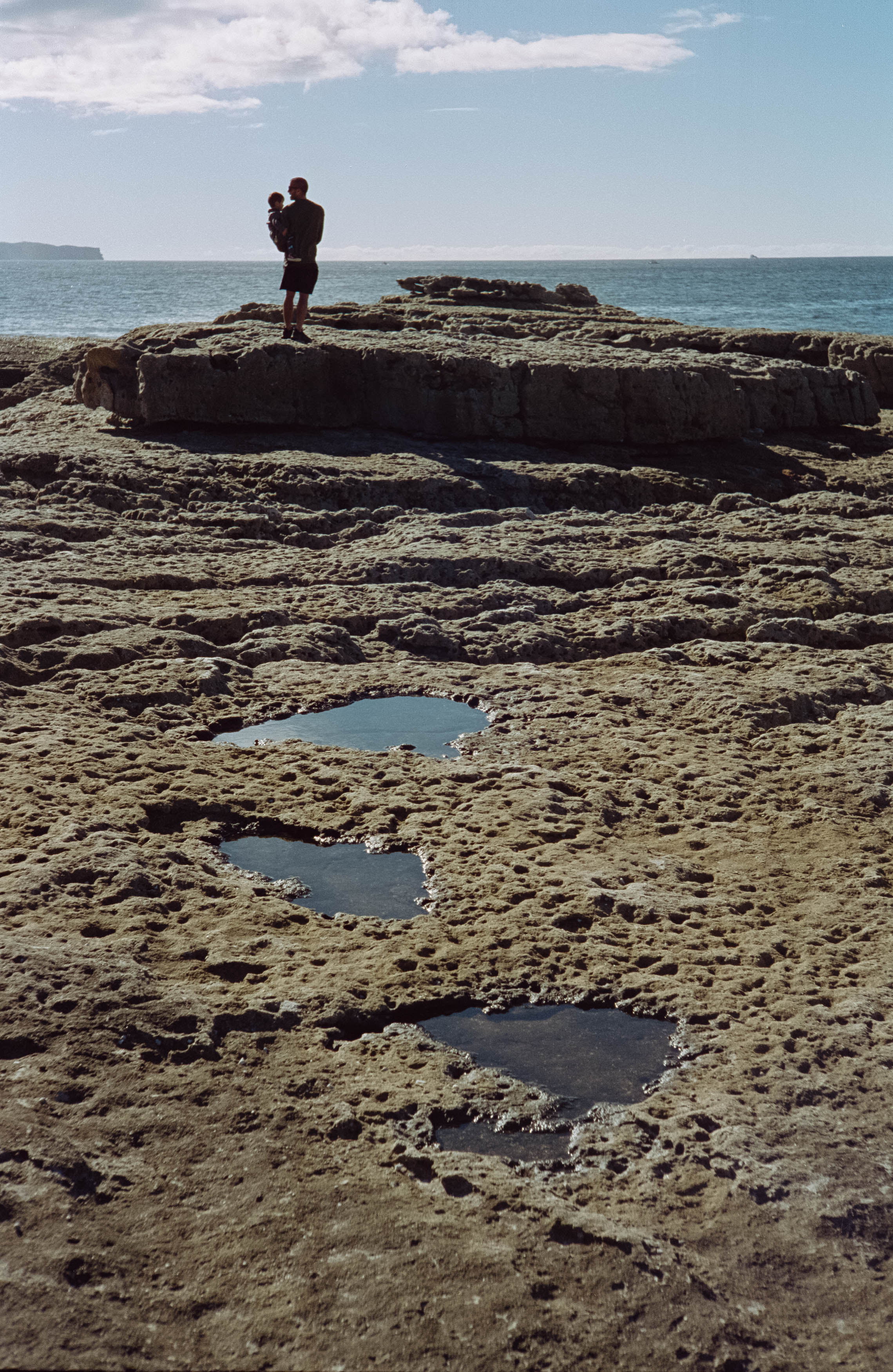
Will sticking to one camera, one lens and one type of film make me a better photographer? I recently travelled to New South Wales with a Leica M2, a gorgeous Nikon S.C. 50mm f/1.4 lens for Leica thread mount, and a film stock I’d never tried before: Reflx Lab 100D. It was a fairly luxurious way to limit my options, admittedly, and there were a few caveats to the experiment, but the principle was simple enough. I wanted to see whether getting to know one combination of equipment could help me find that elusive creative flow.

The film was an interesting choice in its own right. Reflx Lab 100D is essentially Kodak Vision3 50D motion picture film, with its remjet backing removed so it can be processed using standard C-41 colour negative chemistry. It’s daylight-balanced, rated at ISO 100 and intended to deliver the sort of cinematic look that has become increasingly popular in still photography. Whatever “cinematic” actually means, I was hoping for natural colours, fine grain and a little more character than I get from my usual budget film.

My previous experiences with cinema film had been mixed. I’d tried processing film with the remjet backing still attached, with varying degrees of success, and removing it myself had proved rather less straightforward than chucking a bit of bicarbonate of soda into the mix and watching the residue disappear. In my experience, that stuff clings to the film with remarkable stubbornness, leaving scratches and streaks that can spoil an otherwise decent photograph.

Reflx Lab 100D avoids that particular problem by arriving ready to use, and in Australia it costs a few dollars more than my usual Kodak Colorplus 200 but considerably less than Portra/Ektacolor. That seemed a reasonable price to pay for a little experimentation. With two rolls packed, I headed off to see whether New South Wales could provide the scenery and the film could provide the cinema.

From Sydney to the South Coast

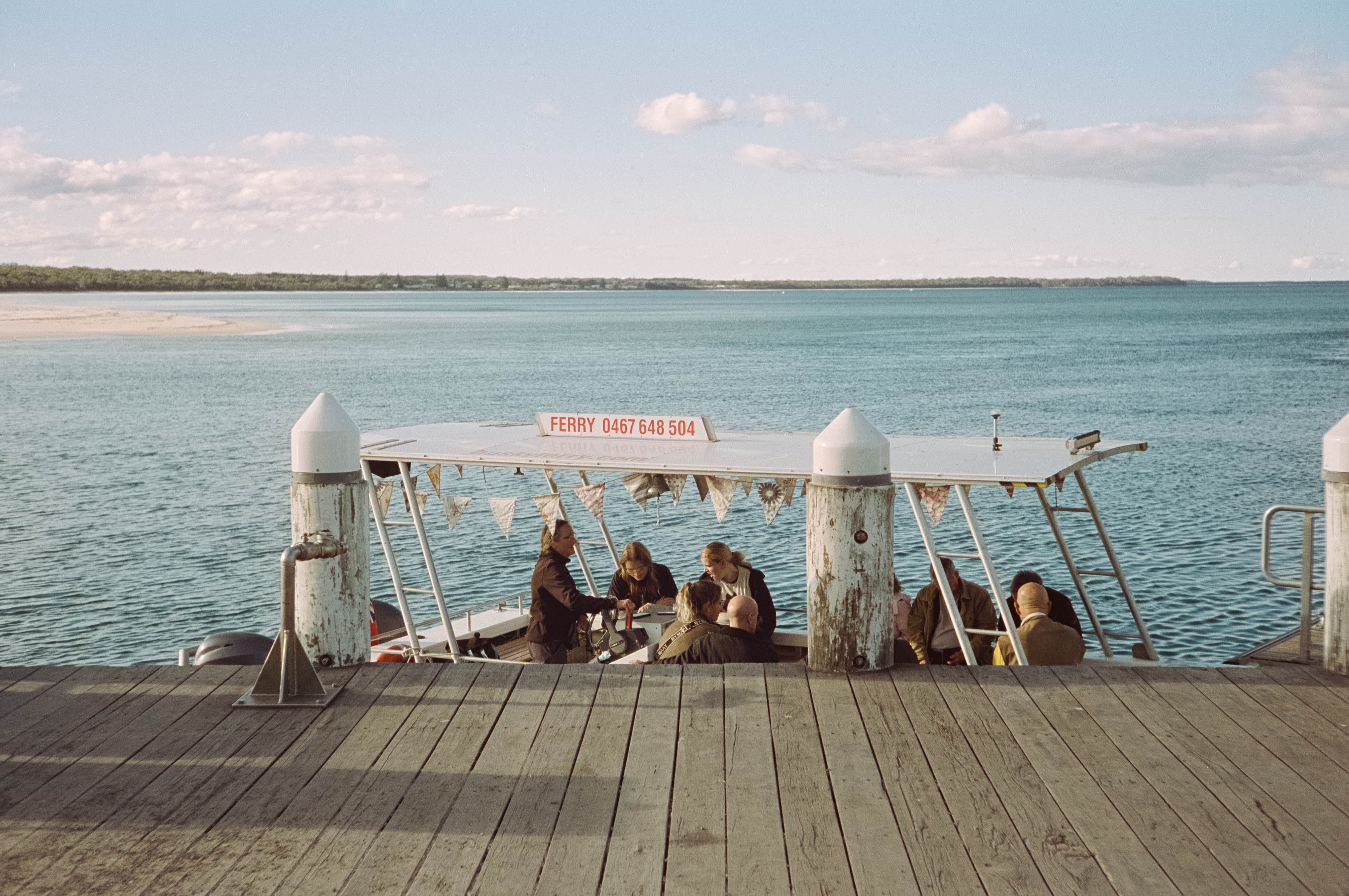
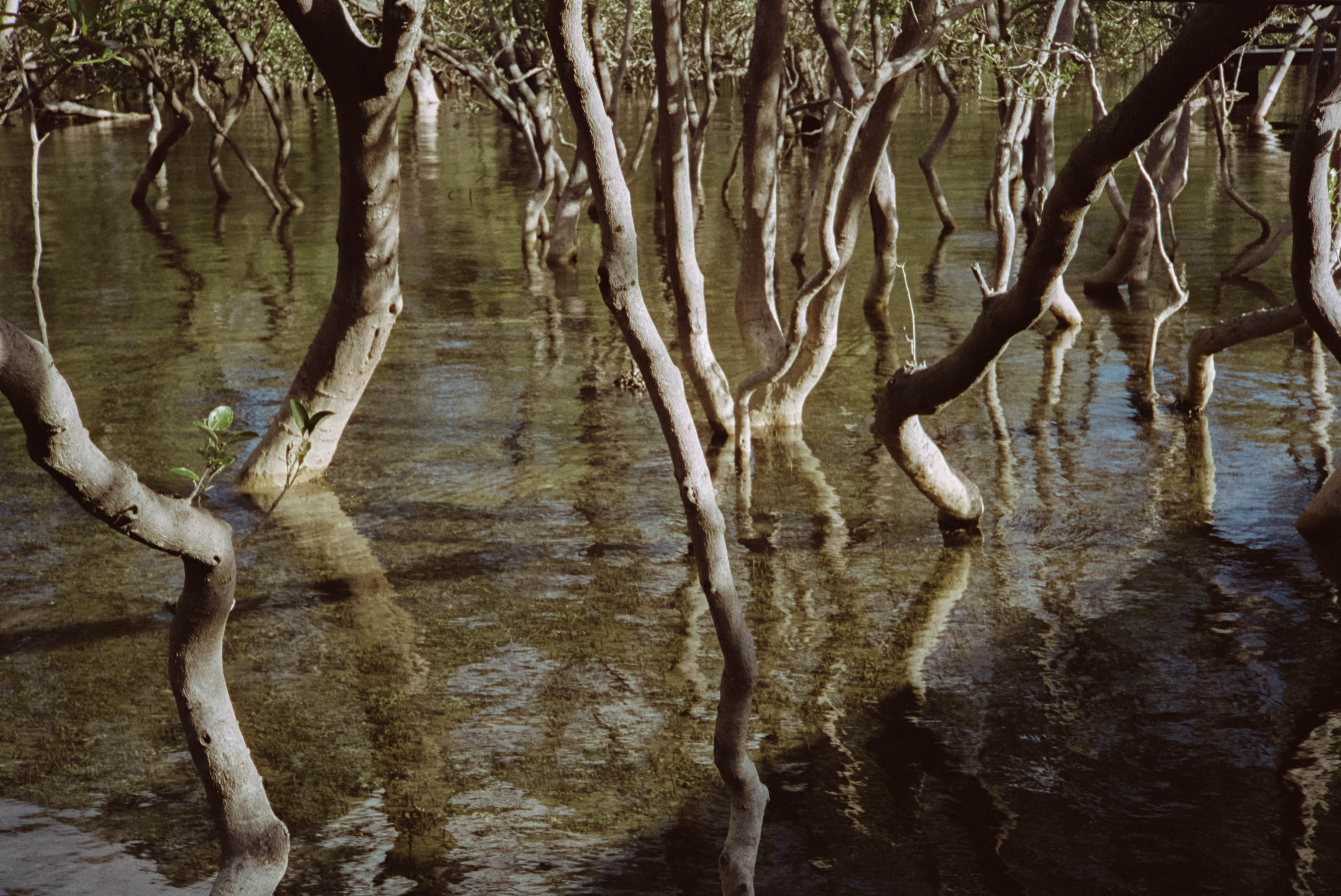
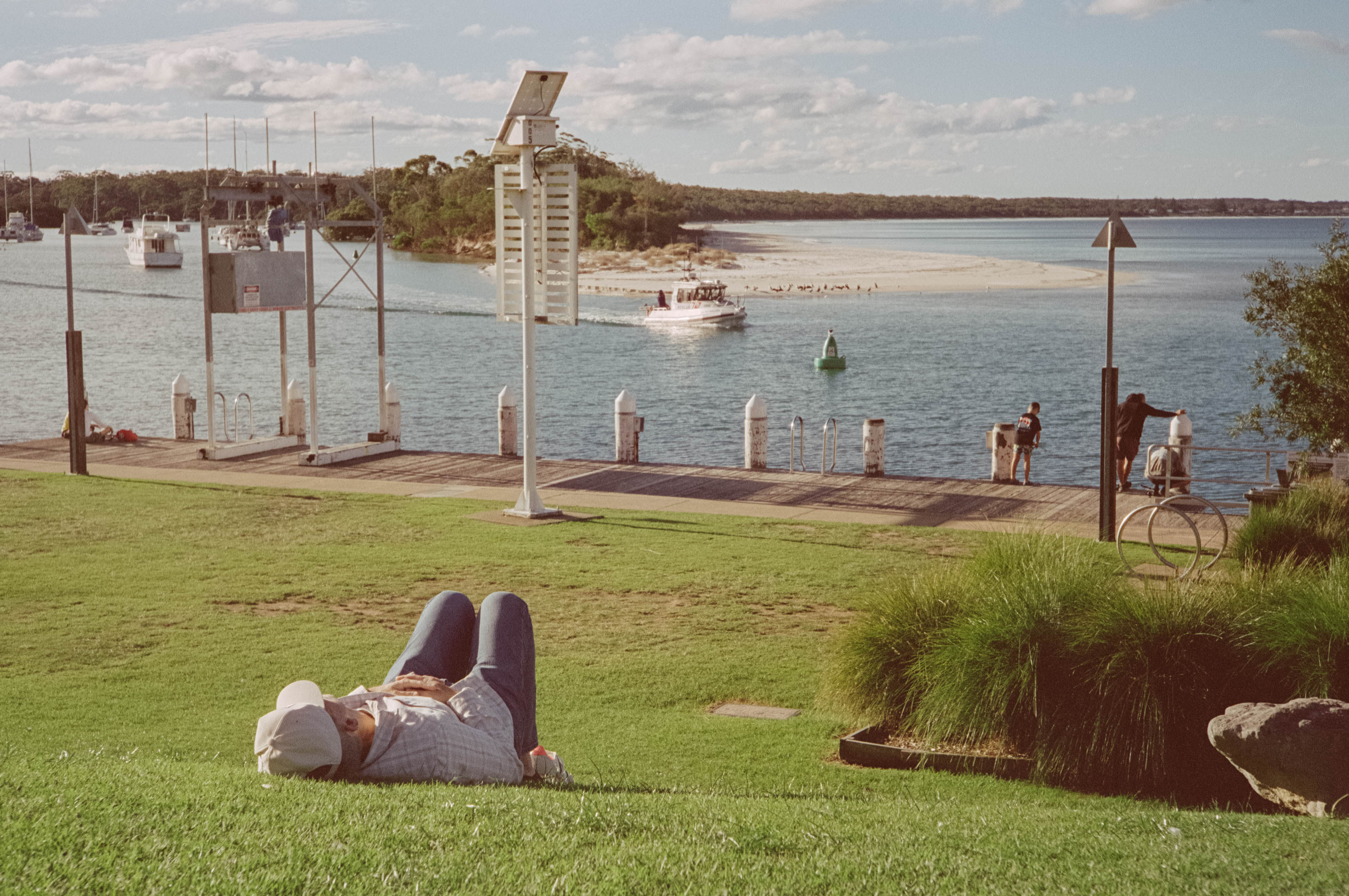
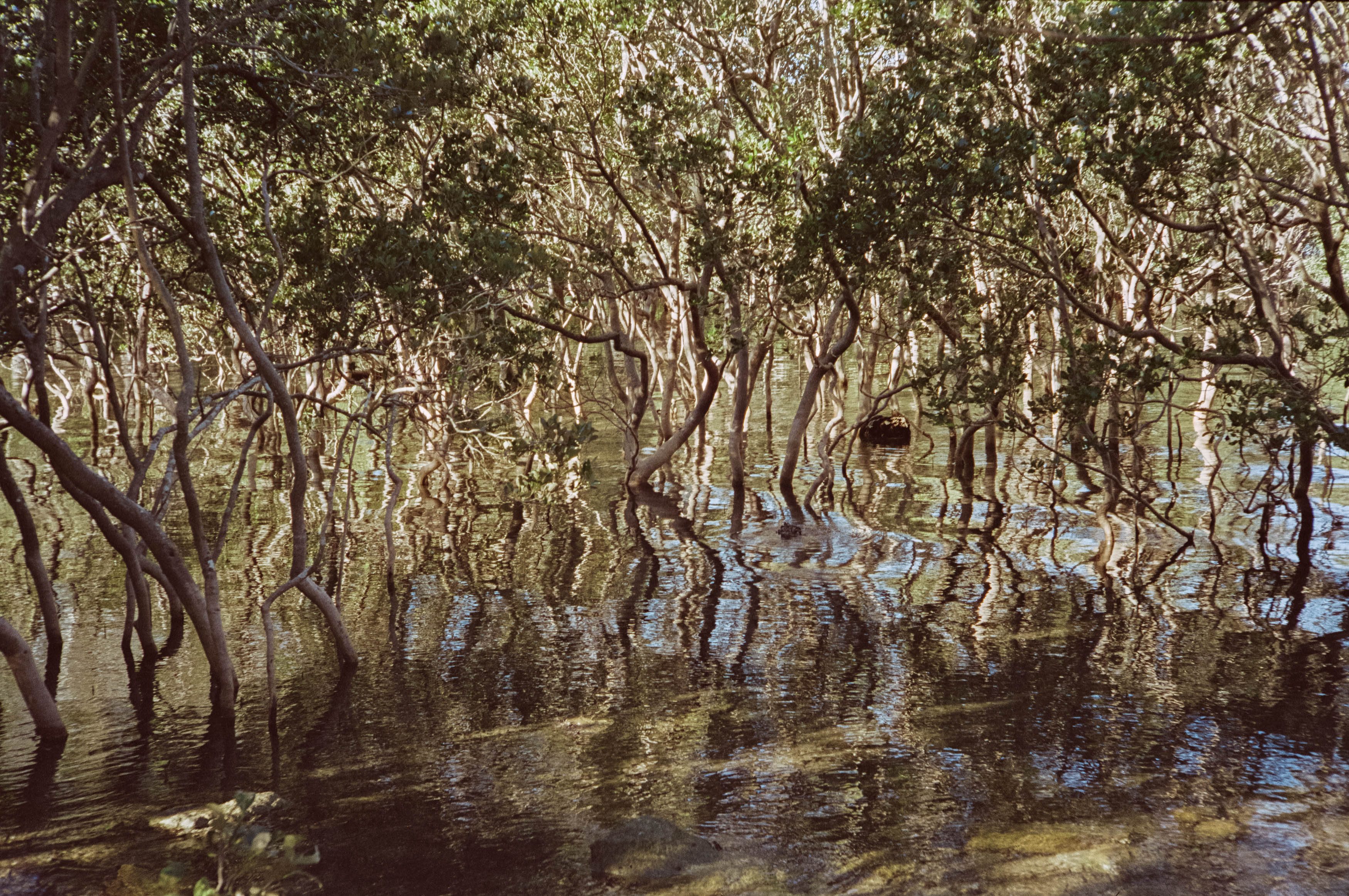
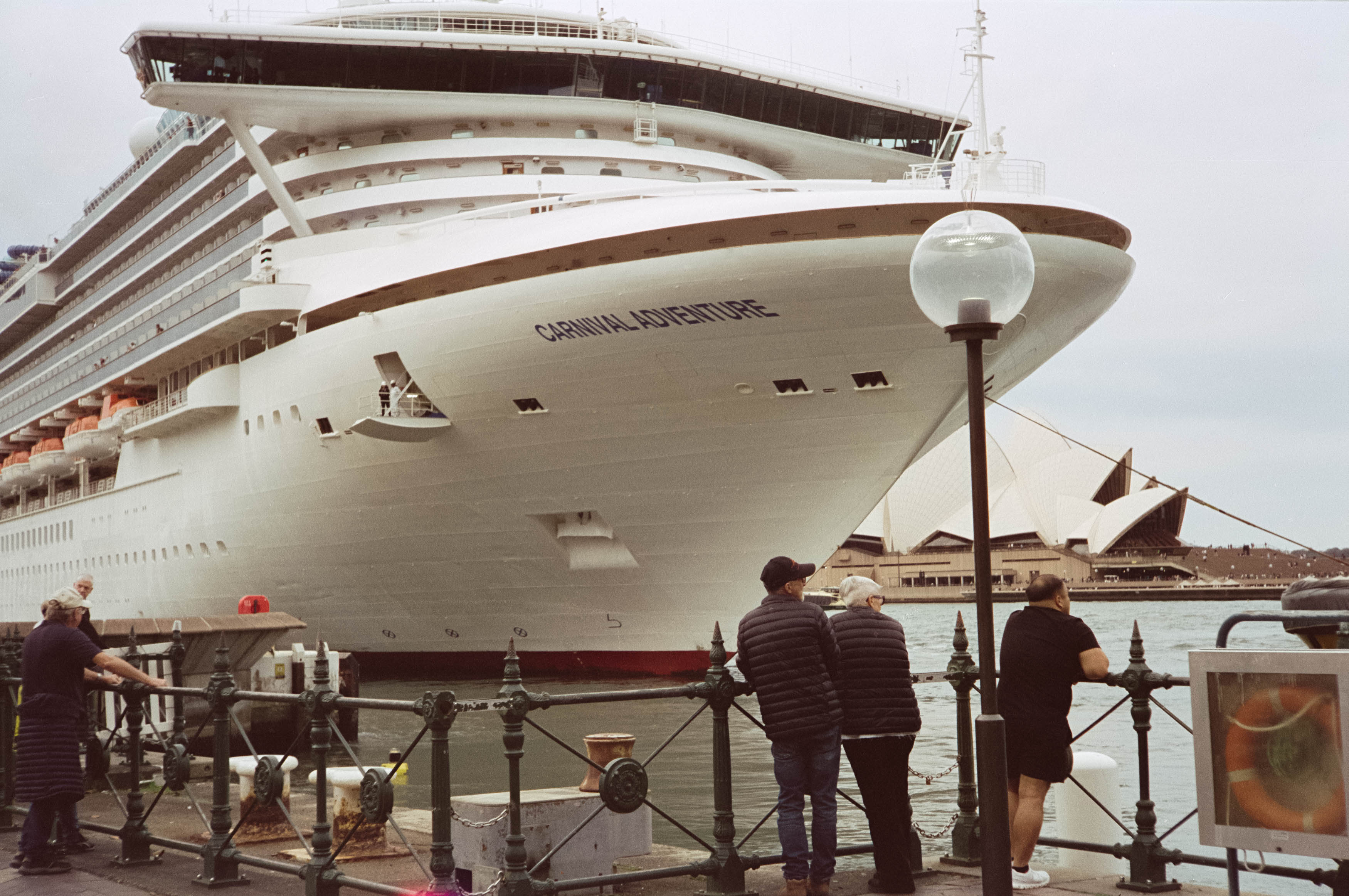
I started in Sydney, taking in Circular Quay, the Harbour Bridge and the Rocks before escaping the big city and heading south towards Jervis Bay. I was staying in Callala Bay, with plans to explore the surrounding coastline and towns, including Huskisson, Vincentia and Berry. There was plenty of picturesque scenery to work with, although my early attempts to photograph the local mangroves suggested that having an interesting subject and making an interesting photograph are two entirely different things.

I’ve tried photographing mangroves before, including with this same Leica, and my failures now seem to be geographically universal. There’s something otherworldly about their tangled roots and muddy pools that simply refuses to translate onto film. Perhaps the problem is the plants themselves, although I’m prepared to entertain the possibility that it’s me. If anyone has managed to photograph mangroves without producing muddy photographs of muddy things, I’d genuinely like to know how.

My attempts at more conventional bushland photography weren’t much better, so I turned my attention towards human habitation. Huskisson, a small town that attracts plenty of visitors when the sun comes out, seemed a more promising subject. I also visited Cape St George, where the ruins of an old lighthouse stand as a reminder that even well-intentioned projects can go spectacularly wrong. Built in 1860, the lighthouse was poorly positioned and its weak light contributed to shipwrecks rather than preventing them. Unfortunately, my own photographic ambitions were running aground too.

I hadn’t developed the film yet, but I could tell that I wasn’t producing anything particularly spectacular. The Leica and Nikon combination certainly wasn’t the problem, though. The M2 might be horrendously overengineered for a camera that essentially lets me focus, compose and take a photograph, but its simplicity is part of the appeal. There are few distractions, and the process becomes increasingly instinctive the more I use it.

The Nikon lens is similarly familiar now. I can find the focus tab almost immediately, and even locking and unlocking the lens at infinity has become second nature. Setting the shutter speed, adjusting the aperture and focusing on a subject gradually become part of the same movement, like an intricate choreography between my hands and eyes. My creative instincts, unfortunately, were taking rather longer to catch up.

Getting to Know Reflx Lab 100D

Things began to improve as the light softened around Callala Bay. By the time I reached my final full day in New South Wales, I was becoming more comfortable with the setup, and the photographs were starting to show a little more promise. My hand-eye coordination was working seamlessly, even if my creative eye was only just beginning to wake up.

Once I developed the film, I was pleasantly surprised by the results. Reflx Lab 100D produces fairly neutral colours, with the sort of fine grain and sharpness I was hoping for. I find cinema film can lean a little green compared with some budget still-photography stocks, which often introduce pink tones into the shadows. The film wasn’t particularly flattering to the rocks and foliage around Cape St George, but it rendered the towns of Huskisson and Berry with an appealing natural charm.

The Nikon lens helped, too. At f/1.4, it can produce the dreamy rendering often associated with vintage optics, although I didn’t see much of the bloominess that sometimes accompanies shooting wide open. In brighter conditions, stopping down allowed me to take advantage of the film’s sharpness, while the sunset photographs of Callala Bay turned out to be among my favourites.

Learning to See, Not Just Shoot

The biggest lesson from this experiment wasn’t really about the camera, lens or film. It was about familiarity. The more I used the Leica M2 and Nikon 50mm, the more naturally everything worked. My fingers found the dials more quickly, focusing became instinctive, and I gradually became more confident judging exposure without reaching for a light meter every time.

After checking the exposure in bright sunshine and in the shade, I found it increasingly easy to judge the light by its intensity and the contrast of the shadows. The camera became less of a mechanical device I had to operate and more of an extension of myself. That freedom allowed me to concentrate on what was actually in front of the lens.

But there’s a difference between learning to operate a camera and learning to see photographs. Limiting myself to one camera, one lens and one film helped me become familiar with my equipment, but it didn’t automatically make me more creative. The real challenge was learning to recognise compositions that worked within those limitations, rather than wishing I had a different lens or another film stock.

By the end of the trip, I was beginning to see the world in 50mm Vision3. I had a better understanding of how the lens behaved, how the film rendered colour and how the camera fitted into my photographic process. I suspect the photographs will improve as that familiarity develops further.

So, did one camera, one lens and one film make me a better photographer? Perhaps not overnight, but it gave me a useful way to focus on the things that matter. The equipment became familiar enough that I could spend less time thinking about it and more time looking for photographs worth taking. Six favourites from 72 frames isn’t exactly a spectacular hit rate, but it’s a start. Just don’t ask me to photograph any more mangroves.

The Godox C100 is More Than a Toy

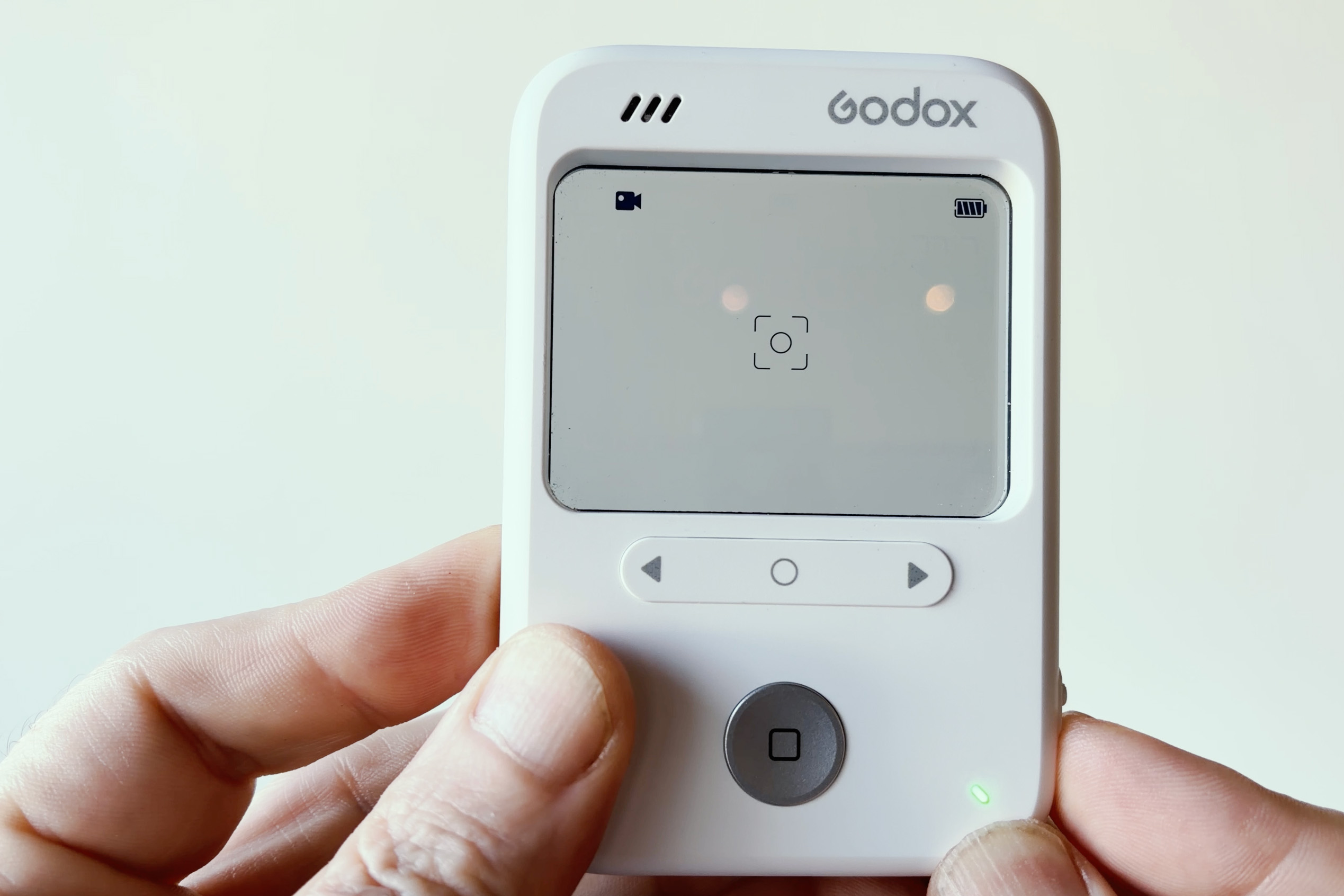
What on earth is the Godox C100, and what is it actually good for? That’s what I wanted to find out. At first glance, it’s certainly different from most cameras I’ve used. Godox has pushed the boat out with this one: it’s a simple white rounded block, relatively unobtrusive, sleek and minimalist, yet somehow exactly the sort of device that makes people stare because it doesn’t really look like anything else.

It is, in fact, a digital camera. It’s just a digital camera without a screen for reviewing your photographs. We’re starting to see a few of these toy cameras appearing, with the Kodak Charmera probably being the best-known example. The C100 takes a rather different approach, though. It has a viewfinder, but rather than a tiny squinty scope, half the device is dedicated to a clear window through which you compose your shots.

There’s something wonderfully anachronistic about it. The viewfinder feels like technology from the 1930s, much like my Voigtlander Bessa folding camera, while the LCD overlays inside it bring things forward to the 1980s. And then, buried inside this strange little object, there’s a two-megapixel digital camera — technology from the 2000s.

But what is it actually good for? If we’re being honest, the camera technology is basically dash-cam territory. It’s the kind of thing you could use to see who’s robbing the convenience store or taking a dump outside your front door. It does the job, so to speak, but that’s hardly groundbreaking. It also shoots 1080p video at a claimed 29 frames per second, although before you start thinking about replacing your DJI Pocket 4 Pro, remember that this is a toy based on technology designed to help you park your car rather than get you onto the cover of National Geographic.

The more important question, then, is whether it’s actually fun.

Taking the C100 Out Into the World

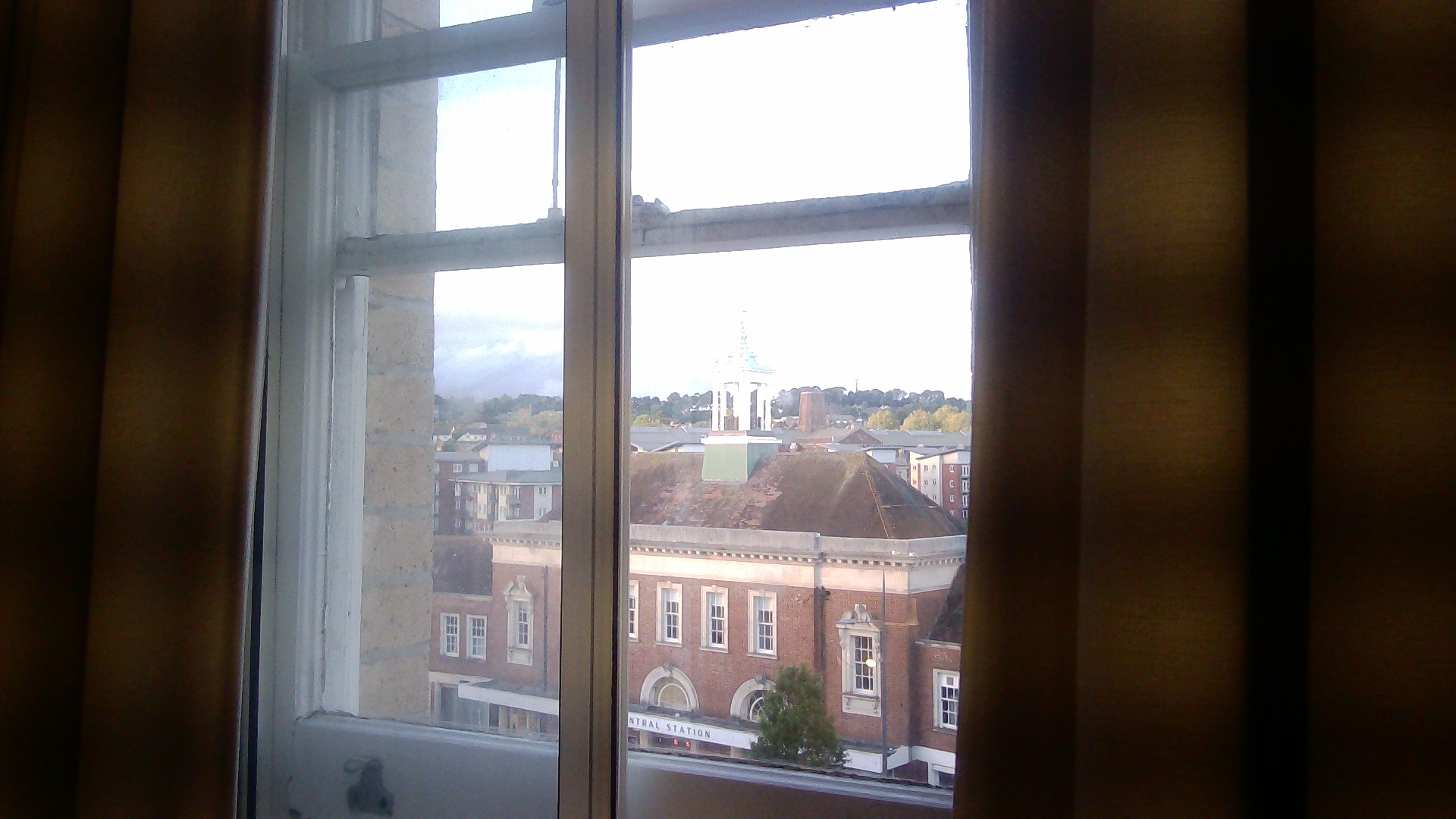
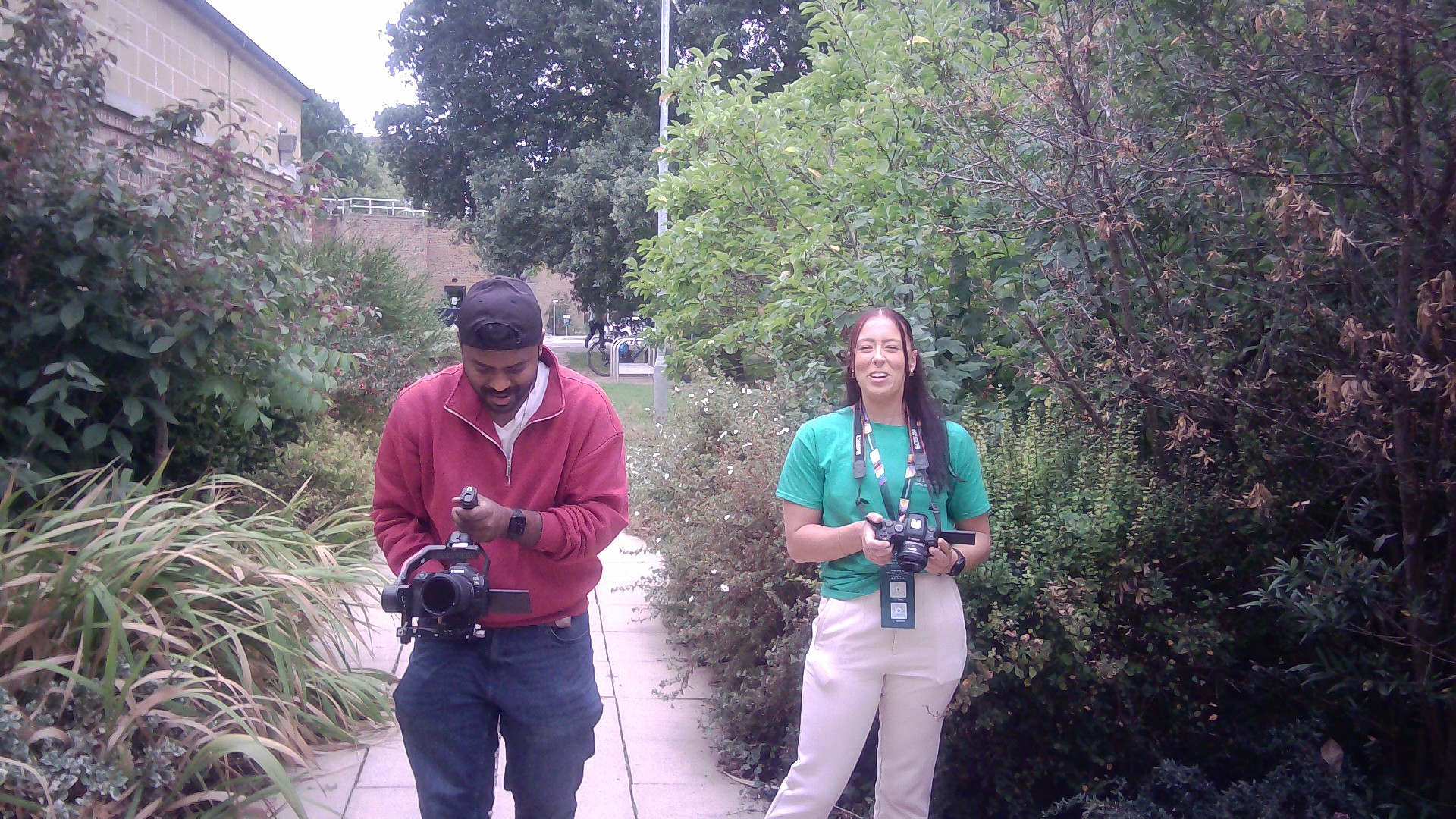
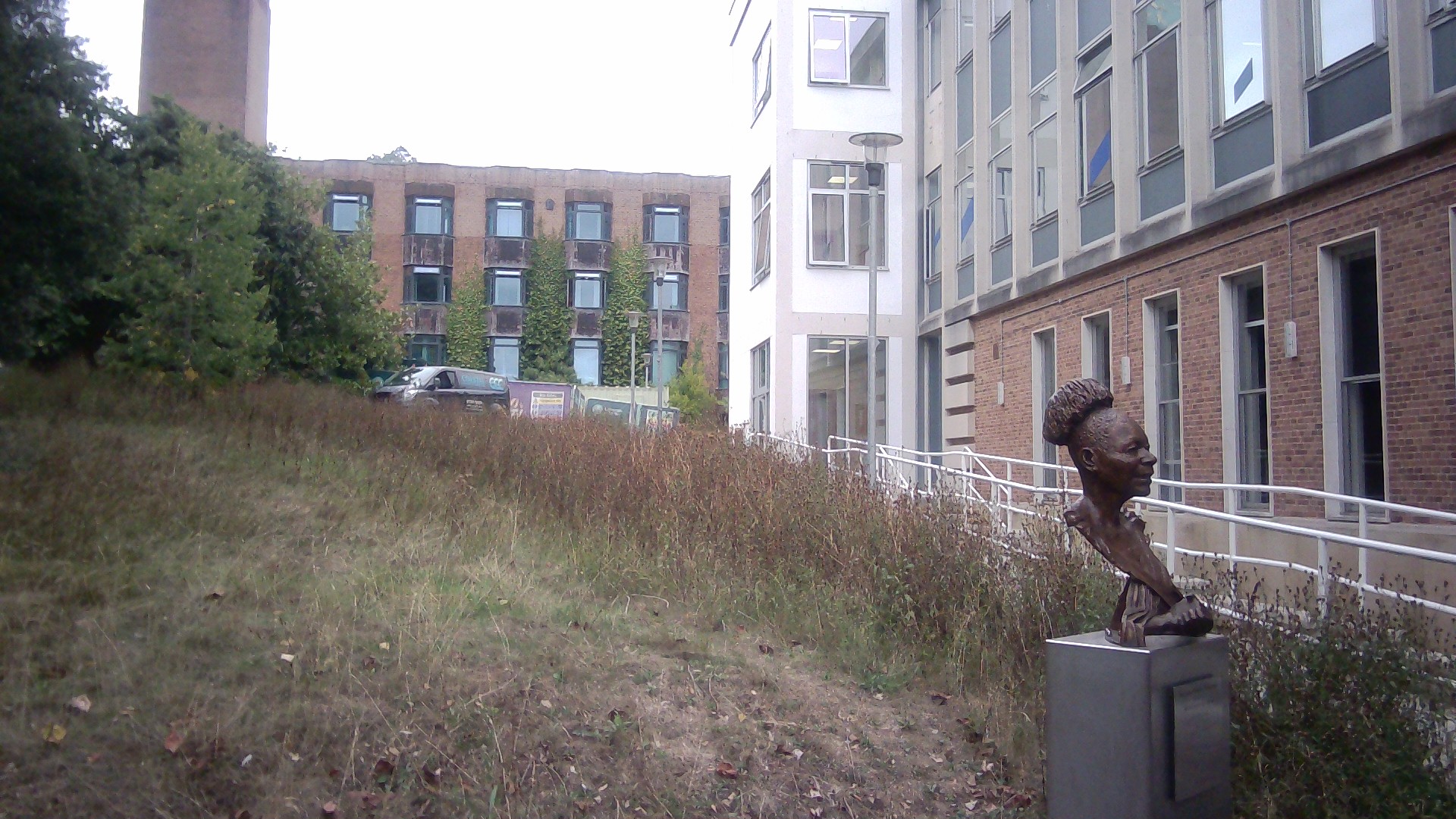
I took the C100 with me to Europe on a work trip, and when I found myself at Exeter University, I decided to take it for a walk around campus. Despite being tiny and unobtrusive, it isn’t particularly discreet. You have to get used to explaining what that weird little white brick in your hand actually is.

Judging by the reactions I was getting as I wandered around campus, it certainly captured attention. For a generation of students who have probably never taken a photograph on anything other than a phone, it’s a particularly strange-looking object. I found it surprisingly enjoyable for documenting the campus, precisely because it was so limited.

The image quality is, well, you’ve seen it. It isn’t going to replace an Ari Alexa or a Hasselblad X2D. But that isn’t really the point. The quality isn’t necessarily much worse than some old digital point-and-shoots, but the C100 gives you almost no control over the image. There’s no decent lens, no zoom, no aperture control and no shutter control, and you can’t review the image afterwards.

That last part makes things particularly random. You might think holding it out at arm’s length would help you compose your photograph, but it doesn’t really work that way. You have to hold it to your eye, using the frame in the viewfinder to work out what you’re actually photographing.

Operation is extremely simple — simple enough that the instructions fit on the back of the plastic case. There are three modes: still photography, video and, most interestingly, a light meter. You can change the aspect ratio for photographs, although that’s really just an in-camera crop. Video works in much the same way, including a 4:3 option that allows you to recapture some VHS nostalgia.

The quality is not great. The JPEGs are low resolution and heavily compressed, with smeary artefacts, while the video is choppy and suffers from rolling shutter and some fairly aggressive digital stabilisation. This is definitely not a vlogging camera. The good news is that transferring those crappy photographs and videos is completely painless: connect it via USB to your phone or computer and, within seconds, you can post those bilious videos as Instagram reels.

The Surprisingly Useful Light Meter

If the C100 were only a two-megapixel camera and a mediocre video recorder, I’m not sure I’d have much reason to keep it. The third mode, however, changes things considerably. This little white brick is also a light meter, and for me, that’s the real killer feature.

I own several manual film cameras that provide no exposure aids, so I normally have to rely on my eyes, my phone or a proper light meter. My eyes are shot, while using my phone is surprisingly inconvenient. I have to unlock it, open the app, take the reading on a touchscreen and then put the phone away safely again.

My little Sekonic is a much better solution, but dedicated light meters cost considerably more than the C100. I tested the Godox against my phone, the Sekonic and my digital camera’s meter, and it matched them pretty closely. That’s a pretty impressive result for something costing around seventy Australian dollars and weighing just 65 grams.

It isn’t a spot meter; it’s centre-weighted. By pointing the centre LCD frame at different parts of the scene, I can gauge the brightest and darkest areas, which is useful in contrasty situations. The interface lets me cycle through ISO, aperture and shutter speed, locking two settings while calculating the third. For film, I can set the ISO and shutter speed and have the C100 tell me the aperture I need to use.

I took the opportunity to put that into practice with my Voigtlander Perkeo 1, loading a roll of Ilford FP4 Plus and heading out to make some proper analogue photographs.

A Toy That I Actually Want to Keep

So that’s the Godox C100. It’s a still camera, a video camera and a light meter, but most of all, it’s fun. If you don’t expect much from it as an imaging device, it will still give you some snapshots to memorialise moments, and the strange little design makes it a pretty good conversation starter.

For me, though, the real value comes from the light meter. If you shoot a lot of film with manual cameras, having a tiny, inexpensive meter that you can simply hang around your neck is genuinely useful. At 65 grams, it’s easy to throw into the bag or wear with a lanyard, and it’s there whenever I need it.

It isn’t perfect. Scrolling through shutter speeds and apertures is a bit of a button fumble compared with the analogue dial on my Sekonic, and I’ve missed shots by pointing the meter slightly too high and exposing for the sky instead of the land. The interface also has some counter-intuitive moments. The camera makes an audible click with every photograph, and the video mode clearly announces when recording starts but goes silent when you stop, meaning there were times when I wasn’t entirely sure what it was doing.

It also switches itself off to preserve battery life, and waking it up requires flicking the side switch off and back into the correct mode. After a few days, I found that the battery had run out, so a few more milliamp hours wouldn’t hurt either.

Those are fairly small complaints about a modest device that punches well above its weight. Yes, it’s a toy, but I was surprised by how much I enjoyed the delayed gratification of taking photographs and video and having to wait to see the results. It was fun, despite those results being almost universally crap.

I do think there’s potential for a more advanced version. Better image quality would obviously help, although that isn’t really what this camera is about. I’d rather see some built-in art filters that could deshittify the photographs a little, perhaps giving them a nostalgic, tobacco-tinged 70s postcard look or gritty black-and-white grain.

I’d also love the light meter to record its settings as metadata, perhaps allowing the readings to be logged alongside the images. That could be genuinely useful for keeping track of the settings I use on film photographs.

Ultimately, I really like the C100. It isn’t a serious imaging device and it doesn’t pretend to be one, but it’s a surprisingly enjoyable little camera with a genuinely useful trick hidden inside. I can see it having a permanent place in my bag as a secondary light meter, and perhaps, at some point, I’ll try to work around its limitations, polish those photographic turds and see if I can actually make some art out of the Godox C100.

The Olympus IS-2000 is a ridiculously cheap and ridiculously good quality film camera

Olympus is no more, but before OM System started warming up yesterday’s ramen in the form of rebadged products from a more successful era, Olympus was a major innovator in camera technology. The IS-2000 isn’t one of those cameras that gets whispered about in hushed tones alongside legends like the original OM-1 or the Mju series of point-and-shoots, but I think it deserves a little more attention.

The only thing it really has in common with the Olympus Mju is the cheap plastic housing. While those cameras were celebrated for putting sharp optics into compact bodies, the only thing small about the IS-2000 is the price tag. I picked mine up for the princely sum of 18 Australian dollars, or closer to $30 once postage was included. As princely prices go, we’re talking bargain-basement Prince Andrew, with all the associated heft, although at least this camera actually works.

The Mju may have legendary status, but the hundreds of dollars being asked for a second-hand Mju II puts it firmly into the Emperor Has No Clothes category. My own copy no longer works and I’m not prepared to replace it at those prices, so perhaps this Olympus can fill the gap. The only problem is finding the gap, because this thing is big. It lumbered onto the scene in 1991 and, in today’s world of sleek electronics, it’s probably best described as husky.

That size was actually part of the appeal when it was new. Olympus marketed the IS-2000, also known as the IS-2 or L-2 depending on where you were, as a ZLR — a Zoom Lens Reflex camera — offering the advantages of an SLR without the weight and inconvenience of carrying interchangeable lenses on holiday. These days we’d call it a bridge camera, but at the time it represented a new class of camera, and this was the second model in Olympus’s flagship range. It certainly wasn’t cheap either, with the retail price approaching US$1,000.

So the question I wanted to answer was simple: adjusted for inflation, is this thing really worth close to two thousand Australian dollars, or have I overpaid at a hundred times less?

Taking the IS-2000 for a Walk

To find out, I took this heritage camera to a heritage town, Guildford in Perth’s Swan Valley. Founded in 1829, it’s one of Western Australia’s earliest settlements, and the pioneers apparently arrived, discovered that you could grow grapes here, and decided never to leave. It takes a while to go from vine to wine, though, and I was only there for a short walk.

Despite the size, the Olympus is genuinely quite a pleasure to use. For all intents and purposes, you’re using a single-lens reflex camera, just one with a fixed zoom lens and somewhat dubious build quality. You get shutter speeds all the way to 1/2000th, shooting at up to two and a half frames per second, although I’m not sure anyone had the money or interest in blasting through a roll of film in fifteen seconds.

The maximum aperture is a slightly disappointing f/4.5 at the wide end and f/5.6 at telephoto, and there doesn’t appear to be any image stabilisation. The 35-135mm zoom range is practical for a point-and-shoot, although 35mm isn’t going to let you fit the whole ceiling of the Sistine Chapel into the frame. You also get an ISO range from 25 to 3200, provided your film is DX encoded or you’re prepared to hack the cassette if you want to push or pull it.

It does, however, have considerably more going on than a conventional point-and-shoot. There are three macro modes, including a zoom macro that lets you focus as close as 0.6m and a supermacro mode that gets you down to 39cm with the zoom locked at 70mm. There’s even an accessory capable of producing a 1:1 reproduction ratio, although naturally I don’t have that, nor do I have the panorama accessory.

The flash system is more interesting than it initially looks. It uses Olympus’s Intelligent Variable-Power flash system, and there are actually two flashes built into the camera. The system can put enough light into a scene without simply blowing out the highlights in close-up subjects.

Most of the cleverness is hidden from the user, but the function button gives you access to considerably more control than you’d expect. There are program, aperture-priority and manual exposure modes, along with options to prioritise fast shutter speeds for sport, wide apertures for portraits or slower shutter speeds for night photography. There’s single or continuous autofocus, double exposure, exposure lock and multiple flash modes including fill-in.

Ergonomically, it feels surprisingly good in the hand, even though it’s big and heavy. The buttons are a little spongy but well placed, and the zoom rocker sits naturally on the top left of the lens barrel. It feels good to shoot with, even if aesthetically it takes its cues from a 1940s gas mask.

The Good, the Bad and the Film

The camera isn’t perfect. One of the first problems I encountered was loading film, because the film door only opens 90 degrees, partly because of the technology stuffed into the databack. You have to get the film underneath a red tab and push it deep into the corner so the teeth can grab the film leader. I managed it in one go previously, but doing it one-handed in the field while holding a GoPro proved considerably more difficult.

Once I got going, I used the flash to see what the camera could do. In automatic mode, it apparently decided the scene didn’t need any assistance, while the fill-in flash did a much better job of forcing some light into the shadows. A backlit portrait of my daughter showed the same thing: despite the flare and lack of contrast, the fill-in flash added some useful punch to an otherwise flat scene.


The lens can flare, too. It isn’t a problem in most situations, but there’s a visible veiling haze in some images, probably not surprising given the sophisticated lens design with sixteen elements in four groups. That’s a lot of glass. The subject matter, meanwhile, was considerably less sophisticated.

Shooting black and white was particularly liberating. Every frame of colour feels precious, but with the Kentmere 100 I found myself shooting with a sense of joyful abandon, randomly spattering the scene with black and white film. By the end of the walk, I’d also finished a roll of Kodak Colorplus and had enough material to see what this lumbering beast could actually produce.

So, Is It Any Good?

The surprising answer is yes. The lens on this thing is sharp, and I found myself wondering whether you could really tell the difference between these photographs and images from an SLR costing considerably more. The obvious compromises are the size, the slow maximum aperture and the fact that you can’t remove the lens and replace it with something faster or wider.

But perhaps that’s the point. Olympus had apparently found that many people were buying SLRs in the early nineties because they wanted better image quality, only to spend most of their time using the kit lens that came with the camera. With the IS-2000, there’s only one lens, but Olympus made it a good one. The 35-135mm range doesn’t show any major weaknesses, and the addition of macro makes it considerably more versatile.

The price is another standout. It’s difficult to argue with the quality of film photographs you can get from an $18 Australian camera. Even if you can’t find one for that price, this class of camera still feels like one of the last true bargains. I would have preferred something wider — 28mm would have made more sense to me for a walkabout camera — but the 135mm telephoto is perfectly usable.

There’s no getting around the cheap-feeling plastic, either, and the size and build quality could be a dealbreaker. I’ve already lamented the slow death of my Fuji GA645Zi medium format camera, and I suspect this Olympus may eventually meet the same fate, becoming one more slab of comically large 90s landfill.

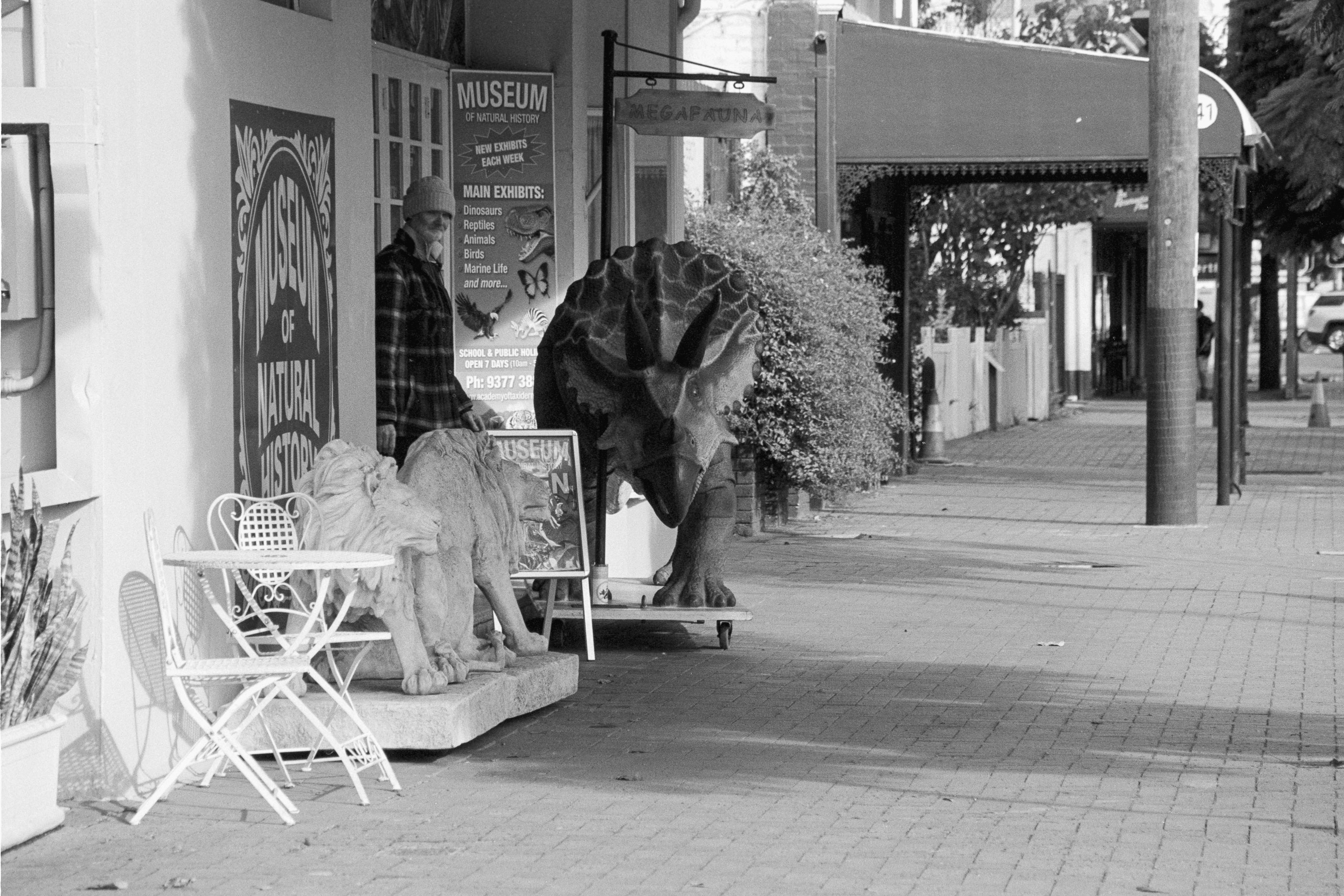
At 18 dollars, though, who cares? This was a dog walk rather than a formal photoshoot, and the photographs are nothing more than snapshots of a part of Perth I rarely visit. Still, the camera delivered where it mattered. I ended up with six Golden moments from Guildford, including the triceratops, a suburban shrine and, very nearly, the back of a sign — a deliberately contrary photograph that I still rather liked.

So these are the six for today: a strange and banal set of photographs from a strange and banal camera. The Olympus IS-2000 may not be something I’m going to pull out to impress the girls at parties, and sometimes size isn’t everything, but in terms of pure image quality, this lumbering beast delivers.

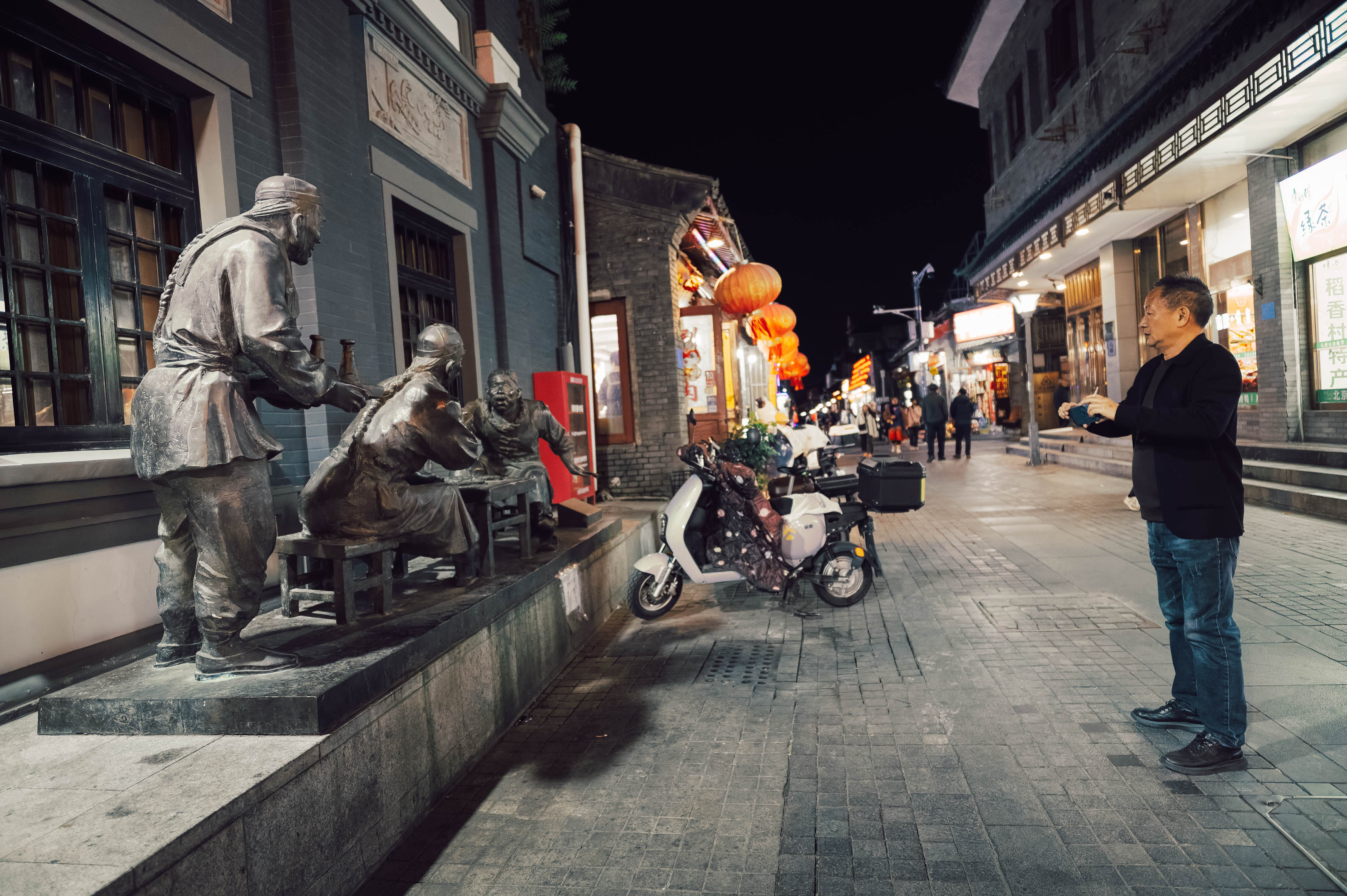
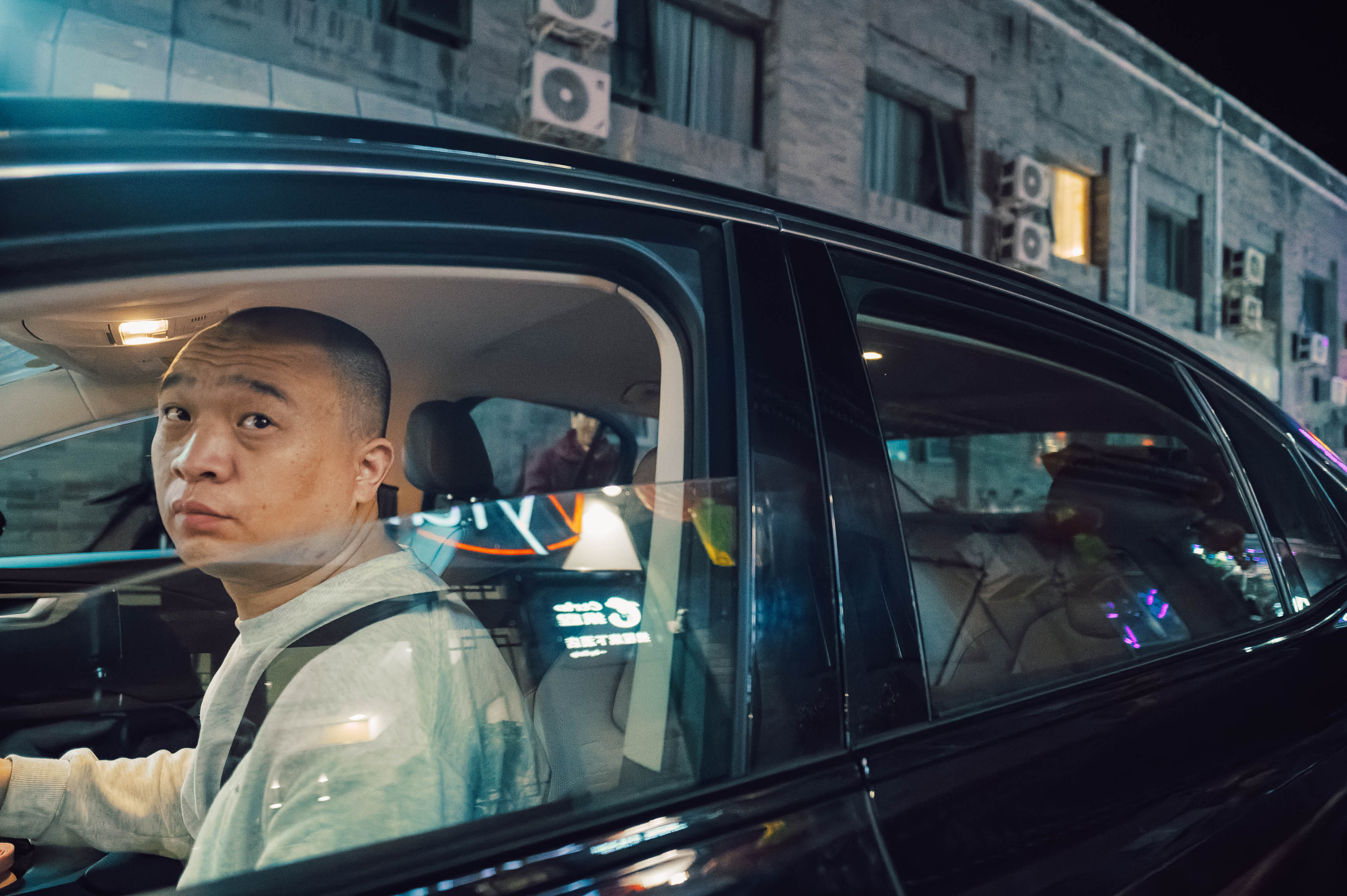
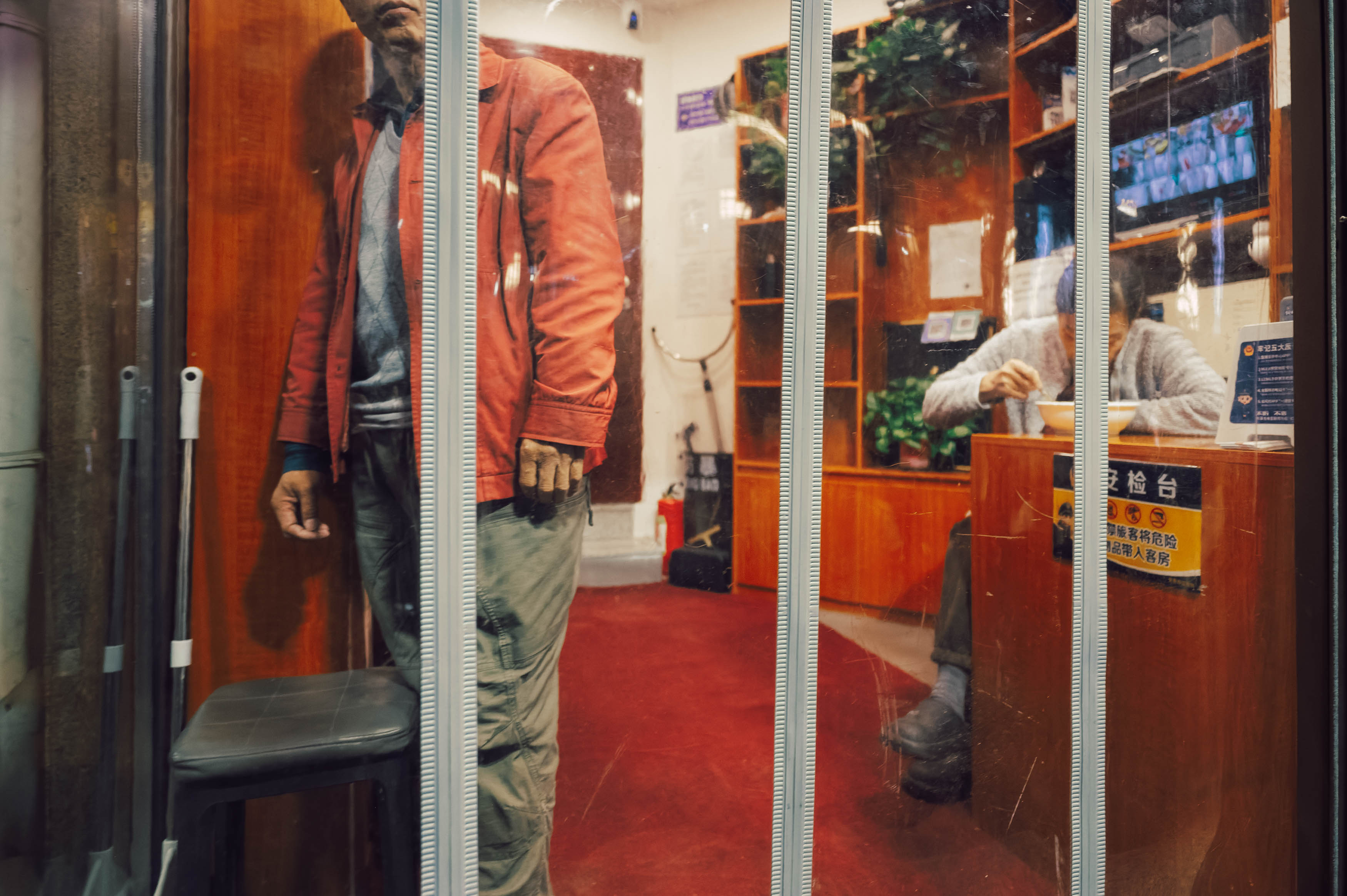
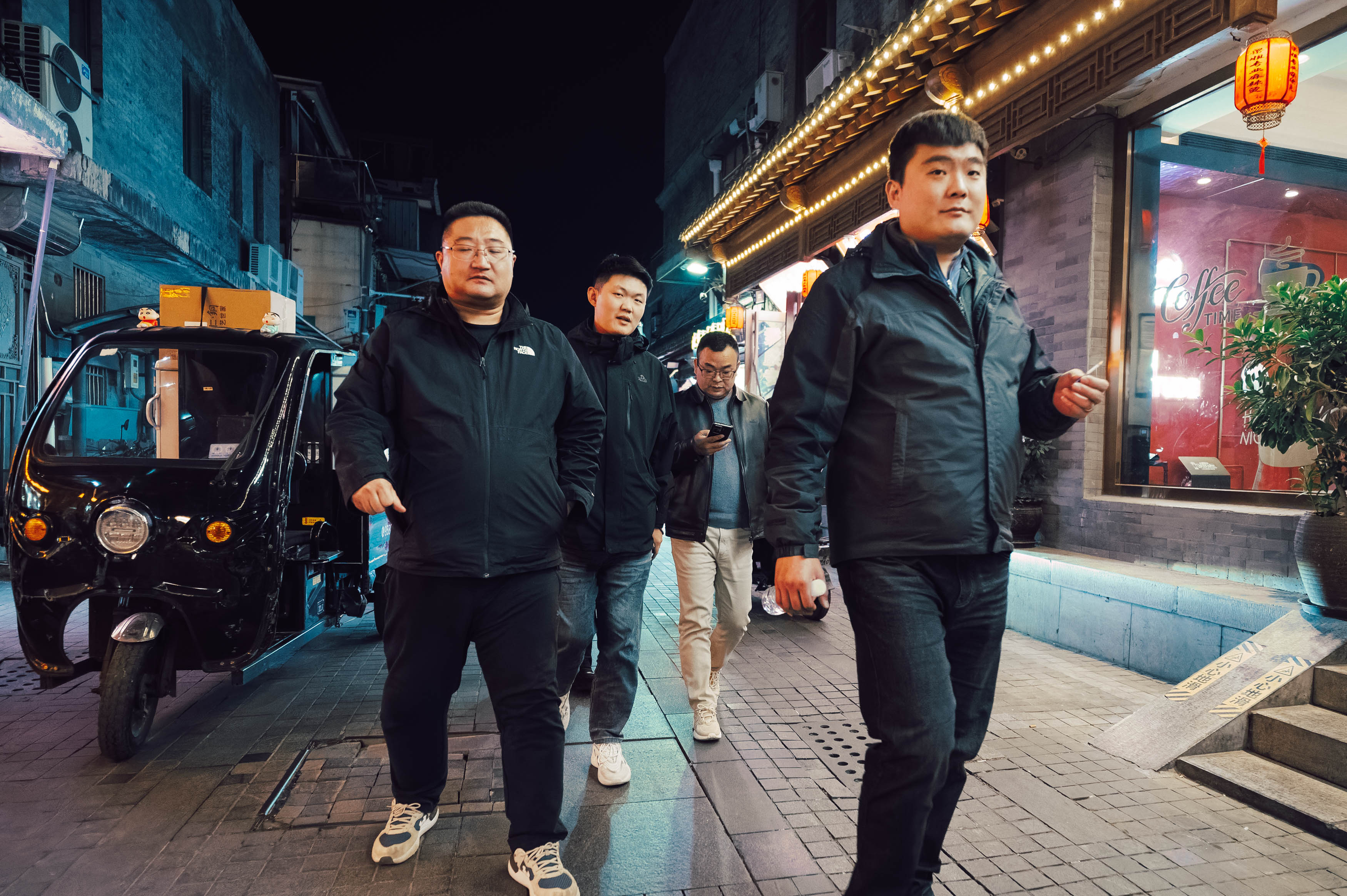
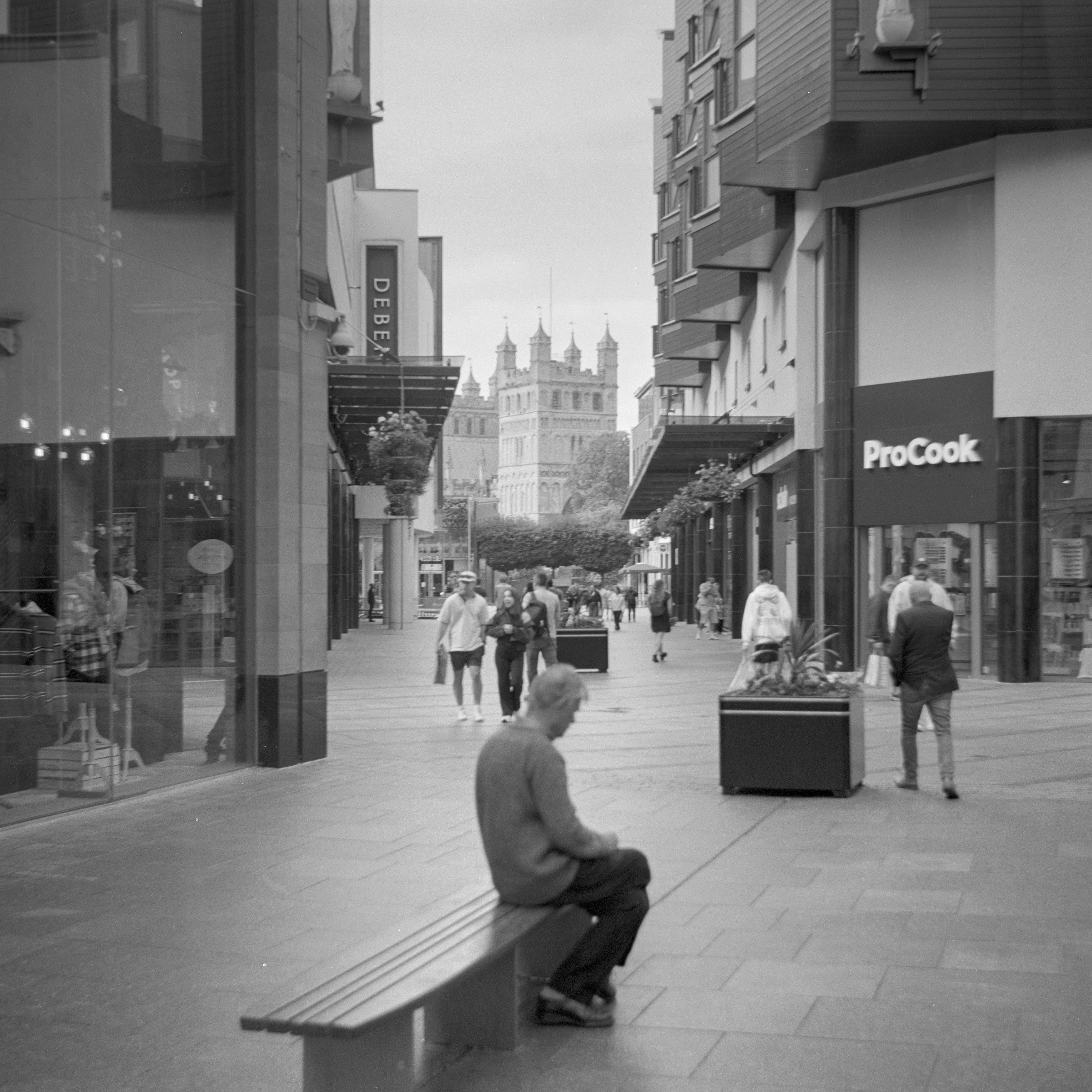
Which is the best focal length for street photography? 20, 28 and 40mm take on Qianmen Beijing

There are many moods to Mark, and I have as many lenses to match them. From 14mm to 600mm, you’d think I should be able to photograph the inside of an arena while simultaneously shooting for the moon, but not every focal length is particularly practical for street photography. I’ve tried most of them, across digital and film, from tiny Rollei 35s to medium format Bronicas, and if there’s one thing I’ve learned, it’s that different focal lengths produce very different results. It’s also taught me that I’m incapable of sticking with anything consistently but that’s another post for another time.

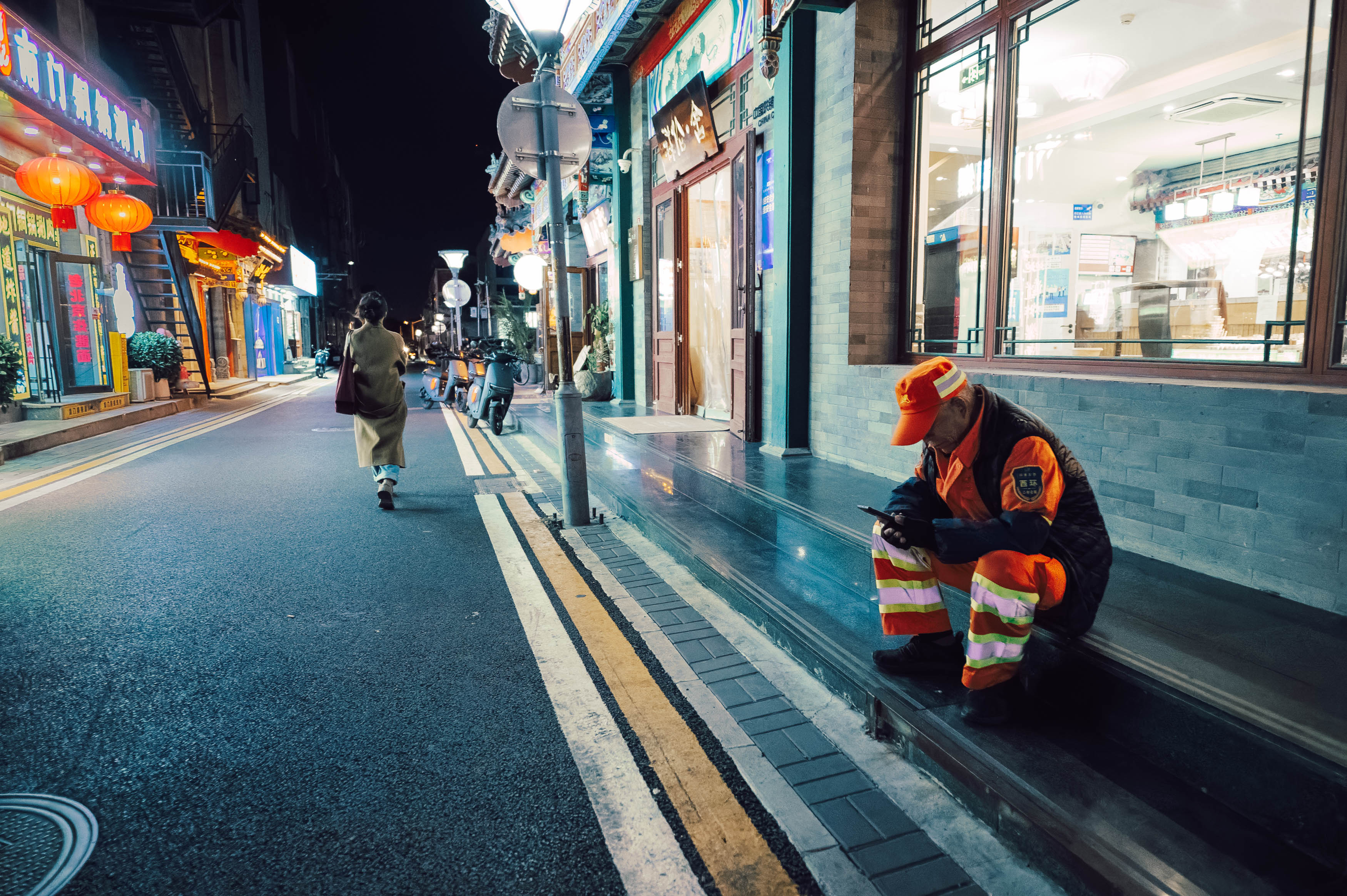
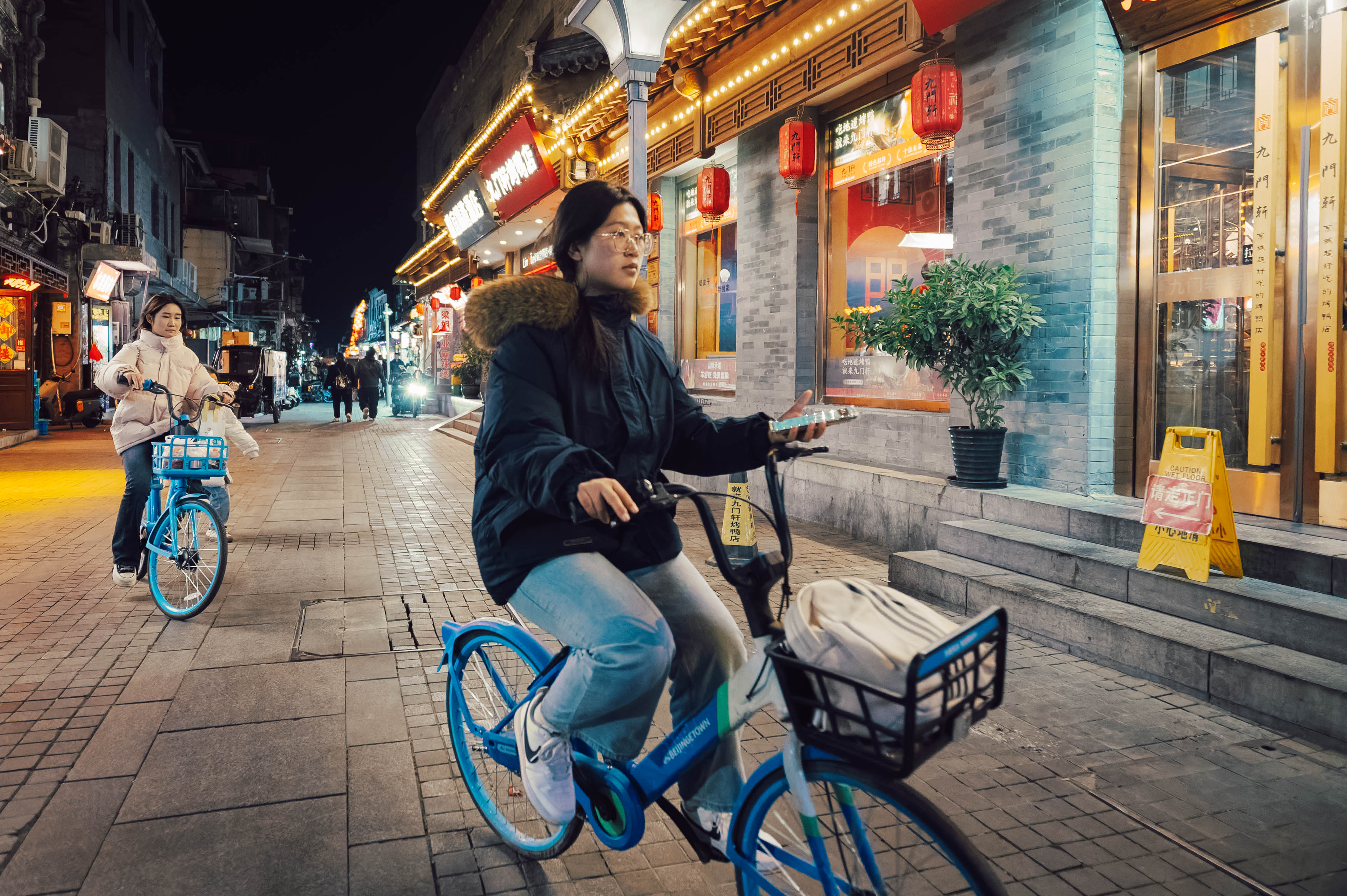
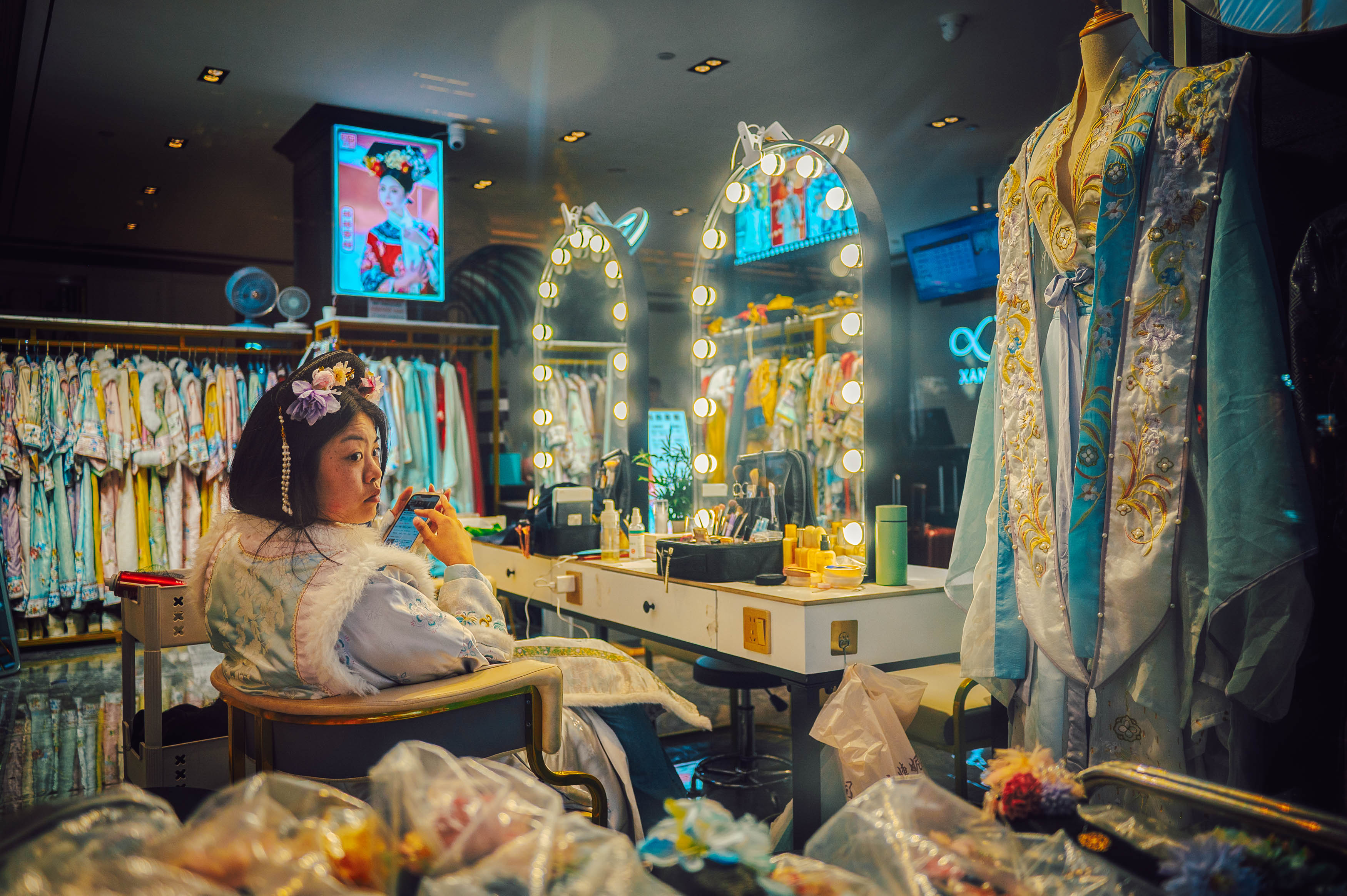
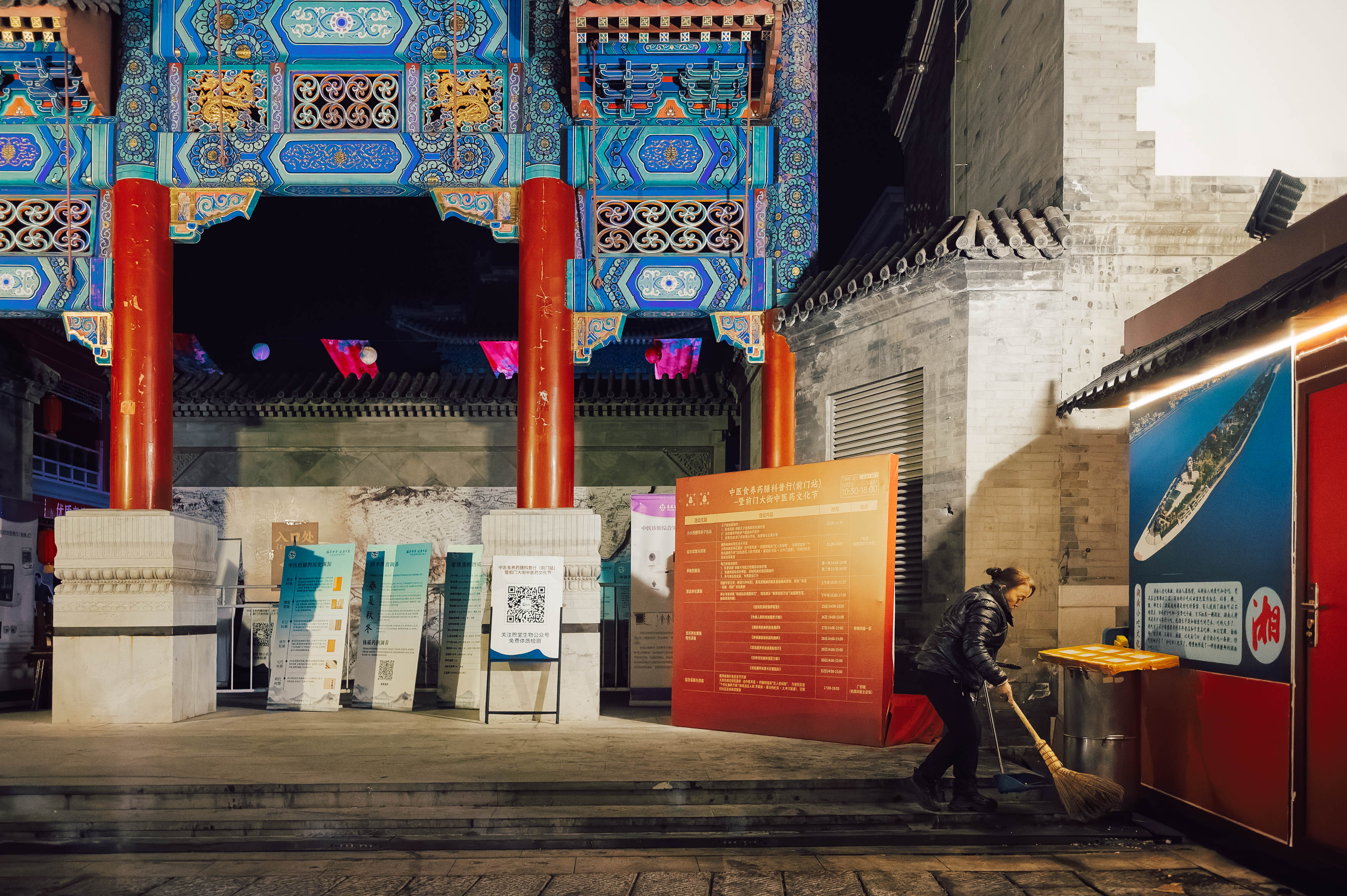
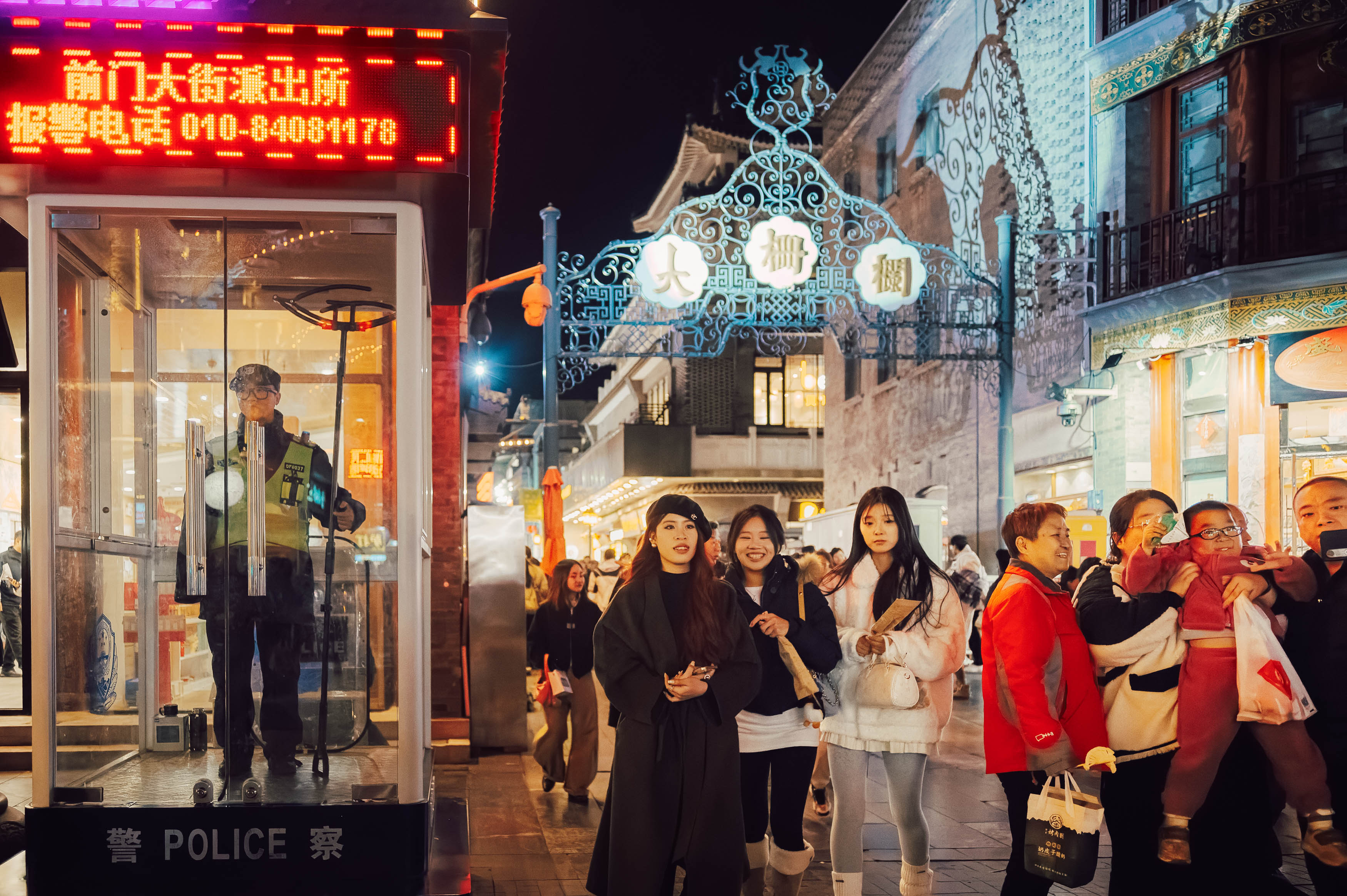
For this particular experiment, I took three Nikon Z-mount lenses onto the streets of Qianmen in Beijing: the Viltrox AF 20mm f/2.8, the Nikon Z 28mm f/2.8 SE and the Nikon Z 40mm f/2 SE. They’re all relatively affordable, compact lenses that lack some of the clinical perfection of their larger and more expensive S-line rivals. But when you’re wandering through filthy streets, surrounded by the stench of humanity, I’m not entirely convinced clinical perfection is what we’re looking for. Though to be fair, Qianmen, like many parts of modern China, is really quite orderly.

20mm: Wide, Dramatic and Slightly Bonkers

The 20mm is definitely wide, and it’s not what I’d call a particularly natural focal length. The difference between 20mm and 28mm is surprisingly dramatic, much more so than the difference between 28mm and 40mm. The wider you go, the more those extra millimetres seem to matter, and suddenly you’re dealing with a completely different way of seeing.

There is plenty to like about that. A wide-angle lens gives you a deep field of focus, plenty of perspective and the ability to layer elements throughout the frame. The distortion can actually add to the drama, making an ordinary street scene feel slightly otherworldly. Eugene Richards used 20mm extensively for documentary work, and you can see how effective that exaggerated perspective can be.

The problem is that 20mm isn’t particularly easy to compose with. You can include an enormous amount of the environment, but unless you’ve got something interesting right up front, your subject can simply disappear into the background. I also found myself cropping out distractions more often than I did with the other lenses. The Viltrox itself is sharp, compact and relatively fast at f/2.8, although its unusual distortion profile does need some correction.

There is also the obvious problem that to make a 20mm work for street photography, you generally need to get quite close to your subject. That’s not necessarily a problem in a crowded tourist destination like Qianmen, but I might feel slightly less enthusiastic about putting it directly in the face of a stranger in Liverpool. Ultimately, 20mm gives you drama and perspective, but it demands that you work for it.

28mm: The Goldilocks Focal Length?

I’ve previously described 28mm as possibly the most boring focal length, largely because it is so close to the way most people experience photography through their phones. That familiarity can make images feel almost generic, and when you scroll through a collection of 28mm photographs it can sometimes feel like an endless Instagram feed.

But there is probably a reason why it’s so popular. The 28mm perspective gives you enough room to establish a location without forcing you to manage the huge amount of visual clutter that comes with something like 20mm. It is a very scenic focal length, and perhaps the best of the three for building a sense of place.

That’s particularly useful for travel and street photography. When I’ve travelled halfway around the world, I don’t necessarily want my photographs to look as though they could have been taken anywhere. The 28mm can include enough of the surrounding architecture, people and atmosphere to tell you where you are, while still allowing the main subject to dominate the image.

Perhaps that familiarity isn’t a weakness after all. It may simply be that 28mm has become the visual language of our generation, and there’s nothing inherently wrong with speaking a language that people already understand.

40mm: The One That Feels Right

Of the three focal lengths, 40mm is probably the most comfortable for me. I’ve always liked the way it renders the world, sitting somewhere between the traditional 35mm and 50mm “normal” focal lengths. It’s an unusual focal length, but it’s also one that has a long history in compact film cameras, from the Rollei 35 to the Olympus Trip.

The Nikon Z 40mm f/2 is a particularly nice street photography lens because it combines a compact form with plenty of sharpness and just enough character. It isn’t optically perfect, and that’s part of what I like about it. There can be a little chromatic aberration and some softness in the corners when shooting wide open, but it still has the sharpness you’d expect from a modern Z lens.

More importantly, it gets out of the way. I find it particularly good for environmental portraits because it’s wide enough to provide some context without making the surroundings completely dominant. It also allows me to exclude some of the mess of reality, which suits my deadpan view of the world rather nicely.

The 40mm has become a regular lens for me on my Nikon Z, largely because of that combination of size, character and perspective. It’s a good reminder not to get too obsessed with pixel peeping, because ultimately a lens that simply lets you concentrate on taking photographs is probably doing exactly what it needs to do.

So, Which One Is Best?

After wandering around Qianmen at night with all three lenses, I’m still not entirely sure I’ve answered the question. The 20mm gives you exaggerated perspective, angles and drama, and works particularly well when you want to fill the frame with your subject while still showing plenty of the environment. The 28mm is more of a world-building lens, establishing where you are without requiring quite so much compositional gymnastics.

The 40mm is the one I felt most comfortable with. It gives me an intimate view of the world, without being too narrow, and it seems to suit the way I naturally want to photograph. And yet, when I went back through the images from the evening, it was the 28mm that seemed to produce the greatest number of keepers.

So perhaps there isn’t a definitive answer. All three lenses did a good job and I made images I liked from all of them. I’m still leaning towards 40mm as my personal preference but the 28mm clearly has something going for it. Maybe that’s the real lesson: the “best” street photography focal length is probably the one that makes you want to keep walking around and taking photographs.

And once I finally discover the perfect focal length, I’m sure all my images from then on will be gallery-worthy works of art. Obviously.

The BEST Cheap Film Camera for Travel? Nikon N65 and Tamron 28-200mm f/3.8-5.6

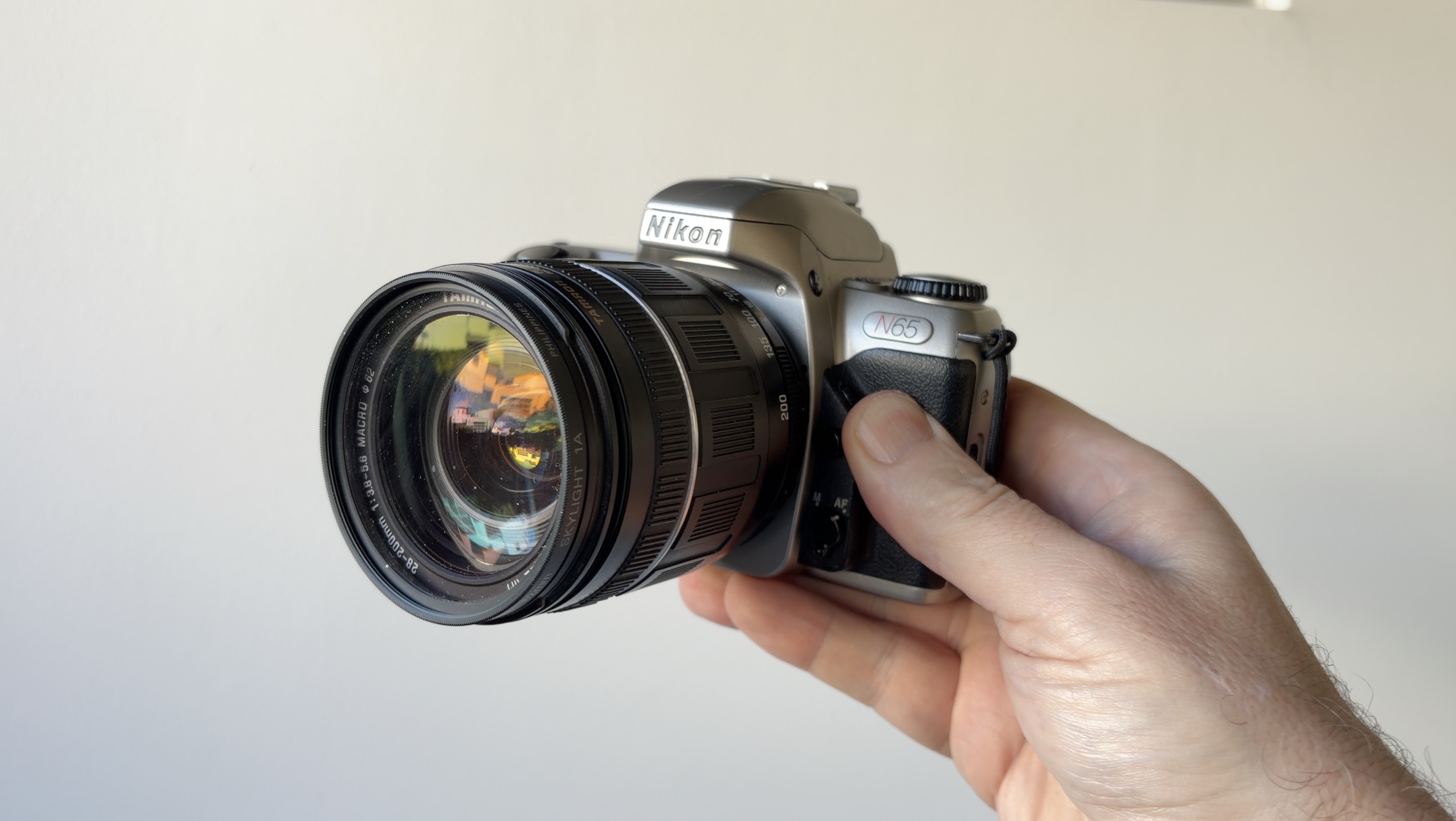
Are the Nikon N65 and Tamron 28-200mm the peaches-and-cream pairing of budget film photography, or do they clash like toothpaste and orange juice? After taking this decidedly unfashionable combination with me to Tokyo, I think I have a pretty good idea of where it sits in the hierarchy of cheap film cameras.

I travel quite a bit for work, and one of the recurring problems is that my camera collection stubbornly refuses to fit into a suitcase. Eventually, there comes a point where you have to accept that I’m taking one camera and one lens, once you have packed essentials such as a toothbrush, passport and your pet iguana. That makes size, weight, versatility and price rather important considerations.

The Nikon N65, also known as the F65 or Nikon U depending on where you live, is hardly the sort of camera that gets the heart racing. It is a late-era film SLR, made from plastic, finished in a rather unfortunate silver colour and generally ignored by photographers in favour of more glamorous cameras. It is, in other words, absolutely perfect for me.

The camera weighs less than 400 grams, yet manages to pack in an impressive collection of features. You get Program, Shutter Priority, Aperture Priority and Manual modes, along with 3D Matrix metering, exposure compensation, shutter speeds up to 1/2000 second, TTL flash and even deliberate double exposures. It is very much a product of the period when manufacturers had essentially perfected the SLR and were busy figuring out how many features they could squeeze into something ordinary people could afford.

Its biggest problem may simply be that it isn’t cool. The silver plastic body looks more like something you’d find in a child’s dressing-up box than around the neck of a serious photographer. There is a black version if you’re particularly concerned about your sartorial reputation, but the N65 isn’t going to impress anybody at a photography exhibition. Fortunately, I have no reputation to protect.

The Tamron Superzoom Problem

The other half of the equation is the Tamron 28-200mm f/3.8-5.6 Macro AF Aspherical XR (IF), a lens whose name contains approximately as many acronyms as some entire camera systems. Tamron was one of the pioneers of the all-in-one zoom, producing a 28-200mm as early as 1992 at a time when achieving that kind of focal range without producing complete optical rubbish was a genuine challenge.

This particular version comes from the later generations of the design and includes aspherical and high-refractive-index elements. It isn’t going to produce the sort of three-dimensional pop that inspires lengthy forum arguments, but it is generally sharp, well corrected and has enough contrast to produce a pleasingly modern-looking image on film.

That’s important because this isn’t really a test of ultimate optical performance. I’m not trying to determine whether the Tamron can defeat a modern professional zoom in a forensic pixel-peeping contest. The whole point is finding the sweet spot between price, size, quality and versatility. A 28-200mm gives me the ability to photograph a cathedral, a street scene or something considerably further away without changing lenses, and that’s enormously useful when travelling.

There are limitations, of course. The relatively slow maximum aperture means this isn’t the lens I’d choose for exploring the darkest corners of Tokyo with ISO 100 film. In those circumstances, a fast 35mm or 50mm prime would be a much better choice. At 200mm, you also need to be careful with camera shake, particularly when shooting slow film such as Kentmere 100.

But when the light is good and I hold the camera properly, the results are more than good enough for my purposes. Some photographs were soft, but that wasn’t necessarily the fault of the lens. At 200mm, a little movement is enough to turn a potentially sharp photograph into something resembling a vague memory of having taken a photograph.

And when everything comes together, the results are surprisingly convincing. Some of the photographs I took in Tokyo was easily sharp enough to have been produced by a much more expensive camera and lens combination, while costing a fraction of the price and weighing considerably less.

The Budget Travel Sweet Spot

Taking the N65 and Tamron together, the entire combination weighs less than about 750 grams. That makes it a remarkably portable package considering the enormous focal-length range it provides. A 28mm isn’t ultra-wide, but it’s wide enough for most street photography without introducing excessive distortion, while 200mm gives you enough reach to isolate details and compress layers in a busy urban environment.

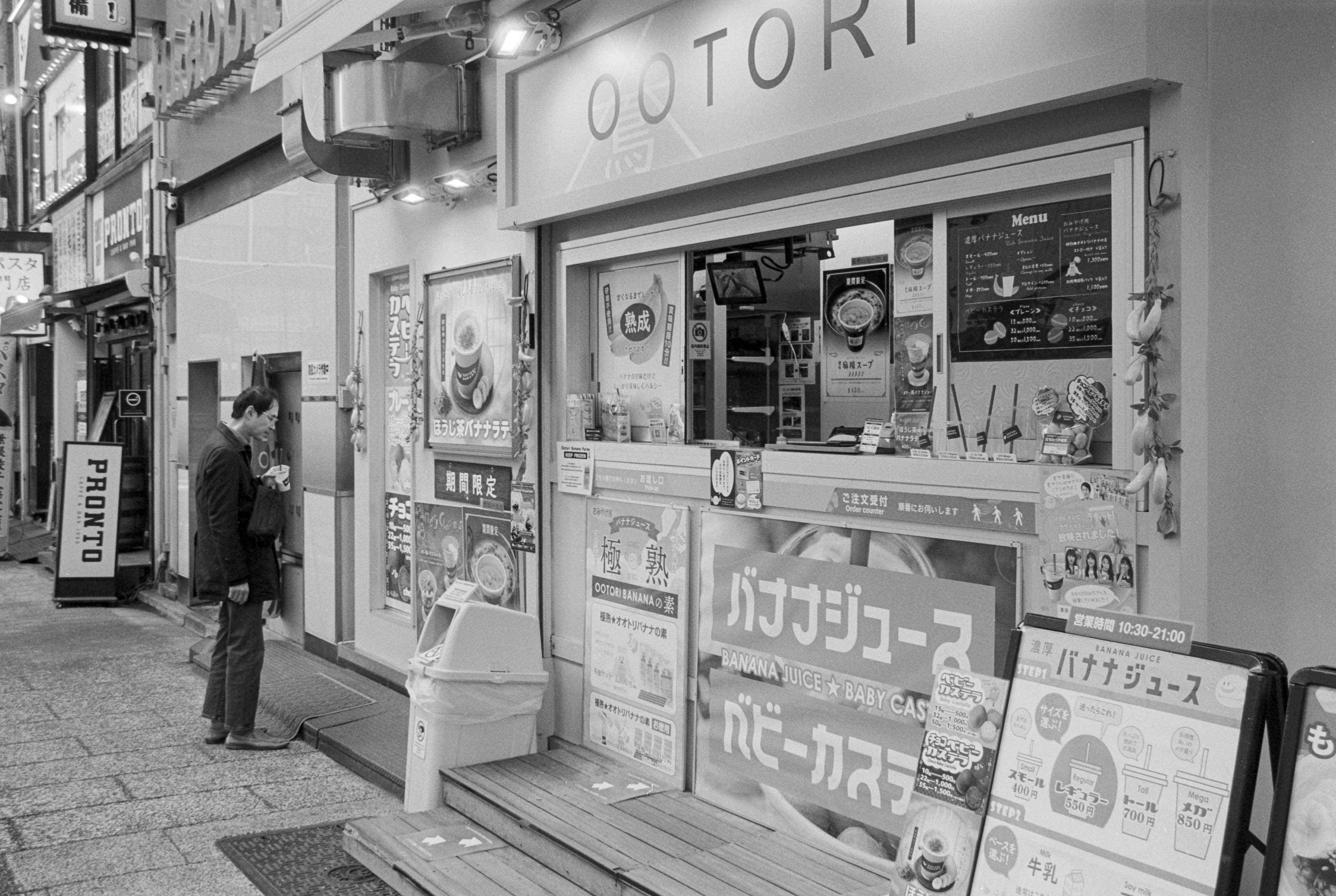
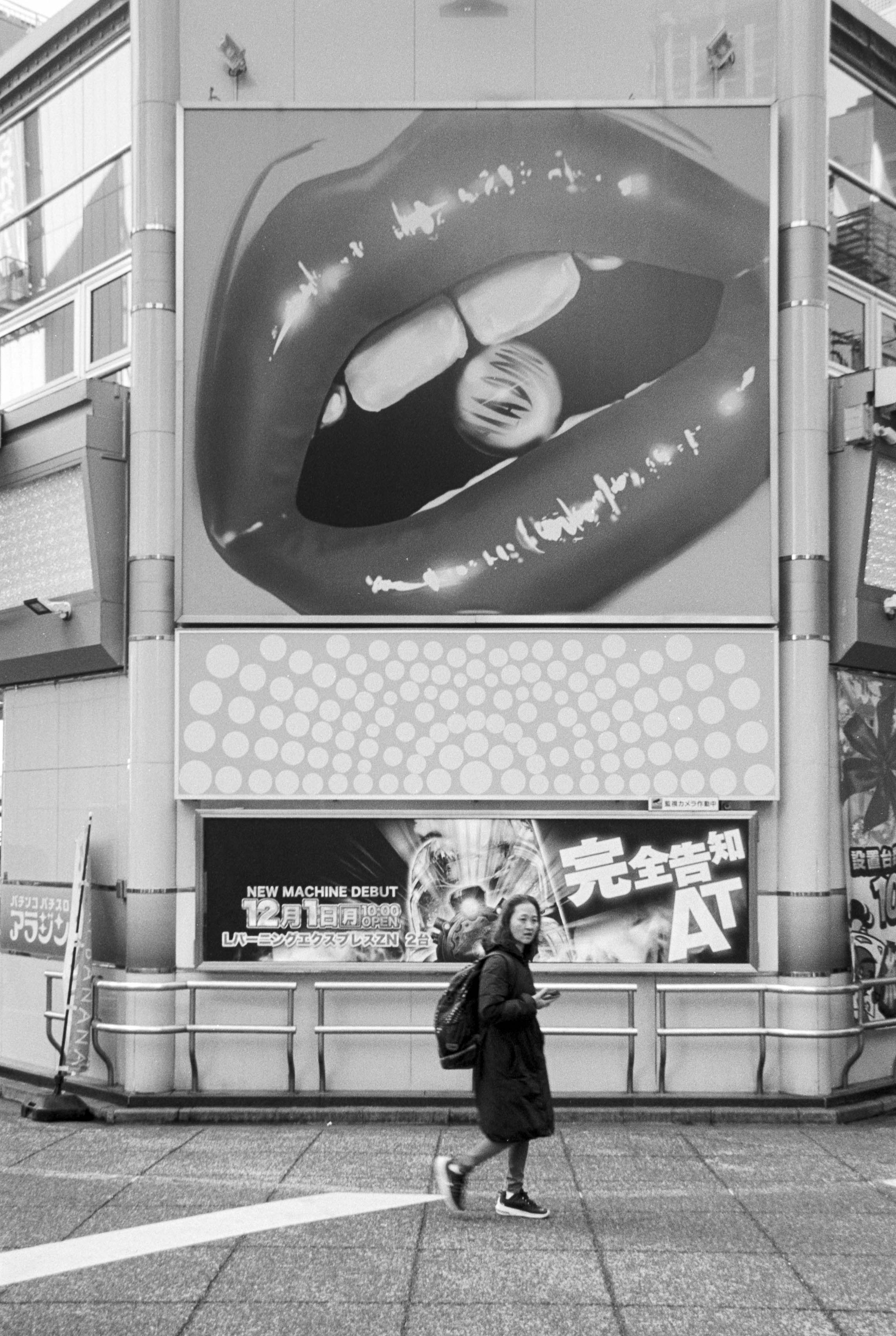
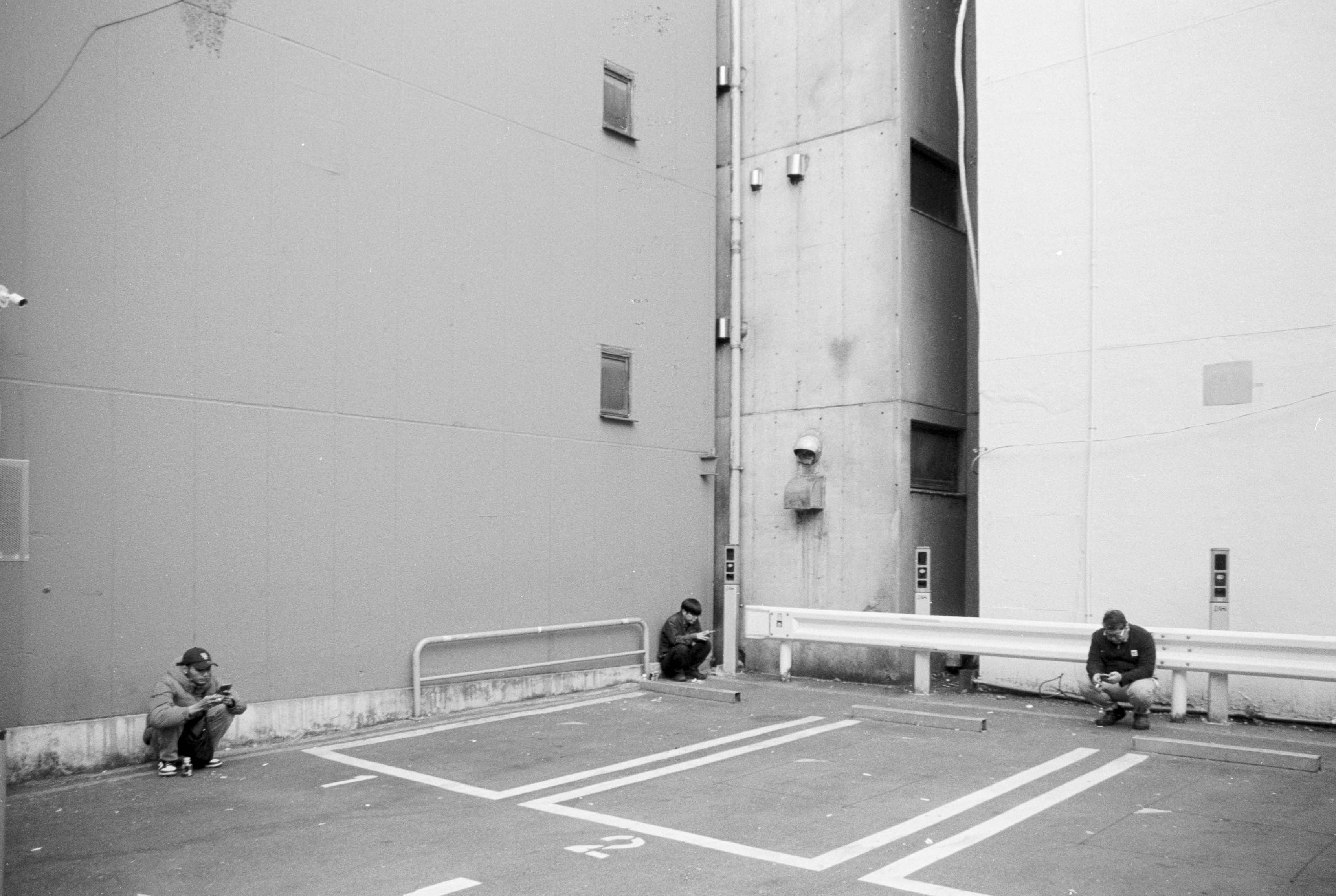
That’s exactly what I found useful in West Shinjuku and Nakano. I wasn’t simply trying to photograph the spectacular parts of Tokyo; I wanted to capture the mixture of business, social life, signage, buildings and random human moments that gives these places their character. The 200mm end of the zoom was particularly useful for compressing layers of windows and billboards, while also allowing me to pick out small moments happening within the chaos.

There are alternatives. Nikon’s F75 and F80 are better cameras and solve some of the N65’s irritating quirks, although they are correspondingly more expensive and, in the case of the F80, heavier. The N65’s Dynamic AF can decide to change focusing behaviour when it detects movement, which isn’t particularly helpful when you’re carefully composing something near the edge of the frame. I also find the inability to override DX film coding frustrating.

There are plenty of alternative lenses, too. Nikon’s 28-105mm and 28-85mm are excellent inexpensive choices if you don’t need the 200mm reach, while the humble 28-80mm can provide a remarkably cheap and lightweight solution. There are equivalent combinations from Canon, Pentax, Minolta and others, so this isn’t necessarily a recommendation that everyone should rush out and buy an N65.

For me, though, this combination hits that elusive golden triangle of heft, price and quality remarkably well. It isn’t perfect, and it certainly isn’t glamorous, but that’s not really the point. If I wanted perfection, I wouldn’t be shooting 25-year-old plastic cameras and cheap black-and-white film in the first place.

The N65 and Tamron 28-200mm are cheap, light, versatile and capable of producing photographs that are more than good enough. More importantly, they let me travel with one camera and one lens without feeling as though I’ve sacrificed the ability to photograph whatever happens to come along. In the end, that’s probably a much more useful quality than being cool.

So, will I be taking this combination on my next holiday? Quite possibly. And if that means leaving the expensive digital camera at home while carrying around a silver plastic Nikon that looks like it escaped from a 2000s department store, so be it. Sometimes the cheap seats have a surprisingly good view.

Is shooting expired film actually worth it? Or am I just chasing rainbows?

Agfacolor 200 20 years later

The recent demise of my beloved Fuji medium format point-and-shoot left me with photographic trauma that still hasn’t quite healed. If there were anything capable of adding fresh scars to that emotional damage, it would surely be expired film. After all, paying good money for something that’s already gone off feels completely irrational. I wouldn’t eat a mouldy sandwich that’s been sitting in a school bag for twenty years, so why would I willingly load twenty-year-old film into a camera?

Yet expired film has an undeniable appeal. Plenty of photographers swear by its unpredictable character, embracing colour shifts, grain and imperfections as part of the experience. I’ve never really belonged to that particular camp. If expired film were dramatically cheaper than fresh stock, I might understand the attraction, but these days many old rolls cost almost as much as new ones.

Fortunately, I didn’t have to buy this roll. My brother-in-law picked up some AgfaColor XRG 200 while visiting Spain several years ago and kindly passed a few rolls on to me. So, armed with film that expired in 2001 and expectations hovering somewhere below sea level, it was time to see whether this forgotten emulsion still had anything left to offer.

The original plan involved an early morning trip to Perth’s beaches, but the weather had other ideas. Rain is such a novelty in Perth that the first shower feels almost like a public celebration. Once the excitement wears off, though, you’re simply wet, so I postponed the outing and instead headed into the city under far more typical blue skies.

Giving Old Film Every Chance

Conventional wisdom suggests overexposing expired colour negative film by roughly one stop for every decade past its expiry date. At 21 years old, that meant treating this ISO 200 film as roughly ISO 50, while also remaining willing to give it even more light if conditions allowed.

I also tried to stack the odds in my favour by using a Nikon N80, whose Matrix metering was considered impressively sophisticated when both the camera and this film were new. Paired with Nikon’s versatile 28-300mm zoom, it offered the flexibility to photograph whatever caught my eye, even if the relatively slow aperture wasn’t ideal for ageing film.

I’d never been particularly fond of Agfa’s colour films, even when they were fresh. Compared to Kodak or Fuji, I’ve always found Agfa prone to muddy shadows and an overly magenta colour palette. Naturally, I expected two decades of ageing to make those weaknesses even worse.

Instead, I was greeted with something unexpected.

Better Than Expected

The first victory was simply that the film worked at all. Given my previous encounters with expired film, I’d fully expected another disaster. Instead, the generous exposure produced enough image density to cut through the inevitable base fog, leaving negatives that scanned surprisingly well.

There was certainly evidence of the film’s age. Grain was more noticeable, colours had shifted slightly and contrast wasn’t quite what fresh film would deliver. Even so, the results were far more usable than I’d anticipated. Static subjects came out especially well, while moving subjects occasionally defeated both the ageing emulsion and the slower zoom lens. Rather than feeling ruined, though, some of those imperfect frames developed a charm all of their own.

Reviewing my favourite images, I realised I’d accidentally assembled a mixture of street photography, architecture, minimalism and abstract compositions. More importantly, I genuinely liked several of them. Considering how low my expectations had been, that felt like a genuine success.

Expired film may never replace fresh stock in my camera bag, and I’m still not convinced it’s worth today’s inflated prices. However, this roll reminded me that photography doesn’t always reward certainty. Sometimes lowering your expectations leaves plenty of room to be pleasantly surprised.

Unlike my dearly departed Fuji GA645Zi, this ancient roll of Agfa actually delivered. That’s enough to spare it from photographic damnation, at least for now. As for me, I may be approaching my own use-by date, but there are still plenty more questionable photographic adventures waiting just around the corner. If nothing else, they should provide fresh material for the next chapter of my ongoing catalogue of photographic misadventures.

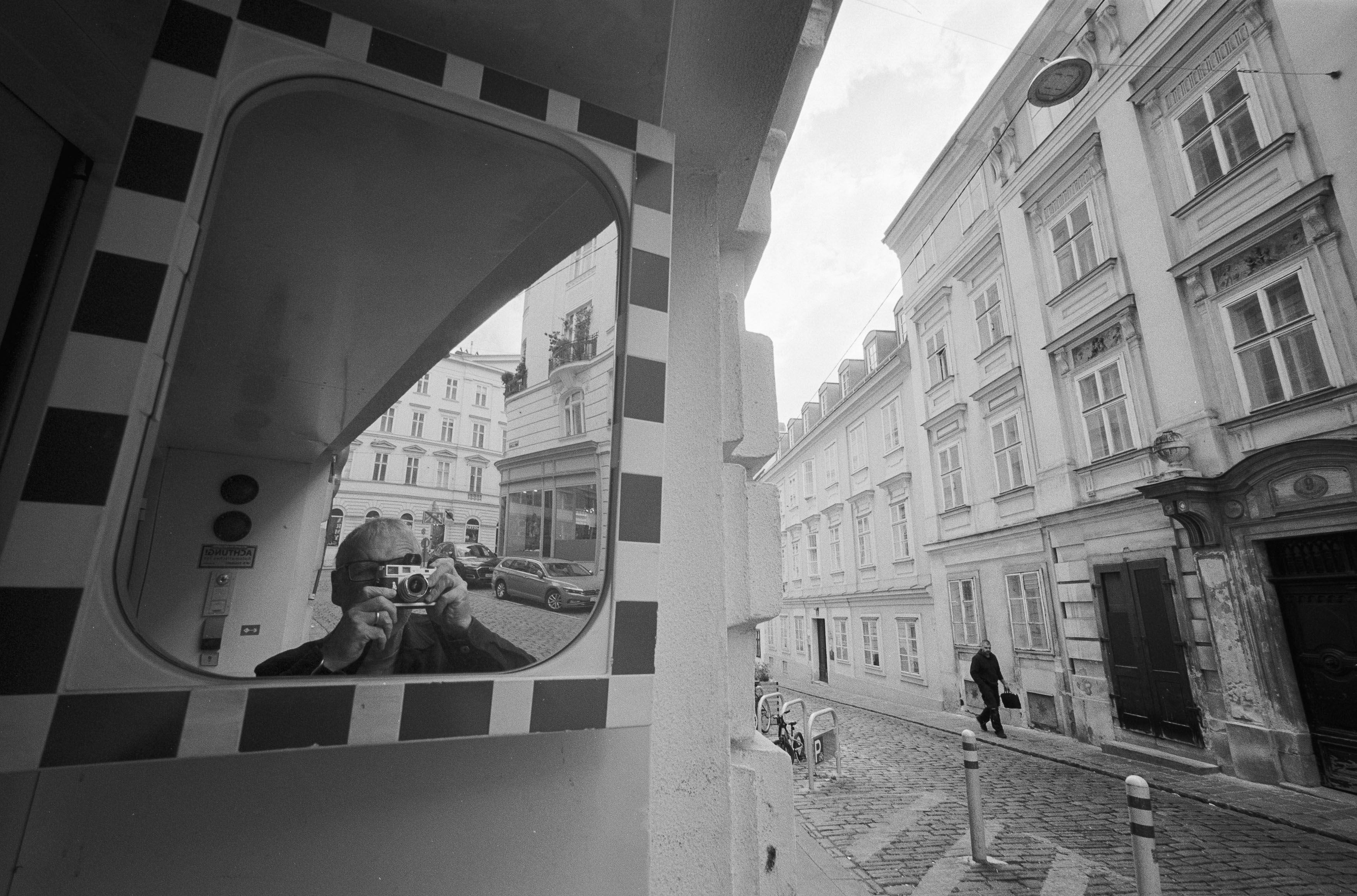
The Voigtlander 15mm Super Wide-Heliar f/4.5 for M39 in Vienna: A Great Lens, just not for Digital

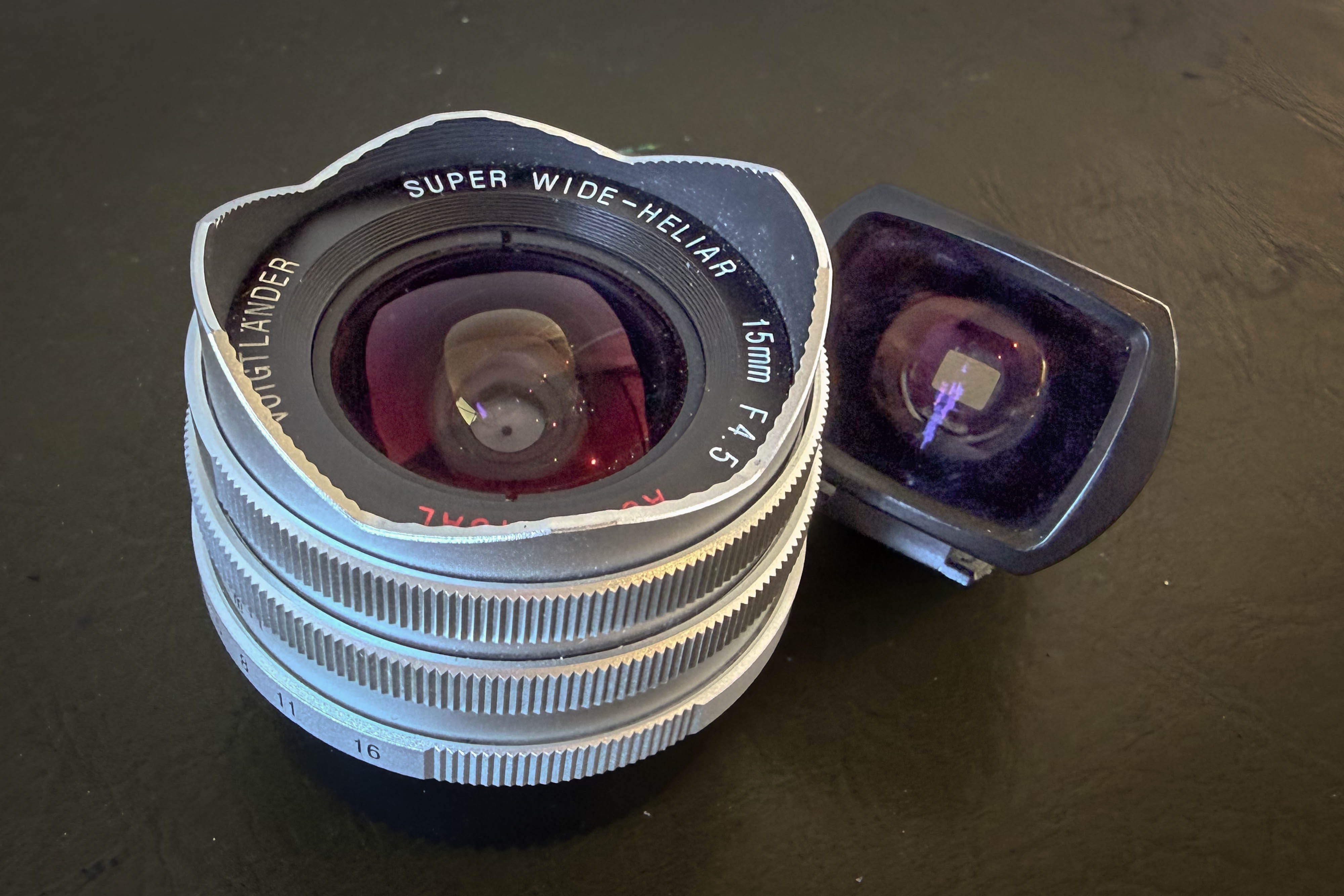
There are lenses you use every day, and then there are lenses that completely change the way you see the world. The Voigtländer 15mm Super Wide-Heliar f/4.5 LTM definitely falls into the second category.

I recently packed it for a trip to Vienna, partly because the city’s grand architecture seemed like the perfect playground for an ultra-wide lens, and partly because I wanted to see whether this quirky little optic still deserved its reputation. After spending time with it on both my Leica M2 and Nikon Z6, I came away impressed—but also reminded that a 15mm lens demands far more from the photographer than most people realise.

This isn’t the sort of lens you casually leave on your camera. It’s more like a special occasion lens that rewards patience, careful composition and a willingness to embrace the strange.

Learning to See at 15mm

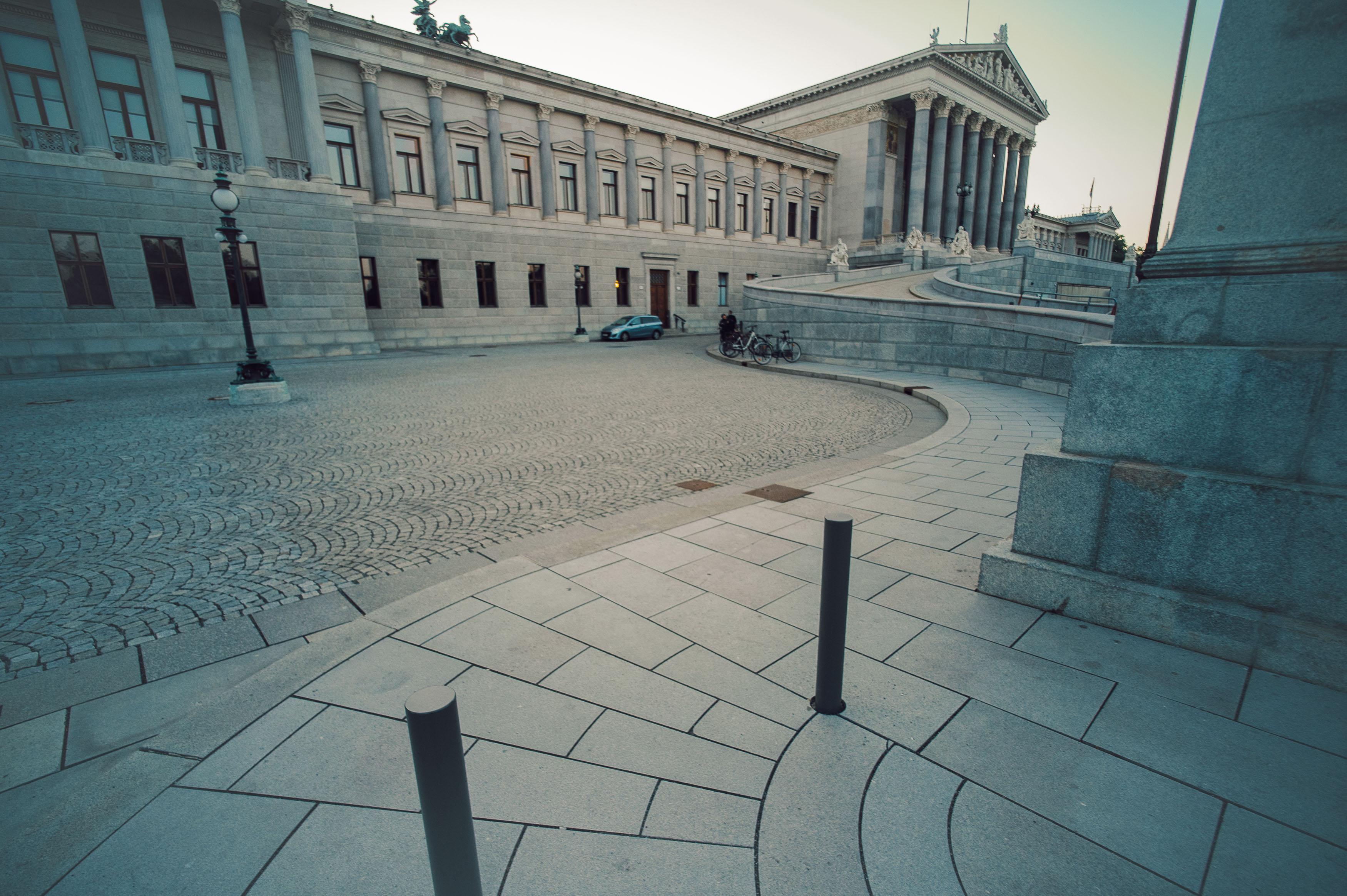
Fifteen millimetres is unbelievably wide. Point it at a scene and it doesn’t simply capture what’s in front of you—it seems to swallow everything around it as well.

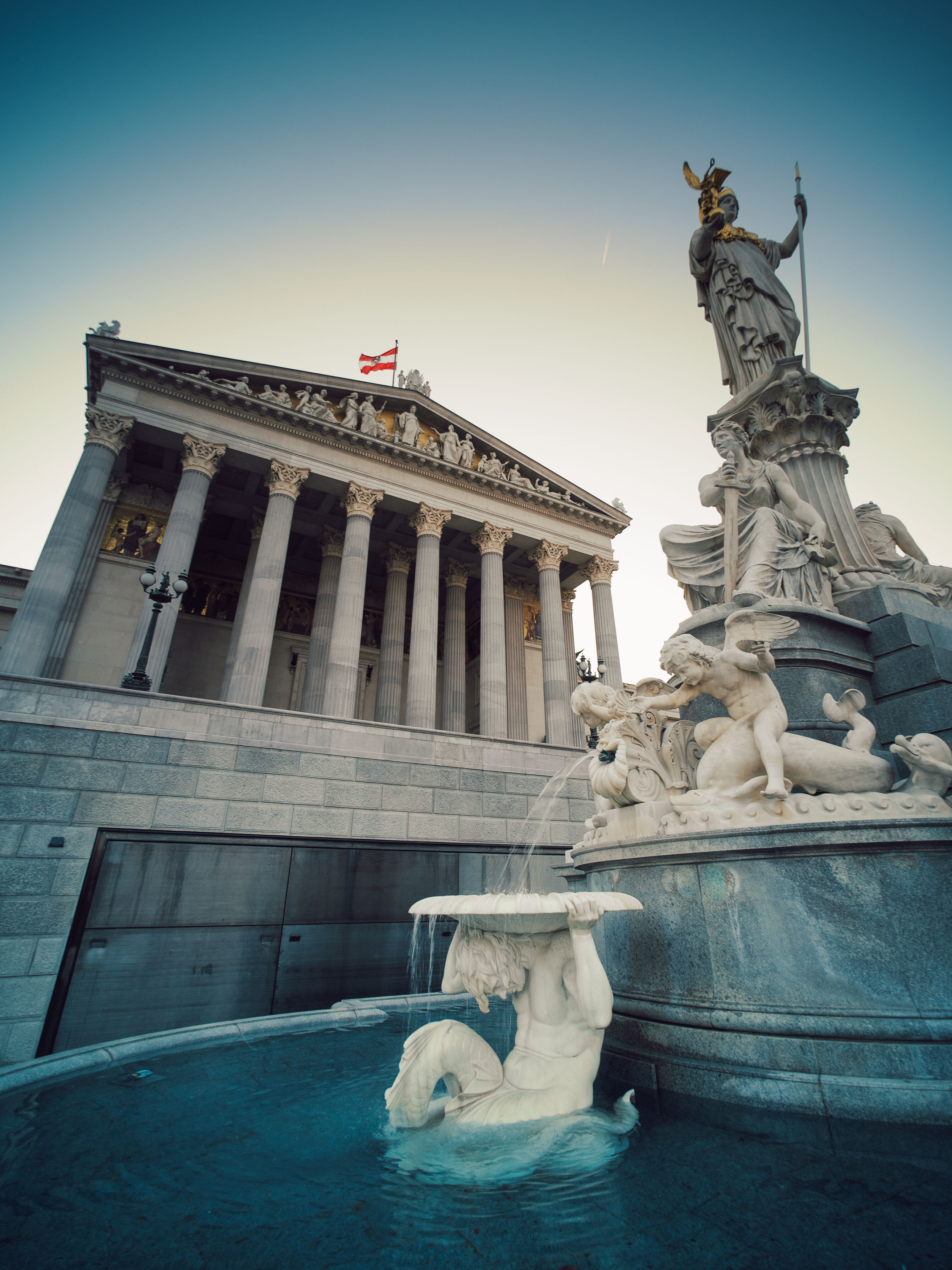
The first thing you notice is how dramatically it changes perspective. Objects close to the camera become enormous, while anything further away quickly shrinks into the distance. Straightforward compositions suddenly become much more complicated because every corner of the frame starts demanding your attention. If there isn’t something interesting happening throughout the image, you’ll often end up with a photograph that contains an awful lot of… well… not very much.

That’s why using this lens feels like learning photography all over again. You can’t rely on the habits you’ve built shooting 35mm or 50mm lenses. Instead, you have to train yourself to notice foreground subjects, converging lines and the relationships between objects across the entire frame.

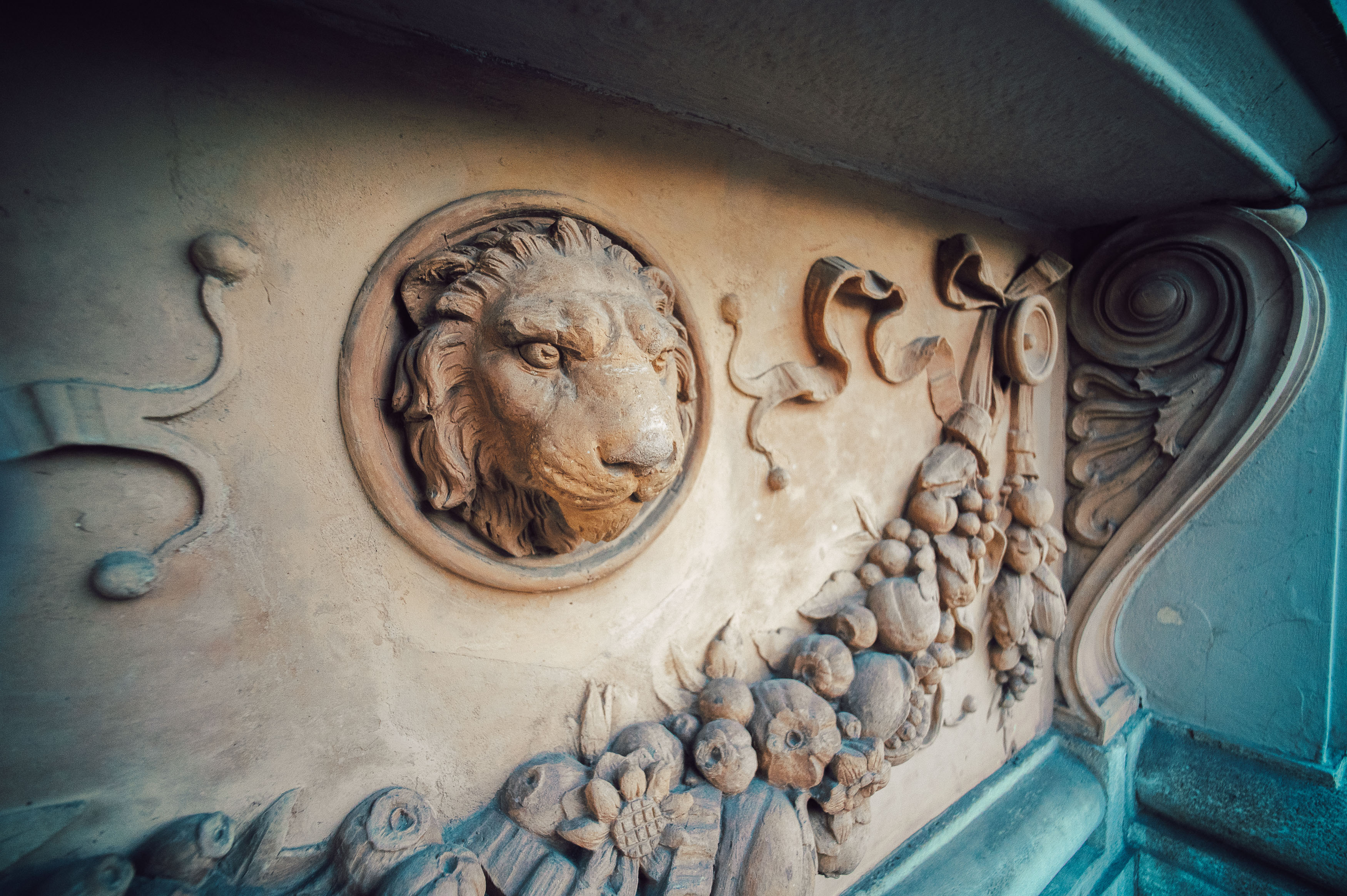
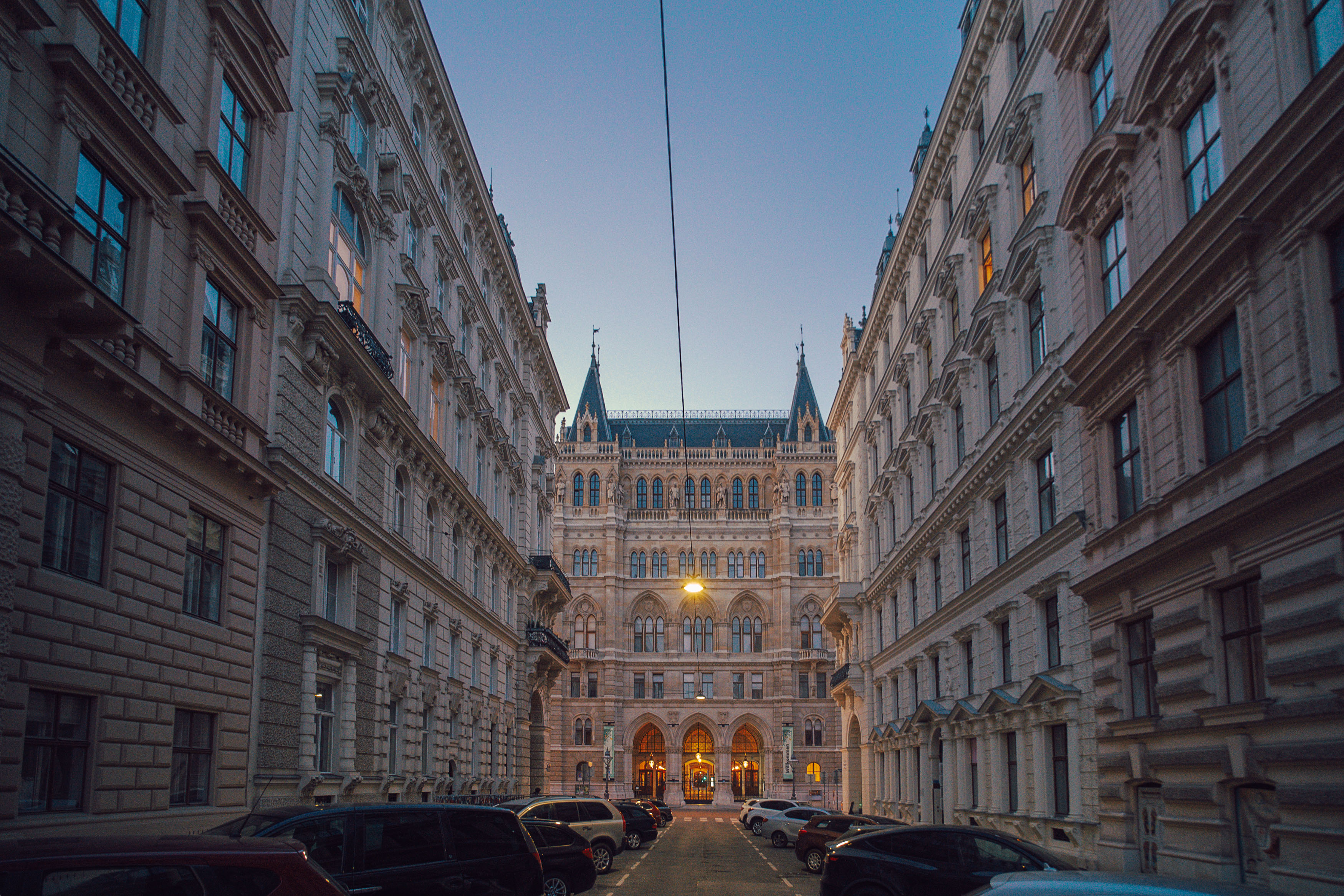
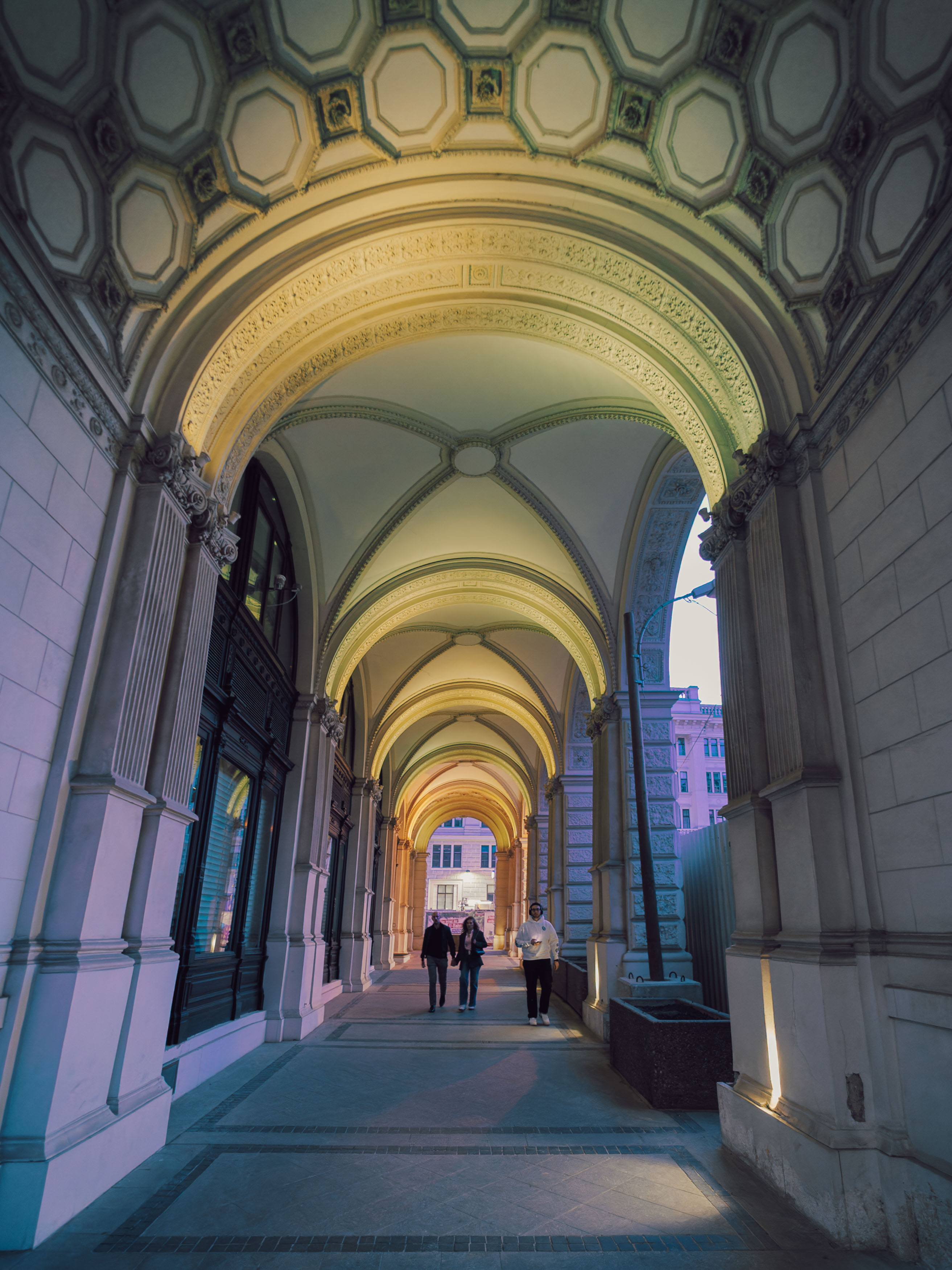
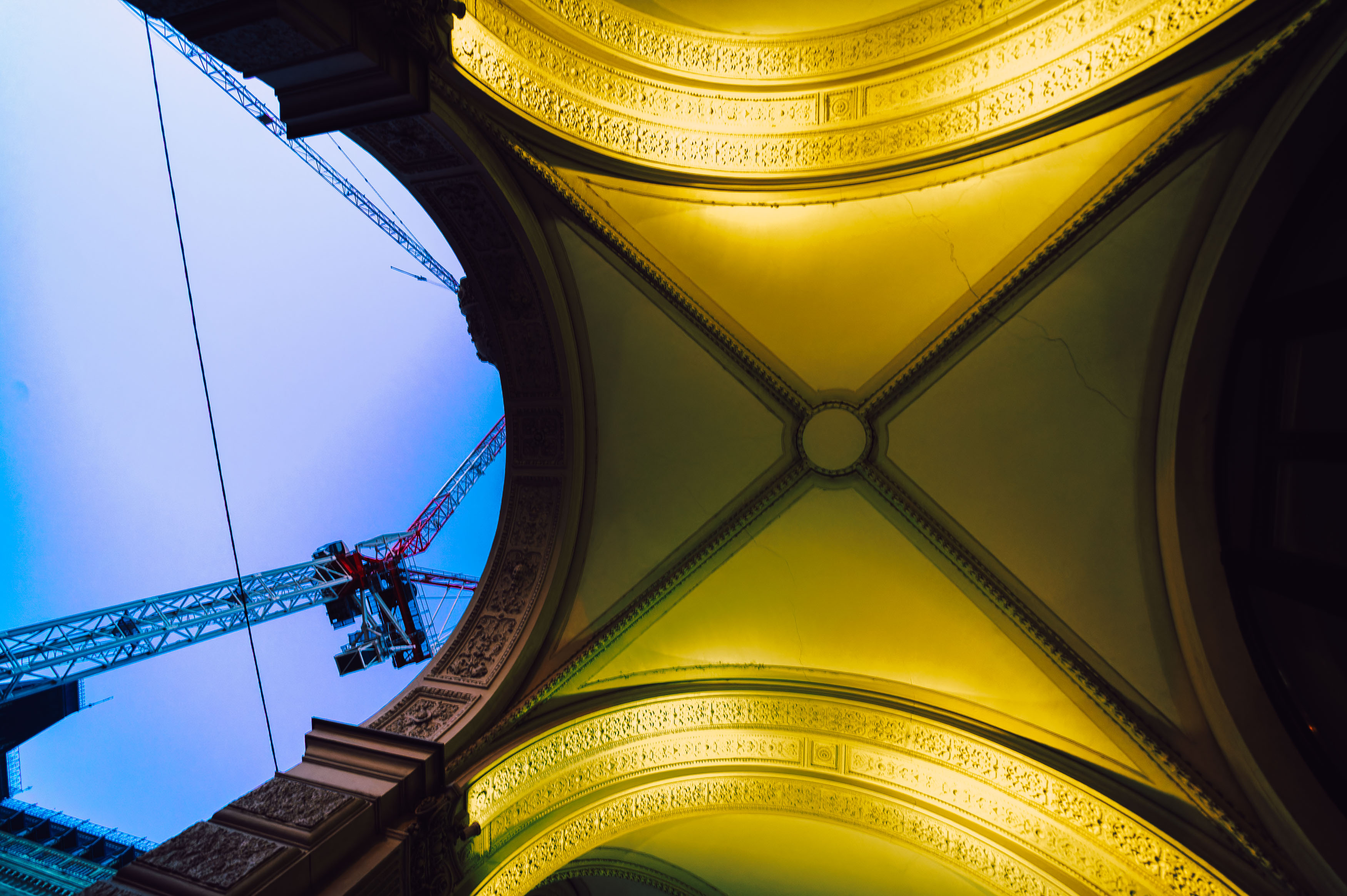
Vienna turned out to be the ideal place to practise. The city is packed with grand Baroque and Neoclassical buildings, wide boulevards and impressive public spaces that suit this kind of exaggerated perspective beautifully. Even ordinary streets can suddenly feel dramatic when viewed through such an expansive field of view.

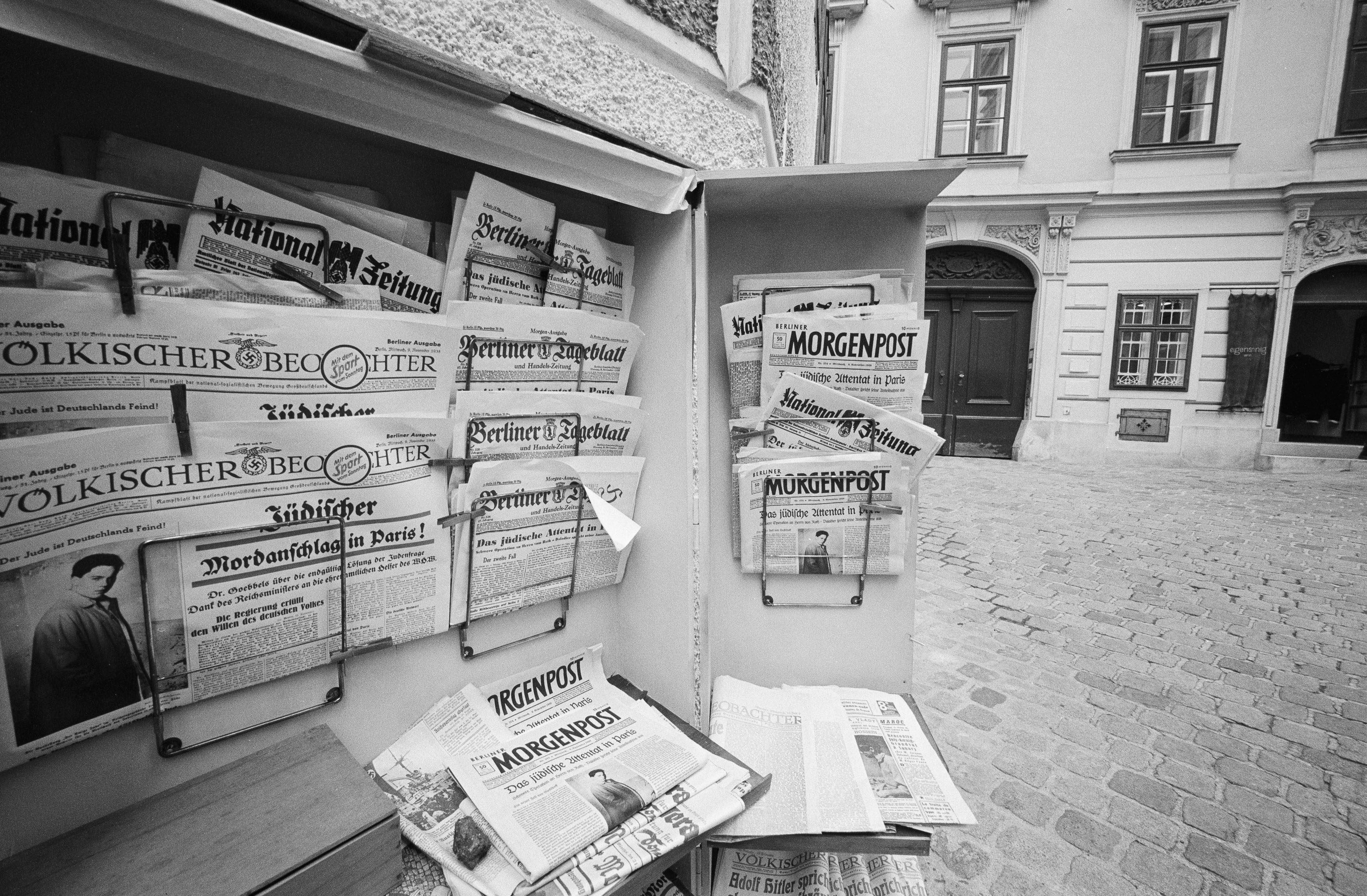
Not every outing went entirely to plan, though. During one photo walk I accidentally wandered into what appeared to be the filming of a historical production and quickly realised I wasn’t quite as welcome as I thought. I made a fairly discreet exit, although not before managing to expose a few frames that will probably confuse future historians if anyone ever discovers the negatives.

Small Lens, Serious Engineering

One of the most surprising things about the Voigtländer is just how tiny it is. Despite its compact dimensions, it feels reassuringly solid rather than toy-like. At around 190 grams it’s light enough to carry all day without thinking about it, yet substantial enough to inspire confidence.

Mine is the original Leica Thread Mount version, first released in 1999 alongside Voigtländer’s Bessa cameras. It’s actually relatively modern by Leica screw mount standards, although prices have climbed dramatically since I bought mine back in 2017.

The design is remarkably clever. The aperture ring sits at the front of the lens, which initially feels unusual, but makes perfect sense given how compact everything is. With such a wide focal length, depth of field is enormous anyway, so you’re rarely making huge focus adjustments.

There are a few compromises. The fixed lens hood means you can’t easily use filters, and it requires a slip-on lens cap that looks lovely but costs a frightening amount to replace if it disappears somewhere on your travels.

What continues to impress me, though, is how well the optics behave. Considering just how absurdly wide this lens is, it does an excellent job of keeping straight lines straight. That’s a genuine engineering achievement and makes it much more useful for architectural photography than many people might expect.

Film Still Has the Advantage

Using the lens on my Leica M2 produced exactly the sort of images I’d hoped for. The negatives showed plenty of character, dramatic perspective and surprisingly clean rendering across the frame. Things became a little more complicated once I mounted it on my Nikon Z6.

This isn’t really the lens’s fault. Older ultra-wide lenses were designed for film, not modern digital sensors, and the way light reaches a sensor is quite different. On digital cameras you can end up with colour casts, heavier vignetting and smeared corners, particularly towards the edges of the frame.

Some of my digital images definitely showed those characteristics. In certain photographs the cooler colour shifts actually added atmosphere, especially during Vienna’s blue hour, but after a while they became distracting enough that I enabled lens corrections in Lightroom. That’s something I rarely do because I generally prefer working with a lens’s quirks rather than correcting them away, but in this case the adjustments helped produce more natural-looking files while still preserving plenty of the lens’s personality.

Interestingly, those same issues simply weren’t present on film. Looking at the Leica negatives afterwards reinforced my feeling that this first-generation version of the 15mm still feels most at home on analogue cameras.

A Lens Worth Owning… Just Not Every Day

The biggest challenge with the Voigtländer isn’t sharpness or build quality. It’s simply the focal length. Fifteen millimetres can produce wonderfully dramatic photographs, but only when you have a composition that deserves it. Without a strong foreground subject or carefully arranged scene, everything risks becoming small and insignificant. It’s surprisingly easy to fill a frame with lots of space and very little interest.

There’s also the occasional occupational hazard of photographing your own fingers. When the lens is this wide, it’s alarmingly easy to discover afterwards that part of your hand has made an unexpected guest appearance in the corner of the frame.

Even so, I can’t help liking this peculiar little lens. It encourages experimentation, rewards careful observation and produces photographs that don’t look quite like those from anything else in my collection.
Would I recommend it? Absolutely, but only if you understand what you’re getting into. This isn’t an everyday walk-around lens, and it isn’t designed to make photography easier. What it does offer is a genuinely different way of seeing the world, and sometimes that’s exactly the creative challenge you need.

If you’re prepared to work with its quirks rather than against them, the Voigtländer 15mm Super Wide-Heliar remains one of the most entertaining ultra-wide lenses you can mount on a film camera.

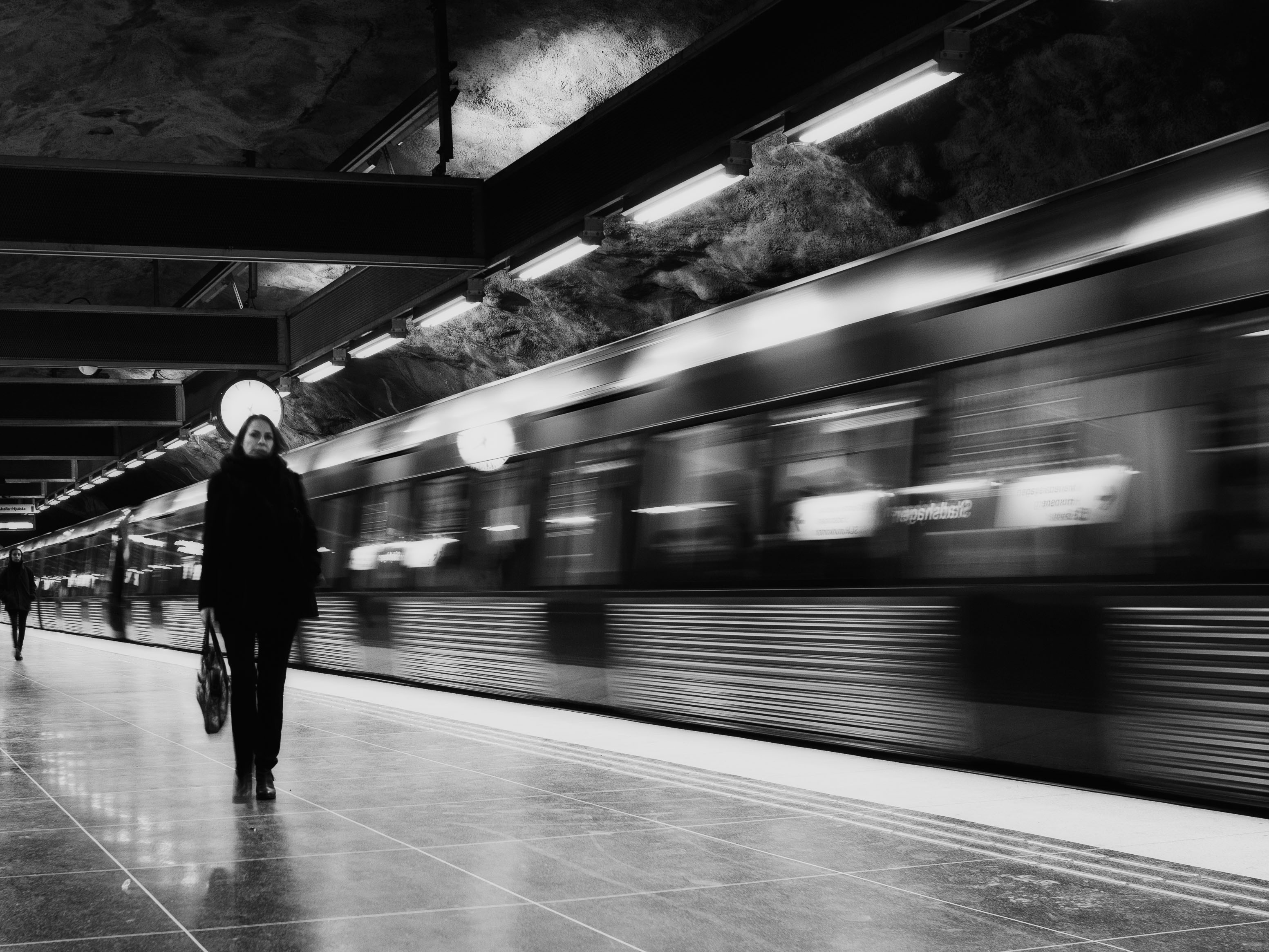
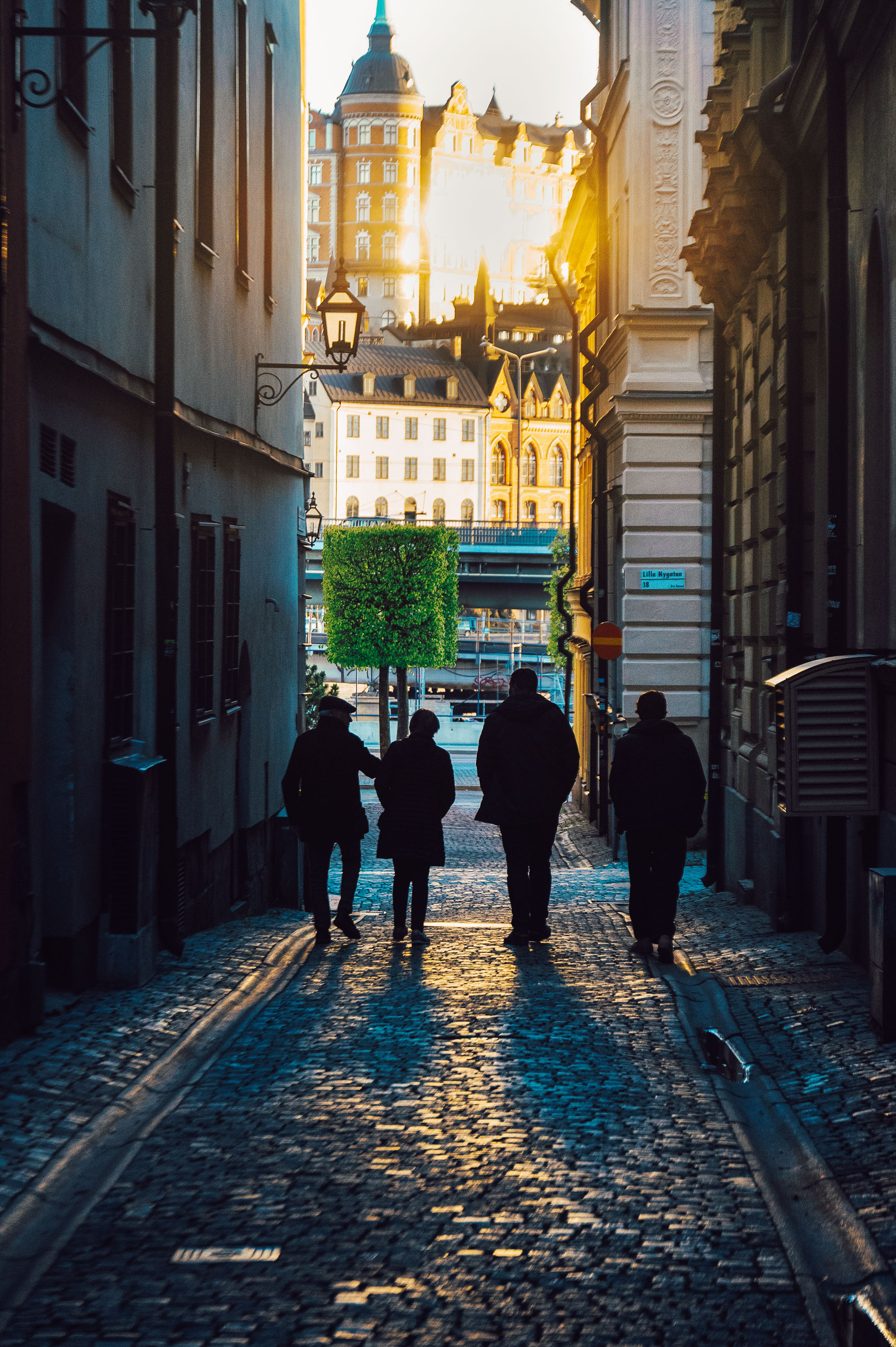
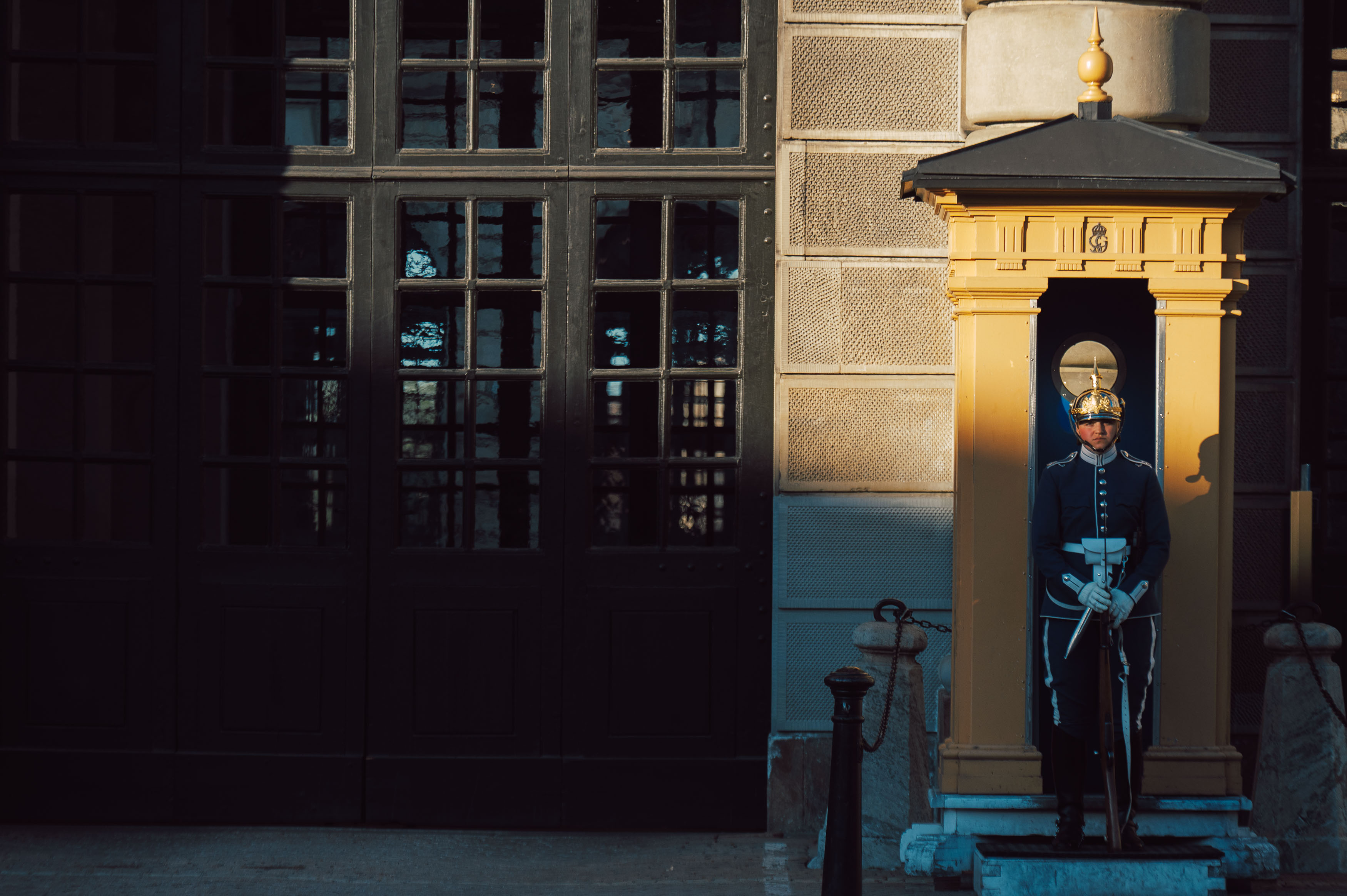
Revisiting Sweden after 12 Years. Have I Become a Better Photographer?

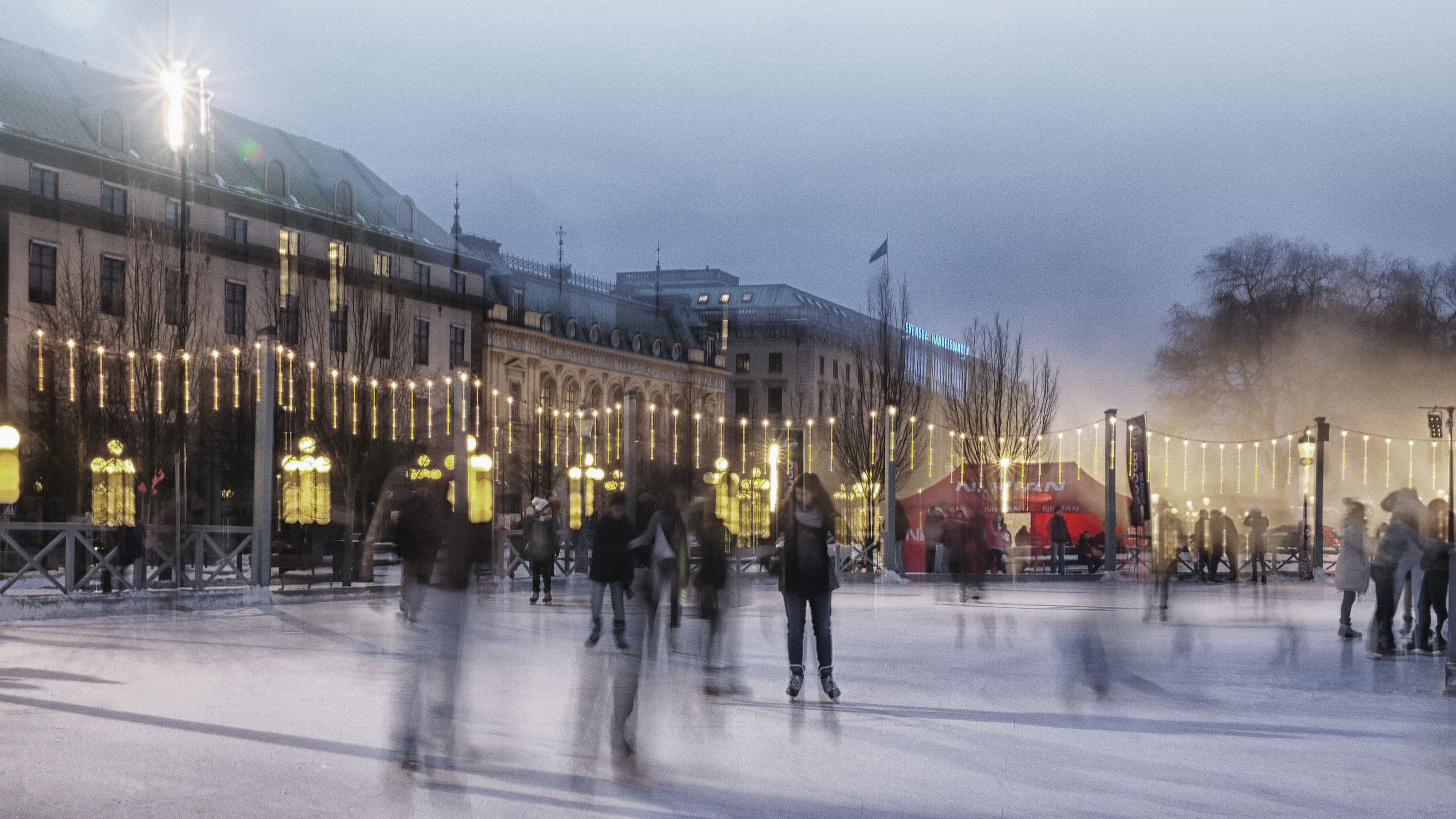
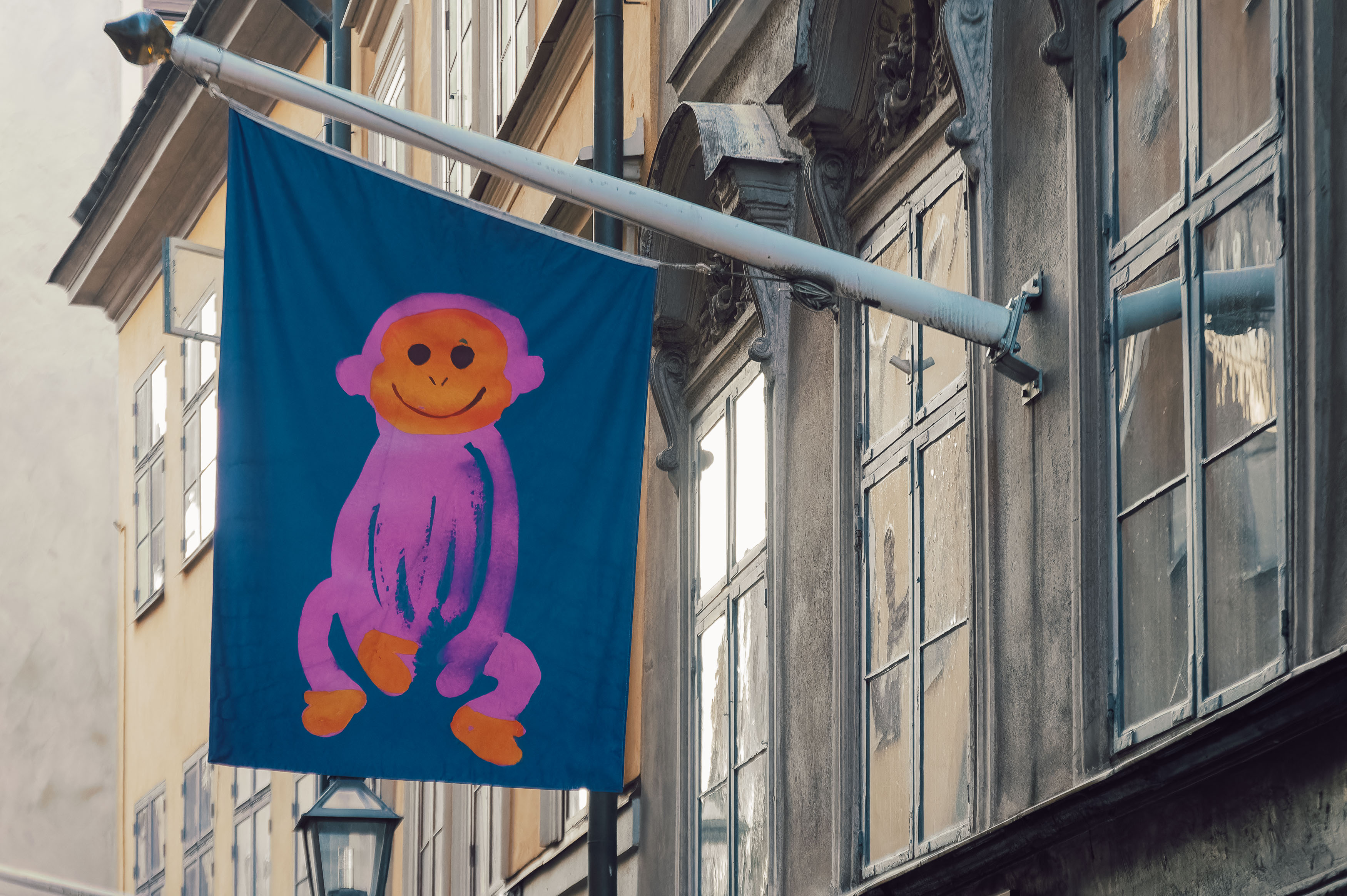
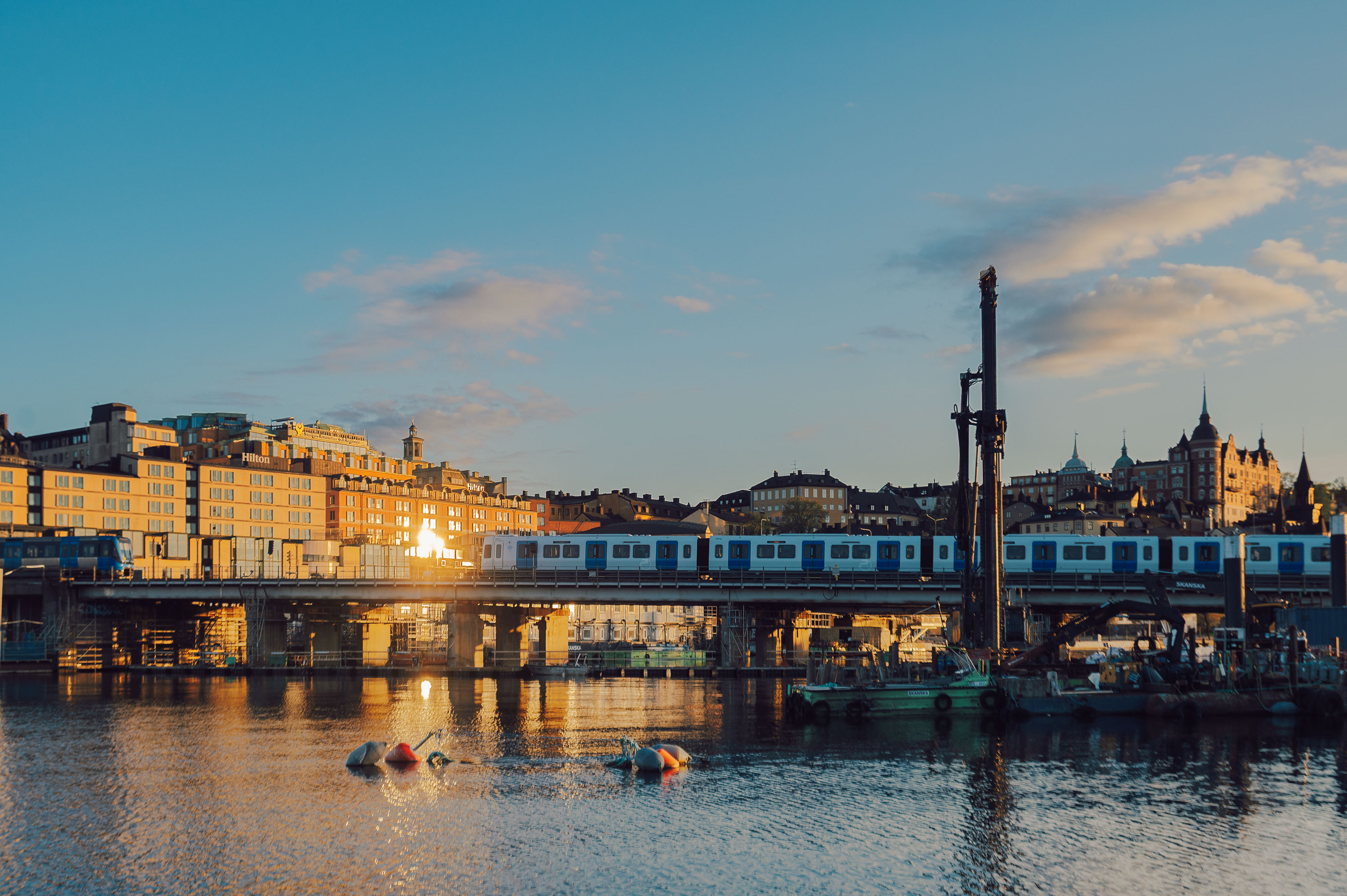
Twelve years is a surprisingly long time. When I first visited Stockholm in 2013, my children were younger, my hair contained considerably less grey, and I approached photography with the kind of wide-eyed enthusiasm that only comes from exploring somewhere completely new. Returning for a brief 24-hour visit felt like stepping into a time machine—not just to revisit Sweden, but to confront an awkward question I’d been quietly avoiding: after more than a decade behind the camera, have I actually become a better photographer?

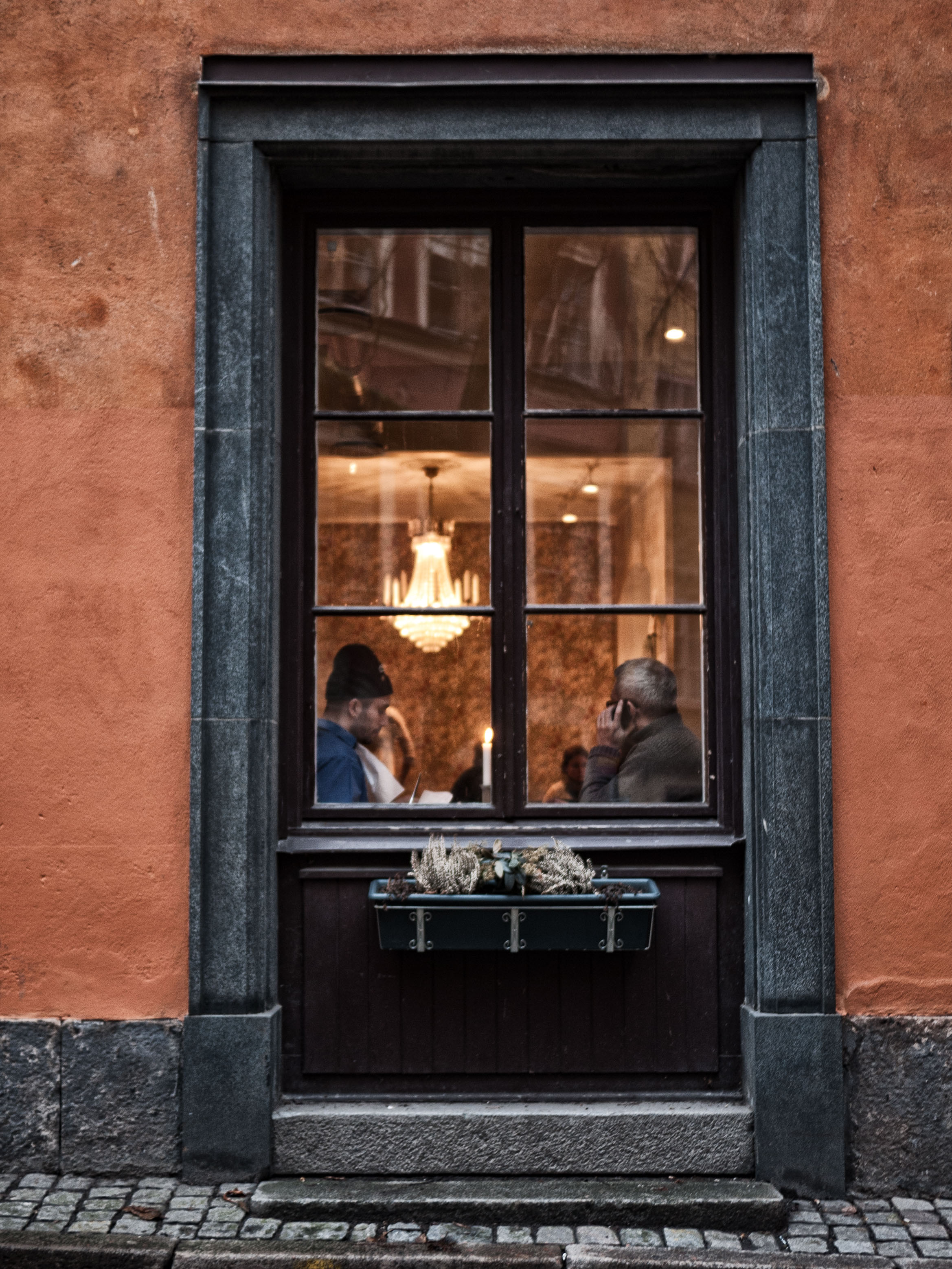
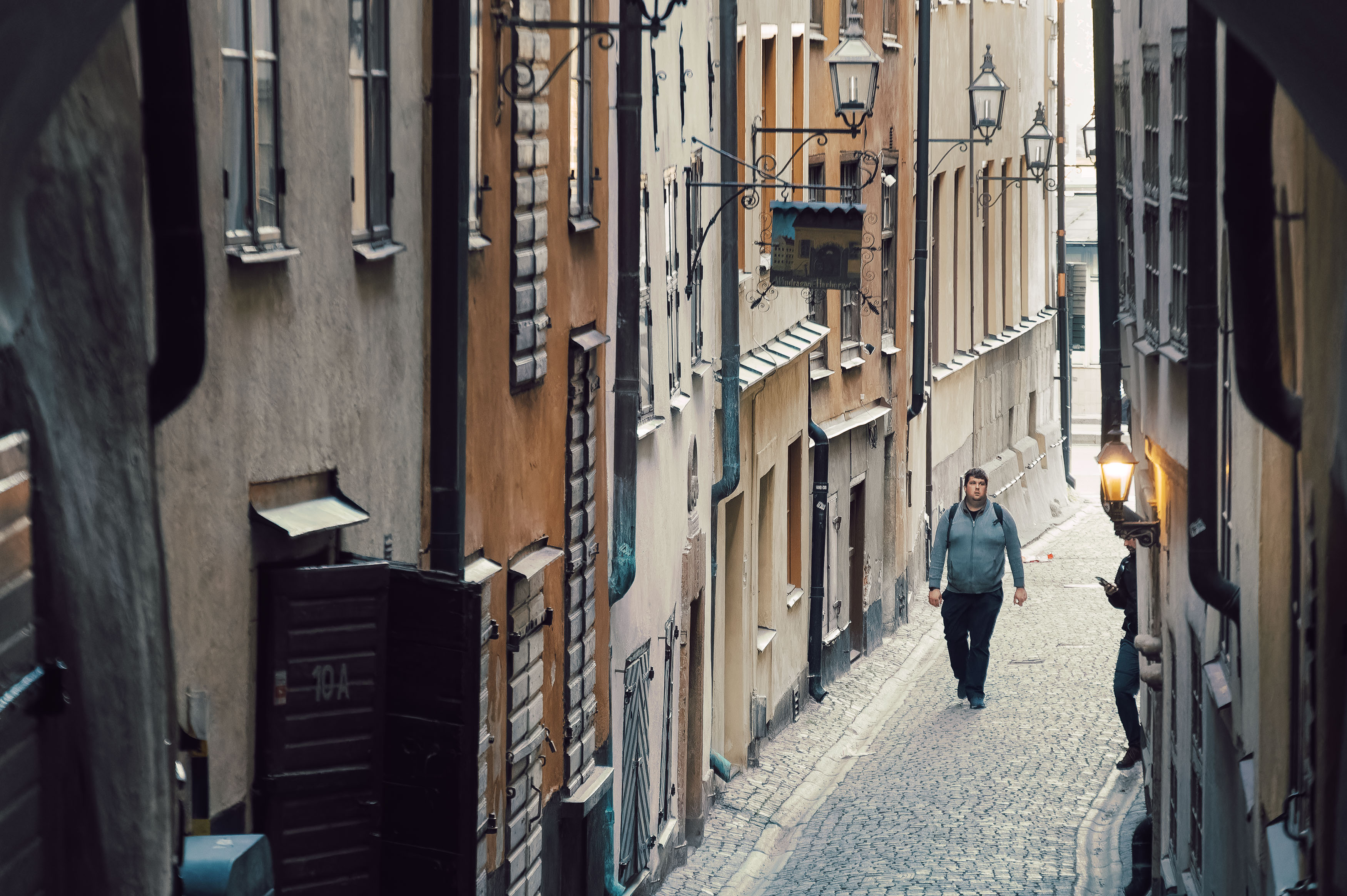
It’s the sort of question that’s difficult to answer objectively. Experience should bring improvement, but creativity doesn’t always follow a neat upward trajectory. As I wandered through the cobbled streets of Gamla Stan, Stockholm’s wonderfully preserved old town, I couldn’t help wondering whether my photography had continued to evolve or whether I’d simply become older, more cautious, and perhaps a little too comfortable with my own habits.

Getting Lost, Finding Perspective

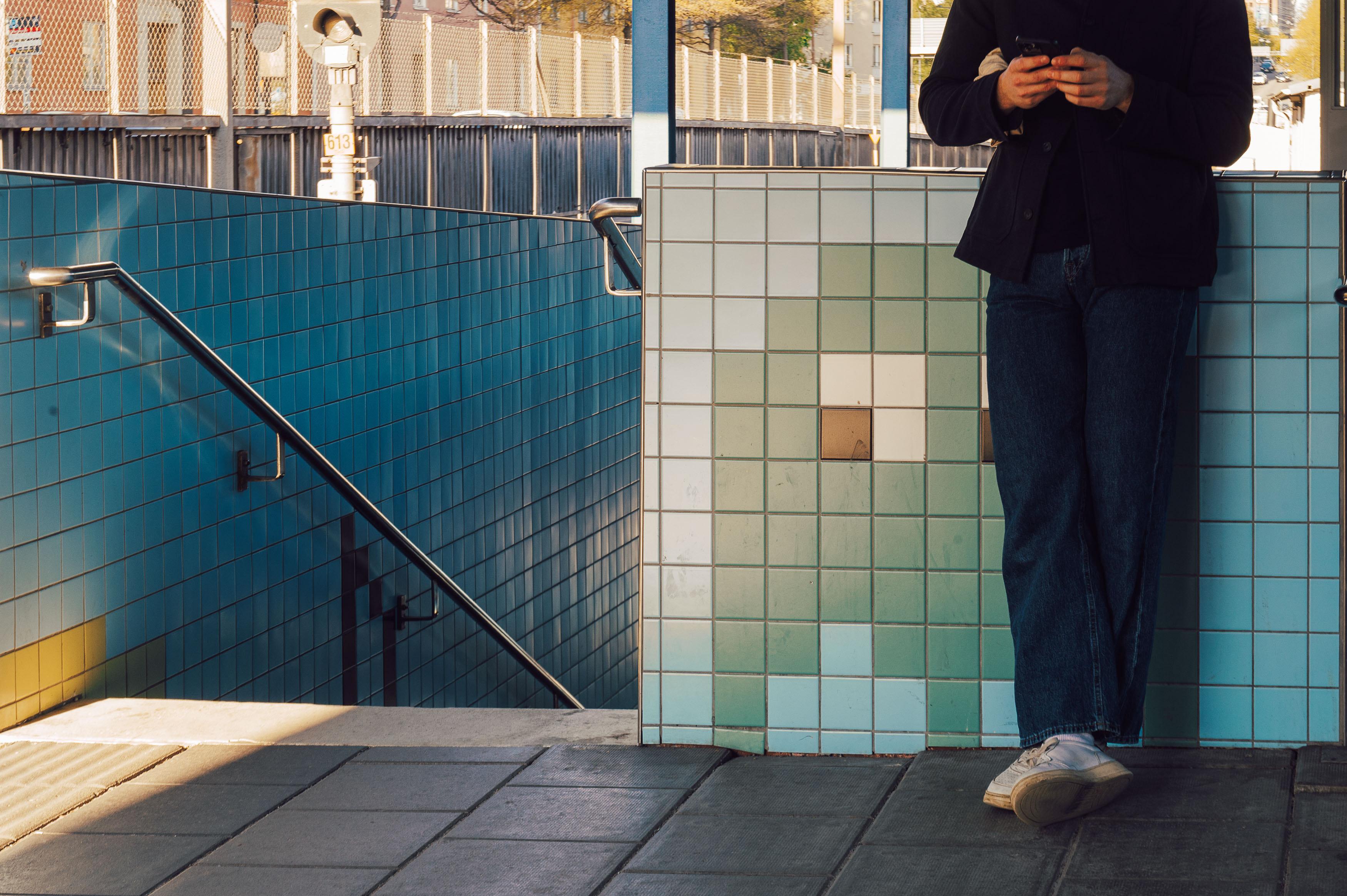
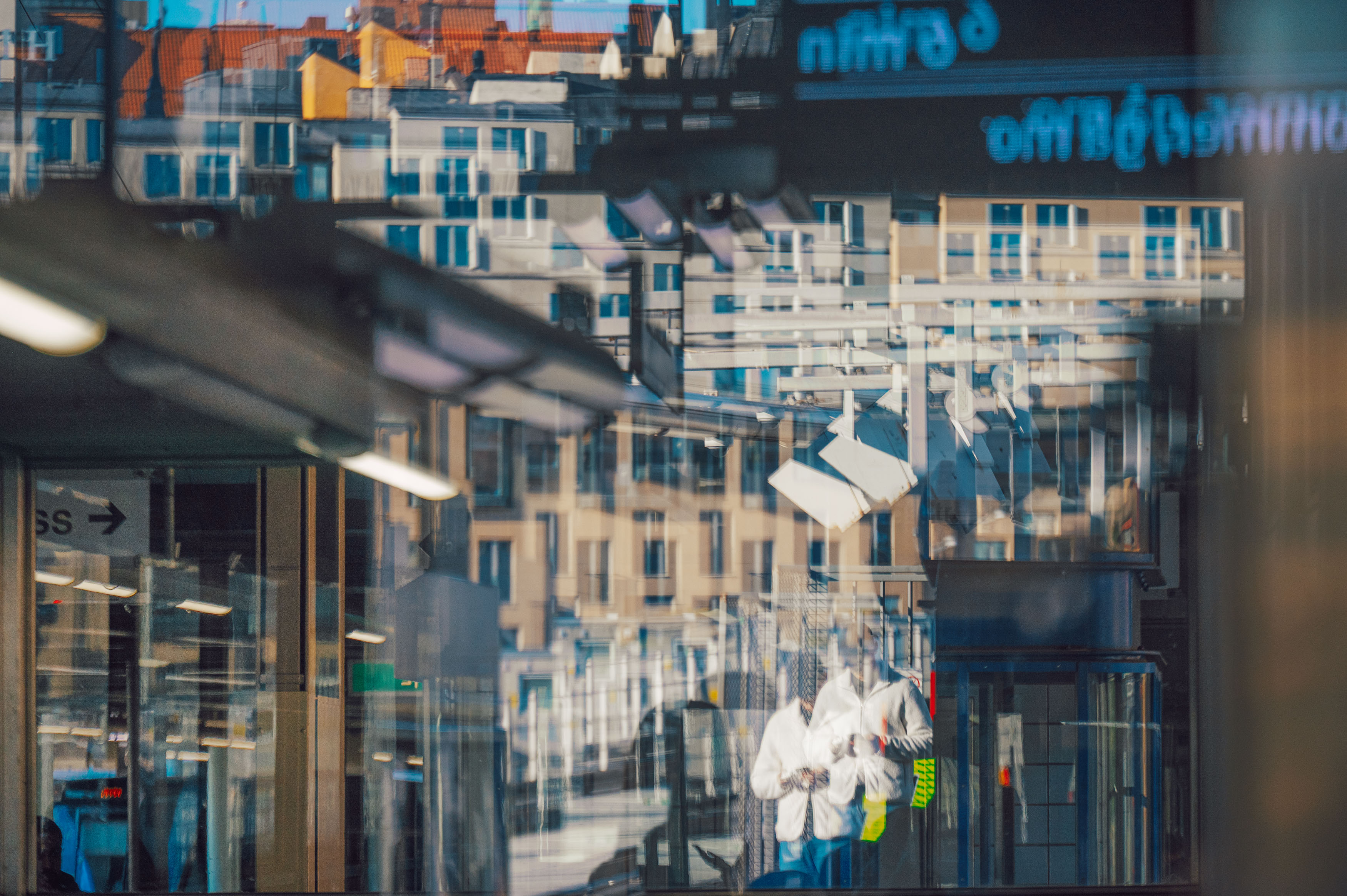
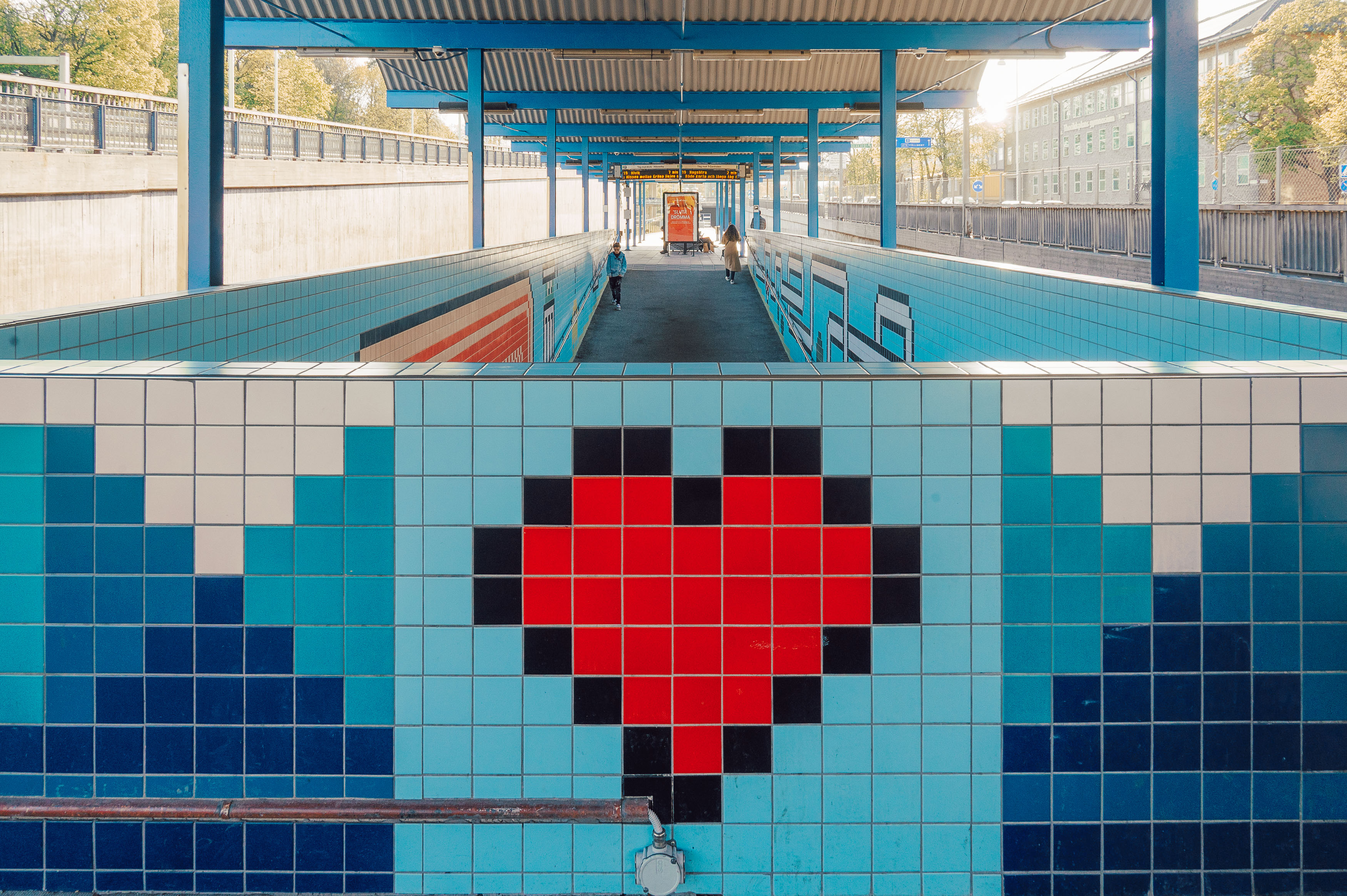
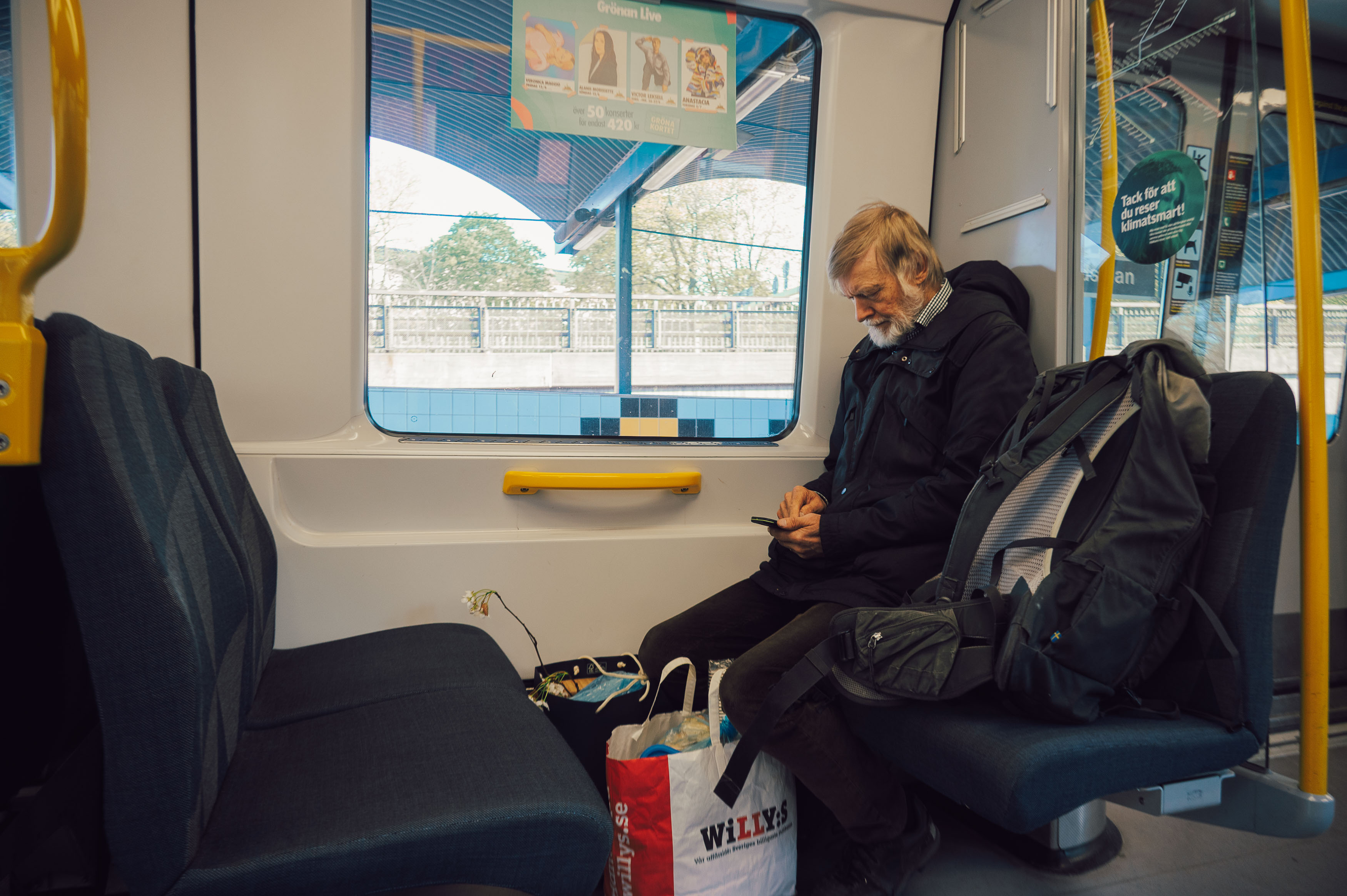
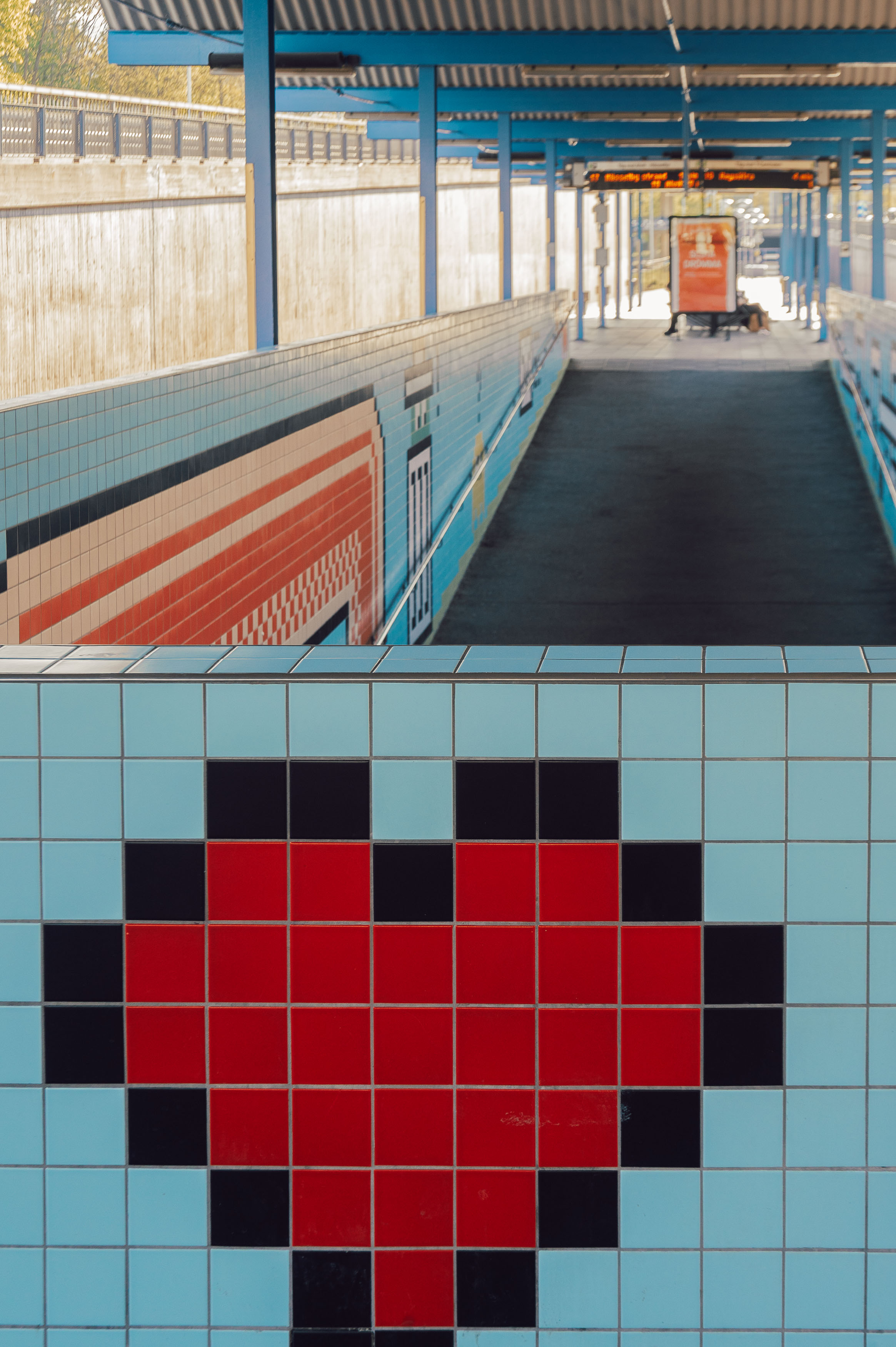
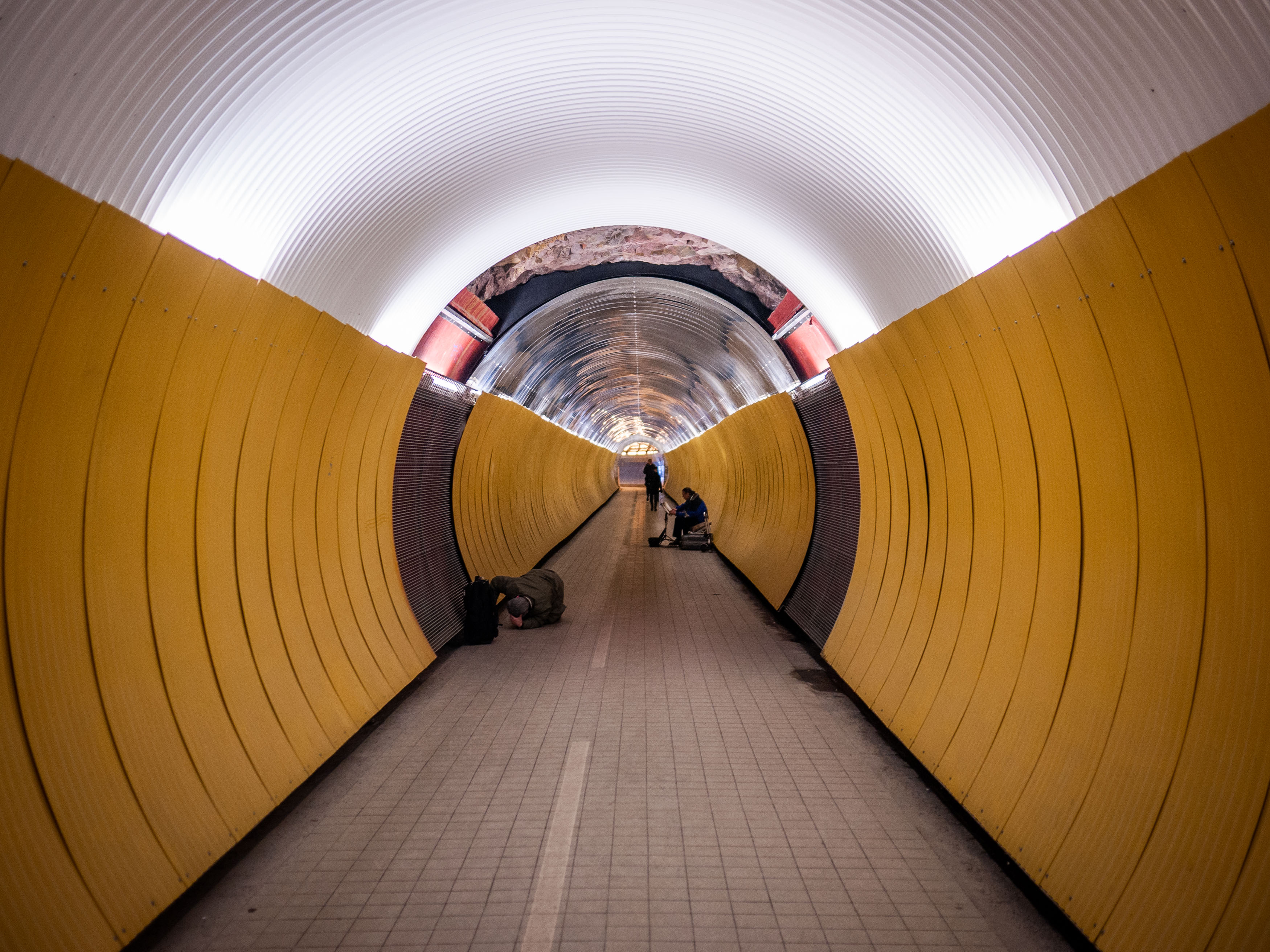
My journey began in appropriately chaotic fashion when I managed to board a train in completely the wrong direction. While I’d love to pretend this was some profound metaphor about life and artistic growth, it really was nothing more than another demonstration of my famously terrible sense of direction. Fortunately, even mistakes can become opportunities, and the unexpected detour delivered a train station that looked like an 8-bit video game, complete with geometric tiles and an almost surreal atmosphere.

Eventually I escaped my accidental journey into Tron and arrived in Gamla Stan. Emerging from the station felt like walking straight into the 14th century, albeit one populated by tourists armed with smartphones and takeaway coffee. Stockholm itself hadn’t changed dramatically over the years, but my relationship with photographing it certainly had.

Looking back at my original visit revealed just how much both photography and technology have evolved. In 2013 my camera of choice was the humble Lumix GF1, a Micro Four Thirds camera whose autofocus could generously be described as leisurely. Today I shoot with a Nikon Z6 paired with a versatile 24-200mm lens, giving me vastly superior image quality and low-light performance, even if the autofocus still occasionally reminds me not to become too complacent.

Ironically, despite carrying far more capable equipment today, I’ve also embraced older photographic practices. My favourite camera doesn’t even shoot video or include a built-in light meter. In some ways, my technical journey has become less about chasing newer features and more about rediscovering slower, simpler ways of working.

Escaping the HDR Era

Perhaps the biggest difference between my old work and my current photography lies in the editing. Revisiting my 2013 images was a sobering reminder that I, like so many photographers of the era, was hopelessly addicted to HDR. Every image seemed determined to display every possible shadow, highlight and colour simultaneously, often resulting in pictures that looked less like reality and more like someone had dropped a rainbow into a blender.

To be fair, cameras at the time genuinely struggled with dynamic range, and HDR techniques often solved real technical limitations. Unfortunately, somewhere along the way, subtlety was abandoned in favour of aggressively saturated skies, exaggerated textures and every filter available in software like Photomatix and the Nik Collection. If the software offered a dramatic effect, I was almost certainly going to apply it.

Thankfully, both technology and my own tastes have matured. Modern full-frame sensors capture an astonishing amount of information without elaborate processing, meaning there’s far less need to rescue an image in post-production. More importantly, I’ve come to appreciate restraint. Rather than chasing dramatic effects, I now find myself drawn to quieter, more natural edits with a gentle, almost Kodachrome-inspired warmth that allows the subject to speak for itself.

What Has Stayed the Same?

Not everything has changed, however. Looking through my old photographs revealed several themes that have remained remarkably consistent throughout my photographic life. I’ve always been fascinated by geometry, architecture and the patterns created by the built environment. Whether it’s staircases, railway stations or the narrow streets of an old city, strong shapes continue to draw my attention.

I’ve also always enjoyed finding humour and unexpected visual juxtapositions. Some of my favourite images are those that invite viewers to pause for a second and ask themselves exactly what’s happening. Street photography rarely hands you those moments on a plate, but they’re immensely satisfying when everything aligns.

One area where I have changed significantly is my attitude towards obvious tourist photographs. Twelve years ago, photographing famous viewpoints felt fresh and exciting. Today those same locations have been documented millions of times across social media, making it increasingly difficult to create something that feels original. It’s not that these places have become less beautiful—they’ve simply become visually familiar.

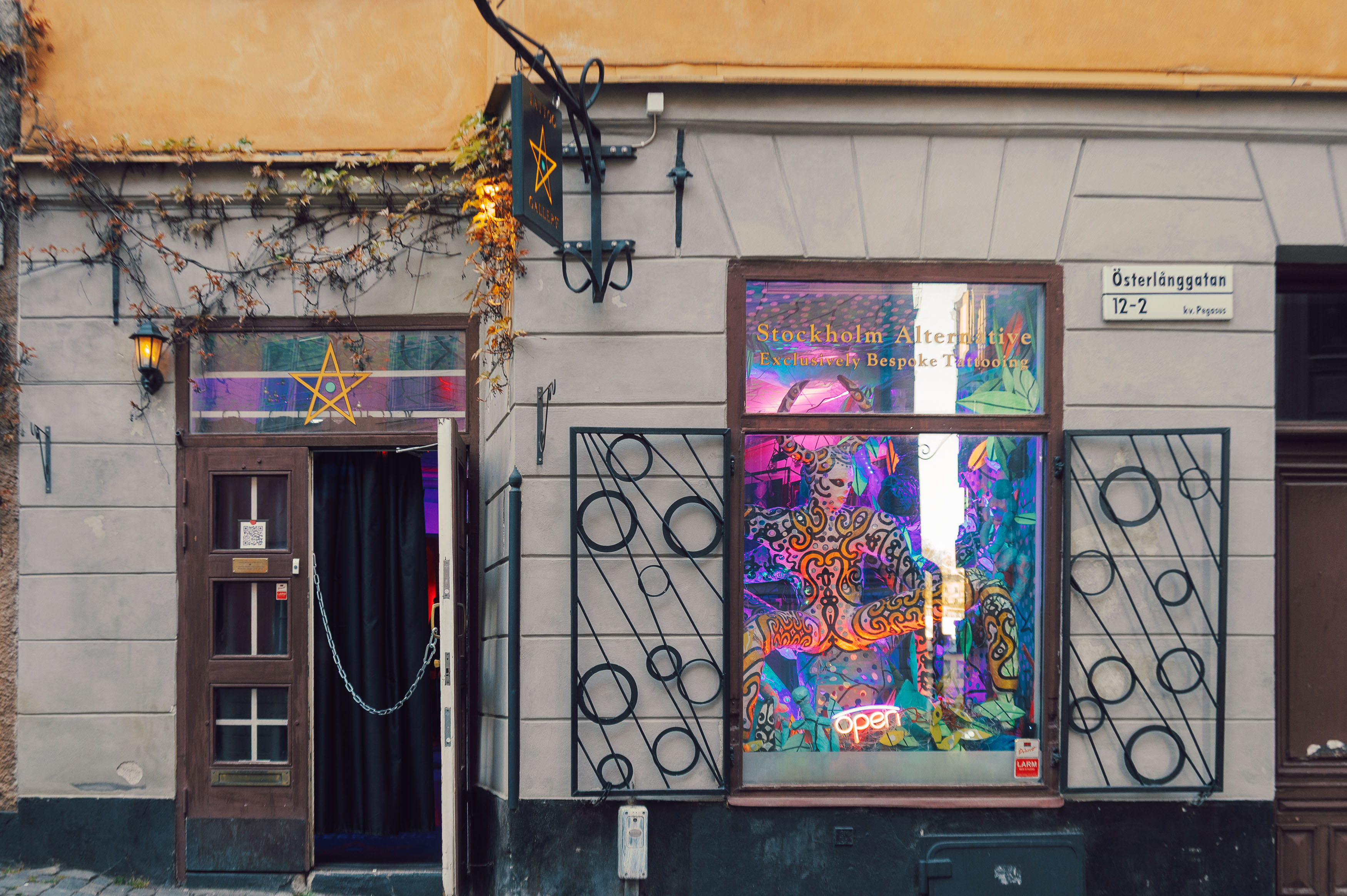
That realisation has encouraged me to search for smaller stories instead of iconic postcards. Rather than collecting landmarks, I’m more interested in collecting moments.

Growing as a Photographer—and as a Person

Comparing six photographs from my recent visit with those from 2013 produced an unexpected conclusion. Technically, my modern images are undoubtedly stronger. The compositions are cleaner, the editing is more restrained and there’s a greater consistency throughout the collection. Yet I can’t completely dismiss the older photographs.
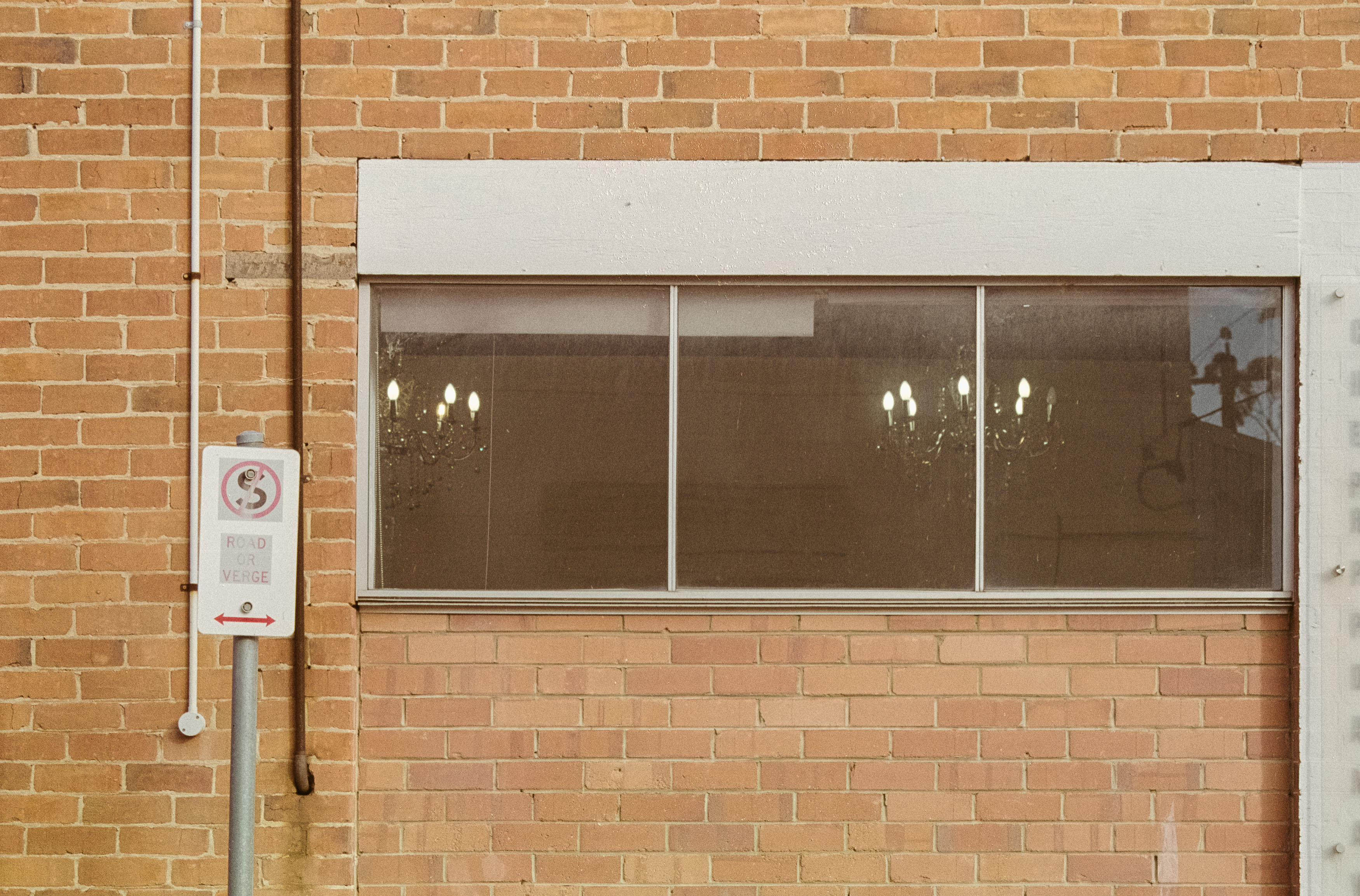
There was an exuberance to my earlier work that I sometimes miss. I experimented more freely with unusual angles, slower shutter speeds and motion blur, unconcerned about whether everything fitted neatly into a recognisable personal style. Perhaps experience has improved my judgment, but maybe it has also made me a little more cautious.

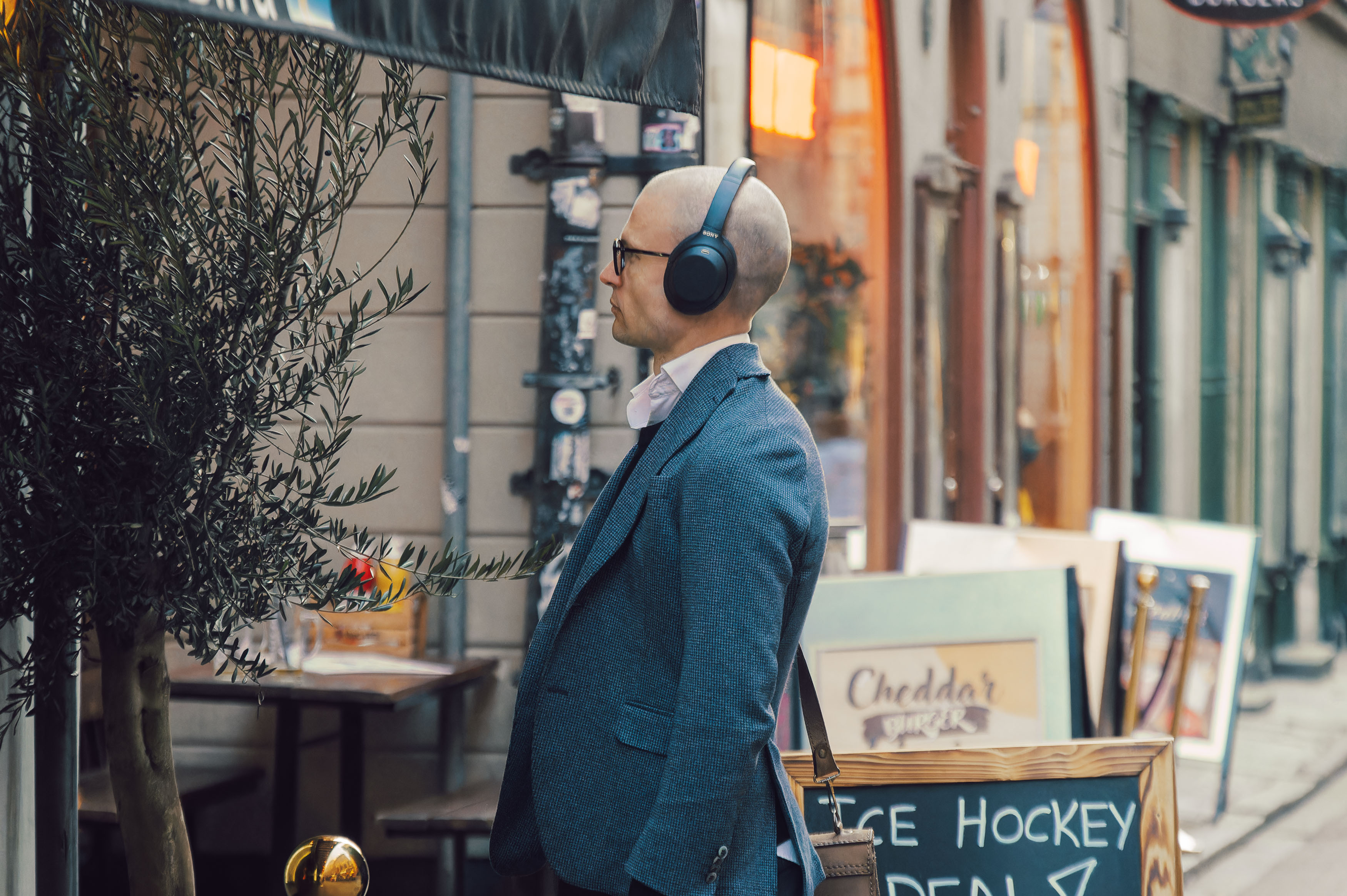
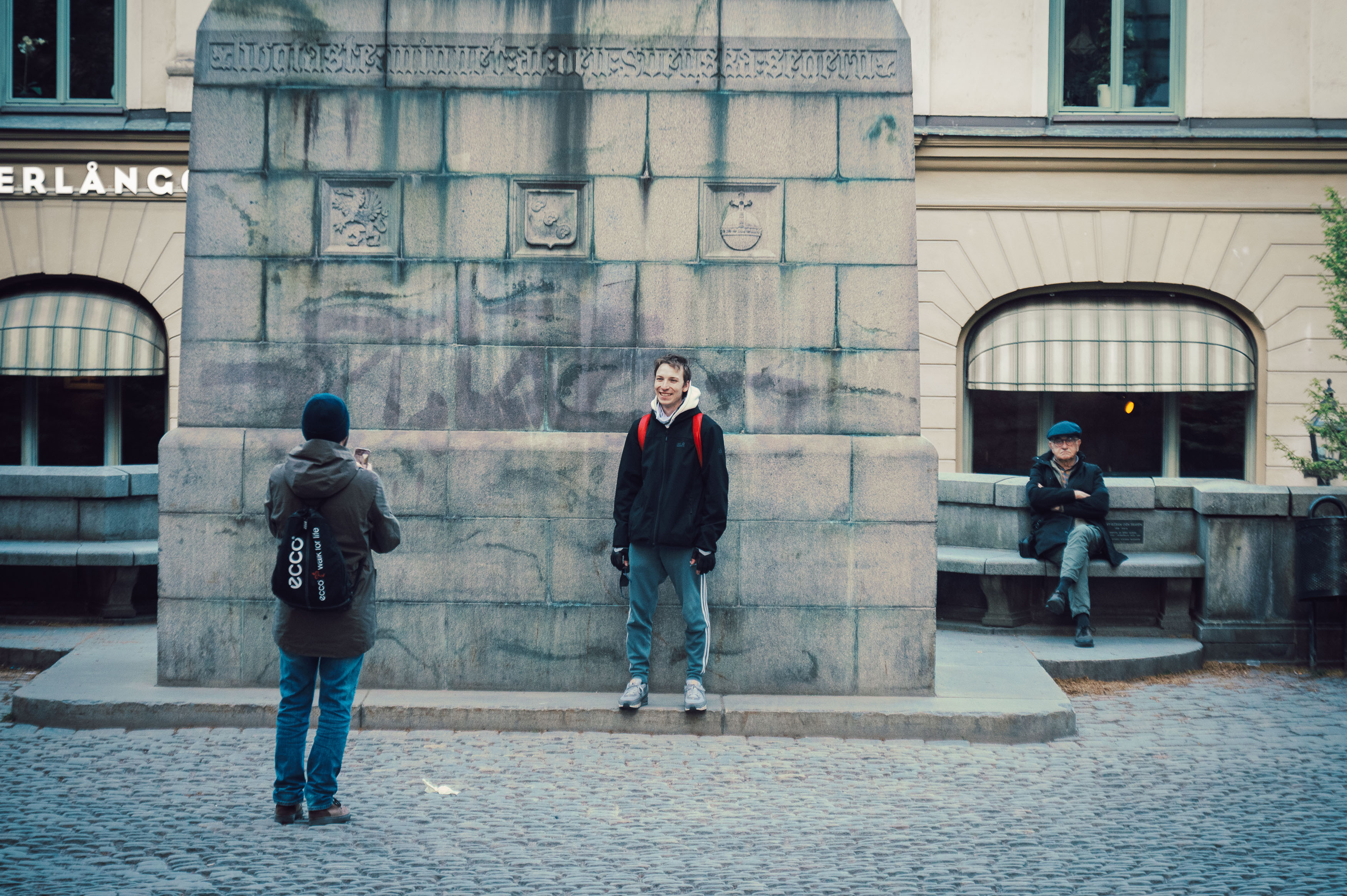
One change genuinely stands out, though. My newer photographs contain more people, and those people feel less like decorative elements placed within an architectural composition. Increasingly, they have become the subject rather than simply part of the scenery. Their expressions, gestures and interactions bring warmth and humanity that my earlier work often lacked.

Photography has always acted as both a shield and a bridge for me. A camera creates distance, offering a comfortable excuse to observe the world without fully participating in it. At the same time, it can become a surprisingly effective way of connecting with people and making sense of the wonderfully awkward complexity of human interaction.
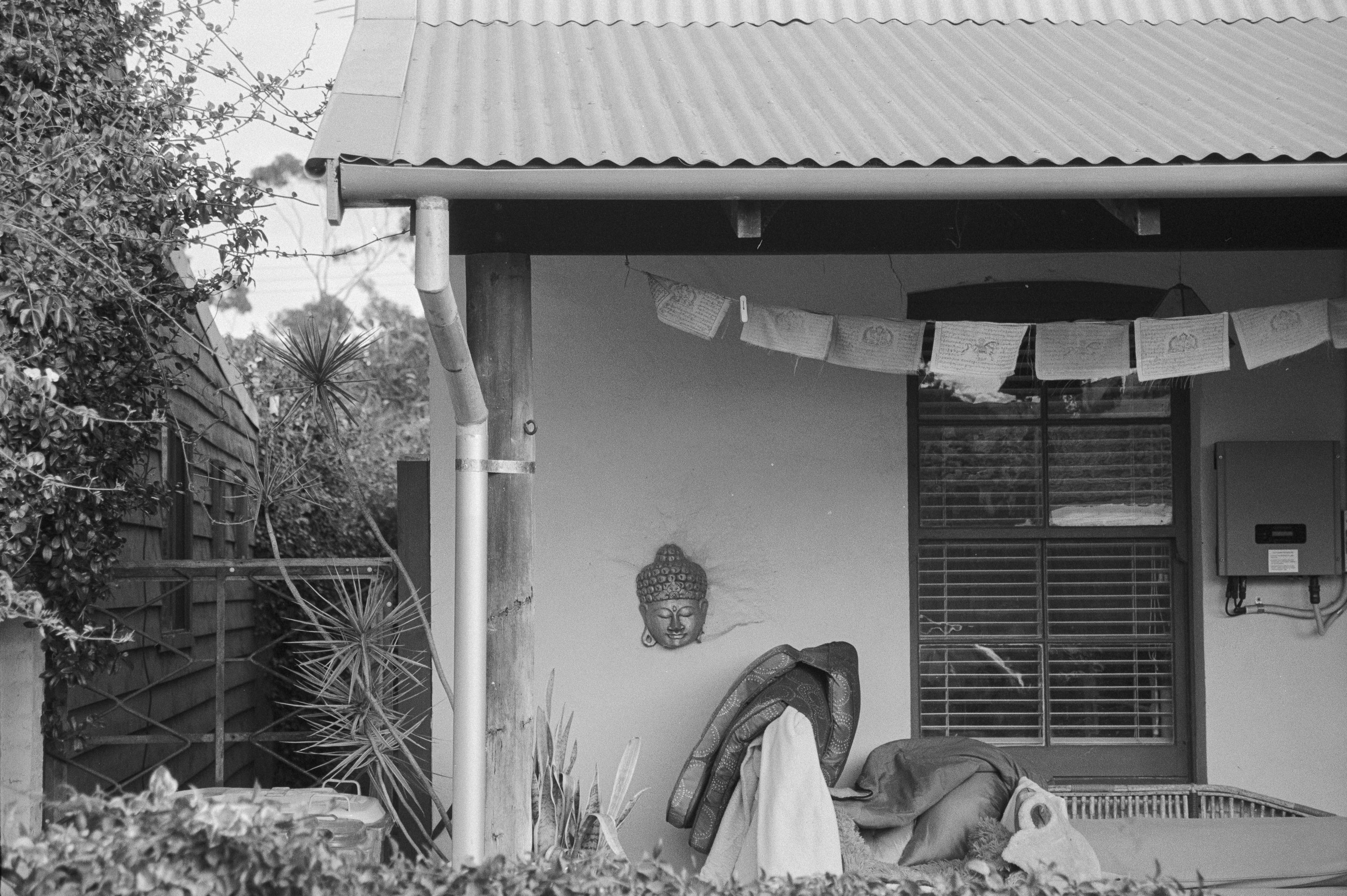
Perhaps that’s the real evolution after all. Maybe becoming a better photographer isn’t simply about mastering composition or choosing more tasteful editing techniques. Maybe it’s about gradually becoming more curious, more empathetic and more willing to see the people behind the photographs.

Of course, it’s entirely possible that in another twelve years I’ll look back at my 2025 images and cringe just as enthusiastically as I now do at my HDR experiments. If that happens, perhaps it will simply be proof that the journey is still continuing—and that’s probably exactly how it should be.

Introducing the Canon 28mm f/2.8 LTM to Shenzhen and Vienna

I’ve complained before that 28mm is probably the most boring focal length in photography. It’s the optical equivalent of plain toast: perfectly serviceable but rarely exciting. It sits somewhere between the intimacy of a 35mm and the drama of something genuinely wide, making it feel suspiciously similar to the field of view on your phone. If nothing else, it’s useful for photographing your lunch.

Despite my lack of enthusiasm, there was one obvious gap in my rangefinder kit. Finding a good 28mm lens for the Leica Thread Mount isn’t exactly easy because wide-angle lens design in the 1950s involved plenty of optical compromises. The obvious budget option is the Soviet Orion-15, but its relatively slow f/5.6 aperture and steadily rising second-hand prices meant it wasn’t quite what I was looking for. At the other end of the spectrum sat Leica’s own Elmarit, but buying one of those would probably have required selling one of my children, and they’re now old enough to understand employment law.

Instead, while wandering around Shinjuku in search of something completely different, I stumbled across the Canon 28mm f/2.8. It struck a happy compromise between affordability and quality, and although it lacks the red dot that causes photographers to lose all sense of financial responsibility, it still feels wonderfully substantial. Built from brass and glass, it’s compact, beautifully made and just heavy enough to remind you that cameras used to be engineered rather than assembled.

Its pedigree isn’t exactly shabby either. This was one of the lenses favoured by Garry Winogrand as he documented post-war America, producing one of the most influential bodies of street photography ever assembled. Winogrand died at just fifty-six, leaving behind thousands of undeveloped rolls of film. I’ve somehow managed to outlive him already, although my own contribution to photographic history currently consists of a steadily growing archive of YouTube videos that algorithmically disappear into the digital abyss.

Still, one or two people are watching, so I thought it was finally time to give this little Canon the outing it deserved.

A Vintage Lens in Shenzhen and Vienna

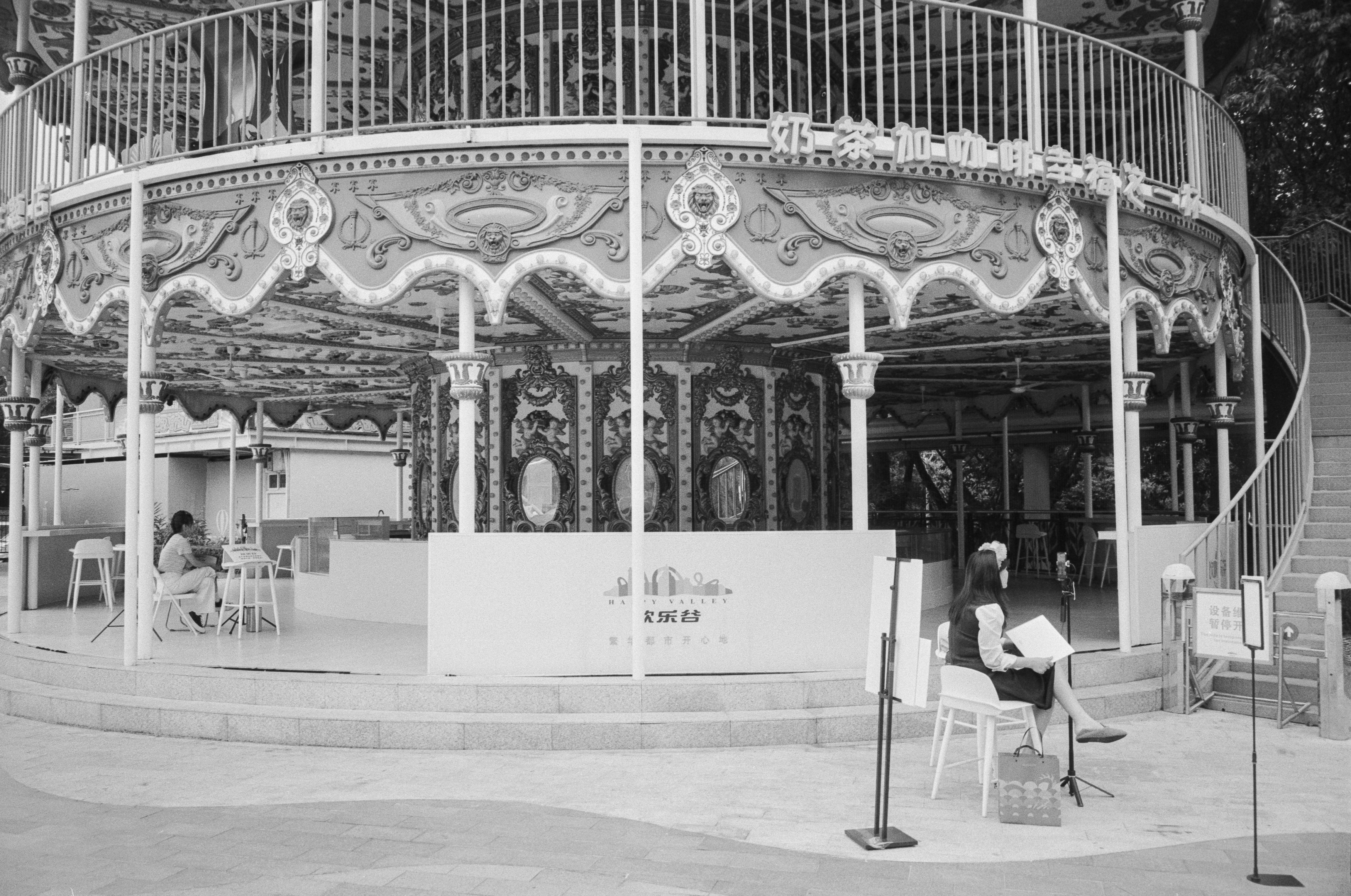
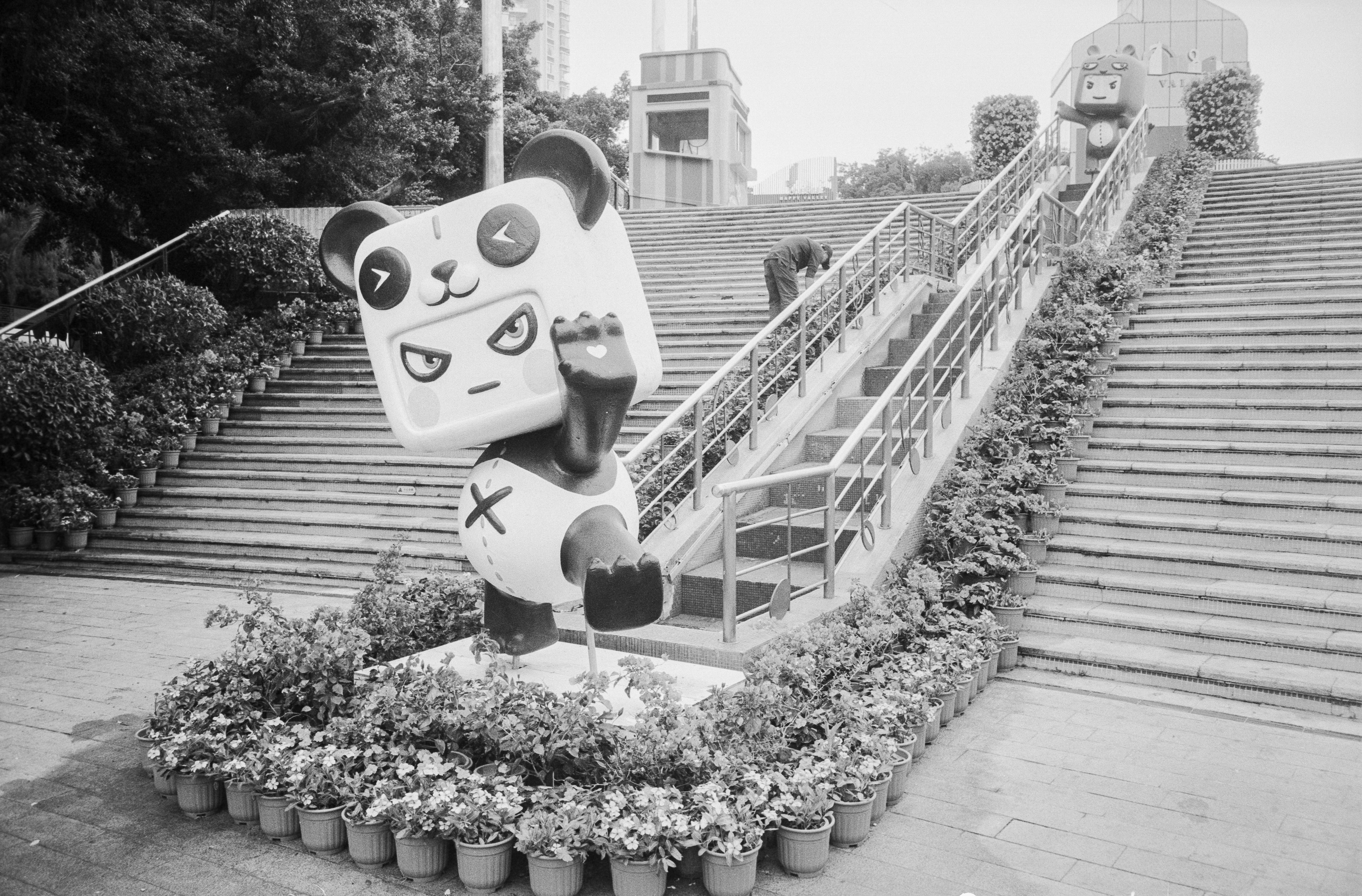
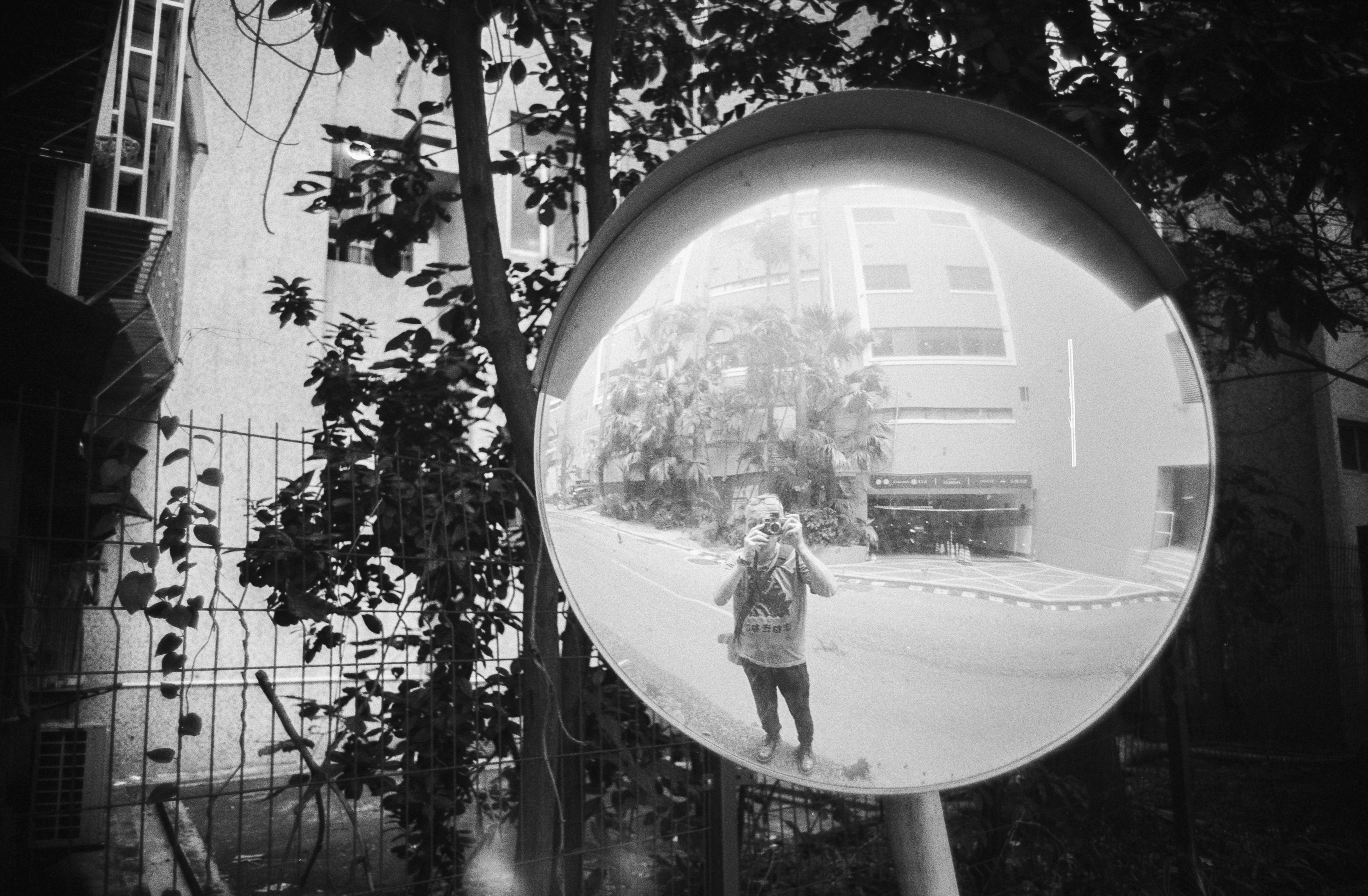
Like many of my photography trips, this one began with work rather than art. An overnight business trip to Shenzhen left just enough time for an hour wandering through Happy Valley, which, despite its cheerful name, possessed the slightly unsettling atmosphere of an abandoned theme park. It felt strangely appropriate to photograph it on black-and-white Kentmere 100 using my Leica M2, allowing the stark architecture and empty spaces to become the real subject rather than the colours themselves.

The Canon immediately makes a good first impression. It’s tiny enough to disappear onto the front of the Leica, yet the focus ring remains easy to grip. It features Canon’s familiar infinity lock, which has a reputation for annoying photographers but quickly becomes second nature once you’ve spent some time with it. Likewise, the front-mounted aperture ring works surprisingly well because the clicks are lighter than the focus action, allowing exposure adjustments without accidentally throwing focus out.
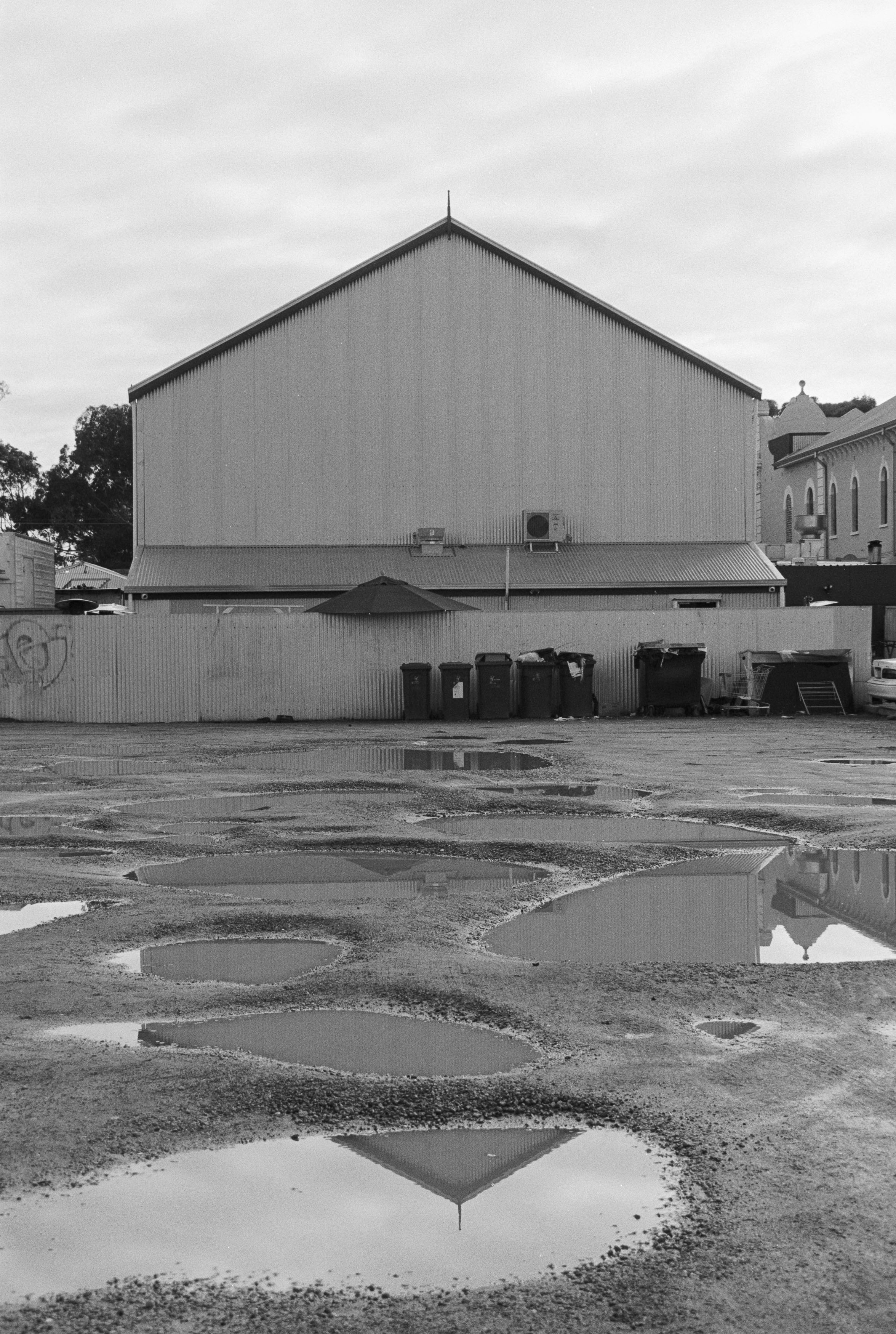
Internally, though, this is unmistakably a product of the 1950s. The six-element design lacks the sophisticated corrections of modern optics, and nobody is going to mistake it for a clinically perfect contemporary lens. Instead, it embraces the sort of imperfections that vintage lens enthusiasts spend their lives romanticising. This lens wasn’t designed to chase laboratory sharpness charts; it was designed to make photographs.

Its age also makes it feel perfectly at home on film. Introduced in 1957, it predates many of the modern photographic conventions we now take for granted, and pairing it with a mechanical Leica feels entirely natural. Ironically, my first experiences with it weren’t on the Leica at all but on my Canon P, until that camera developed a dragging shutter caused by loose stitching on the shutter curtain. The repair proved rather more delicate than these sausage fingers were prepared to attempt, and the whole episode ultimately nudged me towards buying the Leica M2 instead.
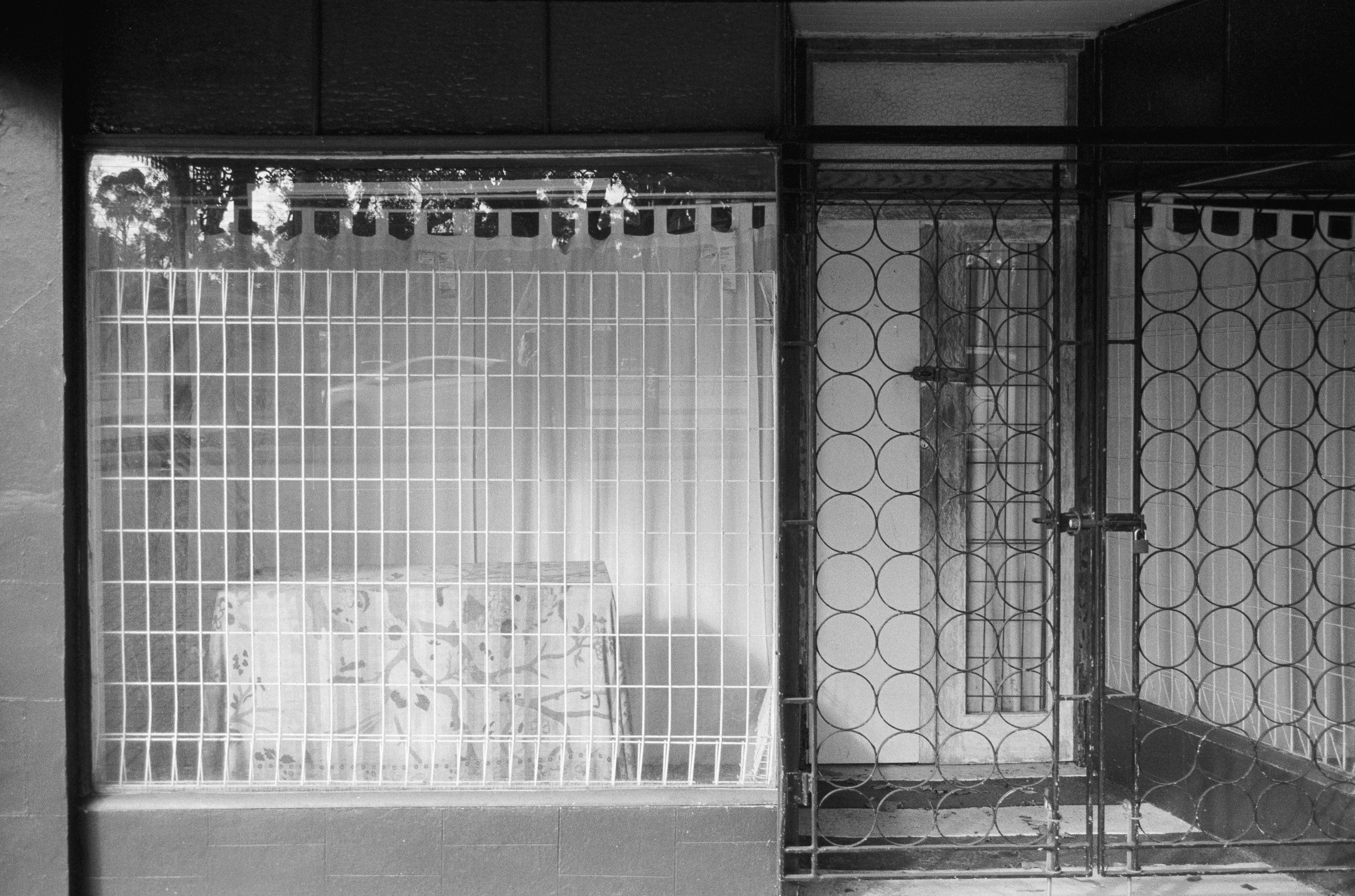
One pleasant surprise is how well the M2 accommodates the lens despite lacking dedicated 28mm framelines. By simply using almost the entire viewfinder, the framing becomes remarkably accurate, even if it occasionally requires removing my glasses and pressing my face uncomfortably close to the camera.

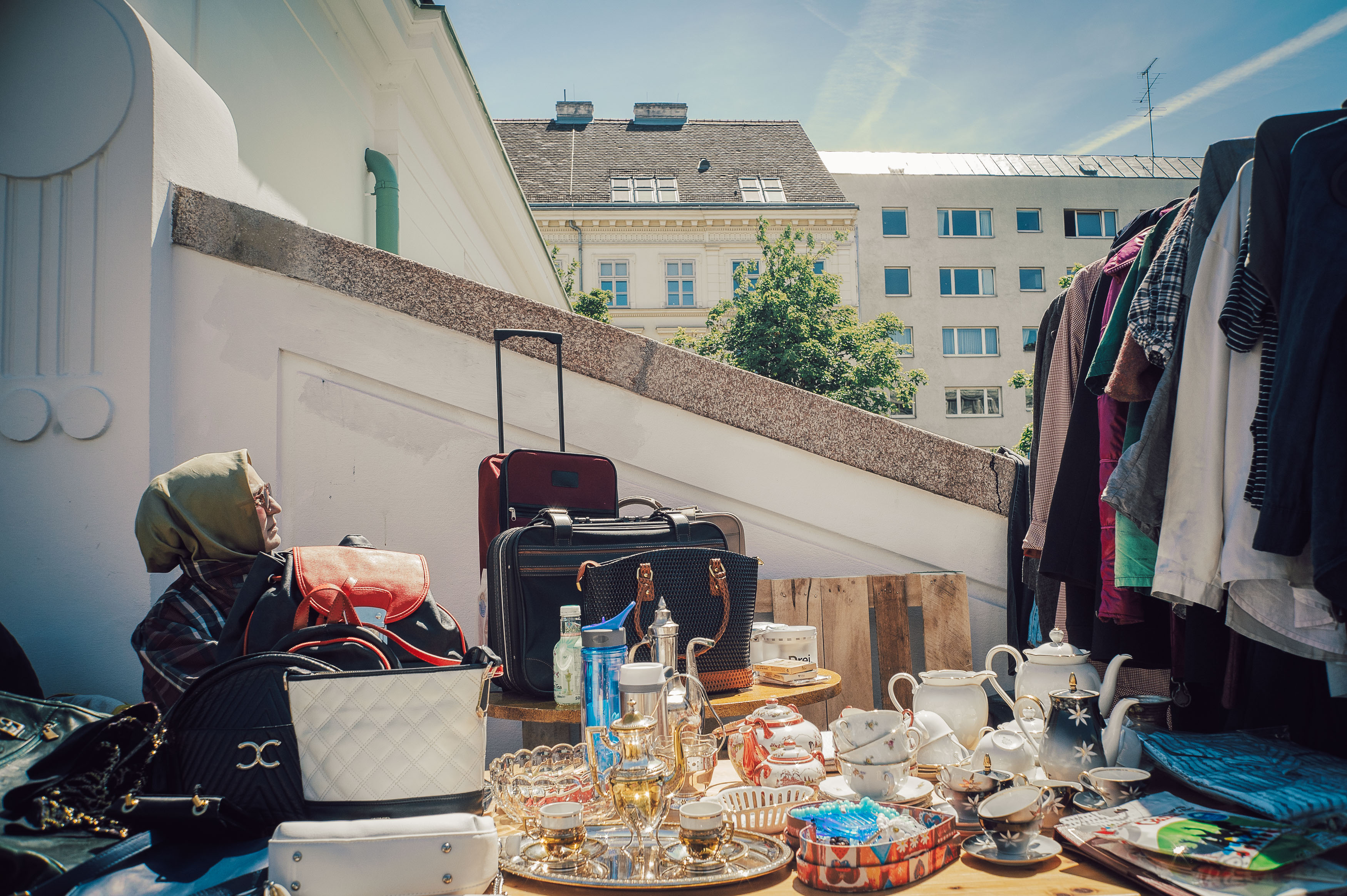
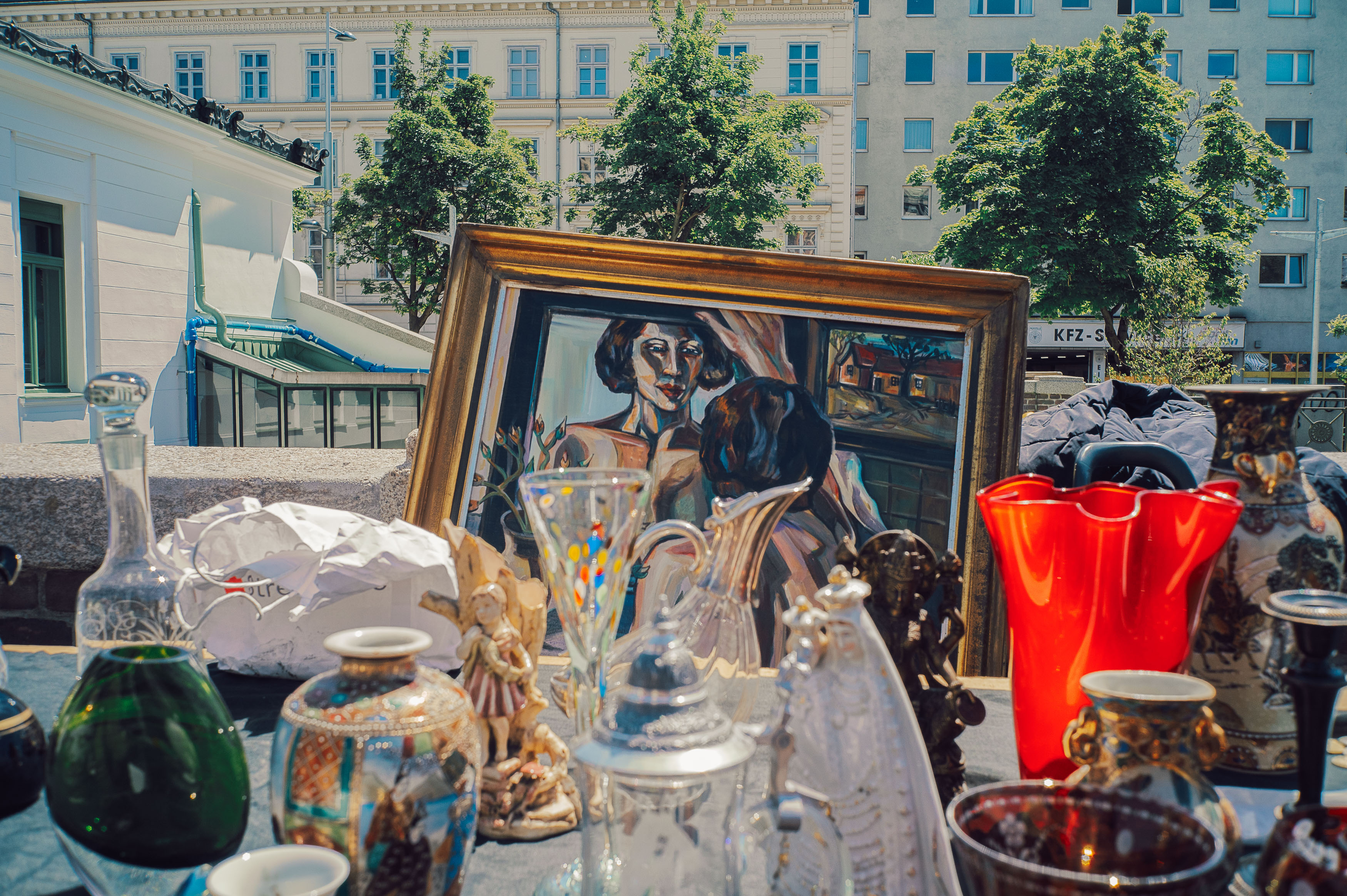
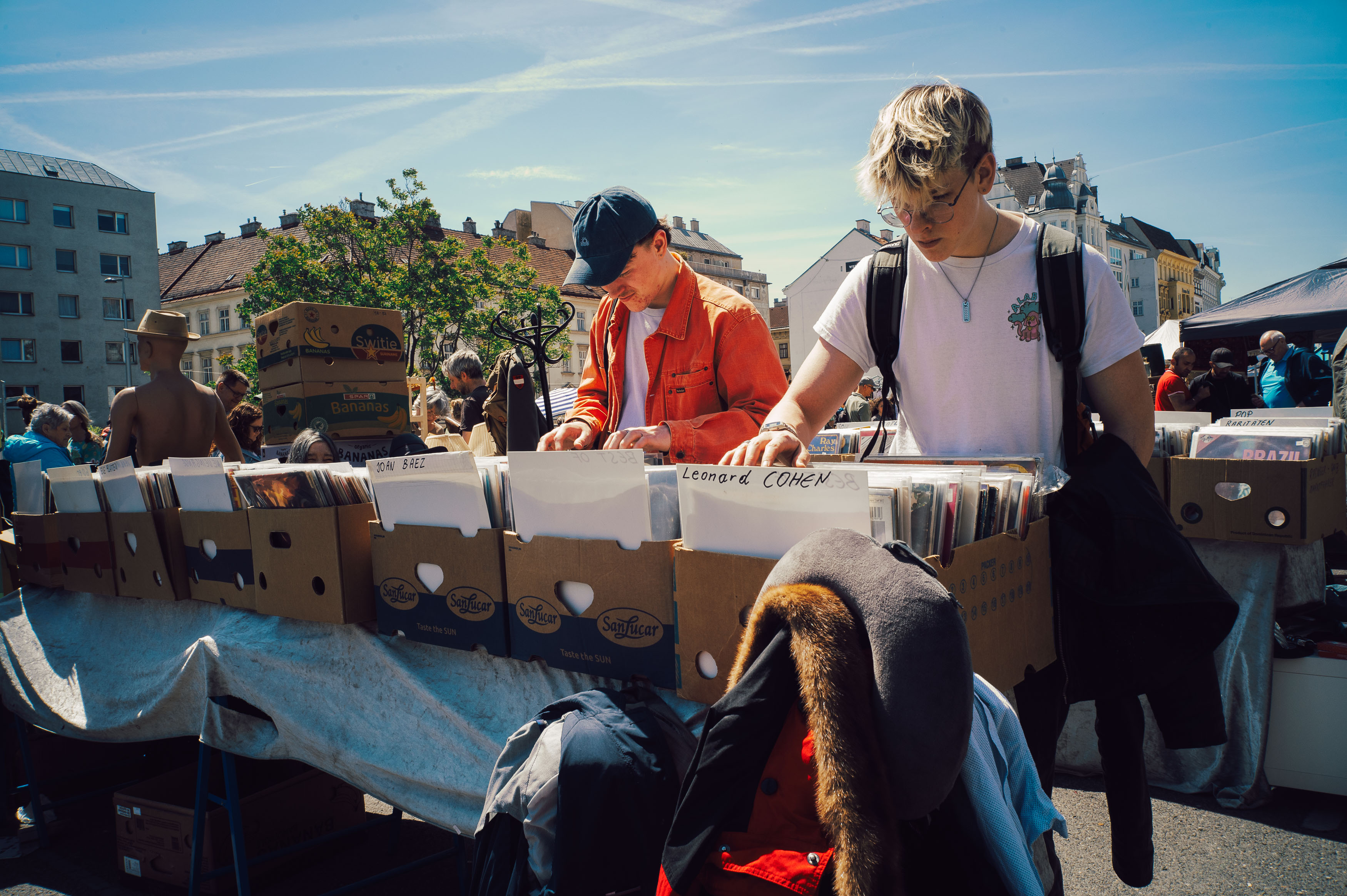
Of course, adapting the lens to a modern mirrorless body removes all of those compromises. Mounted on my Nikon Z6 with a simple adapter during a walk through Vienna’s Museum Quarter and Naschmarkt, the Canon suddenly had focus peaking, magnification and a high-resolution sensor revealing every one of its strengths and weaknesses in glorious detail.

Character Over Perfection

If you’re looking for objective perfection, this isn’t the lens for you. In fact, judged purely by modern standards, it’s difficult to argue that it’s particularly good at all.

Let’s begin with the flare. Despite the deeply recessed front element, point this lens anywhere near the sun and it erupts into a psychedelic display of hexagonal ghosts, coloured blobs, veiling flare and collapsing contrast. Some photographers deliberately seek out that behaviour, but I generally prefer keeping the sun somewhere over my shoulder, so most of my examples avoid the full disco light show.

More problematic is the vignetting. Wide open at f/2.8, the corners darken dramatically, as though the world is being viewed through a cardboard tube while driving through an alpine tunnel. Even stopping down doesn’t entirely eliminate it, and if you’re allergic to heavy corner shading, this lens probably isn’t going to become your new favourite.

Sharpness is equally complicated. At maximum aperture, the centre remains respectable, but detail falls away rapidly towards the edges where the image becomes noticeably smeared. Yet somehow, those flaws work together to produce something unexpectedly appealing. The rendering has a painterly quality that modern lenses often sacrifice in pursuit of perfection, and photographs seem to possess a depth and atmosphere that’s difficult to quantify on a test chart.

Stopping the lens down transforms its behaviour. By f/16 the dreamy softness gives way to surprisingly rich detail, while still retaining the gentle microcontrast and subtle rendering that make older optics so enjoyable to use. Tree bark gains texture, colours become vibrant and every corner of the frame rewards closer inspection, even if absolute edge sharpness never quite catches up with contemporary designs.

Looking back through photographs from both Shenzhen and Vienna, the Canon feels remarkably consistent despite the very different subjects. The quiet, almost surreal emptiness of Happy Valley contrasts beautifully with the bustle of Vienna’s flea markets, yet the lens gives both places a cohesive visual identity. Digital files from the Nikon certainly reveal more of the lens’s colour shifts and optical fall-off than film ever does, but they also confirm that the central sharpness is more than adequate while the imperfections remain part of its charm rather than distractions.

Ultimately, that’s what makes the Canon 28mm f/2.8 such an enjoyable lens. It doesn’t pretend to be perfect, nor does it try to compete with modern optics on technical grounds. Instead, it delivers photographs with personality, accepting softness, flare and vignetting as part of the creative process rather than problems to eliminate. Wide open it behaves like an unruly opera singer, full of excess and theatrical flourish. Stop it down and it settles into something far more disciplined, pairing beautifully with the Leica M2 to produce images that feel timeless rather than merely old.

Sometimes character really is worth more than perfection, and this little Canon has plenty of both flaws and personality to keep earning a place in my camera bag.