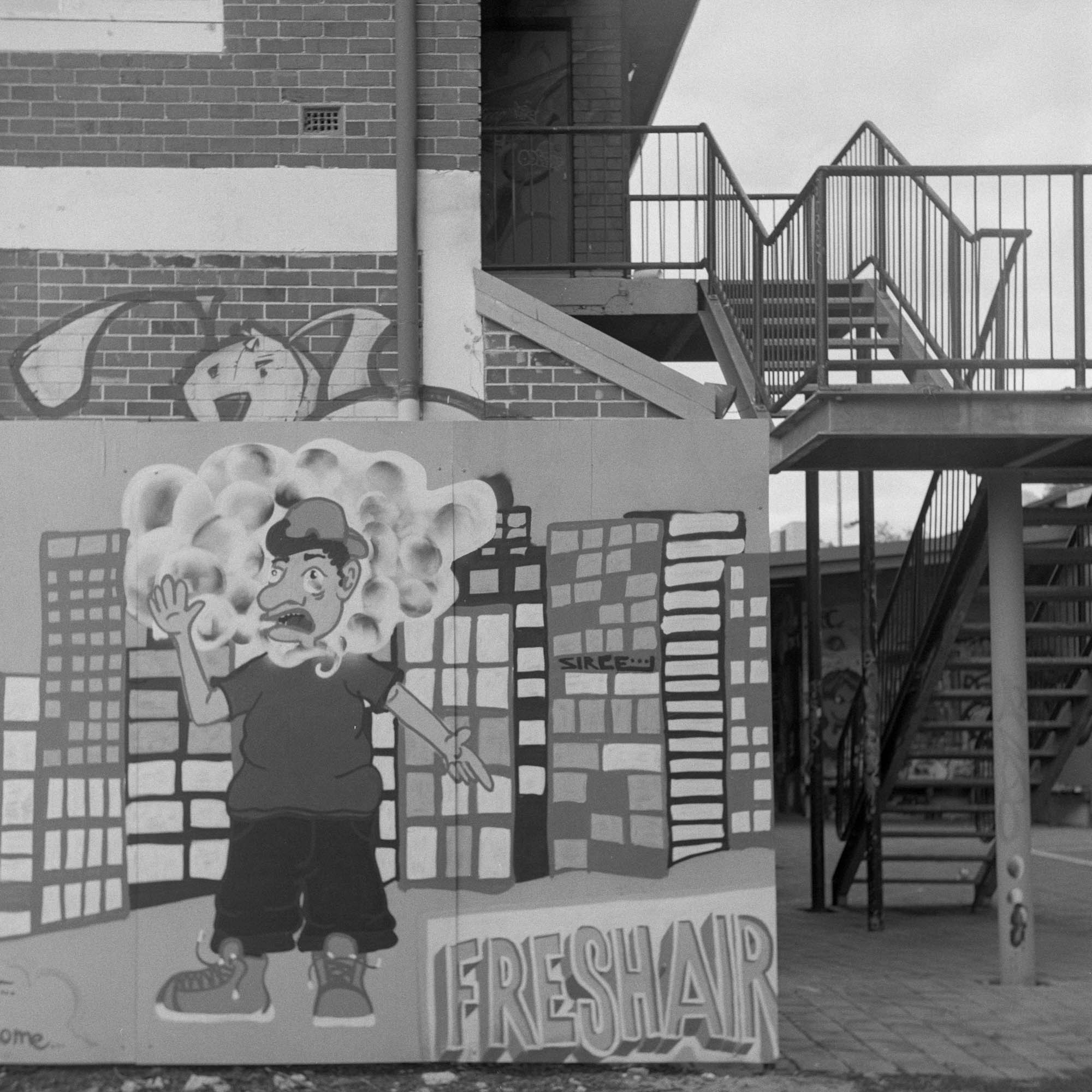
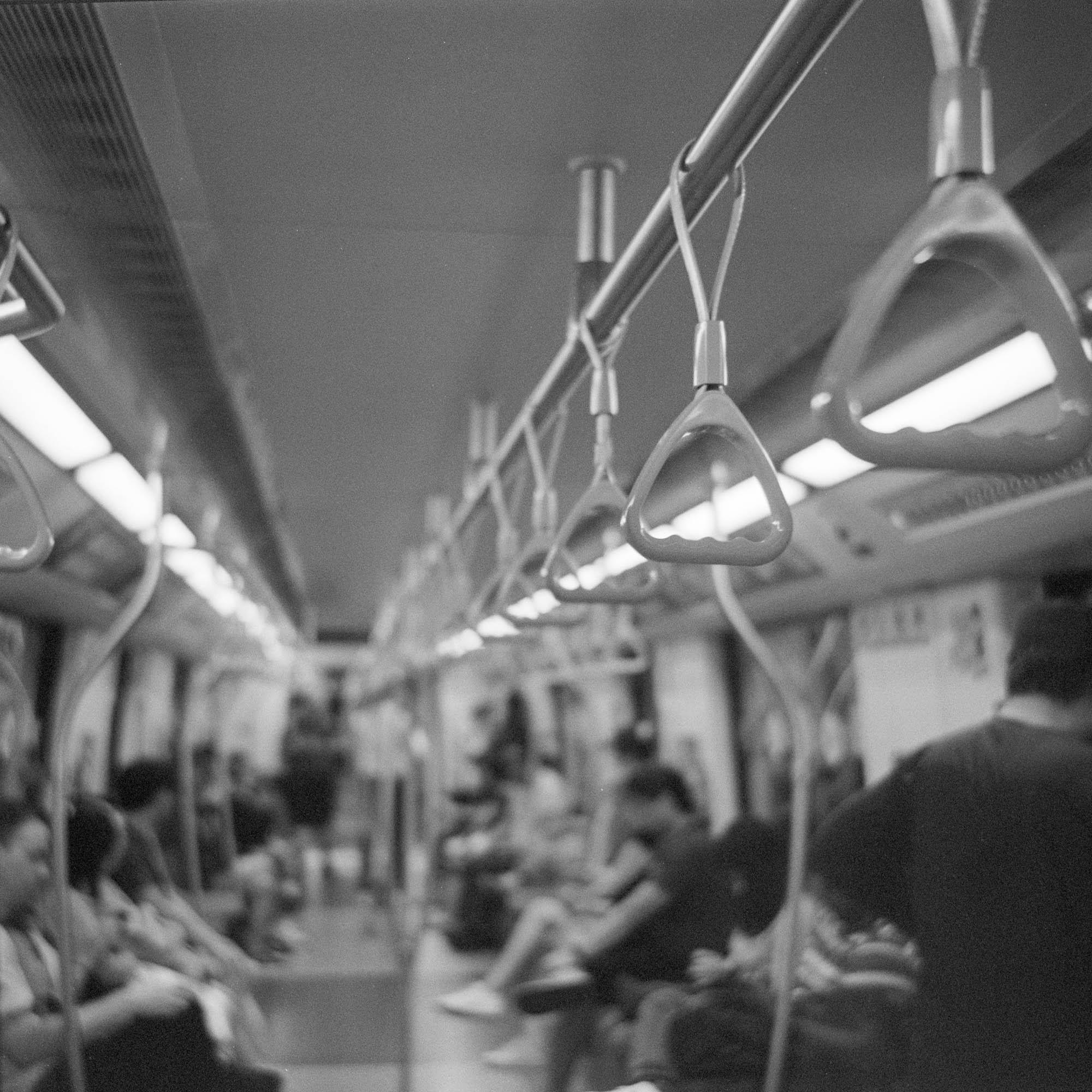
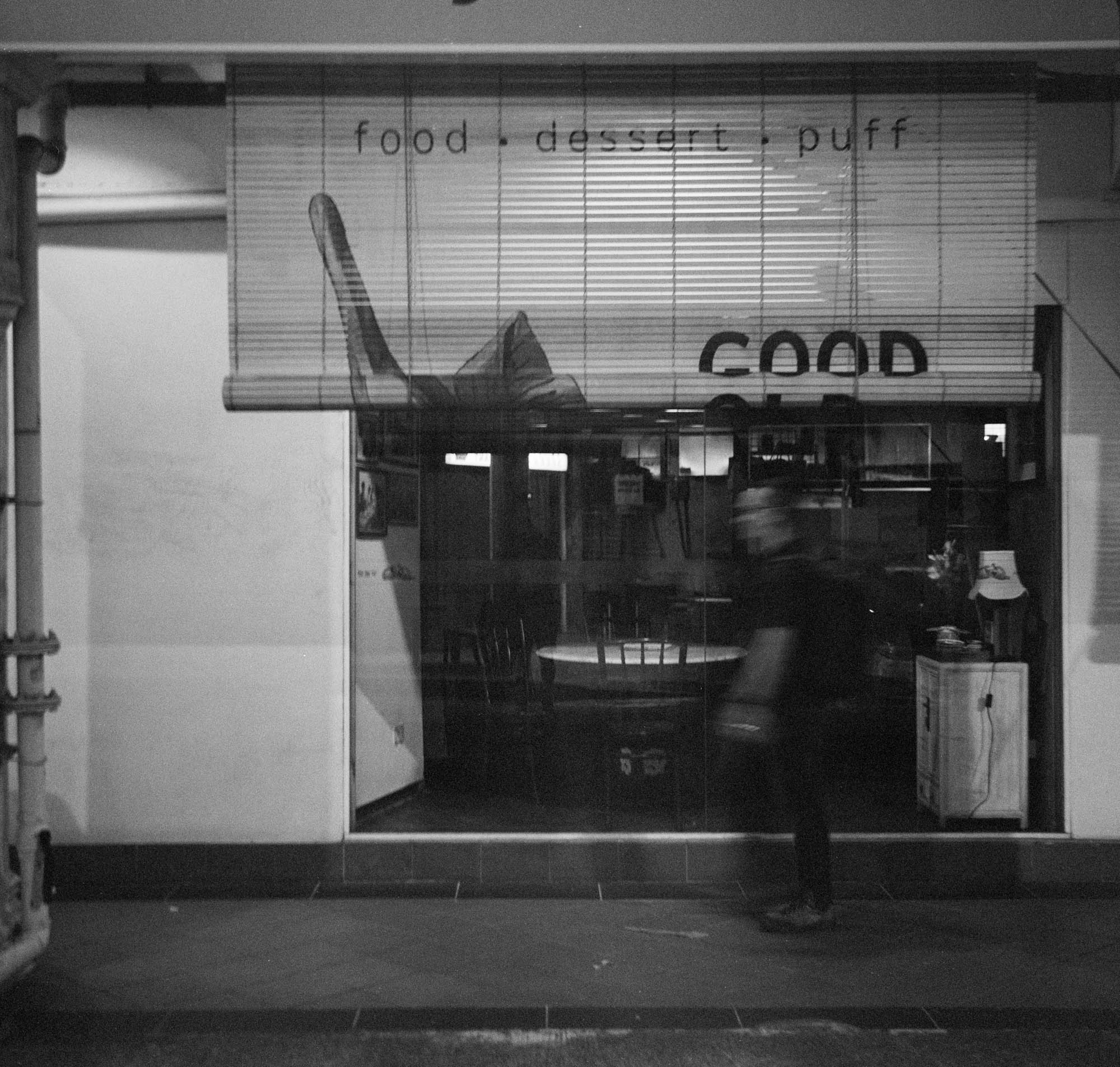
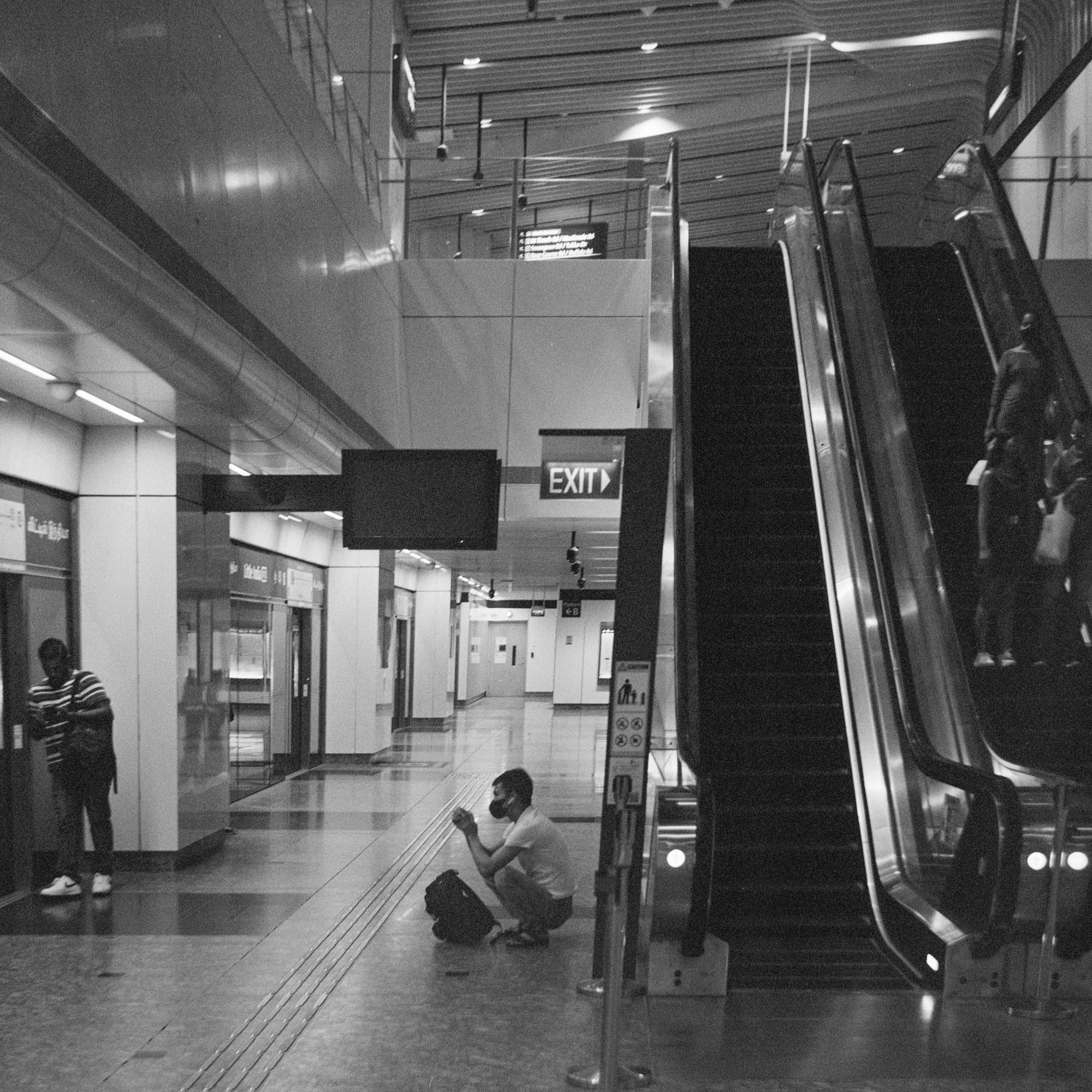
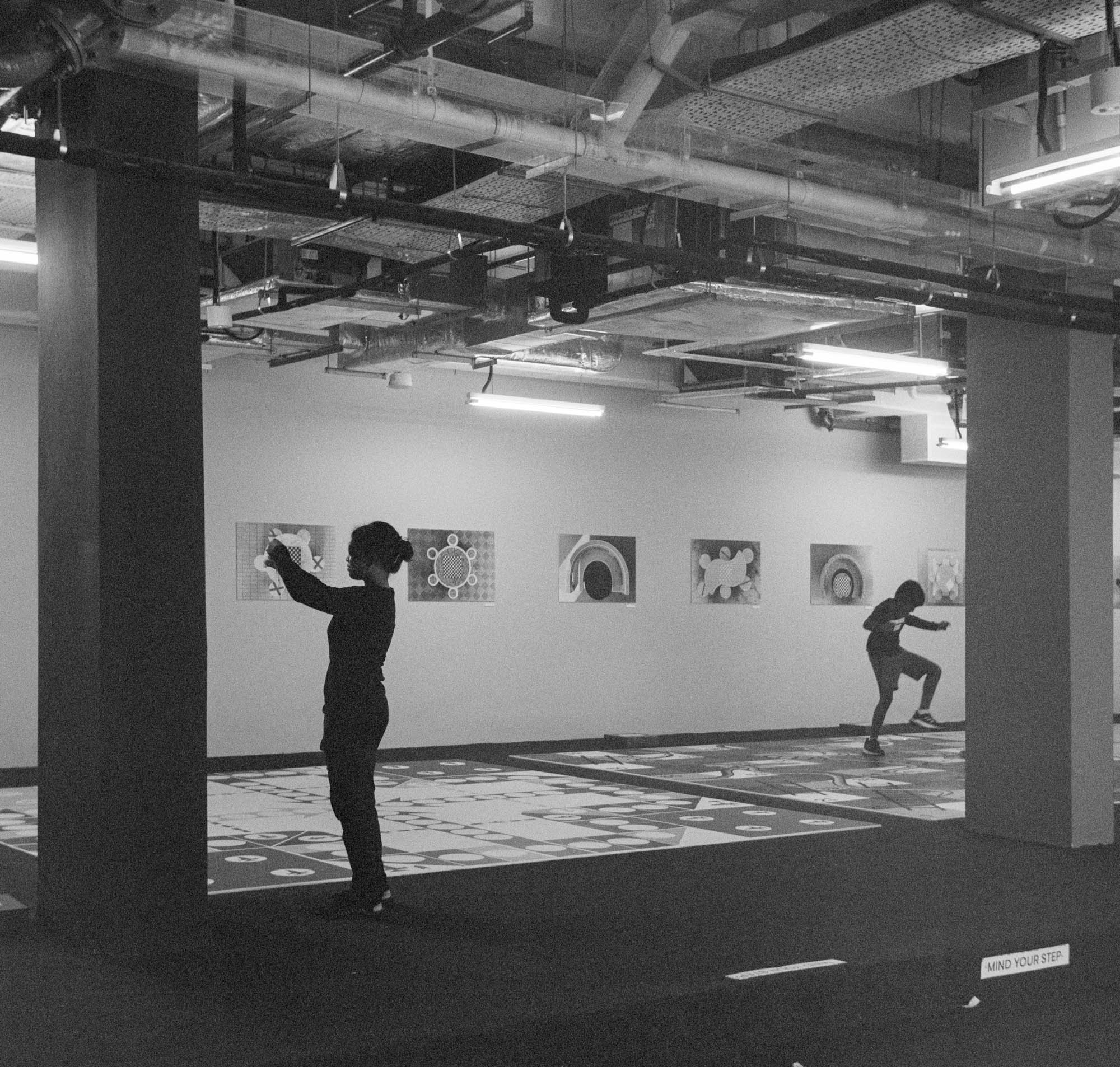
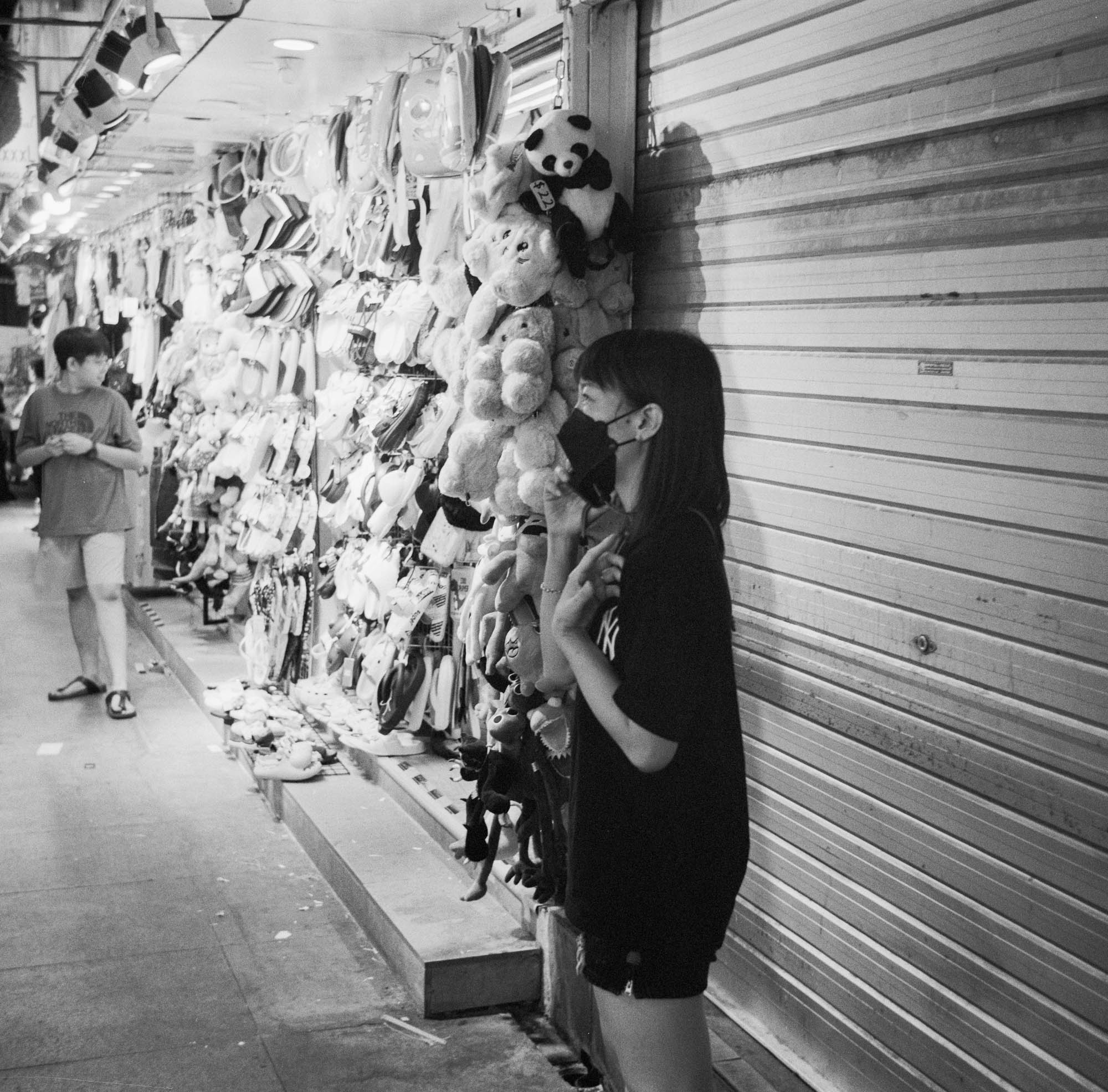
The Slow Death of My Fujifilm GA645Zi – a Posthumous Review

A Medium Format Camera in Berlin

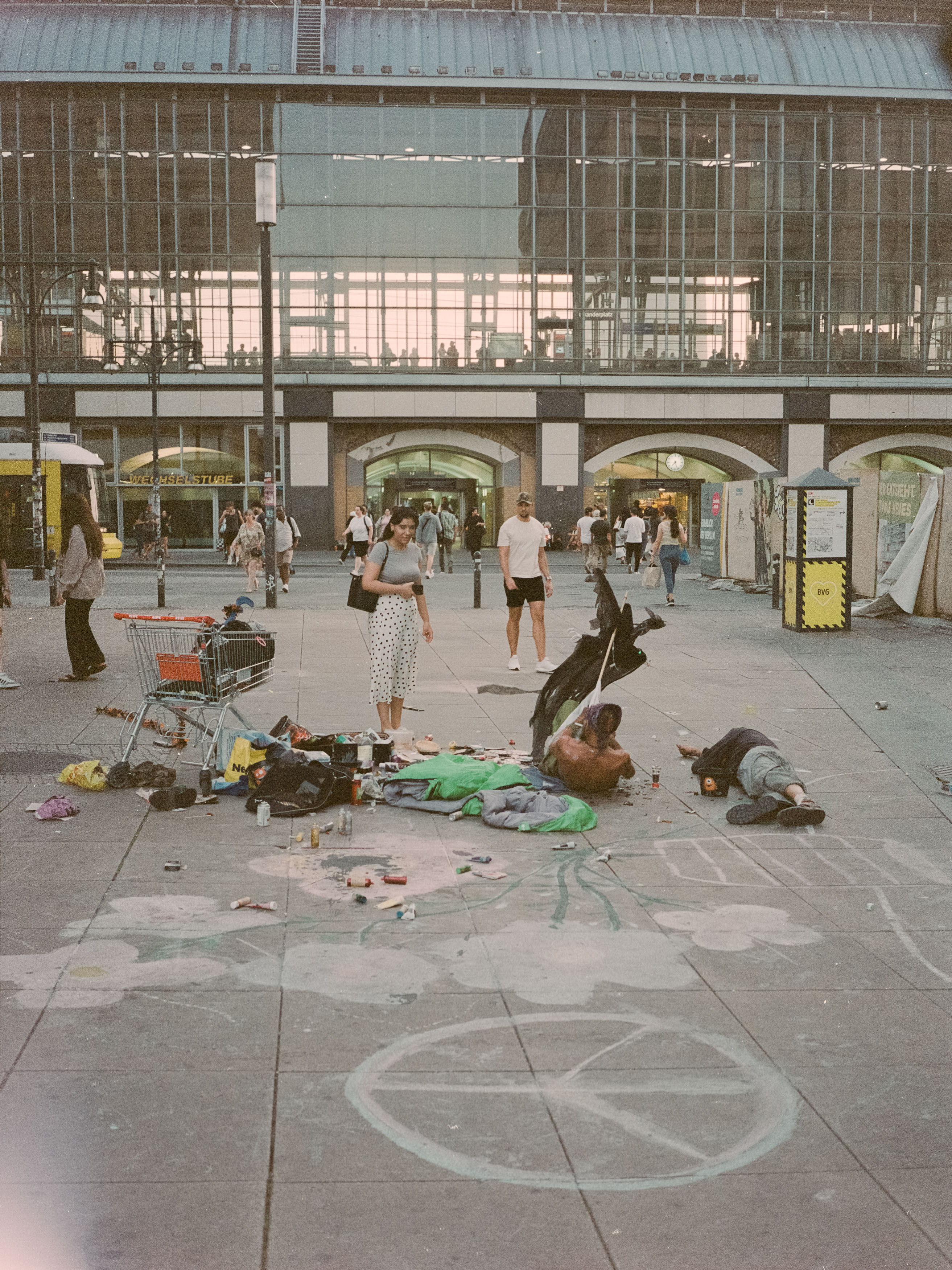
The beginning of the end for my Fujifilm GA645Zi can be traced back to Berlin in mid-2024. After spending several miserable days confined to a hotel room with COVID, my final evening brought just enough recovery to venture outside. Alexanderplatz seemed like the perfect place to stretch both my legs and the shutter of a camera that had travelled with me for the better part of a decade.

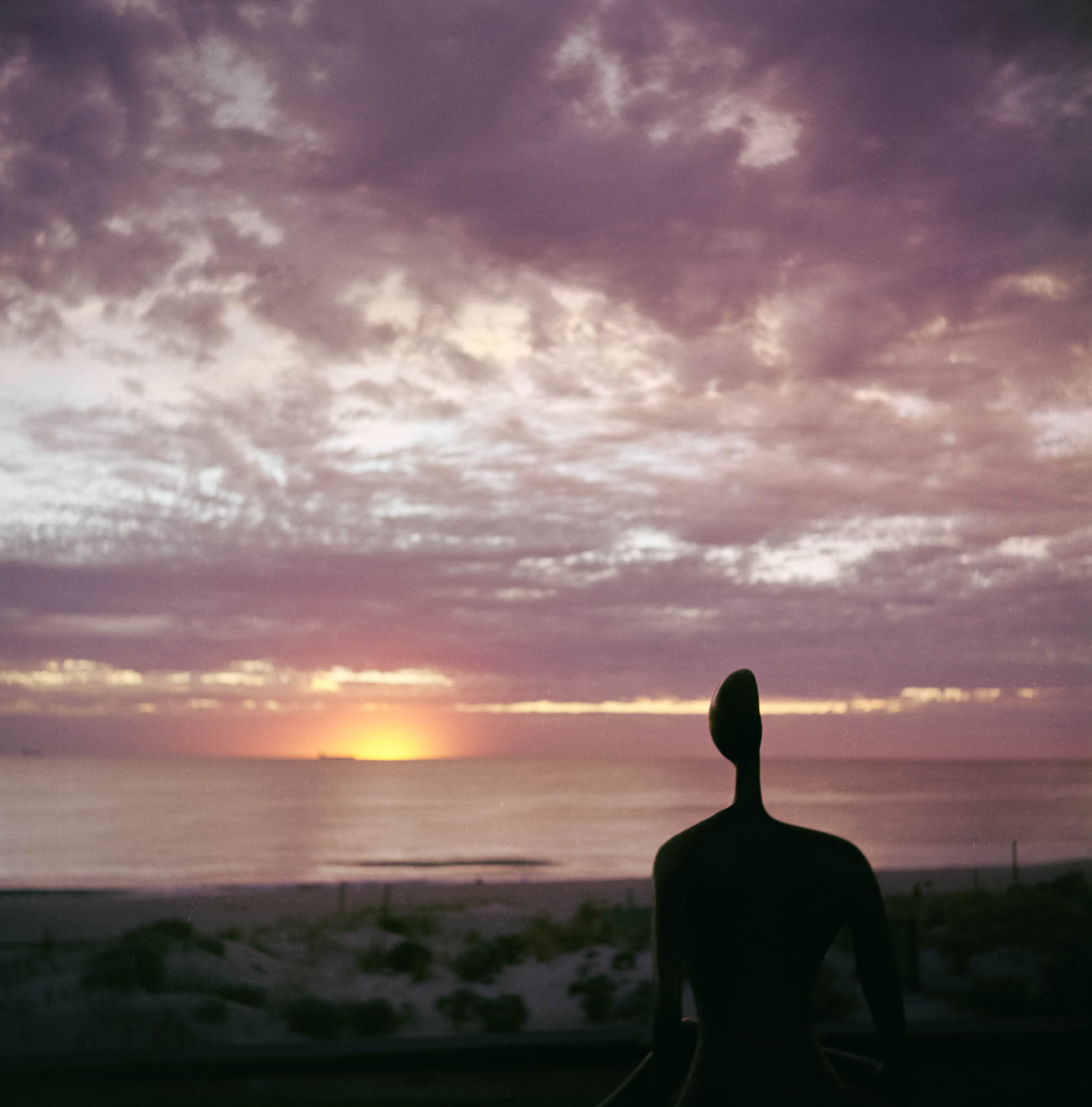
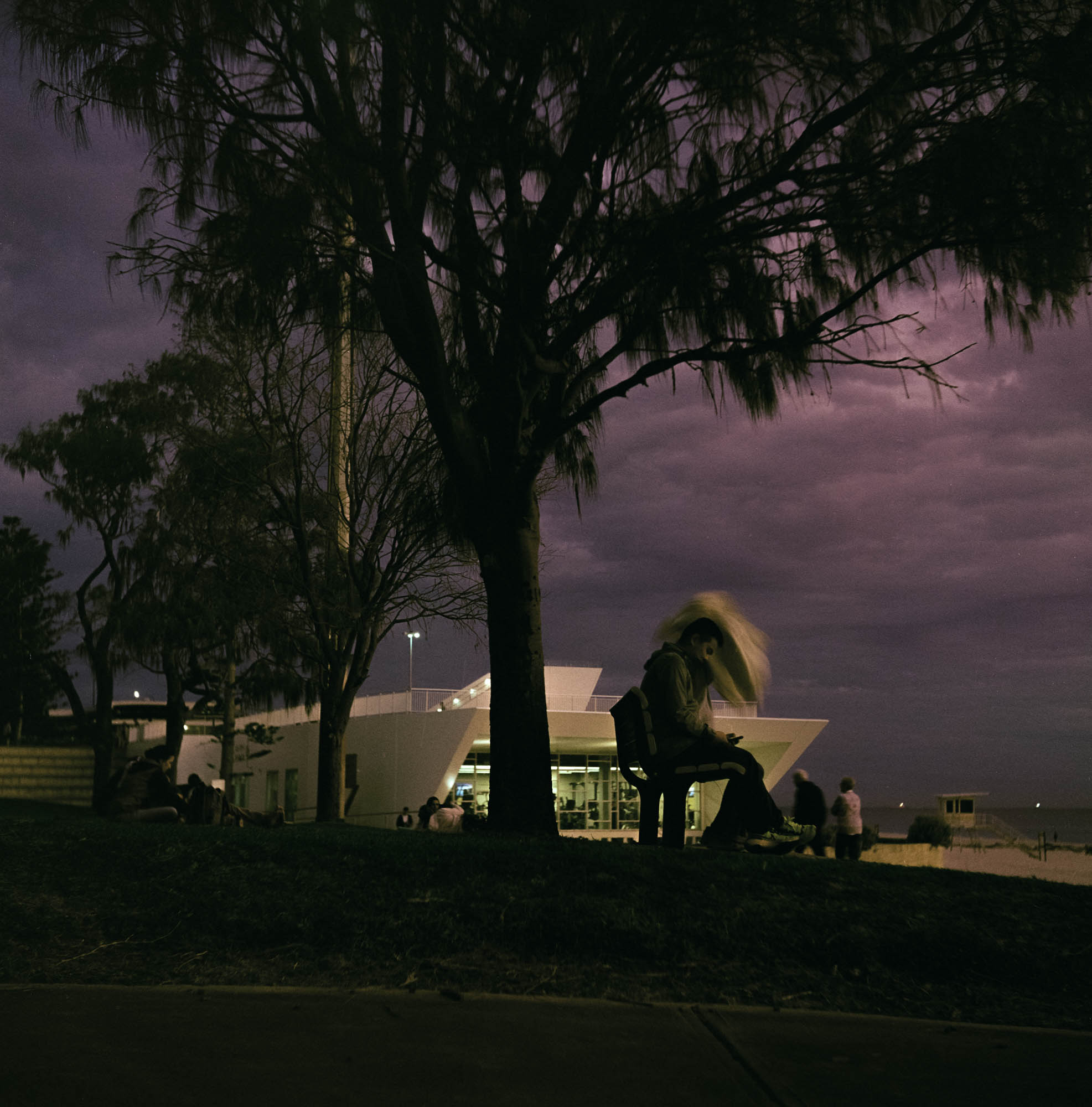
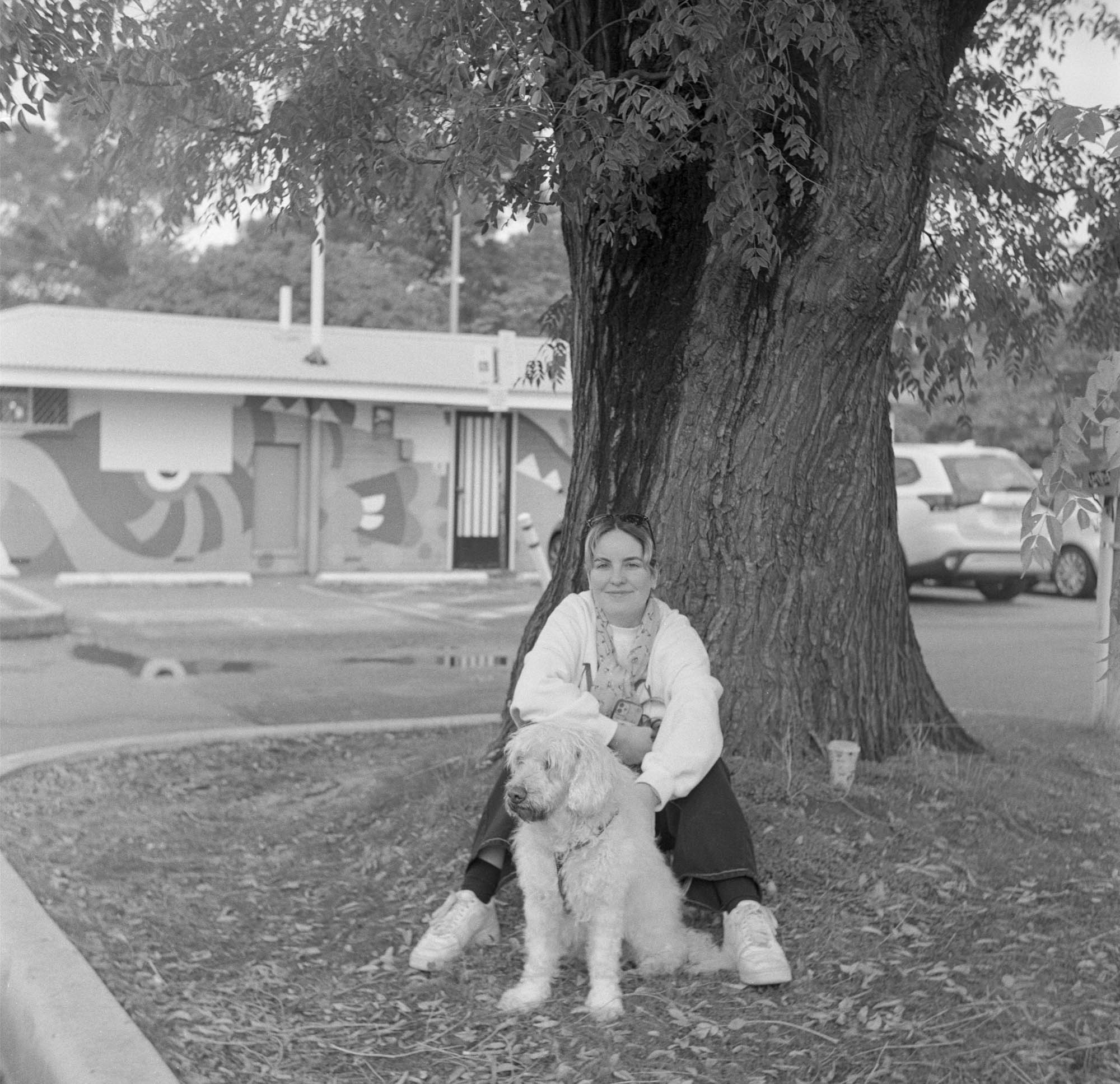
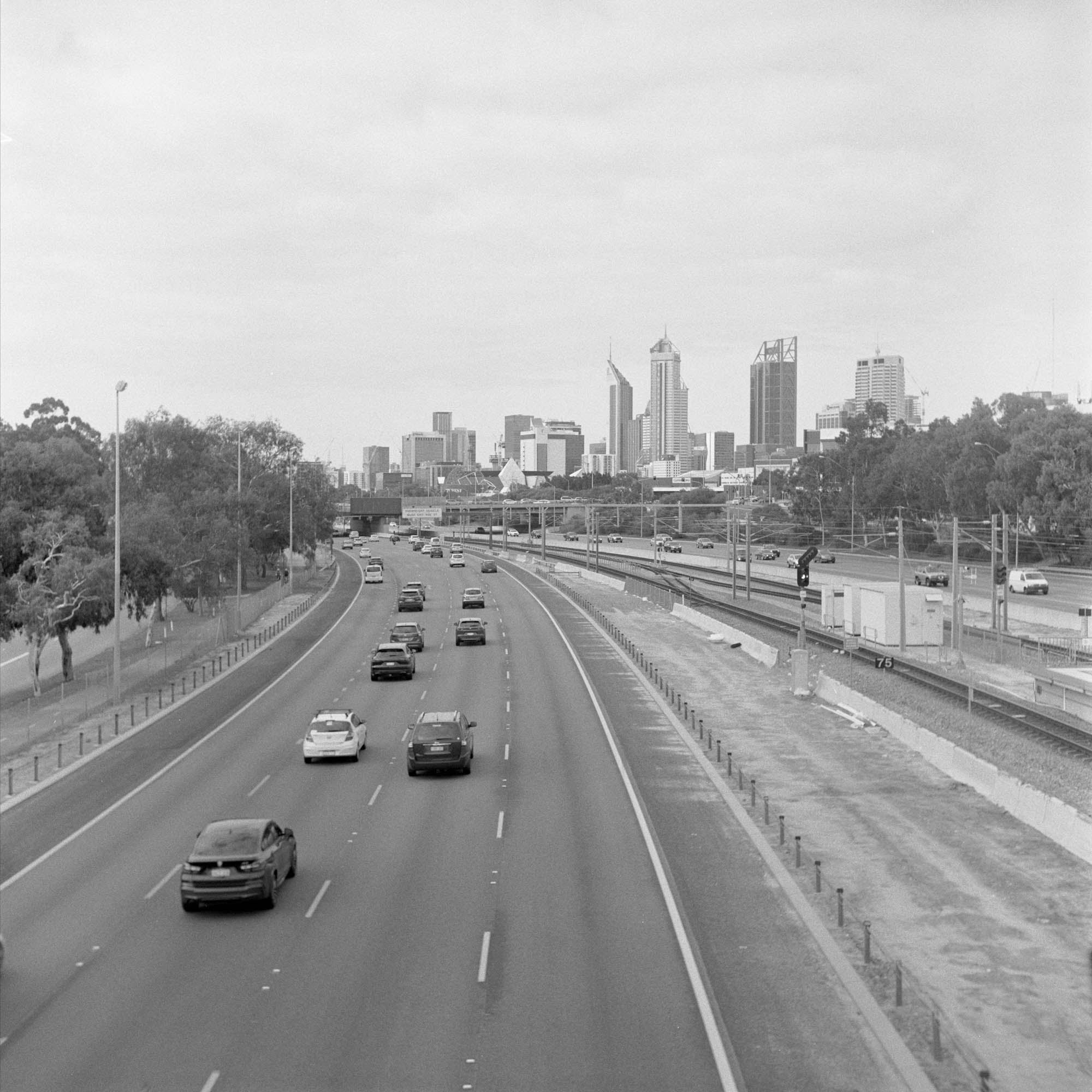
The GA645Zi is an unusual machine. It’s a medium format point-and-shoot from 1998 that somehow combines professional image quality with the appearance of an oversized family holiday camera. It shoots 6×4.5 negatives, which may be the smallest of the medium format options, but they’re still enormous compared to 35mm film. That extra real estate gives your photographs an incredible amount of detail while still allowing a reasonably compact camera to accompany you on your travels.

Of course, not every photograph from Berlin was a masterpiece. That’s partly because photography is an excellent way to discover your own shortcomings on a regular basis, but the camera itself deserves some of the blame. On paper, the specifications don’t exactly inspire confidence. The 55-90mm zoom translates to roughly 34-56mm in 35mm terms, with only four zoom positions to choose from. At the long end, the maximum aperture falls to a leisurely f/6.9, leaving very little room for low-light photography while still giving you all the opportunities for camera shake that come with a 90mm lens.

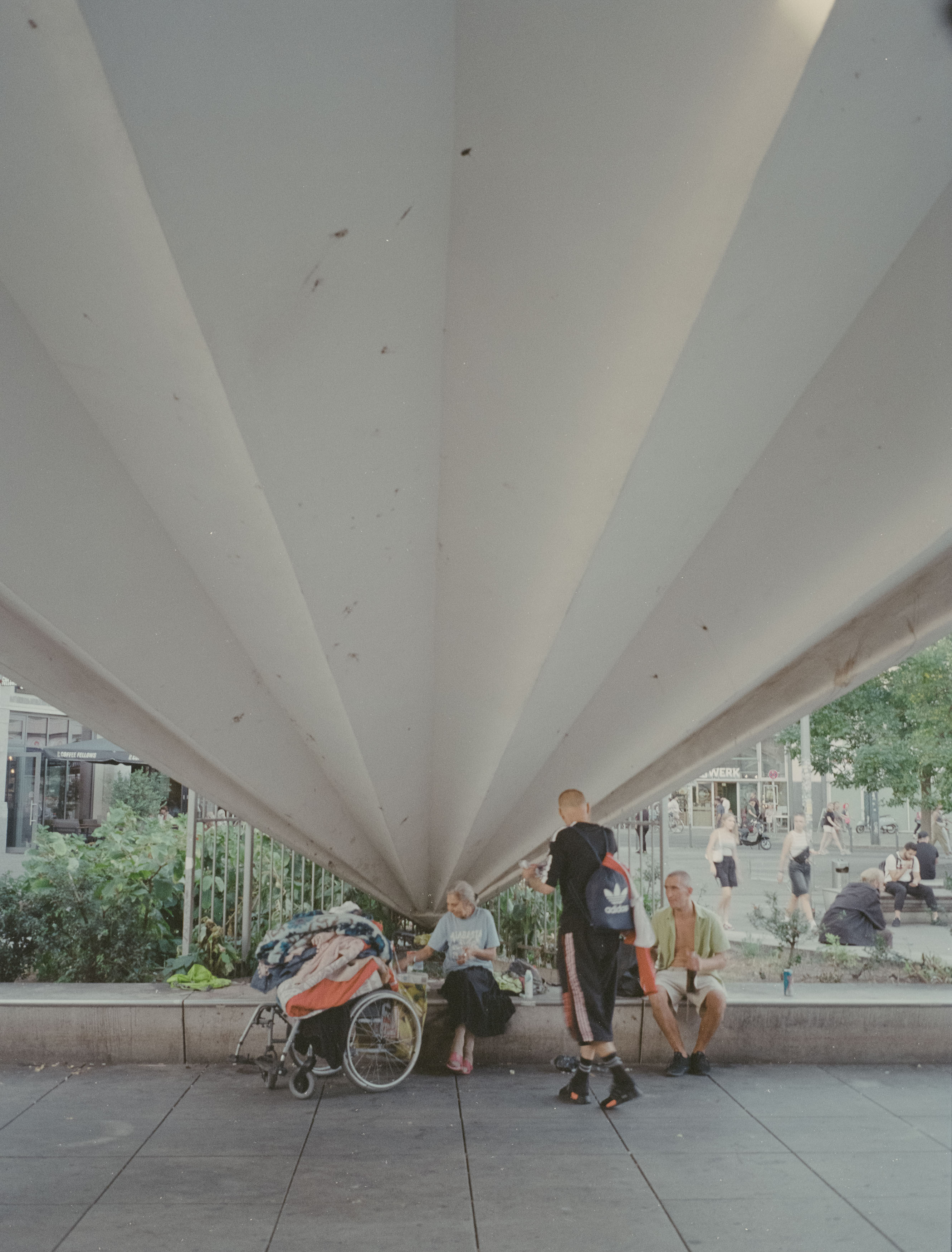
Despite those limitations, the lens itself is astonishingly sharp. The GA645Zi was never a cheap camera, and while the body feels disappointingly plasticky, the negatives it produces are spectacular. Zooming into the scans reveals detail that seems almost endless, reminding you why photographers continue to pay increasingly eye-watering prices for these cameras today. I bought mine around ten years ago for roughly a quarter of what they’re worth now, and for years it rewarded me with images that justified every compromise.

The Beginning of the End

As the Berlin sun disappeared, so too did my confidence in the camera’s future. The notorious weakness of the GA645Zi is its rear LCD panel, connected by a ribbon cable that flexes every time the camera is opened for loading film. Eventually that cable fails, and mine began displaying the first telltale flickers that countless owners before me had documented online.

The camera still functioned, so I loaded another roll and headed into the gathering darkness. Night photography with this Fuji was always going to be challenging. Ilford HP5 pushed to ISO 1600 has served me well in other cities, and I’ve even shot colour film after dark in places like Shinjuku and South Korean markets. Berlin, however, felt different. Empty squares, dim lighting and reflective surfaces made flash photography more frustrating than helpful, while my own developing mistakes probably didn’t do the negatives any favours.

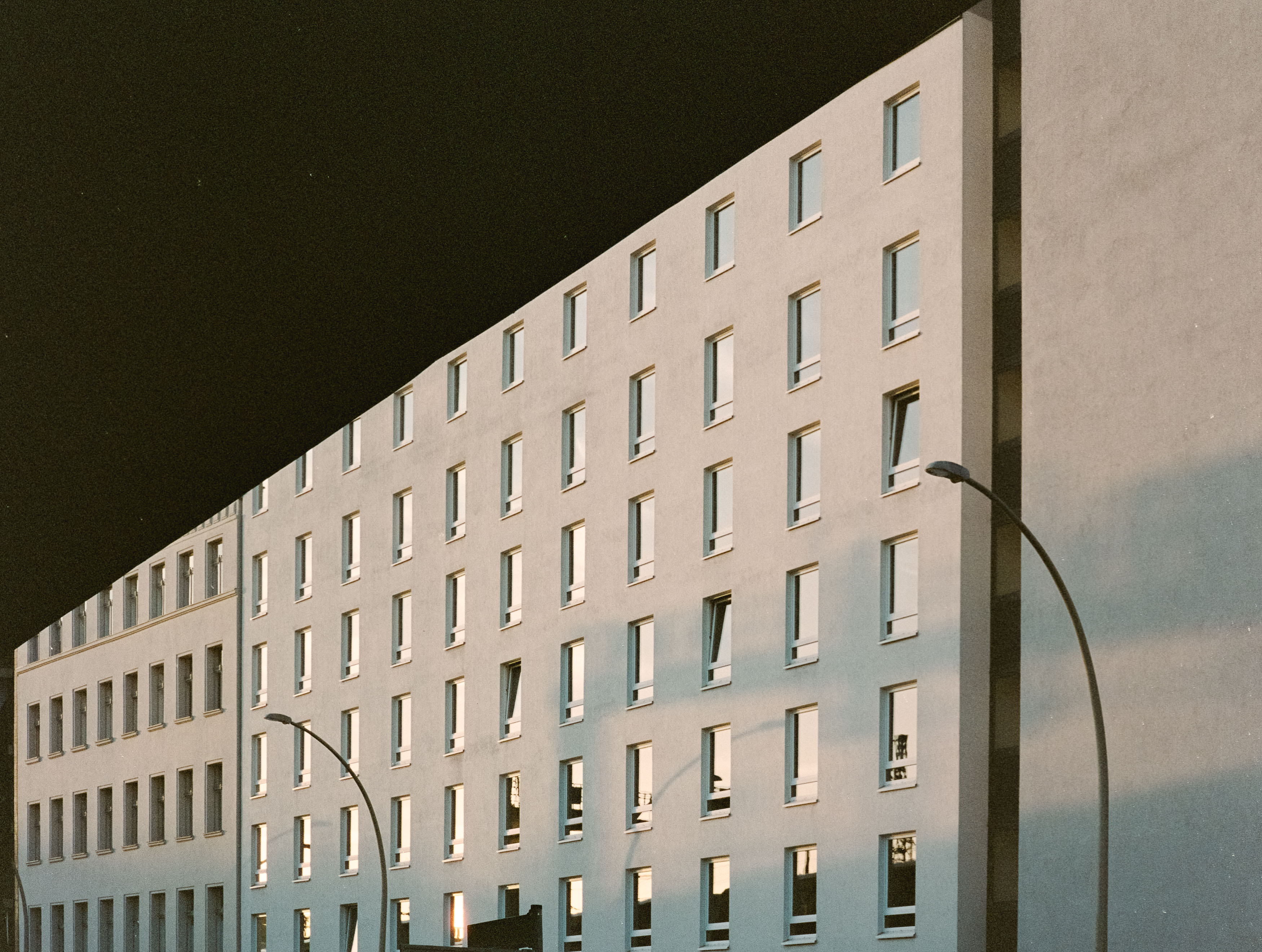
Rather than fight the darkness, I eventually decided to embrace it. Cropping away unnecessary empty space and leaning into deep shadows produced images that felt more atmospheric than documentary. Streetlights reflecting from tram tracks, isolated figures disappearing into blackness and fragments of illuminated architecture became studies in mood rather than perfect technical photographs. Some images asked viewers to complete the story themselves, filling the darkness with their own interpretation.

Living with a Flawed Masterpiece

The GA645Zi wasn’t finished just yet. On a later trip through China, the LCD had deteriorated so badly that I could barely read it, but I managed to improvise. By comparing the camera’s exposure readings against a phone light meter, I convinced myself that as long as the ISO setting matched, perhaps the missing display wasn’t the end of the world.
After all, the qualities that make this camera special remained intact. The viewfinder still displays shutter speed and aperture information, which is essential given the relatively slow lens and the razor-thin depth of field that medium format provides. When the autofocus gets things right, the results are genuinely superb.

Unfortunately, “when” is doing a lot of work in that sentence. The autofocus has always been somewhat optimistic about its own abilities, occasionally deciding that somewhere near your intended subject is close enough. The camera is also painfully slow. Switching it on feels remarkably similar to trying to wake a teenager for school. It pauses, contemplates life for a moment, and then reluctantly gets moving with as much complaining as possible.

That makes it a poor choice for decisive street photography, yet somehow it still produced some of my favourite travel images. Whether wandering through Vietnam, Japan, Barcelona or elsewhere, the combination of medium format resolution and an unobtrusive automatic camera often resulted in photographs that simply felt different. Massive negatives are arguably better suited to sweeping architecture, dramatic landscapes and iconic locations than everyday street scenes, but the GA645Zi always tempted me to use it for everything.

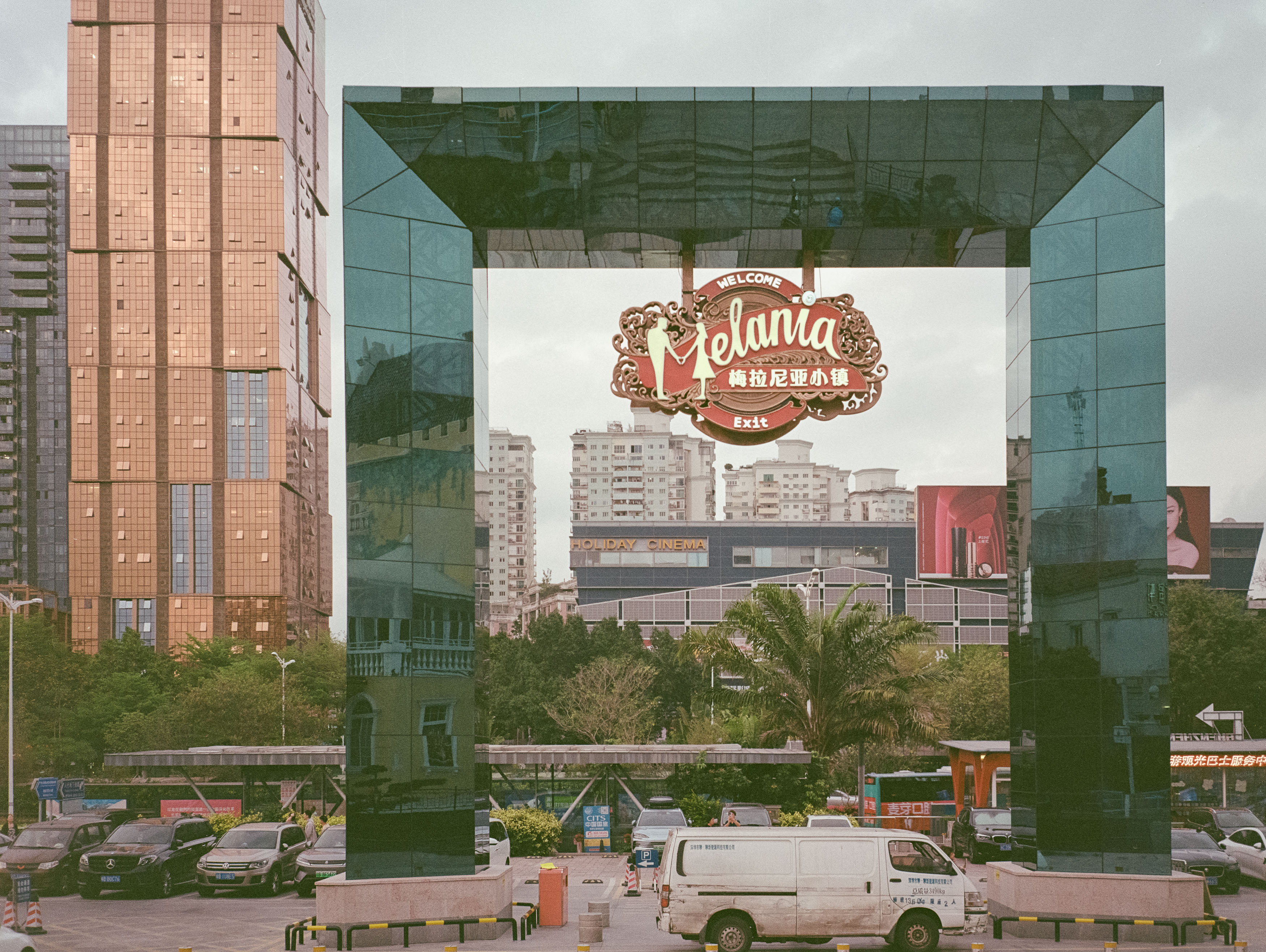
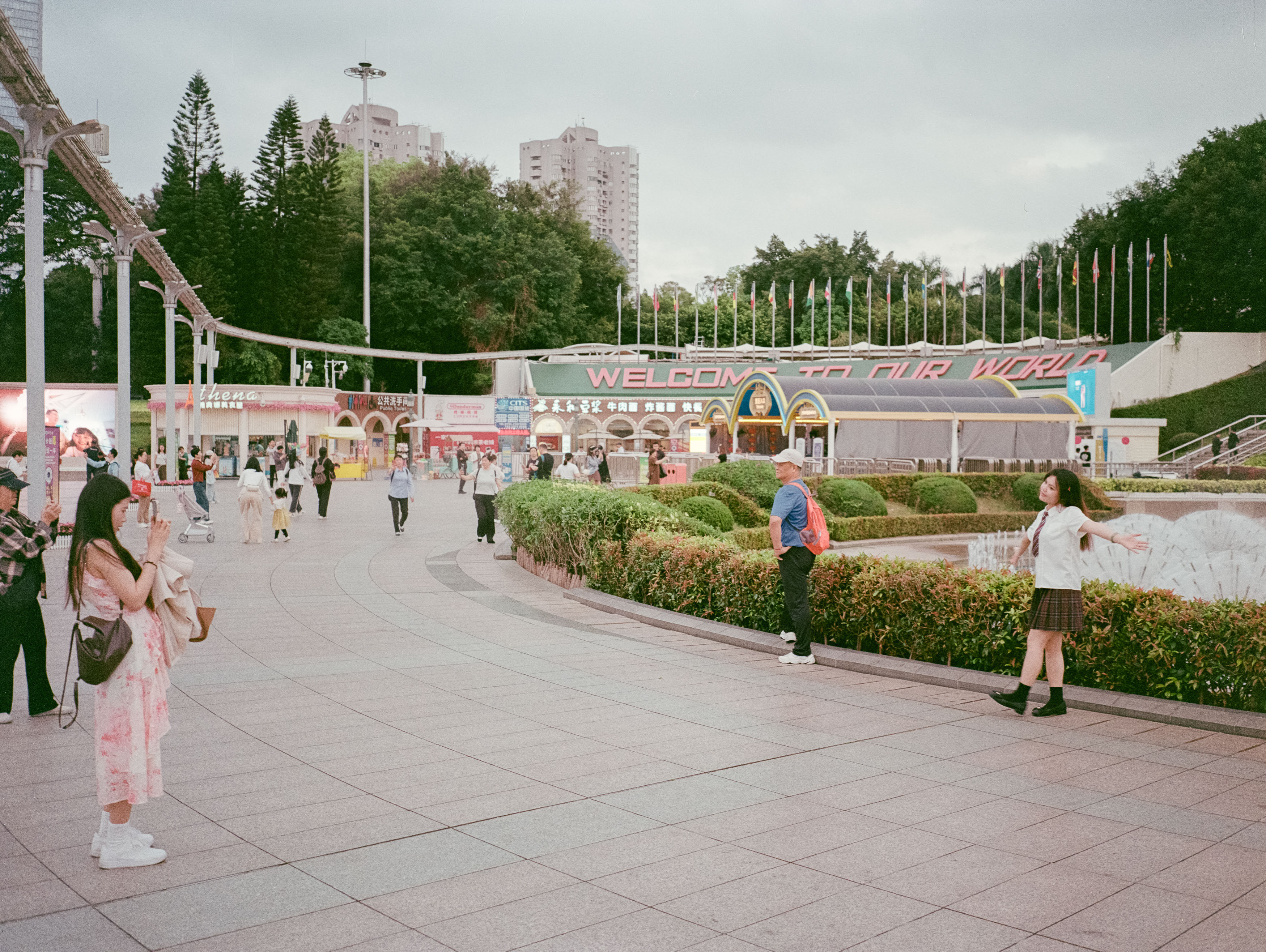
One of its final adventures took place in Shenzhen’s Overseas Chinese Town, where replicas of famous landmarks from around the world provided an appropriately surreal setting for a camera that itself seemed full of contradictions. A sophisticated medium format system disguised as a disposable point-and-shoot felt perfectly at home photographing imitation Venice inside one of the world’s youngest megacities.

Saying Goodbye

By the end of that trip, the LCD had finally died completely. Unfortunately, the problem turned out to be more serious than simply losing information on the display. Whatever electronics had failed also prevented the film from advancing correctly. Film would load, exposure compensation still functioned, but the camera simply refused to wind on. After years of faithful service, it had reached the end of the road.

Over the past decade this Fuji accompanied me across Europe and Asia. It documented family history, quiet personal moments and famous destinations alike. It visited places connected to my family’s experiences during the First World War, wandered through Aix-en-Provence, Kuala Lumpur, Japan and countless other cities, while also recording the ordinary family photographs that often become the most precious years later. Medium format has a wonderful way of preserving tiny details that you barely notice at the time but come to treasure with hindsight.

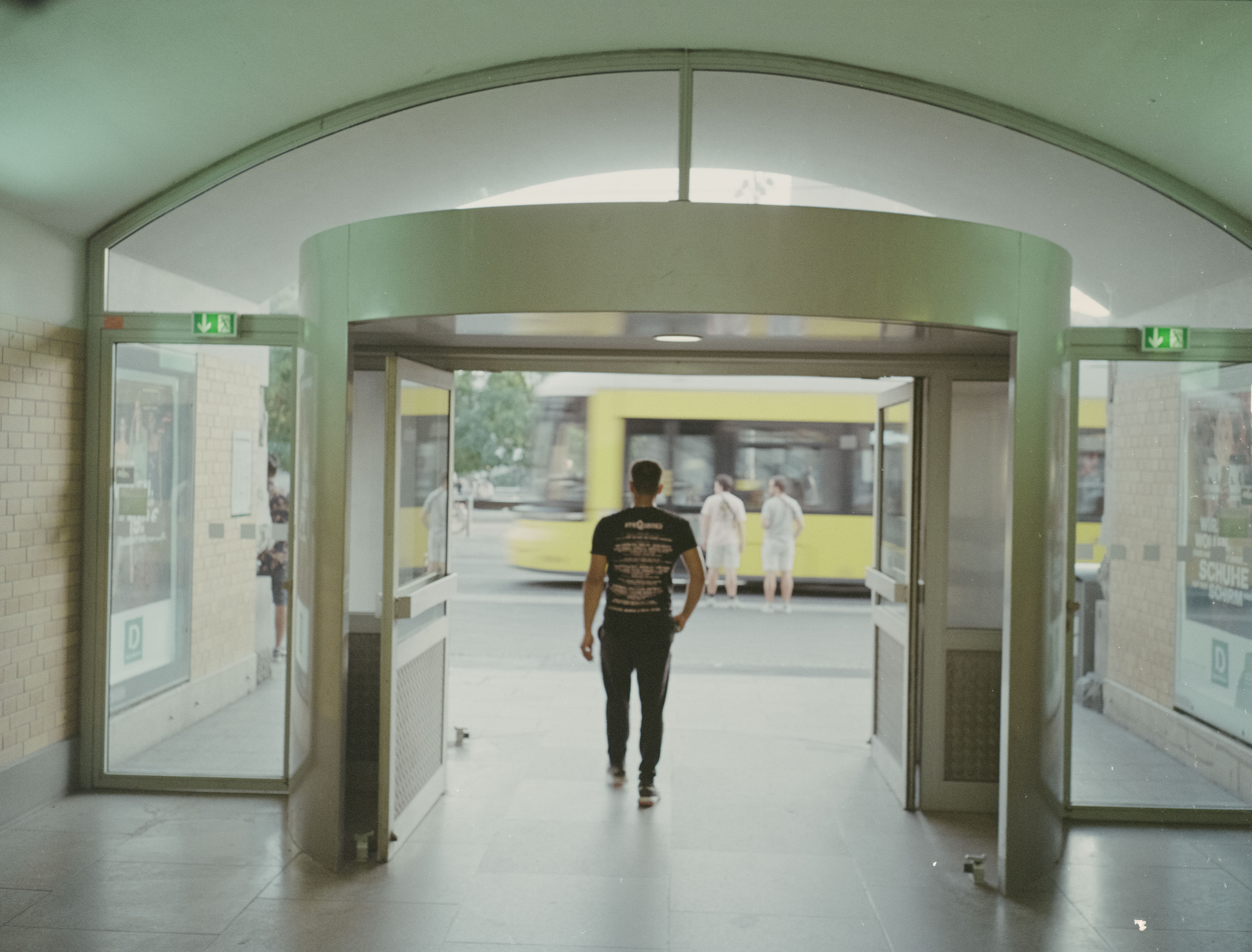
Looking back through its final rolls, there are still plenty of photographs worth celebrating. As always, they combine people, architecture and those odd little moments that somehow define travel better than famous landmarks ever could. The camera occasionally produced technical disasters alongside genuine gems, but perhaps that’s part of its charm.

I’ll genuinely miss the Fujifilm GA645Zi, although not enough to pay today’s inflated prices for another one. Losing it felt surprisingly similar to saying goodbye to an ageing pet: increasingly slow, occasionally unreliable and prone to little accidents, yet a loyal companion that had been there for some remarkable experiences.

Thankfully, medium format photography doesn’t end here. There are other cameras waiting for future adventures, including one substantially larger beast with enormous 6×9 negatives and, perhaps most importantly, absolutely no electronics waiting to self-destruct. It may make me look even more ridiculous carrying it through airports and city streets, but at least I won’t be worrying about ribbon cables every time I load a roll of film.

First Impressions of the Diana F Plus

Today, I found myself facing a philosophical dilemma: is the Diana F+ truly a legitimate photography tool masquerading as a toy, or am I merely a tool for using a toy camera? As I embarked on this journey with the Diana, I couldn’t help but be drawn in by its quirky charm and historical associations with the goddess of the moon.

Inauspicious Origins

Despite my initial skepticism towards toy cameras, I remained open to the creative possibilities they offered. After all, some of the greatest art has been created using the most primitive of tools. Plus, snagging the Diana from a thrift store for a fraction of its original cost seemed like too good of an opportunity to pass up.

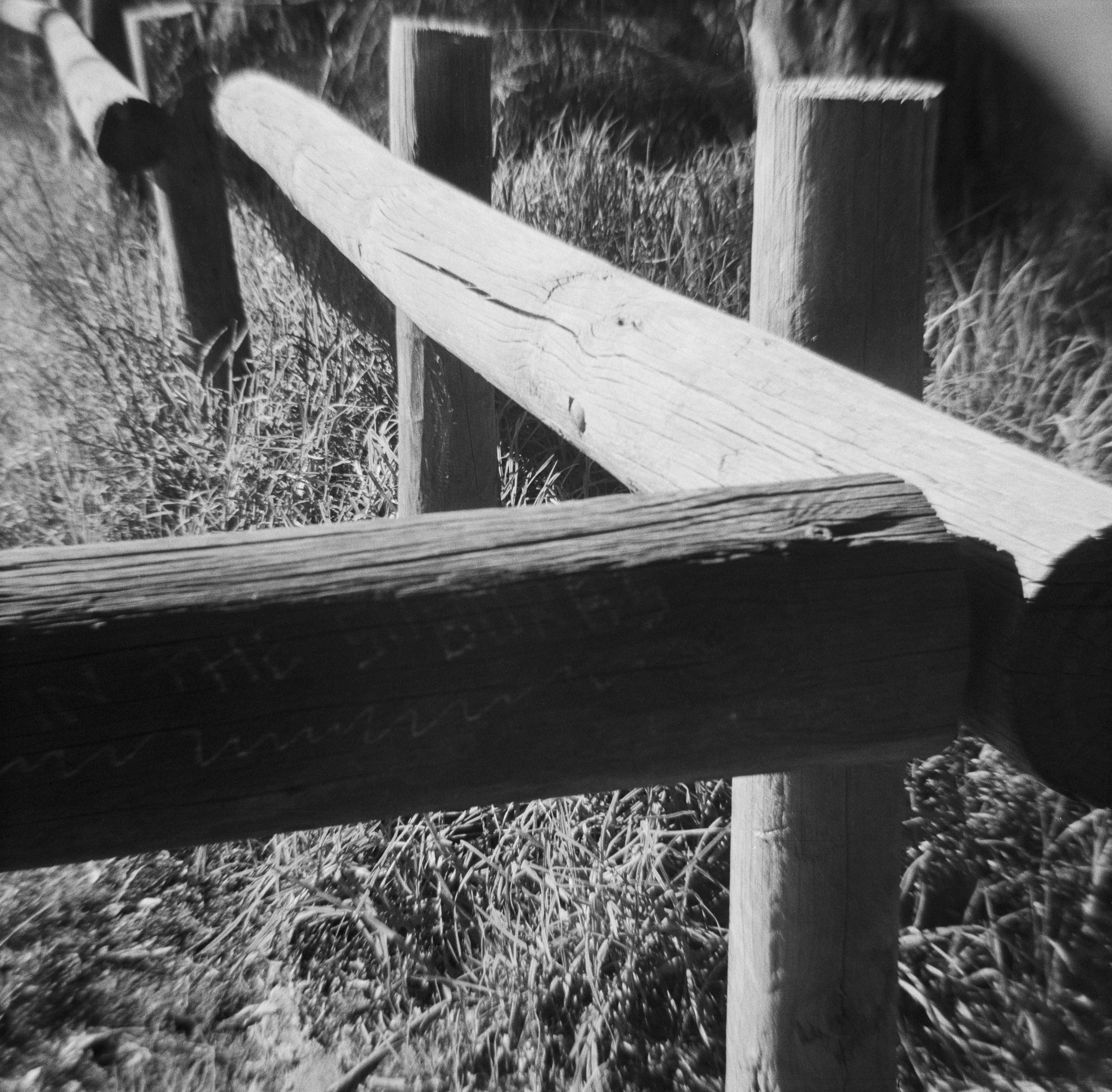
Delving into the lore of Lomography, I learned that the Diana had humble beginnings as a novelty item produced by the Great Wall Plastic Co. Yet, over time, it was embraced by a new generation of photographers seeking an alternative to the clinical perfection of digital imaging.

However, I couldn’t ignore the criticism that toy cameras often produce subpar photos due to their inherent flaws. Despite my doubts, I decided to put the Diana to the test by taking it out to a local wetland armed with Kentmere 400 medium format film.

As I loaded the film into the camera, I couldn’t help but wonder if I was about to embark on a futile endeavor. Would I be able to overcome the constraints of the Diana and capture meaningful images, or would I end up disappointed by the results?

Only time would tell as I ventured forth with the Diana in hand, ready to explore its creative potential and perhaps uncover some hidden gems amidst its quirks and imperfections.

It’s … Ok, I Guess

So, I’m here to give you my unfiltered take on this piece of plastic, based solely on my experience of shooting one roll of film with it. In short, it’s… meh.

Sure, it wasn’t a complete disaster. I managed to guess the focus and exposure fairly accurately, and the negatives turned out clean with decent density and no blown highlights. Despite encountering some light leaks and strange artifacts on the film, I can’t say I was entirely disappointed.

However, when it comes to usability, the Diana F+ falls short. It’s uncomfortable to hold, and the build quality leaves much to be desired. The viewfinder is virtually useless for framing, and the shutter sounds less than inspiring.

On the upside, it’s incredibly lightweight, making it a viable option for a day trip camera. But its lack of precision and flexibility means you’re limited in your creative control. You’re essentially along for the ride, with the camera dictating the final outcome.

While some may argue that these quirks are part of the Diana’s charm, they can also be seen as limitations. The softness of the lens, inconsistency across the focal plane, and tendency for highlights to glow are all baked into the final image, for better or worse.

As for recommending this camera, I’m torn. While it may have its niche uses, particularly for street photography where spontaneity is valued over precision, I can’t help but think there are better options out there. Personally, I’d lean towards something like the Agfa Isola, which may not be much better but at least offers a sense of authenticity with its glass lens.

In the end, my experience with the Diana F+ wasn’t terrible, but it wasn’t exactly inspiring either. It’s unlikely to become my go-to camera, but it has piqued my curiosity enough to give it another chance in the future. After all, sometimes it’s worth exploring the unconventional, even if the results are a bit… unconventional themselves.

A Manifest of Misadventure with the Yashica 635 Twin Lens Reflex

One Yashica 635 Twin Lens Reflex Camera, One Roll of Kodak Gold 200 Film, and One Clumsy Photographer. The stage is set for a comedy of errors. Picture it: a sunny day, a camera in hand, and me, the clumsy protagonist, eager to capture the world through the lens of my trusty Yashica 635. Little did I know, a series of misadventures awaited.

Now, let me preface this tale by admitting my limited experience with this particular camera. While I’ve owned it for some time, our relationship has been more acquaintanceship than intimacy. And let me tell you, befriending a TLR (Twin Lens Reflex) camera is akin to navigating a labyrinth blindfolded. The handling is unlike anything I’ve encountered before—akin to trying to juggle flaming torches while riding a unicycle. If that sounds like an excuse, well, it probably is. But hey, let’s laugh at my foibles together, because trust me, if you haven’t wrestled with a TLR, you’re bound to stumble along the way too.

The journey begins innocently enough, the sun setting as I embark on my photographic escapade. Two shots down, and all seems well. But with the encroaching darkness, I failed to anticipate my utter ineptitude with this camera in low light conditions.

Armed with a tripod but sans tripod mount, I stumble through the dusk, it’s a scene straight out of a slapstick comedy—minus the laugh track. As I fumbled through the darkness I realised there’s a lesson to be learned amidst the chaos. Or at least that’s what I tell myself to salvage a shred of dignity from this debacle.

The Yashica 635

Now, let’s talk about the star of the show: the Yashica 635. Picture it as the middle child between the illustrious Rolleiflex and the humble Lubitel or Seagull. It may not boast the prestige of its elder siblings, but it holds its own in the quirky world of TLRs.

Dating back to 1958, this camera boasts a unique feature: the ability to shoot 35mm film with the help of an adapter—a rare gem for collectors, indeed. But beyond its novelty, the 635 operates like most TLRs, with its dual lenses and intricate mechanics.

Ah, but here’s where the fun begins—or rather, the frustration. You see, unlike modern SLRs with their handy prisms, TLRs present a topsy-turvy world. What you see through the viewfinder is but a mirror image of reality, leading to a dizzying dance of lefts and rights as I strive to frame the perfect shot.

But fear not, for science offers solace in the form of habituation. Yes, dear viewer, with time and practice, even the most topsy-turvy of worlds becomes familiar terrain. Just ask any psychology student who’s endured the “upside-down goggles” experiment—though I suspect their misadventures pale in comparison to mine.

Undeterred by my initial failures, I venture forth once more, this time bathed in the forgiving light of day. And lo and behold, progress! Though not without its hiccups, my second outing with the Yashica yields glimpses of its true character—quirks and all.

A Flawed but Beautiful Camera

Let’s not overlook its flaws. From film loading mishaps to the peril of double exposures, the 635 is not without its challenges. Yet, amidst the chaos lies beauty, because when it sings, medium format magic awaits, with its dreamy bokeh and timeless allure.

And let us not forget the charm of street photography with a TLR—unobtrusive, nostalgic, and occasionally mistaken for a relic of days gone by. For in a world of sleek digital wonders, there’s a certain romance to be found in the mechanical embrace of a Yashica.

But I digress. Let us return to the heart of the matter: the joy of failure. For in our missteps lie the seeds of growth, the kernels of wisdom waiting to be harvested. So here’s to the Yashica 635 and all who dare to dance with her—a flawed beauty in a world of perfection.

As Winston Churchill once said, “Success is not final, failure is not fatal, and it’s the courage to continue that counts.” So here’s to courage, to laughter, and to many more misadventures behind the lens.

1950s Voiglander Perkeo 1 meets 21st Century Singapore

What is the Perkeo?

The word perkeo means pygmy and while probably neither of these terms are very politically correct, those were different times and I don’t think the pygmy hippopotamus is going to sue my YouTUBE channel for being sizist.

Still, it’s small, it’s cute, it unfolds and in that sense it’s a delight. This particular camera had been gathering dust for a while before being gifted to me by someone who’d been following my photography. I’ve had this for around six years now and I have used it well.

Most recently I found myself in Singapore for work and I had the option of either settling into another round of tiger beer with colleagues or taking the Perkeo with me for a brief walk from Bugis to Little India. I had two rolls of Ilford HP5 pushed to ISO 1600 and a fierce determination to find interesting subjects and pockets of light to illuminate them.

One of the cool things about Singapore is the different styles and cultures you can find in such a small area. It was just a short train ride from Promenade to Bugis Junction, where the stark modernity of Marina Bay gave way to a much more human and slightly chaotic street culture.

About the Camera

So what about the Voigtlander Perkeo 1? As the name suggests, this was the first version of the camera – it was superseded by the  Perkeo 2 and the Perkeo E. There were over 100,000 copies of the Perkeo 1 made and there were a few iterations. This particular version came with some tweaks to the original, such as the ability to close off the red frame advance window and a clever automatic locking mechanism to prevent double exposure.

So far that’s two rounds to Voigtlander against my human error but unfortunately it’s not a foolproof camera. It’s fiddly. Firstly, this is manual medium format camera. No surprises there. It dates back to the early 1950s when 120 film was the dominant format. So, larger roll film that can be a bit annoying to load in and out but you do end up with those gorgeous 6×6 square medium format negatives.

Capturing images on that film, though, can be a bit challenging. Most of the cool stuff sits on the lens. That’s because it has a leaf shutter built into it rather than a cloth or metal mechanism at the focal plane. The good side of that is that you have everything available right there and the flash can synchronise at every shutter speed. The bad side is that you find yourself having to make micro-adjustments with your fingernails for the shutter speed and aperture.

The shutter speed ranges from 1/250th to 1/25th of a second, or not very fast to not very slow, though it does have a bulb mode that you can use if you want to put it on a tripod. The aperture range goes from a not too small f/16 to a not very wide f/4.5.

I wouldn’t worry about the lack of wide aperture. One of the quirks of medium format is that because of the physical image size, for a given focal length you end up a with a commensurately narrower depth of field. That’s not just true of film. The sensor of your full-frame 35mm camera allows you to obtain that creamy bokeh in ways that your iPhone just can’t because of the miniscule chip inside it. Trust me, it’s all about physics. That or  phases of the moon working on the tides, which in turn are making a butterfly in China flap its wings.

In any case, f/1.8 would be impractical here. If it opened up wider than around f/3.5 then the focal plane would be perilously thin. And that’s made worse because you have no focusing aids in the camera. You have to rely on your ability to judge distance … in feet since this is basically a relic of the imperial system.

For a camera like this, f/4.5 is probably about as wide as you can go while still being able to make sure your point of focus will be sharp. So don’t worry about the lack of wide aperture.

And I do say that but of course I was shooting at night. And I soon found out that the further away from Bugis I got, the deader and darker the streets became. Fortunately I’m a brave boy and armed with another roll of Ilford HP5, I tried to squeeze a final few frames before heading home.

What about the Results?

As you can probably guess from those photos,  while I made my way to the Little India MRT, the opportunities thinned out just as the people did.

Overall I didn’t come away with lots of portfolio shots. I think the better shots were the ones that had people in them. I did hang around a couple of locations for people to walk by and in some cases, that took a long time.

And I’m not very patient. So apologies that instead of a fascinating street character, you end up with some random dude carrying a plastic shopping bag. Though I did find the poses of the people inside the building intriguing, if a little baffling.

But none of these photos are going to get me into Magnum. It was possibly a combination of the weeknight evening and my desperation to cram some creativity into a busy work schedule that’s to blame. And while shooting film at night with a nearly 70 year old camera was always going to be a challenge, I can’t really blame the technology.

Why I love the Voigtlander Perkeo.

In decent light, the Perkeo didn’t let me down at all. It’s sharp where it needs to be but still gives a nice characterful low contrast look that mitigates some of the issues of shooting ISO 1600. The fact that it’s medium format means the grain isn’t so noticeable and of course you do get that 3d pop when you shoot something fairly close wide open.

It has travelled the world with me, from Vancouver to Dubai, Estonia to Hangzhou. In fact I dropped it on the ground in Amsterdam once, leaving lovely big dent in the lens cover. Seriously, I don’t deserve good things.

It’s small but substantial, weighing in at 525g and if you’re patient enough to use an external meter and are comfortable with the square format, it takes some great shots. Even if you’re like me and too lazy to use a tripod or meter for exposure you can get good pictures from it – you just have to accept that not every photo is going to be a keeper.

So have you used one of these? If not, then it’s definitely worth seeking one out. I have a couple of other folding cameras – an Agfa Isolette and an even older Voigtlander Bessa that produces amazing 6×9 negatives, but this is probably the sweet spot in terms of size, quality and yes, even ease of use.

Perhaps not the greatest low light camera in the world but a gem nonetheless.