The Slow Death of My Fujifilm GA645Zi – a Posthumous Review

A Medium Format Camera in Berlin

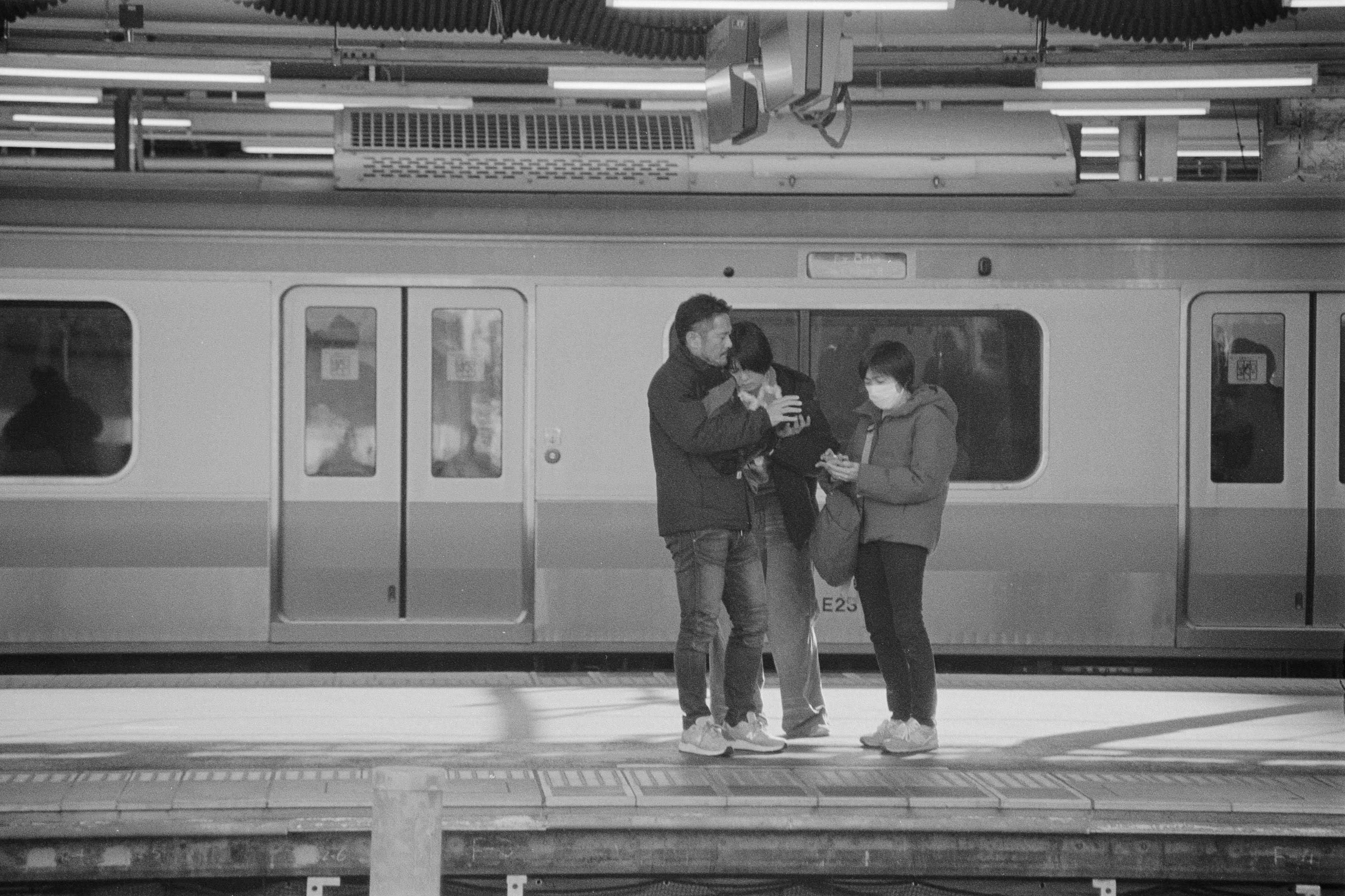
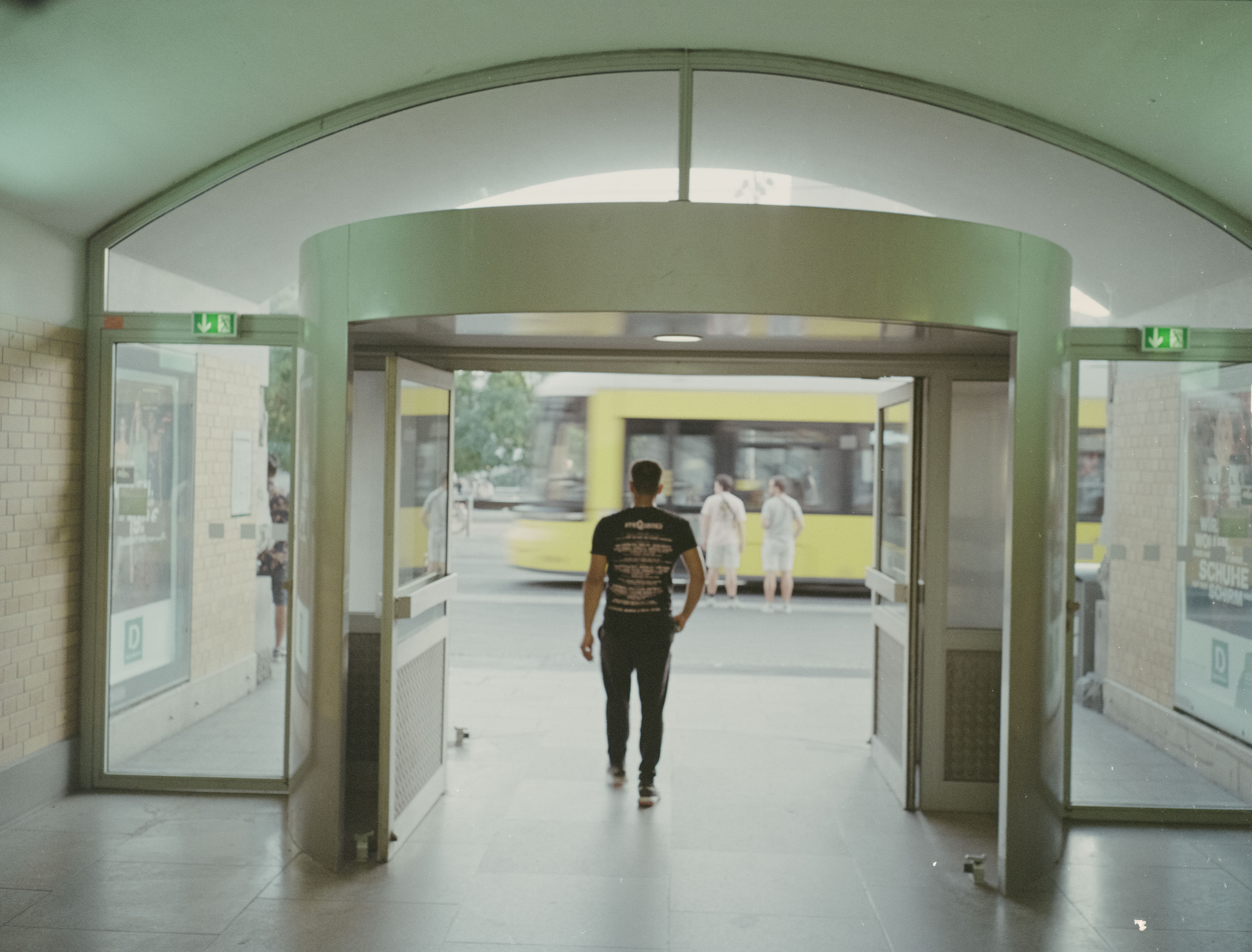
The beginning of the end for my Fujifilm GA645Zi can be traced back to Berlin in mid-2024. After spending several miserable days confined to a hotel room with COVID, my final evening brought just enough recovery to venture outside. Alexanderplatz seemed like the perfect place to stretch both my legs and the shutter of a camera that had travelled with me for the better part of a decade.

The GA645Zi is an unusual machine. It’s a medium format point-and-shoot from 1998 that somehow combines professional image quality with the appearance of an oversized family holiday camera. It shoots 6×4.5 negatives, which may be the smallest of the medium format options, but they’re still enormous compared to 35mm film. That extra real estate gives your photographs an incredible amount of detail while still allowing a reasonably compact camera to accompany you on your travels.

Of course, not every photograph from Berlin was a masterpiece. That’s partly because photography is an excellent way to discover your own shortcomings on a regular basis, but the camera itself deserves some of the blame. On paper, the specifications don’t exactly inspire confidence. The 55-90mm zoom translates to roughly 34-56mm in 35mm terms, with only four zoom positions to choose from. At the long end, the maximum aperture falls to a leisurely f/6.9, leaving very little room for low-light photography while still giving you all the opportunities for camera shake that come with a 90mm lens.

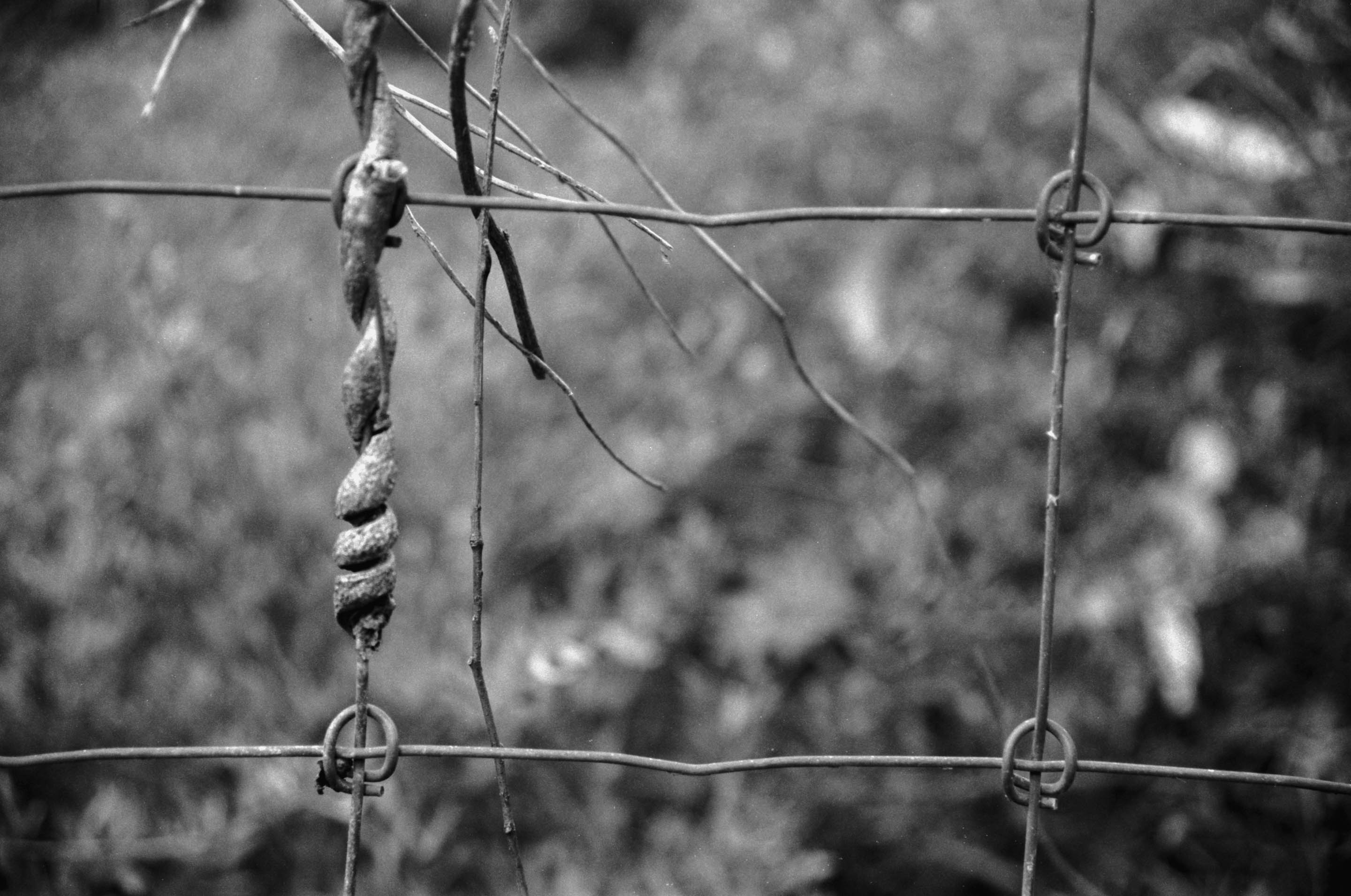
Despite those limitations, the lens itself is astonishingly sharp. The GA645Zi was never a cheap camera, and while the body feels disappointingly plasticky, the negatives it produces are spectacular. Zooming into the scans reveals detail that seems almost endless, reminding you why photographers continue to pay increasingly eye-watering prices for these cameras today. I bought mine around ten years ago for roughly a quarter of what they’re worth now, and for years it rewarded me with images that justified every compromise.

The Beginning of the End

As the Berlin sun disappeared, so too did my confidence in the camera’s future. The notorious weakness of the GA645Zi is its rear LCD panel, connected by a ribbon cable that flexes every time the camera is opened for loading film. Eventually that cable fails, and mine began displaying the first telltale flickers that countless owners before me had documented online.

The camera still functioned, so I loaded another roll and headed into the gathering darkness. Night photography with this Fuji was always going to be challenging. Ilford HP5 pushed to ISO 1600 has served me well in other cities, and I’ve even shot colour film after dark in places like Shinjuku and South Korean markets. Berlin, however, felt different. Empty squares, dim lighting and reflective surfaces made flash photography more frustrating than helpful, while my own developing mistakes probably didn’t do the negatives any favours.

Rather than fight the darkness, I eventually decided to embrace it. Cropping away unnecessary empty space and leaning into deep shadows produced images that felt more atmospheric than documentary. Streetlights reflecting from tram tracks, isolated figures disappearing into blackness and fragments of illuminated architecture became studies in mood rather than perfect technical photographs. Some images asked viewers to complete the story themselves, filling the darkness with their own interpretation.

Living with a Flawed Masterpiece

The GA645Zi wasn’t finished just yet. On a later trip through China, the LCD had deteriorated so badly that I could barely read it, but I managed to improvise. By comparing the camera’s exposure readings against a phone light meter, I convinced myself that as long as the ISO setting matched, perhaps the missing display wasn’t the end of the world.

After all, the qualities that make this camera special remained intact. The viewfinder still displays shutter speed and aperture information, which is essential given the relatively slow lens and the razor-thin depth of field that medium format provides. When the autofocus gets things right, the results are genuinely superb.

Unfortunately, “when” is doing a lot of work in that sentence. The autofocus has always been somewhat optimistic about its own abilities, occasionally deciding that somewhere near your intended subject is close enough. The camera is also painfully slow. Switching it on feels remarkably similar to trying to wake a teenager for school. It pauses, contemplates life for a moment, and then reluctantly gets moving with as much complaining as possible.

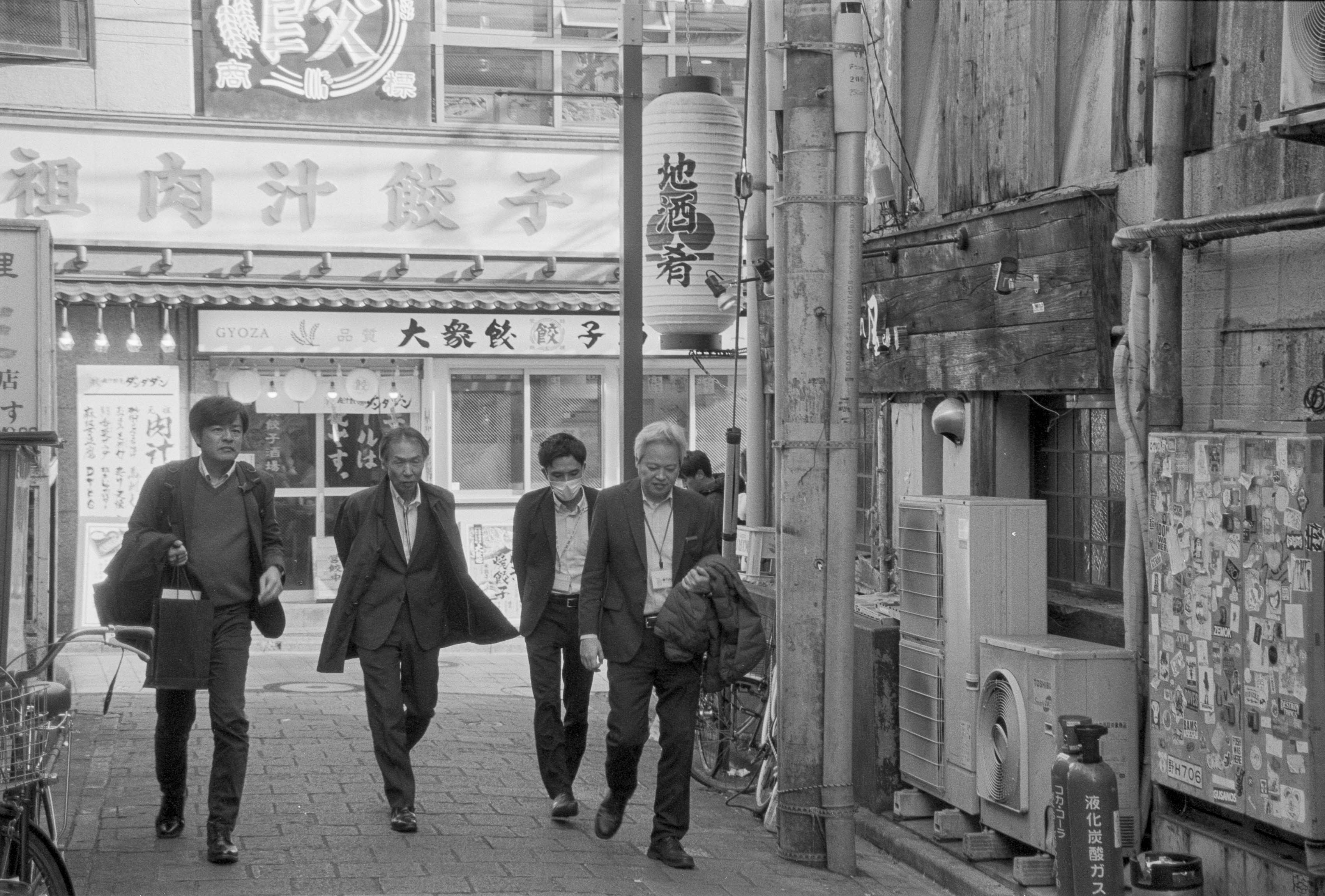
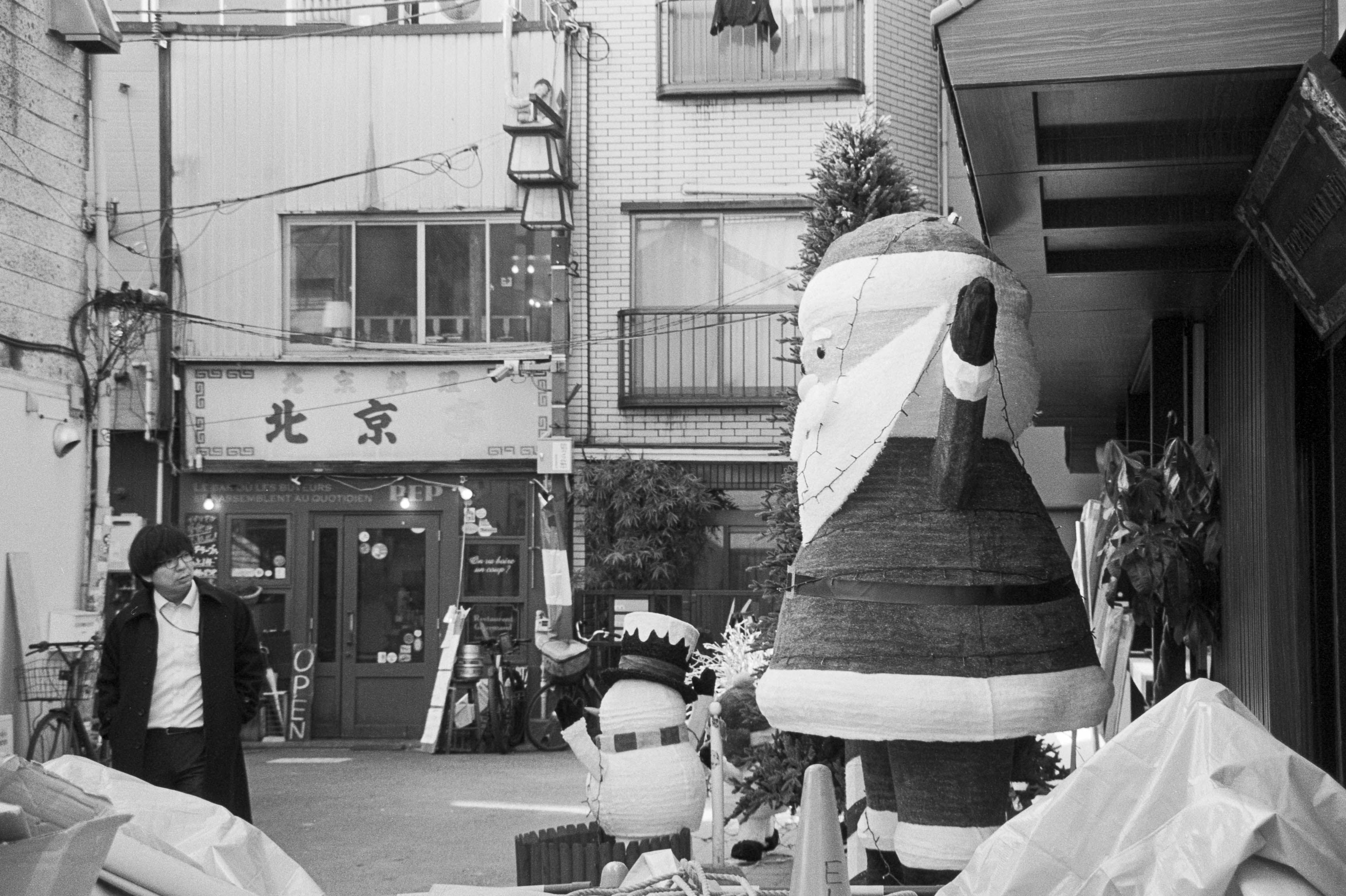
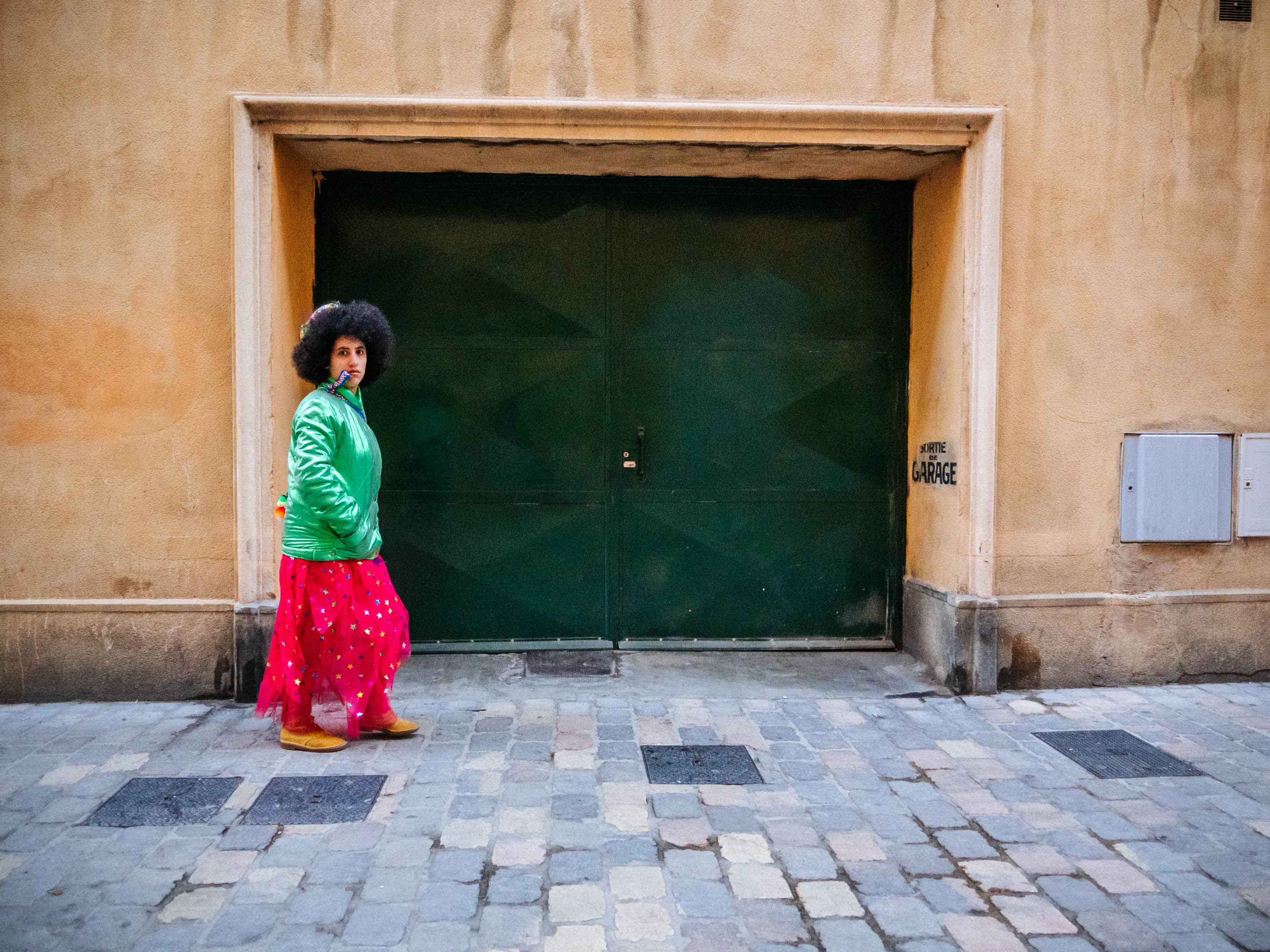
That makes it a poor choice for decisive street photography, yet somehow it still produced some of my favourite travel images. Whether wandering through Vietnam, Japan, Barcelona or elsewhere, the combination of medium format resolution and an unobtrusive automatic camera often resulted in photographs that simply felt different. Massive negatives are arguably better suited to sweeping architecture, dramatic landscapes and iconic locations than everyday street scenes, but the GA645Zi always tempted me to use it for everything.

One of its final adventures took place in Shenzhen’s Overseas Chinese Town, where replicas of famous landmarks from around the world provided an appropriately surreal setting for a camera that itself seemed full of contradictions. A sophisticated medium format system disguised as a disposable point-and-shoot felt perfectly at home photographing imitation Venice inside one of the world’s youngest megacities.

Saying Goodbye

By the end of that trip, the LCD had finally died completely. Unfortunately, the problem turned out to be more serious than simply losing information on the display. Whatever electronics had failed also prevented the film from advancing correctly. Film would load, exposure compensation still functioned, but the camera simply refused to wind on. After years of faithful service, it had reached the end of the road.

Over the past decade this Fuji accompanied me across Europe and Asia. It documented family history, quiet personal moments and famous destinations alike. It visited places connected to my family’s experiences during the First World War, wandered through Aix-en-Provence, Kuala Lumpur, Japan and countless other cities, while also recording the ordinary family photographs that often become the most precious years later. Medium format has a wonderful way of preserving tiny details that you barely notice at the time but come to treasure with hindsight.

Looking back through its final rolls, there are still plenty of photographs worth celebrating. As always, they combine people, architecture and those odd little moments that somehow define travel better than famous landmarks ever could. The camera occasionally produced technical disasters alongside genuine gems, but perhaps that’s part of its charm.

I’ll genuinely miss the Fujifilm GA645Zi, although not enough to pay today’s inflated prices for another one. Losing it felt surprisingly similar to saying goodbye to an ageing pet: increasingly slow, occasionally unreliable and prone to little accidents, yet a loyal companion that had been there for some remarkable experiences.

Thankfully, medium format photography doesn’t end here. There are other cameras waiting for future adventures, including one substantially larger beast with enormous 6×9 negatives and, perhaps most importantly, absolutely no electronics waiting to self-destruct. It may make me look even more ridiculous carrying it through airports and city streets, but at least I won’t be worrying about ribbon cables every time I load a roll of film.

The Canon Sure Shot Classic is my Favourite Film Point and Shoot. Here’s Why!

Some cameras impress immediately with their specifications. Others earn their reputation through rarity, luxury or eye-watering prices on the second-hand market. The Canon Sure Shot Classic 120 does none of those things, and that’s exactly why it has become one of my favourite film point-and-shoot cameras.

On paper, there’s nothing particularly extraordinary here. The 38-120mm zoom isn’t especially wide or especially long, the maximum aperture of f/4.5 isn’t going to work miracles in low light, and the plastic construction certainly won’t convince anyone they’re holding a premium collector’s item. Yet after using countless compact film cameras over the years, I keep coming back to this one.

Canon’s decision to call it the “Classic” feels surprisingly appropriate. Yes, the silver body and black trim give it a hint of old rangefinder styling, but the real reason it deserves the name is because it captures what makes a classic camera: reliability, simplicity and an ability to disappear into the background while you focus on making photographs.

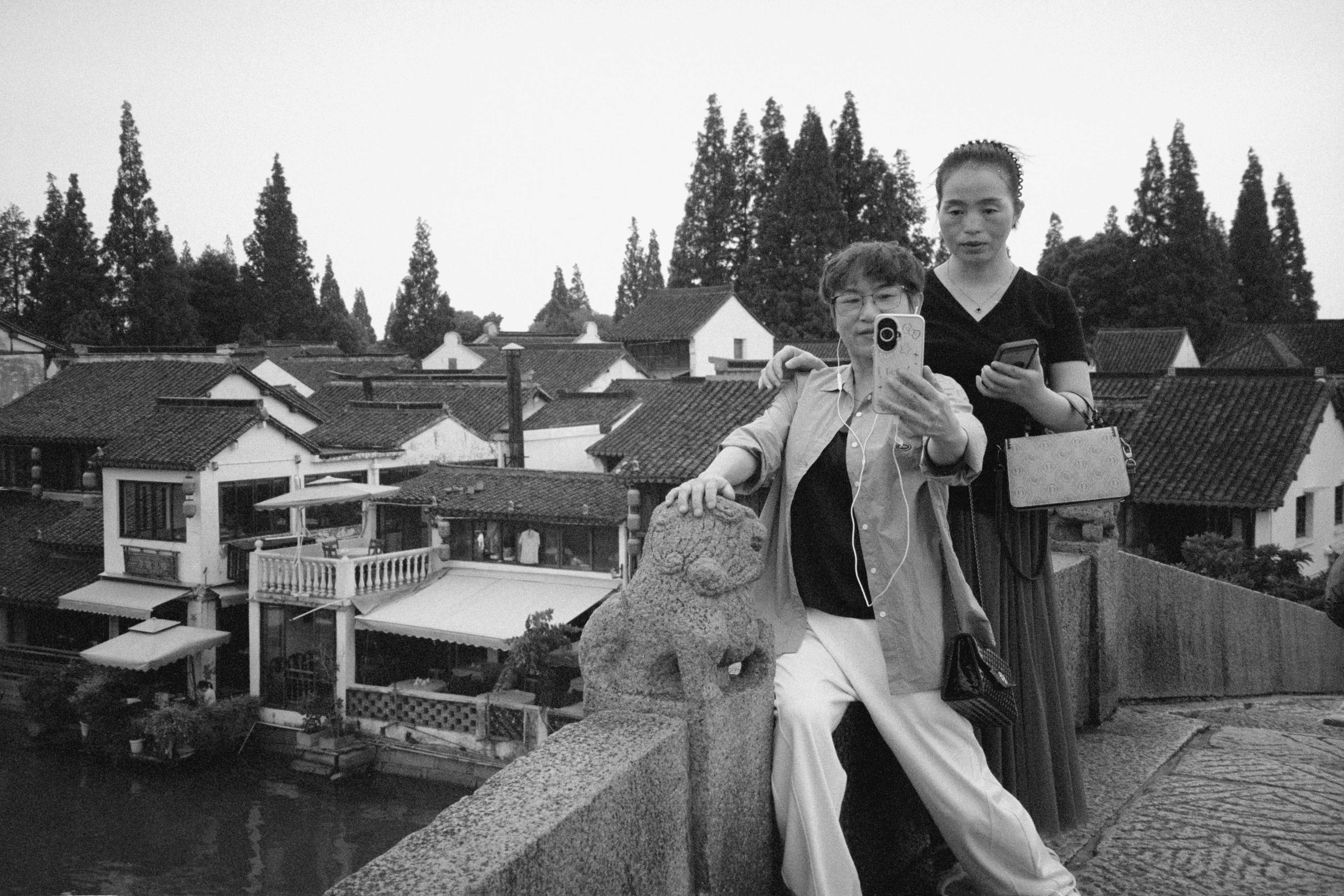
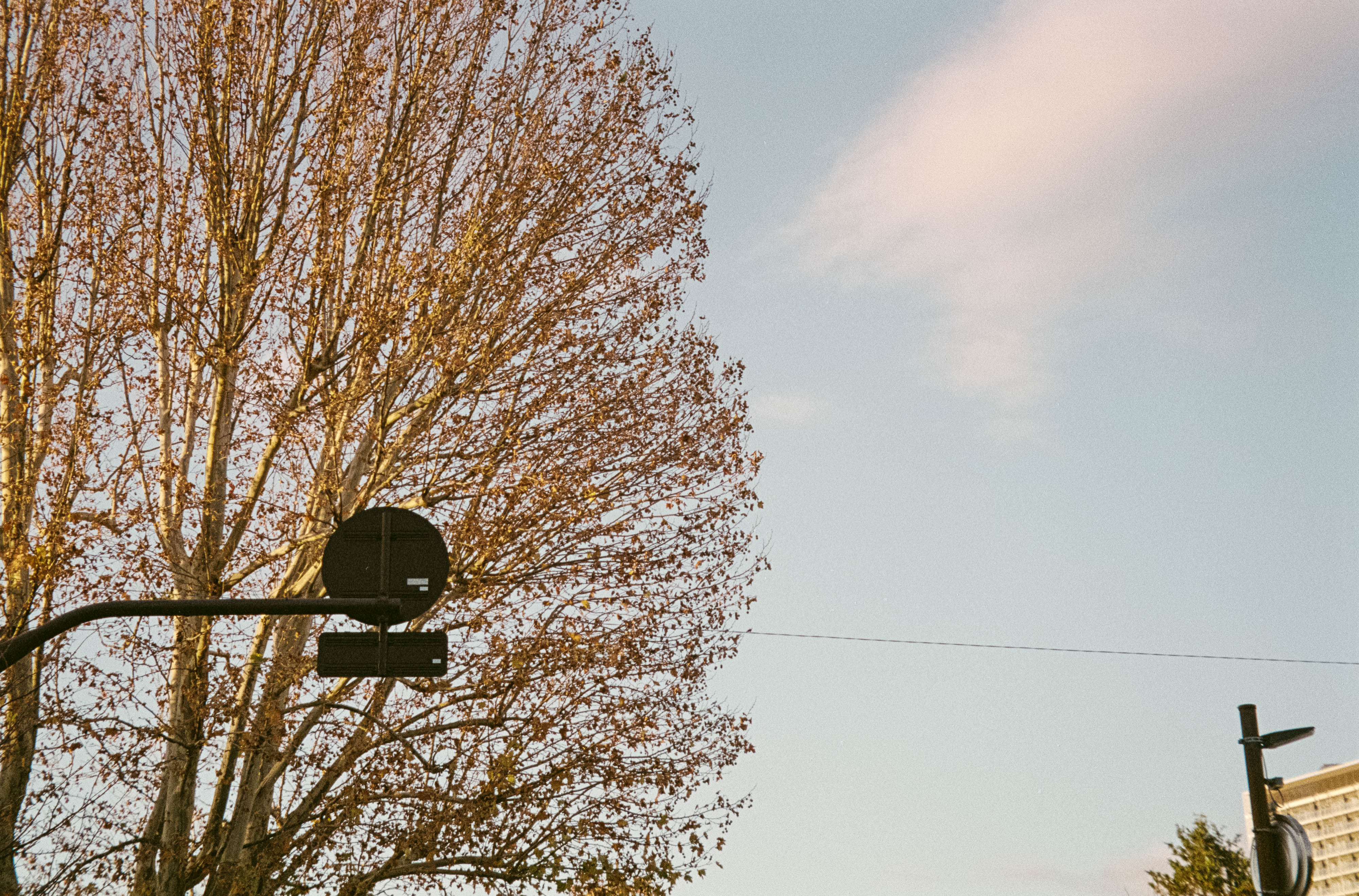
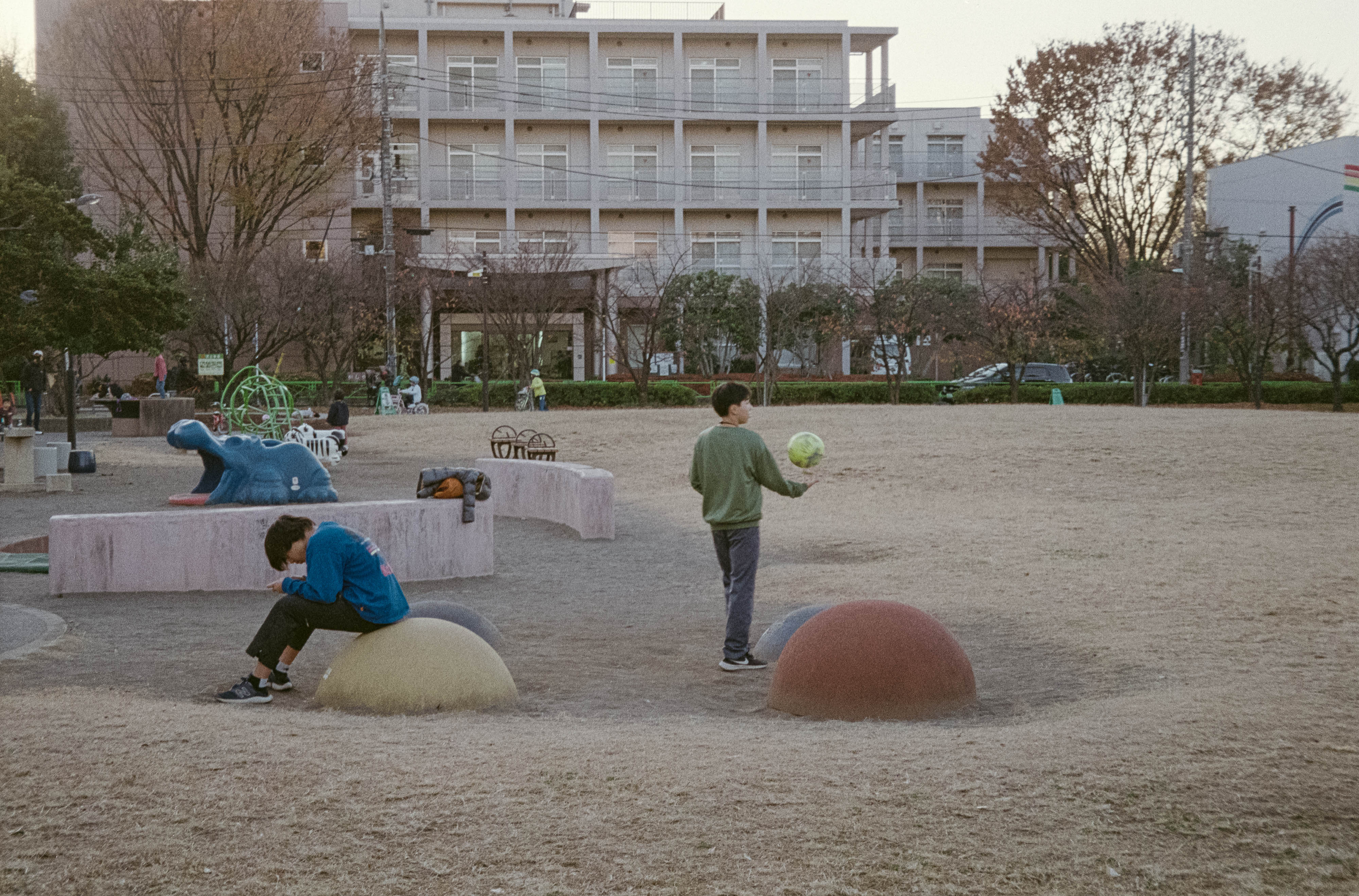
To see how well it performs in the real world, I took it to two very different locations. The first was the ancient water town of Zhujiajiao near Shanghai, where narrow alleyways and canals provided the perfect setting for some gritty black-and-white photography using pushed Ilford Delta 400. Later, I swapped to Kodak ColorPlus 200 for a gentle walk through suburban Tokyo, giving the camera a chance to show how it handled colour and everyday scenes.

Clever Design Without Getting in the Way

Although the specifications aren’t headline-grabbing, Canon quietly packed plenty of technology into the Sure Shot Classic 120. The lens incorporates an aspherical element to improve sharpness, while the autofocus system uses sophisticated multi-point focusing that simply works without demanding your attention.

That’s really the defining characteristic of this camera. Rather than forcing you to think about autofocus modes, metering systems or exposure calculations, it quietly makes sensible decisions on your behalf. You lift it to your eye, compose your image and press the shutter. Most of the time, that’s all there is to it.

There are still enough manual options to satisfy photographers who like a little control. Various scene modes, spot metering, flash settings and custom memory options are available if you want them, but they’re tucked away rather than dominating the experience. One particularly thoughtful feature is the ability to save flash preferences in the Personal mode, allowing the camera to remember that you prefer shooting without flash instead of forcing you to disable it every single time you power it on.

The physical design also deserves praise. Instead of relying on ageing rubber buttons that have become soft and unreliable over the decades, Canon fitted a tactile rotary dial that makes changing modes quick and satisfying. It feels surprisingly modern, and it reinforces the idea that this is a camera designed to encourage photography rather than menu navigation.

Even the sports mode is more responsive than many competing point-and-shoots from the era. While nobody will be photographing professional sport with this camera, it avoids the frustrating shutter lag that plagues many compact film cameras and makes spontaneous photography much more enjoyable.

Better Image Quality Than You Might Expect

Ultimately, clever engineering only matters if the photographs look good, and fortunately this is where the Canon Sure Shot Classic 120 continues to impress.

The black-and-white images from Zhujiajiao demonstrated that the camera handles contrast and detail remarkably well, even when shooting pushed film in difficult lighting conditions. Switching to Kodak ColorPlus 200 in Tokyo revealed a camera with a refreshingly neutral rendering. It doesn’t exaggerate colours or attempt to create a signature look. Instead, it quietly records scenes much as they appear, allowing the character of the film stock to come through.

Sharpness is more than respectable across most of the frame, even if the corners soften slightly at times. Distortion can appear depending on focal length, although it is generally modest and easily corrected during scanning or editing. Telephoto shots also perform better than expected, with camera shake proving less problematic than the relatively slow maximum aperture might suggest.

One pleasant surprise is the quality of the out-of-focus rendering. Nobody buys a compact zoom expecting creamy medium-format bokeh, but the background blur is often smoother than many competing point-and-shoots. That subtle quality helps subjects stand out naturally, particularly in close-up photographs where harsh or nervous backgrounds can easily overwhelm the image.

Rather than producing spectacular photographs through technical brilliance, the Canon simply delivers consistently good results. It rarely gets in your way, and that’s often more valuable than chasing perfection.

The Toyota Corolla of Film Cameras

The analogy that keeps coming back to me is the Toyota Corolla. Nobody dreams about owning one as a poster car, yet millions of people appreciate them because they start every morning, get the job done and ask very little in return.

That’s exactly how I feel about the Canon Sure Shot Classic 120. It isn’t luxurious like a Contax T2, nor is it surrounded by the hype that inflates the prices of cameras such as the Olympus Mju series. Instead, it occupies a sweet spot where it’s affordable enough to carry everywhere, robust enough to trust while travelling and capable enough that you rarely feel you’re compromising.

Over time it has become one of my most-used film cameras, not because it’s technically the best, but because I know it will reliably produce photographs I’m happy with. Whether it’s accompanying me as a secondary camera on overseas trips or simply documenting everyday life closer to home, it consistently earns its place in my bag.

The best camera is often said to be the one you have with you, but that only works if the camera itself is enjoyable to use. Some compact cameras waste film, miss focus or respond so slowly that they miss the decisive moment entirely. The Canon Sure Shot Classic 120 avoids those frustrations. It offers enough flexibility, enough image quality and enough reliability that I genuinely enjoy taking it out.

No, it isn’t perfect. Then again, neither am I. What it is, however, is a dependable travel companion that quietly captures the moments I want to remember without demanding attention for itself. For an everyday film point-and-shoot, that’s about the highest compliment I can give it, and it’s exactly why it remains my favourite in the collection.

Hello, Leica M2: First Impression Review of a Classic Rangefinder Camera

Is owning a Leica guaranteed to make you a better photographer? For years, Leica cameras occupied a strange place in my imagination. On one hand, they represented craftsmanship, history, and photographic excellence. On the other, I often lumped them in with luxury handbags and prestige cars—objects that seemed as much about status as function. Yet despite my cynicism, there was always a small part of me that wondered whether a Leica really was something special.

So, naturally, I bought one.

Not a modern digital Leica costing the equivalent of a small family car, but a 1963 Leica M2. In Leica terms, it’s practically the budget option, which still means spending considerably more than most sensible people would on a sixty-year-old film camera.

Why the Leica M2?

The purchase wasn’t entirely motivated by photographic lust. My faithful Canon P rangefinder had started showing its age, suffering from a dragging shutter and becoming increasingly difficult to get repaired. Time and again I’d heard the same promise from Leica owners: if you want a camera for life, buy a Leica.

The M2 appealed because it sits in a sweet spot between affordability and classic Leica design. It’s wonderfully simple. Load film, set the shutter speed, focus, and press the shutter. There’s no light meter, no electronics, and very little to go wrong. It’s essentially a precision-engineered box designed to let light hit film.

One of the biggest advantages for me was compatibility with my collection of Leica Thread Mount lenses. While I don’t own a single Leica lens, I do have lenses from Canon, Nikon, Voigtländer and even a few Soviet-made curiosities. With the right adapters, they all work happily on the M2.

As luck would have it, the camera arrived just before a trip to Melbourne, giving me the perfect opportunity to see whether Leica magic was real or merely expensive mythology.

Melbourne: A Perfect Testing Ground

Melbourne has long been my favourite city for street photography. Its blend of Victorian architecture, modern skyscrapers, laneways, riverside walks and bustling public spaces provides endless opportunities for wandering with a camera. For this first outing, I paired the Leica M2 with a Nikon S.C. 5cm f/1.4 lens and a roll of Kentmere 100 black-and-white film.

The Nikon lens proved an interesting companion. Stopped down in good light, it’s exceptionally sharp. Wide open, however, “soft” might be putting it politely. Let’s call it dreamy. If your dreams happen to be smeared with Vaseline.

Since the M2 lacks a built-in light meter, I relied on a light meter app on my phone to occasionally check my instincts. For the most part, the trusty Sunny 16 rule did the job. The negatives, developed later in 510 Pyro, came out surprisingly well exposed despite the occasional uncertainty.

Living with a Leica

In practical terms, the Leica M2 isn’t dramatically different from other classic rangefinders. It offers shutter speeds from one second to 1/1000th of a second and an almost comically slow flash sync speed of 1/50th.

What separates it from other cameras is the experience, though, is that M2 feels beautifully made. The chrome finish, textured vulcanite covering, engraved markings and silky mechanical controls all contribute to a sense of quality that is difficult to describe until you hold one. Every action feels deliberate. The shutter has a subtle, refined click rather than a harsh snap.

Among Leica enthusiasts, endless debates rage about which M model is best. The M3 is often regarded as the classic choice, but its higher viewfinder magnification favours 50mm lenses. I preferred the M2 because its viewfinder comfortably accommodates wider lenses like 35mm without requiring awkward accessories.

The M2 lacks a few conveniences found on later models. The frame counter must be manually reset when loading film, something I repeatedly forgot to do. Yet these small inconveniences somehow feel appropriate. This is a camera that asks you to slow down and engage with the process.

Walking along the Yarra River and through Melbourne’s city streets, I found myself enjoying the camera simply as an object. It felt natural in the hand, compact, lightweight and unobtrusive.

The Photos and the Reality

After developing the roll, I was faced with an unavoidable question: did the Leica make my photographs better?

The answer is both disappointing and reassuring. Not really.

The images looked very much like my photographs. The Leica hadn’t transformed me into a photographic genius. It hadn’t sprinkled magical German fairy dust onto the negatives. The strongest images succeeded because of composition, timing and subject matter rather than the logo engraved on the camera.

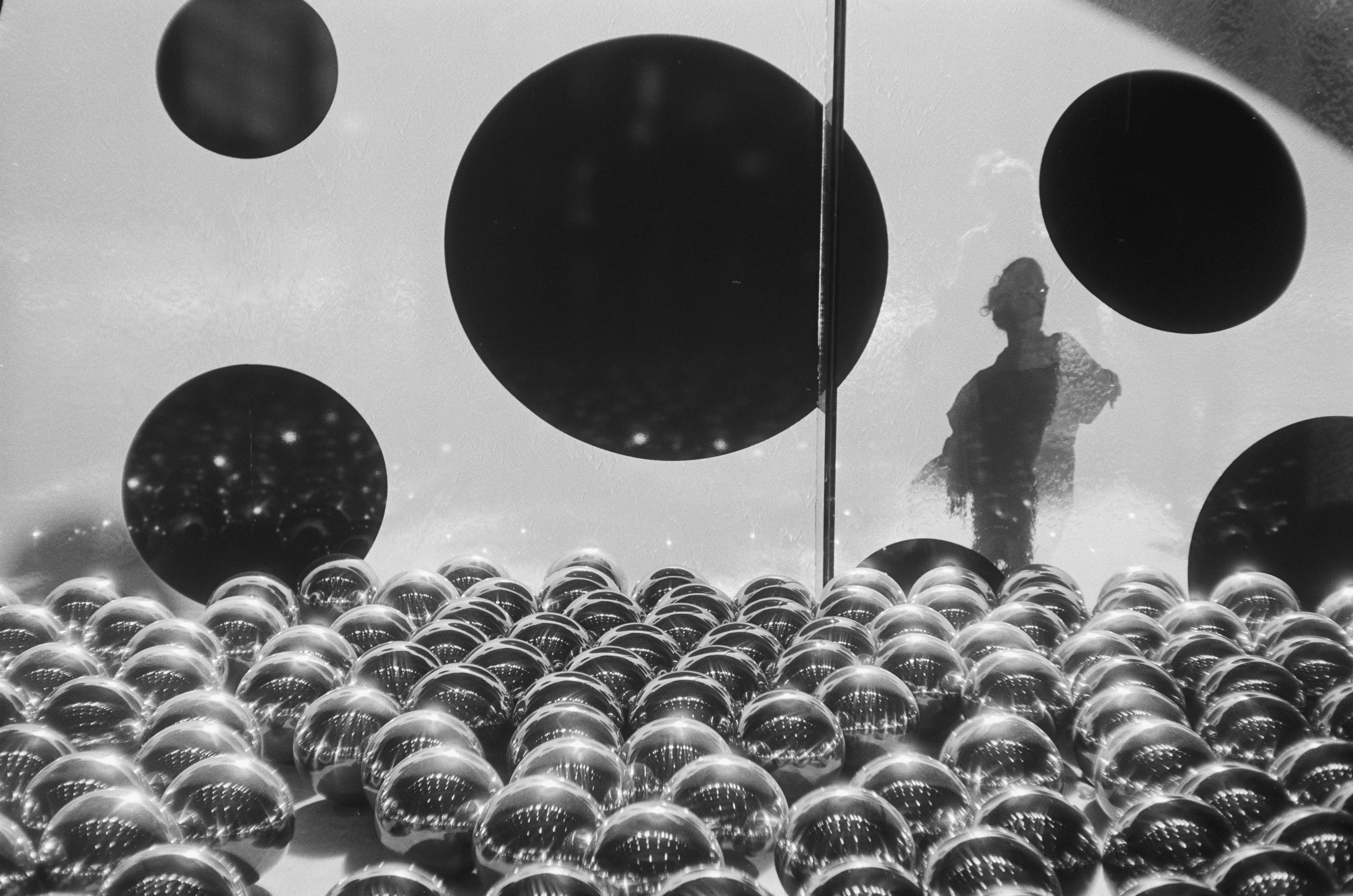
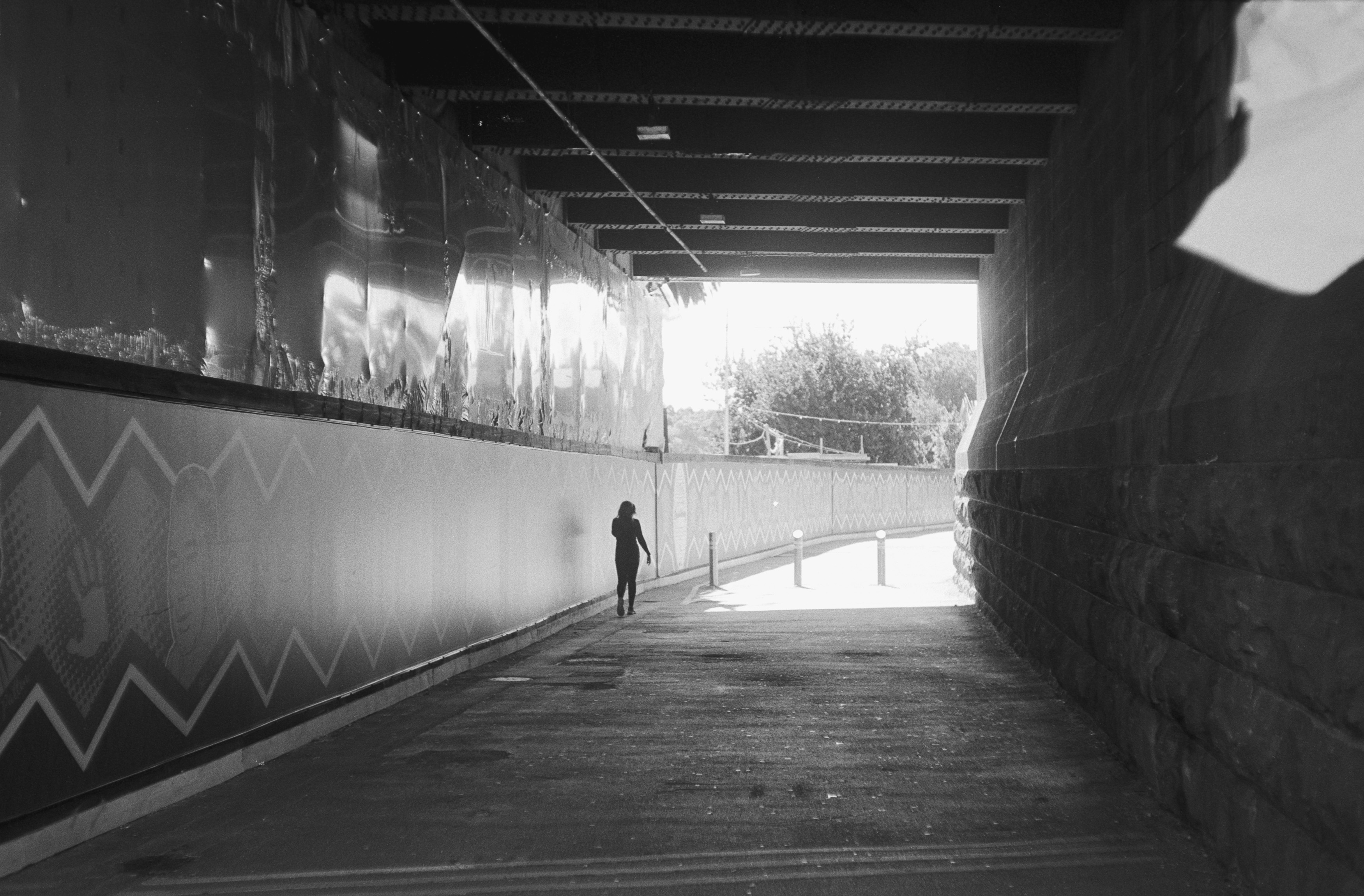
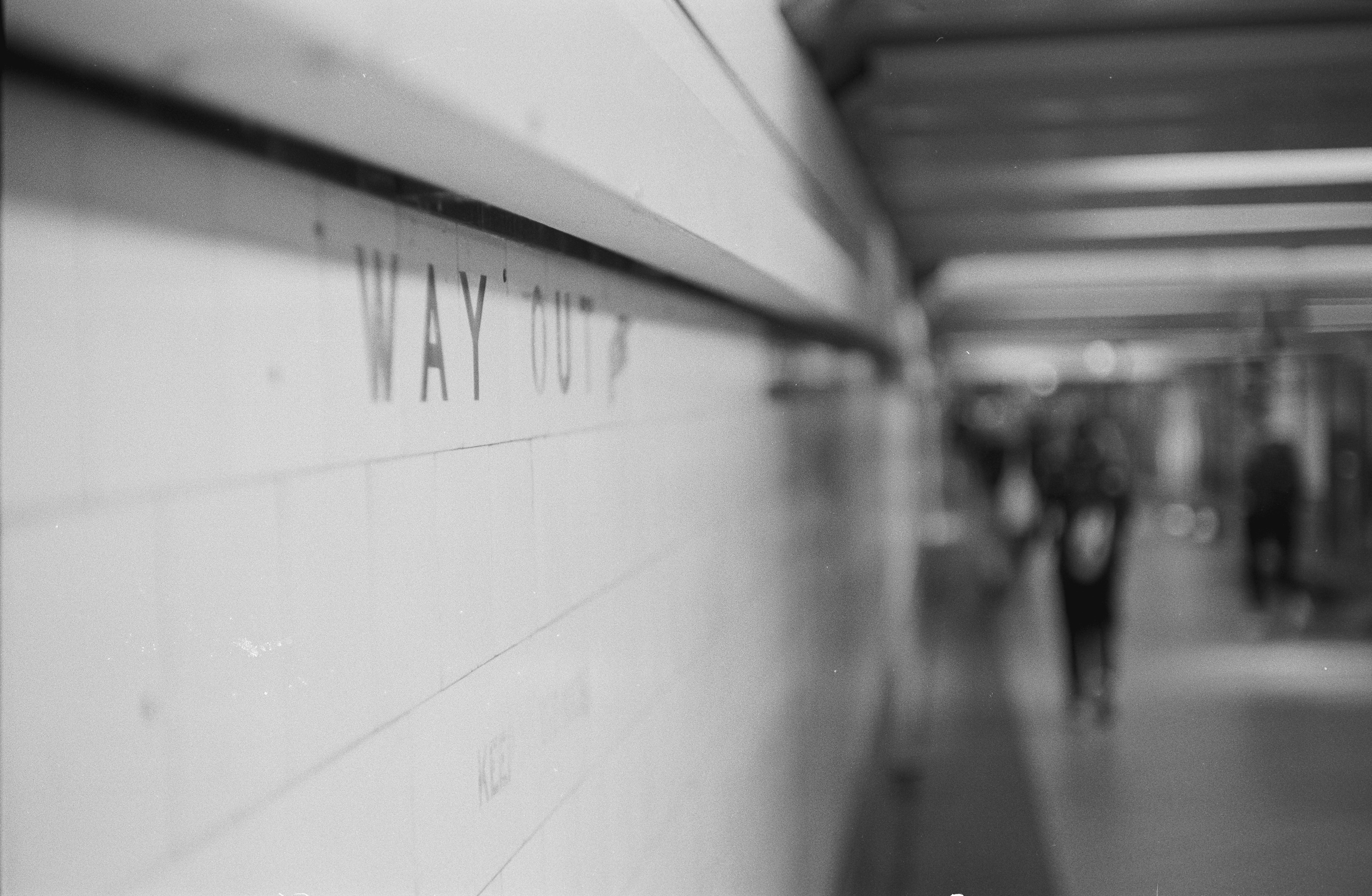
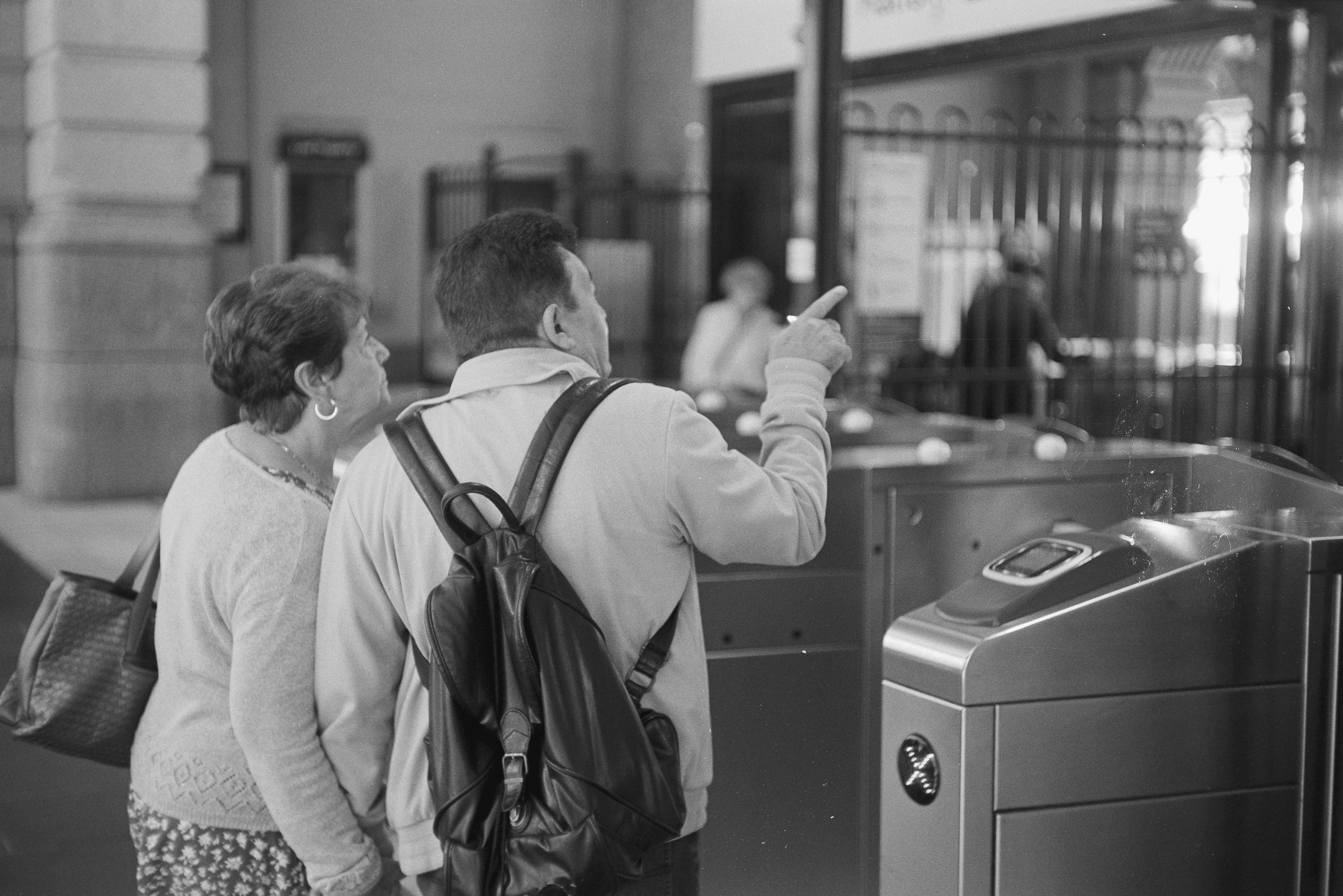
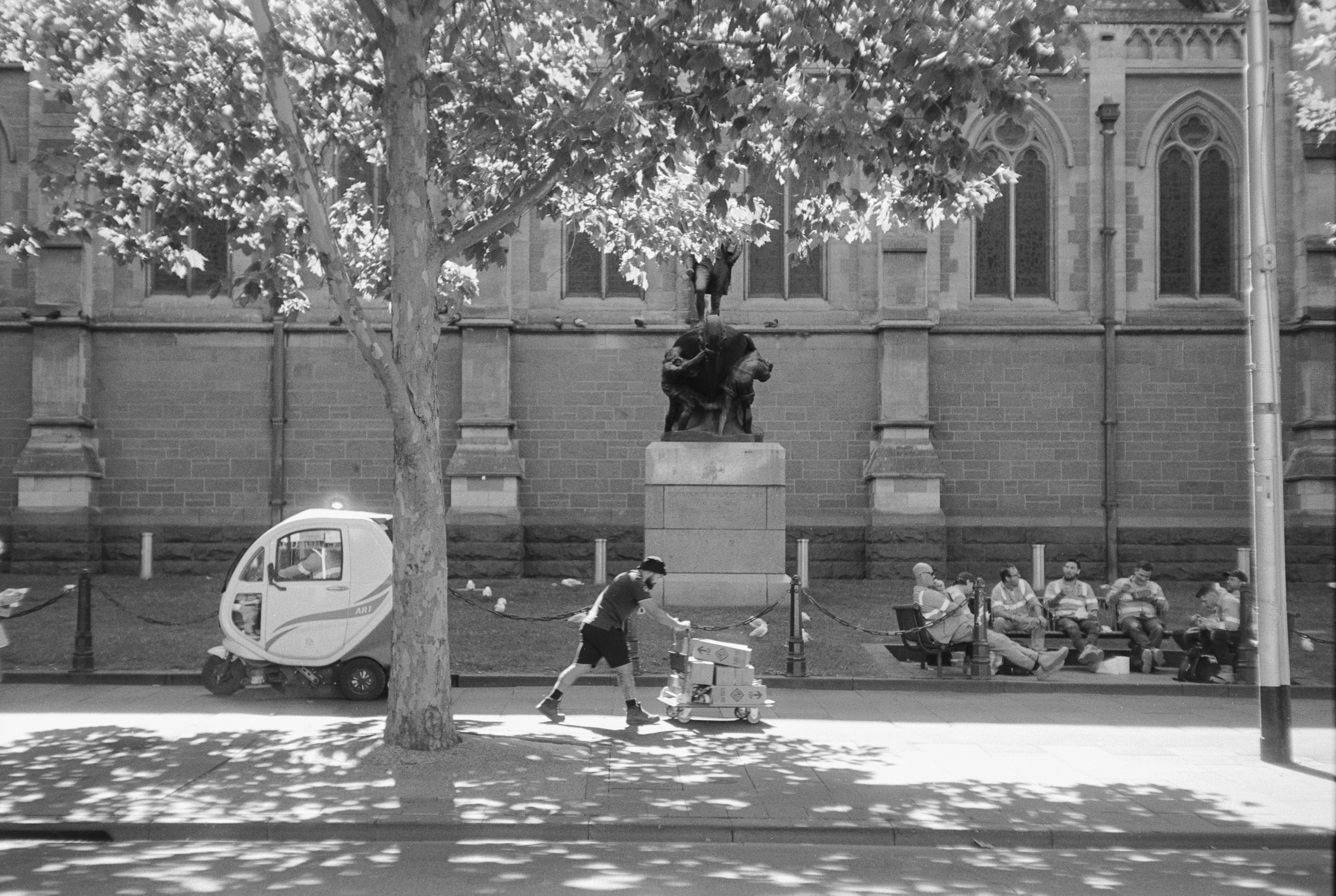
A few photographs stood out. Images from the National Gallery of Victoria’s Yayoi Kusama exhibition captured an intriguing blend of art and human interaction. Other frames documented everyday moments around the city—couples holding hands, workers transforming the urban landscape and quiet scenes that revealed small fragments of Melbourne life.

These weren’t grand artistic statements. Many were simple snapshots made while learning the camera. Yet they served as reminders that street photography doesn’t always need to communicate profound truths. Sometimes it’s enough to document a fleeting moment in a city’s ongoing story.

And perhaps that’s where the Leica’s true appeal lies. It’s not that the camera creates better photographs. Rather, it encourages a different relationship with photography itself. The simplicity, craftsmanship and tactile experience make the process enjoyable. They make you want to pick the camera up and go for a walk. For a first roll, that’s more than enough.

The Leica M2 hasn’t turned me into a master photographer. It hasn’t elevated my work beyond what I was already capable of producing. What it has done is make photography feel a little more special, a little more deliberate, and a little more fun.

Whether that’s worth the price of admission is something every Leica owner has to decide for themselves.

First experiences with the Pentax 17: Half Frame, Half Baked and Half Good?

If you have even a passing interest in film, you’ve probably heard of the Pentax 17 by now. Released last year in response to the growing nostalgia for analogue photography, it’s one of the few new film cameras to come out in the last decade—and probably the only one from a major manufacturer that isn’t Leica. Pentax took a risk, targeting Gen Z’s fascination with a world they never actually lived in by creating a half-frame camera that sits somewhere between fully manual and fully automatic.

But who is it for?

Rather than catering to professionals, serious enthusiasts, or wealthy collectors looking for flashy trinkets, this camera is clearly aimed at hipsters. You can tell just by the fact that its designer, Takeo Suzuki—who goes by TKO—sports a waistcoat and flat cap. But is this camera a technical knockout? Well, I had my doubts, but I bought one as a Christmas present to myself. Why? Because I deserve it. Okay, also because my wife saw it, immediately wanted one, and who am I to argue?

Credit where it’s due—Pentax took a bold step releasing this niche product, especially at around 800 Australian dollars. I wasn’t planning on buying it until my wife convinced me that it would make me happier, healthier, and an all-around better human being. Has it changed my life? Not really. Let’s be honest—I don’t need another camera. But I do love half-frame cameras, and my old Canon Demi is getting unreliable. The Pentax 17, on the other hand, is brand new, fully functional, and—unlike my usual vintage finds—doesn’t smell like leather, tobacco, and urine. Don’t worry, I’ll add that patina over time.

This camera is supposed to be fun. Half-frame means I don’t have to worry as much about film costs, and the resolution is decent for most uses. Unlike Pentax’s 90s-era fully automatic point-and-shoots, this one puts some control back in my hands. Some, but not all. You have to focus manually using an icon-based system (flowers, people, mountains, and—of course—your dinner, because Instagram). You also have to wind the film on manually, which was about the hardest work I did all summer.

An odd choice to include manual focus

Early frames

Of course, it’s not all fun and games. I took my Pentax 17 and some Ilford HP5 and set out to capture some of the urban decay of tired shopping malls. The results? Nothing spectacular, but it did at least provide a monochromatic record of decline. But I know that’s not what you’re here for—you want your decrepitude in full color. So, I loaded up some Fuji 400 and headed to my home away from home, Leeman, for post-Christmas dog walks on the beach.
Speaking of which, my groodle puppy, Juni, has had plenty of exposure on film this summer. If you’ve been following along, yes, it’s the same dog—just three times bigger. We’re considering renaming her Ginger Monster. Capturing a fast-moving ball of auburn fur with a half-frame camera? Tricky, but fun.

Camera quirks

Now, about those exposure modes. They’re confusing. The dial is color-coded: white for non-flash modes, yellow for flash-based ones, and—just to mess with you—a blue auto mode that isn’t actually fully automatic. It basically turns your expensive camera into a $20 disposable. What focus distance? What aperture? What shutter speed? Who knows? I don’t use it. Instead, I stick to P mode, though I still don’t really know what it does. The biggest issue? The dial is way too easy to knock out of place, which led to some overexposed outdoor shots and underexposed indoor ones before I realized I’d accidentally switched to Bulb mode while winding on.

After some trial and error, I learned a few things. One: get your finger out of the way when shooting macro. Two: framing in a viewfinder camera is always a challenge, but the Pentax 17’s clear viewfinder and close-up frame lines help. Three: for general shooting, the 3m focus setting is usually good enough, though I did cheat and use an iPhone app to double-check distances.

I still haven’t touched auto mode—it gives me anxiety. With half-frame, I like to have two exposed rolls ready before developing to save time and chemicals. So, to make things more difficult for myself, I loaded up a roll of OneShot film next. Why? Because it was cheap. The results? Let’s just say OneShot probably isn’t ideal for a bright Perth summer—or for this camera. The muted colors and heavy grain didn’t do me any favors. The Fuji 400 shots fared better, and while nothing groundbreaking, I did get a few fun summer snapshots.

So, what’s the verdict? This isn’t a spectacular camera. It has its quirks—no self-timer, confusing exposure modes, and some incredibly bright blinking LEDs that don’t provide focus confirmation (because it’s manual focus). Plus, the electronic focus system introduces a slight shutter lag, which is odd for a manual-focus camera. The design is an eclectic mash-up of different Pentax and Ricoh cameras, with an Olympus Pen-style viewfinder and a winding lever that feels straight out of a Pentax 110. It’s a Frankenstein creation, and the real question is: does that make it charming or just dumb?

For me, it’s both. Plenty of YouTubers have reviewed this camera and been left scratching their heads, but that’s because it wasn’t made for high-end photographers. Honestly, it wasn’t even made for me—and I have no standards. But I love it. It’s quirky, fun, and surprisingly decent for what it is. Most of all, it’s brave and weird—just like Juni. Maybe I’m just brave and weird enough to appreciate it.

Road Testing the Nikon F50: Is this Nikon’s Ugliest Camera?

Get ready for a first-hand look at my latest thrift find, the Nikon F50. As I awkwardly wrestle with the packaging, I can’t help but wonder if this will be a Hitchcock-level suspenseful experience, especially as I attempt to tackle that pesky bubble wrap without injuring myself.

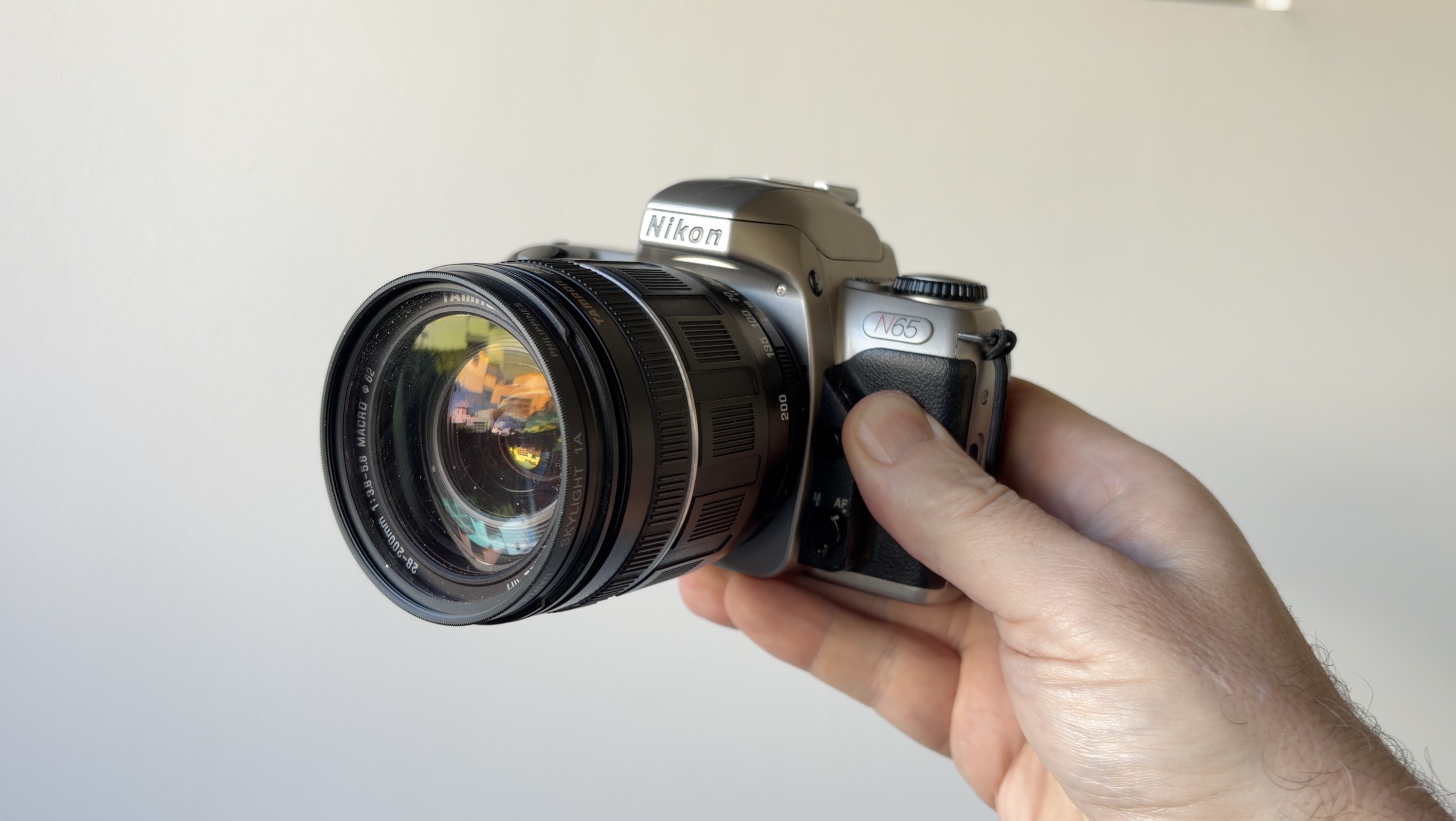
And there it is, the Nikon F50, not exactly the epitome of elegance or charm. As a devoted Nikon SLR film camera enthusiast, I’ve got a long list of favorites, and this one definitely hasn’t made the cut. Every time I see it online, I can’t help but cringe at its less-than-appealing appearance.

But hey, when I stumbled upon it for just $19, I thought, why not take a chance? After all, it’s cheaper than a gallon of methylated spirits, and while I can’t drink it, at least I can take pictures with it, right? So, despite my reservations, I took the plunge and made it mine.

Now, let’s talk about its quirks and limitations. This camera is definitely not for the faint of heart. It’s designed for older Nikon lenses, lacks focus assist for manual lenses, and don’t even get me started on its menu system. It’s like solving a puzzle just to change a setting.

But it’s not all doom and gloom. After a quick test, I can confirm that it does indeed work, which means I’m stuck with it now. On the bright side, it’s time to load it up with some film and see what it can really do. So, despite its flaws, let’s keep an open mind and give it a fair shot. Who knows, it might just surprise us in the end.

An Imperfect Camera

Using this camera isn’t exactly a walk in the park, but here’s the kicker: it takes surprisingly good pictures! In the end, isn’t a camera just a tool? As I experimented with it, I managed to capture some impressive shots on just one roll of film. Sure, it wasn’t the most enjoyable experience, but the results spoke for themselves.

A big part of its success was probably thanks to the lens I used, a humble Tamron 28-200mm. Despite its quirks, like significant distortion, it produced sharp images with fine focus. Sure, the autofocus could be a bit shaky, but with careful adjustment, I got the shots I wanted.

This got me thinking: am I being too harsh on this camera? Am I judging it solely based on its looks? After all, beauty is subjective, right? Maybe this chunky, unassuming camera has its own unique charm that I’ve overlooked.

Sure, it’s not the most ergonomic or user-friendly camera out there. Its menu system can be frustrating, and it lacks some advanced features. But maybe that’s okay. Maybe its simplicity is its strength. If you’re not too hung up on aesthetics and just want a camera that gets the job done without fuss, then this might be the one for you.

So, here’s the bottom line: if you’re a budget-conscious film photographer who values function over form, this camera might just surprise you. Give it a chance, and who knows? You might end up with some Hasselblad-worthy shots after all.

Can You Make Art with a Nikon Coolpix 4500 from 2002?

This is the Nikon Coolpix 4500 and when I look at it, I see more than just a camera – it’s a testament to the optimistic spirit of the turn of the millennium. Back then, the world was buzzing with hope: the Cold War was over, globalization was on the rise, and technological advancements, like the internet, were shaping a promising future. Social progress was evident too, with strides in equity and diversity.

But as we know, that optimism was short-lived. Yet, amidst all this uncertainty, Nikon managed to craft a sleek, onyx brick of a camera that defied convention and exuded minimalist style and futuristic vibes.

And guess what? It swivels! Sure, it may seem like a small feature, but for someone like me with a short attention span, it’s a game-changer. Plus, it’s not just about looks – this camera is built like a tank, weighing in at 374 grams yet still fitting snugly in your pocket.

I couldn’t resist snagging one when I spotted a second-hand deal. And while mine lacks the trademark red Nikon stripe, that just adds to its mystique. Sure, this camera’s 4mpx sensor and sluggish performance may seem outdated, but can it still produce art?

A Dense and Fully Featured Brick of a Camera

This Nikon Coolpix 4500 is quite the powerhouse when it comes to specs. Its list of features goes on longer than a tapeworm and that is reflected in its original price tag. Back in 2002, this bad boy would set you back a hefty $700, which in today’s money would be… well, let’s just say it wasn’t cheap. But with a price like that, you can expect a plethora of options to play with, all neatly tucked away in its menu system.

From the standard PSAM and auto modes to a variety of scene options like sunhat, confetti ejaculation, and court appearances (don’t ask me about the logic there), this camera offers a range of choices. ISO goes up to 800, though you’ll likely encounter some noisy images at that level. And don’t even think about adjusting settings on the fly; they’re buried deep in the menu.

Flash performance is decent, exposure is smooth, and skin tones look good. Just don’t get too close with the flash, or you’ll end up with some unflattering results. But here’s the kicker: it supports external flash via a PC sync cable, making it surprisingly versatile.

Now, let’s talk image quality. Despite its modest 4-megapixel resolution and subpar high ISO performance, this camera can still deliver some impressive results. Colors pop, JPEG processing is top-notch, and while dynamic range leaves something to be desired, chromatic aberration is well-controlled.

Can You Make Art with It?

But enough about specs; let’s get to the real question: can you create art with this camera? And the answer is a resounding yes. Just like Jackson Pollock wielded a paint bucket to create masterpieces, I can use this Nikon Coolpix 4500 to capture the beauty of everyday life and provoke thought with my photographs.

And while I may jest about the mundane objects I encounter, there’s a deeper commentary on the state of our world hidden within these images. From the encroachment of suburbia to the struggle between nature and human progress, there’s a story waiting to be told.

Is It Worth It Now?

This still feels like a substantial piece of kit, even now. Of course, no camera is without its quirks, and this one is no exception. From its tendency to drain batteries like nobody’s business to its slow performance, it’s definitely showing its age. But hey, we can overlook these minor inconveniences when we consider its impressive image quality and macro capabilities.

And let’s not forget about the features. Sure, some are a bit gimmicky, but others, like continuous autofocus and exposure bracketing, prove to be invaluable tools in our artistic arsenal. And did I mention it swivels? That alone adds a touch of fun to the photography experience.

A MINI, an Olympus Pen F Digital, and the Concept of ‘Fun’

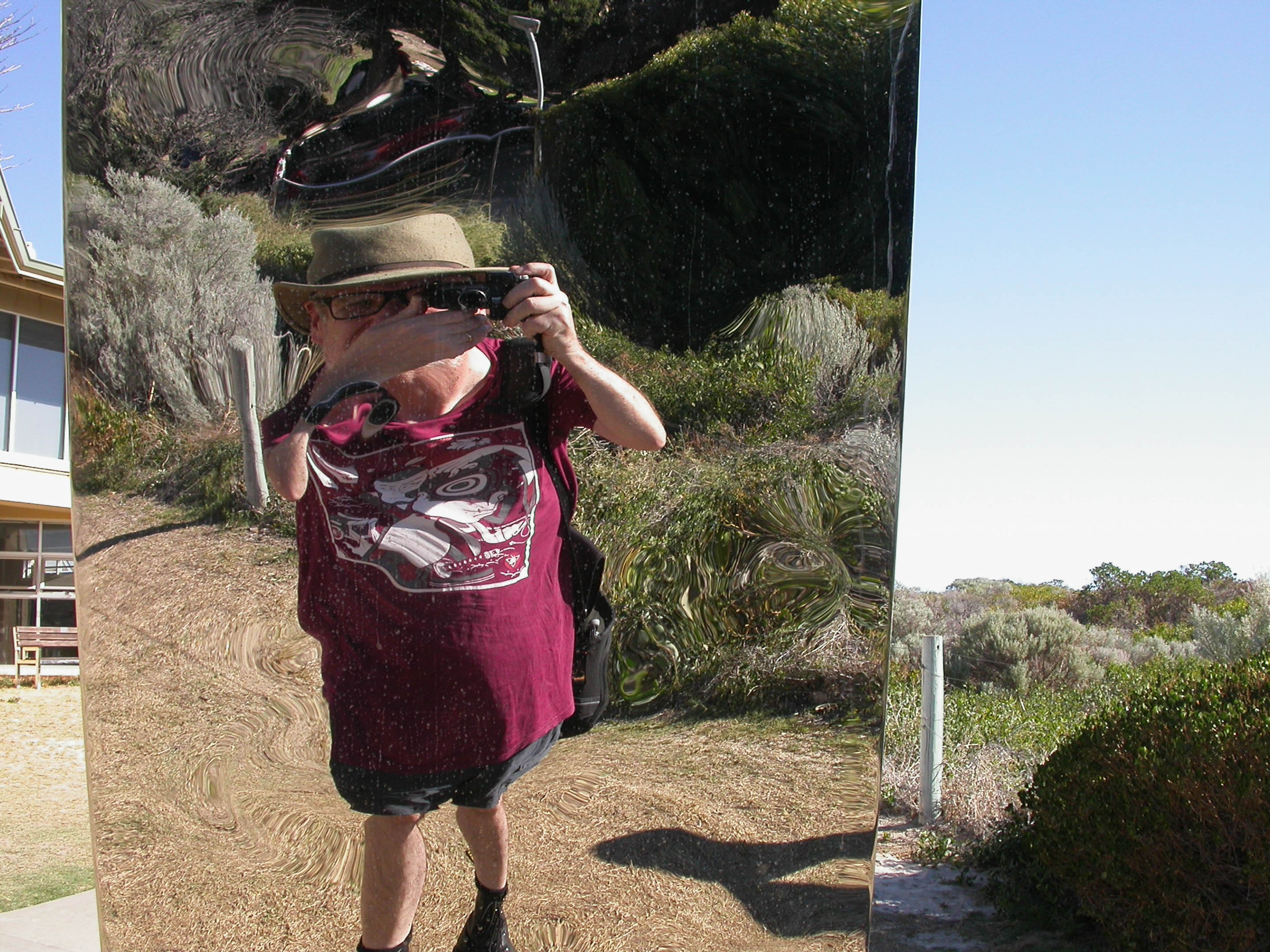
What inspired me to create this video was the recent purchase of a new car. Well, when I say “new,” it’s all relative. Considering New College Oxford dates back to the 14th century and the New Seekers peaked in the 1970s, “new” takes on a different meaning. But fear not, this isn’t merely a video about cars. That’s not really my usual content. Nor is it about the New Seekers, although that might cement my status as the go-to YouTuber for the retirement community.

The truth is, I’ve never felt much of a bond with my cars beyond hoping they’ll get me to my destination without any breakdowns. Given my history of acquiring or inheriting beat-up cars, that’s never been a given. Plus, I’ve had a couple of mishaps along life’s journey that remind me cars can be dangerous—yes, I even blinked when I sneezed.

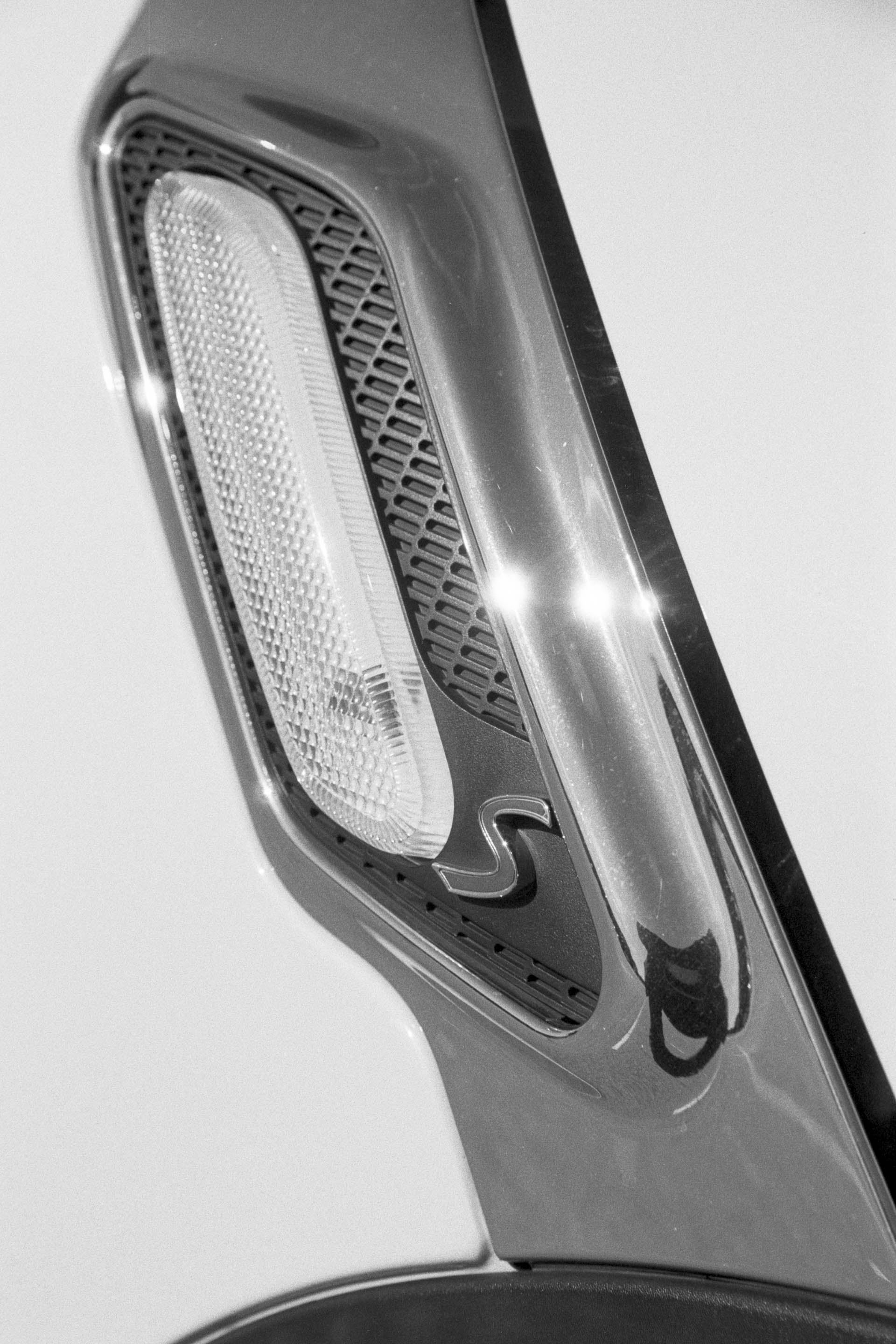
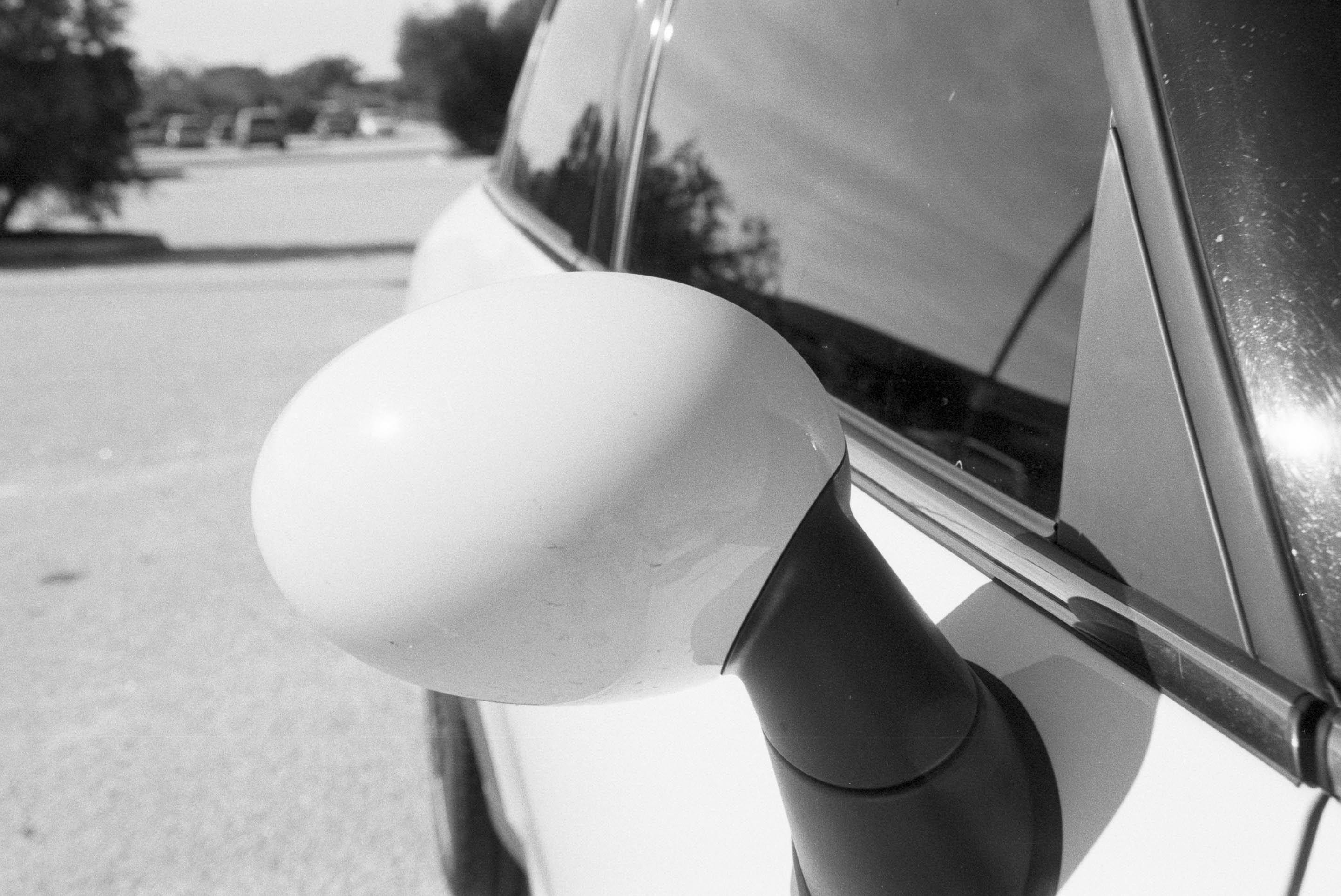
However, from the moment I test drove this car, actually, from the moment I laid eyes on it, there was an undeniable allure emanating from it, beckoning me to have some fun.And I think it’s because it’s a Mini. The Mini, as a car, epitomizes fun. It’s even ranked number 5 on Top Gear’s list of fun and economical cars, and even Chat GPT agrees with me on thi

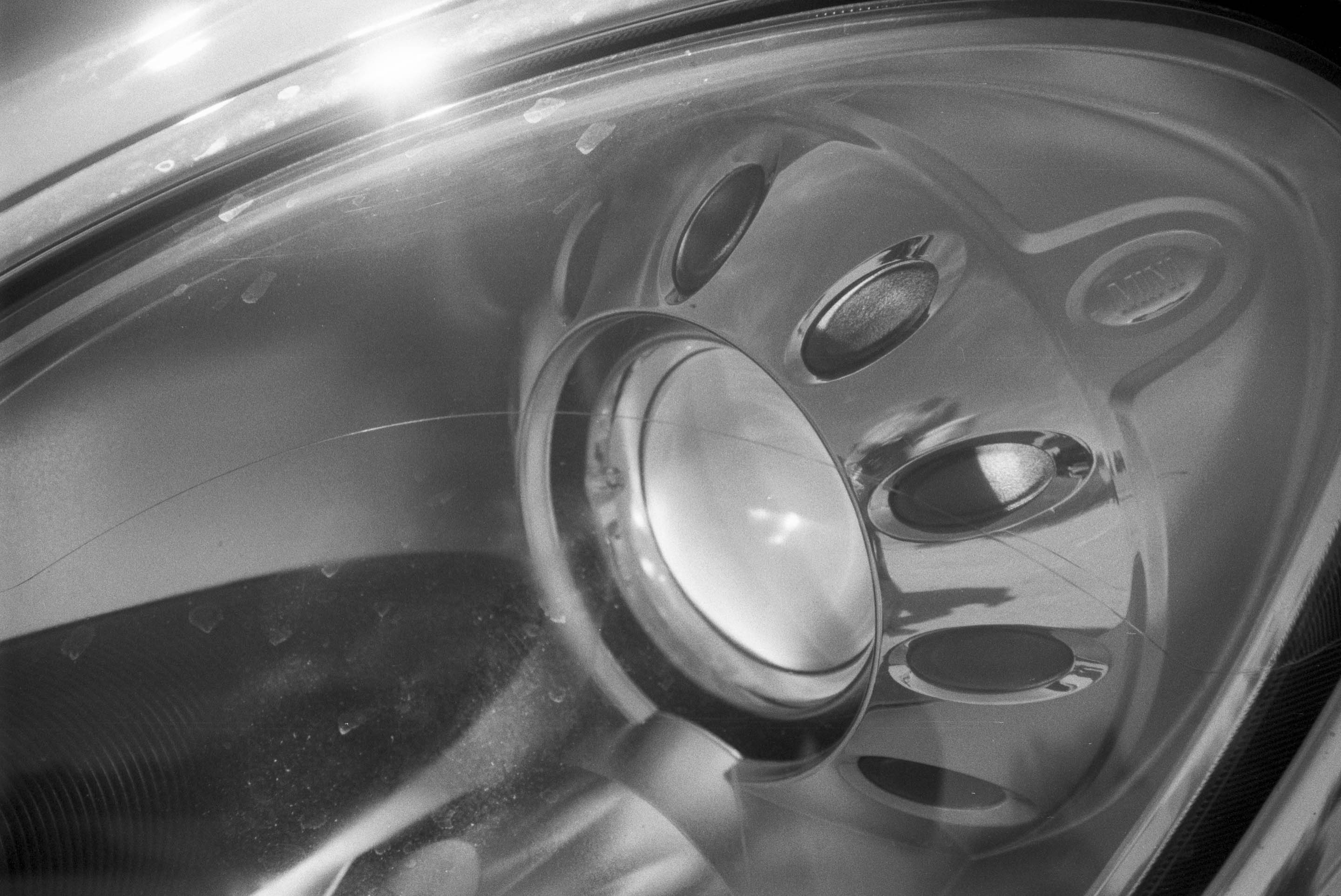
That got me pondering about my most enjoyable camera. It’s a tough call. I’ve owned many cameras that I’d describe as ‘fun’, from the quirky Carl Zeiss Werra to the comically oversized Fuji medium format rangefinder. But ultimately, I settled on my Olympus Pen F Digital. Just as the Mini serves as my everyday ride, this camera is my everyday companion. While any dependable car can get me from A to Z, this camera provides the versatility I require to capture the photos I desire.

Sure, any modern camera can produce quality images, much like how any reliable car can get you where you need to go. But what sets apart the ‘fun’ factor in both cases compared to other similar tools? That’s the question I find myself exploring.

What is Fun? The Five Ss

It sounds like a simple question, but the answer can be complicated. Often we think of fun as something that has no purpose or meaning but cars and cameras are both tools. There has to be something more to it than that and I’ve come tho think about it as the Five Ss

Firstly, fun is a sensuous, not to be confused with sensuAL. It’s about the tactile quality of things, the immediate satisfaction they provide. Whether it’s driving a fast car or handling a camera, the user interface and tangible experience play a significant role in the enjoyment.

Take this car, for instance. Despite its modest engine size, the turbocharger gives it a surprising speed, accompanied by a distinct sound that adds to the sensory experience. Similarly, my Olympus Pen F camera feels fast in hand, capable of shooting at high speeds and providing a seamless interface for capturing images.

But fun isn’t just about speed; it’s also about surprises. Despite its compact size, both the car and the camera pack a punch, offering unexpected features and capabilities that enhance the overall experience.

Additionally, there’s an element of silliness to both. From quirky design choices in the car’s interior to overengineered buttons on the camera, there’s a sense of playfulness that adds to the enjoyment.

However, fun doesn’t always mean impracticality. Both the car and the camera serve practical purposes while still providing an enjoyable experience. In fact, the fun aspects can often enhance the serious outcomes, making mundane tasks more enjoyable.

Photos from the Olympus Pen F, exemplifying the Five Ss of Fun

Ultimately, whether it’s driving a fast car or capturing moments with a camera, fun can be found in the serious and the silly alike. And in the end, both the car and the camera prove to be more than just tools; they’re sources of enjoyment and satisfaction in their own right.

Here’s to Fun!

The word  ‘fun comes from the old English word ‘befon’ which is to make a fool of someone. In that sense I’m very fun.

It’s just a pity that there isn’t much attention paid to the concept of fun. Flicking through the pages of the Dictionary of World Philosophy takes you directly from Frankfurt School to God without any fun in between and that’s a shame. After all, wasn’t it that great philosopher Miley Cyrus who said, ‘Life is all about having a good time’?

Look, I’m not sure I completely subscribe to the simplistic notion of fun being pleasure without purpose. Sure, no-one’s expecting you to have a riotous time bagging your broccoli in the supermarket. But that doesn’t mean shopping can’t be both fun and purposeful. Similarly It doesn’t mean every useful tool or purposeful activity is going to be fun. Some of the most optimised experiences are so seamless that they are barely register with us. Neither the mini nor the Pen F are perfect. But if they were, maybe they’d be boring. The fact that the Mini Countryman is a little bubble box on an all wheel drive X1 chassis means you get all of the benefits and compromises of a crossover vehicle including having the turning circle of a camel train. The Pen F is full of compromises too with its smaller sensor and quirky autofocus. It’s love of dials means that they had to put the on-off switch on the top left of the camera body, which means you can’t operate the camera one-handed but these aren’t just the limitations you learn to live with, they are the qualities you come to love. The minor annoyances slip into the background but we can still occasionally be surprised and beguiled by some of the unexpected whimsy that this camera offers. It’s a serious tool for a serious job but it stimulates my creativity and after all, it WAS Einstein who said ‘Creativity is Intelligence having fun.’ And while not quite the intellectual heavyweight that is Miley Cyrus, Albert does make good case – relatively speaking. And yes, that was a really bad pun. But that’s what fun is. It’s the little things. It’s this little thing and all the S words that seduce and surprise us. This small, singular, sensuous block of knurled magnesium and electronics manages to be both silly and serious at the same time. And in that sense very special to me.

Road Testing a Beaten up Nikon F75 Film SLR

Well, what can I say? Like myself, this camera has seen better days. All of that millennial photographic optimism, crushed by the insurgency of digital and hindered by its flimsy build quality.

I harbor a peculiar fondness for Nikon’s less prestigious SLRs. Or maybe that’s just Stockholm Syndrome—a strange psychological bond forged between crappy old cameras and a crappy old photographer, both steeped in nostalgia. But let’s not dive into self-flagellation just yet; instead, let’s direct our attention toward the Nikon F75.

Now, I can’t be certain whether the last owner treated this camera as toilet paper or handed it to their three-year-old as a plaything before relegating it to the second-hand shelf alongside fallen aspirations—exercise bicycles and DVD copies of “Daddy Day Camp.” Suffice it to say, this camera wears its battle scars.

In its prime, I imagine the F75 stood tall—a photographic titan. But it followed the Mickey Rourke path of self-improvement. Let’s address the worst of its woes: the batteries drain suspiciously quickly, and the zoom ring turns as smoothly as a skier on asphalt.

Amidst the wreckage, though, there was promise. I’ve encountered several similar Nikons—the hideously ugly F50 and the perilously flimsy F55. Both have graced my channel, and while they’re crippled clones of what we’d associate with a “real” Nikon camera, the F50 at least had reassuring heft, and the F55 prided itself on being the smallest and lightest 35mm SLR in my collection.

Enter the F65, sandwiched between the F55 and our battered F75. Supposedly a notch up, the F75 boasts more segments for matrix exposure metering and spot metering—nothing groundbreaking. Unfortunately, the F55 refuses to play nice with newer lenses sporting built-in focus motors, and none of these cameras truly embrace manual lenses.

The F75 is just an incremental improvement on the F55 and F65. It sidesteps the plastic lens mount of the F55, supports TTL for external flashes, and claims the title of the first cheap consumer camera to support stabilization in VR lenses. Yet, it remains plagued by a low flash sync of 1/90 second and the inability to adjust ISO manually—limitations that hinder its outdoor flash photography prowess and bulk loading potential.

To unlock professional features, one must ascend the greasy pole of photographic power, reaching for cameras like the F80 and F100. But let’s not get ahead of ourselves; for now, let’s consider the F75 on its own merits.

First things first—it works. Quality-wise, I didn’t push the camera to its limits. I set it to program mode, peered through the viewfinder, ensured focus, and checked the shutter speed. Random shots ensued, and it was liberating not to overthink every click.

As for the lens—it’s acceptably sharp. The corners may smear a tad, but in the open areas, I didn’t need to wide open the aperture. It behaves much like the G version of the lens that accompanied the Nikon F55, albeit with an aperture ring—a touch more versatility for compatible cameras.

Venture beyond the focal zone, and things unravel. The bokeh—well, it possesses ‘character.’ Imagine Cartman from South Park—either mildly amusing or downright offensive, depending on your subjective taste. Personally, I don’t mind; the subject is so mundane that the background’s busyness bludgeons you into submission. Photography shouldn’t be a game of “spot the subject,” but here we are.

So, dear F75, you’re a relic, a survivor. And perhaps, in your pixelated embrace, I find solace—a connection across time and technology. Or maybe I’m just another crappy old photographer, capturing moments with a camera that’s seen better days.