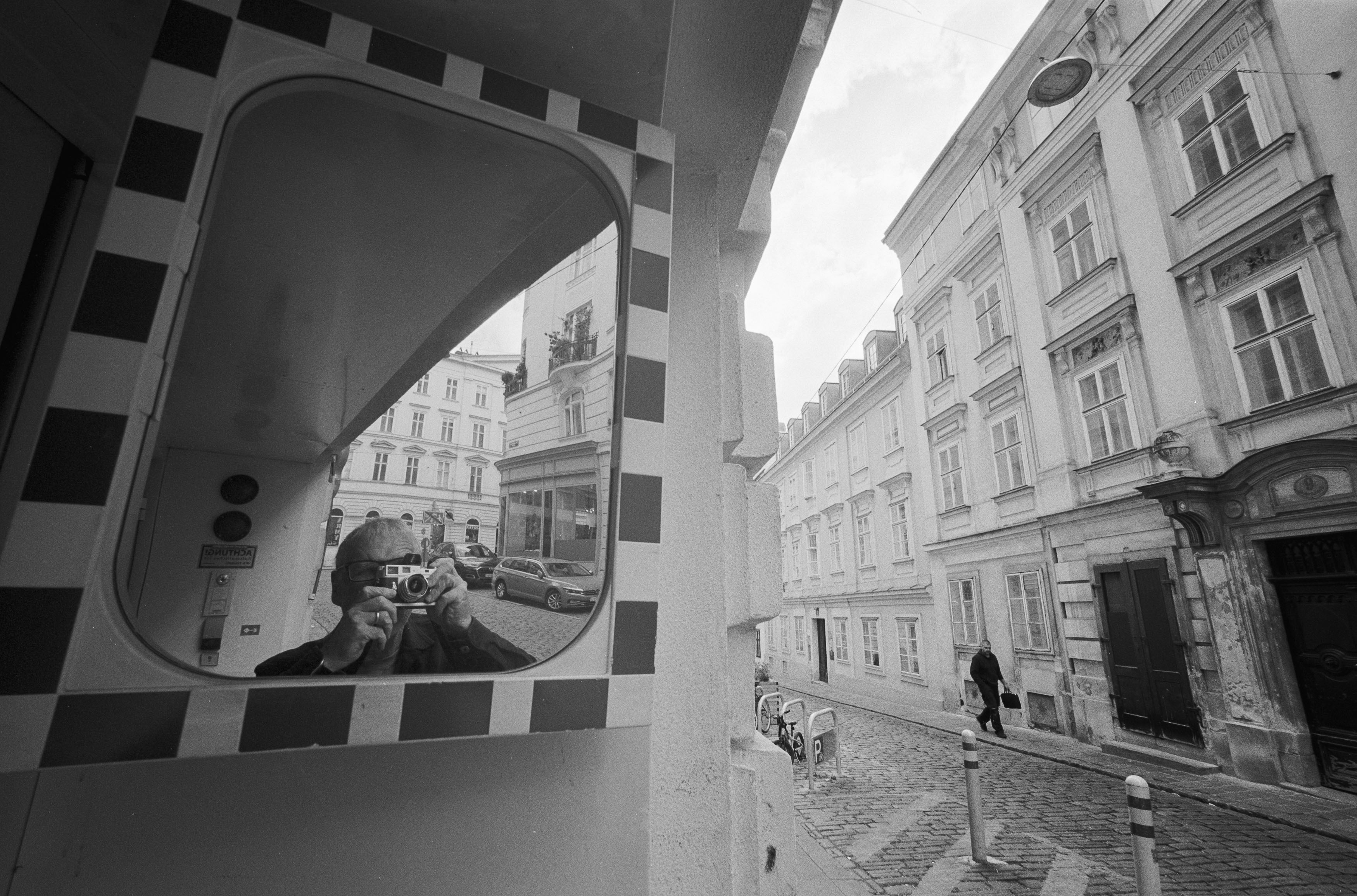
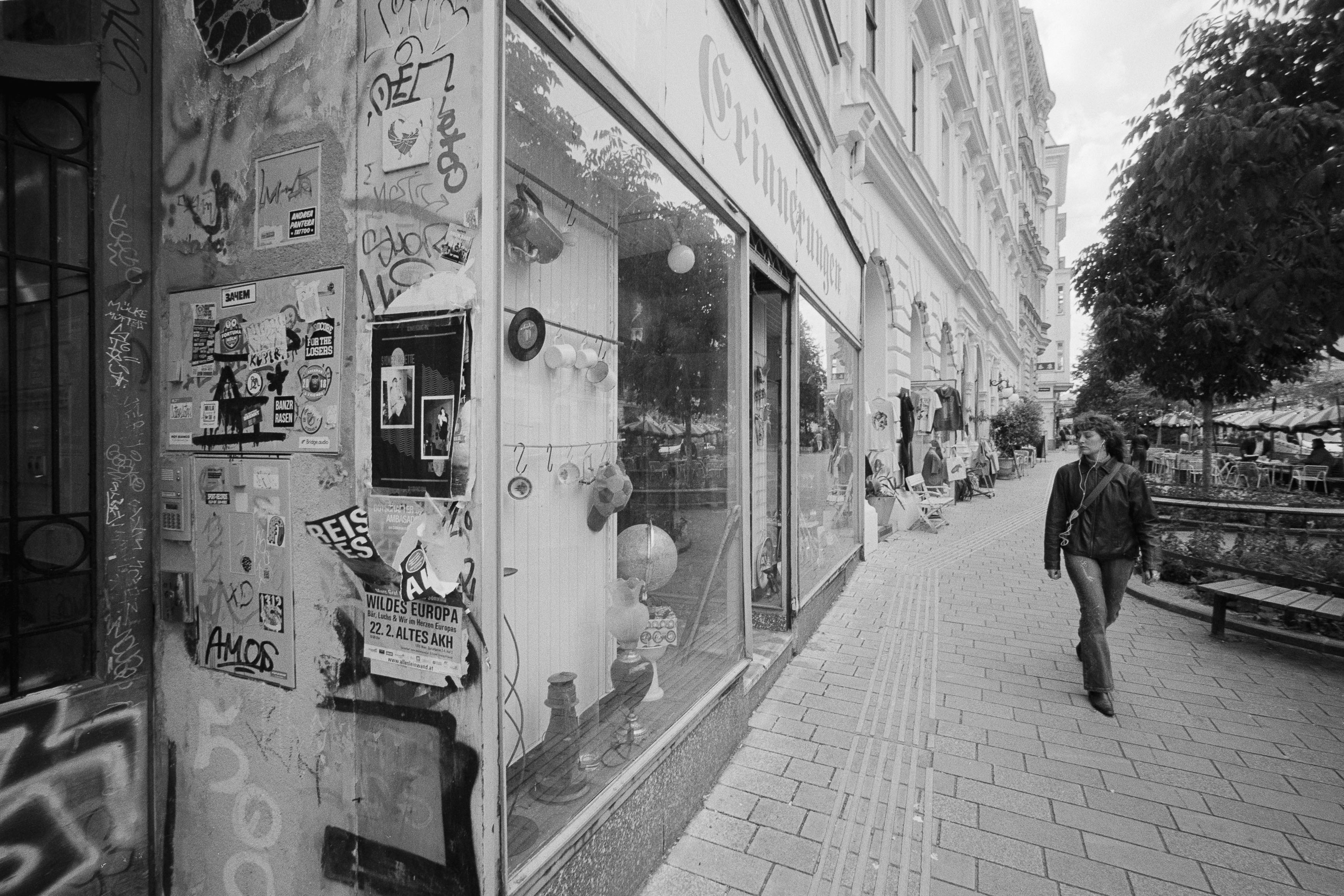
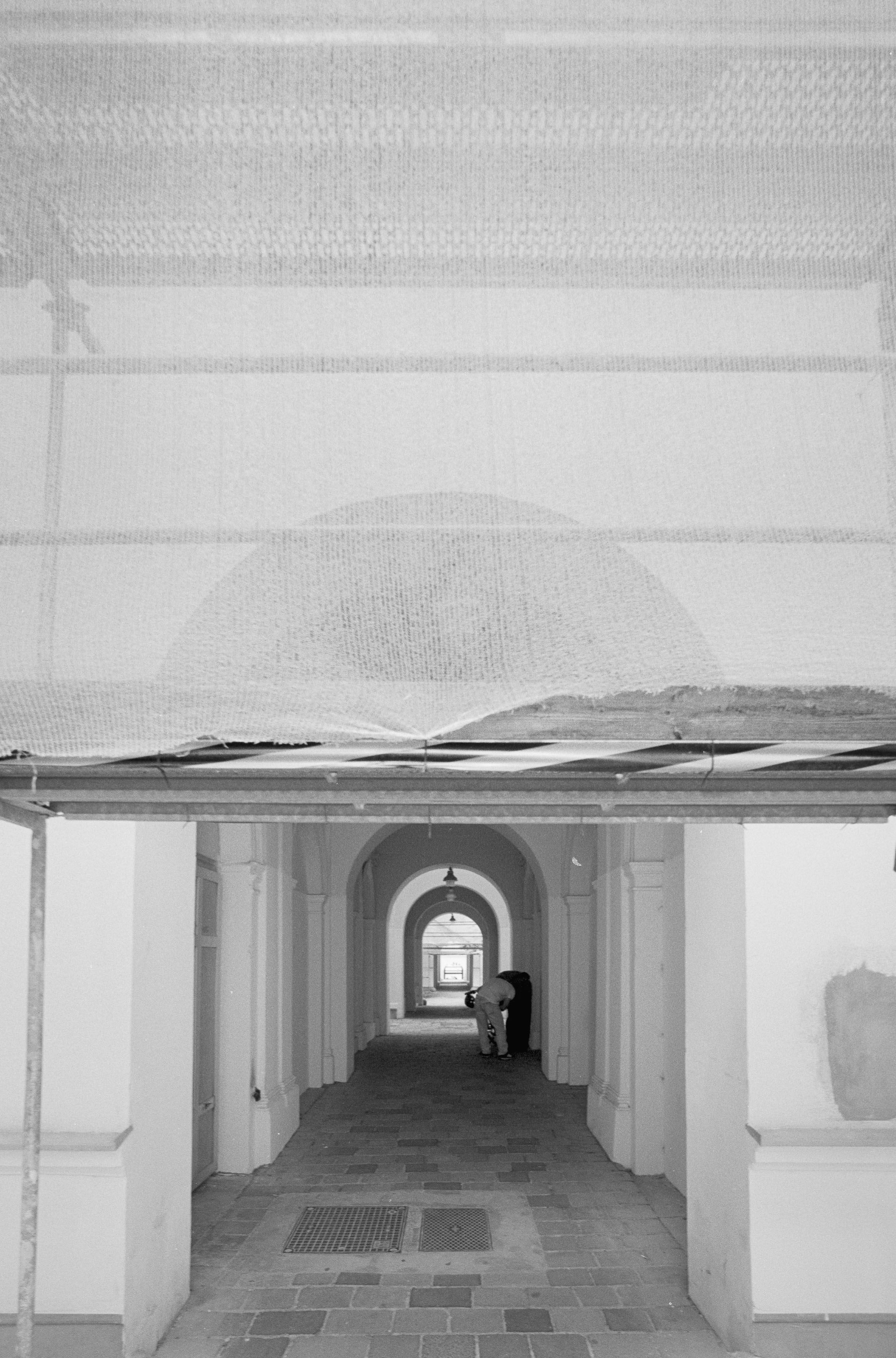
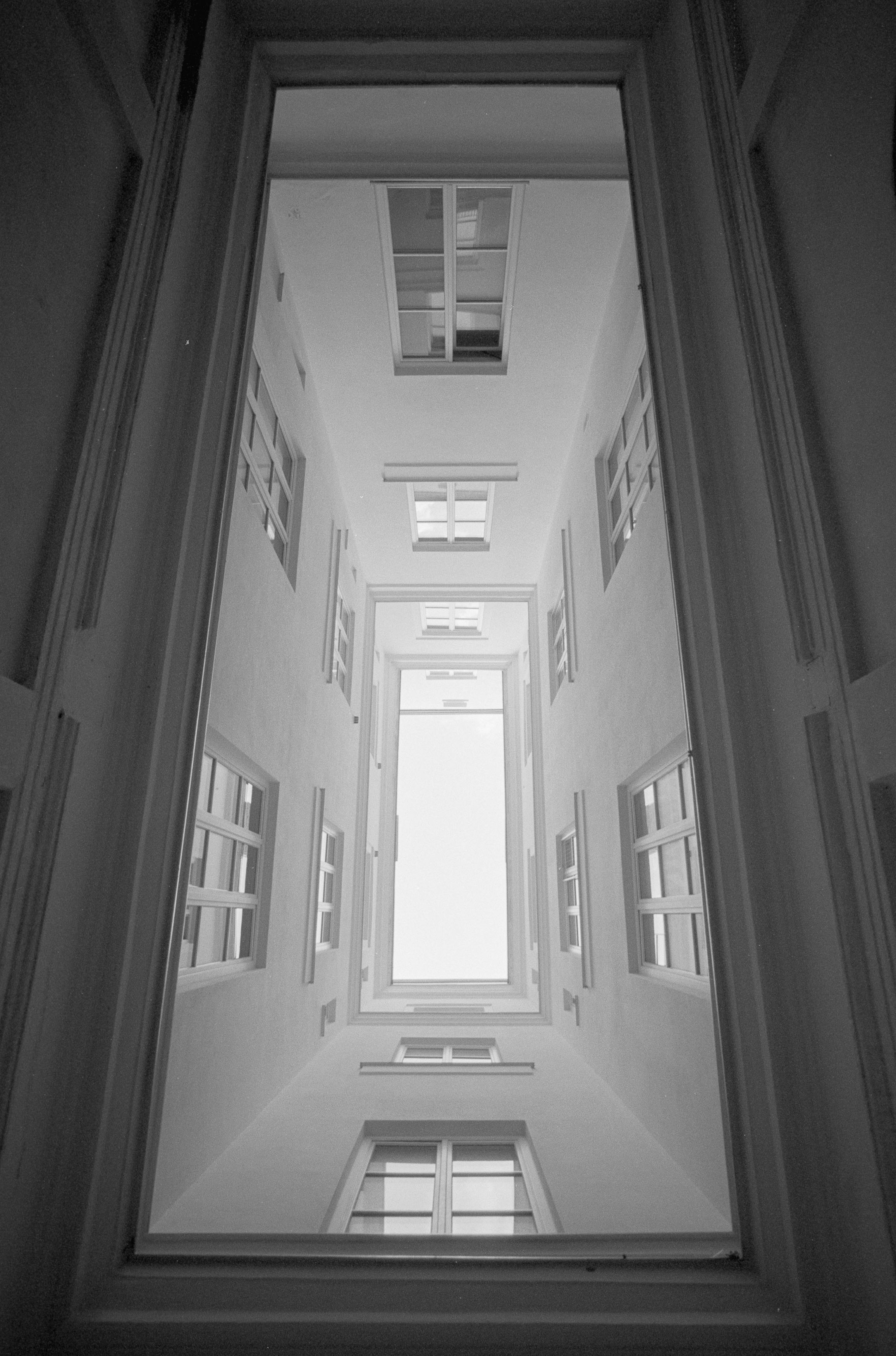
Yes, I have bought into the Helios hype. Unless you’ve been living in a cave you will probably have heard of the Helios 44, a lens famous for its distinctive swirly bokeh, colourful lens flare and general refusal to behave like a modern optical instrument. It even appeared in The Batman and Dune: Part Two, so its cinematic credentials are now considerably more impressive than mine.
The Helios 44 actually began life as a Soviet version of the Carl Zeiss Biotar 58mm f/2, a lens originally introduced in 1936. The Helios 44 first appeared in 1958 and went through numerous versions before production finally ended in 1999, with millions made along the way. So this isn’t some obscure vintage curiosity that three people on a forum have decided is brilliant; it is a genuinely historic lens with an enormous following.
My particular example came attached to something considerably less celebrated: a Zenit TTL from 1980. The camera has a reputation for being less than delightful, and I initially bought it largely because it was an inexpensive way of acquiring the Helios. Still, there was something irresistible about putting the two together and seeing whether this famously characterful lens could overcome what is widely regarded as a fairly agricultural camera.
Taking the Zenit TTL to Wedge
The Zenit TTL is heavy, weighing around 684 grams, which isn’t outrageous in isolation but feels substantial compared with contemporary cameras such as the 510-gram Fujica STX-1n. Calling it a tank is tempting, although I think it is more like a Lada Niva: robust, agricultural and apparently designed without anyone becoming overly distracted by things like optimisation or elegance.
The camera does have TTL metering, which sounds promising until you actually try to use it. The meter isn’t coupled to the aperture, so you have to stop the lens down to take a reading. Unfortunately, stopping the lens down also makes the viewfinder considerably darker, making the whole process rather more fiddly than it needs to be. With my Helios 44-2, things became even more complicated because the lens isn’t coupled to the camera either.
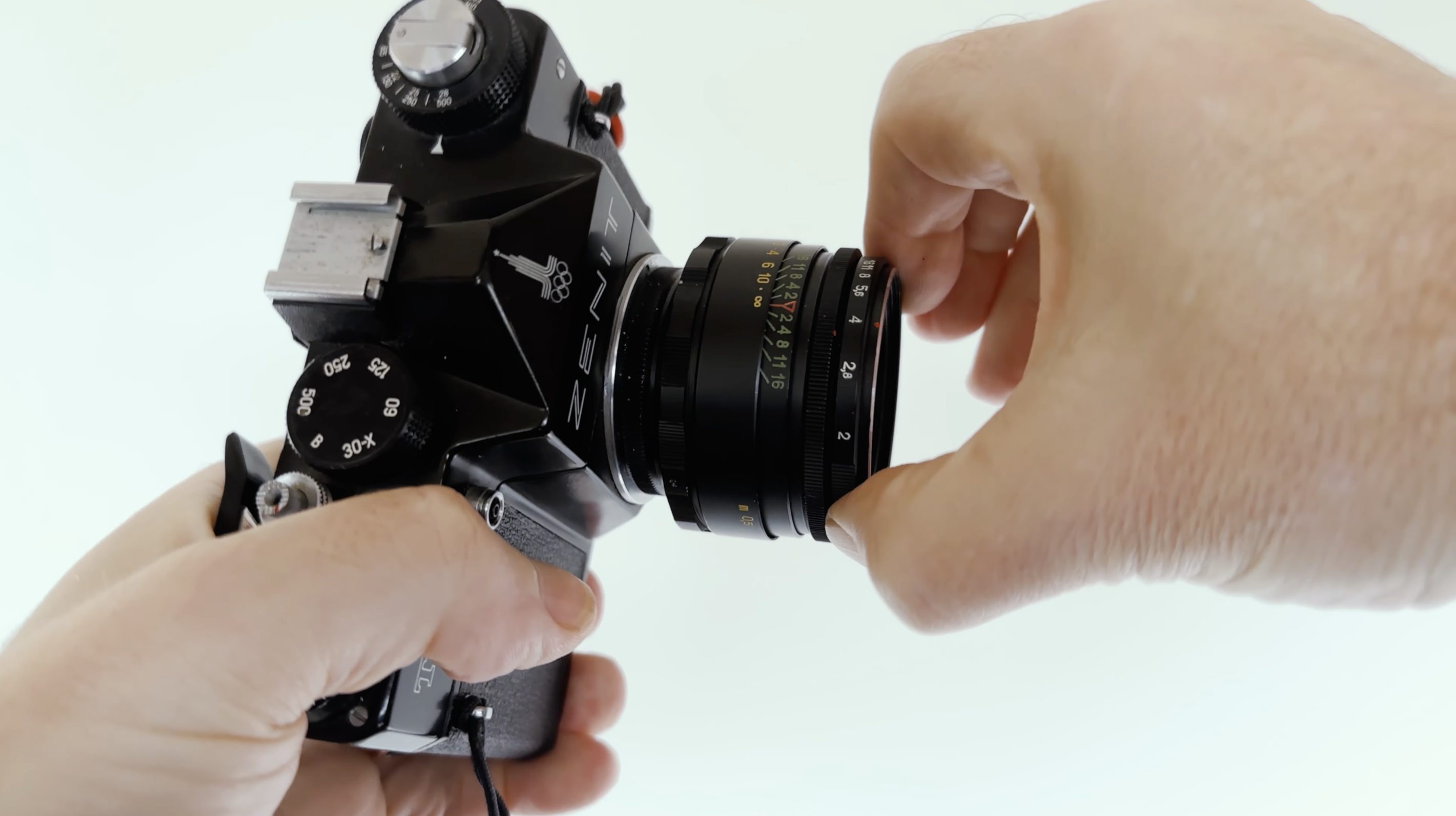
The aperture system itself seems almost deliberately designed to confuse. You set an aperture range using one ring and then use another stepless control to select the actual aperture, with the control working in the opposite direction to what your brain expects. By the time I had finished trying to understand what was happening, I had largely abandoned the camera’s meter and decided that my own brain would be a better exposure system.
That might have worked if I hadn’t also managed to leave the diffuser covering my external light meter. Consequently, I was getting readings that were a stop or two too slow, while simultaneously dealing with the Zenit’s eccentric aperture controls. The inevitable result was a number of overexposed frames, some by several stops.
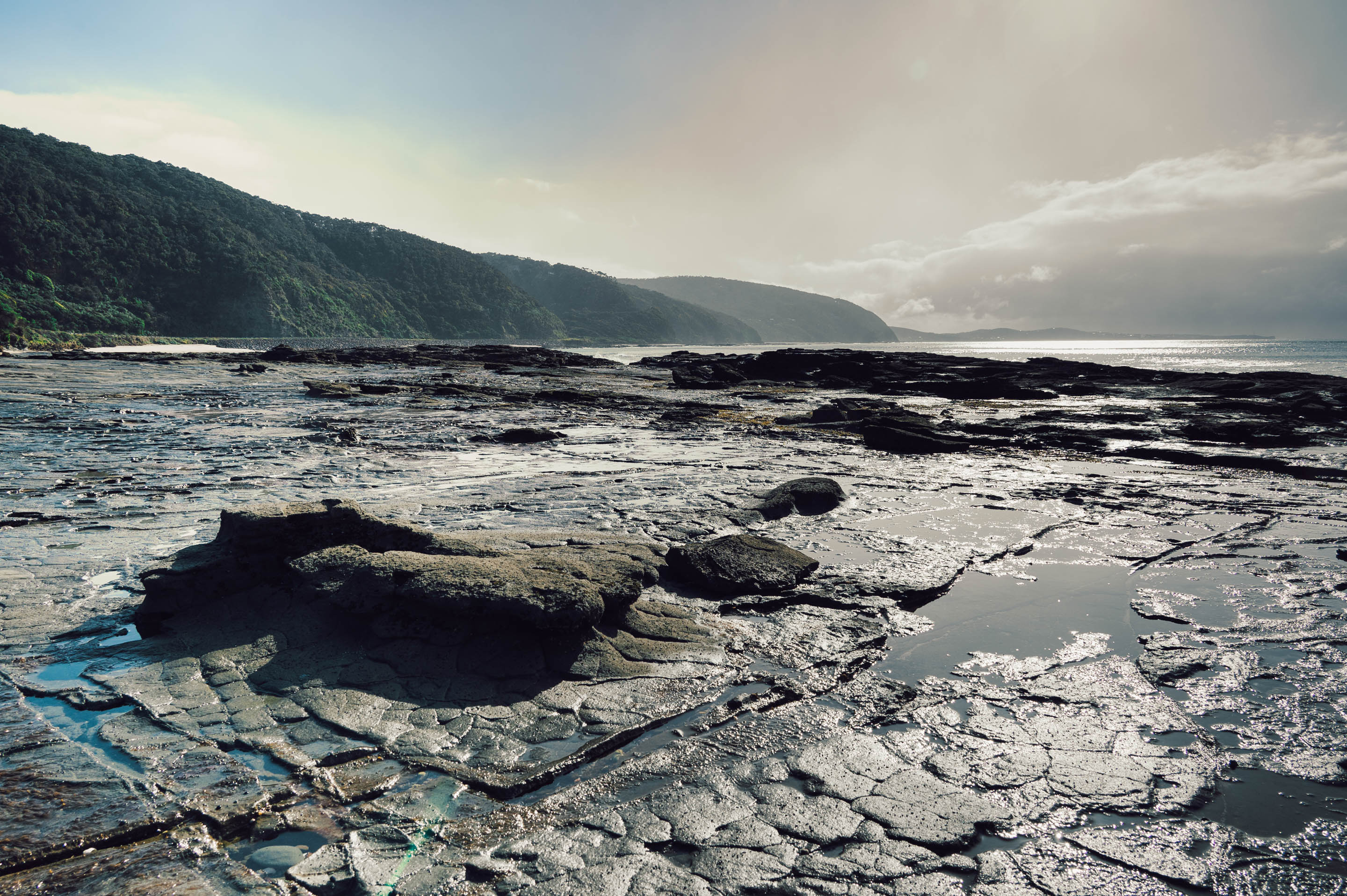
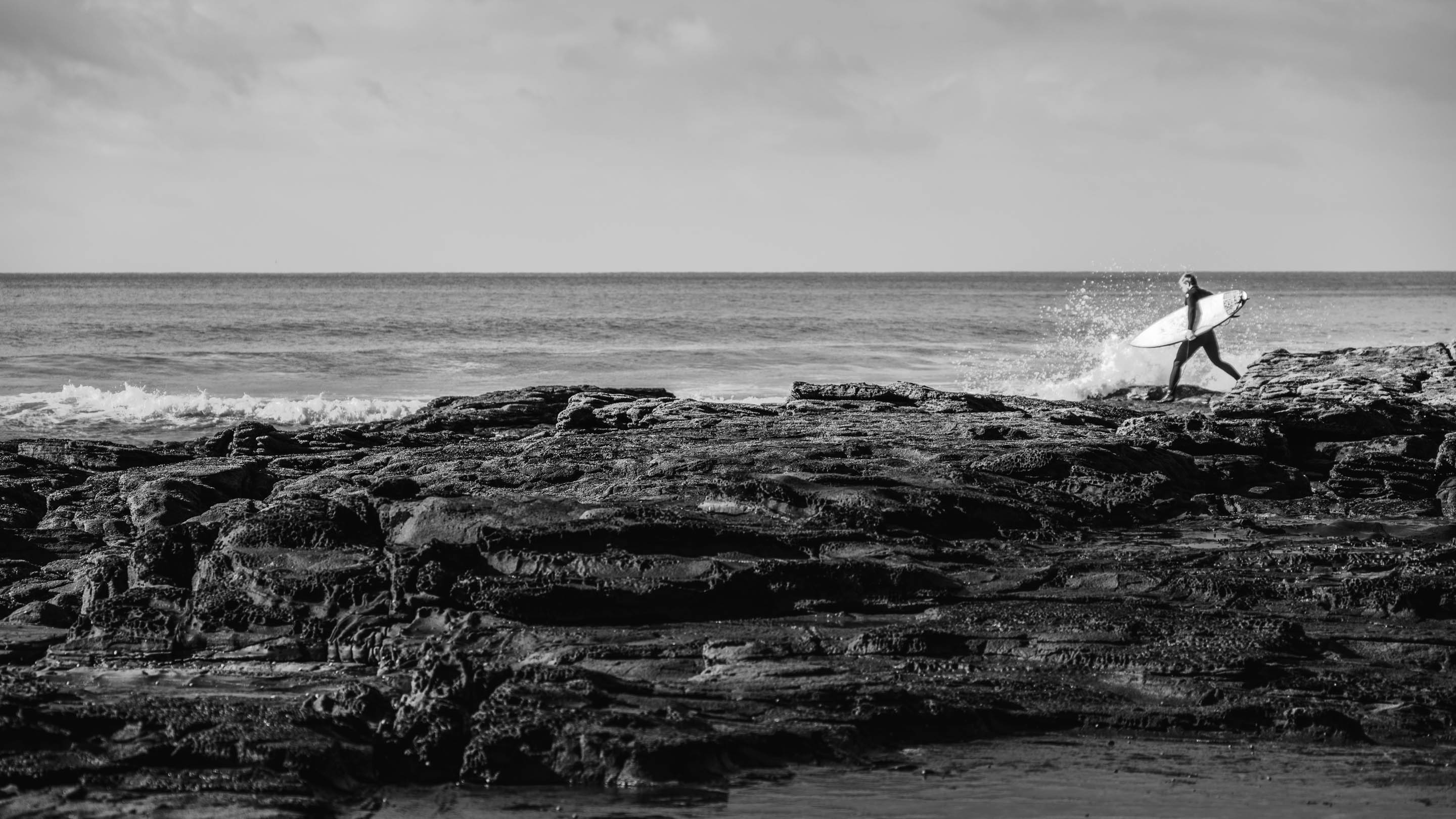
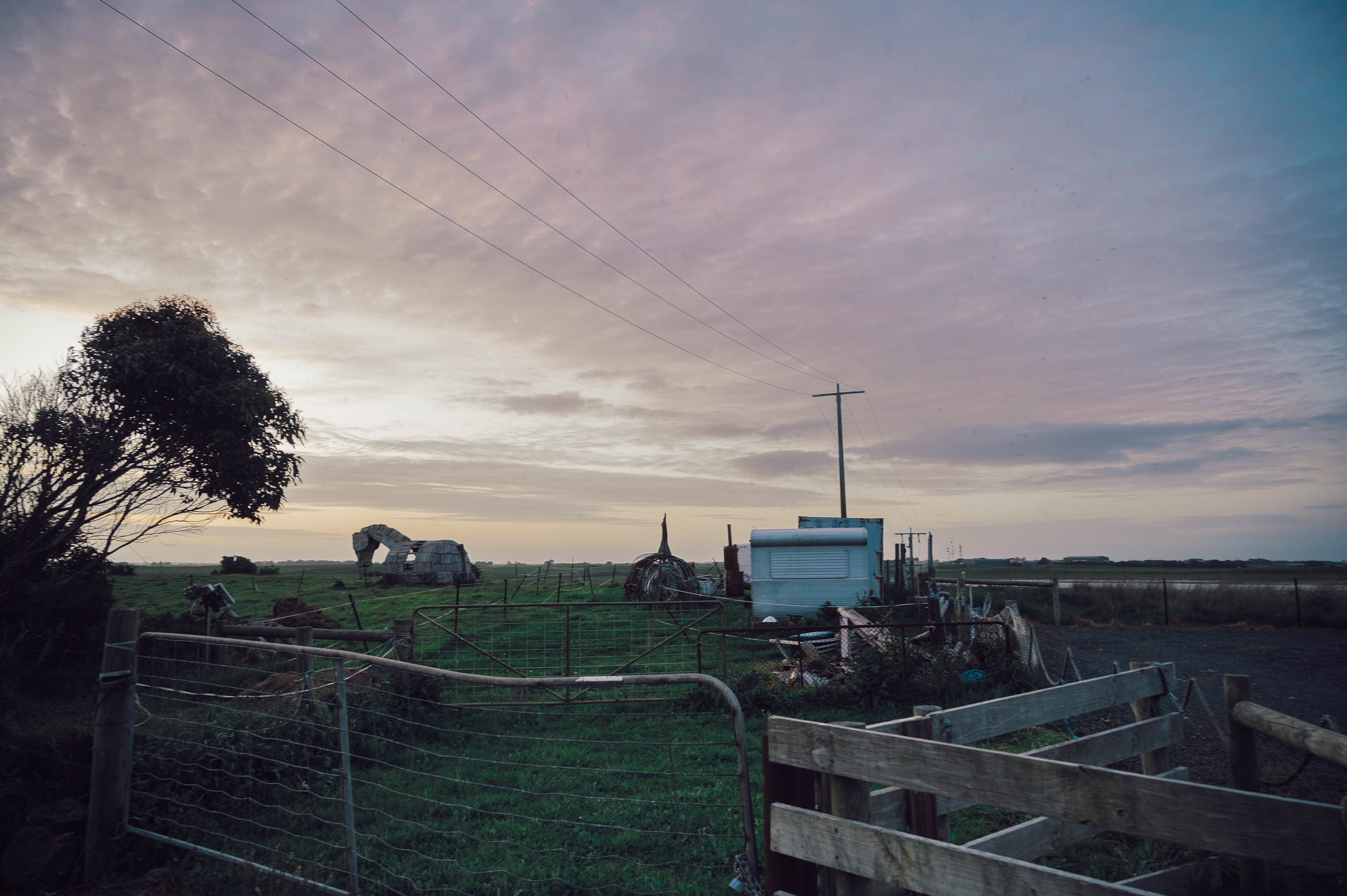
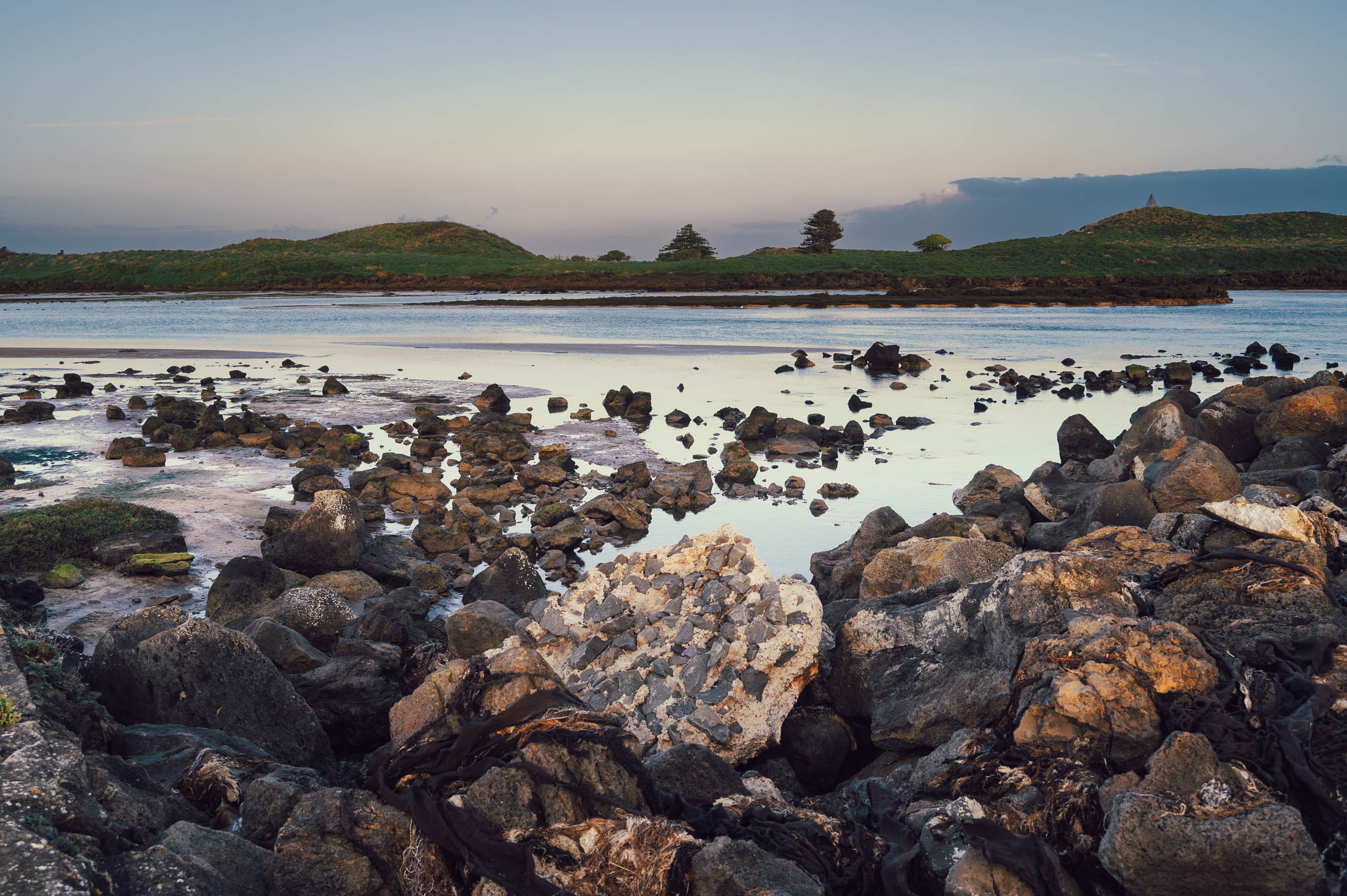
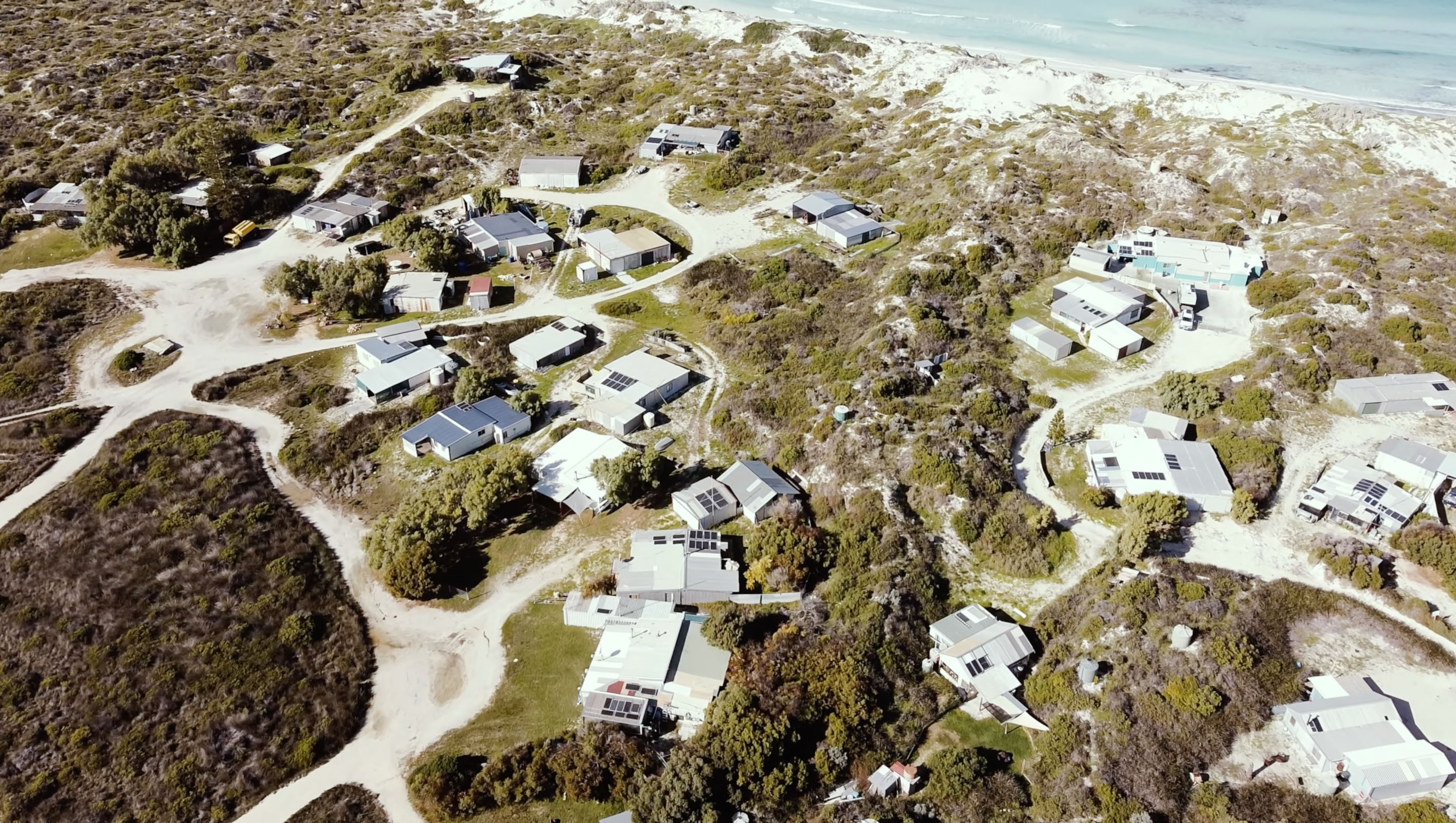
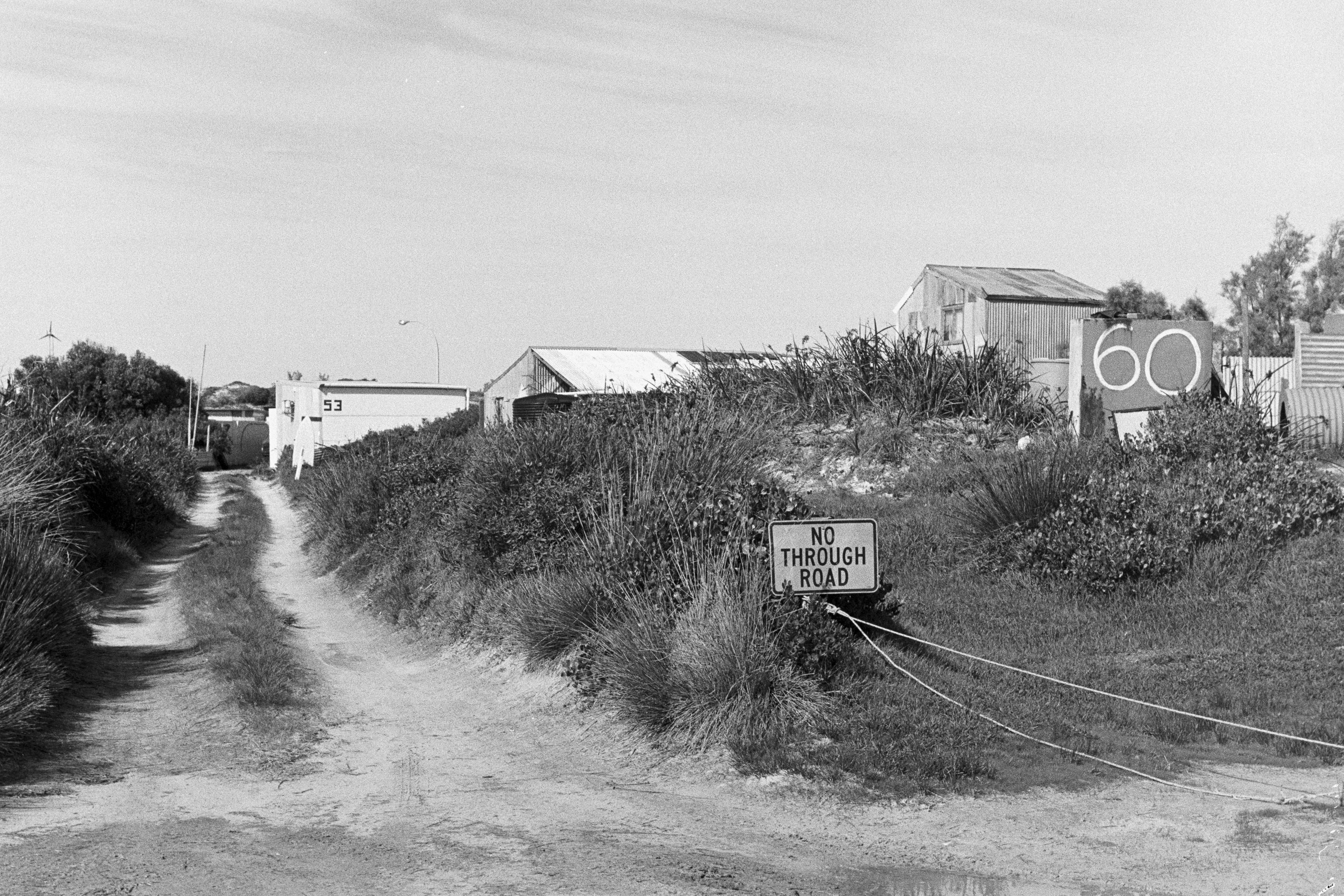
I took this combination to Wedge, one of those remarkable coastal shack communities north of Perth. Wedge has historically been remote, basic and difficult to access, with no electricity, running water or sanitation. Today it is much easier to visit, but it still retains that ramshackle character that makes it such an interesting photographic environment. I loaded up a roll of Ilford HP5 and set out to see what the Zenit and Helios could actually do.
The Challenges of Stop Down Metering and Clumsy Development
I developed the film in 510 Pyro, partly because I knew by then that my exposures had been all over the place. The developer did a good job of helping preserve some of the highlights, but the combination of overexposure, development and my questionable handling of the camera certainly affected some of the results.
Despite all of that, the pictures actually came out surprisingly well. In ordinary circumstances, the Helios can produce results that aren’t dramatically different from those of a much more modern lens. It is certainly capable of being sharp enough, particularly for portraiture where extreme corner sharpness isn’t especially important. In bright daylight, however, the distinctive character of the lens is harder to see because you simply aren’t going to spend much time shooting wide open.
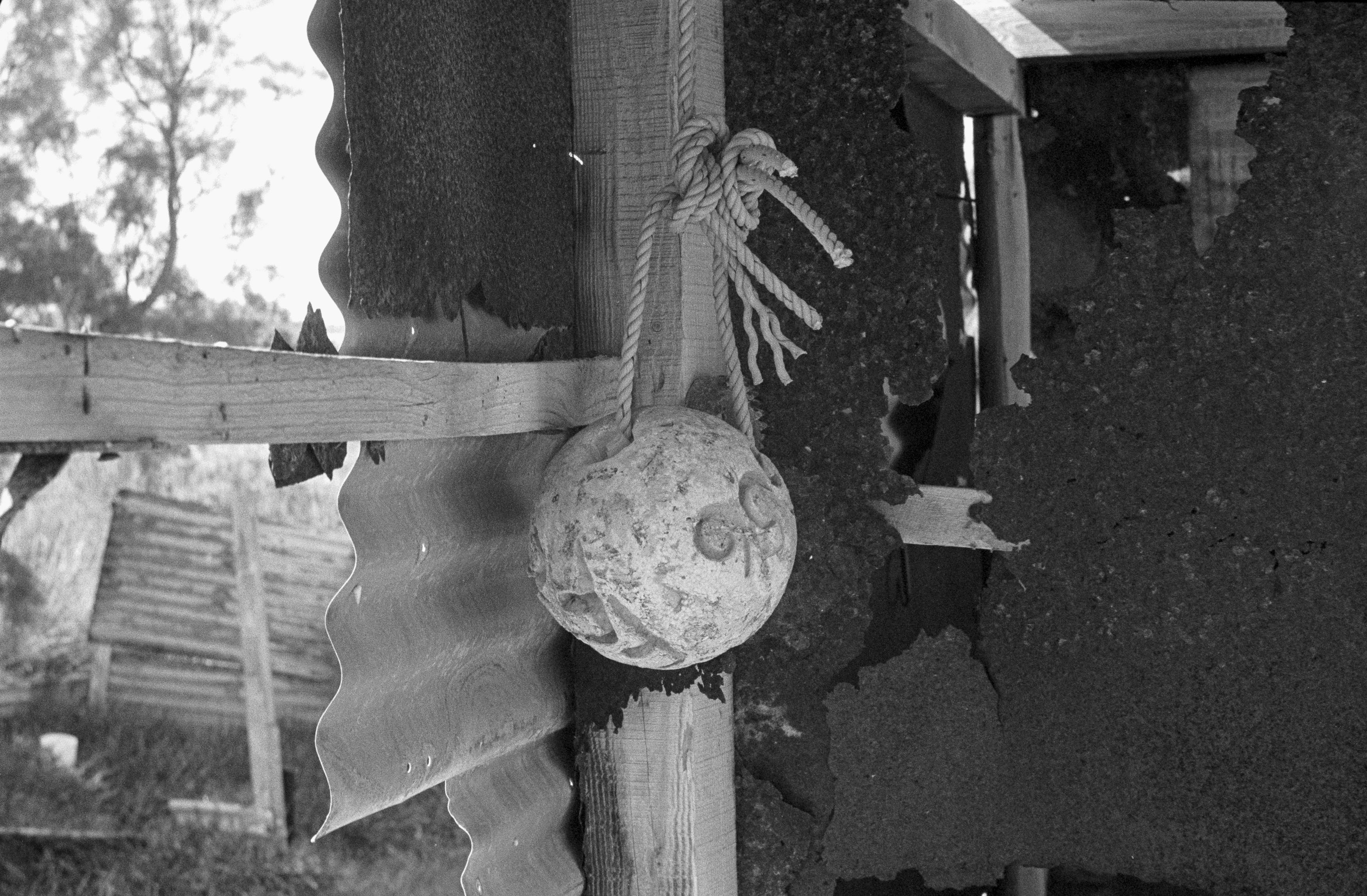
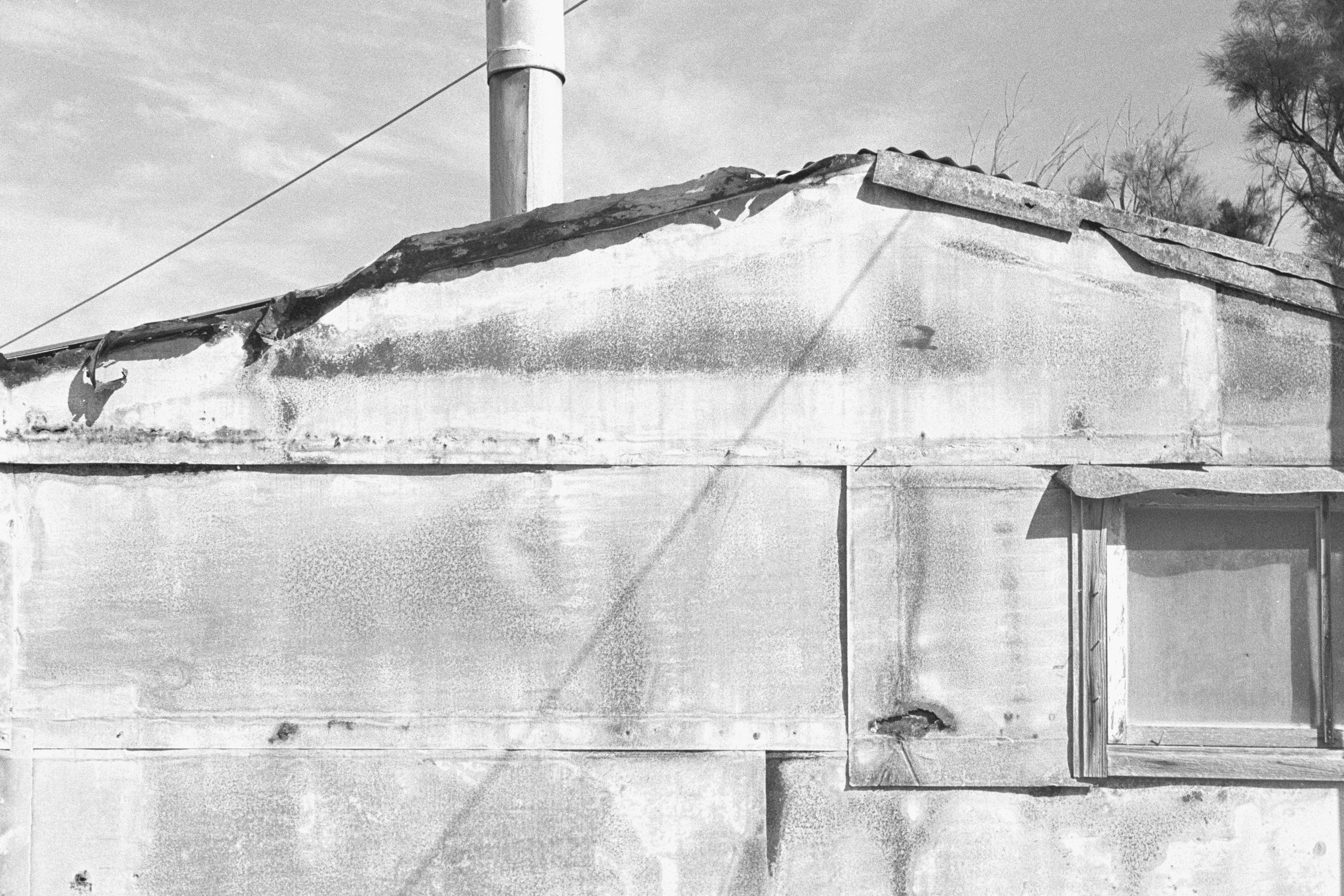
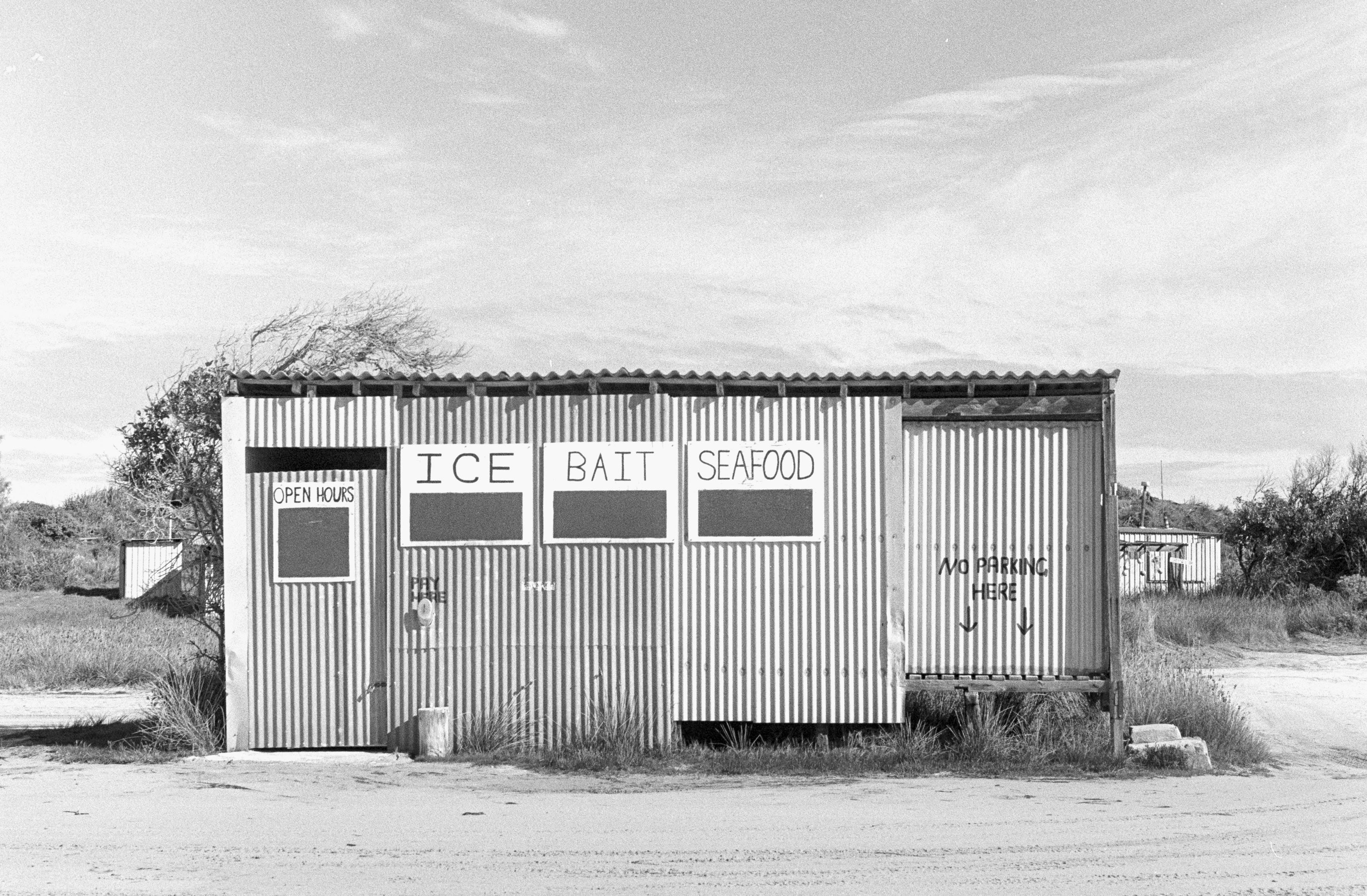
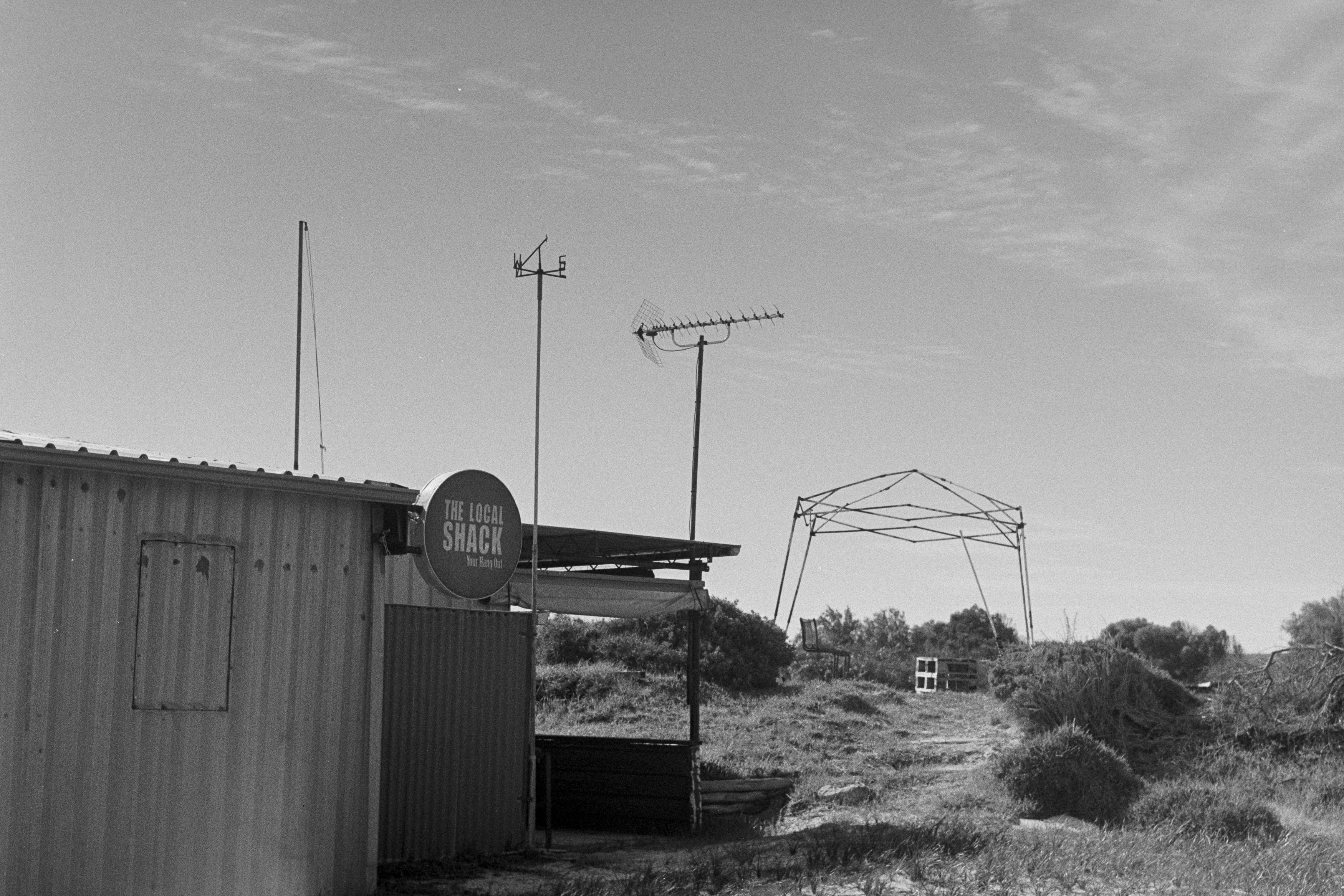
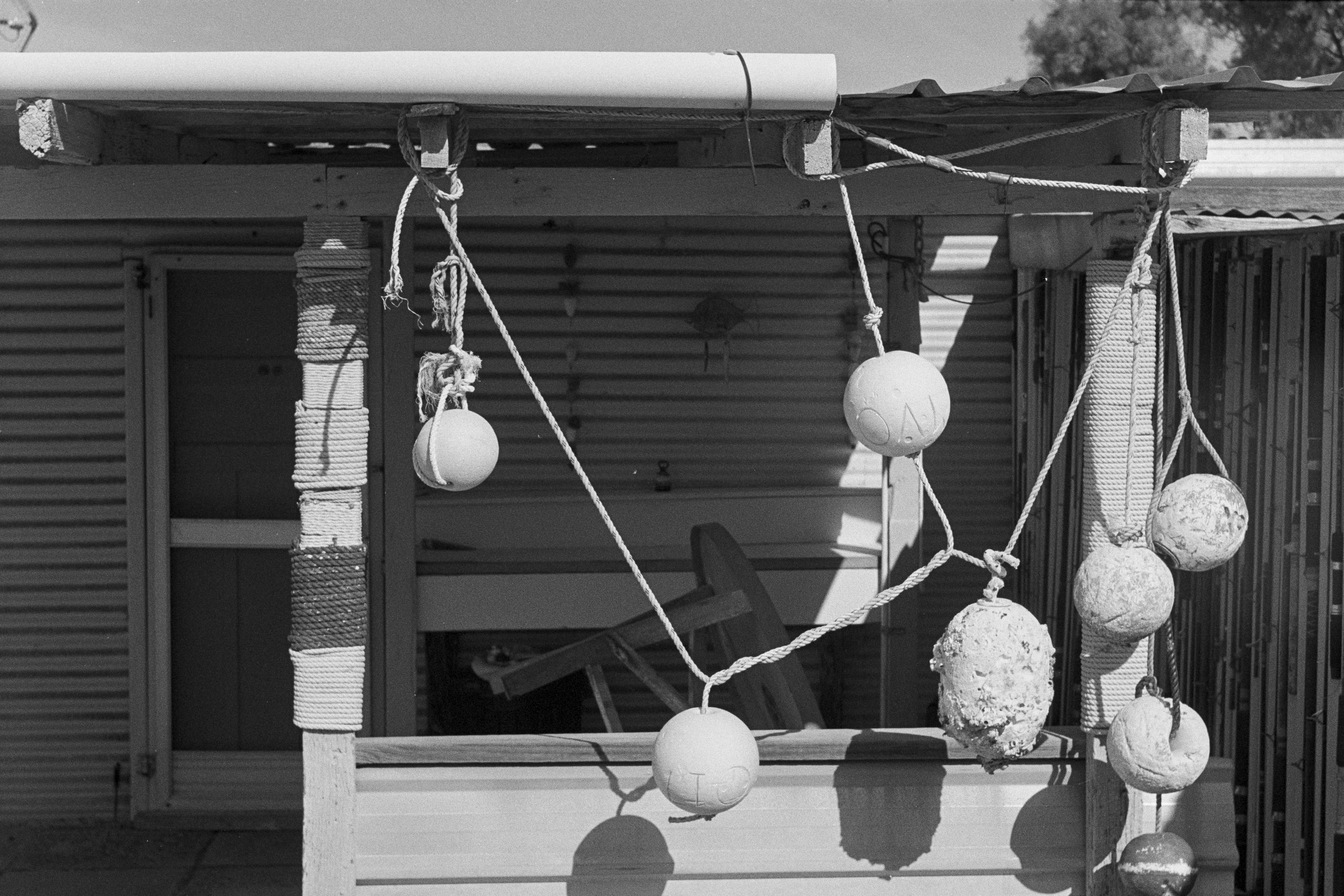
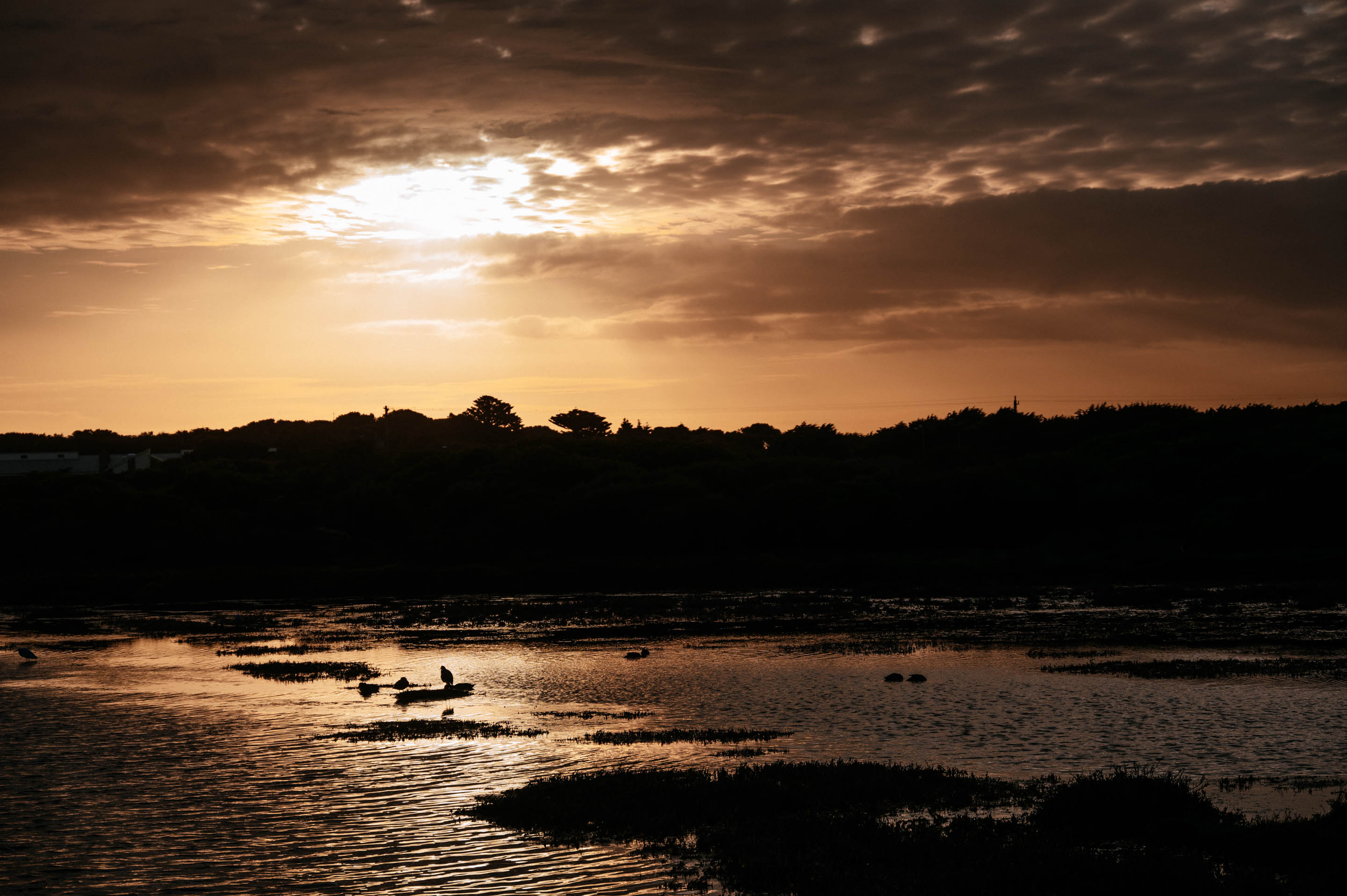
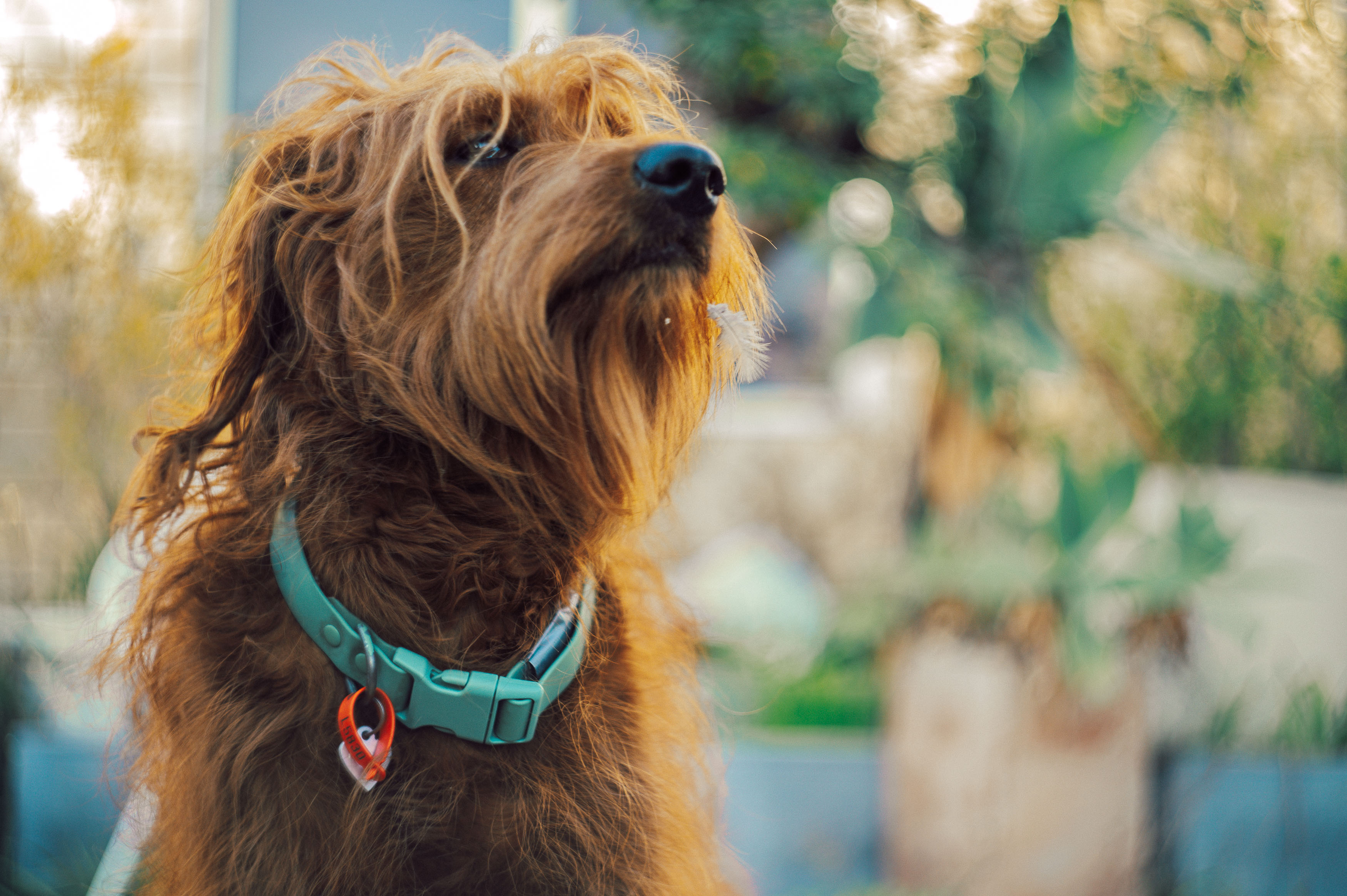
It was later in the day, as the sun began to disappear, that the Helios really started to reveal its personality. Wide open, it becomes an unruly and slightly belligerent lens, producing a frenzy of out-of-focus artefacts that can sometimes compete with the actual subject for attention. If you’re looking for clean, technically perfect images, this isn’t necessarily an advantage. If you’re looking for something with character, however, it is exactly the point.
And then there is the famous swirl. It doesn’t appear in every photograph, but when you get the right combination of subject distance, background and aperture, the bokeh takes on that distinctive elliptical shape and seems to rotate around the subject. Suddenly an ordinary photograph can look as though you’re tunnelling through time and space. It is undoubtedly a gimmick, but it is a remarkably entertaining one.
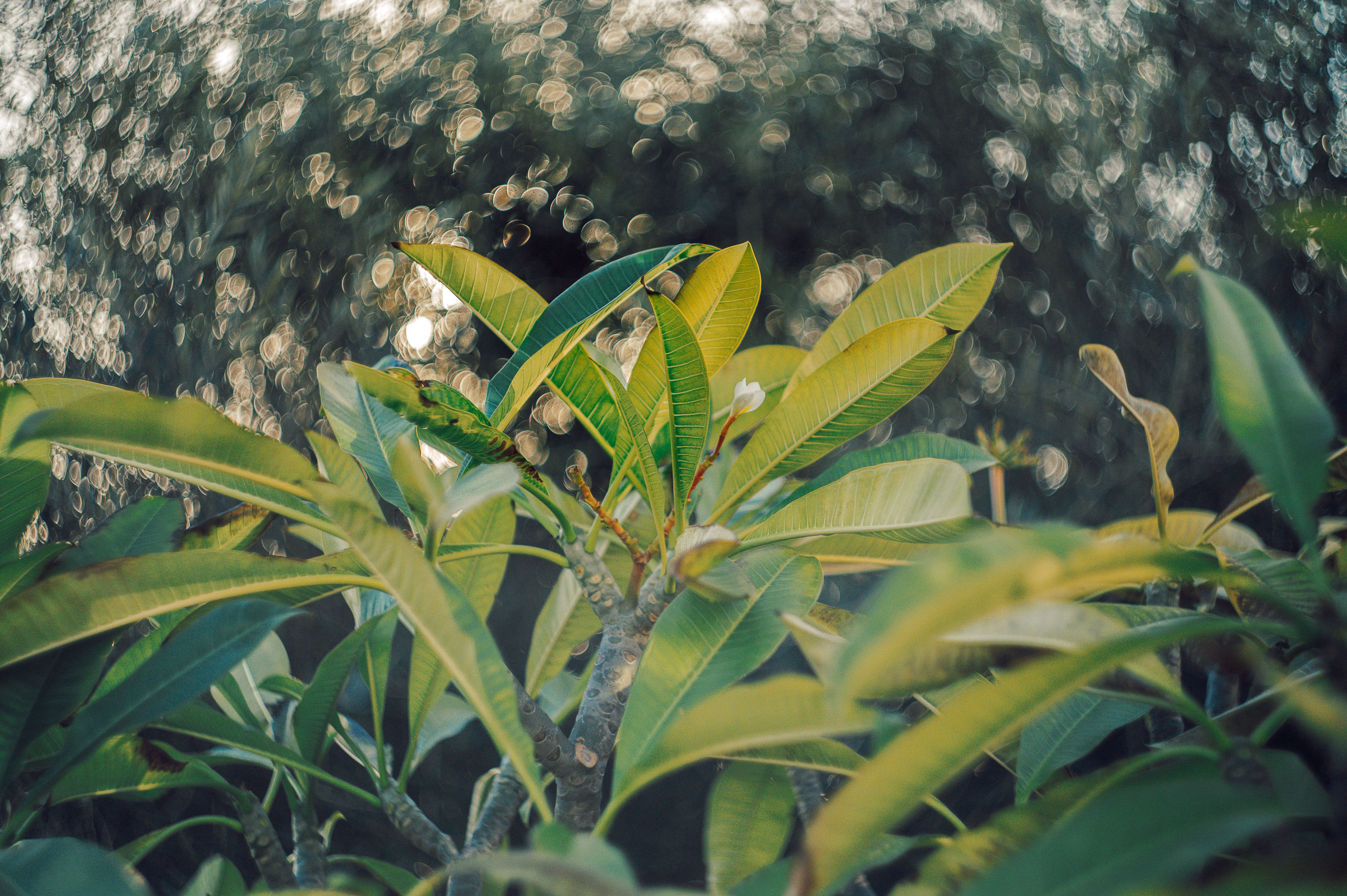
Lens flare is another part of the package. Point the Helios towards a bright light source and it can fill the frame with streaks and artefacts that would make a modern lens designer reach for the nearest emergency brake. Whether that is beautiful or hideous is entirely subjective, but the important thing is that you have the choice.
Character Over Perfection
The irony is that the Helios 44 is probably best appreciated away from the Zenit TTL. Put it on a modern mirrorless camera such as my Nikon Z6 and you can dispense with the Zenit’s eccentric metering system while still enjoying the lens’s optical quirks. You get focus peaking, straightforward exposure control and none of the Soviet-era gymnastics required to take a photograph.
But there is something appealing about using the complete Zenit and Helios combination, even if the experience is considerably less convenient. Both are imperfect, both have plenty of personality and neither is particularly interested in making photography easy. In that respect, they actually fit together rather well.
That is also why I think the combination worked at Wedge. The place itself is rough, rustic and imperfect, with its collection of old shacks and weathered structures scattered through the coastal landscape. It isn’t polished or pristine, but it has character, and that is exactly what the Helios brings to a photograph.
So would I take the Zenit TTL and Helios 44 on a serious photoshoot? Probably not. The camera makes the process unnecessarily difficult, and the lens has such a strong personality that it can easily become the dominant feature of the image. But if the objective is to introduce a little chaos into an otherwise predictable photograph, the Helios is difficult to beat.
It may be old, rough around the edges and about as refined as a Soviet tractor, but that is precisely why I like it. Modern lenses are astonishingly good at removing imperfections from the photographic process. The Helios 44 does the opposite. It gives those imperfections a starring role, and sometimes that’s exactly what a photograph needs.