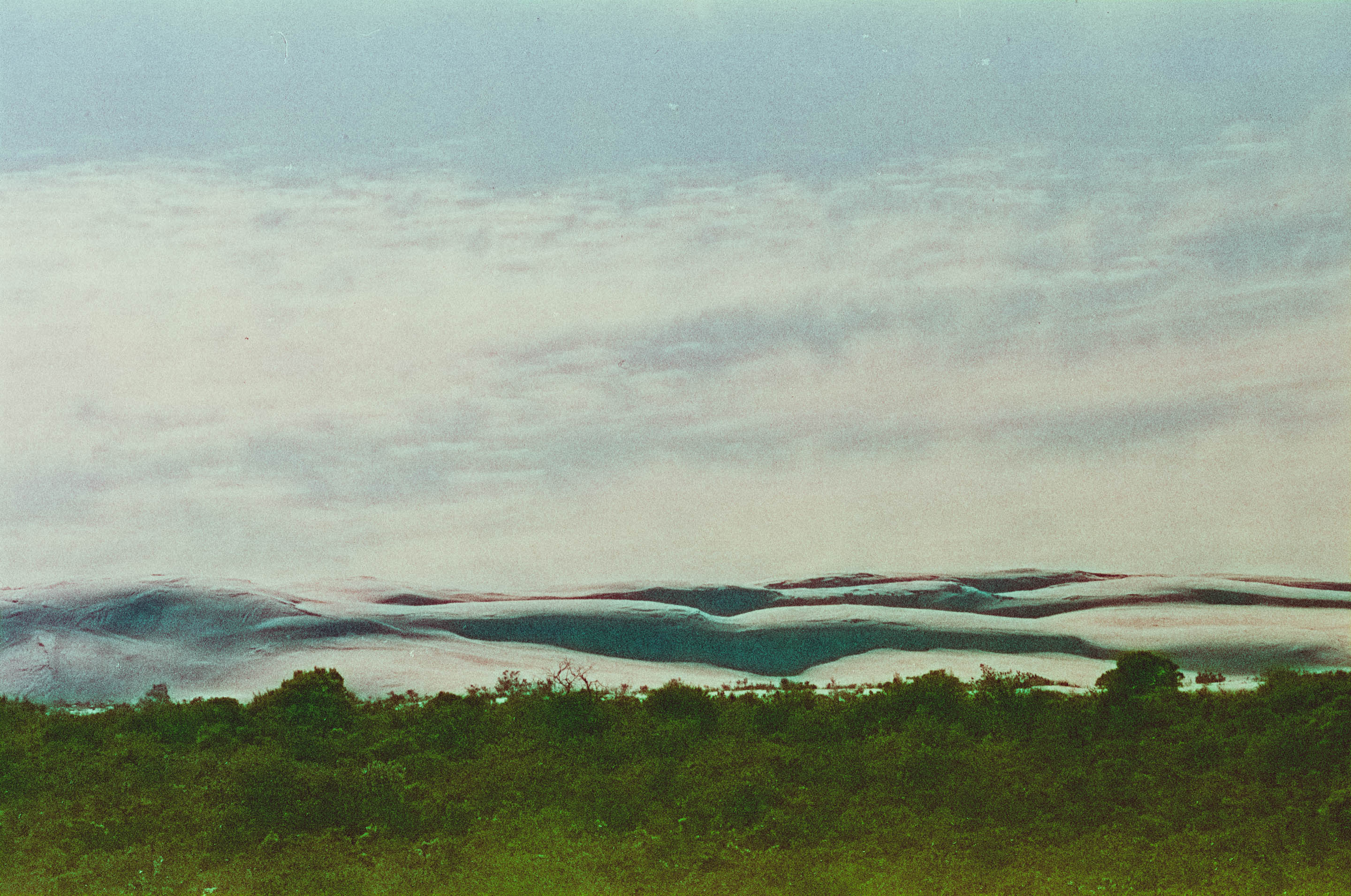
Agfacolor 200 20 years later
The recent demise of my beloved Fuji medium format point-and-shoot left me with photographic trauma that still hasn’t quite healed. If there were anything capable of adding fresh scars to that emotional damage, it would surely be expired film. After all, paying good money for something that’s already gone off feels completely irrational. I wouldn’t eat a mouldy sandwich that’s been sitting in a school bag for twenty years, so why would I willingly load twenty-year-old film into a camera?
Yet expired film has an undeniable appeal. Plenty of photographers swear by its unpredictable character, embracing colour shifts, grain and imperfections as part of the experience. I’ve never really belonged to that particular camp. If expired film were dramatically cheaper than fresh stock, I might understand the attraction, but these days many old rolls cost almost as much as new ones.
Fortunately, I didn’t have to buy this roll. My brother-in-law picked up some AgfaColor XRG 200 while visiting Spain several years ago and kindly passed a few rolls on to me. So, armed with film that expired in 2001 and expectations hovering somewhere below sea level, it was time to see whether this forgotten emulsion still had anything left to offer.
The original plan involved an early morning trip to Perth’s beaches, but the weather had other ideas. Rain is such a novelty in Perth that the first shower feels almost like a public celebration. Once the excitement wears off, though, you’re simply wet, so I postponed the outing and instead headed into the city under far more typical blue skies.
Giving Old Film Every Chance
Conventional wisdom suggests overexposing expired colour negative film by roughly one stop for every decade past its expiry date. At 21 years old, that meant treating this ISO 200 film as roughly ISO 50, while also remaining willing to give it even more light if conditions allowed.
I also tried to stack the odds in my favour by using a Nikon N80, whose Matrix metering was considered impressively sophisticated when both the camera and this film were new. Paired with Nikon’s versatile 28-300mm zoom, it offered the flexibility to photograph whatever caught my eye, even if the relatively slow aperture wasn’t ideal for ageing film.
I’d never been particularly fond of Agfa’s colour films, even when they were fresh. Compared to Kodak or Fuji, I’ve always found Agfa prone to muddy shadows and an overly magenta colour palette. Naturally, I expected two decades of ageing to make those weaknesses even worse.
Instead, I was greeted with something unexpected.





Better Than Expected
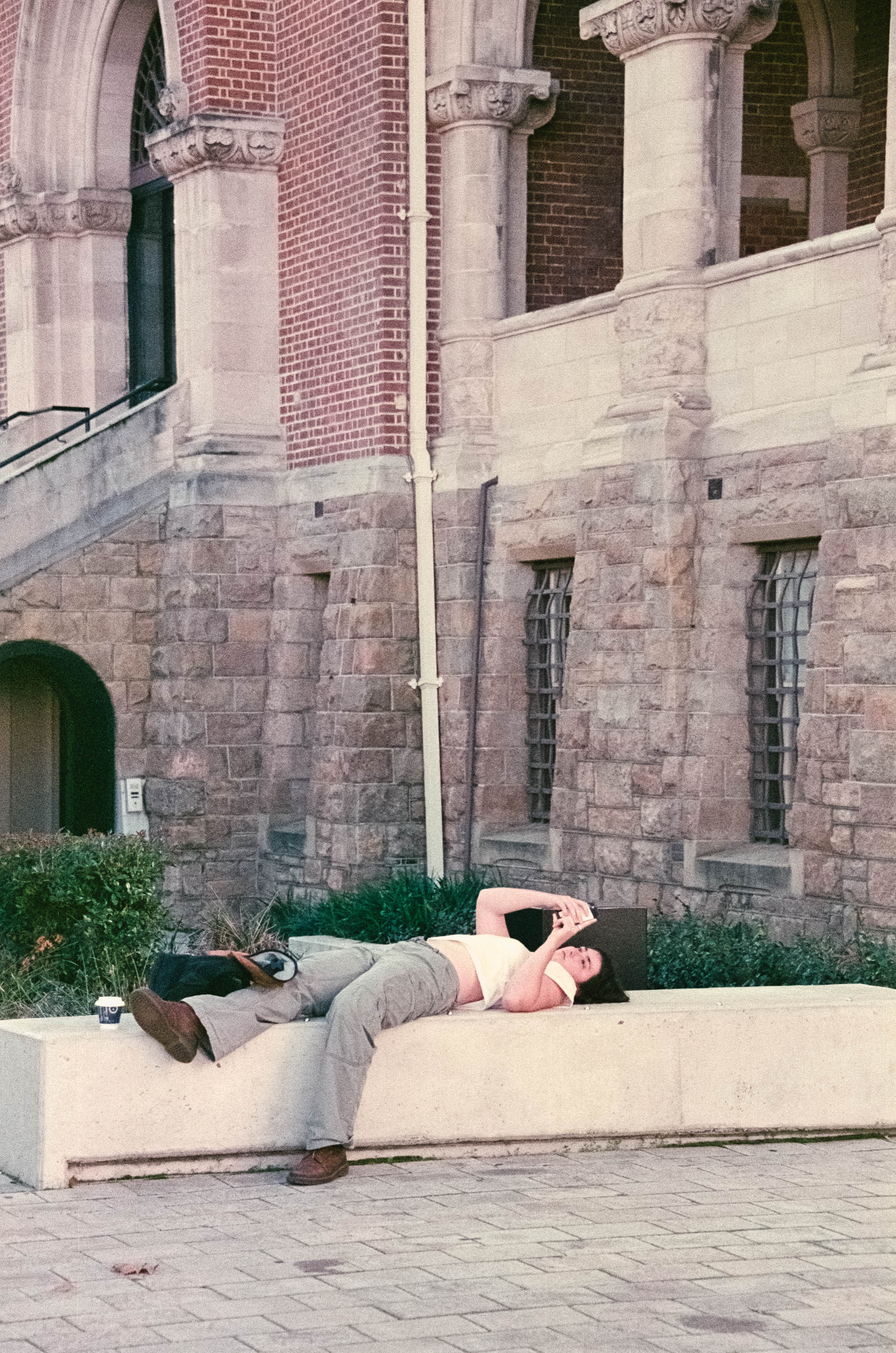
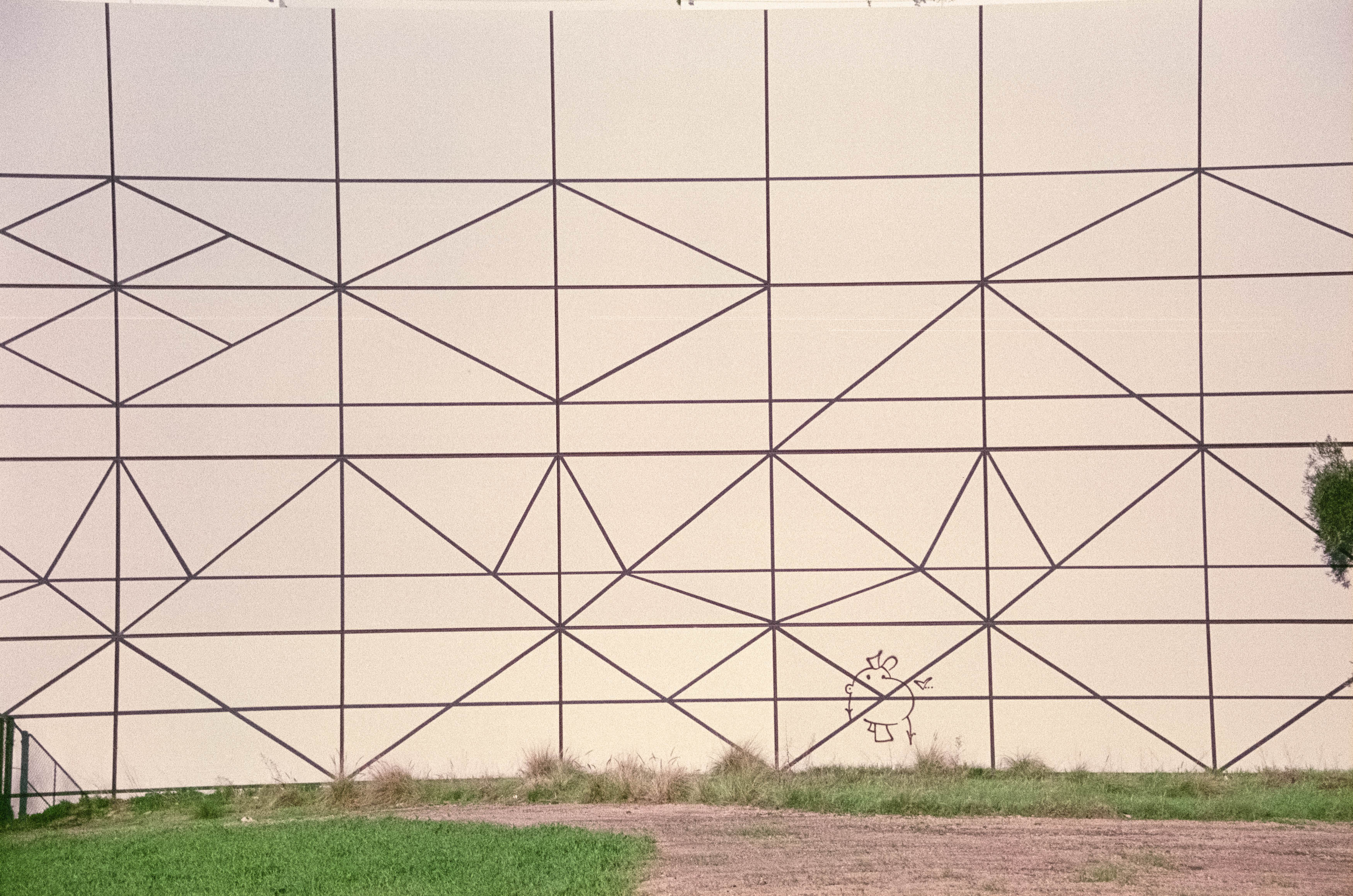
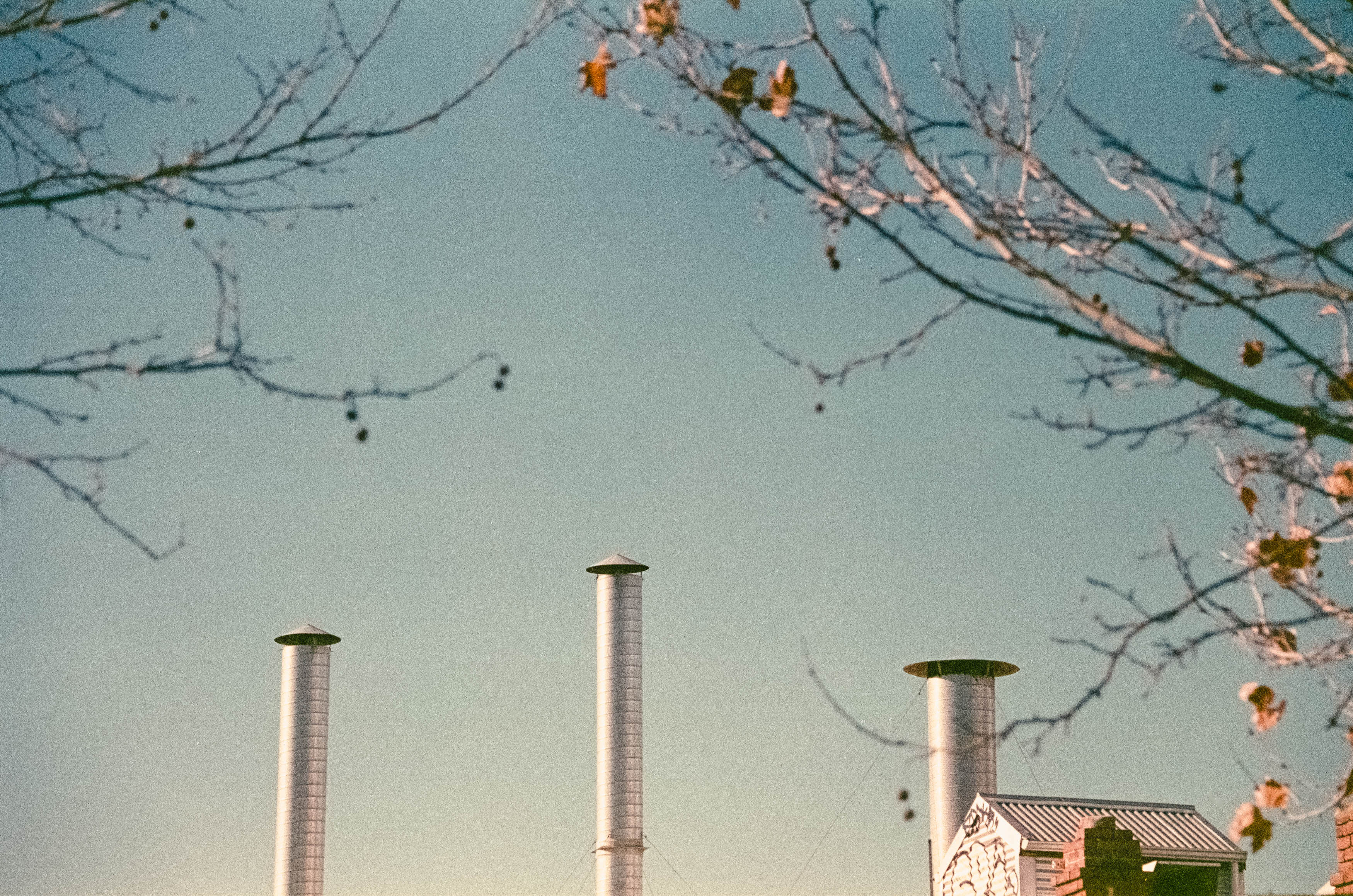
The first victory was simply that the film worked at all. Given my previous encounters with expired film, I’d fully expected another disaster. Instead, the generous exposure produced enough image density to cut through the inevitable base fog, leaving negatives that scanned surprisingly well.
There was certainly evidence of the film’s age. Grain was more noticeable, colours had shifted slightly and contrast wasn’t quite what fresh film would deliver. Even so, the results were far more usable than I’d anticipated. Static subjects came out especially well, while moving subjects occasionally defeated both the ageing emulsion and the slower zoom lens. Rather than feeling ruined, though, some of those imperfect frames developed a charm all of their own.
Reviewing my favourite images, I realised I’d accidentally assembled a mixture of street photography, architecture, minimalism and abstract compositions. More importantly, I genuinely liked several of them. Considering how low my expectations had been, that felt like a genuine success.
Expired film may never replace fresh stock in my camera bag, and I’m still not convinced it’s worth today’s inflated prices. However, this roll reminded me that photography doesn’t always reward certainty. Sometimes lowering your expectations leaves plenty of room to be pleasantly surprised.
Unlike my dearly departed Fuji GA645Zi, this ancient roll of Agfa actually delivered. That’s enough to spare it from photographic damnation, at least for now. As for me, I may be approaching my own use-by date, but there are still plenty more questionable photographic adventures waiting just around the corner. If nothing else, they should provide fresh material for the next chapter of my ongoing catalogue of photographic misadventures.