
There are lenses you use every day, and then there are lenses that completely change the way you see the world. The Voigtländer 15mm Super Wide-Heliar f/4.5 LTM definitely falls into the second category.
I recently packed it for a trip to Vienna, partly because the city’s grand architecture seemed like the perfect playground for an ultra-wide lens, and partly because I wanted to see whether this quirky little optic still deserved its reputation. After spending time with it on both my Leica M2 and Nikon Z6, I came away impressed—but also reminded that a 15mm lens demands far more from the photographer than most people realise.
This isn’t the sort of lens you casually leave on your camera. It’s more like a special occasion lens that rewards patience, careful composition and a willingness to embrace the strange.
Learning to See at 15mm
Fifteen millimetres is unbelievably wide. Point it at a scene and it doesn’t simply capture what’s in front of you—it seems to swallow everything around it as well.
The first thing you notice is how dramatically it changes perspective. Objects close to the camera become enormous, while anything further away quickly shrinks into the distance. Straightforward compositions suddenly become much more complicated because every corner of the frame starts demanding your attention. If there isn’t something interesting happening throughout the image, you’ll often end up with a photograph that contains an awful lot of… well… not very much.
That’s why using this lens feels like learning photography all over again. You can’t rely on the habits you’ve built shooting 35mm or 50mm lenses. Instead, you have to train yourself to notice foreground subjects, converging lines and the relationships between objects across the entire frame.
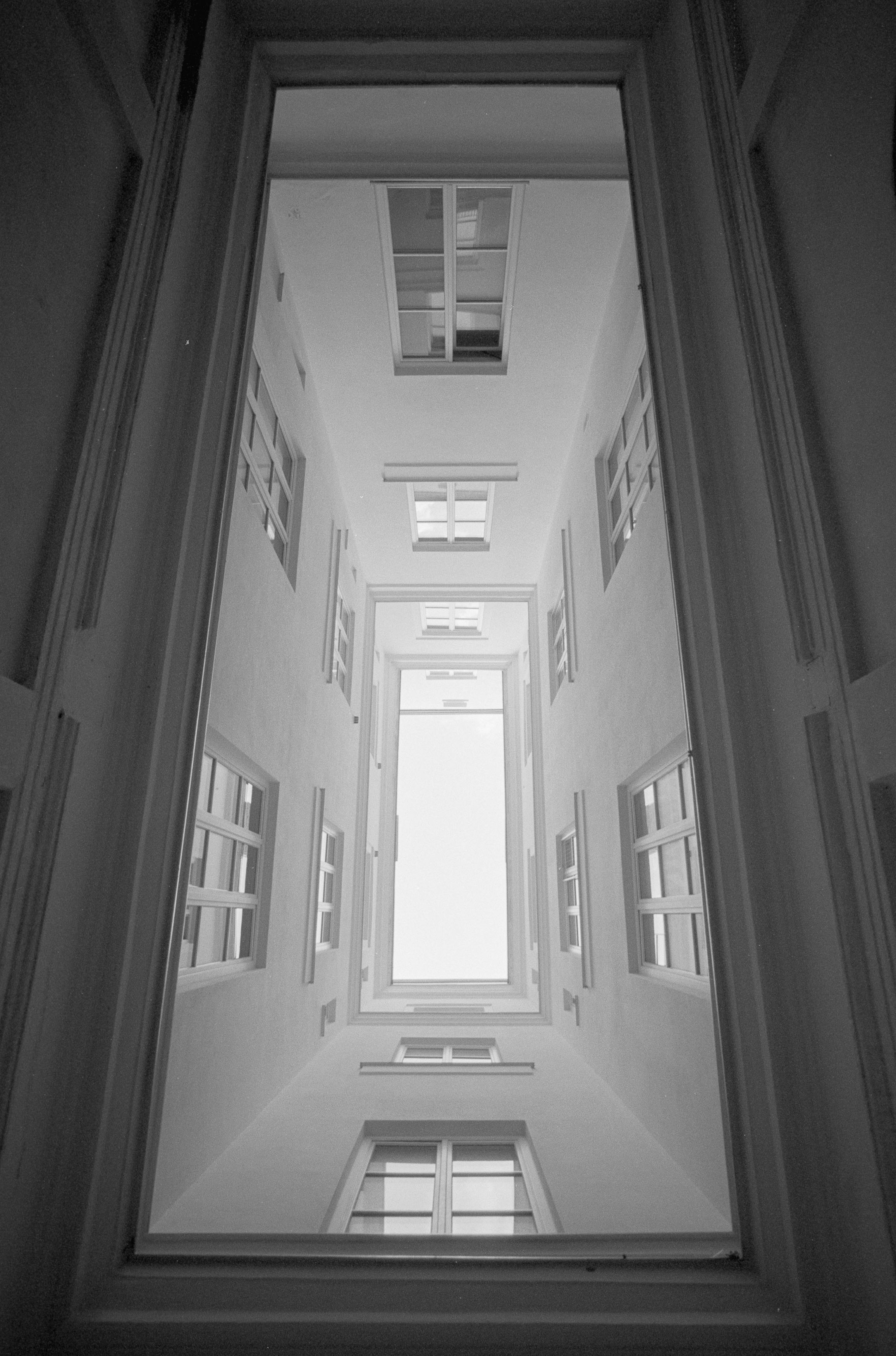
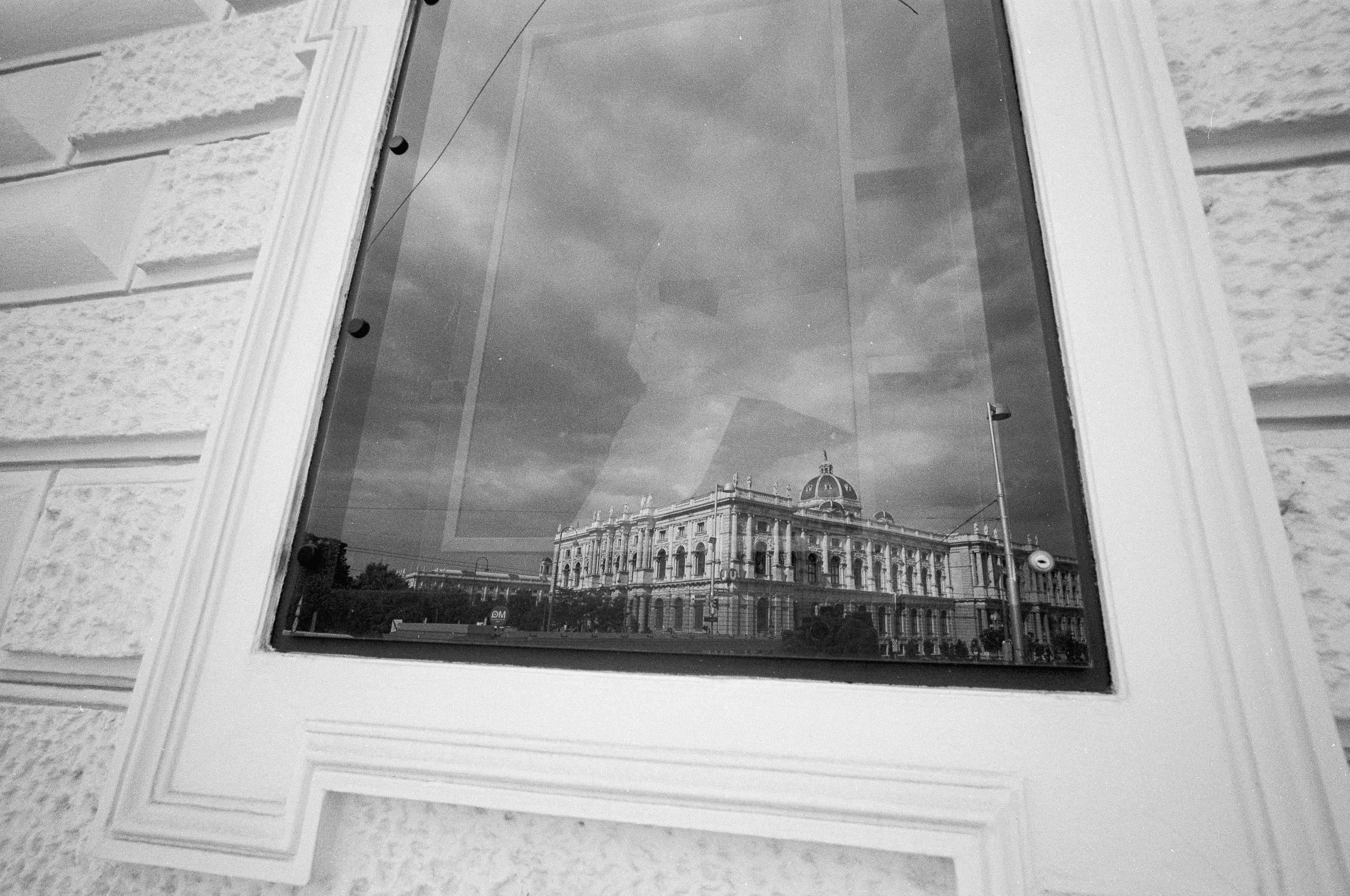
Vienna turned out to be the ideal place to practise. The city is packed with grand Baroque and Neoclassical buildings, wide boulevards and impressive public spaces that suit this kind of exaggerated perspective beautifully. Even ordinary streets can suddenly feel dramatic when viewed through such an expansive field of view.
Not every outing went entirely to plan, though. During one photo walk I accidentally wandered into what appeared to be the filming of a historical production and quickly realised I wasn’t quite as welcome as I thought. I made a fairly discreet exit, although not before managing to expose a few frames that will probably confuse future historians if anyone ever discovers the negatives.
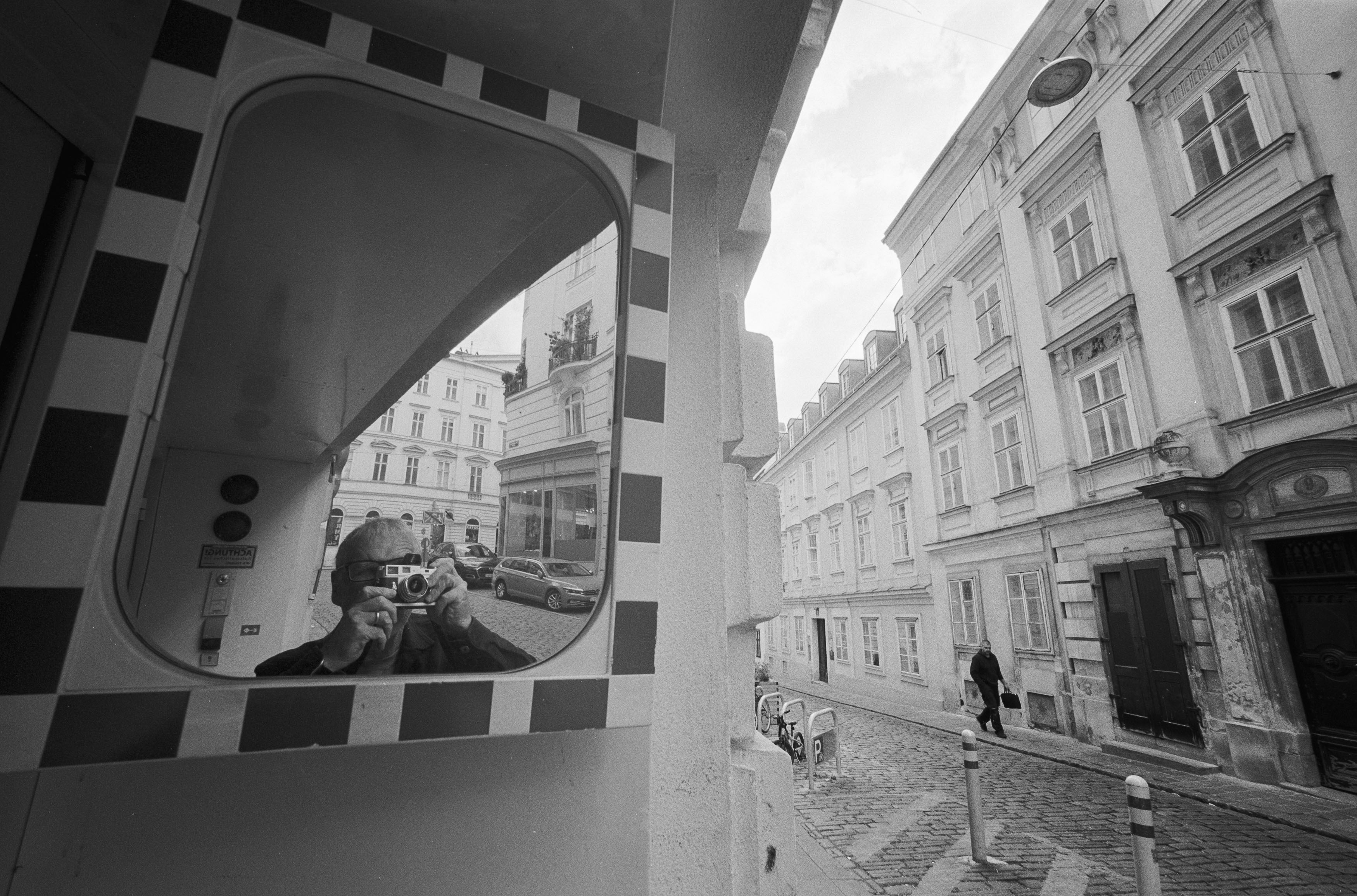
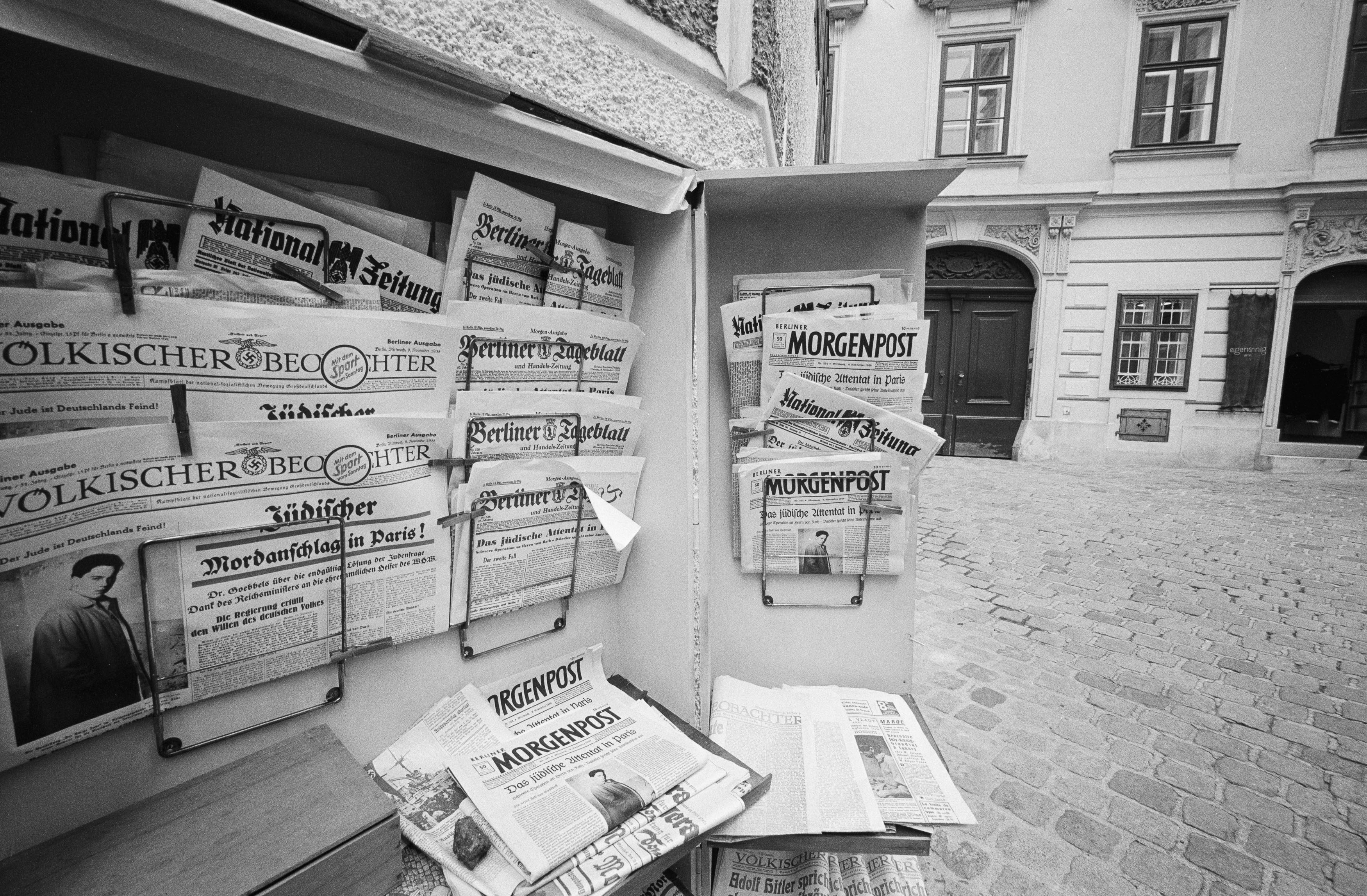
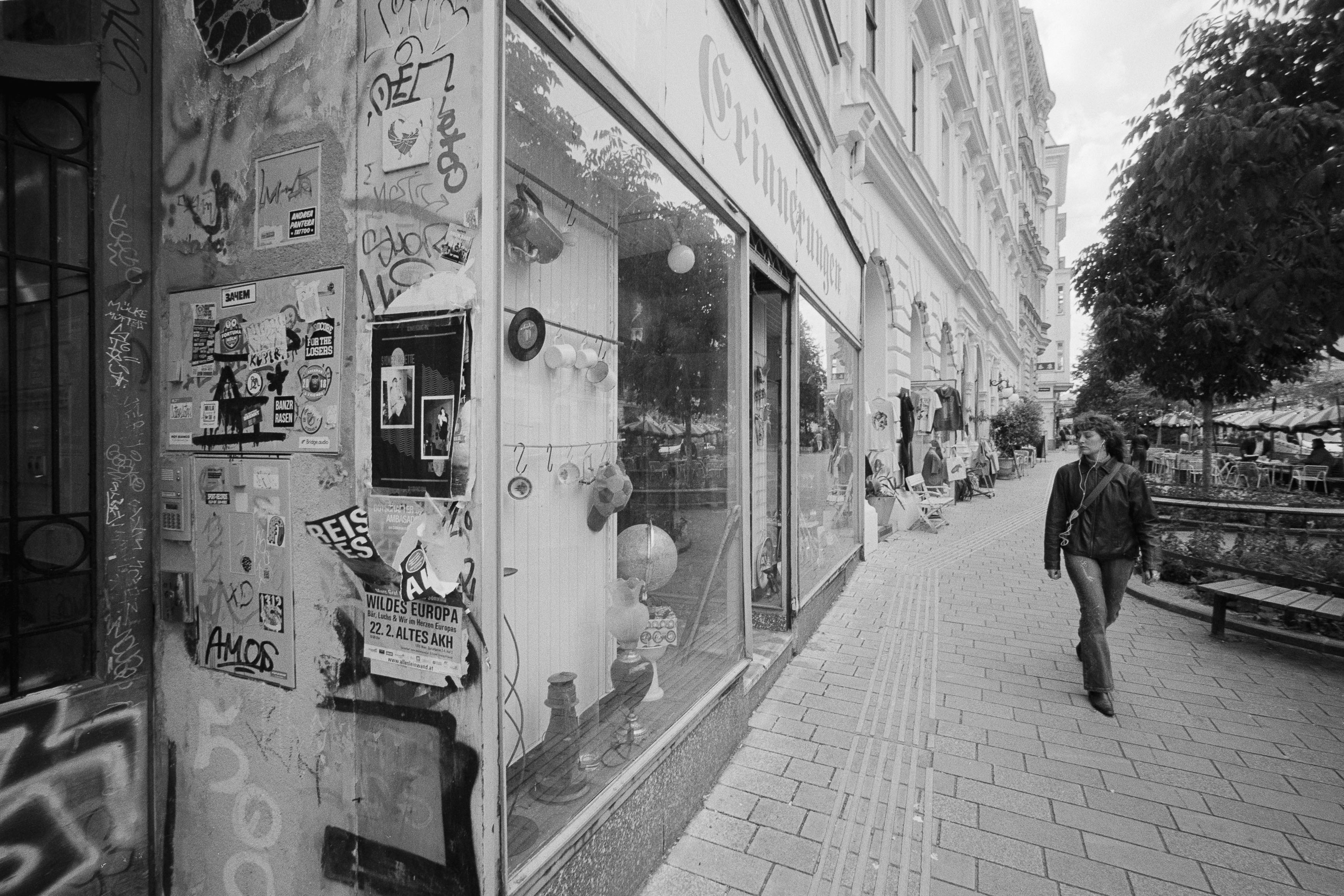
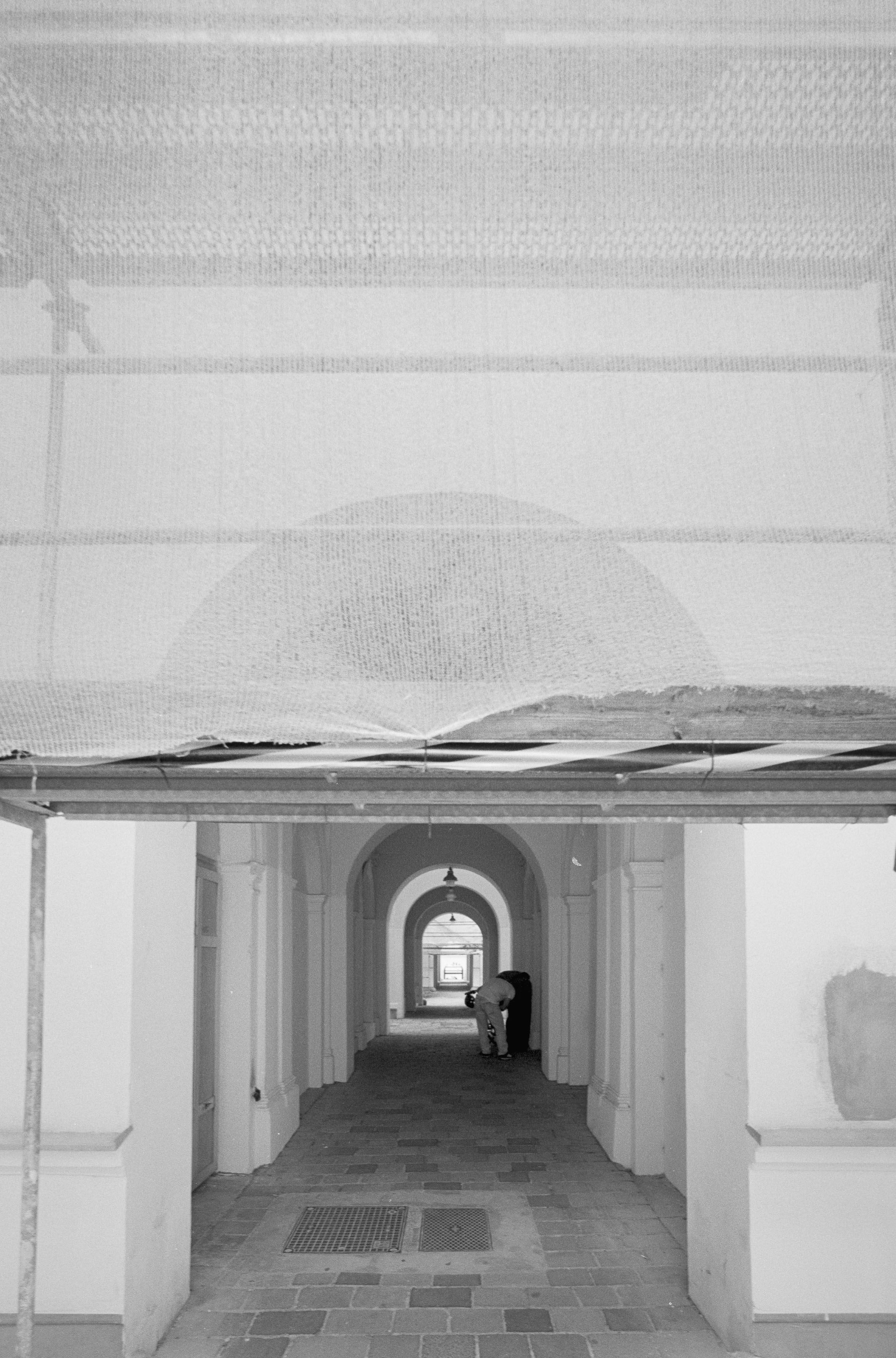
Small Lens, Serious Engineering
One of the most surprising things about the Voigtländer is just how tiny it is. Despite its compact dimensions, it feels reassuringly solid rather than toy-like. At around 190 grams it’s light enough to carry all day without thinking about it, yet substantial enough to inspire confidence.
Mine is the original Leica Thread Mount version, first released in 1999 alongside Voigtländer’s Bessa cameras. It’s actually relatively modern by Leica screw mount standards, although prices have climbed dramatically since I bought mine back in 2017.
The design is remarkably clever. The aperture ring sits at the front of the lens, which initially feels unusual, but makes perfect sense given how compact everything is. With such a wide focal length, depth of field is enormous anyway, so you’re rarely making huge focus adjustments.
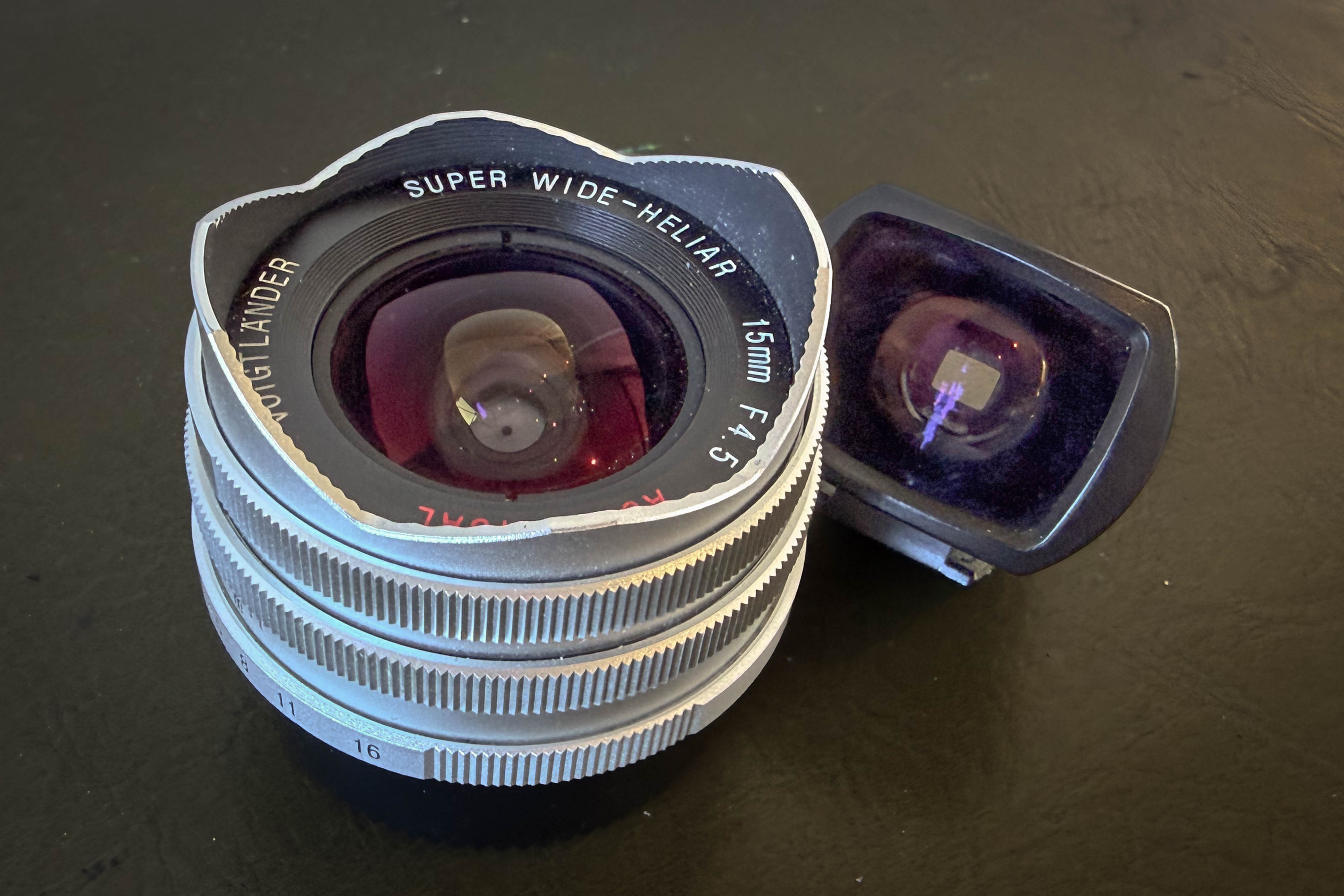
There are a few compromises. The fixed lens hood means you can’t easily use filters, and it requires a slip-on lens cap that looks lovely but costs a frightening amount to replace if it disappears somewhere on your travels.
What continues to impress me, though, is how well the optics behave. Considering just how absurdly wide this lens is, it does an excellent job of keeping straight lines straight. That’s a genuine engineering achievement and makes it much more useful for architectural photography than many people might expect.
Film Still Has the Advantage
Using the lens on my Leica M2 produced exactly the sort of images I’d hoped for. The negatives showed plenty of character, dramatic perspective and surprisingly clean rendering across the frame. Things became a little more complicated once I mounted it on my Nikon Z6.
This isn’t really the lens’s fault. Older ultra-wide lenses were designed for film, not modern digital sensors, and the way light reaches a sensor is quite different. On digital cameras you can end up with colour casts, heavier vignetting and smeared corners, particularly towards the edges of the frame.
Some of my digital images definitely showed those characteristics. In certain photographs the cooler colour shifts actually added atmosphere, especially during Vienna’s blue hour, but after a while they became distracting enough that I enabled lens corrections in Lightroom. That’s something I rarely do because I generally prefer working with a lens’s quirks rather than correcting them away, but in this case the adjustments helped produce more natural-looking files while still preserving plenty of the lens’s personality.
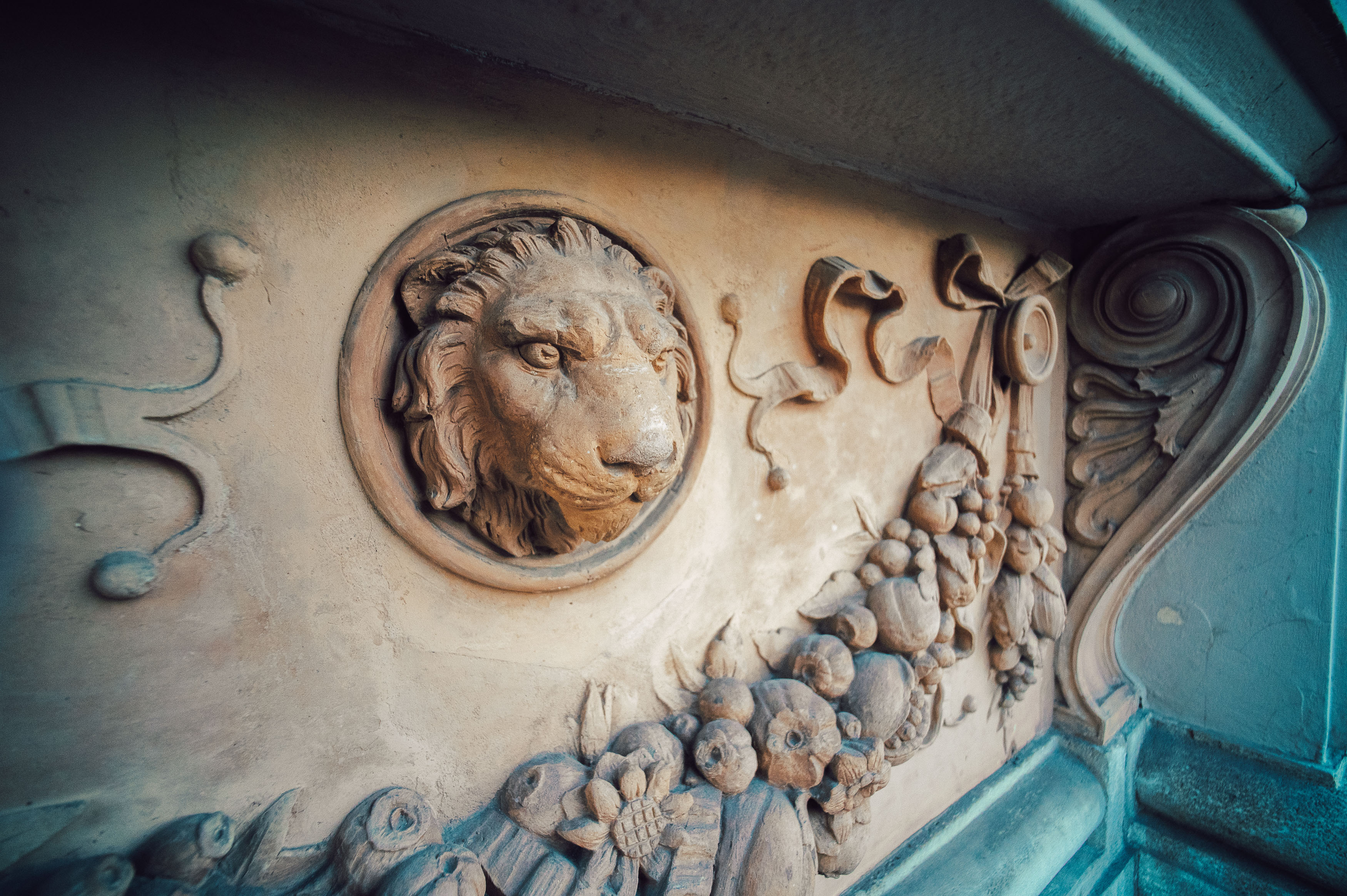
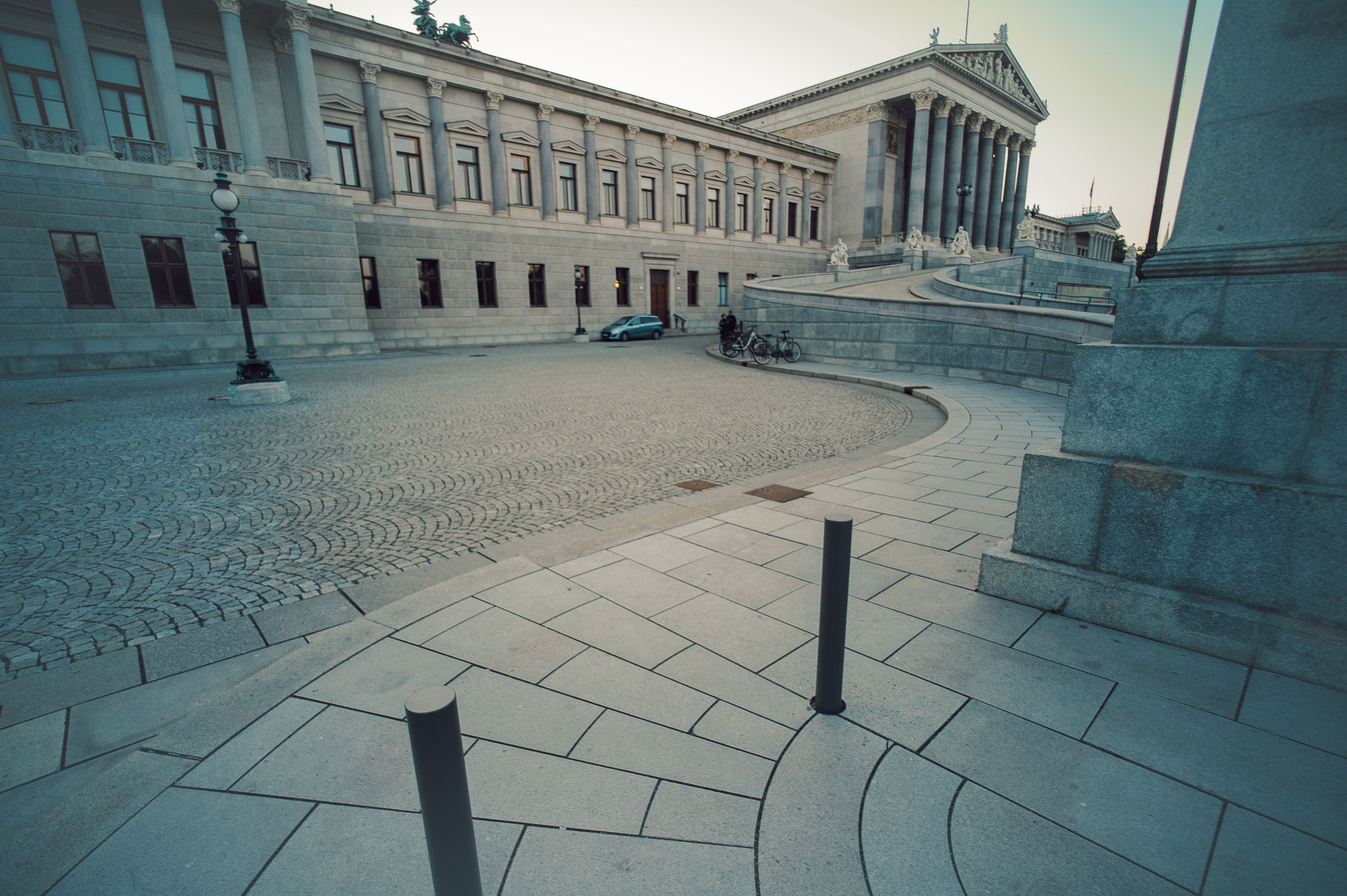
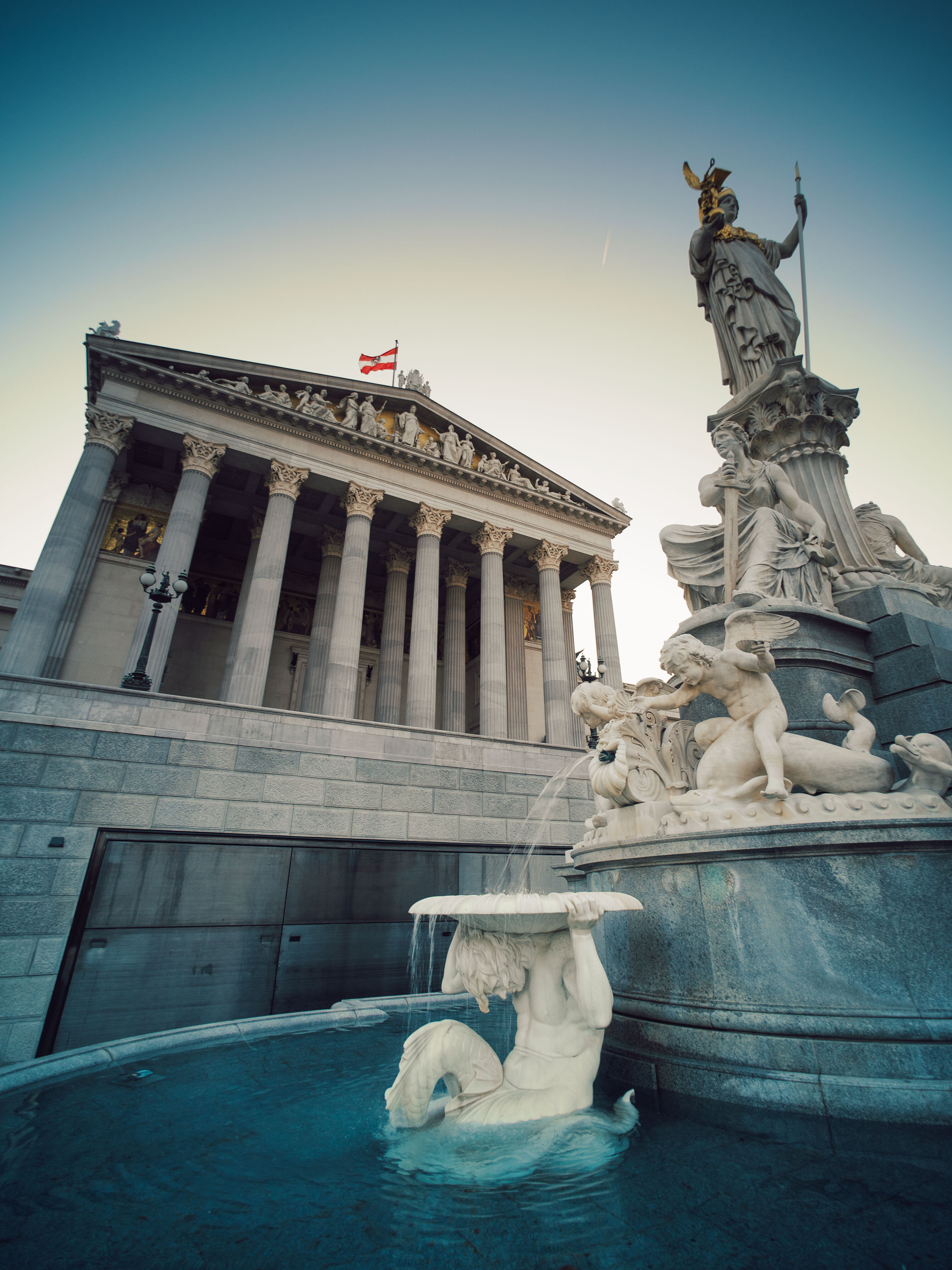
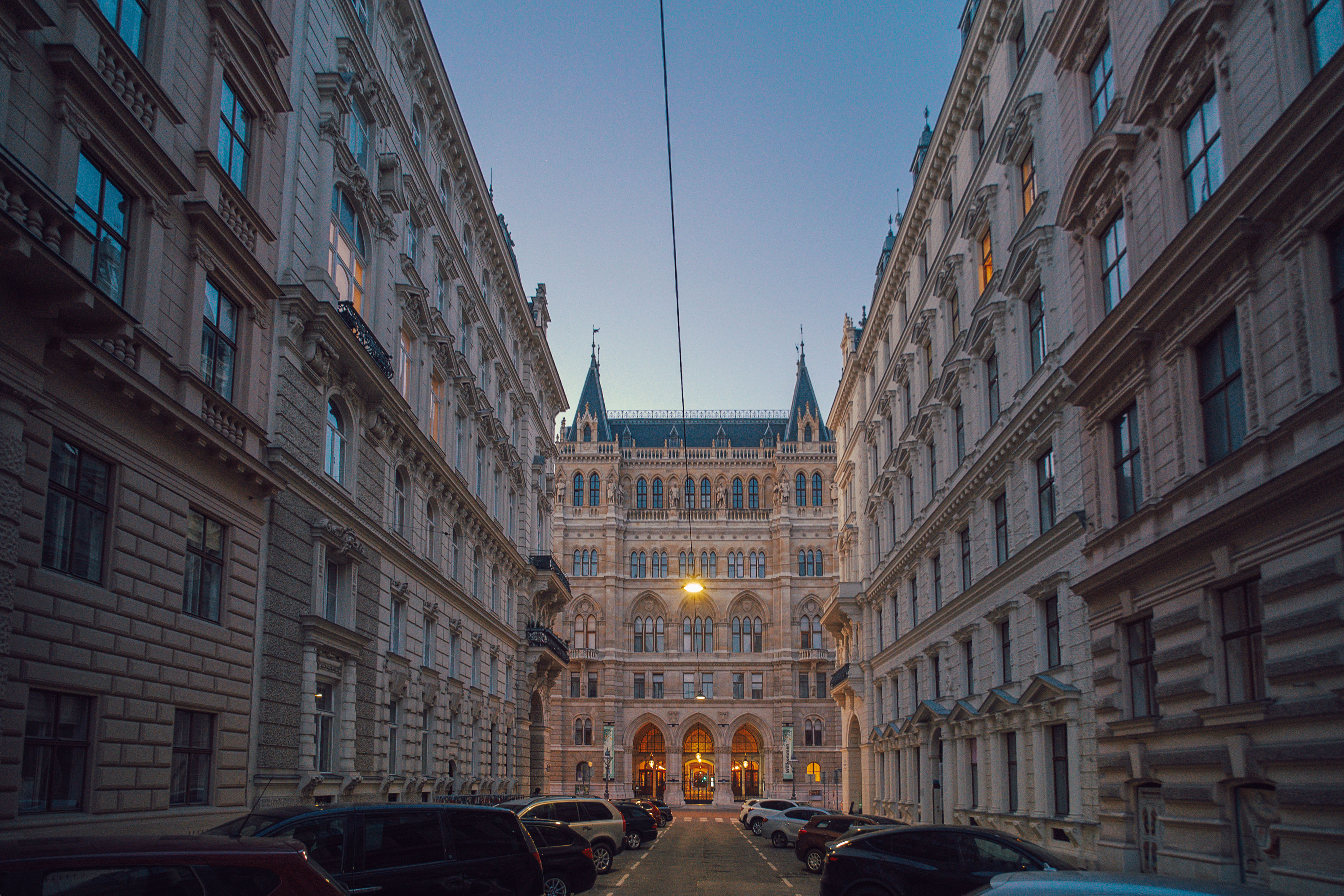
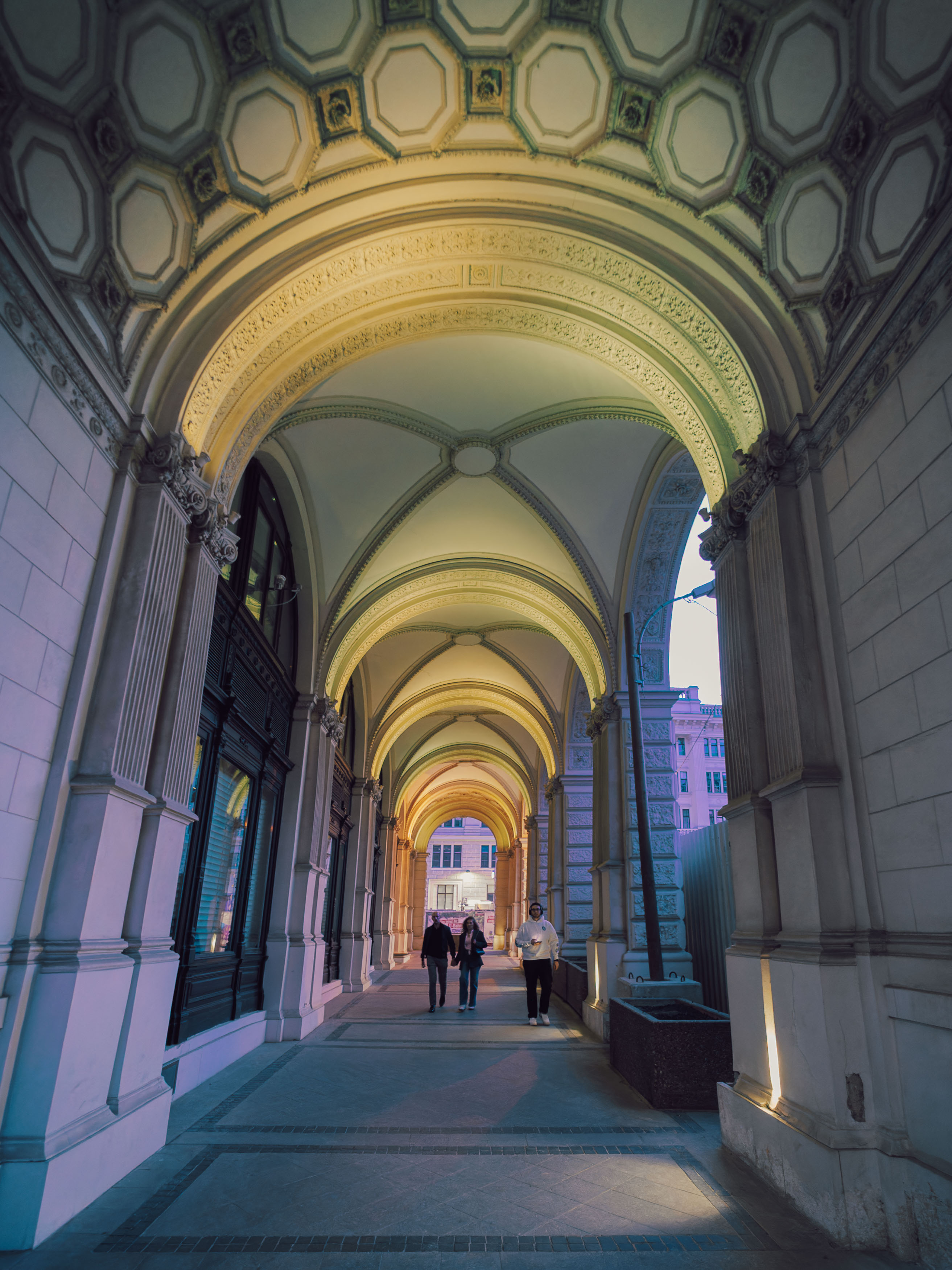
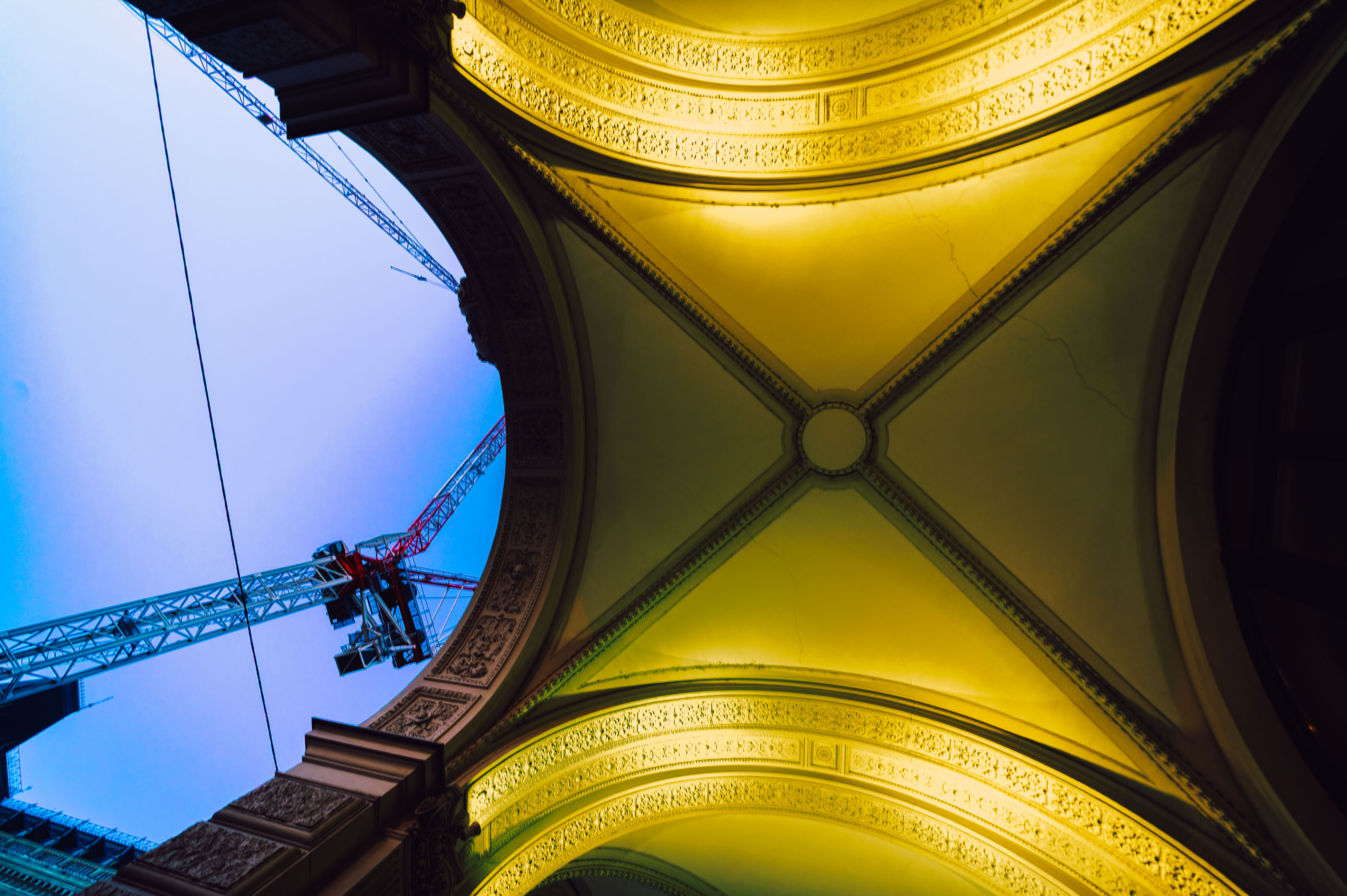
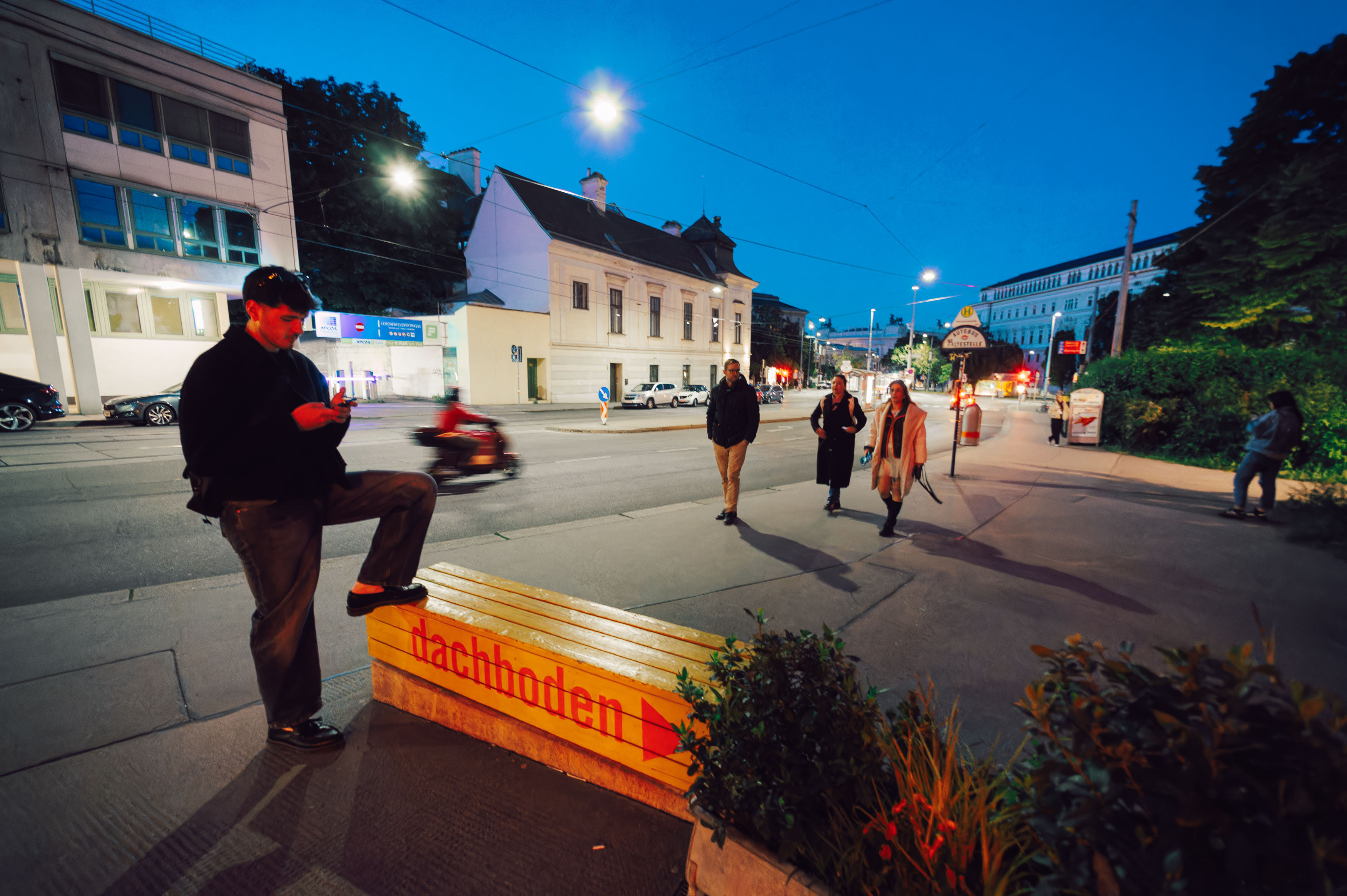
Interestingly, those same issues simply weren’t present on film. Looking at the Leica negatives afterwards reinforced my feeling that this first-generation version of the 15mm still feels most at home on analogue cameras.
A Lens Worth Owning… Just Not Every Day
The biggest challenge with the Voigtländer isn’t sharpness or build quality. It’s simply the focal length. Fifteen millimetres can produce wonderfully dramatic photographs, but only when you have a composition that deserves it. Without a strong foreground subject or carefully arranged scene, everything risks becoming small and insignificant. It’s surprisingly easy to fill a frame with lots of space and very little interest.
There’s also the occasional occupational hazard of photographing your own fingers. When the lens is this wide, it’s alarmingly easy to discover afterwards that part of your hand has made an unexpected guest appearance in the corner of the frame.
Even so, I can’t help liking this peculiar little lens. It encourages experimentation, rewards careful observation and produces photographs that don’t look quite like those from anything else in my collection.
Would I recommend it? Absolutely, but only if you understand what you’re getting into. This isn’t an everyday walk-around lens, and it isn’t designed to make photography easier. What it does offer is a genuinely different way of seeing the world, and sometimes that’s exactly the creative challenge you need.
If you’re prepared to work with its quirks rather than against them, the Voigtländer 15mm Super Wide-Heliar remains one of the most entertaining ultra-wide lenses you can mount on a film camera.

