The Slow Death of My Fujifilm GA645Zi – a Posthumous Review

A Medium Format Camera in Berlin

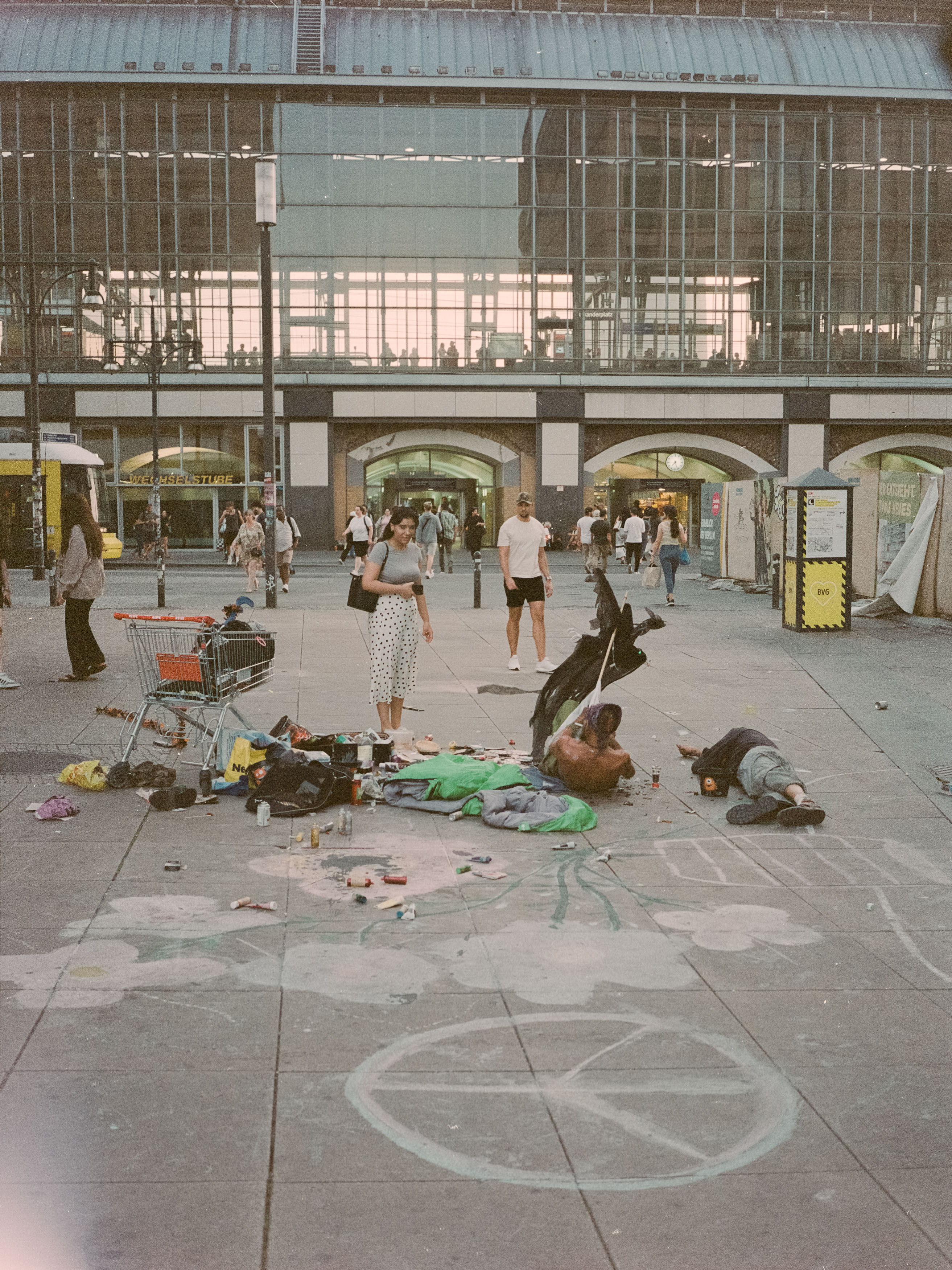
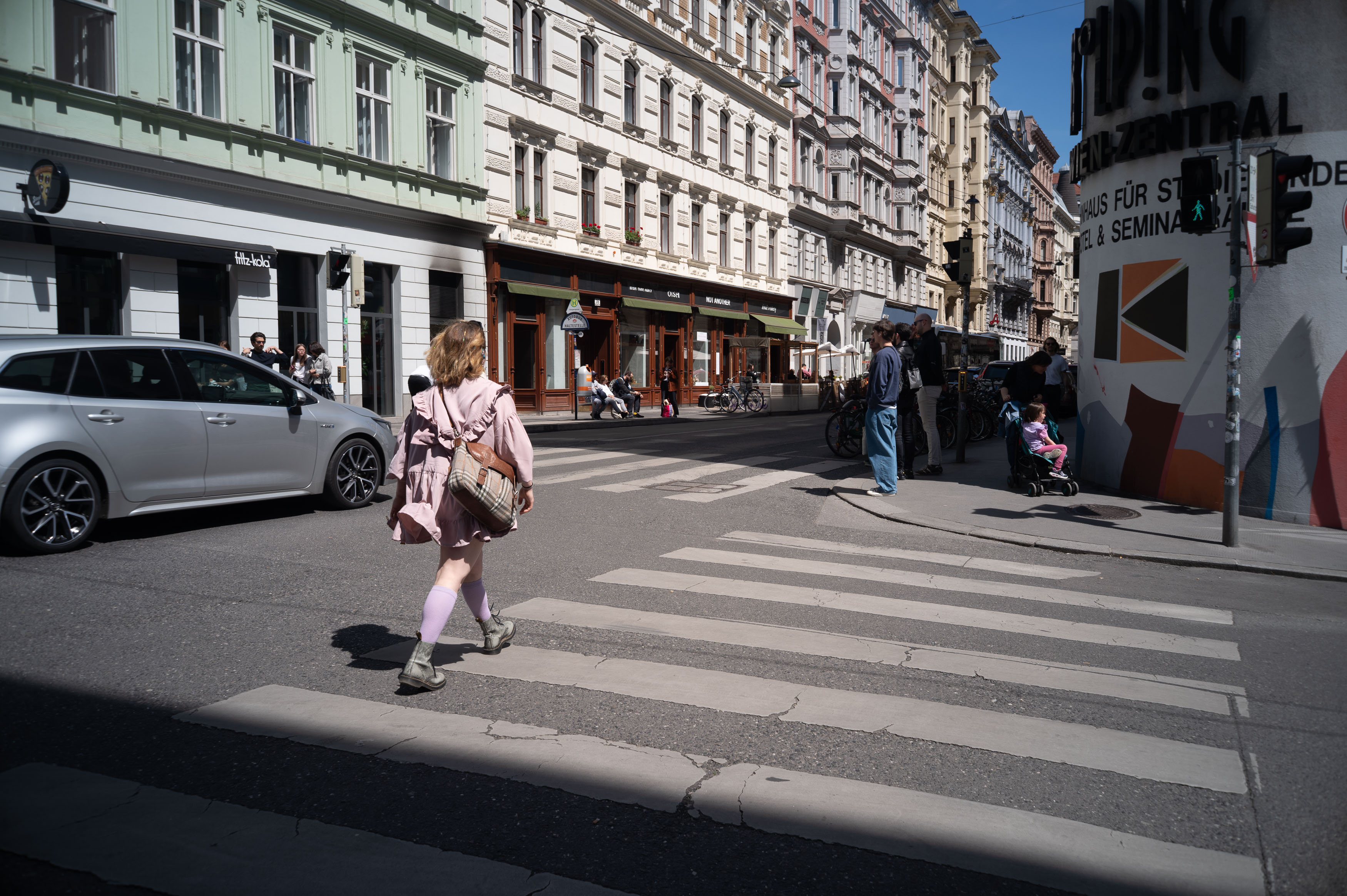
The beginning of the end for my Fujifilm GA645Zi can be traced back to Berlin in mid-2024. After spending several miserable days confined to a hotel room with COVID, my final evening brought just enough recovery to venture outside. Alexanderplatz seemed like the perfect place to stretch both my legs and the shutter of a camera that had travelled with me for the better part of a decade.

The GA645Zi is an unusual machine. It’s a medium format point-and-shoot from 1998 that somehow combines professional image quality with the appearance of an oversized family holiday camera. It shoots 6×4.5 negatives, which may be the smallest of the medium format options, but they’re still enormous compared to 35mm film. That extra real estate gives your photographs an incredible amount of detail while still allowing a reasonably compact camera to accompany you on your travels.

Of course, not every photograph from Berlin was a masterpiece. That’s partly because photography is an excellent way to discover your own shortcomings on a regular basis, but the camera itself deserves some of the blame. On paper, the specifications don’t exactly inspire confidence. The 55-90mm zoom translates to roughly 34-56mm in 35mm terms, with only four zoom positions to choose from. At the long end, the maximum aperture falls to a leisurely f/6.9, leaving very little room for low-light photography while still giving you all the opportunities for camera shake that come with a 90mm lens.

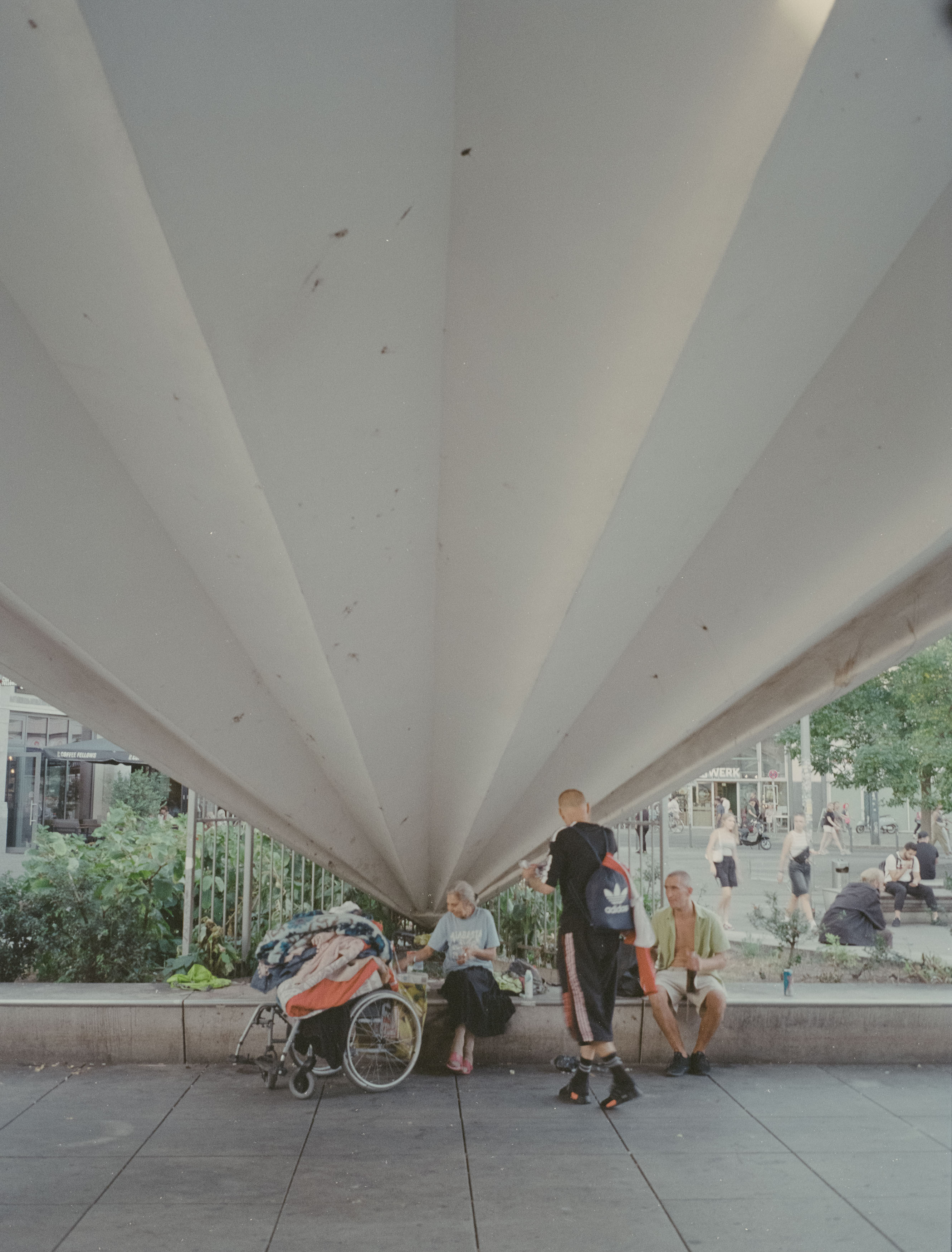
Despite those limitations, the lens itself is astonishingly sharp. The GA645Zi was never a cheap camera, and while the body feels disappointingly plasticky, the negatives it produces are spectacular. Zooming into the scans reveals detail that seems almost endless, reminding you why photographers continue to pay increasingly eye-watering prices for these cameras today. I bought mine around ten years ago for roughly a quarter of what they’re worth now, and for years it rewarded me with images that justified every compromise.

The Beginning of the End

As the Berlin sun disappeared, so too did my confidence in the camera’s future. The notorious weakness of the GA645Zi is its rear LCD panel, connected by a ribbon cable that flexes every time the camera is opened for loading film. Eventually that cable fails, and mine began displaying the first telltale flickers that countless owners before me had documented online.

The camera still functioned, so I loaded another roll and headed into the gathering darkness. Night photography with this Fuji was always going to be challenging. Ilford HP5 pushed to ISO 1600 has served me well in other cities, and I’ve even shot colour film after dark in places like Shinjuku and South Korean markets. Berlin, however, felt different. Empty squares, dim lighting and reflective surfaces made flash photography more frustrating than helpful, while my own developing mistakes probably didn’t do the negatives any favours.

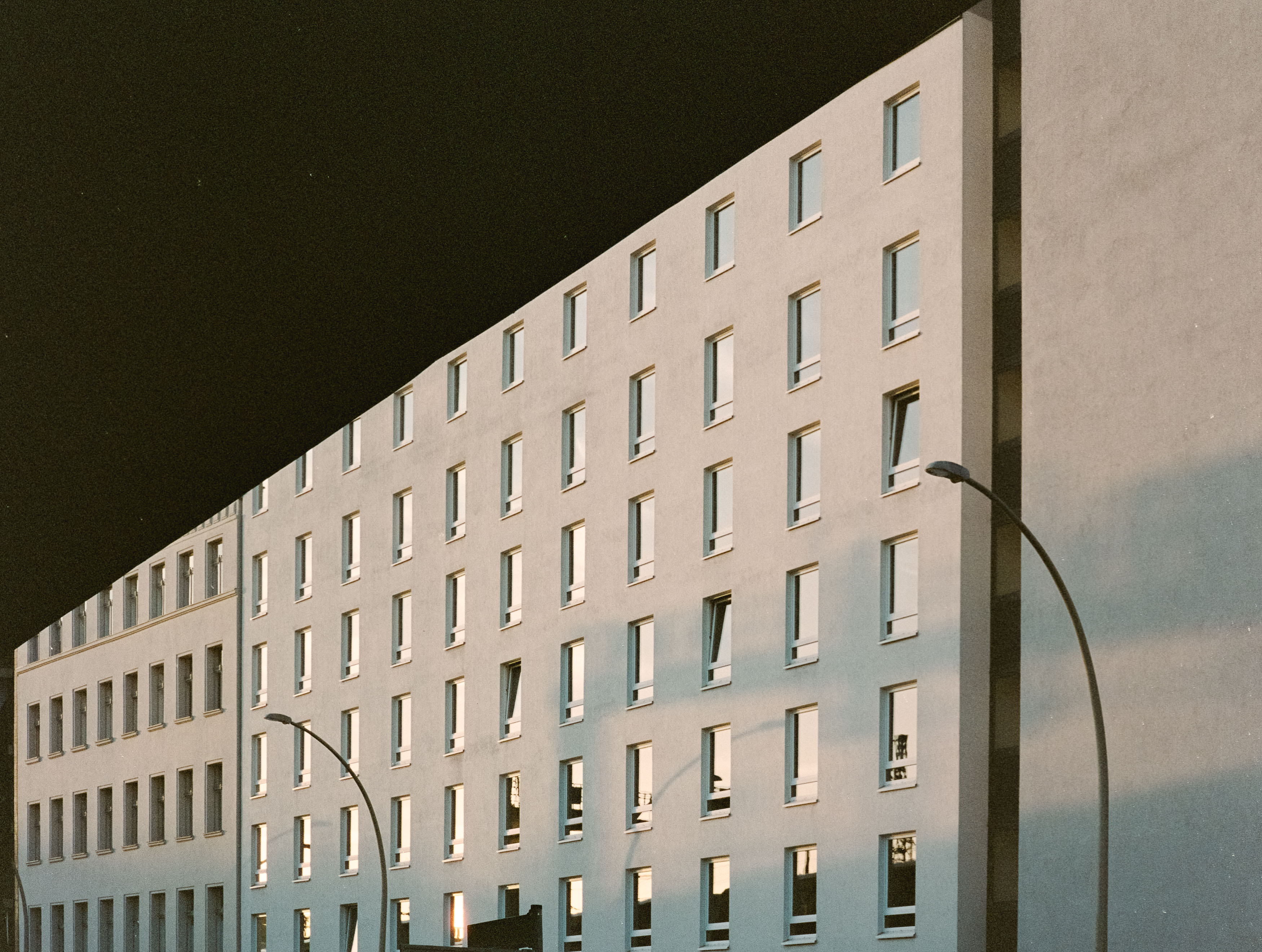
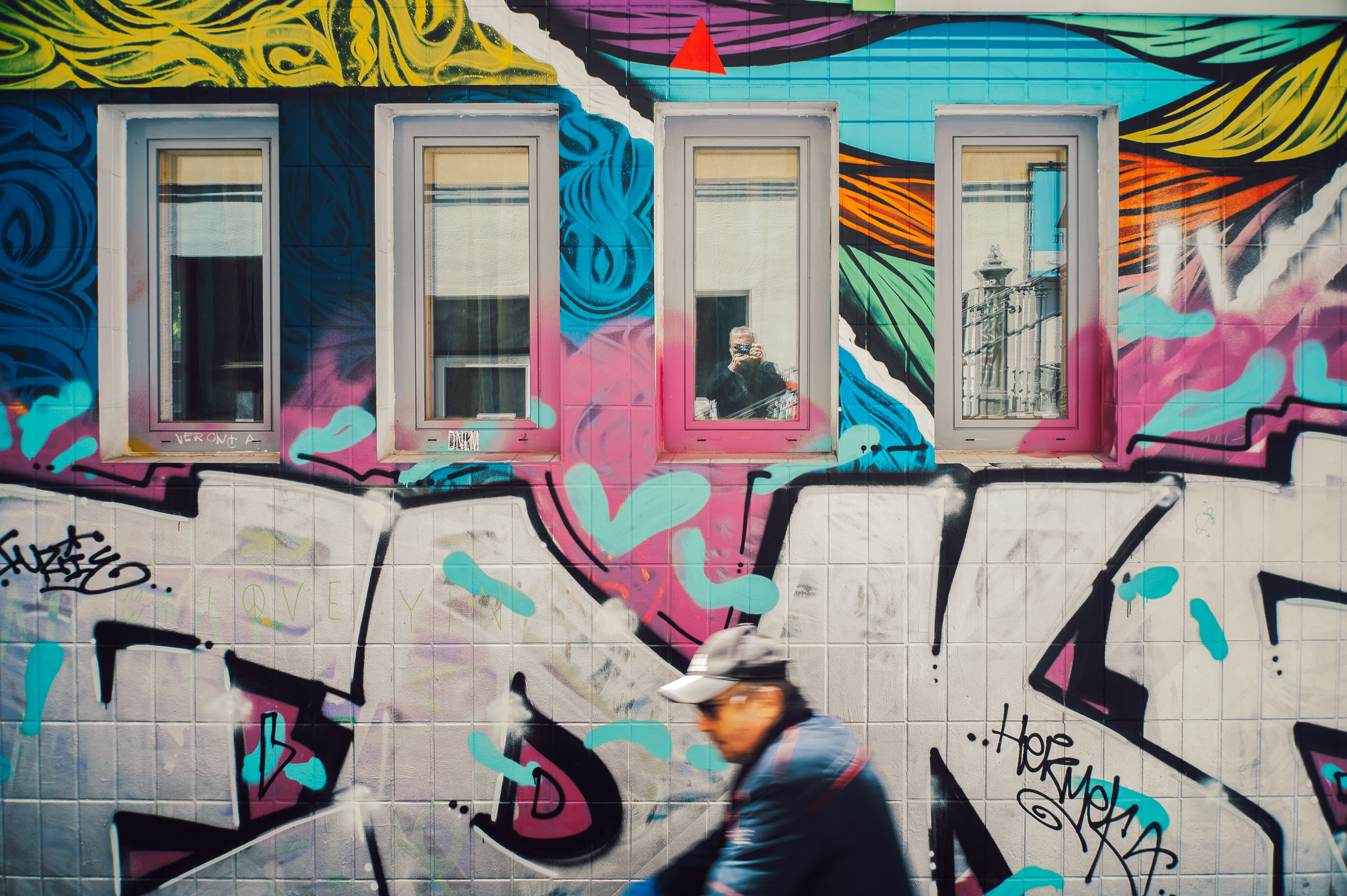
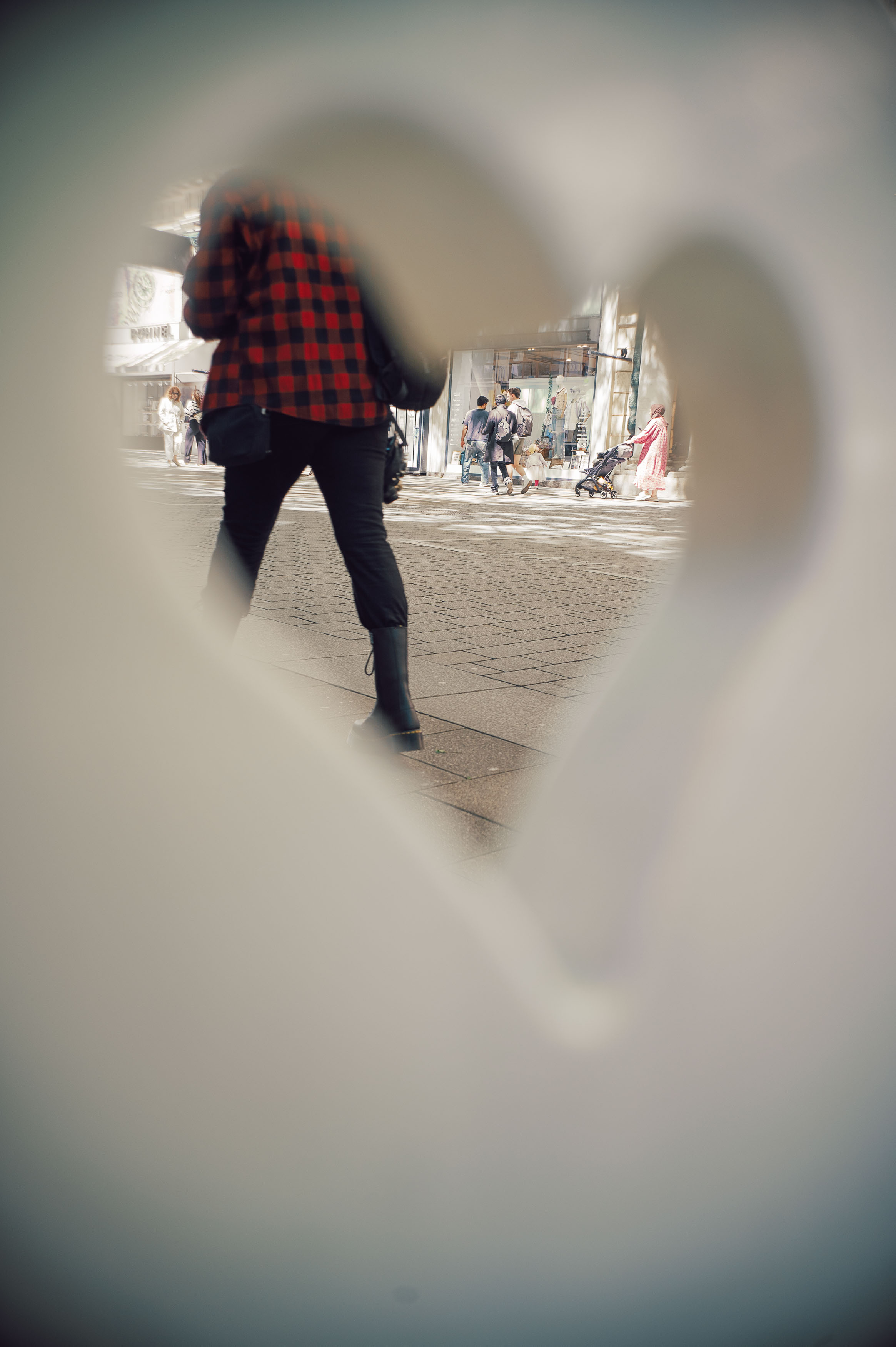
Rather than fight the darkness, I eventually decided to embrace it. Cropping away unnecessary empty space and leaning into deep shadows produced images that felt more atmospheric than documentary. Streetlights reflecting from tram tracks, isolated figures disappearing into blackness and fragments of illuminated architecture became studies in mood rather than perfect technical photographs. Some images asked viewers to complete the story themselves, filling the darkness with their own interpretation.

Living with a Flawed Masterpiece

The GA645Zi wasn’t finished just yet. On a later trip through China, the LCD had deteriorated so badly that I could barely read it, but I managed to improvise. By comparing the camera’s exposure readings against a phone light meter, I convinced myself that as long as the ISO setting matched, perhaps the missing display wasn’t the end of the world.
After all, the qualities that make this camera special remained intact. The viewfinder still displays shutter speed and aperture information, which is essential given the relatively slow lens and the razor-thin depth of field that medium format provides. When the autofocus gets things right, the results are genuinely superb.

Unfortunately, “when” is doing a lot of work in that sentence. The autofocus has always been somewhat optimistic about its own abilities, occasionally deciding that somewhere near your intended subject is close enough. The camera is also painfully slow. Switching it on feels remarkably similar to trying to wake a teenager for school. It pauses, contemplates life for a moment, and then reluctantly gets moving with as much complaining as possible.

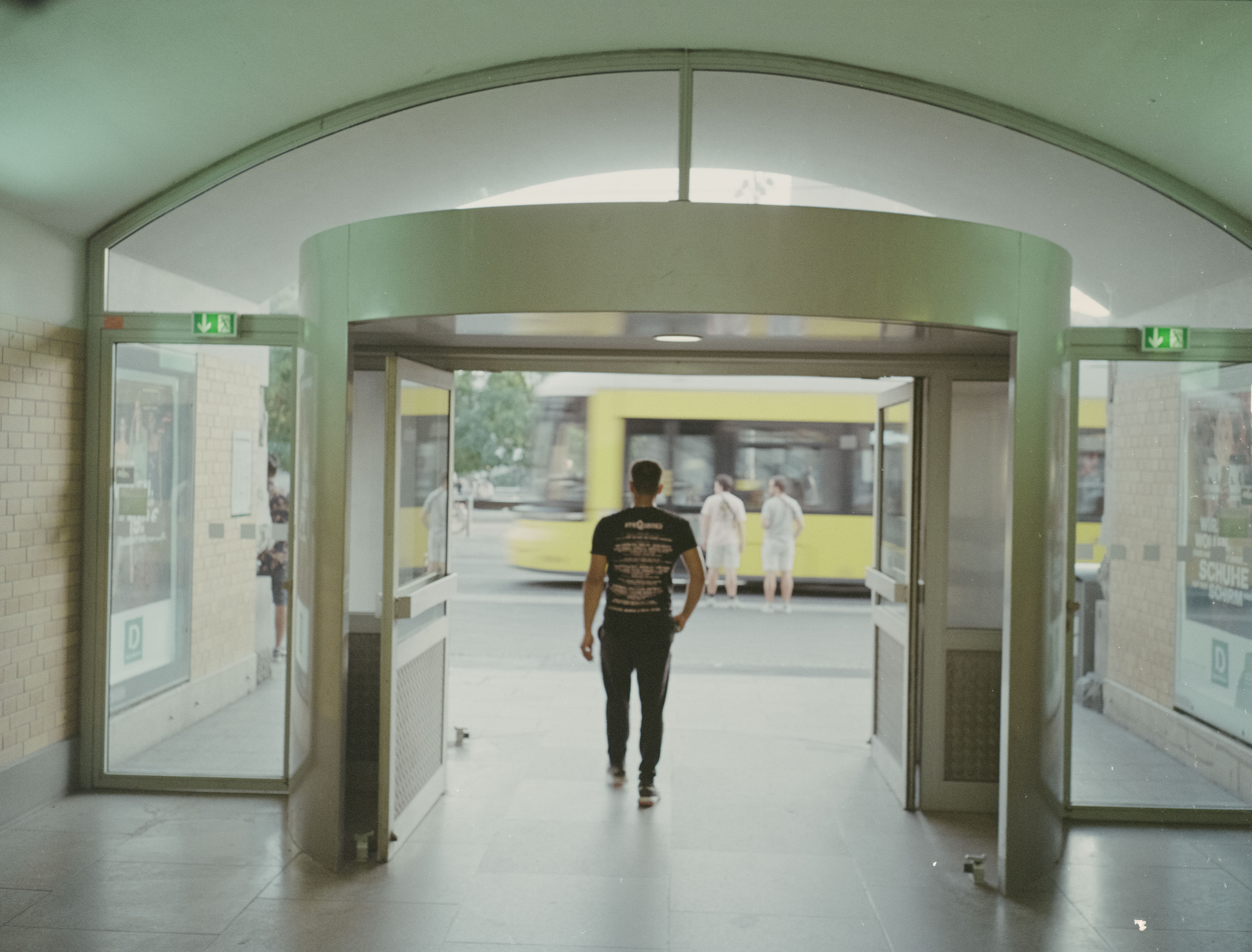
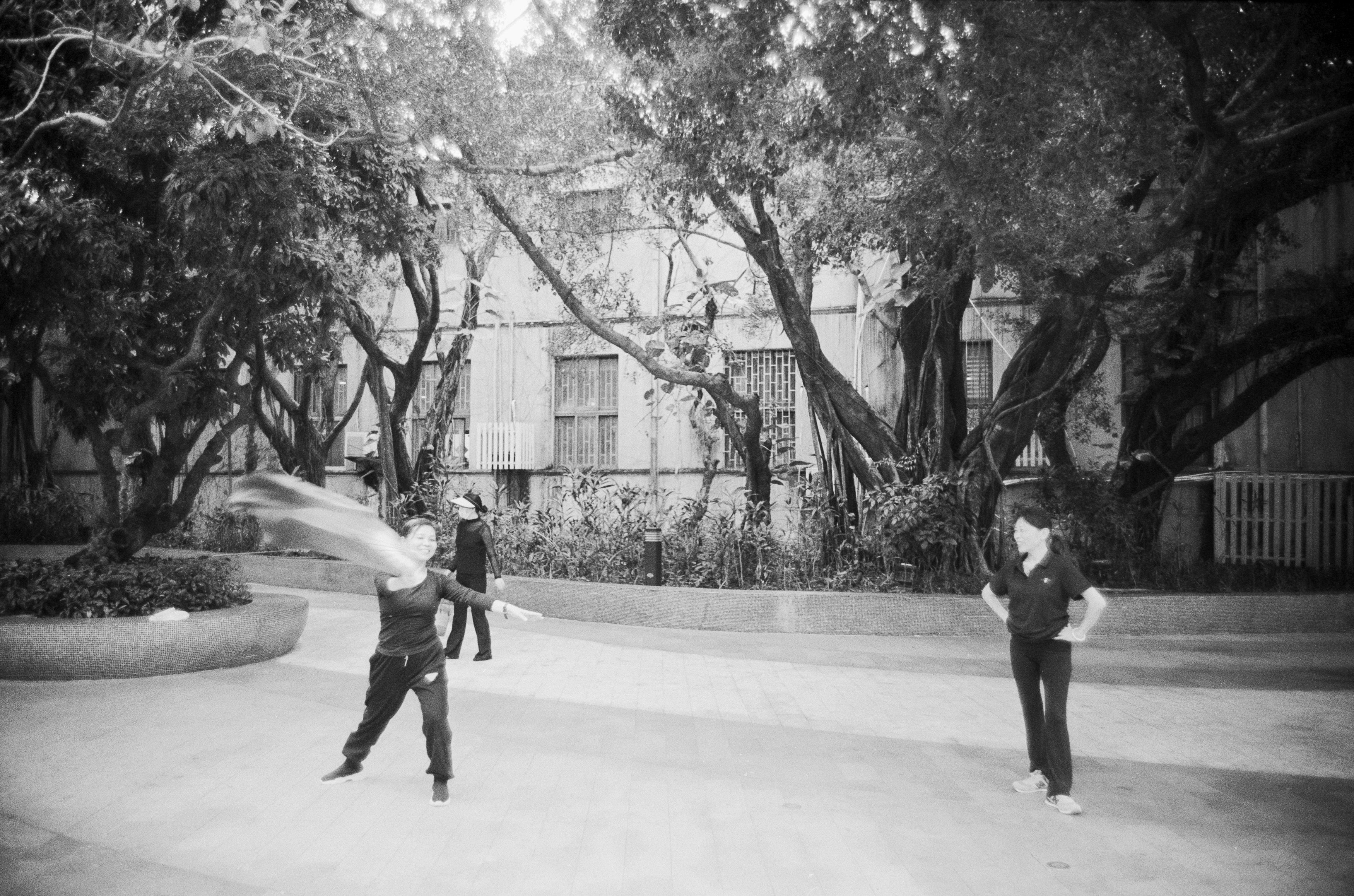
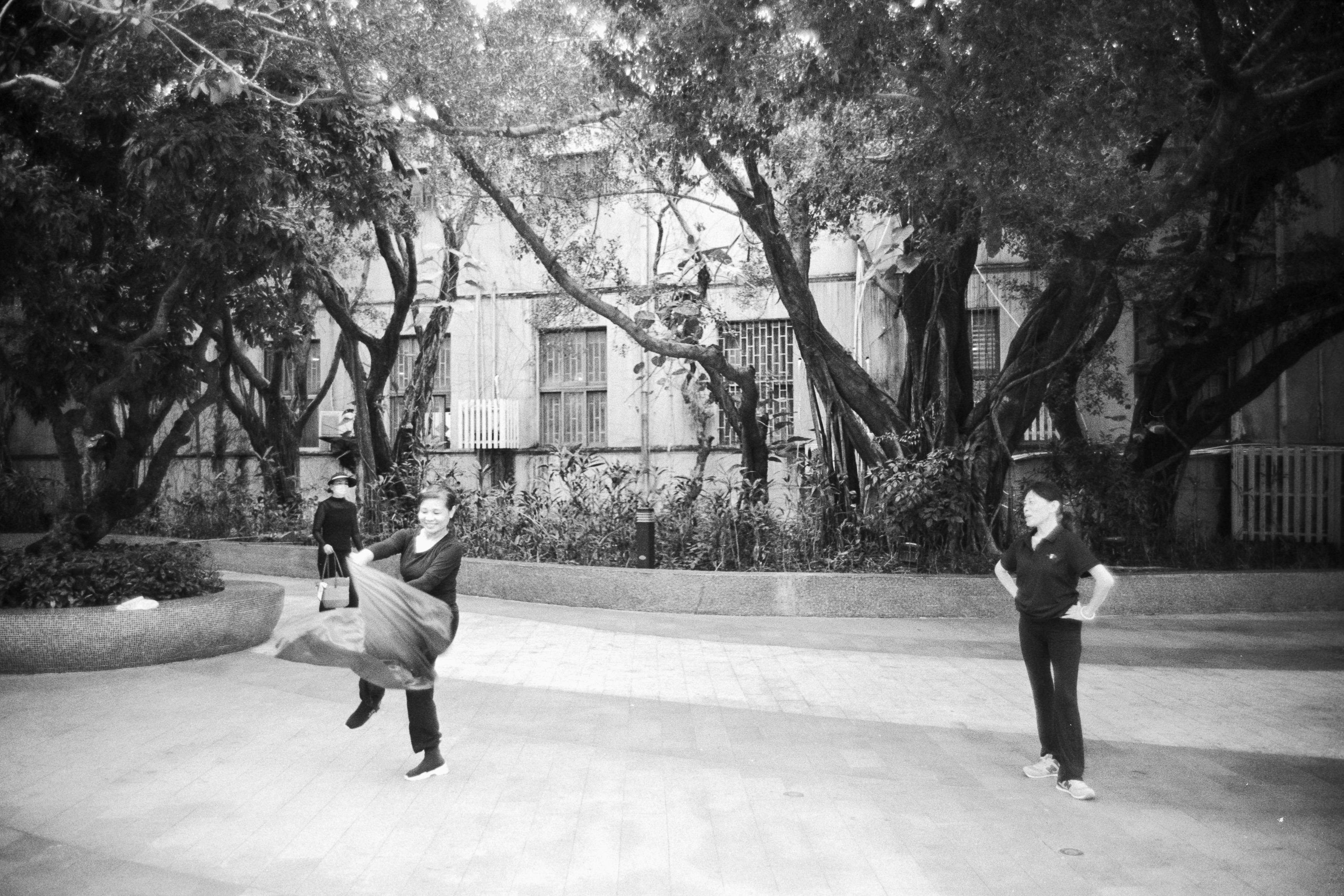
That makes it a poor choice for decisive street photography, yet somehow it still produced some of my favourite travel images. Whether wandering through Vietnam, Japan, Barcelona or elsewhere, the combination of medium format resolution and an unobtrusive automatic camera often resulted in photographs that simply felt different. Massive negatives are arguably better suited to sweeping architecture, dramatic landscapes and iconic locations than everyday street scenes, but the GA645Zi always tempted me to use it for everything.

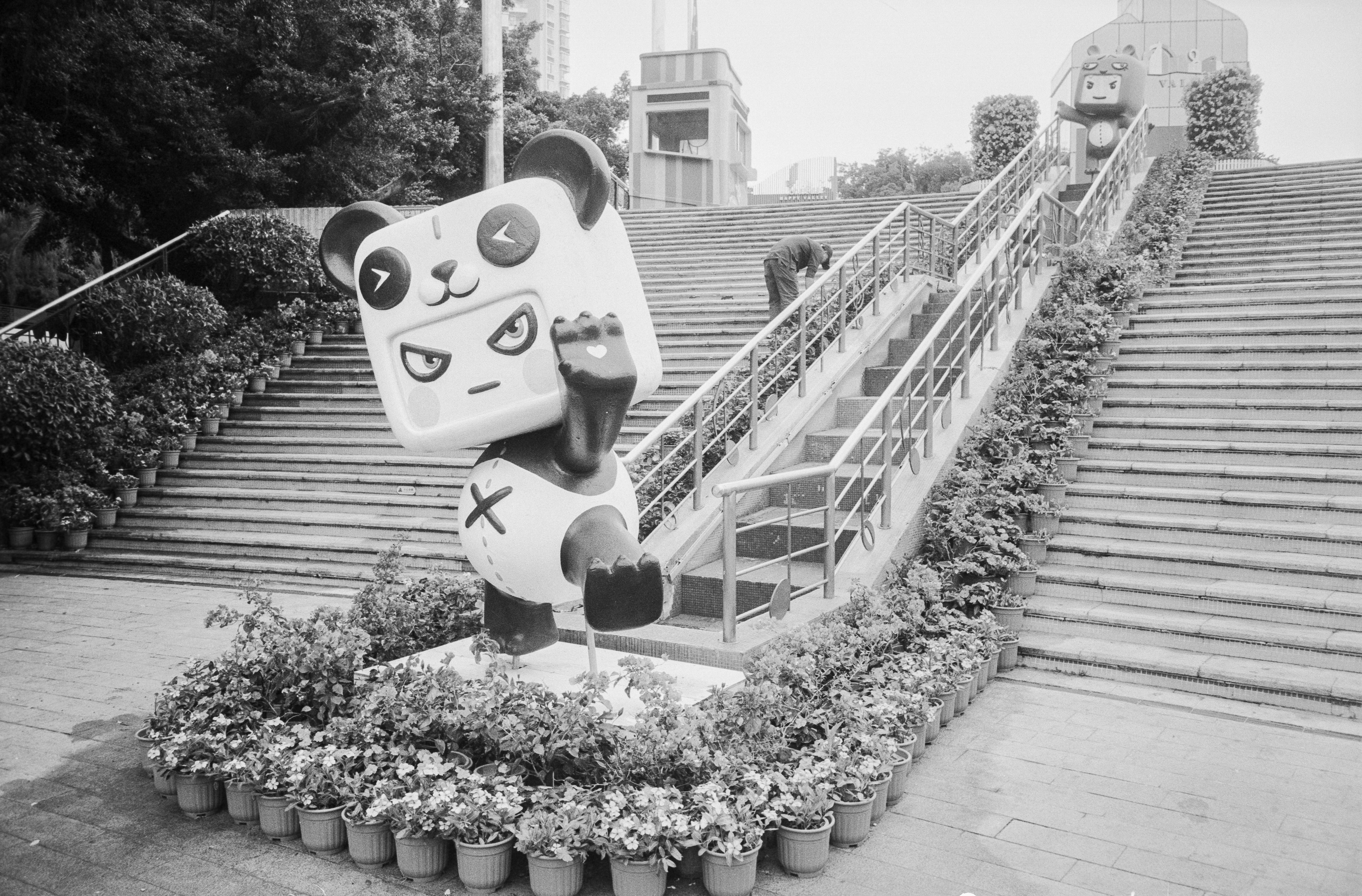
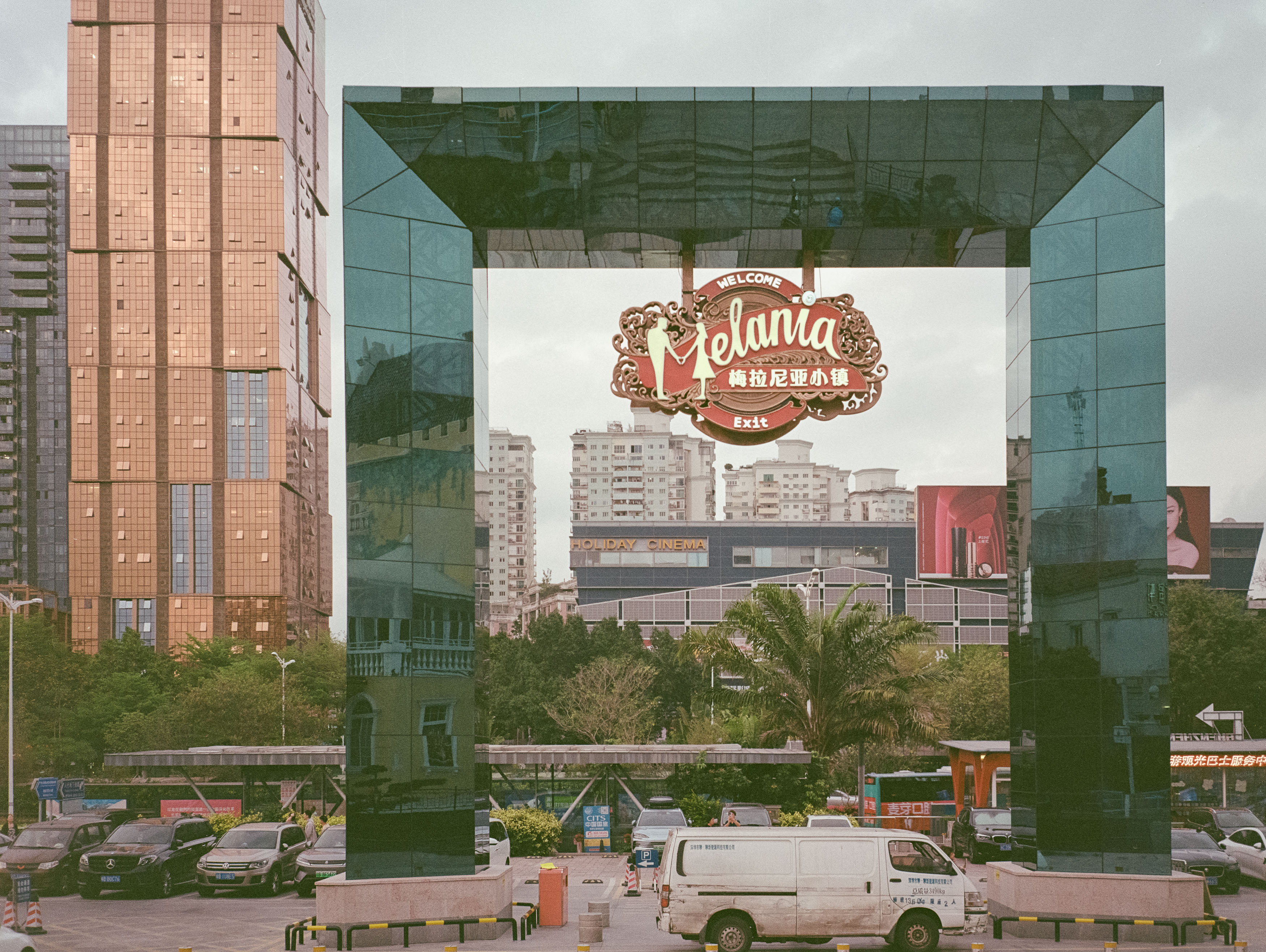
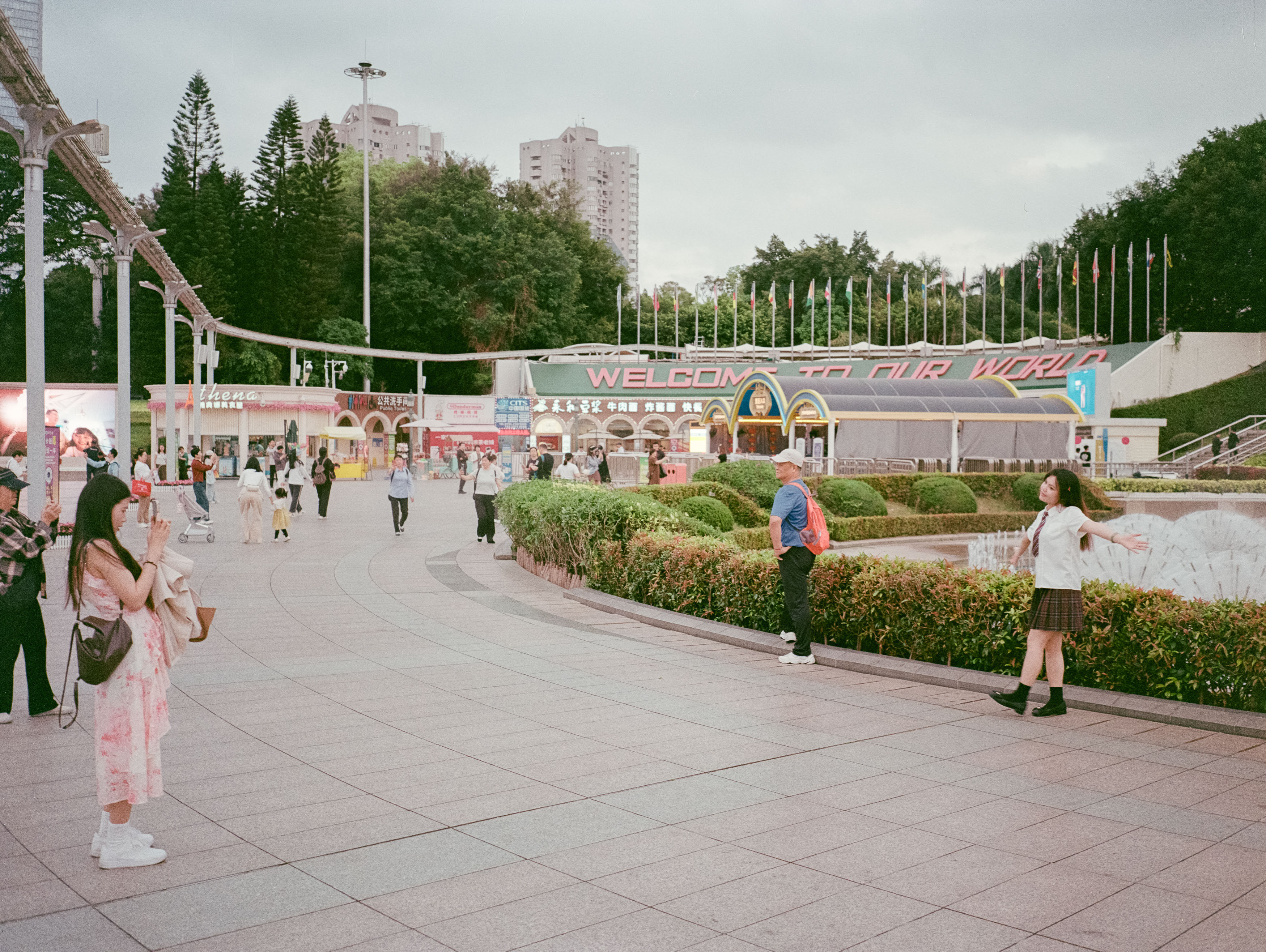
One of its final adventures took place in Shenzhen’s Overseas Chinese Town, where replicas of famous landmarks from around the world provided an appropriately surreal setting for a camera that itself seemed full of contradictions. A sophisticated medium format system disguised as a disposable point-and-shoot felt perfectly at home photographing imitation Venice inside one of the world’s youngest megacities.

Saying Goodbye

By the end of that trip, the LCD had finally died completely. Unfortunately, the problem turned out to be more serious than simply losing information on the display. Whatever electronics had failed also prevented the film from advancing correctly. Film would load, exposure compensation still functioned, but the camera simply refused to wind on. After years of faithful service, it had reached the end of the road.

Over the past decade this Fuji accompanied me across Europe and Asia. It documented family history, quiet personal moments and famous destinations alike. It visited places connected to my family’s experiences during the First World War, wandered through Aix-en-Provence, Kuala Lumpur, Japan and countless other cities, while also recording the ordinary family photographs that often become the most precious years later. Medium format has a wonderful way of preserving tiny details that you barely notice at the time but come to treasure with hindsight.

Looking back through its final rolls, there are still plenty of photographs worth celebrating. As always, they combine people, architecture and those odd little moments that somehow define travel better than famous landmarks ever could. The camera occasionally produced technical disasters alongside genuine gems, but perhaps that’s part of its charm.

I’ll genuinely miss the Fujifilm GA645Zi, although not enough to pay today’s inflated prices for another one. Losing it felt surprisingly similar to saying goodbye to an ageing pet: increasingly slow, occasionally unreliable and prone to little accidents, yet a loyal companion that had been there for some remarkable experiences.

Thankfully, medium format photography doesn’t end here. There are other cameras waiting for future adventures, including one substantially larger beast with enormous 6×9 negatives and, perhaps most importantly, absolutely no electronics waiting to self-destruct. It may make me look even more ridiculous carrying it through airports and city streets, but at least I won’t be worrying about ribbon cables every time I load a roll of film.
Introducing the Canon 28mm f/2.8 LTM to Shenzhen and Vienna

I’ve complained before that 28mm is probably the most boring focal length in photography. It’s the optical equivalent of plain toast: perfectly serviceable but rarely exciting. It sits somewhere between the intimacy of a 35mm and the drama of something genuinely wide, making it feel suspiciously similar to the field of view on your phone. If nothing else, it’s useful for photographing your lunch.

Despite my lack of enthusiasm, there was one obvious gap in my rangefinder kit. Finding a good 28mm lens for the Leica Thread Mount isn’t exactly easy because wide-angle lens design in the 1950s involved plenty of optical compromises. The obvious budget option is the Soviet Orion-15, but its relatively slow f/5.6 aperture and steadily rising second-hand prices meant it wasn’t quite what I was looking for. At the other end of the spectrum sat Leica’s own Elmarit, but buying one of those would probably have required selling one of my children, and they’re now old enough to understand employment law.

Instead, while wandering around Shinjuku in search of something completely different, I stumbled across the Canon 28mm f/2.8. It struck a happy compromise between affordability and quality, and although it lacks the red dot that causes photographers to lose all sense of financial responsibility, it still feels wonderfully substantial. Built from brass and glass, it’s compact, beautifully made and just heavy enough to remind you that cameras used to be engineered rather than assembled.

Its pedigree isn’t exactly shabby either. This was one of the lenses favoured by Garry Winogrand as he documented post-war America, producing one of the most influential bodies of street photography ever assembled. Winogrand died at just fifty-six, leaving behind thousands of undeveloped rolls of film. I’ve somehow managed to outlive him already, although my own contribution to photographic history currently consists of a steadily growing archive of YouTube videos that algorithmically disappear into the digital abyss.

Still, one or two people are watching, so I thought it was finally time to give this little Canon the outing it deserved.

A Vintage Lens in Shenzhen and Vienna

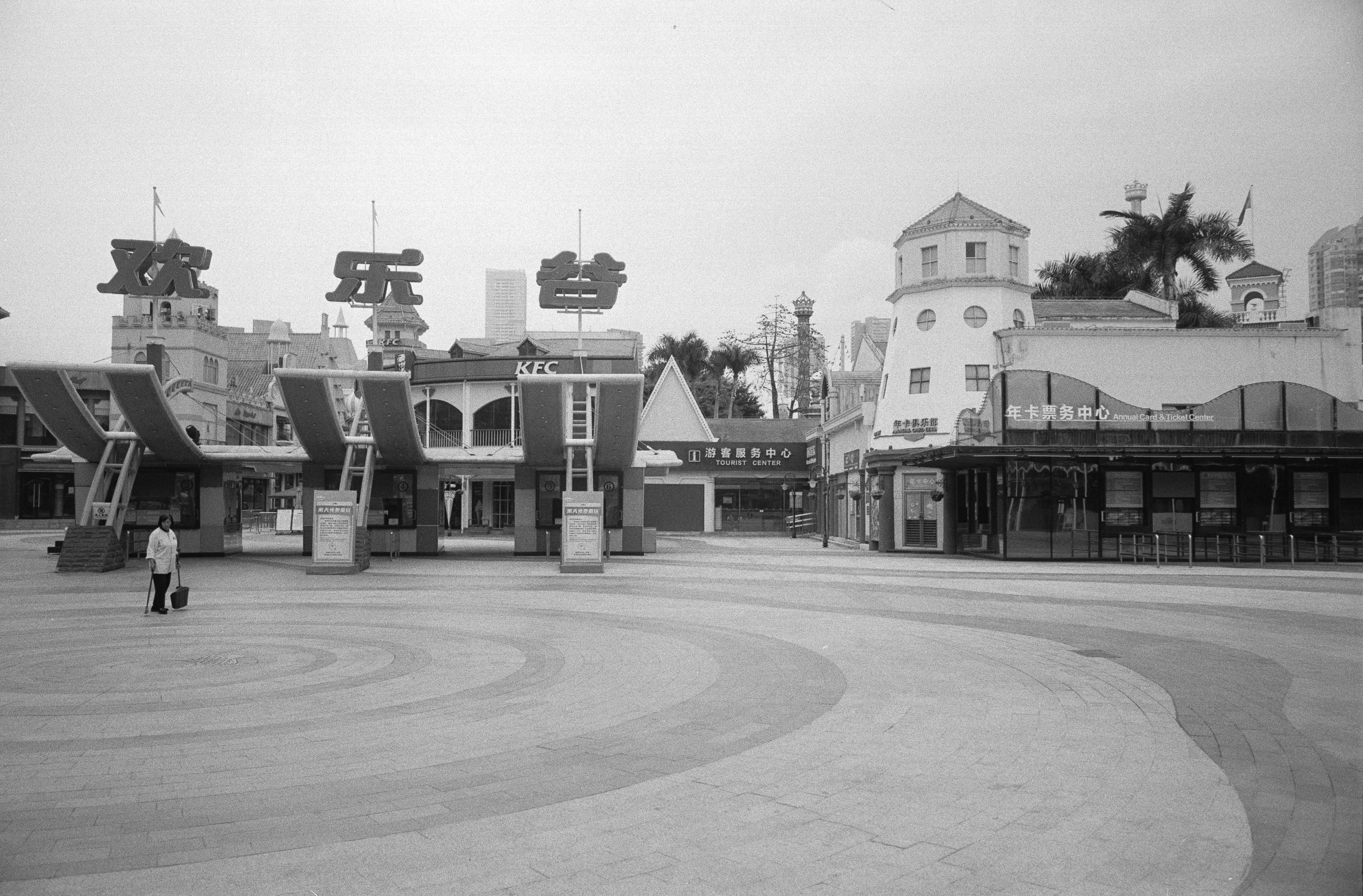
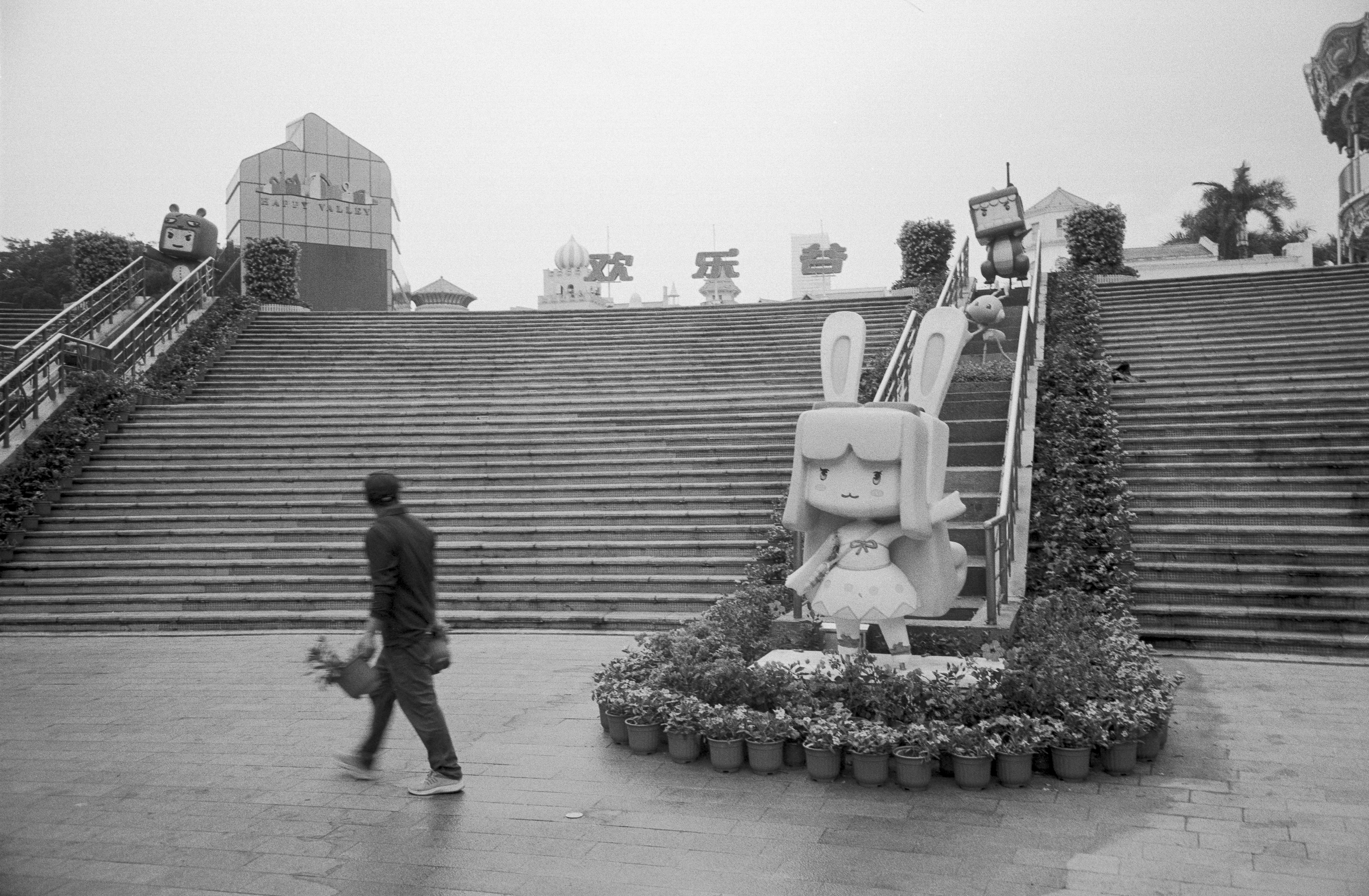
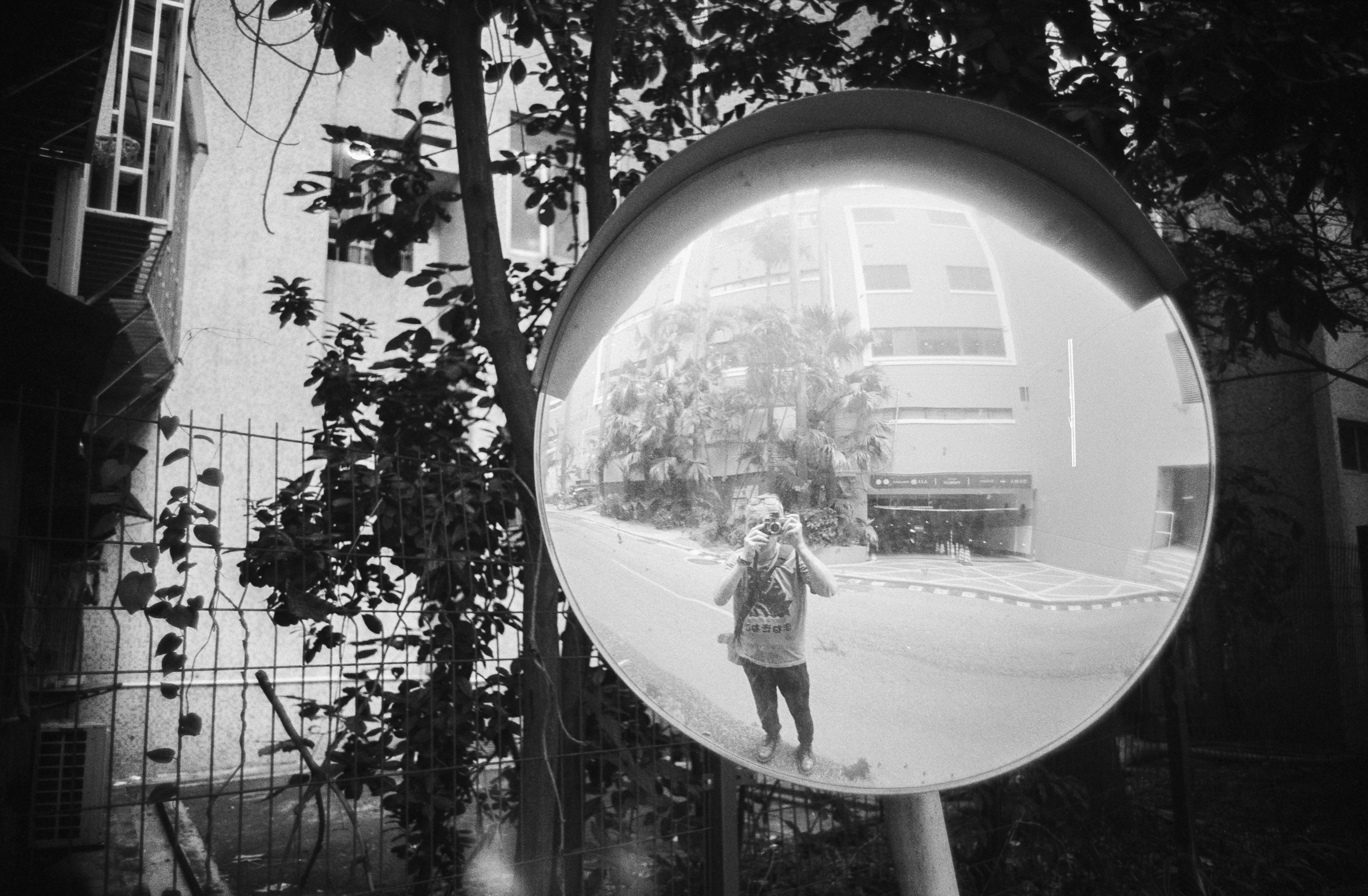
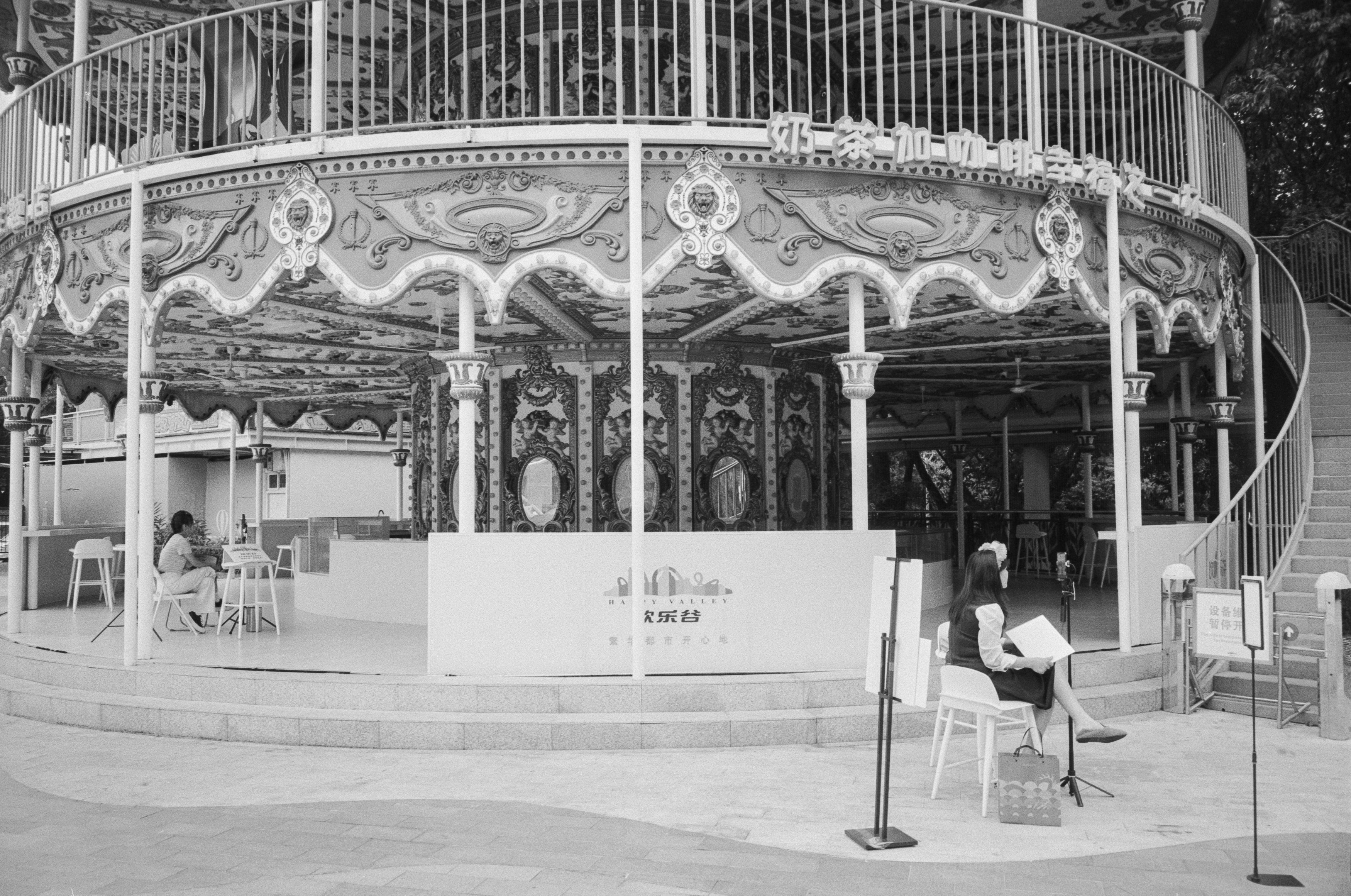
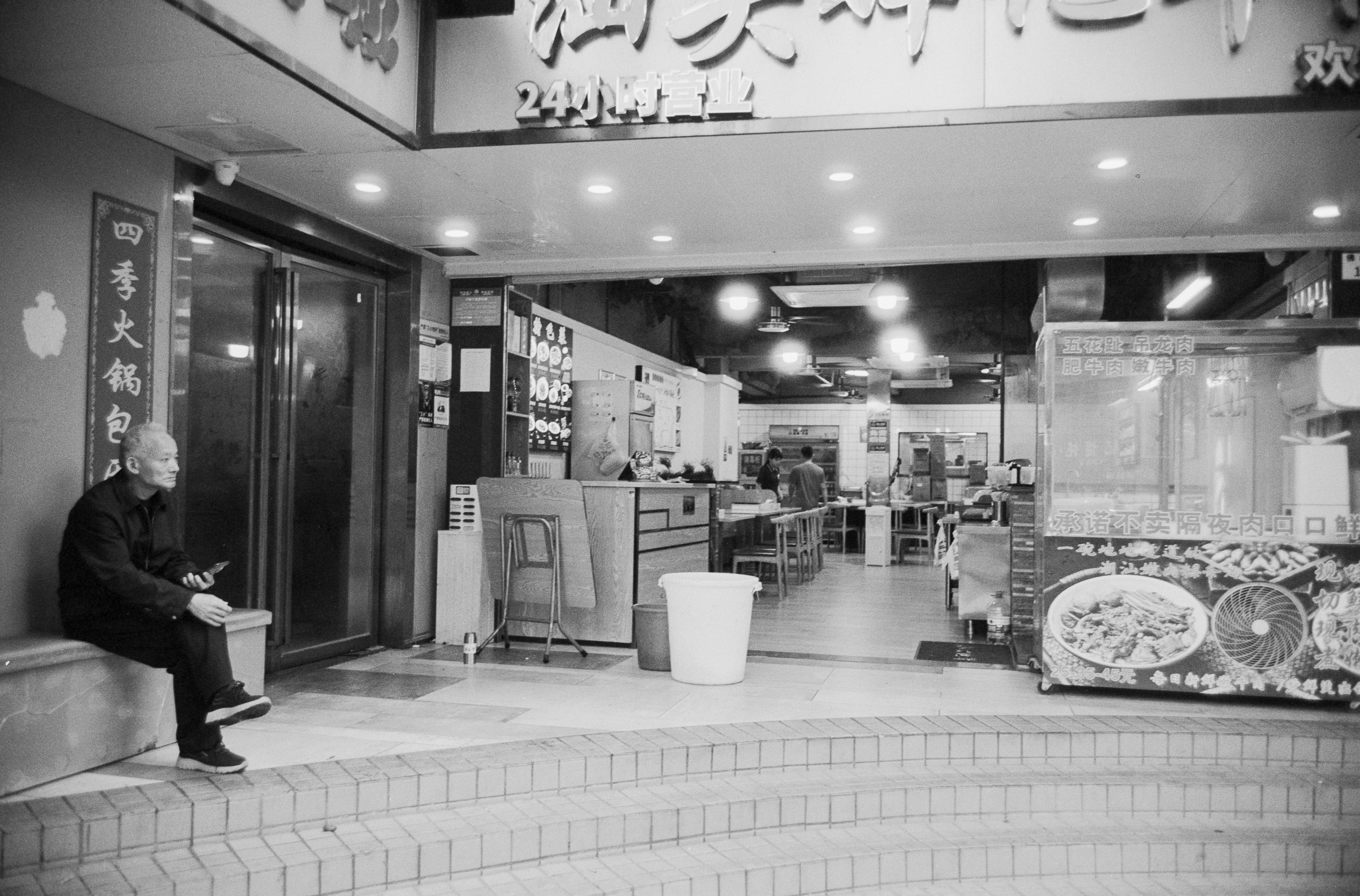
Like many of my photography trips, this one began with work rather than art. An overnight business trip to Shenzhen left just enough time for an hour wandering through Happy Valley, which, despite its cheerful name, possessed the slightly unsettling atmosphere of an abandoned theme park. It felt strangely appropriate to photograph it on black-and-white Kentmere 100 using my Leica M2, allowing the stark architecture and empty spaces to become the real subject rather than the colours themselves.

The Canon immediately makes a good first impression. It’s tiny enough to disappear onto the front of the Leica, yet the focus ring remains easy to grip. It features Canon’s familiar infinity lock, which has a reputation for annoying photographers but quickly becomes second nature once you’ve spent some time with it. Likewise, the front-mounted aperture ring works surprisingly well because the clicks are lighter than the focus action, allowing exposure adjustments without accidentally throwing focus out.

Internally, though, this is unmistakably a product of the 1950s. The six-element design lacks the sophisticated corrections of modern optics, and nobody is going to mistake it for a clinically perfect contemporary lens. Instead, it embraces the sort of imperfections that vintage lens enthusiasts spend their lives romanticising. This lens wasn’t designed to chase laboratory sharpness charts; it was designed to make photographs.

Its age also makes it feel perfectly at home on film. Introduced in 1957, it predates many of the modern photographic conventions we now take for granted, and pairing it with a mechanical Leica feels entirely natural. Ironically, my first experiences with it weren’t on the Leica at all but on my Canon P, until that camera developed a dragging shutter caused by loose stitching on the shutter curtain. The repair proved rather more delicate than these sausage fingers were prepared to attempt, and the whole episode ultimately nudged me towards buying the Leica M2 instead.

One pleasant surprise is how well the M2 accommodates the lens despite lacking dedicated 28mm framelines. By simply using almost the entire viewfinder, the framing becomes remarkably accurate, even if it occasionally requires removing my glasses and pressing my face uncomfortably close to the camera.

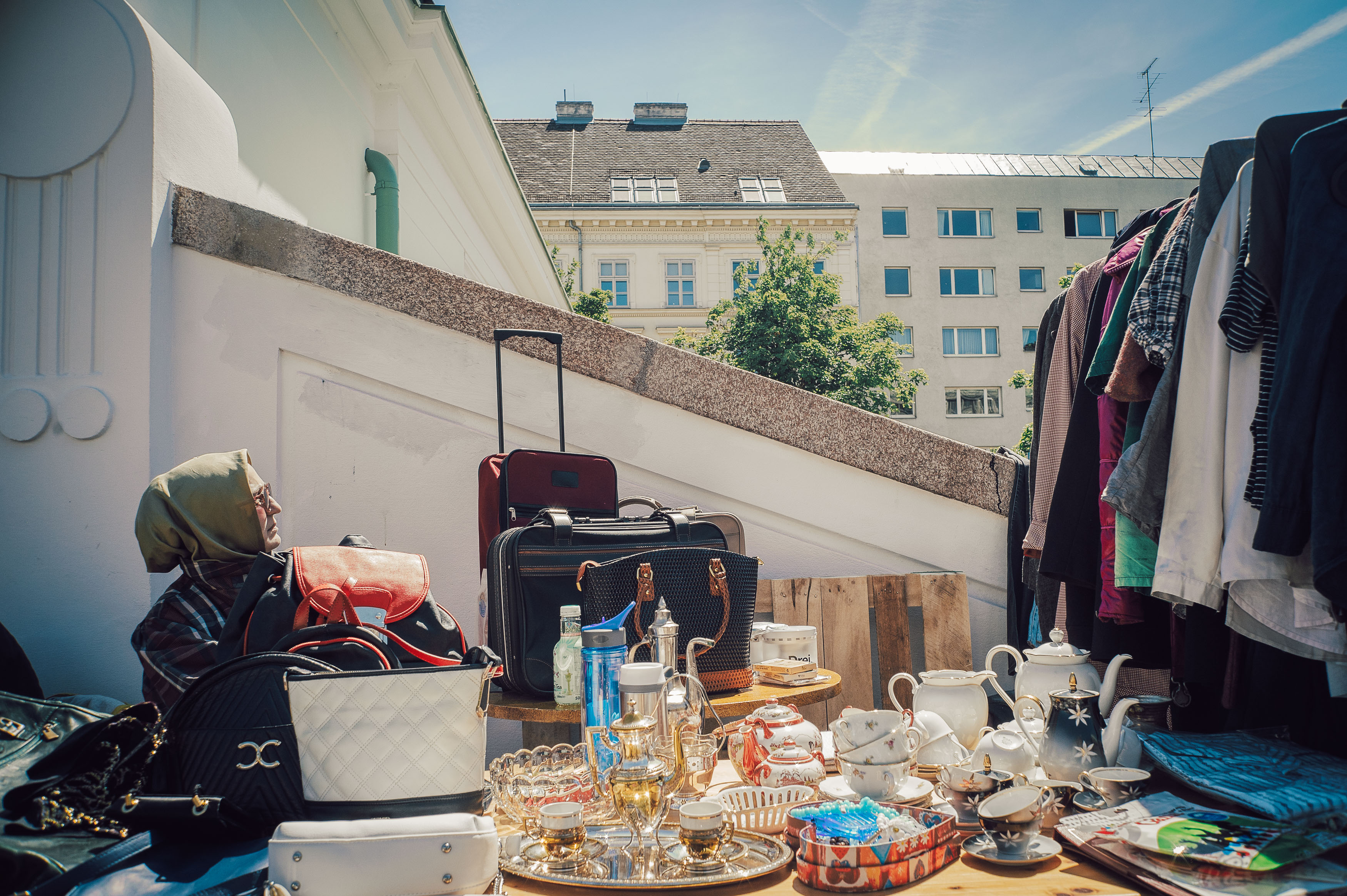
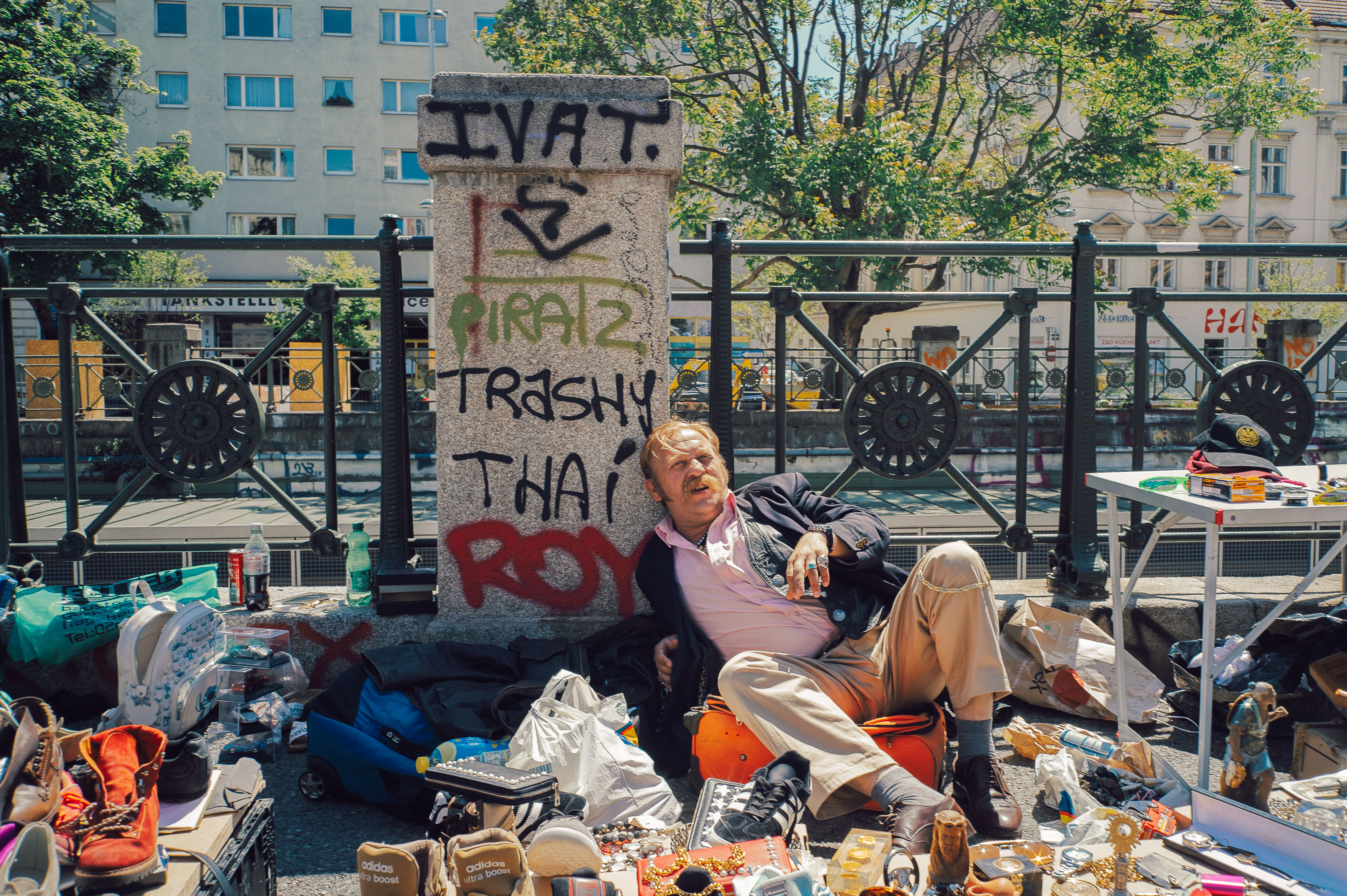
Of course, adapting the lens to a modern mirrorless body removes all of those compromises. Mounted on my Nikon Z6 with a simple adapter during a walk through Vienna’s Museum Quarter and Naschmarkt, the Canon suddenly had focus peaking, magnification and a high-resolution sensor revealing every one of its strengths and weaknesses in glorious detail.

Character Over Perfection

If you’re looking for objective perfection, this isn’t the lens for you. In fact, judged purely by modern standards, it’s difficult to argue that it’s particularly good at all.

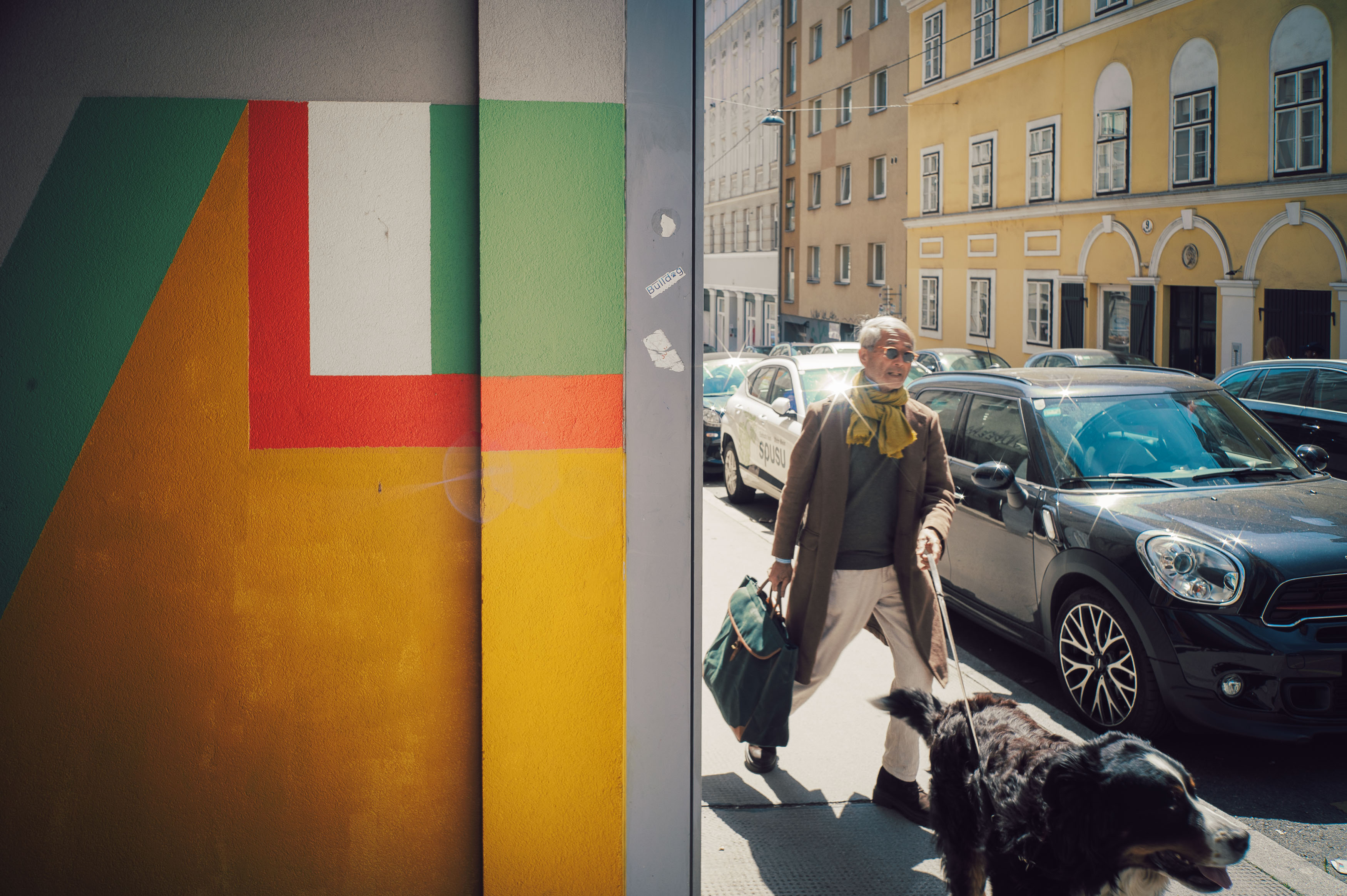
Let’s begin with the flare. Despite the deeply recessed front element, point this lens anywhere near the sun and it erupts into a psychedelic display of hexagonal ghosts, coloured blobs, veiling flare and collapsing contrast. Some photographers deliberately seek out that behaviour, but I generally prefer keeping the sun somewhere over my shoulder, so most of my examples avoid the full disco light show.

More problematic is the vignetting. Wide open at f/2.8, the corners darken dramatically, as though the world is being viewed through a cardboard tube while driving through an alpine tunnel. Even stopping down doesn’t entirely eliminate it, and if you’re allergic to heavy corner shading, this lens probably isn’t going to become your new favourite.

Sharpness is equally complicated. At maximum aperture, the centre remains respectable, but detail falls away rapidly towards the edges where the image becomes noticeably smeared. Yet somehow, those flaws work together to produce something unexpectedly appealing. The rendering has a painterly quality that modern lenses often sacrifice in pursuit of perfection, and photographs seem to possess a depth and atmosphere that’s difficult to quantify on a test chart.

Stopping the lens down transforms its behaviour. By f/16 the dreamy softness gives way to surprisingly rich detail, while still retaining the gentle microcontrast and subtle rendering that make older optics so enjoyable to use. Tree bark gains texture, colours become vibrant and every corner of the frame rewards closer inspection, even if absolute edge sharpness never quite catches up with contemporary designs.

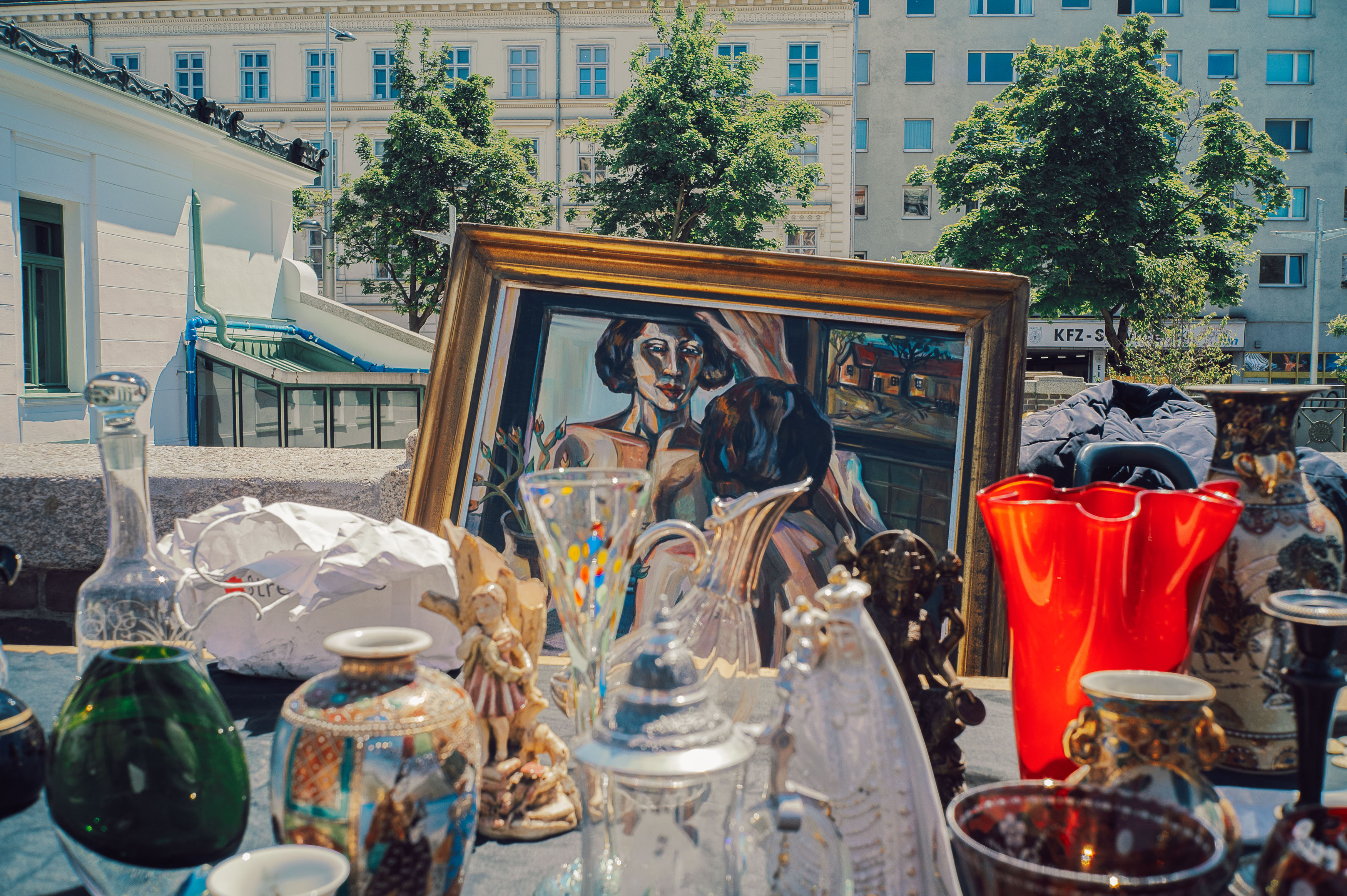
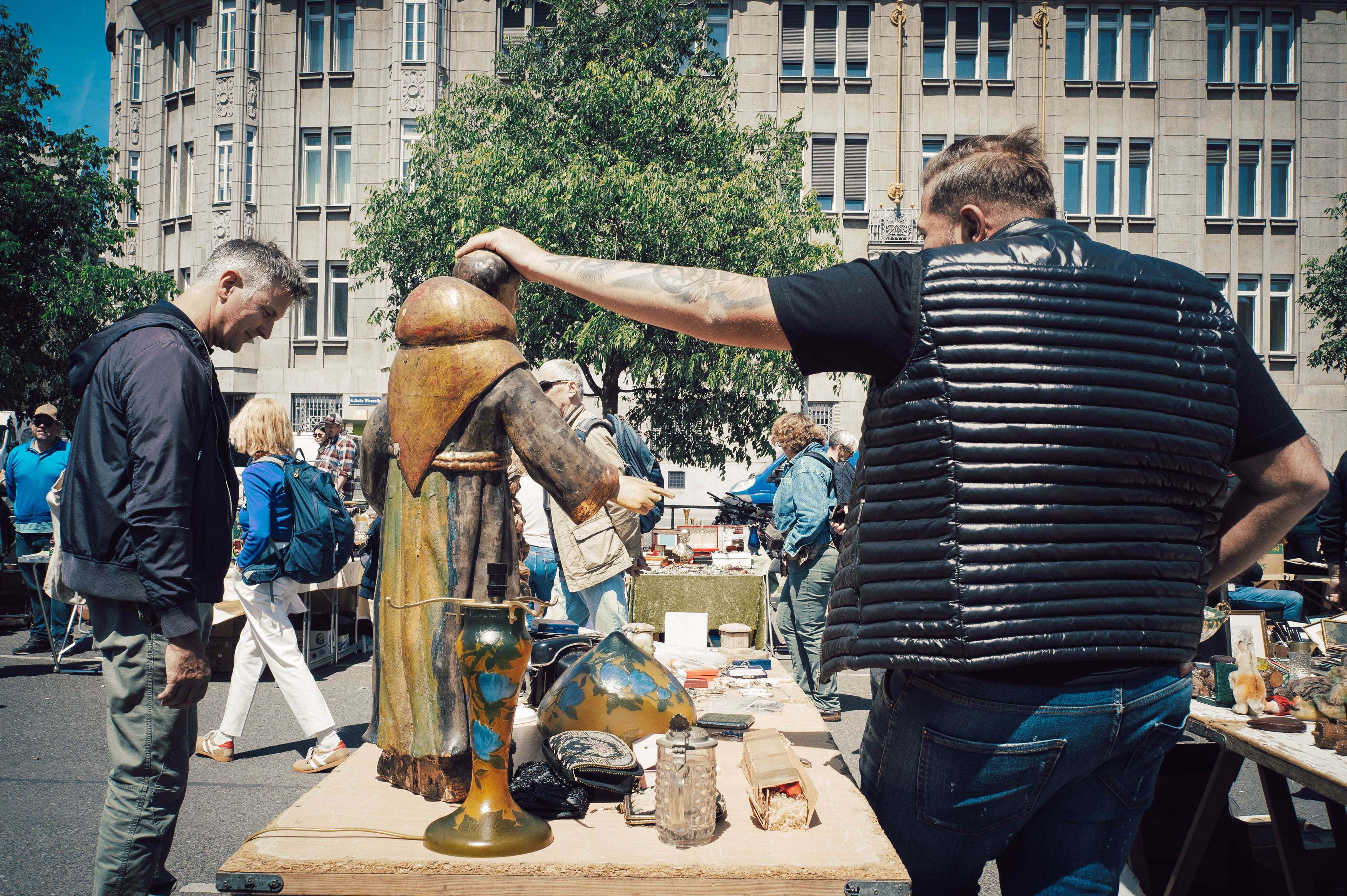
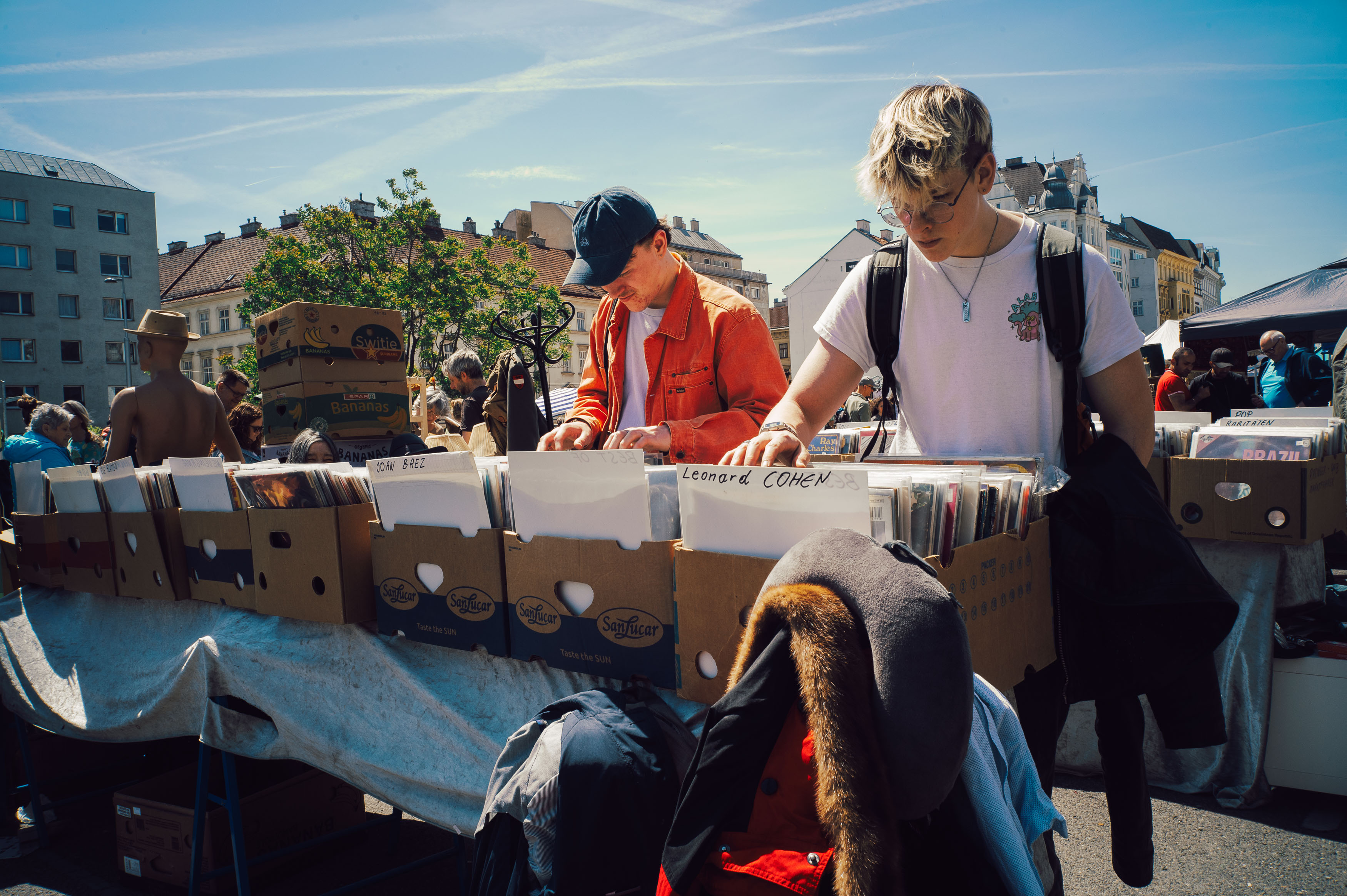
Looking back through photographs from both Shenzhen and Vienna, the Canon feels remarkably consistent despite the very different subjects. The quiet, almost surreal emptiness of Happy Valley contrasts beautifully with the bustle of Vienna’s flea markets, yet the lens gives both places a cohesive visual identity. Digital files from the Nikon certainly reveal more of the lens’s colour shifts and optical fall-off than film ever does, but they also confirm that the central sharpness is more than adequate while the imperfections remain part of its charm rather than distractions.

Ultimately, that’s what makes the Canon 28mm f/2.8 such an enjoyable lens. It doesn’t pretend to be perfect, nor does it try to compete with modern optics on technical grounds. Instead, it delivers photographs with personality, accepting softness, flare and vignetting as part of the creative process rather than problems to eliminate. Wide open it behaves like an unruly opera singer, full of excess and theatrical flourish. Stop it down and it settles into something far more disciplined, pairing beautifully with the Leica M2 to produce images that feel timeless rather than merely old.

Sometimes character really is worth more than perfection, and this little Canon has plenty of both flaws and personality to keep earning a place in my camera bag.