
There are many moods to Mark, and I have as many lenses to match them. From 14mm to 600mm, you’d think I should be able to photograph the inside of an arena while simultaneously shooting for the moon, but not every focal length is particularly practical for street photography. I’ve tried most of them, across digital and film, from tiny Rollei 35s to medium format Bronicas, and if there’s one thing I’ve learned, it’s that different focal lengths produce very different results. It’s also taught me that I’m incapable of sticking with anything consistently but that’s another post for another time.
For this particular experiment, I took three Nikon Z-mount lenses onto the streets of Qianmen in Beijing: the Viltrox AF 20mm f/2.8, the Nikon Z 28mm f/2.8 SE and the Nikon Z 40mm f/2 SE. They’re all relatively affordable, compact lenses that lack some of the clinical perfection of their larger and more expensive S-line rivals. But when you’re wandering through filthy streets, surrounded by the stench of humanity, I’m not entirely convinced clinical perfection is what we’re looking for. Though to be fair, Qianmen, like many parts of modern China, is really quite orderly.
20mm: Wide, Dramatic and Slightly Bonkers
The 20mm is definitely wide, and it’s not what I’d call a particularly natural focal length. The difference between 20mm and 28mm is surprisingly dramatic, much more so than the difference between 28mm and 40mm. The wider you go, the more those extra millimetres seem to matter, and suddenly you’re dealing with a completely different way of seeing.
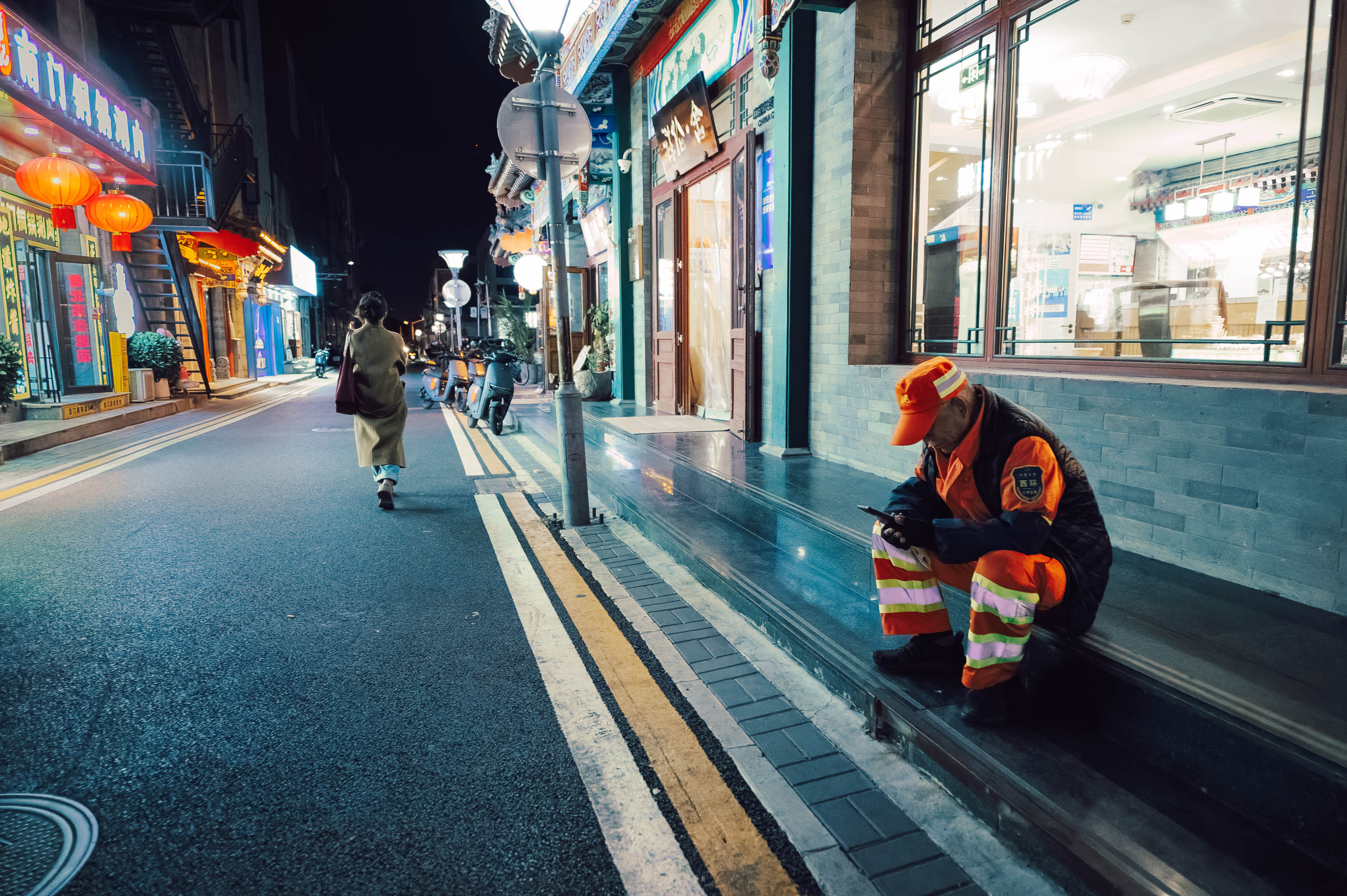
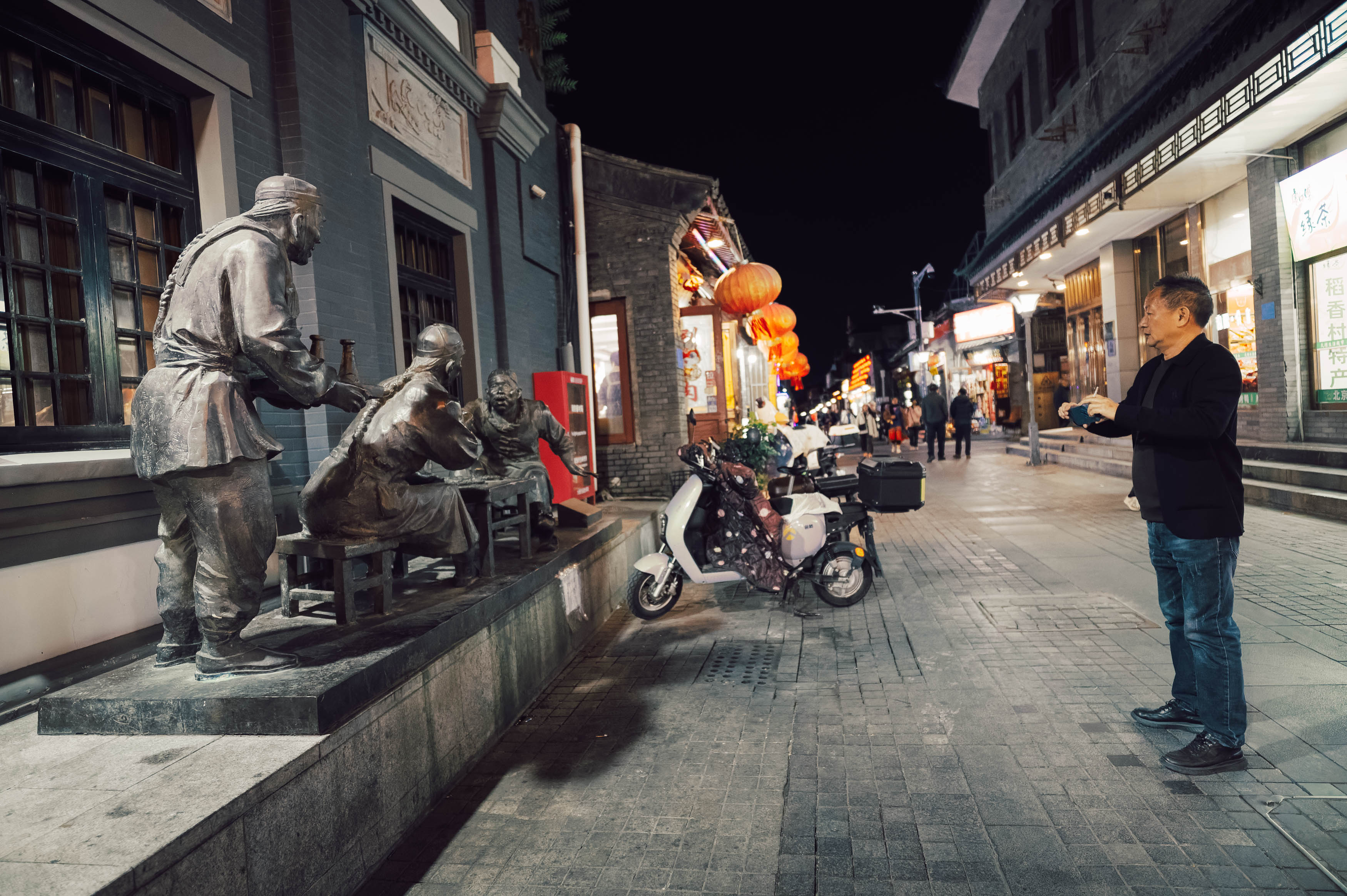
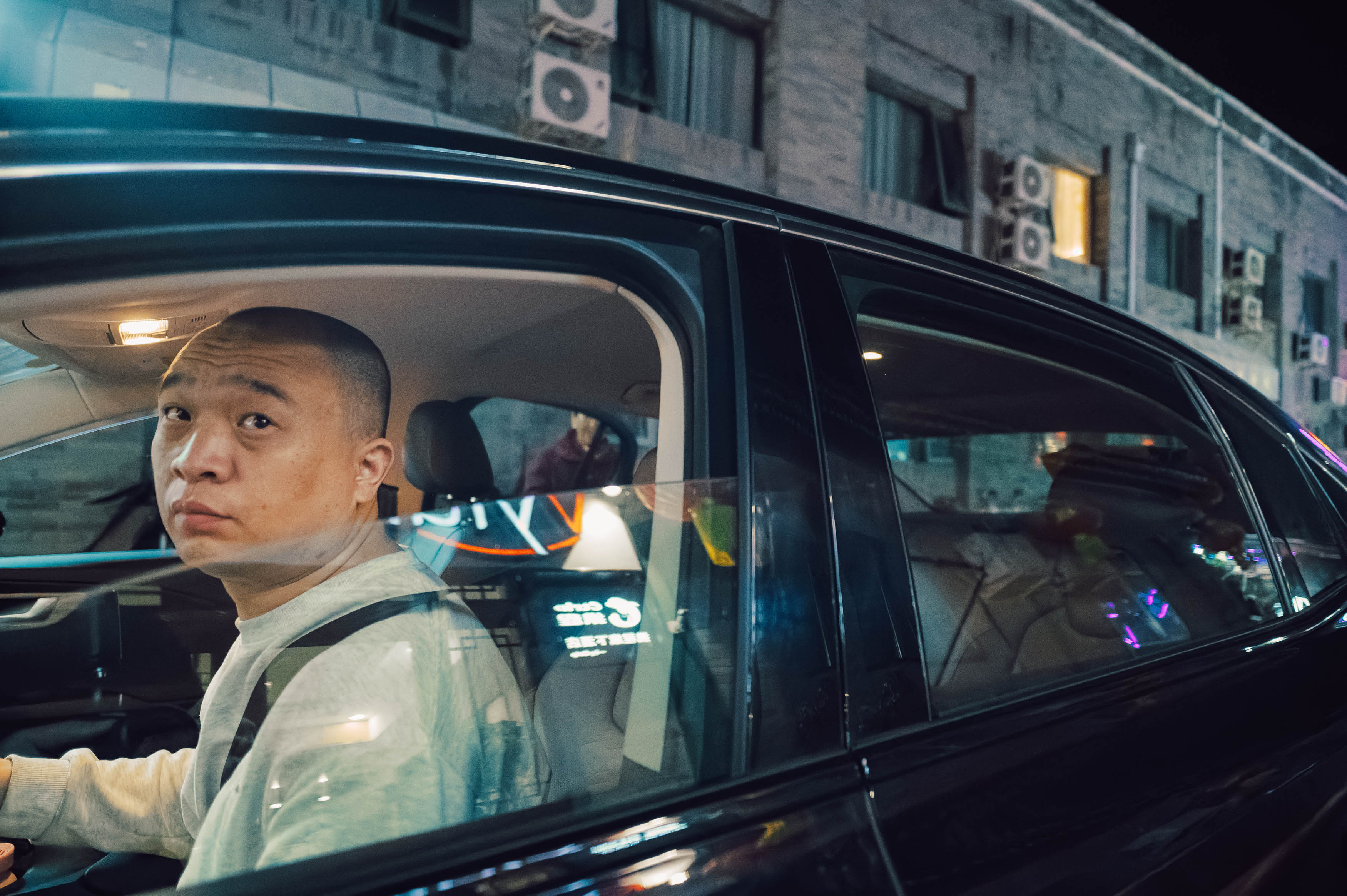
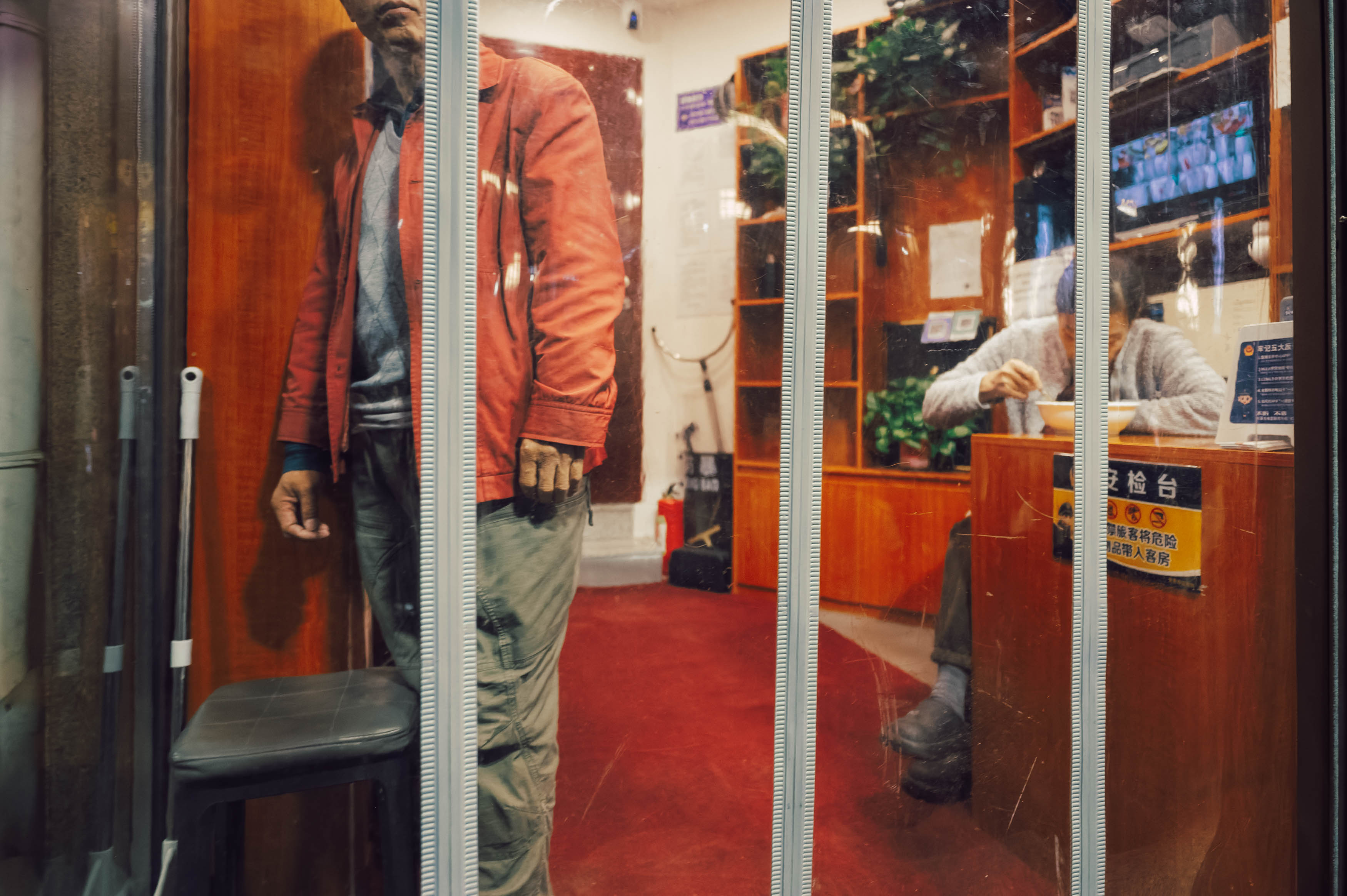
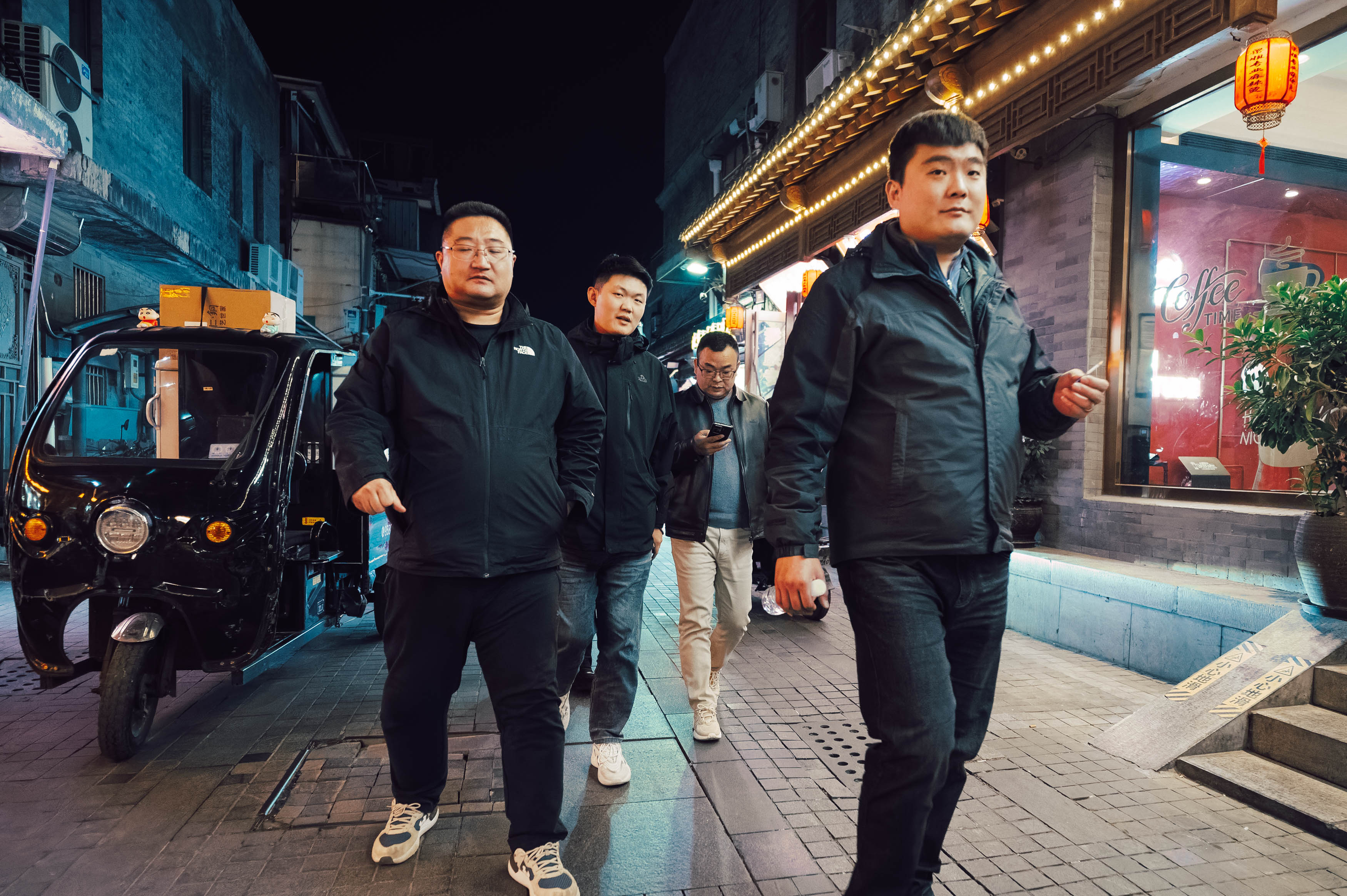
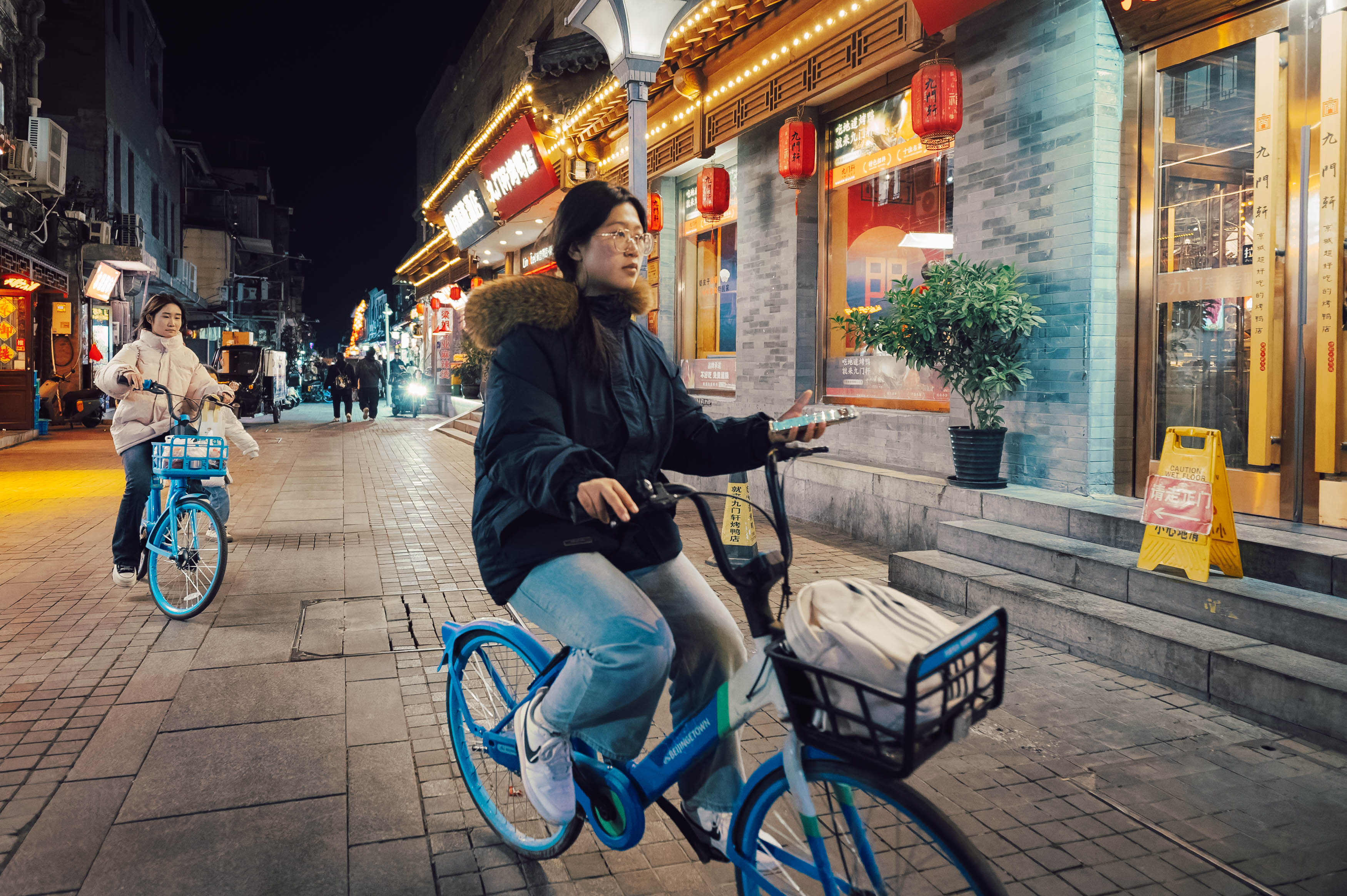
There is plenty to like about that. A wide-angle lens gives you a deep field of focus, plenty of perspective and the ability to layer elements throughout the frame. The distortion can actually add to the drama, making an ordinary street scene feel slightly otherworldly. Eugene Richards used 20mm extensively for documentary work, and you can see how effective that exaggerated perspective can be.
The problem is that 20mm isn’t particularly easy to compose with. You can include an enormous amount of the environment, but unless you’ve got something interesting right up front, your subject can simply disappear into the background. I also found myself cropping out distractions more often than I did with the other lenses. The Viltrox itself is sharp, compact and relatively fast at f/2.8, although its unusual distortion profile does need some correction.
There is also the obvious problem that to make a 20mm work for street photography, you generally need to get quite close to your subject. That’s not necessarily a problem in a crowded tourist destination like Qianmen, but I might feel slightly less enthusiastic about putting it directly in the face of a stranger in Liverpool. Ultimately, 20mm gives you drama and perspective, but it demands that you work for it.
28mm: The Goldilocks Focal Length?
I’ve previously described 28mm as possibly the most boring focal length, largely because it is so close to the way most people experience photography through their phones. That familiarity can make images feel almost generic, and when you scroll through a collection of 28mm photographs it can sometimes feel like an endless Instagram feed.
But there is probably a reason why it’s so popular. The 28mm perspective gives you enough room to establish a location without forcing you to manage the huge amount of visual clutter that comes with something like 20mm. It is a very scenic focal length, and perhaps the best of the three for building a sense of place.
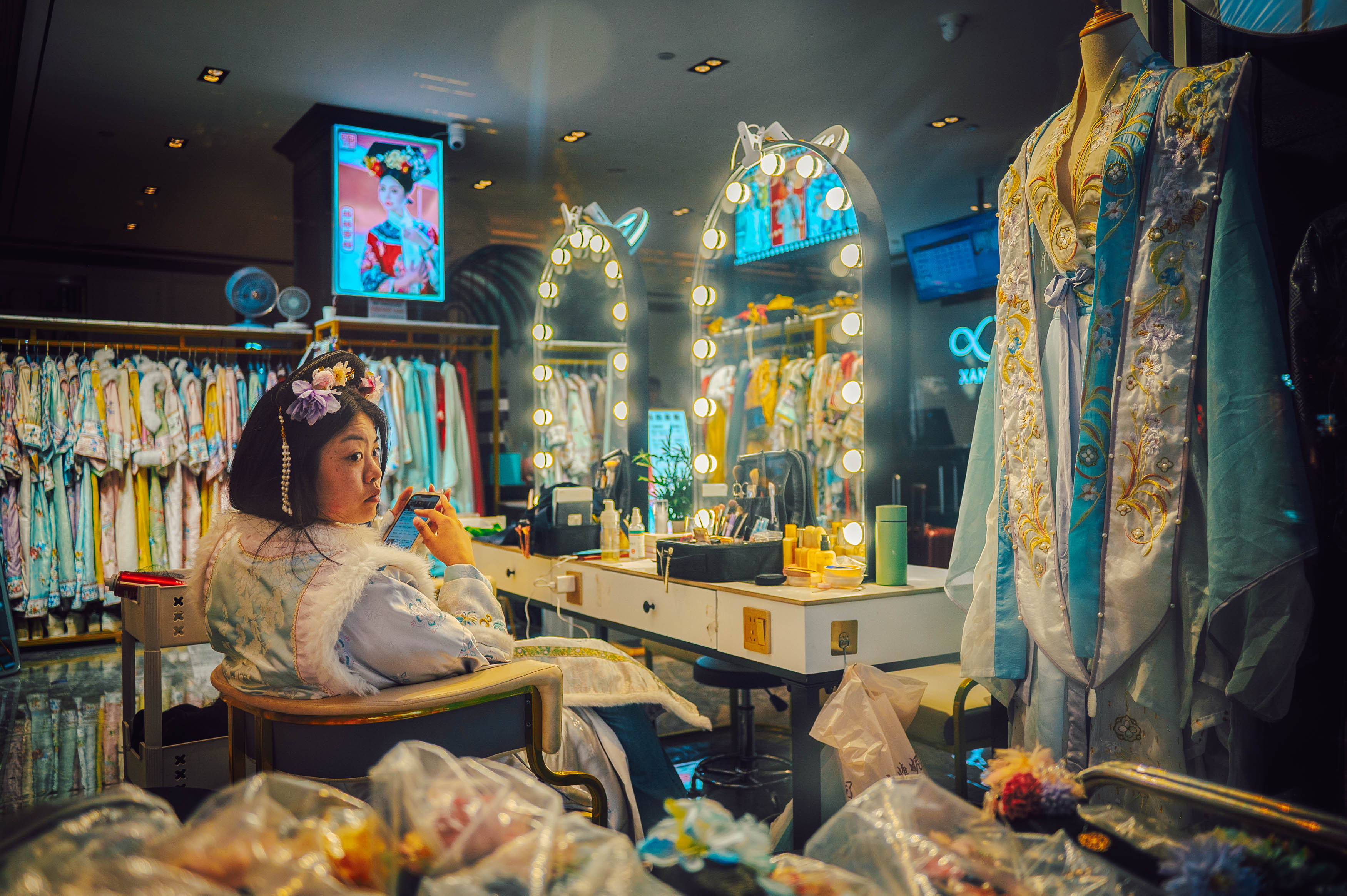
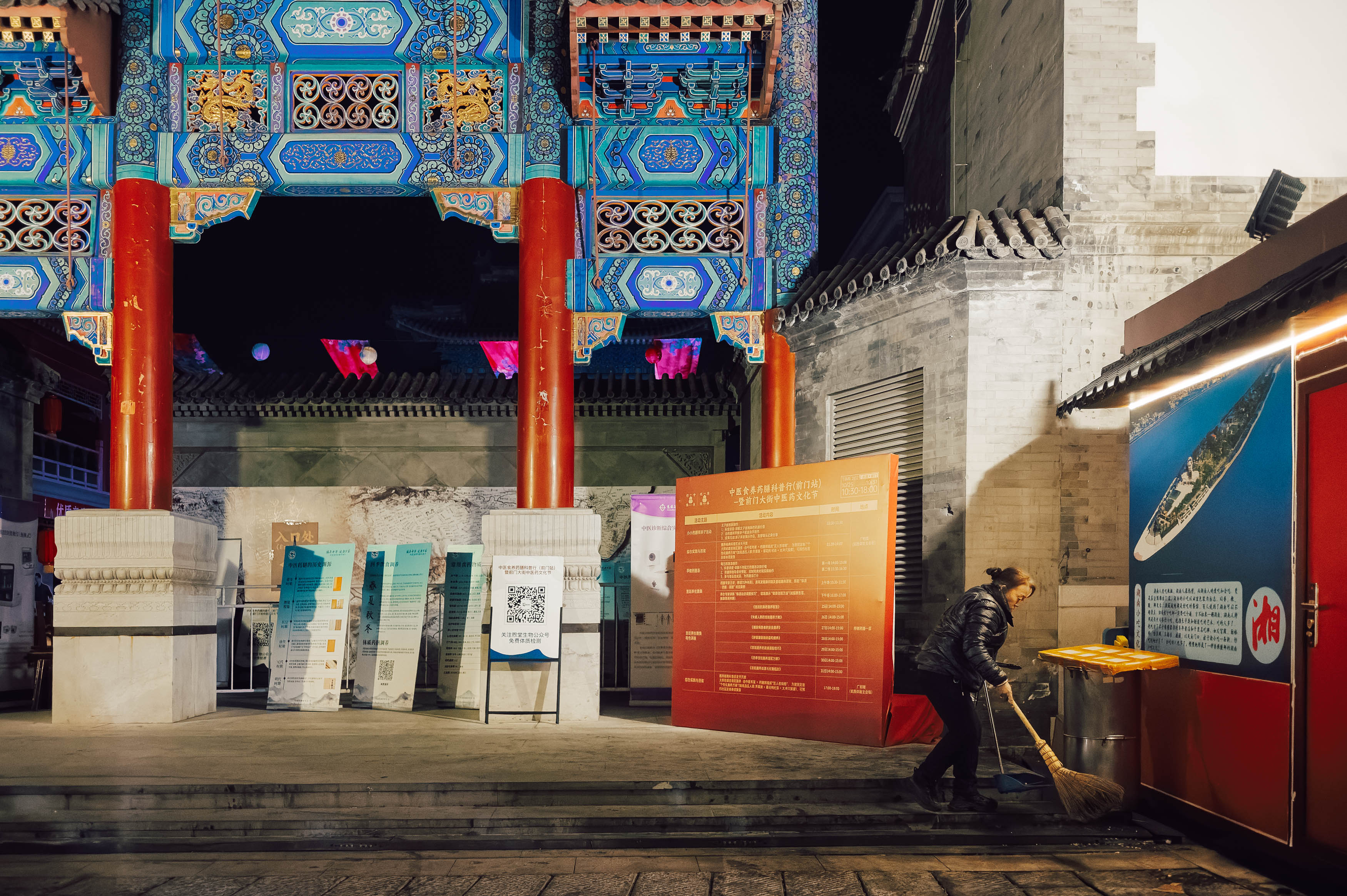
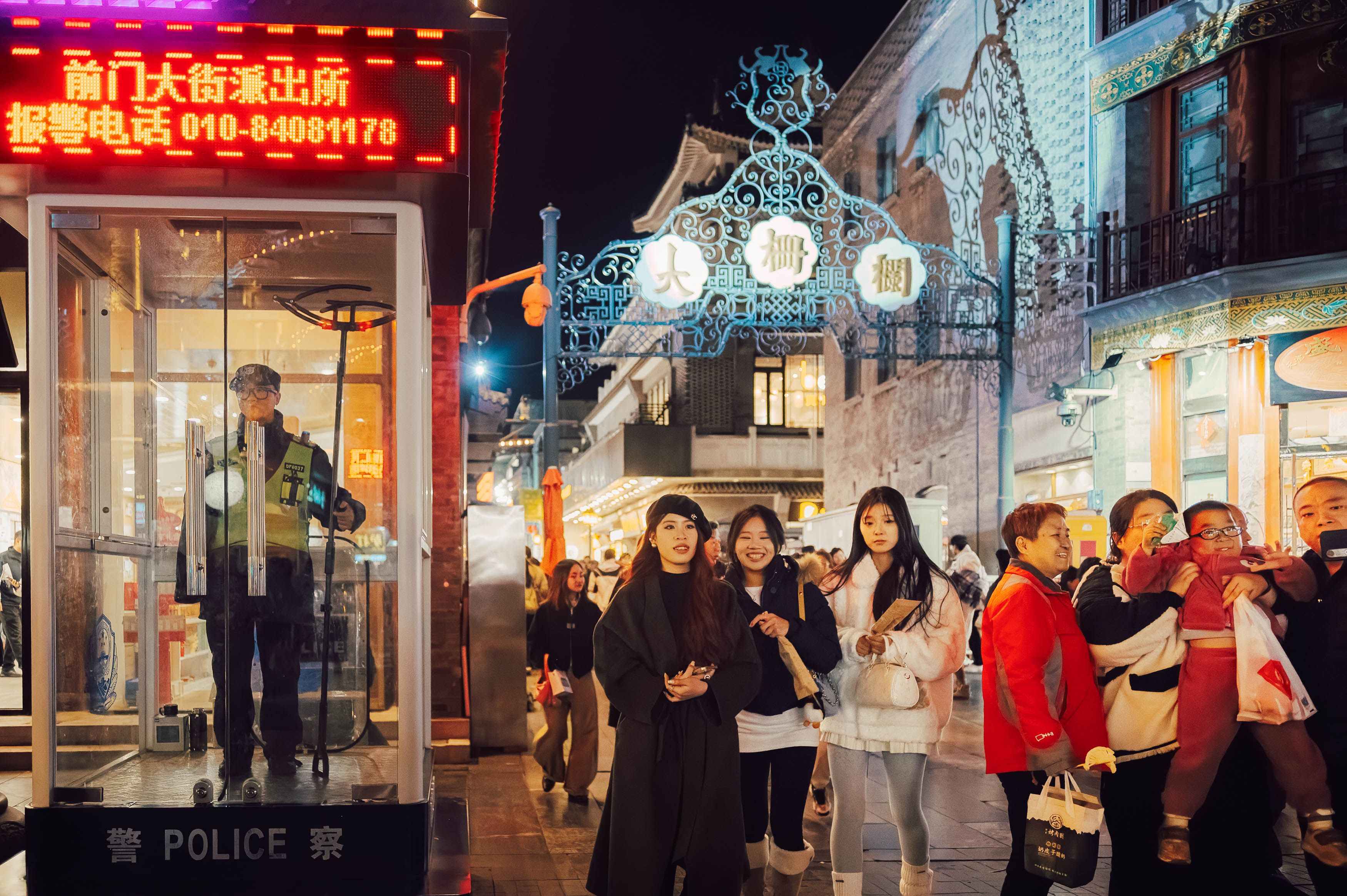
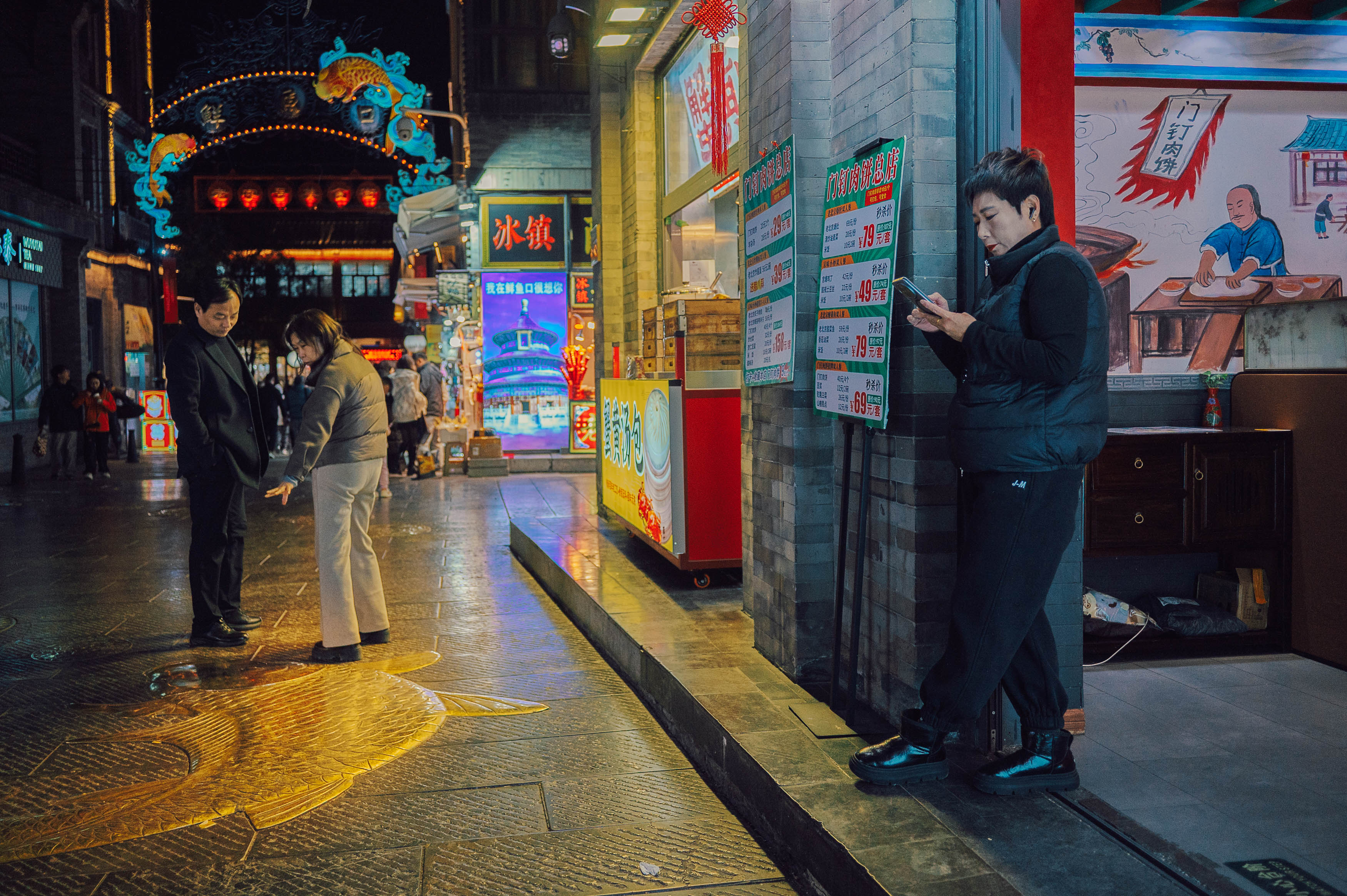
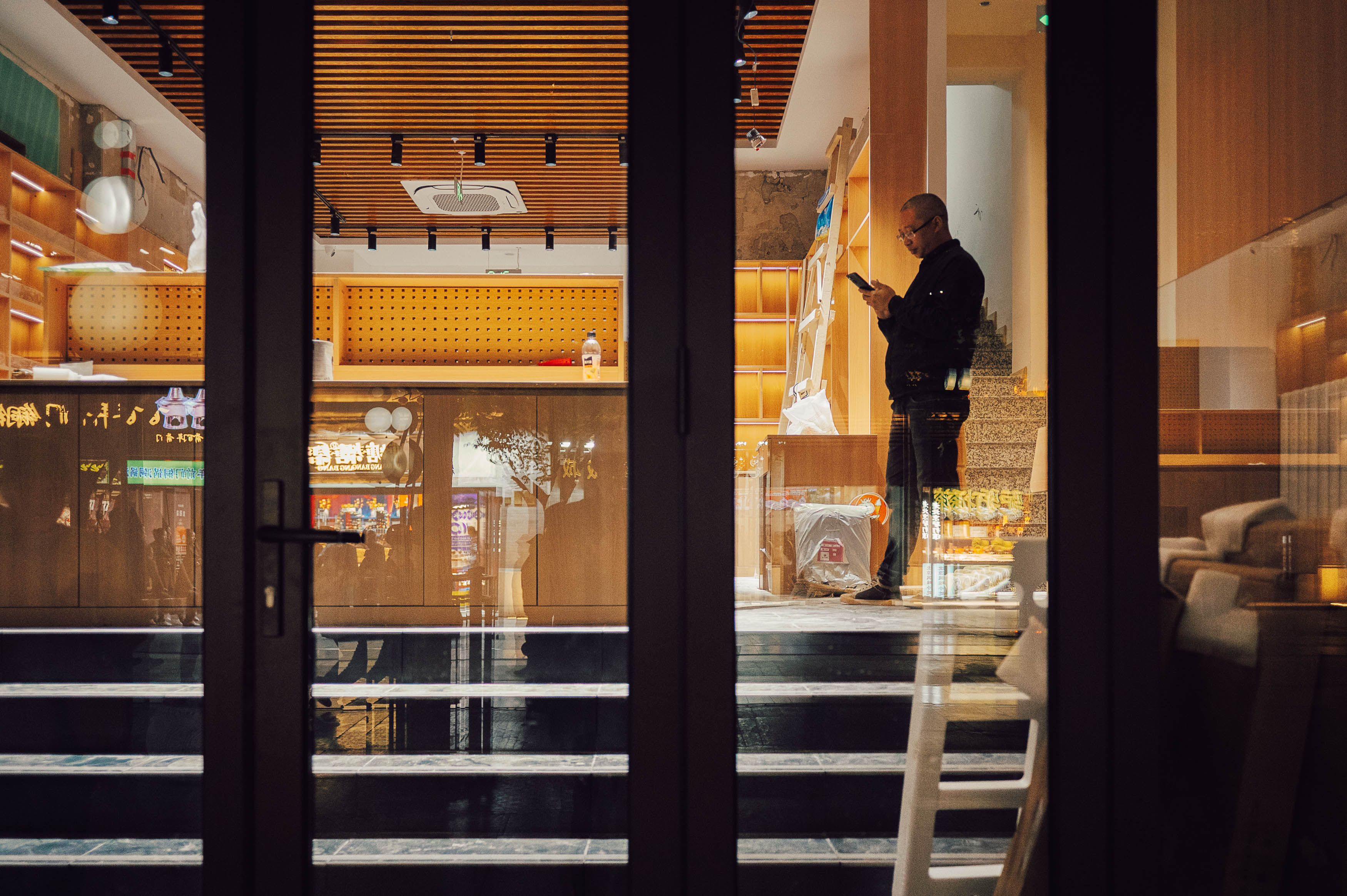
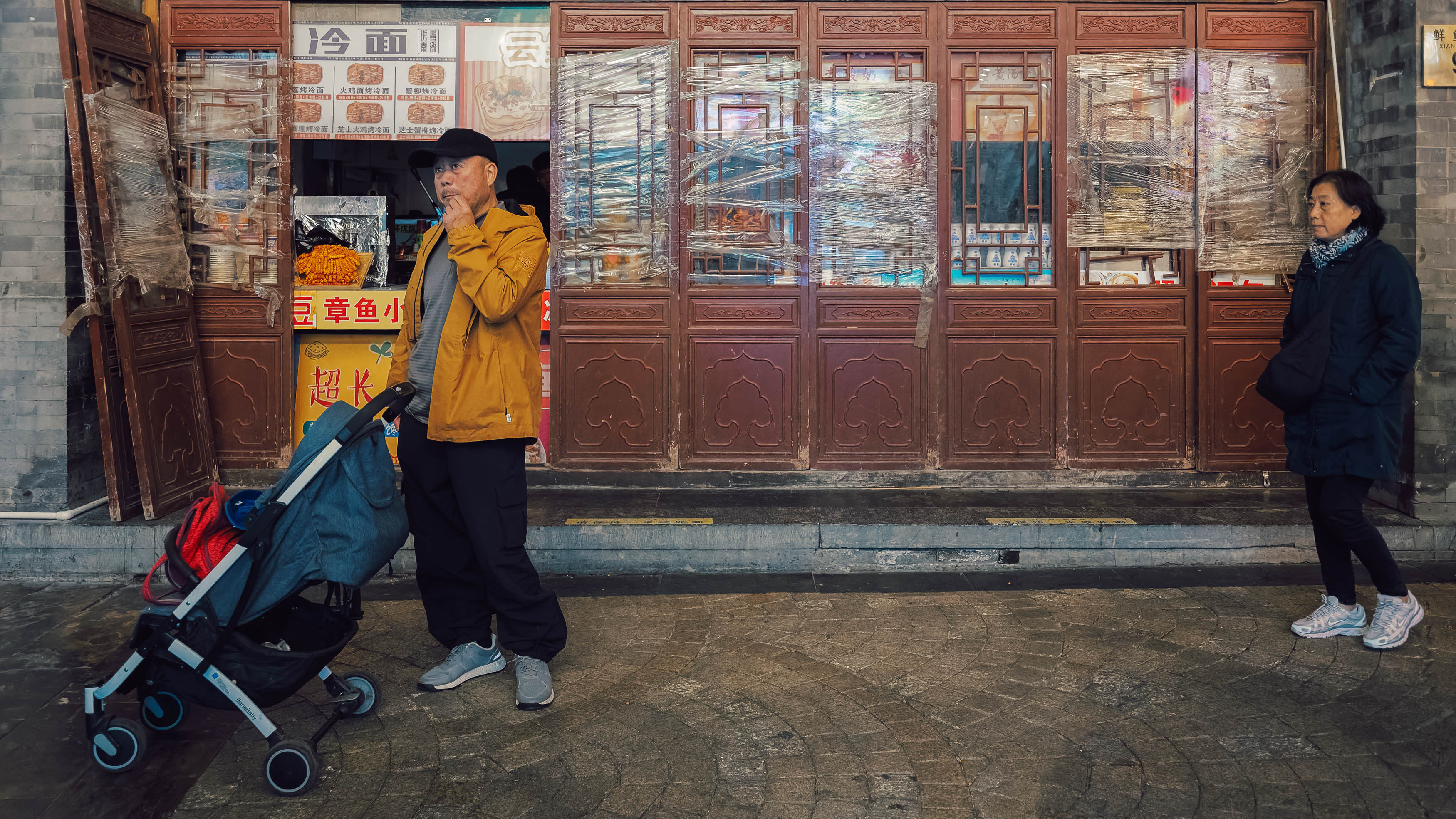
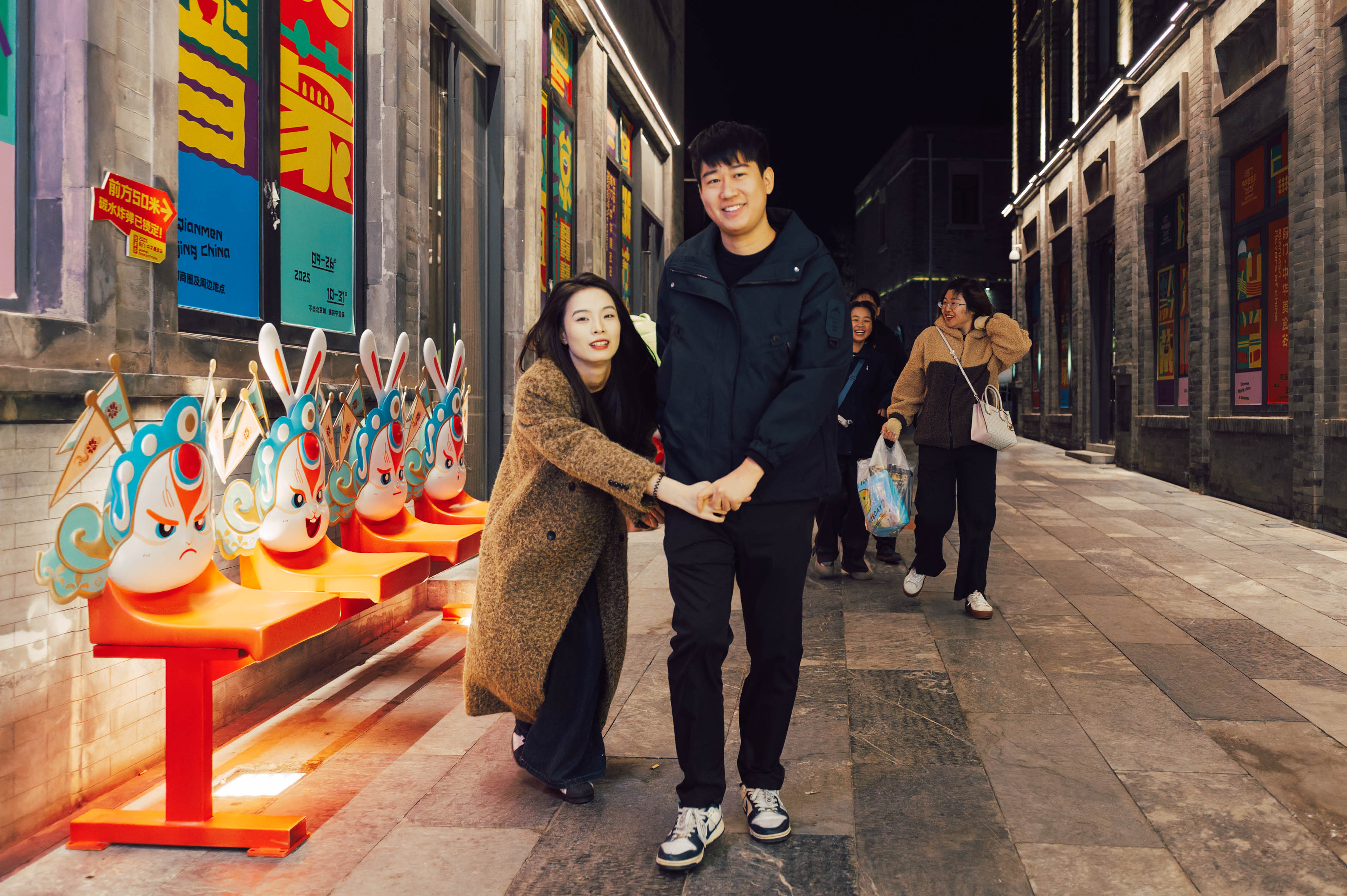
That’s particularly useful for travel and street photography. When I’ve travelled halfway around the world, I don’t necessarily want my photographs to look as though they could have been taken anywhere. The 28mm can include enough of the surrounding architecture, people and atmosphere to tell you where you are, while still allowing the main subject to dominate the image.
Perhaps that familiarity isn’t a weakness after all. It may simply be that 28mm has become the visual language of our generation, and there’s nothing inherently wrong with speaking a language that people already understand.
40mm: The One That Feels Right
Of the three focal lengths, 40mm is probably the most comfortable for me. I’ve always liked the way it renders the world, sitting somewhere between the traditional 35mm and 50mm “normal” focal lengths. It’s an unusual focal length, but it’s also one that has a long history in compact film cameras, from the Rollei 35 to the Olympus Trip.
The Nikon Z 40mm f/2 is a particularly nice street photography lens because it combines a compact form with plenty of sharpness and just enough character. It isn’t optically perfect, and that’s part of what I like about it. There can be a little chromatic aberration and some softness in the corners when shooting wide open, but it still has the sharpness you’d expect from a modern Z lens.
More importantly, it gets out of the way. I find it particularly good for environmental portraits because it’s wide enough to provide some context without making the surroundings completely dominant. It also allows me to exclude some of the mess of reality, which suits my deadpan view of the world rather nicely.
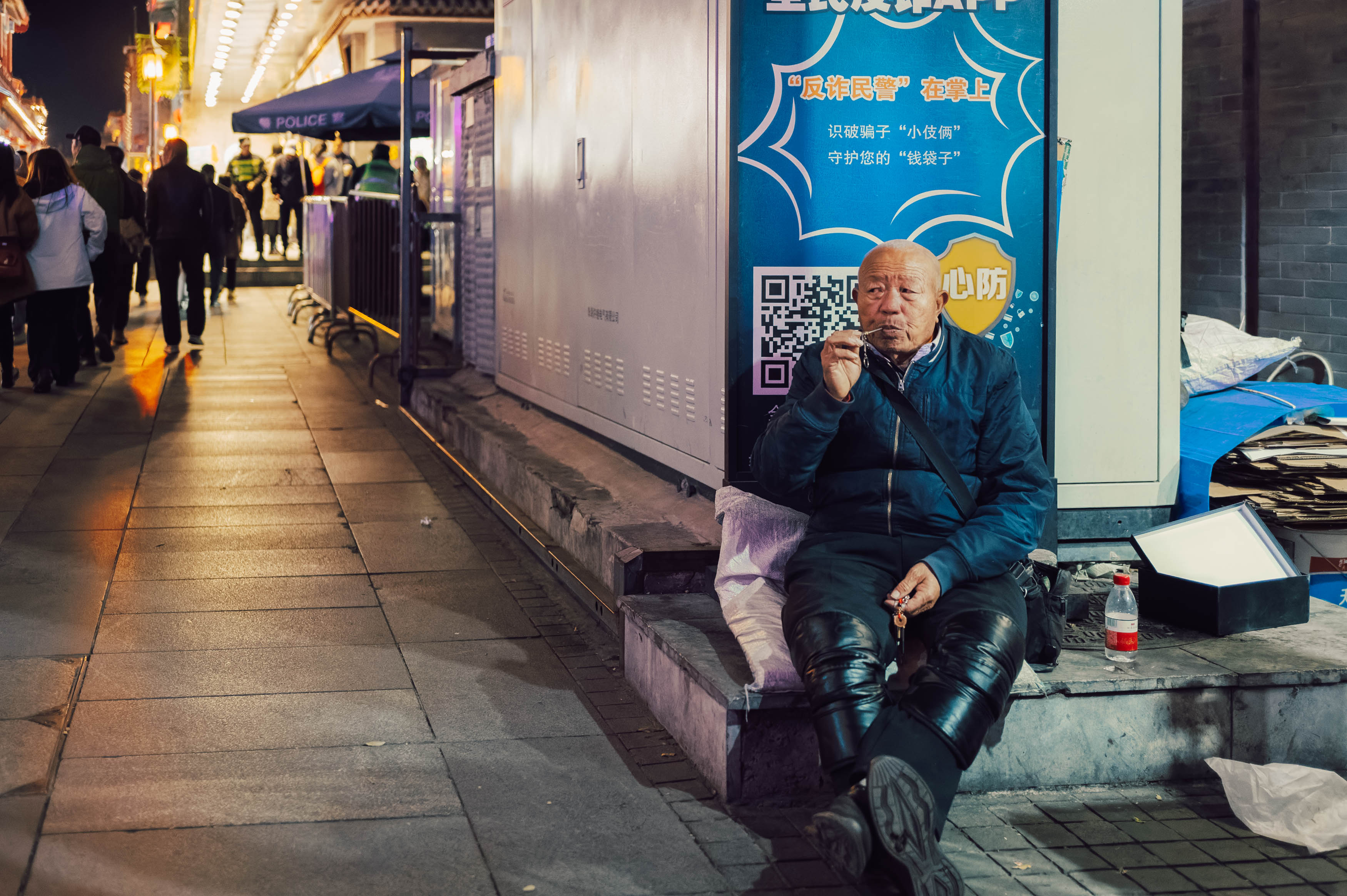
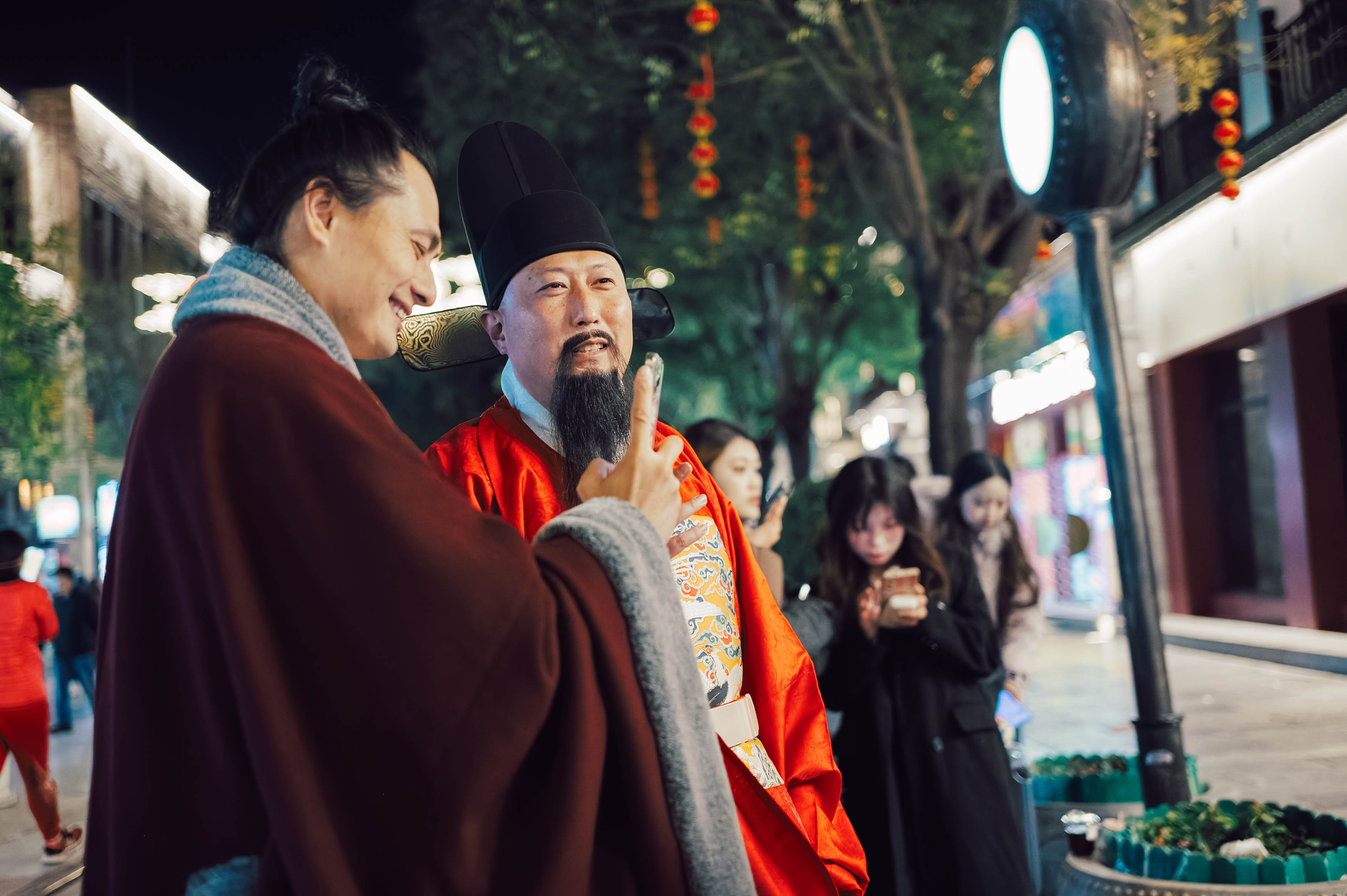
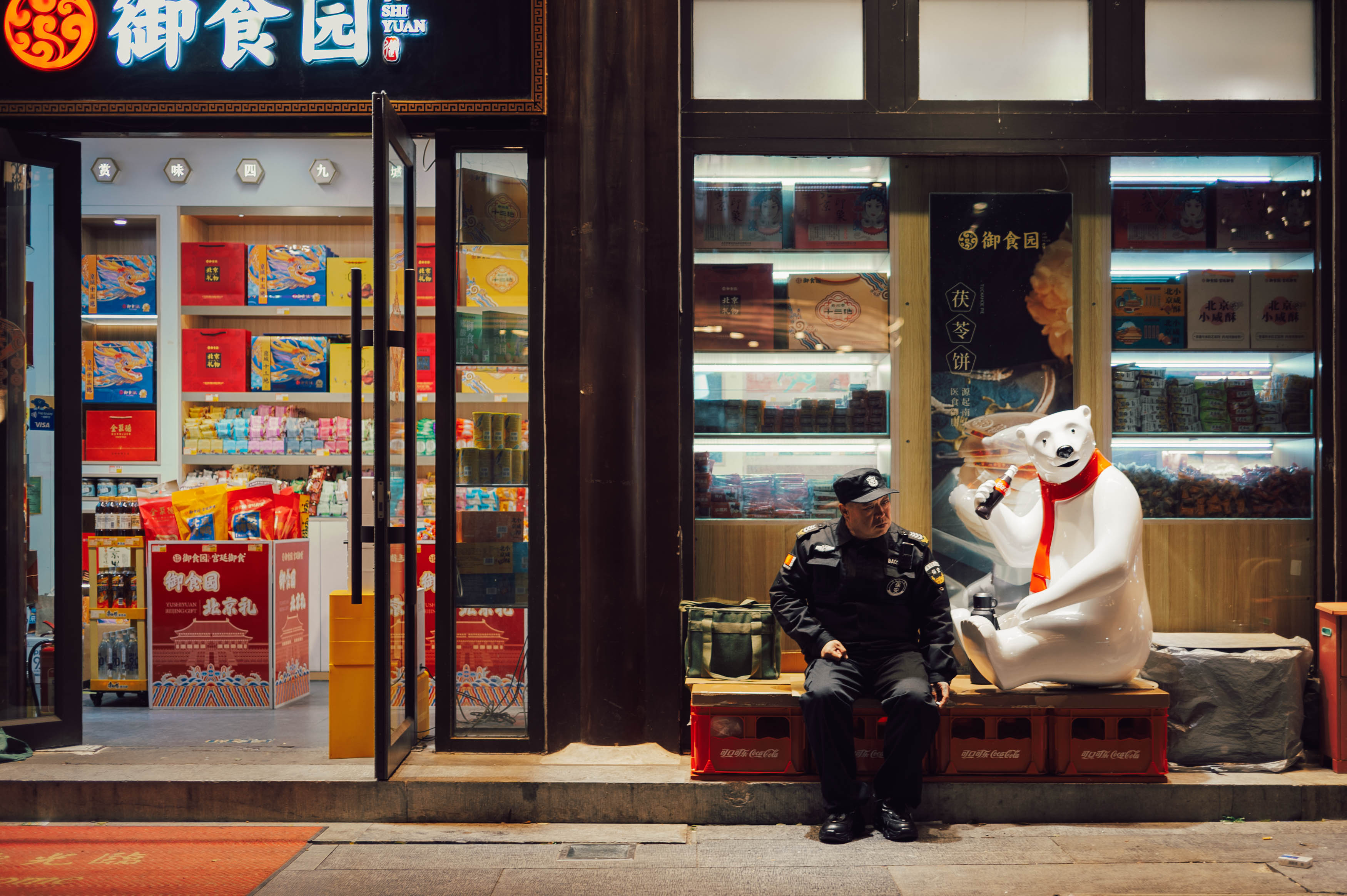

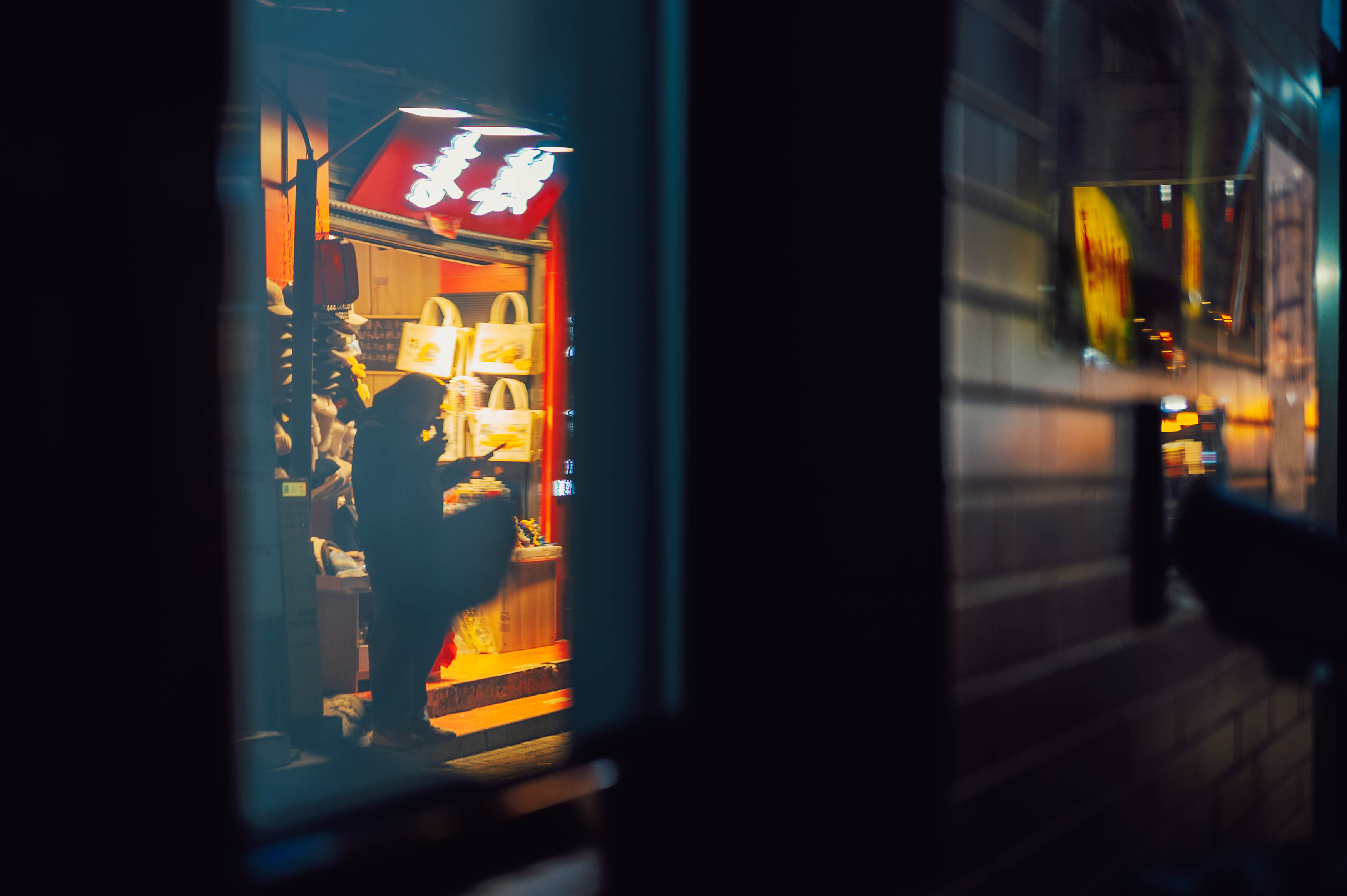
The 40mm has become a regular lens for me on my Nikon Z, largely because of that combination of size, character and perspective. It’s a good reminder not to get too obsessed with pixel peeping, because ultimately a lens that simply lets you concentrate on taking photographs is probably doing exactly what it needs to do.
So, Which One Is Best?
After wandering around Qianmen at night with all three lenses, I’m still not entirely sure I’ve answered the question. The 20mm gives you exaggerated perspective, angles and drama, and works particularly well when you want to fill the frame with your subject while still showing plenty of the environment. The 28mm is more of a world-building lens, establishing where you are without requiring quite so much compositional gymnastics.
The 40mm is the one I felt most comfortable with. It gives me an intimate view of the world, without being too narrow, and it seems to suit the way I naturally want to photograph. And yet, when I went back through the images from the evening, it was the 28mm that seemed to produce the greatest number of keepers.
So perhaps there isn’t a definitive answer. All three lenses did a good job and I made images I liked from all of them. I’m still leaning towards 40mm as my personal preference but the 28mm clearly has something going for it. Maybe that’s the real lesson: the “best” street photography focal length is probably the one that makes you want to keep walking around and taking photographs.
And once I finally discover the perfect focal length, I’m sure all my images from then on will be gallery-worthy works of art. Obviously.

