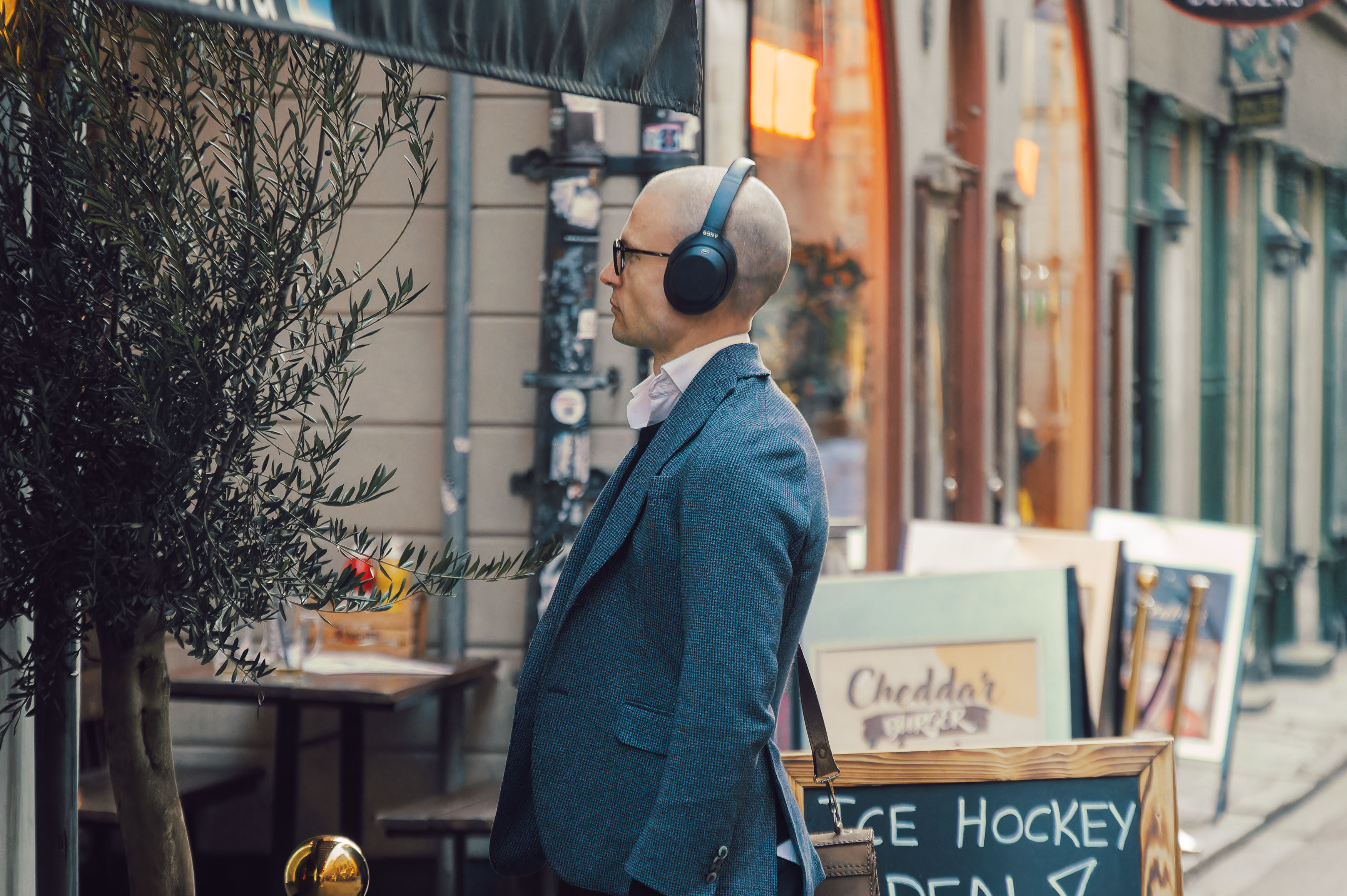
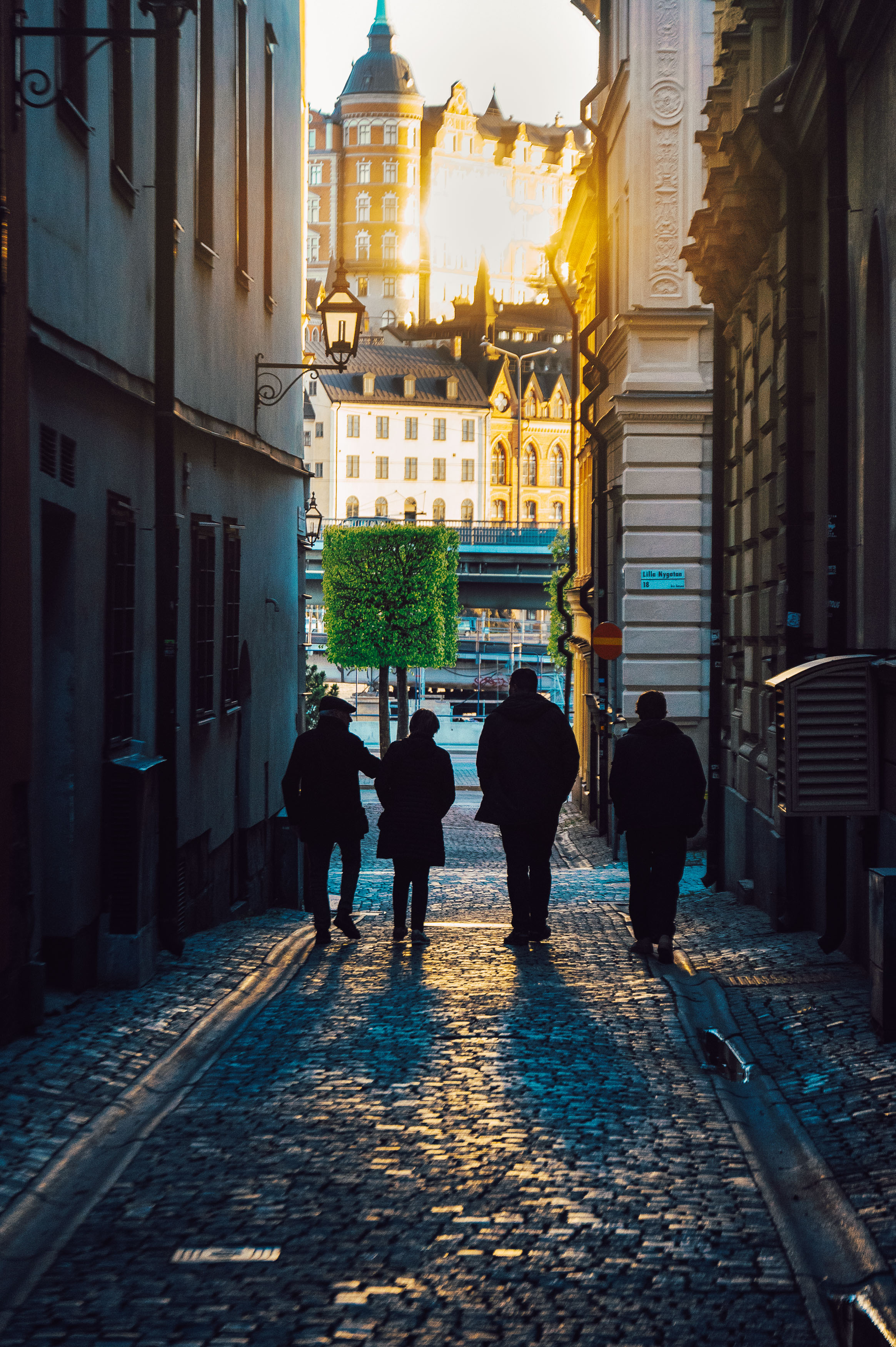
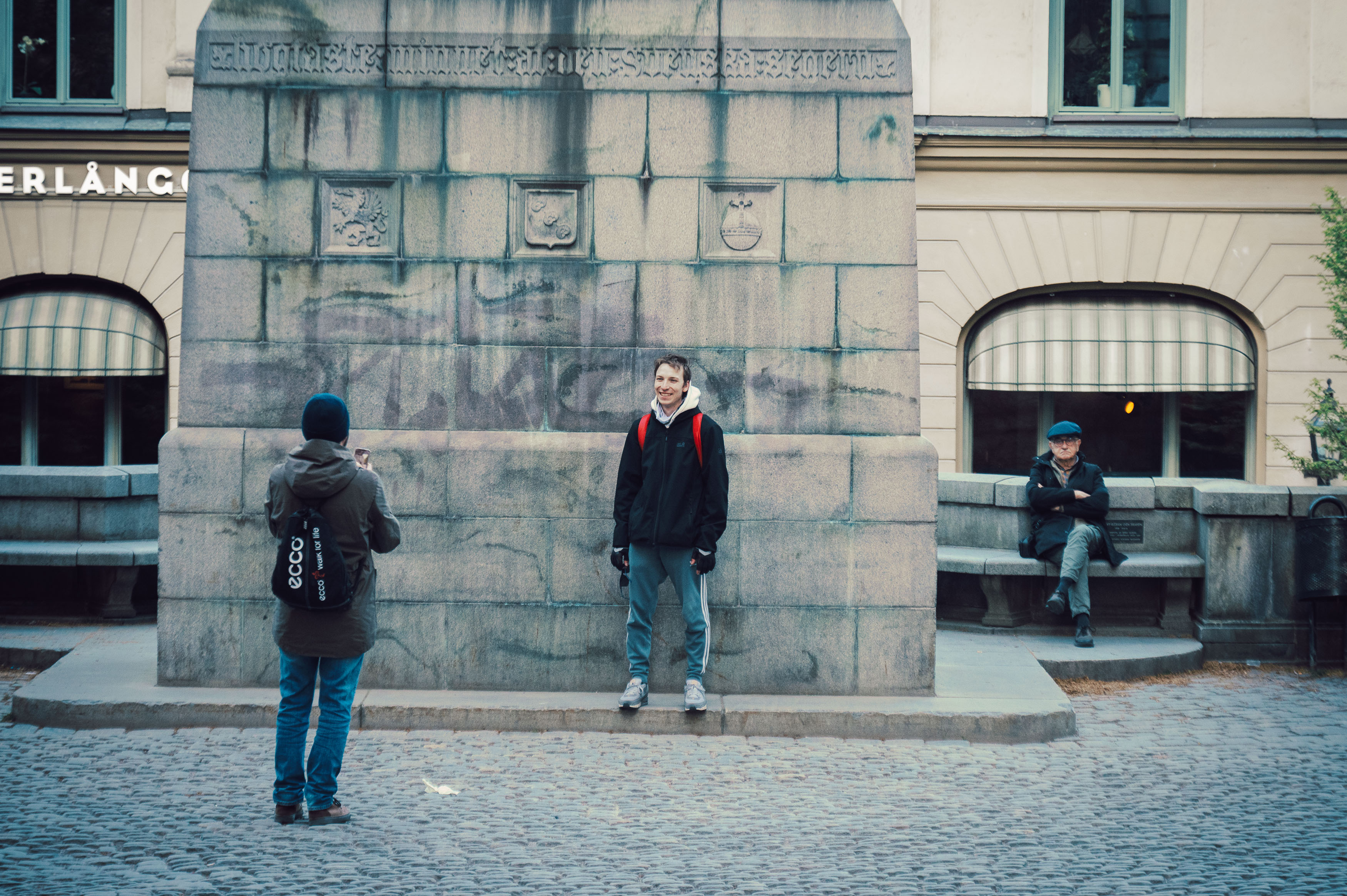
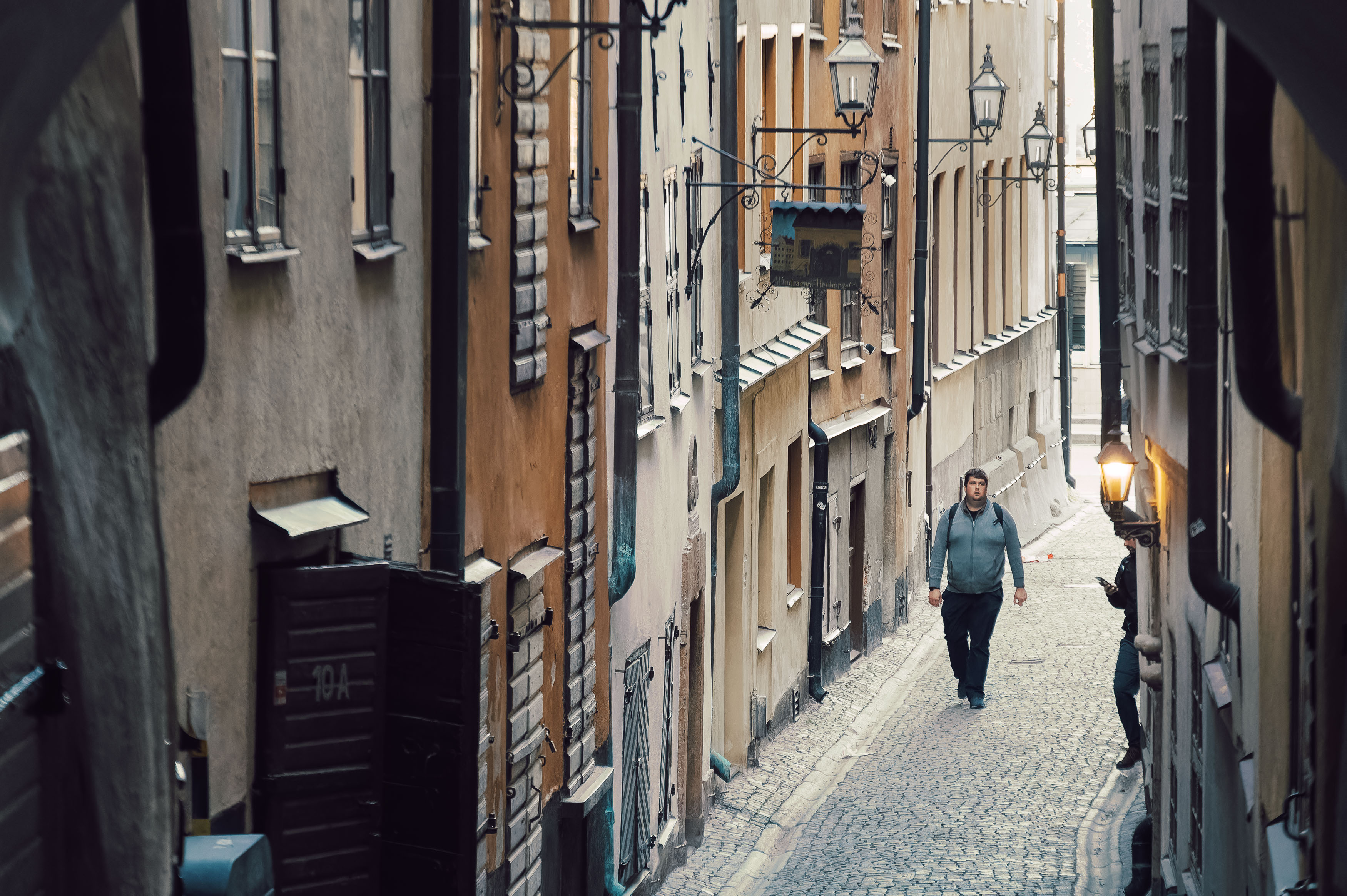
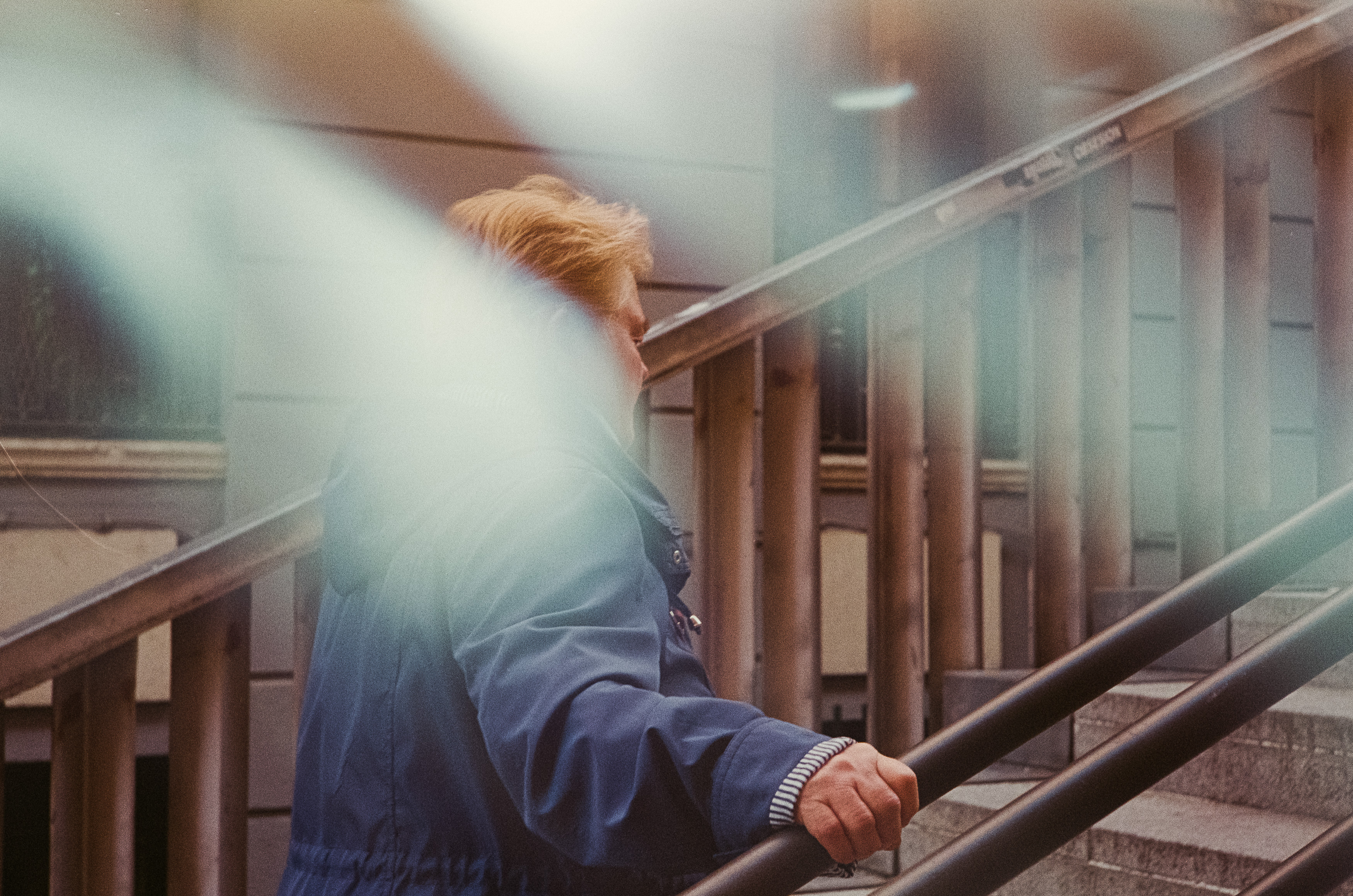
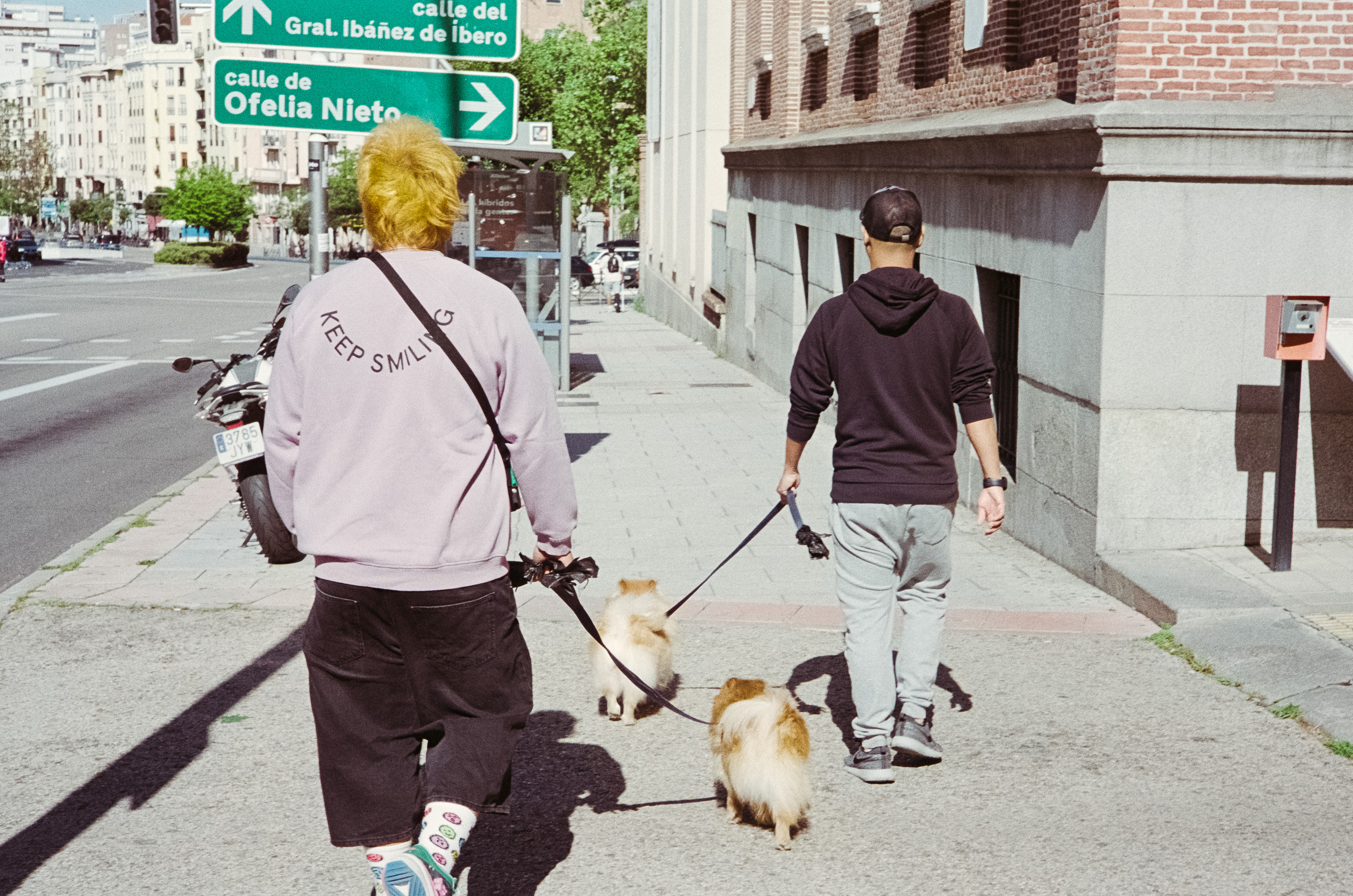
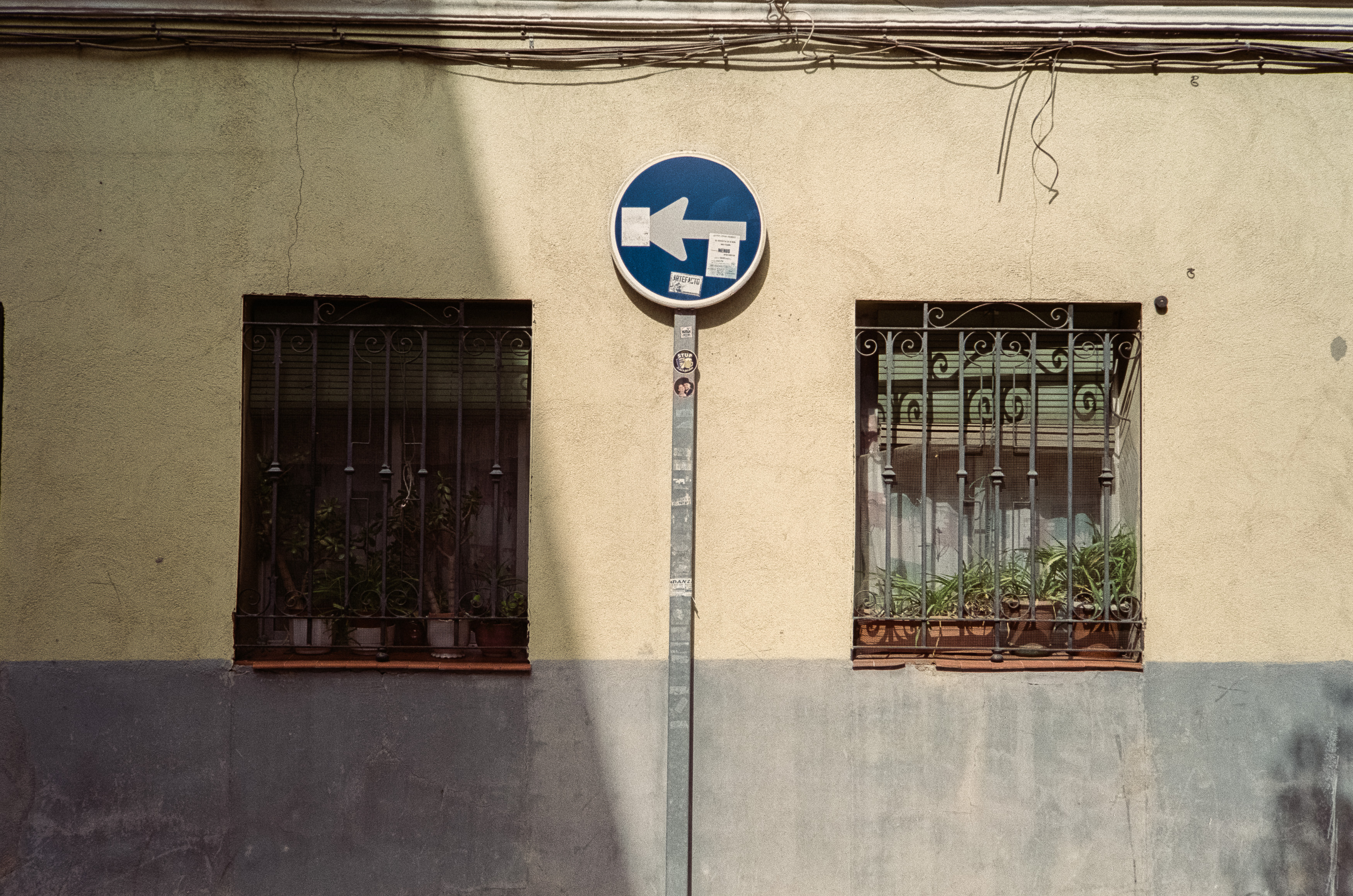
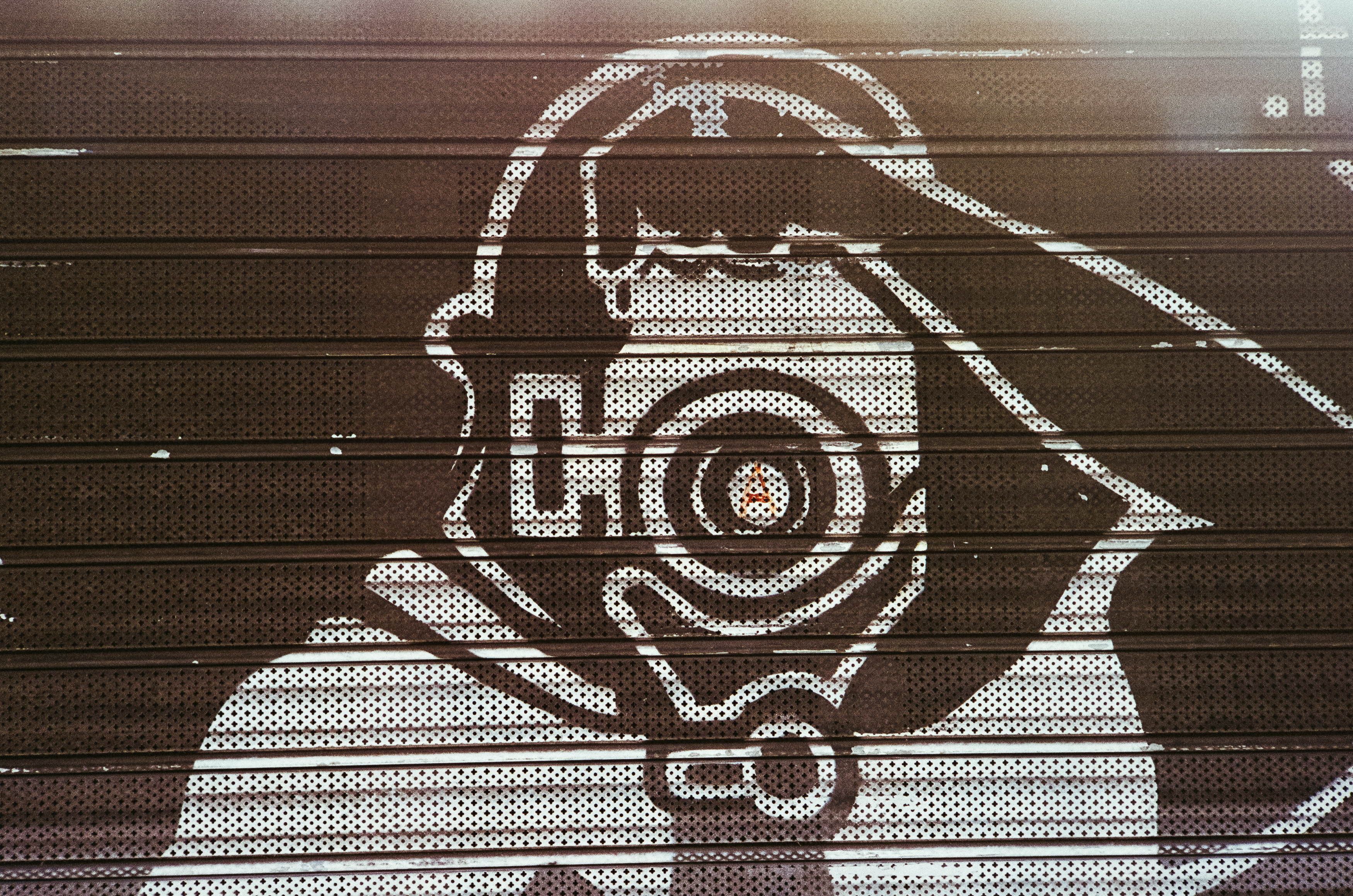
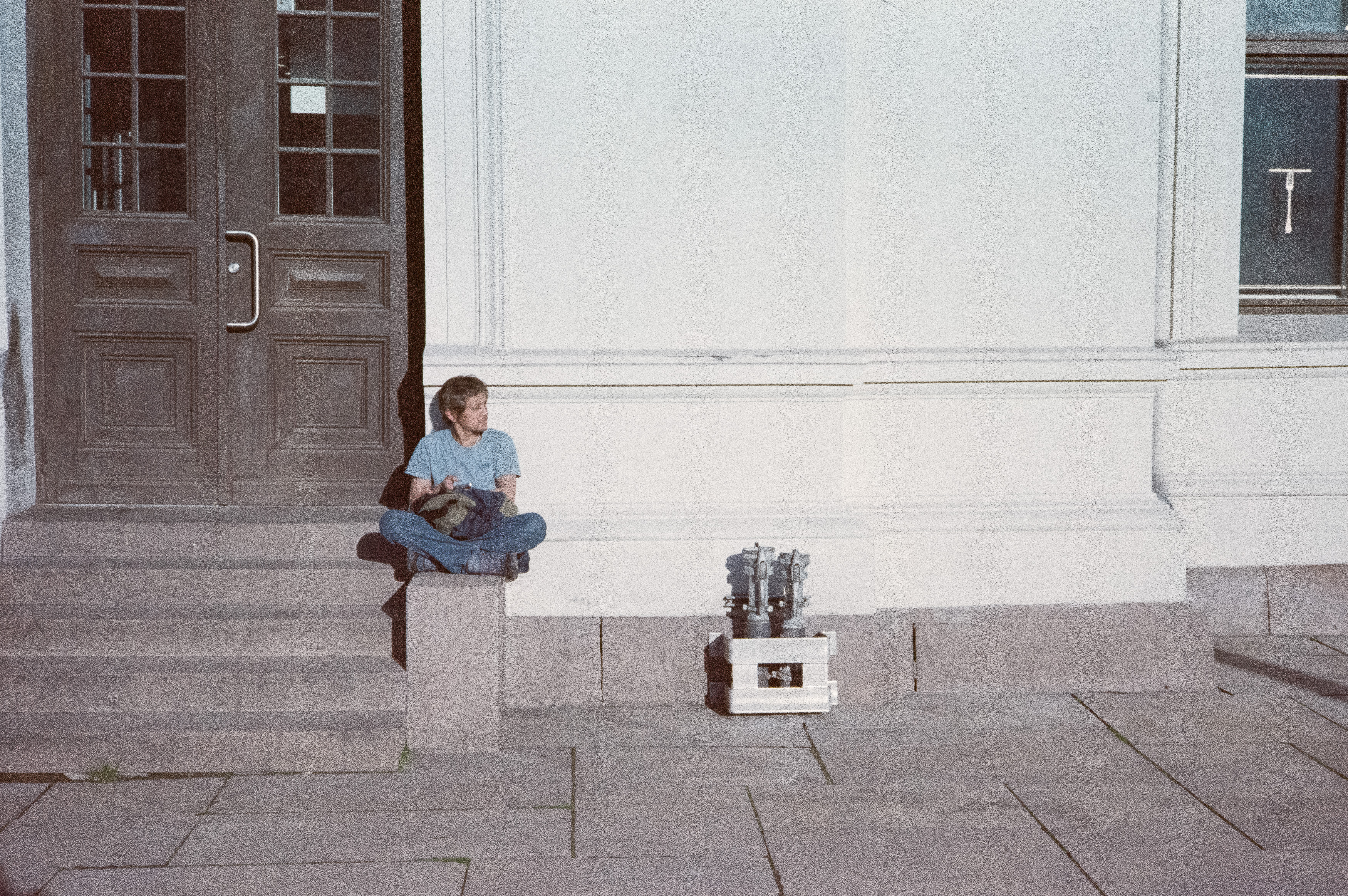
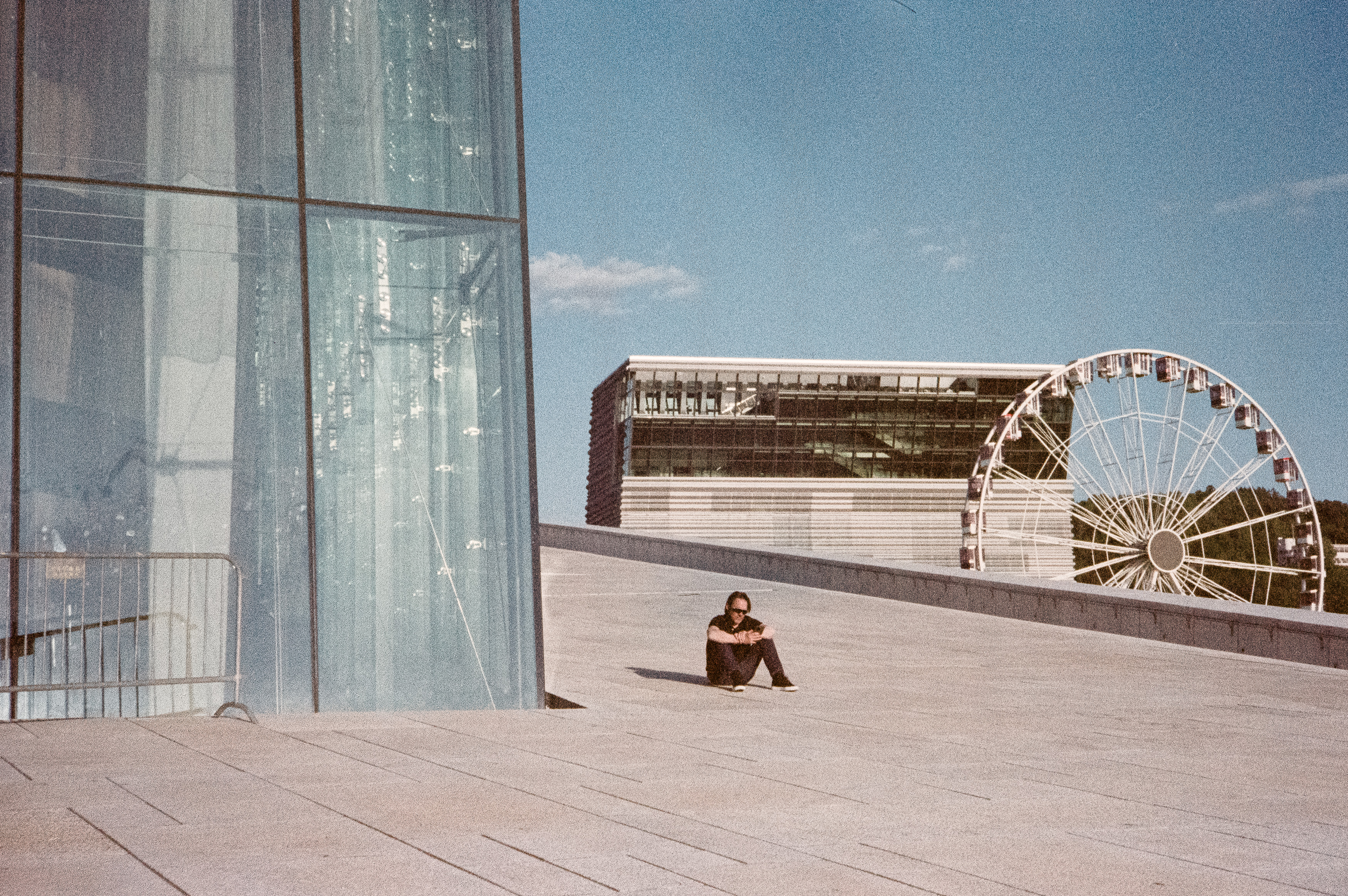
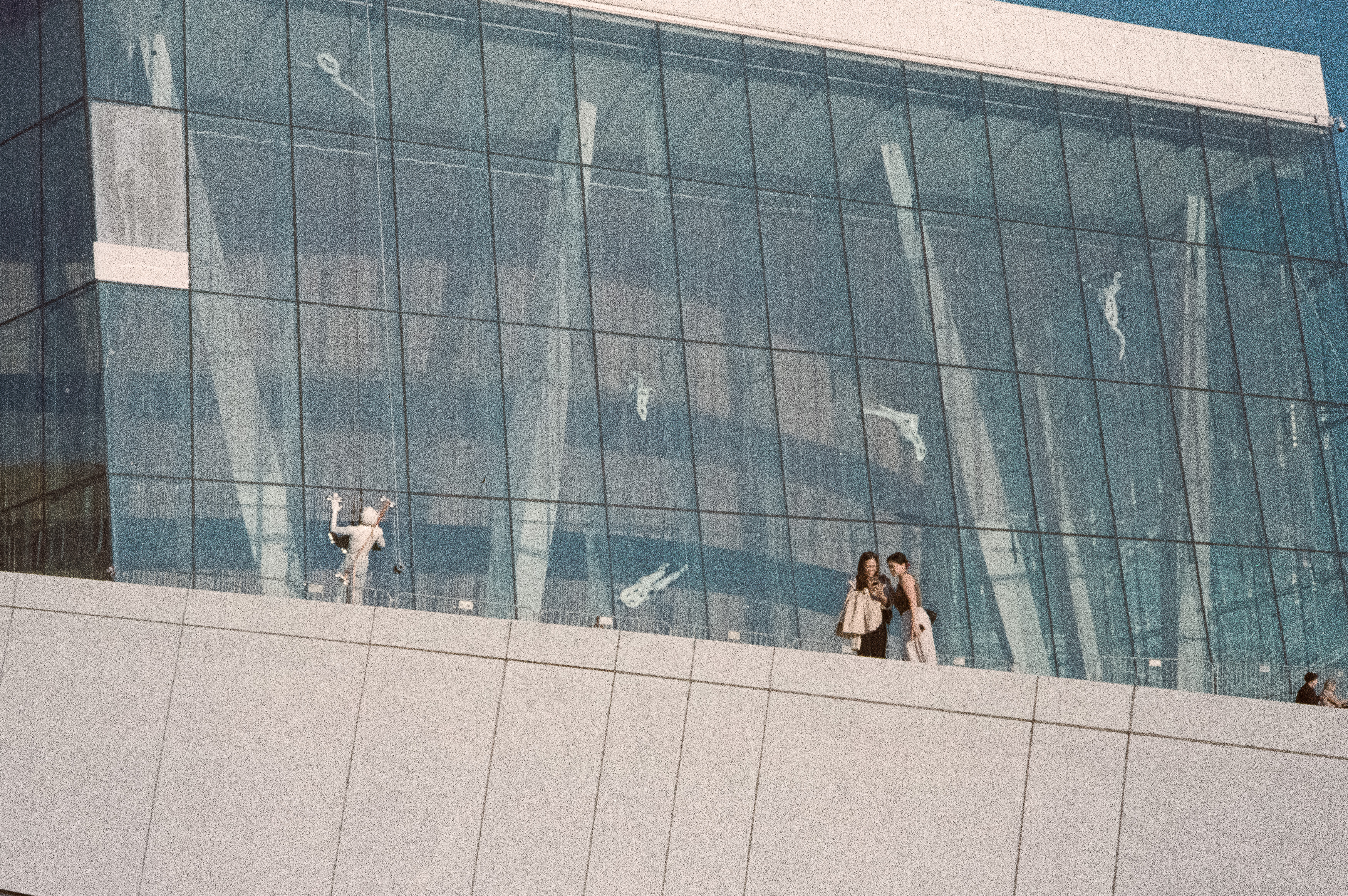
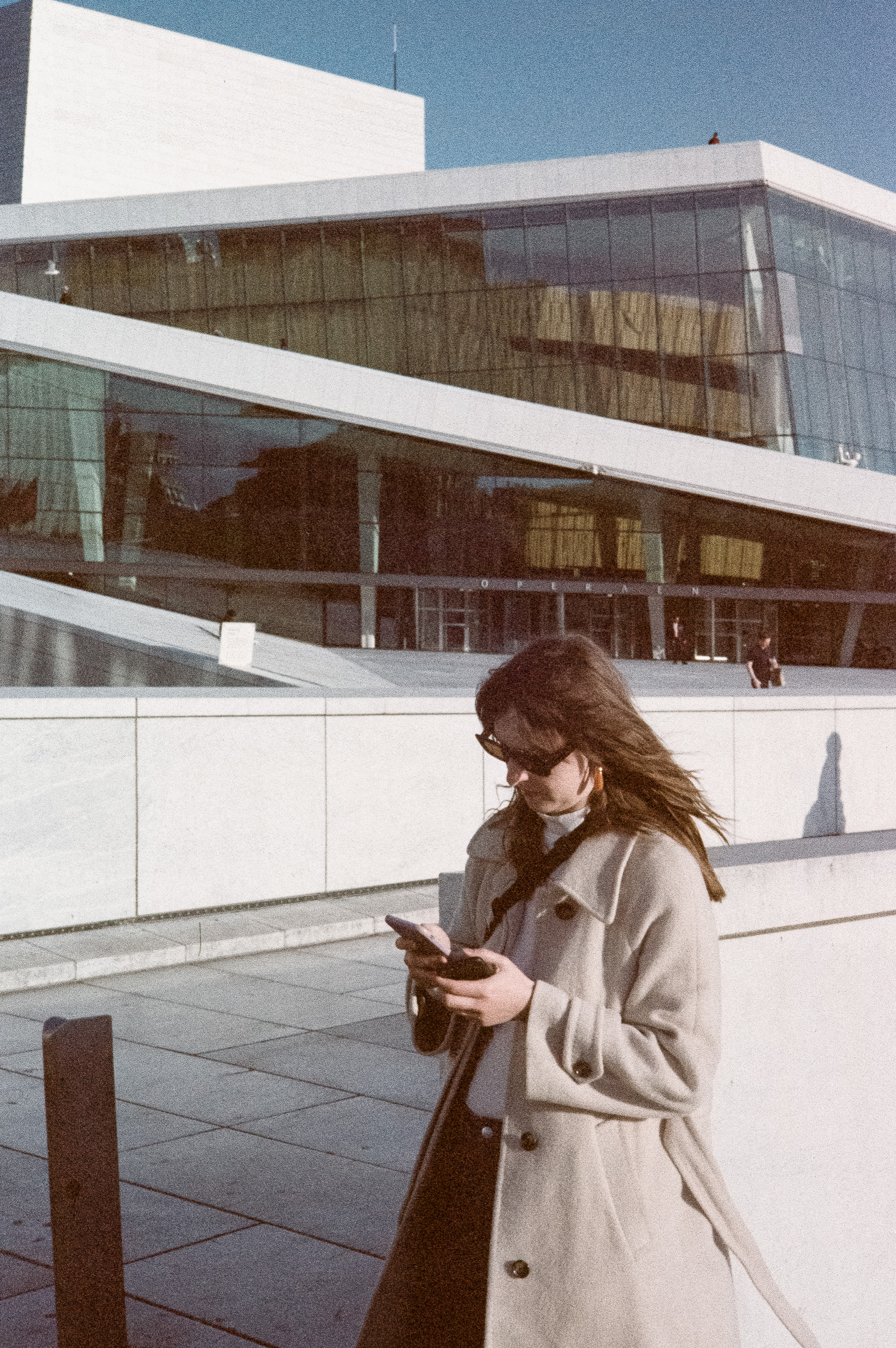
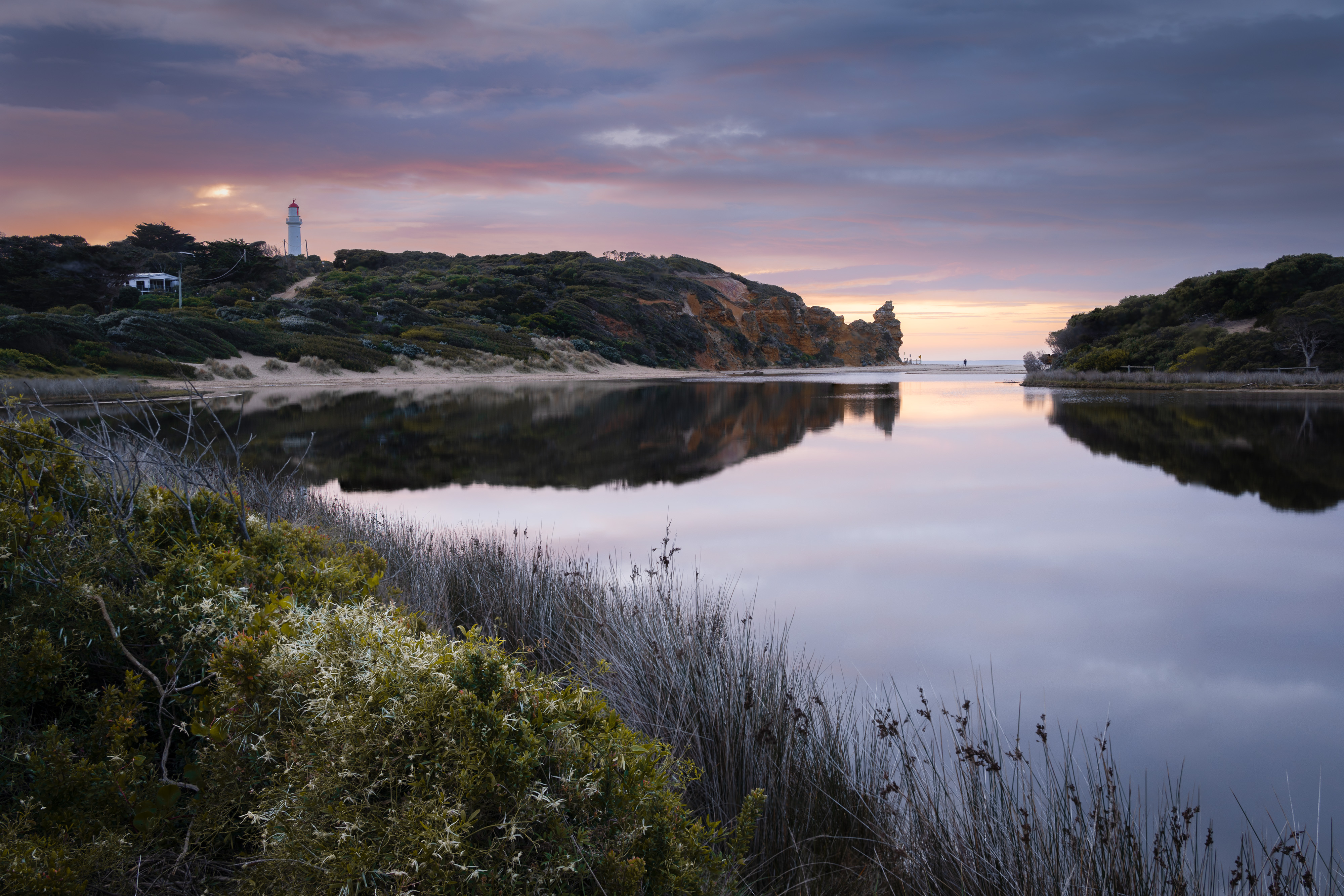
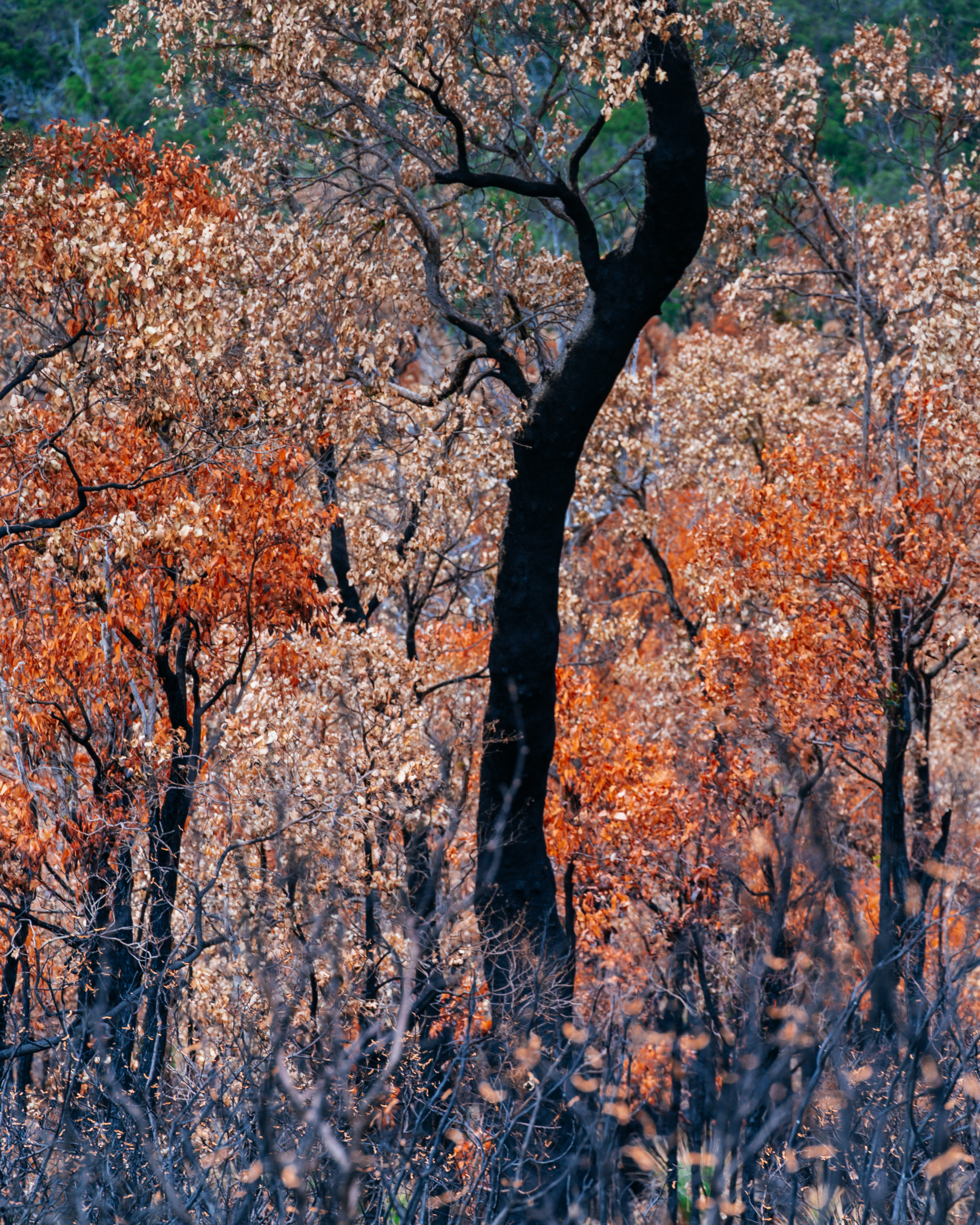
Revisiting Sweden after 12 Years. Have I Become a Better Photographer?

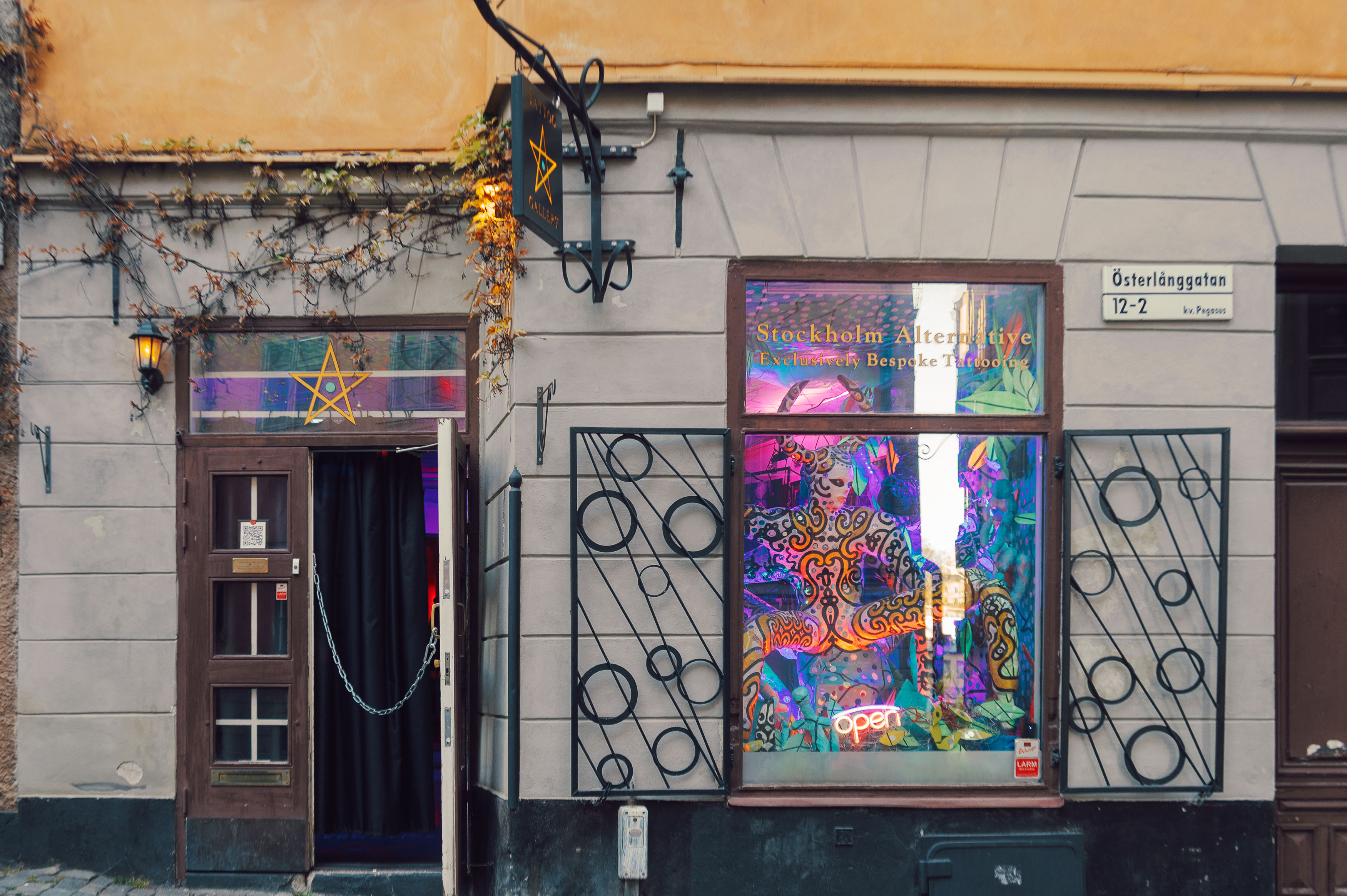
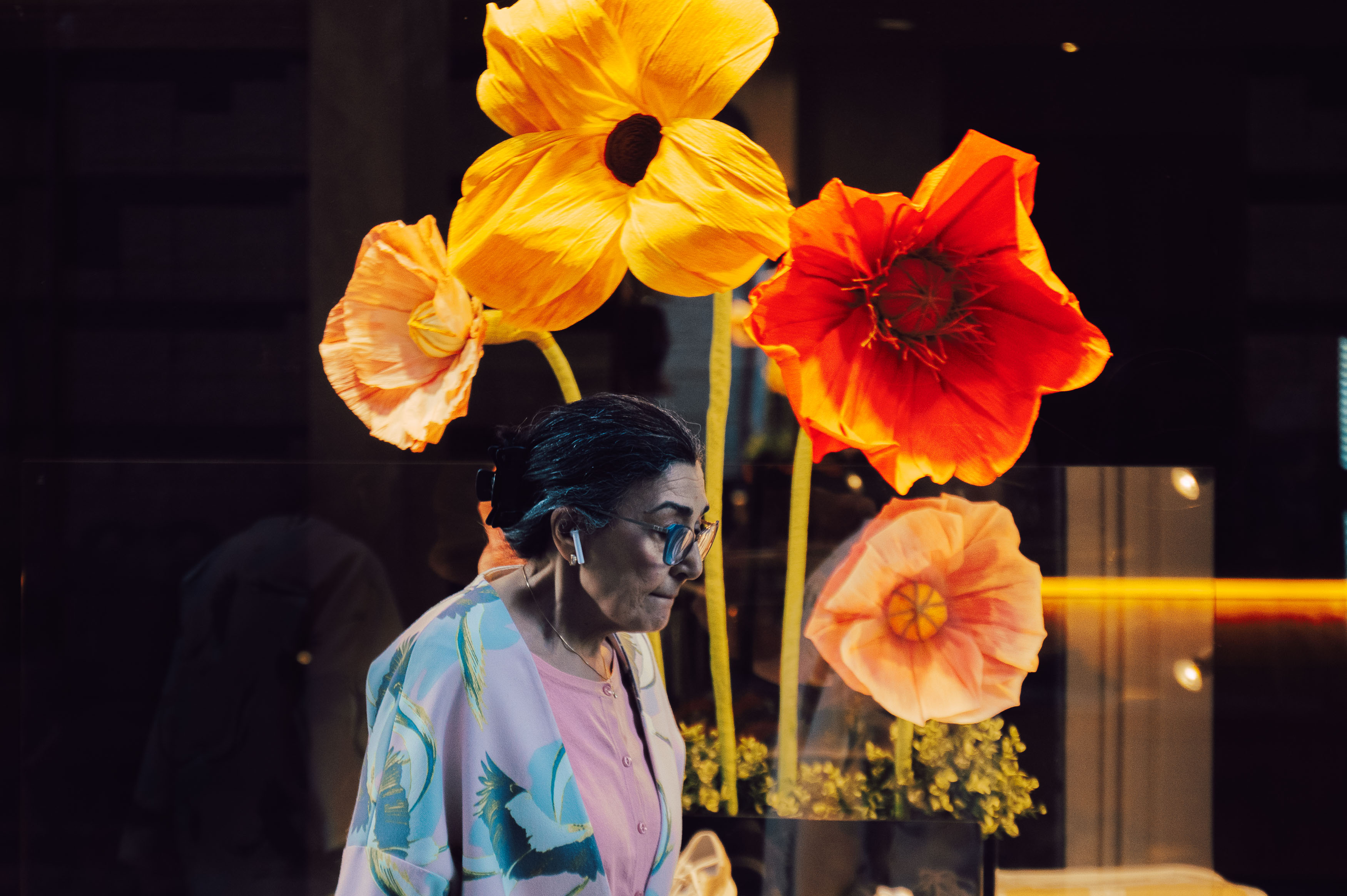
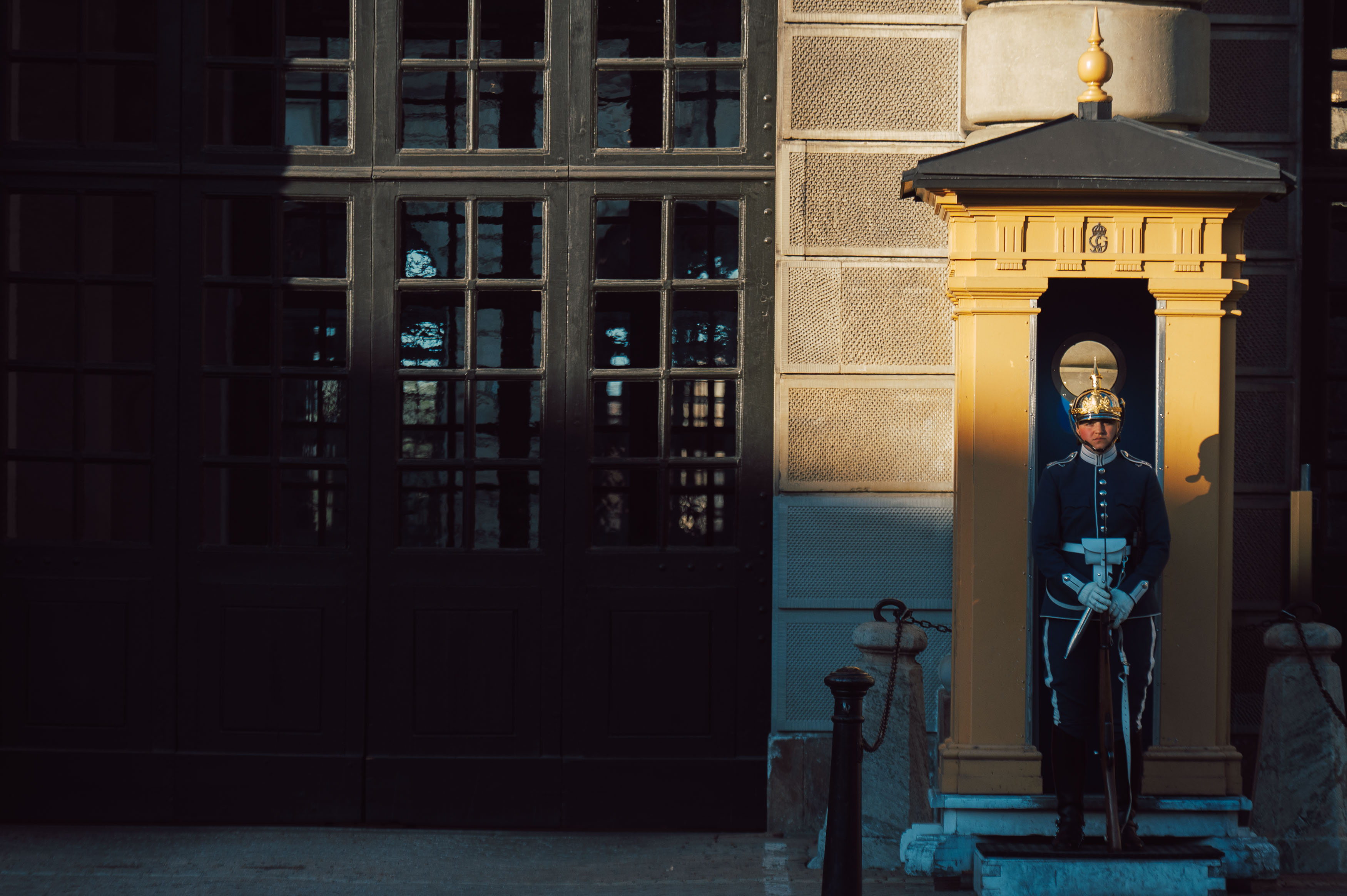
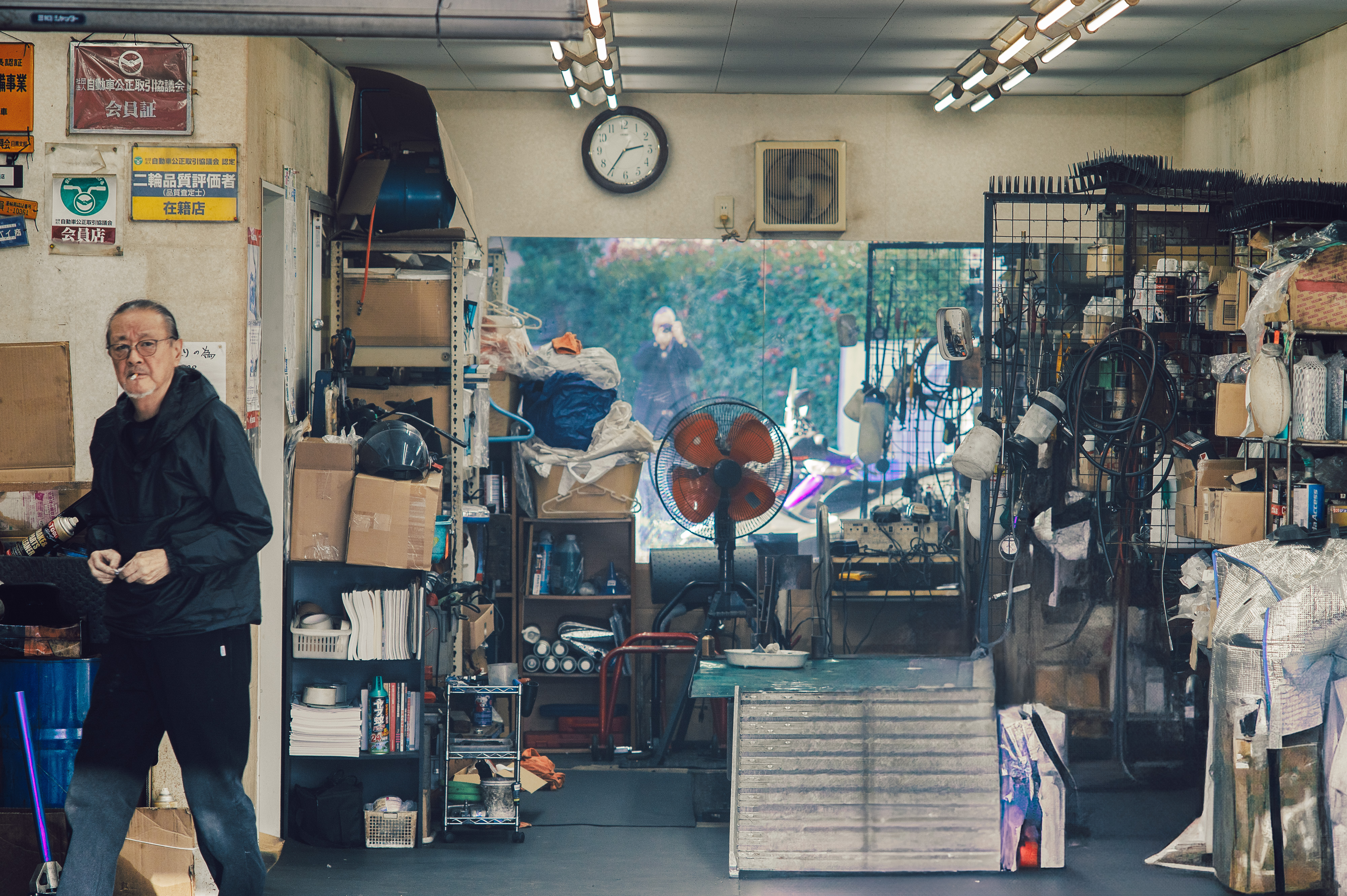
Twelve years is a surprisingly long time. When I first visited Stockholm in 2013, my children were younger, my hair contained considerably less grey, and I approached photography with the kind of wide-eyed enthusiasm that only comes from exploring somewhere completely new. Returning for a brief 24-hour visit felt like stepping into a time machine—not just to revisit Sweden, but to confront an awkward question I’d been quietly avoiding: after more than a decade behind the camera, have I actually become a better photographer?

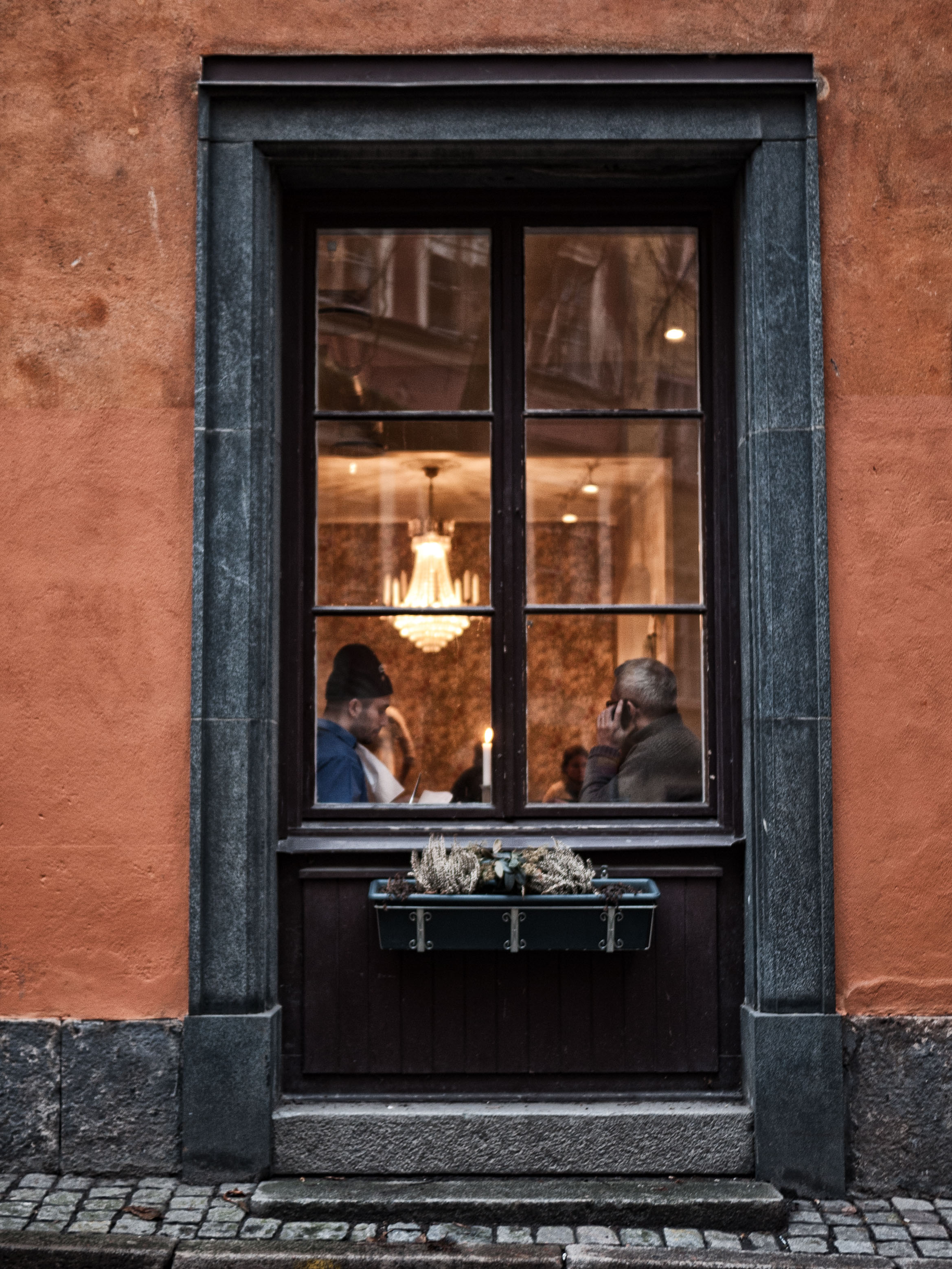
It’s the sort of question that’s difficult to answer objectively. Experience should bring improvement, but creativity doesn’t always follow a neat upward trajectory. As I wandered through the cobbled streets of Gamla Stan, Stockholm’s wonderfully preserved old town, I couldn’t help wondering whether my photography had continued to evolve or whether I’d simply become older, more cautious, and perhaps a little too comfortable with my own habits.

Getting Lost, Finding Perspective

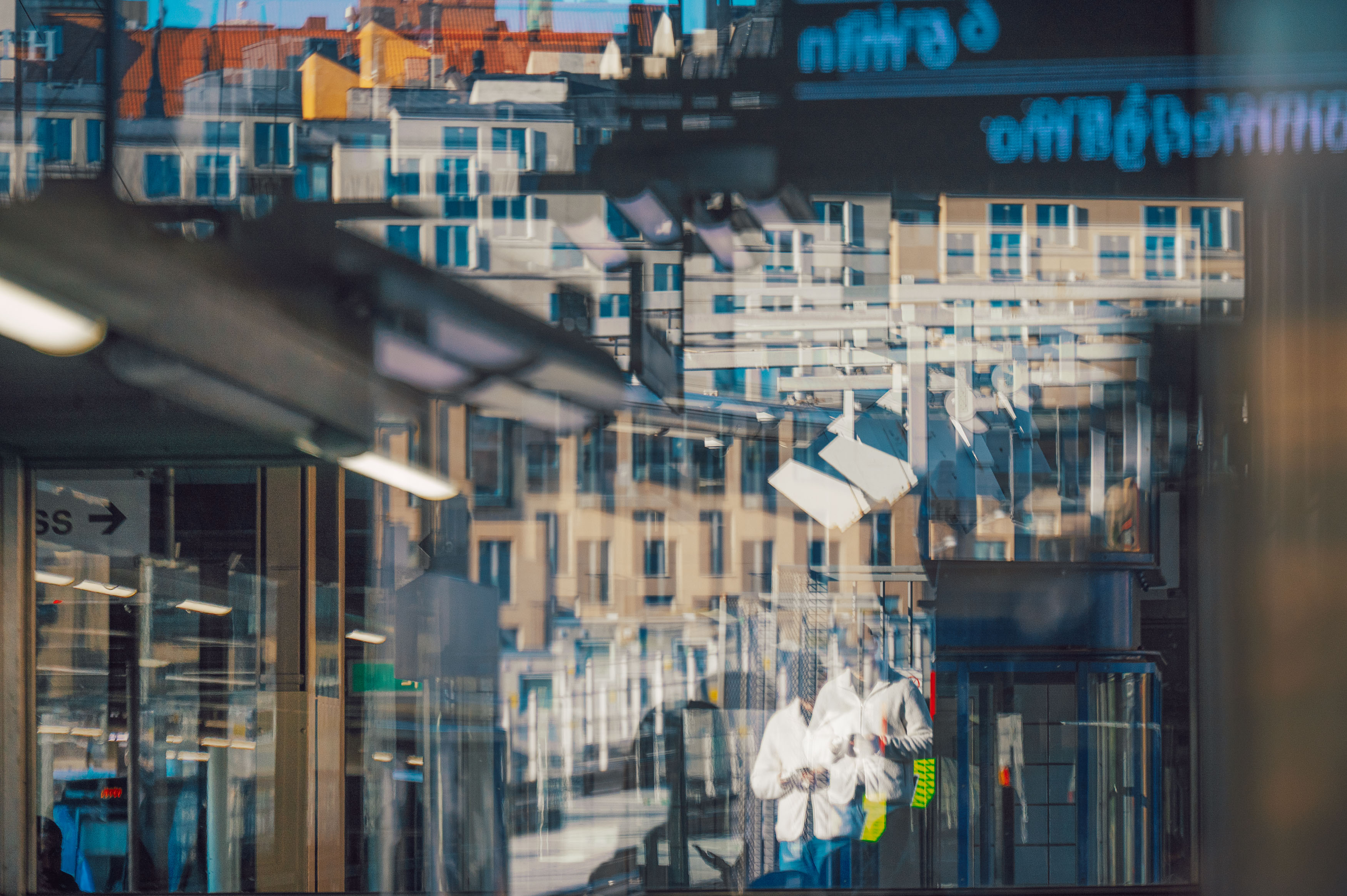
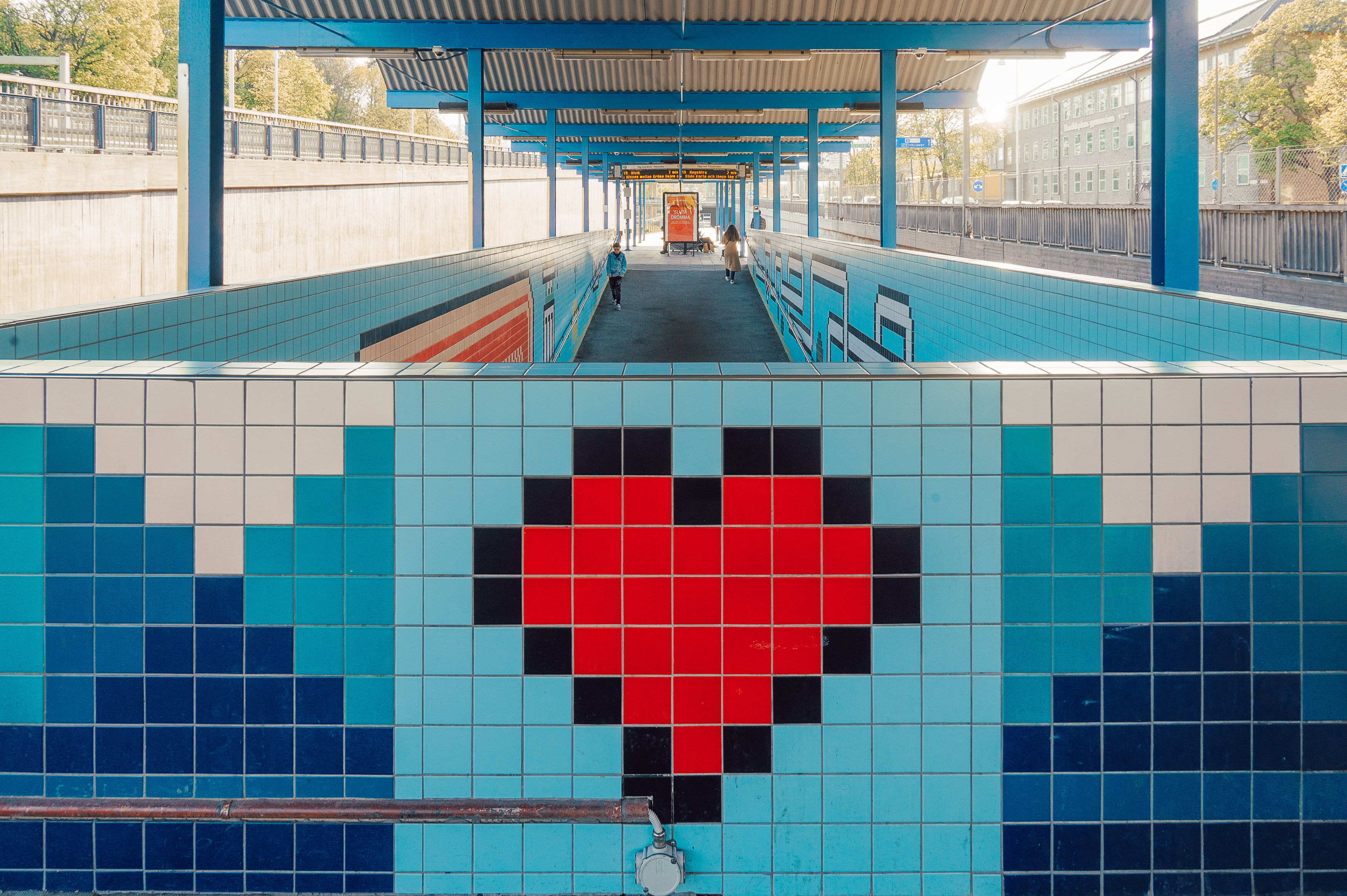
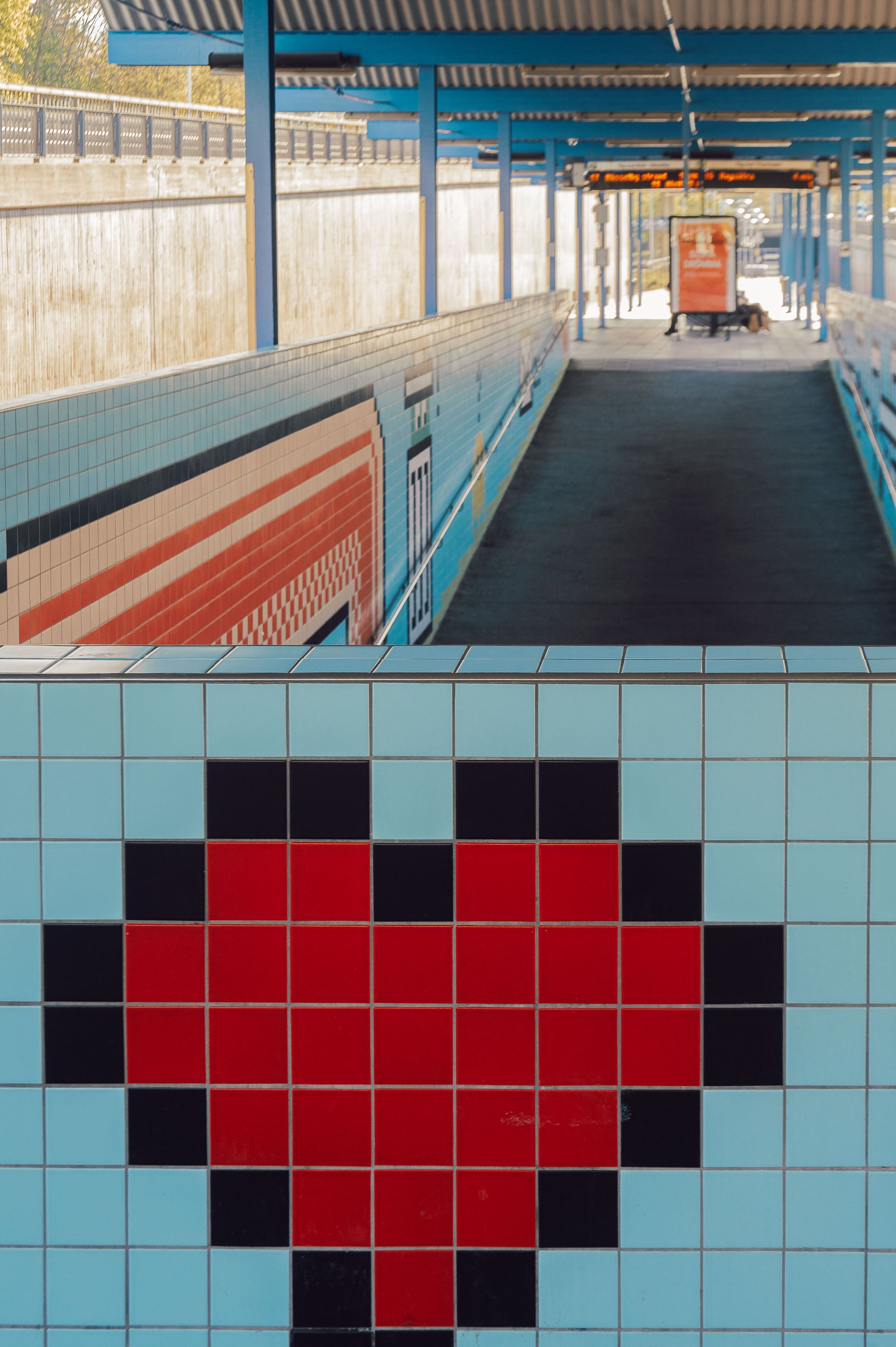
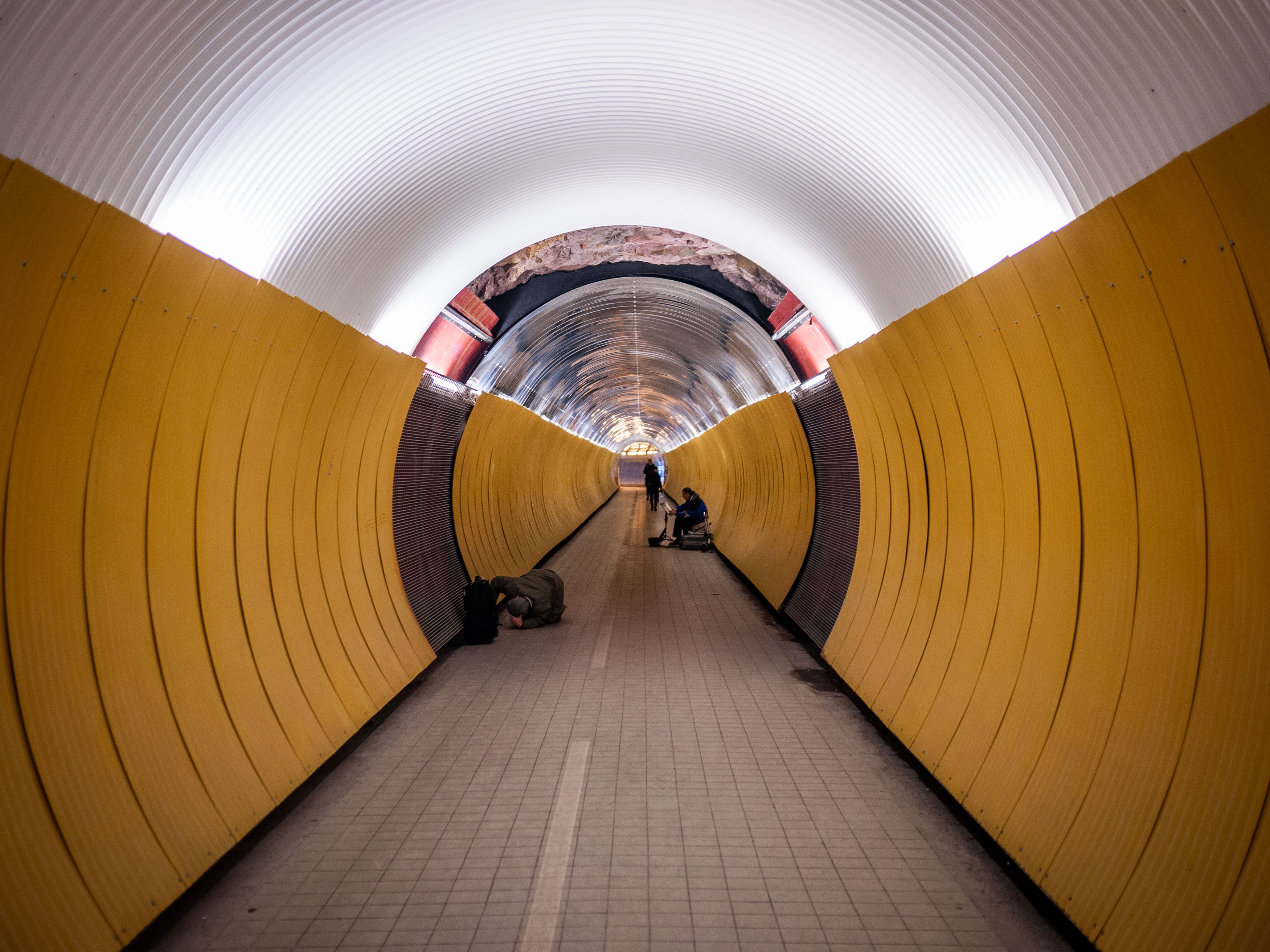
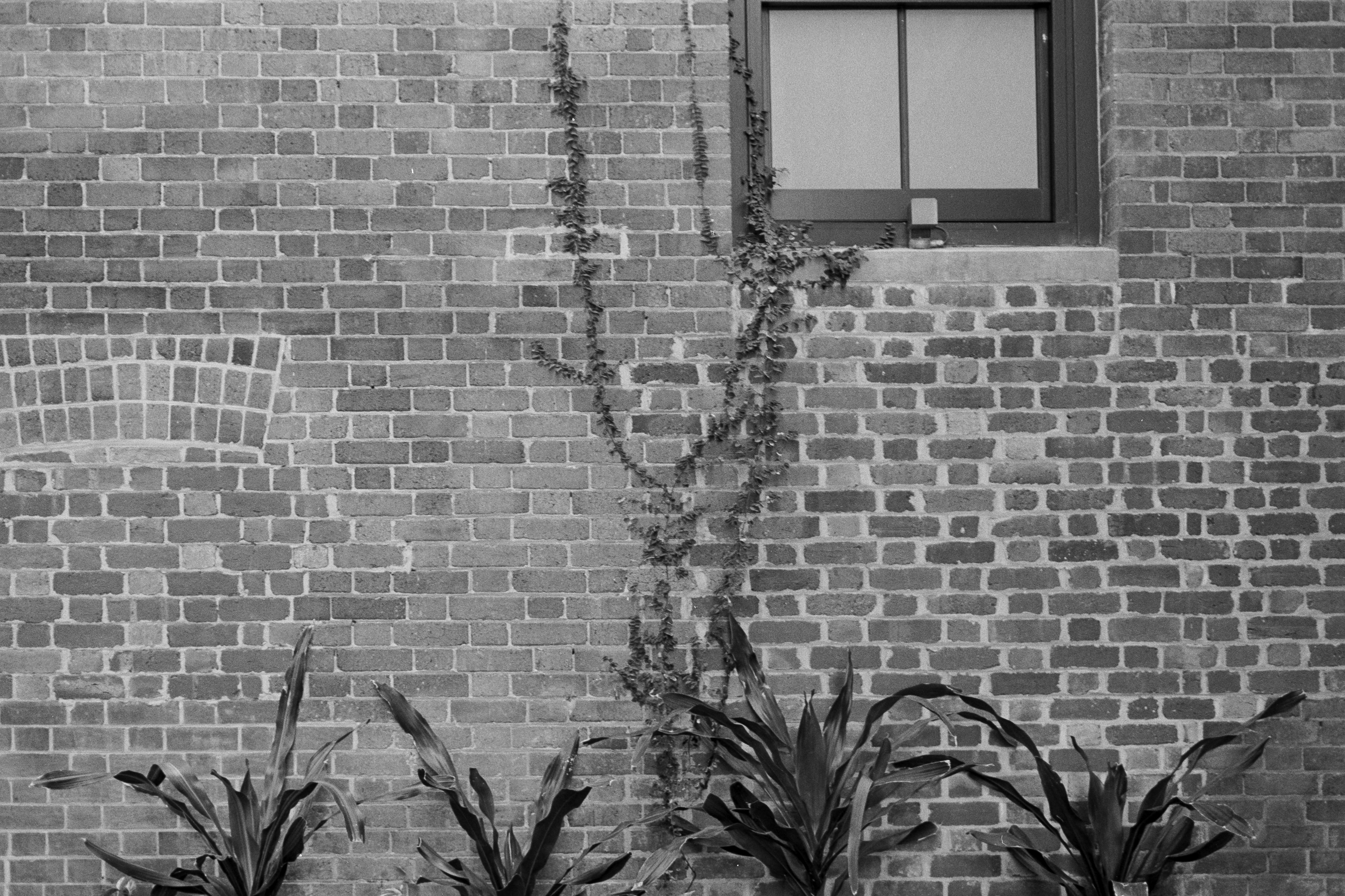
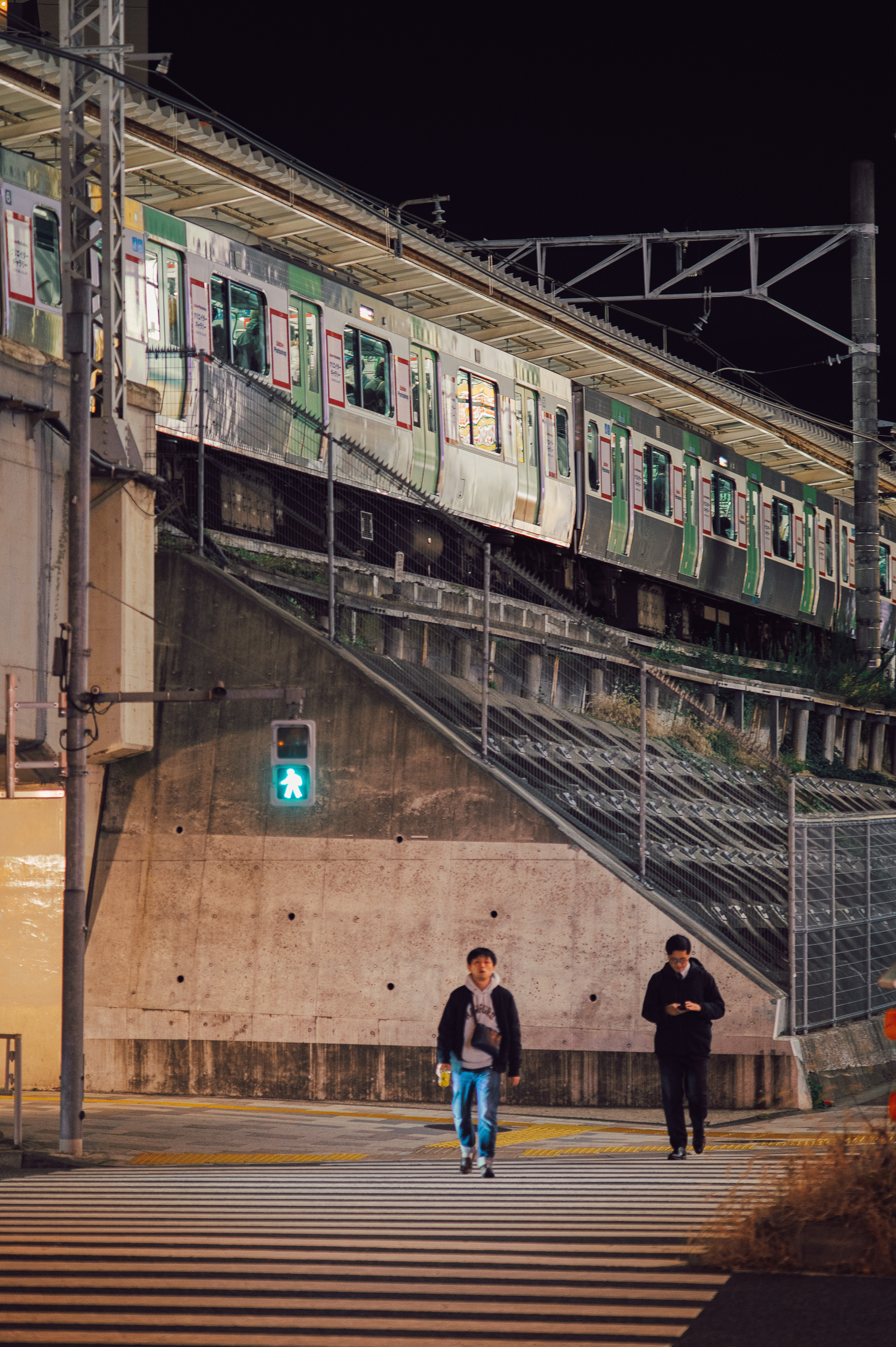
My journey began in appropriately chaotic fashion when I managed to board a train in completely the wrong direction. While I’d love to pretend this was some profound metaphor about life and artistic growth, it really was nothing more than another demonstration of my famously terrible sense of direction. Fortunately, even mistakes can become opportunities, and the unexpected detour delivered a train station that looked like an 8-bit video game, complete with geometric tiles and an almost surreal atmosphere.

Eventually I escaped my accidental journey into Tron and arrived in Gamla Stan. Emerging from the station felt like walking straight into the 14th century, albeit one populated by tourists armed with smartphones and takeaway coffee. Stockholm itself hadn’t changed dramatically over the years, but my relationship with photographing it certainly had.

Looking back at my original visit revealed just how much both photography and technology have evolved. In 2013 my camera of choice was the humble Lumix GF1, a Micro Four Thirds camera whose autofocus could generously be described as leisurely. Today I shoot with a Nikon Z6 paired with a versatile 24-200mm lens, giving me vastly superior image quality and low-light performance, even if the autofocus still occasionally reminds me not to become too complacent.

Ironically, despite carrying far more capable equipment today, I’ve also embraced older photographic practices. My favourite camera doesn’t even shoot video or include a built-in light meter. In some ways, my technical journey has become less about chasing newer features and more about rediscovering slower, simpler ways of working.

Escaping the HDR Era

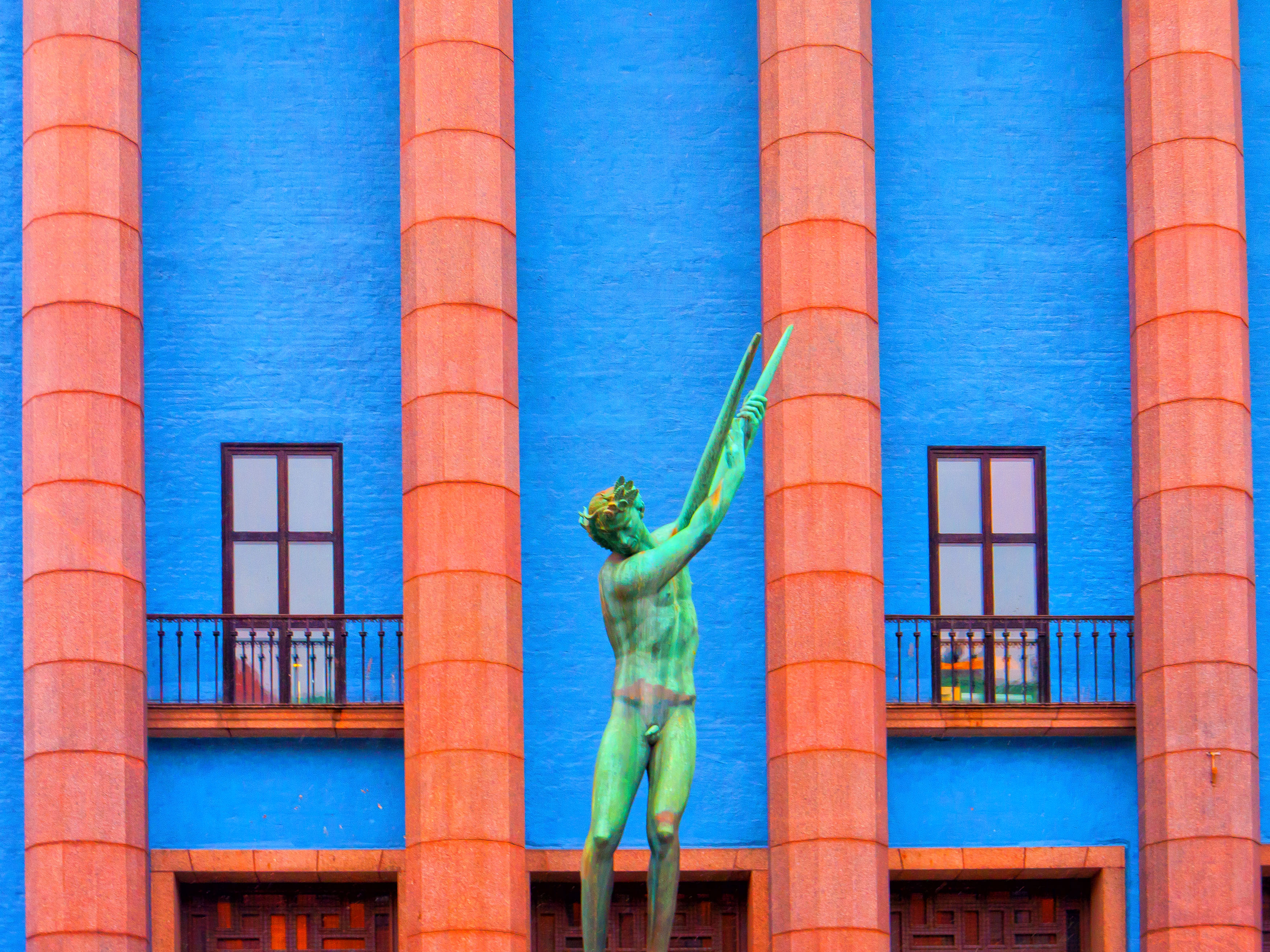
Perhaps the biggest difference between my old work and my current photography lies in the editing. Revisiting my 2013 images was a sobering reminder that I, like so many photographers of the era, was hopelessly addicted to HDR. Every image seemed determined to display every possible shadow, highlight and colour simultaneously, often resulting in pictures that looked less like reality and more like someone had dropped a rainbow into a blender.

To be fair, cameras at the time genuinely struggled with dynamic range, and HDR techniques often solved real technical limitations. Unfortunately, somewhere along the way, subtlety was abandoned in favour of aggressively saturated skies, exaggerated textures and every filter available in software like Photomatix and the Nik Collection. If the software offered a dramatic effect, I was almost certainly going to apply it.

Thankfully, both technology and my own tastes have matured. Modern full-frame sensors capture an astonishing amount of information without elaborate processing, meaning there’s far less need to rescue an image in post-production. More importantly, I’ve come to appreciate restraint. Rather than chasing dramatic effects, I now find myself drawn to quieter, more natural edits with a gentle, almost Kodachrome-inspired warmth that allows the subject to speak for itself.

What Has Stayed the Same?

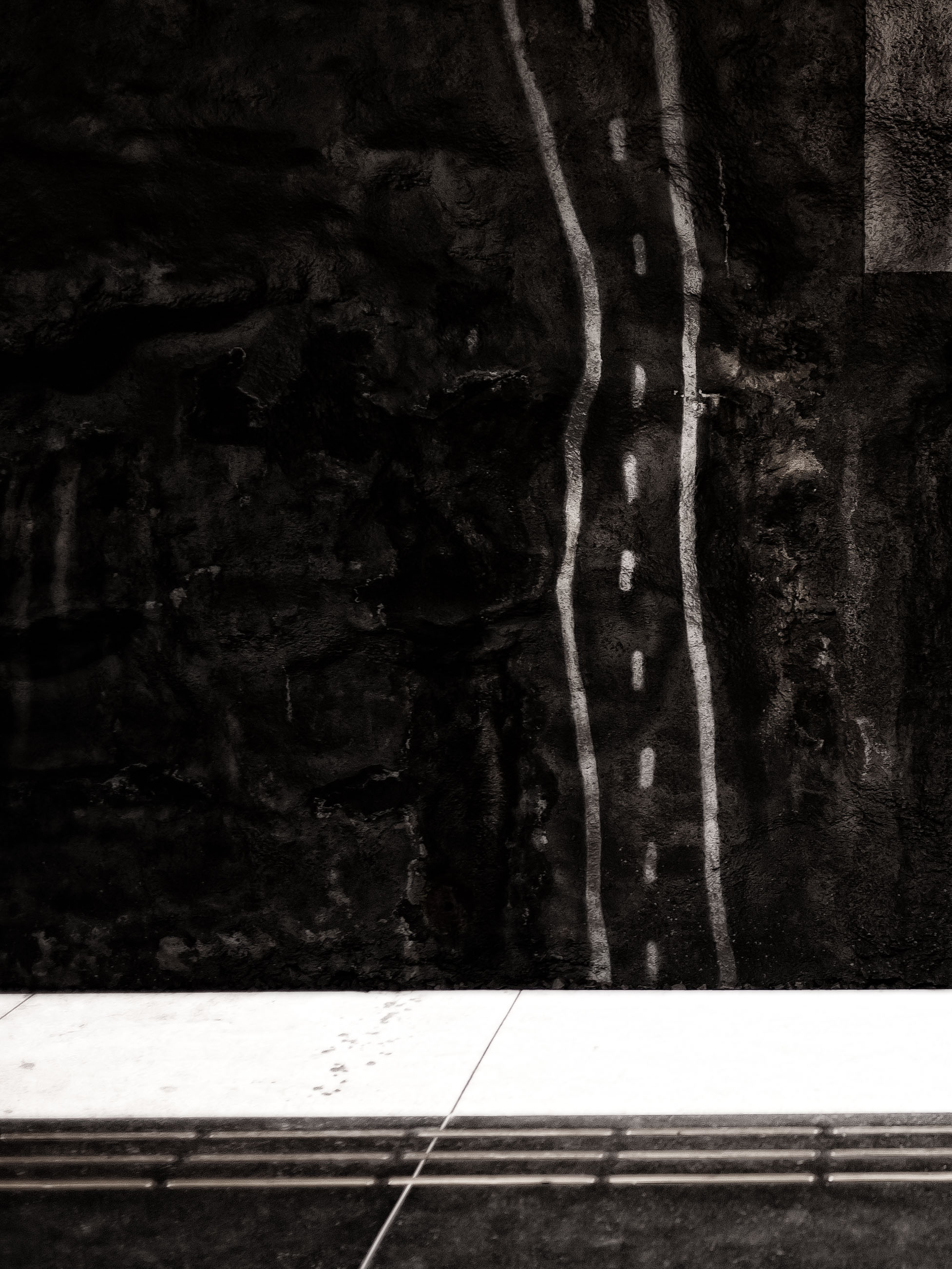
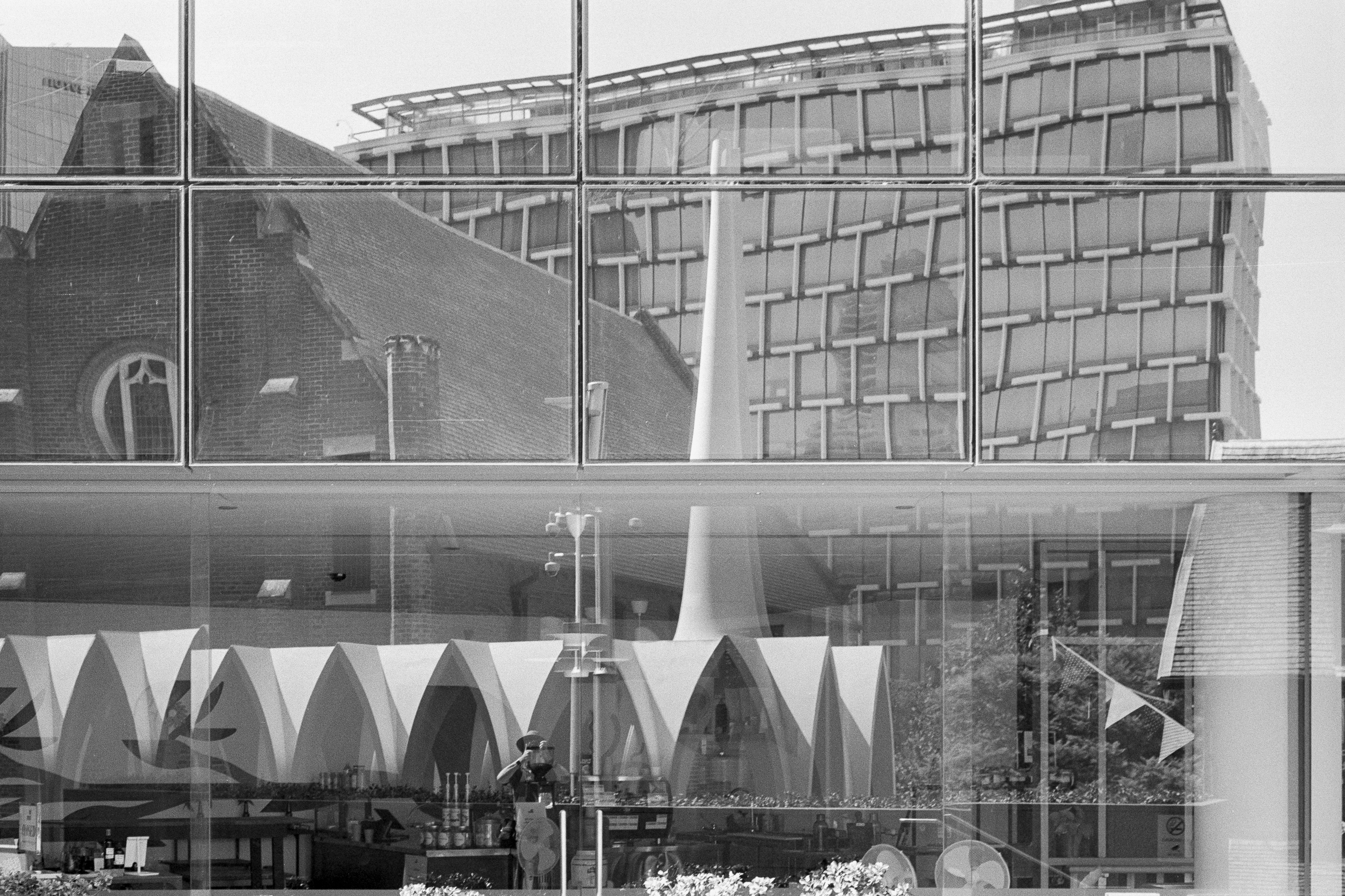
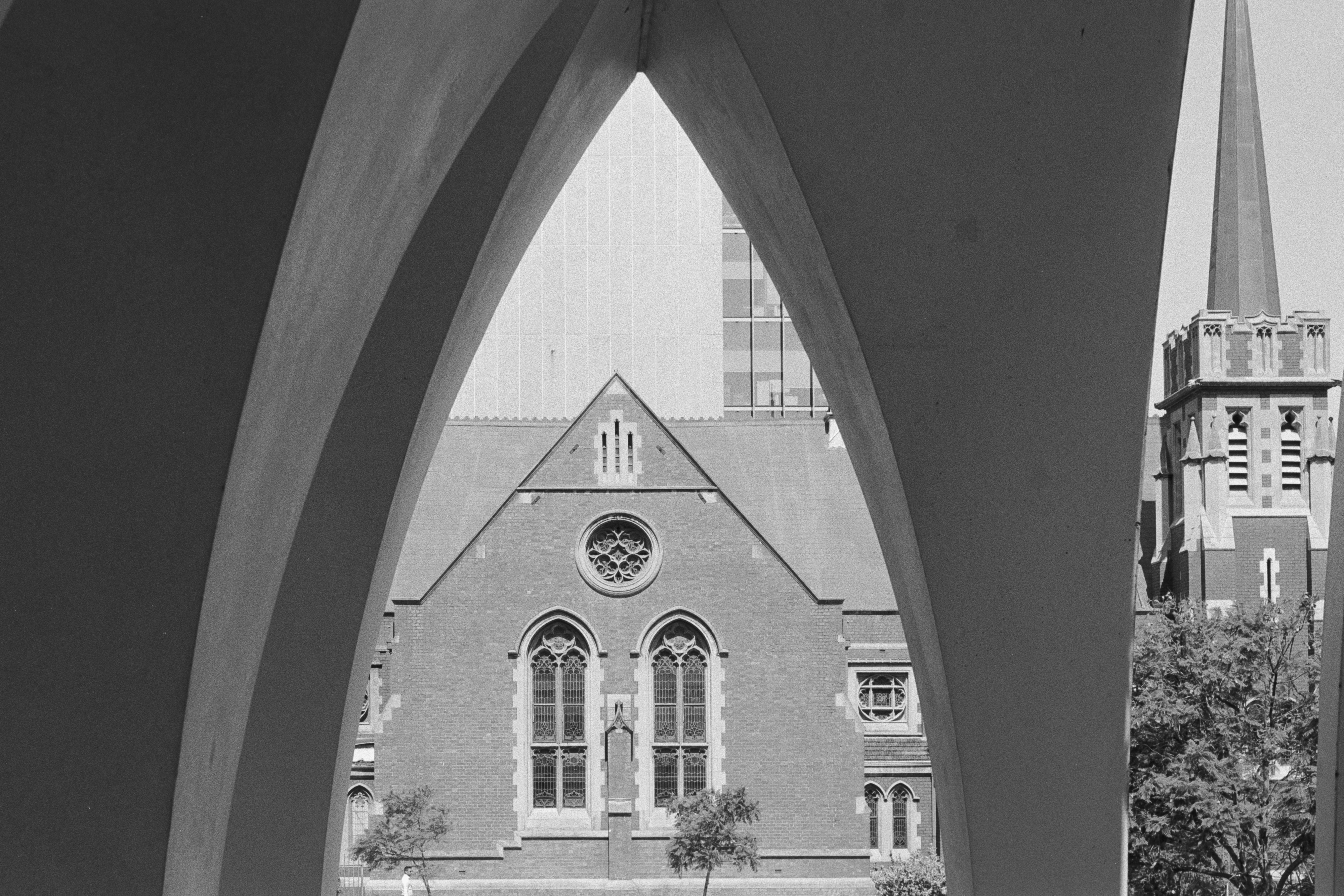
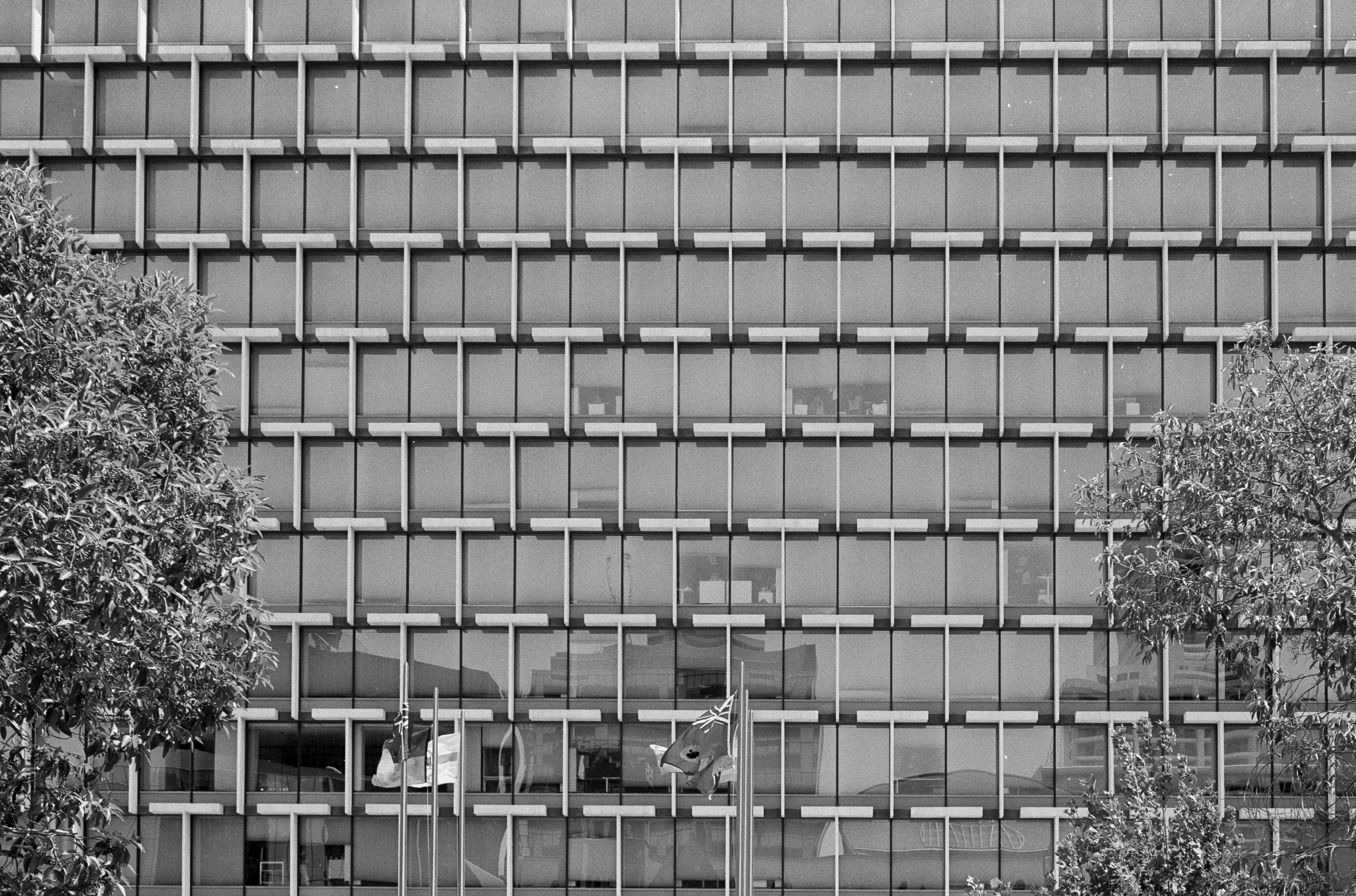
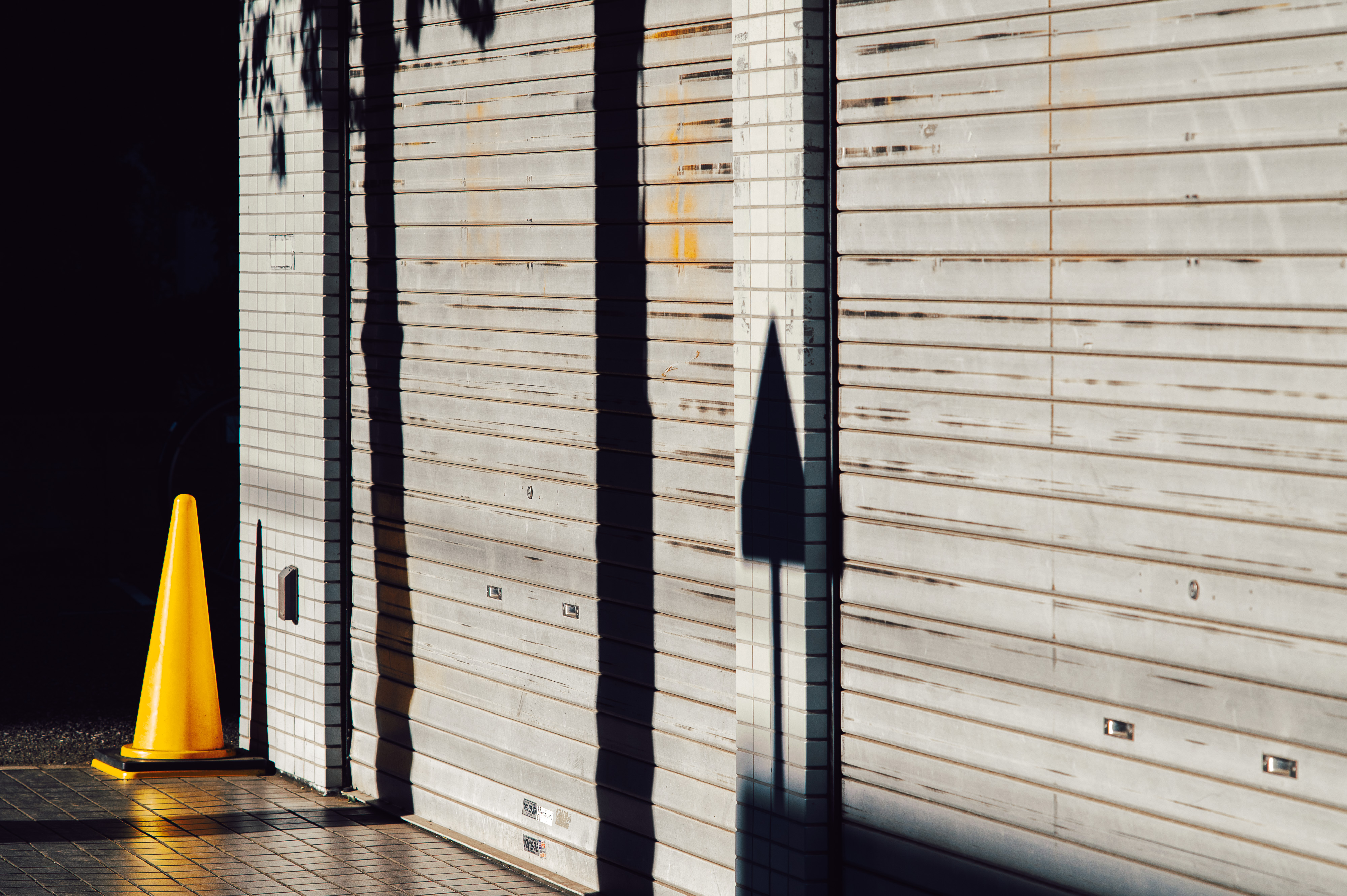
Not everything has changed, however. Looking through my old photographs revealed several themes that have remained remarkably consistent throughout my photographic life. I’ve always been fascinated by geometry, architecture and the patterns created by the built environment. Whether it’s staircases, railway stations or the narrow streets of an old city, strong shapes continue to draw my attention.

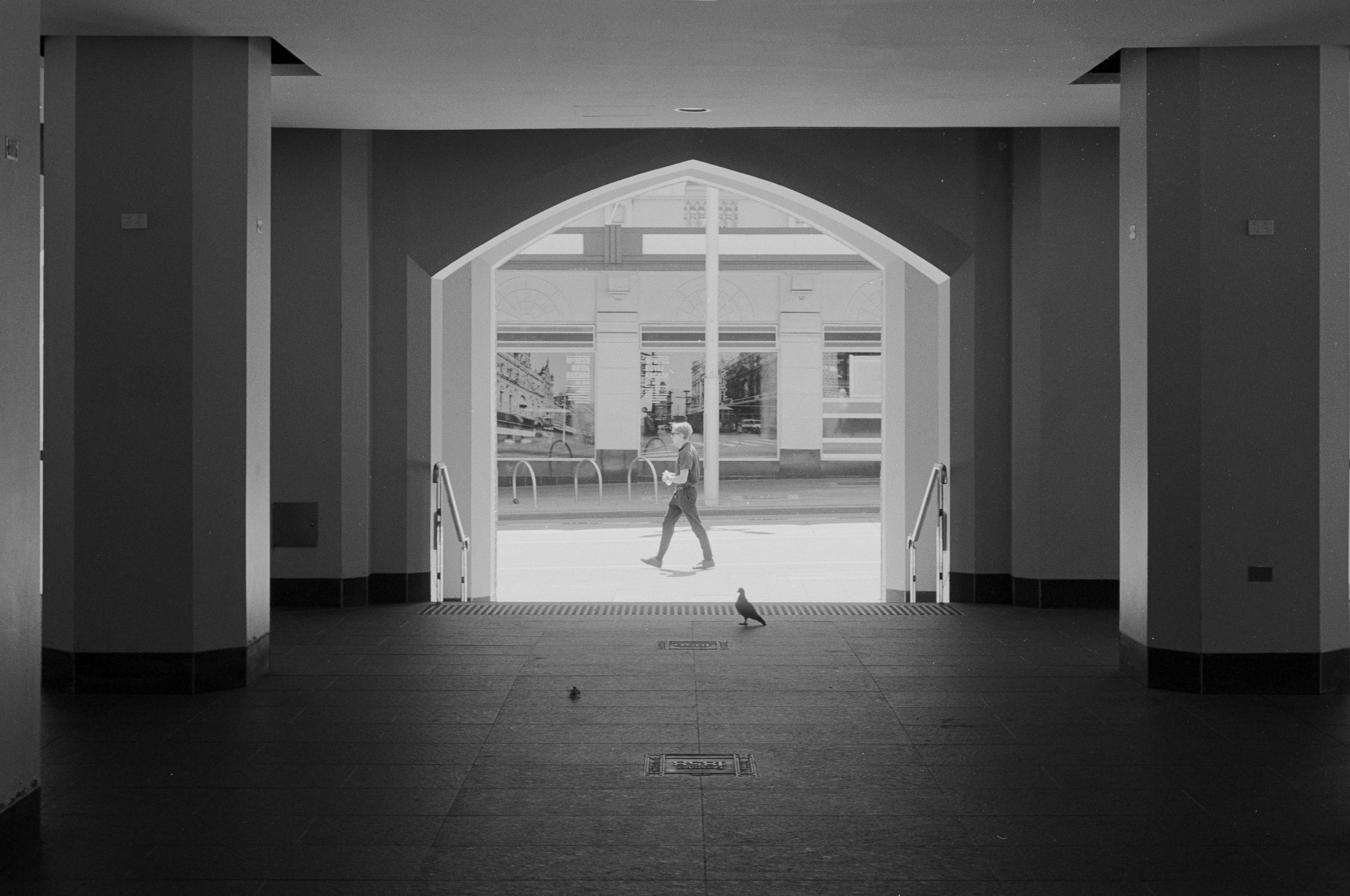
I’ve also always enjoyed finding humour and unexpected visual juxtapositions. Some of my favourite images are those that invite viewers to pause for a second and ask themselves exactly what’s happening. Street photography rarely hands you those moments on a plate, but they’re immensely satisfying when everything aligns.

One area where I have changed significantly is my attitude towards obvious tourist photographs. Twelve years ago, photographing famous viewpoints felt fresh and exciting. Today those same locations have been documented millions of times across social media, making it increasingly difficult to create something that feels original. It’s not that these places have become less beautiful—they’ve simply become visually familiar.

That realisation has encouraged me to search for smaller stories instead of iconic postcards. Rather than collecting landmarks, I’m more interested in collecting moments.


Growing as a Photographer—and as a Person

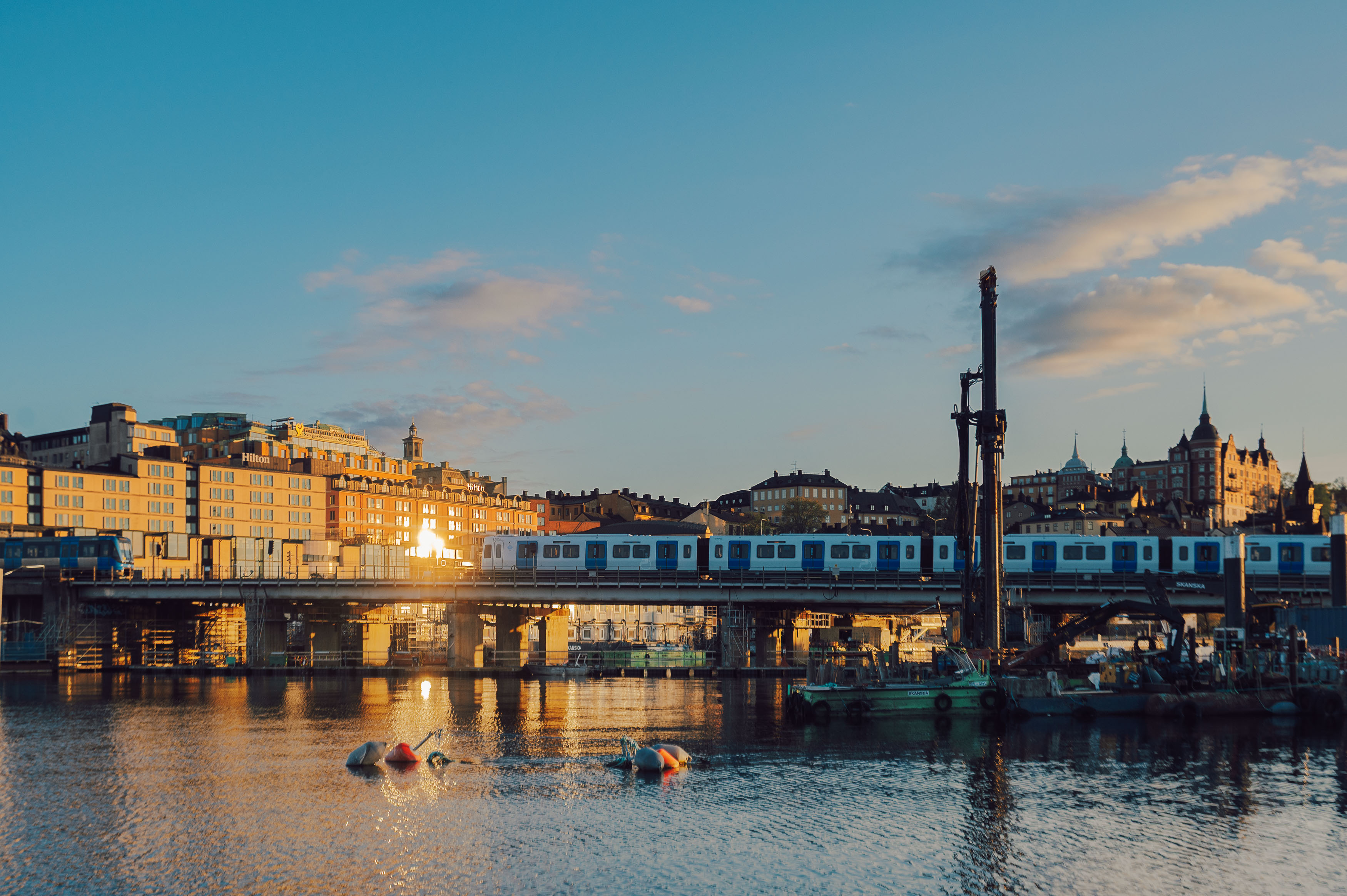
Comparing six photographs from my recent visit with those from 2013 produced an unexpected conclusion. Technically, my modern images are undoubtedly stronger. The compositions are cleaner, the editing is more restrained and there’s a greater consistency throughout the collection. Yet I can’t completely dismiss the older photographs.

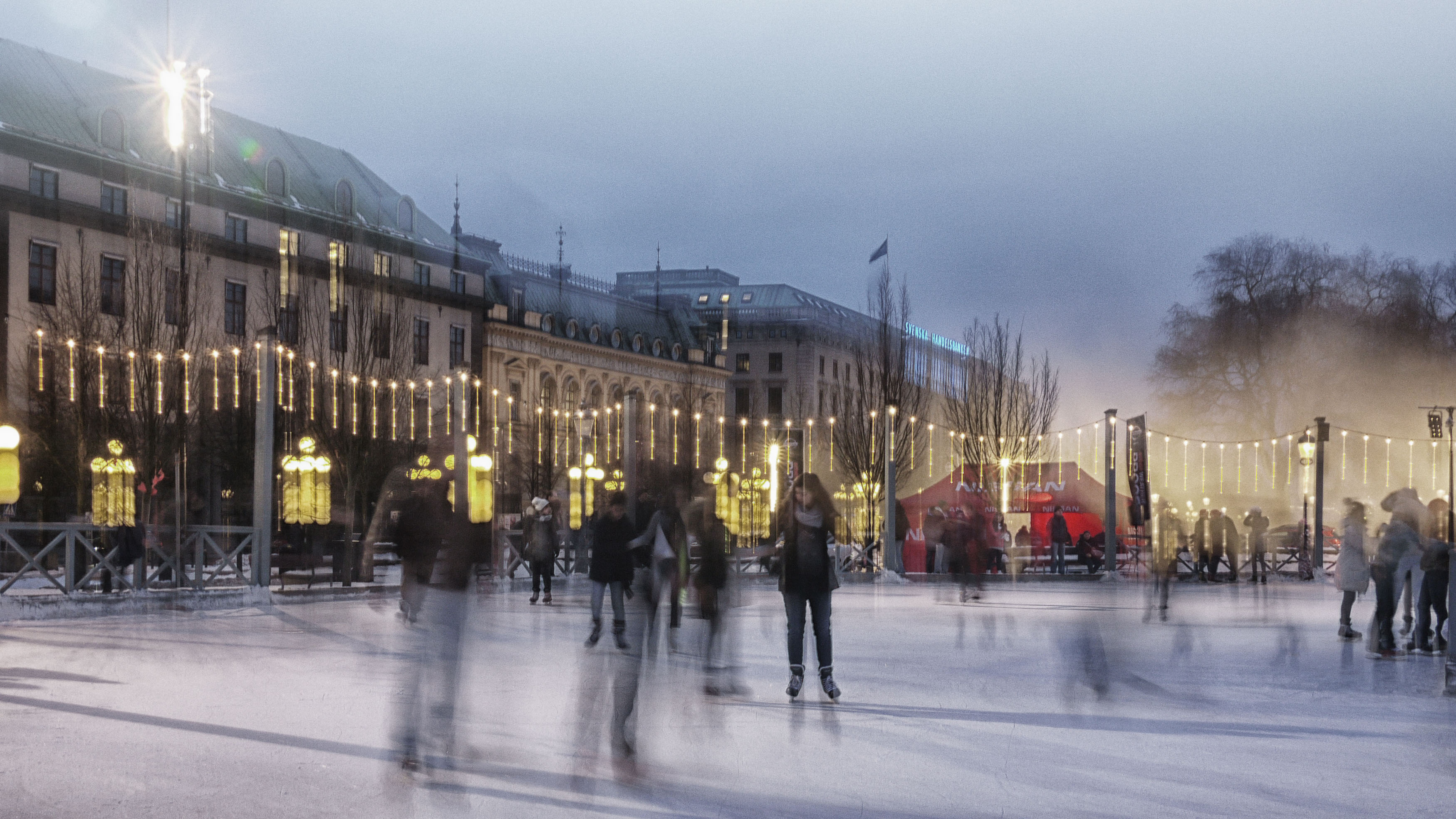
There was an exuberance to my earlier work that I sometimes miss. I experimented more freely with unusual angles, slower shutter speeds and motion blur, unconcerned about whether everything fitted neatly into a recognisable personal style. Perhaps experience has improved my judgment, but maybe it has also made me a little more cautious.

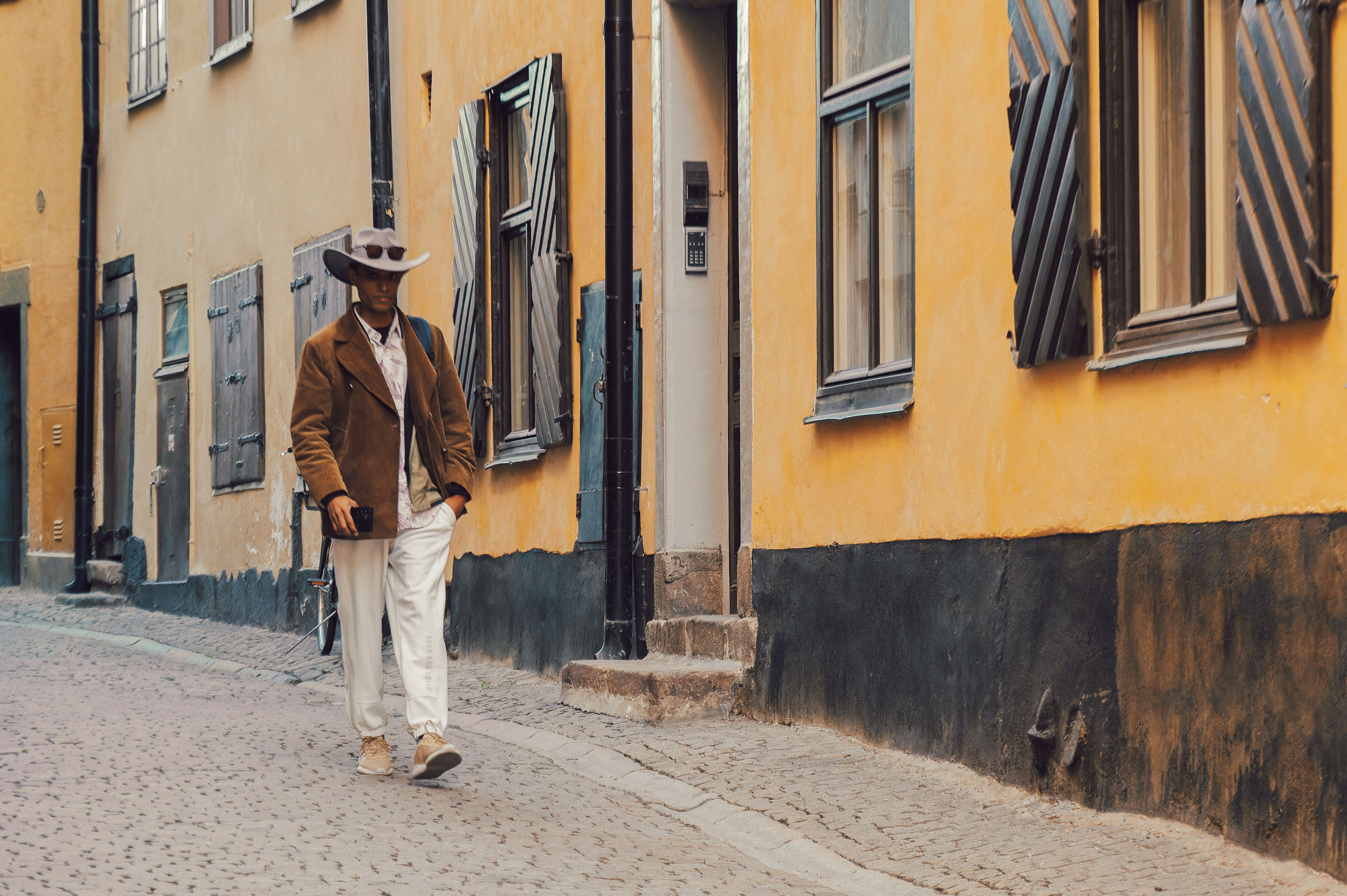
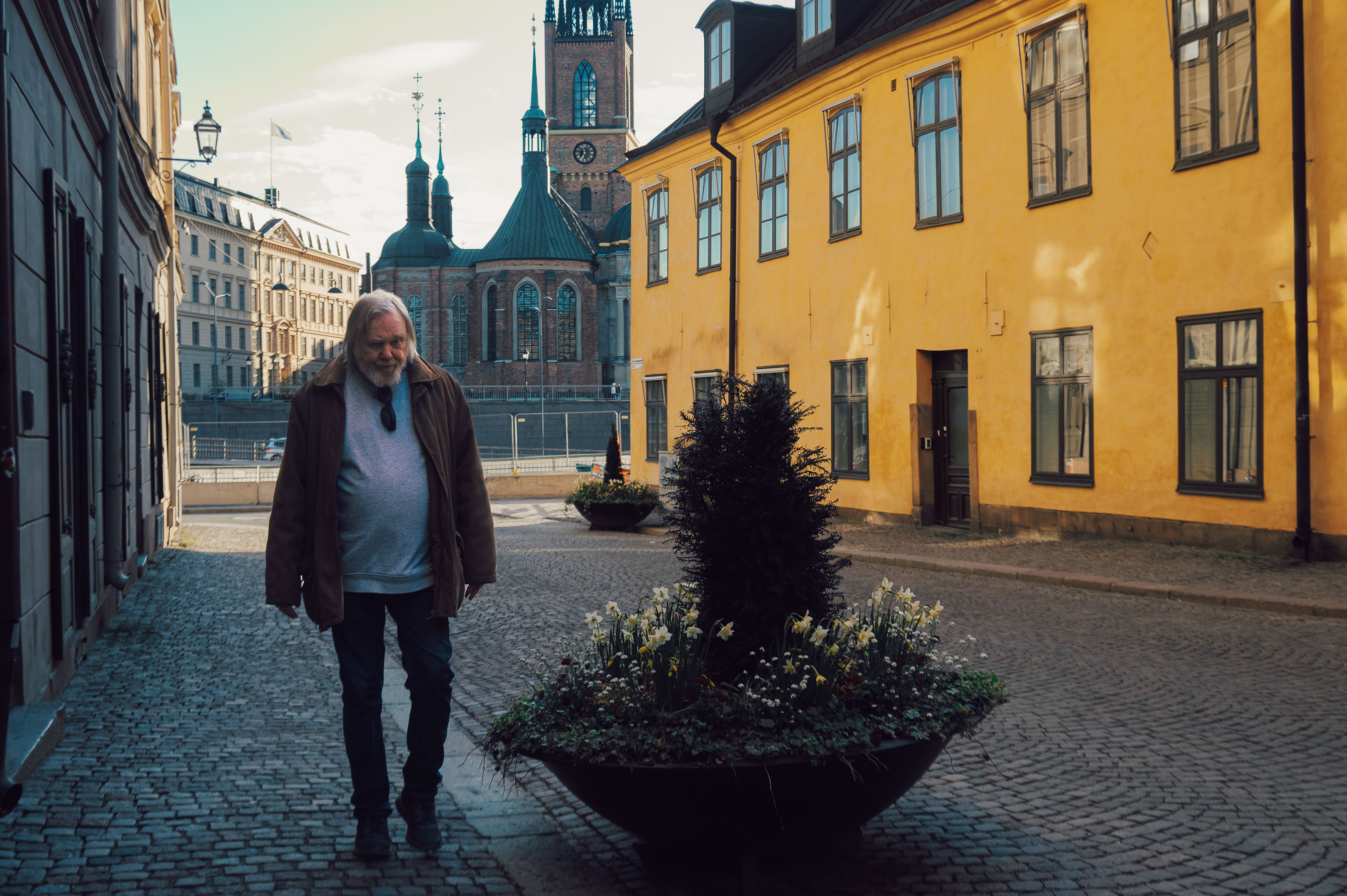
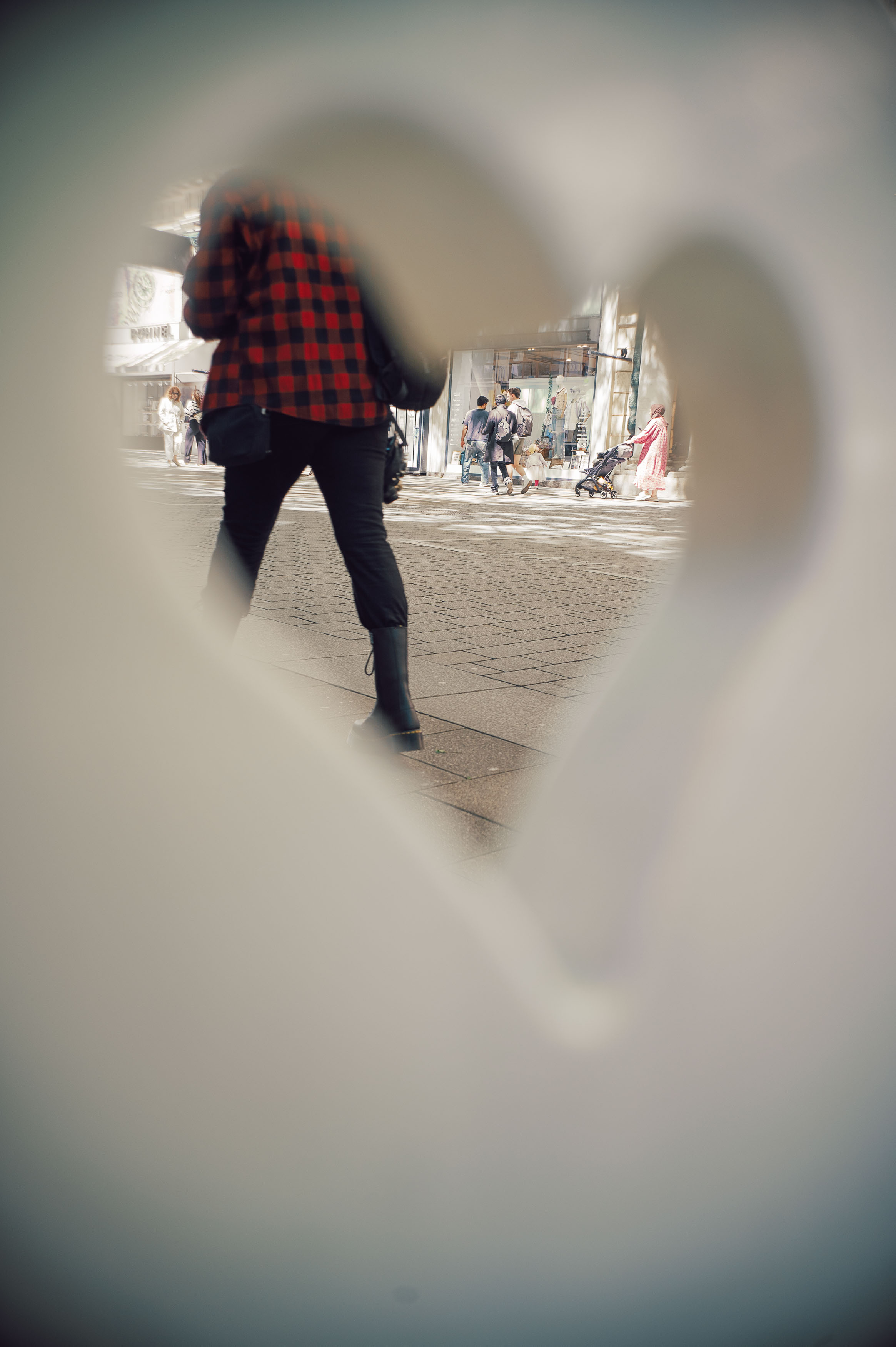
One change genuinely stands out, though. My newer photographs contain more people, and those people feel less like decorative elements placed within an architectural composition. Increasingly, they have become the subject rather than simply part of the scenery. Their expressions, gestures and interactions bring warmth and humanity that my earlier work often lacked.

Photography has always acted as both a shield and a bridge for me. A camera creates distance, offering a comfortable excuse to observe the world without fully participating in it. At the same time, it can become a surprisingly effective way of connecting with people and making sense of the wonderfully awkward complexity of human interaction.

Perhaps that’s the real evolution after all. Maybe becoming a better photographer isn’t simply about mastering composition or choosing more tasteful editing techniques. Maybe it’s about gradually becoming more curious, more empathetic and more willing to see the people behind the photographs.

Of course, it’s entirely possible that in another twelve years I’ll look back at my 2025 images and cringe just as enthusiastically as I now do at my HDR experiments. If that happens, perhaps it will simply be proof that the journey is still continuing—and that’s probably exactly how it should be.

Introducing the Canon 28mm f/2.8 LTM to Shenzhen and Vienna

I’ve complained before that 28mm is probably the most boring focal length in photography. It’s the optical equivalent of plain toast: perfectly serviceable but rarely exciting. It sits somewhere between the intimacy of a 35mm and the drama of something genuinely wide, making it feel suspiciously similar to the field of view on your phone. If nothing else, it’s useful for photographing your lunch.

Despite my lack of enthusiasm, there was one obvious gap in my rangefinder kit. Finding a good 28mm lens for the Leica Thread Mount isn’t exactly easy because wide-angle lens design in the 1950s involved plenty of optical compromises. The obvious budget option is the Soviet Orion-15, but its relatively slow f/5.6 aperture and steadily rising second-hand prices meant it wasn’t quite what I was looking for. At the other end of the spectrum sat Leica’s own Elmarit, but buying one of those would probably have required selling one of my children, and they’re now old enough to understand employment law.

Instead, while wandering around Shinjuku in search of something completely different, I stumbled across the Canon 28mm f/2.8. It struck a happy compromise between affordability and quality, and although it lacks the red dot that causes photographers to lose all sense of financial responsibility, it still feels wonderfully substantial. Built from brass and glass, it’s compact, beautifully made and just heavy enough to remind you that cameras used to be engineered rather than assembled.

Its pedigree isn’t exactly shabby either. This was one of the lenses favoured by Garry Winogrand as he documented post-war America, producing one of the most influential bodies of street photography ever assembled. Winogrand died at just fifty-six, leaving behind thousands of undeveloped rolls of film. I’ve somehow managed to outlive him already, although my own contribution to photographic history currently consists of a steadily growing archive of YouTube videos that algorithmically disappear into the digital abyss.

Still, one or two people are watching, so I thought it was finally time to give this little Canon the outing it deserved.

A Vintage Lens in Shenzhen and Vienna

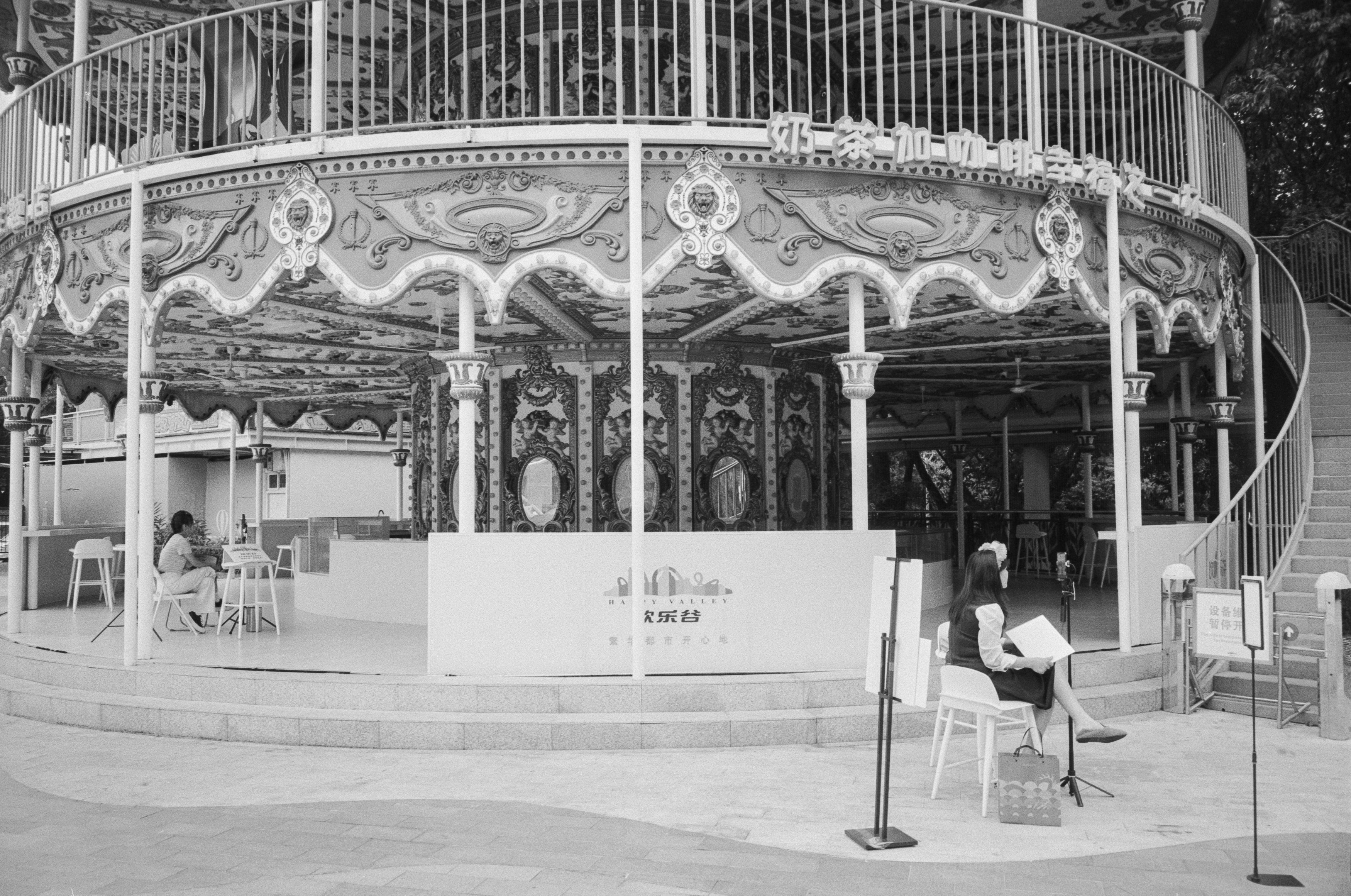
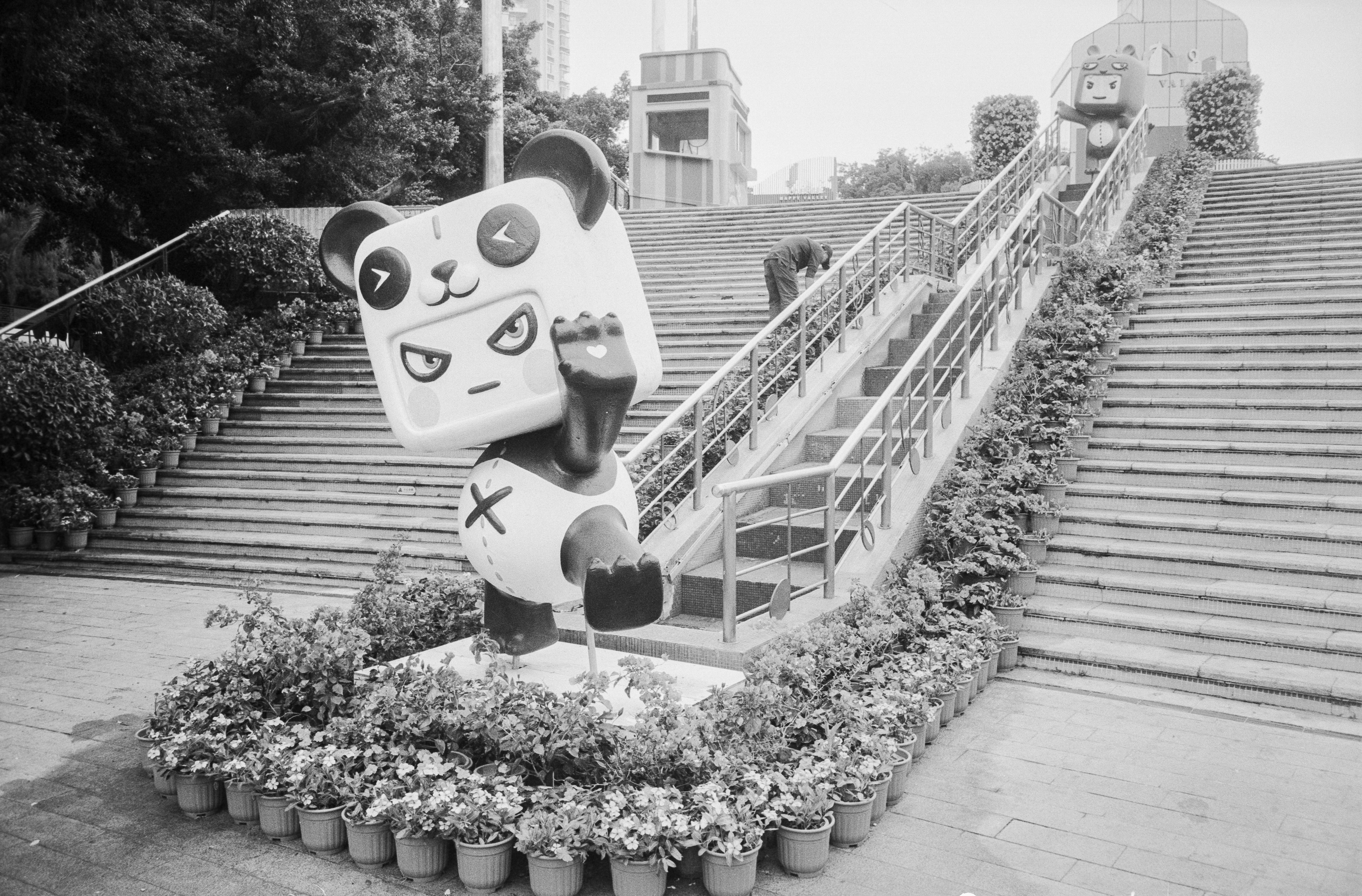
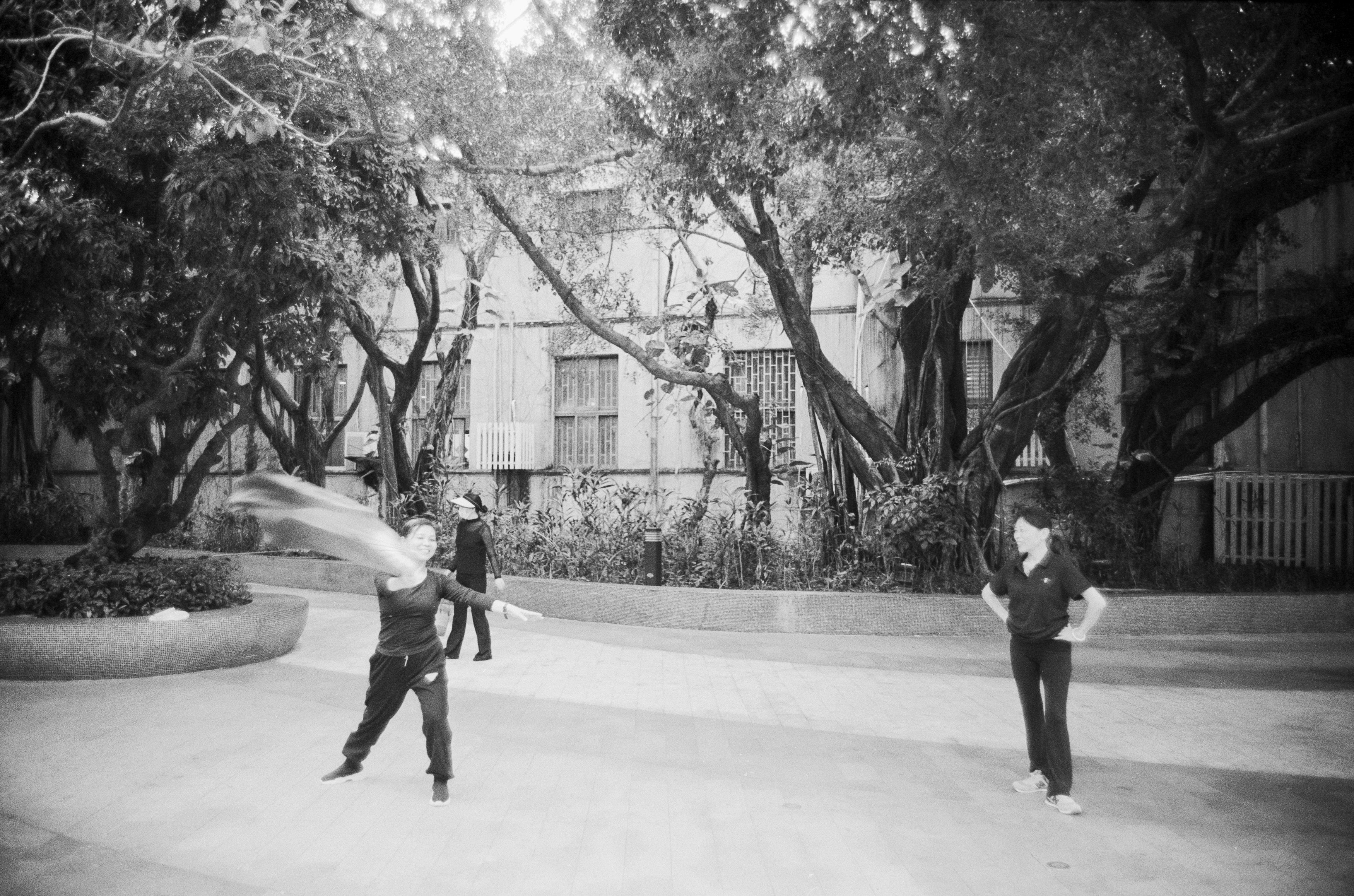
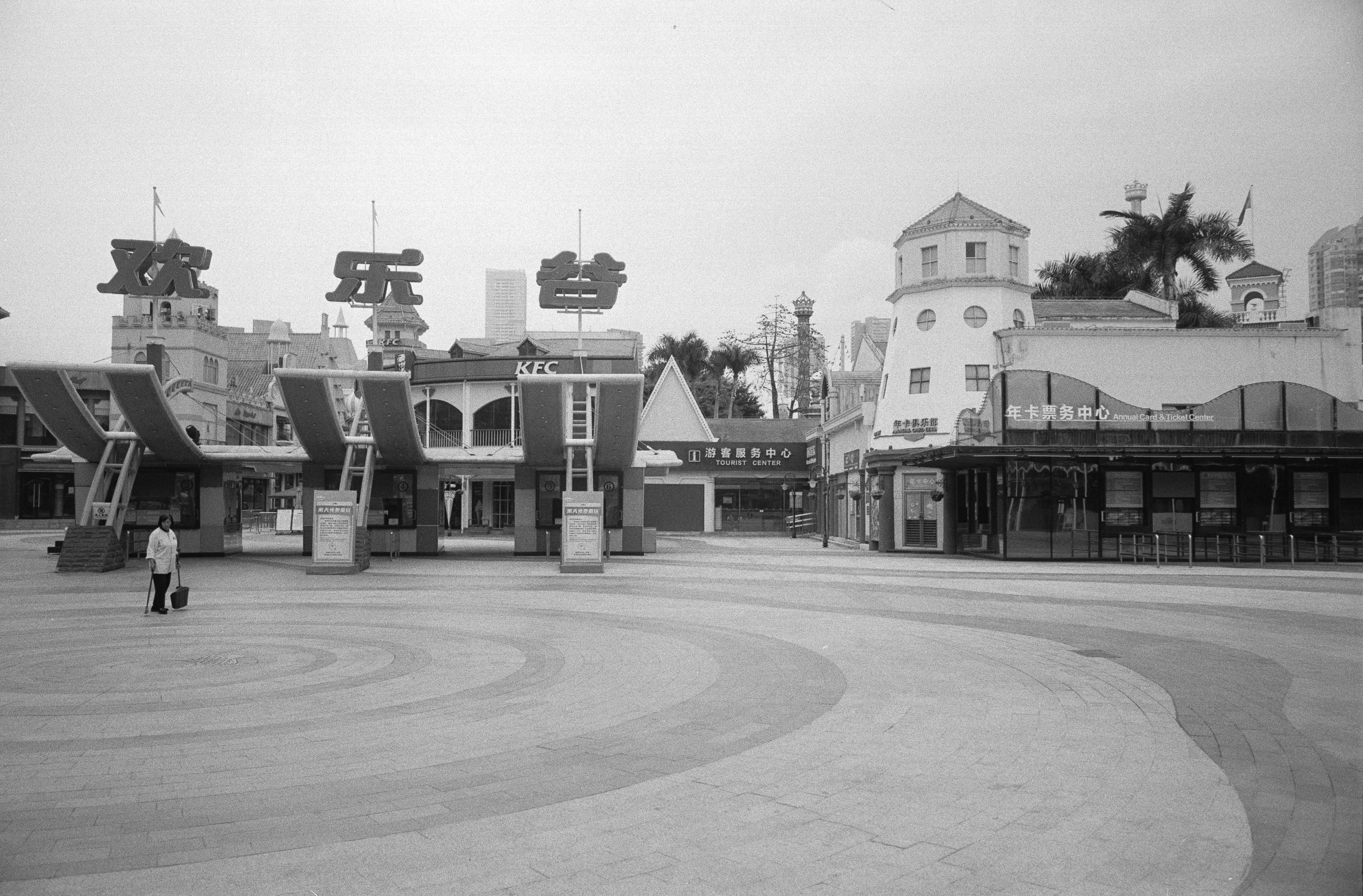
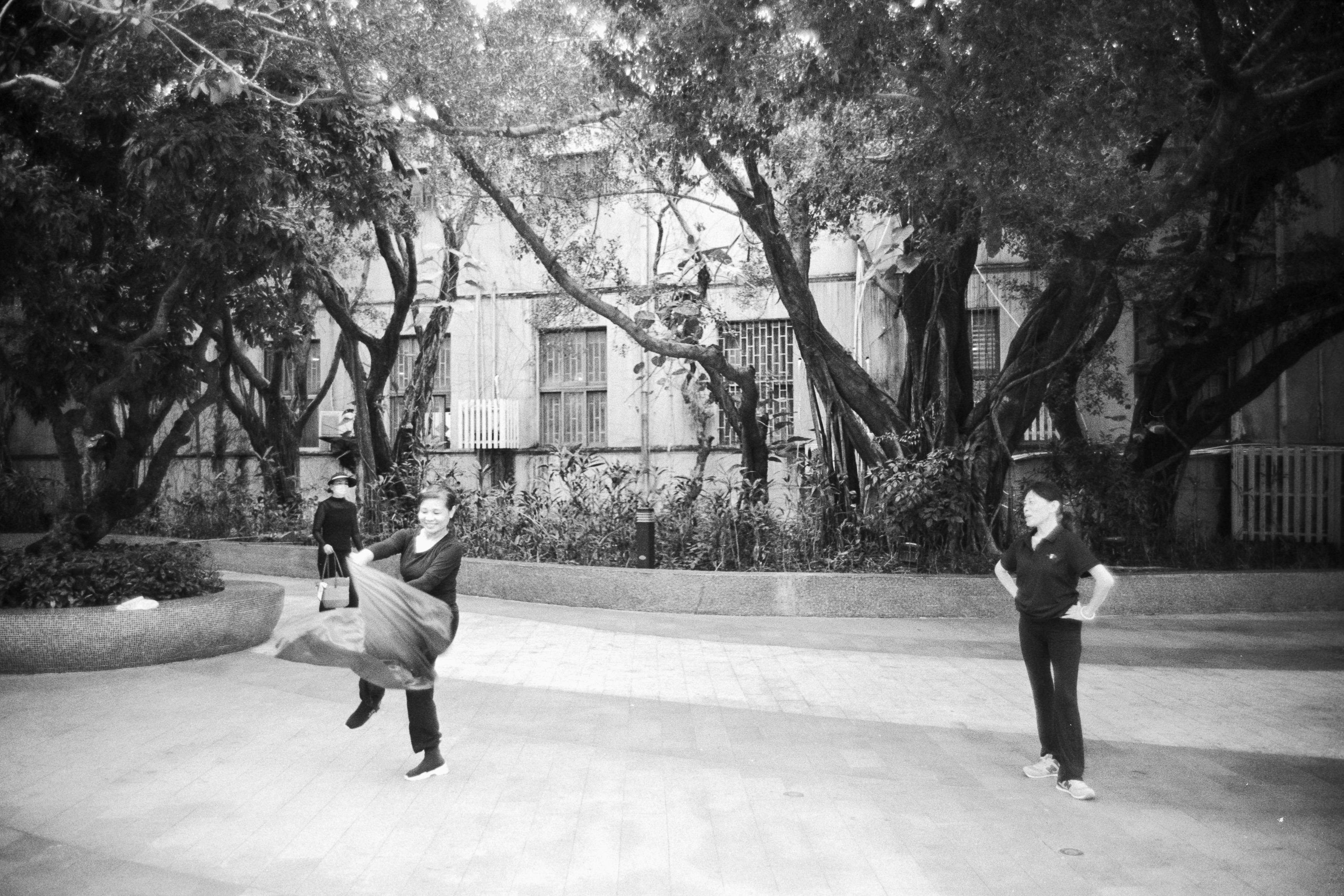
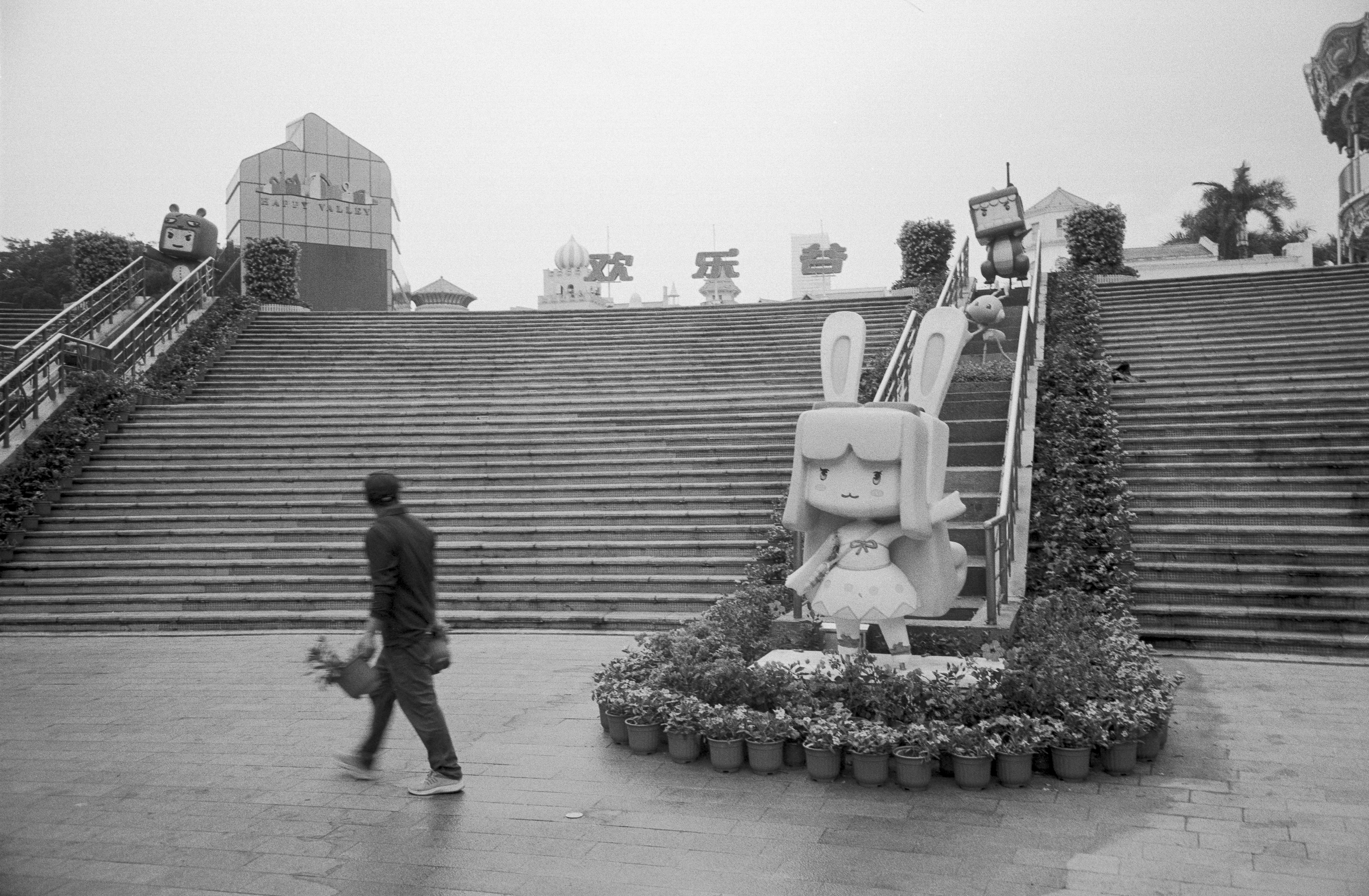
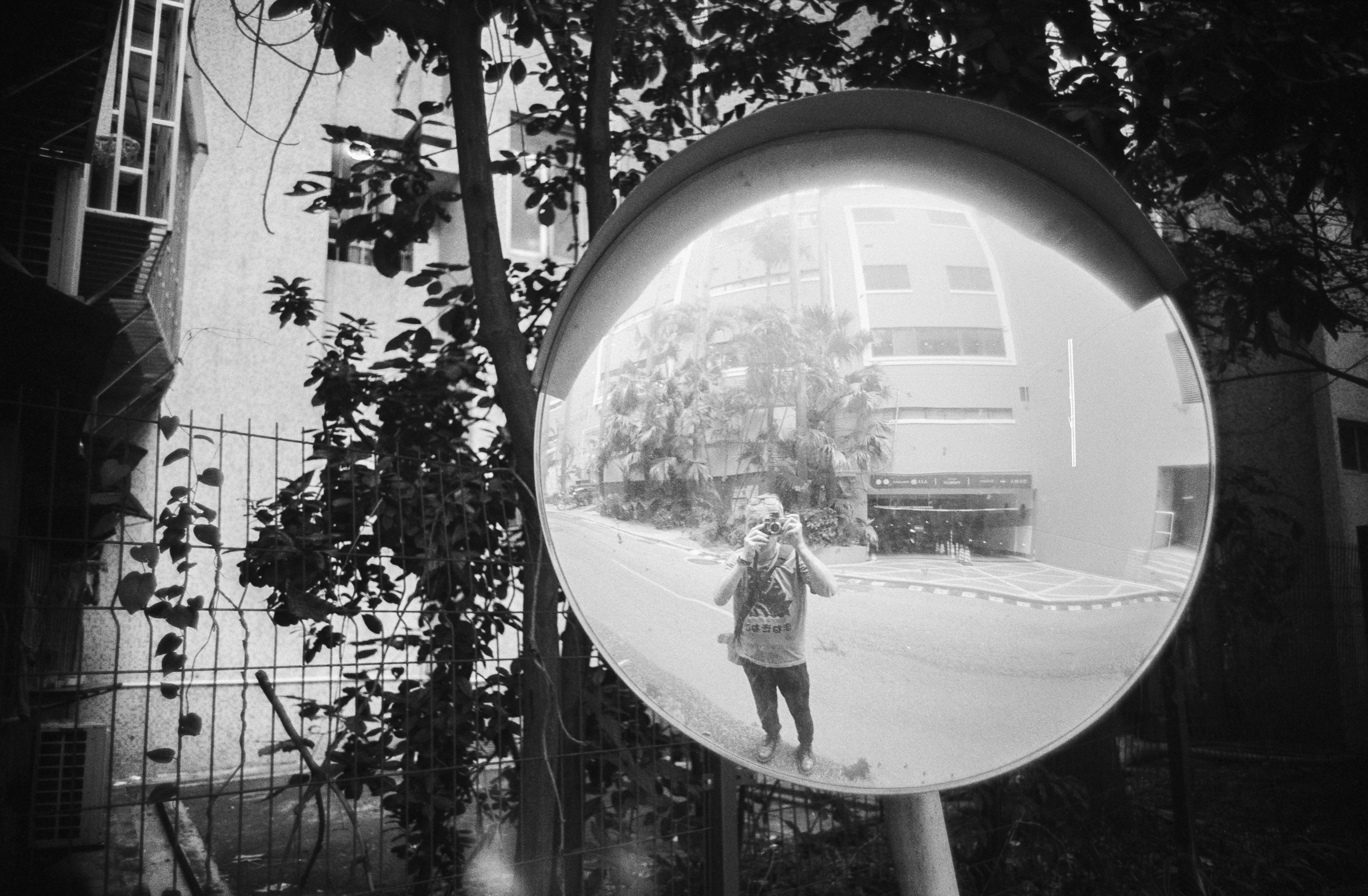
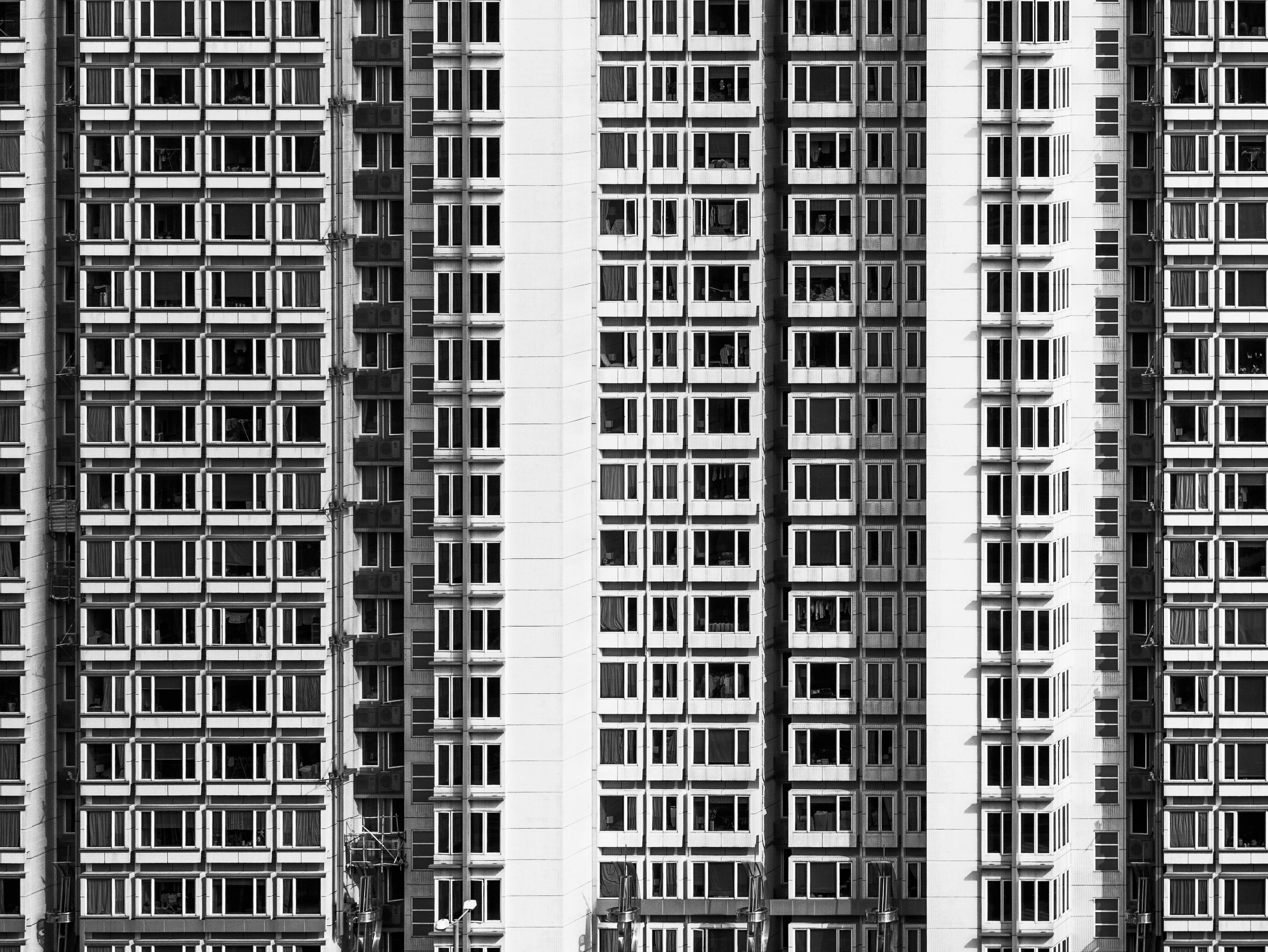
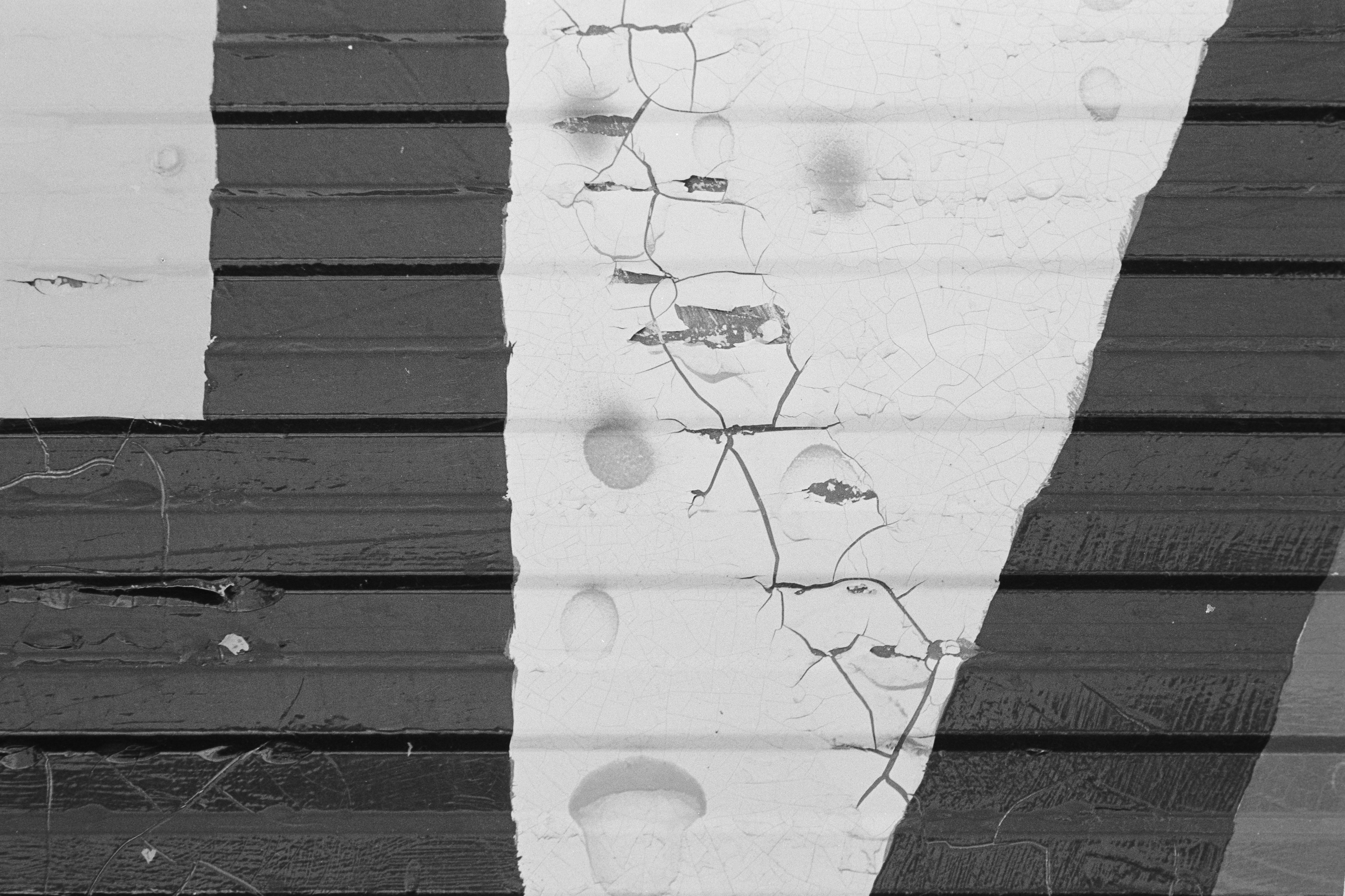
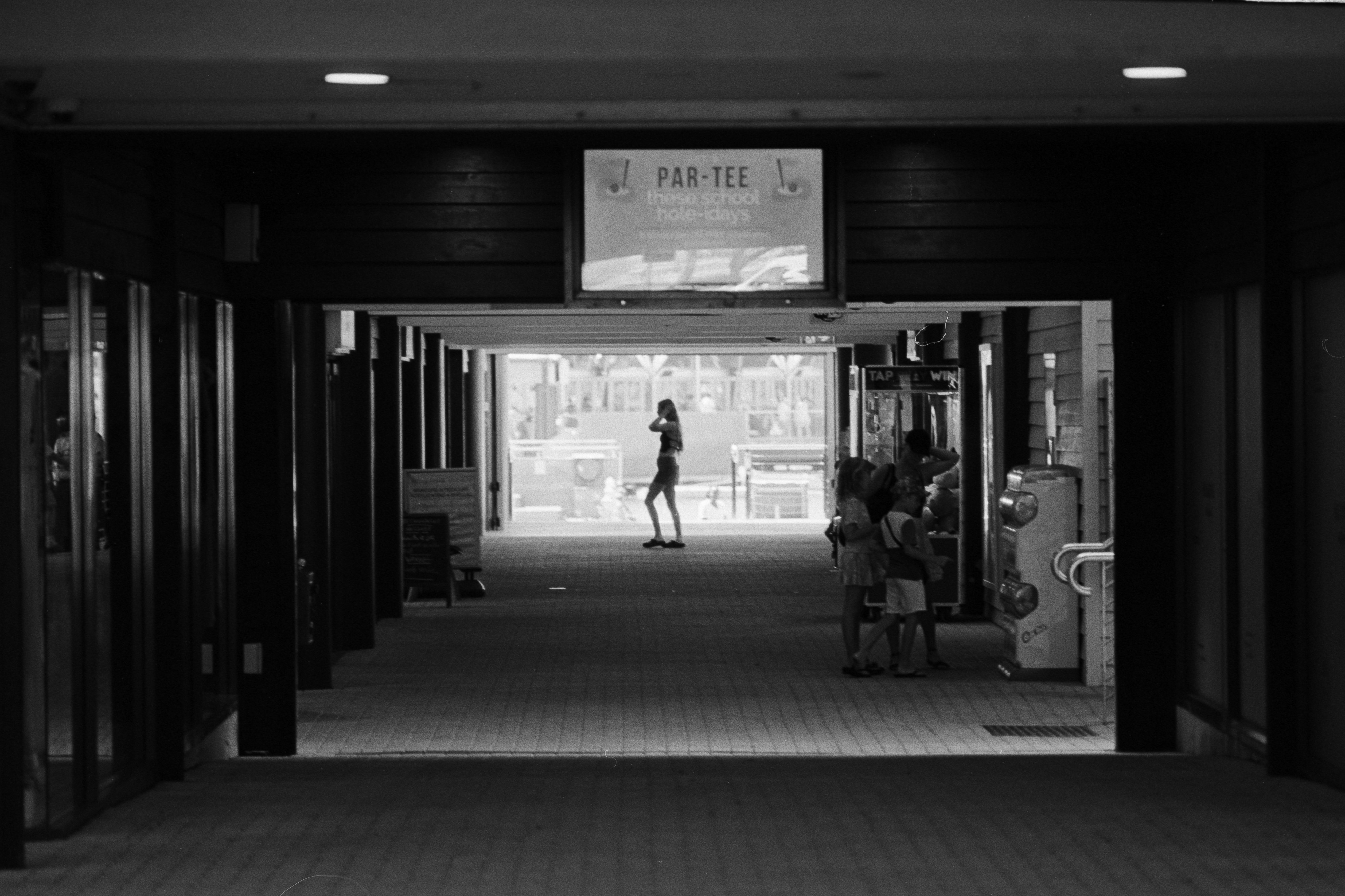
Like many of my photography trips, this one began with work rather than art. An overnight business trip to Shenzhen left just enough time for an hour wandering through Happy Valley, which, despite its cheerful name, possessed the slightly unsettling atmosphere of an abandoned theme park. It felt strangely appropriate to photograph it on black-and-white Kentmere 100 using my Leica M2, allowing the stark architecture and empty spaces to become the real subject rather than the colours themselves.

The Canon immediately makes a good first impression. It’s tiny enough to disappear onto the front of the Leica, yet the focus ring remains easy to grip. It features Canon’s familiar infinity lock, which has a reputation for annoying photographers but quickly becomes second nature once you’ve spent some time with it. Likewise, the front-mounted aperture ring works surprisingly well because the clicks are lighter than the focus action, allowing exposure adjustments without accidentally throwing focus out.

Internally, though, this is unmistakably a product of the 1950s. The six-element design lacks the sophisticated corrections of modern optics, and nobody is going to mistake it for a clinically perfect contemporary lens. Instead, it embraces the sort of imperfections that vintage lens enthusiasts spend their lives romanticising. This lens wasn’t designed to chase laboratory sharpness charts; it was designed to make photographs.

Its age also makes it feel perfectly at home on film. Introduced in 1957, it predates many of the modern photographic conventions we now take for granted, and pairing it with a mechanical Leica feels entirely natural. Ironically, my first experiences with it weren’t on the Leica at all but on my Canon P, until that camera developed a dragging shutter caused by loose stitching on the shutter curtain. The repair proved rather more delicate than these sausage fingers were prepared to attempt, and the whole episode ultimately nudged me towards buying the Leica M2 instead.

One pleasant surprise is how well the M2 accommodates the lens despite lacking dedicated 28mm framelines. By simply using almost the entire viewfinder, the framing becomes remarkably accurate, even if it occasionally requires removing my glasses and pressing my face uncomfortably close to the camera.

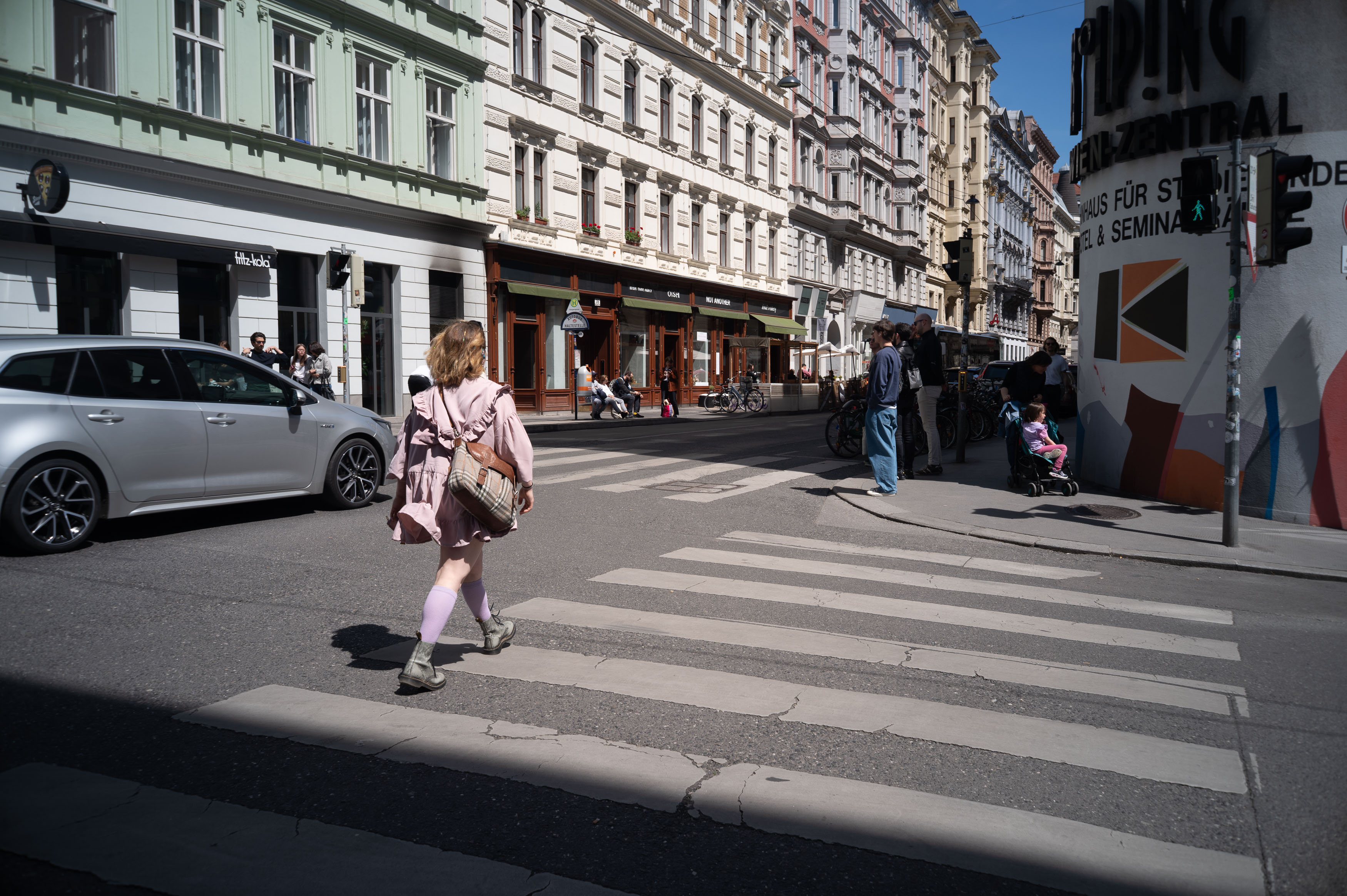
Of course, adapting the lens to a modern mirrorless body removes all of those compromises. Mounted on my Nikon Z6 with a simple adapter during a walk through Vienna’s Museum Quarter and Naschmarkt, the Canon suddenly had focus peaking, magnification and a high-resolution sensor revealing every one of its strengths and weaknesses in glorious detail.

Character Over Perfection

If you’re looking for objective perfection, this isn’t the lens for you. In fact, judged purely by modern standards, it’s difficult to argue that it’s particularly good at all.

Let’s begin with the flare. Despite the deeply recessed front element, point this lens anywhere near the sun and it erupts into a psychedelic display of hexagonal ghosts, coloured blobs, veiling flare and collapsing contrast. Some photographers deliberately seek out that behaviour, but I generally prefer keeping the sun somewhere over my shoulder, so most of my examples avoid the full disco light show.

More problematic is the vignetting. Wide open at f/2.8, the corners darken dramatically, as though the world is being viewed through a cardboard tube while driving through an alpine tunnel. Even stopping down doesn’t entirely eliminate it, and if you’re allergic to heavy corner shading, this lens probably isn’t going to become your new favourite.

Sharpness is equally complicated. At maximum aperture, the centre remains respectable, but detail falls away rapidly towards the edges where the image becomes noticeably smeared. Yet somehow, those flaws work together to produce something unexpectedly appealing. The rendering has a painterly quality that modern lenses often sacrifice in pursuit of perfection, and photographs seem to possess a depth and atmosphere that’s difficult to quantify on a test chart.

Stopping the lens down transforms its behaviour. By f/16 the dreamy softness gives way to surprisingly rich detail, while still retaining the gentle microcontrast and subtle rendering that make older optics so enjoyable to use. Tree bark gains texture, colours become vibrant and every corner of the frame rewards closer inspection, even if absolute edge sharpness never quite catches up with contemporary designs.

Looking back through photographs from both Shenzhen and Vienna, the Canon feels remarkably consistent despite the very different subjects. The quiet, almost surreal emptiness of Happy Valley contrasts beautifully with the bustle of Vienna’s flea markets, yet the lens gives both places a cohesive visual identity. Digital files from the Nikon certainly reveal more of the lens’s colour shifts and optical fall-off than film ever does, but they also confirm that the central sharpness is more than adequate while the imperfections remain part of its charm rather than distractions.

Ultimately, that’s what makes the Canon 28mm f/2.8 such an enjoyable lens. It doesn’t pretend to be perfect, nor does it try to compete with modern optics on technical grounds. Instead, it delivers photographs with personality, accepting softness, flare and vignetting as part of the creative process rather than problems to eliminate. Wide open it behaves like an unruly opera singer, full of excess and theatrical flourish. Stop it down and it settles into something far more disciplined, pairing beautifully with the Leica M2 to produce images that feel timeless rather than merely old.

Sometimes character really is worth more than perfection, and this little Canon has plenty of both flaws and personality to keep earning a place in my camera bag.

First Roll Impressions of Ilford Ilfocolor 400 and the Randomness of Film Photography

Welcome to a story about failure. Admittedly, that’s hardly a departure from the usual content around here, but this time the failure isn’t entirely mine. Well, not entirely. Today we’re looking at the wonderfully unpredictable world of colour film photography, where every stage of the process offers another opportunity for disappointment, confusion or outright catastrophe.

Film has a habit of seducing you with promises of beautiful colours, timeless character and authentic imperfections before reminding you that you’re actually just one careless mistake away from destroying an entire roll of memories. It’s a fickle mistress that whispers sweet nothings about dynamic range and grain before gaslighting you into believing you’re simply not good enough to use it properly.

That probably says more about my personality than film itself, but there really is something uniquely masochistic about the medium. A digital photographer can happily expose thousands of images knowing they’ll survive until they reach Lightroom. Film, on the other hand, spends every stage of its existence looking for new and inventive ways to go wrong.

To demonstrate that point, I took two very different rolls on recent trips around Europe. One was the relatively safe option: Fujifilm 400, shot during a brief work visit to Madrid. The other was Ilford Ilfocolor 400 Vintage Tone, a film I’d never used before and one that promised exactly the sort of nostalgic colours that marketing departments know photographers find impossible to resist. As you’ll soon discover, only one of those rolls failed because of the film itself.

Sometimes the Weakest Link is You

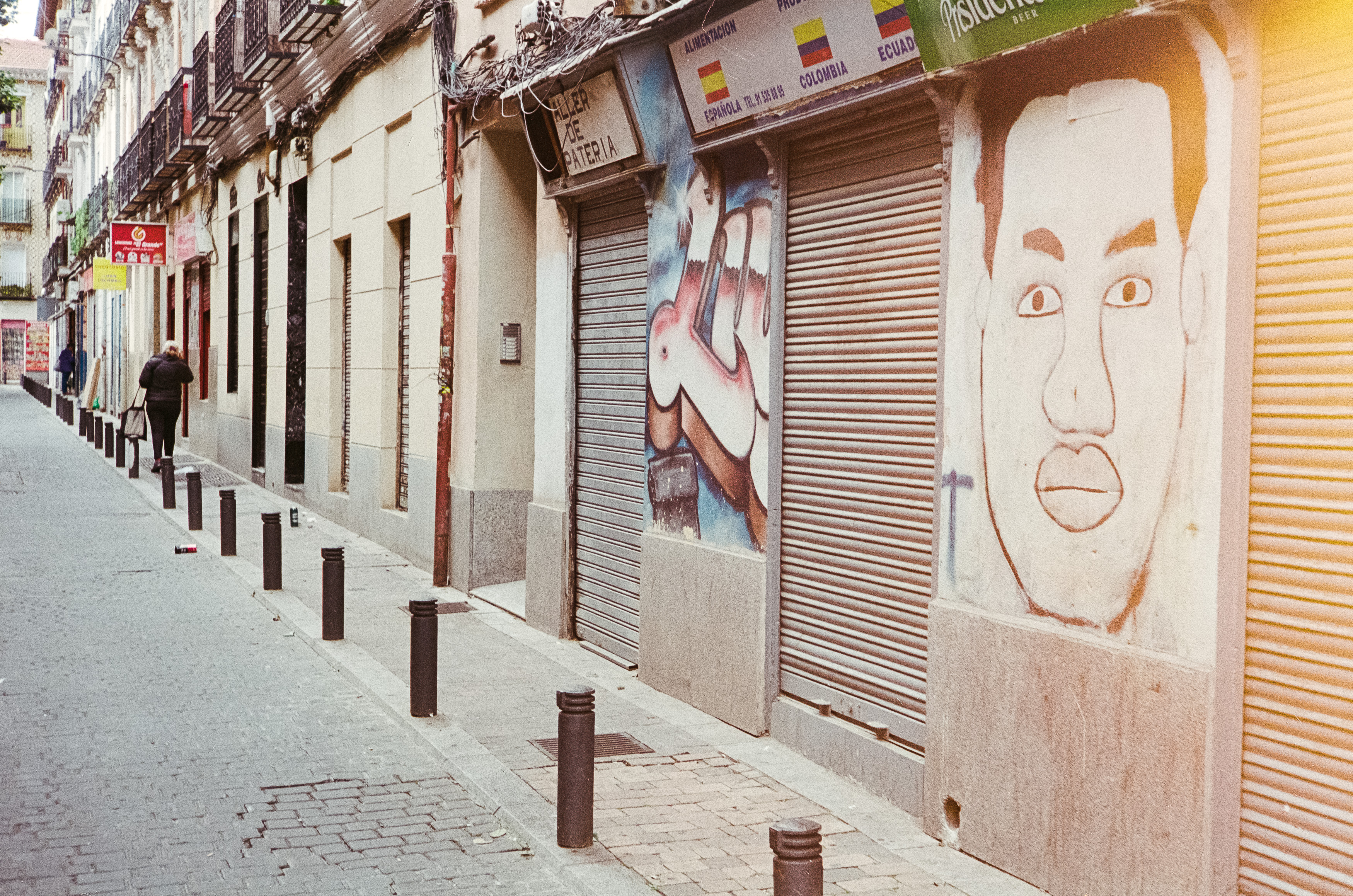
My time in Madrid lasted barely thirty-six hours, leaving just enough opportunity for an early morning walk through the city before work. Armed with my Leica M2 and a Nikon 50mm Leica Thread Mount lens, I wandered the streets in a jet-lagged haze, quietly pleased with the photographs I’d managed despite feeling spectacularly uninspired.

The negatives themselves were absolutely fine. Unfortunately, I wasn’t.

The disaster didn’t happen while shooting. I hadn’t loaded the film incorrectly, accidentally opened the camera back or allowed airport X-ray machines to cook the emulsion. Instead, I managed something far more embarrassing during development.

Working inside a changing bag, I successfully loaded the film onto the developing reel before confidently pulling my hands out of the sleeves, only to realise I’d forgotten one tiny detail. The reel had never actually gone inside the developing tank. The moment I removed my arms, light flooded the changing bag and with it disappeared an entire roll of photographs. Feel free to laugh. This is, after all, a celebration of photographic incompetence rather than mastery.

The truth is that film is full of these potential failure points. Loading the camera, exposing correctly, rewinding safely, developing, scanning and editing all present fresh opportunities to ruin perfectly good photographs. Digital photography certainly has its own frustrations, but your memory card doesn’t suddenly self-destruct because it briefly caught sight of daylight before being copied onto your computer.

Of course, not every disappointment can be blamed on the photographer. Some films seem determined to sabotage you all by themselves, and I’d already experienced that on a previous trip to Shanghai with an anonymous rerolled stock that looked considerably better on the box than it ever did on the negatives.

Sadly, history was about to repeat itself.

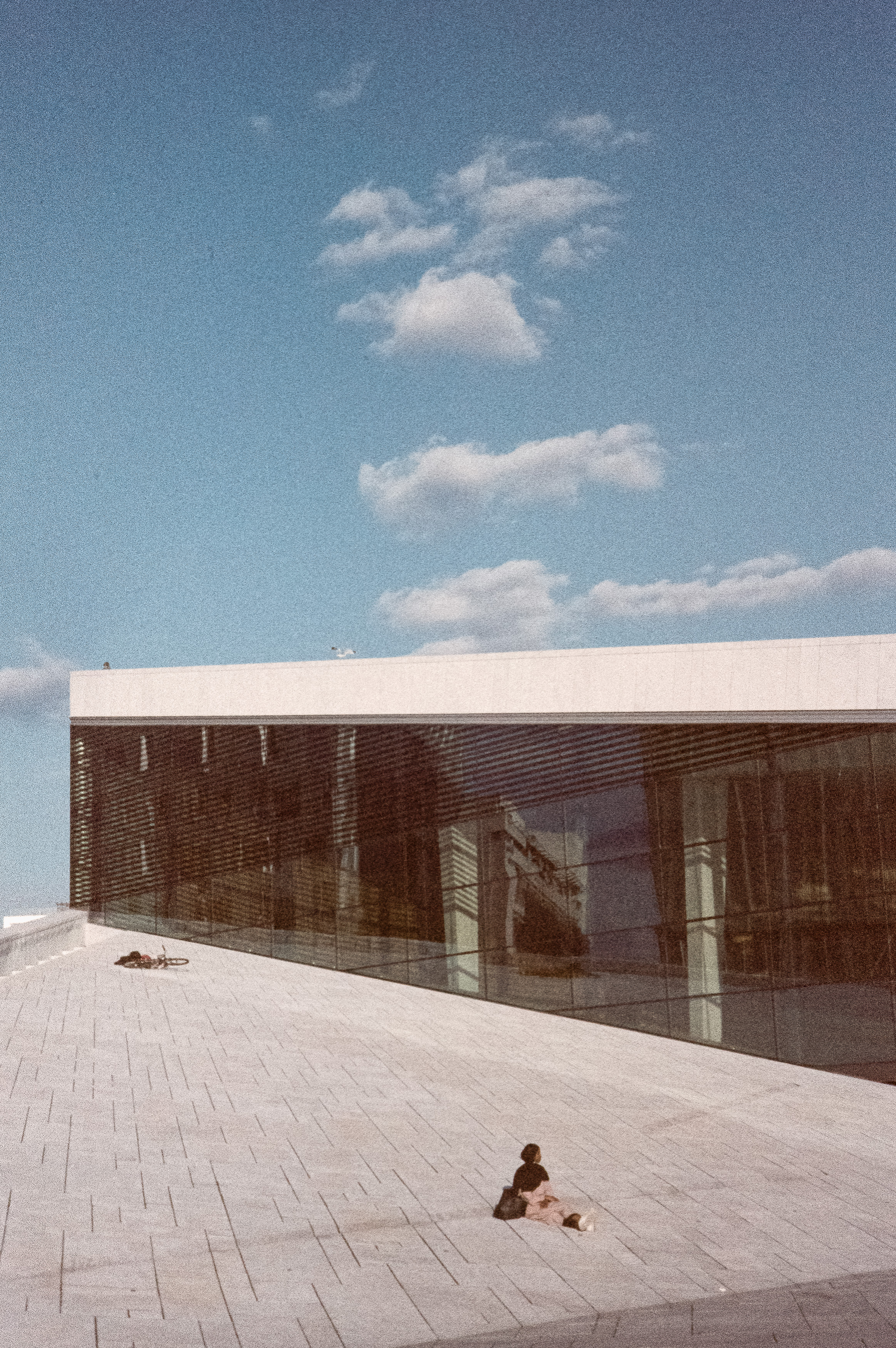
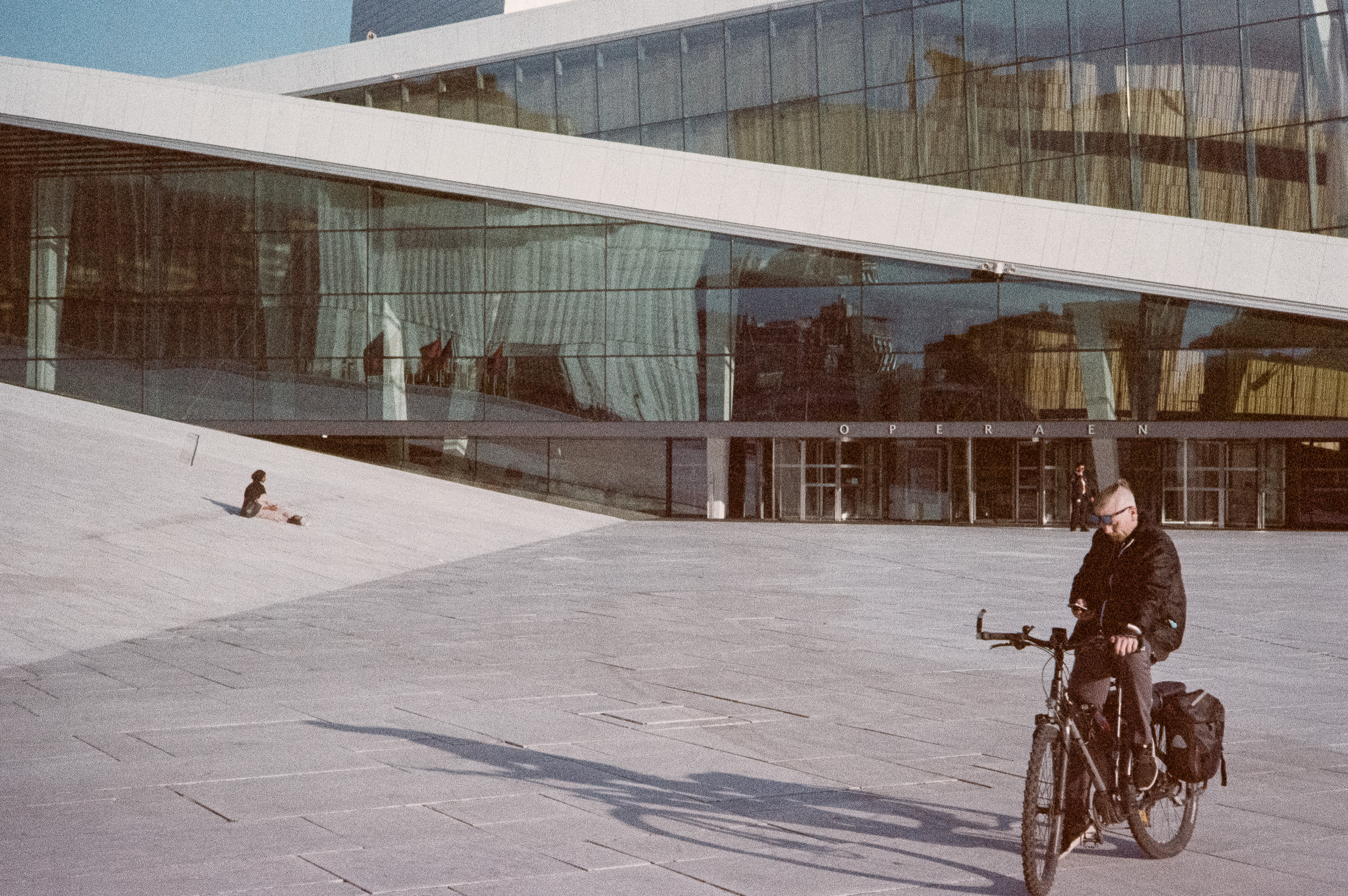
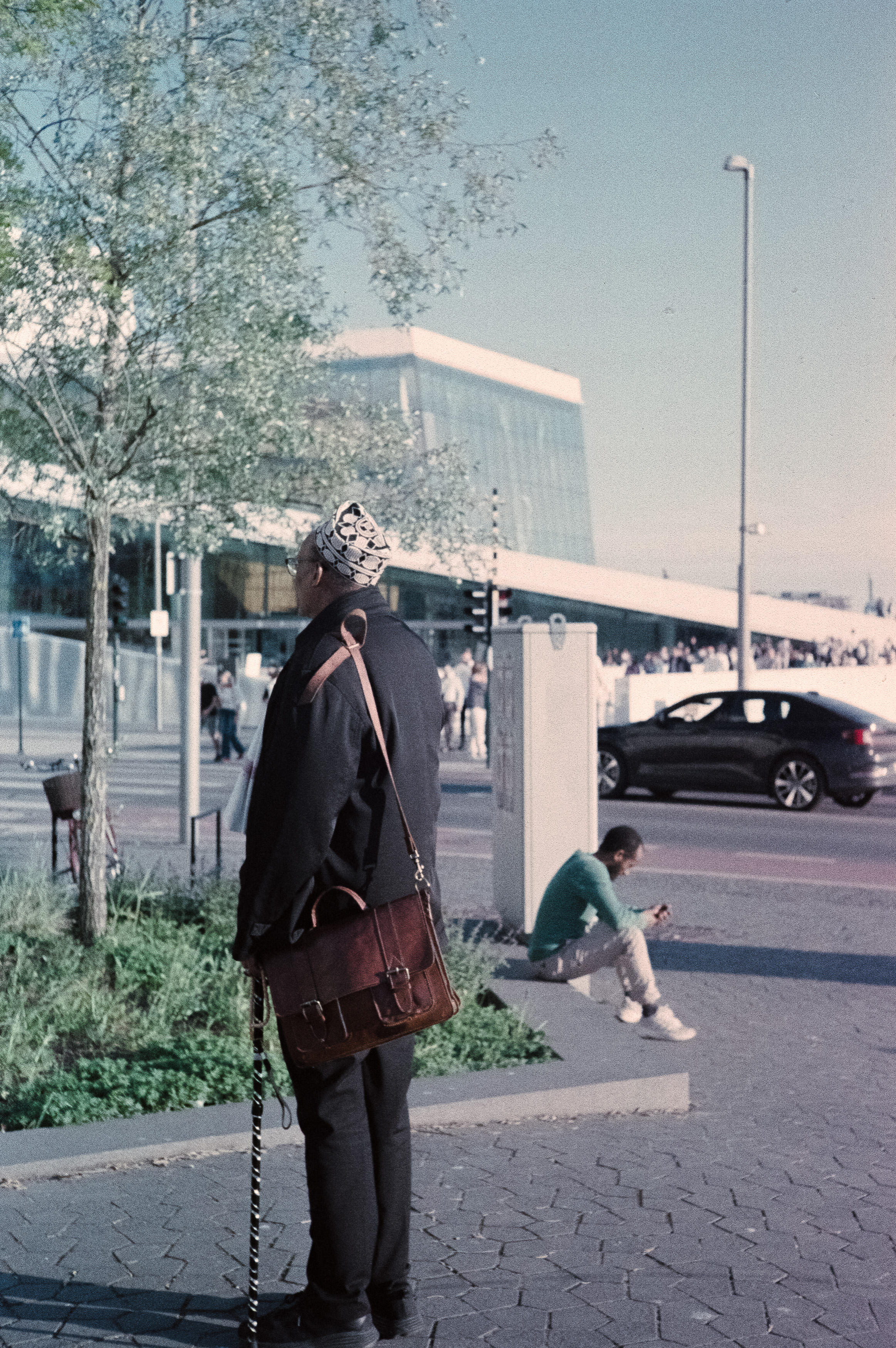
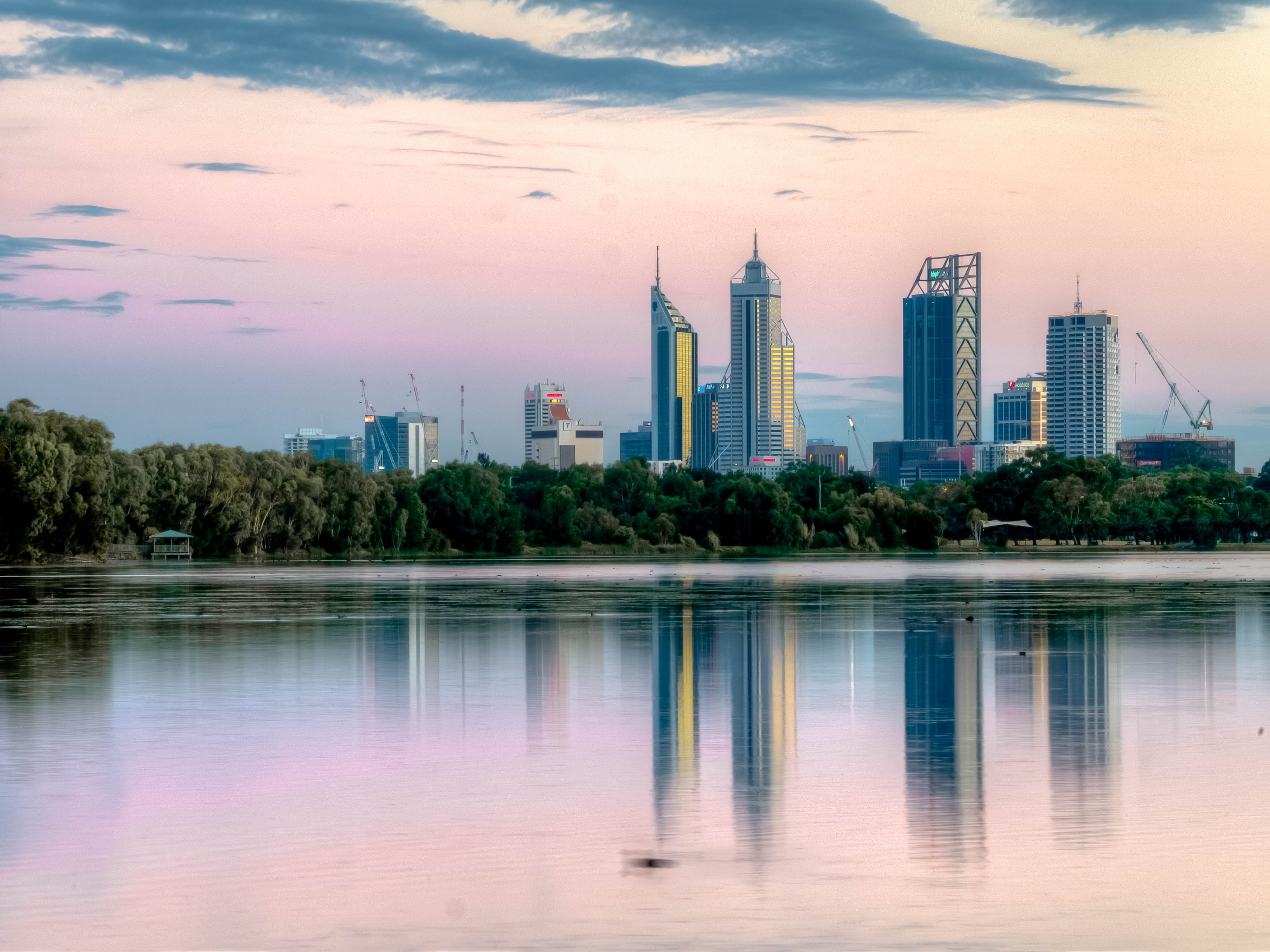
My daughter had given me a roll of Ilford Ilfocolor 400 Vintage Tone for my birthday, and despite the slightly worrying promise of “vintage tones”, it seemed the perfect companion for an evening photographing Oslo during one of those impossibly long Scandinavian sunsets. Warm golden light, modern architecture and reflections across the water sounded like exactly the sort of scene this film was made for.

The results suggested otherwise.

Vintage Character or Just Bad Film?

The first thing worth pointing out is that Ilford Ilfocolor isn’t actually produced by the same company that manufactures Ilford’s famous black and white films. Harman Technology, the company behind classics like HP5, is entirely separate from Ilford Imaging, which licenses the name for this particular colour stock. That distinction matters because expectations matter.

When you hear the name Ilford, you naturally expect the same consistency and quality that has made their monochrome films legendary. Instead, Ilfocolor immediately raised suspicions before I even scanned the negatives. Rather than the familiar orange mask of conventional colour film, the negatives emerged an alarming shade of green that looked less like photographic material and more like something scraped from the bottom of a neglected biology experiment.

Scanning them didn’t inspire much more confidence. My workflow is deliberately manual, avoiding automated conversion software in favour of scanning the negatives as RAW positive files before inverting them myself in Lightroom. Establishing a neutral white balance, inverting the tone curve, correcting contrast and then adjusting colour provides complete control, although it also involves temporarily living in Lightroom’s own bizarre mirror universe, where moving sliders left often appears to do the opposite of what your brain expects.

Working this way also reveals something interesting about film itself. Every frame behaves slightly differently. Slight overexposure pushes colours towards pink, while underexposed frames drift green. Even after applying identical settings across an entire roll, every photograph still demands individual attention because no two negatives respond quite the same way.

That unpredictability is part of film’s charm, but it also exposes its weaknesses.

After plenty of tweaking, sharpening and colour correction, I eventually coaxed respectable images from the scans, but I couldn’t escape the conclusion that Ilfocolor 400 simply isn’t a particularly good film. It’s extremely grainy, highly contrasty, clips highlights and shadows with alarming enthusiasm and produces colours that become increasingly unstable the further your exposure drifts from perfection.

Ironically, those very flaws also give it a certain personality. Looking through the finished photographs, I couldn’t shake the feeling that I’d seen this look somewhere before. The muted colours, heavy grain and cool cast bear a striking resemblance to ORWO Wolfen NC500, another film stock that’s available under several different names. Whether Ilfocolor is simply rebadged Wolfen is open to debate, but the similarities are difficult to ignore.

Even so, I can’t quite bring myself to hate it. Some of the final images possess a gritty, desaturated mood that suits Oslo surprisingly well, even if they arrived there more by accident than design. Whether they’re successful because of the film’s shortcomings or despite them is probably something each viewer will decide for themselves.

Perhaps that’s the real lesson. Film photography is an unpredictable partnership between chemistry, mechanics and human error. Any one of those can betray you at any moment, yet somehow we keep loading another roll, convinced that next time everything will come together perfectly.

Most of the time it doesn’t, but that’s probably why the successes feel so satisfying when they finally arrive.

Nikon AF-S NIKKOR 28-300mm f/3.5-5.6G ED VR: A Visit to Kenya and Yet Another Superzoom Review

Superzoom lenses have always promised photographic freedom. One lens, an enormous focal range, and no frantic lens swapping while the perfect shot disappears into the distance. The Nikon AF-S Nikkor 28-300mm f/3.5-5.6G ED VR is one of Nikon’s most ambitious attempts at delivering that promise, offering everything from wide-angle landscapes to substantial telephoto reach in a single package.

But as every photographer knows, versatility usually comes with compromises. The question is whether those compromises matter when you’re actually out using the lens.

Released in 2010 and remaining in Nikon’s lineup for over a decade, the 28-300mm sits somewhere between consumer convenience and professional aspirations. It feels solidly built, with a reassuring mix of metal, glass, and polycarbonate. While it lacks the refinement of Nikon’s professional zooms, it certainly doesn’t feel cheap. The extending zoom barrel is perhaps the biggest reminder that this isn’t a premium workhorse, stretching outward dramatically as you zoom in.

At around 800 grams, it’s not exactly lightweight either. This isn’t the lens you casually slip into a jacket pocket. Instead, it’s designed for photographers who want one lens capable of handling almost any situation they encounter while travelling.

Putting the Lens to the Test in Kenya

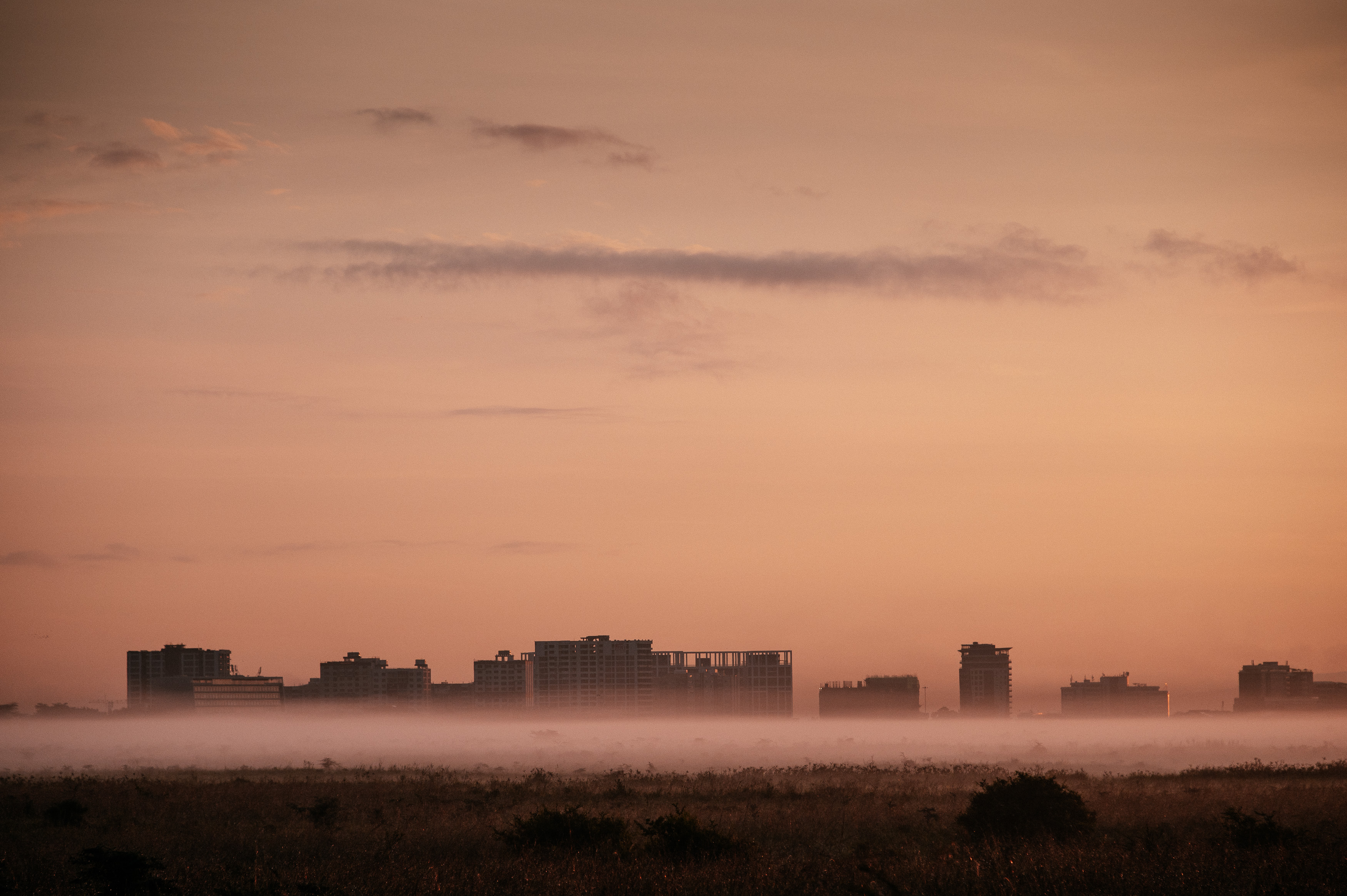
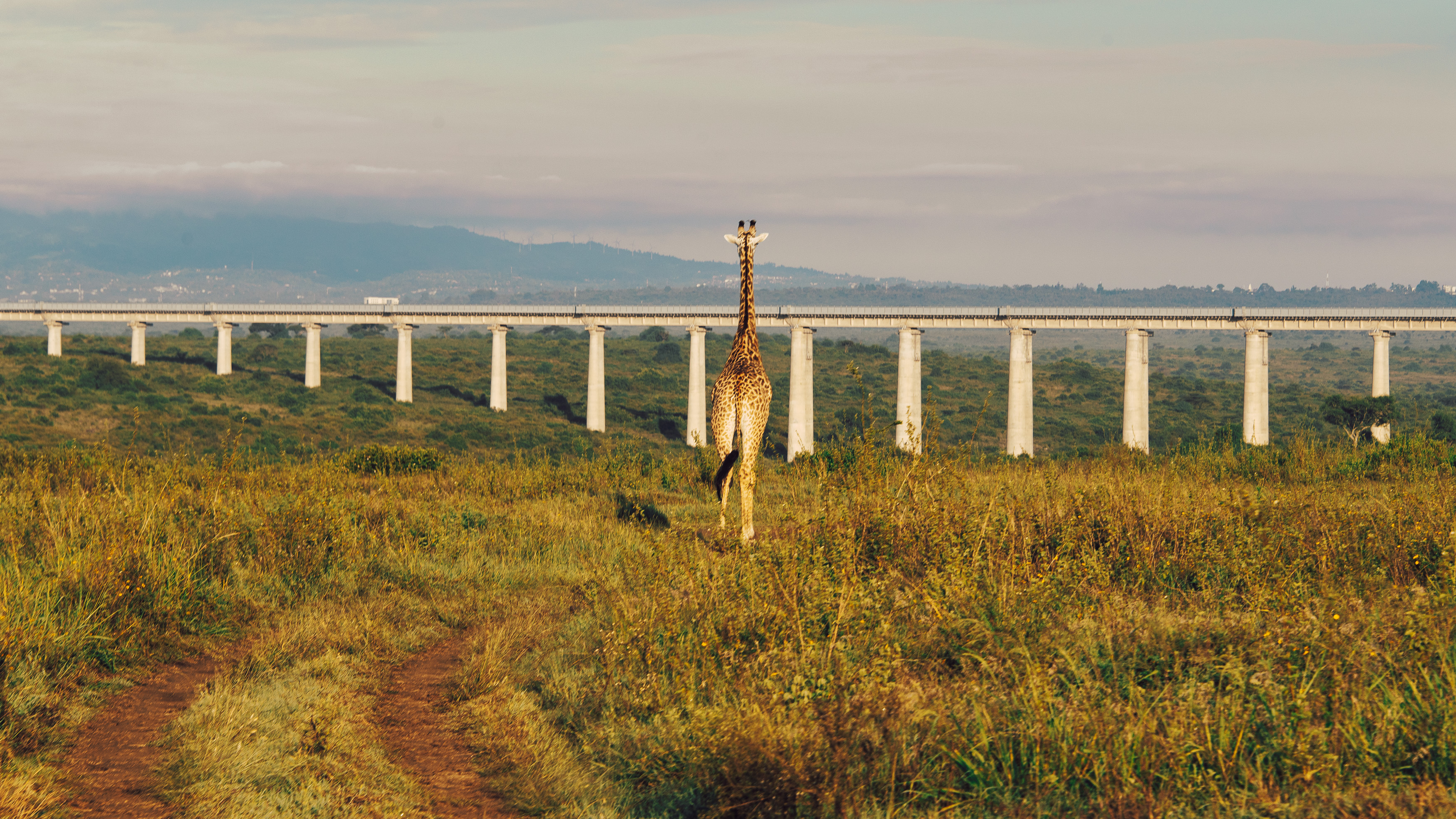
The perfect opportunity to test that versatility arrived during a work trip to Kenya. With time split between Nairobi and the coastal region of Diani near Mombasa, the lens would need to handle everything from wildlife photography to beach landscapes.

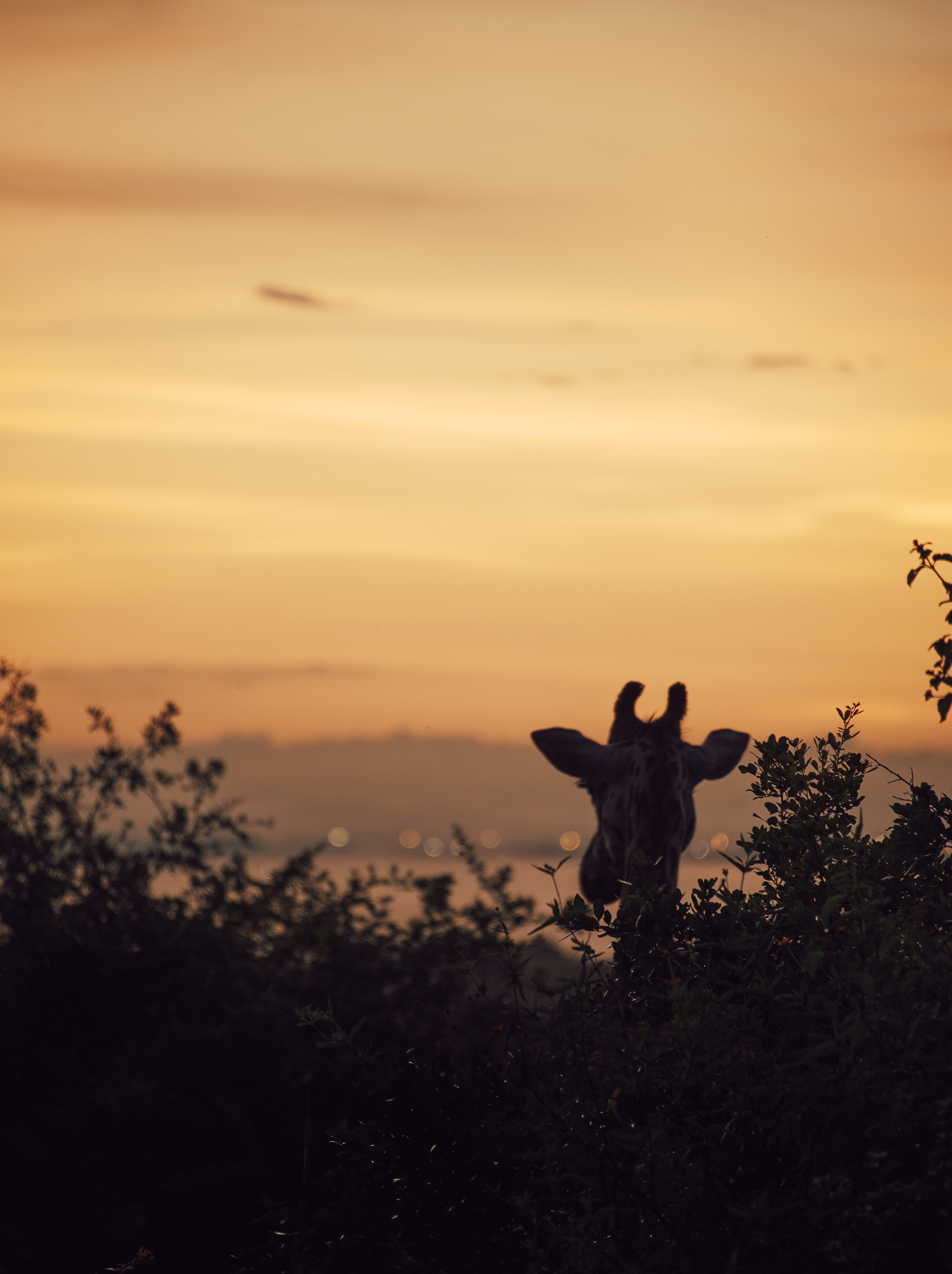
Mounted on a Nikon Z6 via the FTZ adapter, the 28-300mm accompanied an early morning visit to Nairobi National Park. The appeal of a superzoom becomes immediately obvious in situations like this. Wildlife doesn’t wait while you change lenses, and having focal lengths ranging from moderately wide to substantial telephoto coverage allows you to react quickly to whatever appears in front of you.

The lens performed exactly as intended. While it couldn’t match the image quality of specialised prime lenses, many of the photographs simply wouldn’t have been possible with a fixed focal length. The ability to zoom from environmental shots to tighter wildlife compositions without changing equipment proved invaluable.

Autofocus performance, however, revealed some of the lens’s age. It’s not painfully slow, but it isn’t particularly quick either, especially at the 300mm end of the zoom range. When focusing from close subjects to distant ones, the lens can take its time finding focus. For relaxed wildlife subjects this wasn’t a major issue, but fast-moving birds or unpredictable animals might expose its limitations.

Video shooters may also find themselves frustrated. Autofocus noise is considerably louder than on modern Nikon Z lenses, and continuous autofocus can occasionally hunt or pulse in a distracting manner. Focus breathing is also quite noticeable, causing the field of view to change significantly as focus shifts.

A Lens That Does Almost Everything

If the Nikon 28-300mm has a defining characteristic, it’s practicality. This is a lens that can tackle almost any photographic situation reasonably well.

One particularly useful feature is its relatively close focusing ability. While it isn’t a true macro lens, the 1:3 reproduction ratio allows for surprisingly detailed close-up shots. Flowers, textures, food, and small objects are all well within its capabilities, adding another layer of versatility to an already flexible design.

Image stabilisation is another major strength. Nikon’s VR system works remarkably well, especially when paired with the excellent high-ISO performance of cameras like the Z6. Handholding at surprisingly slow shutter speeds becomes possible, reducing the need to carry a tripod and reinforcing the lens’s travel-friendly philosophy.

Sharpness is also better than some critics might expect. No, it won’t rival Nikon’s best prime lenses, and pixel peepers using high-resolution cameras will certainly spot differences. Yet for travel photography, social media, prints, and general use, the lens delivers consistently respectable results throughout much of its zoom range.

Perhaps most importantly, it encourages photographers to capture more images simply because the right focal length is always available.

The Trade-Offs Behind the Convenience

Of course, no superzoom escapes the laws of optical compromise.

The Nikon 28-300mm produces images that are competent but often lack a distinctive character. The photographs are accurate and faithful, yet they rarely possess the subject separation, creamy bokeh, or three-dimensional rendering that photographers often associate with premium primes or specialised zooms.

Optical flaws are also present. Vignetting can be quite pronounced, especially at wider apertures and at either end of the zoom range. Distortion is another reality, with barrel distortion at the wide end transitioning into pincushion distortion through much of the telephoto range. Modern software corrections make these issues easy to fix, but they’re impossible to ignore when evaluating the lens on its own merits.

The 28mm wide end can also feel slightly restrictive by modern standards. Many photographers have become accustomed to 24mm as a standard starting point for travel zooms, making 28mm seem just a little too narrow for dramatic landscapes and architecture.

Then there’s the weight. While significantly smaller than carrying multiple lenses, it remains a noticeable burden around the neck during long days of shooting.

Final Thoughts

The Nikon AF-S Nikkor 28-300mm f/3.5-5.6G ED VR is a lens defined by practicality rather than perfection. It isn’t particularly glamorous, and it won’t produce the most beautiful images in your collection. What it does offer is the freedom to capture an enormous range of subjects without constantly swapping lenses.

In Kenya, that flexibility translated into more successful photographs and fewer missed opportunities. While a collection of specialised lenses might have produced technically superior results, they probably wouldn’t have produced as many keepers.

That’s ultimately the appeal of the 28-300mm. It’s not the sharpest lens, the fastest lens, or the most characterful lens. It’s simply the lens that’s already on your camera when the moment happens. For many travel photographers, that may be the most important quality of all.

Nikon’s Nikkor Z 24-200mm f/4-6.3 VR and Comparing the Compromises of Superzooms

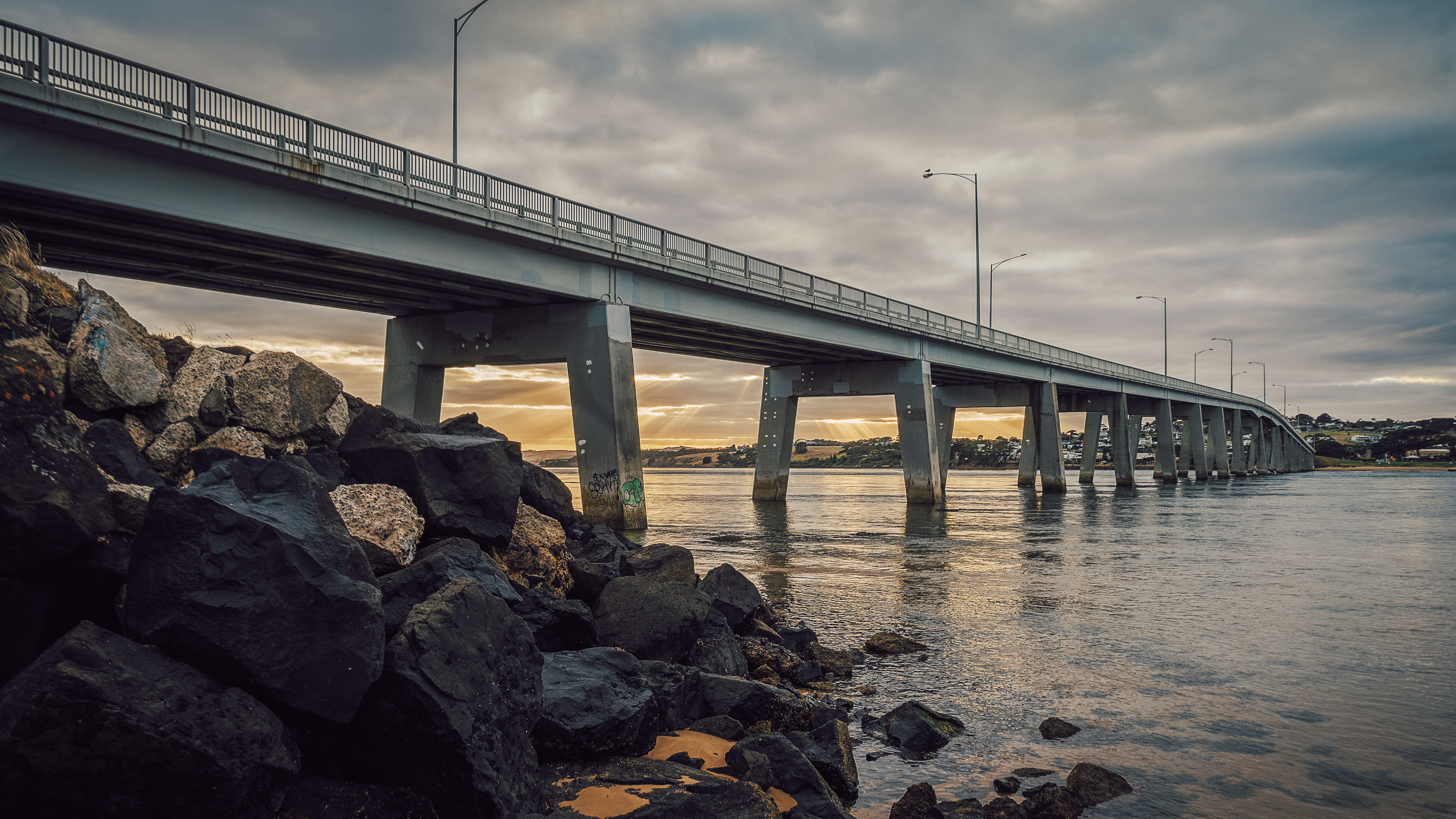
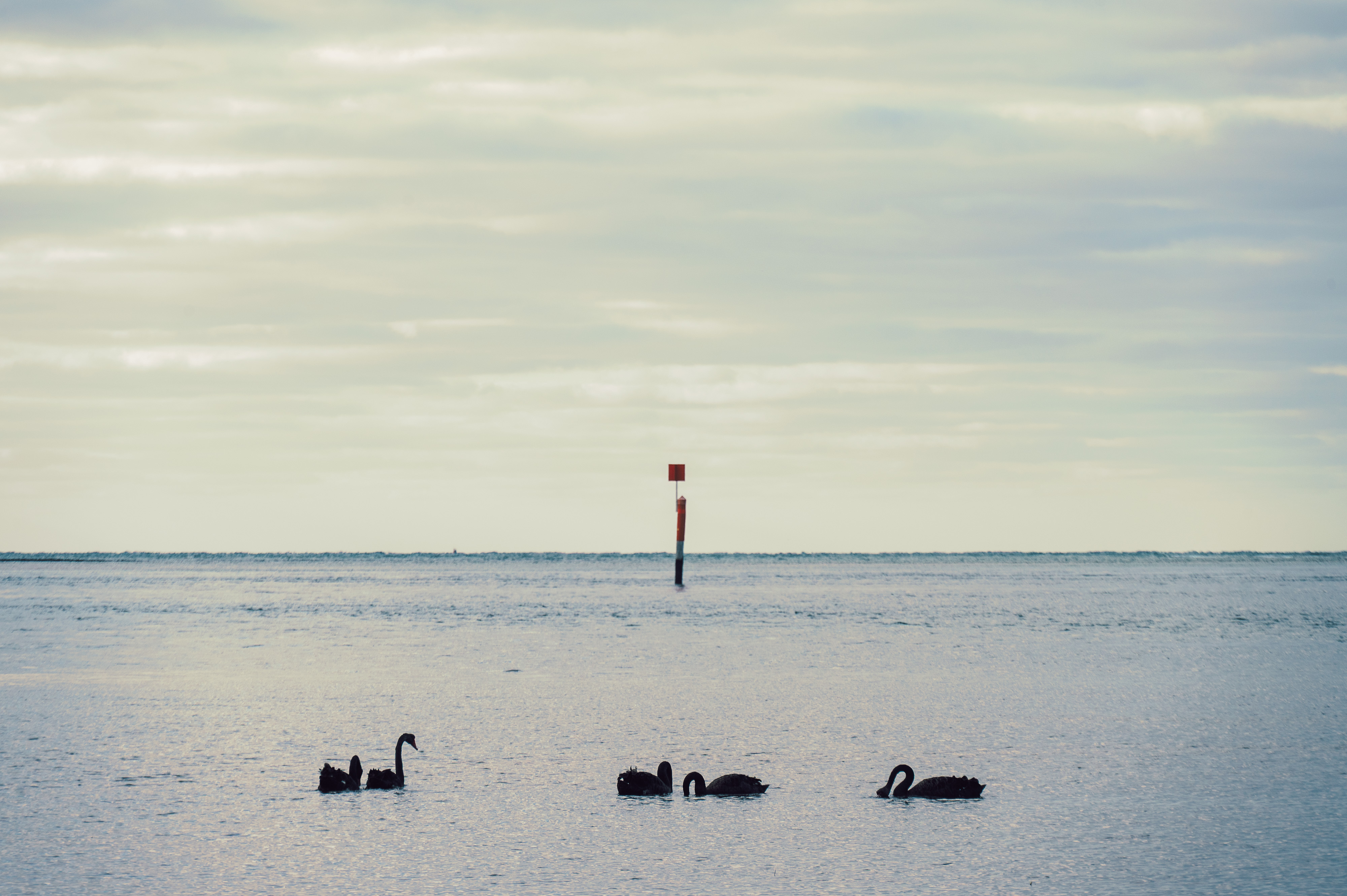
When you’re standing in a place as spectacular as Phillip Island or Wilsons Promontory in Victoria, Australia, you want a camera setup that can capture everything. Vast coastal landscapes, wildlife on distant horizons, dramatic rock formations, and fleeting travel moments all demand flexibility. At the same time, nobody wants to haul a backpack full of lenses while exploring. That’s where the superzoom comes in.

For decades, superzoom lenses have been marketed as the ultimate travel companion: one lens that can do everything from wide-angle landscapes to long telephoto shots. Traditionally, however, that convenience came with a reputation for soft images, slow apertures, and compromised image quality. Modern mirrorless systems promised to change that. When Nikon released the 24-200mm f/4-6.3 for the Z mount system, it seemed like the ideal travel lens. Compact, lightweight, and covering an enormous focal range, it quickly became my most-used lens. Over the past few years it has travelled with me through South Korea, Singapore, Mauritius, and China. For a photographer who values convenience, it appeared to be the perfect solution.

At first glance, the lens performs well. Images are contrasty, flare resistance is respectable, and distortion is largely controlled. Combined with the excellent sensor in the Nikon Z6 and effective image stabilization, it produces photographs that look great when viewed normally. The problem only appeared when I started looking closer.

Cracks in the Superzoom Dream

During a trip through Victoria’s southeast coast, using the Nikon Z6 paired with the 24-200mm, I began noticing something strange. Images taken at the longer end of the zoom range, particularly around 200mm and focused at distant subjects, seemed softer than expected. Viewed on a phone or social media feed, the photos looked perfectly acceptable. Zooming in, however, revealed a lack of crisp detail. Rocks, distant landscapes, and fine textures often appeared mushy, even after additional sharpening in post-processing.

At first I questioned my own technique. Was I introducing camera shake? Was image stabilization failing? Was autofocus missing the mark? Travel photography often involves shooting handheld, and user error is always a possibility. To investigate, I decided to conduct a simple comparison.

Rather than relying on subjective impressions from travel photos, I compared the Nikon Z 24-200mm against a lens I already trusted: the Nikon AF Nikkor 180mm f/2.8D. Despite being an older DSLR-era prime lens, the 180mm has a strong reputation for sharpness. Mounted on the Nikon Z6 via an adapter, it provided a useful benchmark. The test was straightforward. I photographed distant subjects, trees, buildings, chimneys, rooftops, and antennas, comparing equivalent focal lengths while examining the resulting RAW files at high magnification.

A Prime Lens Delivers an Uncomfortable Truth

The results were difficult to ignore. Across multiple images, the older 180mm prime consistently delivered sharper detail and better edge definition. Bark textures, brickwork, foliage, and architectural details all appeared noticeably crisper. The superzoom often showed softness, ghosting, and a lack of fine detail that became increasingly obvious at 300% magnification. Autofocus did occasionally appear slightly inconsistent, but that alone couldn’t explain the difference. Even when focus seemed accurate, the 24-200mm simply wasn’t resolving detail at the same level as the prime.

The real surprise came when I introduced a third lens into the comparison. The Nikon 35-200mm f/3.5-5.6 AI-S dates back to 1985—a period when superzoom lenses were notorious for optical compromises. Today it can often be found on the second-hand market for very little money. Logic suggested that a modern mirrorless zoom should easily outperform a decades-old manual-focus superzoom. Instead, the results were unexpectedly close.

Check out the video above for the examples.

At certain apertures, particularly around f/8, the vintage lens appeared sharper than the modern Nikon Z 24-200mm. Fine details such as tree branches and antennas often showed better definition. Wide open, the differences became smaller and the older lens revealed more chromatic aberration and vignetting, but it remained surprisingly competitive. That raised an uncomfortable question: if a modern mirrorless superzoom can be outperformed by both an older telephoto prime and, in some situations, a forty-year-old superzoom, what exactly are you paying for?

The Real Value of the Nikon 24-200mm

The answer is convenience. The Nikon Z 24-200mm is dramatically smaller and lighter than either of the older lenses. It autofocuses quickly and silently, includes image stabilization, and covers an enormous focal range in a package small enough to carry all day. For travel photography, those advantages matter. When wandering beaches, coastal lookouts, or city streets, there’s enormous value in having a single lens that can capture almost anything without changing gear. The ability to move from a sweeping landscape to a distant wildlife shot in seconds is liberating. The lens may not deliver the ultimate image quality, but it delivers versatility.

Final Thoughts

After all the testing, I still haven’t completely answered my own question. The evidence suggests that my Nikon Z 24-200mm is not especially sharp at longer focal lengths and distances. Whether that’s a characteristic of the design, sample variation, autofocus inconsistencies, or a combination of all three remains unclear. What is clear is that newer technology doesn’t automatically guarantee better optical performance. Older lenses, particularly quality primes, can still outperform modern zooms when absolute sharpness is the goal.

Yet despite its flaws, I’m not getting rid of the 24-200mm. The reality is that most viewers will never notice these issues when images are viewed on social media, phones, or standard screens. For travel photography, the convenience of carrying one lightweight lens often outweighs the pursuit of pixel-perfect sharpness. The Nikon Z 24-200mm may not be the miracle travel lens I once believed it was, but it’s still the lens I reach for most often. And perhaps that’s the ultimate compliment. Even when it falls short of perfection, it’s still the lens that gets taken on the journey.

Nikon AF Nikkor 50mm f/1.8D: The Best Budget Lens Nikon Ever Made?

The Nikon AF Nikkor 50mm f/1.8D is about as unassuming as a camera lens can be. It’s small, lightweight, mostly plastic, and possesses all the visual excitement of a household appliance. Pick it up and you might wonder how something that feels so ordinary has earned such a loyal following among photographers. Yet despite its humble appearance, this little lens has developed a reputation as one of Nikon’s greatest bargains—and after years of using it, I’m inclined to agree.

In a previous review, I described the Nikon 135mm f/2.8 AI-S as perhaps Nikon’s best-value budget lens. The only reason I hesitated was because of this lens. The 50mm f/1.8D has been sitting quietly in the back of my mind, constantly reminding me that true photographic value isn’t always found in rare vintage glass or expensive modern optics.

Like most camera manufacturers, Nikon has produced numerous 50mm lenses over the decades. The AF-D version, introduced in 2002, is essentially an evolution of Nikon’s earlier autofocus designs. Even today, long after the heyday of film photography, it remains available and continues to serve photographers who appreciate its simplicity.

Simplicity is Best

There’s no built-in autofocus motor. Instead, autofocus is driven by the camera body via Nikon’s traditional screw-drive system. This means compatibility is limited on some Nikon cameras, but the lens does include a manual aperture ring and remains easy to use manually. It feels almost refreshingly straightforward in an era of increasingly complex lens designs.

Despite its budget construction, there are some pleasant surprises. The lens uses a metal mount rather than plastic, and its uncomplicated design contributes to its durability. I’ve owned two copies over the years. One was purchased new, while the other arrived attached to a second-hand camera body. Neither has ever given me trouble, and one even survived an accidental drop onto concrete with nothing more than a cosmetic scar.

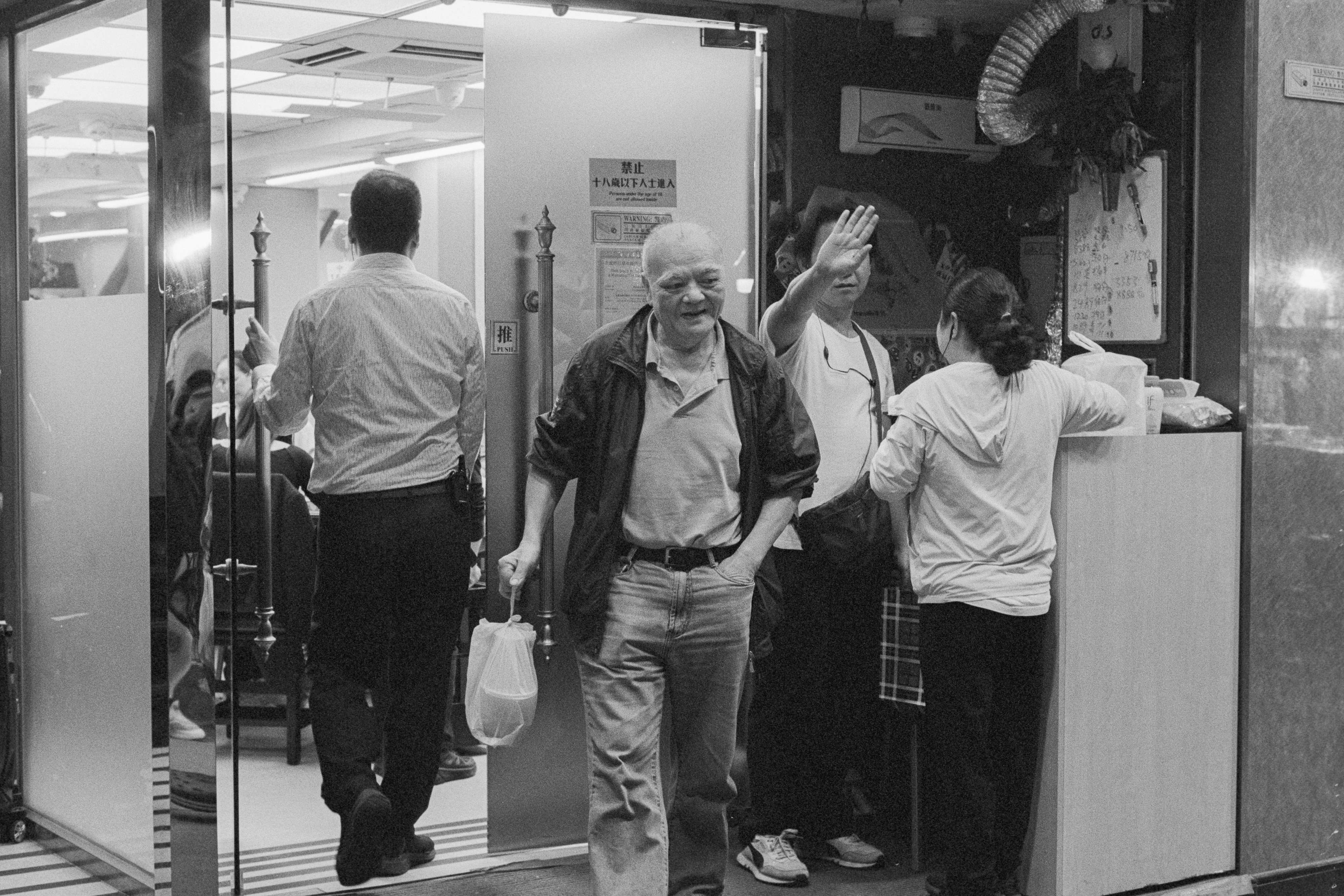
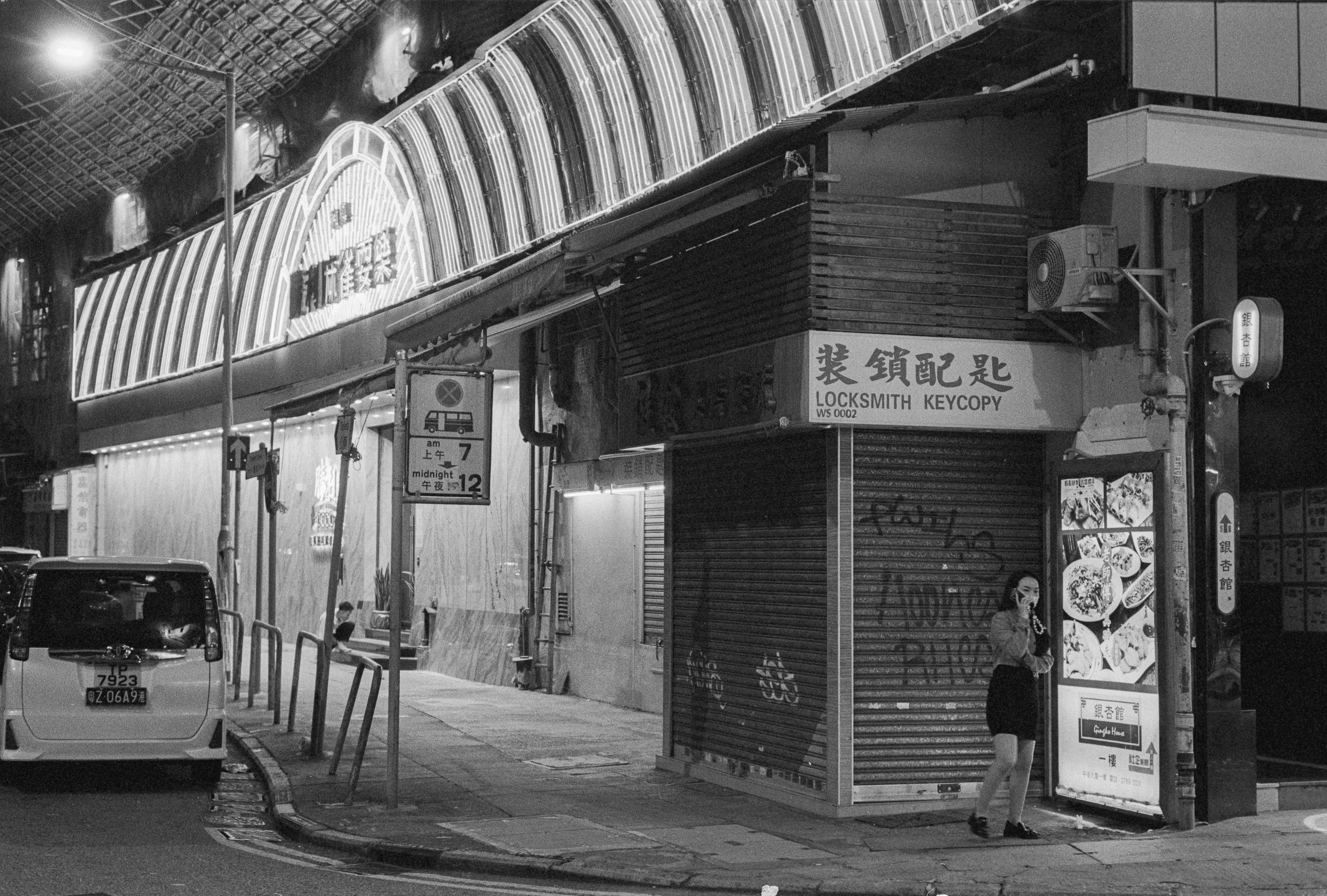
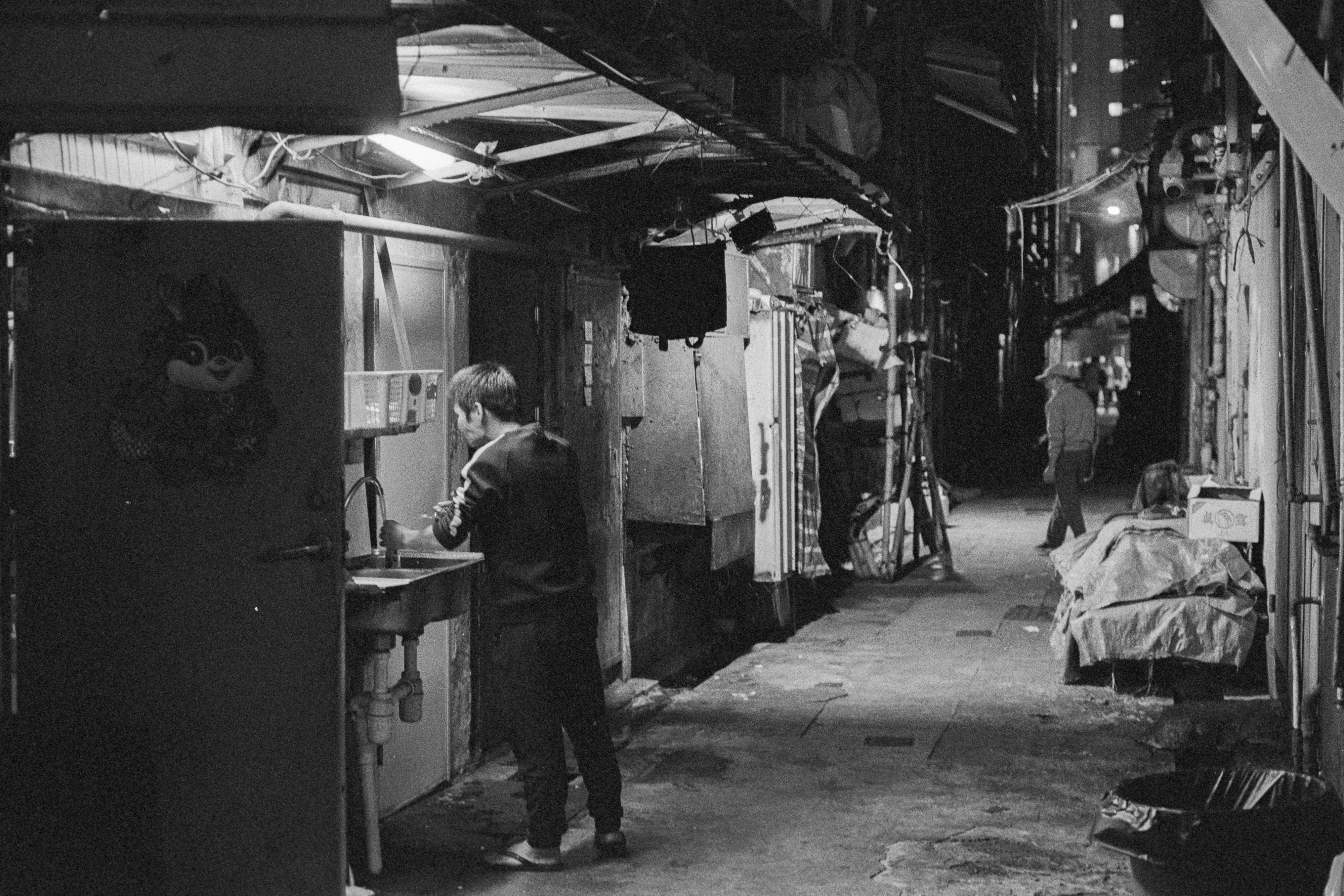
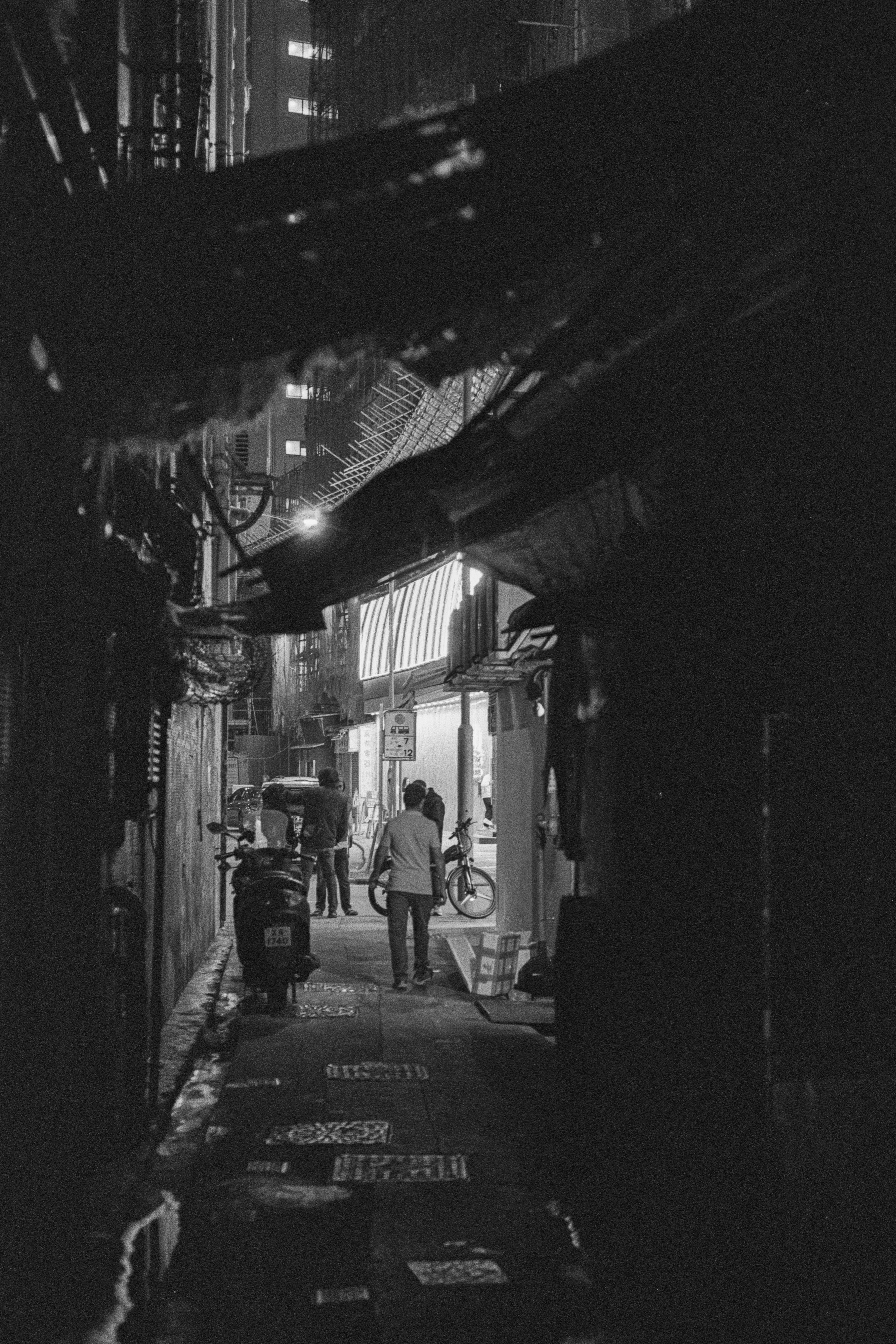
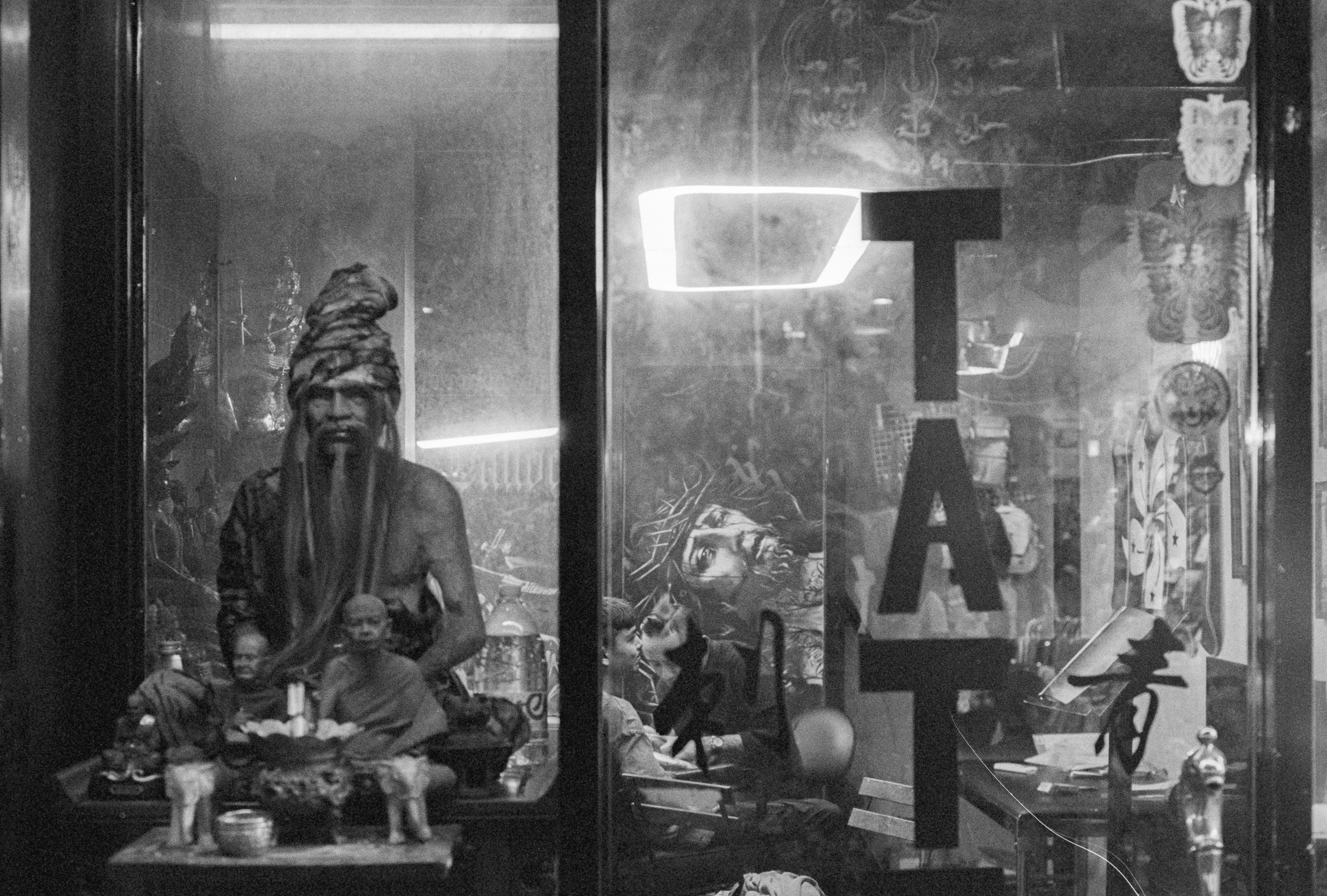
But durability alone doesn’t make a lens special. The real question is how it performs. To find out, I took the lens on a night-time walk through Hong Kong’s Temple Street Markets, mounted on a Nikon N80 loaded with Ilford HP5 Plus pushed to ISO 1600. It proved to be an excellent travel companion. Small and light enough to disappear into a camera bag, it complements a zoom lens perfectly when light levels drop and a wider aperture becomes useful.

The 50mm focal length itself remains one of photography’s classics. Offering a natural perspective that closely resembles human vision, it allows photographers to isolate subjects without introducing the compressed, voyeuristic feel often associated with longer telephoto lenses. It’s easy to see why masters such as Henri Cartier-Bresson favoured this focal length for so much of their work.

It’s Sharp

Even without conducting laboratory tests, images consistently appear crisp and detailed. Scanned film photographs reveal excellent central sharpness, with textures and fine details rendered more clearly than the lens’s modest price would suggest. There’s a certain incisiveness to the images that repeatedly catches me by surprise.

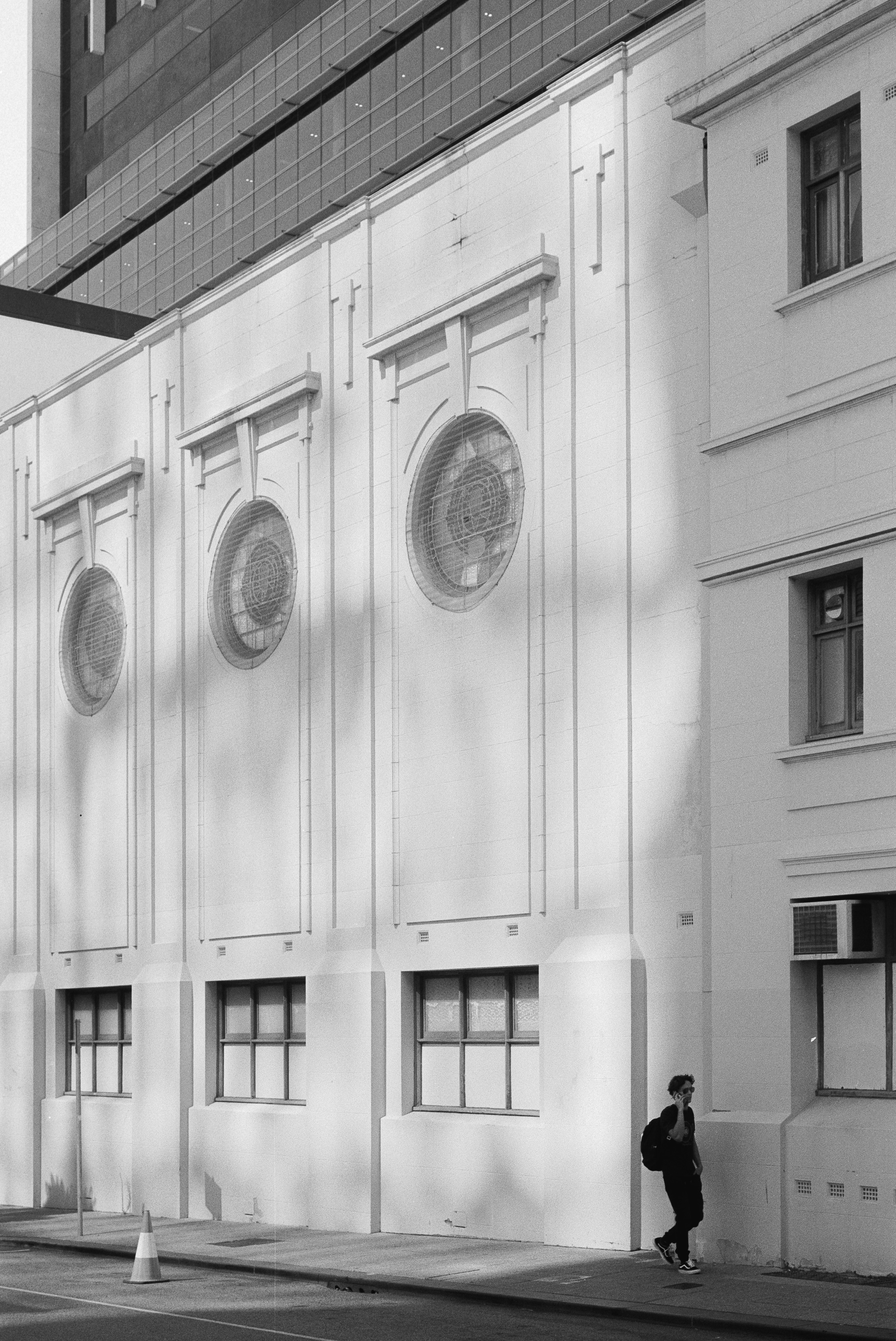
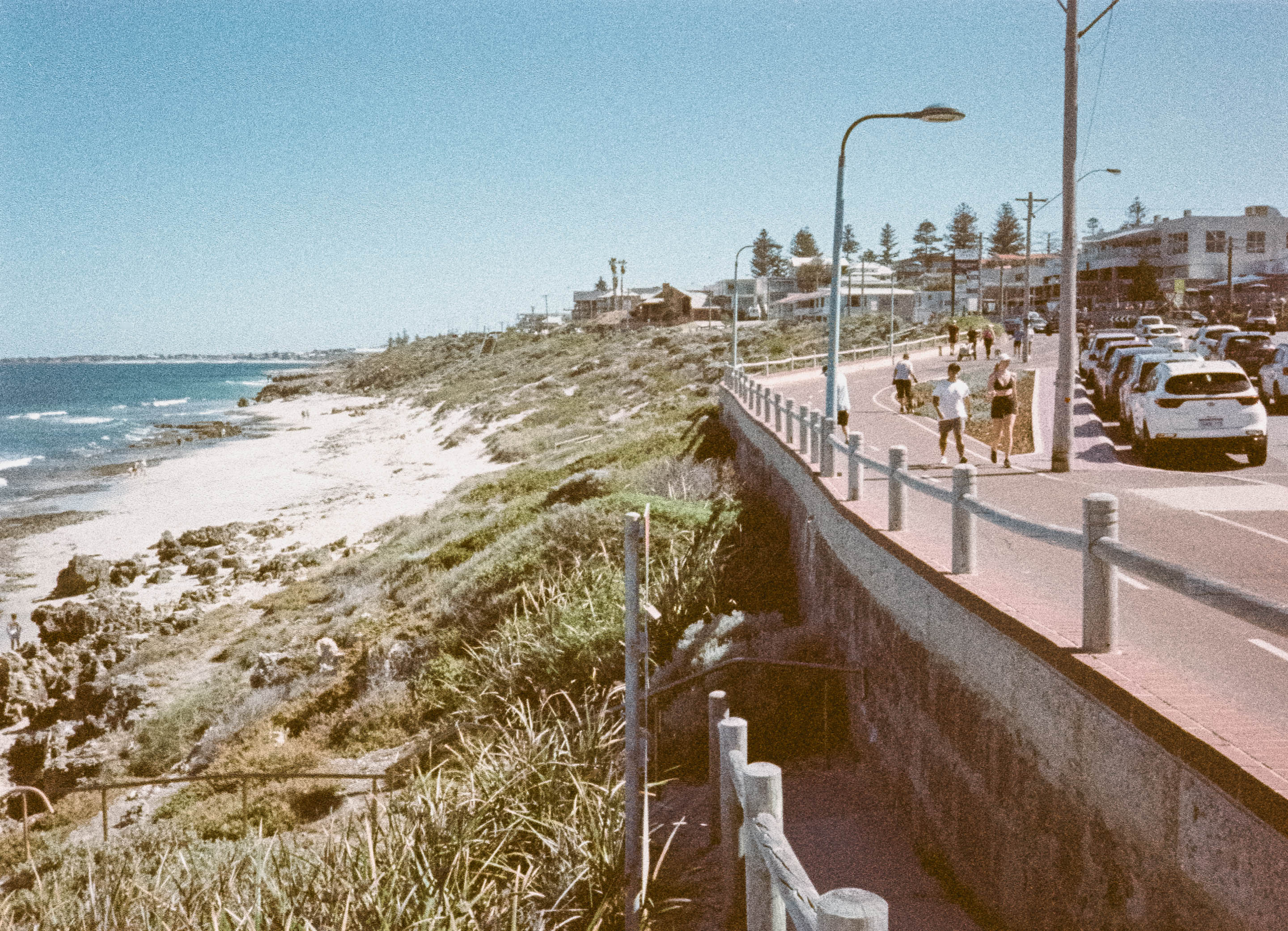
That sharpness continued to impress back home in Perth, this time using slower, finer-grained film under bright Australian sunshine. Stopped down, the lens produces remarkably detailed images. Even wide open at f/1.8, performance remains highly respectable. While it may not compete with the latest premium optics in objective testing, real-world results are consistently satisfying.

A Few Imperfections

Of course, the lens isn’t perfect. Corner performance lags behind the centre, particularly when shot wide open. Some mild vignetting is present, and modern photographers accustomed to flawless edge-to-edge sharpness may notice these shortcomings. Yet these imperfections rarely detract from photographs and can sometimes enhance them by naturally drawing attention toward the subject.

The bokeh is perhaps the lens’s most divisive characteristic. If you’re searching for creamy, dreamlike backgrounds that melt effortlessly into abstraction, this isn’t the lens for you. Out-of-focus highlights can appear somewhat harsh and nervous, particularly in high-contrast situations. Background blur remains perfectly usable, but it lacks the smooth rendering that has become fashionable in modern lens design.

Interestingly, these flaws contribute to the lens’s character. Many contemporary lenses are engineered to eliminate optical imperfections entirely. The result is often technically stunning but emotionally sterile. Corner-to-corner sharpness, perfect correction, and flawless rendering can sometimes come at the expense of personality.

The 50mm f/1.8D feels different. Its images retain a sense of individuality. They’re sharp but not clinical. Imperfect but engaging. The lens seems more interested in helping you create photographs than impressing you with engineering specifications. Its coatings also deserve praise. Contrast remains strong, and flare resistance is surprisingly good. Thanks in part to the deeply recessed front element, I struggled to provoke any serious flare issues during testing.

Ultimately, the Nikon AF Nikkor 50mm f/1.8D isn’t a miracle lens. It won’t leave photographers gasping in amazement, and it certainly won’t challenge the legendary status of Leica’s most celebrated optics. What it does offer is something arguably more valuable: honesty.

It’s a modest lens that quietly gets on with the job. It has flaws, limitations, and quirks, but it also possesses charm, reliability, and surprisingly strong optical performance. In an industry increasingly obsessed with perfection, there’s something refreshing about a lens that embraces being merely very good.

Perhaps that’s why it remains one of Nikon’s finest bargains. Not because it’s perfect, but because it delivers so much photographic enjoyment for so little money.

Whether it’s Nikon’s best-value budget lens or merely the second-best is still open for debate. But one thing is certain: the Nikon AF Nikkor 50mm f/1.8D has earned its place among the great affordable lenses of the film era; and it’s still capable of creating beautiful photographs today.

My Shin Okubo Dori Story with the Olympus 75mm f1 8 for Micro Four Thirds

The Olympus 75mm f/1.8 has long enjoyed a near-mythical reputation among Micro Four Thirds photographers. Released back in 2012, it quickly became known as one of the sharpest lenses available for the system and remains highly regarded more than a decade later. Having owned mine since 2013, it has been one of the lenses most responsible for convincing me that Micro Four Thirds could deliver truly exceptional image quality in a compact package.

That loyalty was tested recently when the lens developed an autofocus issue. During a trip to Malaysia, I discovered it struggled to focus on distant subjects, rendering it effectively useless for many of the situations where I normally rely on it. While it could still produce attractive close and mid-distance images, a telephoto lens that cannot focus at infinity is severely compromised. After an expensive repair, however, the lens returned to full health, providing the perfect excuse to take it on a fresh adventure and rediscover what makes it so special.

Small Lens, Big Performance

One of the strongest arguments for the Olympus 75mm f/1.8 is that it perfectly demonstrates the strengths of the Micro Four Thirds system. Critics often argue that smaller sensors cannot compete with full-frame cameras when it comes to subject separation and shallow depth of field. This lens challenges that assumption.

With a field of view equivalent to a 150mm lens on full frame and a bright f/1.8 aperture, it produces beautifully blurred backgrounds while remaining remarkably compact. Compared to something like a modern full-frame 135mm f/1.8 lens, the Olympus is dramatically smaller, lighter and less expensive. It offers much of the same creative potential without requiring photographers to carry a heavy camera bag.

Physically, the lens is refreshingly simple. There are no programmable buttons, aperture rings or manual-focus clutches. Instead, Olympus focused on delivering excellent optics in a premium metal body. The lens feels solid and well made, while the focus ring offers a smooth, refined operation. Although it lacks weather sealing, it still feels every bit like a professional-grade product.

Its optical design is surprisingly sophisticated, incorporating specialised glass elements designed to minimise distortion, chromatic aberration and other optical flaws. The result is a lens that combines portability with impressive technical performance.

Why the Image Quality Still Impresses

The Olympus 75mm f/1.8 built much of its reputation on sharpness, and even today it remains one of the sharpest lenses I have ever used. Wide open at f/1.8, images are already impressively detailed, with only slight softness near the edges. By f/2.8, the entire frame becomes razor sharp.

Yet sharpness alone does not explain the appeal of this lens. Many modern lenses are technically excellent, but relatively few possess that elusive quality photographers often describe as character. The Olympus 75mm consistently produces images that feel special, even when it is difficult to identify exactly why.

Colours are rich without appearing exaggerated, and there is a pleasing sense of separation between tones. Skin tones in particular look natural and lifelike, making the lens an excellent choice for portraiture. Distortion is effectively invisible in real-world shooting, allowing it to handle architecture and urban scenes with ease.

Perhaps most importantly, the lens renders out-of-focus areas beautifully. Background blur appears soft, smooth and natural, helping subjects stand out while still preserving a sense of place. Unlike some lenses that create nervous or distracting bokeh, the Olympus delivers transitions that feel elegant and refined.

A Night in Tokyo with an Unusual Street Lens

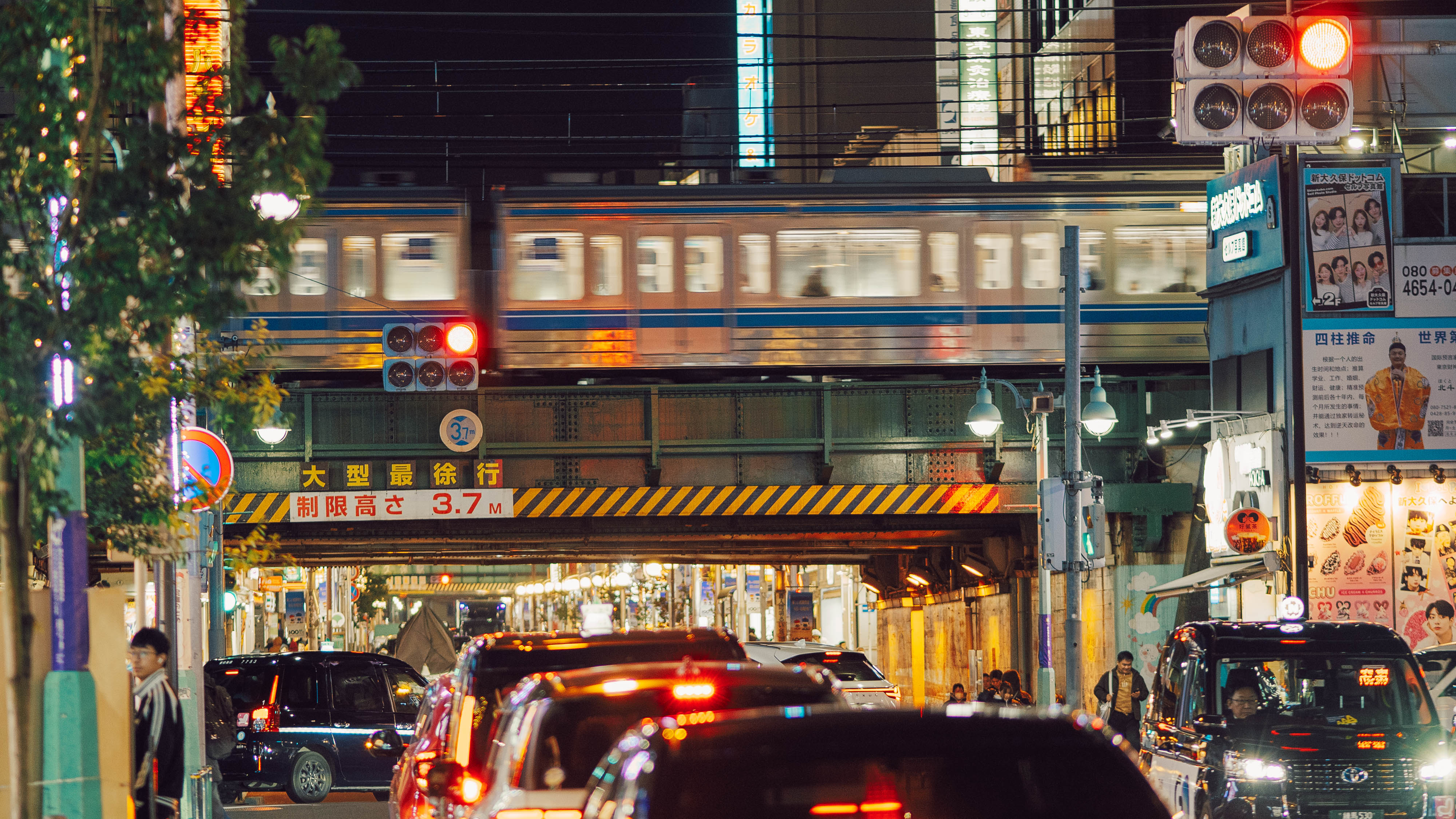
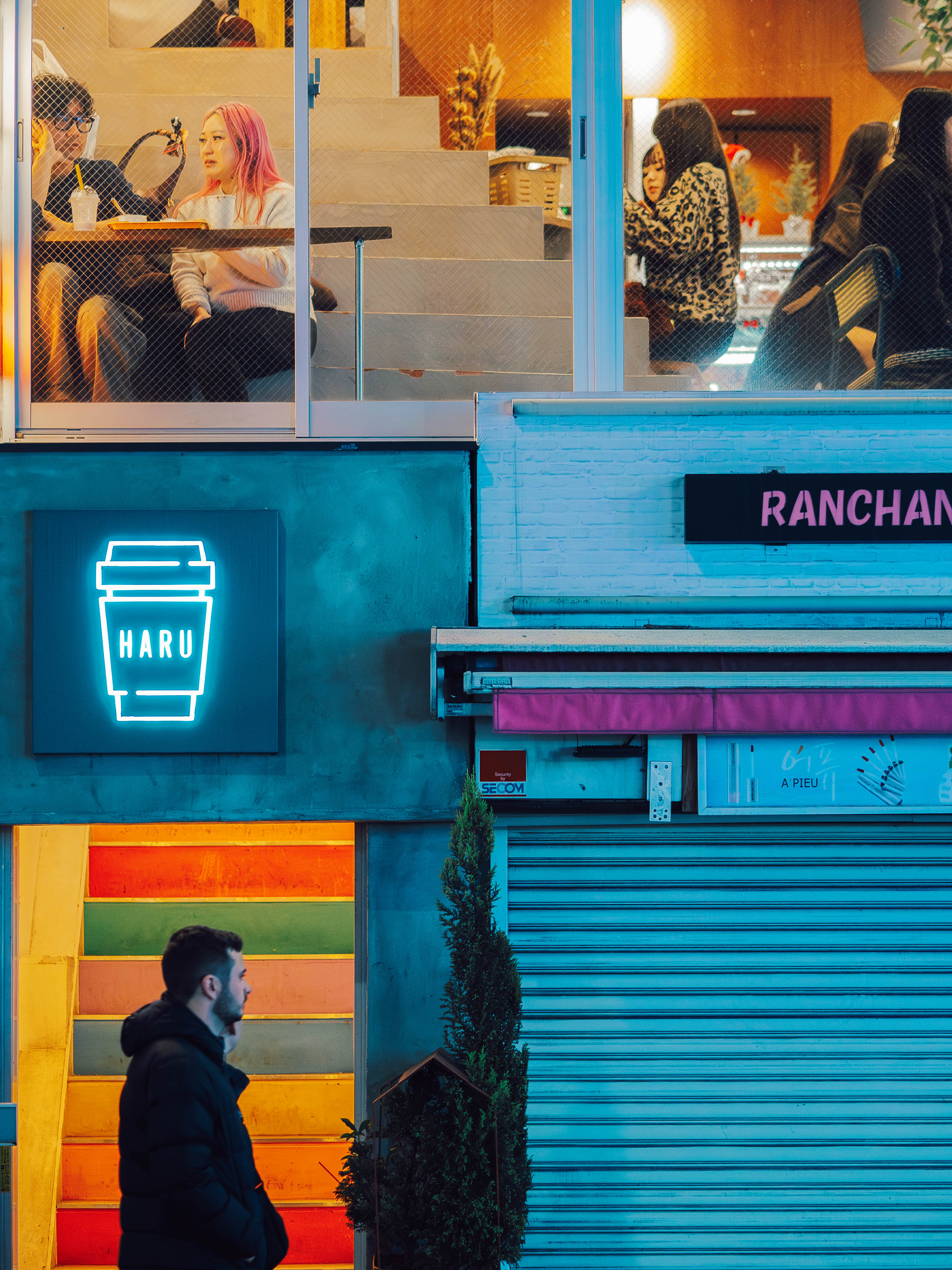
To put the repaired lens through its paces, I paired it with the OM System OM-3 during a trip to Tokyo. My destination was Shin-Okubo, the city’s vibrant Korea Town, where I spent an evening exploring the streets with a focal length that most photographers would consider unconventional for street photography.

A 150mm equivalent lens is certainly not the obvious choice for documenting urban life. It limits your field of view and makes it difficult to capture broad scenes or environmental context. However, it also offers advantages that wider lenses cannot match.

The focal length allows photographers to isolate distant subjects and create compositions free from distractions. Rather than immersing viewers in a scene, the lens encourages a more selective and observational style of photography. It becomes a spotting lens, helping you identify moments unfolding across the street and frame them with precision.

This approach works particularly well for candid photography. The extra distance allows subjects to remain natural and unselfconscious while still filling the frame with detail and character. Although it may not suit every photographer’s style, it can produce compelling results for those who enjoy a more detached perspective.

More Than Just Technical Excellence

What keeps drawing me back to the Olympus 75mm f/1.8 is not simply its image quality. Plenty of lenses are sharp. Plenty of lenses have attractive bokeh. What makes this lens special is the way it encourages creativity.

Using it requires a different way of seeing. You quickly learn to look for details, gestures and moments that might be overlooked with wider lenses. The limitations become part of the creative process, forcing you to think differently about composition and storytelling.

Looking back at the photographs from Tokyo, I remember not only the images themselves but also the enjoyment of making them. Even when I knew I was missing wider contextual shots, I found myself embracing the unique perspective this lens provided. Every frame felt deliberate and carefully observed.

There is also that difficult-to-define quality that photographers often refer to as “3D pop.” Whether it comes from the focal length, the aperture or some combination of optical characteristics, the images possess a sense of depth and presence that feels unusually engaging.

That is why, despite the repair cost approaching the value of a good used copy, I never seriously considered replacing it. The Olympus 75mm f/1.8 remains one of the finest lenses available for the Micro Four Thirds system and a perfect example of what the format can achieve. More than a decade after buying it, it continues to earn a place in my camera bag on every trip, and it remains one of the few modern lenses that genuinely excites me every time I use it.

Trying out the Nikon 135mm f/2.8 Ai-S Manual Focus Lens on Digital and Film

Let’s talk about 135mm lenses.

Not the legendary, collector-grade optics that command eye-watering prices on the second-hand market. I’m talking about the humble, often-overlooked 135mm lenses gathering dust in the lower reaches of eBay listings, sitting somewhere between “well used” and “please check photos carefully.”

For reasons I don’t entirely understand, old 135mm lenses seem to have fallen out of fashion. Perhaps they’re caught in an awkward middle ground. They’re a little too long for everyday portrait work, a little too short for serious wildlife photography, and in an era dominated by versatile zooms, they can seem somewhat impractical.

After all, modern zoom lenses offer tremendous convenience. When you can’t physically move closer or further away—or simply don’t want to—being able to adjust your framing with a twist of the zoom ring is undeniably useful. For sports or action photography, a zoom lens is usually the obvious choice.

But there’s still something appealing about a dedicated telephoto prime.

The Nikon 135mm f/2.8 AI-S, introduced in 1981, represents the culmination of Nikon’s long-running line of manual-focus 135mm lenses. While it shares its optical formula with the earlier AI version, Nikon improved the lens coatings, giving it excellent contrast and resistance to flare. The fact that it remained in production for over two decades speaks volumes about its popularity and capability.

Back in the 1980s, serious photographers often preferred primes over zooms because zoom technology simply hadn’t reached the quality levels we take for granted today. Prime lenses were typically faster, lighter, and optically superior.

Even now, those advantages remain relevant. At 425 grams, the 135mm f/2.8 AI-S is compact enough to carry comfortably while still feeling reassuringly solid. It embodies the best of Nikon’s manual-focus era: metal construction, smooth mechanical operation, and a tactile quality that’s increasingly rare in modern lenses.

One particularly thoughtful feature is the built-in retractable lens hood. As someone who regularly forgets to pack lens hoods, having one permanently attached is a welcome convenience.

Taking a 135mm to Tokyo

When I picked up my copy in Japan, I wasn’t entirely sure what role it would play in my photography. I had purchased it from a used camera store in Tokyo for around 17,000 yen—a reasonable price for a lens that, despite its “B” grade condition, turned out to be mechanically excellent and optically clean.

Naturally, I decided to test it in one of the busiest places imaginable: Shibuya.

Using a 135mm lens on crowded city streets presents challenges. There were certainly moments when I wished I had a 35mm lens attached instead. Yet the longer focal length offered a completely different way of seeing the city.

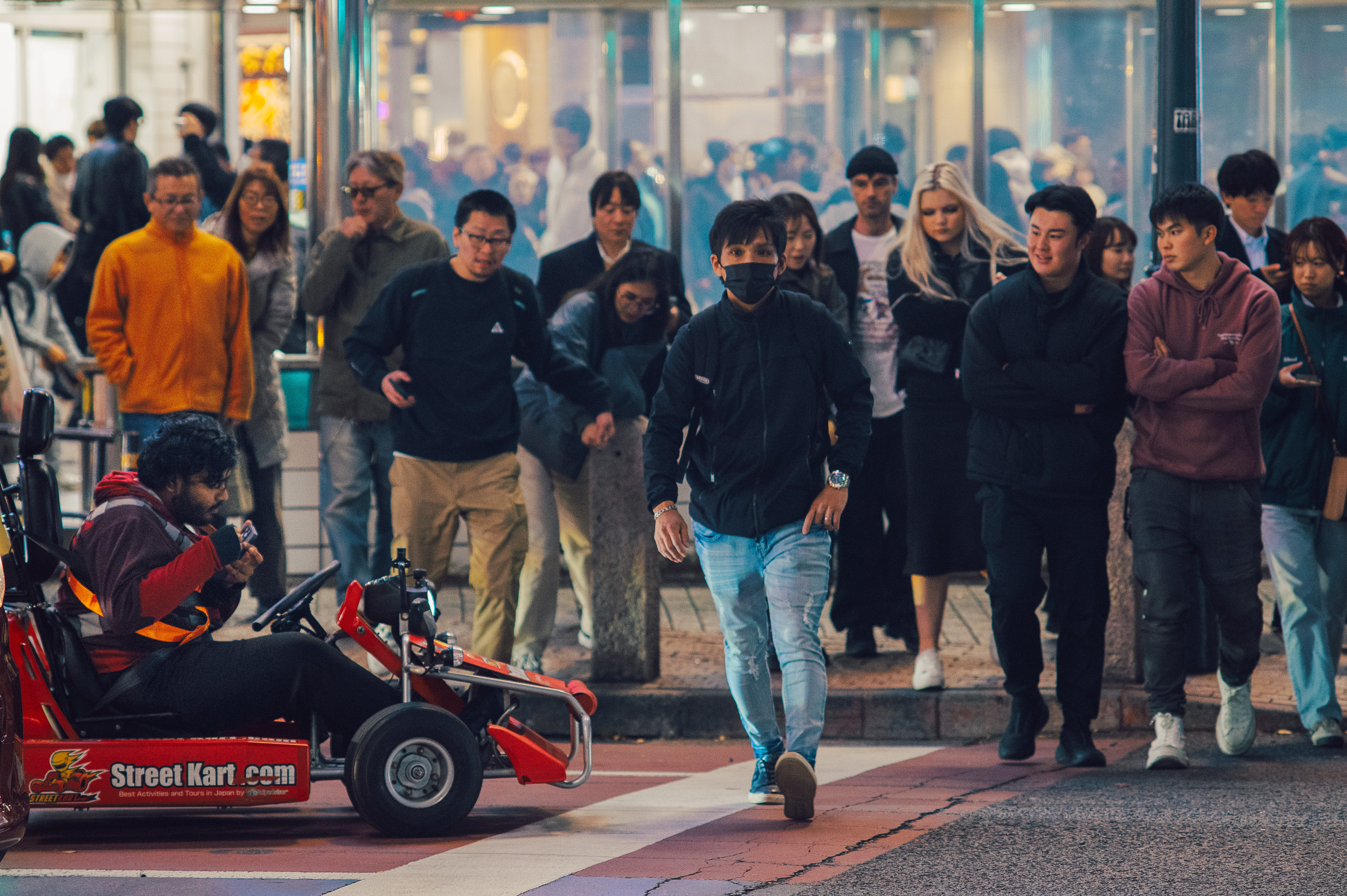
Rather than photographing the whole scene, I found myself isolating details, extracting individual moments from the chaos, and capturing candid portraits from a comfortable distance. The lens allowed me to pick out visual fragments that might otherwise have been lost amid the noise and activity.

Its relatively fast f/2.8 aperture also proved valuable after dark. Tokyo’s neon-lit streets became a playground for selective focus, with subjects emerging from backgrounds rendered into soft, creamy blur.

Of course, that shallow depth of field can be both a blessing and a curse. At 135mm, maintaining critical focus becomes more demanding, especially when photographing moving subjects. There were plenty of occasions where I had to accept that only part of a scene would be perfectly sharp. But when everything came together, the results had a distinctive look that justified the effort.

Digital and Film Performance

While most of my initial testing took place on a Nikon Z6 via an adapter, I wanted to see how the lens performed in its natural habitat: on film. Back in Perth, I loaded a roll of Kentmere 100 into my Nikon FE and spent a sunny summer day photographing Hillarys Boat Harbour.

The results confirmed my impressions from Tokyo. The lens is sharp—more than sharp enough for real-world photography. I’m not interested in pixel-peeping competitions or laboratory measurements, but the images displayed excellent detail and clarity. The bright Australian sunlight allowed me to work at comfortable shutter speeds, while the improved coatings and built-in hood kept flare well under control.

Optically, the lens performs admirably across the board. Vignetting is visible at wider apertures but largely disappears by around f/5.6. Distortion is virtually nonexistent, chromatic aberration is minimal, and highlight blooming is remarkably well controlled for a lens of this vintage.

Most importantly, the out-of-focus rendering is beautiful. The combination of focal length and aperture produces smooth, pleasing background blur that helps subjects stand apart from their surroundings.

The Value Proposition

When discussions turn to Nikon’s classic medium telephoto lenses, the 105mm f/2.5 usually receives the lion’s share of attention. It has earned a near-mythical reputation among photographers, and deservedly so. But the 135mm f/2.8 offers something compelling: exceptional value.

It’s often available for significantly less money than the famous 105mm while delivering excellent image quality, slightly greater subject compression, and equally attractive bokeh. The longer focal length creates a distinct look that many photographers may actually prefer. In fact, here’s the secret that doesn’t get mentioned often enough: most manual-focus 135mm lenses from major manufacturers are excellent.

Whether you’re looking at Nikon, Canon, Pentax, Minolta, or Olympus, these moderate telephoto lenses benefited from relatively straightforward optical designs that manufacturers had refined for decades. As a result, even affordable examples tend to perform surprisingly well.

Final Thoughts

The Nikon 135mm f/2.8 AI-S has quickly become one of my favourite lenses. Part of that comes down to image quality. Part of it comes down to the beautifully engineered manual-focus experience. But perhaps the biggest factor is simply the value it offers.

It’s a lens that reminds me why vintage photography gear remains so appealing. For a relatively modest investment, you get a beautifully made optic capable of producing images with character, sharpness, and personality.

In a world obsessed with the latest and greatest equipment, the humble 135mm remains one of photography’s best-kept secrets. And for that reason alone, it’s worth another look.

First experiences with the Pentax 17: Half Frame, Half Baked and Half Good?

If you have even a passing interest in film, you’ve probably heard of the Pentax 17 by now. Released last year in response to the growing nostalgia for analogue photography, it’s one of the few new film cameras to come out in the last decade—and probably the only one from a major manufacturer that isn’t Leica. Pentax took a risk, targeting Gen Z’s fascination with a world they never actually lived in by creating a half-frame camera that sits somewhere between fully manual and fully automatic.

But who is it for?

Rather than catering to professionals, serious enthusiasts, or wealthy collectors looking for flashy trinkets, this camera is clearly aimed at hipsters. You can tell just by the fact that its designer, Takeo Suzuki—who goes by TKO—sports a waistcoat and flat cap. But is this camera a technical knockout? Well, I had my doubts, but I bought one as a Christmas present to myself. Why? Because I deserve it. Okay, also because my wife saw it, immediately wanted one, and who am I to argue?

Credit where it’s due—Pentax took a bold step releasing this niche product, especially at around 800 Australian dollars. I wasn’t planning on buying it until my wife convinced me that it would make me happier, healthier, and an all-around better human being. Has it changed my life? Not really. Let’s be honest—I don’t need another camera. But I do love half-frame cameras, and my old Canon Demi is getting unreliable. The Pentax 17, on the other hand, is brand new, fully functional, and—unlike my usual vintage finds—doesn’t smell like leather, tobacco, and urine. Don’t worry, I’ll add that patina over time.

This camera is supposed to be fun. Half-frame means I don’t have to worry as much about film costs, and the resolution is decent for most uses. Unlike Pentax’s 90s-era fully automatic point-and-shoots, this one puts some control back in my hands. Some, but not all. You have to focus manually using an icon-based system (flowers, people, mountains, and—of course—your dinner, because Instagram). You also have to wind the film on manually, which was about the hardest work I did all summer.

An odd choice to include manual focus

Early frames

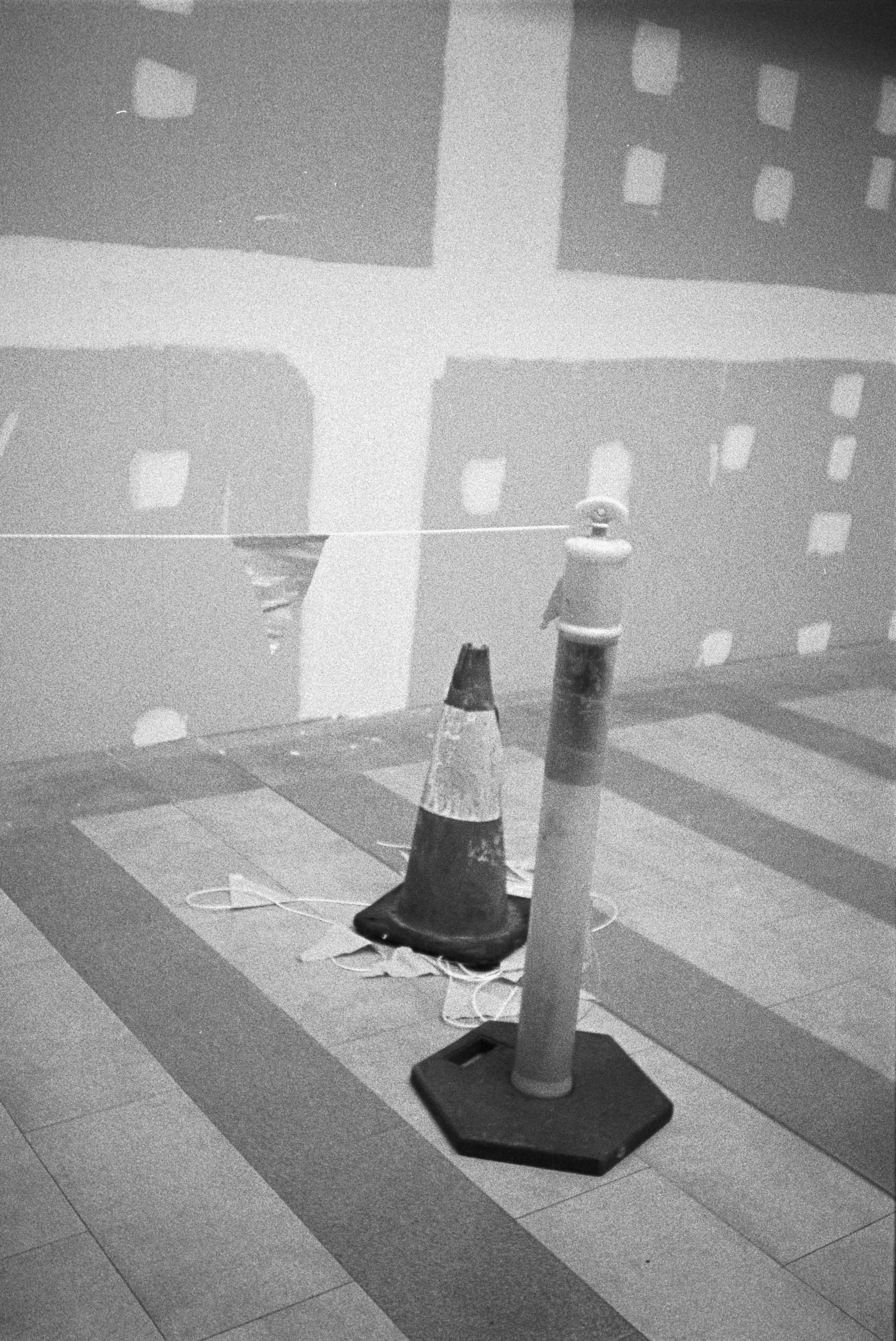
Of course, it’s not all fun and games. I took my Pentax 17 and some Ilford HP5 and set out to capture some of the urban decay of tired shopping malls. The results? Nothing spectacular, but it did at least provide a monochromatic record of decline. But I know that’s not what you’re here for—you want your decrepitude in full color. So, I loaded up some Fuji 400 and headed to my home away from home, Leeman, for post-Christmas dog walks on the beach.

Speaking of which, my groodle puppy, Juni, has had plenty of exposure on film this summer. If you’ve been following along, yes, it’s the same dog—just three times bigger. We’re considering renaming her Ginger Monster. Capturing a fast-moving ball of auburn fur with a half-frame camera? Tricky, but fun.

Camera quirks

Now, about those exposure modes. They’re confusing. The dial is color-coded: white for non-flash modes, yellow for flash-based ones, and—just to mess with you—a blue auto mode that isn’t actually fully automatic. It basically turns your expensive camera into a $20 disposable. What focus distance? What aperture? What shutter speed? Who knows? I don’t use it. Instead, I stick to P mode, though I still don’t really know what it does. The biggest issue? The dial is way too easy to knock out of place, which led to some overexposed outdoor shots and underexposed indoor ones before I realized I’d accidentally switched to Bulb mode while winding on.

After some trial and error, I learned a few things. One: get your finger out of the way when shooting macro. Two: framing in a viewfinder camera is always a challenge, but the Pentax 17’s clear viewfinder and close-up frame lines help. Three: for general shooting, the 3m focus setting is usually good enough, though I did cheat and use an iPhone app to double-check distances.

I still haven’t touched auto mode—it gives me anxiety. With half-frame, I like to have two exposed rolls ready before developing to save time and chemicals. So, to make things more difficult for myself, I loaded up a roll of OneShot film next. Why? Because it was cheap. The results? Let’s just say OneShot probably isn’t ideal for a bright Perth summer—or for this camera. The muted colors and heavy grain didn’t do me any favors. The Fuji 400 shots fared better, and while nothing groundbreaking, I did get a few fun summer snapshots.

So, what’s the verdict? This isn’t a spectacular camera. It has its quirks—no self-timer, confusing exposure modes, and some incredibly bright blinking LEDs that don’t provide focus confirmation (because it’s manual focus). Plus, the electronic focus system introduces a slight shutter lag, which is odd for a manual-focus camera. The design is an eclectic mash-up of different Pentax and Ricoh cameras, with an Olympus Pen-style viewfinder and a winding lever that feels straight out of a Pentax 110. It’s a Frankenstein creation, and the real question is: does that make it charming or just dumb?

For me, it’s both. Plenty of YouTubers have reviewed this camera and been left scratching their heads, but that’s because it wasn’t made for high-end photographers. Honestly, it wasn’t even made for me—and I have no standards. But I love it. It’s quirky, fun, and surprisingly decent for what it is. Most of all, it’s brave and weird—just like Juni. Maybe I’m just brave and weird enough to appreciate it.

Is the Nikkor Z 28mm f/2.8 Nikon’s most Boring Lens?

Whenever I visit a new country, I like to check out the second-hand camera scene for potential bargains as souvenirs. On a trip to Shanghai, I went to Xingguang Photographic Equipment City, a sprawling, multi-story mall full of small camera shops selling used gear. Armed with 1000 Renminbi in my WeChat wallet, I hoped to find a unique lens within my budget. I was drawn to the idea of a 135mm, but it was too expensive, so I set my sights on something more modest.

I eventually found Nikon’s 28mm Z f/2.8 SE lens, a lens with a retro design that fits Nikon’s ZF digital camera. It’s affordable but not particularly exciting in quality, as it has a plastic mount and feels more like a cheap throwback than anything premium. However, it was within my budget and looked decent enough. The shopkeepers were friendly and humored my attempts at speaking Chinese, making the experience enjoyable.

Reflecting on the 28mm focal length, I find it somewhat mundane. Back in the film era, 28mm was considered wide, but these days, it’s essentially the default view on smartphone cameras. The world is now saturated with 28mm photos—thanks to the trillions of smartphone shots shared online—creating a visual monotony that’s almost tiresome.

To test the lens, I decided to take it to Zhujiajiao, a historic water town near Shanghai, to see if I could capture something interesting with this “boring uncle” of a focal length.

Serviceable, yes but… Exciting?

When I downloaded the photos from my 28mm lens, I felt a bit disappointed. They felt overfamiliar, like the endless shots of water taxis or gondolas in Venice that we’ve all seen. I started questioning if it was the lens itself or simply my inability to break away from typical tourist shots. Maybe the 28mm field of view kept me stuck in that mode.

The 28mm lens is easy to use, with smooth and quiet focusing, and it focuses closer than my zoom lens at 28mm, which is a nice feature. When focusing close, it handles out-of-focus areas beautifully with soft, creamy bokeh. While it won’t completely blur the background like other lenses, it subtly draws attention to the subject without being overpowering.

That said, the Nikon 28mm Z f/2.8 isn’t perfect—28mm does feel a bit dull. At least, to me. I got some decent shots, but reviewing them feels like scrolling through my phone gallery. My 24-200mm offers more versatility, letting me capture close-ups and control framing better by using its longer focal length to keep distractions out of the frame. With the 28mm, I have to be more mindful of composition, especially on the streets, compared to a 35 or 50mm lens.

After sorting through, I picked a few shots that captured the feel of the place without looking too postcard-like. The dim light drained some color from the scene, and a few images actually worked better in black and white.

I do think this lens is a good lens, maybe even a great one if you consider the price and can get over the plastic mount. I can’t fault it that I find the 28mm field of view a bit dull and perhaps, actually, with more use, I might to appreciate that focal length a little more.