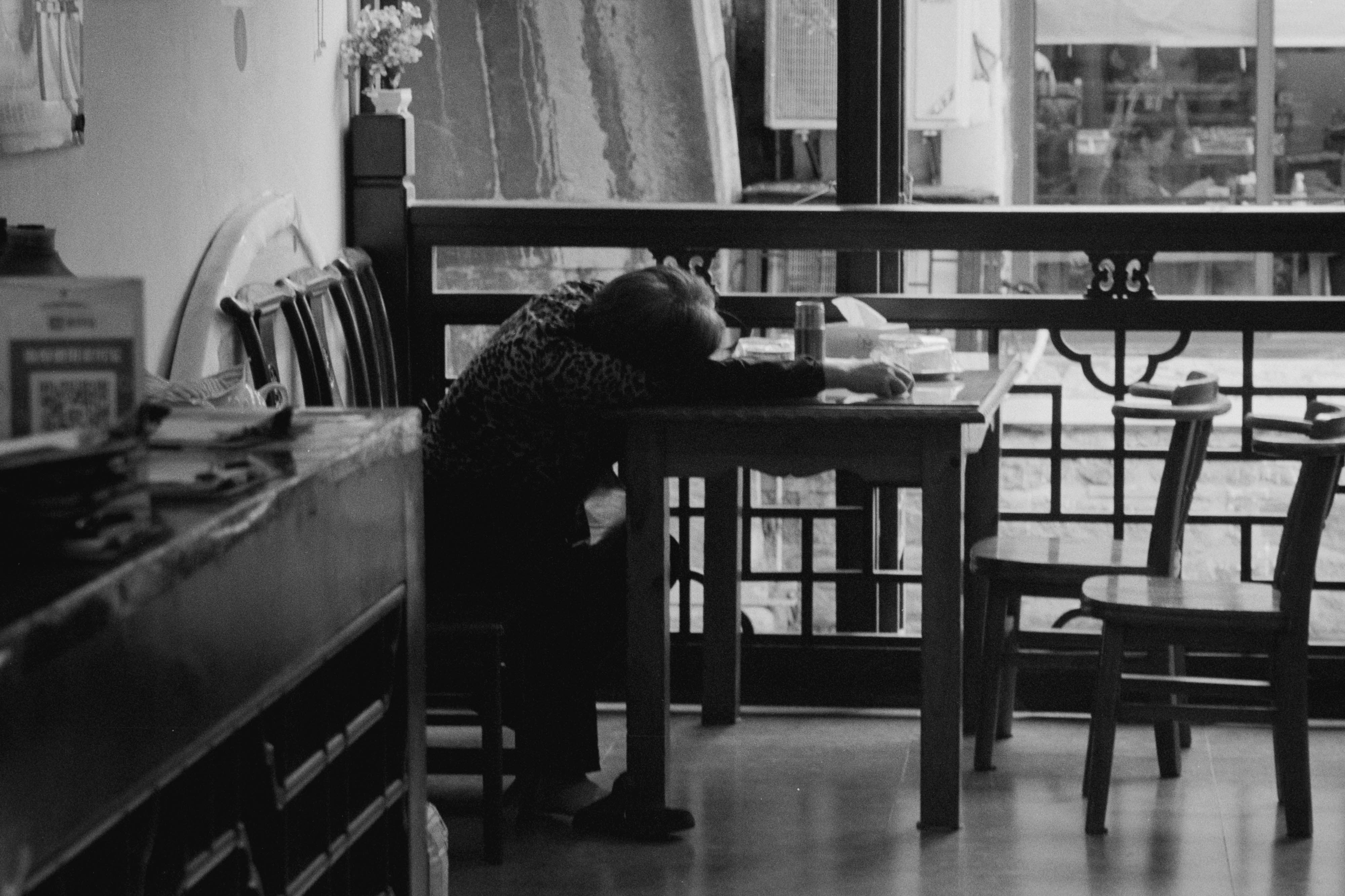
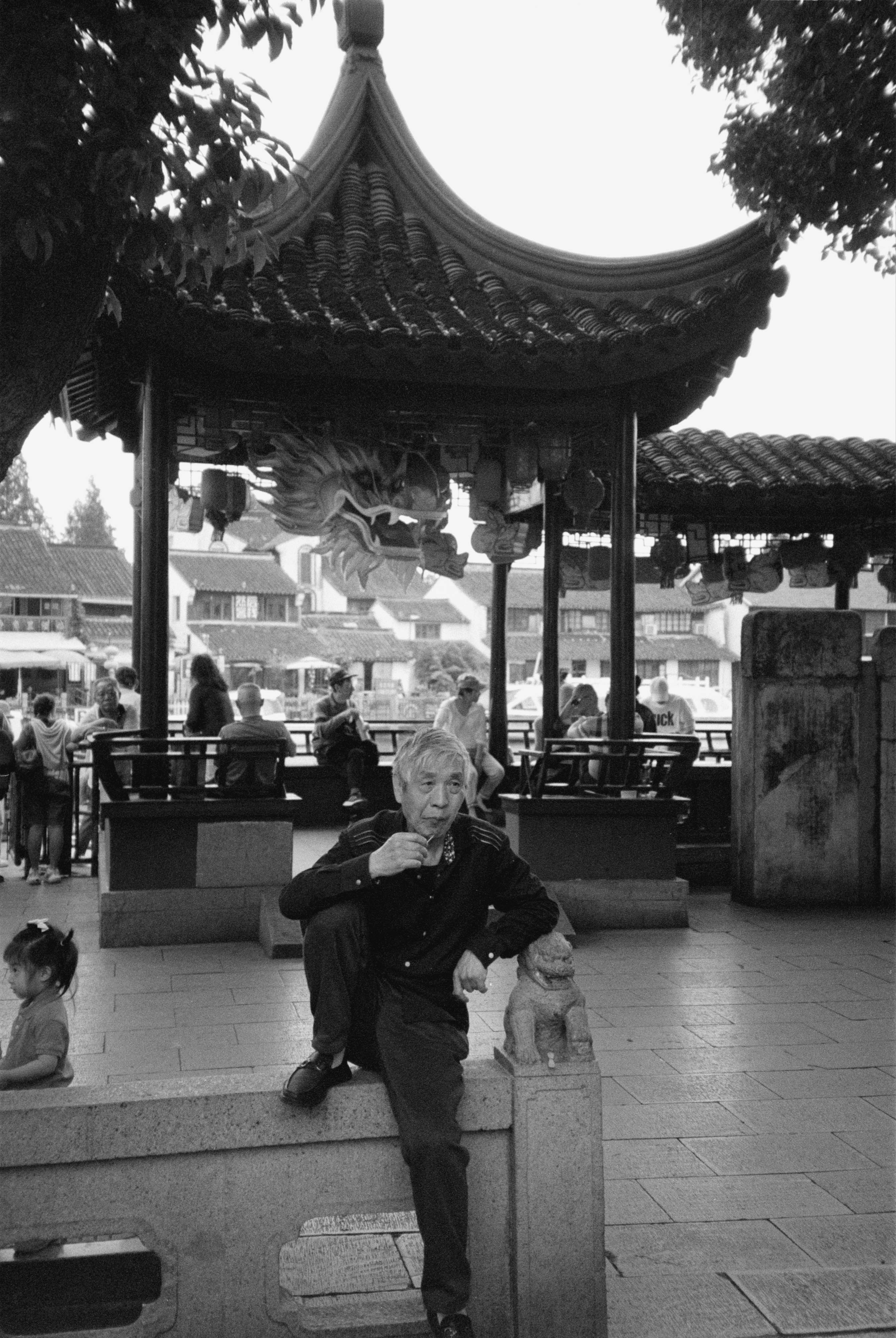
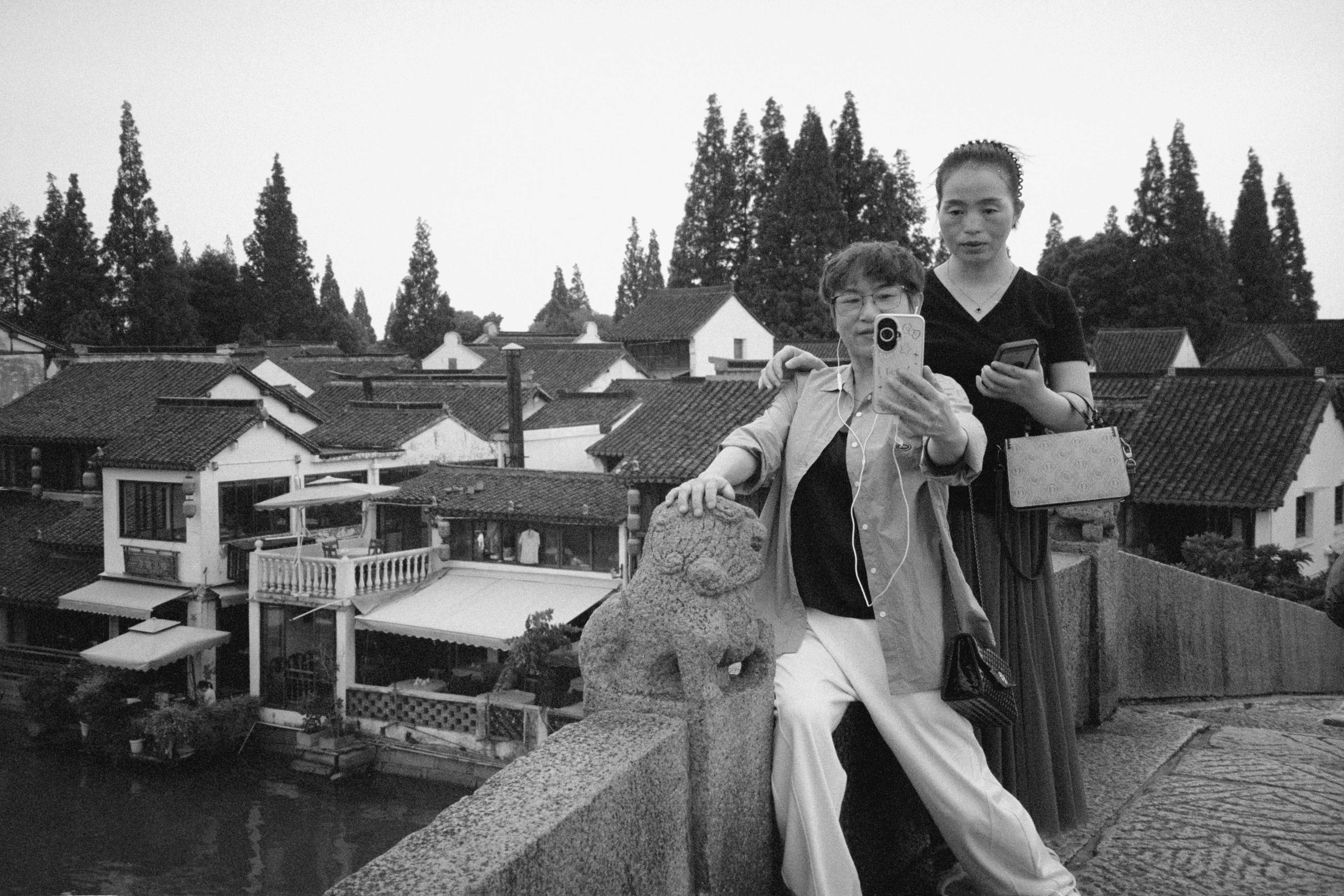
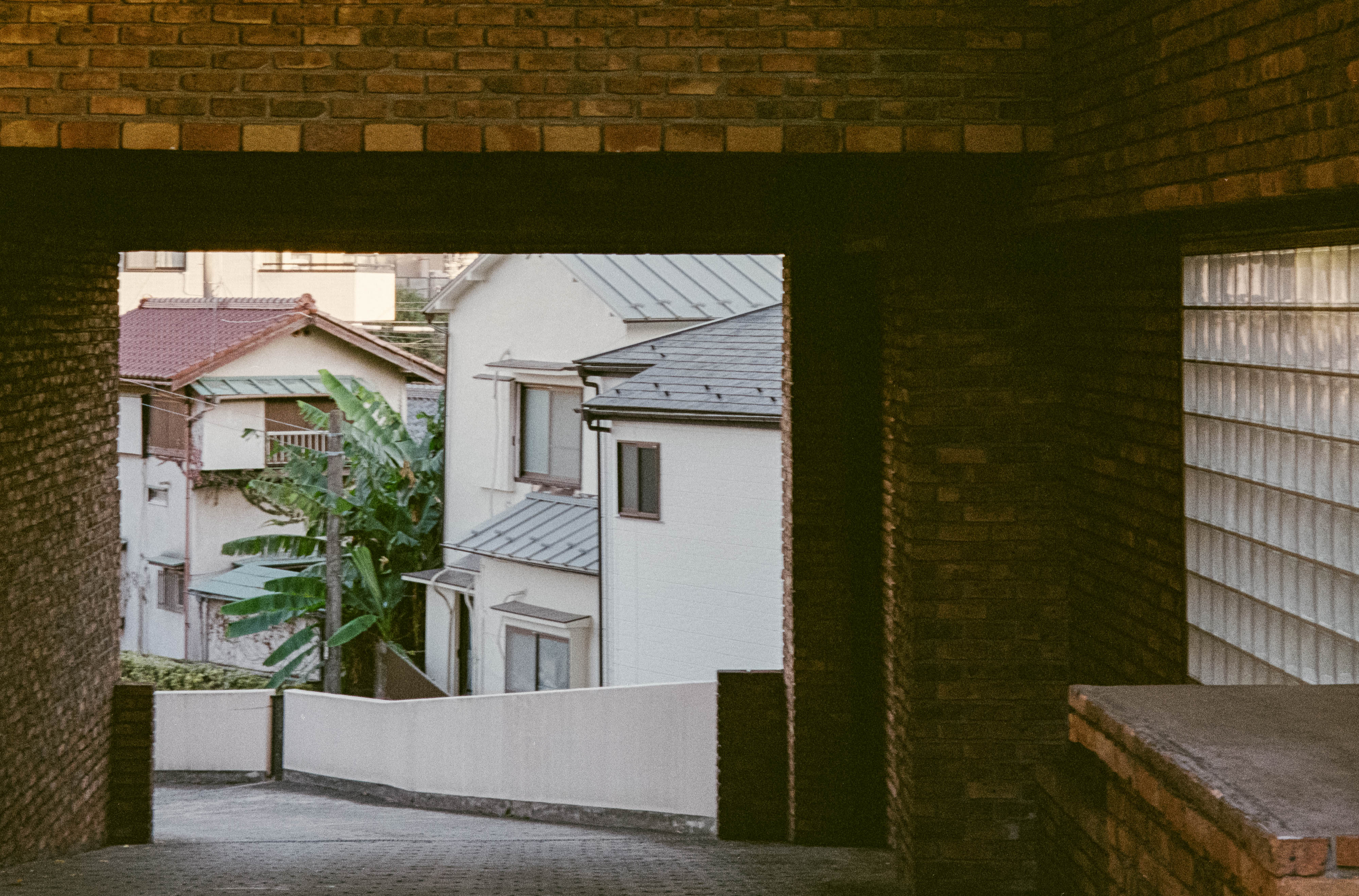
My Shin Okubo Dori Story with the Olympus 75mm f1 8 for Micro Four Thirds

The Olympus 75mm f/1.8 has long enjoyed a near-mythical reputation among Micro Four Thirds photographers. Released back in 2012, it quickly became known as one of the sharpest lenses available for the system and remains highly regarded more than a decade later. Having owned mine since 2013, it has been one of the lenses most responsible for convincing me that Micro Four Thirds could deliver truly exceptional image quality in a compact package.
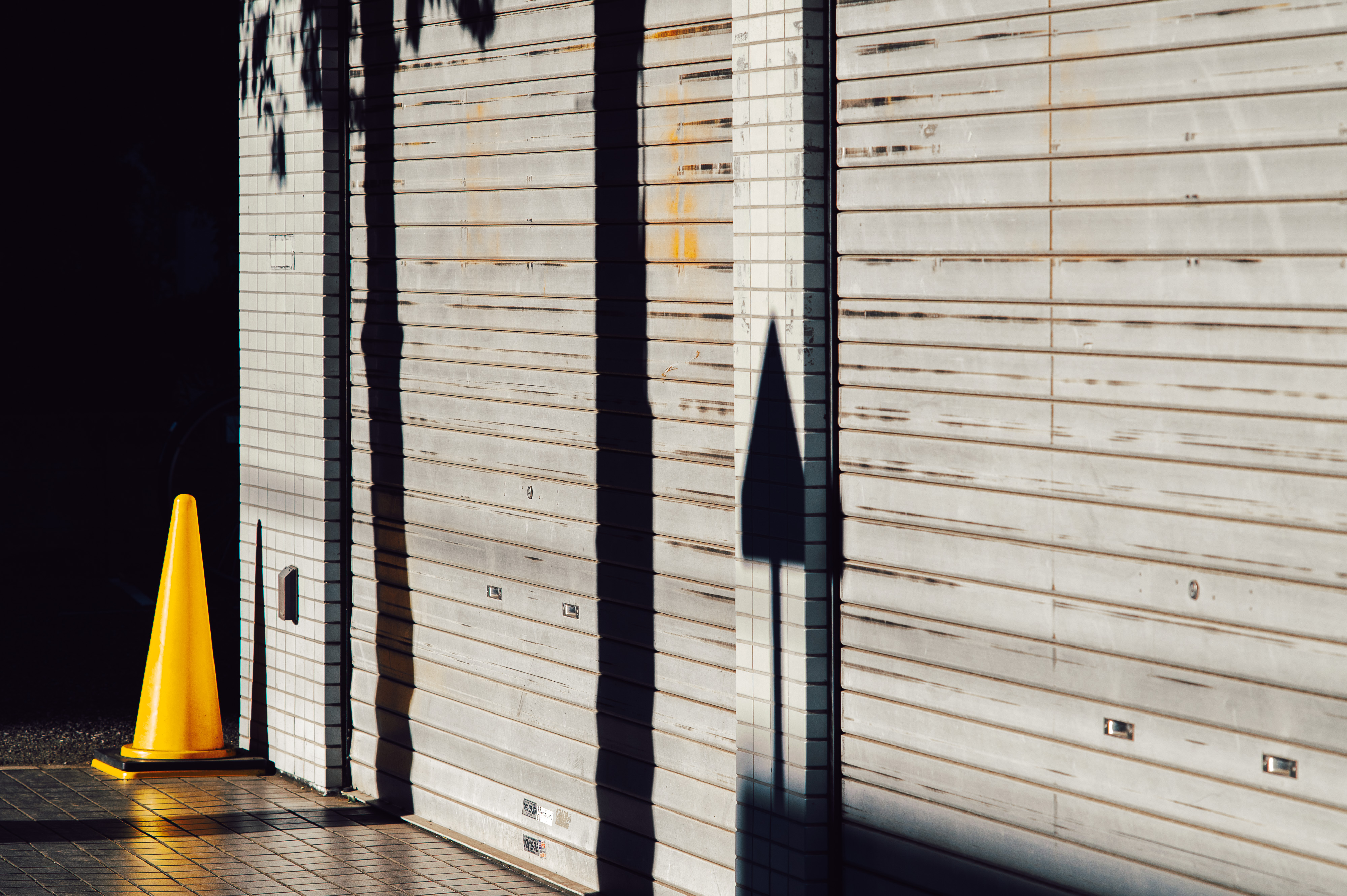
That loyalty was tested recently when the lens developed an autofocus issue. During a trip to Malaysia, I discovered it struggled to focus on distant subjects, rendering it effectively useless for many of the situations where I normally rely on it. While it could still produce attractive close and mid-distance images, a telephoto lens that cannot focus at infinity is severely compromised. After an expensive repair, however, the lens returned to full health, providing the perfect excuse to take it on a fresh adventure and rediscover what makes it so special.

Small Lens, Big Performance

One of the strongest arguments for the Olympus 75mm f/1.8 is that it perfectly demonstrates the strengths of the Micro Four Thirds system. Critics often argue that smaller sensors cannot compete with full-frame cameras when it comes to subject separation and shallow depth of field. This lens challenges that assumption.

With a field of view equivalent to a 150mm lens on full frame and a bright f/1.8 aperture, it produces beautifully blurred backgrounds while remaining remarkably compact. Compared to something like a modern full-frame 135mm f/1.8 lens, the Olympus is dramatically smaller, lighter and less expensive. It offers much of the same creative potential without requiring photographers to carry a heavy camera bag.

Physically, the lens is refreshingly simple. There are no programmable buttons, aperture rings or manual-focus clutches. Instead, Olympus focused on delivering excellent optics in a premium metal body. The lens feels solid and well made, while the focus ring offers a smooth, refined operation. Although it lacks weather sealing, it still feels every bit like a professional-grade product.

Its optical design is surprisingly sophisticated, incorporating specialised glass elements designed to minimise distortion, chromatic aberration and other optical flaws. The result is a lens that combines portability with impressive technical performance.

Why the Image Quality Still Impresses

The Olympus 75mm f/1.8 built much of its reputation on sharpness, and even today it remains one of the sharpest lenses I have ever used. Wide open at f/1.8, images are already impressively detailed, with only slight softness near the edges. By f/2.8, the entire frame becomes razor sharp.

Yet sharpness alone does not explain the appeal of this lens. Many modern lenses are technically excellent, but relatively few possess that elusive quality photographers often describe as character. The Olympus 75mm consistently produces images that feel special, even when it is difficult to identify exactly why.

Colours are rich without appearing exaggerated, and there is a pleasing sense of separation between tones. Skin tones in particular look natural and lifelike, making the lens an excellent choice for portraiture. Distortion is effectively invisible in real-world shooting, allowing it to handle architecture and urban scenes with ease.

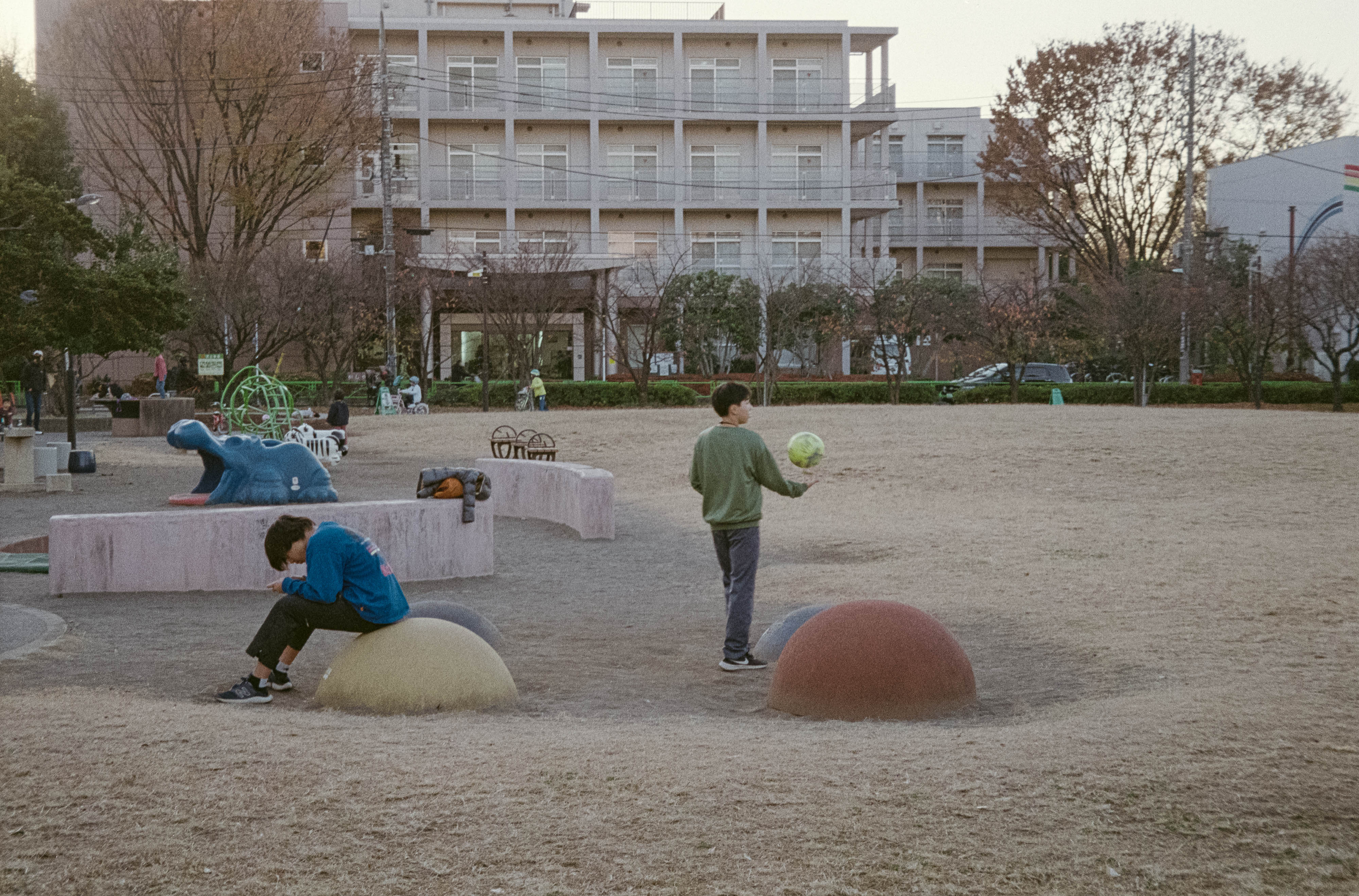
Perhaps most importantly, the lens renders out-of-focus areas beautifully. Background blur appears soft, smooth and natural, helping subjects stand out while still preserving a sense of place. Unlike some lenses that create nervous or distracting bokeh, the Olympus delivers transitions that feel elegant and refined.

A Night in Tokyo with an Unusual Street Lens

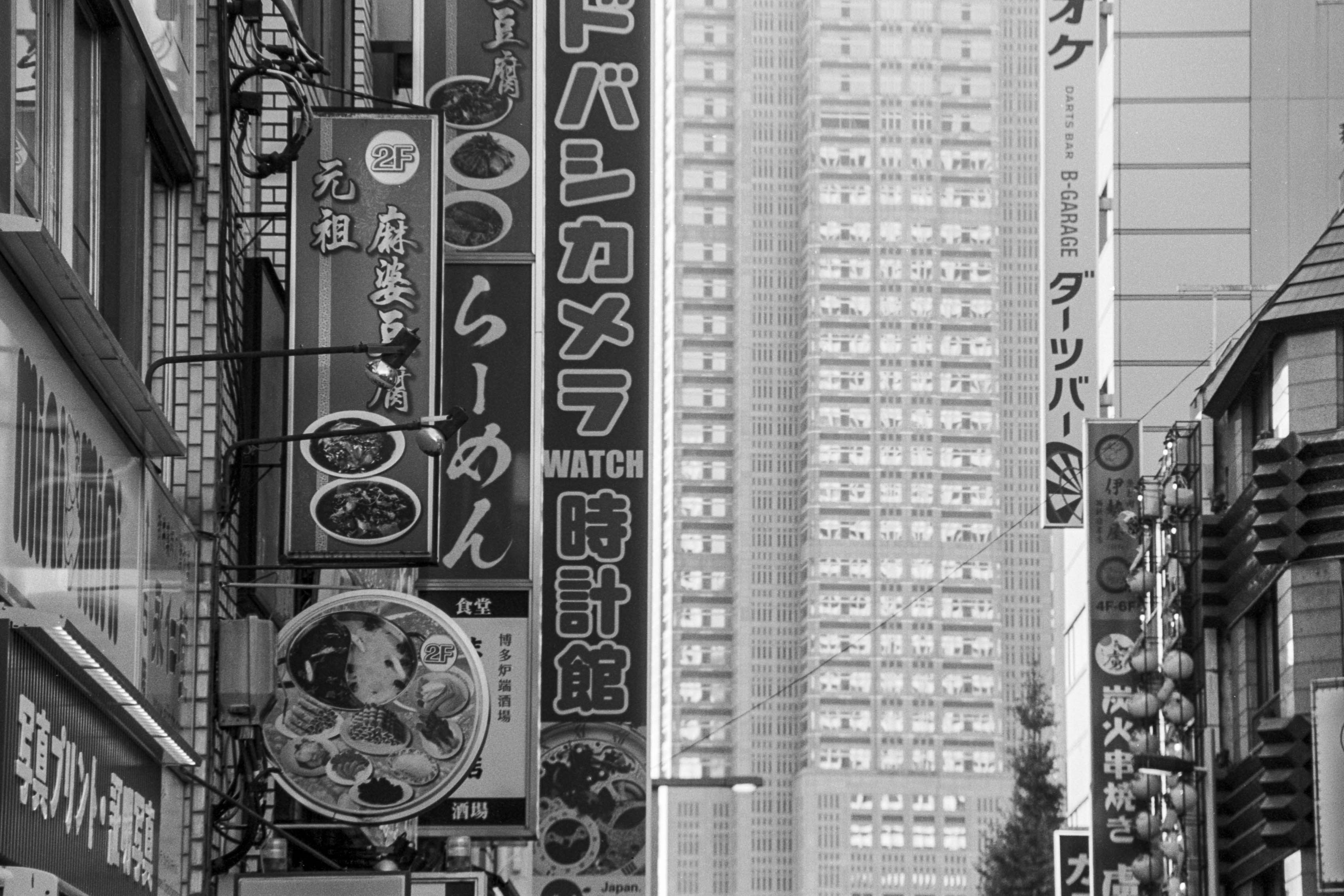
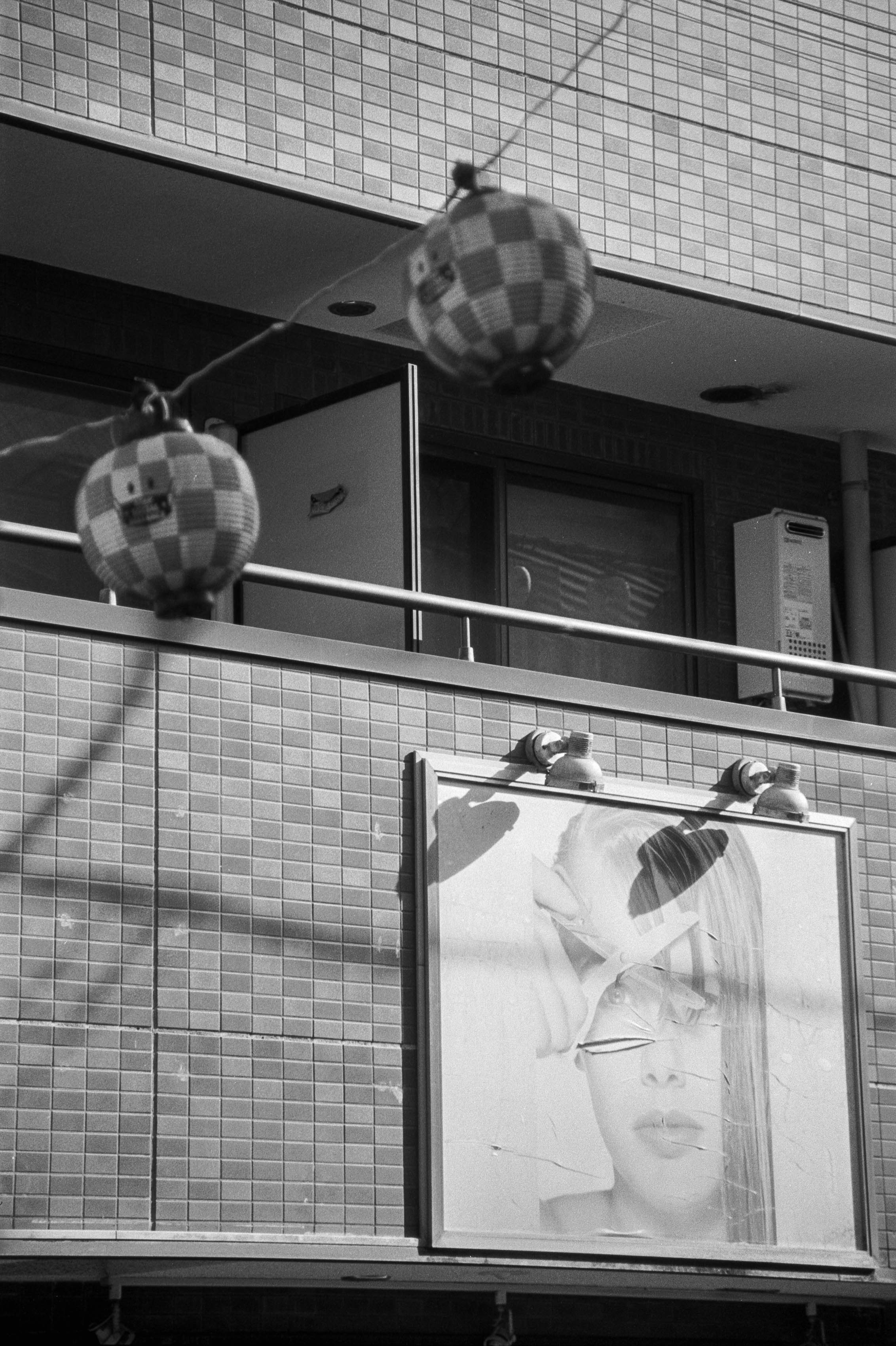
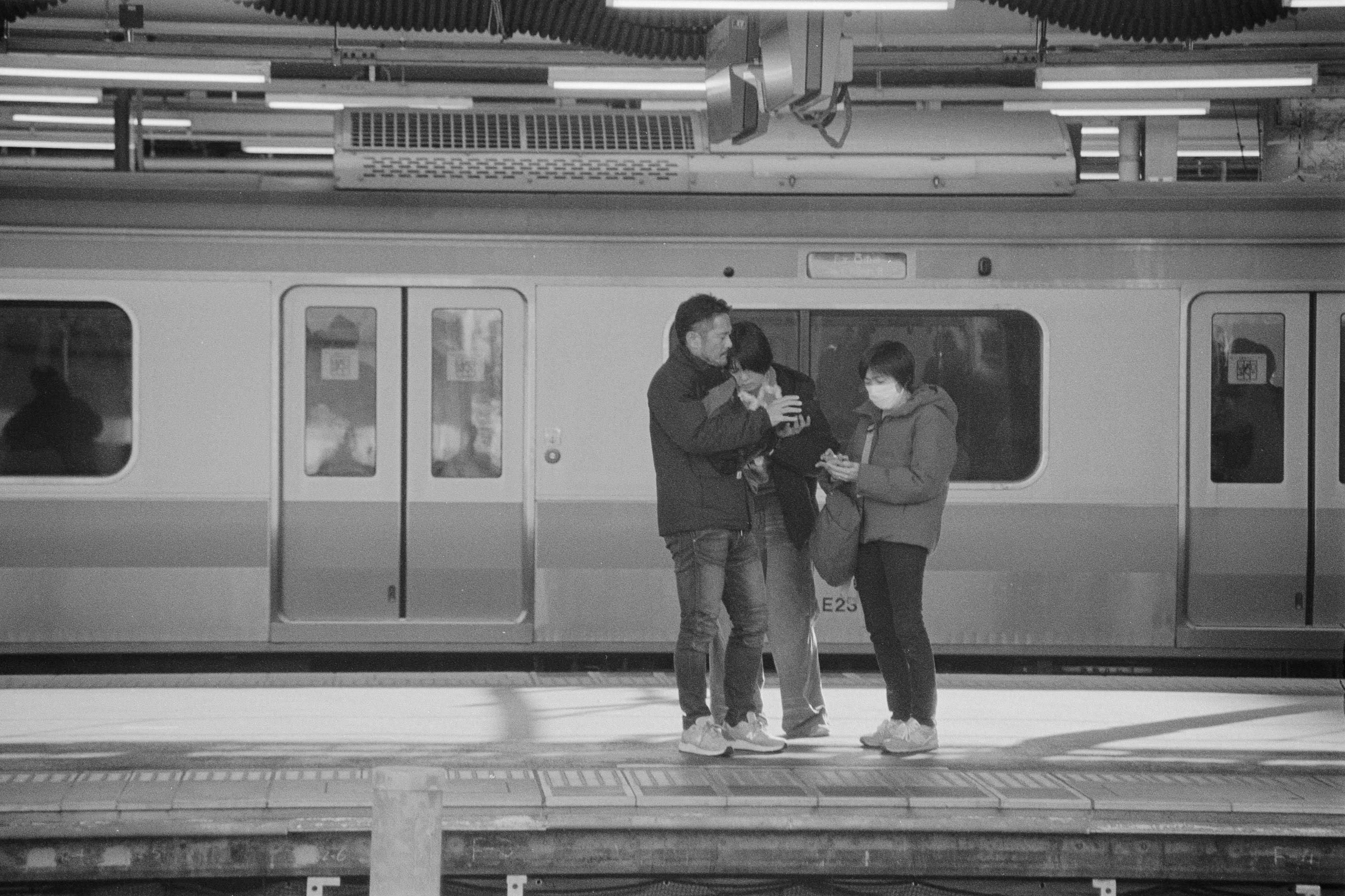
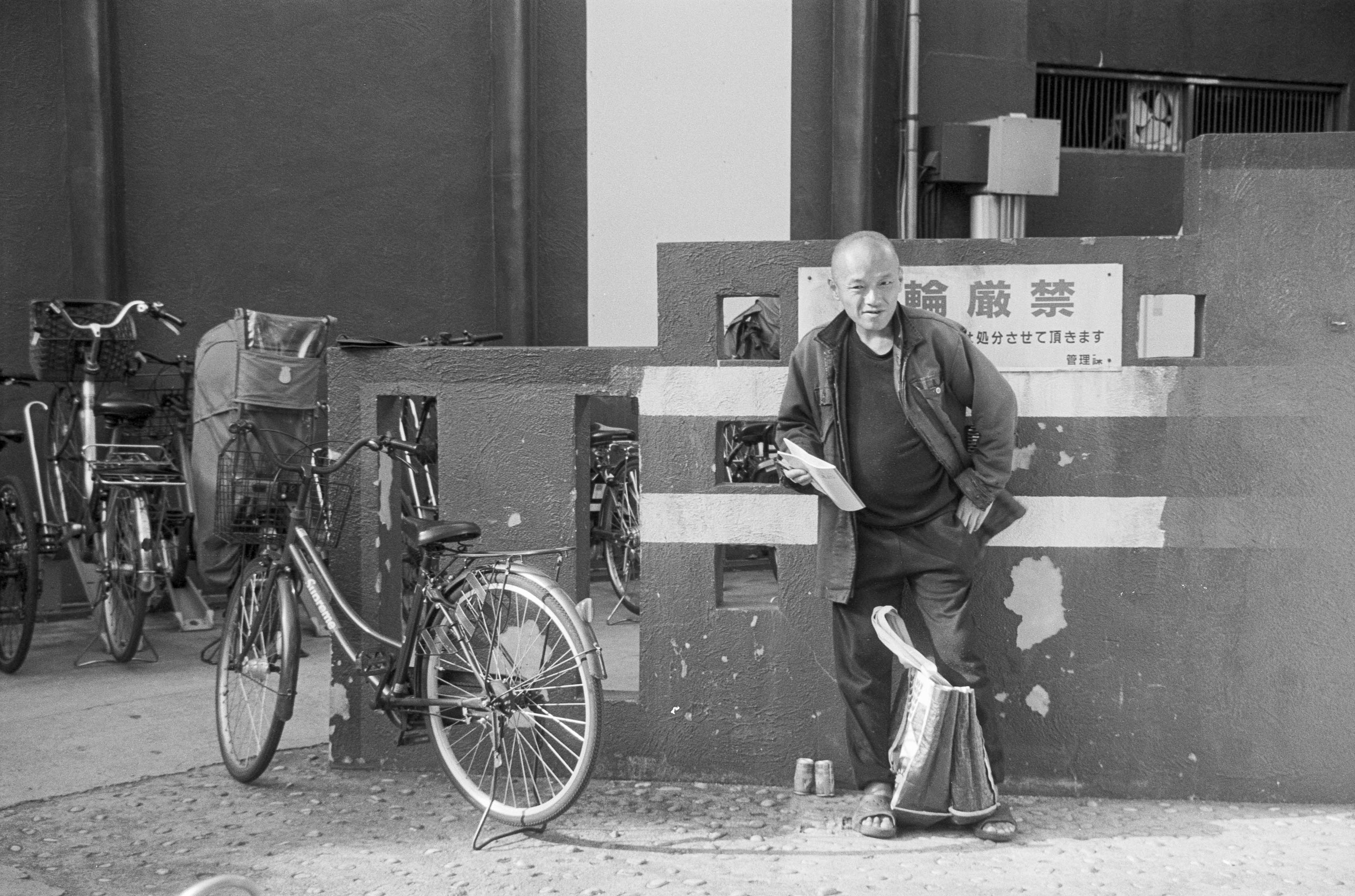
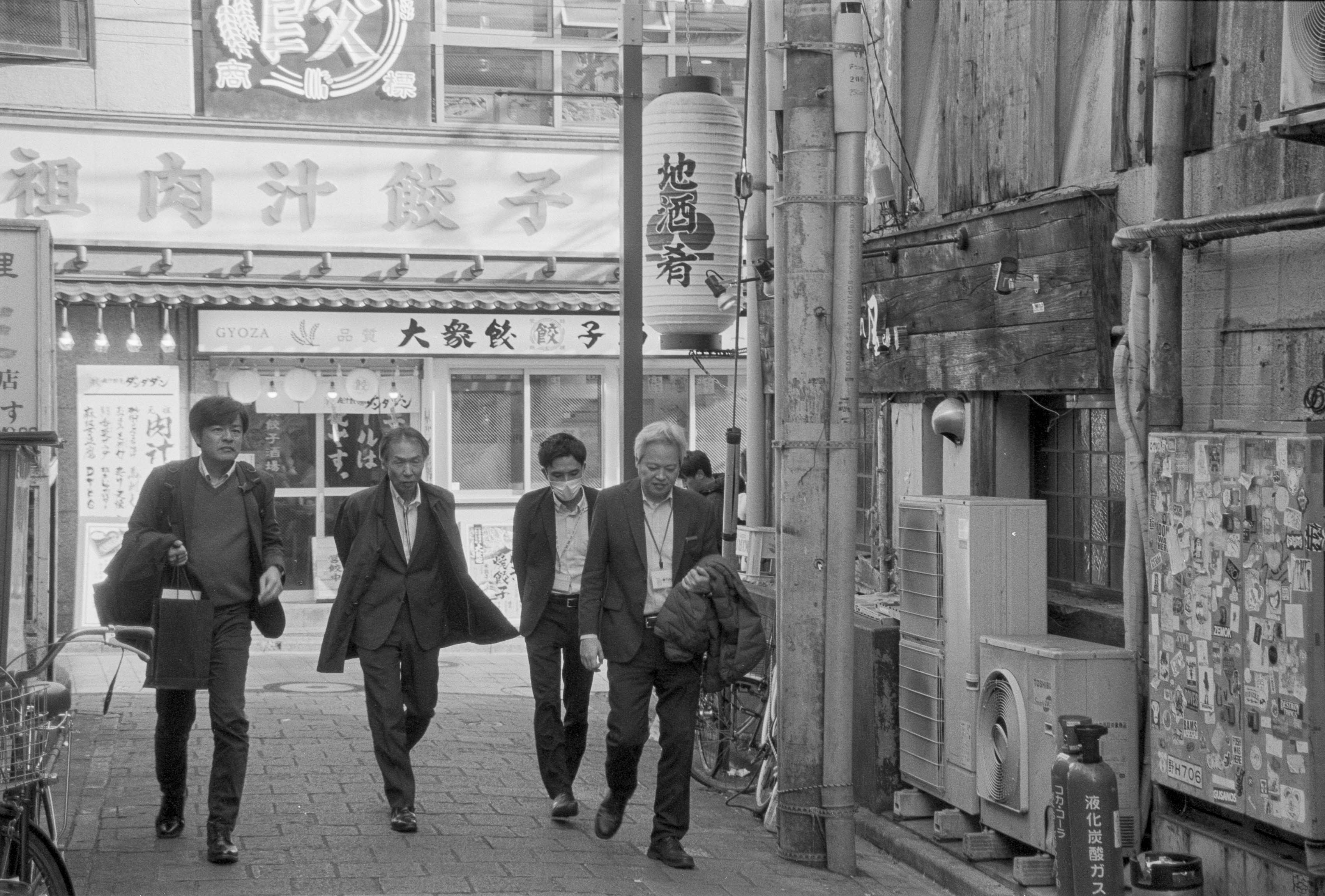
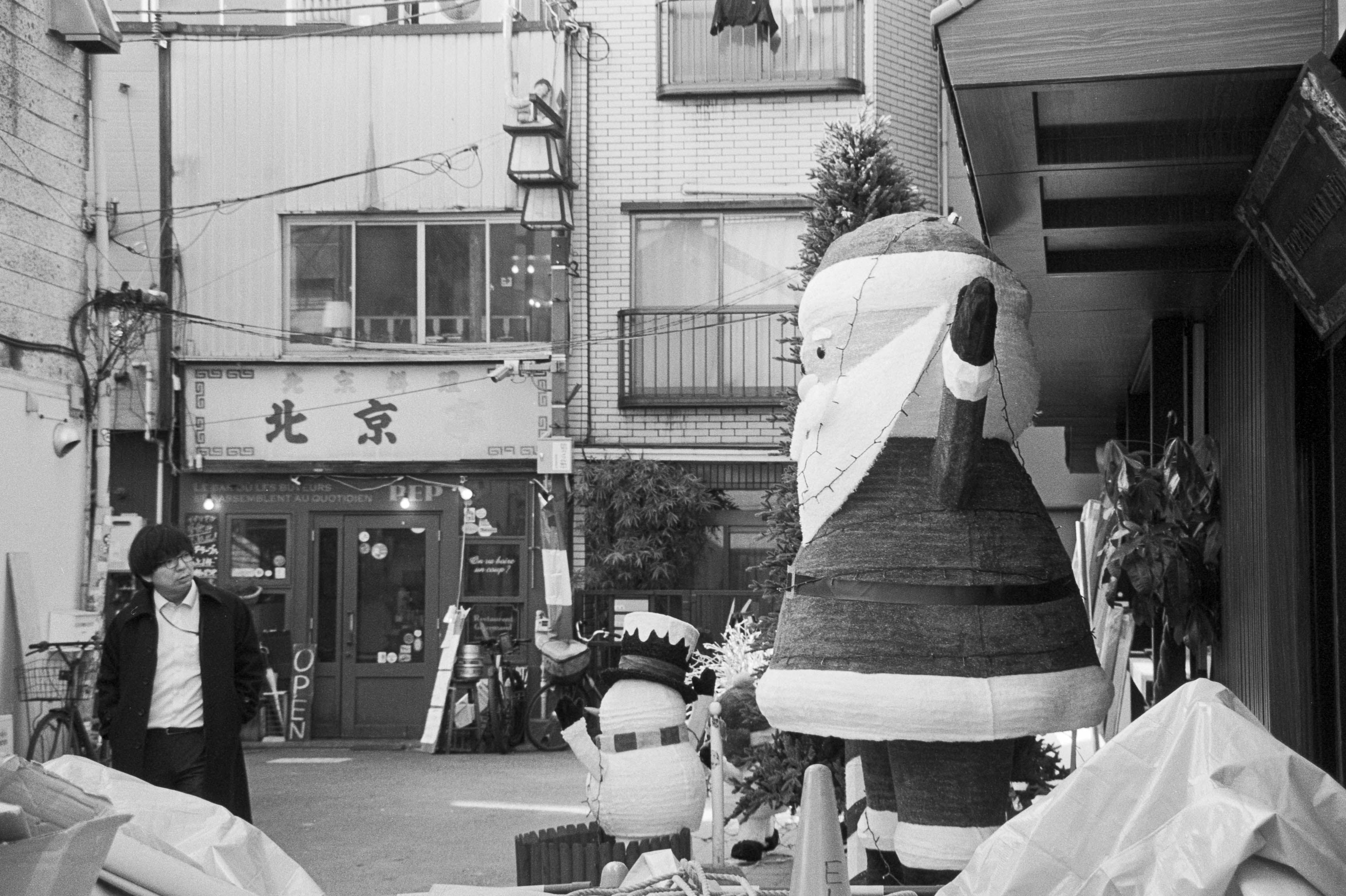
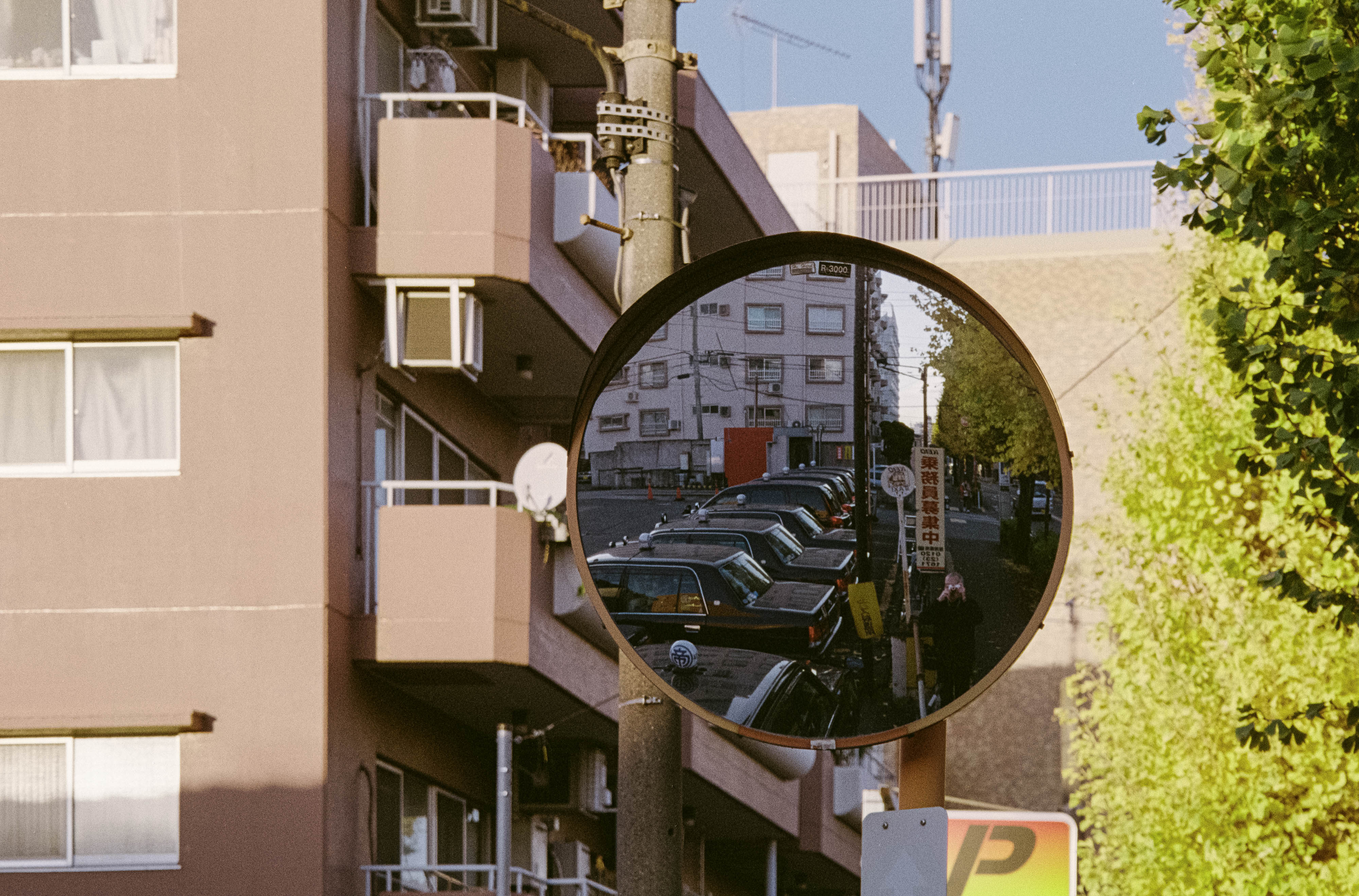
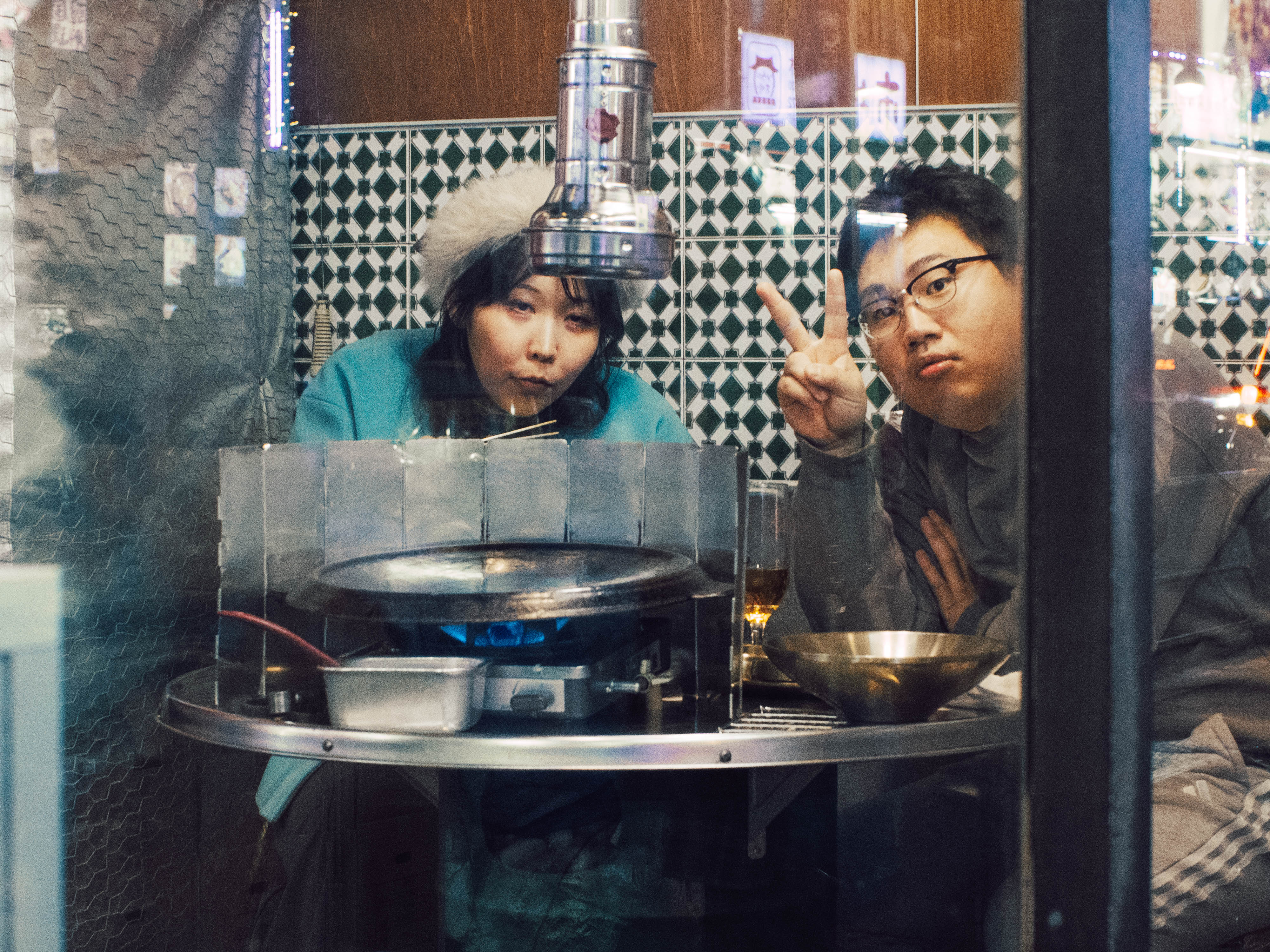
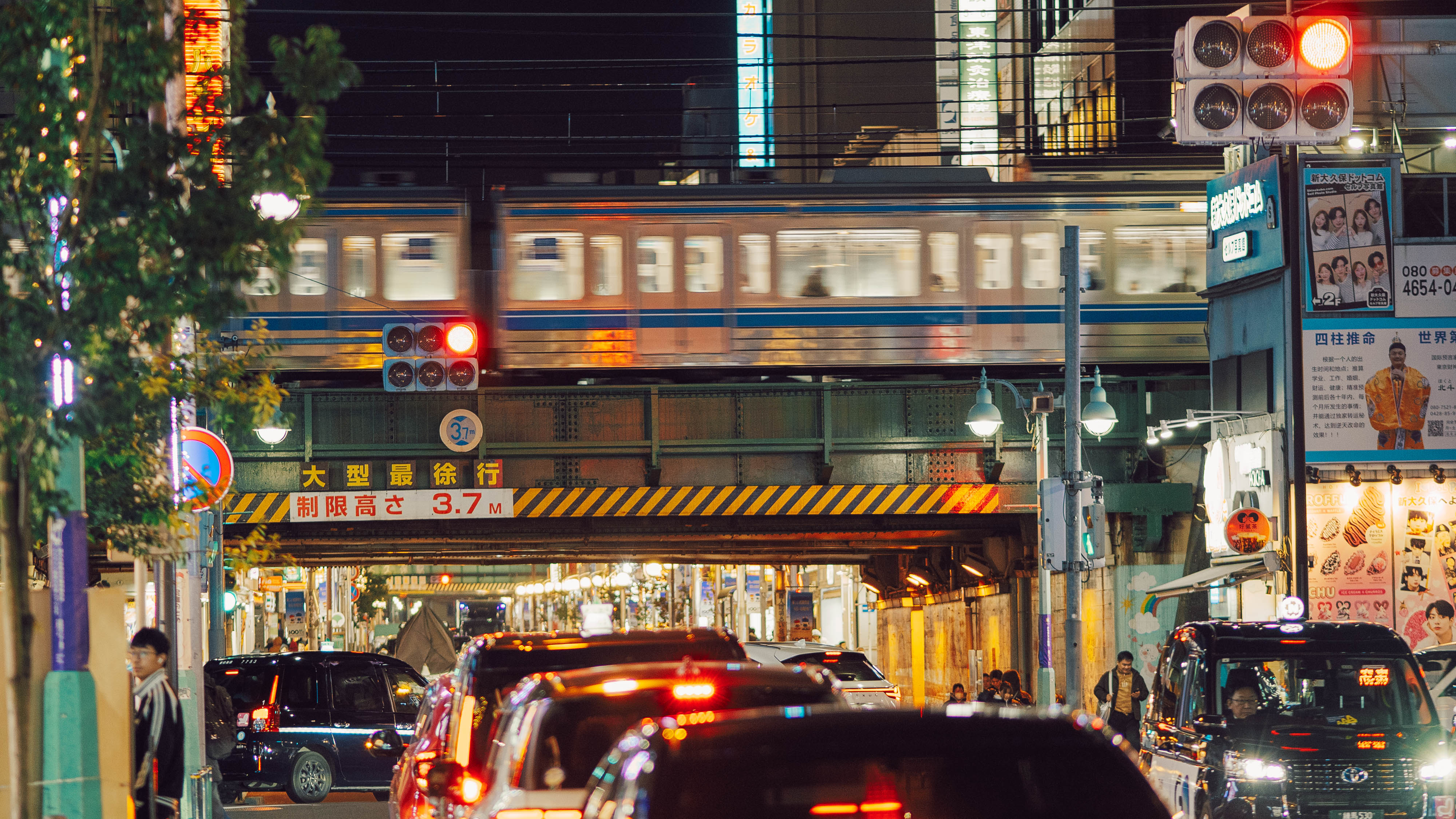
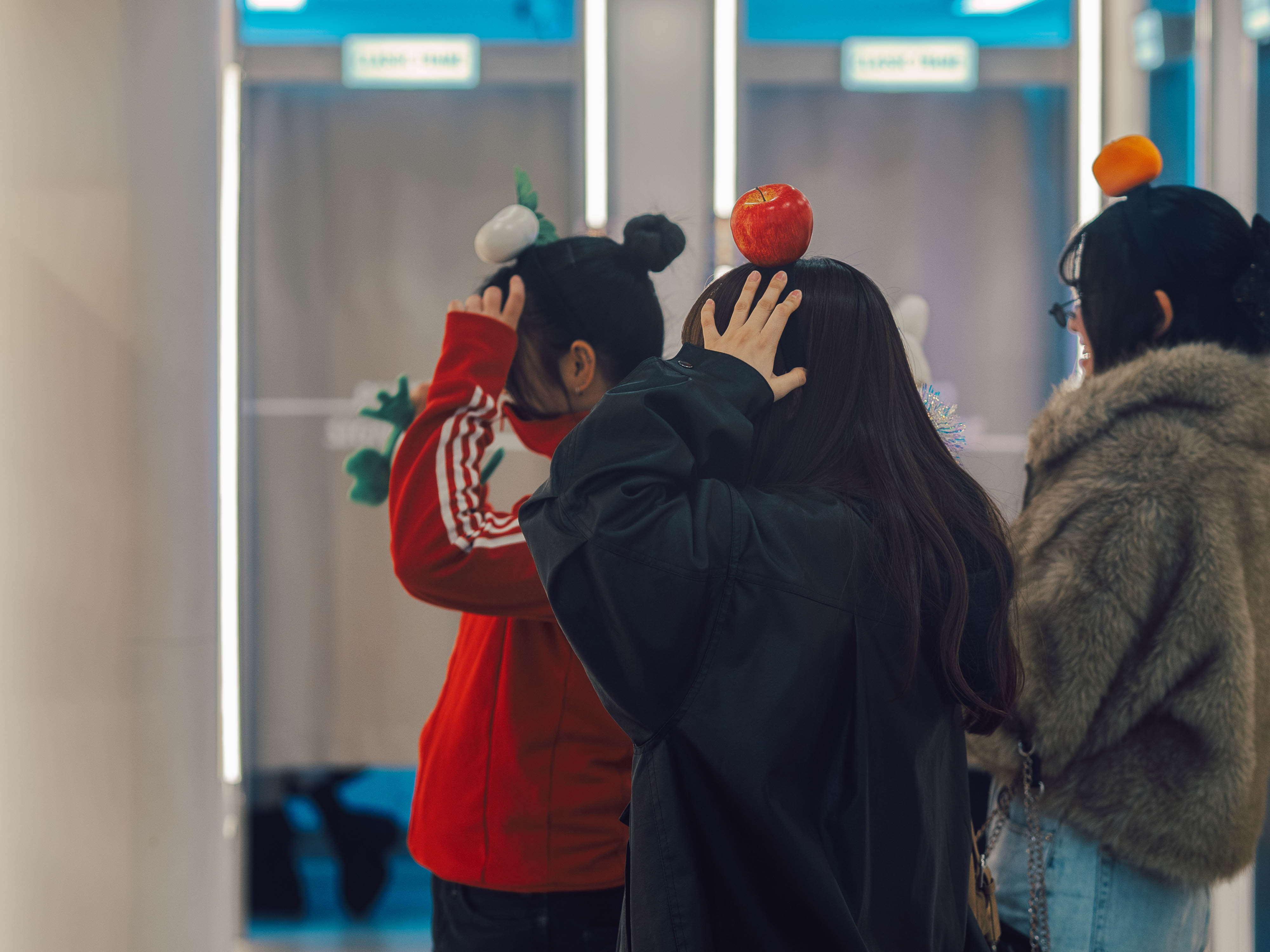
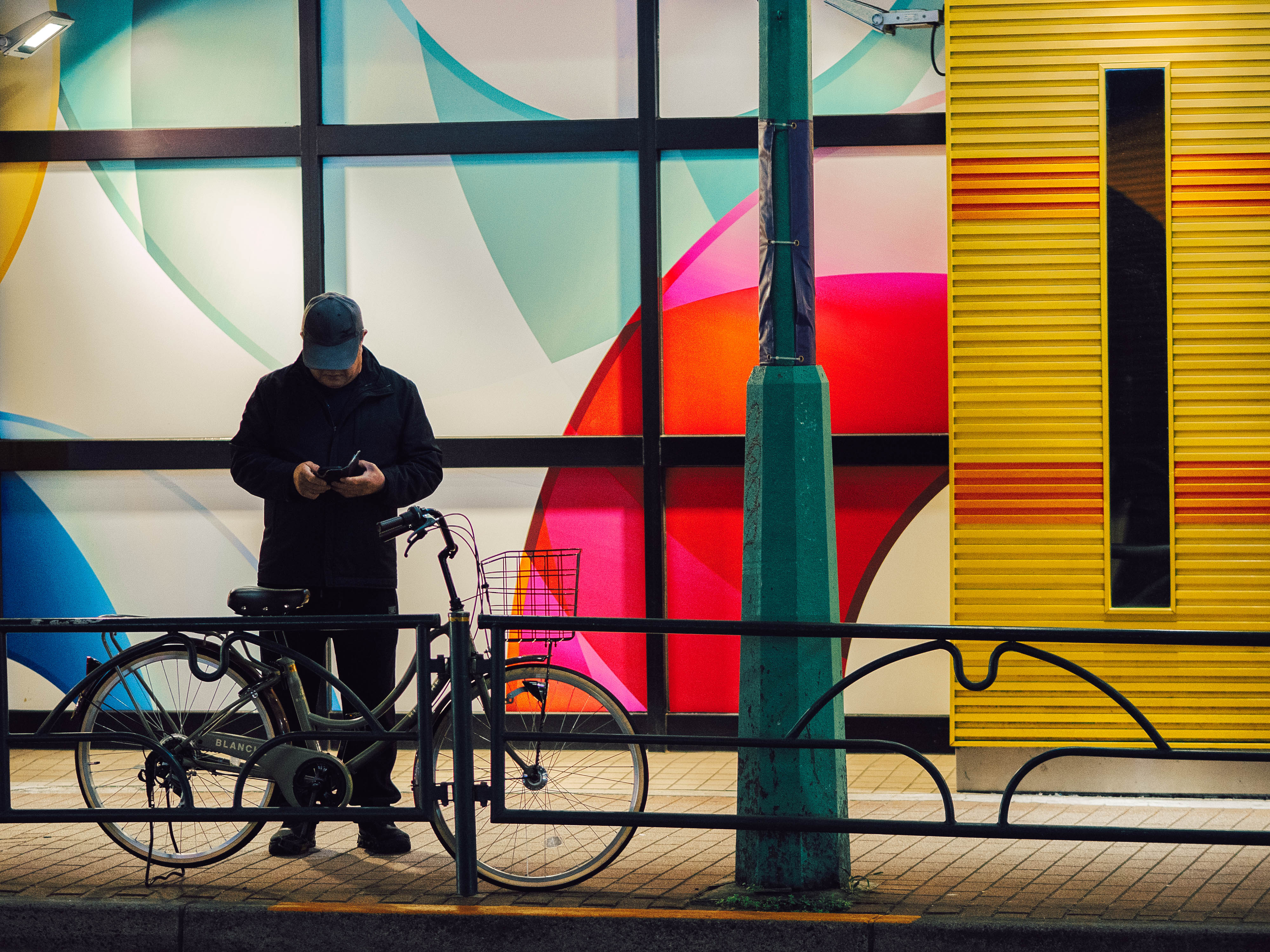
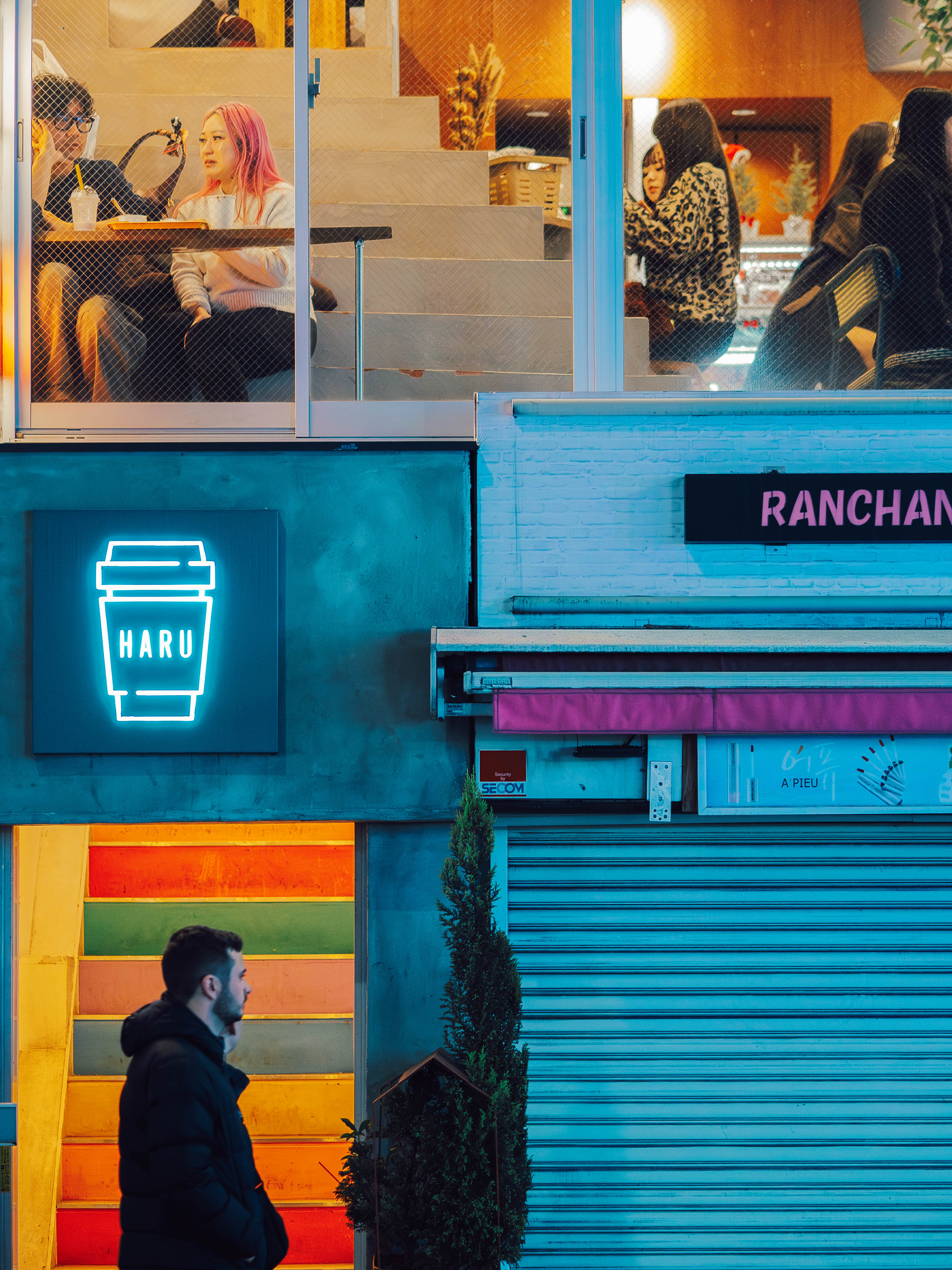
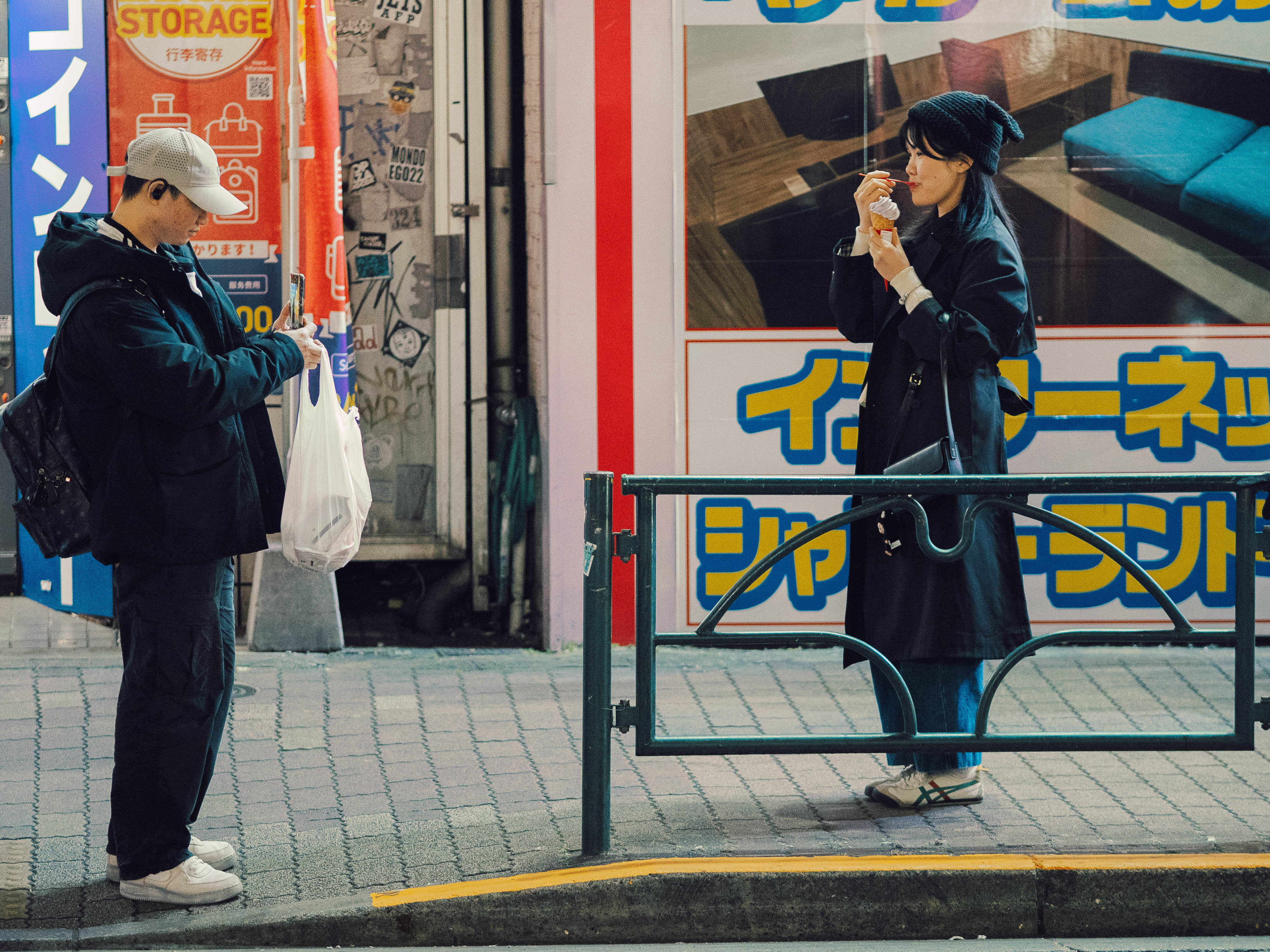
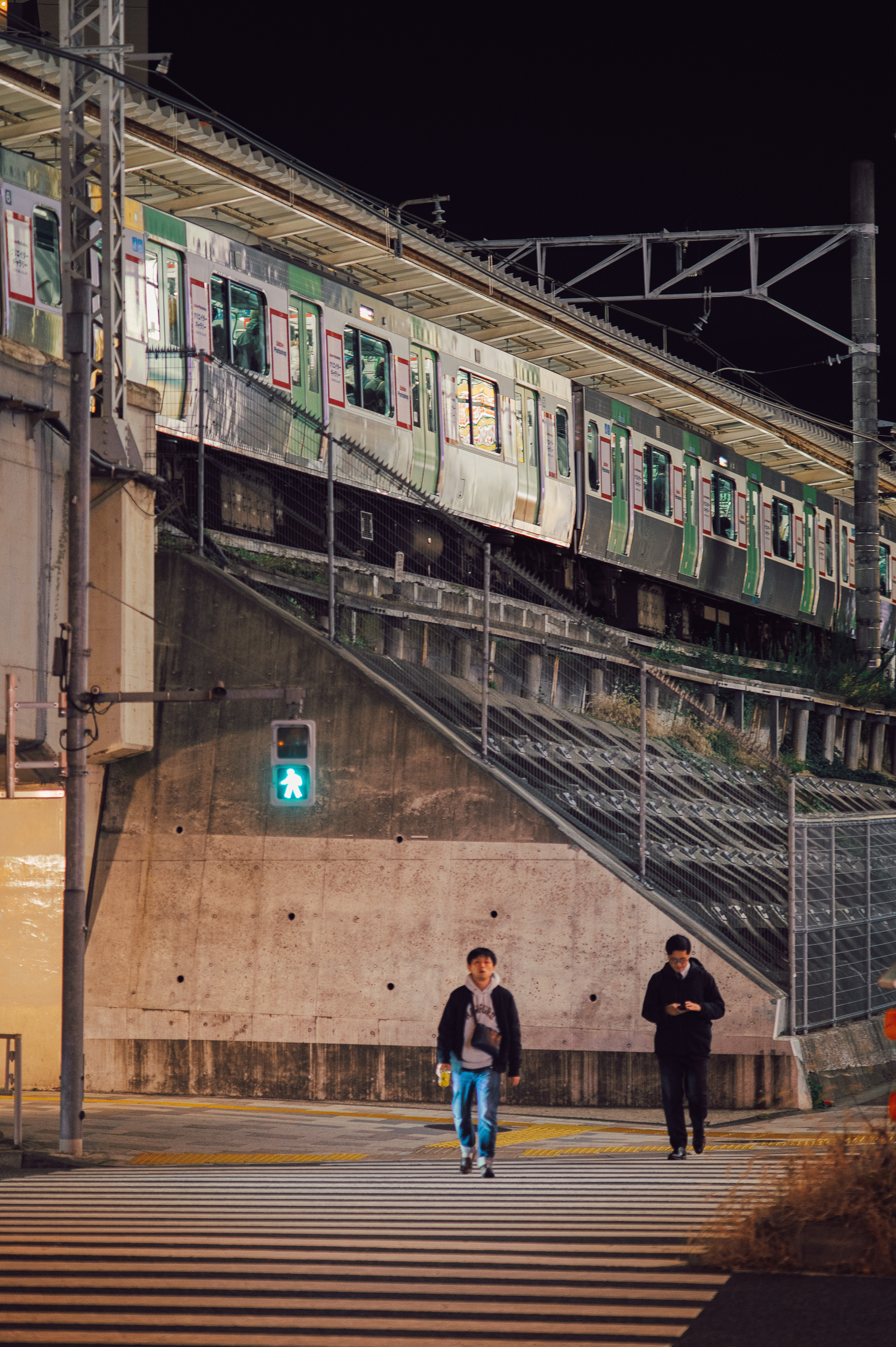
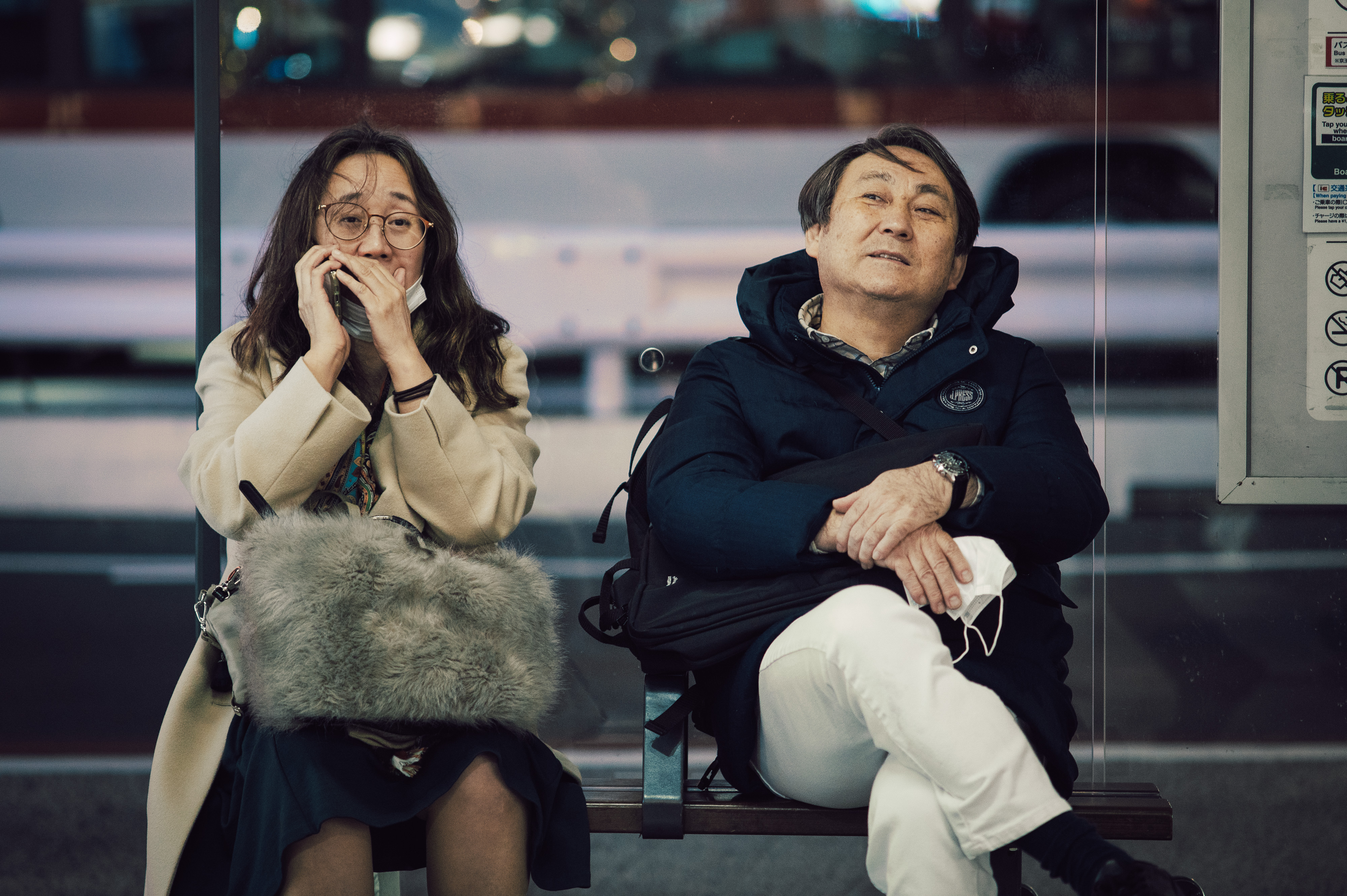
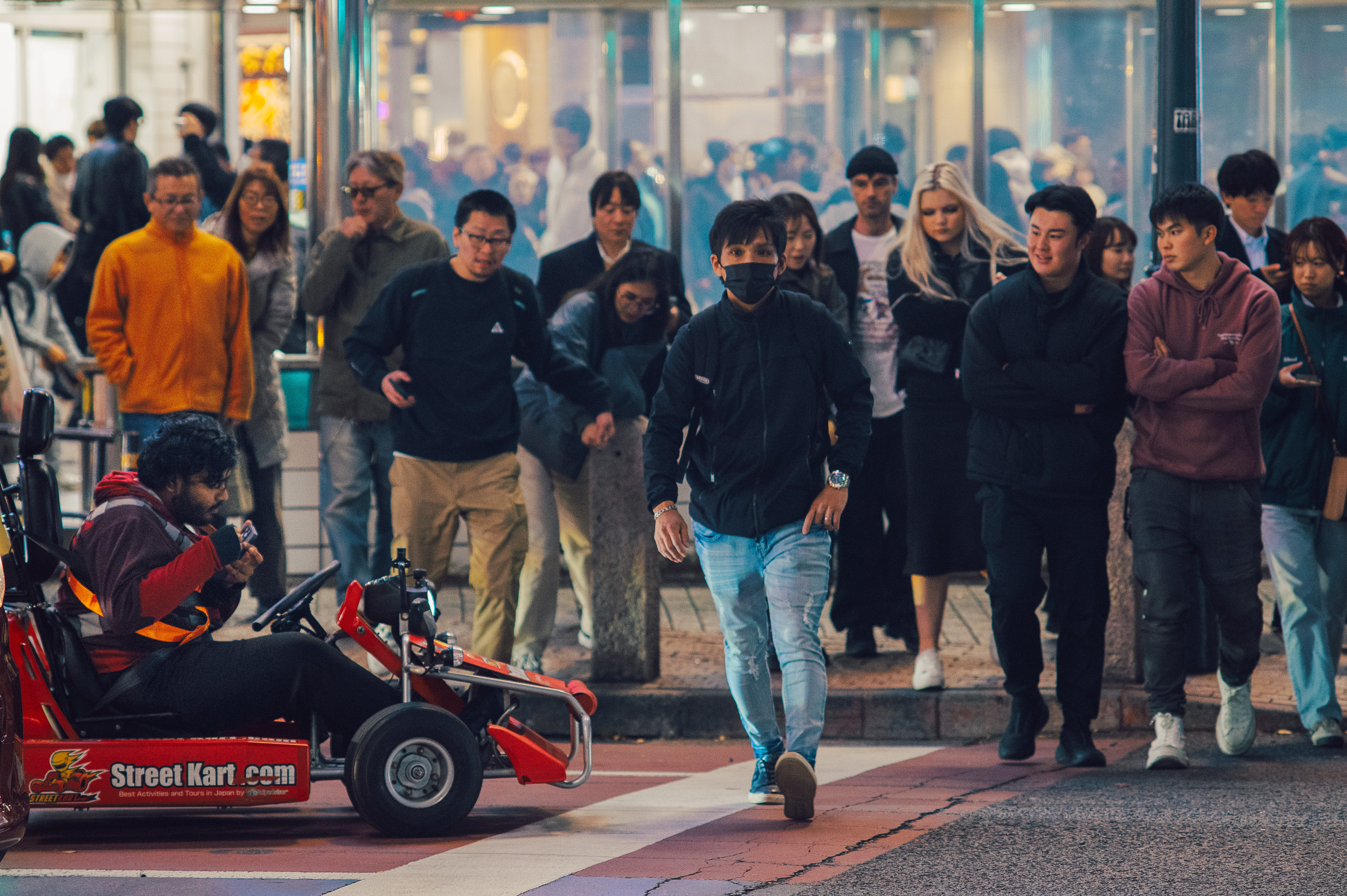
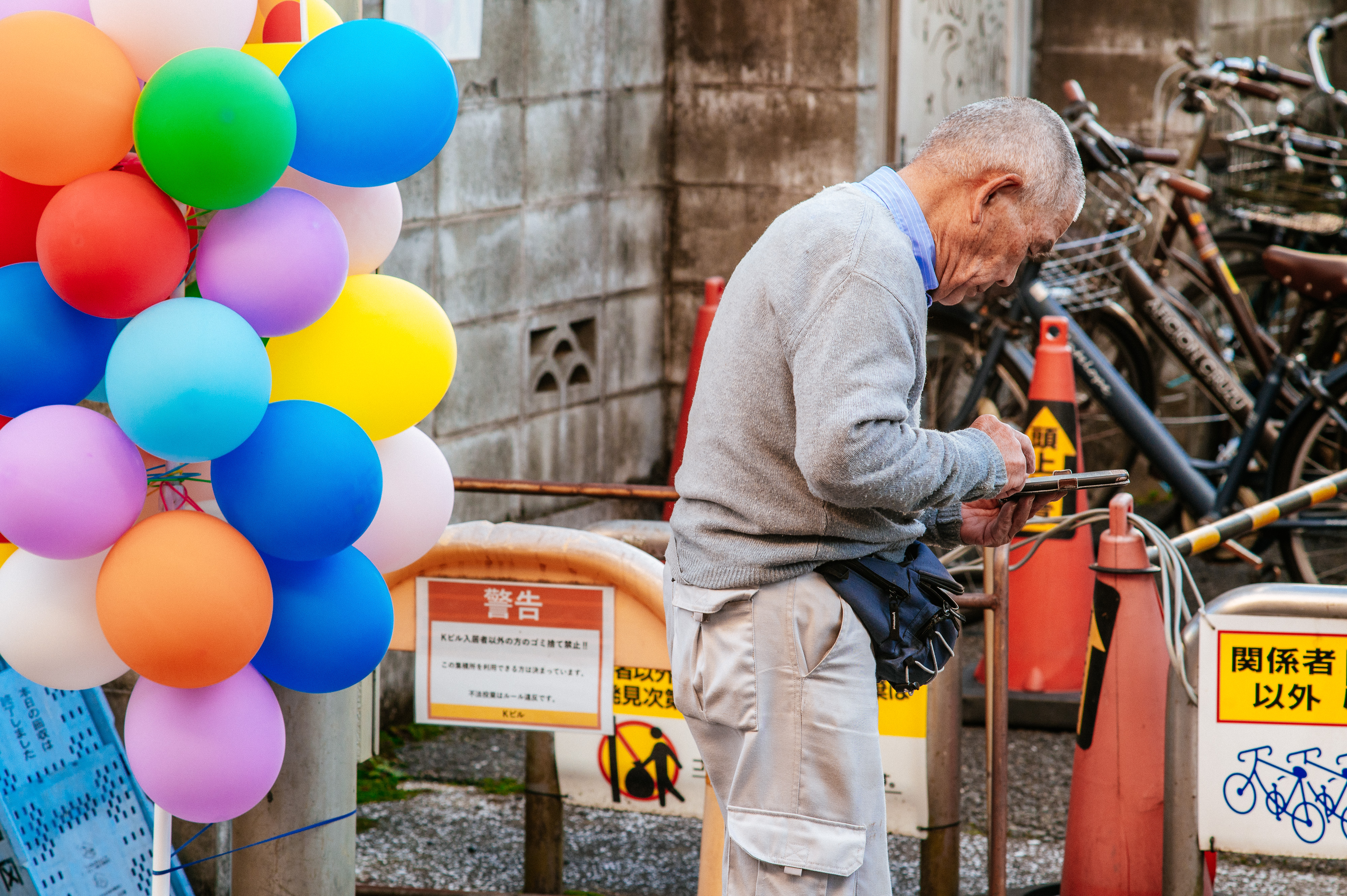
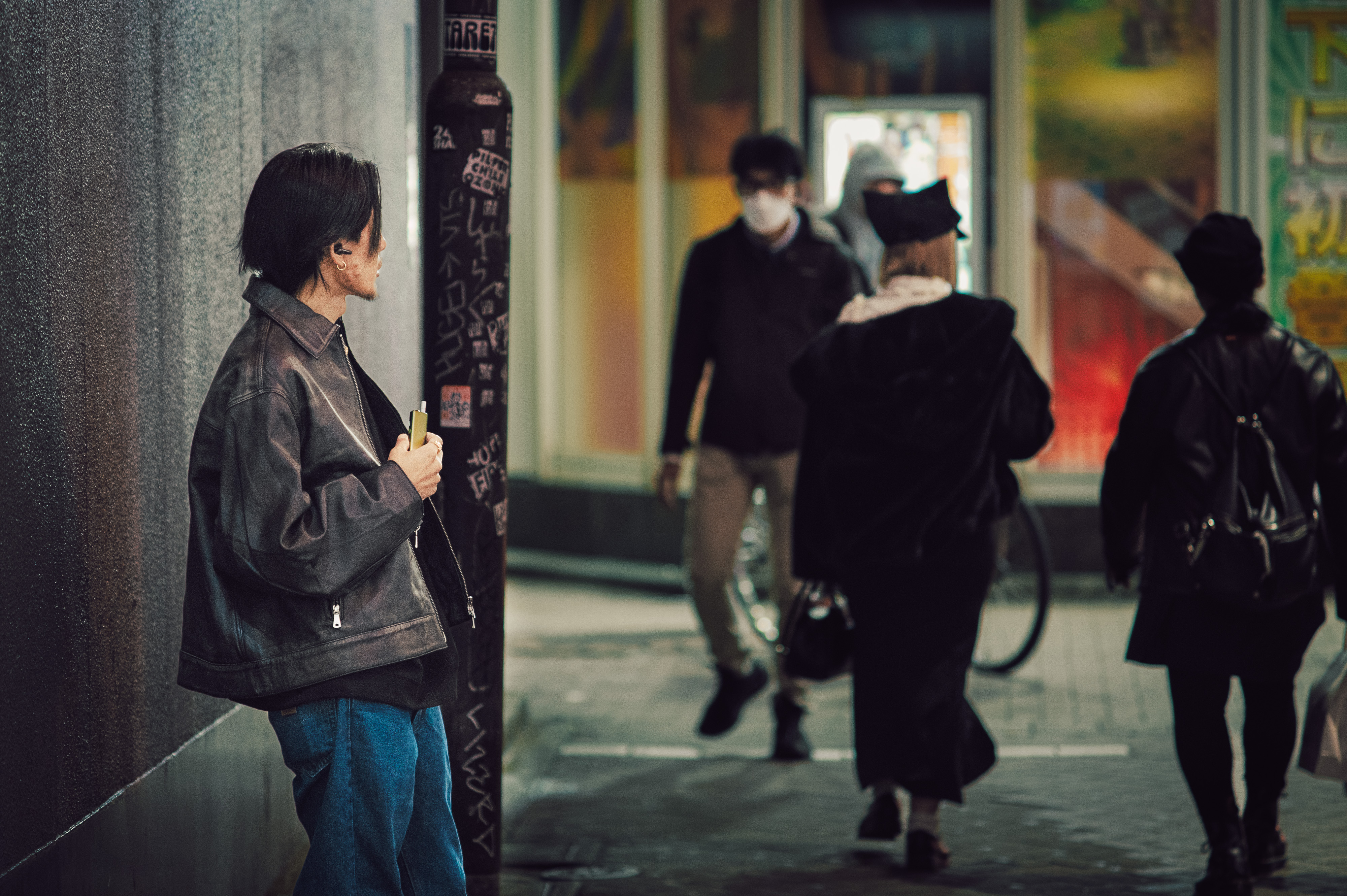
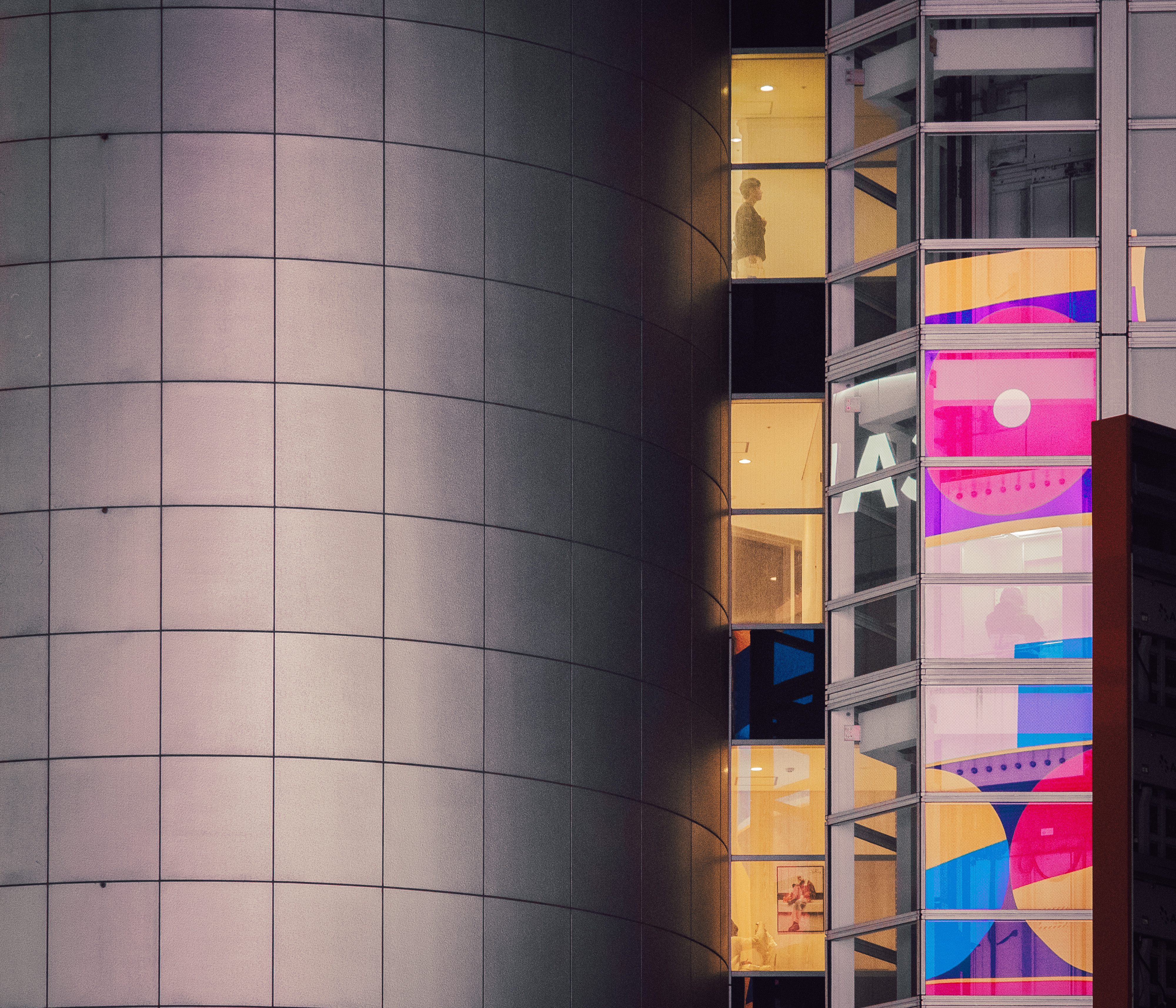
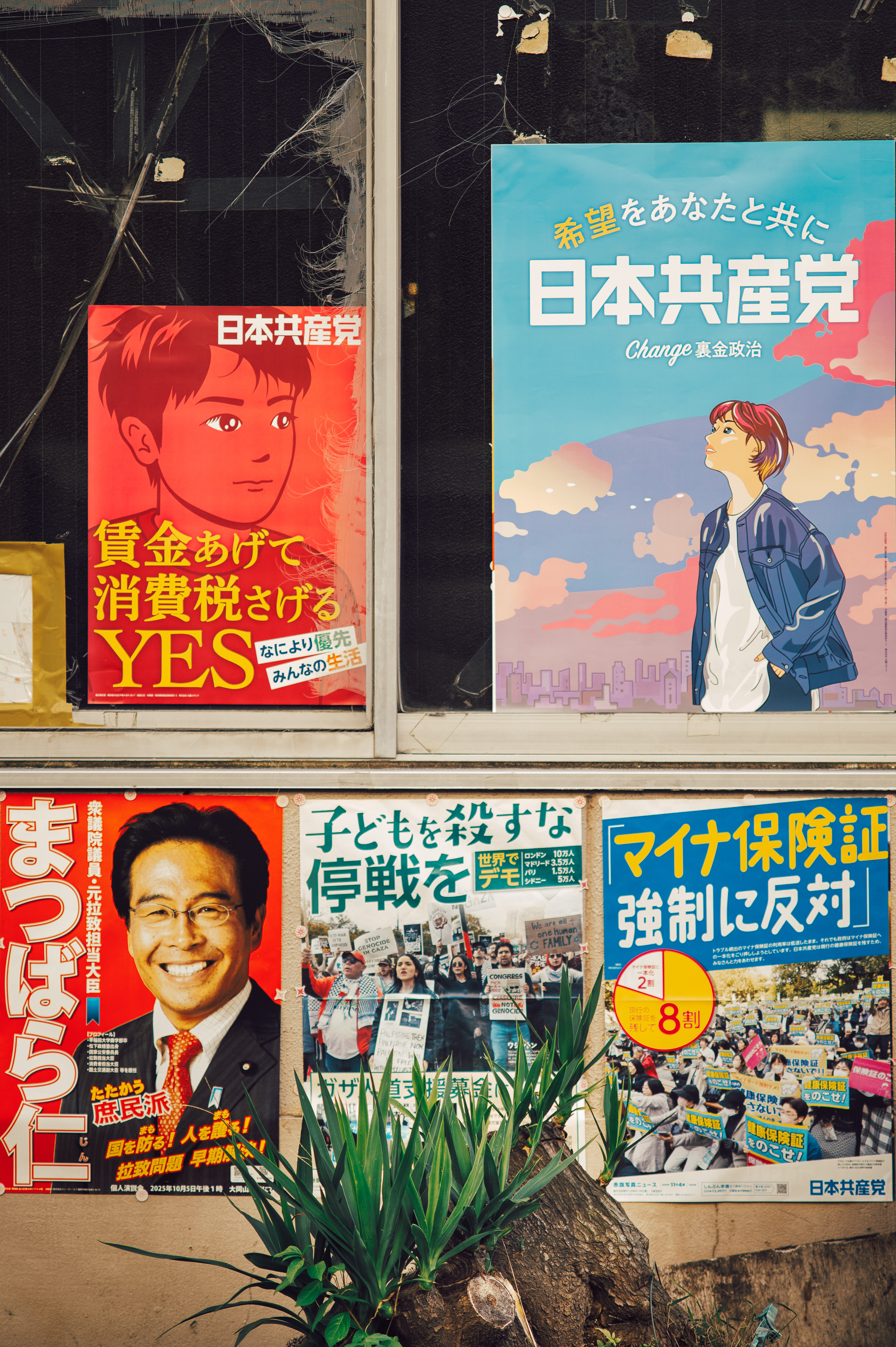
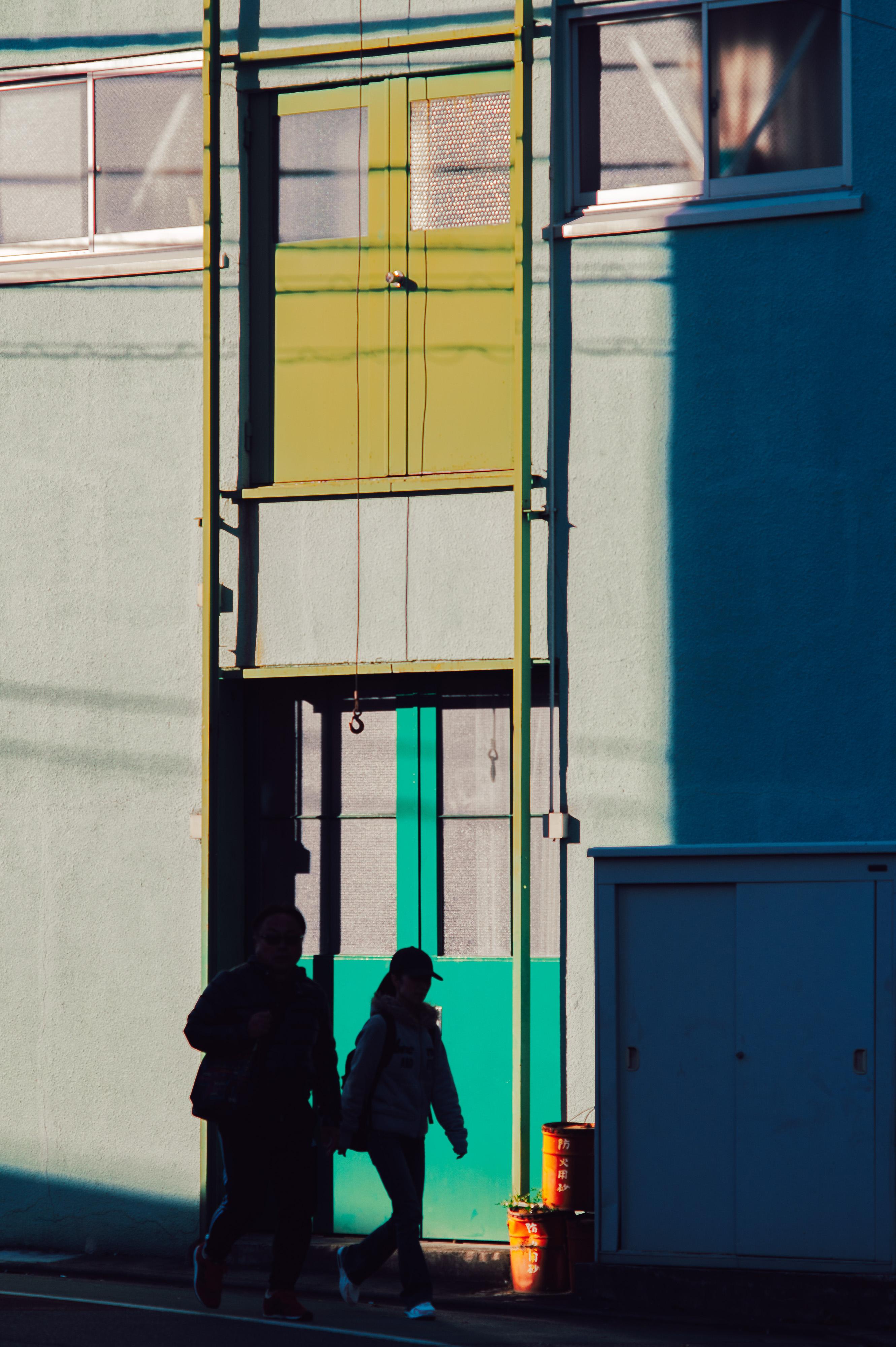
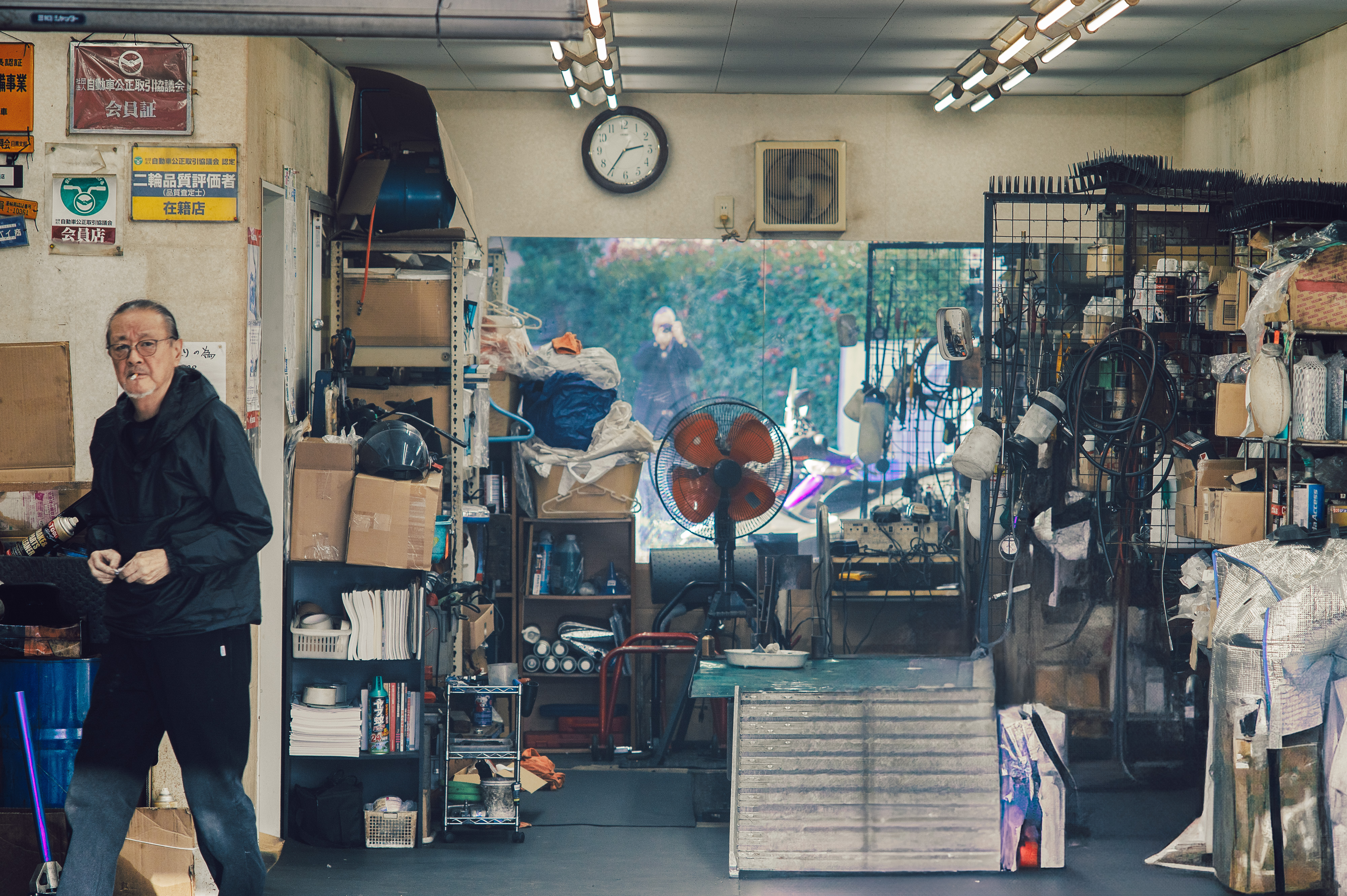
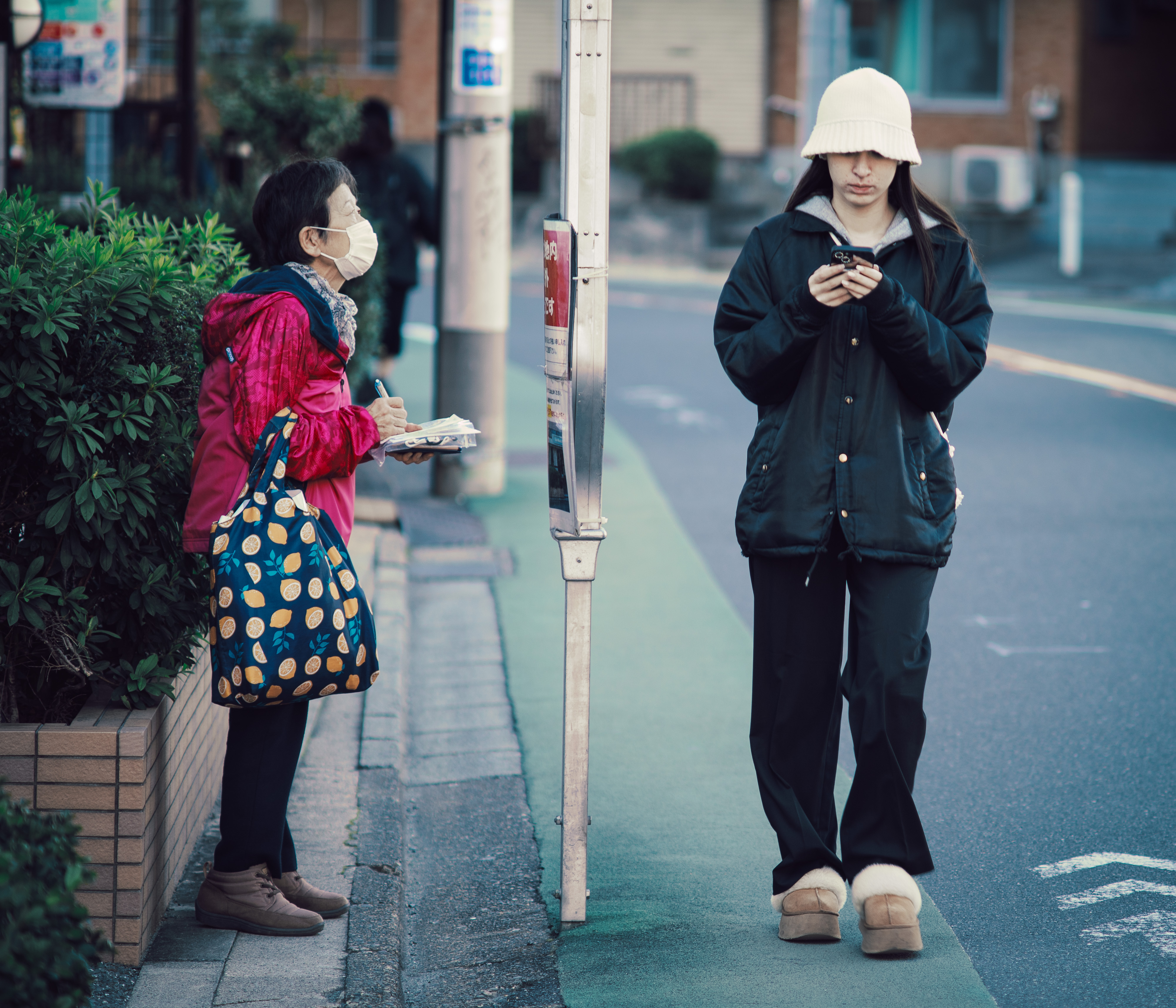
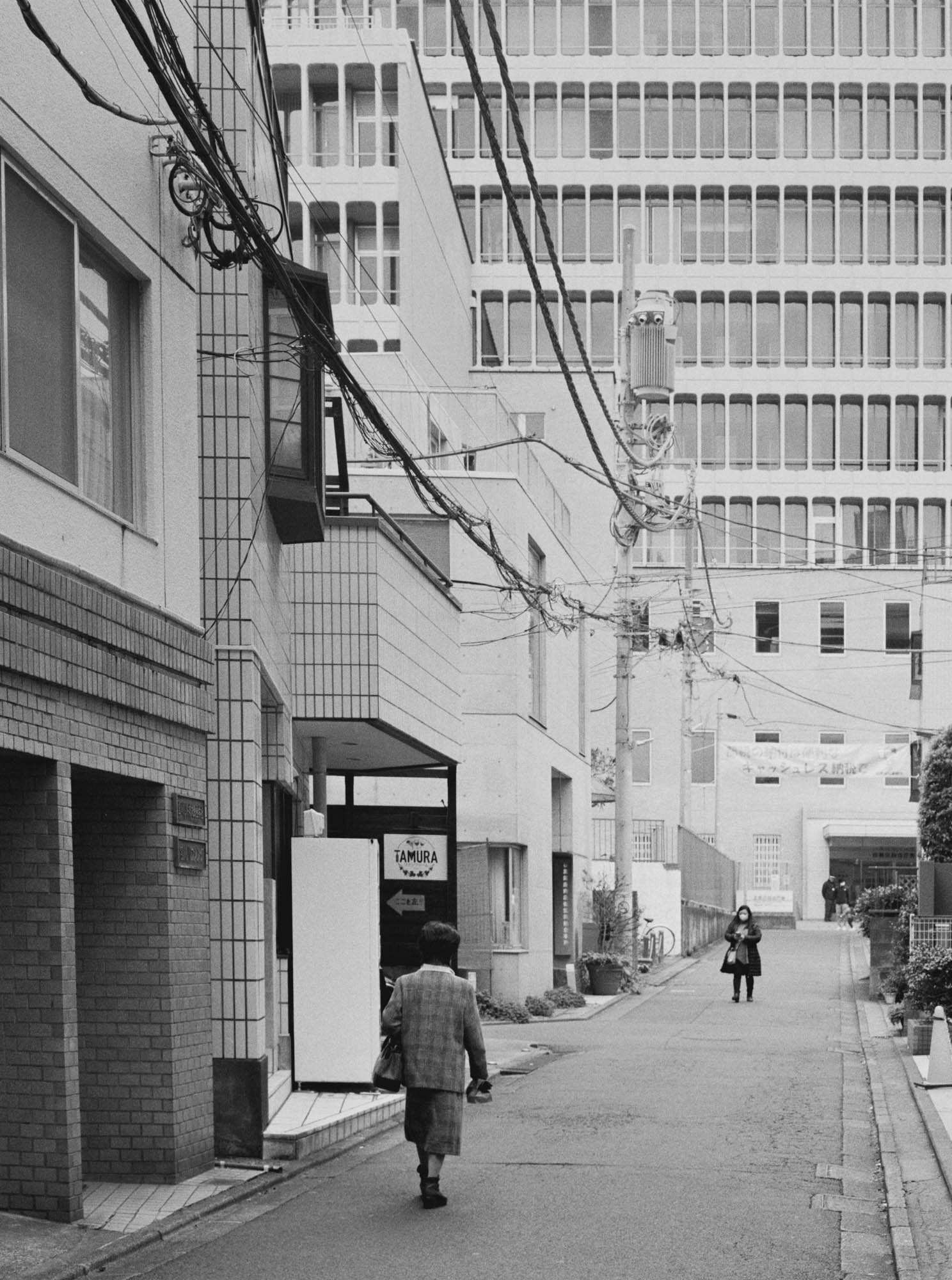
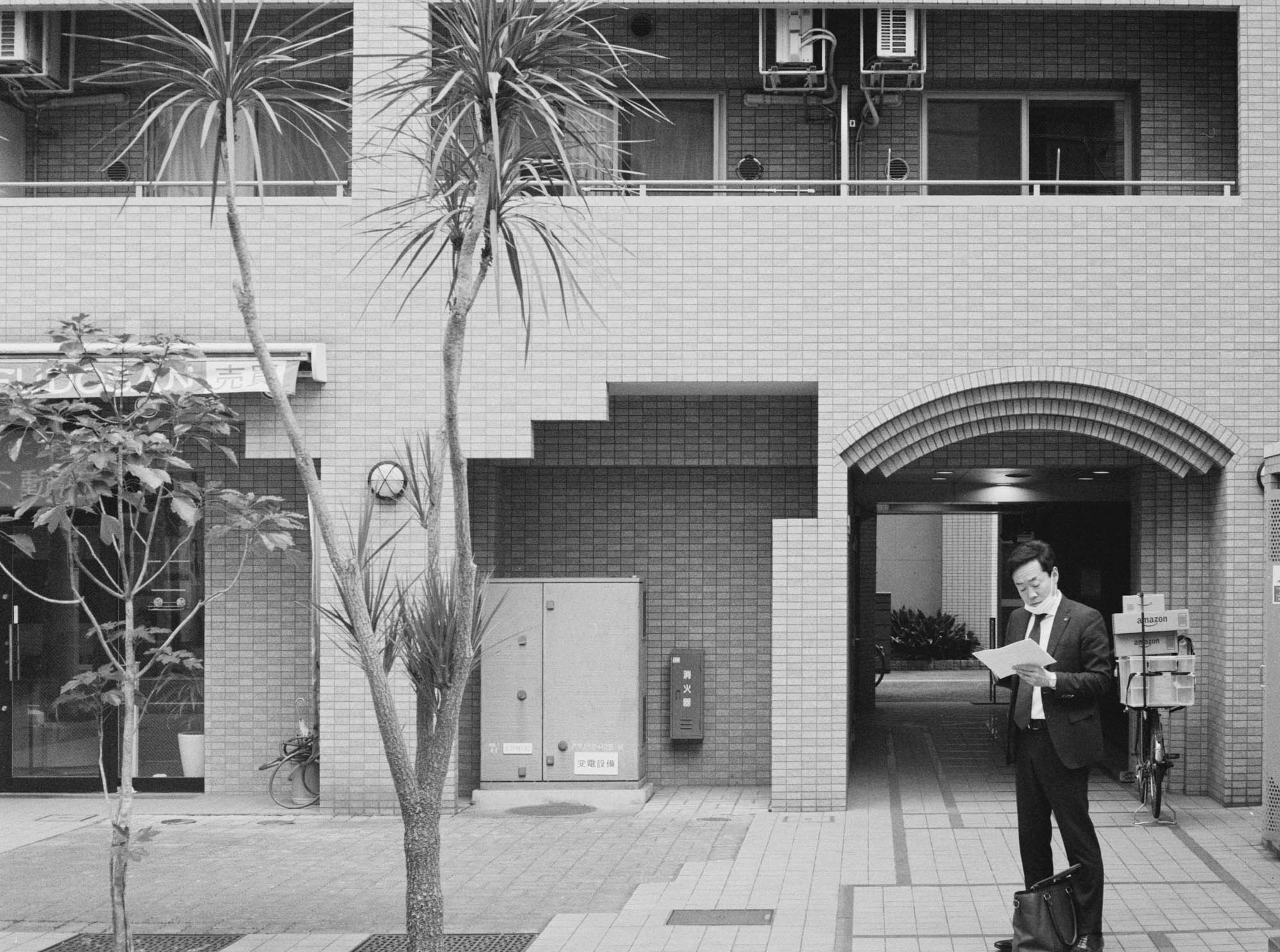
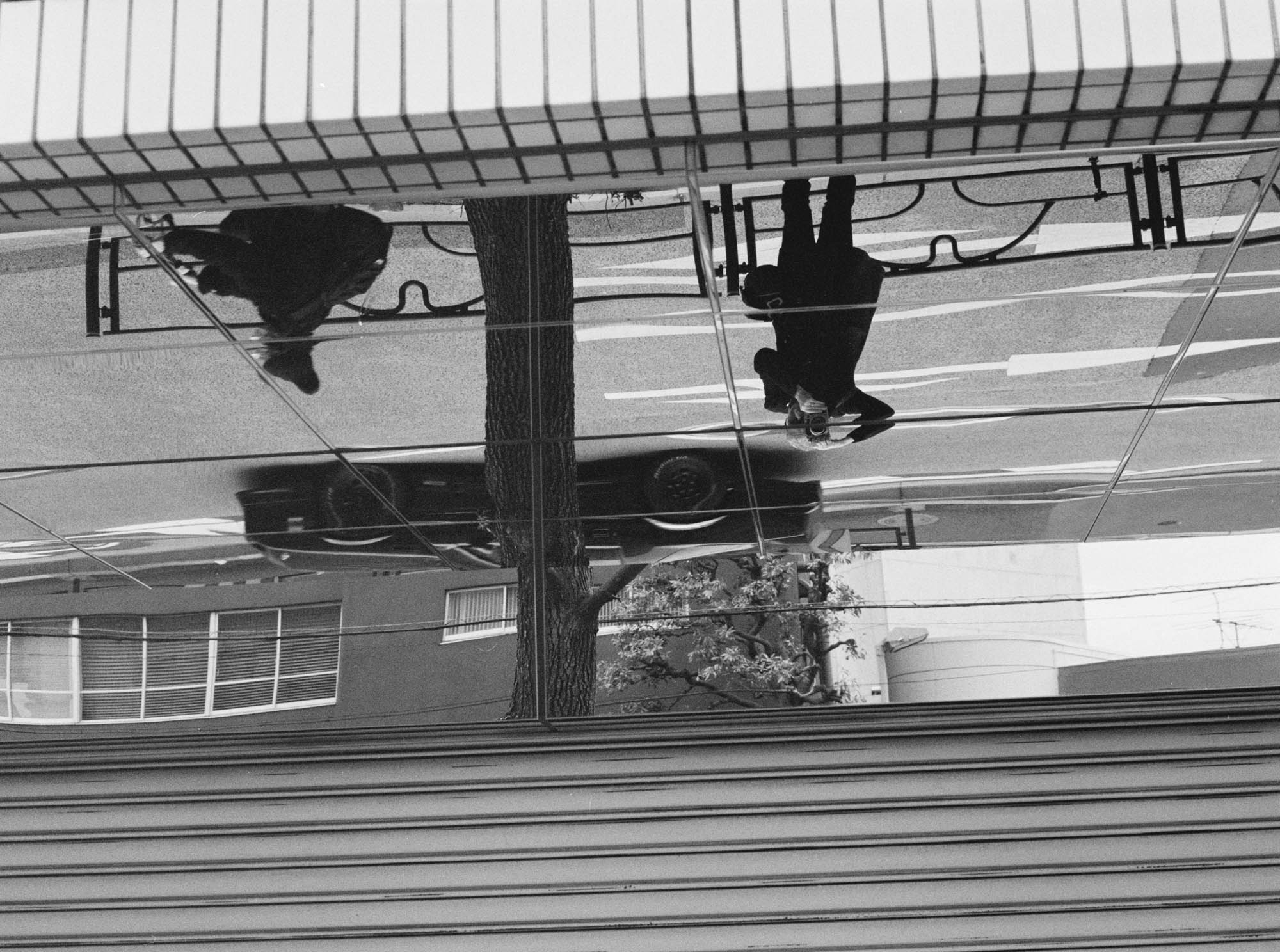
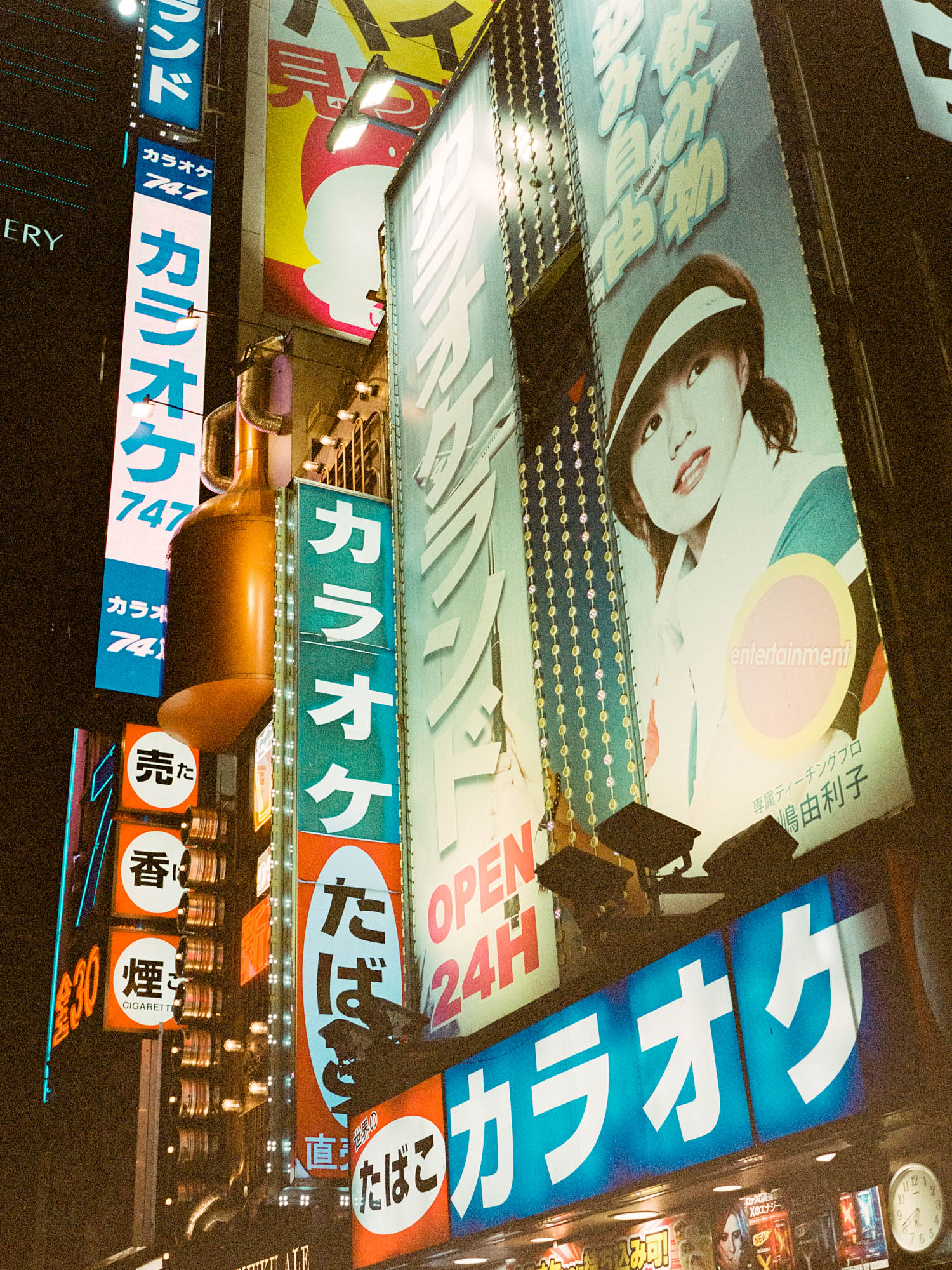
To put the repaired lens through its paces, I paired it with the OM System OM-3 during a trip to Tokyo. My destination was Shin-Okubo, the city’s vibrant Korea Town, where I spent an evening exploring the streets with a focal length that most photographers would consider unconventional for street photography.

A 150mm equivalent lens is certainly not the obvious choice for documenting urban life. It limits your field of view and makes it difficult to capture broad scenes or environmental context. However, it also offers advantages that wider lenses cannot match.

The focal length allows photographers to isolate distant subjects and create compositions free from distractions. Rather than immersing viewers in a scene, the lens encourages a more selective and observational style of photography. It becomes a spotting lens, helping you identify moments unfolding across the street and frame them with precision.

This approach works particularly well for candid photography. The extra distance allows subjects to remain natural and unselfconscious while still filling the frame with detail and character. Although it may not suit every photographer’s style, it can produce compelling results for those who enjoy a more detached perspective.

More Than Just Technical Excellence

What keeps drawing me back to the Olympus 75mm f/1.8 is not simply its image quality. Plenty of lenses are sharp. Plenty of lenses have attractive bokeh. What makes this lens special is the way it encourages creativity.

Using it requires a different way of seeing. You quickly learn to look for details, gestures and moments that might be overlooked with wider lenses. The limitations become part of the creative process, forcing you to think differently about composition and storytelling.

Looking back at the photographs from Tokyo, I remember not only the images themselves but also the enjoyment of making them. Even when I knew I was missing wider contextual shots, I found myself embracing the unique perspective this lens provided. Every frame felt deliberate and carefully observed.

There is also that difficult-to-define quality that photographers often refer to as “3D pop.” Whether it comes from the focal length, the aperture or some combination of optical characteristics, the images possess a sense of depth and presence that feels unusually engaging.

That is why, despite the repair cost approaching the value of a good used copy, I never seriously considered replacing it. The Olympus 75mm f/1.8 remains one of the finest lenses available for the Micro Four Thirds system and a perfect example of what the format can achieve. More than a decade after buying it, it continues to earn a place in my camera bag on every trip, and it remains one of the few modern lenses that genuinely excites me every time I use it.

Trying out the Nikon 135mm f/2.8 Ai-S Manual Focus Lens on Digital and Film

Let’s talk about 135mm lenses.

Not the legendary, collector-grade optics that command eye-watering prices on the second-hand market. I’m talking about the humble, often-overlooked 135mm lenses gathering dust in the lower reaches of eBay listings, sitting somewhere between “well used” and “please check photos carefully.”

For reasons I don’t entirely understand, old 135mm lenses seem to have fallen out of fashion. Perhaps they’re caught in an awkward middle ground. They’re a little too long for everyday portrait work, a little too short for serious wildlife photography, and in an era dominated by versatile zooms, they can seem somewhat impractical.

After all, modern zoom lenses offer tremendous convenience. When you can’t physically move closer or further away—or simply don’t want to—being able to adjust your framing with a twist of the zoom ring is undeniably useful. For sports or action photography, a zoom lens is usually the obvious choice.

But there’s still something appealing about a dedicated telephoto prime.

The Nikon 135mm f/2.8 AI-S, introduced in 1981, represents the culmination of Nikon’s long-running line of manual-focus 135mm lenses. While it shares its optical formula with the earlier AI version, Nikon improved the lens coatings, giving it excellent contrast and resistance to flare. The fact that it remained in production for over two decades speaks volumes about its popularity and capability.

Back in the 1980s, serious photographers often preferred primes over zooms because zoom technology simply hadn’t reached the quality levels we take for granted today. Prime lenses were typically faster, lighter, and optically superior.

Even now, those advantages remain relevant. At 425 grams, the 135mm f/2.8 AI-S is compact enough to carry comfortably while still feeling reassuringly solid. It embodies the best of Nikon’s manual-focus era: metal construction, smooth mechanical operation, and a tactile quality that’s increasingly rare in modern lenses.

One particularly thoughtful feature is the built-in retractable lens hood. As someone who regularly forgets to pack lens hoods, having one permanently attached is a welcome convenience.

Taking a 135mm to Tokyo

When I picked up my copy in Japan, I wasn’t entirely sure what role it would play in my photography. I had purchased it from a used camera store in Tokyo for around 17,000 yen—a reasonable price for a lens that, despite its “B” grade condition, turned out to be mechanically excellent and optically clean.

Naturally, I decided to test it in one of the busiest places imaginable: Shibuya.

Using a 135mm lens on crowded city streets presents challenges. There were certainly moments when I wished I had a 35mm lens attached instead. Yet the longer focal length offered a completely different way of seeing the city.

Rather than photographing the whole scene, I found myself isolating details, extracting individual moments from the chaos, and capturing candid portraits from a comfortable distance. The lens allowed me to pick out visual fragments that might otherwise have been lost amid the noise and activity.

Its relatively fast f/2.8 aperture also proved valuable after dark. Tokyo’s neon-lit streets became a playground for selective focus, with subjects emerging from backgrounds rendered into soft, creamy blur.

Of course, that shallow depth of field can be both a blessing and a curse. At 135mm, maintaining critical focus becomes more demanding, especially when photographing moving subjects. There were plenty of occasions where I had to accept that only part of a scene would be perfectly sharp. But when everything came together, the results had a distinctive look that justified the effort.

Digital and Film Performance

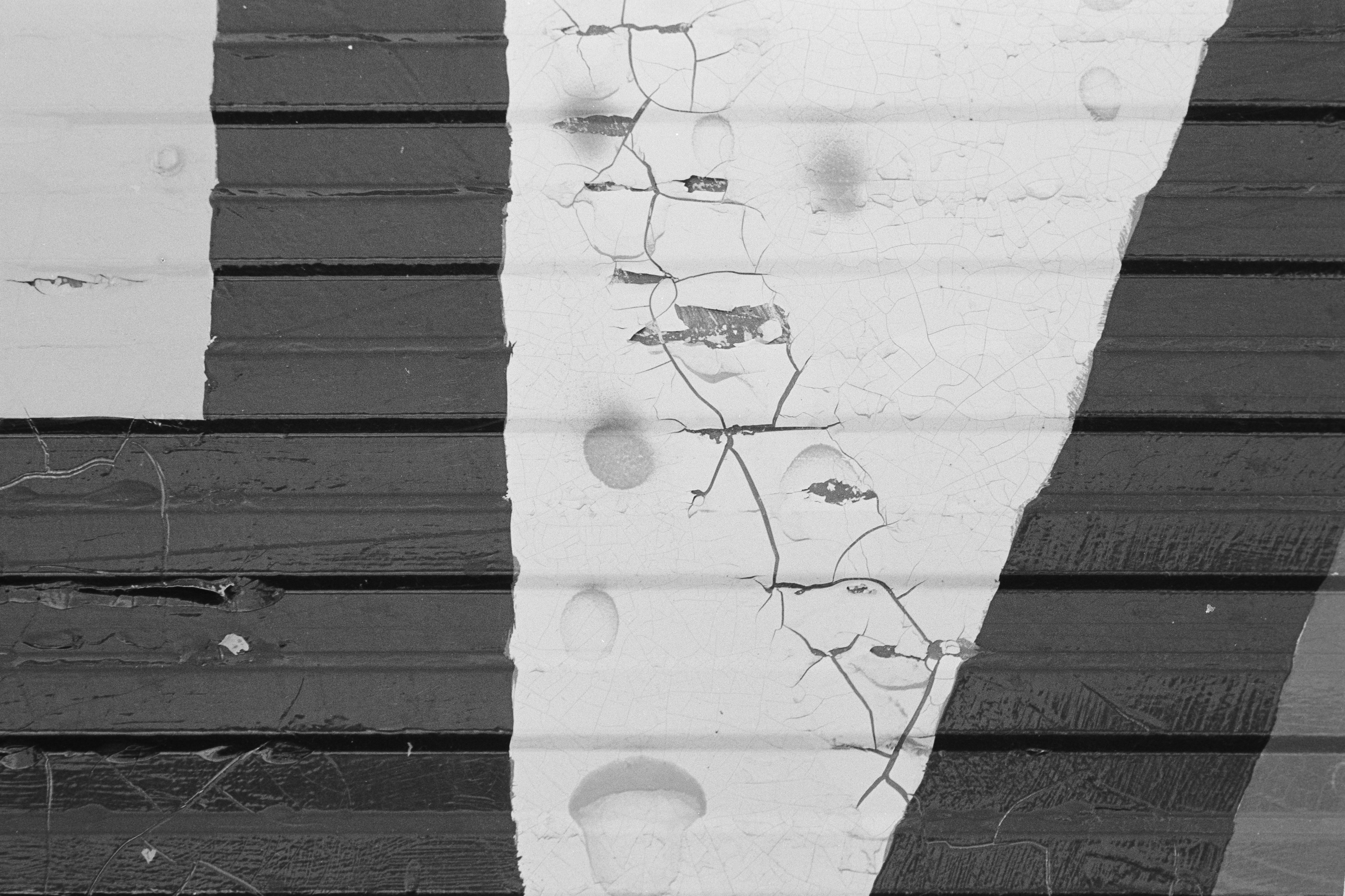
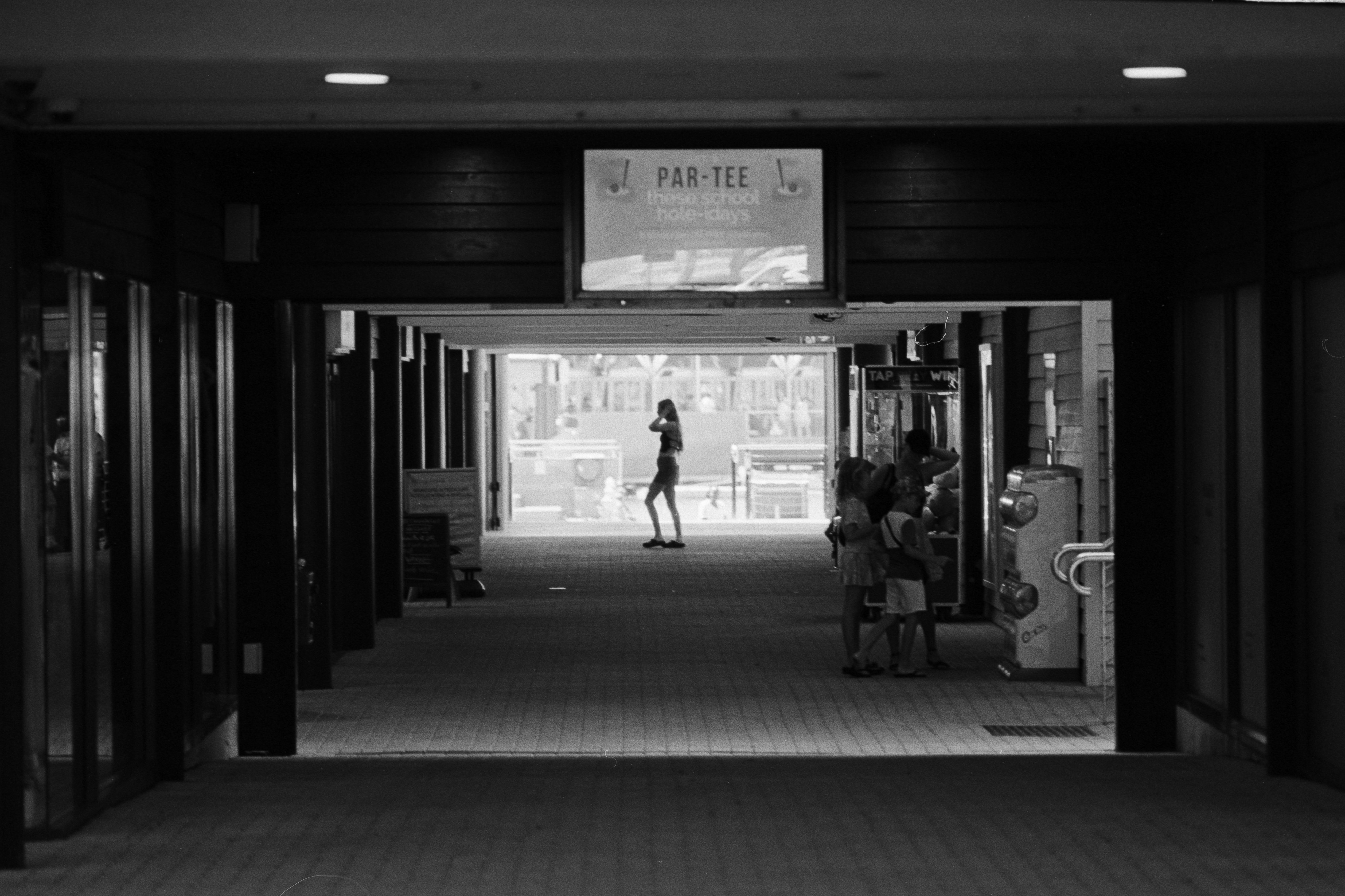
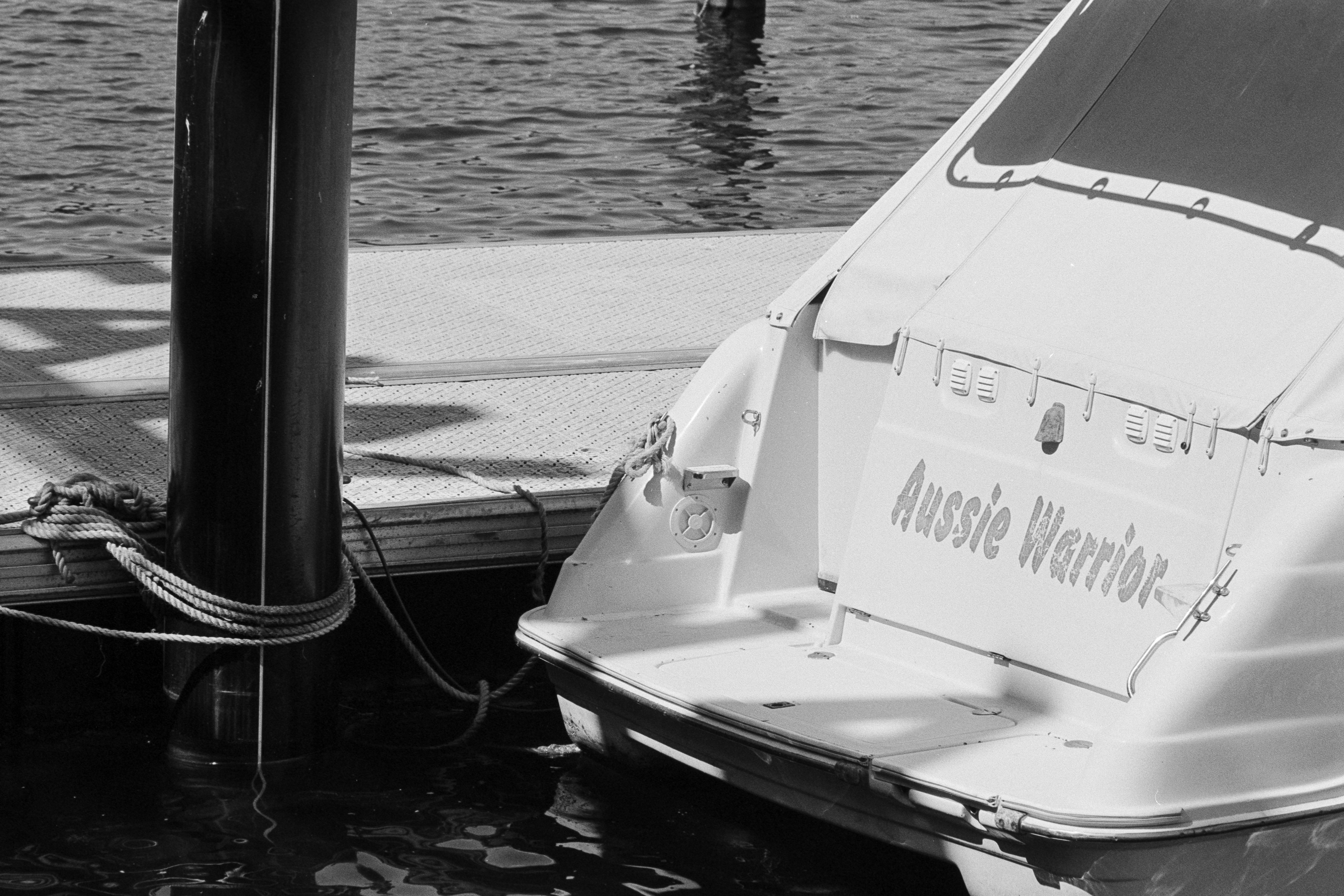
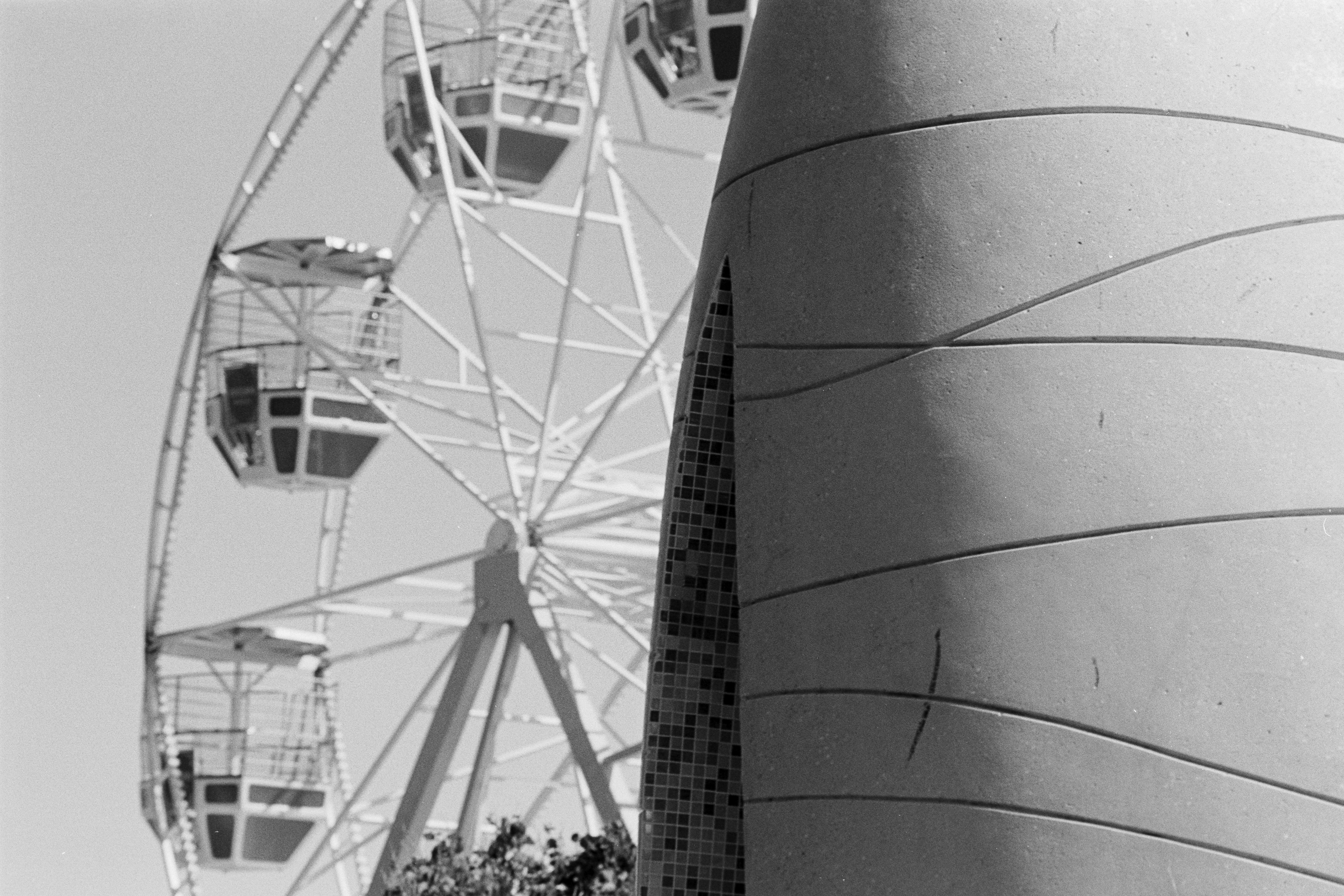
While most of my initial testing took place on a Nikon Z6 via an adapter, I wanted to see how the lens performed in its natural habitat: on film. Back in Perth, I loaded a roll of Kentmere 100 into my Nikon FE and spent a sunny summer day photographing Hillarys Boat Harbour.

The results confirmed my impressions from Tokyo. The lens is sharp—more than sharp enough for real-world photography. I’m not interested in pixel-peeping competitions or laboratory measurements, but the images displayed excellent detail and clarity. The bright Australian sunlight allowed me to work at comfortable shutter speeds, while the improved coatings and built-in hood kept flare well under control.

Optically, the lens performs admirably across the board. Vignetting is visible at wider apertures but largely disappears by around f/5.6. Distortion is virtually nonexistent, chromatic aberration is minimal, and highlight blooming is remarkably well controlled for a lens of this vintage.

Most importantly, the out-of-focus rendering is beautiful. The combination of focal length and aperture produces smooth, pleasing background blur that helps subjects stand apart from their surroundings.

The Value Proposition

When discussions turn to Nikon’s classic medium telephoto lenses, the 105mm f/2.5 usually receives the lion’s share of attention. It has earned a near-mythical reputation among photographers, and deservedly so. But the 135mm f/2.8 offers something compelling: exceptional value.

It’s often available for significantly less money than the famous 105mm while delivering excellent image quality, slightly greater subject compression, and equally attractive bokeh. The longer focal length creates a distinct look that many photographers may actually prefer. In fact, here’s the secret that doesn’t get mentioned often enough: most manual-focus 135mm lenses from major manufacturers are excellent.

Whether you’re looking at Nikon, Canon, Pentax, Minolta, or Olympus, these moderate telephoto lenses benefited from relatively straightforward optical designs that manufacturers had refined for decades. As a result, even affordable examples tend to perform surprisingly well.

Final Thoughts

The Nikon 135mm f/2.8 AI-S has quickly become one of my favourite lenses. Part of that comes down to image quality. Part of it comes down to the beautifully engineered manual-focus experience. But perhaps the biggest factor is simply the value it offers.

It’s a lens that reminds me why vintage photography gear remains so appealing. For a relatively modest investment, you get a beautifully made optic capable of producing images with character, sharpness, and personality.

In a world obsessed with the latest and greatest equipment, the humble 135mm remains one of photography’s best-kept secrets. And for that reason alone, it’s worth another look.

Three Rolls of Film with the Fuji GA645Zi in Tokyo Japan

The Fuji GA645Zi is my favourite and least liked camera. I call him Harvey after Harvey Weinstein. Big, ugly and powerful, promising you the world but more likely to leave you traumatised with your creative ambitions in tatters. This article will explain why.

You have to hand it to Fujifilm for bucking trends. Throughout the last decades of the film era, while Canon and Nikon were squeezing the last juice out of the 35mm SLR industry, companies like Fuji and Mamiya knew that the value of film lay in the quality and dynamic range of the medium and continued to innovate with larger format offerings that gave great quality while minimising the size. These days everyone lusts after the Mamiya 7 series of medium format rangefinders and this little device is a little neglected but in the 90s Fujifilm had a complete range of medium format cameras.

It’s 90s pedigree is unmistakable. Think boy bands, roller blading and the Rachel haircut. The same design sensibility carries through with its ‘champagne’ coloured plastic. You saw it on your Dad’s Honda Accord and you see it here… sleek and spangly, promising opulance like a knock off burberry handbag.

In the end, this is never going to win a camera beauty contest in the same way that a sumo wrestler isn’t going to be crowned Miss Universe. Its size alone makes this look gauche and clumsy. But as I keep protesting, looks aren’t everything. How does it perform?

Roll One

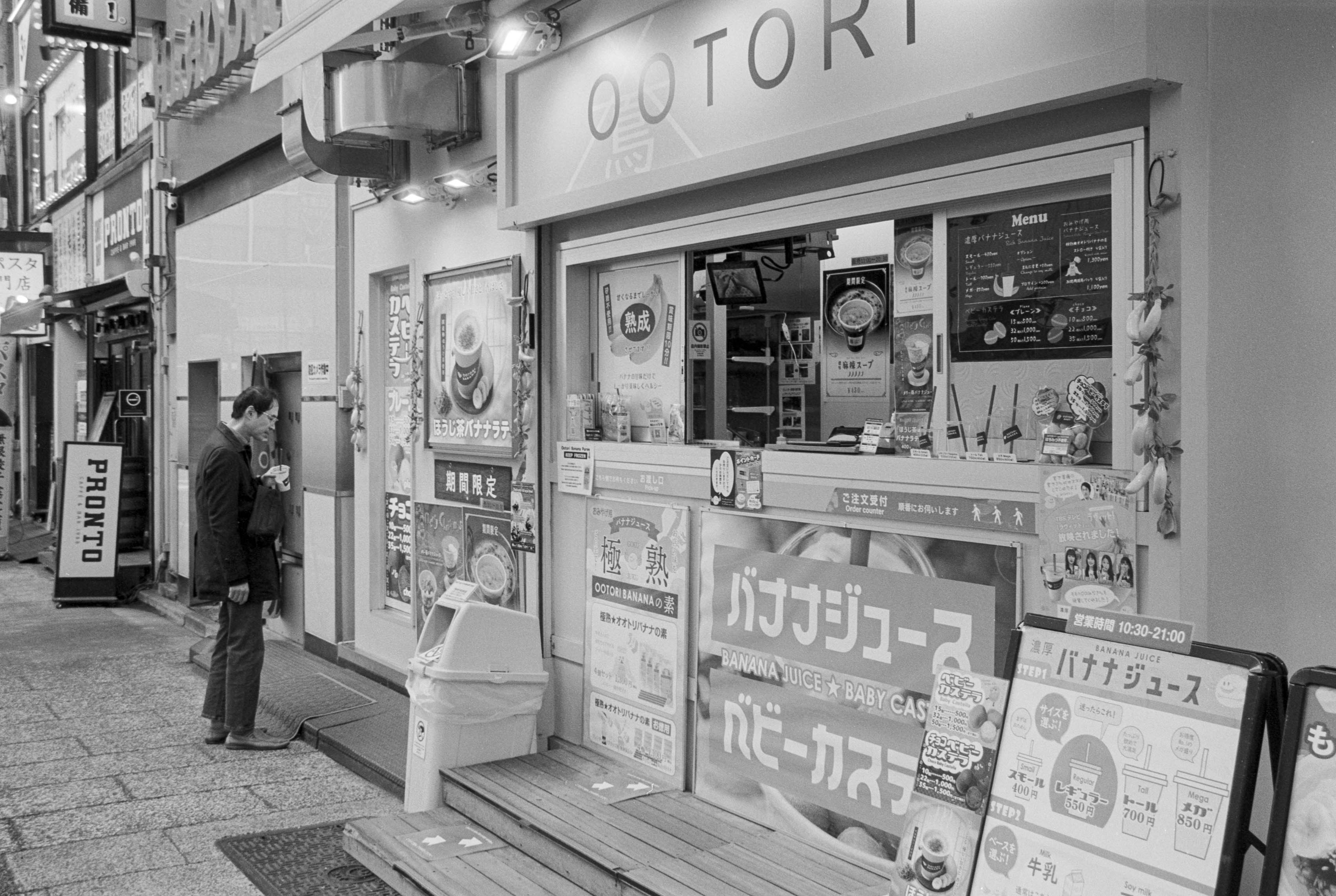
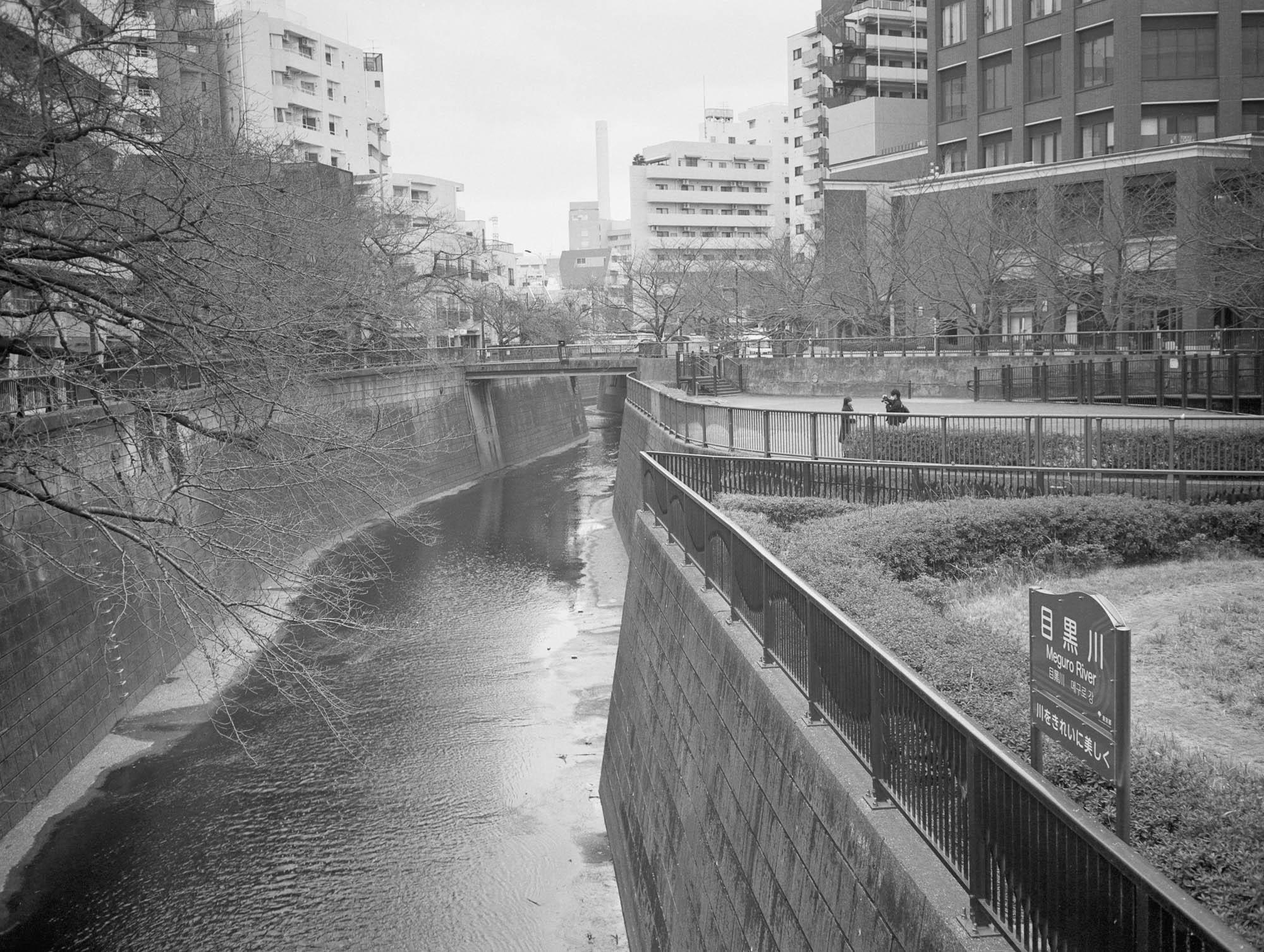
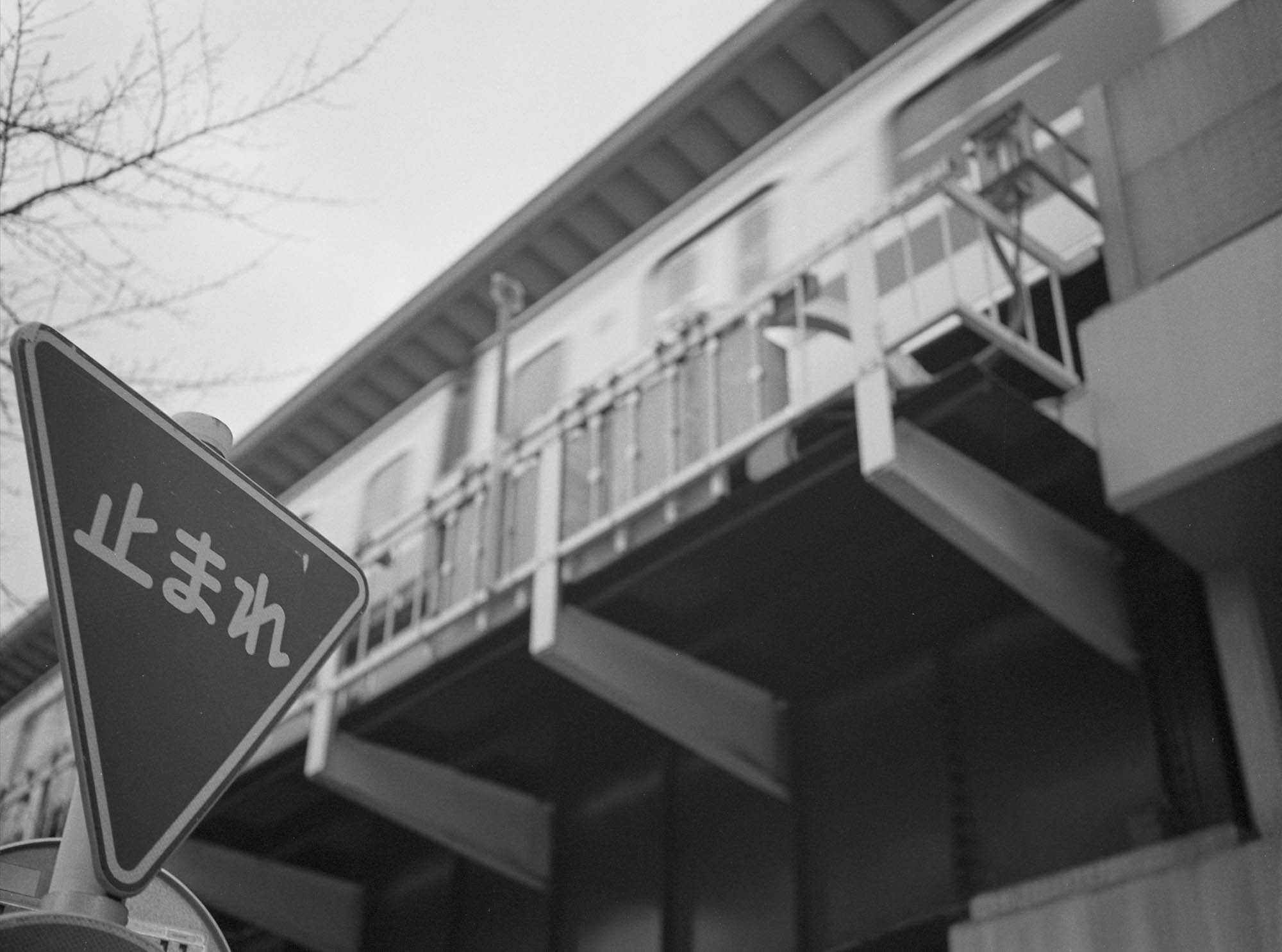
For the first roll, I shot Ilford Pan F Plus 50, which is a wonderful sharp film but in the dark wintry streets of Nakameguro perhaps was not the best idea.

You can probably tell that it has a sharp lens. With ten elements in ten groups, it has quite a complex design but with two limitations. Firstly, it’s has a measly 1.6x zoom range of 55-90mm. That makes it equivalent to 34-56mm in 35mm terms or ‘not very wide to not very long’ in human vernacular, and it moves in four steps rather than allowing you to zoom seamlessly.

Secondly, it struggles with a slow maximum aperture of F/4.5-6.9 through the zoom range. So Ilford Pan F 50 is probably not the best choice. Ultimately, it’s a point and shoot with all of the trade-offs that come with it.

It takes a while to start up and is not particularly responsive. It certainly gives you more control than a regular point and shoot, though, having two aperture priority modes, with the AS maintaining normal metered exposure so you can use flash for fill light rather than as a replacement for light. You can also shoot manual with it, though that’s an awkward process and I tend not to. Most of the time I leave it on Program mode, which is basically automatic but with the advantage of still requiring you to manually pop-up the flash. That works for me because of my biggest frustrations of most 35mm point-and-shoots is their tendency to default to autoflash when you turn them on.

It has autofocus too, obviously, and for the most part it works well. Again, it’s just like a regular point-and-shoot, where you focus on the centre of the frame with a half press and then recompose before releasing the shutter. It’s not fool proof, at least not for a fool like me. It misses focus occasionally. It does have one great feature, though, in that it let’s you know the general distance in the viewfinder before you take the shot. That gives you the chance to check beforehand and the fact that I find myself looking at it most of the time is probably a good indication that you need to be careful. It is still a step up from a regular point and shoot where you never know how it’s going to come out. It can also manually focus, which is kind of pointless here, since there’s no feedback to tell you whether you’re subject is sharp or not. You have to guess the distance and it’s so slow as not be not worth it most of the time. The only time I really see myself using this is if I want to shoot a set distance and I can’t move the camera because it’s on a tripod, or if I have to focus on infinity through glass and am worried about reflections tricking the focus.

So it is an awkward creature in many respects. Both frustratingly automatic and irritatingly quirky. Being a viewfinder camera, I have shot more than a few frames with the lens cap on. It actually does have a lens cap sensor that you can turn on that I didn’t even know that until I started to digging through the manual for the camera specs  for this video. You have to push up the zoom lever and turn the camera mode dial to the ISO setting. Not very intuitive. You can also turn the beep on by using the ISO setting with self timer but I just leave it off . And I promise you, I’ll completely forget how to change these settings after having published this.

Another quirky feature of this camera is the vertical viewfinder. Being 6×4.5, it’s pretty much a half frame camera, fitting two portrait images in a 6×9 frame. The best thing about this design, honestly, is the grip and the shutter button. The camera feels good in your hand, despite its size and I found my finger naturally fell on the button, even if I had to rotate it to do a normal landscape photo.

And you can use this camera quite well one-handed but it is fiddly. I did drop this in the centre of Shibuya several years ago but that was more because I was relying on a generic wrist strap purchased on ebay that broke on me than a problem with the grip. It survived well but learn from my mistakes here, kids, do not attach a flimsy Aliexpress wrist strap to your Leica M11.

So Harvey is something of a clumsy leviathan of a point and shoot and that’s not something you typically want with you when you’re out on the street. In dim light with slow film you’re battling with the exposure triangle, particularly  at the modest 55mm equivalent long end with its f/6.9 maximum aperture.

But what if we change film and actually give it a fighting chance? Can I do proper street photography with it?

Roll Two

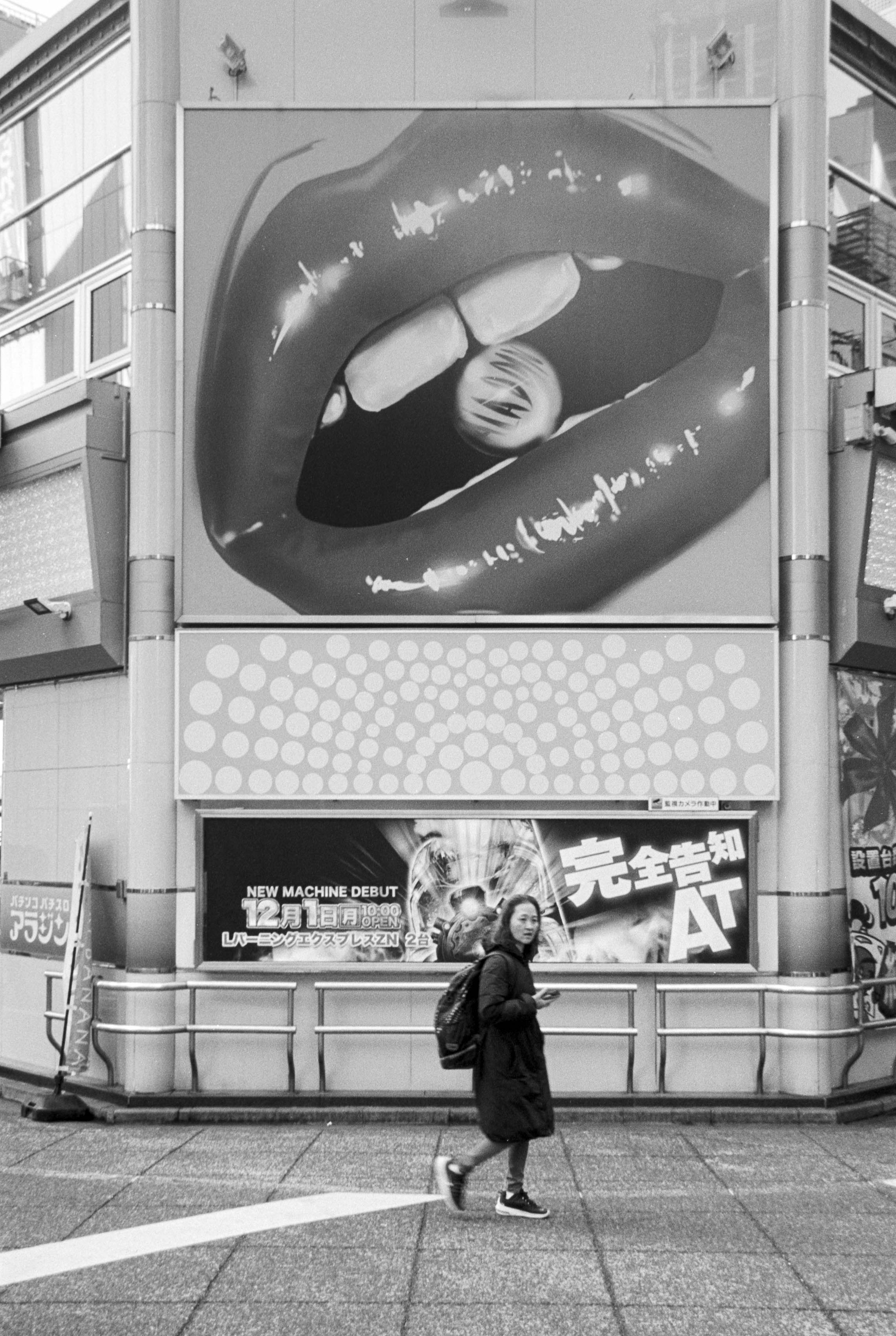
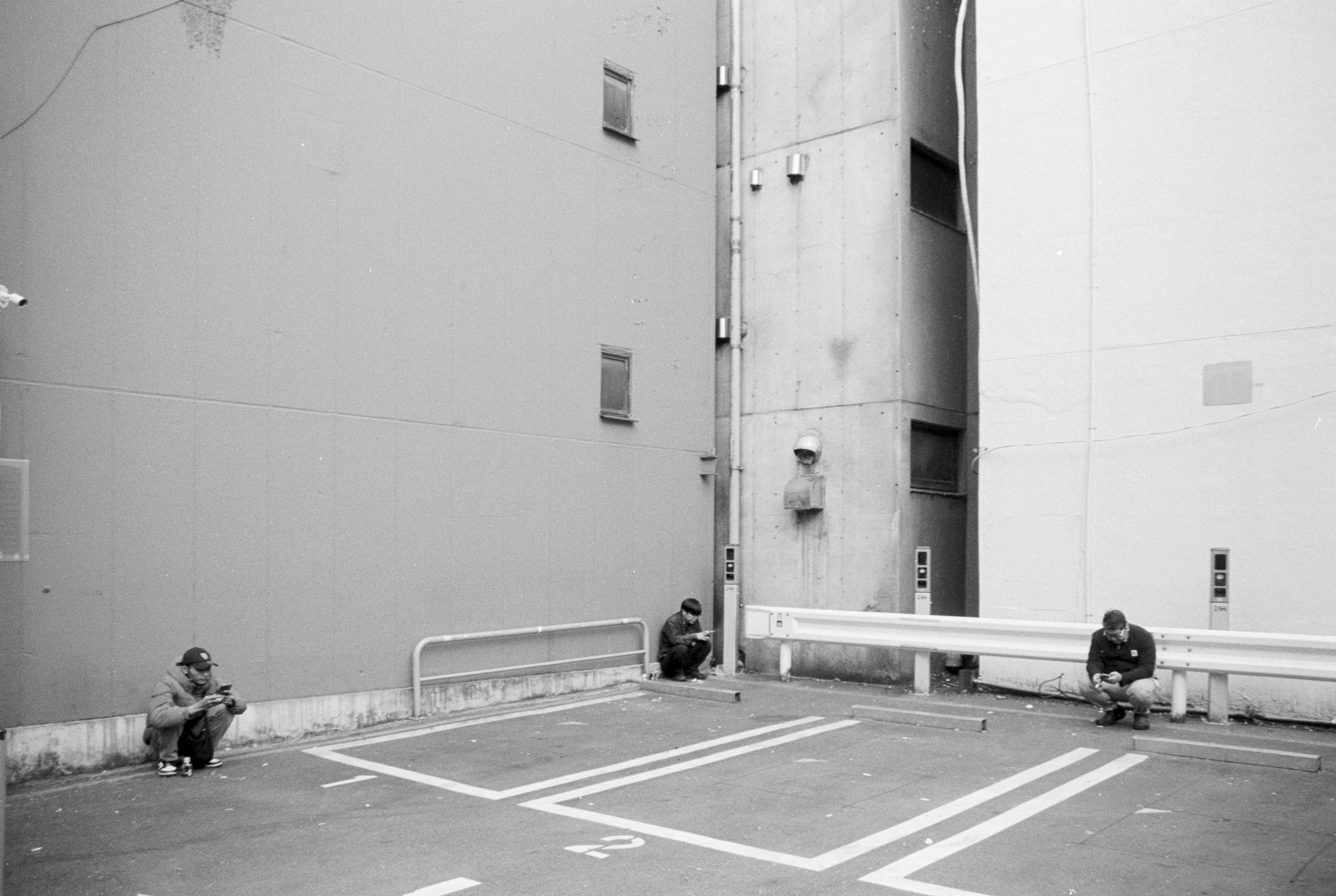
The second roll was more successful and no prizes for guessing that HP5 at 1600 is my preferred combination for this kind of photography. Being medium format, even when pushed two stops, the grain is small and refined and black and white streets lend themselves to a bit of grit anyway.

There are those that would argue that 6×4.5 isn’t true medium format. But a 6×4.5 is still 2.6 times the frame size of 35mm so that’s more than two and a half times the megapixels in today’s currency.

You still have room to crop but I find I’m less likely to do that than with my square frame medium format cameras. Here you have a 4×3 ratio that is exactly the same as my micro four thirds camera, and much more flexible than a square format. If you crop a 6×6 frame for horizontal or portrait orientation you lose the benefits of the larger real estate anyway. You could certainly go bigger but if you were 6×9 you’d need a bigger camera with a bigger lens and you would only get 8 frames. I do have a 6×9 camera but don’t use it as often just because of cost of consumables. Film has gone up in price and while we all have to make sacrifices to fund our hobbies my wife told me that apparently my kids still need at least one functioning kidney each to survive.

So this can be more economical on film but you do miss out on a little bit on that medium format ‘look’, where even with a moderate aperture and focal length you can throw out the background to get that soft blur and 3d pop. The out-of-focus areas are actually quite dreamy with this lens but with all of the compromises of the smaller frame and slow lens, combined with the focusing distance of 1m, you are limited to shooting people no closer than waist high, which doesn’t often make for a dramatic portrait, even though it could be a great tool for corporate head shots.

But if you want a studio camera, get a Hasselblad or Mamiya RZ. This a point and shoot. A point and shoot with one huge difference. It’s sharp. The lens resolves detail with surgical precision that can beat any 35mm camera and lens combination. With this in your hand, you’re really carrying with an analogue powerhouse.

Roll Three

I was not done yet. I had one final roll of film to go. Now for some Tokyo night photography, this time using Kodak Portra 800 Colour Negative film.

I was surprised how well I was able to shoot at night. I love 800 speed colour film, though most of the time, its cost puts me off using it. Perhaps it would not have fared so well in the darker corners of Tokyo but in the bright lights of Shinjuku, I was still able to do hand-held street photography quite comfortably.

Recommendations

As I said, at the beginning, I am ambivalent about this camera. I find the shooting experience to be the same as shooting with a regular point-and-shoot. The small viewfinder, slow response, lack of feedback and overall plasticky feel of the camera body gives me a sense of remoteness from the experience and to use a well worn cliché using it doesn’t ‘spark joy’ the way some of my other old cameras do.

And yet, I find myself using it more than any other medium format camera I own. While not exactly pocketable, it is compact, convenient, and once you get to know its quirks, using it as an auto-everything photo maker can be quite liberating. This has been with me around the world since I first got it in 2015 and I’ve taken some great shots with it.  The good thing about it being so ugly is I never feel that I’m going to get mugged while I carry it through some of the sketchier parts of town. Straight after the safe streets of Tokyo, I took it through the chaos of the Pettah region of Colombo and it drew only the occasional glance of confusion or mild disdain. And I’m used to that.

That doesn’t mean I’m relaxed about Harvey, though. Everything’s electronic and I suspect I’m living on borrowed time. Like a lot of automatic zoom cameras of the era, many of the parts are fragile and there are lots of stories about ribbon circuits in particular flexing and breaking after long-term use. That will kill the zoom mechanism eventually and one of the known problems with this is the cable that connects through the back of the camera to the LCD makes it difficult to read the frame counter when it wears out.

The fact that there you can buy new generic replacement ribbon cable parts for this camera is probably the best indication that it’s a ticking time bomb. Even if you can source the parts, though you will have a hard time getting it fixed. I bought this camera for AU$650 eight years ago but now the price has jumped up so much that I’d hesitate to replace it if it broke.

Would I recommend it to others? In some situations, yes, and in others no. As I wrote, I’m ambivalent. And you know the old joke about ambivalence. What’s the difference between ignorance, apathy, and ambivalence? I don’t know and I don’t care one way or the other.

That’s not true about this camera. Whether I’d suggest this camera to others, is not a straight yes or no. This is a camera that has some limitations and requires you to get to know it to use it properly. But once you do you can be stunned by the results and it inspires anything other than apathy. Just carrying it labels you as a 90s icon, it’s champagne accents perfectly complementing the frosted tips of your bleached blond hair as you cut a swathe through the crowd at that Fresh Prince concert to capture those classic hip hop poses on celluloid.

I know that I for one can’t help but get a little bit jiggy with it when I try to squeeze it into the pockets of my cargo pants while I’m out on the streets of Tokyo.