First Roll Impressions of Ilford Ilfocolor 400 and the Randomness of Film Photography

Welcome to a story about failure. Admittedly, that’s hardly a departure from the usual content around here, but this time the failure isn’t entirely mine. Well, not entirely. Today we’re looking at the wonderfully unpredictable world of colour film photography, where every stage of the process offers another opportunity for disappointment, confusion or outright catastrophe.

Film has a habit of seducing you with promises of beautiful colours, timeless character and authentic imperfections before reminding you that you’re actually just one careless mistake away from destroying an entire roll of memories. It’s a fickle mistress that whispers sweet nothings about dynamic range and grain before gaslighting you into believing you’re simply not good enough to use it properly.

That probably says more about my personality than film itself, but there really is something uniquely masochistic about the medium. A digital photographer can happily expose thousands of images knowing they’ll survive until they reach Lightroom. Film, on the other hand, spends every stage of its existence looking for new and inventive ways to go wrong.

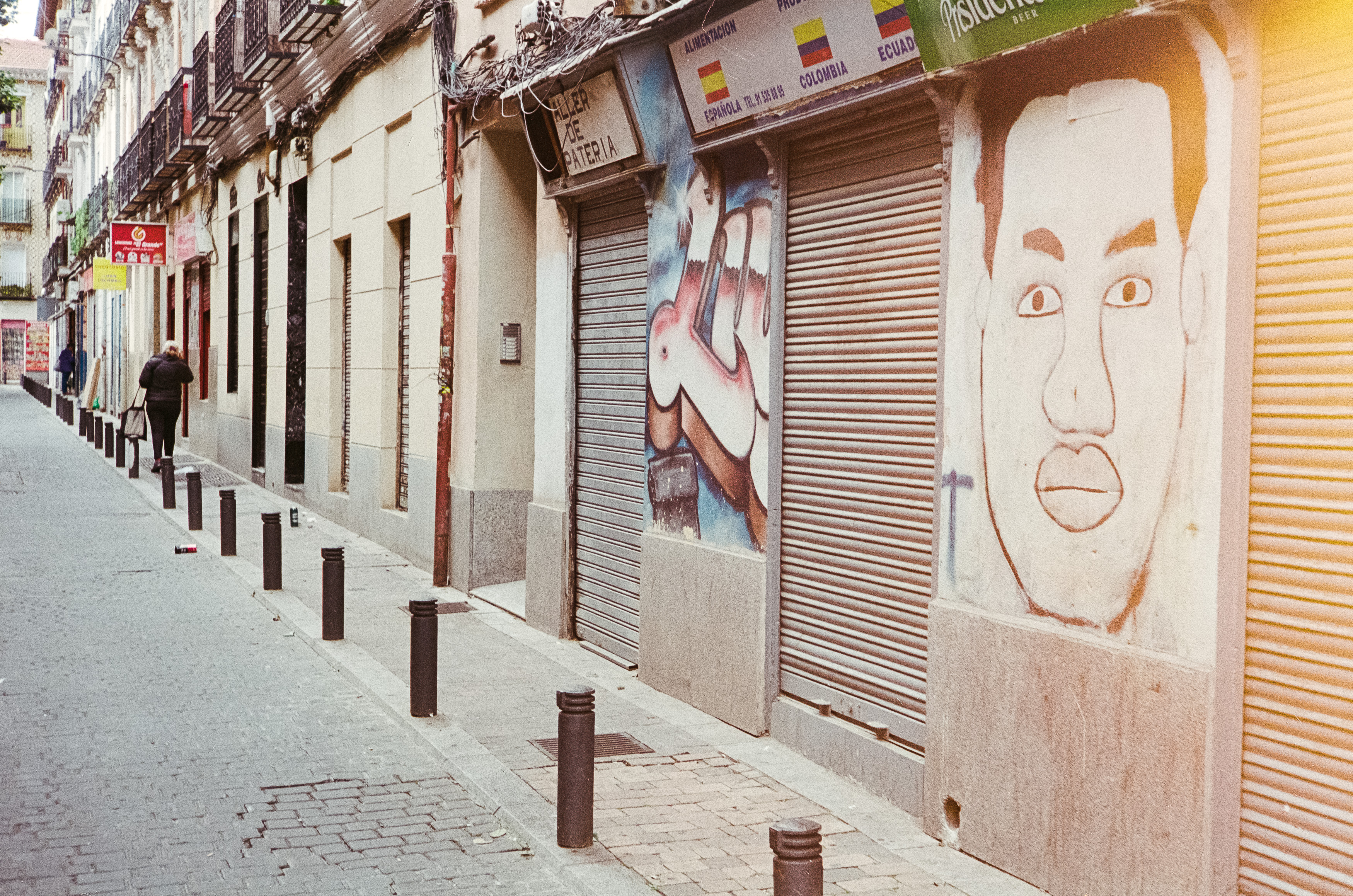
To demonstrate that point, I took two very different rolls on recent trips around Europe. One was the relatively safe option: Fujifilm 400, shot during a brief work visit to Madrid. The other was Ilford Ilfocolor 400 Vintage Tone, a film I’d never used before and one that promised exactly the sort of nostalgic colours that marketing departments know photographers find impossible to resist. As you’ll soon discover, only one of those rolls failed because of the film itself.

Sometimes the Weakest Link is You

My time in Madrid lasted barely thirty-six hours, leaving just enough opportunity for an early morning walk through the city before work. Armed with my Leica M2 and a Nikon 50mm Leica Thread Mount lens, I wandered the streets in a jet-lagged haze, quietly pleased with the photographs I’d managed despite feeling spectacularly uninspired.

The negatives themselves were absolutely fine. Unfortunately, I wasn’t.

The disaster didn’t happen while shooting. I hadn’t loaded the film incorrectly, accidentally opened the camera back or allowed airport X-ray machines to cook the emulsion. Instead, I managed something far more embarrassing during development.

Working inside a changing bag, I successfully loaded the film onto the developing reel before confidently pulling my hands out of the sleeves, only to realise I’d forgotten one tiny detail. The reel had never actually gone inside the developing tank. The moment I removed my arms, light flooded the changing bag and with it disappeared an entire roll of photographs. Feel free to laugh. This is, after all, a celebration of photographic incompetence rather than mastery.

The truth is that film is full of these potential failure points. Loading the camera, exposing correctly, rewinding safely, developing, scanning and editing all present fresh opportunities to ruin perfectly good photographs. Digital photography certainly has its own frustrations, but your memory card doesn’t suddenly self-destruct because it briefly caught sight of daylight before being copied onto your computer.
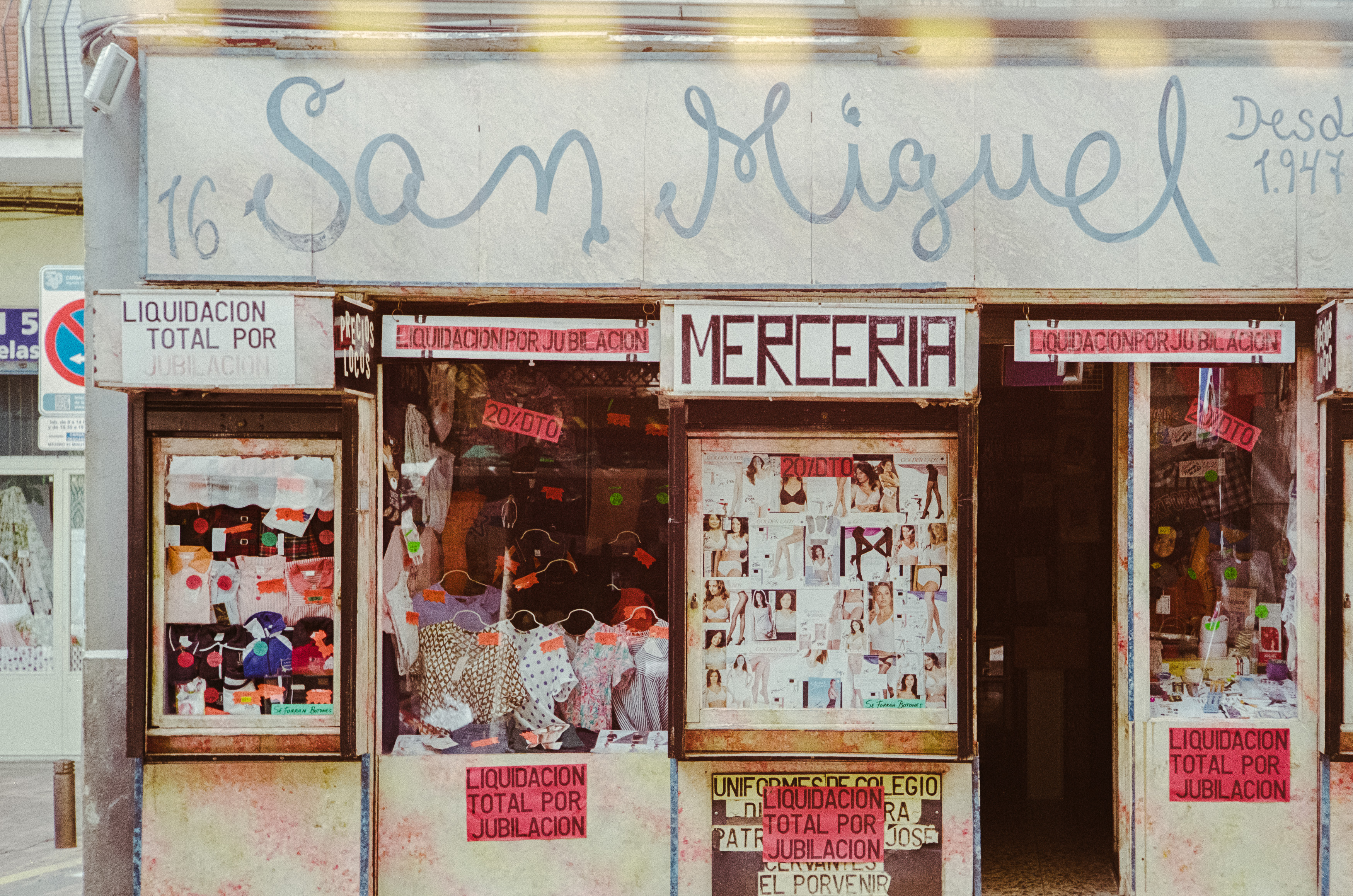
Of course, not every disappointment can be blamed on the photographer. Some films seem determined to sabotage you all by themselves, and I’d already experienced that on a previous trip to Shanghai with an anonymous rerolled stock that looked considerably better on the box than it ever did on the negatives.

Sadly, history was about to repeat itself.

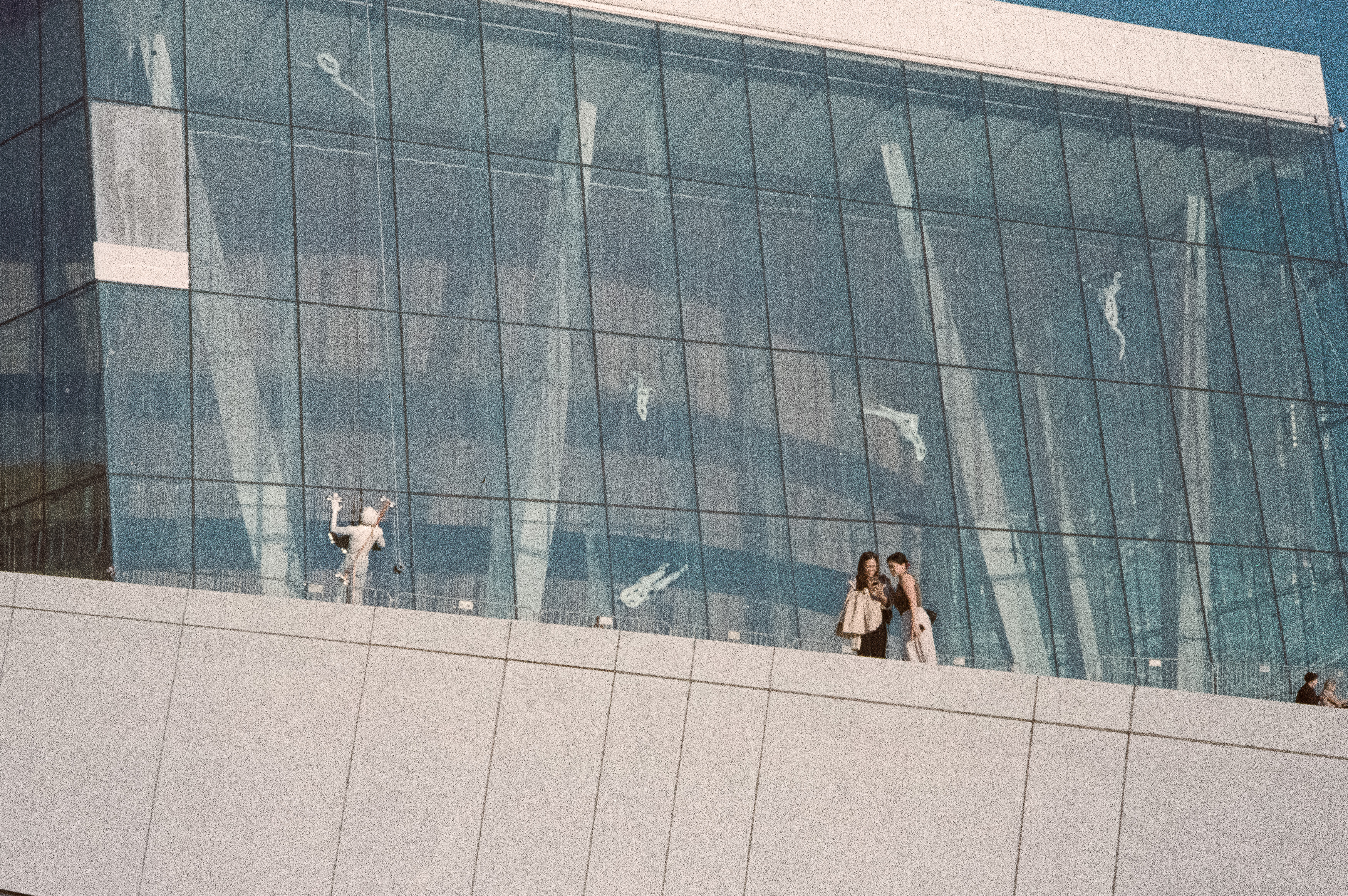
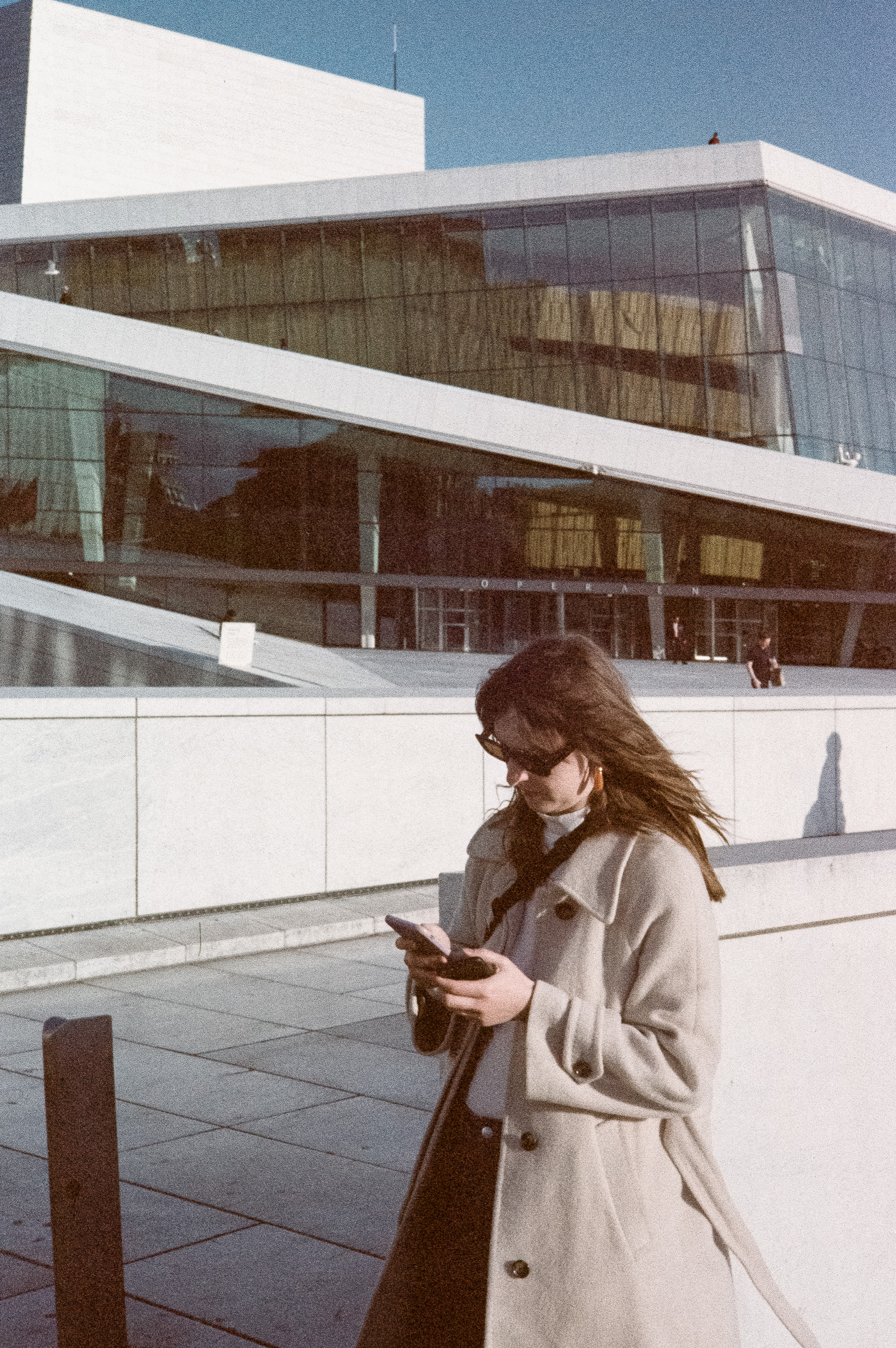
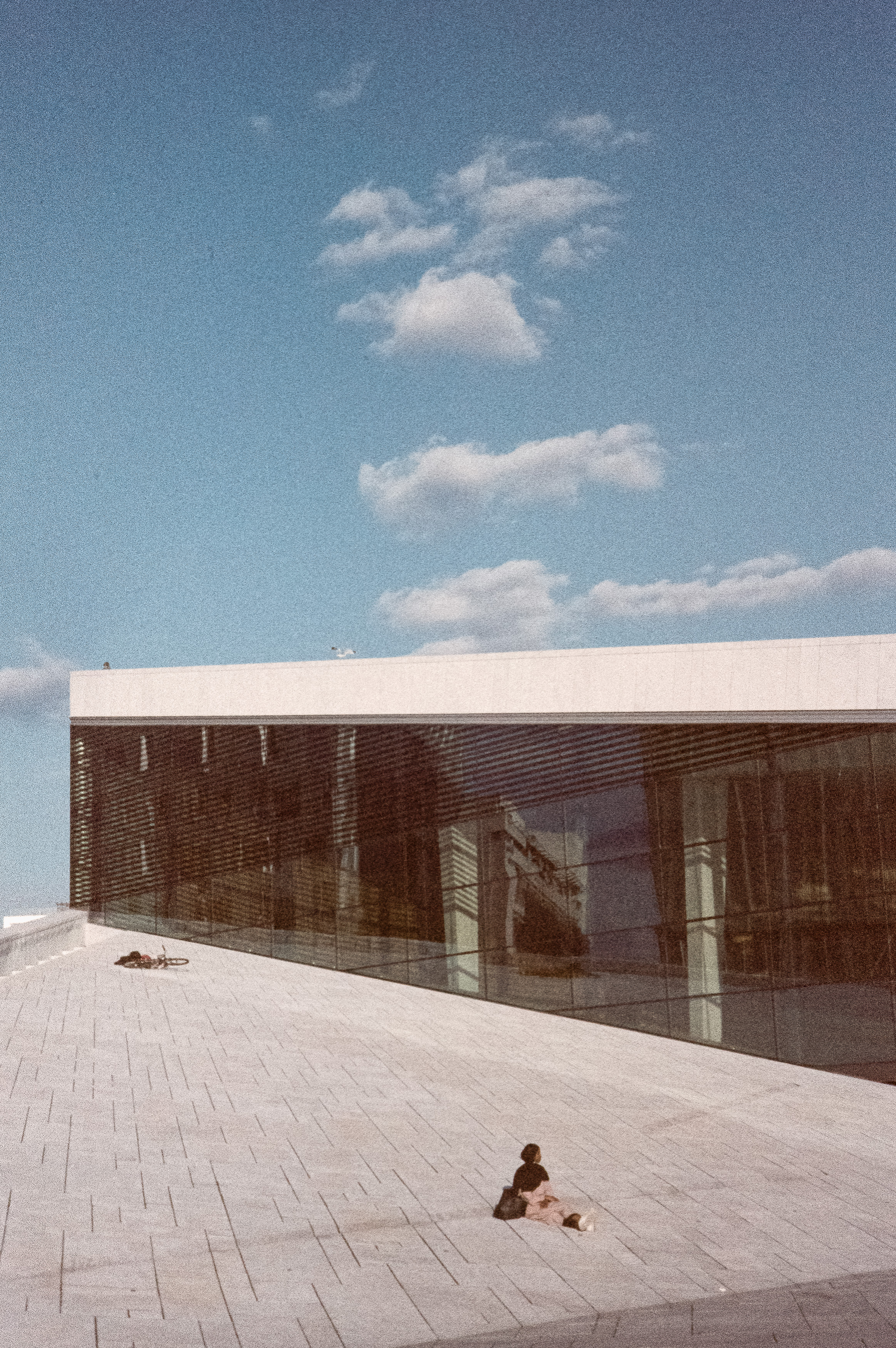
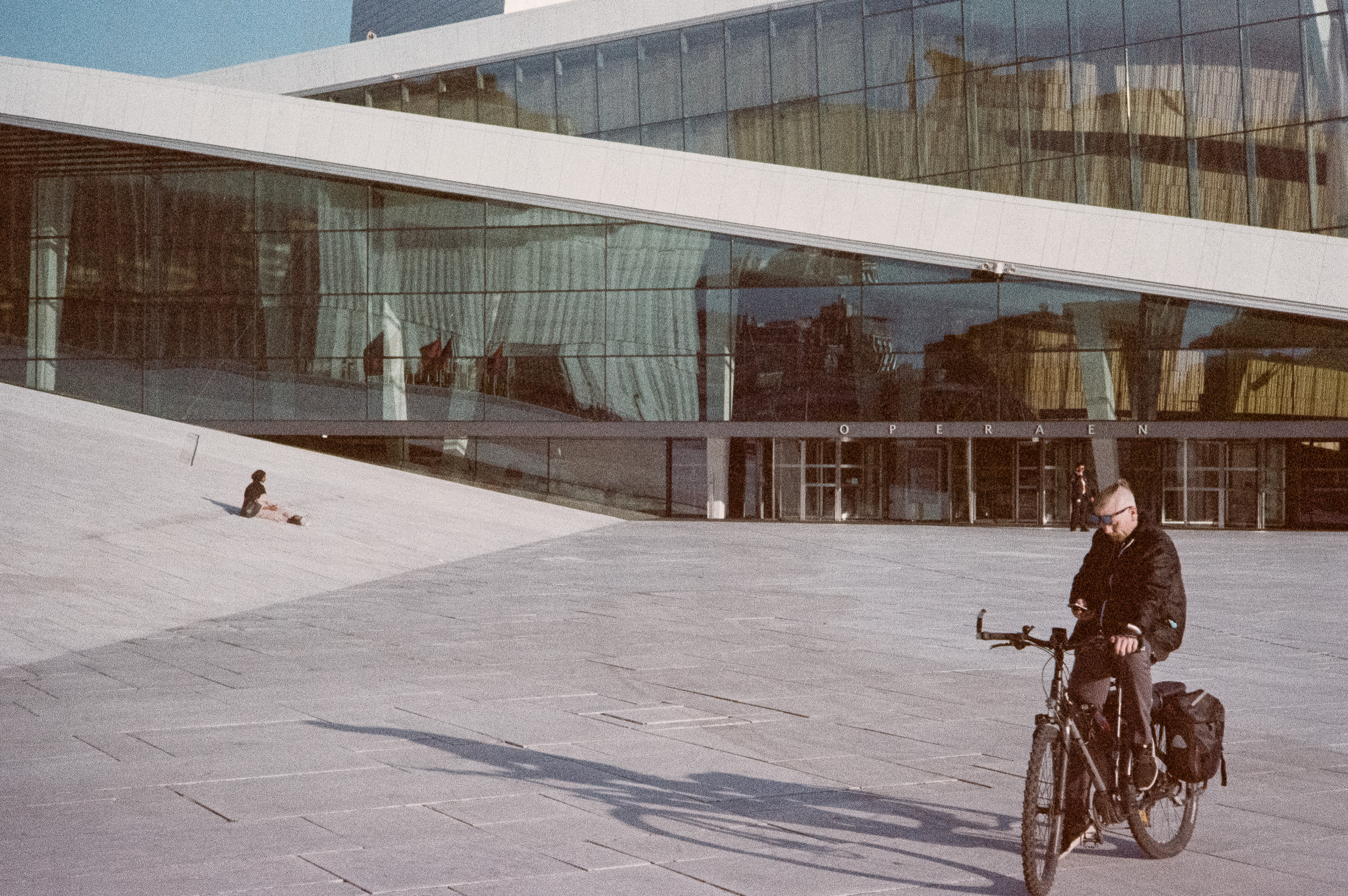
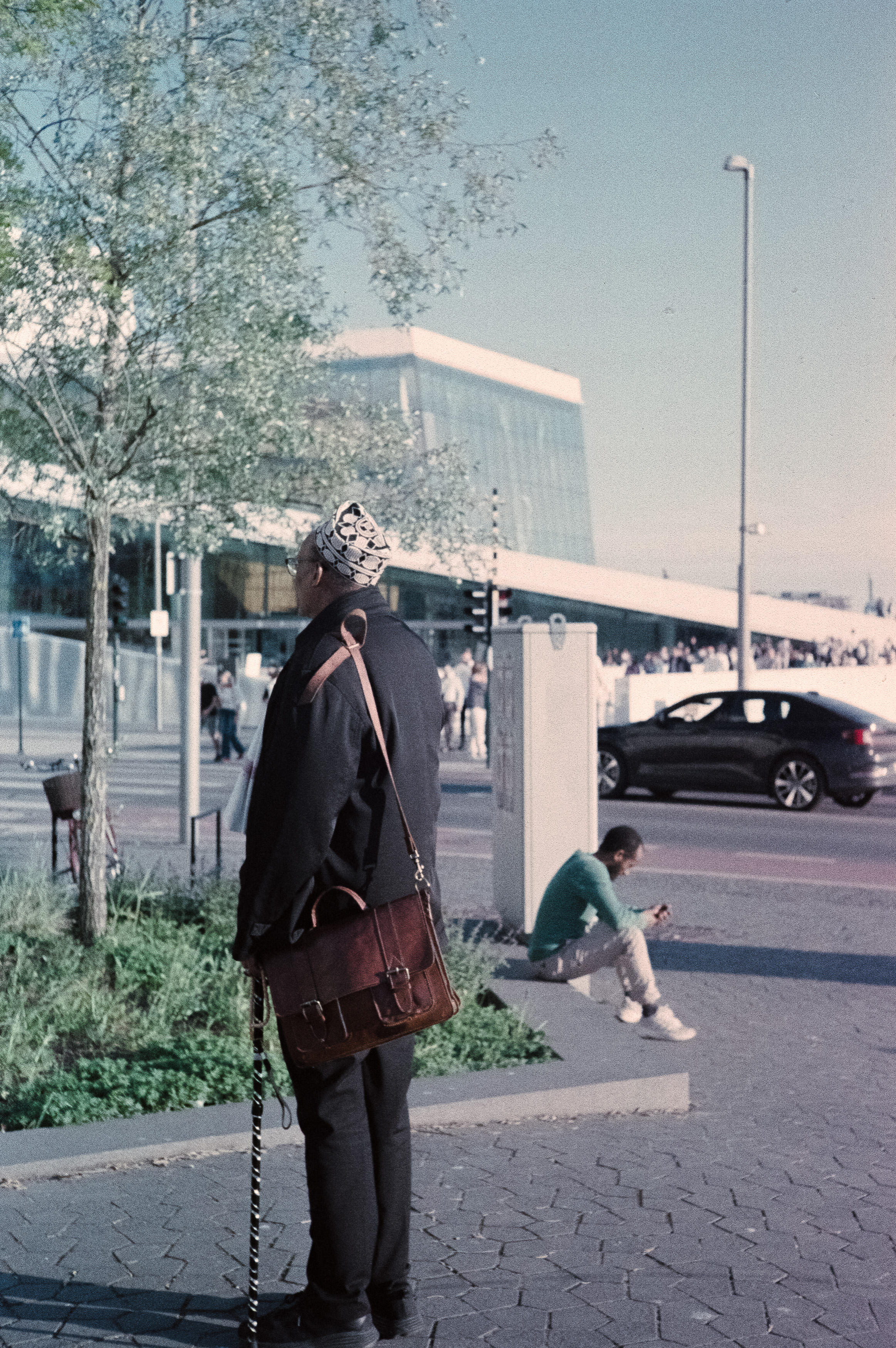
My daughter had given me a roll of Ilford Ilfocolor 400 Vintage Tone for my birthday, and despite the slightly worrying promise of “vintage tones”, it seemed the perfect companion for an evening photographing Oslo during one of those impossibly long Scandinavian sunsets. Warm golden light, modern architecture and reflections across the water sounded like exactly the sort of scene this film was made for.

The results suggested otherwise.

Vintage Character or Just Bad Film?

The first thing worth pointing out is that Ilford Ilfocolor isn’t actually produced by the same company that manufactures Ilford’s famous black and white films. Harman Technology, the company behind classics like HP5, is entirely separate from Ilford Imaging, which licenses the name for this particular colour stock. That distinction matters because expectations matter.

When you hear the name Ilford, you naturally expect the same consistency and quality that has made their monochrome films legendary. Instead, Ilfocolor immediately raised suspicions before I even scanned the negatives. Rather than the familiar orange mask of conventional colour film, the negatives emerged an alarming shade of green that looked less like photographic material and more like something scraped from the bottom of a neglected biology experiment.

Scanning them didn’t inspire much more confidence. My workflow is deliberately manual, avoiding automated conversion software in favour of scanning the negatives as RAW positive files before inverting them myself in Lightroom. Establishing a neutral white balance, inverting the tone curve, correcting contrast and then adjusting colour provides complete control, although it also involves temporarily living in Lightroom’s own bizarre mirror universe, where moving sliders left often appears to do the opposite of what your brain expects.

Working this way also reveals something interesting about film itself. Every frame behaves slightly differently. Slight overexposure pushes colours towards pink, while underexposed frames drift green. Even after applying identical settings across an entire roll, every photograph still demands individual attention because no two negatives respond quite the same way.

That unpredictability is part of film’s charm, but it also exposes its weaknesses.

After plenty of tweaking, sharpening and colour correction, I eventually coaxed respectable images from the scans, but I couldn’t escape the conclusion that Ilfocolor 400 simply isn’t a particularly good film. It’s extremely grainy, highly contrasty, clips highlights and shadows with alarming enthusiasm and produces colours that become increasingly unstable the further your exposure drifts from perfection.
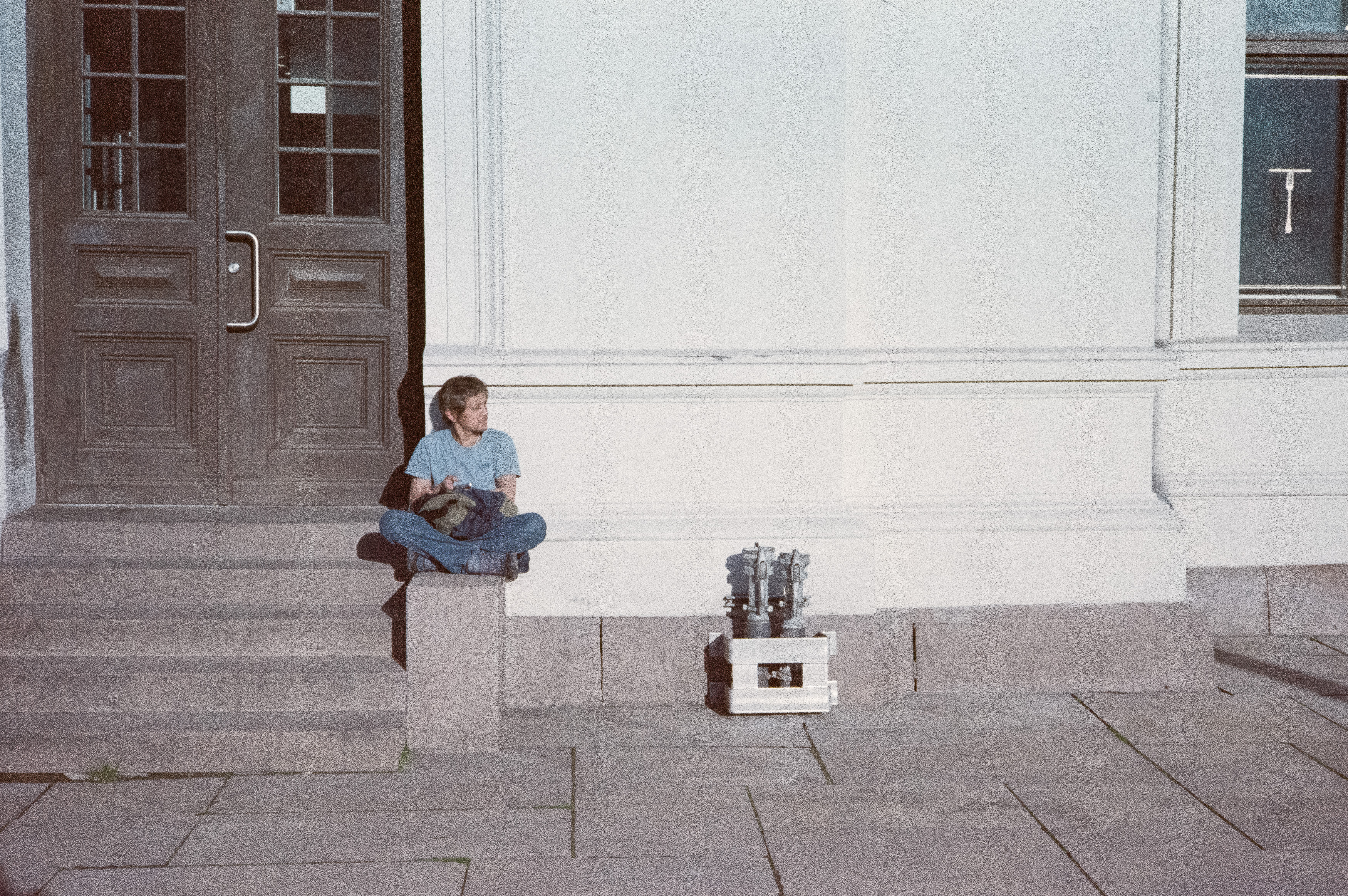
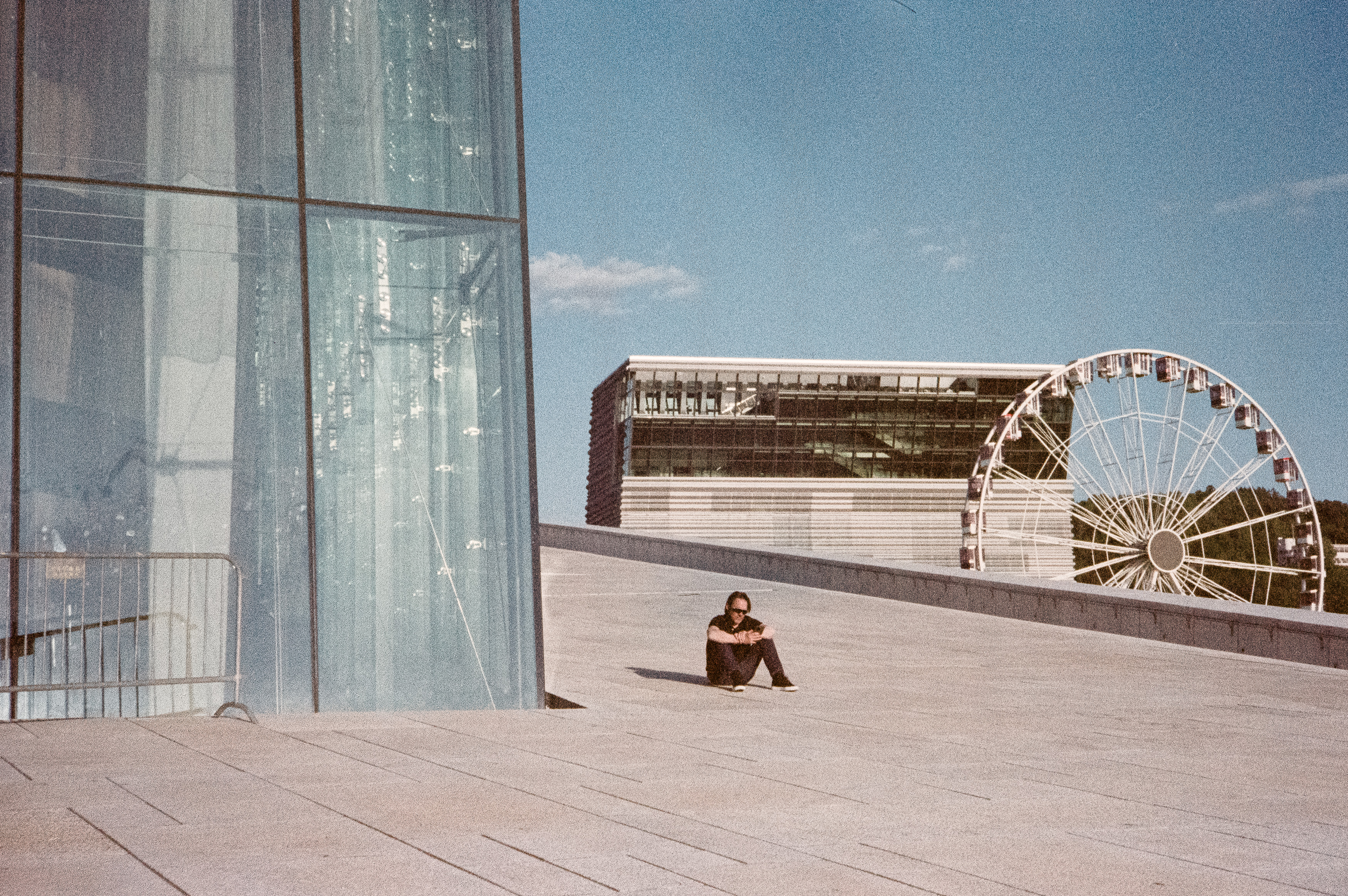
Ironically, those very flaws also give it a certain personality. Looking through the finished photographs, I couldn’t shake the feeling that I’d seen this look somewhere before. The muted colours, heavy grain and cool cast bear a striking resemblance to ORWO Wolfen NC500, another film stock that’s available under several different names. Whether Ilfocolor is simply rebadged Wolfen is open to debate, but the similarities are difficult to ignore.

Even so, I can’t quite bring myself to hate it. Some of the final images possess a gritty, desaturated mood that suits Oslo surprisingly well, even if they arrived there more by accident than design. Whether they’re successful because of the film’s shortcomings or despite them is probably something each viewer will decide for themselves.

Perhaps that’s the real lesson. Film photography is an unpredictable partnership between chemistry, mechanics and human error. Any one of those can betray you at any moment, yet somehow we keep loading another roll, convinced that next time everything will come together perfectly.

Most of the time it doesn’t, but that’s probably why the successes feel so satisfying when they finally arrive.
Great Lens, Bad Film: Voigtlander VM Nokton 35mm f/1.5 in Shanghai with IronBridge 800T

I recently found myself in Shanghai and, somehow, my photographic ambitions got completely Shanghai’d. No, I didn’t wake up aboard a cargo ship with a mysterious hangover, a stranger called Tatiana and a rash that required medical attention. My downfall was much less dramatic but arguably far more predictable. I bought a new lens and then made the fatal decision to pair it with a film stock I’d never heard of.

If you’ve spent any time reading this blog, you’ll know I recently picked up a Leica M2. Yes, I’ve become one of those people. The reality, however, is that I’m nowhere near good enough to justify owning it. Then again, I couldn’t justify the price of a genuine Leica 35mm lens either, so I went hunting for something a little more attainable.

That search led me to Shanghai’s famous Xing Guang Photographic Equipment Market, where I found exactly what I wanted: a second-hand Voigtlander Nokton 35mm f/1.5. There were two versions available—a cheaper black model and a slightly more expensive silver brass version. Naturally, I bought the prettier one.

There’s a wonderful Chinese idiom, xin xue lai chao, which literally describes blood rushing to your head. It’s the perfect expression for those moments when logic quietly packs its bags and shiny objects take control. The silver brass Nokton looked absolutely perfect mounted on the Leica M2 and, if we’re being honest, sometimes that’s reason enough.

A Great Lens Meets a Very Bad Idea

To be fair, the lens itself never let me down. The Voigtlander Nokton 35mm f/1.5 belongs to the company’s “Vintage” line, although the name is slightly misleading because the vintage aspect refers more to the styling than the optical performance. Thanks to modern aspherical elements, this isn’t a dreamy character lens with swirly bokeh and soft corners. Instead, it’s impressively sharp while still retaining enough personality to stop images feeling overly clinical.

What impressed me most was just how compact it is. It balances beautifully on the Leica, the build quality feels superb and the focus tab makes manual focusing intuitive. The focus throw is short enough to move from close focus to infinity in one smooth motion, and the lens itself focuses down to half a metre, even if the M2’s rangefinder can’t quite keep up.

In many ways, this is probably a lens that shines just as brightly on a modern mirrorless camera as it does on film. It feels capable of resolving far more detail than most film stocks can actually record. Unfortunately, none of that mattered because, flushed with the excitement of my new purchase, I made another questionable decision.

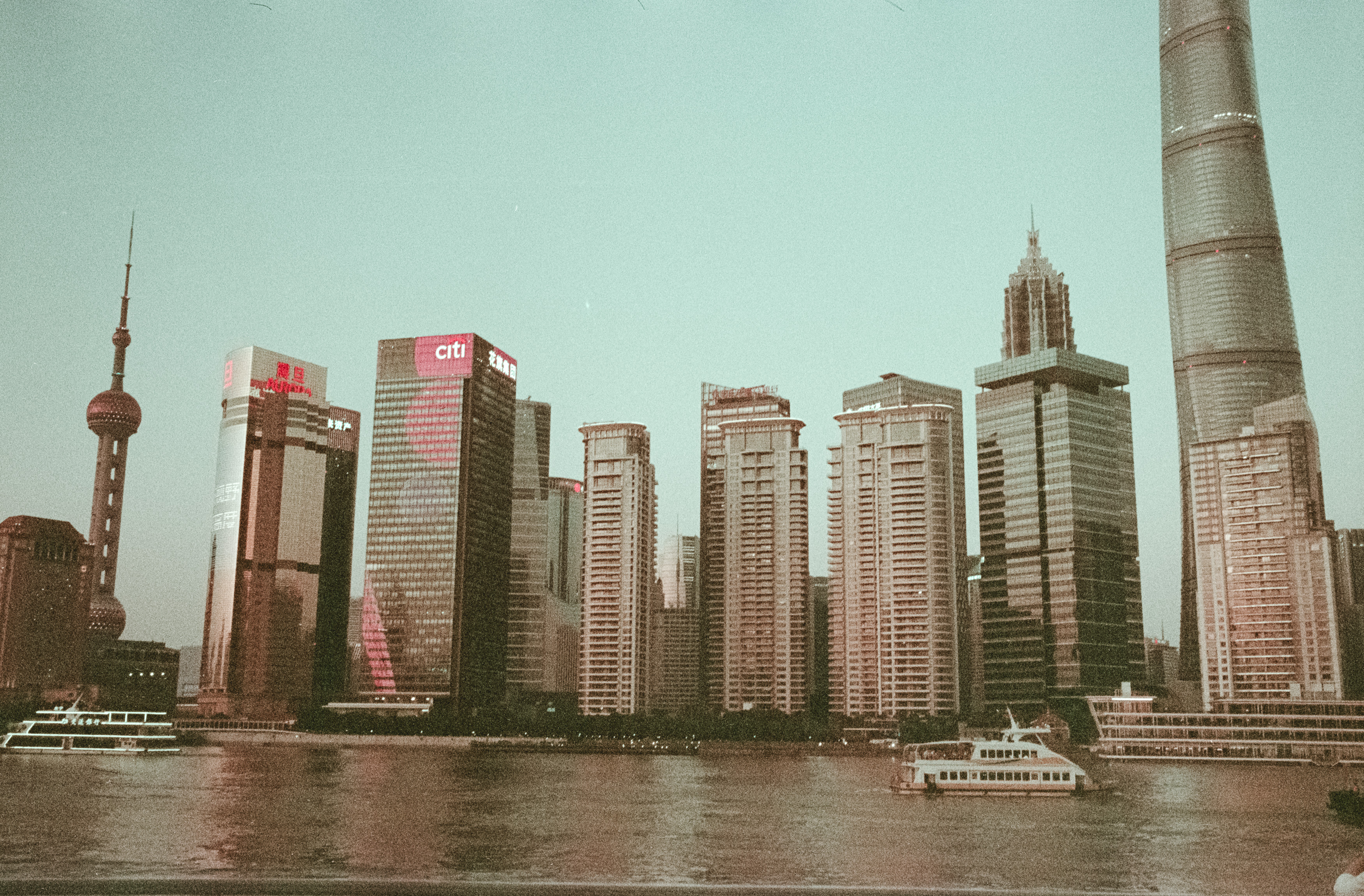
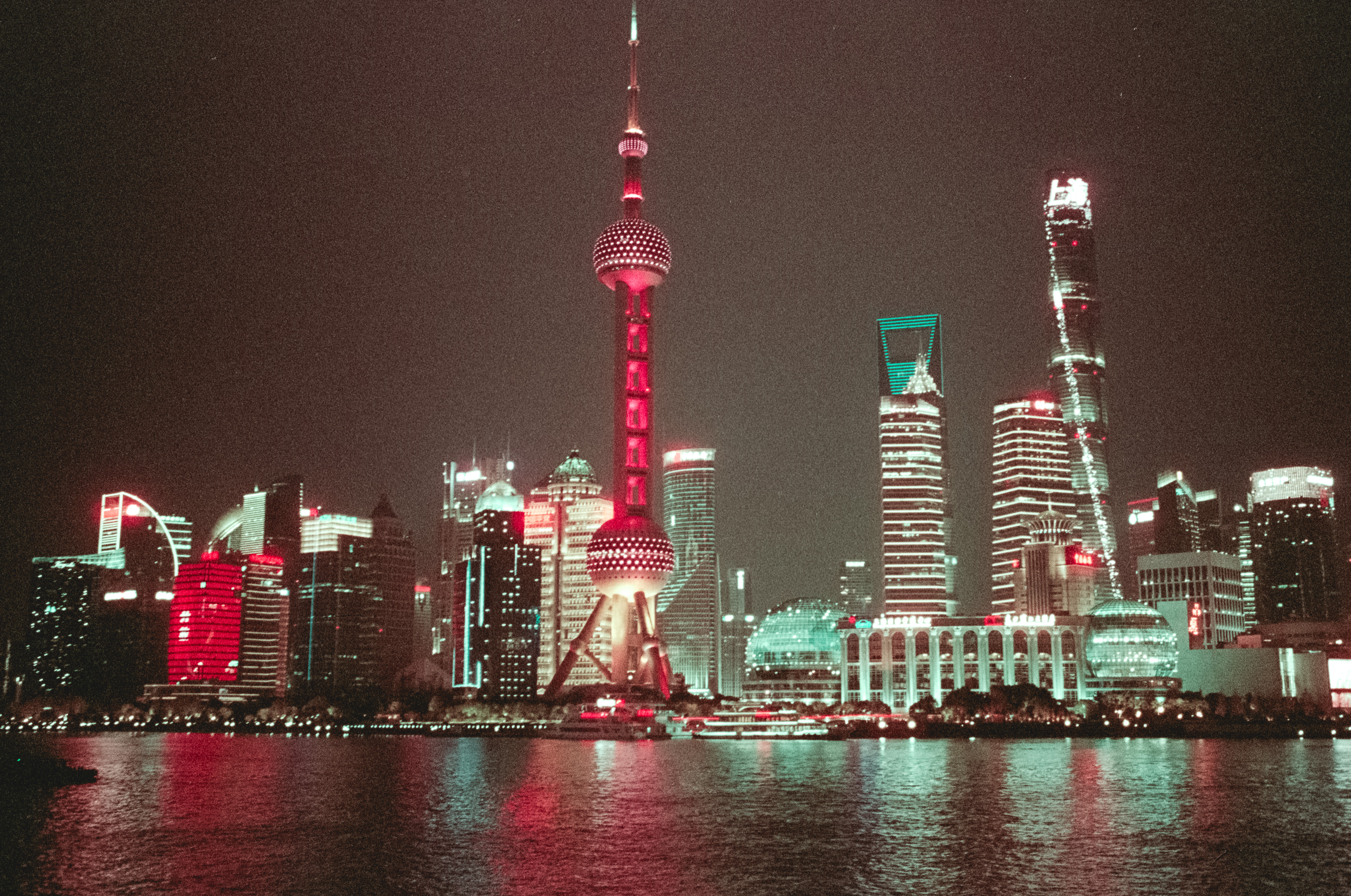
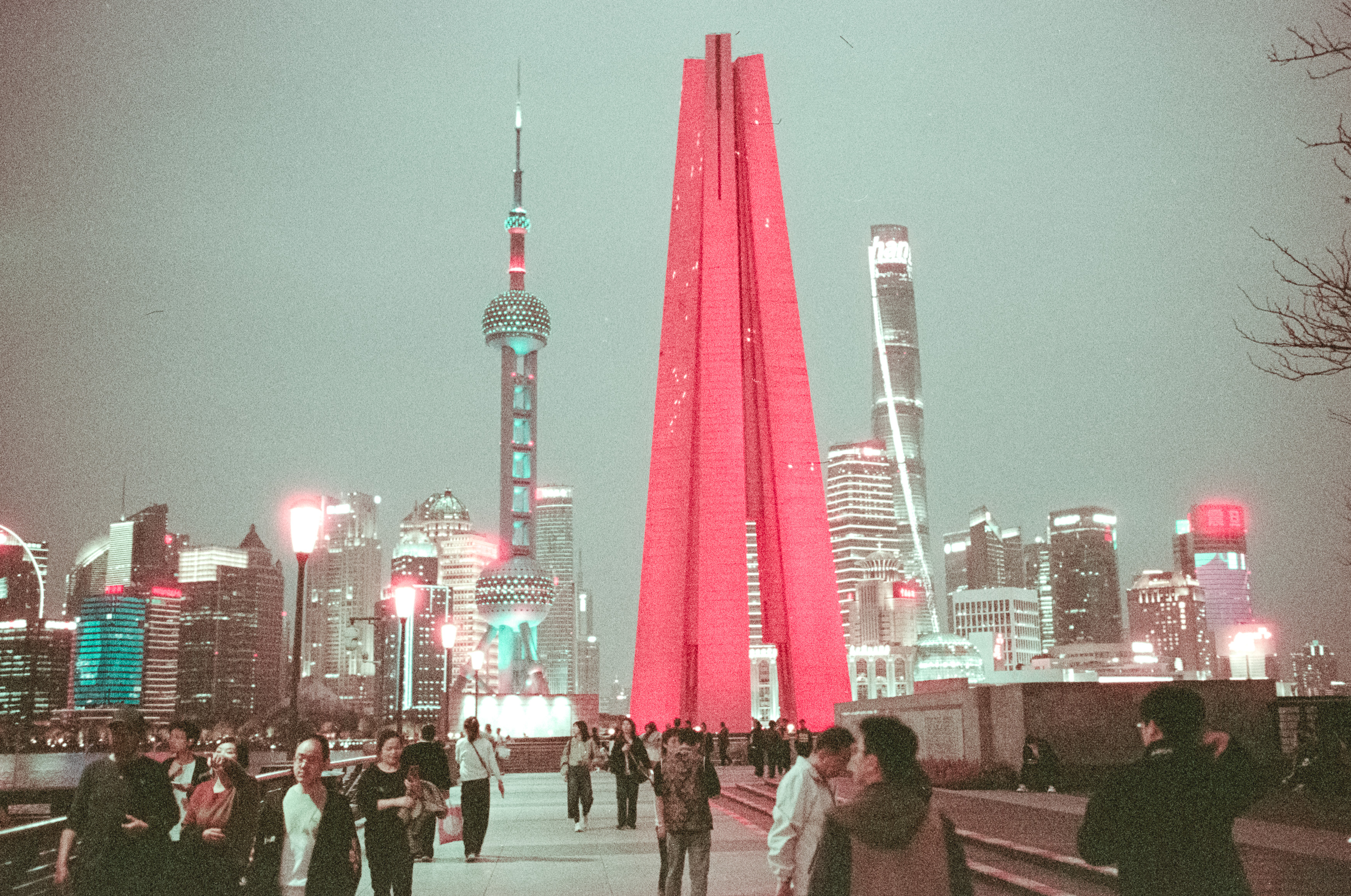
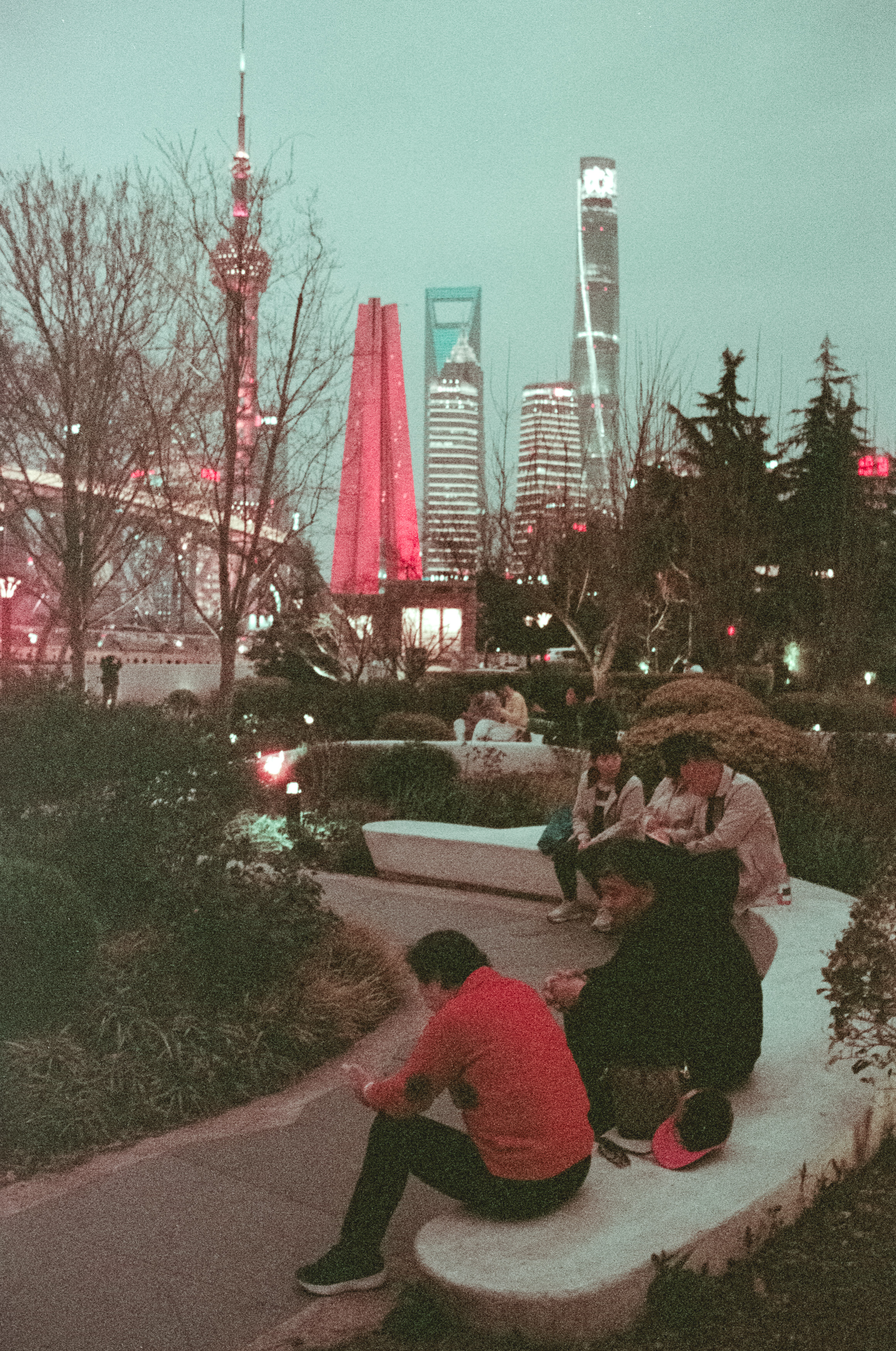
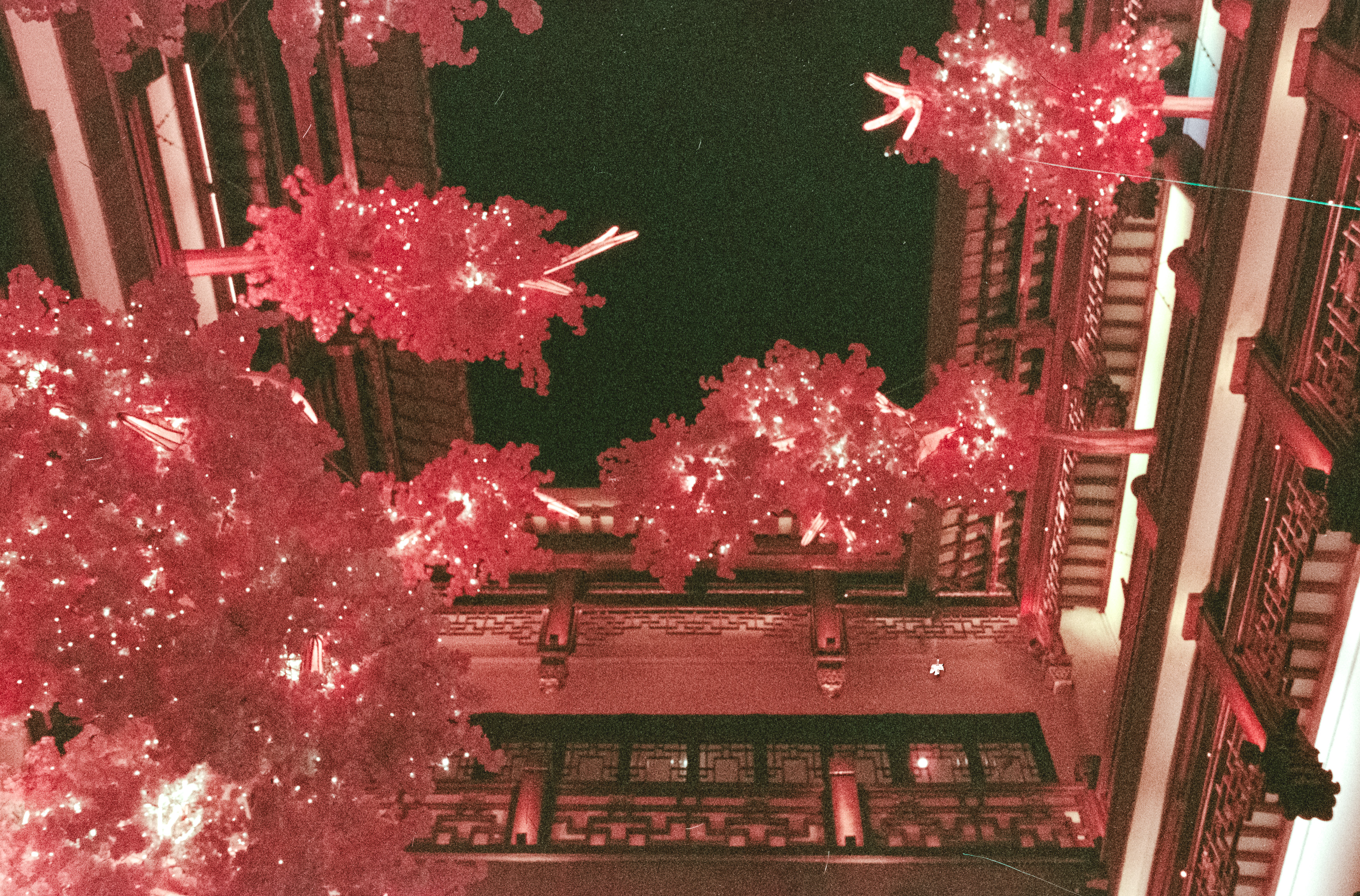
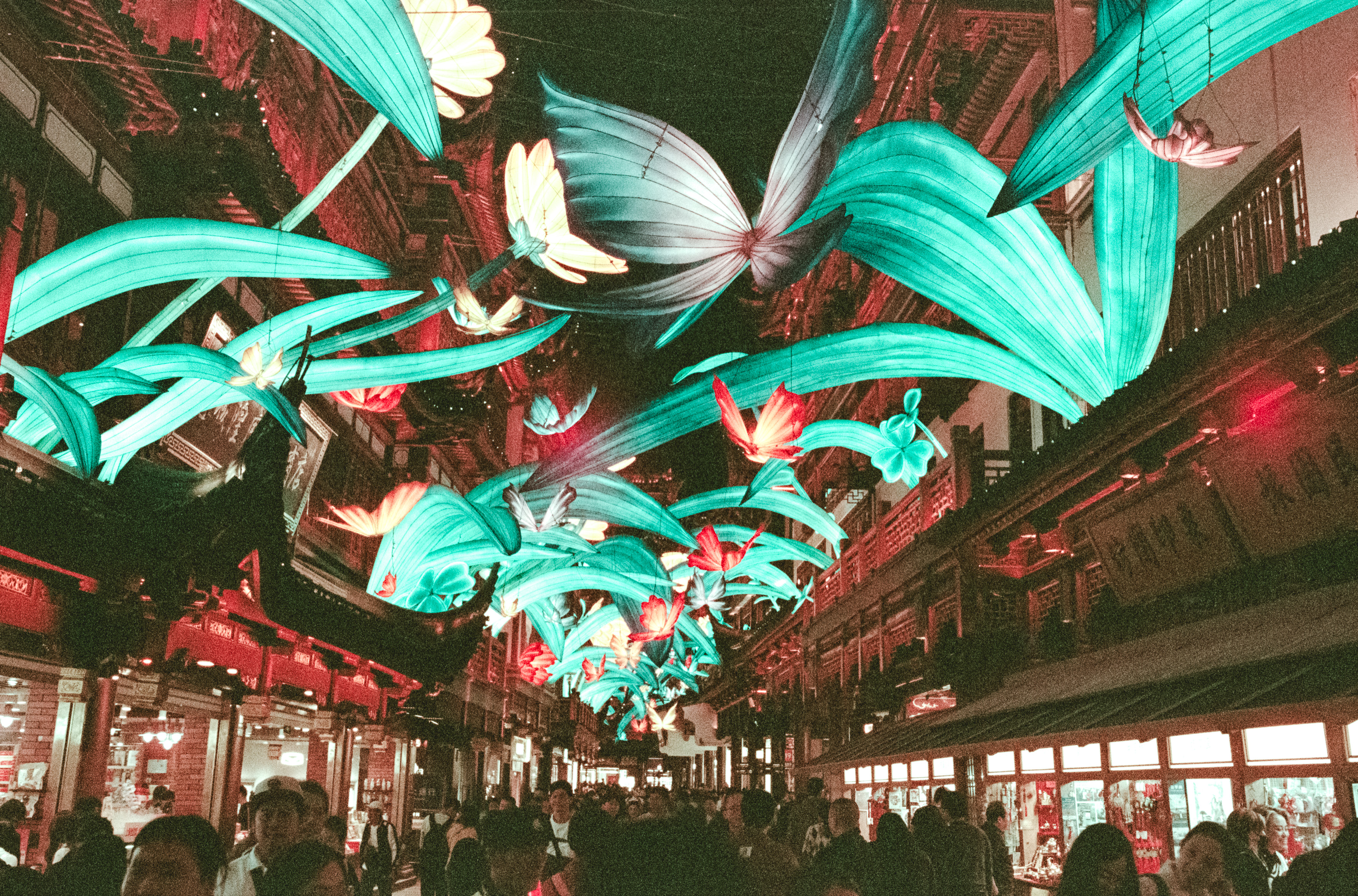
Walking past a local film shop, I spotted a rerolled stock called Iron Bridge 800T. Judging by the packaging, it appeared to be Kodak Vision3 500T with the remjet layer already removed, promising all the cinematic goodness of CineStill 800T without the hassle of removing remjet yourself during processing. It sounded like the perfect companion for a night on the Bund, photographing the Shanghai skyline across the Huangpu River with glowing city lights and those famous red halations around bright highlights.

As it turned out, the theory was considerably more impressive than the results.

Grain, Halation and Disappointment

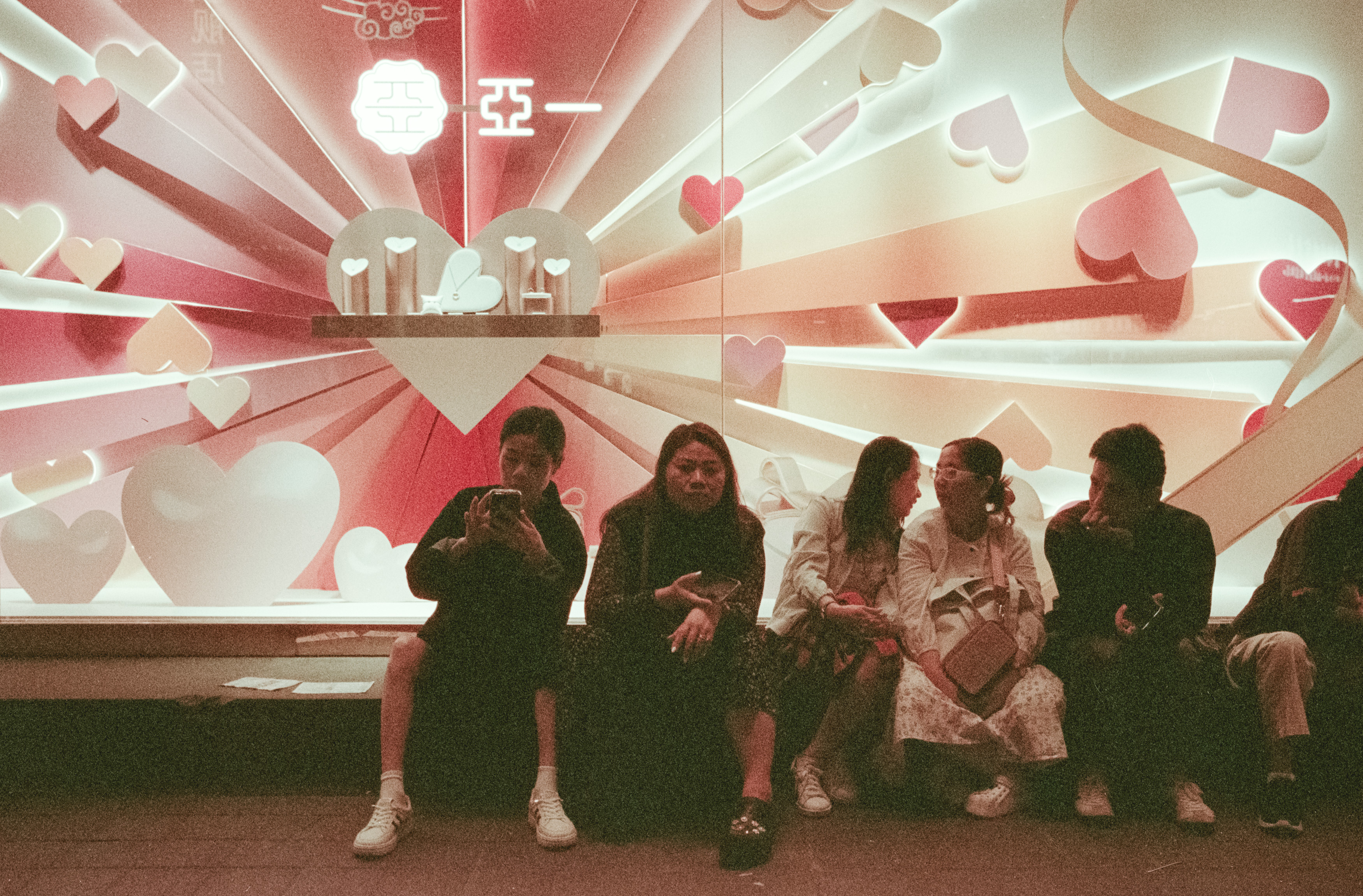
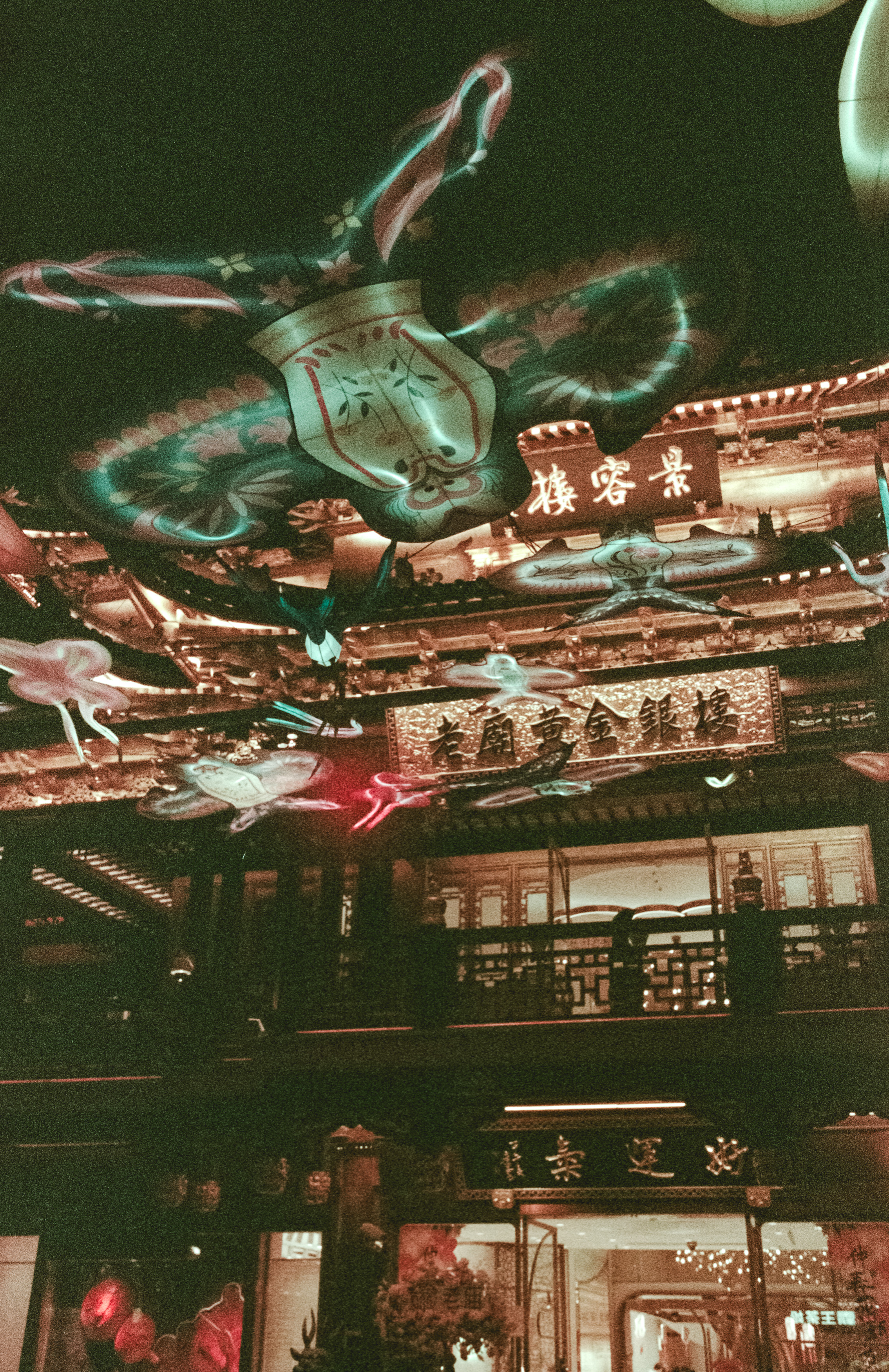
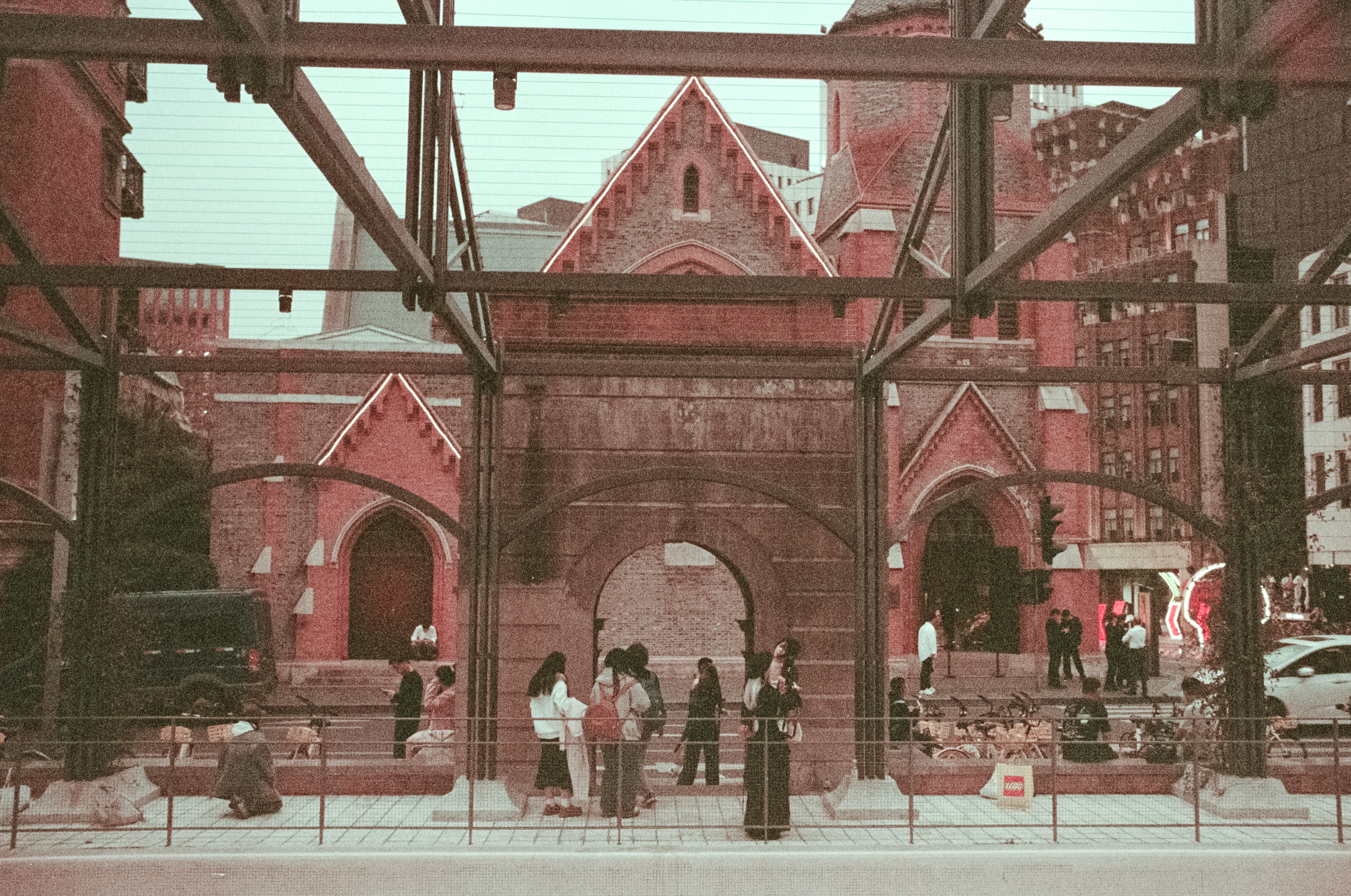
The halation certainly arrived, but so did the grain. Lots of grain. Instead of clean, cinematic negatives, I ended up with photographs drenched in teal shadows, pink highlights and enough texture to make sandpaper seem positively smooth. The images definitely had atmosphere, although not quite the atmosphere I’d hoped for.

To be clear, I don’t think the lens deserves any blame here. If anything, it simply exposed every weakness of the film. The Nokton was producing exactly the sort of sharp, modern images I’d bought it for, but the Iron Bridge stock buried those qualities beneath heavy grain and dramatic colour shifts.

A few weeks later I took the same lens to Kenya while visiting the Gazi Female Community Project, where I spent some time planting mangroves before wandering around with a roll of Kodak Gold 200. Mangrove forests aren’t naturally the most photogenic places—unless tangled roots happen to be your artistic obsession—but the difference was immediately obvious. The colours were cleaner, the negatives sharper and the personality of the lens finally began to emerge.

Even photographs of old fishing boats, hardly the world’s most original subject matter, demonstrated what the Voigtlander was capable of. The Shanghai results had suggested the lens lacked something, but the Kenya negatives proved the opposite. It wasn’t the Nokton that had failed me at all.

Of course, I didn’t know that at the time. The following day I loaded a second roll and headed further north along the Bund towards Waibaidu Bridge, fully expecting redemption. What I got instead was remarkable consistency, because the second roll looked every bit as grainy, pink and teal as the first.

When Failure Becomes Part of the Story

At this point, I’m fairly convinced Iron Bridge 800T is simply expired film, whether the packaging admits it or not. The excessive grain, dramatic colour shifts and muddy shadows seem difficult to explain any other way. My chemistry was fresh, I’d processed Kodak Gold successfully afterwards using exactly the same workflow, and I’d even exposed the film conservatively, often treating it as ISO 500 rather than the advertised 800.

For a while I wasn’t even sure these photographs deserved a video or a blog post. They certainly weren’t the showcase I’d imagined for a new lens, and I briefly considered quietly pretending the whole experiment had never happened. Thankfully, time has a habit of softening disappointment.

The more I revisited the negatives, the more those strange pink highlights and blue washes began to grow on me. They’re still technically flawed, but they somehow capture a mood I never intended to create. What initially felt like failure slowly became something closer to accidental artistry.

Of course, if you’re interested in buying a print, I’ll happily explain that they’re an intentional exploration of Shanghai’s electric urban landscape, complete with a lengthy discussion of postmodern semiotics and the dialectical relationship between synthetic colour and twenty-first-century city life. Otherwise, we can simply admit what really happened: I bought a beautiful lens, paired it with questionable film and accidentally created something far more memorable than I’d planned.

Photography rarely goes exactly as expected, but that’s part of what keeps it interesting. Sometimes the failures teach you more than the successes, and sometimes the pictures you almost threw away end up telling the best story of all.

Hello, Leica M2: First Impression Review of a Classic Rangefinder Camera

Is owning a Leica guaranteed to make you a better photographer? For years, Leica cameras occupied a strange place in my imagination. On one hand, they represented craftsmanship, history, and photographic excellence. On the other, I often lumped them in with luxury handbags and prestige cars—objects that seemed as much about status as function. Yet despite my cynicism, there was always a small part of me that wondered whether a Leica really was something special.

So, naturally, I bought one.

Not a modern digital Leica costing the equivalent of a small family car, but a 1963 Leica M2. In Leica terms, it’s practically the budget option, which still means spending considerably more than most sensible people would on a sixty-year-old film camera.

Why the Leica M2?

The purchase wasn’t entirely motivated by photographic lust. My faithful Canon P rangefinder had started showing its age, suffering from a dragging shutter and becoming increasingly difficult to get repaired. Time and again I’d heard the same promise from Leica owners: if you want a camera for life, buy a Leica.

The M2 appealed because it sits in a sweet spot between affordability and classic Leica design. It’s wonderfully simple. Load film, set the shutter speed, focus, and press the shutter. There’s no light meter, no electronics, and very little to go wrong. It’s essentially a precision-engineered box designed to let light hit film.

One of the biggest advantages for me was compatibility with my collection of Leica Thread Mount lenses. While I don’t own a single Leica lens, I do have lenses from Canon, Nikon, Voigtländer and even a few Soviet-made curiosities. With the right adapters, they all work happily on the M2.

As luck would have it, the camera arrived just before a trip to Melbourne, giving me the perfect opportunity to see whether Leica magic was real or merely expensive mythology.

Melbourne: A Perfect Testing Ground

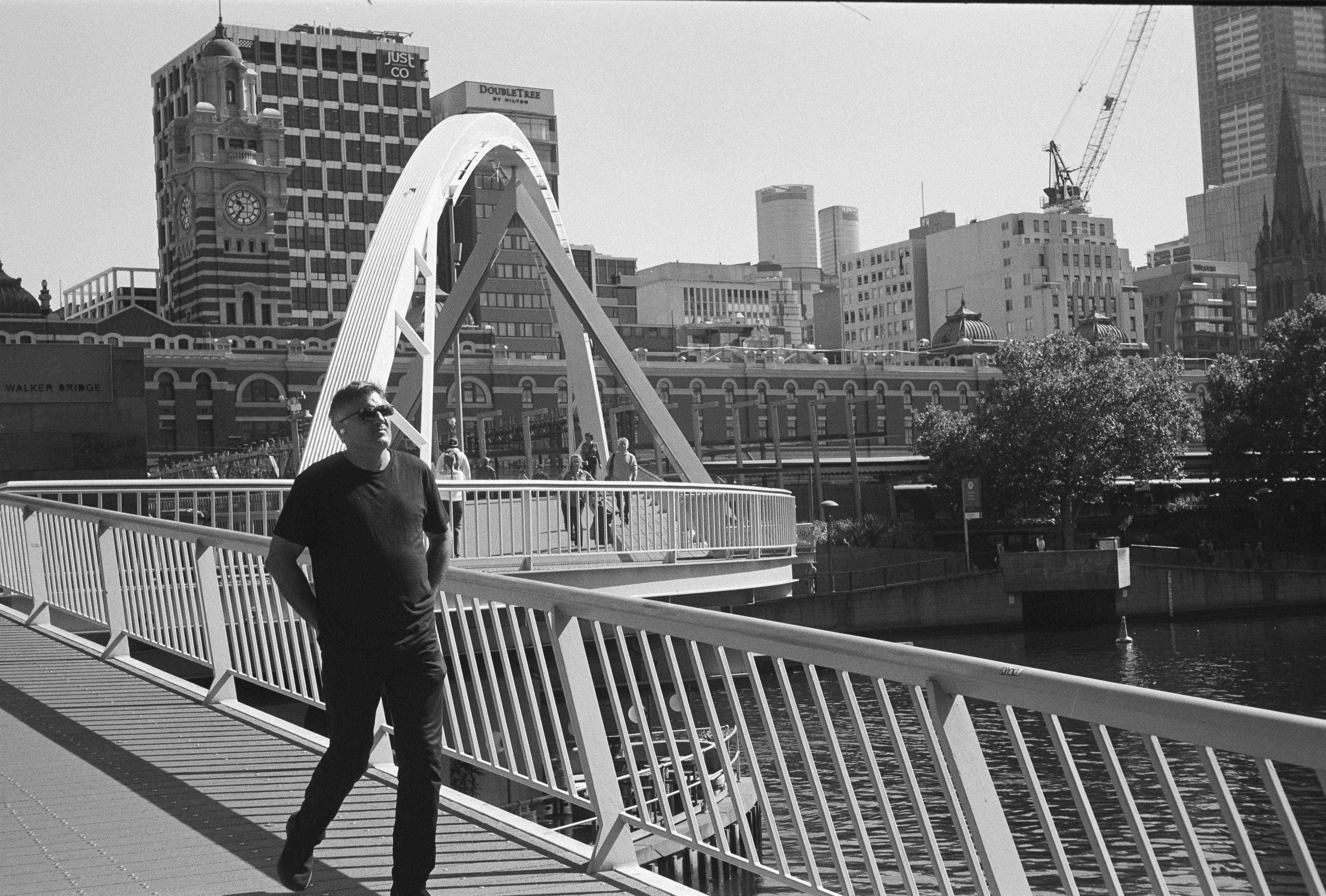
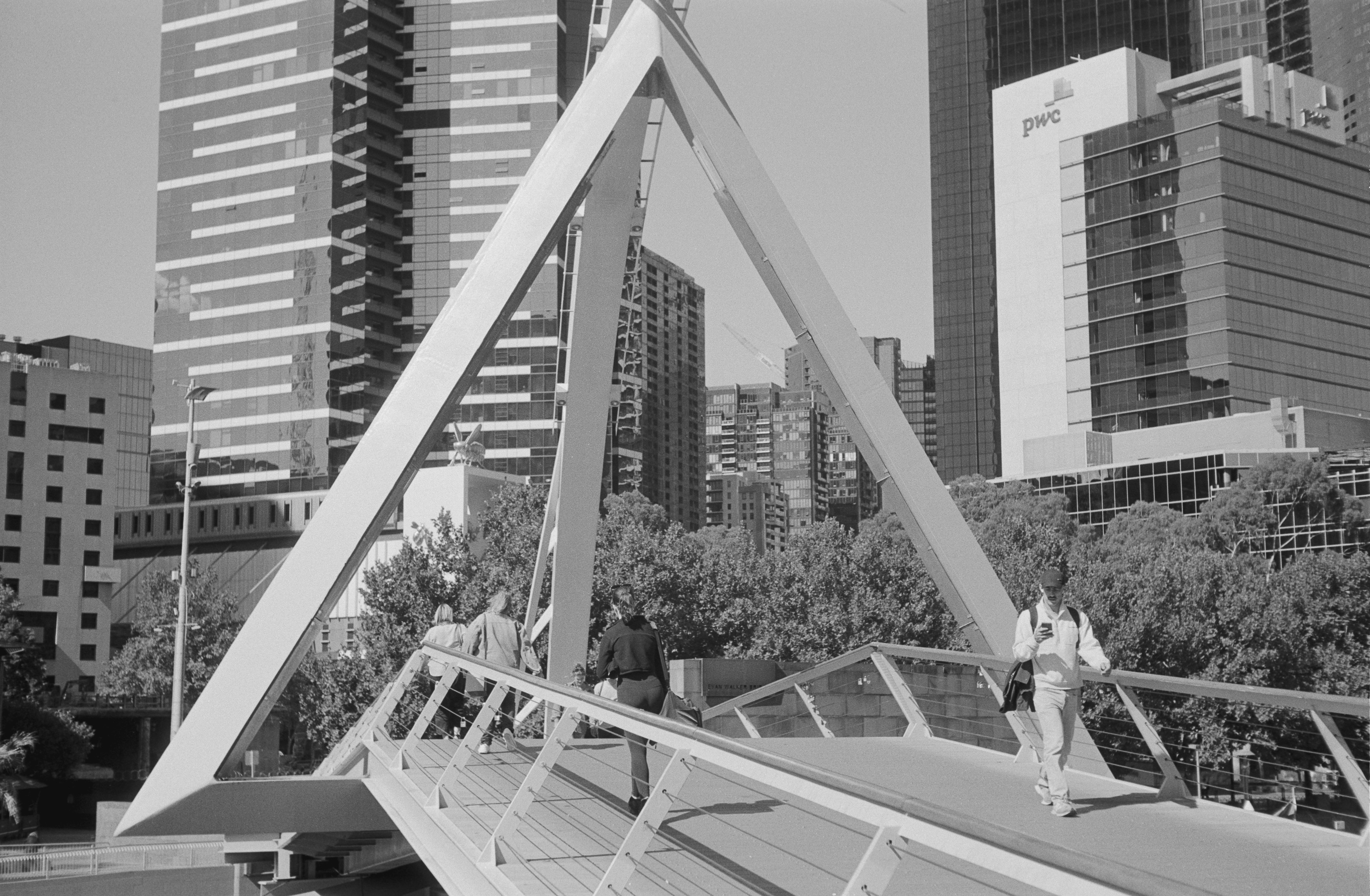
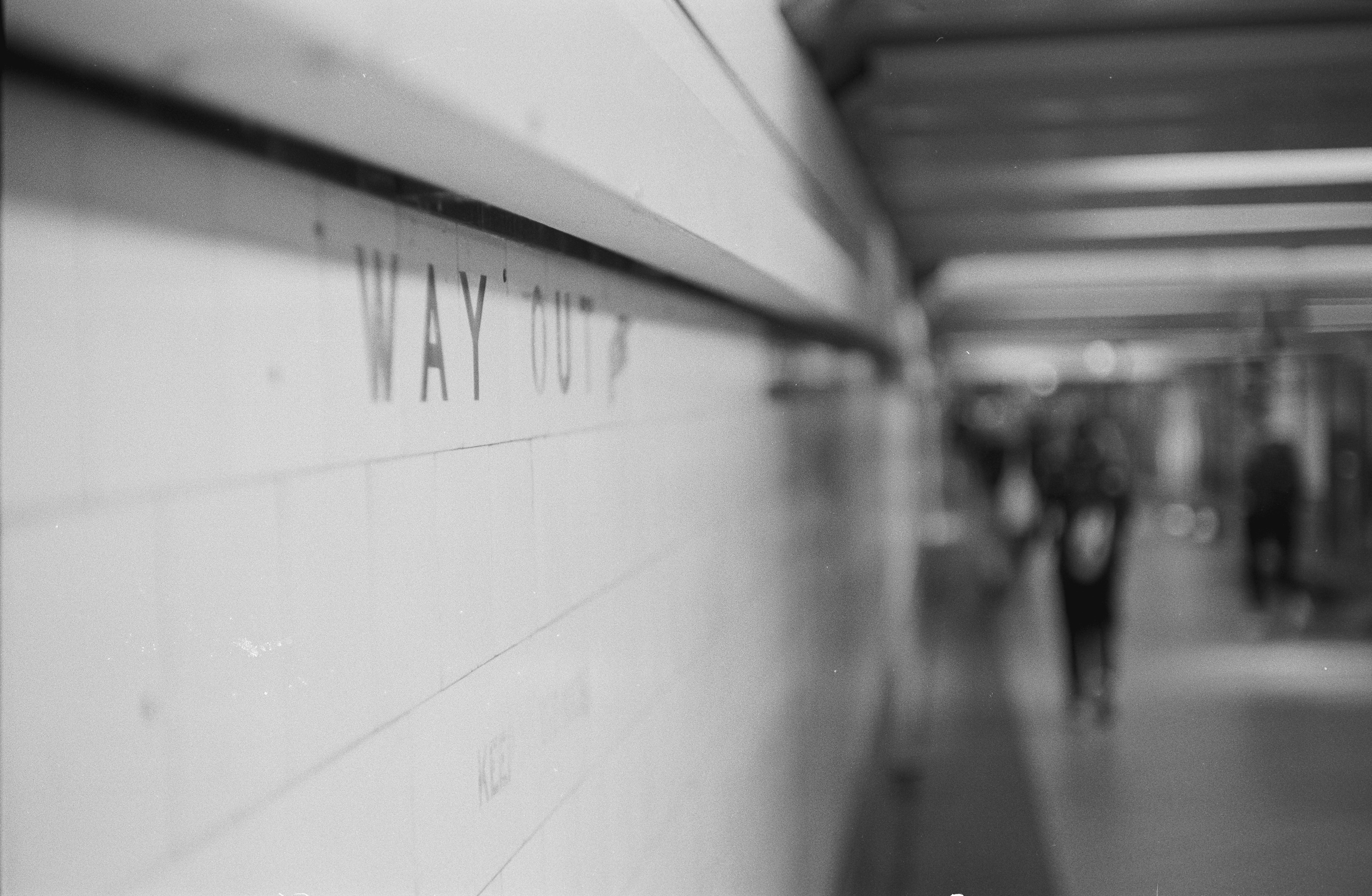
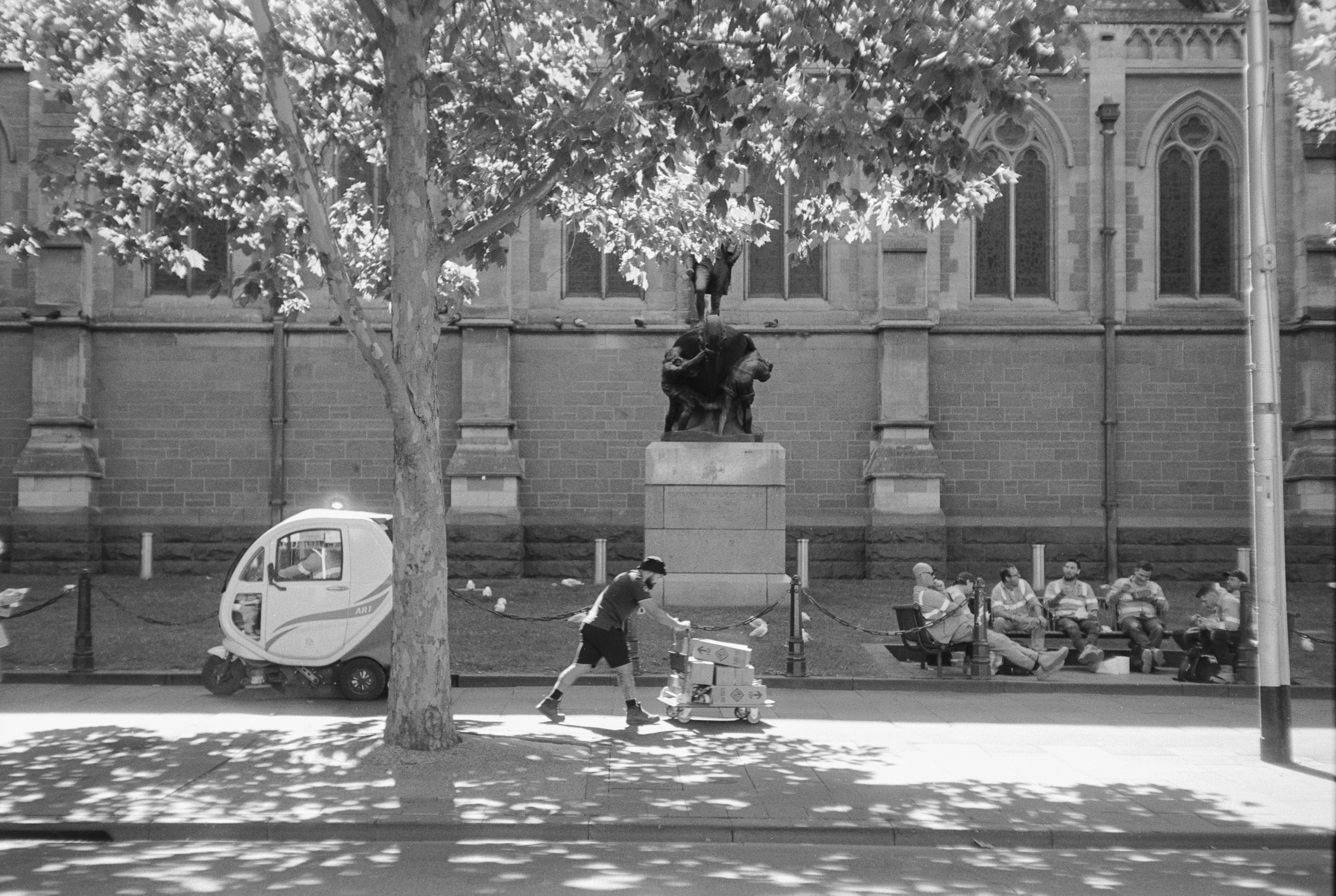
Melbourne has long been my favourite city for street photography. Its blend of Victorian architecture, modern skyscrapers, laneways, riverside walks and bustling public spaces provides endless opportunities for wandering with a camera. For this first outing, I paired the Leica M2 with a Nikon S.C. 5cm f/1.4 lens and a roll of Kentmere 100 black-and-white film.

The Nikon lens proved an interesting companion. Stopped down in good light, it’s exceptionally sharp. Wide open, however, “soft” might be putting it politely. Let’s call it dreamy. If your dreams happen to be smeared with Vaseline.

Since the M2 lacks a built-in light meter, I relied on a light meter app on my phone to occasionally check my instincts. For the most part, the trusty Sunny 16 rule did the job. The negatives, developed later in 510 Pyro, came out surprisingly well exposed despite the occasional uncertainty.

Living with a Leica

In practical terms, the Leica M2 isn’t dramatically different from other classic rangefinders. It offers shutter speeds from one second to 1/1000th of a second and an almost comically slow flash sync speed of 1/50th.

What separates it from other cameras is the experience, though, is that M2 feels beautifully made. The chrome finish, textured vulcanite covering, engraved markings and silky mechanical controls all contribute to a sense of quality that is difficult to describe until you hold one. Every action feels deliberate. The shutter has a subtle, refined click rather than a harsh snap.

Among Leica enthusiasts, endless debates rage about which M model is best. The M3 is often regarded as the classic choice, but its higher viewfinder magnification favours 50mm lenses. I preferred the M2 because its viewfinder comfortably accommodates wider lenses like 35mm without requiring awkward accessories.

The M2 lacks a few conveniences found on later models. The frame counter must be manually reset when loading film, something I repeatedly forgot to do. Yet these small inconveniences somehow feel appropriate. This is a camera that asks you to slow down and engage with the process.

Walking along the Yarra River and through Melbourne’s city streets, I found myself enjoying the camera simply as an object. It felt natural in the hand, compact, lightweight and unobtrusive.

The Photos and the Reality

After developing the roll, I was faced with an unavoidable question: did the Leica make my photographs better?

The answer is both disappointing and reassuring. Not really.

The images looked very much like my photographs. The Leica hadn’t transformed me into a photographic genius. It hadn’t sprinkled magical German fairy dust onto the negatives. The strongest images succeeded because of composition, timing and subject matter rather than the logo engraved on the camera.

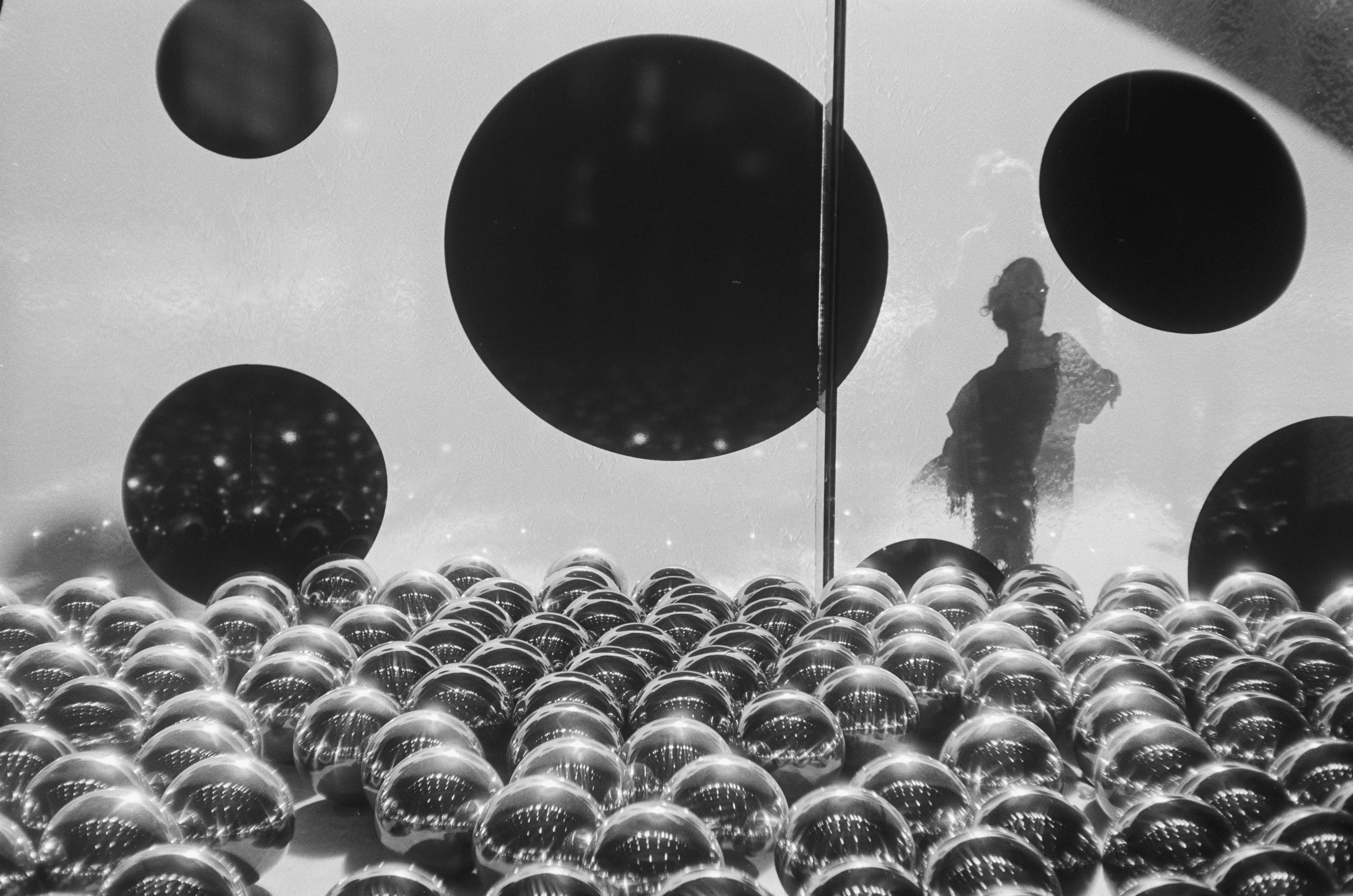
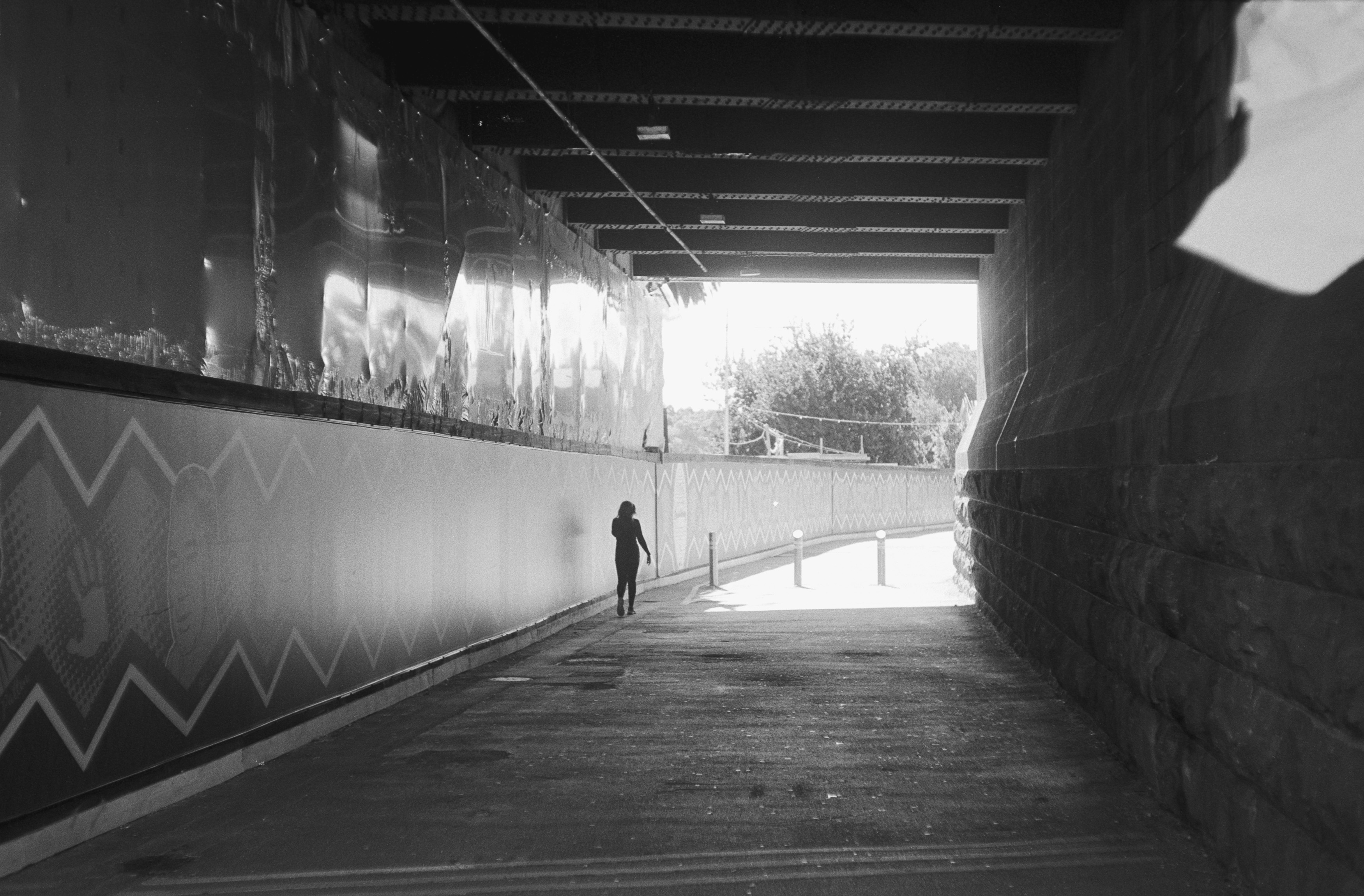
A few photographs stood out. Images from the National Gallery of Victoria’s Yayoi Kusama exhibition captured an intriguing blend of art and human interaction. Other frames documented everyday moments around the city—couples holding hands, workers transforming the urban landscape and quiet scenes that revealed small fragments of Melbourne life.

These weren’t grand artistic statements. Many were simple snapshots made while learning the camera. Yet they served as reminders that street photography doesn’t always need to communicate profound truths. Sometimes it’s enough to document a fleeting moment in a city’s ongoing story.

And perhaps that’s where the Leica’s true appeal lies. It’s not that the camera creates better photographs. Rather, it encourages a different relationship with photography itself. The simplicity, craftsmanship and tactile experience make the process enjoyable. They make you want to pick the camera up and go for a walk. For a first roll, that’s more than enough.

The Leica M2 hasn’t turned me into a master photographer. It hasn’t elevated my work beyond what I was already capable of producing. What it has done is make photography feel a little more special, a little more deliberate, and a little more fun.

Whether that’s worth the price of admission is something every Leica owner has to decide for themselves.

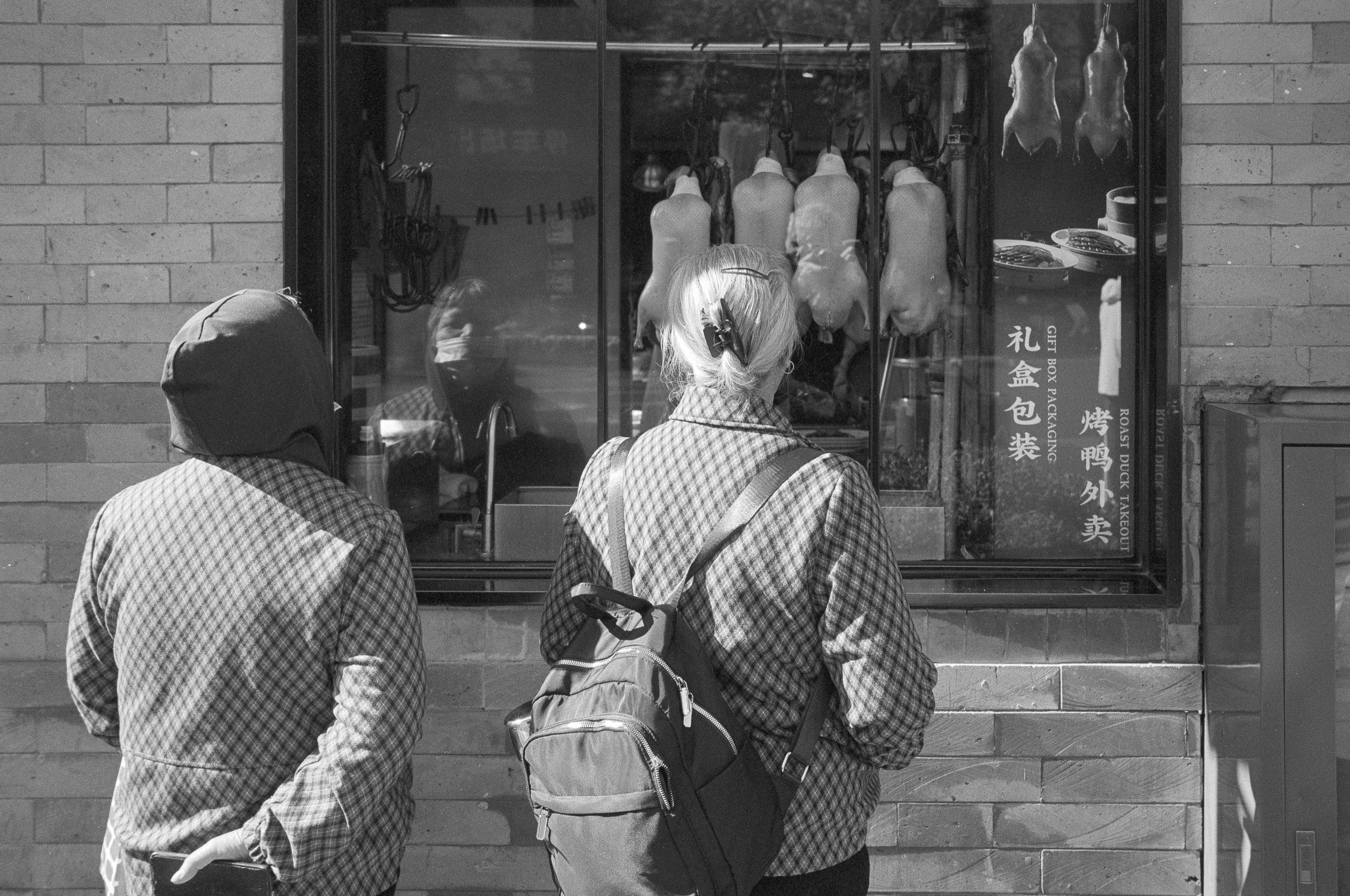
A Cycle Around the Communist Block with the Voigtländer VM 35mm f/1.5 Nokton and a Leica M2

Travel photography often begins with a simple question: what happens when you stop chasing landmarks and start paying attention to the streets between them? During a spare day in Beijing before flying home, I decided to do exactly that. Armed with an AliPay rental bike, a Leica M2, and a Voigtländer VM Vintage 35mm f/1.5 Nokton, I set out to explore China’s capital one block at a time. Rather than following a strict itinerary, I simply wandered through the city, letting curiosity dictate the route.

The camera setup was deliberately simple. The Leica M2 remains one of the purest photographic tools ever made, while the Voigtländer 35mm f/1.5 has become my favourite lens for it. The combination strikes a fascinating balance between vintage character and modern performance. Wide open, the lens offers atmosphere and personality; stopped down, it becomes remarkably sharp and clinical. For street photography, it feels both classic and capable.

As with any fully manual camera, however, simplicity comes with challenges. Exposure is entirely your responsibility, and despite carrying a light meter, I still managed to underexpose several frames early in the day. It’s a familiar trap: your eyes adapt to shadows and convince you there’s more light available than there really is. Throw in expired development chemicals and there are plenty of opportunities for mistakes. Fortunately, not every frame suffered the same fate.

Exploring the Hutongs

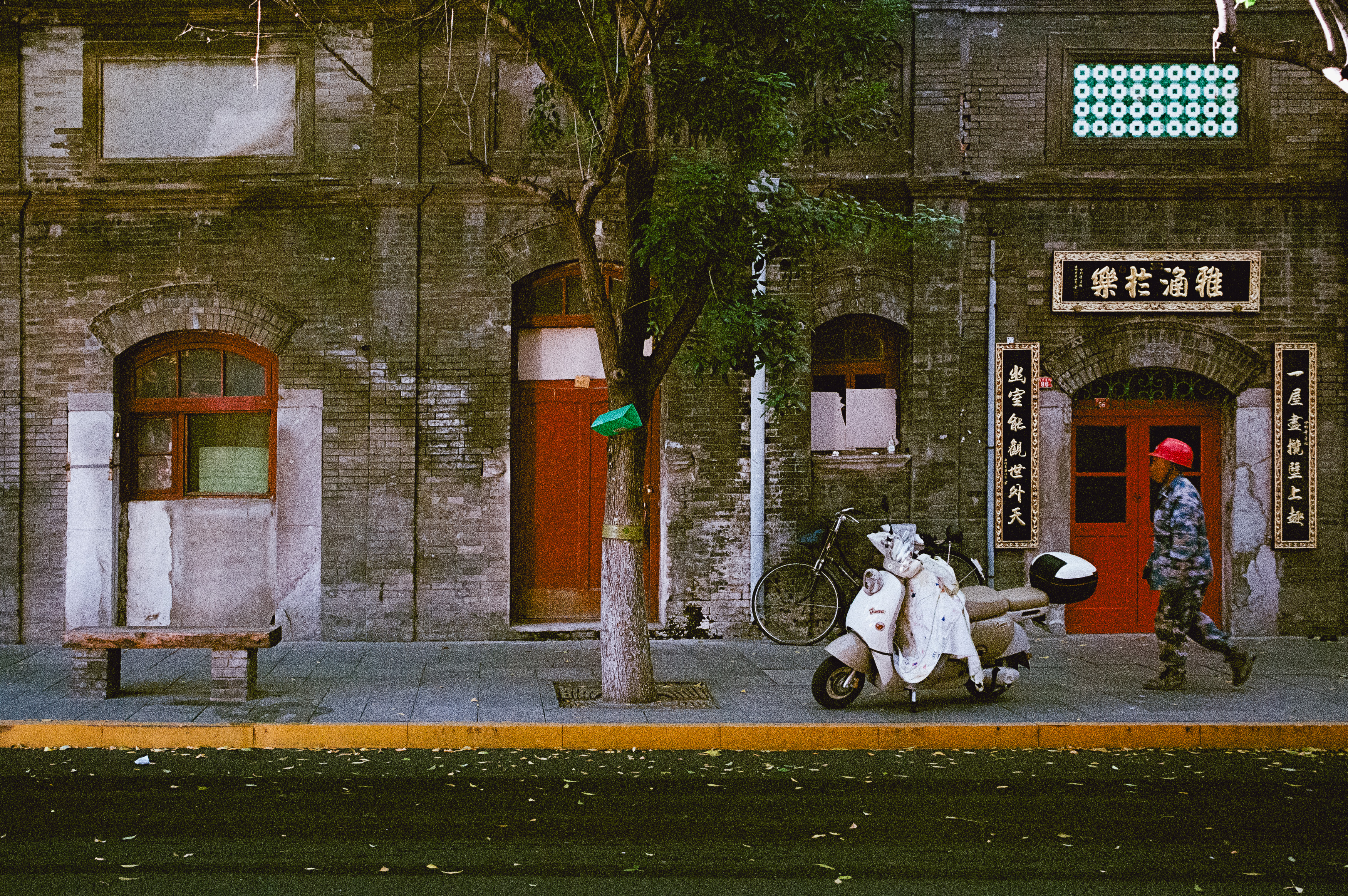
The first roll was Fuji 400, though by the time I’d manually exposed, developed, scanned, and edited the negatives, it’s difficult to say how much of the final look belonged to Fuji and how much belonged to me. Eventually I swapped to Kodak ColorPlus 200, whose warm palette felt perfectly suited to Beijing’s red walls, golden accents, and bustling streets.

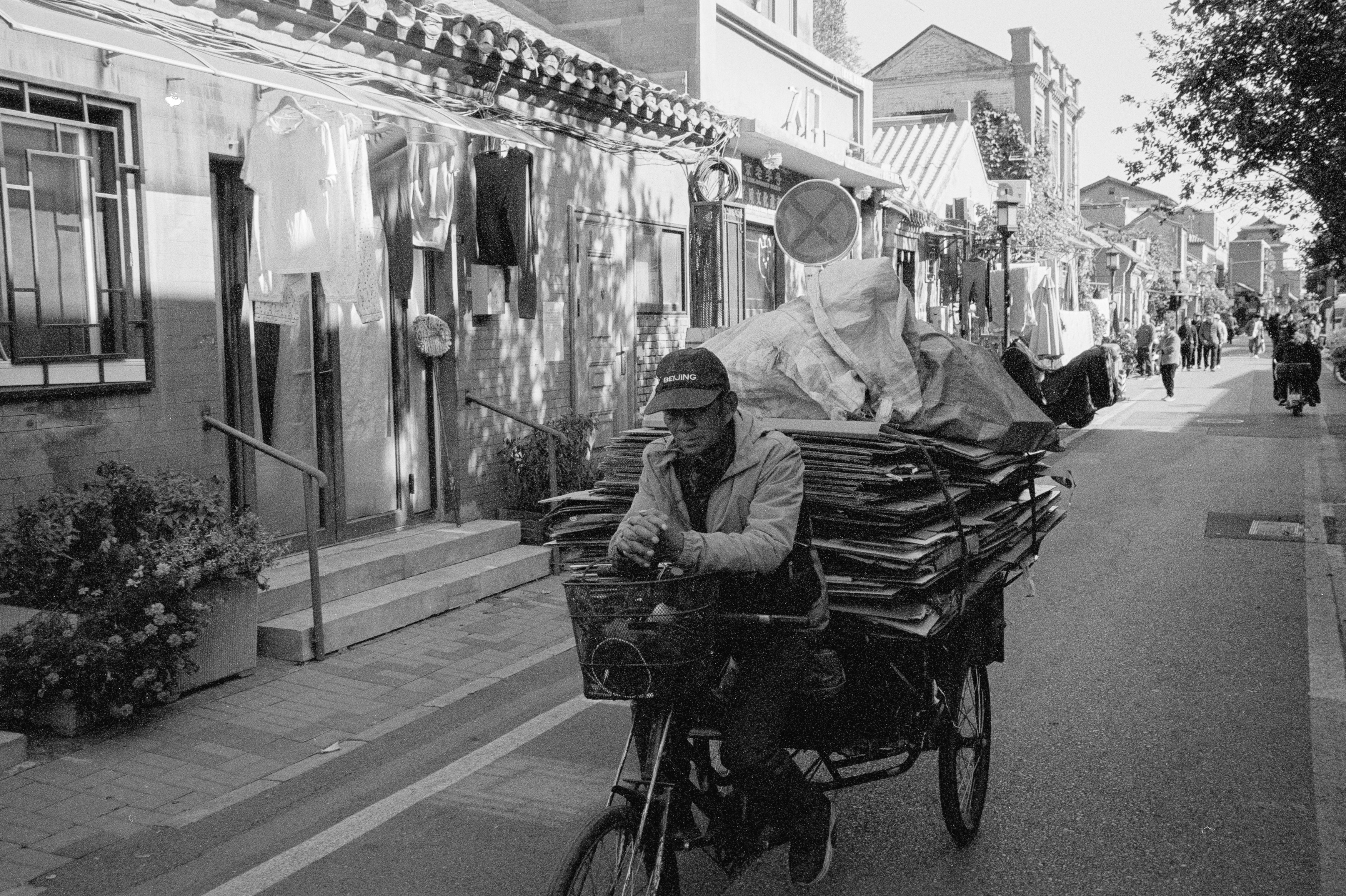
One of the highlights of the ride was exploring Beijing’s famous hutongs. These traditional residential compounds offer a glimpse into an older version of the city. Historically, families lived closely together around shared courtyards and communal facilities. Privacy wasn’t always part of the design, but community certainly was.

Today, much of old Beijing has disappeared beneath modern development. Like many Chinese cities, traditional neighbourhoods have given way to apartment towers and expanding urban infrastructure. Yet pockets of the old city remain, preserved as cultural districts, restaurants, galleries, and occasionally still as homes. Wandering through these lanes reveals a side of Beijing that feels worlds away from the modern skyline.

The hutongs also provided some of the day’s most rewarding photographic opportunities. Laundry hung from windows, elderly residents chatted in doorways, and everyday life unfolded at a pace that felt noticeably slower than the surrounding city. These weren’t the postcard views that attract tourists, but they offered something arguably more interesting: a sense of how people actually live.

Tiananmen Square and the Politics of Place

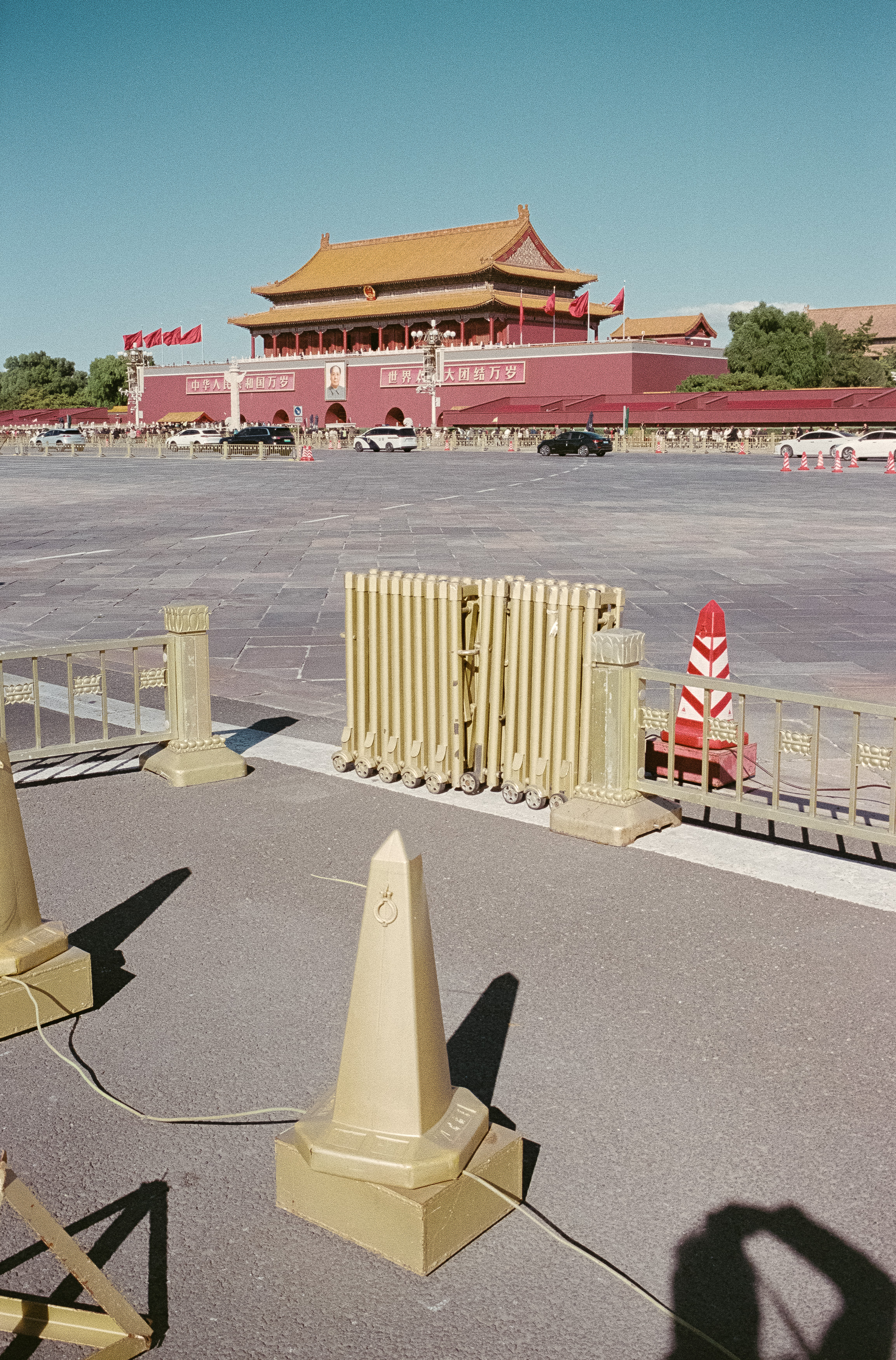
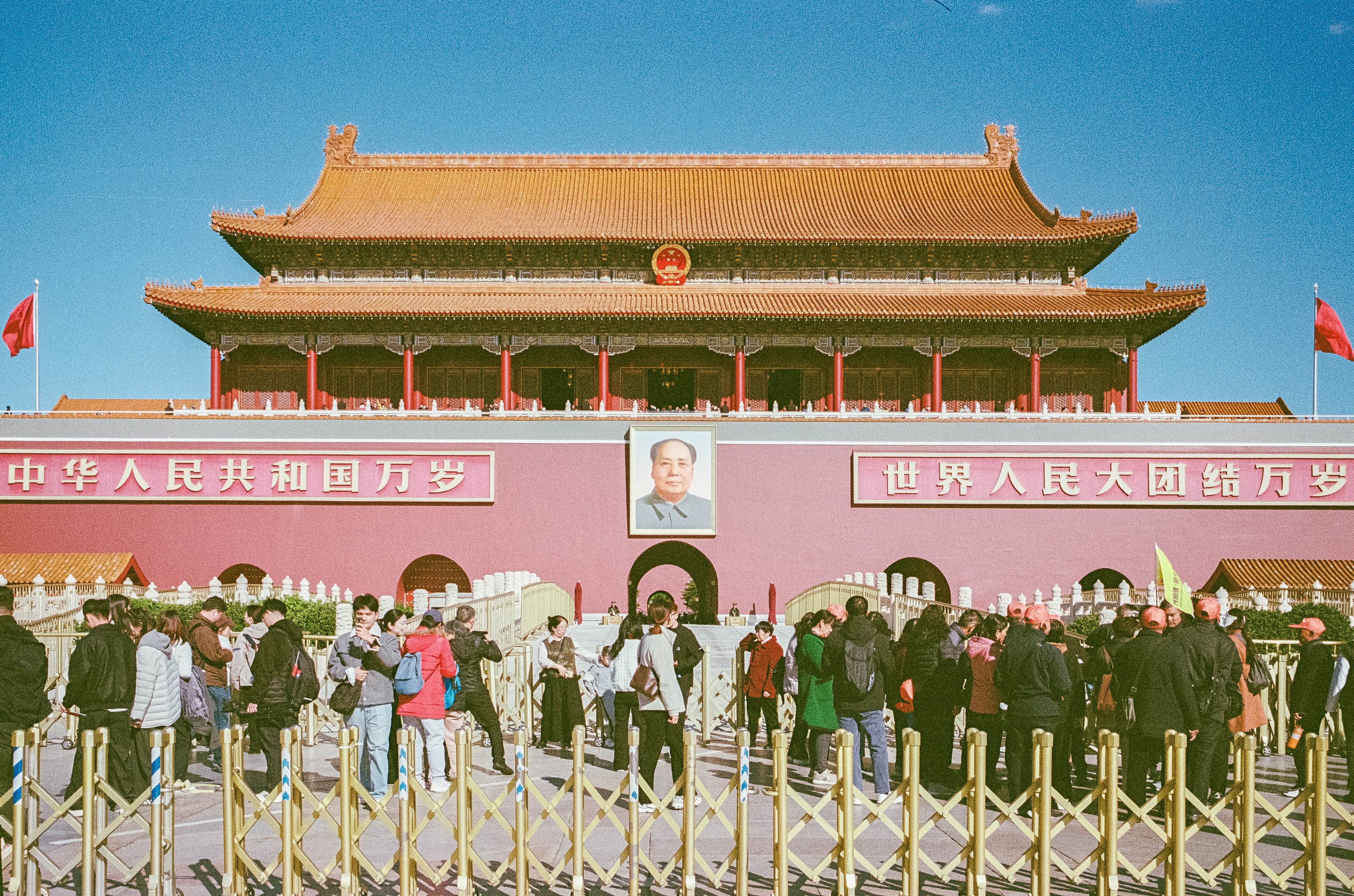
Eventually the ride led toward one of the most recognisable public spaces in the world: Tiananmen Square. The square itself is immense, surrounded by some of China’s most significant political and cultural landmarks, including the Monument to the People’s Heroes, the Mausoleum of Mao Zedong, the Great Hall of the People, and the National Museum of China.

Access to the square is tightly controlled, and entry tickets often need to be booked in advance. Rather than entering directly, I circled the area by bicycle, navigating passport checks, security barriers, and occasional questions from curious officials wondering why a foreigner was stopping to photograph ordinary scenes.

What struck me most was the contrast between the monumental and the domestic. Just beyond one of the largest public squares on Earth are narrow residential streets, hanging laundry, and small moments of everyday life. The juxtaposition felt uniquely Beijing: grand political symbolism existing alongside the ordinary rhythms of daily living.

Why a Leica M2 and 35mm Lens Were Perfect for Beijing

The Leica and Voigtländer combination excelled in this environment because it encouraged a particular way of seeing. A fixed 35mm lens forces the photographer to engage with the scene rather than relying on zoom. There is no ultra-wide perspective to exaggerate scale and no telephoto reach to isolate distant subjects. Instead, you move closer, pay attention, and become part of the environment you’re photographing.

That limitation becomes a strength. The 35mm focal length captures enough context to establish a sense of place while still allowing intimacy with a subject. It is no accident that generations of street photographers have gravitated toward this field of view. It feels remarkably close to how we naturally experience the world.

The Voigtländer lens complemented that approach perfectly. Despite its “Vintage” branding, its rendering is more modern than nostalgic. While some vignetting appears at wider apertures, it adds character rather than detracting from the image. Wide open, the lens offers atmosphere and personality; stopped down, it delivers impressive sharpness across the frame. In many ways, it feels like two lenses in one.

The Real Story Was in the Everyday Details

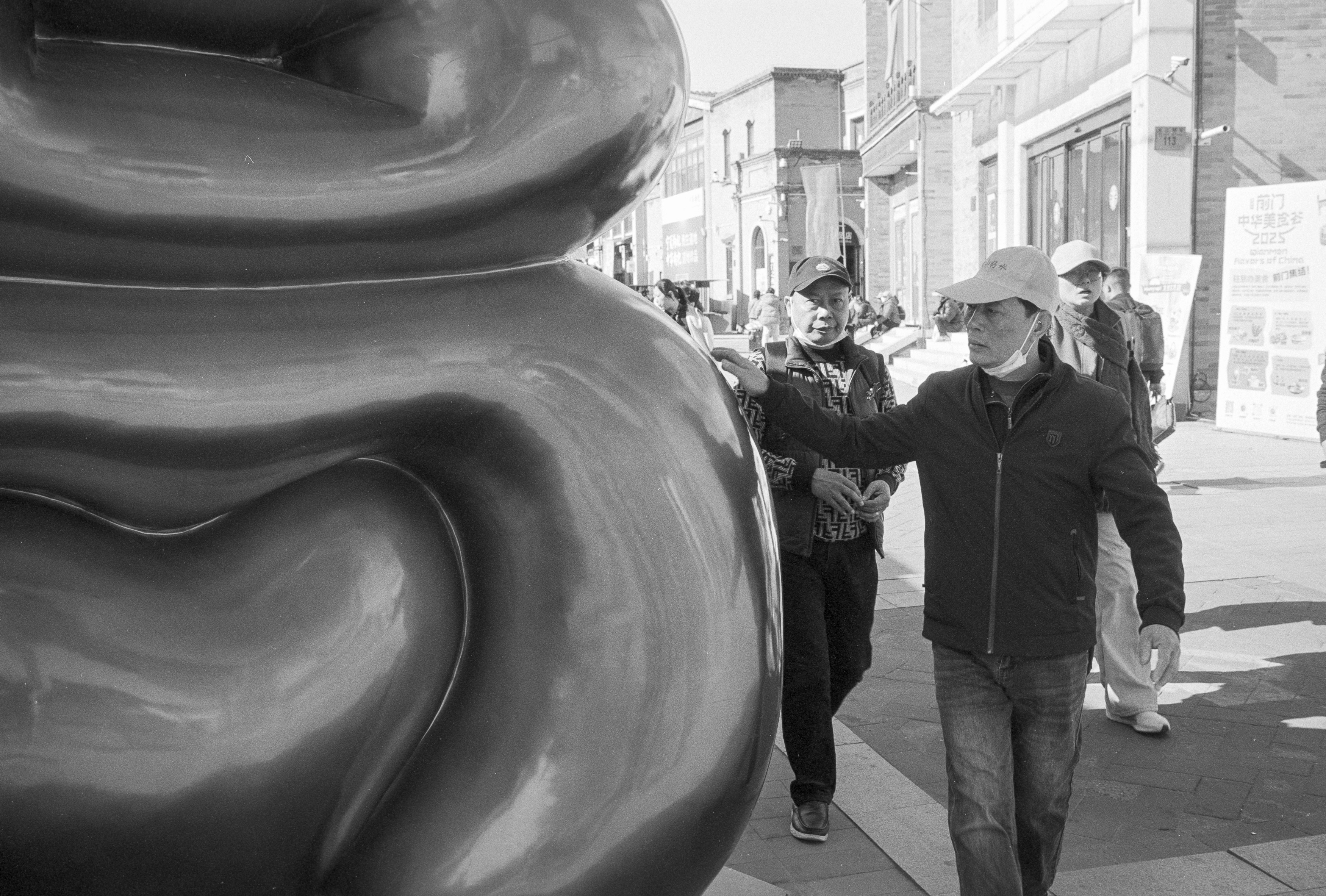
As the day progressed, colour film eventually gave way to black and white. A roll of Kentmere 100 transformed the city into a study of shape, texture, contrast, and light. Without colour competing for attention, small moments became even more important.

Looking back through the photographs, the images that resonate most aren’t necessarily the obvious landmarks. The iconic view of Tiananmen Square certainly has its place, but the quieter photographs linger longer in memory. Reflections in windows, curious dogs, hanging laundry, market scenes, and people simply going about their day reveal something more interesting than monuments ever could.

Three rolls of film, one camera, and one lens were enough to document a day in Beijing. The limitations of the equipment shaped the experience, encouraging consistency, patience, and a more deliberate way of seeing. No tanks were faced down and no grand acts of protest occurred. There were only conversations, misunderstandings, photographs, and a bicycle ride through one of the world’s most fascinating cities.

Sometimes that’s more than enough.

My Shin Okubo Dori Story with the Olympus 75mm f1 8 for Micro Four Thirds

The Olympus 75mm f/1.8 has long enjoyed a near-mythical reputation among Micro Four Thirds photographers. Released back in 2012, it quickly became known as one of the sharpest lenses available for the system and remains highly regarded more than a decade later. Having owned mine since 2013, it has been one of the lenses most responsible for convincing me that Micro Four Thirds could deliver truly exceptional image quality in a compact package.

That loyalty was tested recently when the lens developed an autofocus issue. During a trip to Malaysia, I discovered it struggled to focus on distant subjects, rendering it effectively useless for many of the situations where I normally rely on it. While it could still produce attractive close and mid-distance images, a telephoto lens that cannot focus at infinity is severely compromised. After an expensive repair, however, the lens returned to full health, providing the perfect excuse to take it on a fresh adventure and rediscover what makes it so special.

Small Lens, Big Performance

One of the strongest arguments for the Olympus 75mm f/1.8 is that it perfectly demonstrates the strengths of the Micro Four Thirds system. Critics often argue that smaller sensors cannot compete with full-frame cameras when it comes to subject separation and shallow depth of field. This lens challenges that assumption.

With a field of view equivalent to a 150mm lens on full frame and a bright f/1.8 aperture, it produces beautifully blurred backgrounds while remaining remarkably compact. Compared to something like a modern full-frame 135mm f/1.8 lens, the Olympus is dramatically smaller, lighter and less expensive. It offers much of the same creative potential without requiring photographers to carry a heavy camera bag.

Physically, the lens is refreshingly simple. There are no programmable buttons, aperture rings or manual-focus clutches. Instead, Olympus focused on delivering excellent optics in a premium metal body. The lens feels solid and well made, while the focus ring offers a smooth, refined operation. Although it lacks weather sealing, it still feels every bit like a professional-grade product.

Its optical design is surprisingly sophisticated, incorporating specialised glass elements designed to minimise distortion, chromatic aberration and other optical flaws. The result is a lens that combines portability with impressive technical performance.

Why the Image Quality Still Impresses

The Olympus 75mm f/1.8 built much of its reputation on sharpness, and even today it remains one of the sharpest lenses I have ever used. Wide open at f/1.8, images are already impressively detailed, with only slight softness near the edges. By f/2.8, the entire frame becomes razor sharp.

Yet sharpness alone does not explain the appeal of this lens. Many modern lenses are technically excellent, but relatively few possess that elusive quality photographers often describe as character. The Olympus 75mm consistently produces images that feel special, even when it is difficult to identify exactly why.

Colours are rich without appearing exaggerated, and there is a pleasing sense of separation between tones. Skin tones in particular look natural and lifelike, making the lens an excellent choice for portraiture. Distortion is effectively invisible in real-world shooting, allowing it to handle architecture and urban scenes with ease.

Perhaps most importantly, the lens renders out-of-focus areas beautifully. Background blur appears soft, smooth and natural, helping subjects stand out while still preserving a sense of place. Unlike some lenses that create nervous or distracting bokeh, the Olympus delivers transitions that feel elegant and refined.

A Night in Tokyo with an Unusual Street Lens

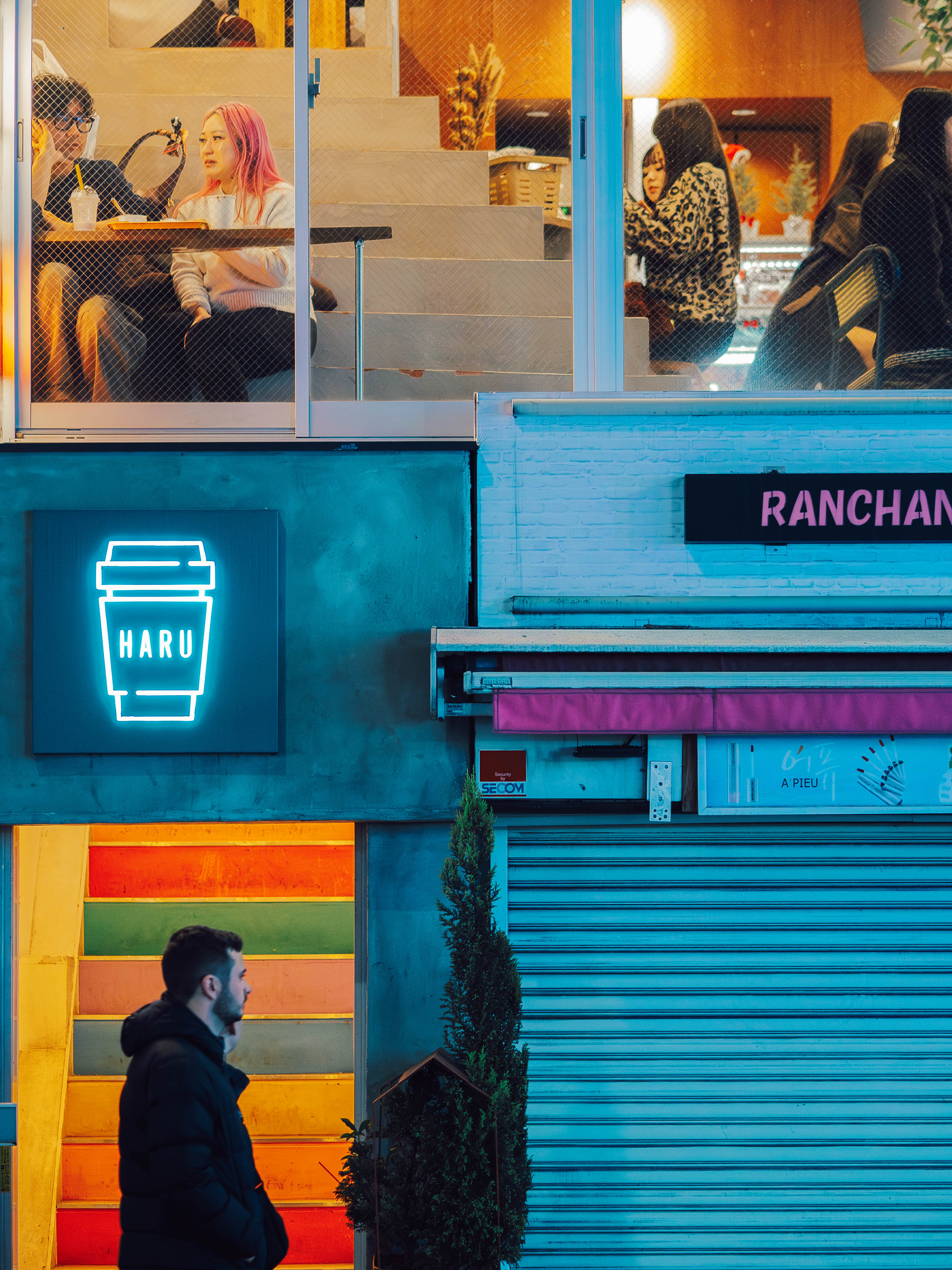
To put the repaired lens through its paces, I paired it with the OM System OM-3 during a trip to Tokyo. My destination was Shin-Okubo, the city’s vibrant Korea Town, where I spent an evening exploring the streets with a focal length that most photographers would consider unconventional for street photography.

A 150mm equivalent lens is certainly not the obvious choice for documenting urban life. It limits your field of view and makes it difficult to capture broad scenes or environmental context. However, it also offers advantages that wider lenses cannot match.

The focal length allows photographers to isolate distant subjects and create compositions free from distractions. Rather than immersing viewers in a scene, the lens encourages a more selective and observational style of photography. It becomes a spotting lens, helping you identify moments unfolding across the street and frame them with precision.

This approach works particularly well for candid photography. The extra distance allows subjects to remain natural and unselfconscious while still filling the frame with detail and character. Although it may not suit every photographer’s style, it can produce compelling results for those who enjoy a more detached perspective.

More Than Just Technical Excellence

What keeps drawing me back to the Olympus 75mm f/1.8 is not simply its image quality. Plenty of lenses are sharp. Plenty of lenses have attractive bokeh. What makes this lens special is the way it encourages creativity.

Using it requires a different way of seeing. You quickly learn to look for details, gestures and moments that might be overlooked with wider lenses. The limitations become part of the creative process, forcing you to think differently about composition and storytelling.

Looking back at the photographs from Tokyo, I remember not only the images themselves but also the enjoyment of making them. Even when I knew I was missing wider contextual shots, I found myself embracing the unique perspective this lens provided. Every frame felt deliberate and carefully observed.

There is also that difficult-to-define quality that photographers often refer to as “3D pop.” Whether it comes from the focal length, the aperture or some combination of optical characteristics, the images possess a sense of depth and presence that feels unusually engaging.

That is why, despite the repair cost approaching the value of a good used copy, I never seriously considered replacing it. The Olympus 75mm f/1.8 remains one of the finest lenses available for the Micro Four Thirds system and a perfect example of what the format can achieve. More than a decade after buying it, it continues to earn a place in my camera bag on every trip, and it remains one of the few modern lenses that genuinely excites me every time I use it.