Photography for Me, Not for Everyone Else
Just as well we have photography and video to memorialise our lives and leave a trace like digital skidmarks over human history. I’m not getting maudlin here, but I’ve been thinking about what photography will mean to me when I’m old. For some photographers, it’s about making art that is unique, groundbreaking and capable of saying something about the human condition that has never been uttered before. For me, though, I suspect I’ll be much more interested in opening an old album and looking at imperfect renderings of perfect personal memories.
That got me thinking about how I could get back to the roots of photography and make images for myself rather than for an imaginary audience. How could I create photographs that invoke the feelings of a particular time and place instead of becoming carefully polished artefacts designed to impress somebody else? The answer, I think, is to embrace imperfection rather than constantly striving to eliminate it.
A recent family trip to Sydney and southern New South Wales became an opportunity to experiment with exactly that idea. It was a low-key holiday, so I decided it deserved some low-key photography. I ended up approaching the whole thing through three pillars: printing, analogue journalling and using deliberately compromised equipment.
Printing Memories Instead of Leaving Them on a Hard Drive
The first of these is printing. How many of us actually go through our Lightroom catalogues years later and relive our experiences? I’ve had access to an A2 printer at work and occasionally printed photographs, usually putting them into cheap frames. Part of the problem is that the frames themselves can be rather underwhelming, but there’s also a lingering feeling that my photographs simply aren’t important enough to deserve that much wall space.
More recently, I’ve started thinking about printing in a smaller and more thematic way. I printed a series of Tokyo photographs that concentrated on little details around Shibuya rather than trying to capture the whole city. There’s something satisfying about taking something enormous and making it small enough to hold in your hands.
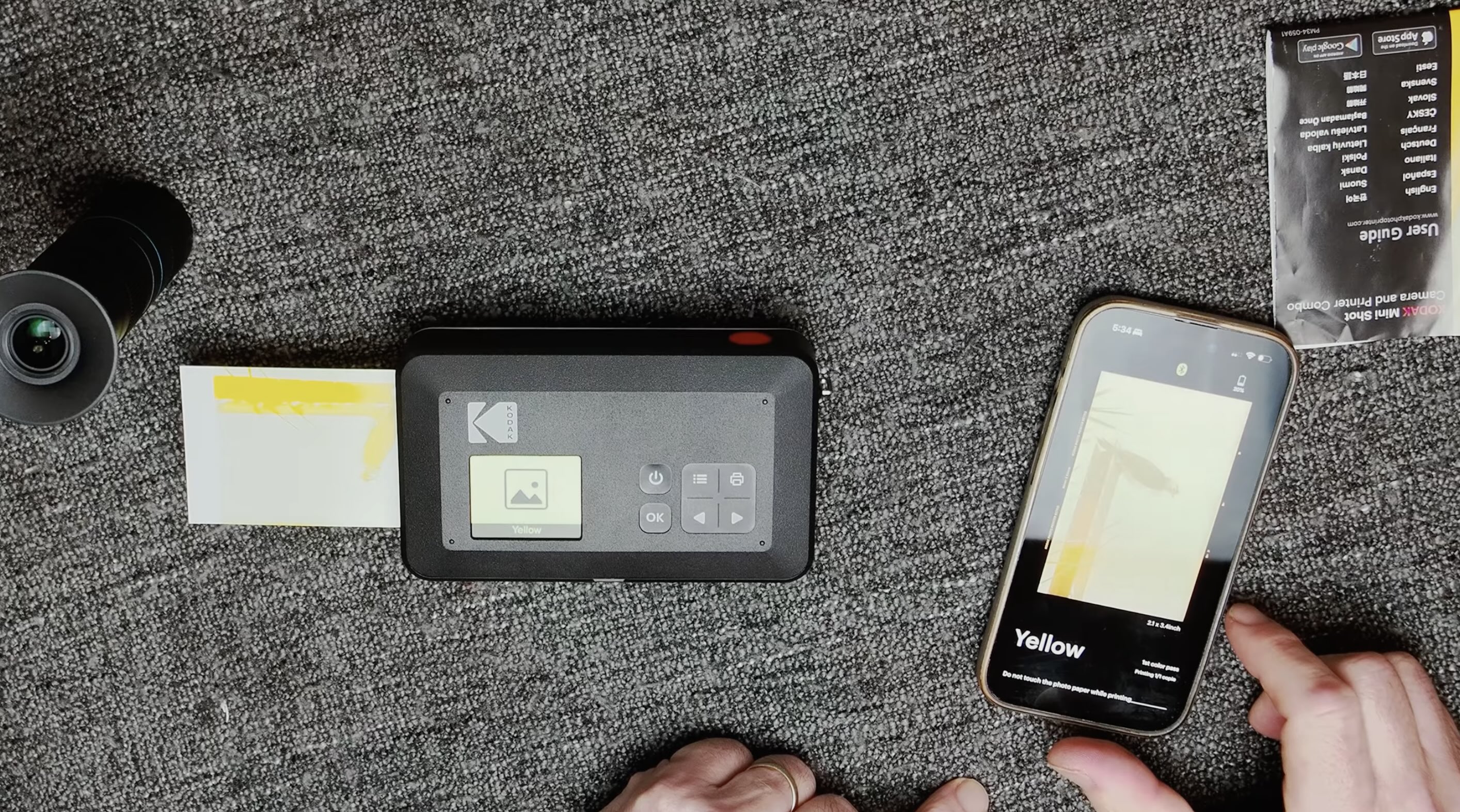
That eventually led me to a Kodak Mini Shot 2 Retro. It’s a camera, but it’s also a printer, which makes it particularly appealing for this sort of project. I bought mine second-hand because apparently I can’t resist buying photography equipment, but the real attraction is the ability to print photographs almost instantly. I also had a batch of 6×4 prints made at Officeworks, which is the Australian equivalent of Walmart for office supplies, and while they use inkjet rather than wet-lab technology, they’re inexpensive and perfectly adequate for this kind of memory-making.
A Cheap Phone Lens and a Very Bad Drawing
The second pillar was analogue journalling, which turned out to be considerably more frightening than I expected. My wife enjoys sketching and writing, so I thought it would be nice to document the NSW trip together on actual paper. Unfortunately, I can’t draw. My hands have the fine motor skills of a camel hoof, and that’s before we consider the neural spaghetti connecting my eyes to my fingers.
Still, that’s rather the point. This project isn’t about producing beautiful drawings. It’s about engaging with the process and accepting that the result might be terrible. There’s something strangely liberating about deliberately removing the expectation that everything needs to be good.
The third pillar was a tiny piece of equipment that actually prompted this whole experiment: the Apexel APL-T5-10X Variable Telephoto Lens. Apexel sent it to me free of charge and I get to keep it, but there were no conditions attached and my opinion remains entirely my own. The lens is designed to turn your phone into something resembling a 150–300mm telephoto camera, which sounds suspiciously ambitious for something that fits in your pocket.
Surprisingly, it doesn’t feel cheap. It’s a substantial little object with a nicely knurled metal exterior, glass elements and a multi-coated optical system. It weighs around 171 grams and has damped zoom and focus rings with a reasonably long throw. The phone adapter is also much more robust than the usual dog-clip contraptions I’ve encountered with smartphone accessories.
The results, naturally, aren’t going to challenge my full-frame Nikon or even my Micro Four Thirds cameras. There’s some softness, highlights can become a little bloomy and you have to contend with camera shake and a surprisingly narrow plane of focus. But when it gets things right, the images are actually pretty good, especially considering what this thing is. You certainly won’t be making enormous A2 prints from it, but for small prints or a journal, it works remarkably well.
Why Imperfection Might Actually Be the Point
Using the lens around wetlands was fun, although I quickly discovered that phones don’t particularly enjoy shooting telephoto video. A tripod helps, as does using the right camera on the phone, and there can be some circular vignetting if you attach the lens to a wide-angle camera. These are compromises, but that’s exactly what this project was about.
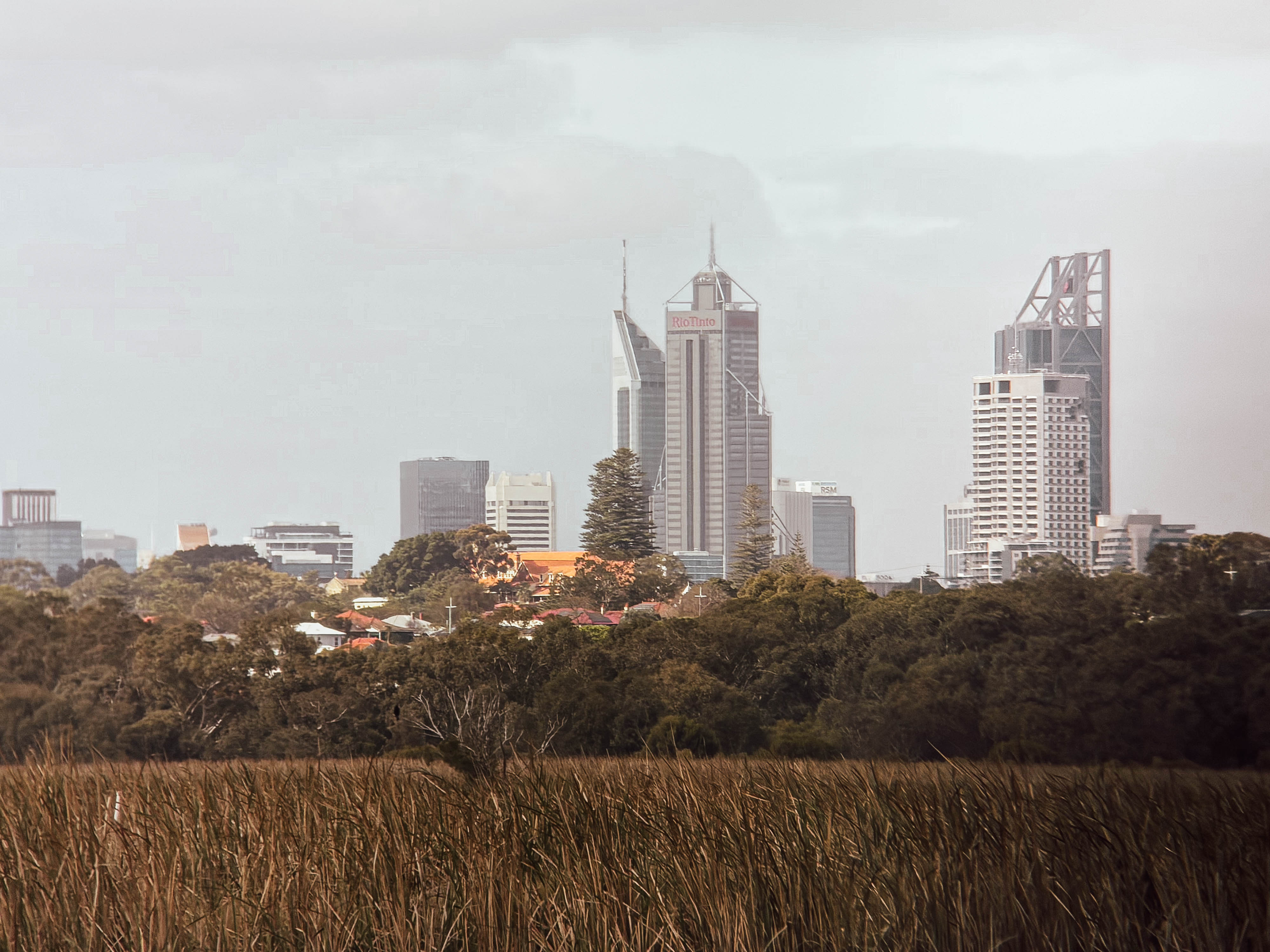
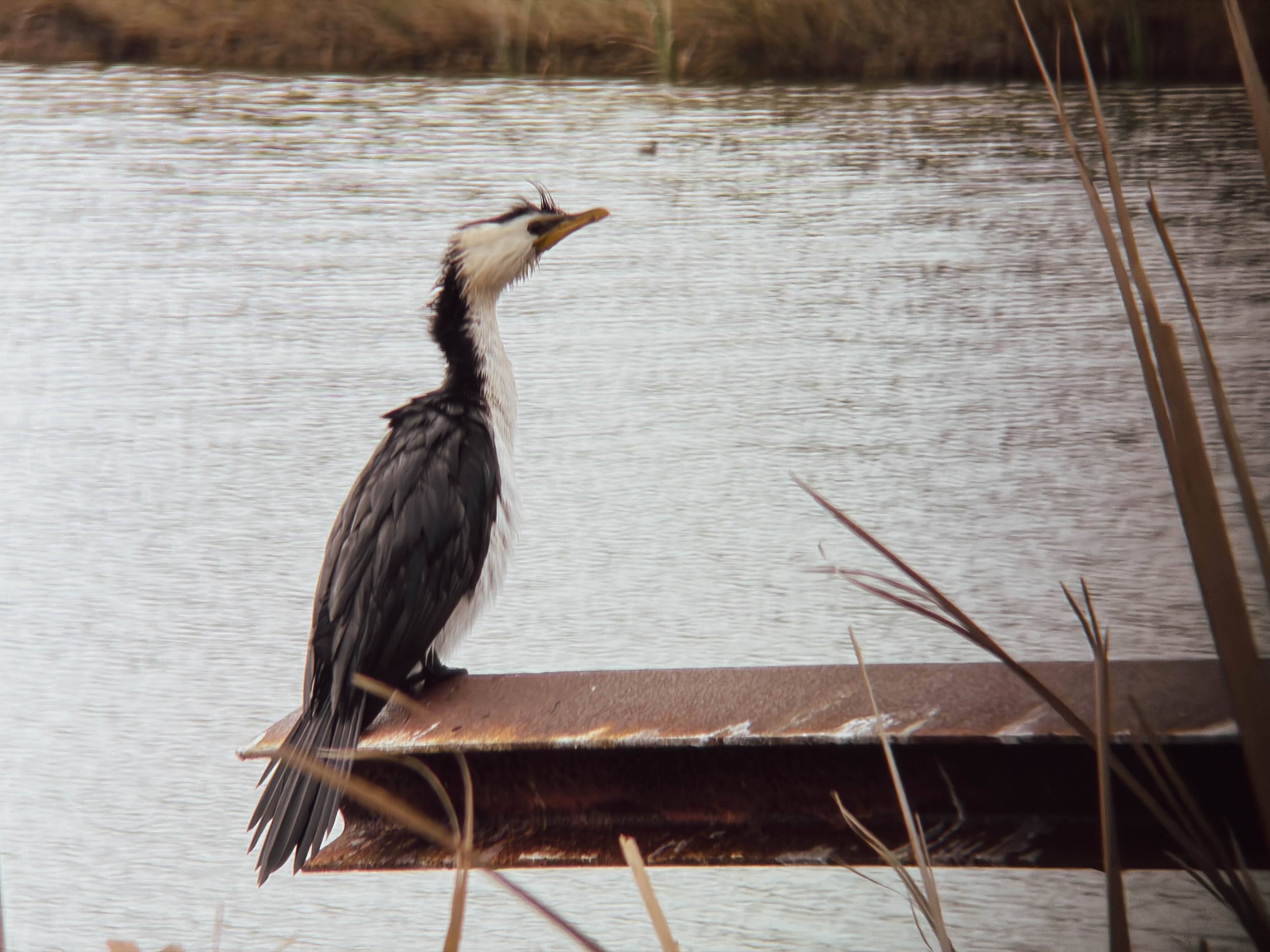
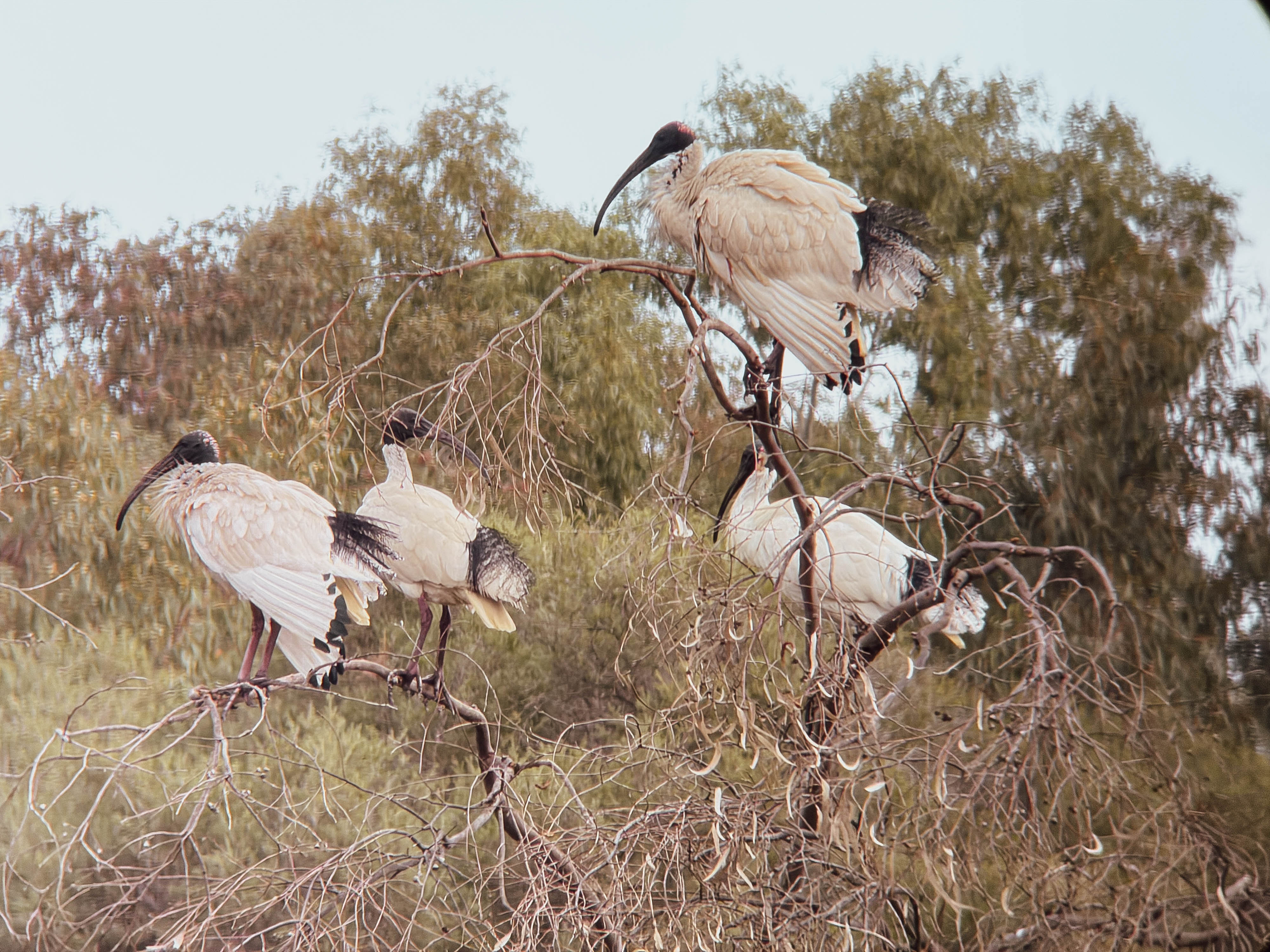
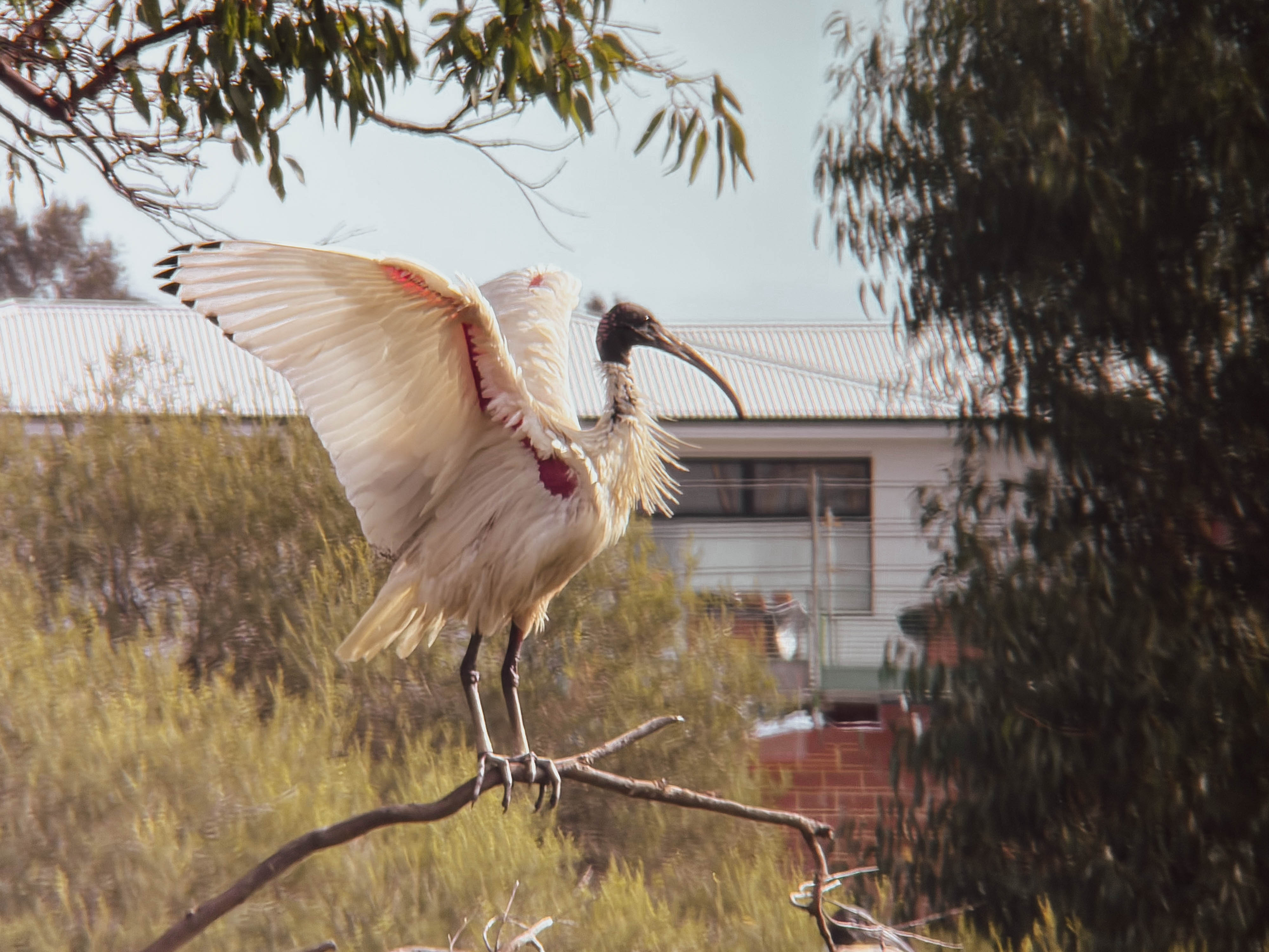
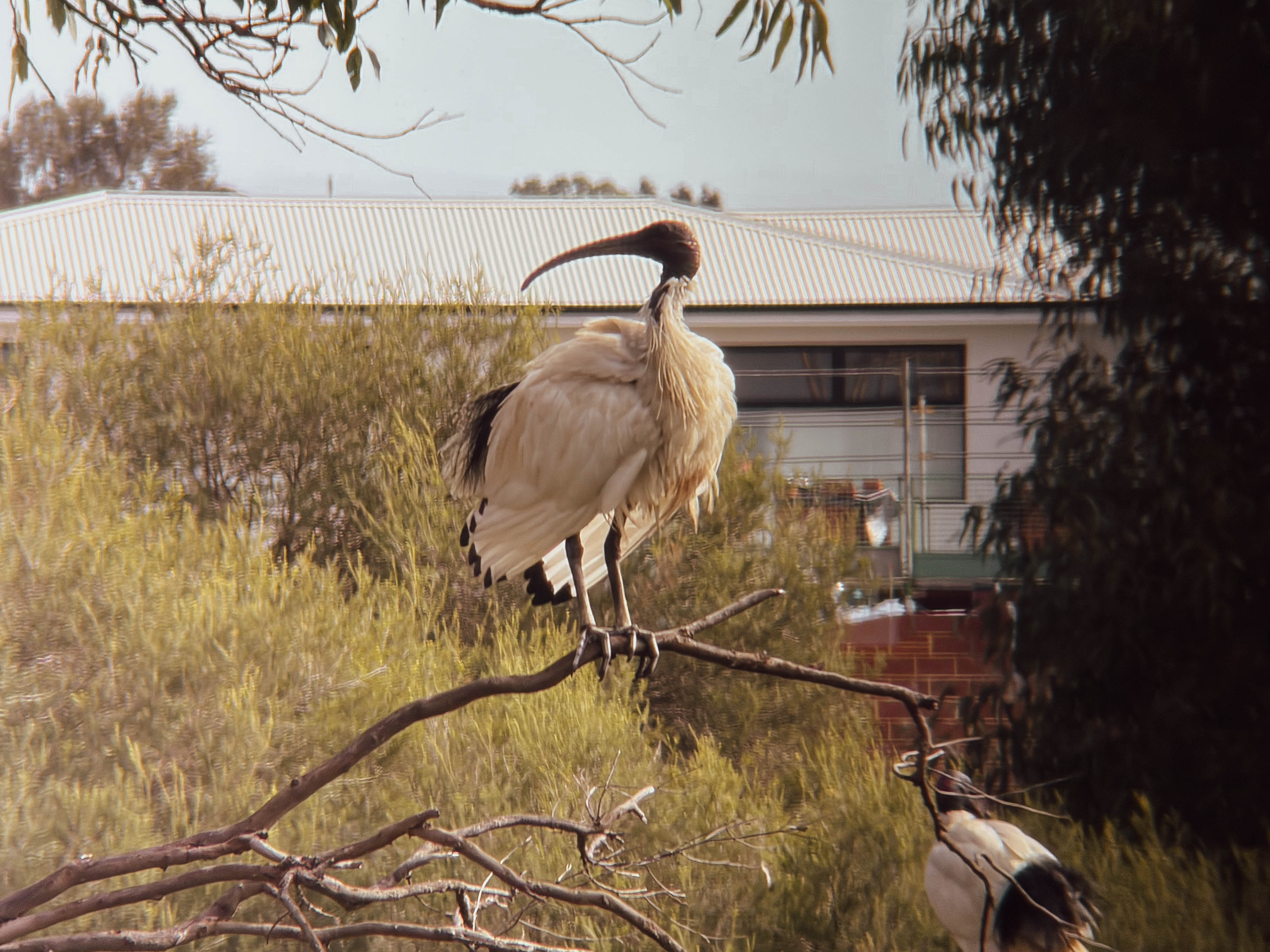
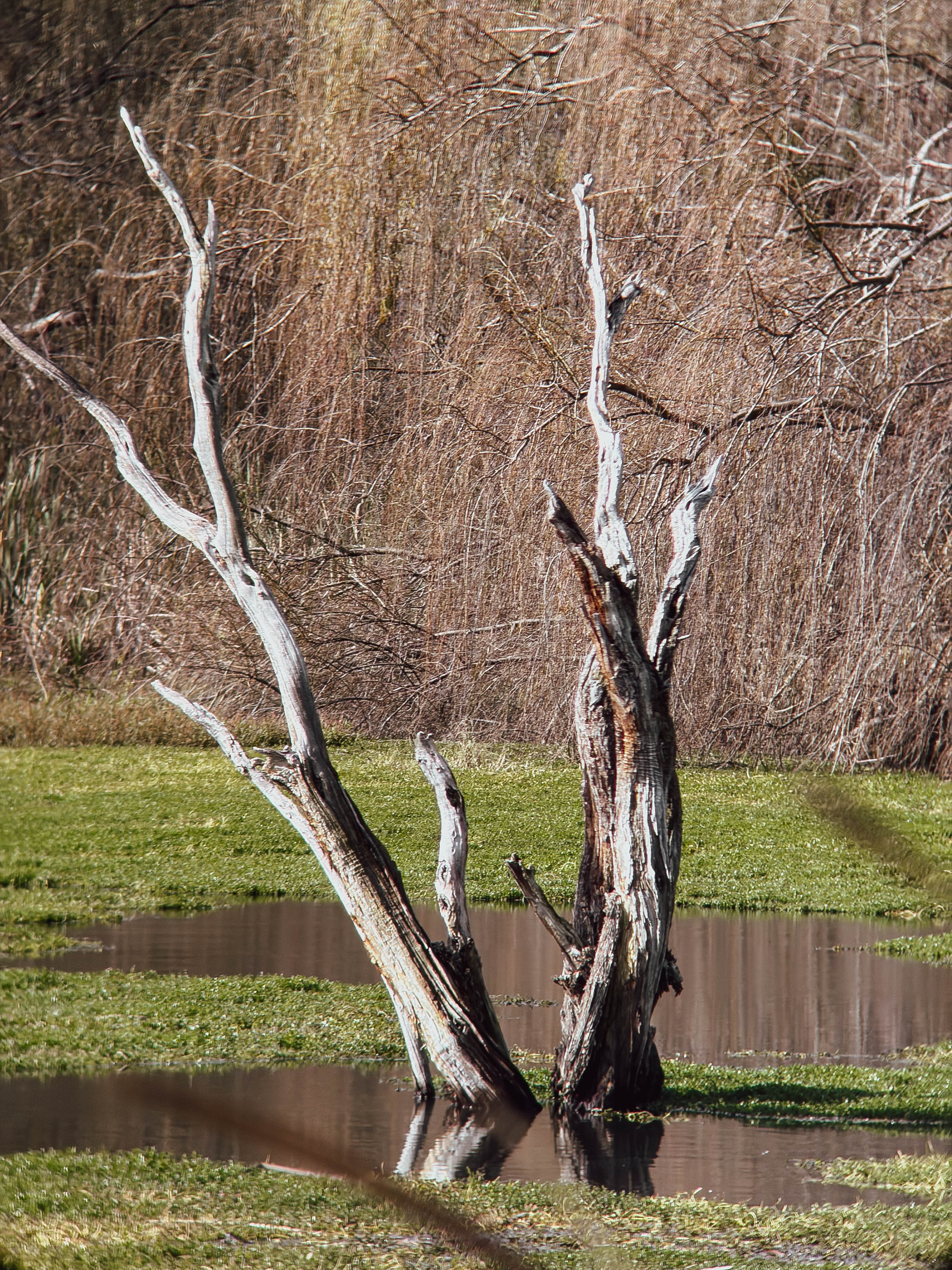
Back in Perth, I continued the journal, adding photographs and attempting to draw a bird that somehow transformed into what looked like a Liverbird on crack. It was not my finest artistic achievement, but it was mine. The important thing was that these imperfect tools forced me to slow down and actually consider what I was doing.
That might be the biggest benefit of all. The Kodak printer, the Apexel lens, the pen and the paper are all relatively cheap and accessible, but they also introduce friction into the creative process. You have to think, plan and physically engage with what you’re making. A blank page is intimidating, but somehow it becomes less intimidating when you give yourself permission to make something bad.
I’ve realised that reconnecting with analogue processes has made me feel creatively engaged in a way I wasn’t expecting. Perfection is highly overrated. The world is already full of perfectly manufactured objects and clinically perfect images that can sometimes feel more like products of mass production than things made by an individual.
When I travel, I’d much rather eat a home-cooked meal than a Michelin-starred dish, and believe me, when I cook, perfection is not exactly on the menu. But something made with love and consideration carries memories and feelings that have value far beyond any objective measurement.
That’s probably what I want from my photography too. I might not draw in this journal every day, and I may never become remotely competent at sketching, but when I return to it years from now, I’ll remember the trip. The crooked drawings, cheap prints and imperfect photographs will probably mean more to me than the technically flawless images ever could.
In a strange way, this also connects back to YouTube. Taking photographs, curating them and turning them into a story helps me relive my experiences, while sharing them allows those memories to become something communal. I’ve been thinking about doing something similar with my accumulated photographs from Japan, perhaps turning them into a book or zine around ideas such as wabi-sabi—finding beauty in imperfection—and ikigai, engaging with activities for their intrinsic pleasure.
Perhaps that’s where this whole experiment is heading. Maybe it’s a little bit of Shu-Ha-Ri: learning the basics, absorbing the experience and eventually finding your own creative trajectory. For me, at least, that trajectory seems to involve fewer demands for perfection, more tangible creativity and, most importantly, enjoying the process along the way.