The Voigtlander 15mm Super Wide-Heliar f/4.5 for M39 in Vienna: A Great Lens, just not for Digital

There are lenses you use every day, and then there are lenses that completely change the way you see the world. The Voigtländer 15mm Super Wide-Heliar f/4.5 LTM definitely falls into the second category.

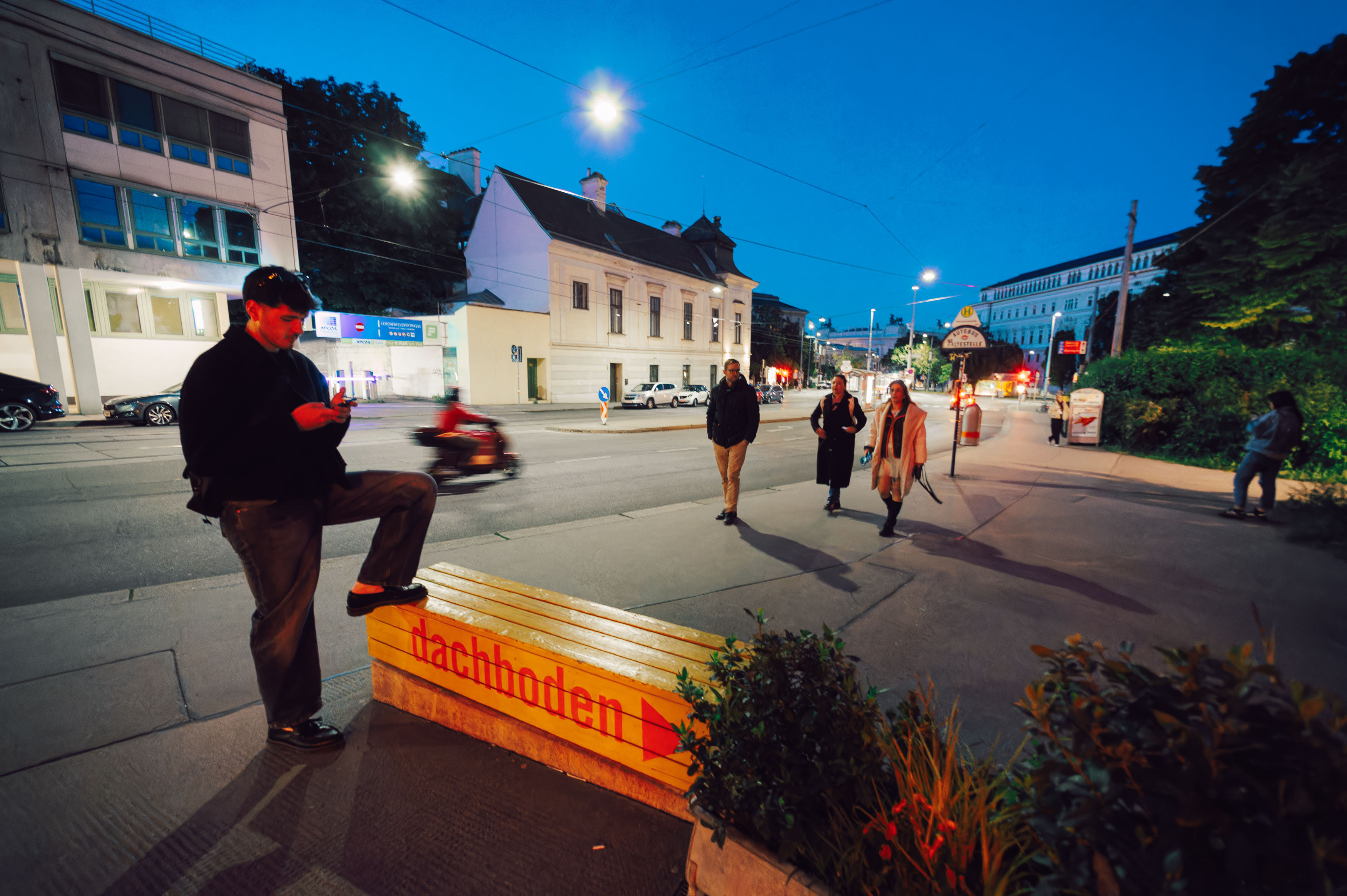
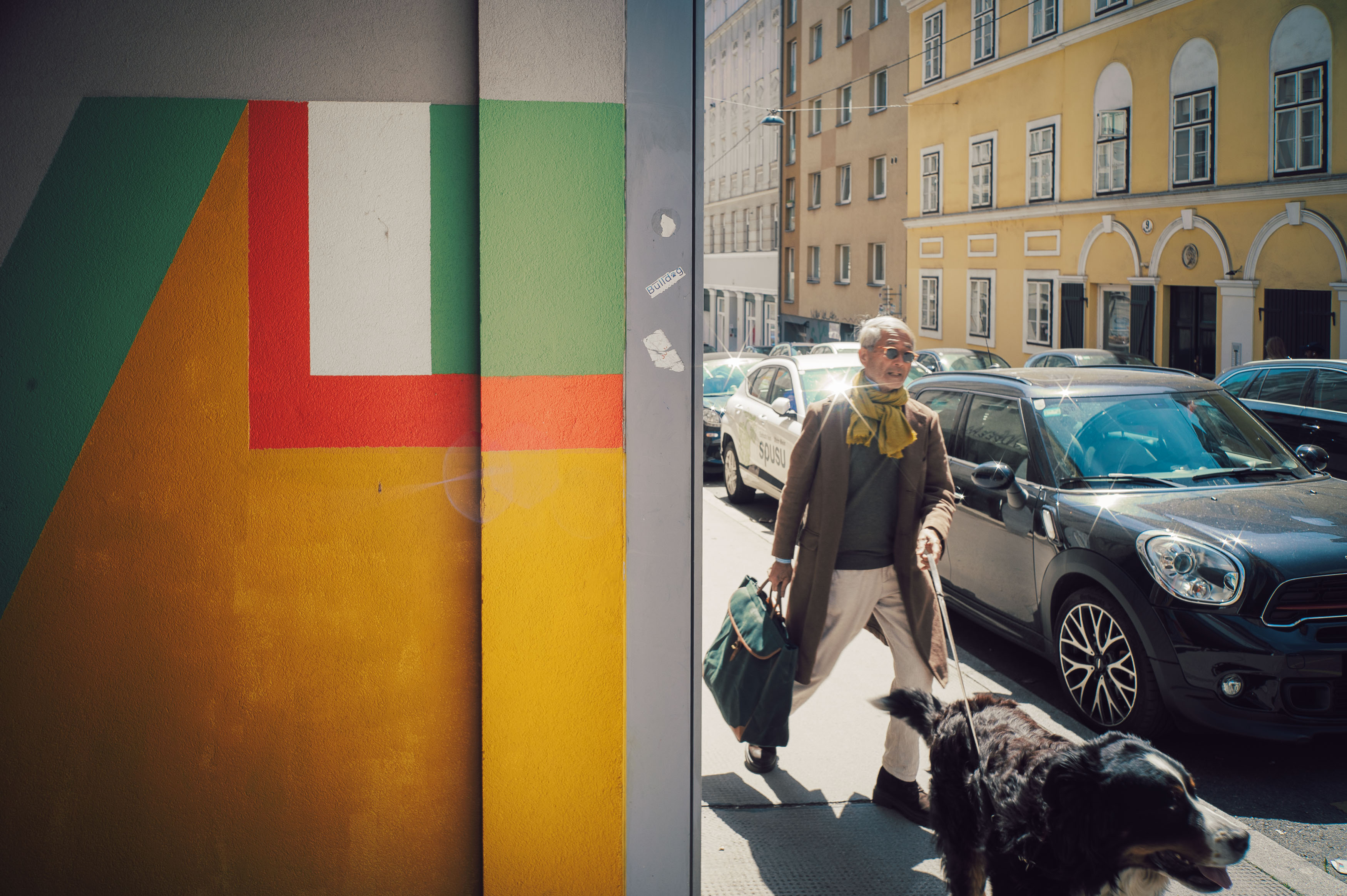
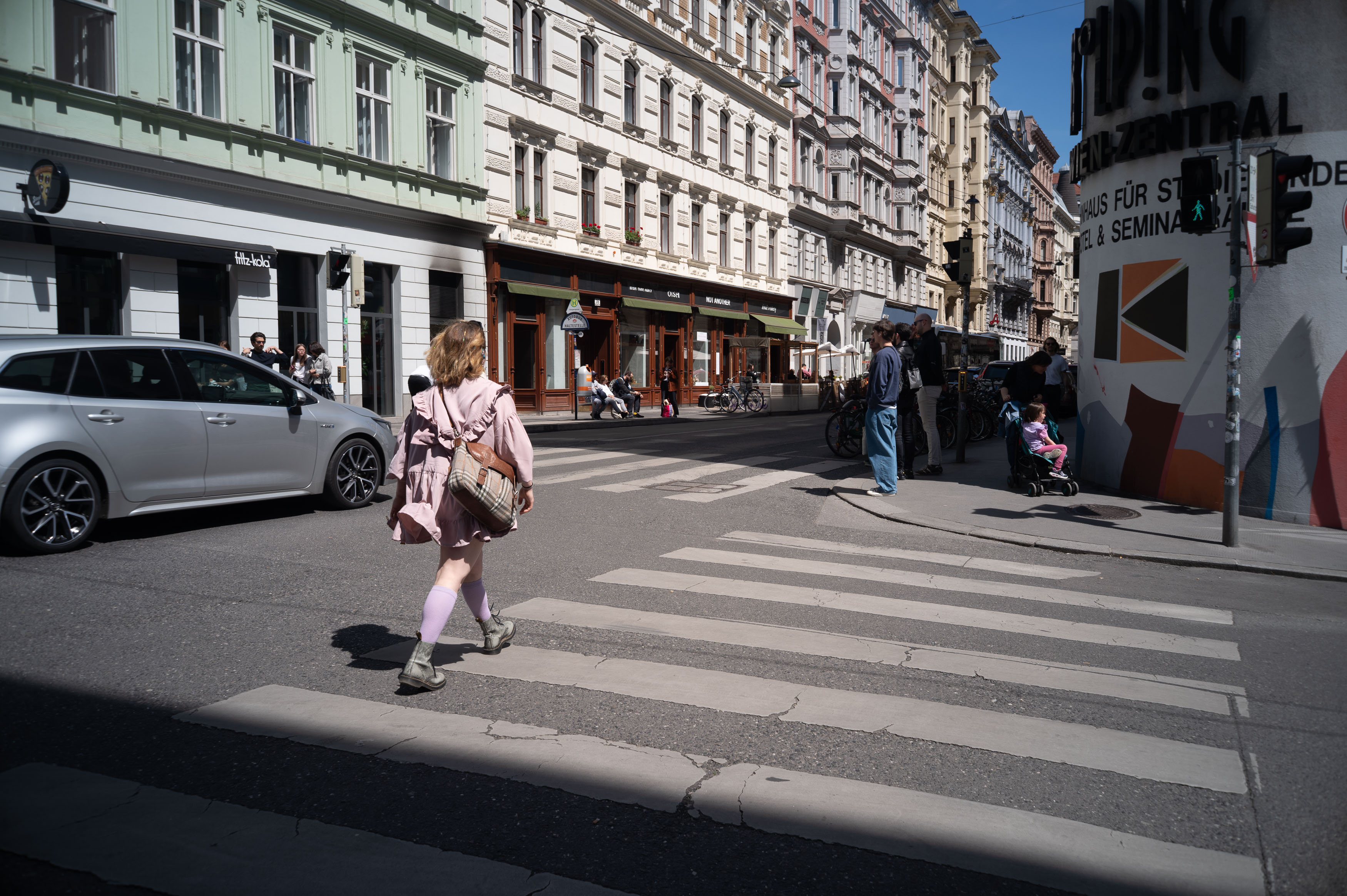
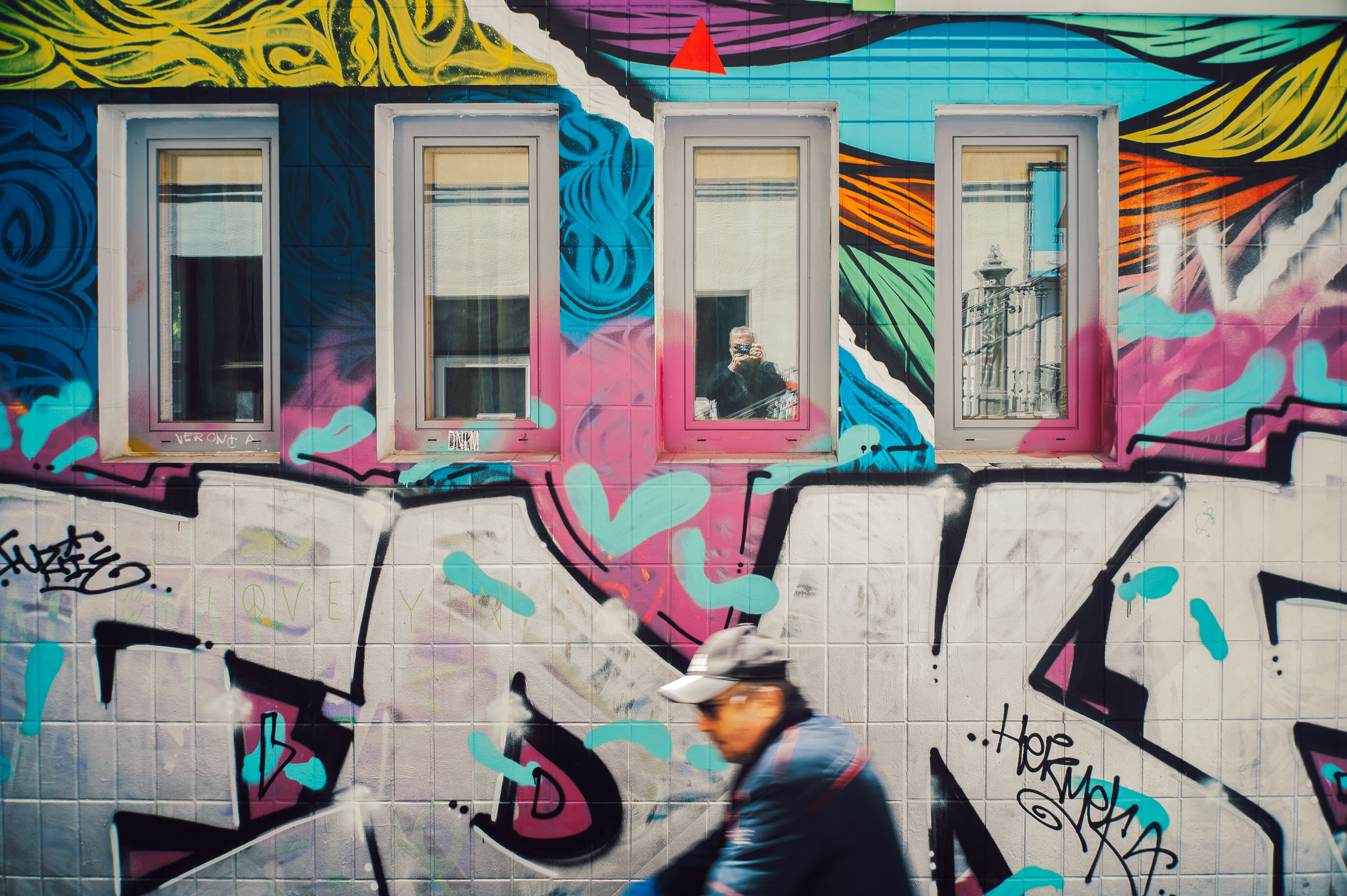
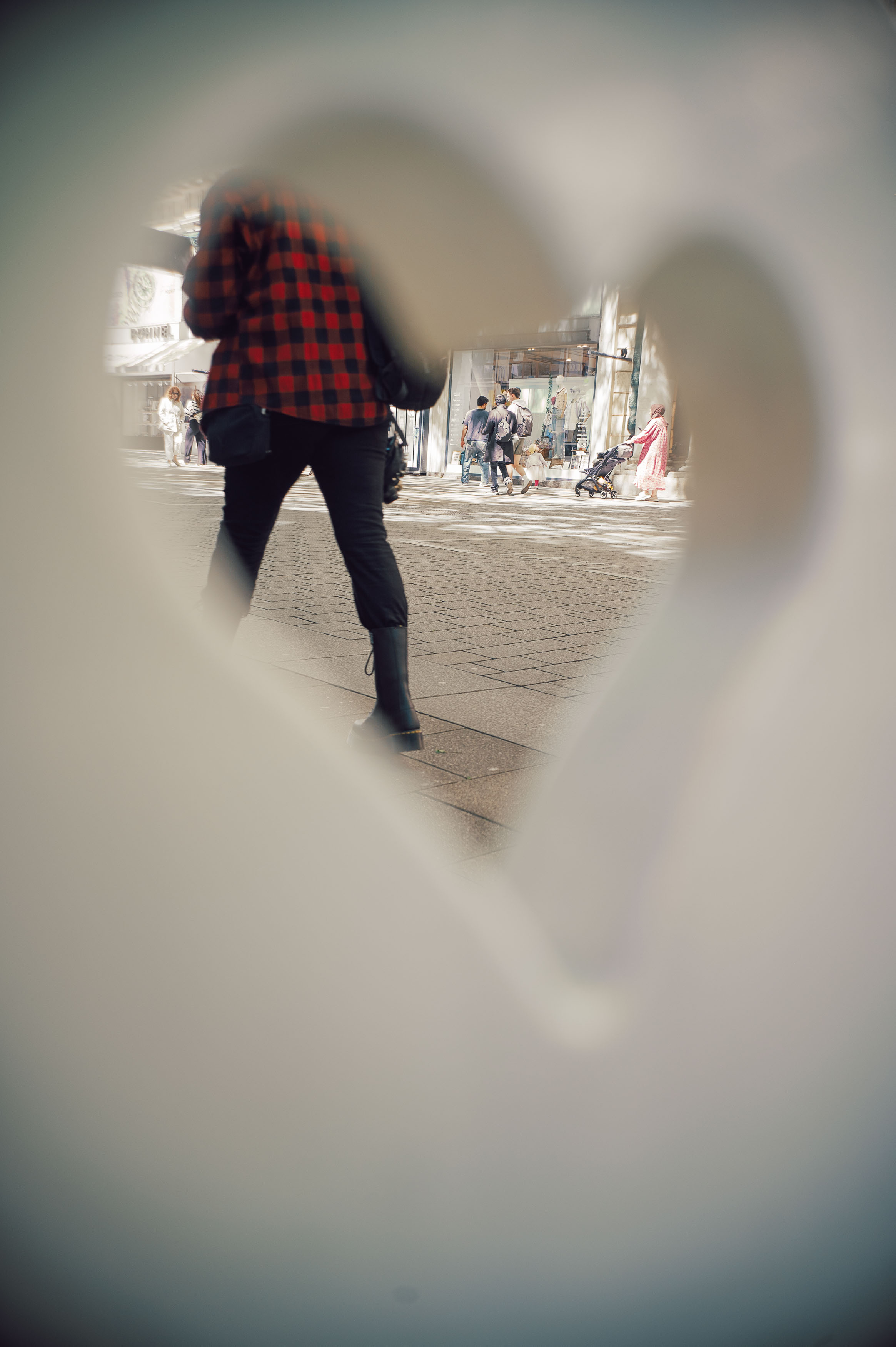
I recently packed it for a trip to Vienna, partly because the city’s grand architecture seemed like the perfect playground for an ultra-wide lens, and partly because I wanted to see whether this quirky little optic still deserved its reputation. After spending time with it on both my Leica M2 and Nikon Z6, I came away impressed—but also reminded that a 15mm lens demands far more from the photographer than most people realise.

This isn’t the sort of lens you casually leave on your camera. It’s more like a special occasion lens that rewards patience, careful composition and a willingness to embrace the strange.

Learning to See at 15mm

Fifteen millimetres is unbelievably wide. Point it at a scene and it doesn’t simply capture what’s in front of you—it seems to swallow everything around it as well.

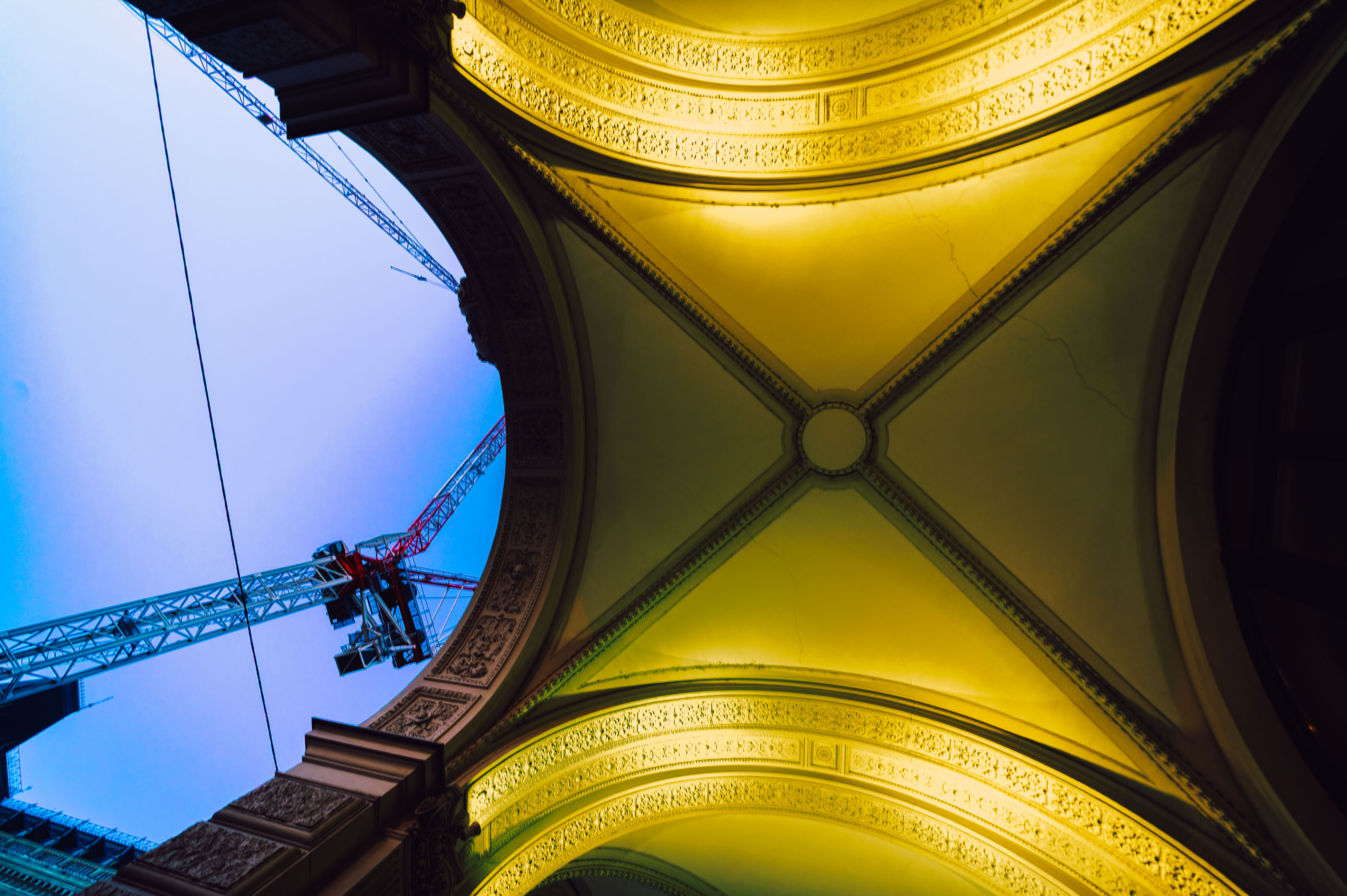
The first thing you notice is how dramatically it changes perspective. Objects close to the camera become enormous, while anything further away quickly shrinks into the distance. Straightforward compositions suddenly become much more complicated because every corner of the frame starts demanding your attention. If there isn’t something interesting happening throughout the image, you’ll often end up with a photograph that contains an awful lot of… well… not very much.

That’s why using this lens feels like learning photography all over again. You can’t rely on the habits you’ve built shooting 35mm or 50mm lenses. Instead, you have to train yourself to notice foreground subjects, converging lines and the relationships between objects across the entire frame.

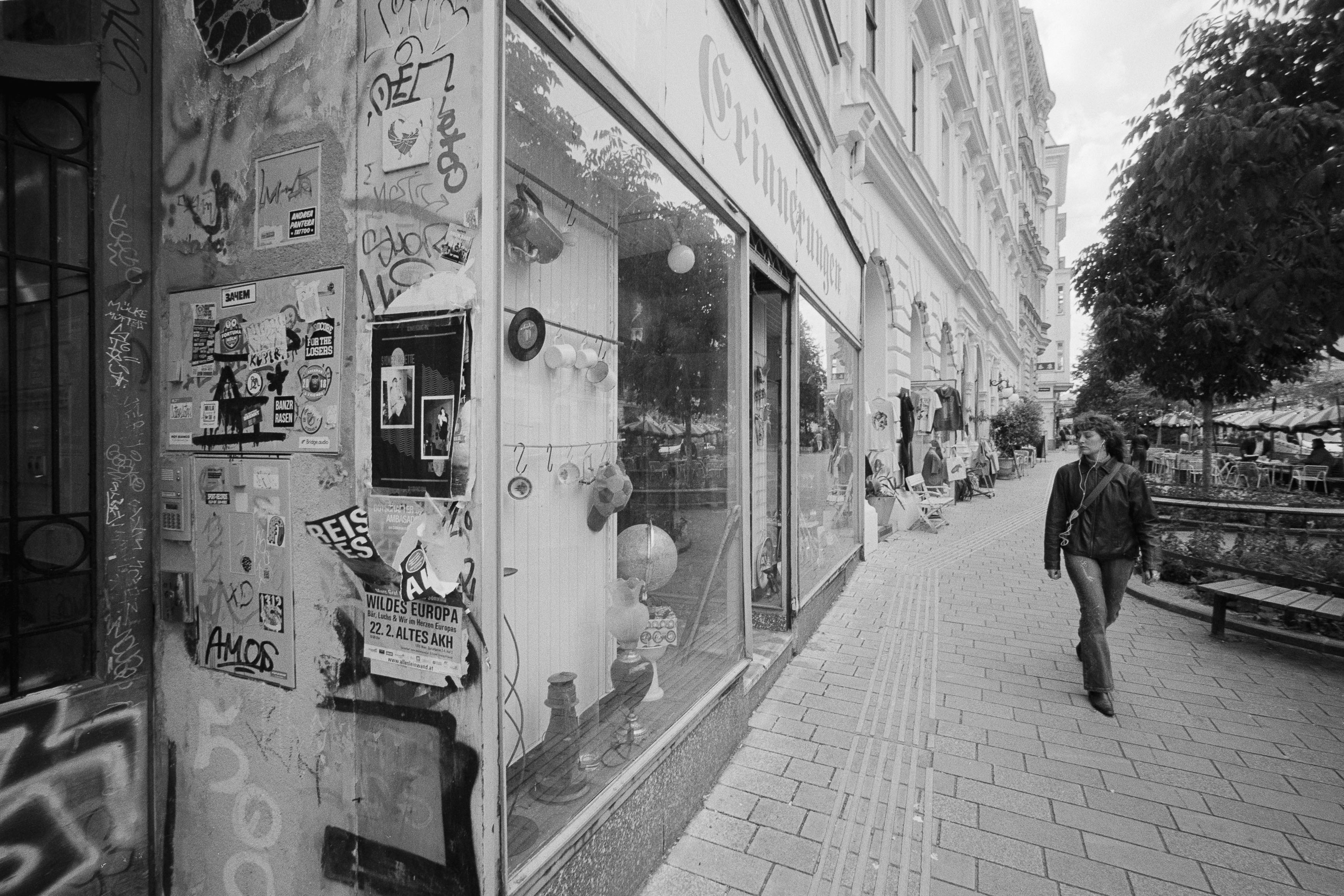
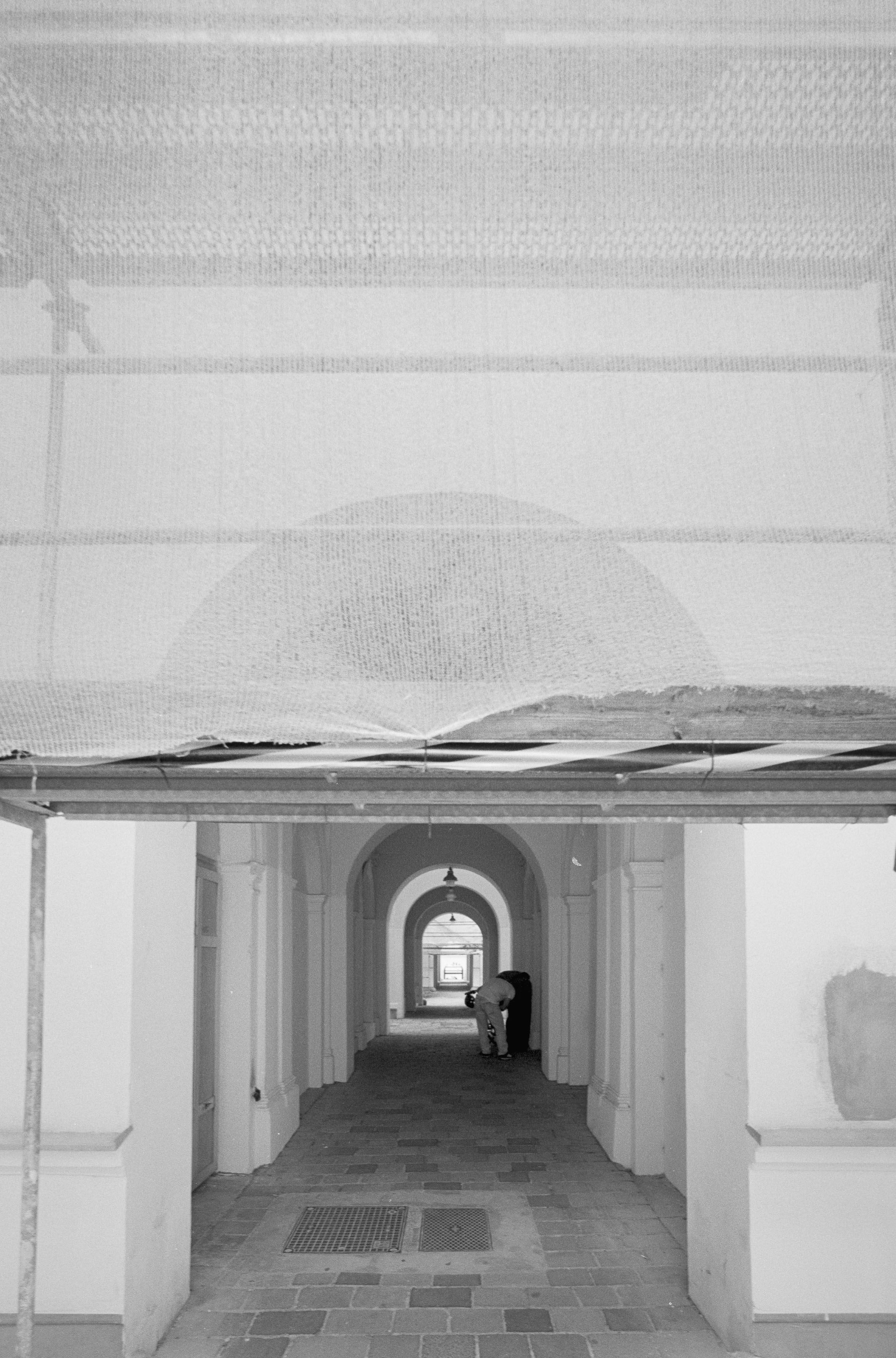
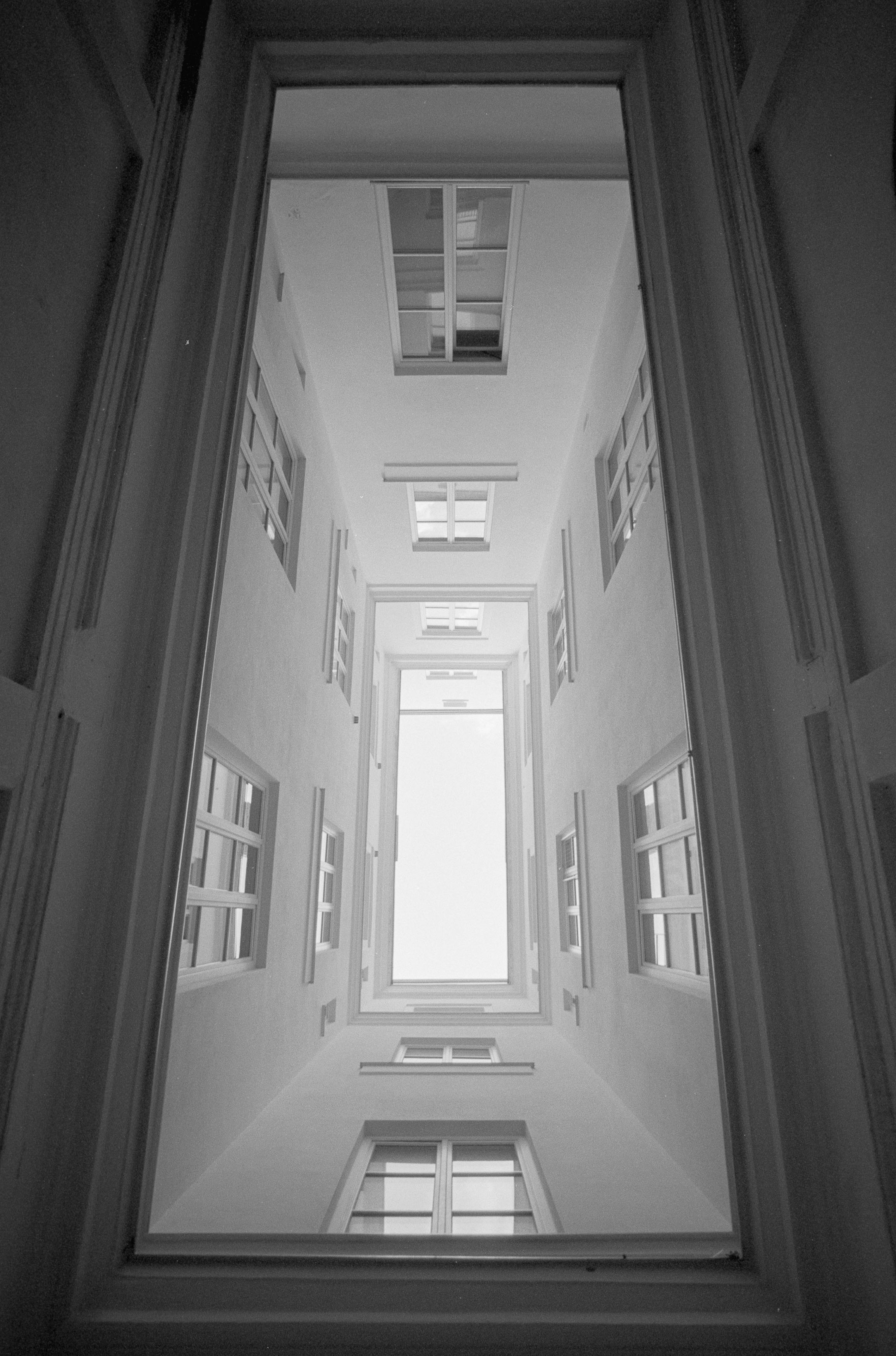
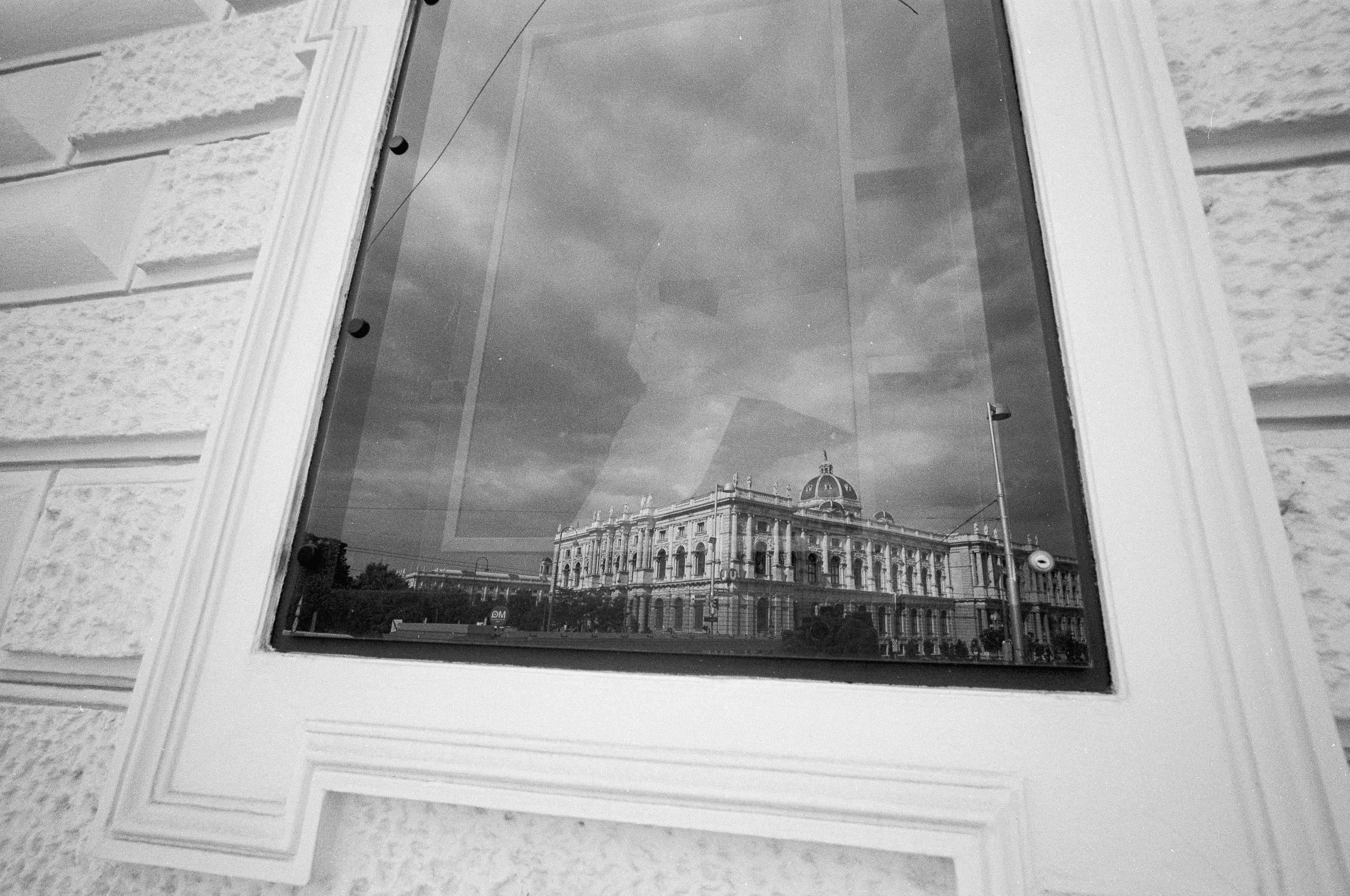
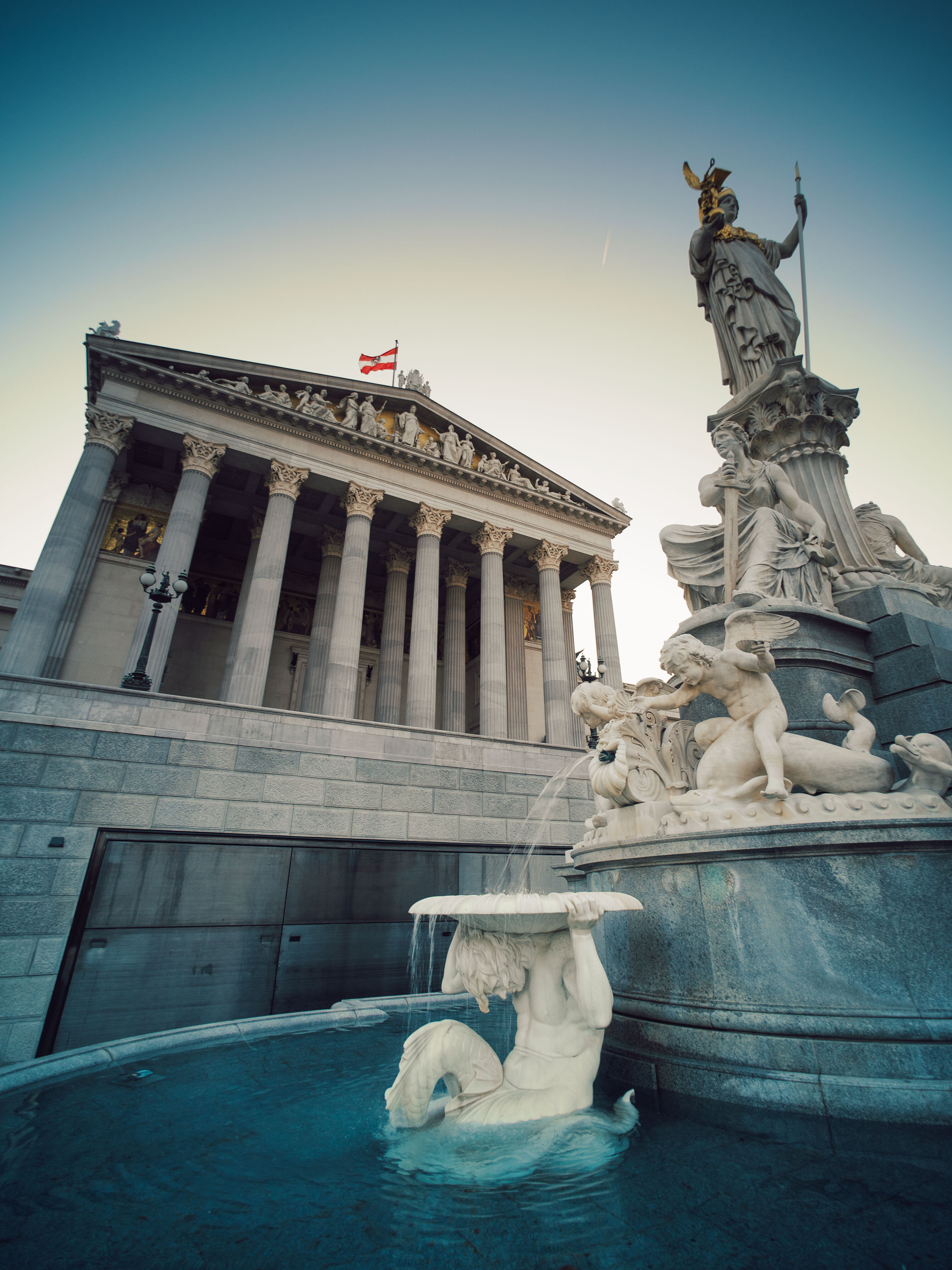
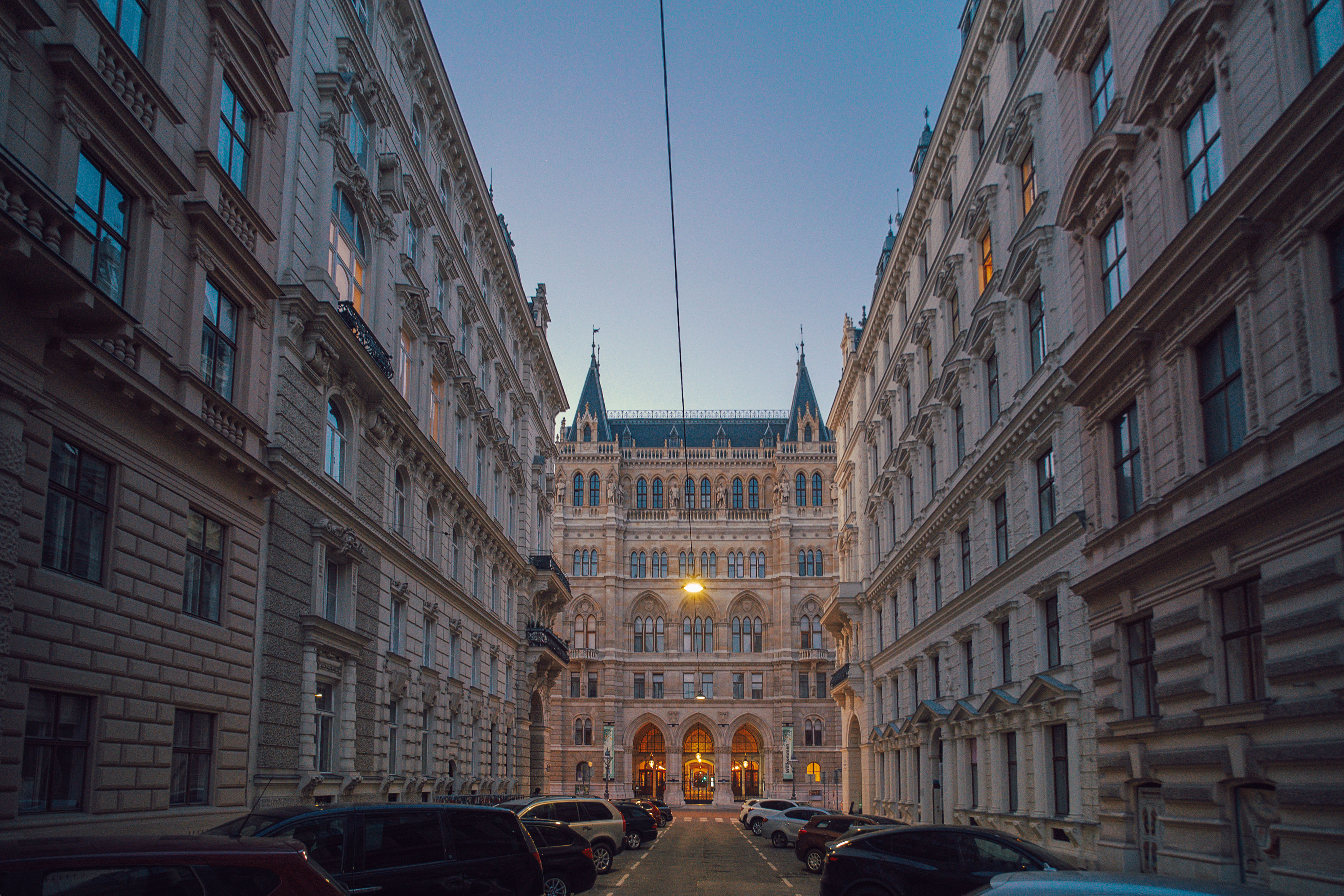
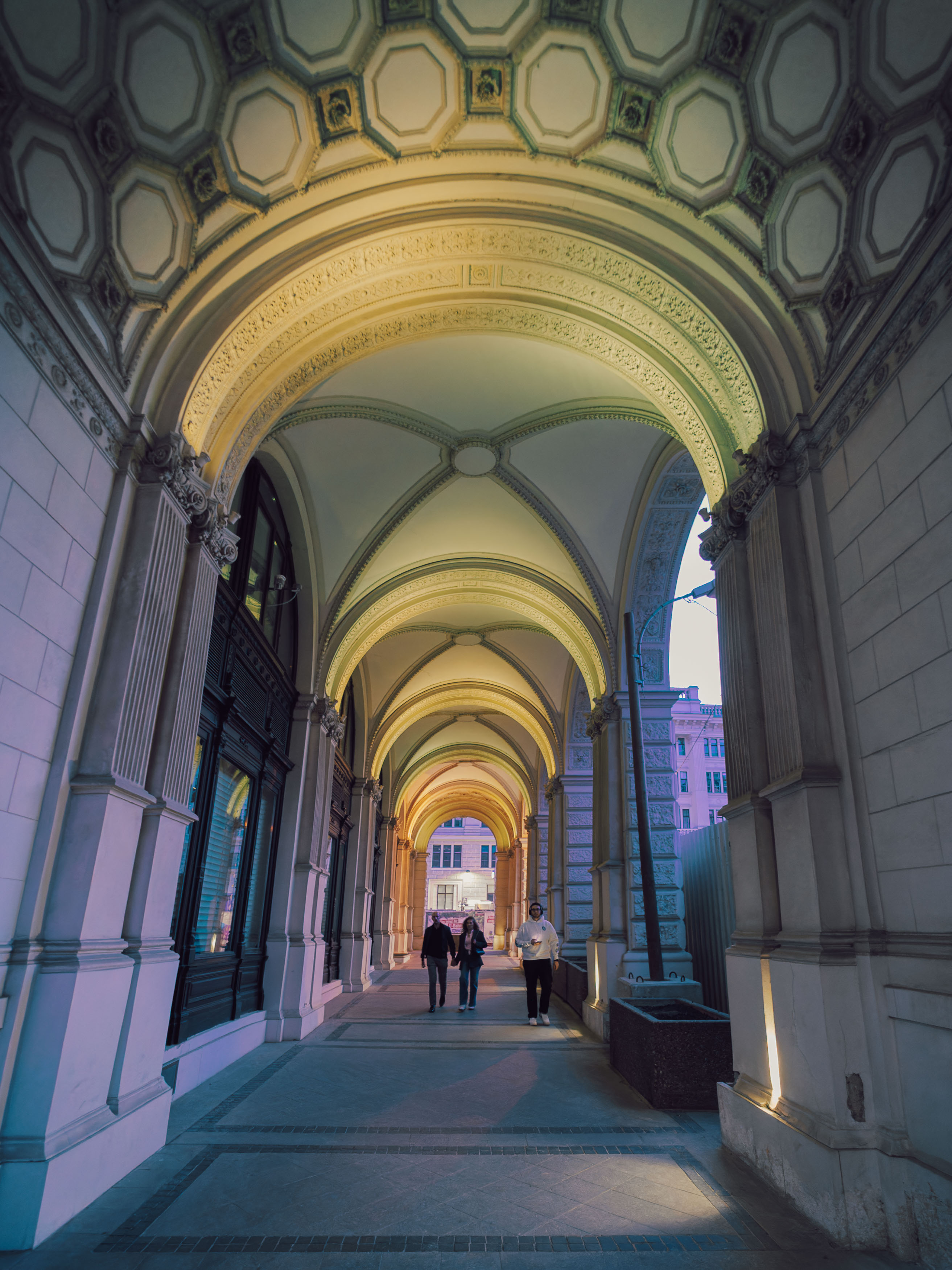
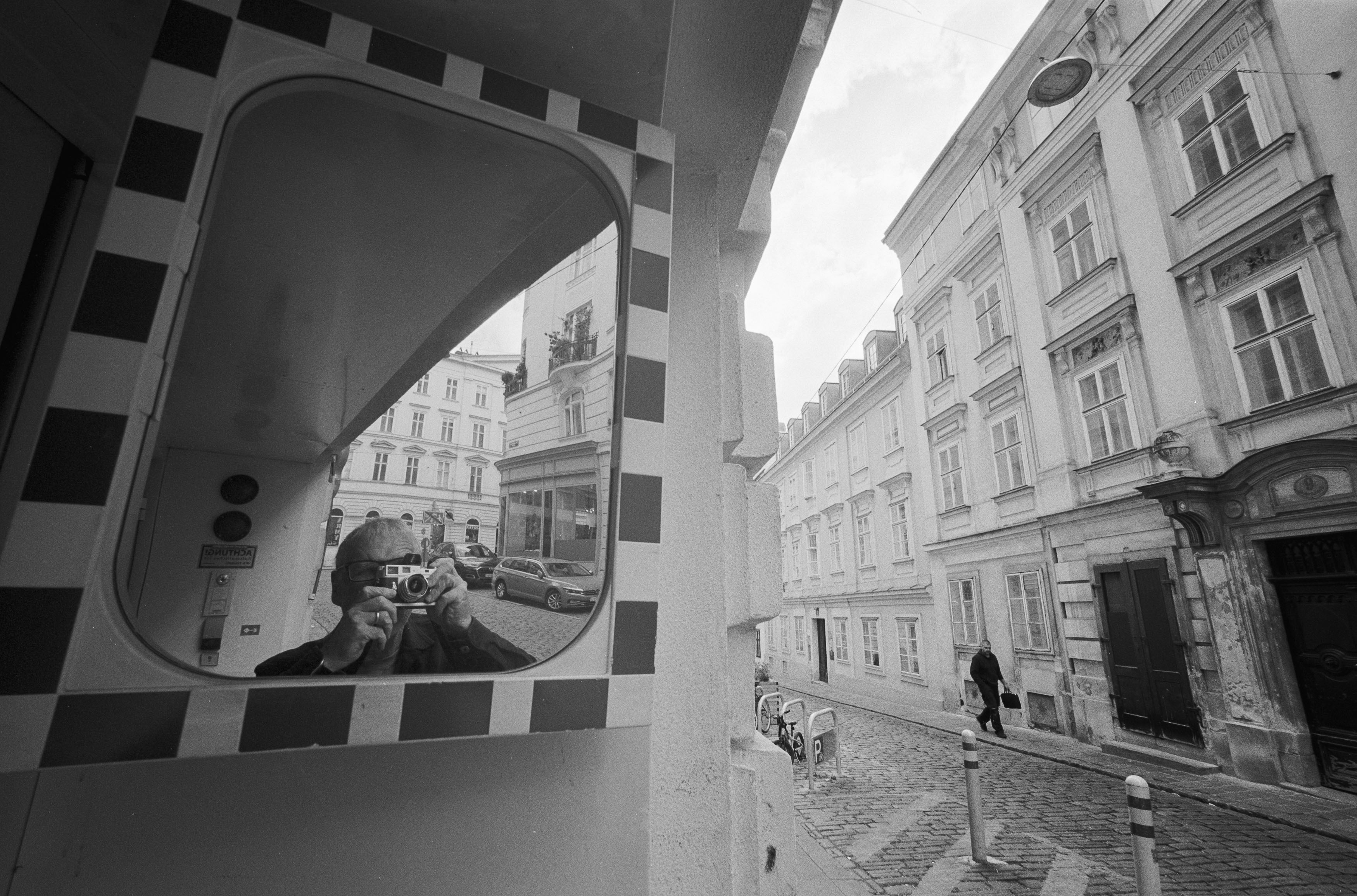
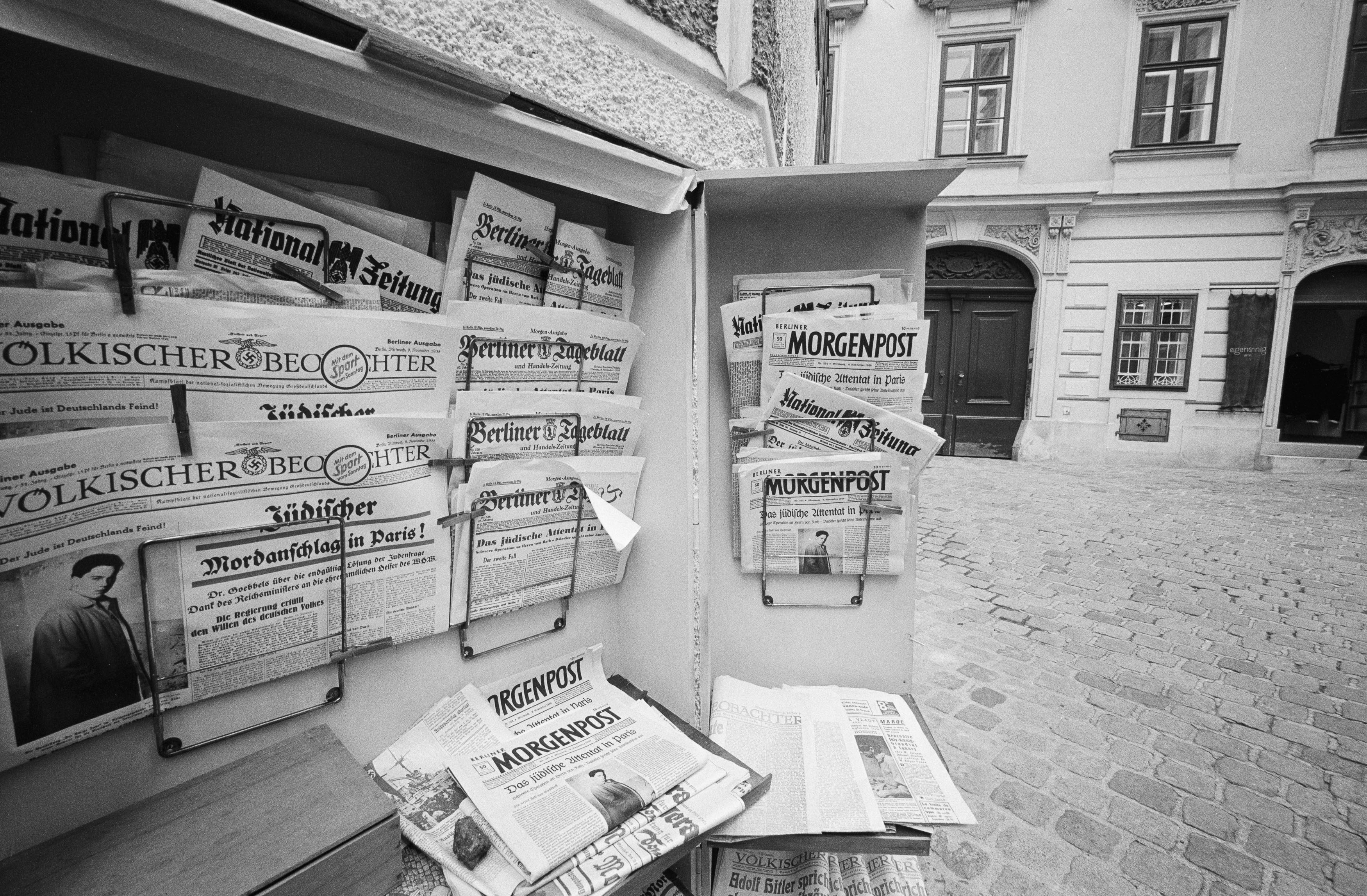
Vienna turned out to be the ideal place to practise. The city is packed with grand Baroque and Neoclassical buildings, wide boulevards and impressive public spaces that suit this kind of exaggerated perspective beautifully. Even ordinary streets can suddenly feel dramatic when viewed through such an expansive field of view.

Not every outing went entirely to plan, though. During one photo walk I accidentally wandered into what appeared to be the filming of a historical production and quickly realised I wasn’t quite as welcome as I thought. I made a fairly discreet exit, although not before managing to expose a few frames that will probably confuse future historians if anyone ever discovers the negatives.
Small Lens, Serious Engineering

One of the most surprising things about the Voigtländer is just how tiny it is. Despite its compact dimensions, it feels reassuringly solid rather than toy-like. At around 190 grams it’s light enough to carry all day without thinking about it, yet substantial enough to inspire confidence.

Mine is the original Leica Thread Mount version, first released in 1999 alongside Voigtländer’s Bessa cameras. It’s actually relatively modern by Leica screw mount standards, although prices have climbed dramatically since I bought mine back in 2017.

The design is remarkably clever. The aperture ring sits at the front of the lens, which initially feels unusual, but makes perfect sense given how compact everything is. With such a wide focal length, depth of field is enormous anyway, so you’re rarely making huge focus adjustments.
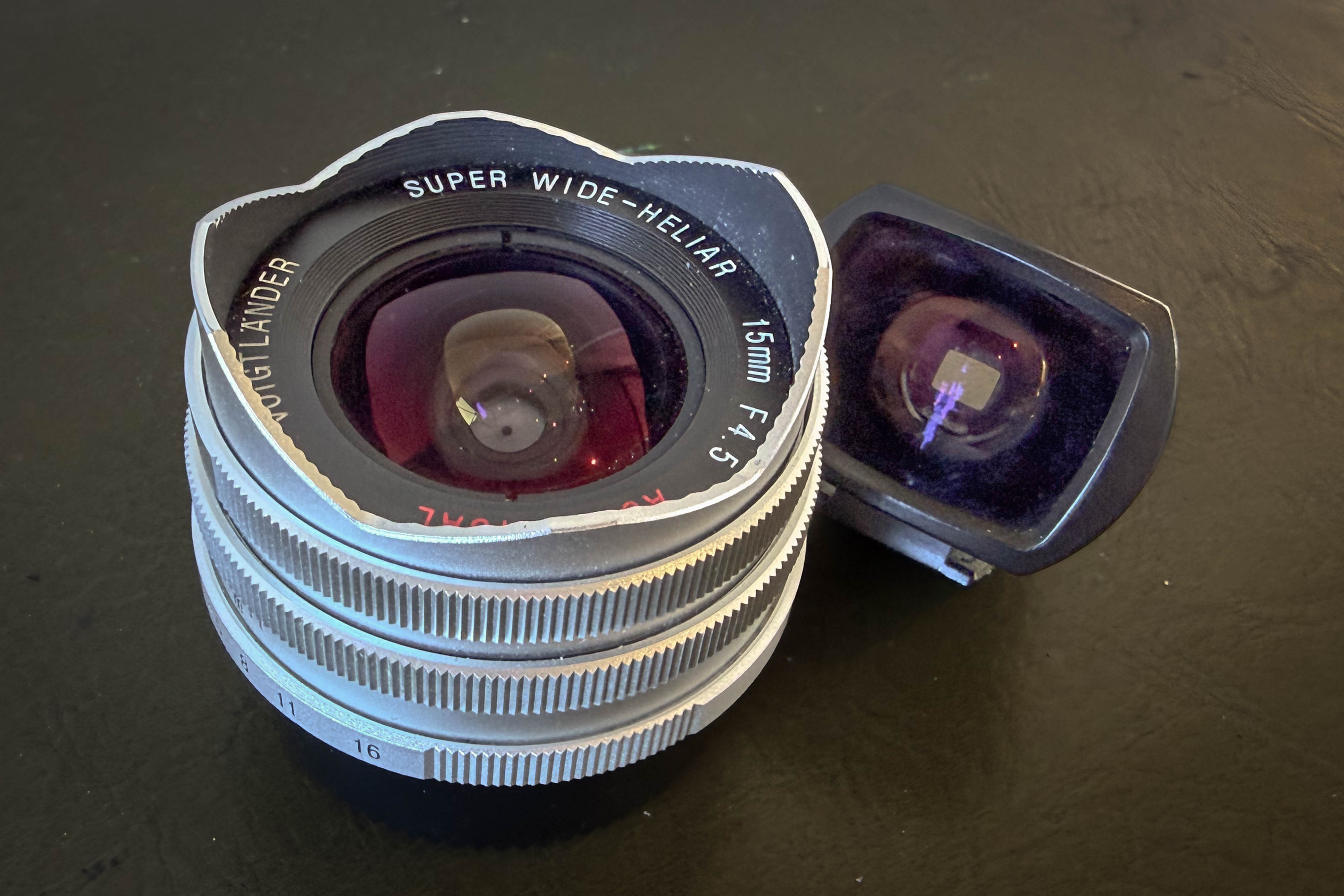
There are a few compromises. The fixed lens hood means you can’t easily use filters, and it requires a slip-on lens cap that looks lovely but costs a frightening amount to replace if it disappears somewhere on your travels.

What continues to impress me, though, is how well the optics behave. Considering just how absurdly wide this lens is, it does an excellent job of keeping straight lines straight. That’s a genuine engineering achievement and makes it much more useful for architectural photography than many people might expect.

Film Still Has the Advantage

Using the lens on my Leica M2 produced exactly the sort of images I’d hoped for. The negatives showed plenty of character, dramatic perspective and surprisingly clean rendering across the frame. Things became a little more complicated once I mounted it on my Nikon Z6.

This isn’t really the lens’s fault. Older ultra-wide lenses were designed for film, not modern digital sensors, and the way light reaches a sensor is quite different. On digital cameras you can end up with colour casts, heavier vignetting and smeared corners, particularly towards the edges of the frame.

Some of my digital images definitely showed those characteristics. In certain photographs the cooler colour shifts actually added atmosphere, especially during Vienna’s blue hour, but after a while they became distracting enough that I enabled lens corrections in Lightroom. That’s something I rarely do because I generally prefer working with a lens’s quirks rather than correcting them away, but in this case the adjustments helped produce more natural-looking files while still preserving plenty of the lens’s personality.
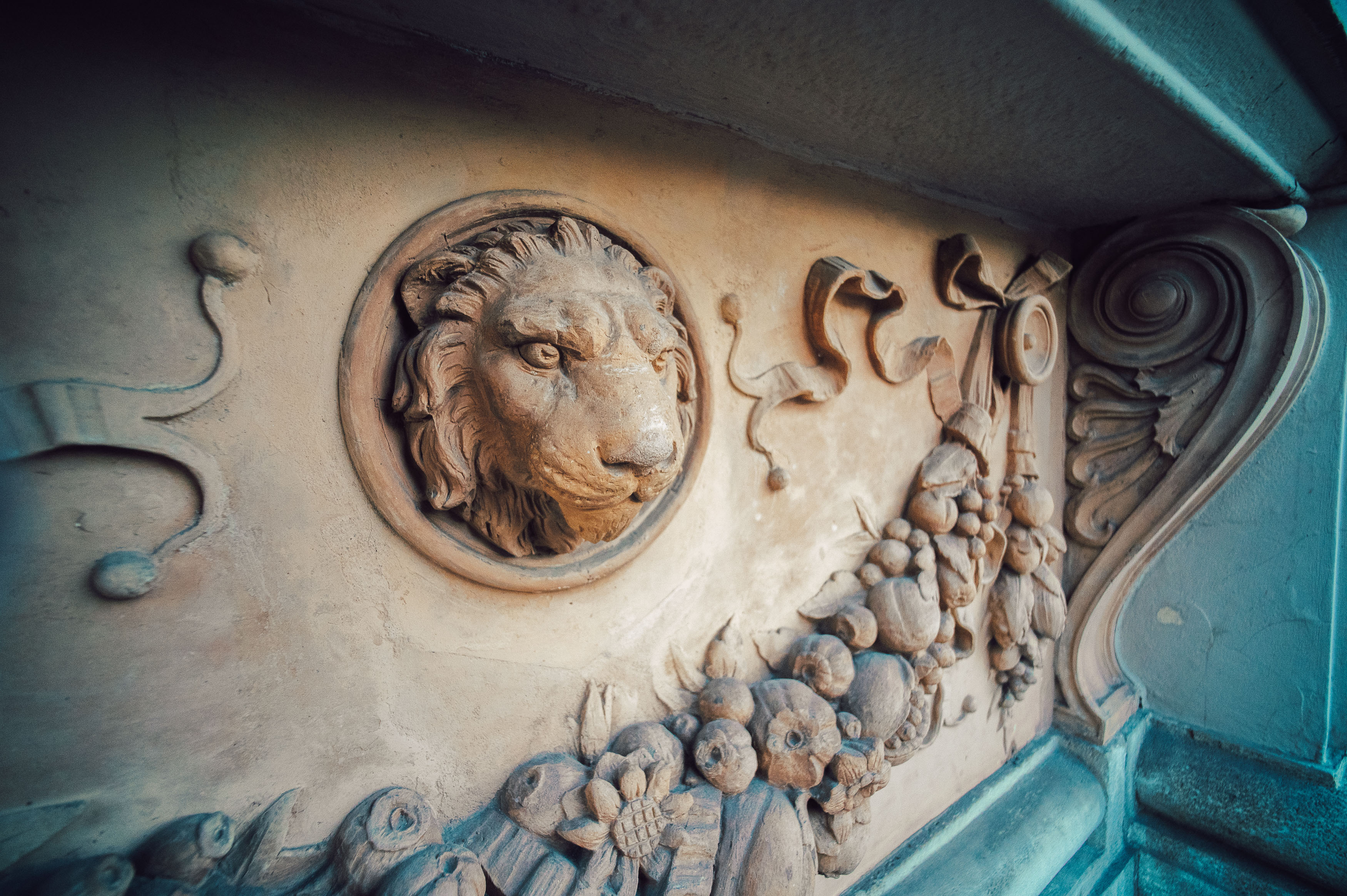
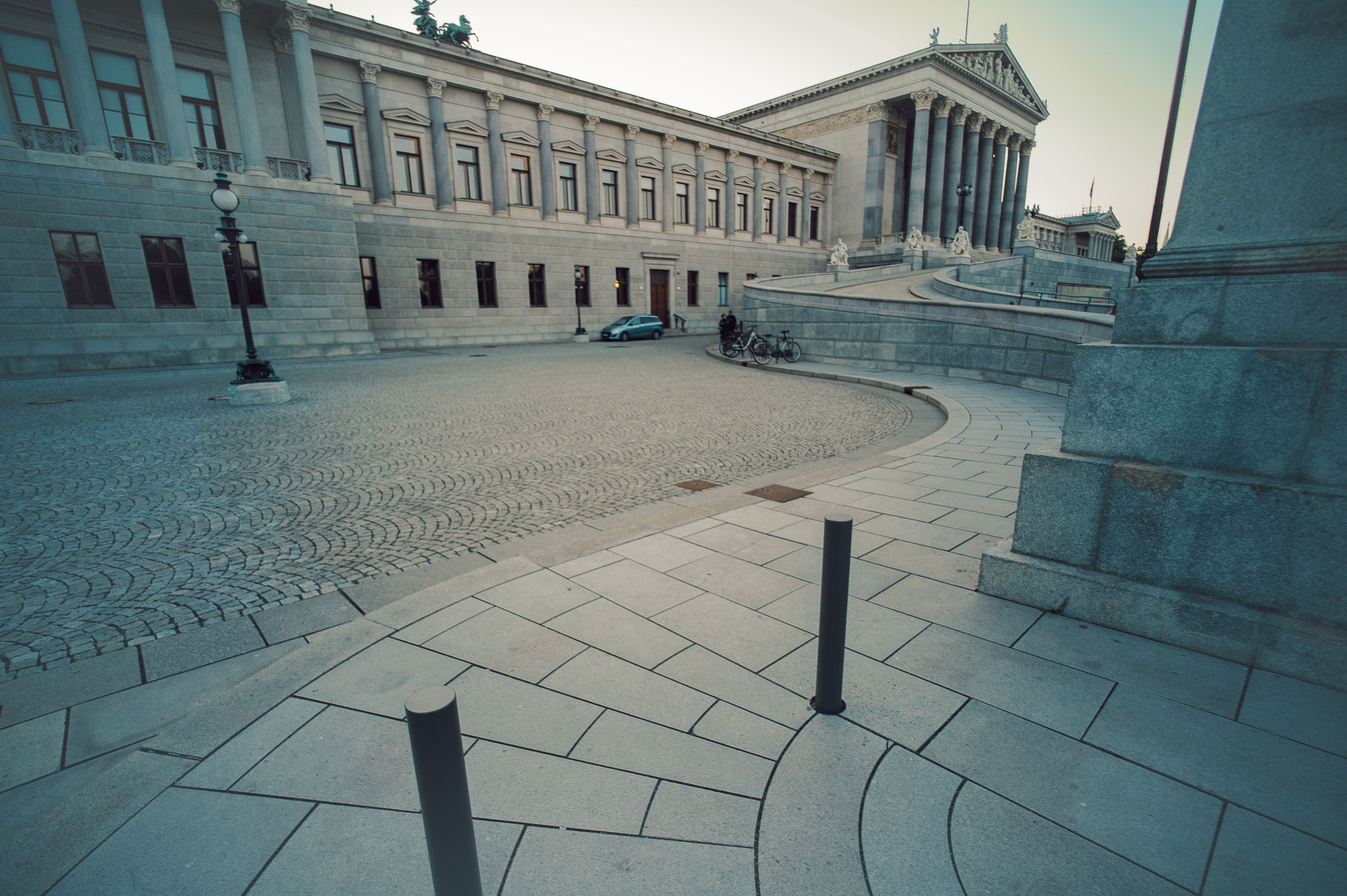
Interestingly, those same issues simply weren’t present on film. Looking at the Leica negatives afterwards reinforced my feeling that this first-generation version of the 15mm still feels most at home on analogue cameras.

A Lens Worth Owning… Just Not Every Day

The biggest challenge with the Voigtländer isn’t sharpness or build quality. It’s simply the focal length. Fifteen millimetres can produce wonderfully dramatic photographs, but only when you have a composition that deserves it. Without a strong foreground subject or carefully arranged scene, everything risks becoming small and insignificant. It’s surprisingly easy to fill a frame with lots of space and very little interest.

There’s also the occasional occupational hazard of photographing your own fingers. When the lens is this wide, it’s alarmingly easy to discover afterwards that part of your hand has made an unexpected guest appearance in the corner of the frame.

Even so, I can’t help liking this peculiar little lens. It encourages experimentation, rewards careful observation and produces photographs that don’t look quite like those from anything else in my collection.

Would I recommend it? Absolutely, but only if you understand what you’re getting into. This isn’t an everyday walk-around lens, and it isn’t designed to make photography easier. What it does offer is a genuinely different way of seeing the world, and sometimes that’s exactly the creative challenge you need.

If you’re prepared to work with its quirks rather than against them, the Voigtländer 15mm Super Wide-Heliar remains one of the most entertaining ultra-wide lenses you can mount on a film camera.
Introducing the Canon 28mm f/2.8 LTM to Shenzhen and Vienna

I’ve complained before that 28mm is probably the most boring focal length in photography. It’s the optical equivalent of plain toast: perfectly serviceable but rarely exciting. It sits somewhere between the intimacy of a 35mm and the drama of something genuinely wide, making it feel suspiciously similar to the field of view on your phone. If nothing else, it’s useful for photographing your lunch.

Despite my lack of enthusiasm, there was one obvious gap in my rangefinder kit. Finding a good 28mm lens for the Leica Thread Mount isn’t exactly easy because wide-angle lens design in the 1950s involved plenty of optical compromises. The obvious budget option is the Soviet Orion-15, but its relatively slow f/5.6 aperture and steadily rising second-hand prices meant it wasn’t quite what I was looking for. At the other end of the spectrum sat Leica’s own Elmarit, but buying one of those would probably have required selling one of my children, and they’re now old enough to understand employment law.

Instead, while wandering around Shinjuku in search of something completely different, I stumbled across the Canon 28mm f/2.8. It struck a happy compromise between affordability and quality, and although it lacks the red dot that causes photographers to lose all sense of financial responsibility, it still feels wonderfully substantial. Built from brass and glass, it’s compact, beautifully made and just heavy enough to remind you that cameras used to be engineered rather than assembled.

Its pedigree isn’t exactly shabby either. This was one of the lenses favoured by Garry Winogrand as he documented post-war America, producing one of the most influential bodies of street photography ever assembled. Winogrand died at just fifty-six, leaving behind thousands of undeveloped rolls of film. I’ve somehow managed to outlive him already, although my own contribution to photographic history currently consists of a steadily growing archive of YouTube videos that algorithmically disappear into the digital abyss.

Still, one or two people are watching, so I thought it was finally time to give this little Canon the outing it deserved.

A Vintage Lens in Shenzhen and Vienna

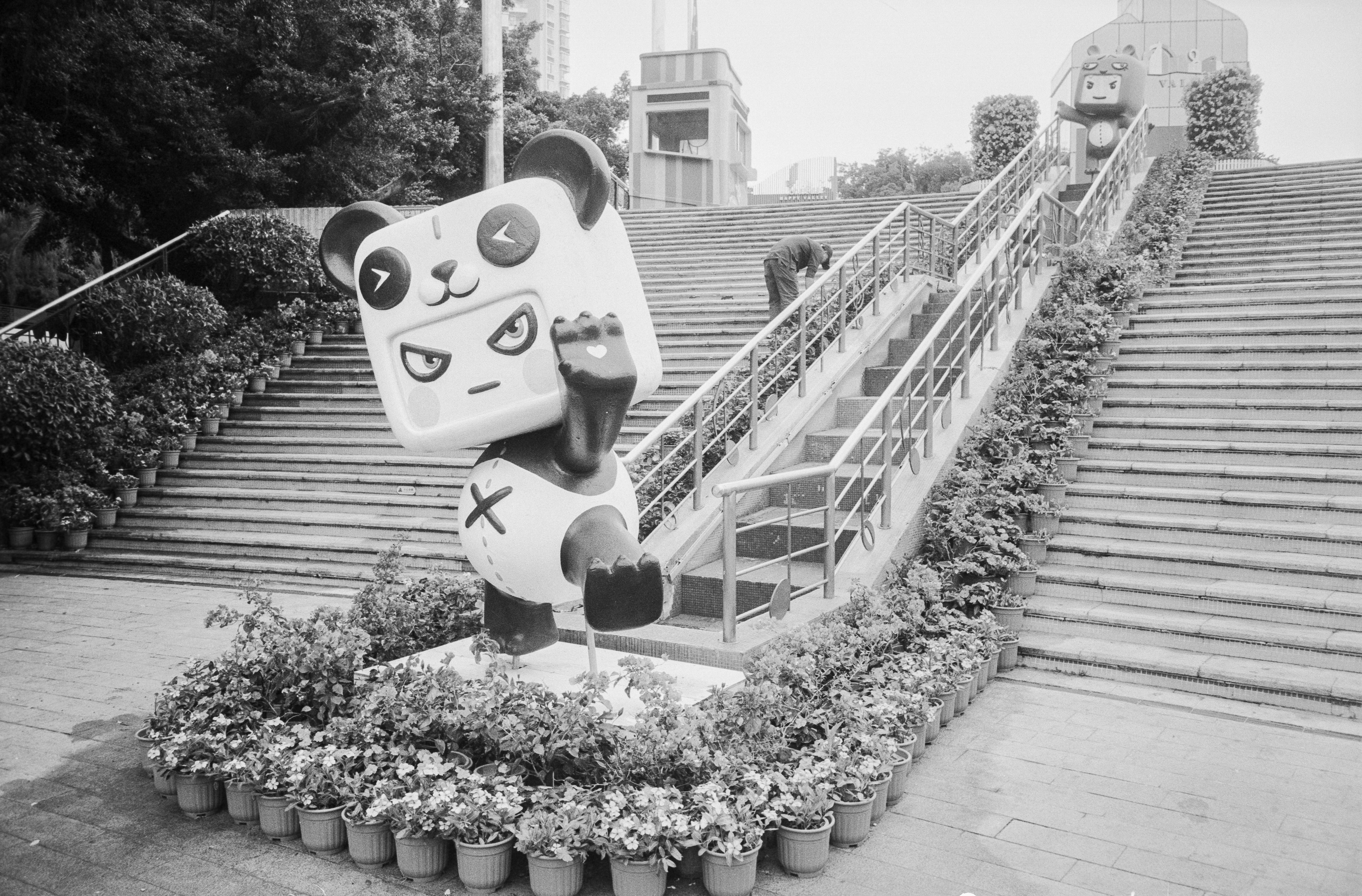
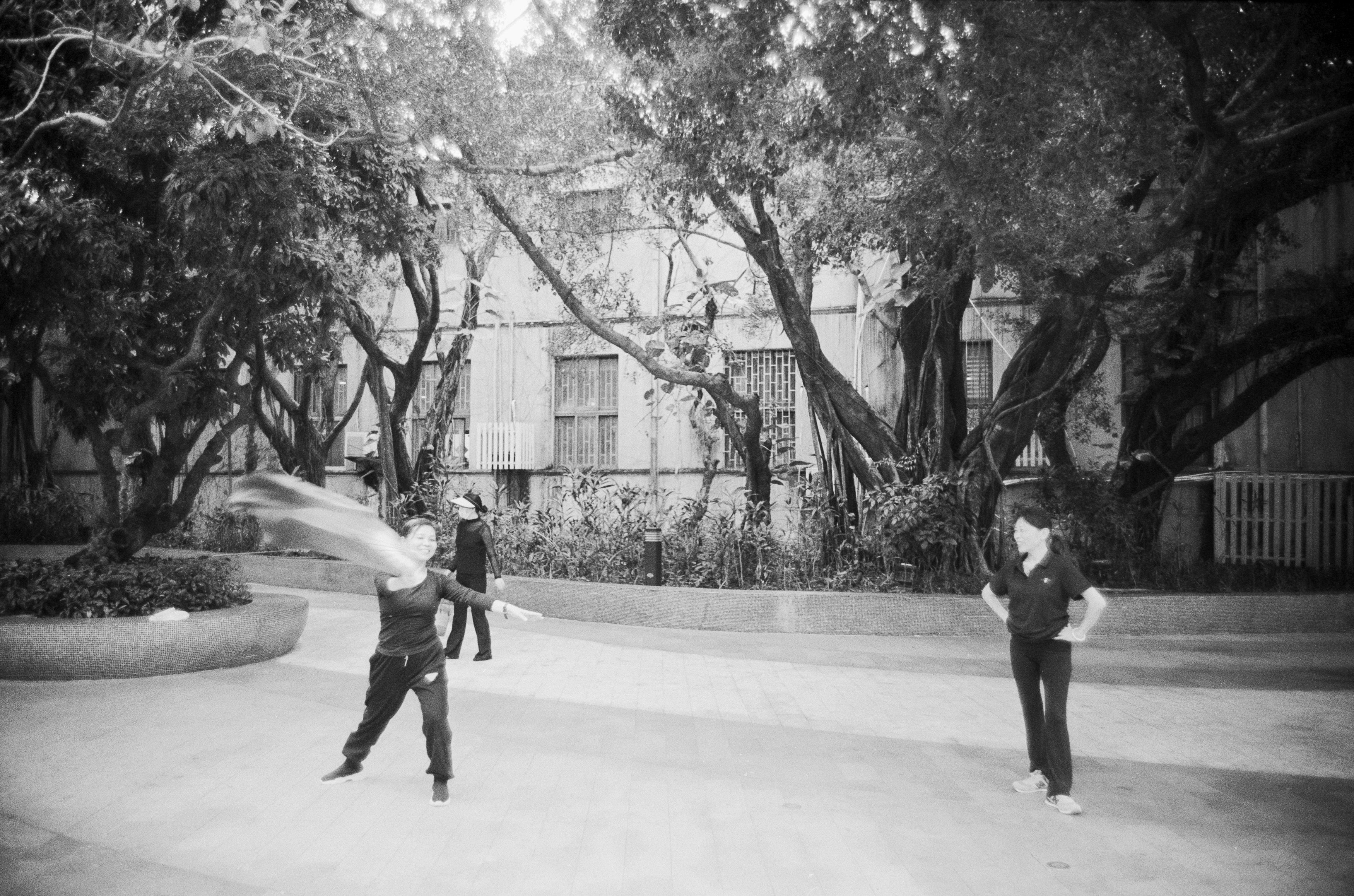
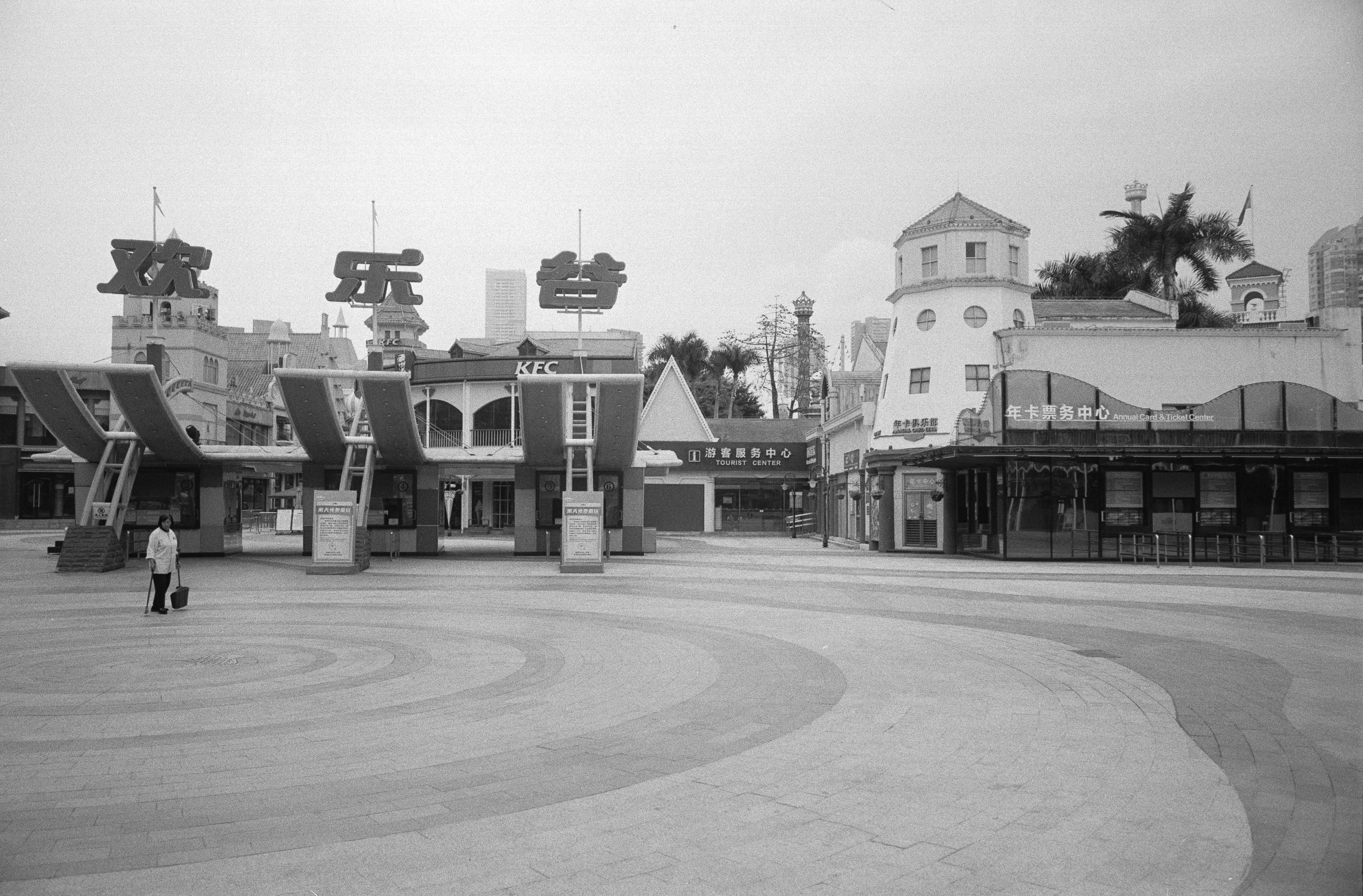
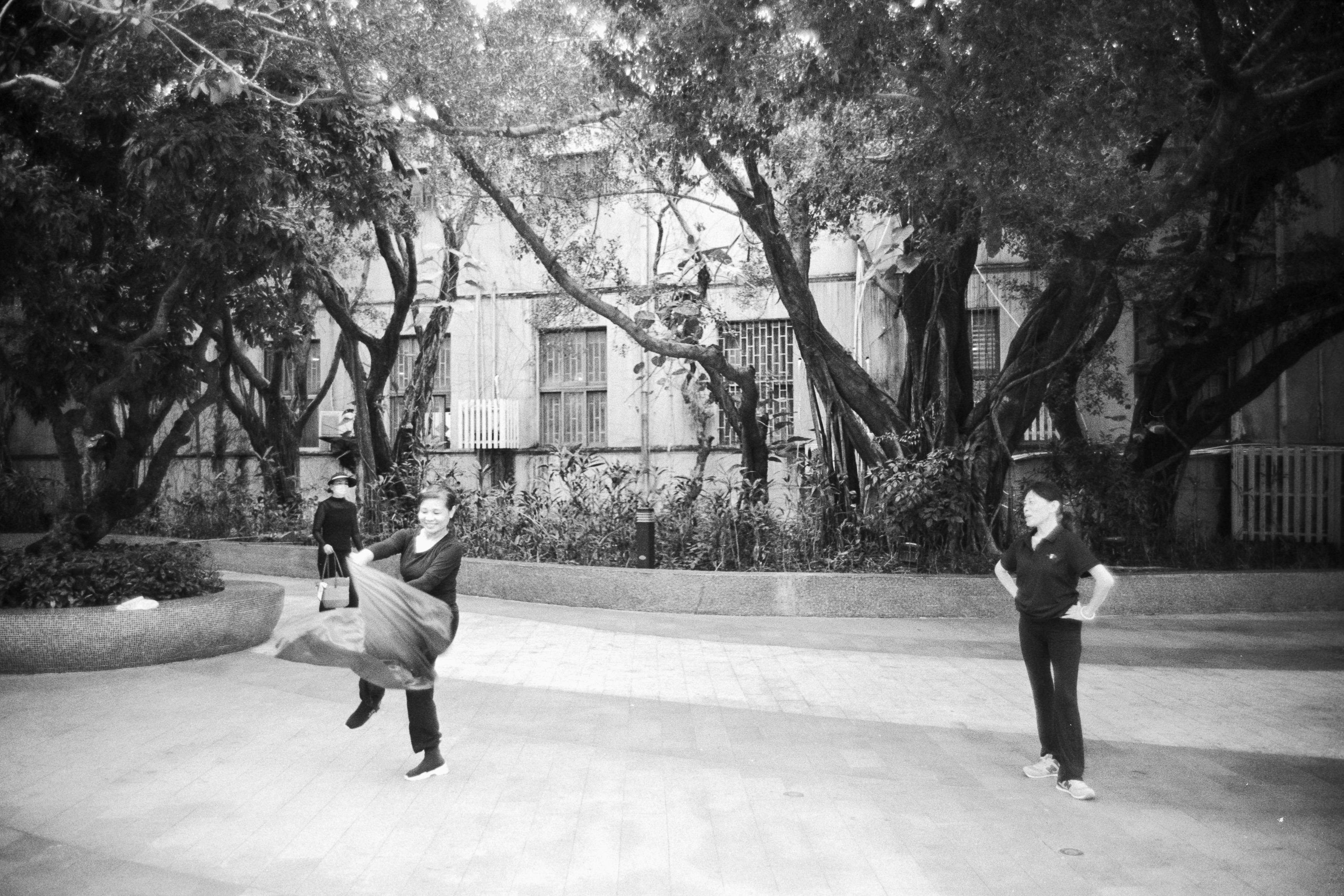
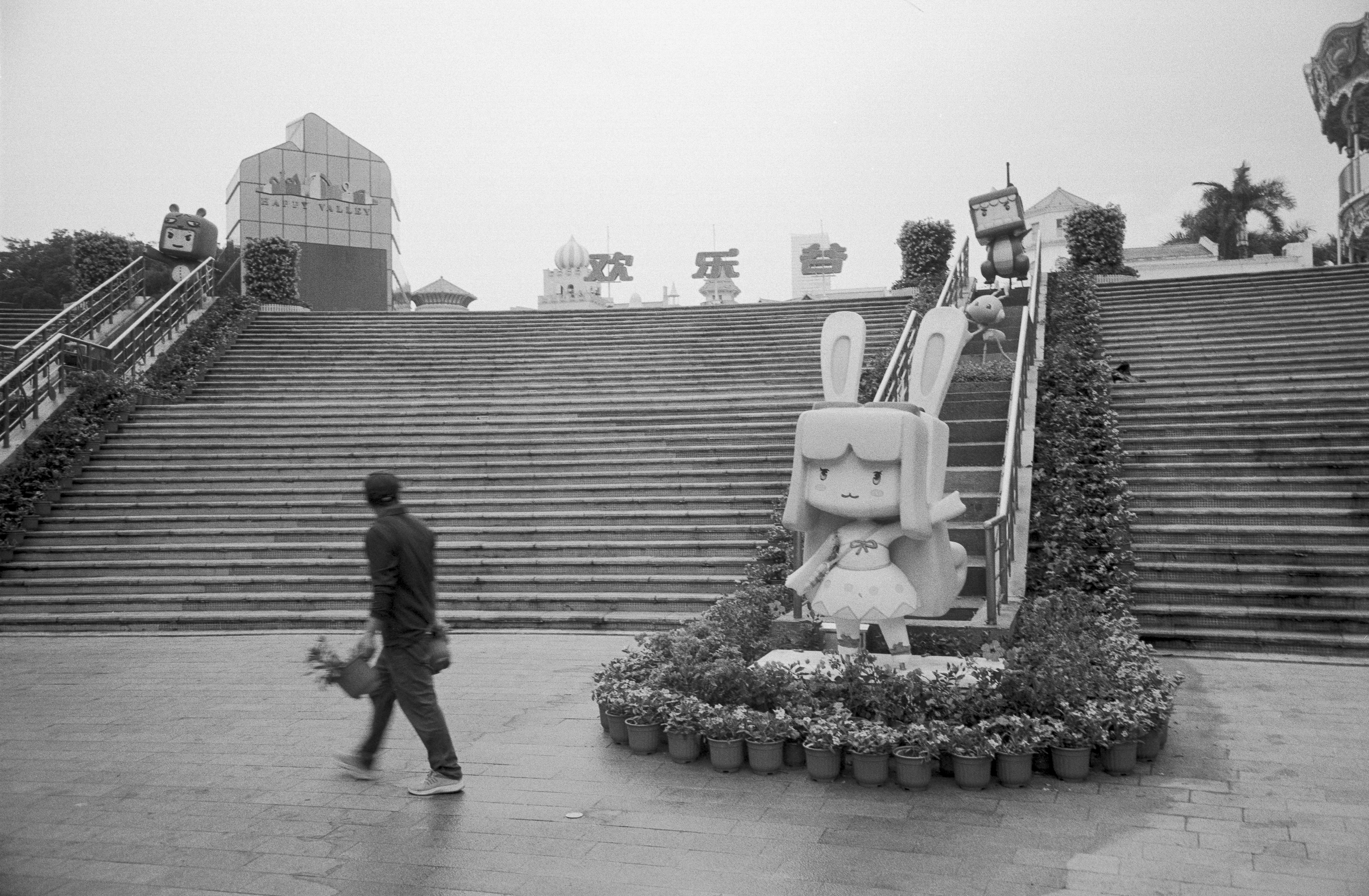
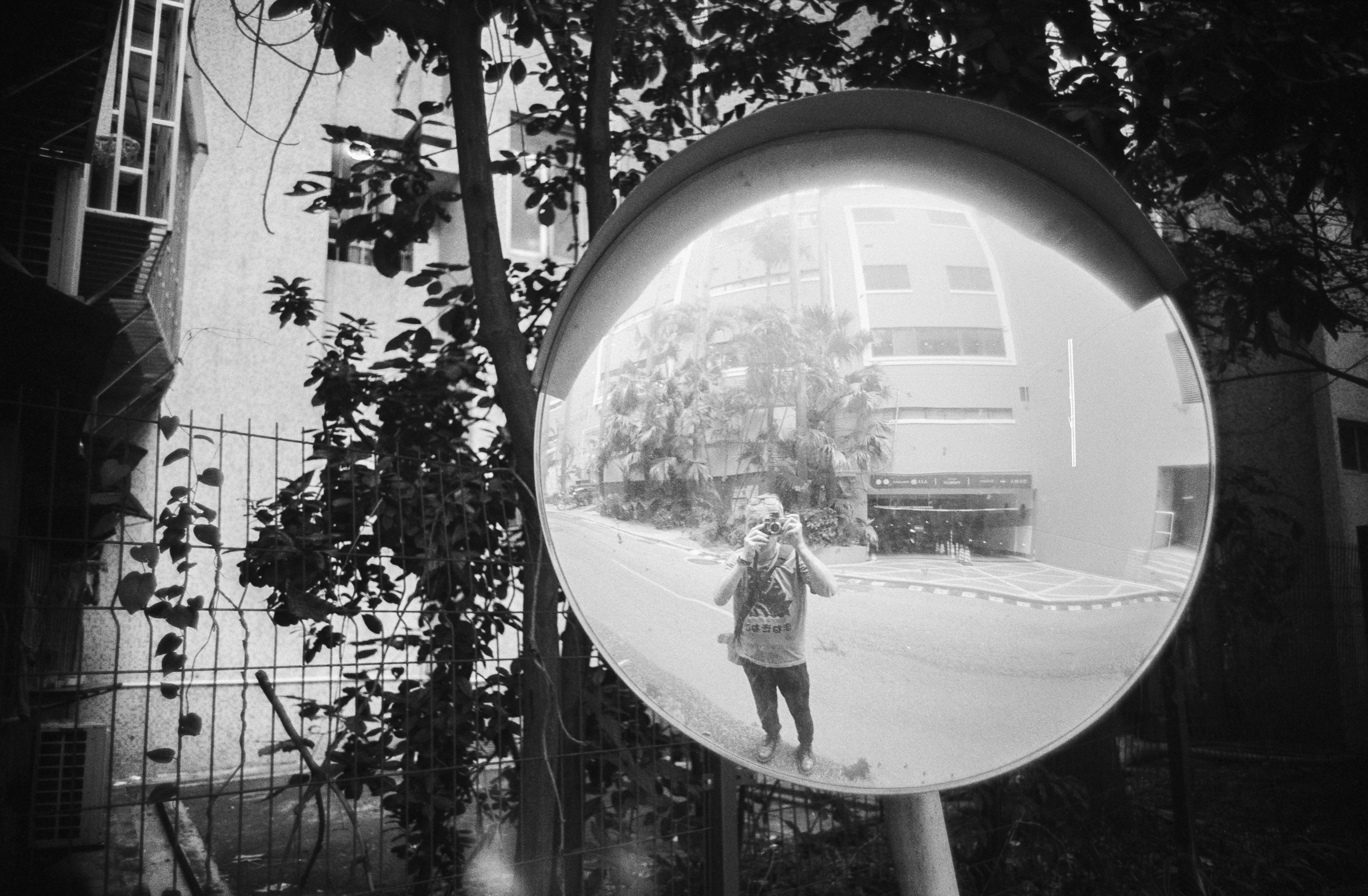
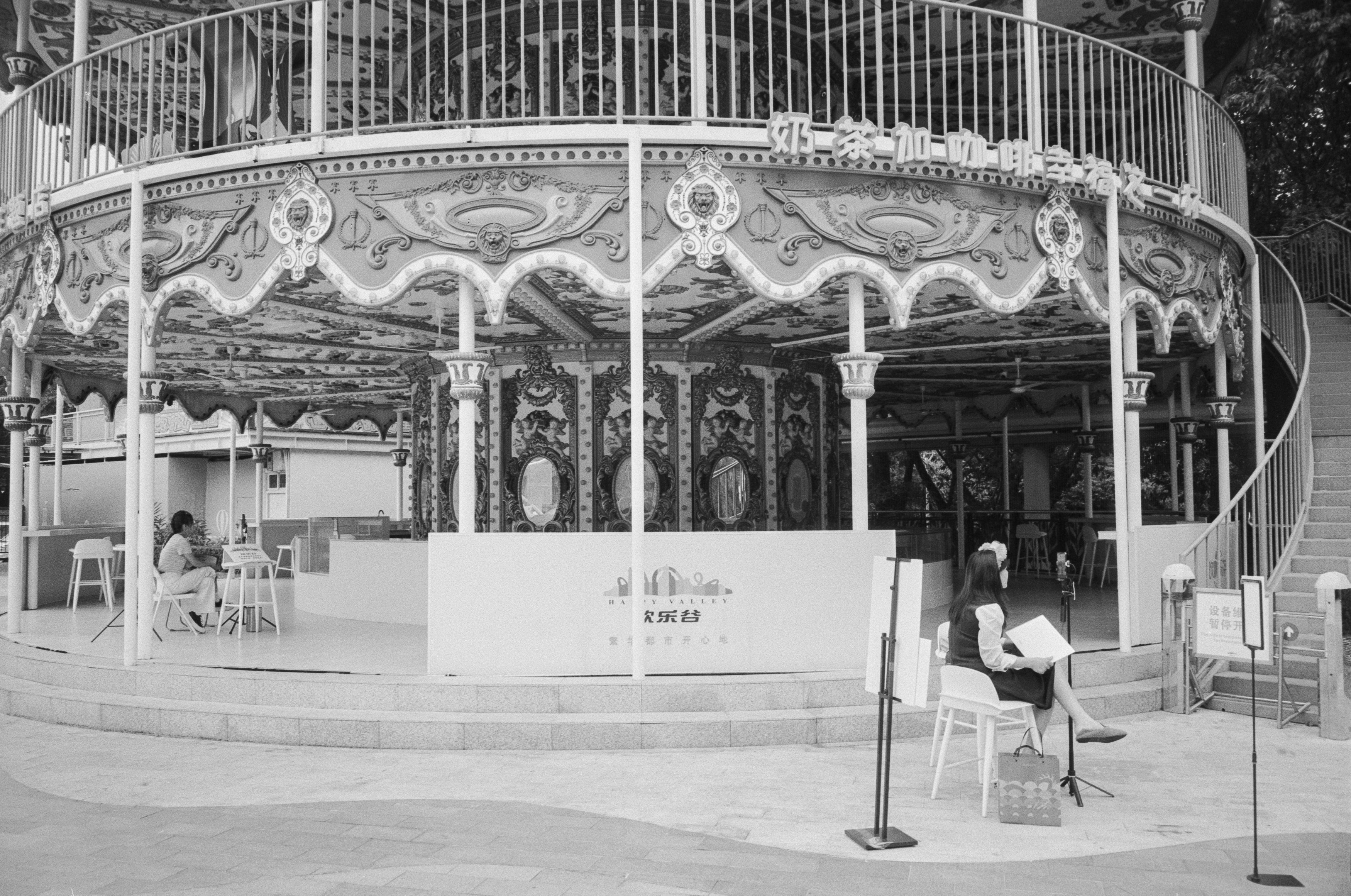
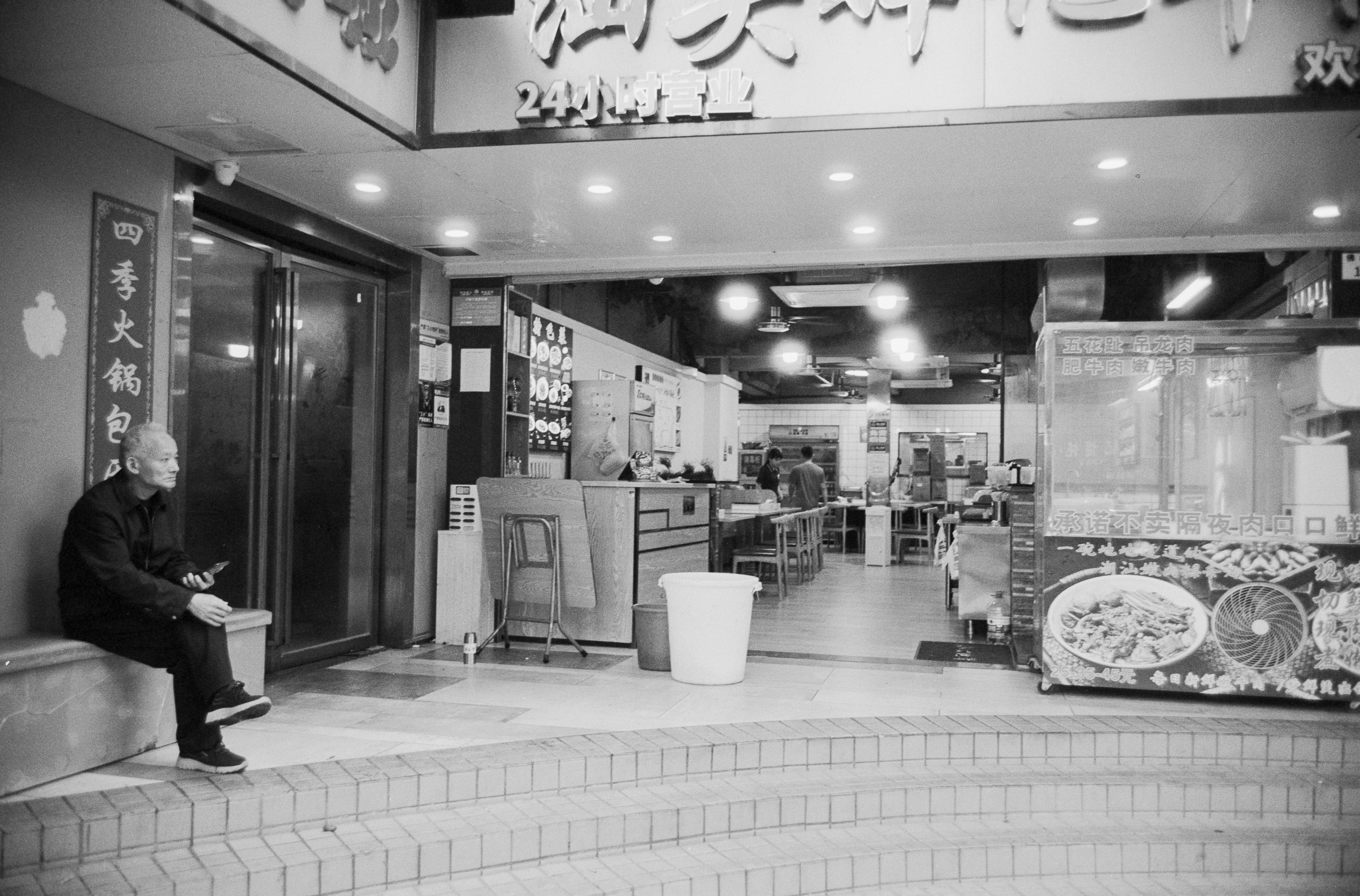
Like many of my photography trips, this one began with work rather than art. An overnight business trip to Shenzhen left just enough time for an hour wandering through Happy Valley, which, despite its cheerful name, possessed the slightly unsettling atmosphere of an abandoned theme park. It felt strangely appropriate to photograph it on black-and-white Kentmere 100 using my Leica M2, allowing the stark architecture and empty spaces to become the real subject rather than the colours themselves.

The Canon immediately makes a good first impression. It’s tiny enough to disappear onto the front of the Leica, yet the focus ring remains easy to grip. It features Canon’s familiar infinity lock, which has a reputation for annoying photographers but quickly becomes second nature once you’ve spent some time with it. Likewise, the front-mounted aperture ring works surprisingly well because the clicks are lighter than the focus action, allowing exposure adjustments without accidentally throwing focus out.

Internally, though, this is unmistakably a product of the 1950s. The six-element design lacks the sophisticated corrections of modern optics, and nobody is going to mistake it for a clinically perfect contemporary lens. Instead, it embraces the sort of imperfections that vintage lens enthusiasts spend their lives romanticising. This lens wasn’t designed to chase laboratory sharpness charts; it was designed to make photographs.

Its age also makes it feel perfectly at home on film. Introduced in 1957, it predates many of the modern photographic conventions we now take for granted, and pairing it with a mechanical Leica feels entirely natural. Ironically, my first experiences with it weren’t on the Leica at all but on my Canon P, until that camera developed a dragging shutter caused by loose stitching on the shutter curtain. The repair proved rather more delicate than these sausage fingers were prepared to attempt, and the whole episode ultimately nudged me towards buying the Leica M2 instead.

One pleasant surprise is how well the M2 accommodates the lens despite lacking dedicated 28mm framelines. By simply using almost the entire viewfinder, the framing becomes remarkably accurate, even if it occasionally requires removing my glasses and pressing my face uncomfortably close to the camera.

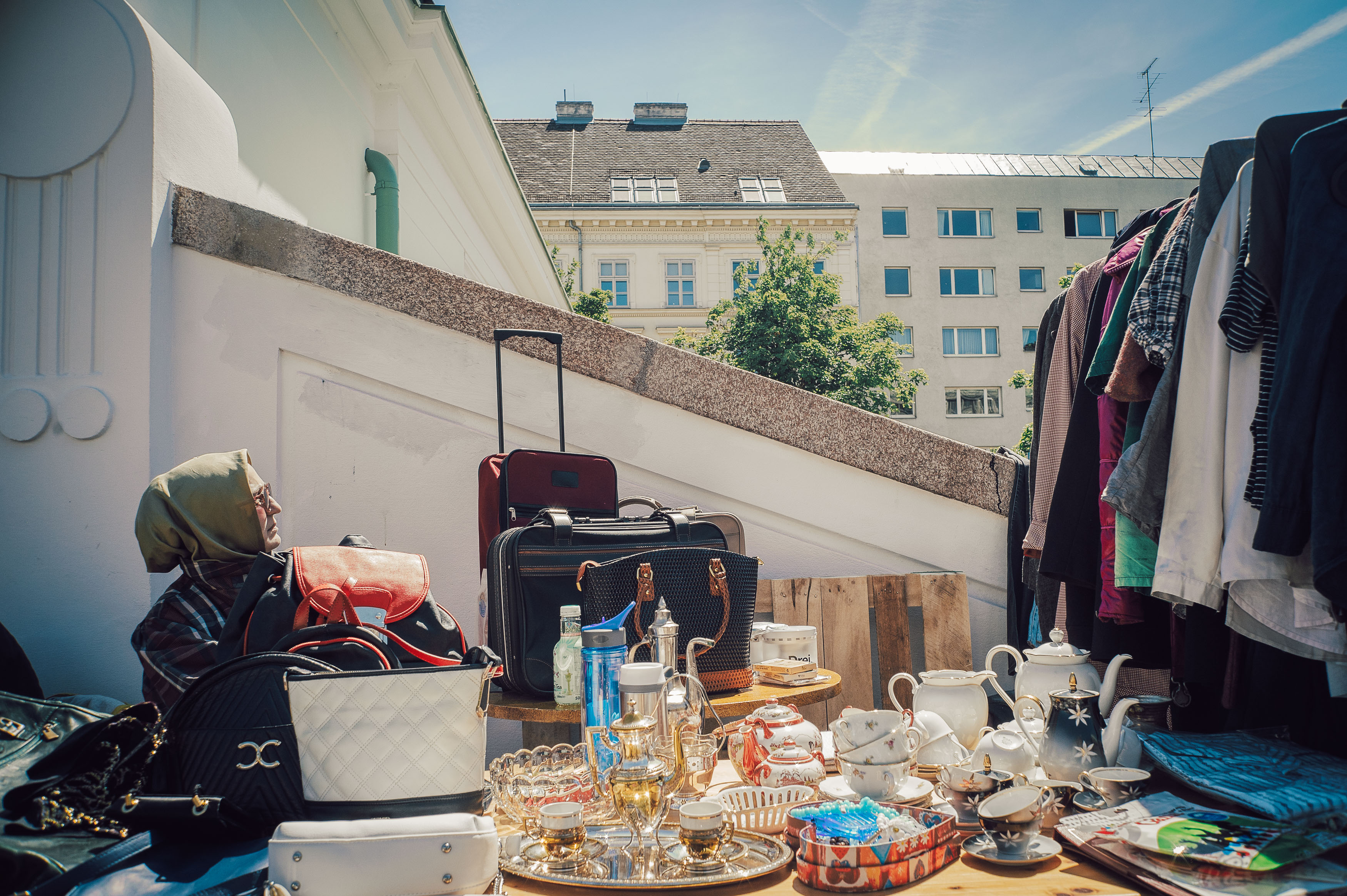
Of course, adapting the lens to a modern mirrorless body removes all of those compromises. Mounted on my Nikon Z6 with a simple adapter during a walk through Vienna’s Museum Quarter and Naschmarkt, the Canon suddenly had focus peaking, magnification and a high-resolution sensor revealing every one of its strengths and weaknesses in glorious detail.

Character Over Perfection

If you’re looking for objective perfection, this isn’t the lens for you. In fact, judged purely by modern standards, it’s difficult to argue that it’s particularly good at all.

Let’s begin with the flare. Despite the deeply recessed front element, point this lens anywhere near the sun and it erupts into a psychedelic display of hexagonal ghosts, coloured blobs, veiling flare and collapsing contrast. Some photographers deliberately seek out that behaviour, but I generally prefer keeping the sun somewhere over my shoulder, so most of my examples avoid the full disco light show.

More problematic is the vignetting. Wide open at f/2.8, the corners darken dramatically, as though the world is being viewed through a cardboard tube while driving through an alpine tunnel. Even stopping down doesn’t entirely eliminate it, and if you’re allergic to heavy corner shading, this lens probably isn’t going to become your new favourite.

Sharpness is equally complicated. At maximum aperture, the centre remains respectable, but detail falls away rapidly towards the edges where the image becomes noticeably smeared. Yet somehow, those flaws work together to produce something unexpectedly appealing. The rendering has a painterly quality that modern lenses often sacrifice in pursuit of perfection, and photographs seem to possess a depth and atmosphere that’s difficult to quantify on a test chart.

Stopping the lens down transforms its behaviour. By f/16 the dreamy softness gives way to surprisingly rich detail, while still retaining the gentle microcontrast and subtle rendering that make older optics so enjoyable to use. Tree bark gains texture, colours become vibrant and every corner of the frame rewards closer inspection, even if absolute edge sharpness never quite catches up with contemporary designs.

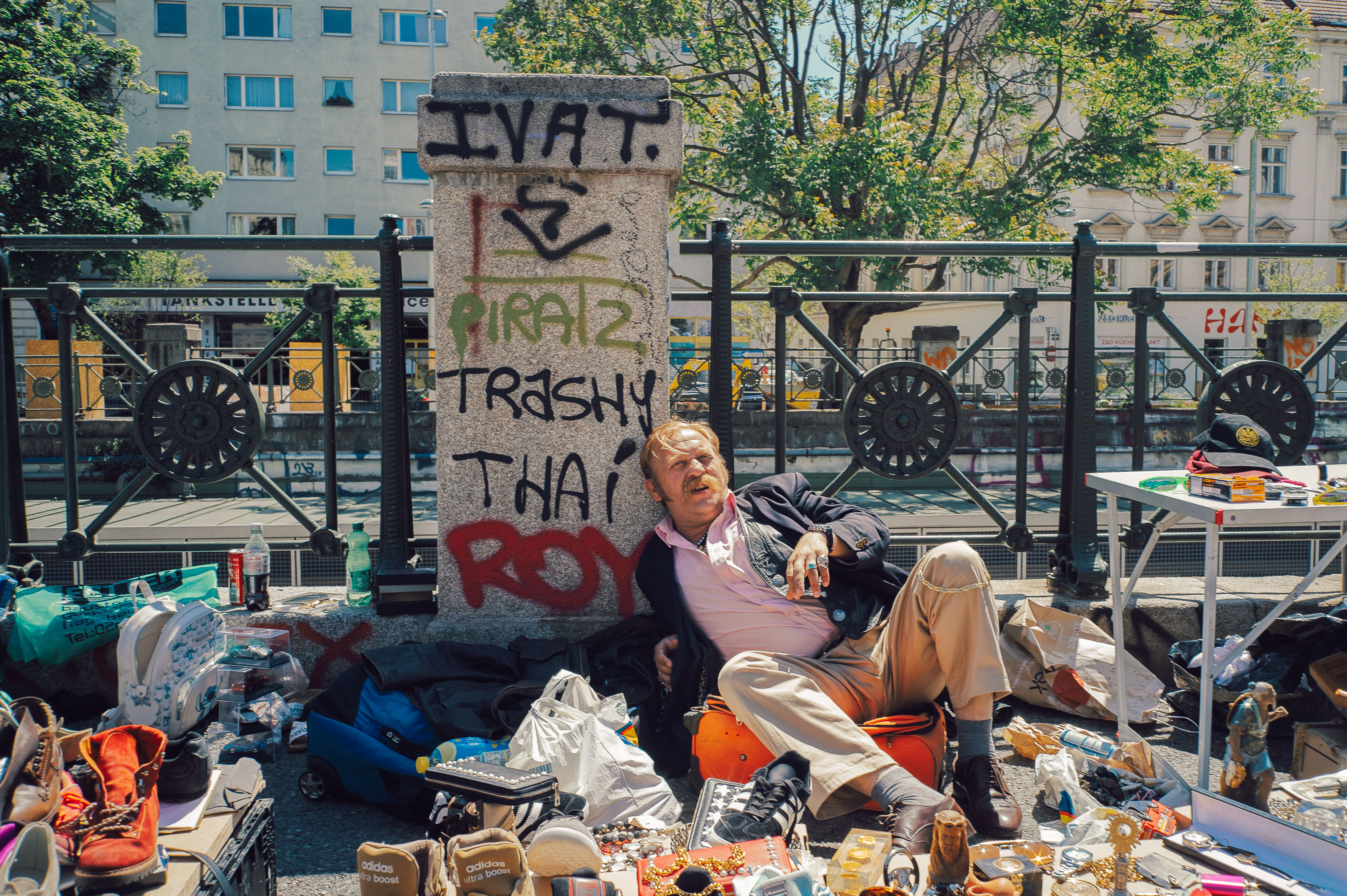
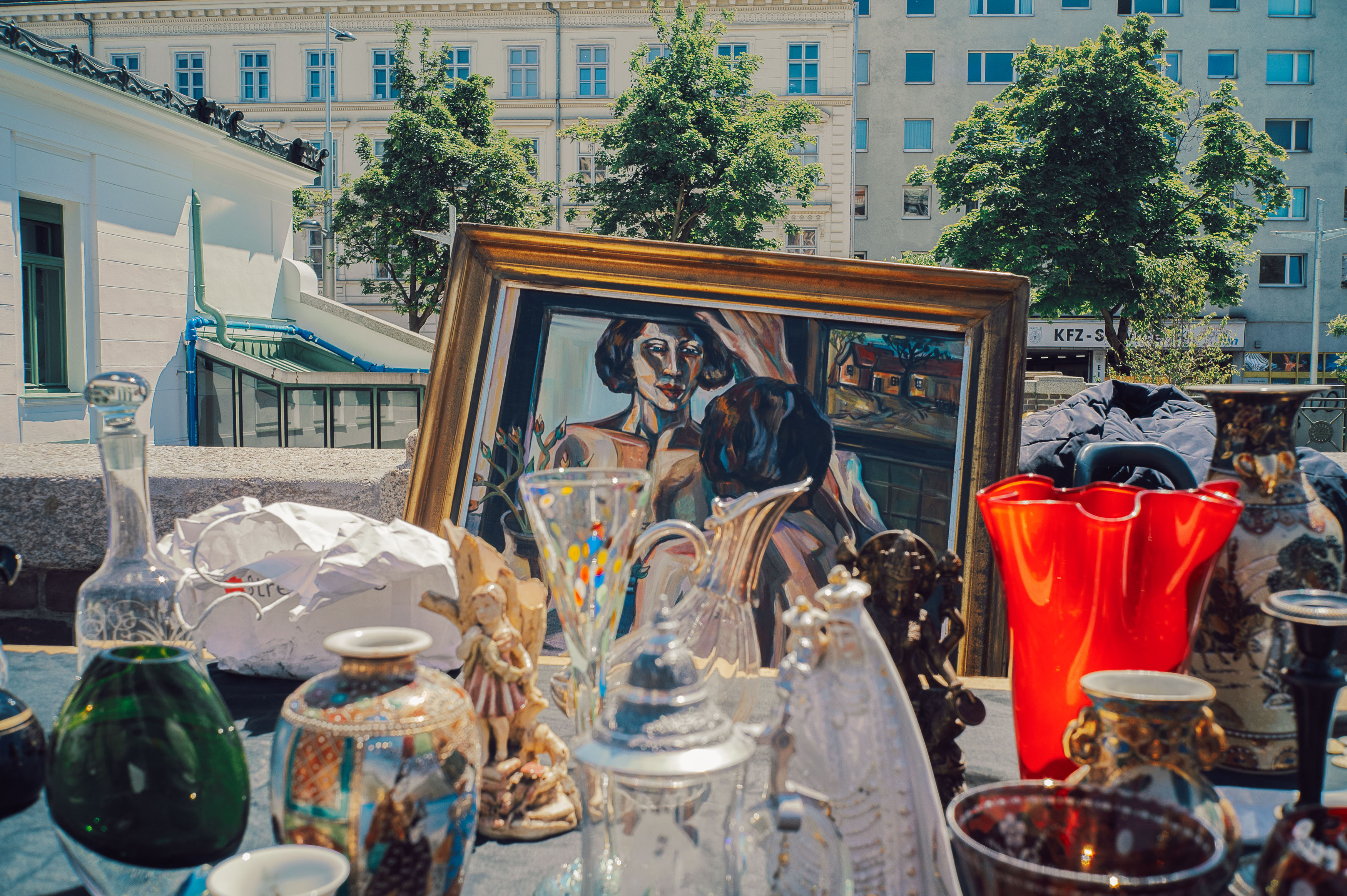
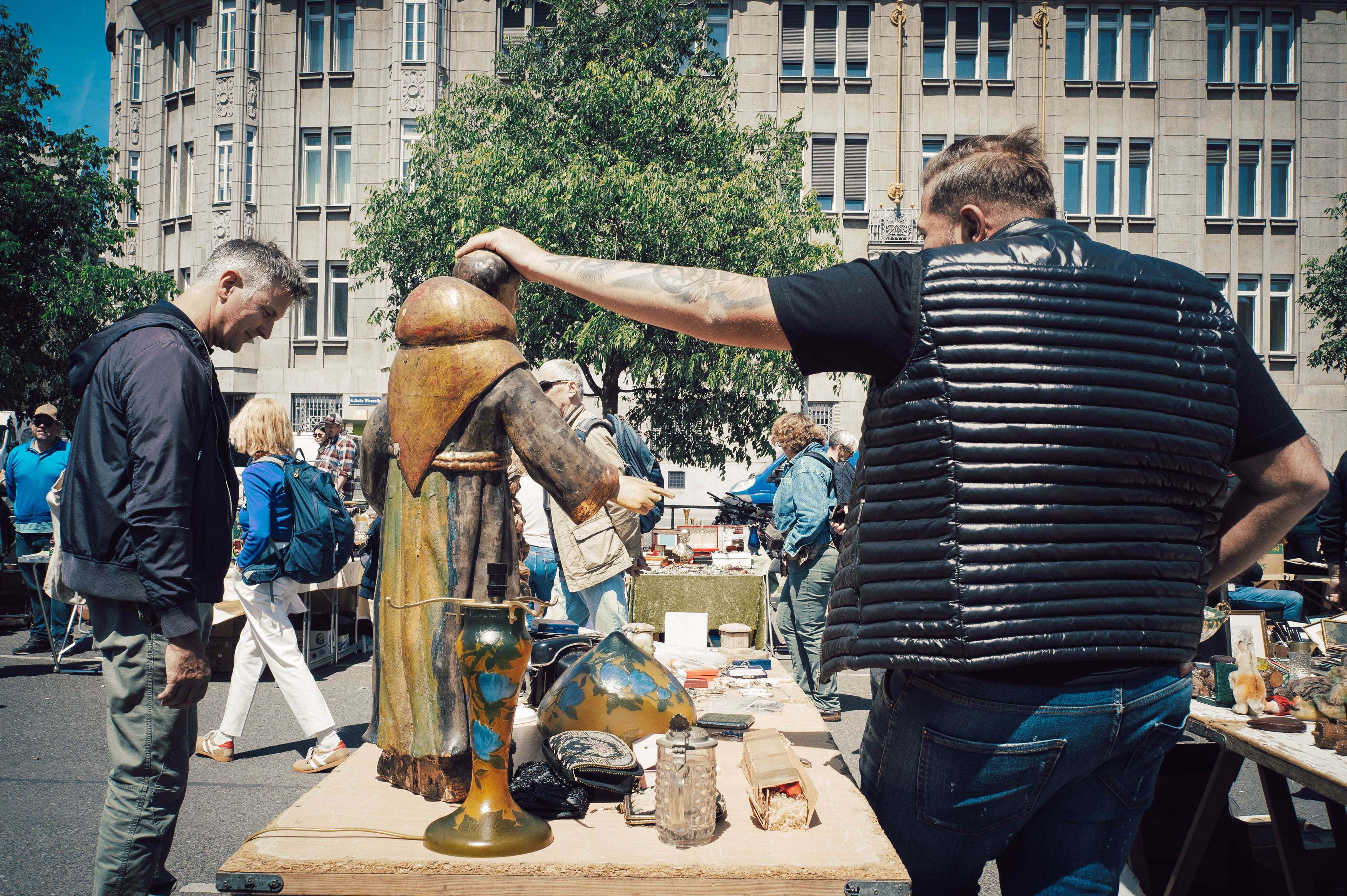
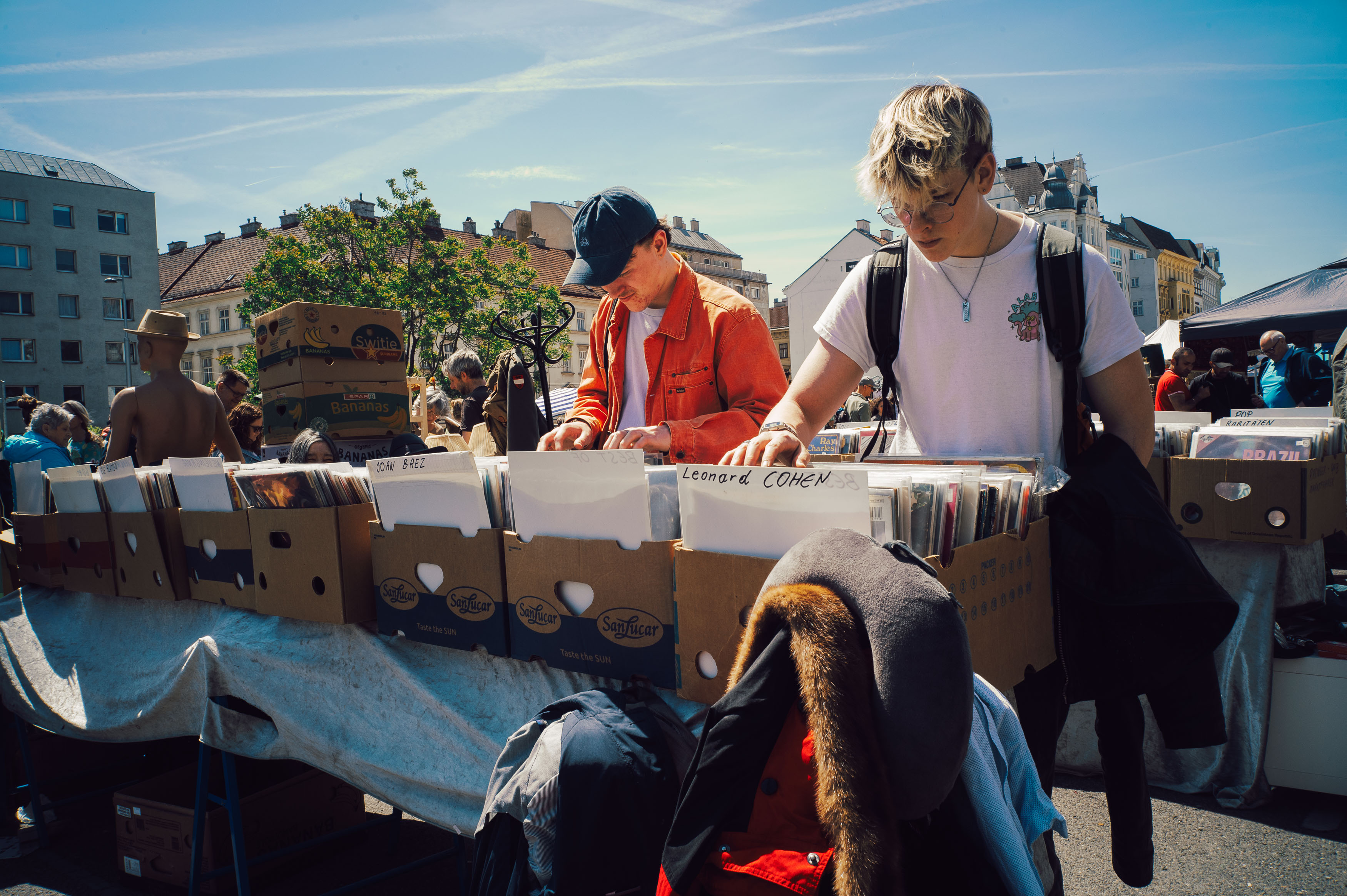
Looking back through photographs from both Shenzhen and Vienna, the Canon feels remarkably consistent despite the very different subjects. The quiet, almost surreal emptiness of Happy Valley contrasts beautifully with the bustle of Vienna’s flea markets, yet the lens gives both places a cohesive visual identity. Digital files from the Nikon certainly reveal more of the lens’s colour shifts and optical fall-off than film ever does, but they also confirm that the central sharpness is more than adequate while the imperfections remain part of its charm rather than distractions.

Ultimately, that’s what makes the Canon 28mm f/2.8 such an enjoyable lens. It doesn’t pretend to be perfect, nor does it try to compete with modern optics on technical grounds. Instead, it delivers photographs with personality, accepting softness, flare and vignetting as part of the creative process rather than problems to eliminate. Wide open it behaves like an unruly opera singer, full of excess and theatrical flourish. Stop it down and it settles into something far more disciplined, pairing beautifully with the Leica M2 to produce images that feel timeless rather than merely old.

Sometimes character really is worth more than perfection, and this little Canon has plenty of both flaws and personality to keep earning a place in my camera bag.