
Will sticking to one camera, one lens and one type of film make me a better photographer? I recently travelled to New South Wales with a Leica M2, a gorgeous Nikon S.C. 50mm f/1.4 lens for Leica thread mount, and a film stock I’d never tried before: Reflx Lab 100D. It was a fairly luxurious way to limit my options, admittedly, and there were a few caveats to the experiment, but the principle was simple enough. I wanted to see whether getting to know one combination of equipment could help me find that elusive creative flow.
The film was an interesting choice in its own right. Reflx Lab 100D is essentially Kodak Vision3 50D motion picture film, with its remjet backing removed so it can be processed using standard C-41 colour negative chemistry. It’s daylight-balanced, rated at ISO 100 and intended to deliver the sort of cinematic look that has become increasingly popular in still photography. Whatever “cinematic” actually means, I was hoping for natural colours, fine grain and a little more character than I get from my usual budget film.
My previous experiences with cinema film had been mixed. I’d tried processing film with the remjet backing still attached, with varying degrees of success, and removing it myself had proved rather less straightforward than chucking a bit of bicarbonate of soda into the mix and watching the residue disappear. In my experience, that stuff clings to the film with remarkable stubbornness, leaving scratches and streaks that can spoil an otherwise decent photograph.
Reflx Lab 100D avoids that particular problem by arriving ready to use, and in Australia it costs a few dollars more than my usual Kodak Colorplus 200 but considerably less than Portra/Ektacolor. That seemed a reasonable price to pay for a little experimentation. With two rolls packed, I headed off to see whether New South Wales could provide the scenery and the film could provide the cinema.
From Sydney to the South Coast
I started in Sydney, taking in Circular Quay, the Harbour Bridge and the Rocks before escaping the big city and heading south towards Jervis Bay. I was staying in Callala Bay, with plans to explore the surrounding coastline and towns, including Huskisson, Vincentia and Berry. There was plenty of picturesque scenery to work with, although my early attempts to photograph the local mangroves suggested that having an interesting subject and making an interesting photograph are two entirely different things.
I’ve tried photographing mangroves before, including with this same Leica, and my failures now seem to be geographically universal. There’s something otherworldly about their tangled roots and muddy pools that simply refuses to translate onto film. Perhaps the problem is the plants themselves, although I’m prepared to entertain the possibility that it’s me. If anyone has managed to photograph mangroves without producing muddy photographs of muddy things, I’d genuinely like to know how.
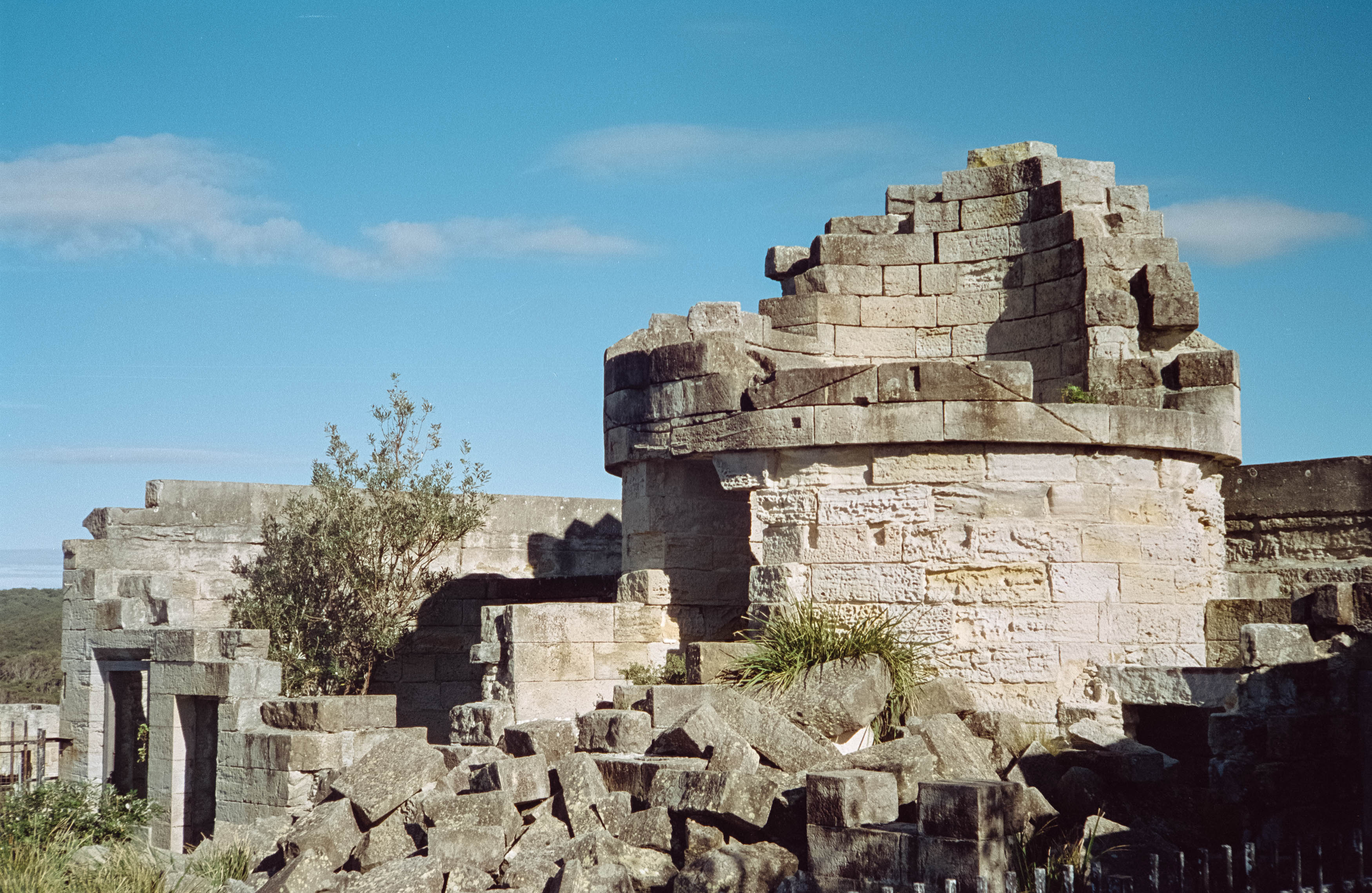
My attempts at more conventional bushland photography weren’t much better, so I turned my attention towards human habitation. Huskisson, a small town that attracts plenty of visitors when the sun comes out, seemed a more promising subject. I also visited Cape St George, where the ruins of an old lighthouse stand as a reminder that even well-intentioned projects can go spectacularly wrong. Built in 1860, the lighthouse was poorly positioned and its weak light contributed to shipwrecks rather than preventing them. Unfortunately, my own photographic ambitions were running aground too.
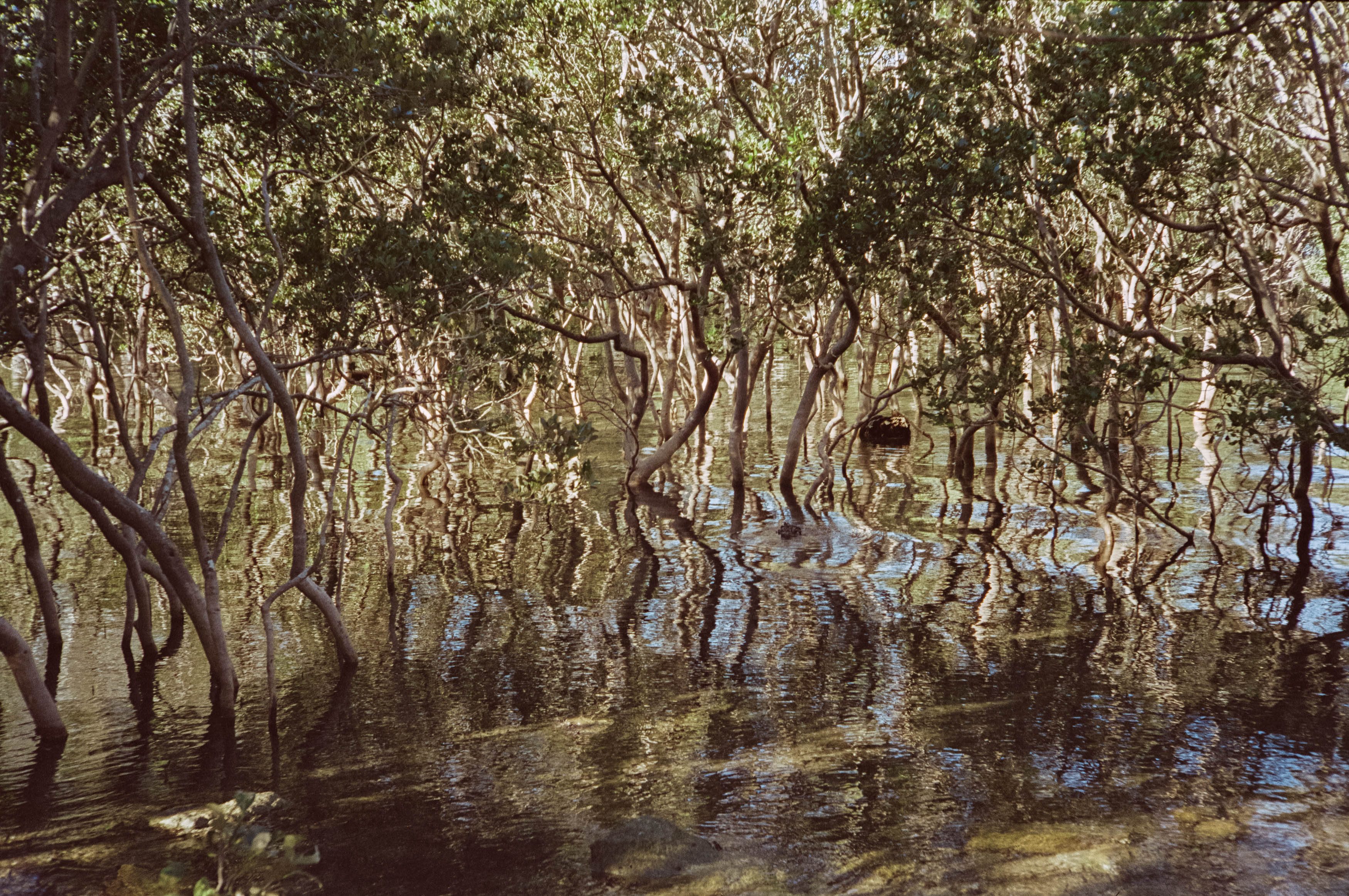
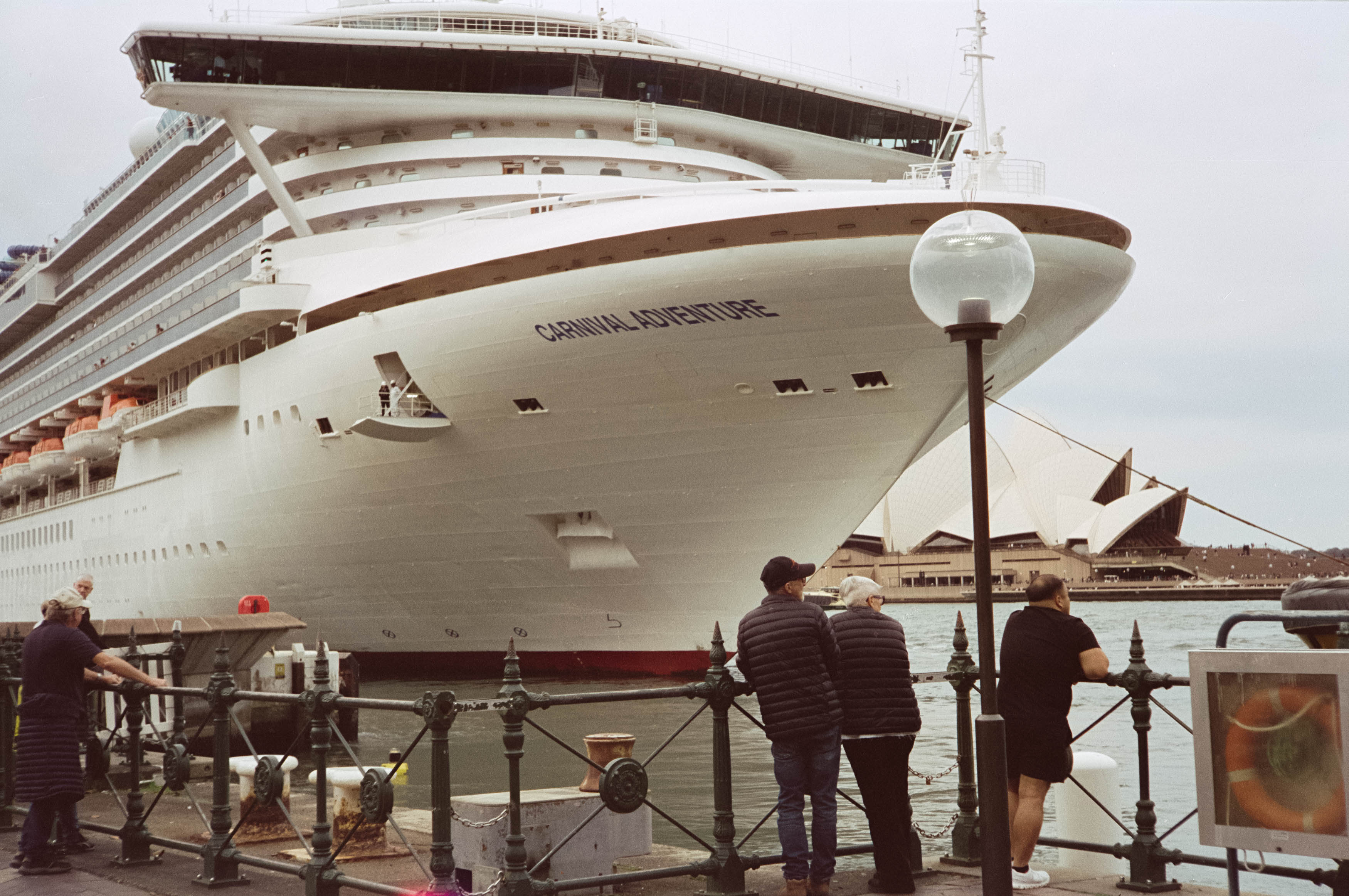
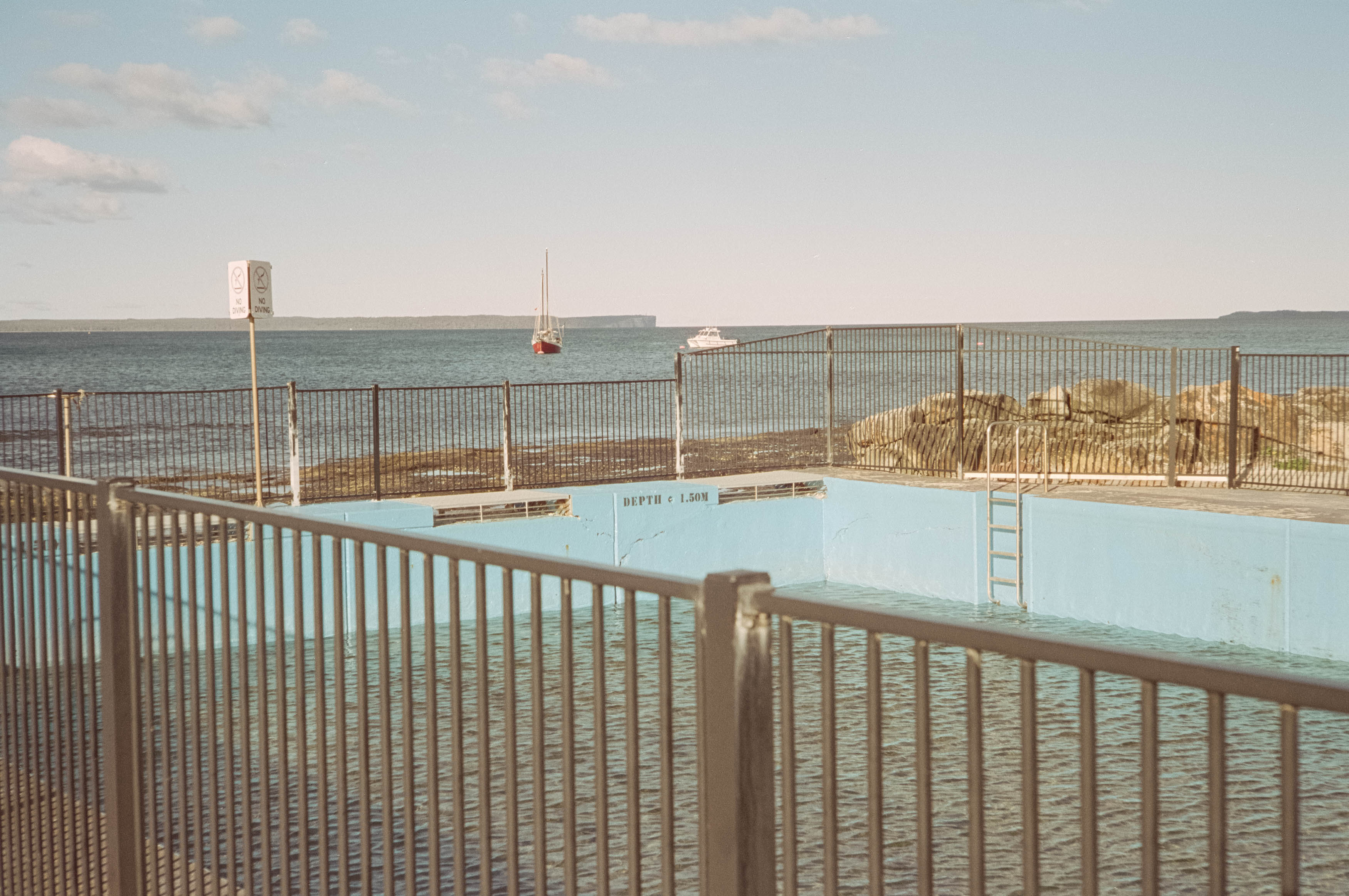
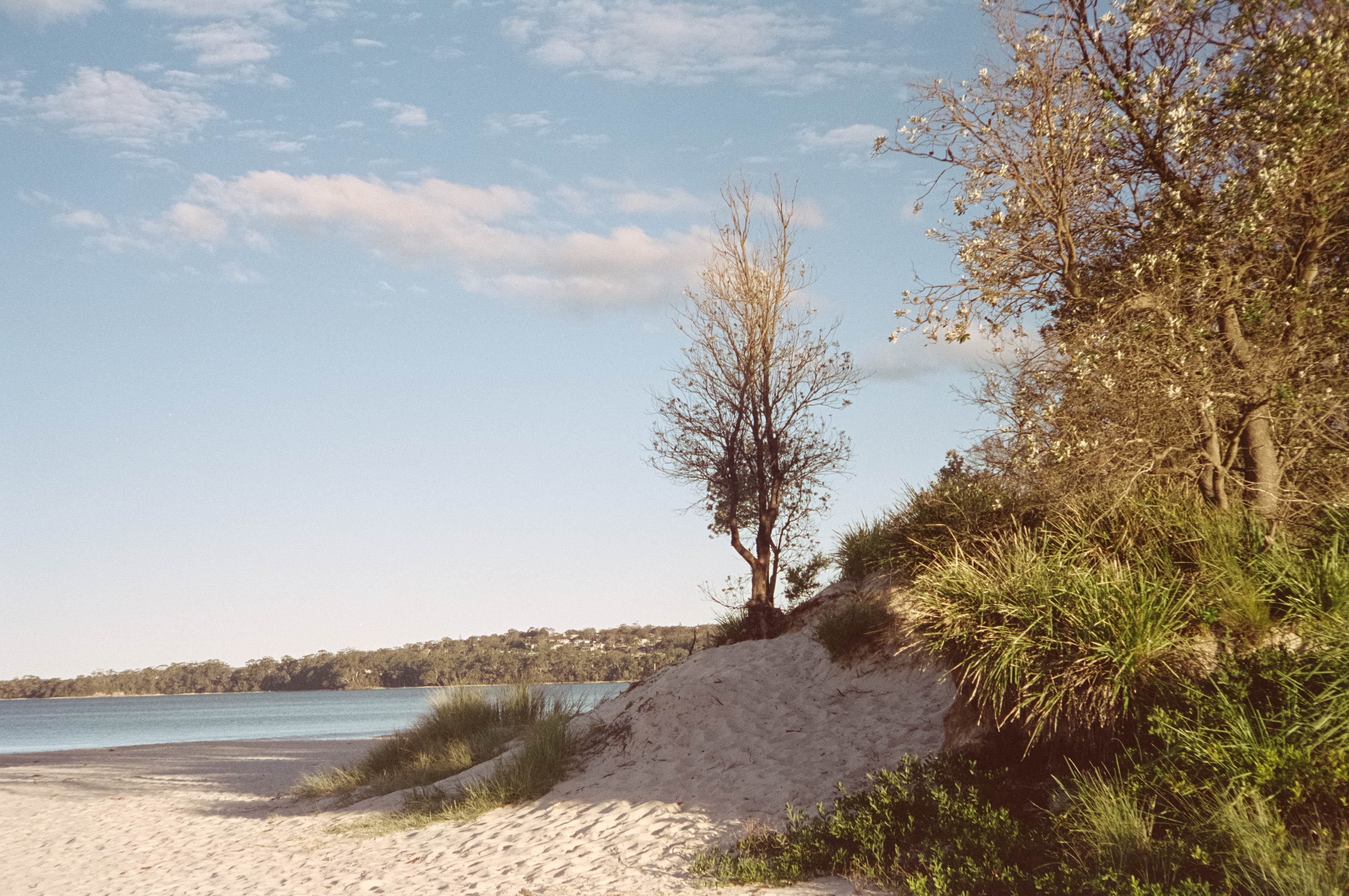
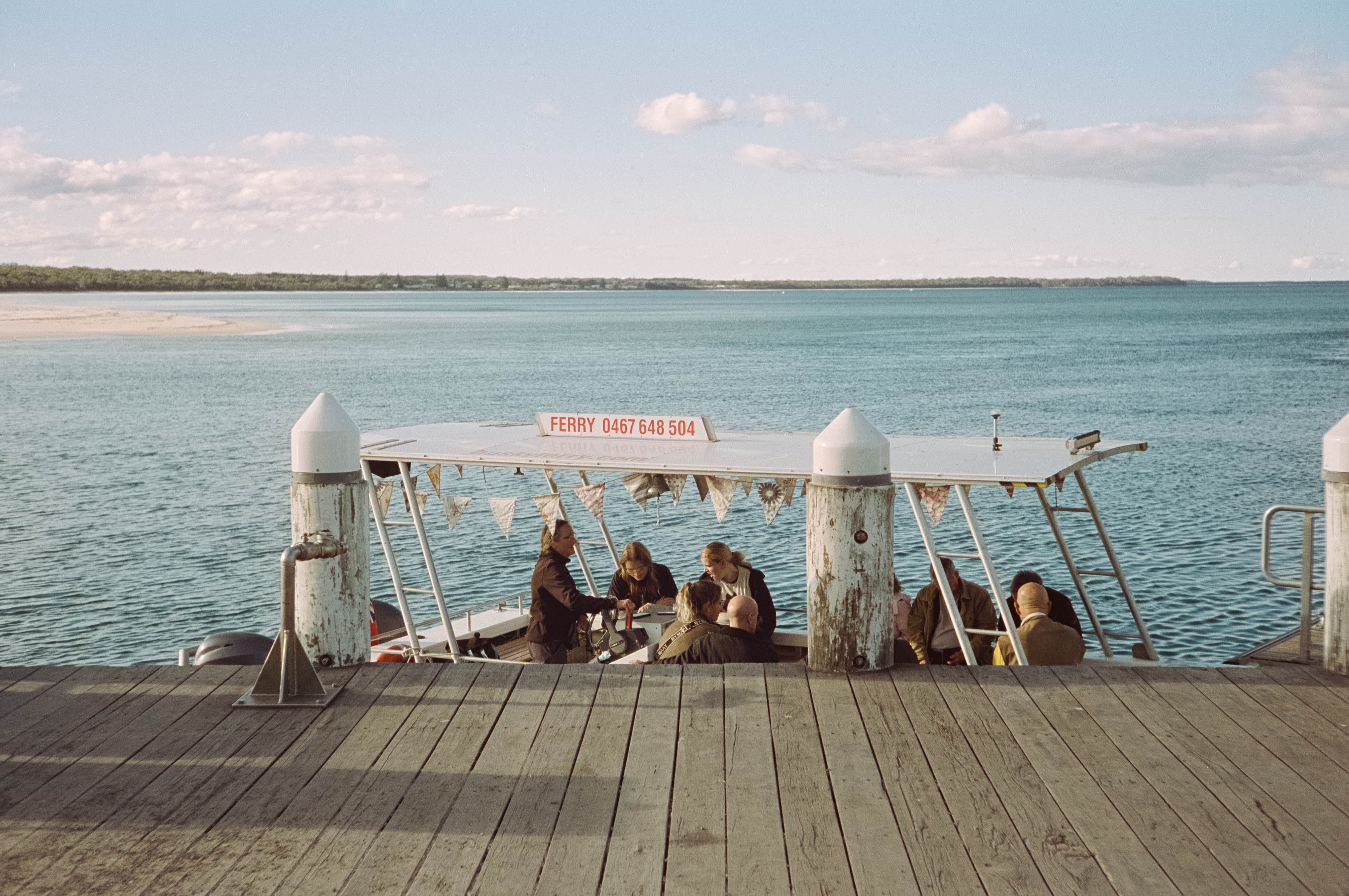
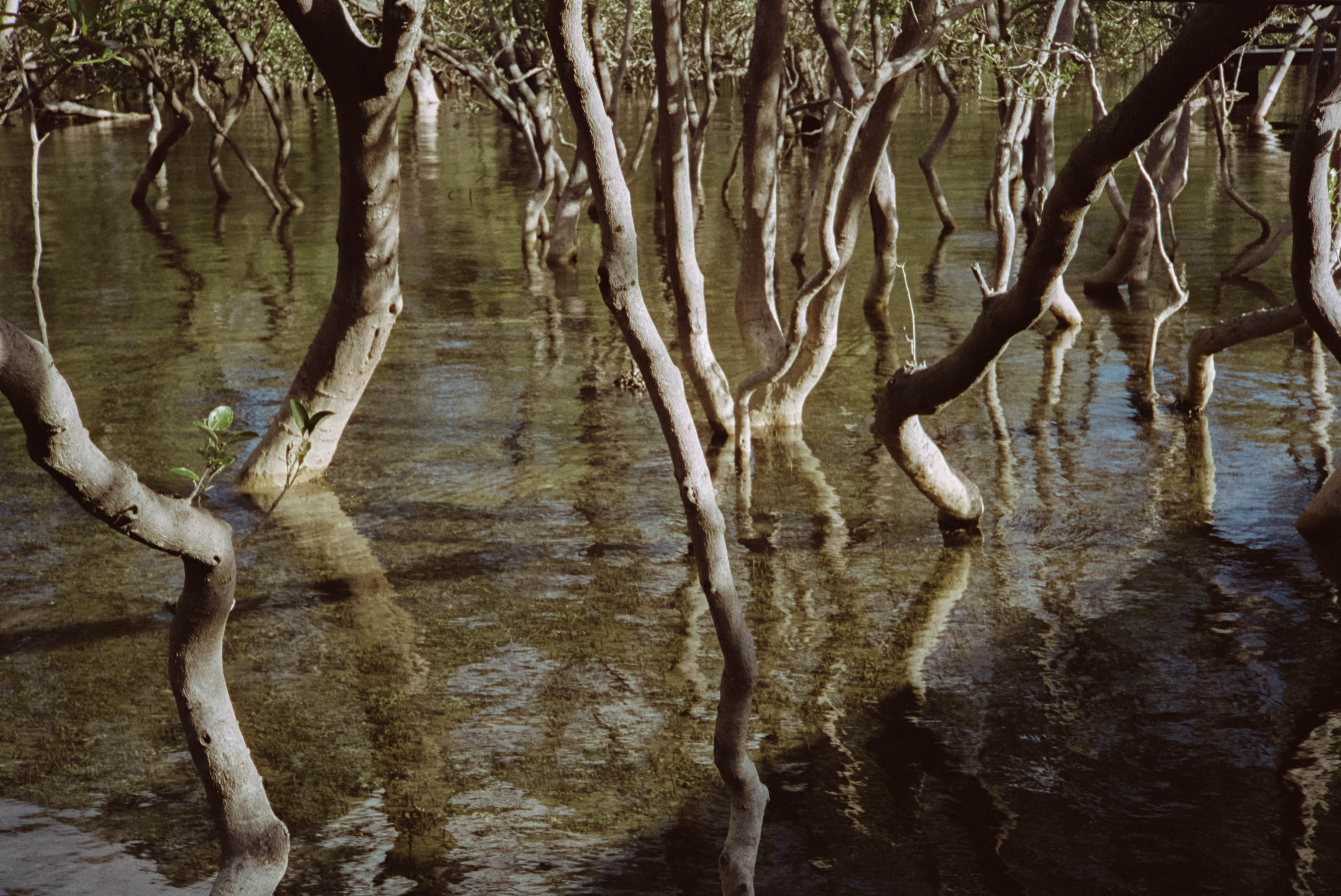
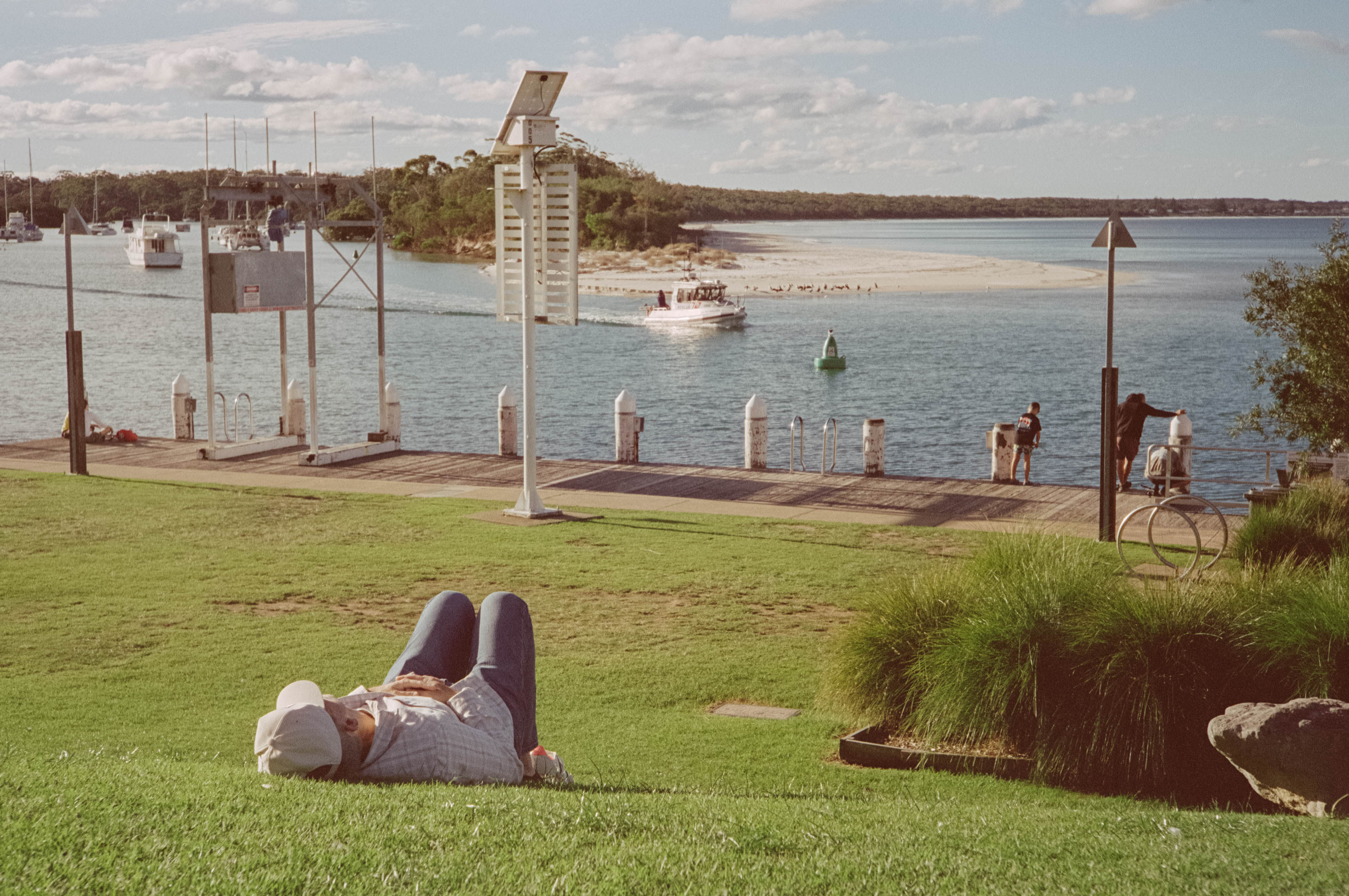
I hadn’t developed the film yet, but I could tell that I wasn’t producing anything particularly spectacular. The Leica and Nikon combination certainly wasn’t the problem, though. The M2 might be horrendously overengineered for a camera that essentially lets me focus, compose and take a photograph, but its simplicity is part of the appeal. There are few distractions, and the process becomes increasingly instinctive the more I use it.
The Nikon lens is similarly familiar now. I can find the focus tab almost immediately, and even locking and unlocking the lens at infinity has become second nature. Setting the shutter speed, adjusting the aperture and focusing on a subject gradually become part of the same movement, like an intricate choreography between my hands and eyes. My creative instincts, unfortunately, were taking rather longer to catch up.
Getting to Know Reflx Lab 100D
Things began to improve as the light softened around Callala Bay. By the time I reached my final full day in New South Wales, I was becoming more comfortable with the setup, and the photographs were starting to show a little more promise. My hand-eye coordination was working seamlessly, even if my creative eye was only just beginning to wake up.
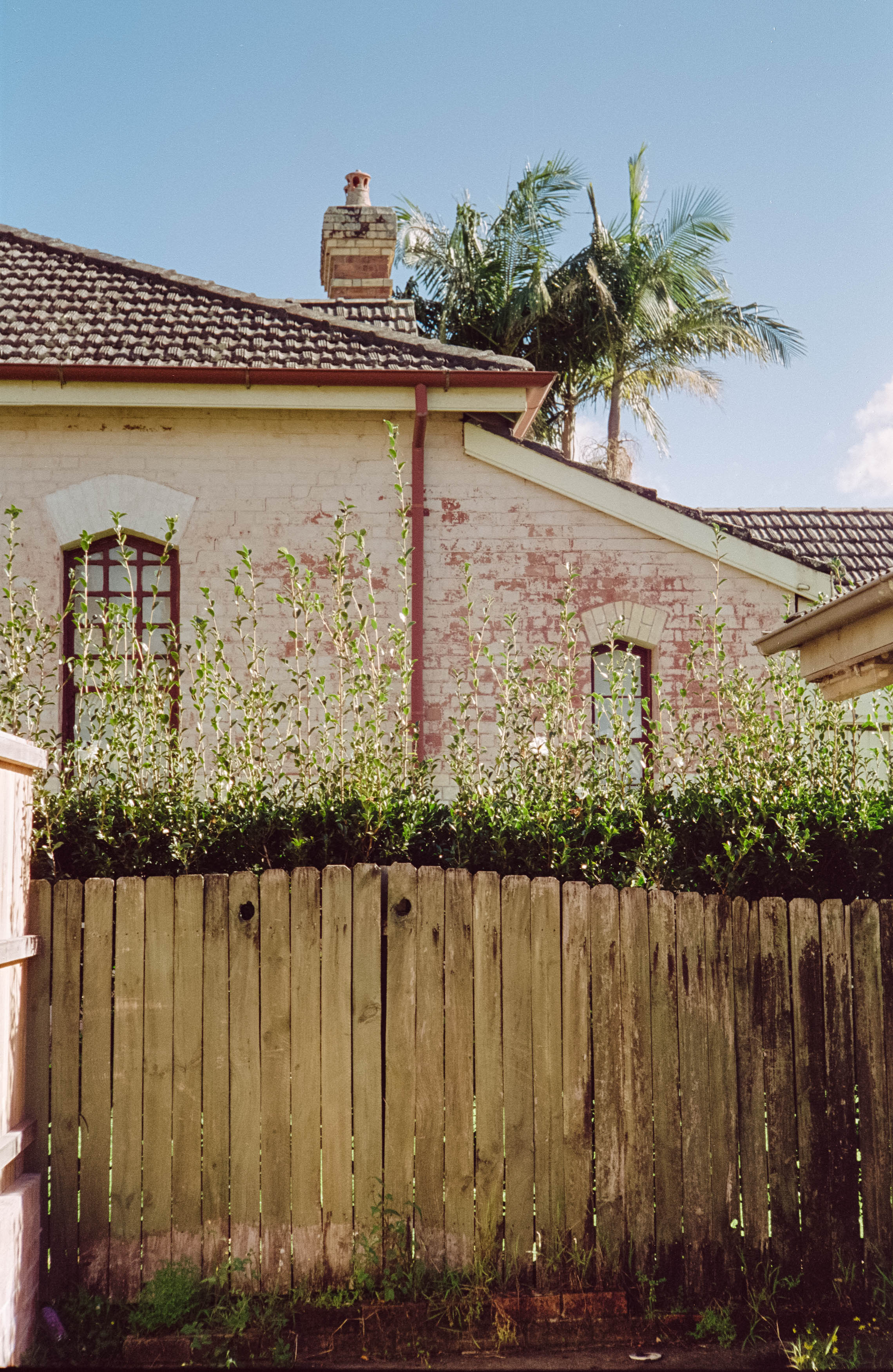
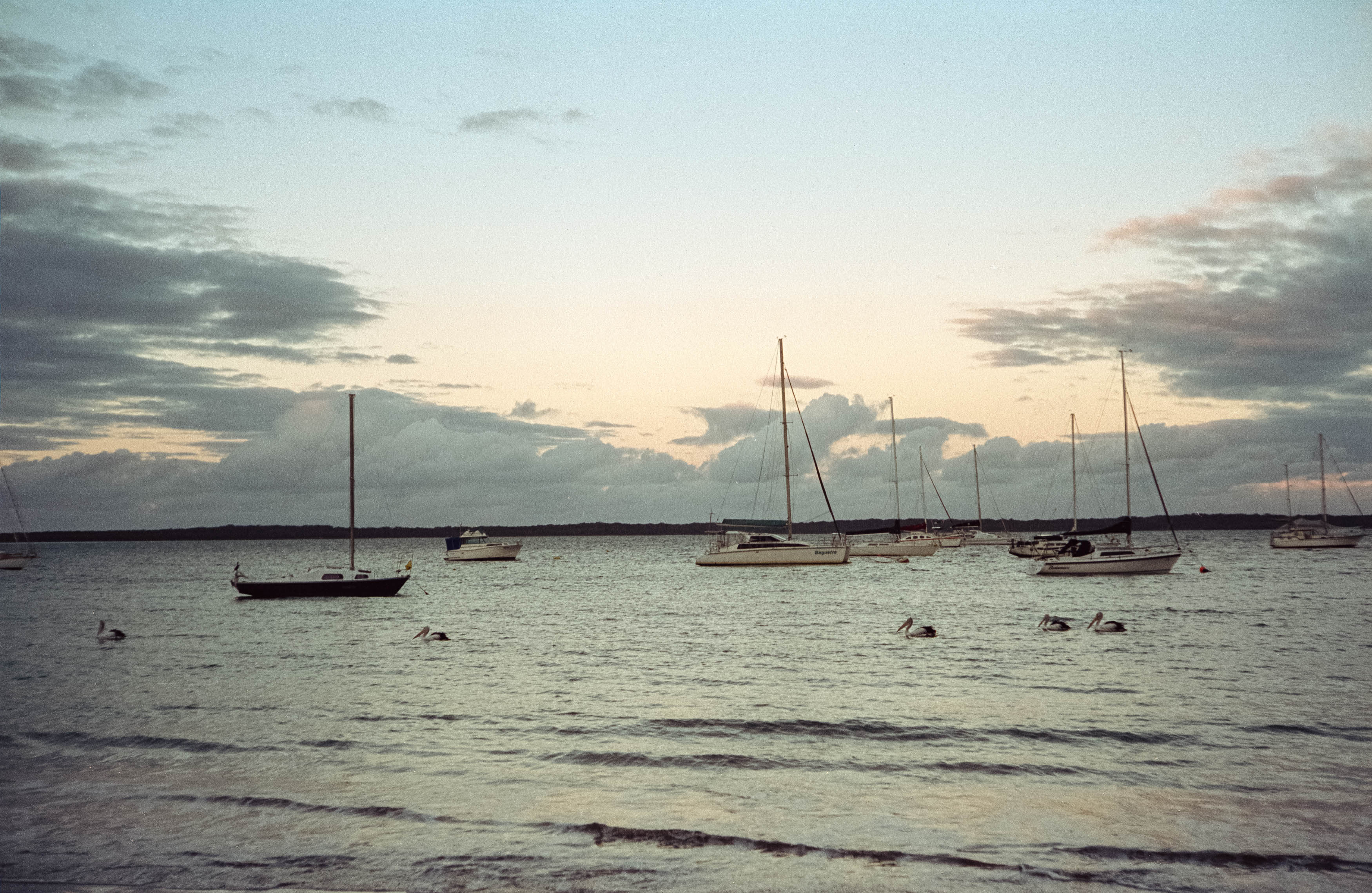
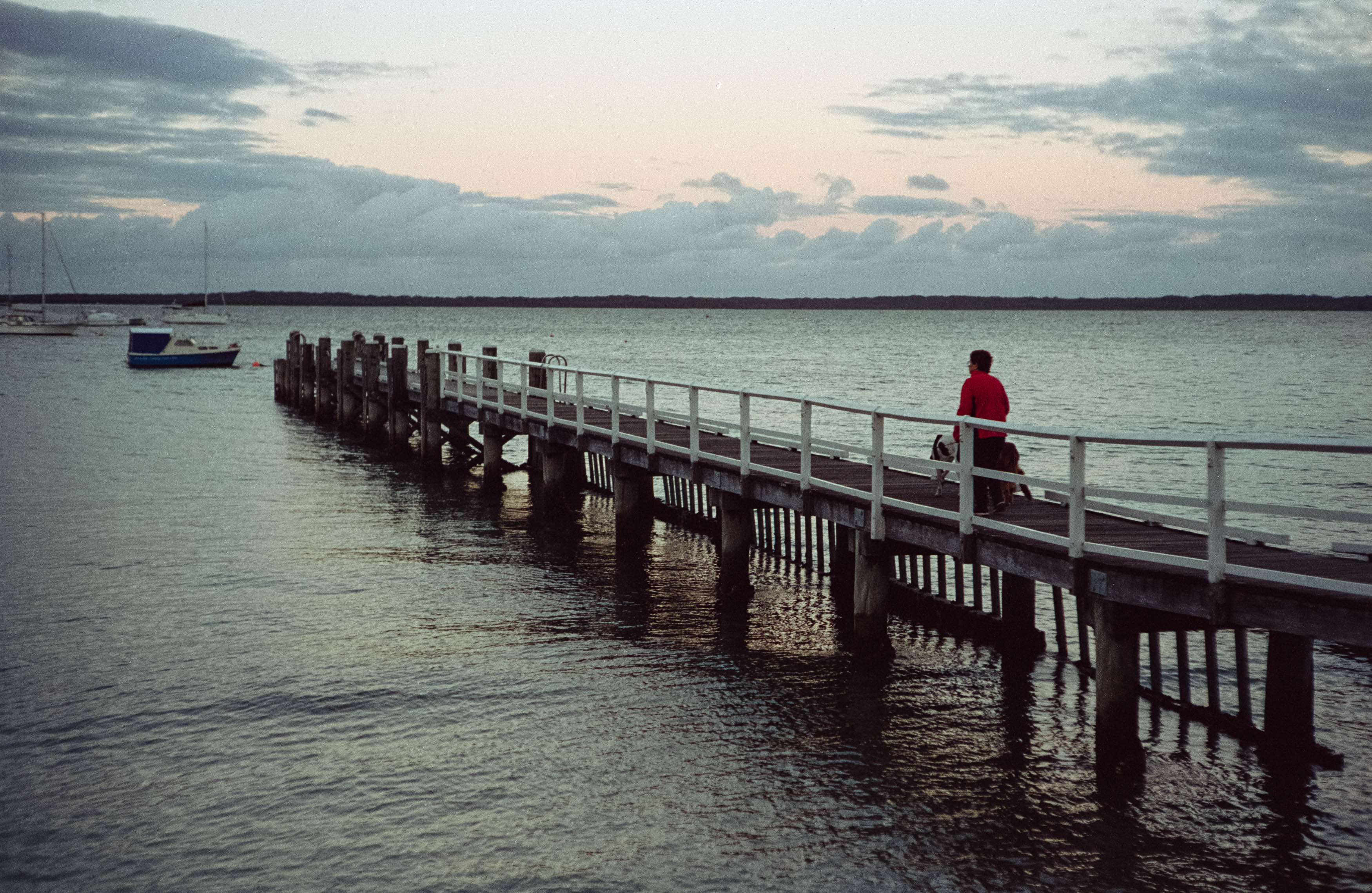
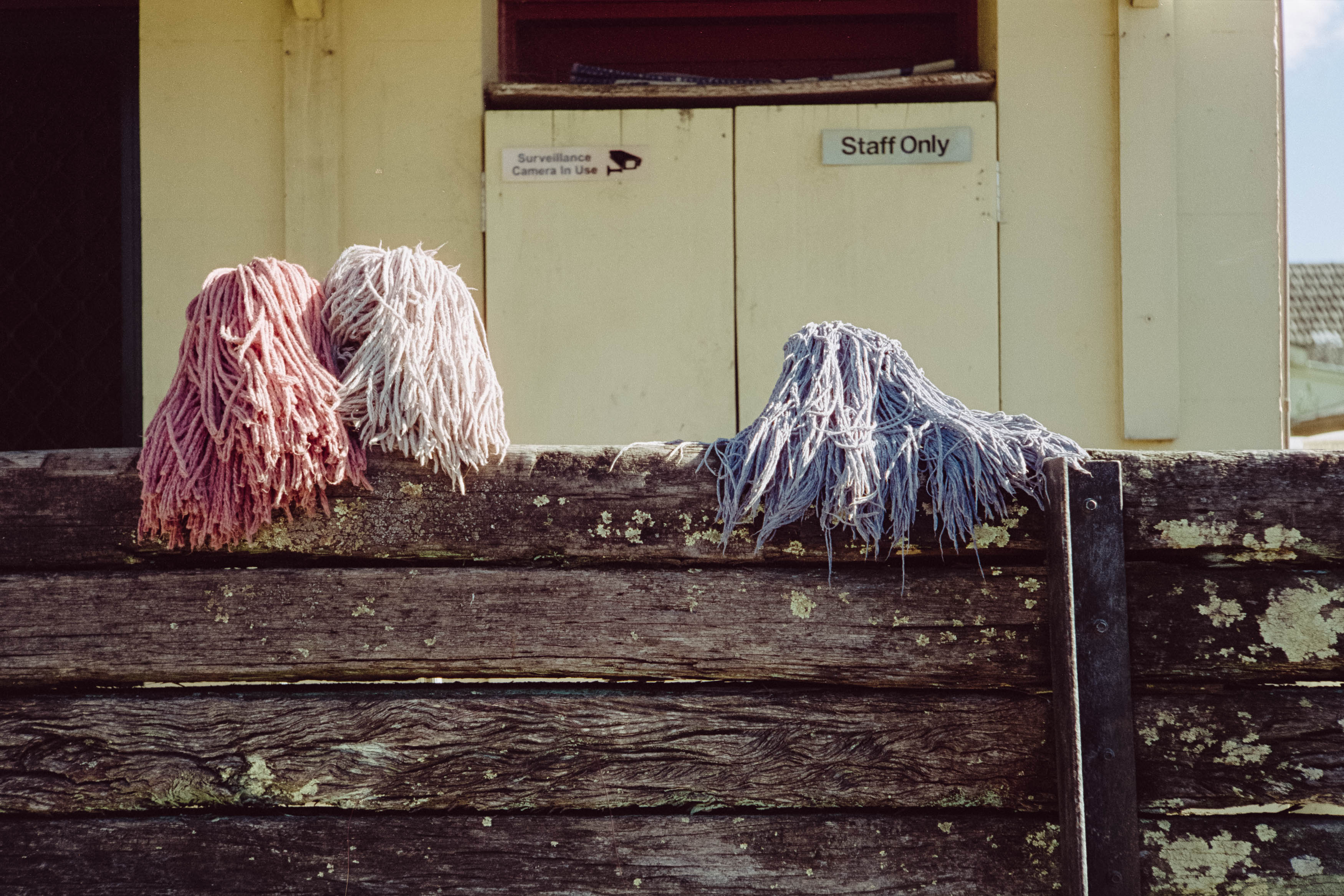
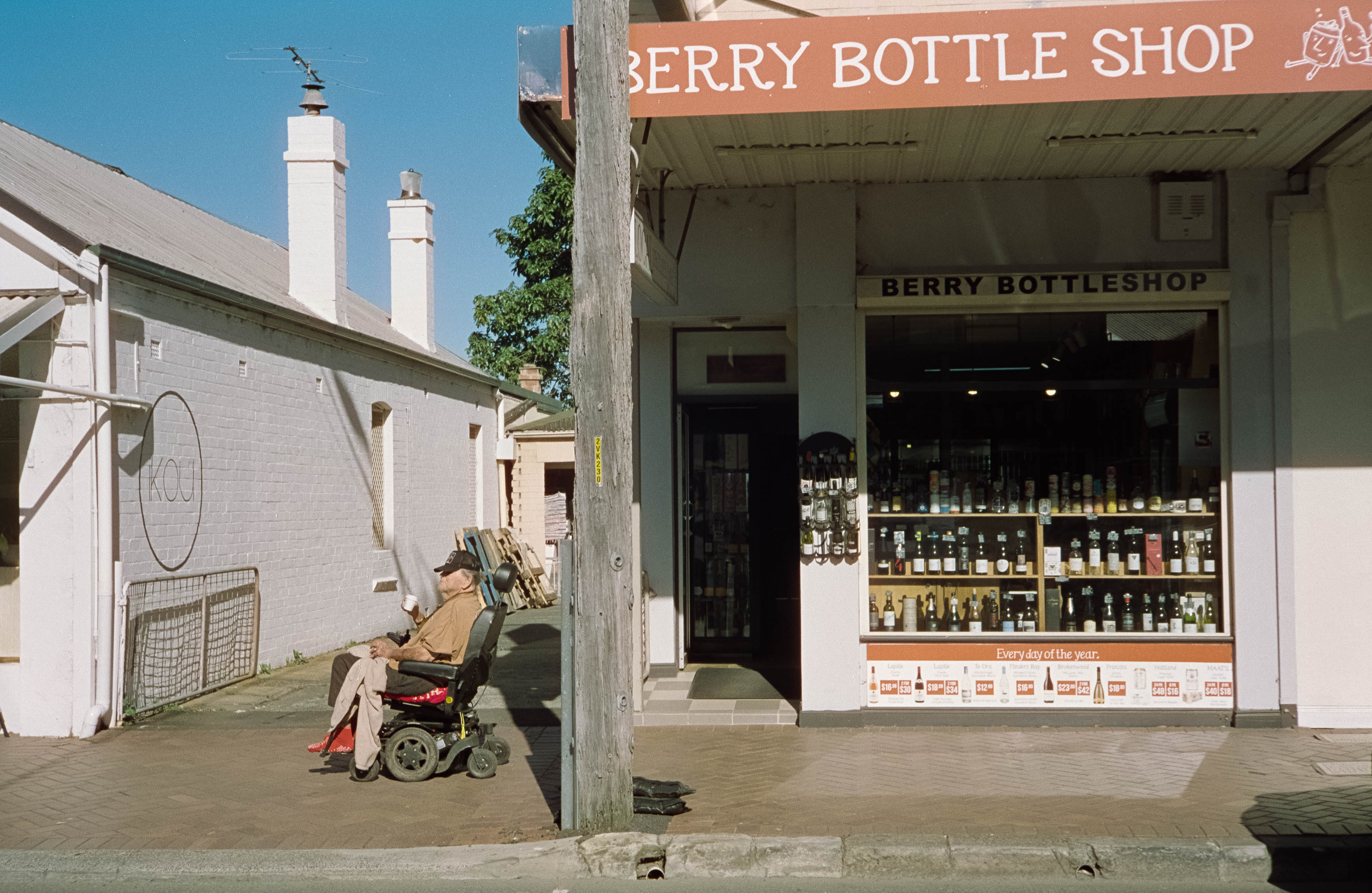
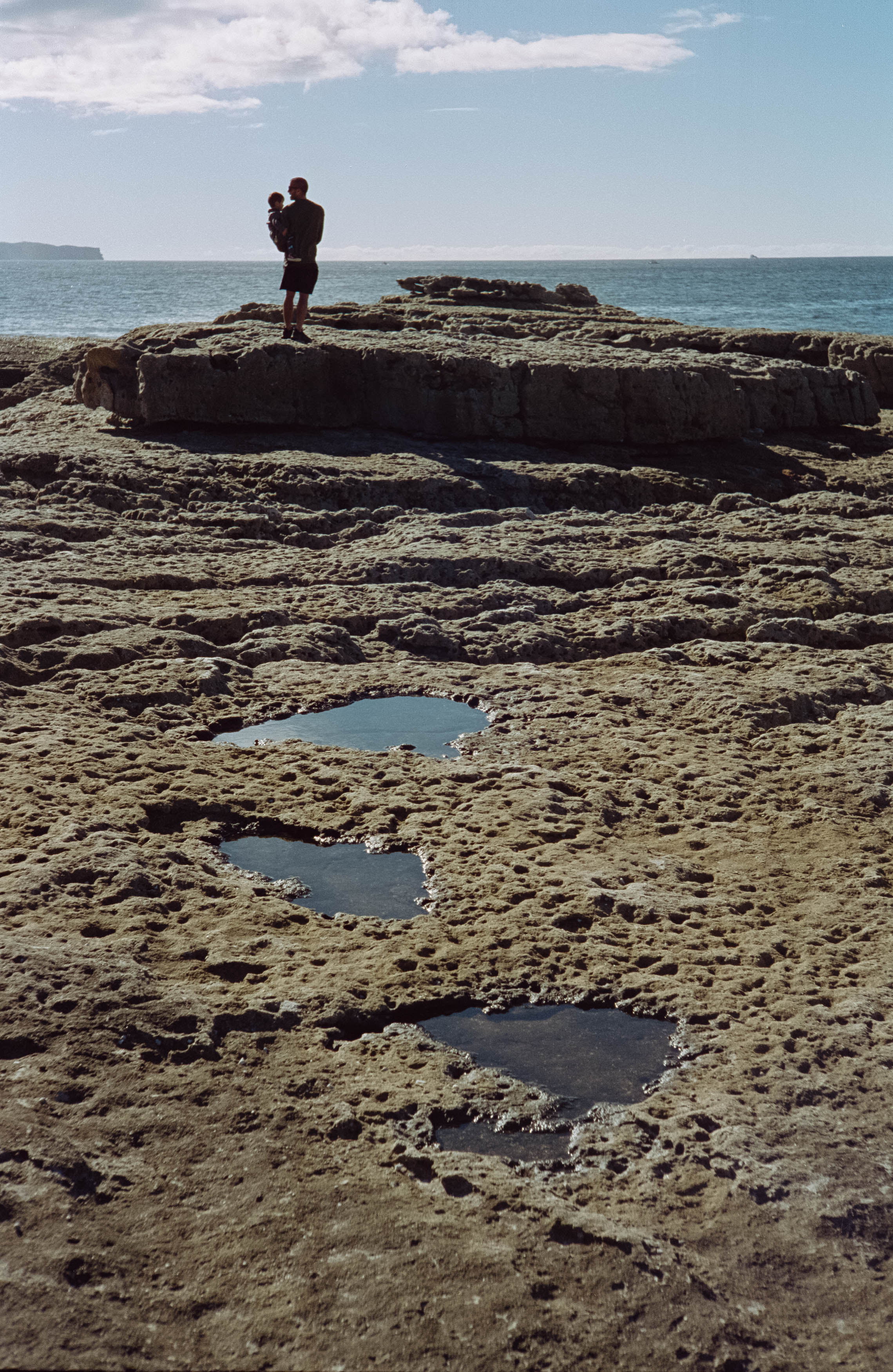
Once I developed the film, I was pleasantly surprised by the results. Reflx Lab 100D produces fairly neutral colours, with the sort of fine grain and sharpness I was hoping for. I find cinema film can lean a little green compared with some budget still-photography stocks, which often introduce pink tones into the shadows. The film wasn’t particularly flattering to the rocks and foliage around Cape St George, but it rendered the towns of Huskisson and Berry with an appealing natural charm.
The Nikon lens helped, too. At f/1.4, it can produce the dreamy rendering often associated with vintage optics, although I didn’t see much of the bloominess that sometimes accompanies shooting wide open. In brighter conditions, stopping down allowed me to take advantage of the film’s sharpness, while the sunset photographs of Callala Bay turned out to be among my favourites.
Learning to See, Not Just Shoot
The biggest lesson from this experiment wasn’t really about the camera, lens or film. It was about familiarity. The more I used the Leica M2 and Nikon 50mm, the more naturally everything worked. My fingers found the dials more quickly, focusing became instinctive, and I gradually became more confident judging exposure without reaching for a light meter every time.
After checking the exposure in bright sunshine and in the shade, I found it increasingly easy to judge the light by its intensity and the contrast of the shadows. The camera became less of a mechanical device I had to operate and more of an extension of myself. That freedom allowed me to concentrate on what was actually in front of the lens.
But there’s a difference between learning to operate a camera and learning to see photographs. Limiting myself to one camera, one lens and one film helped me become familiar with my equipment, but it didn’t automatically make me more creative. The real challenge was learning to recognise compositions that worked within those limitations, rather than wishing I had a different lens or another film stock.
By the end of the trip, I was beginning to see the world in 50mm Vision3. I had a better understanding of how the lens behaved, how the film rendered colour and how the camera fitted into my photographic process. I suspect the photographs will improve as that familiarity develops further.
So, did one camera, one lens and one film make me a better photographer? Perhaps not overnight, but it gave me a useful way to focus on the things that matter. The equipment became familiar enough that I could spend less time thinking about it and more time looking for photographs worth taking. Six favourites from 72 frames isn’t exactly a spectacular hit rate, but it’s a start. Just don’t ask me to photograph any more mangroves.

