
Twelve years is a surprisingly long time. When I first visited Stockholm in 2013, my children were younger, my hair contained considerably less grey, and I approached photography with the kind of wide-eyed enthusiasm that only comes from exploring somewhere completely new. Returning for a brief 24-hour visit felt like stepping into a time machine—not just to revisit Sweden, but to confront an awkward question I’d been quietly avoiding: after more than a decade behind the camera, have I actually become a better photographer?
It’s the sort of question that’s difficult to answer objectively. Experience should bring improvement, but creativity doesn’t always follow a neat upward trajectory. As I wandered through the cobbled streets of Gamla Stan, Stockholm’s wonderfully preserved old town, I couldn’t help wondering whether my photography had continued to evolve or whether I’d simply become older, more cautious, and perhaps a little too comfortable with my own habits.
Getting Lost, Finding Perspective
My journey began in appropriately chaotic fashion when I managed to board a train in completely the wrong direction. While I’d love to pretend this was some profound metaphor about life and artistic growth, it really was nothing more than another demonstration of my famously terrible sense of direction. Fortunately, even mistakes can become opportunities, and the unexpected detour delivered a train station that looked like an 8-bit video game, complete with geometric tiles and an almost surreal atmosphere.
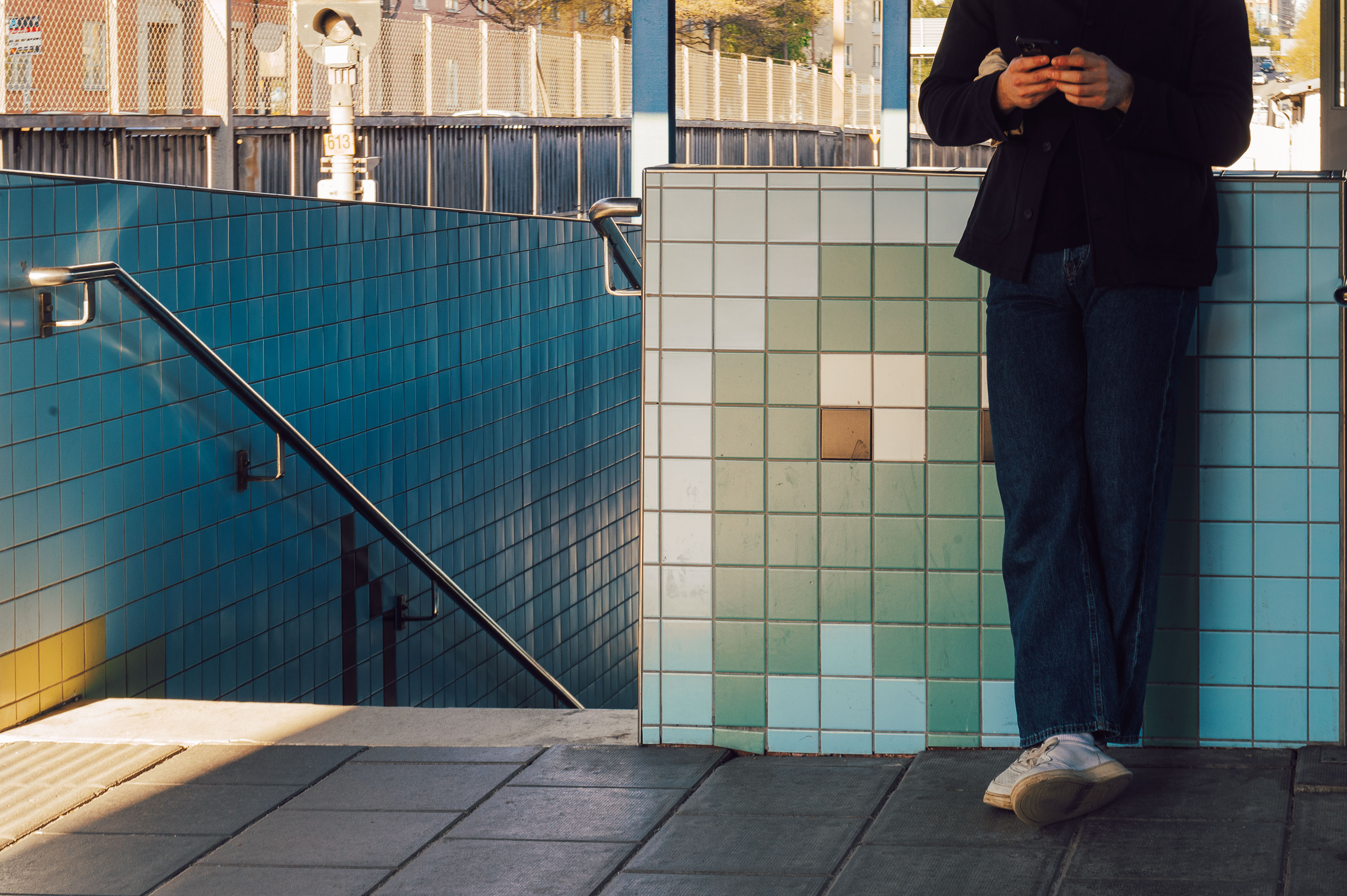
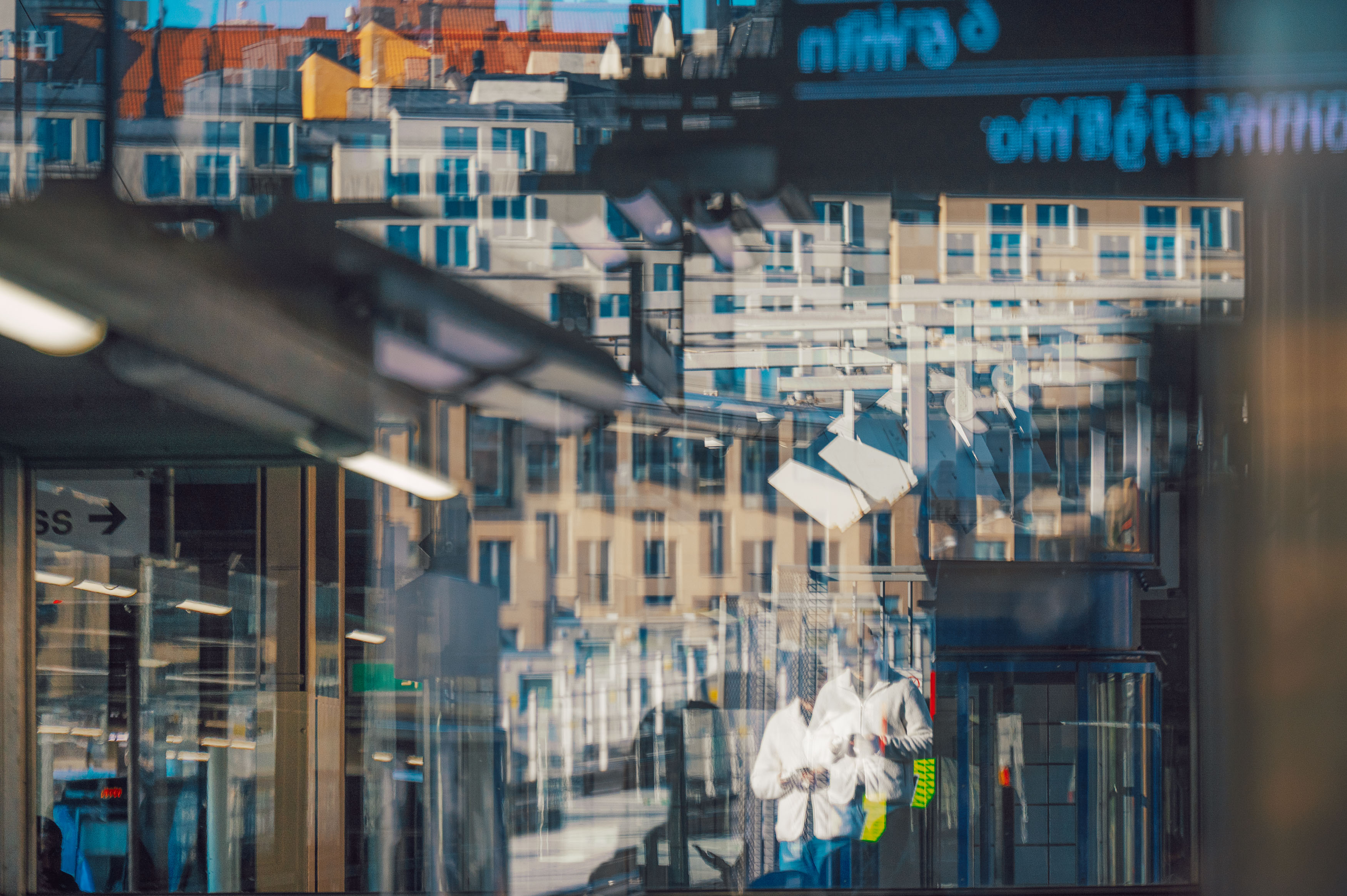
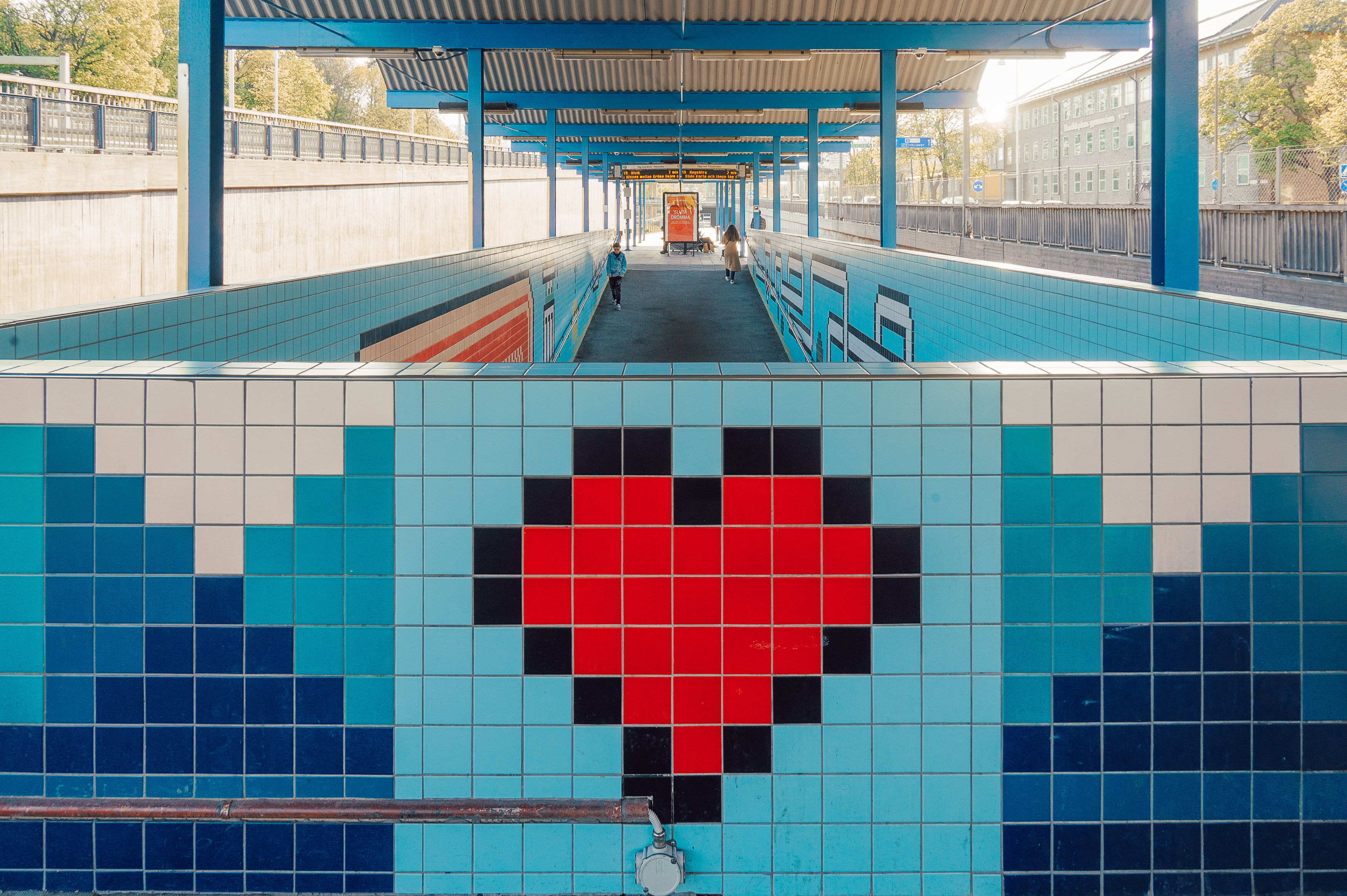
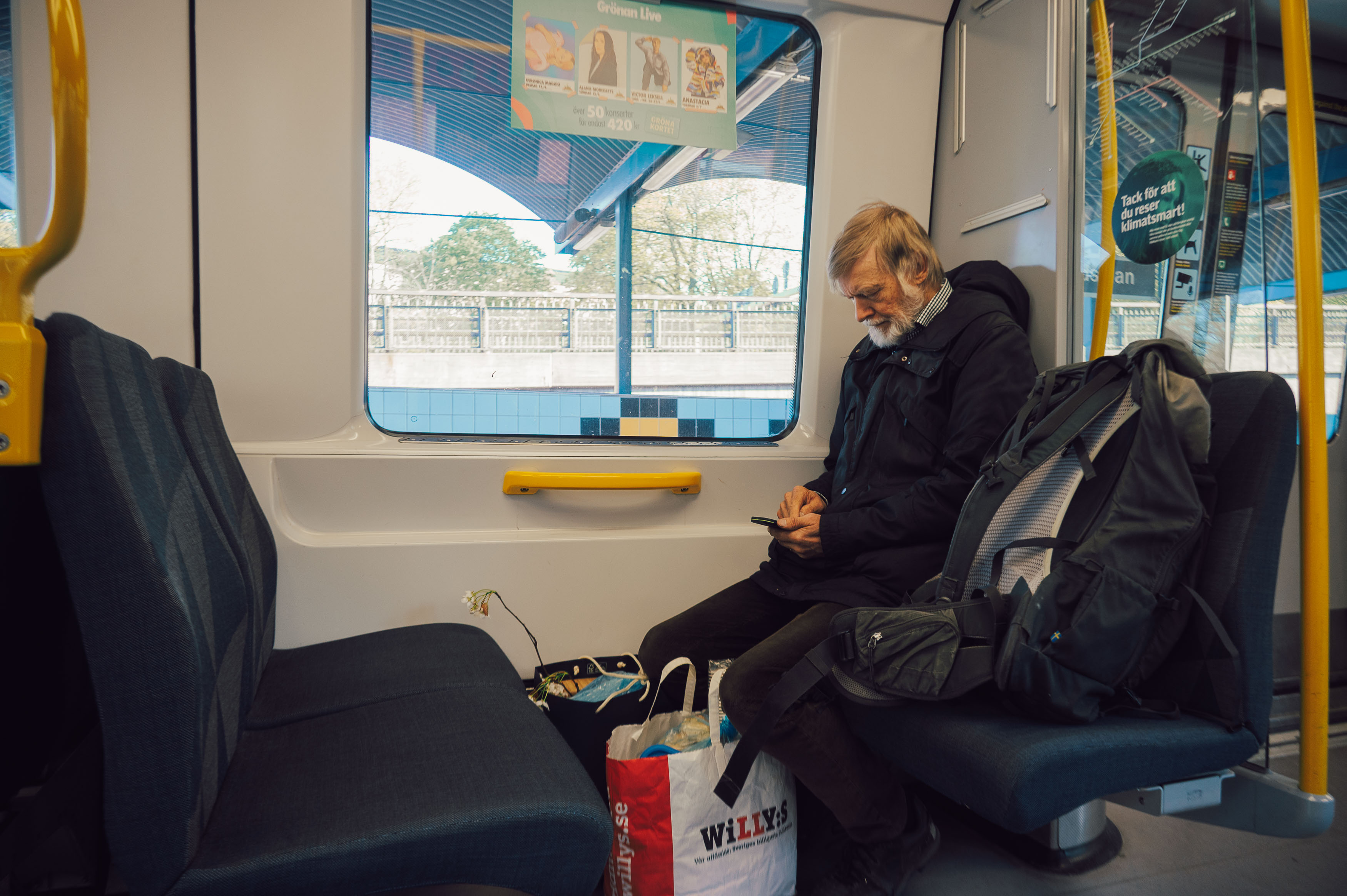
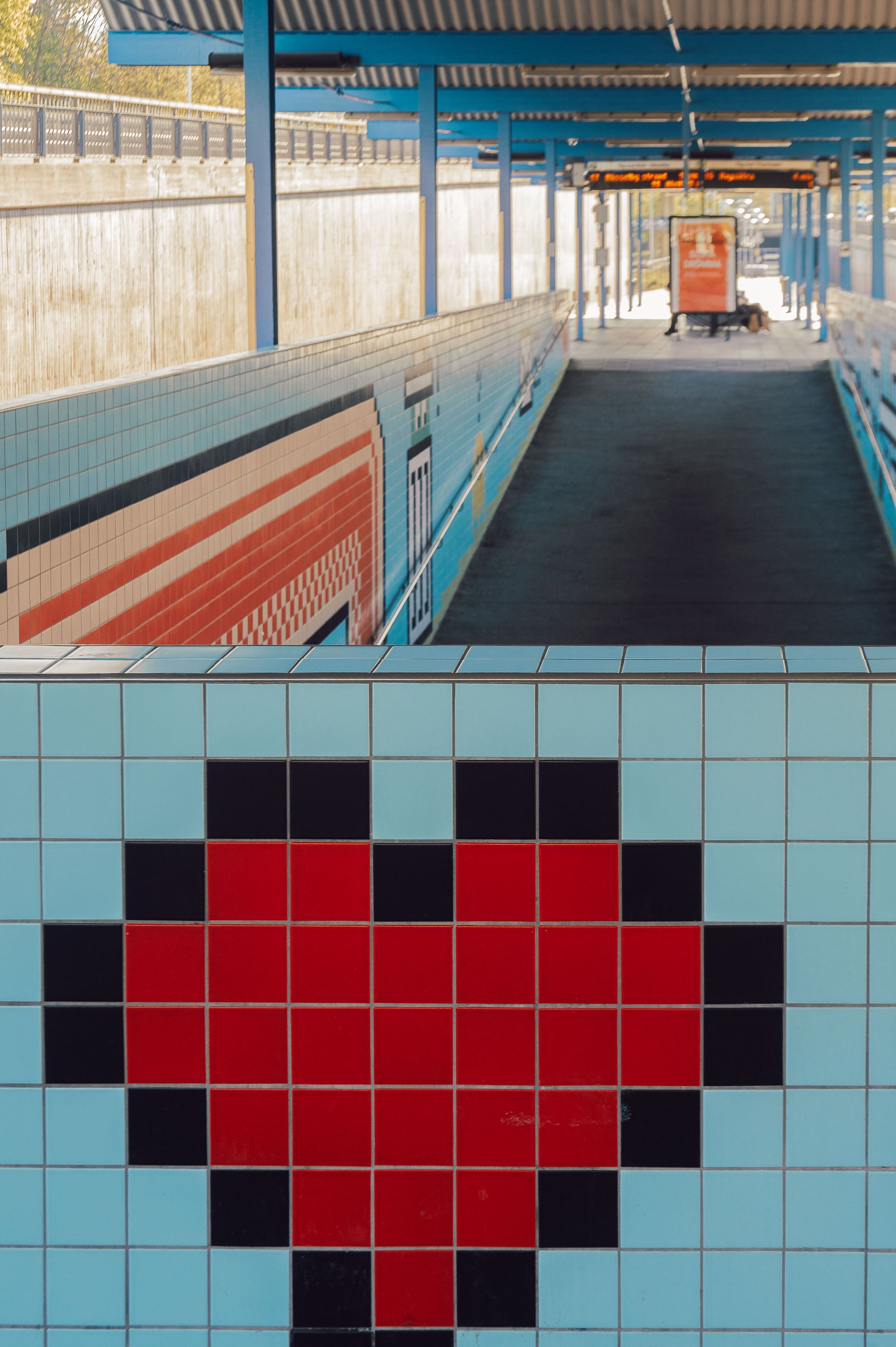
Eventually I escaped my accidental journey into Tron and arrived in Gamla Stan. Emerging from the station felt like walking straight into the 14th century, albeit one populated by tourists armed with smartphones and takeaway coffee. Stockholm itself hadn’t changed dramatically over the years, but my relationship with photographing it certainly had.
Looking back at my original visit revealed just how much both photography and technology have evolved. In 2013 my camera of choice was the humble Lumix GF1, a Micro Four Thirds camera whose autofocus could generously be described as leisurely. Today I shoot with a Nikon Z6 paired with a versatile 24-200mm lens, giving me vastly superior image quality and low-light performance, even if the autofocus still occasionally reminds me not to become too complacent.
Ironically, despite carrying far more capable equipment today, I’ve also embraced older photographic practices. My favourite camera doesn’t even shoot video or include a built-in light meter. In some ways, my technical journey has become less about chasing newer features and more about rediscovering slower, simpler ways of working.
Escaping the HDR Era
Perhaps the biggest difference between my old work and my current photography lies in the editing. Revisiting my 2013 images was a sobering reminder that I, like so many photographers of the era, was hopelessly addicted to HDR. Every image seemed determined to display every possible shadow, highlight and colour simultaneously, often resulting in pictures that looked less like reality and more like someone had dropped a rainbow into a blender.
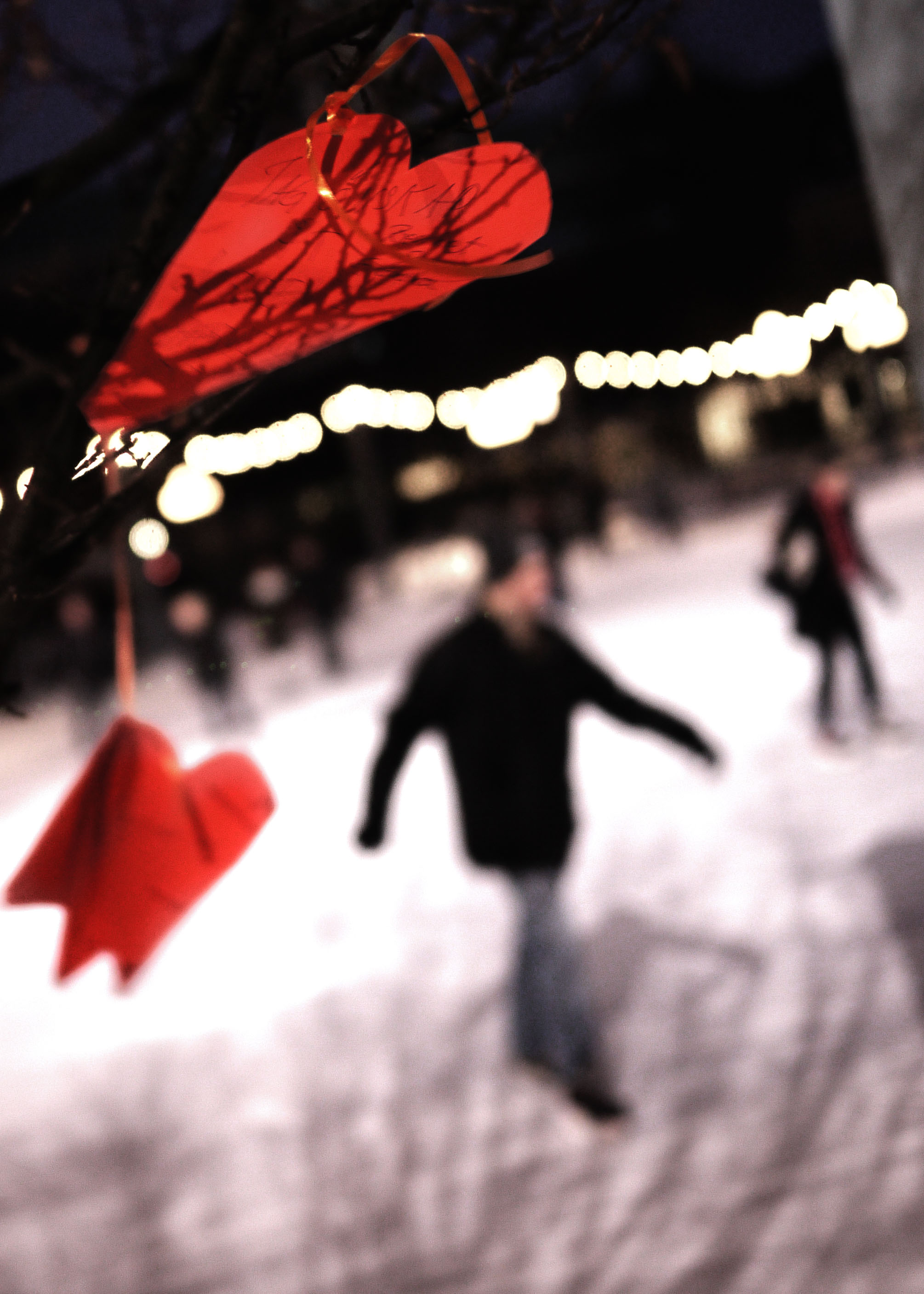
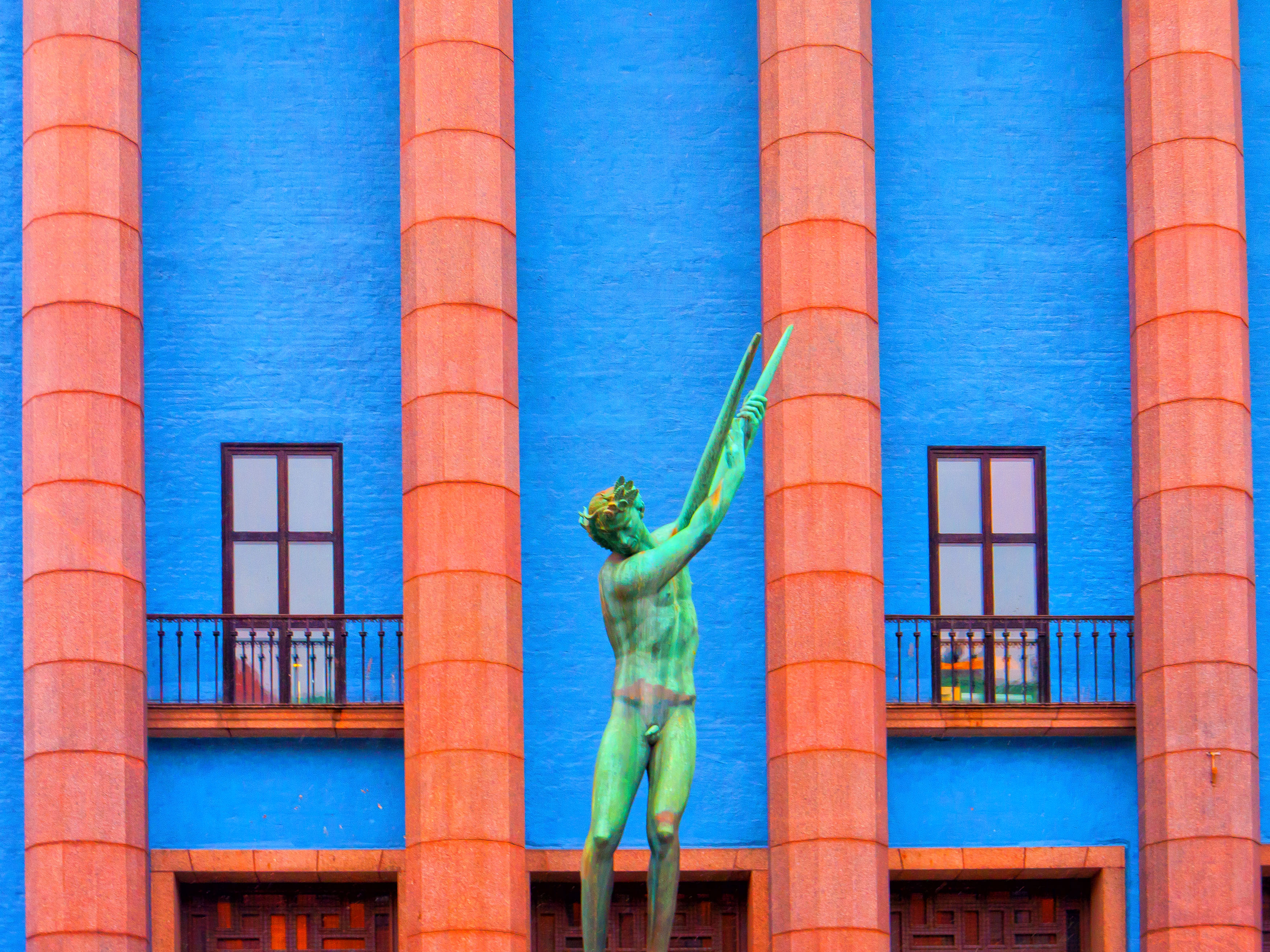
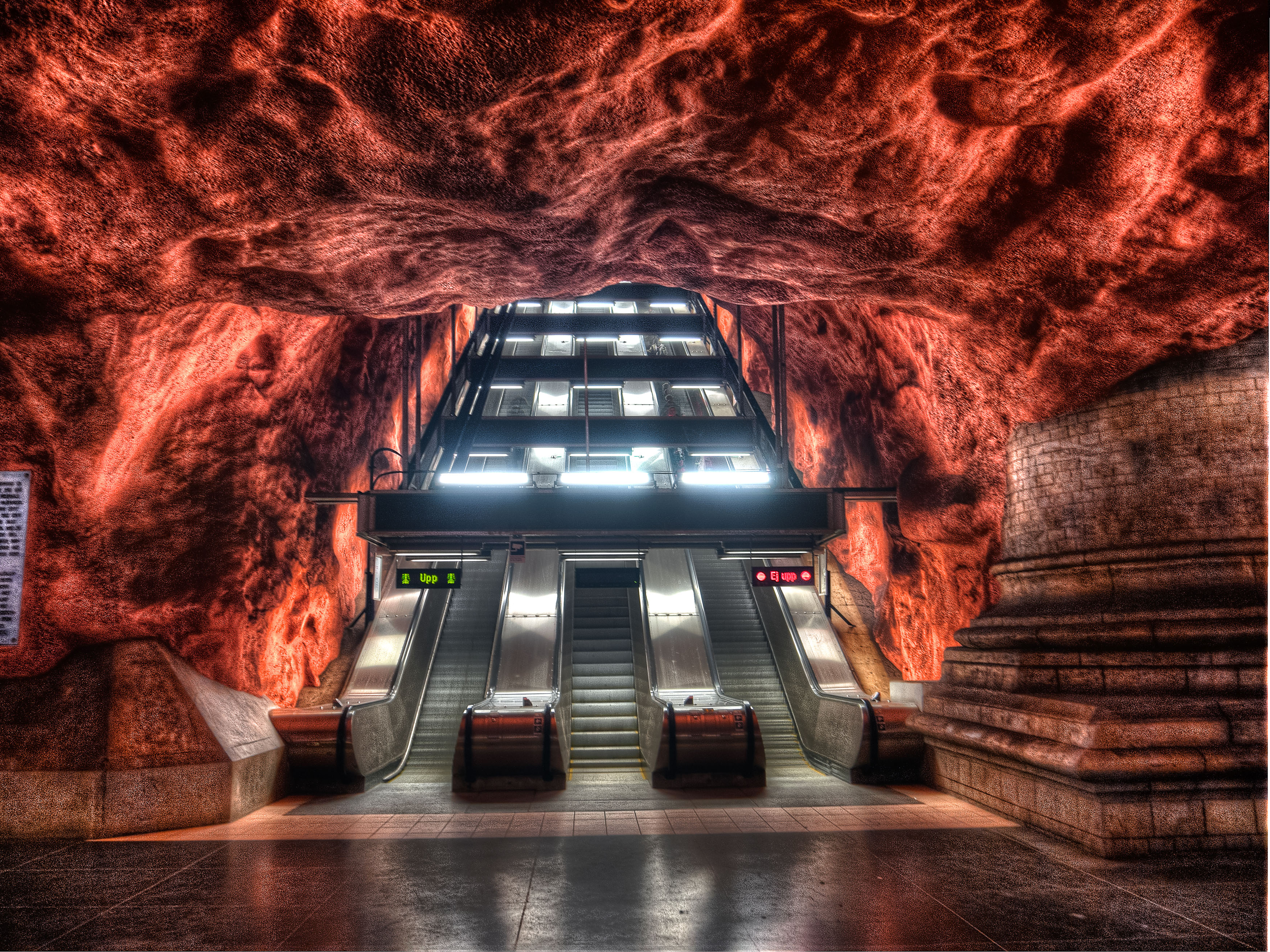
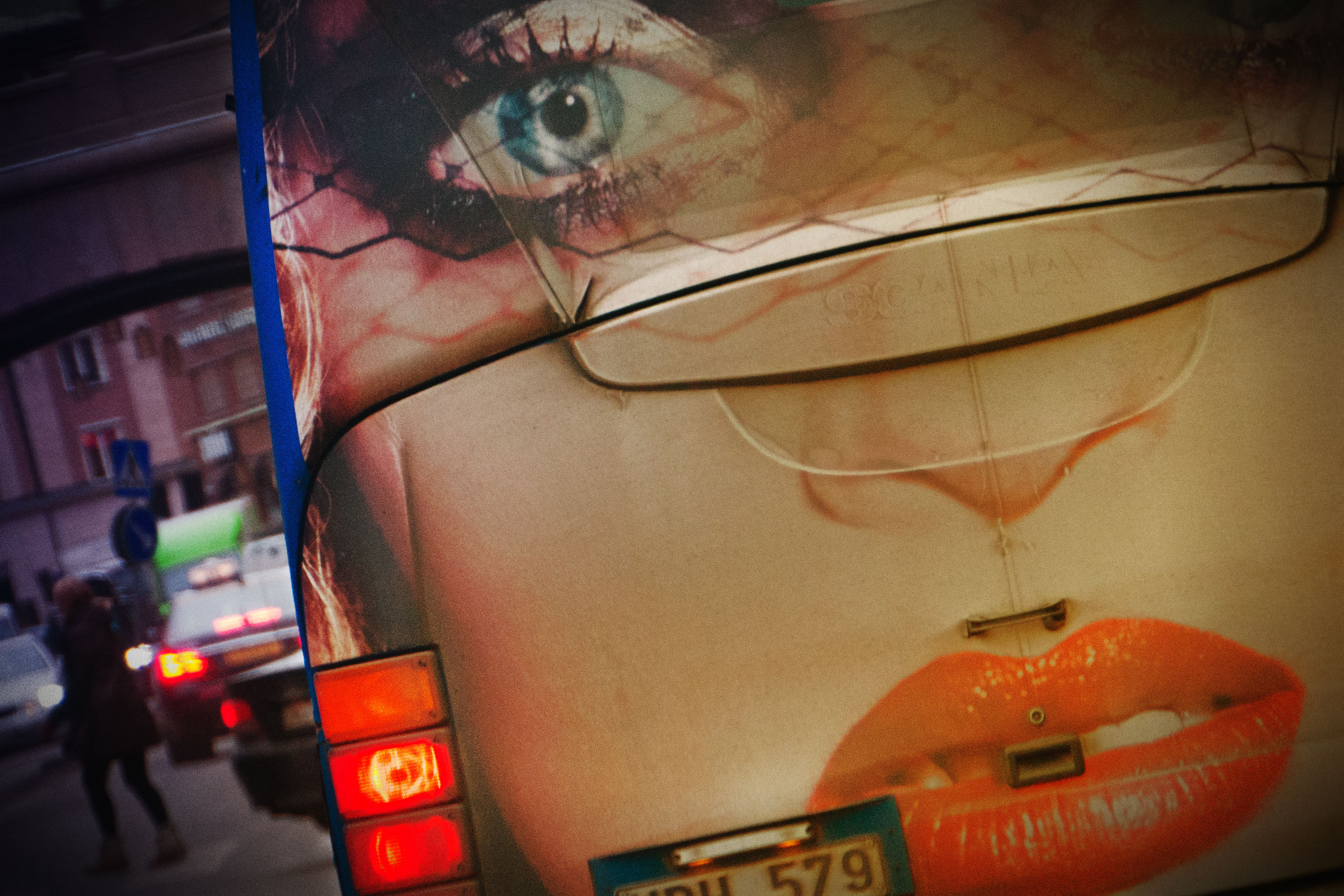
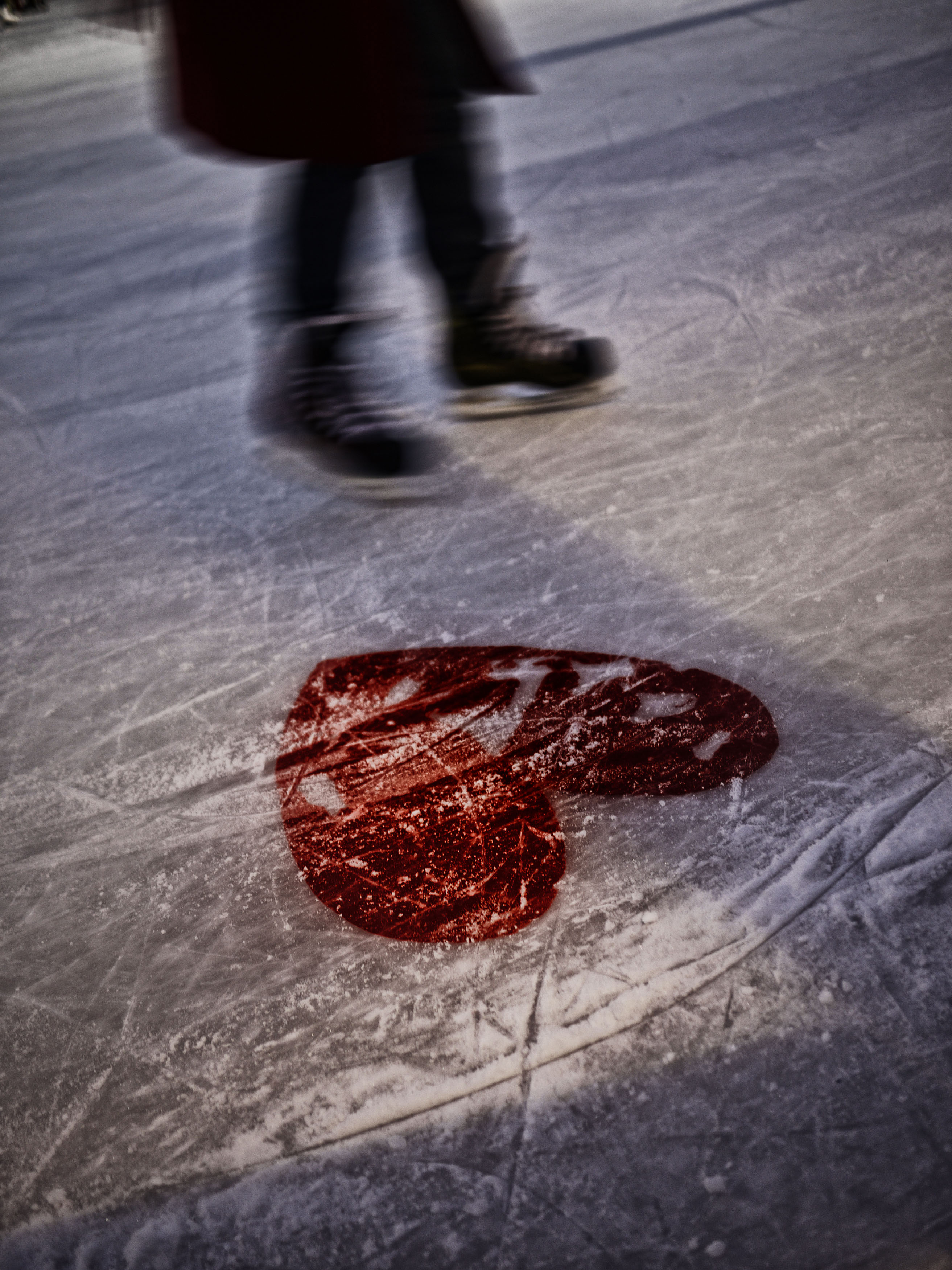
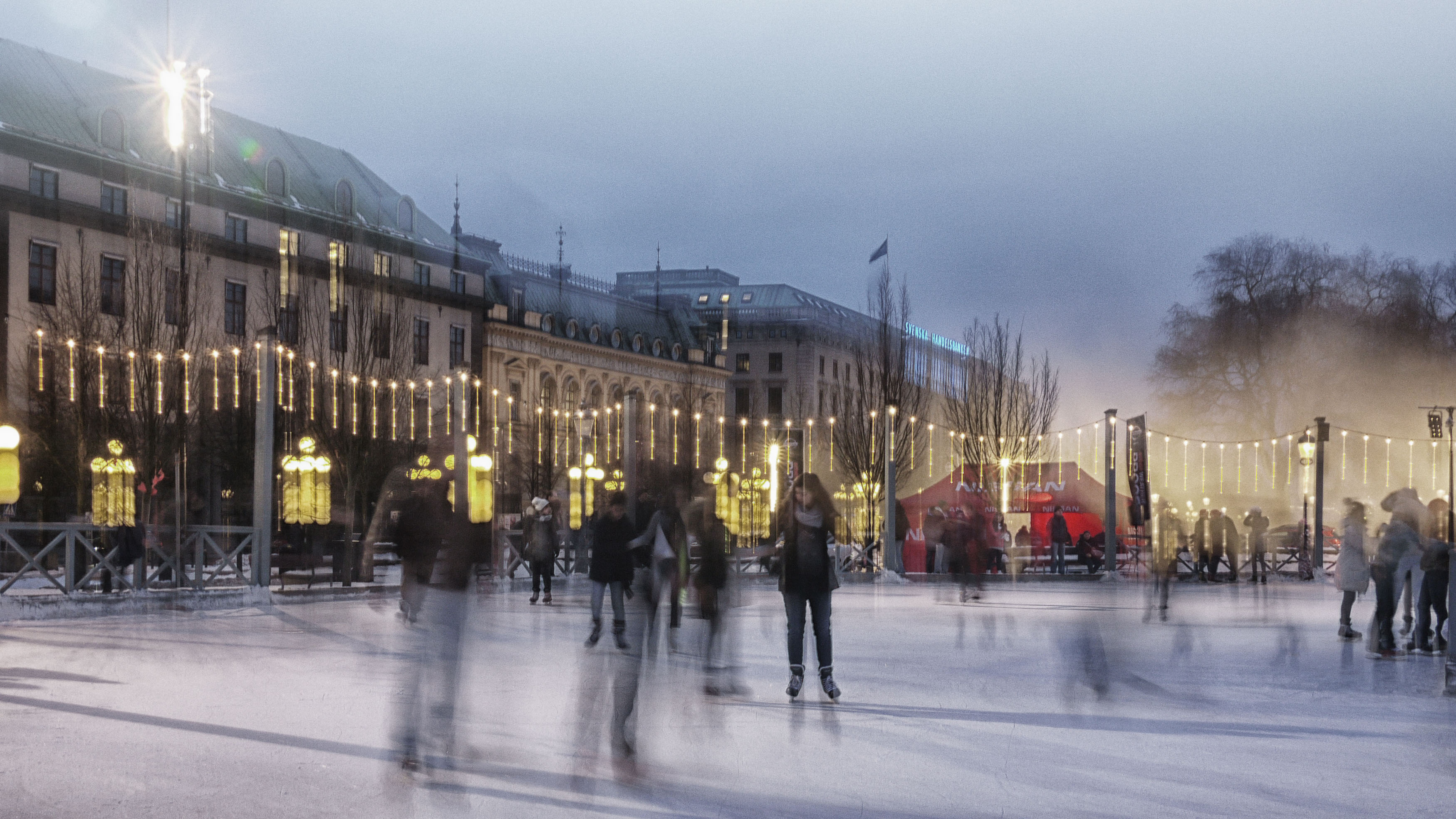
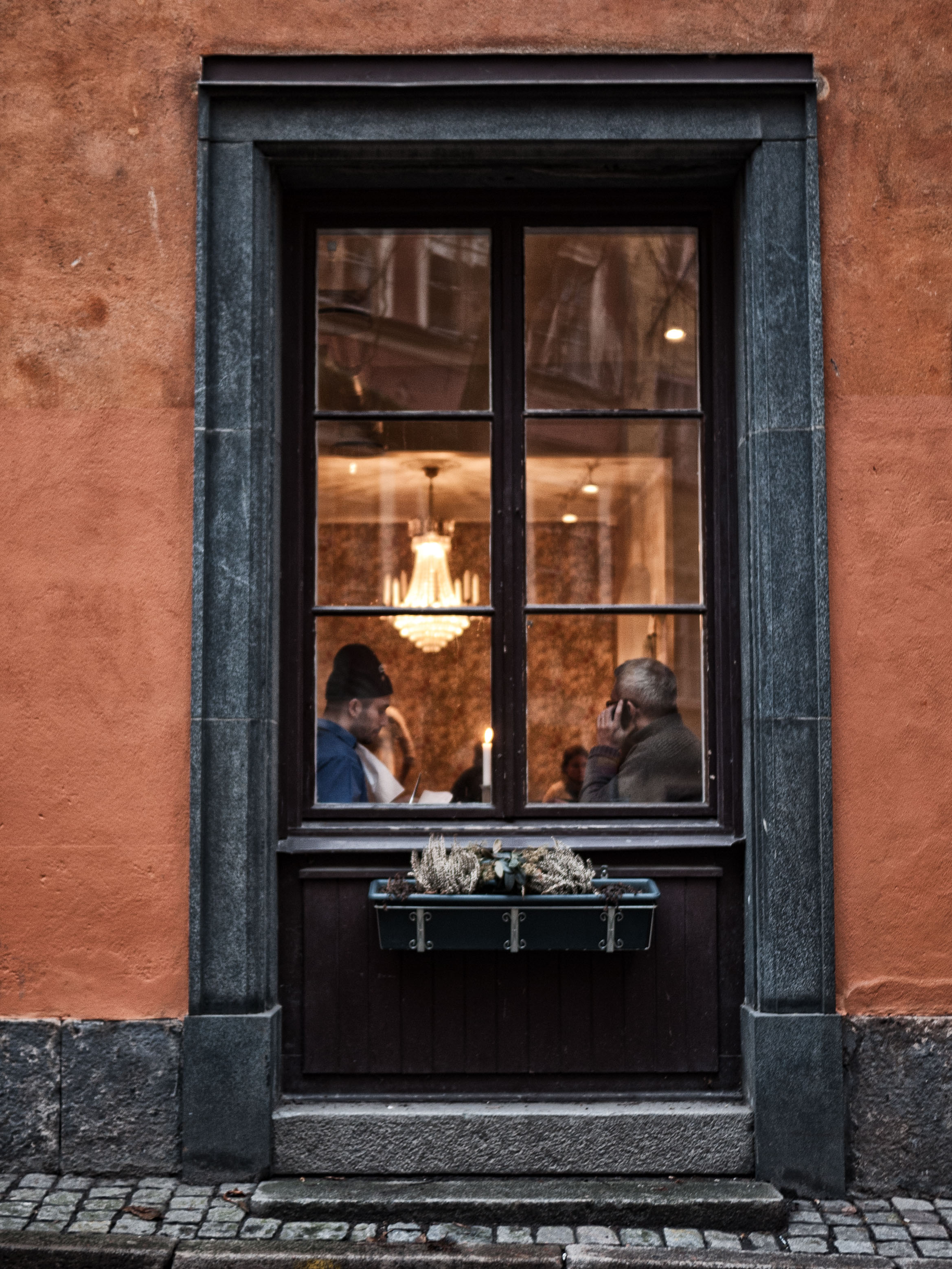
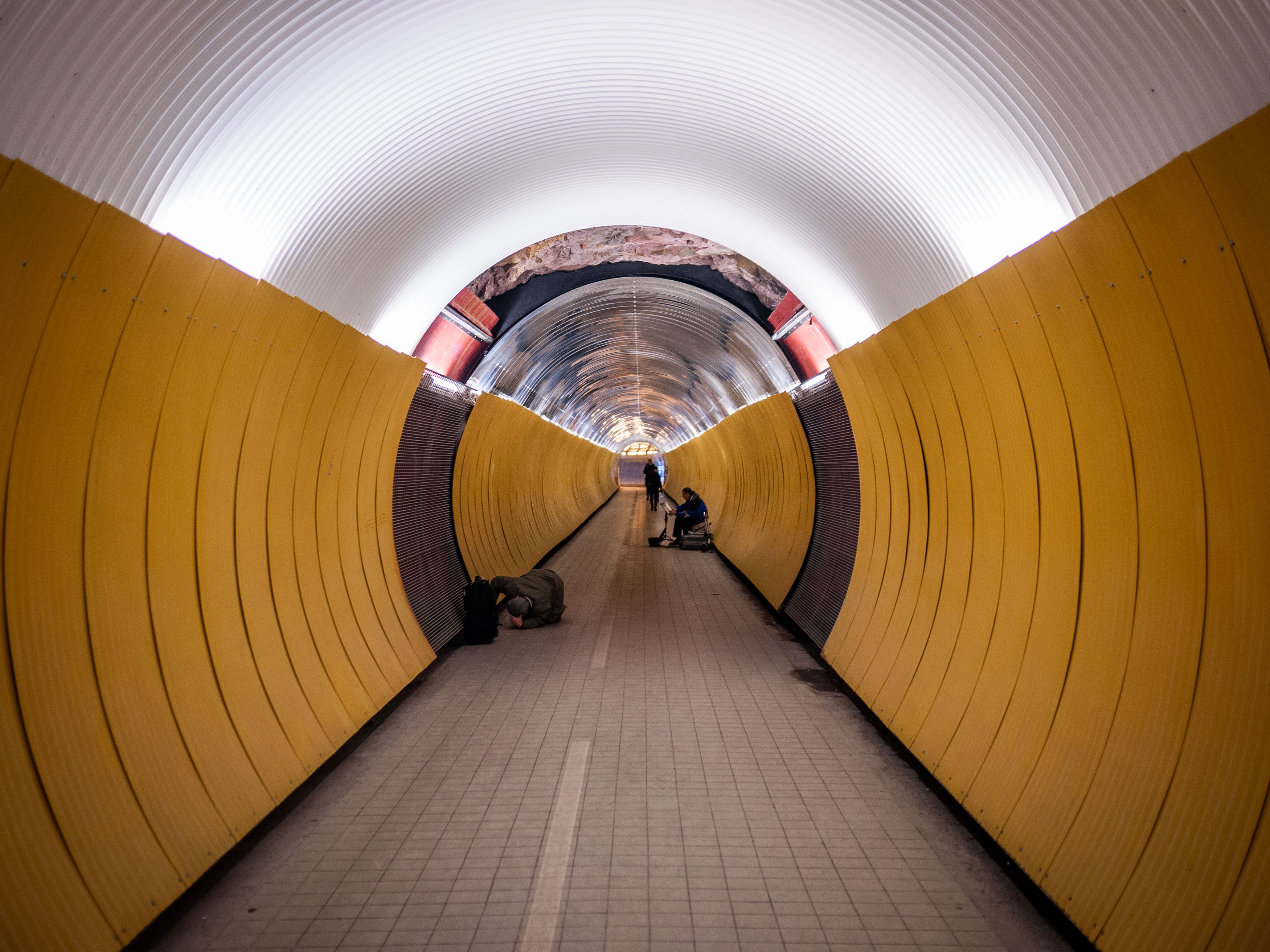
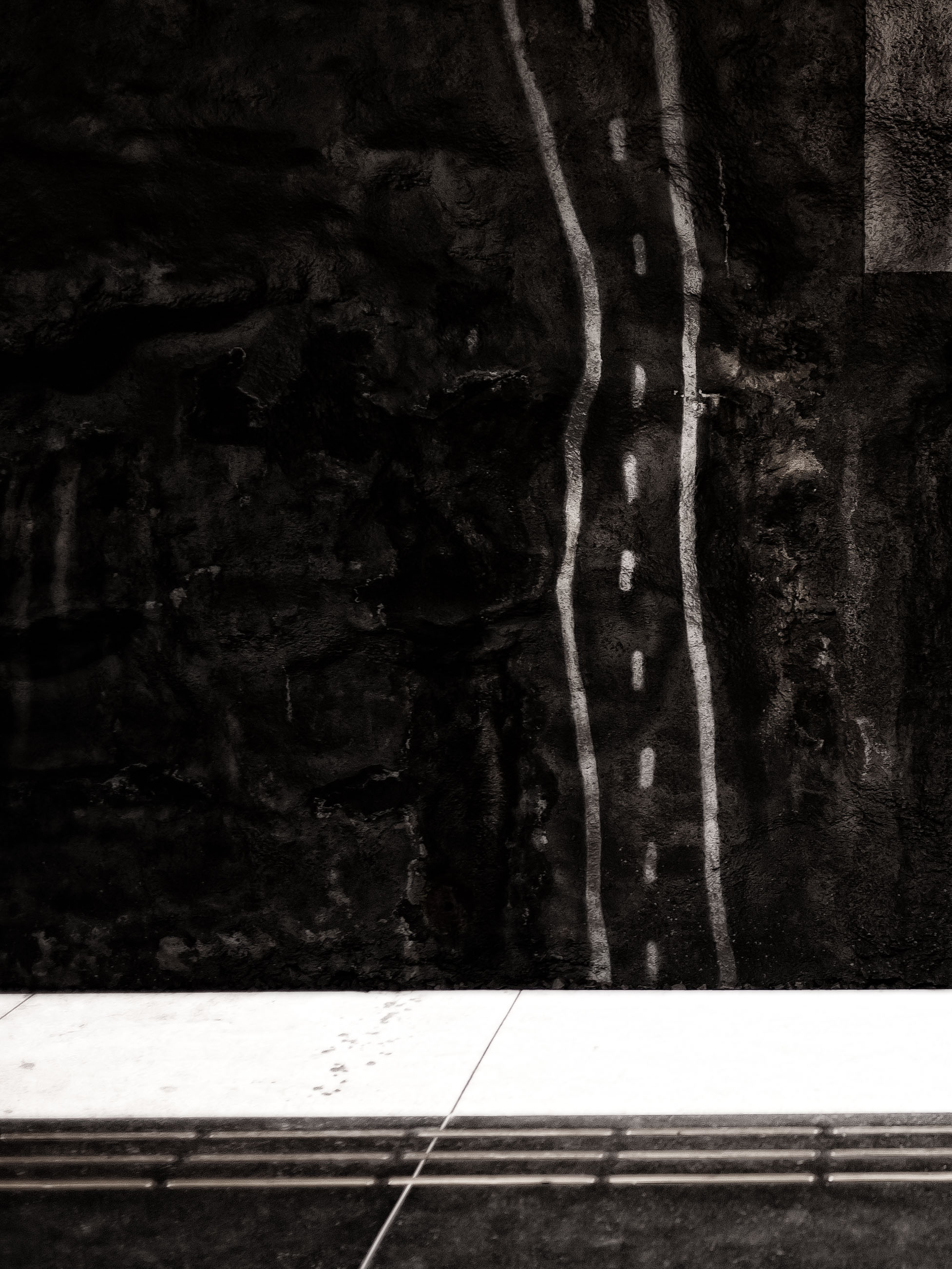
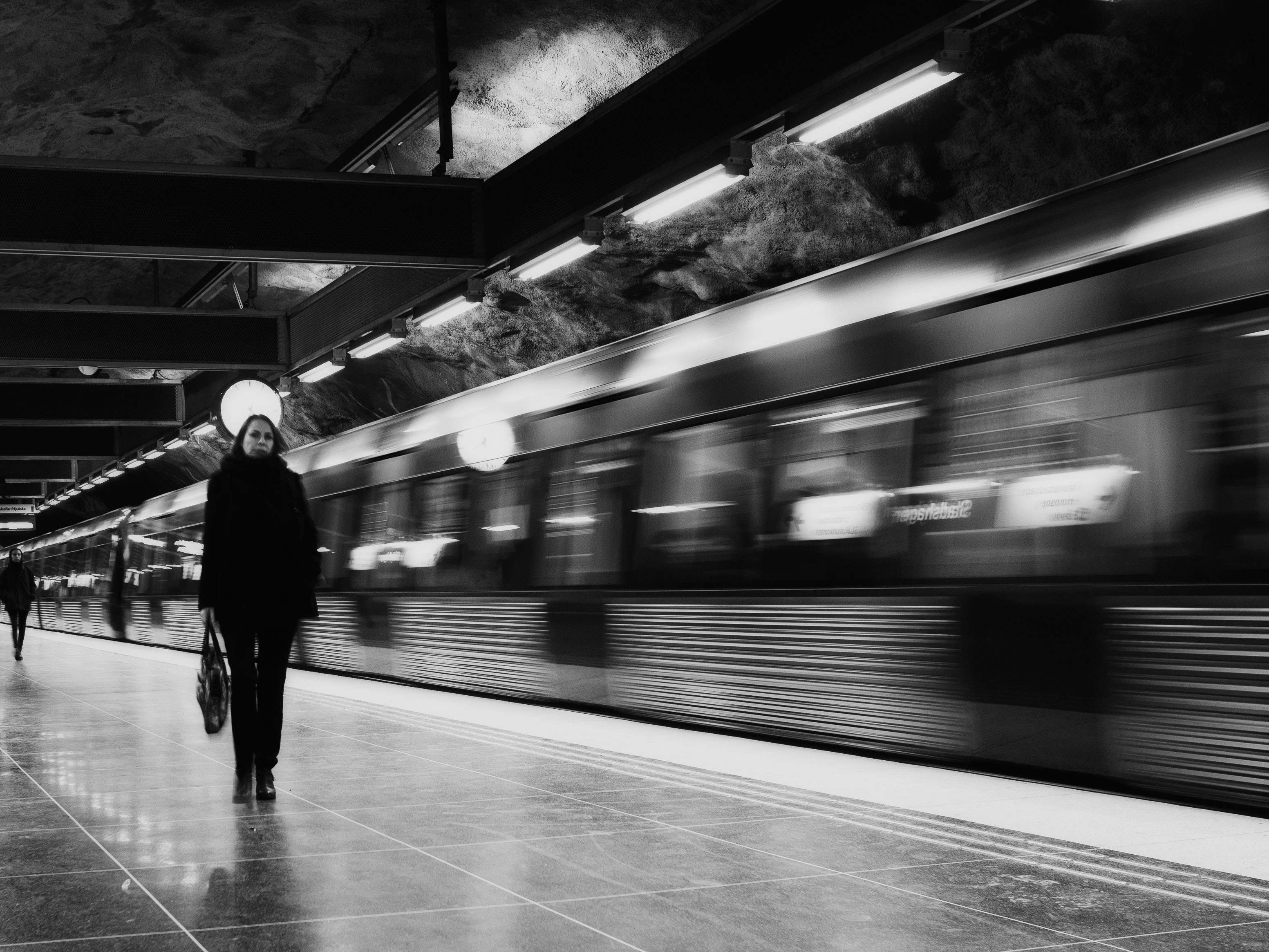
To be fair, cameras at the time genuinely struggled with dynamic range, and HDR techniques often solved real technical limitations. Unfortunately, somewhere along the way, subtlety was abandoned in favour of aggressively saturated skies, exaggerated textures and every filter available in software like Photomatix and the Nik Collection. If the software offered a dramatic effect, I was almost certainly going to apply it.
Thankfully, both technology and my own tastes have matured. Modern full-frame sensors capture an astonishing amount of information without elaborate processing, meaning there’s far less need to rescue an image in post-production. More importantly, I’ve come to appreciate restraint. Rather than chasing dramatic effects, I now find myself drawn to quieter, more natural edits with a gentle, almost Kodachrome-inspired warmth that allows the subject to speak for itself.
What Has Stayed the Same?
Not everything has changed, however. Looking through my old photographs revealed several themes that have remained remarkably consistent throughout my photographic life. I’ve always been fascinated by geometry, architecture and the patterns created by the built environment. Whether it’s staircases, railway stations or the narrow streets of an old city, strong shapes continue to draw my attention.
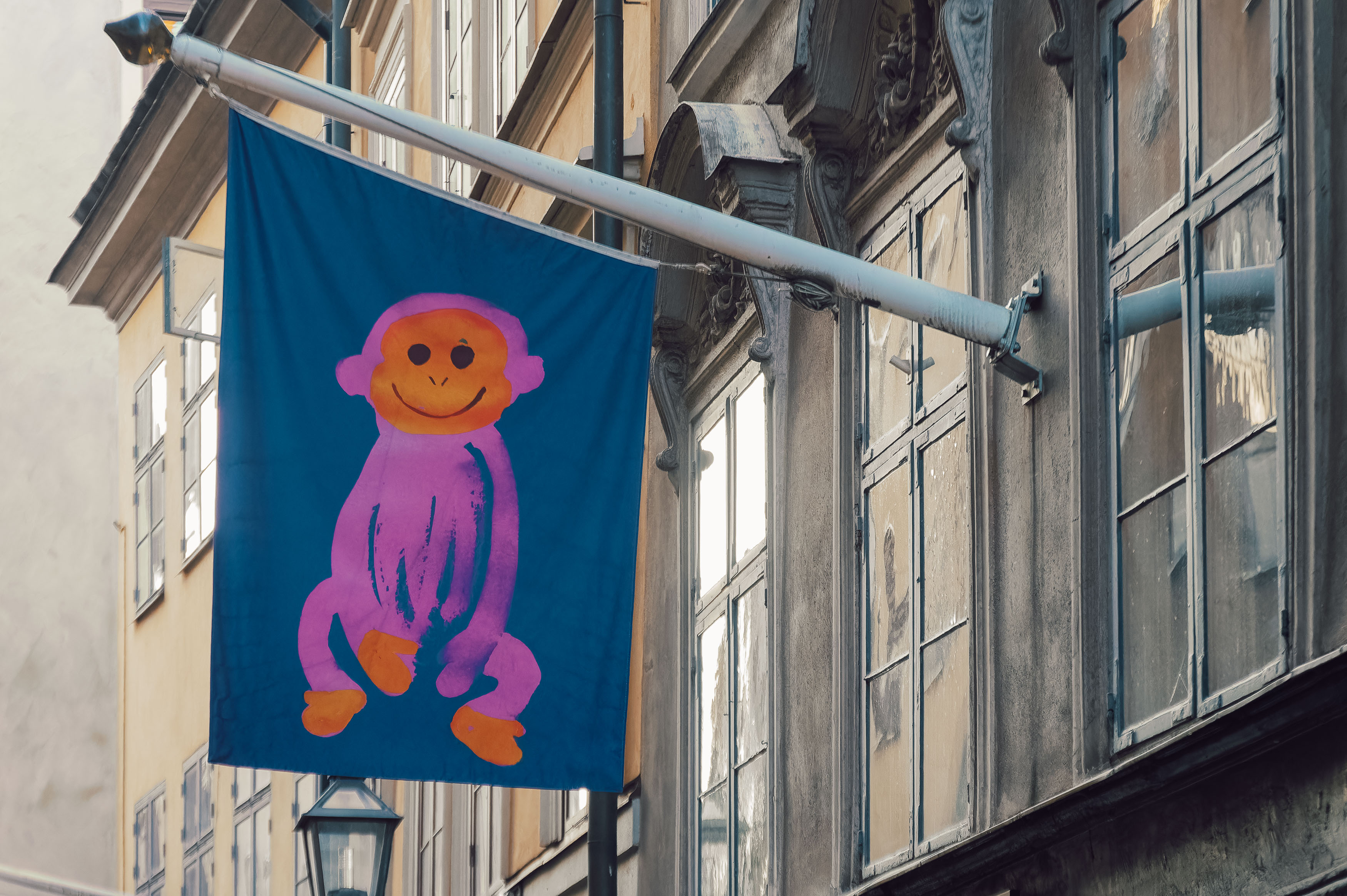
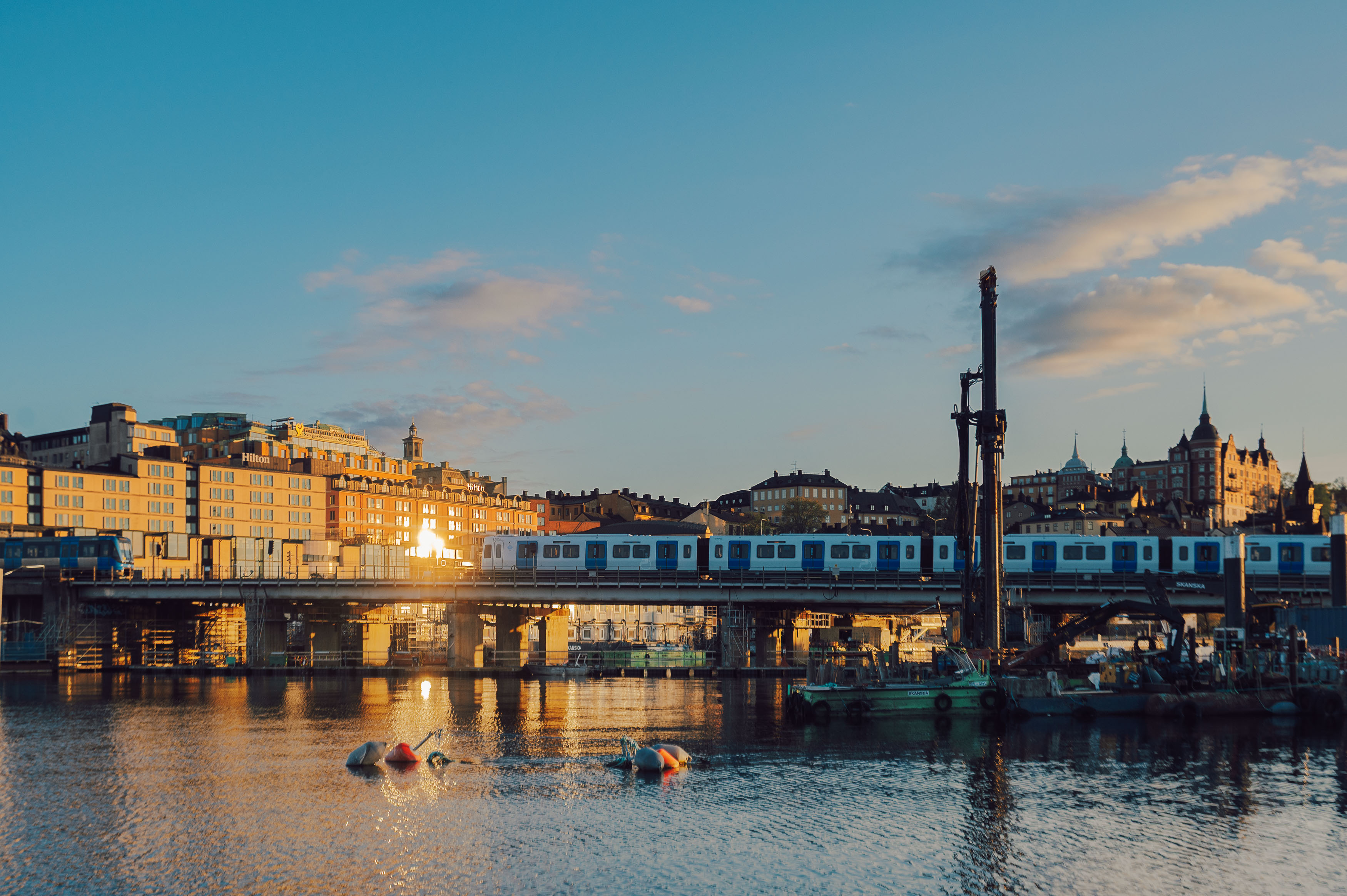
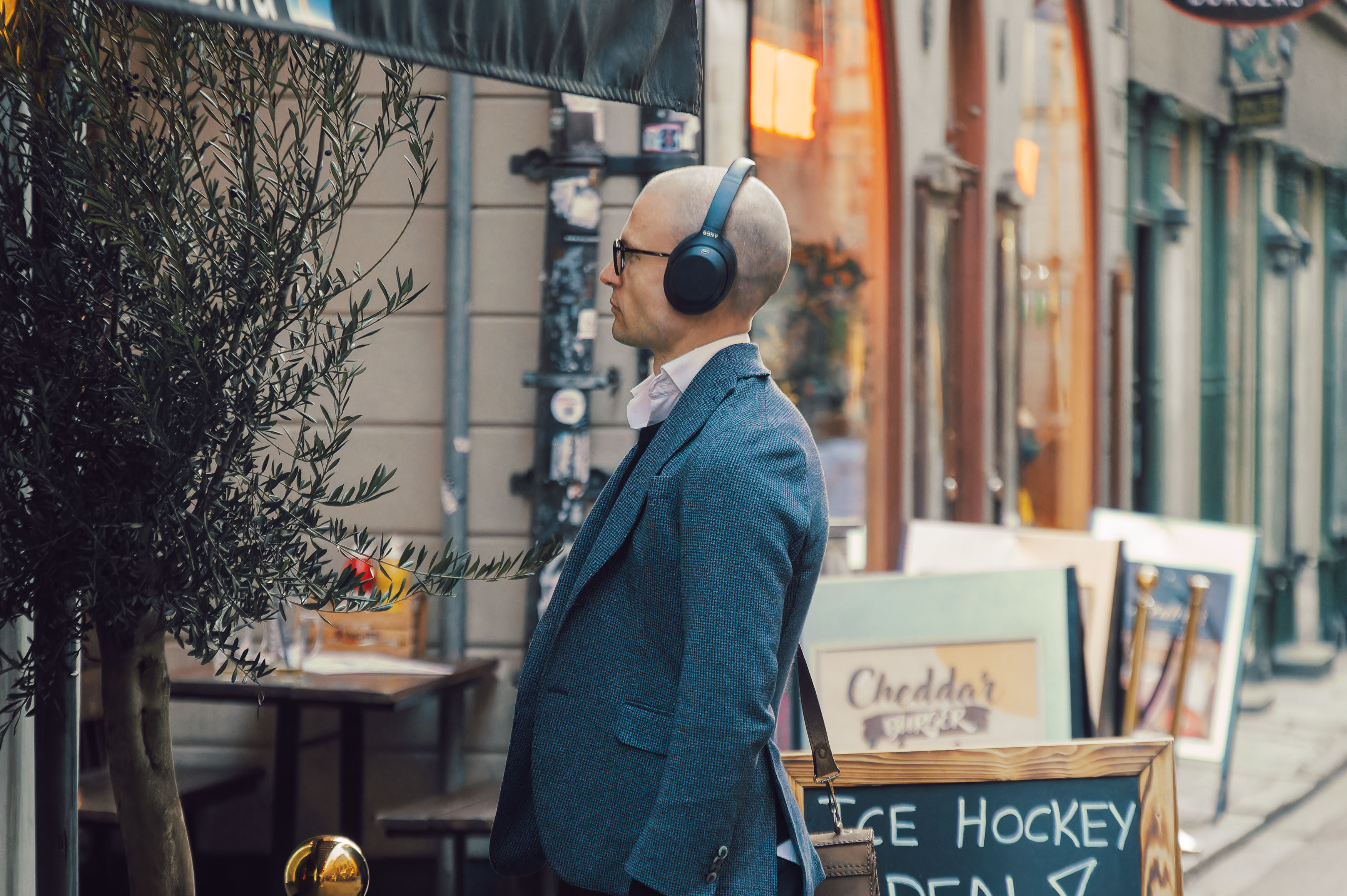
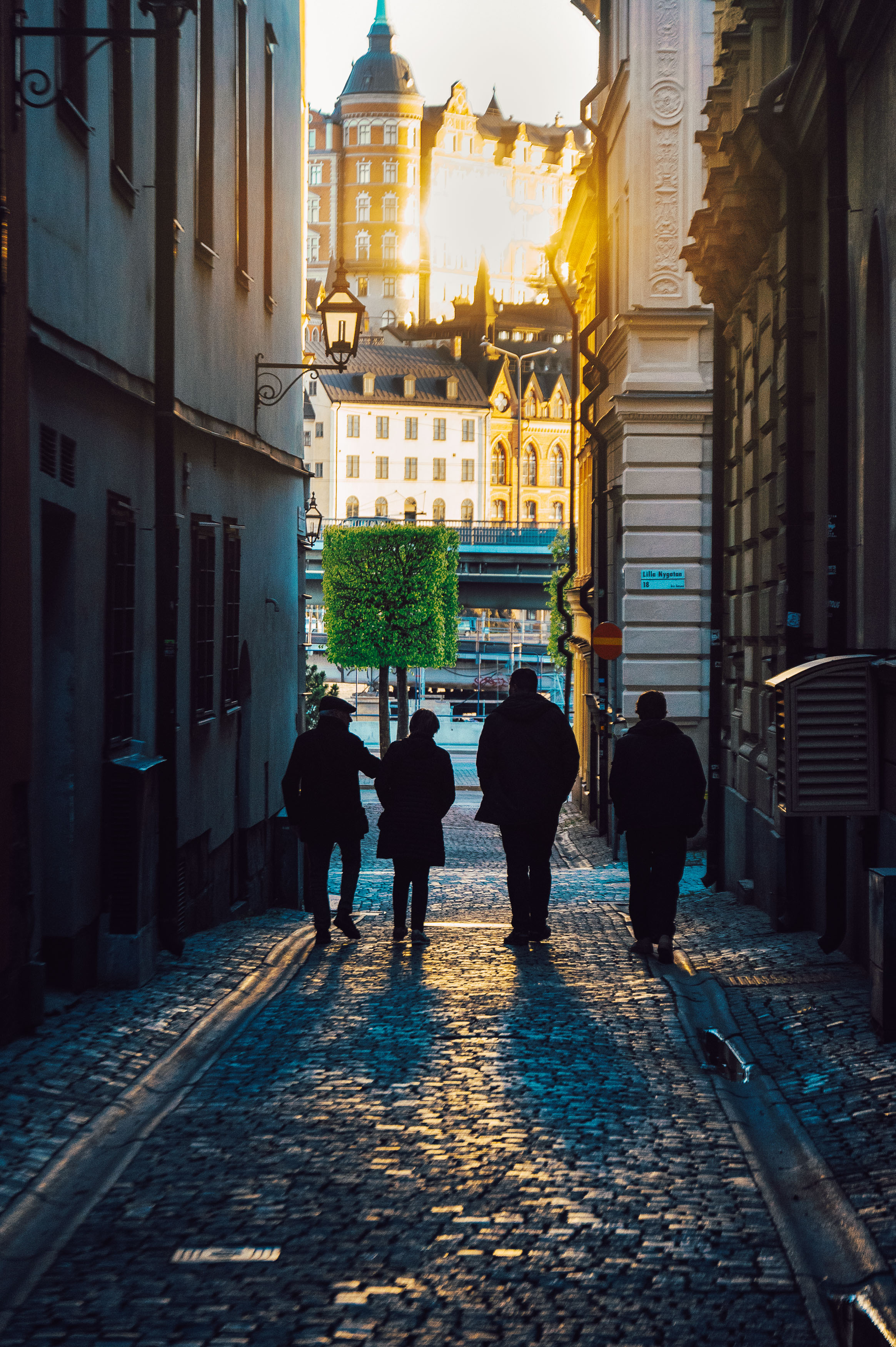
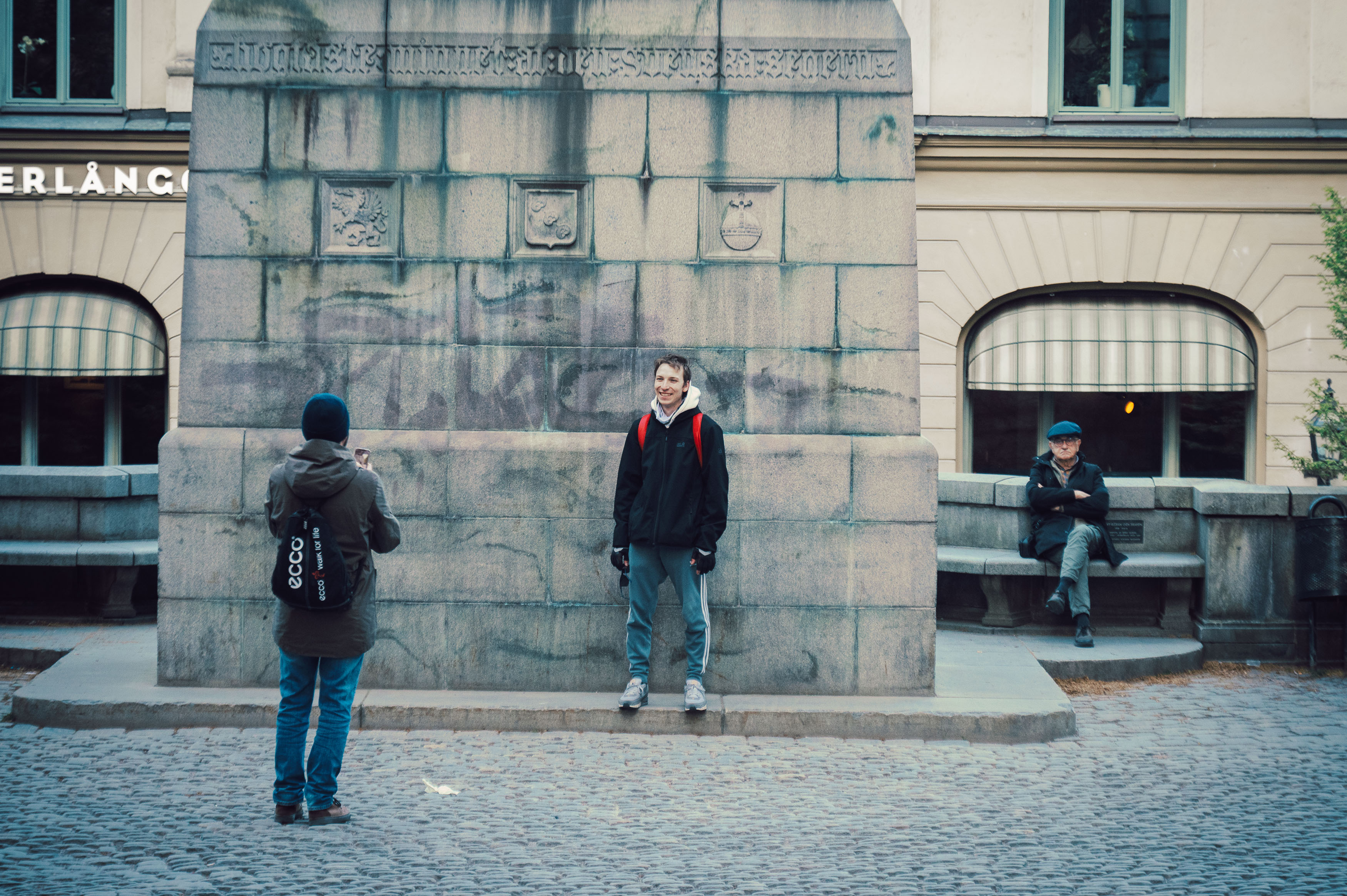
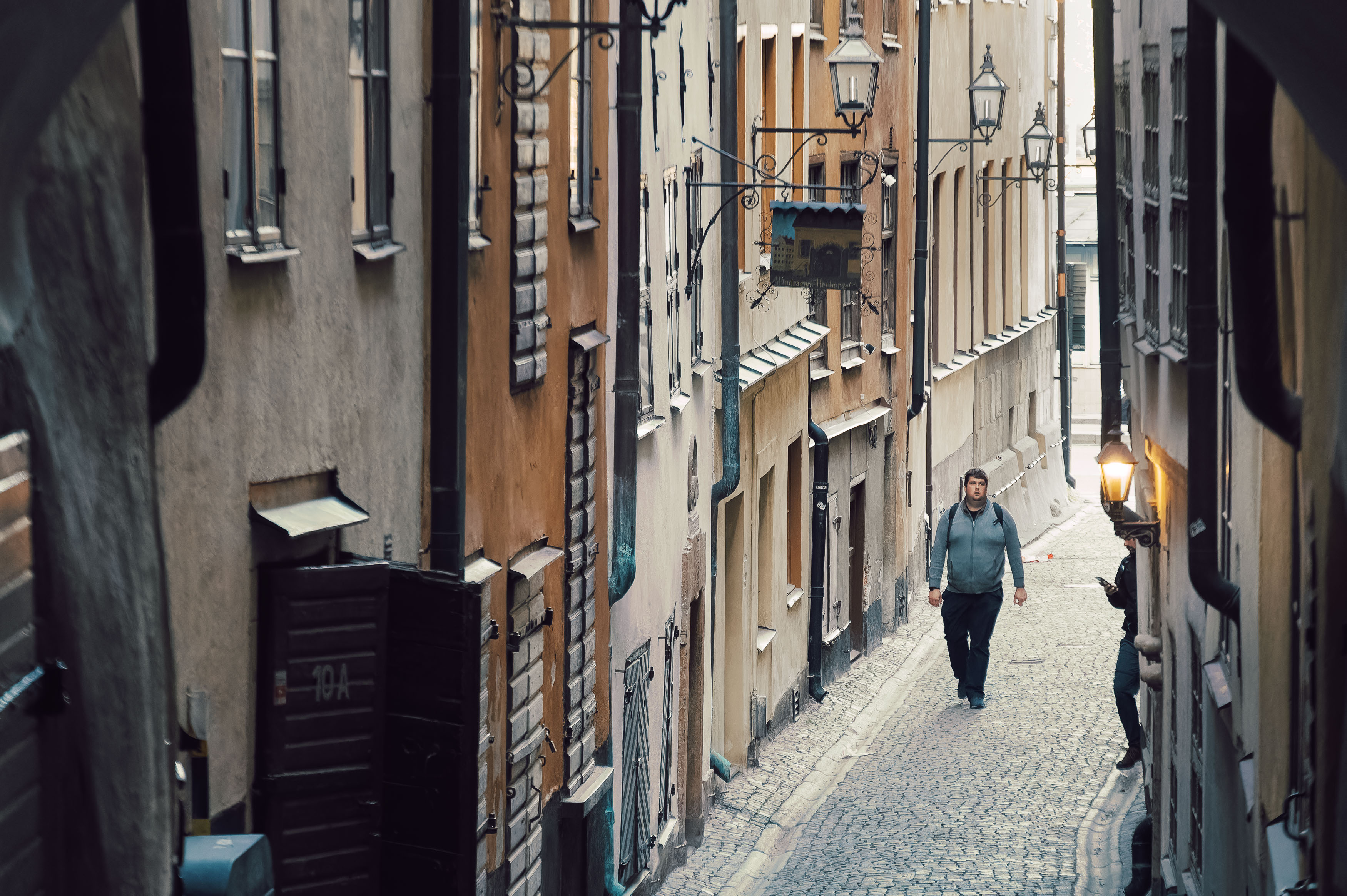
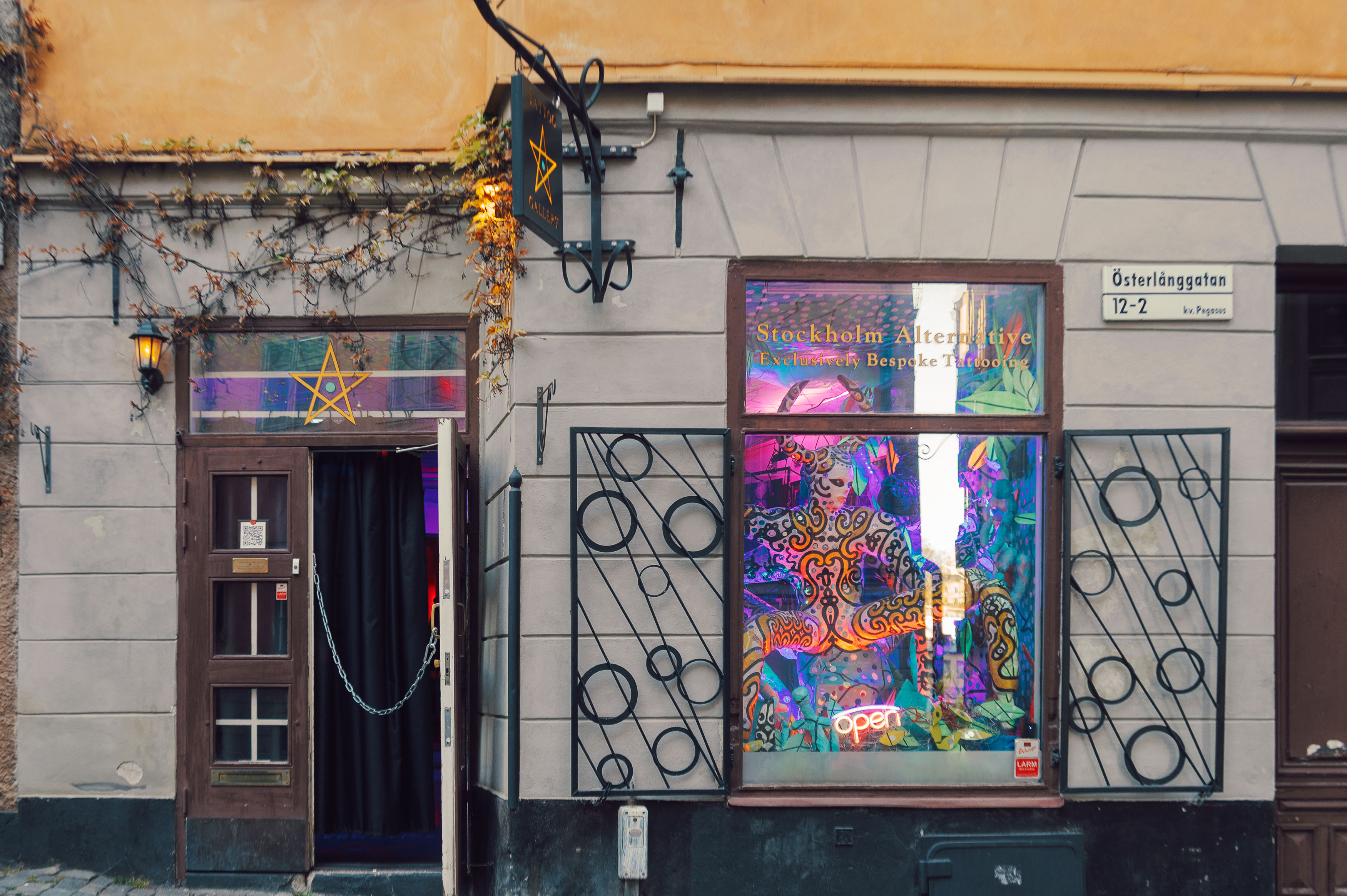
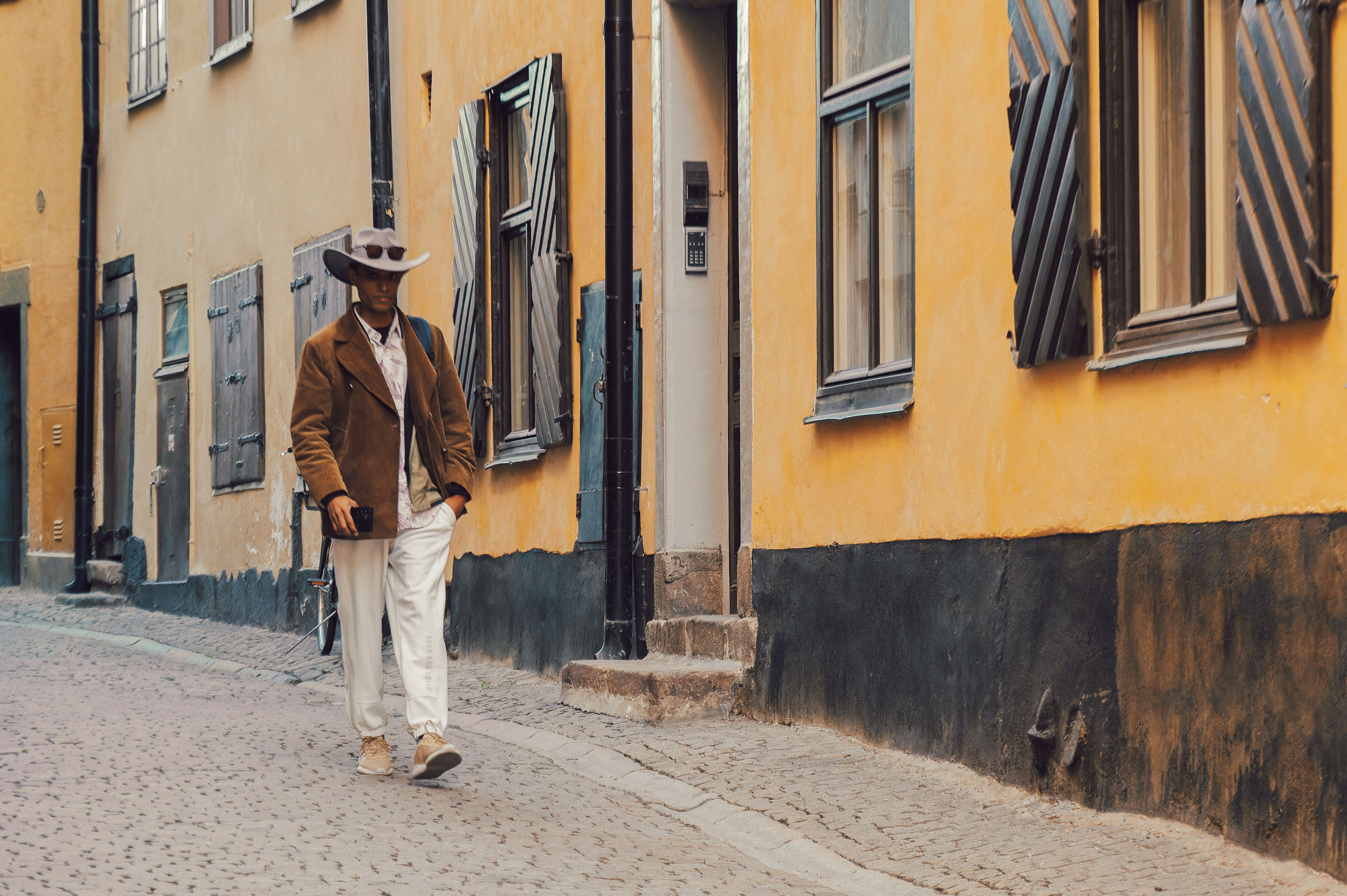
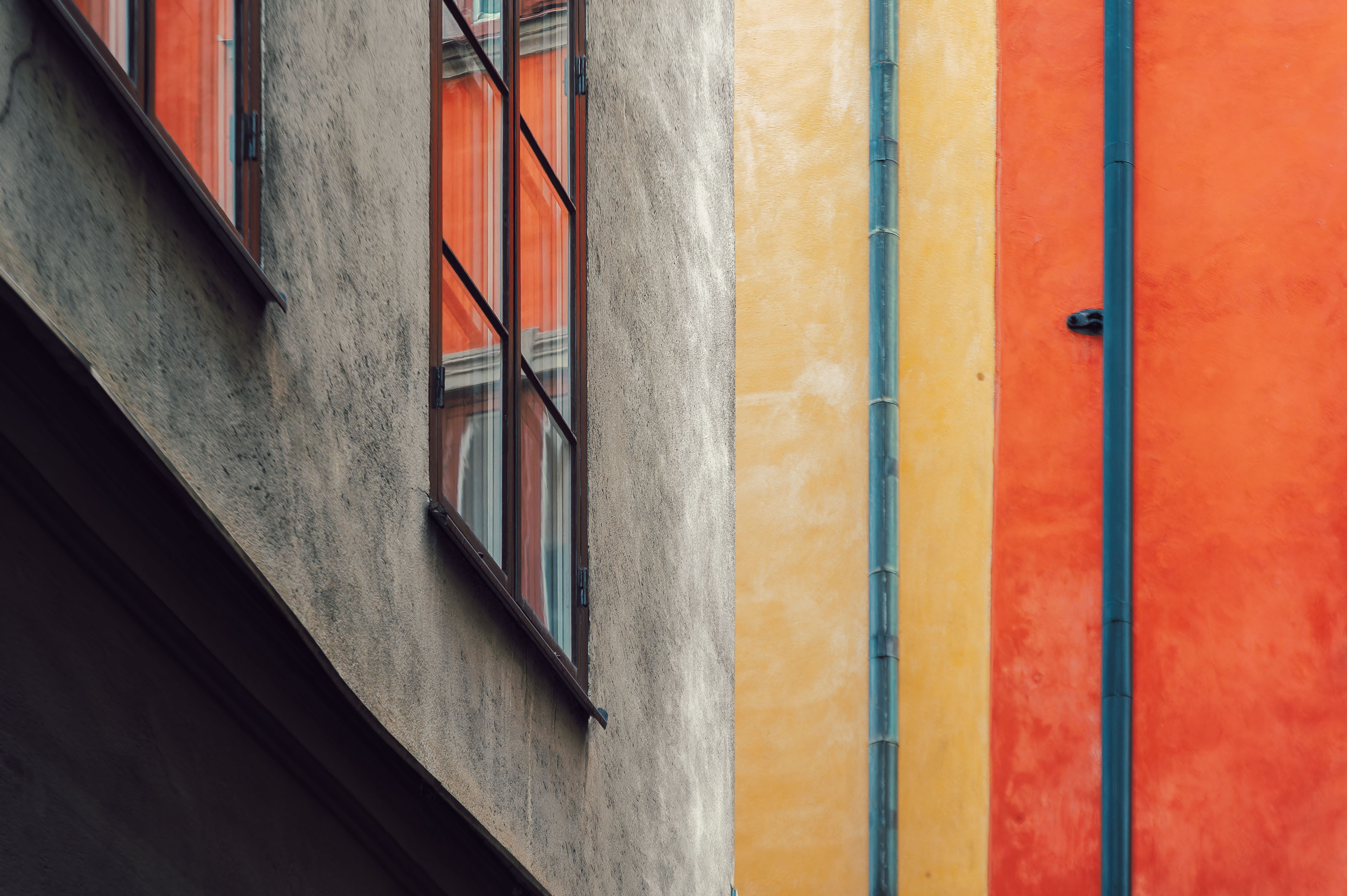
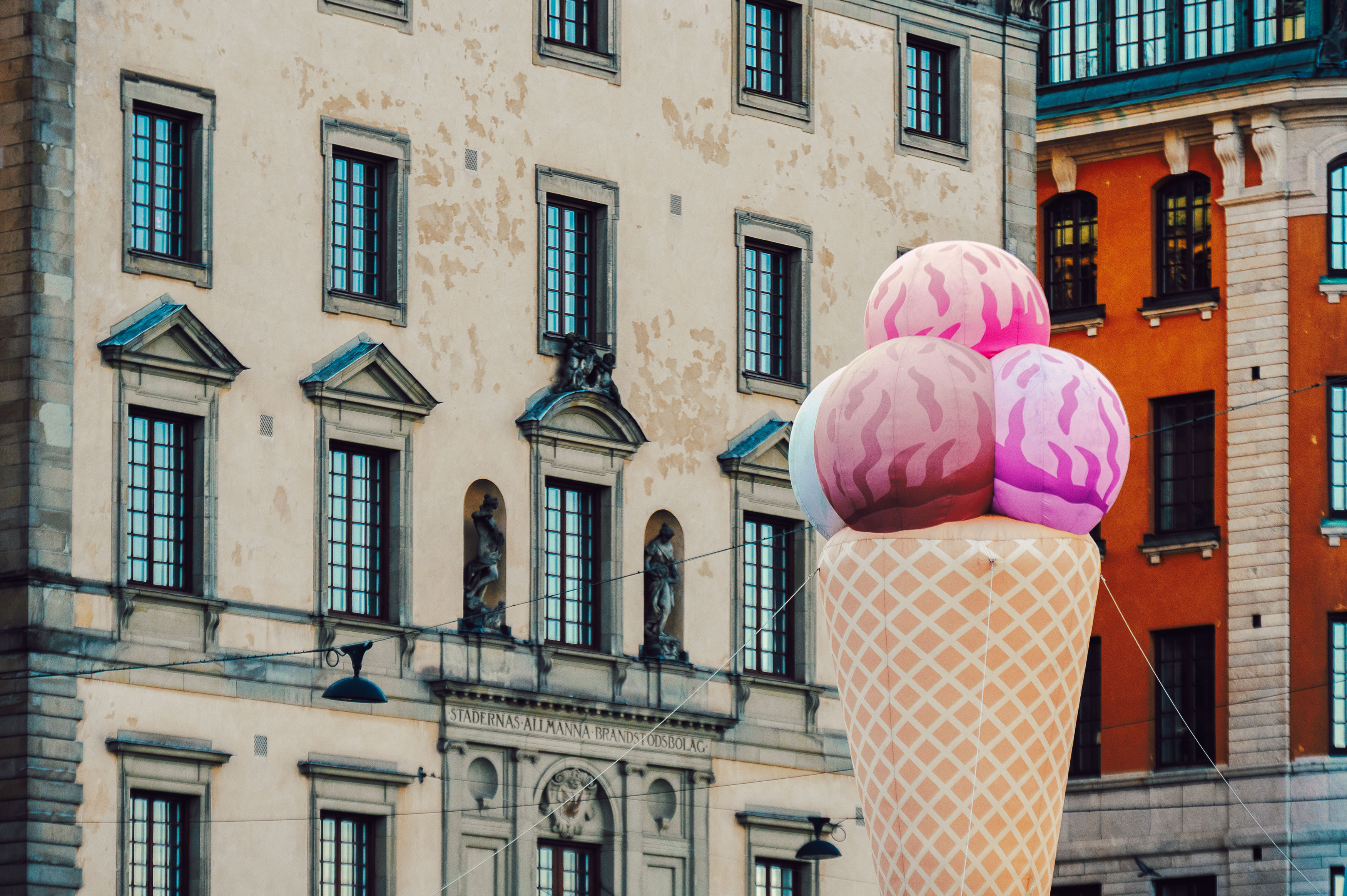
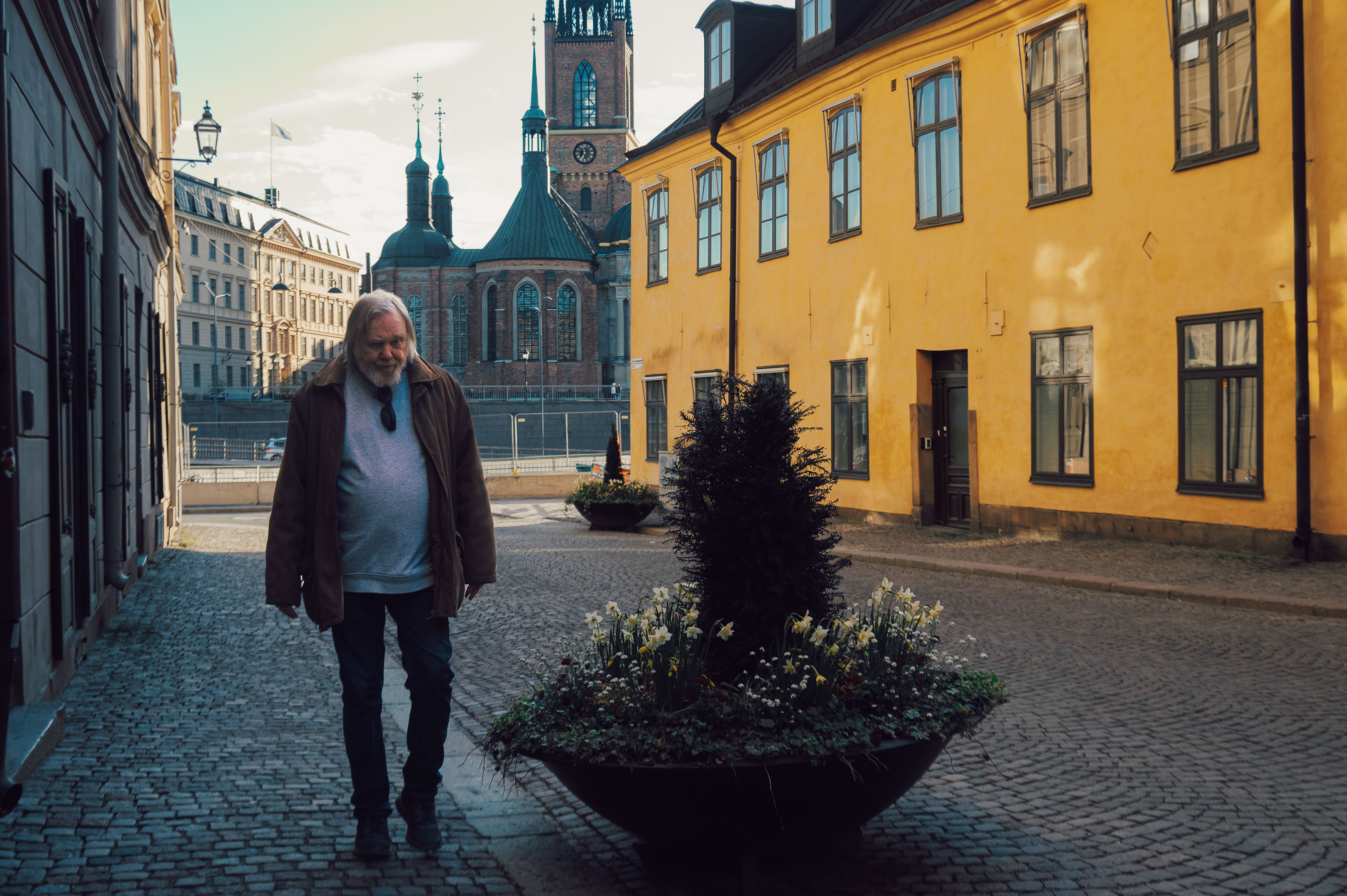
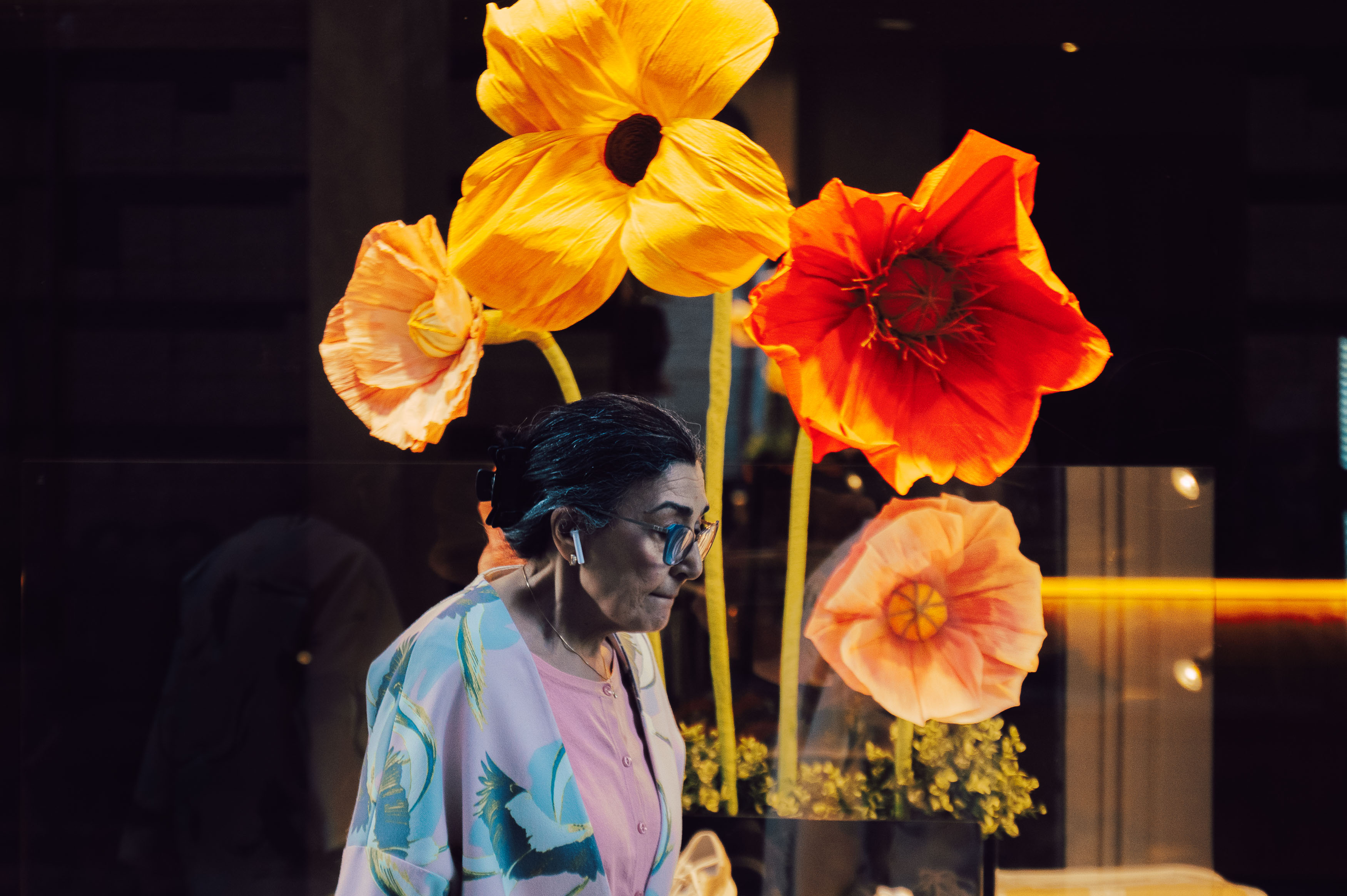
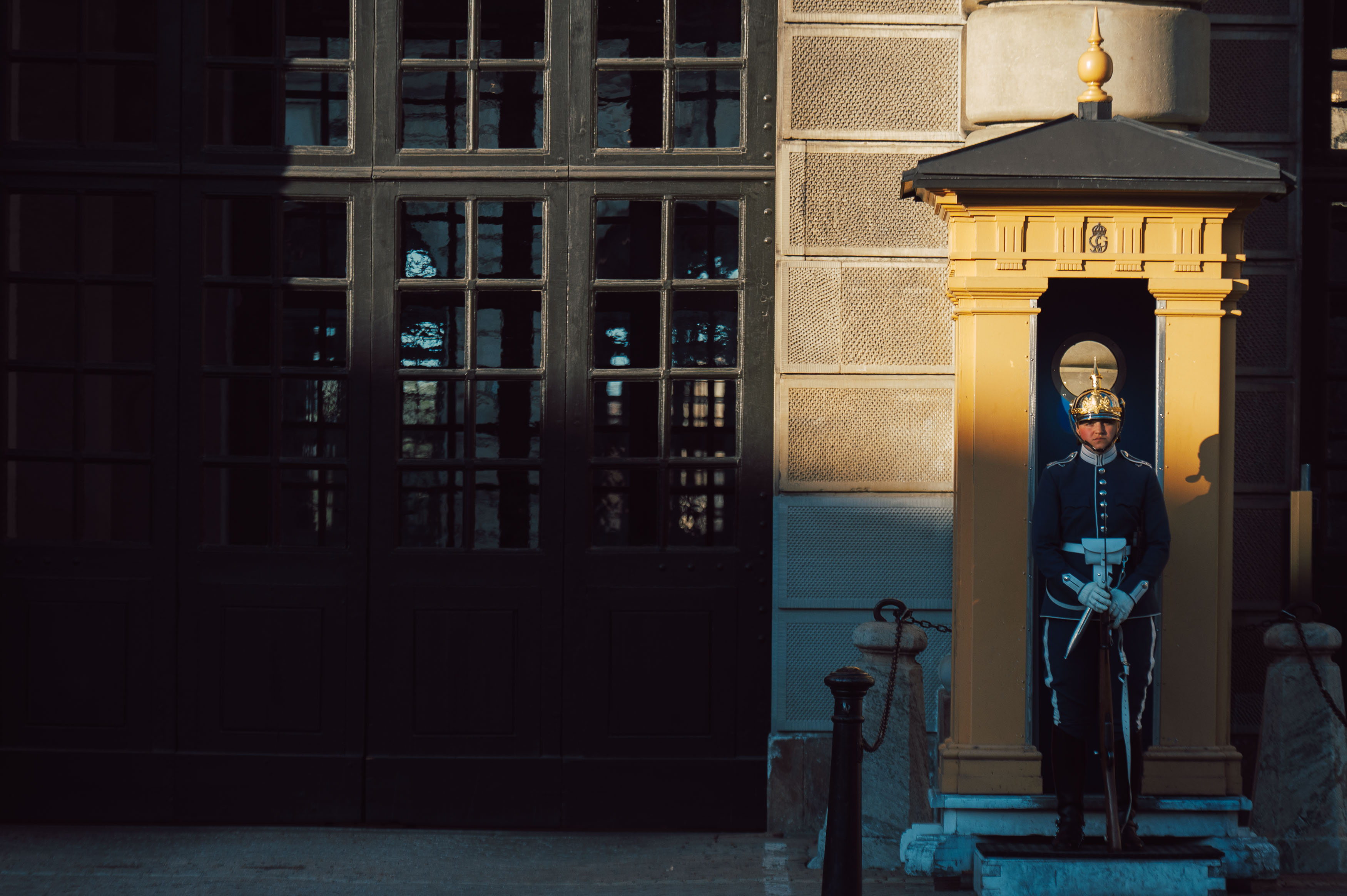
I’ve also always enjoyed finding humour and unexpected visual juxtapositions. Some of my favourite images are those that invite viewers to pause for a second and ask themselves exactly what’s happening. Street photography rarely hands you those moments on a plate, but they’re immensely satisfying when everything aligns.
One area where I have changed significantly is my attitude towards obvious tourist photographs. Twelve years ago, photographing famous viewpoints felt fresh and exciting. Today those same locations have been documented millions of times across social media, making it increasingly difficult to create something that feels original. It’s not that these places have become less beautiful—they’ve simply become visually familiar.
That realisation has encouraged me to search for smaller stories instead of iconic postcards. Rather than collecting landmarks, I’m more interested in collecting moments.
Growing as a Photographer—and as a Person
Comparing six photographs from my recent visit with those from 2013 produced an unexpected conclusion. Technically, my modern images are undoubtedly stronger. The compositions are cleaner, the editing is more restrained and there’s a greater consistency throughout the collection. Yet I can’t completely dismiss the older photographs.
There was an exuberance to my earlier work that I sometimes miss. I experimented more freely with unusual angles, slower shutter speeds and motion blur, unconcerned about whether everything fitted neatly into a recognisable personal style. Perhaps experience has improved my judgment, but maybe it has also made me a little more cautious.
One change genuinely stands out, though. My newer photographs contain more people, and those people feel less like decorative elements placed within an architectural composition. Increasingly, they have become the subject rather than simply part of the scenery. Their expressions, gestures and interactions bring warmth and humanity that my earlier work often lacked.
Photography has always acted as both a shield and a bridge for me. A camera creates distance, offering a comfortable excuse to observe the world without fully participating in it. At the same time, it can become a surprisingly effective way of connecting with people and making sense of the wonderfully awkward complexity of human interaction.
Perhaps that’s the real evolution after all. Maybe becoming a better photographer isn’t simply about mastering composition or choosing more tasteful editing techniques. Maybe it’s about gradually becoming more curious, more empathetic and more willing to see the people behind the photographs.
Of course, it’s entirely possible that in another twelve years I’ll look back at my 2025 images and cringe just as enthusiastically as I now do at my HDR experiments. If that happens, perhaps it will simply be proof that the journey is still continuing—and that’s probably exactly how it should be.

