A Cycle Around the Communist Block with the Voigtländer VM 35mm f/1.5 Nokton and a Leica M2

Travel photography often begins with a simple question: what happens when you stop chasing landmarks and start paying attention to the streets between them? During a spare day in Beijing before flying home, I decided to do exactly that. Armed with an AliPay rental bike, a Leica M2, and a Voigtländer VM Vintage 35mm f/1.5 Nokton, I set out to explore China’s capital one block at a time. Rather than following a strict itinerary, I simply wandered through the city, letting curiosity dictate the route.

The camera setup was deliberately simple. The Leica M2 remains one of the purest photographic tools ever made, while the Voigtländer 35mm f/1.5 has become my favourite lens for it. The combination strikes a fascinating balance between vintage character and modern performance. Wide open, the lens offers atmosphere and personality; stopped down, it becomes remarkably sharp and clinical. For street photography, it feels both classic and capable.

As with any fully manual camera, however, simplicity comes with challenges. Exposure is entirely your responsibility, and despite carrying a light meter, I still managed to underexpose several frames early in the day. It’s a familiar trap: your eyes adapt to shadows and convince you there’s more light available than there really is. Throw in expired development chemicals and there are plenty of opportunities for mistakes. Fortunately, not every frame suffered the same fate.

Exploring the Hutongs

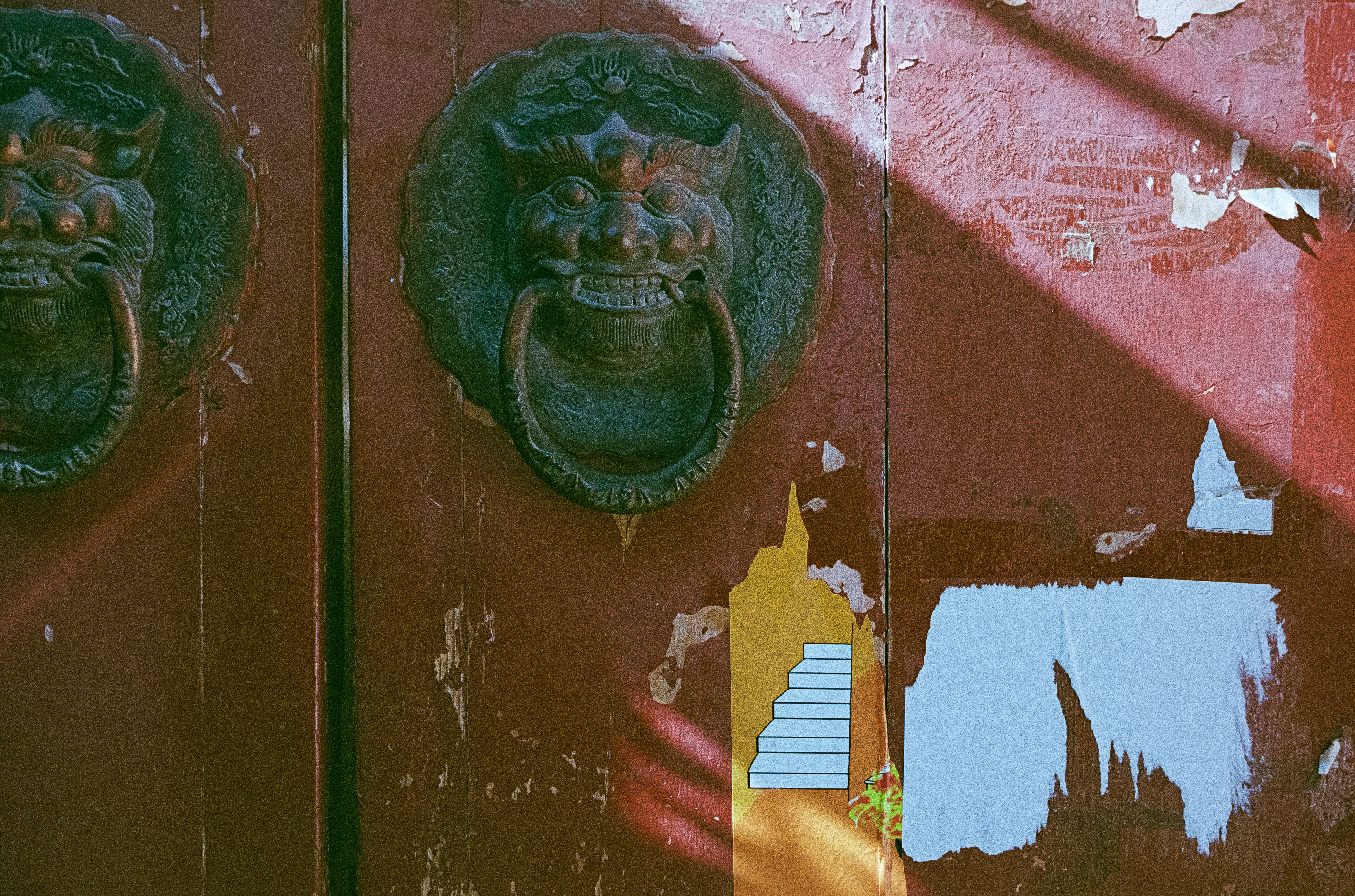
The first roll was Fuji 400, though by the time I’d manually exposed, developed, scanned, and edited the negatives, it’s difficult to say how much of the final look belonged to Fuji and how much belonged to me. Eventually I swapped to Kodak ColorPlus 200, whose warm palette felt perfectly suited to Beijing’s red walls, golden accents, and bustling streets.

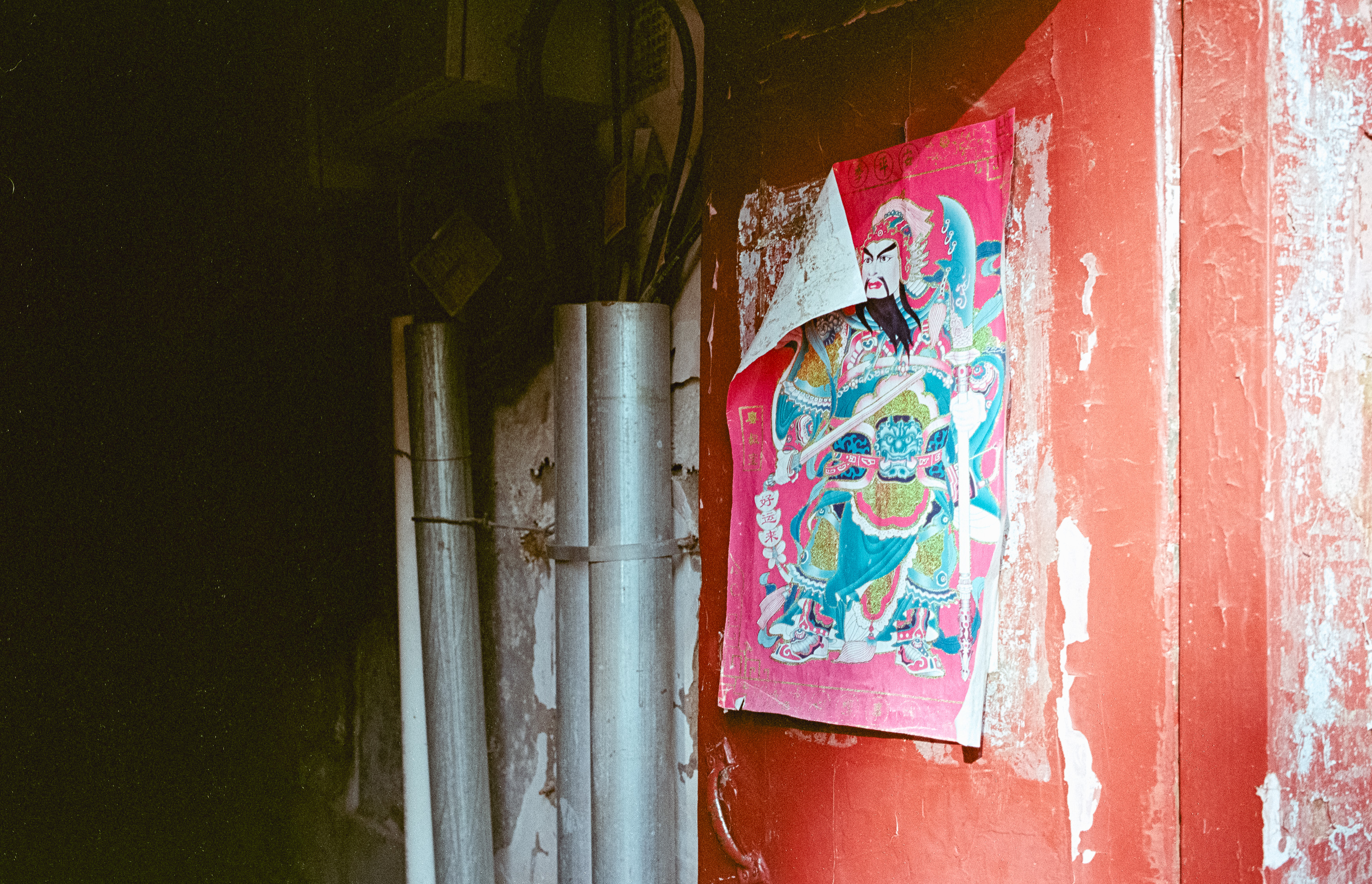
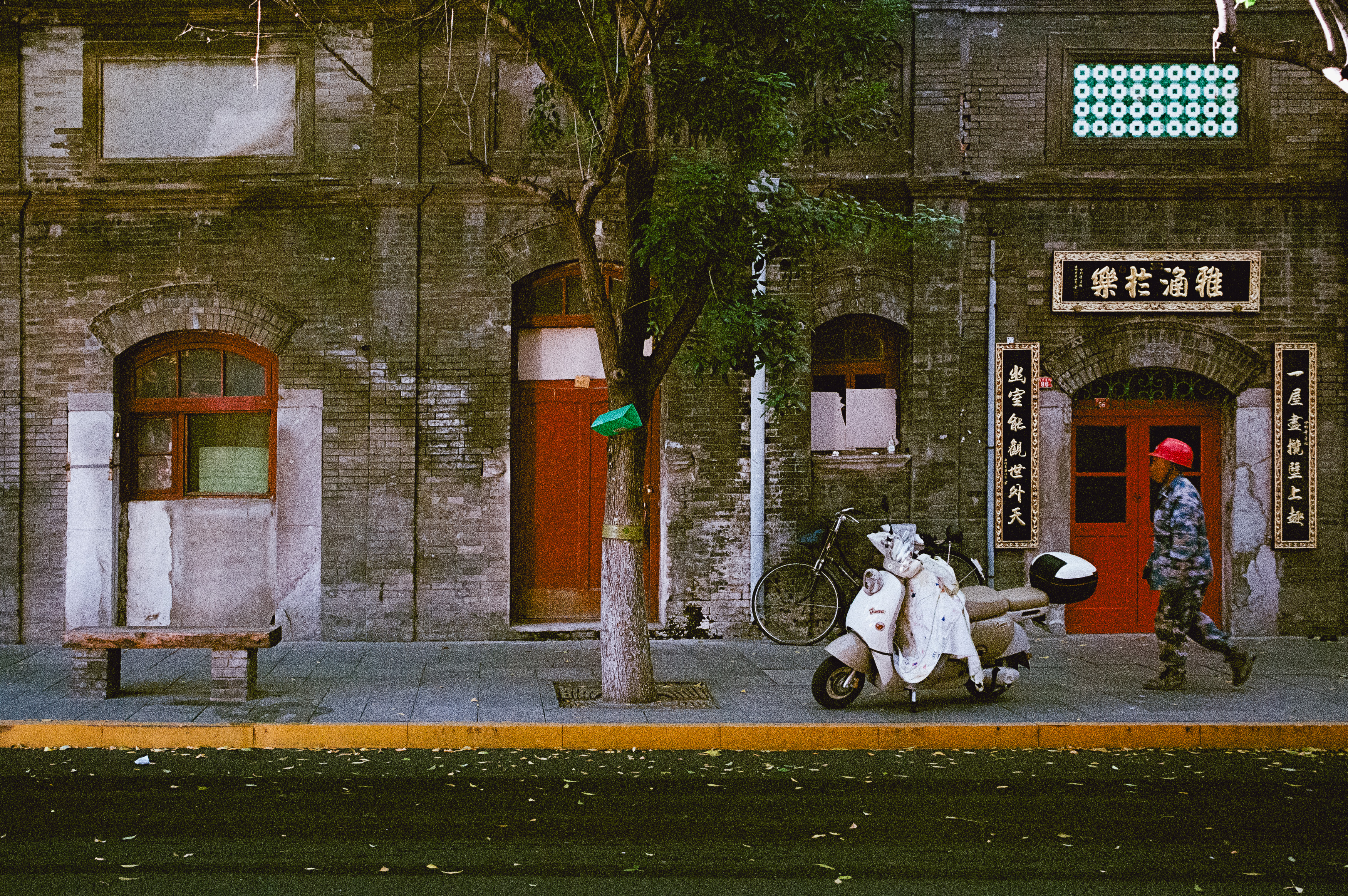
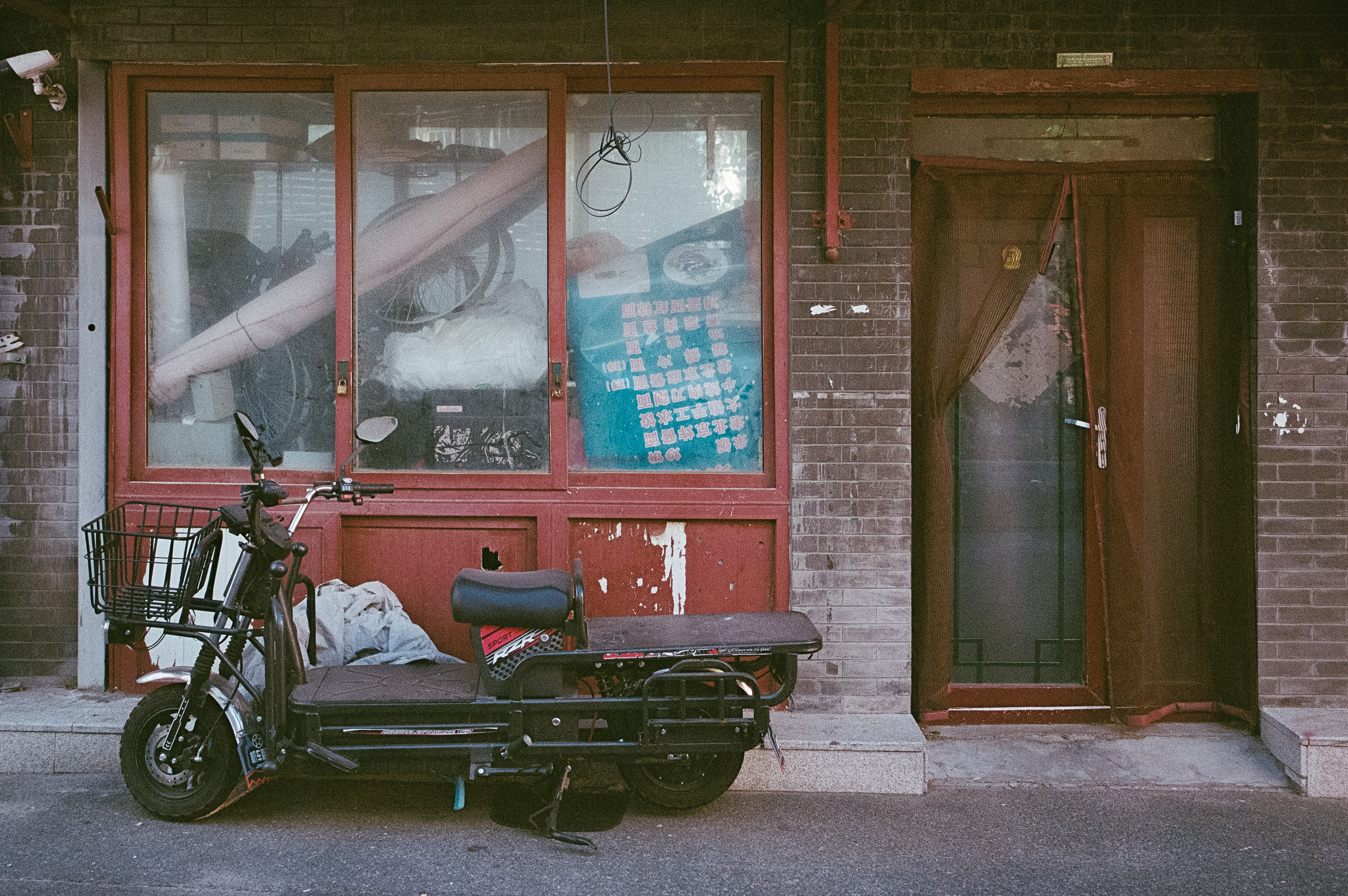
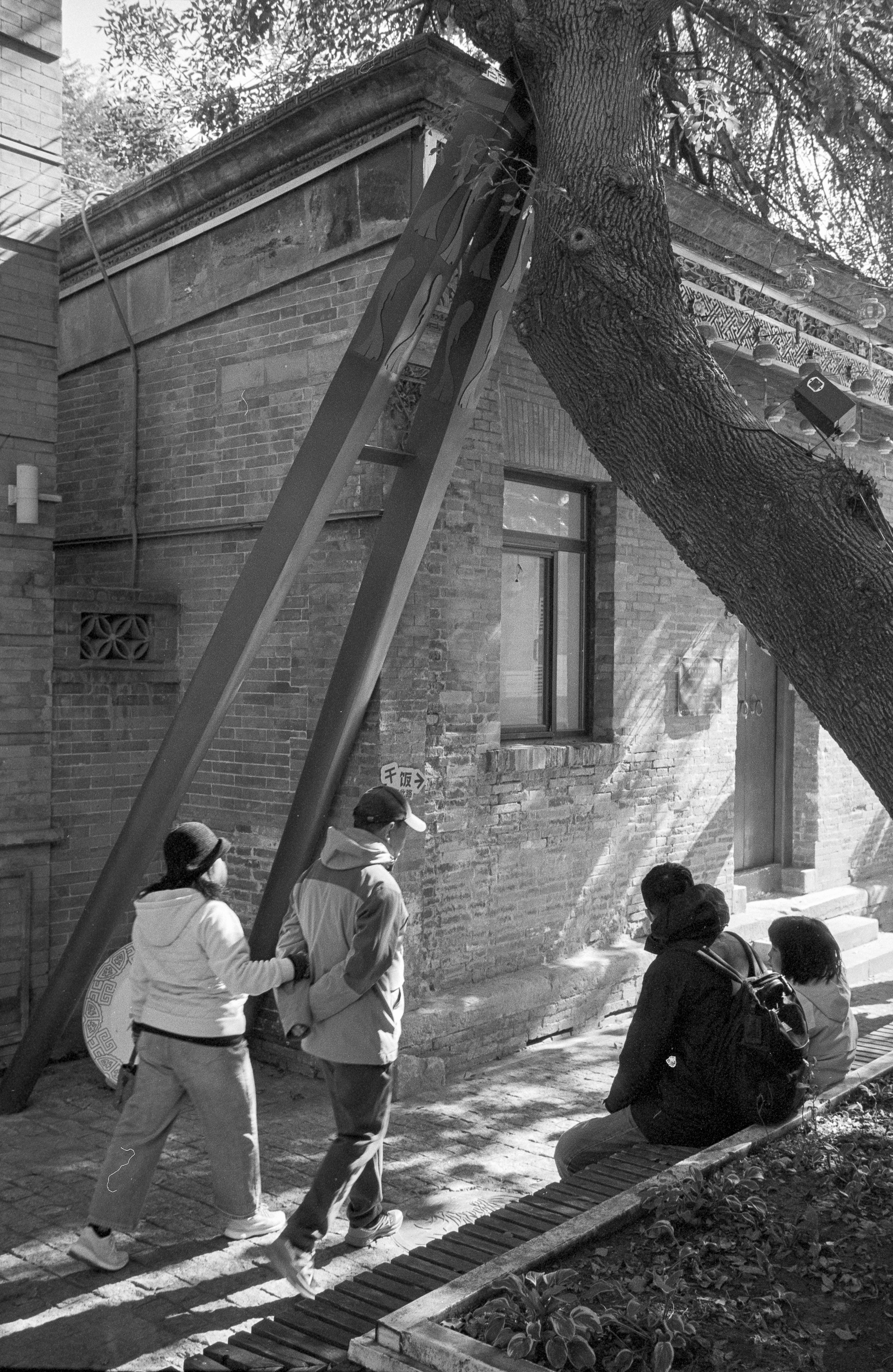
One of the highlights of the ride was exploring Beijing’s famous hutongs. These traditional residential compounds offer a glimpse into an older version of the city. Historically, families lived closely together around shared courtyards and communal facilities. Privacy wasn’t always part of the design, but community certainly was.

Today, much of old Beijing has disappeared beneath modern development. Like many Chinese cities, traditional neighbourhoods have given way to apartment towers and expanding urban infrastructure. Yet pockets of the old city remain, preserved as cultural districts, restaurants, galleries, and occasionally still as homes. Wandering through these lanes reveals a side of Beijing that feels worlds away from the modern skyline.
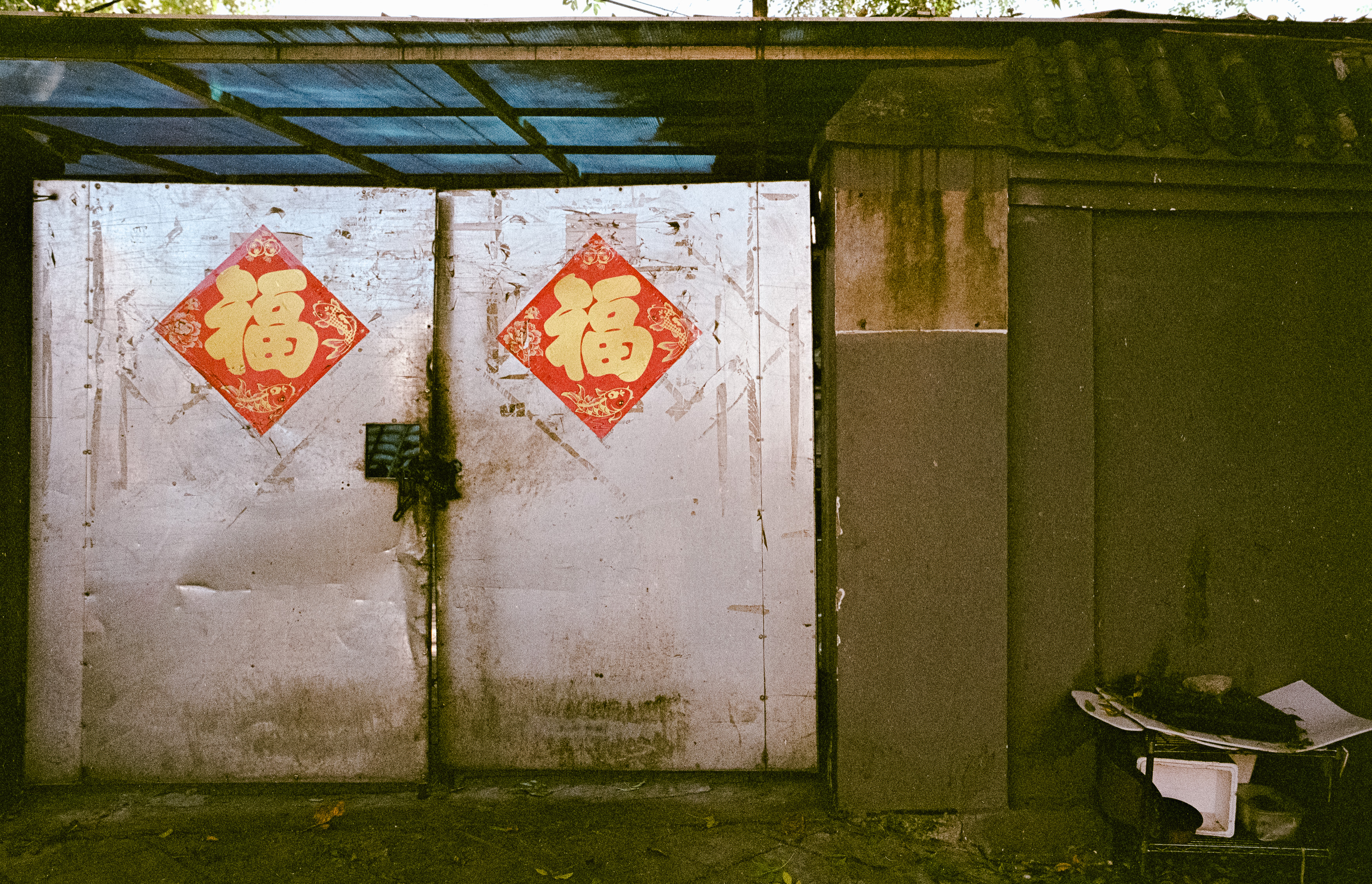
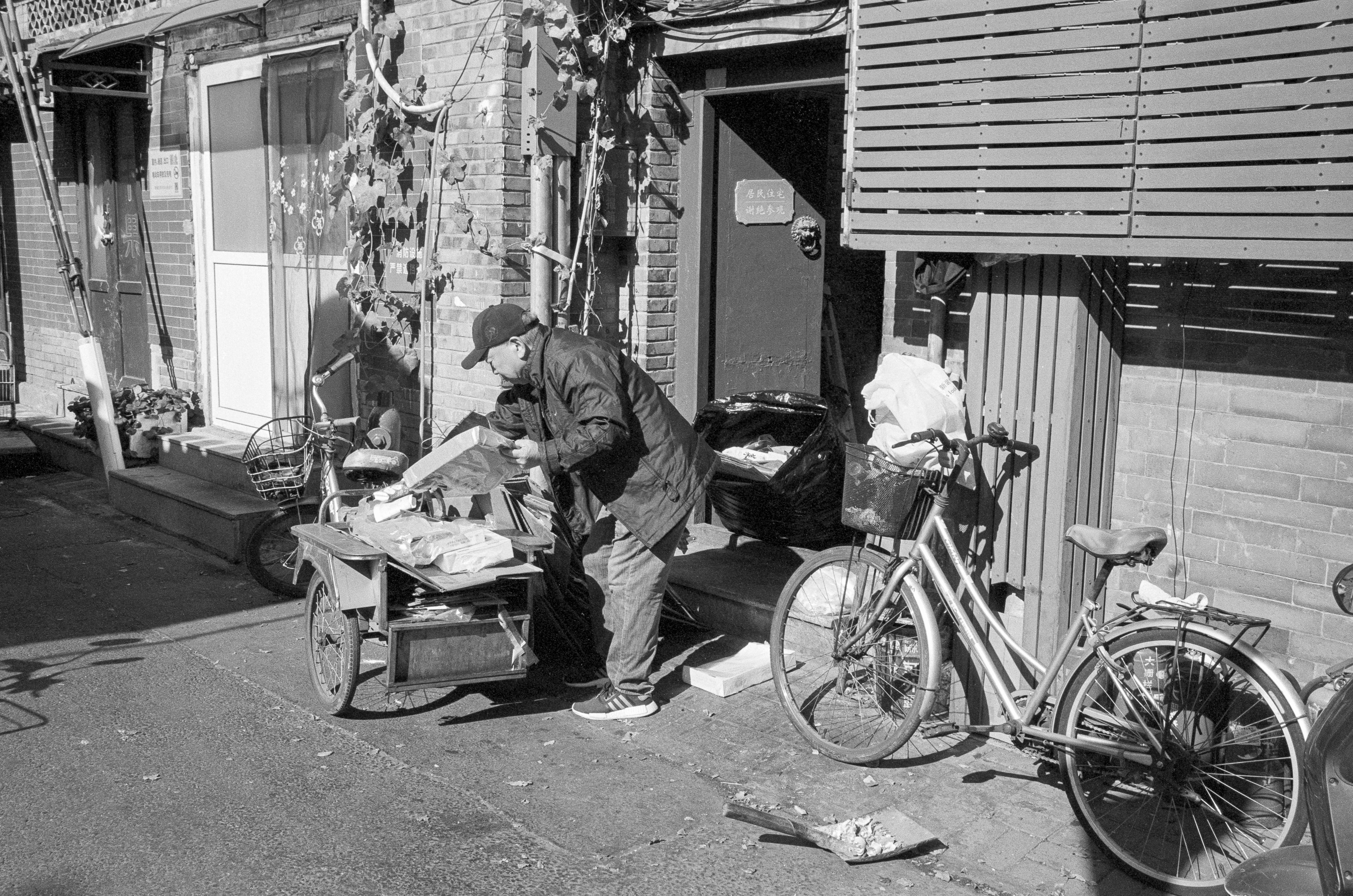
The hutongs also provided some of the day’s most rewarding photographic opportunities. Laundry hung from windows, elderly residents chatted in doorways, and everyday life unfolded at a pace that felt noticeably slower than the surrounding city. These weren’t the postcard views that attract tourists, but they offered something arguably more interesting: a sense of how people actually live.

Tiananmen Square and the Politics of Place

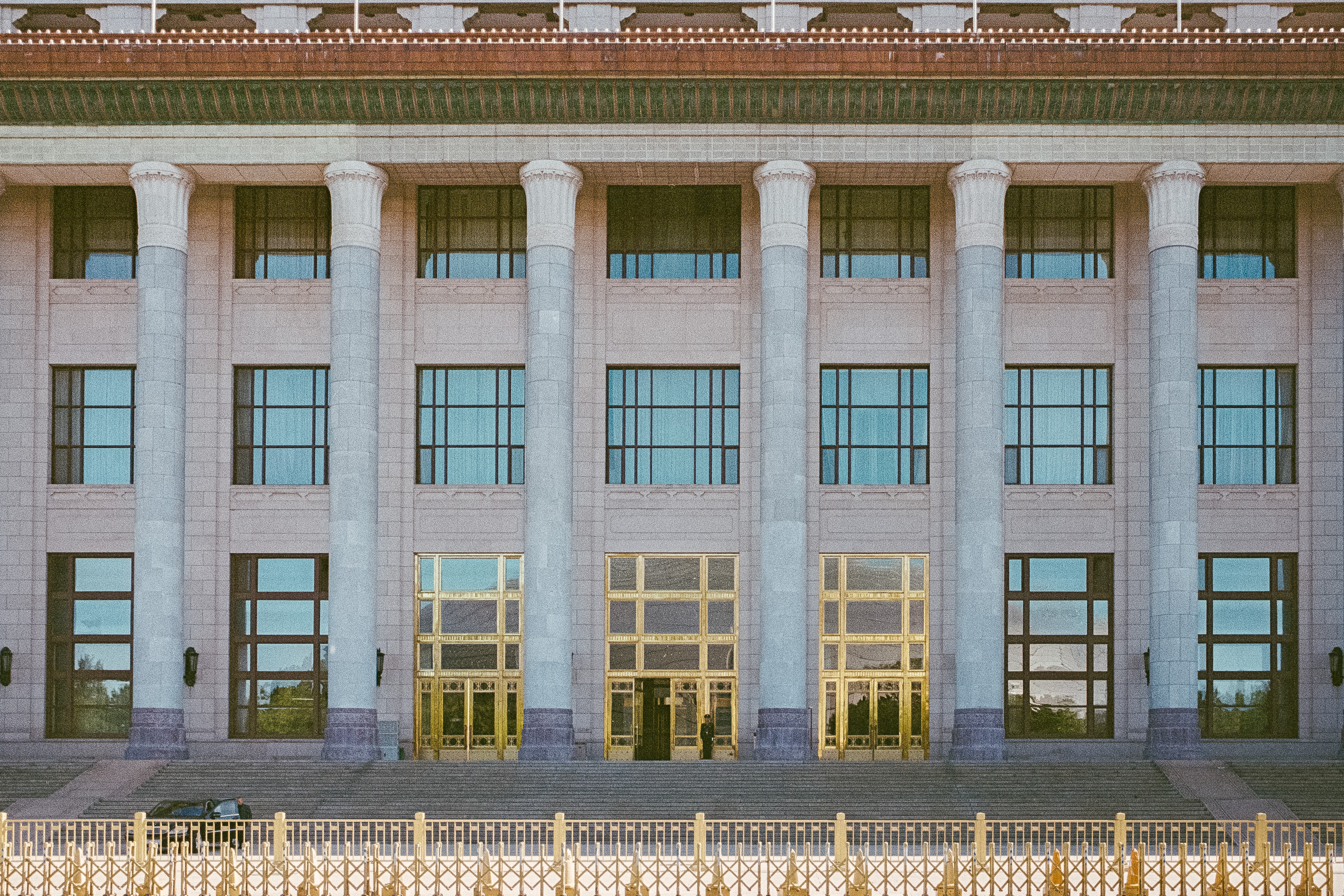
Eventually the ride led toward one of the most recognisable public spaces in the world: Tiananmen Square. The square itself is immense, surrounded by some of China’s most significant political and cultural landmarks, including the Monument to the People’s Heroes, the Mausoleum of Mao Zedong, the Great Hall of the People, and the National Museum of China.

Access to the square is tightly controlled, and entry tickets often need to be booked in advance. Rather than entering directly, I circled the area by bicycle, navigating passport checks, security barriers, and occasional questions from curious officials wondering why a foreigner was stopping to photograph ordinary scenes.
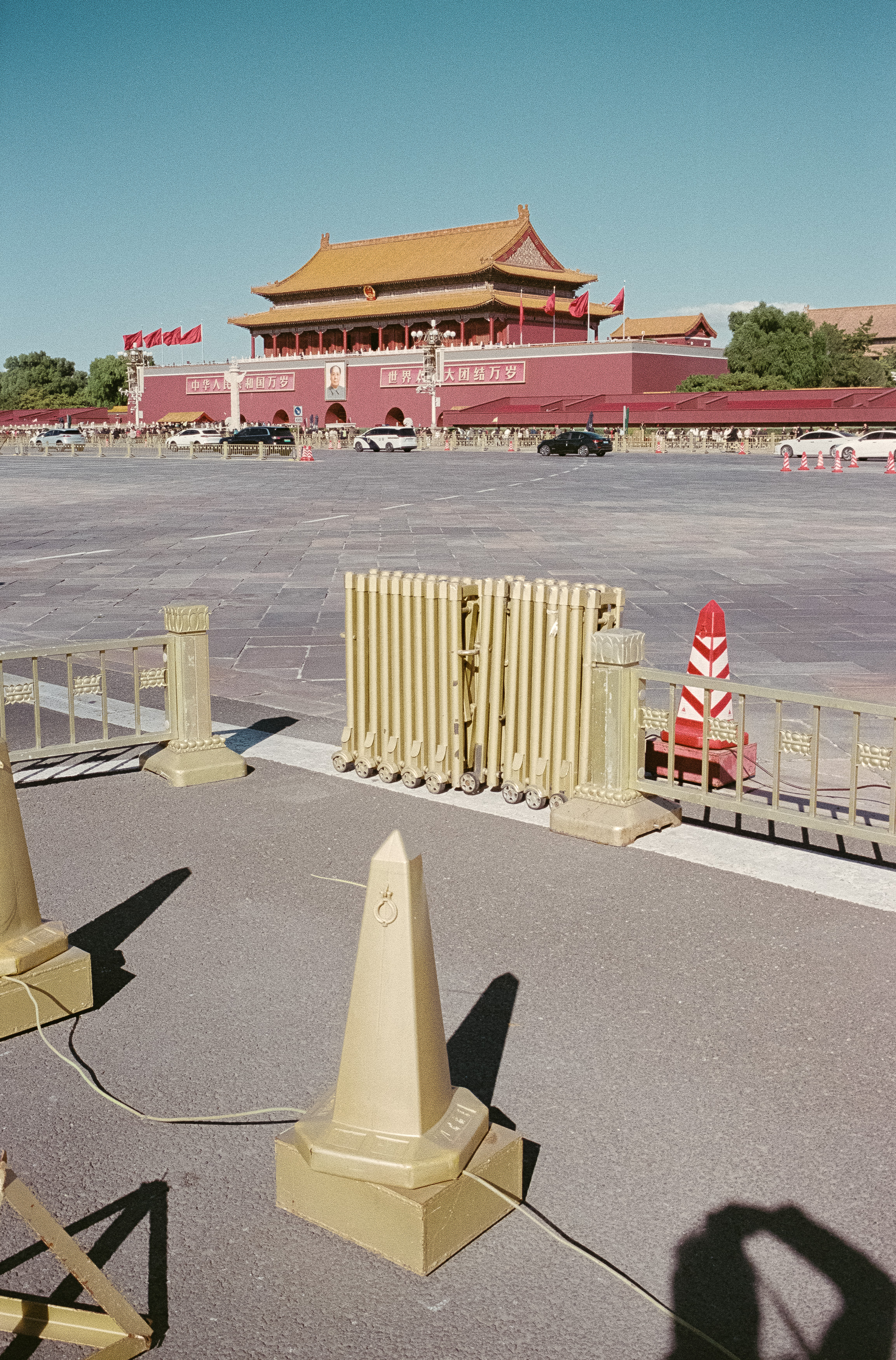
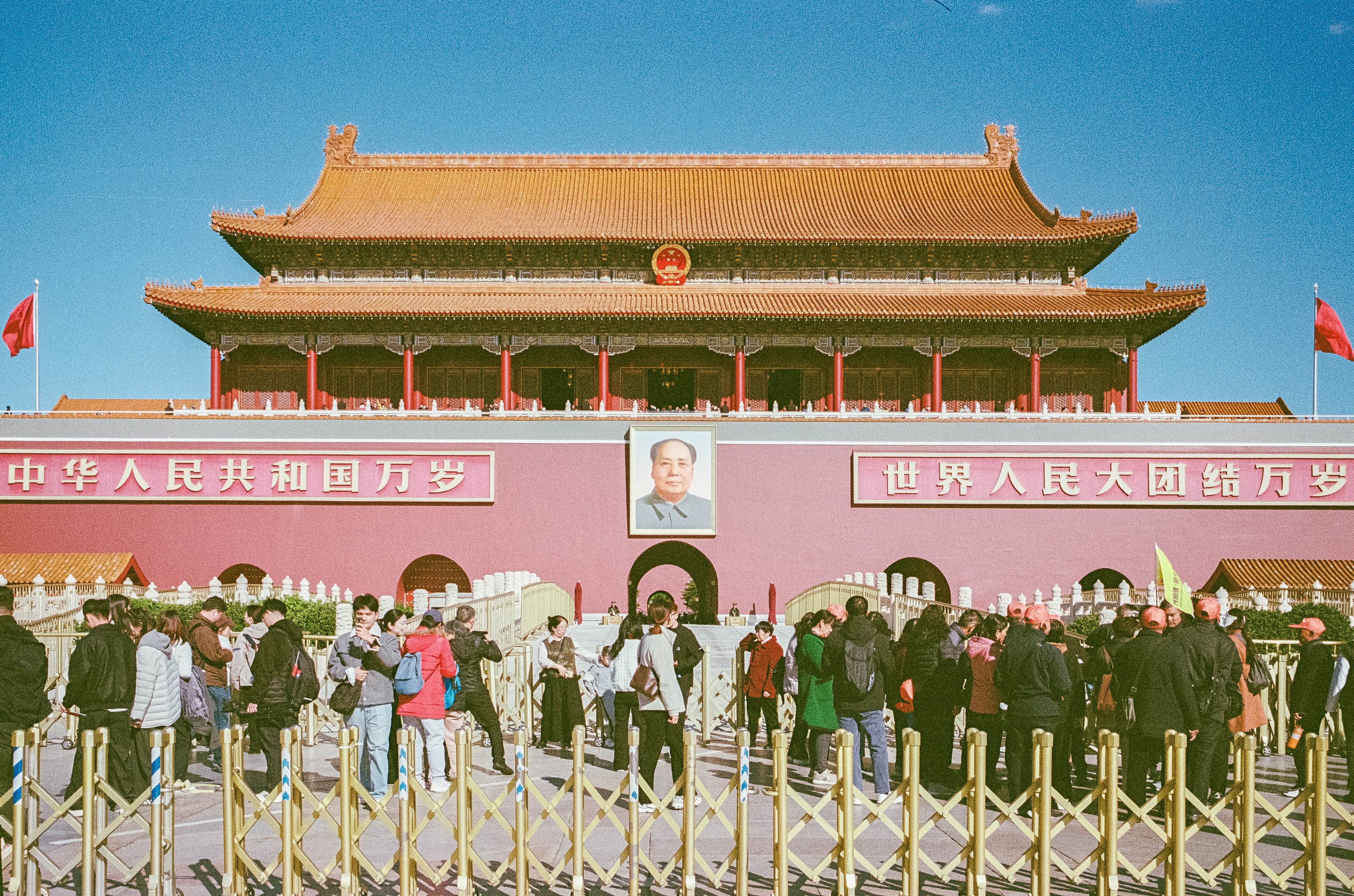
What struck me most was the contrast between the monumental and the domestic. Just beyond one of the largest public squares on Earth are narrow residential streets, hanging laundry, and small moments of everyday life. The juxtaposition felt uniquely Beijing: grand political symbolism existing alongside the ordinary rhythms of daily living.

Why a Leica M2 and 35mm Lens Were Perfect for Beijing

The Leica and Voigtländer combination excelled in this environment because it encouraged a particular way of seeing. A fixed 35mm lens forces the photographer to engage with the scene rather than relying on zoom. There is no ultra-wide perspective to exaggerate scale and no telephoto reach to isolate distant subjects. Instead, you move closer, pay attention, and become part of the environment you’re photographing.

That limitation becomes a strength. The 35mm focal length captures enough context to establish a sense of place while still allowing intimacy with a subject. It is no accident that generations of street photographers have gravitated toward this field of view. It feels remarkably close to how we naturally experience the world.

The Voigtländer lens complemented that approach perfectly. Despite its “Vintage” branding, its rendering is more modern than nostalgic. While some vignetting appears at wider apertures, it adds character rather than detracting from the image. Wide open, the lens offers atmosphere and personality; stopped down, it delivers impressive sharpness across the frame. In many ways, it feels like two lenses in one.

The Real Story Was in the Everyday Details

As the day progressed, colour film eventually gave way to black and white. A roll of Kentmere 100 transformed the city into a study of shape, texture, contrast, and light. Without colour competing for attention, small moments became even more important.
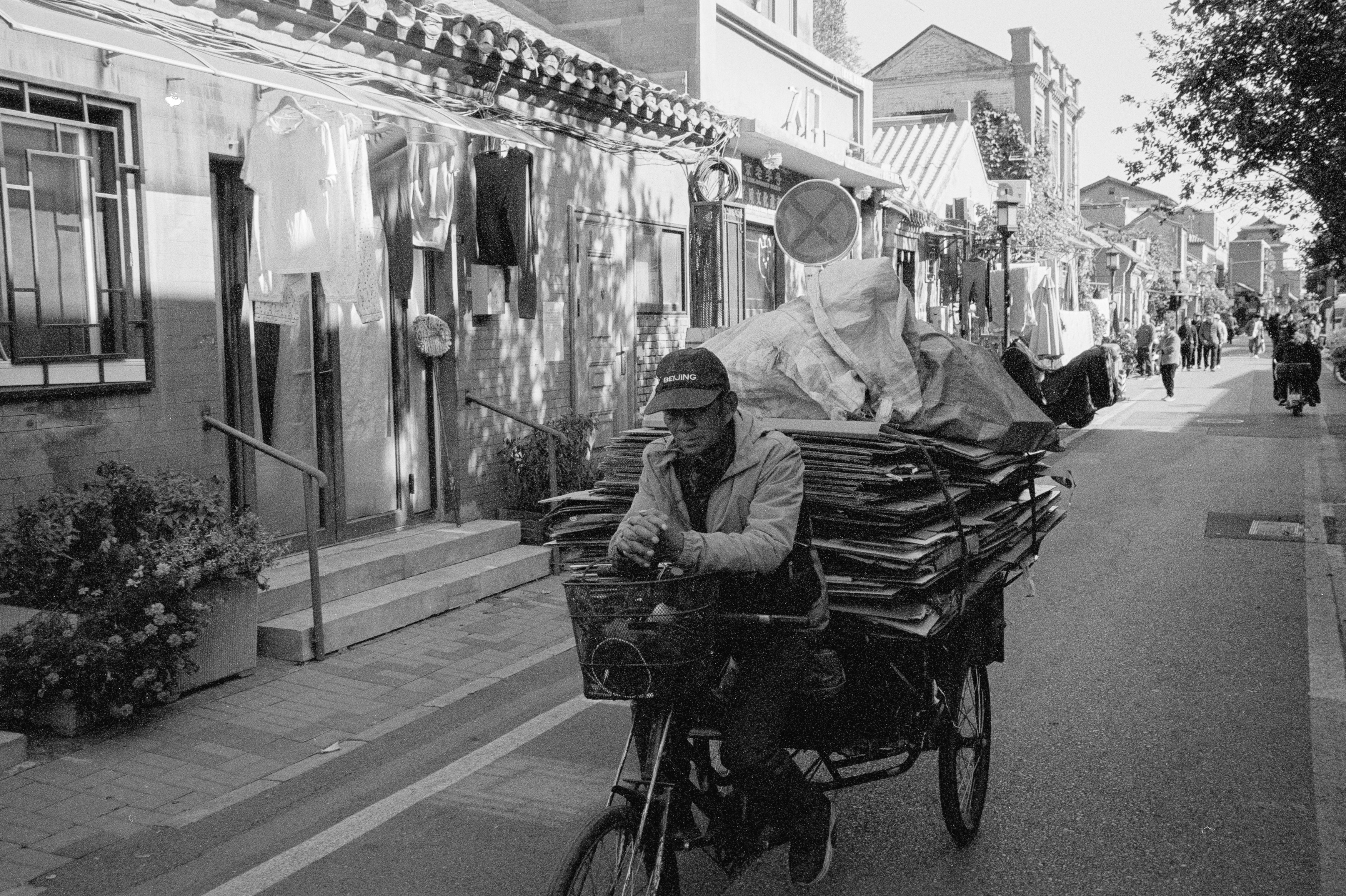
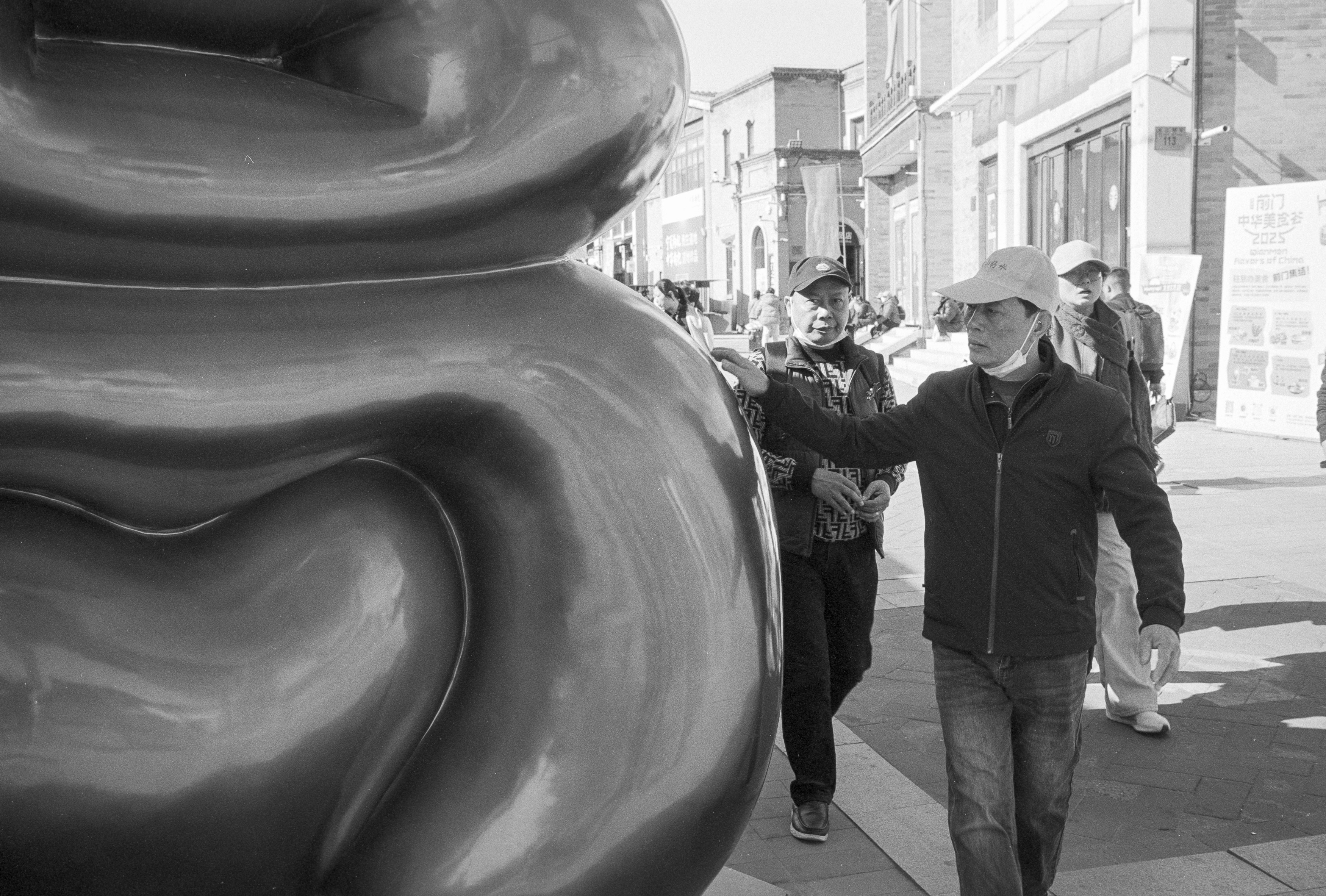
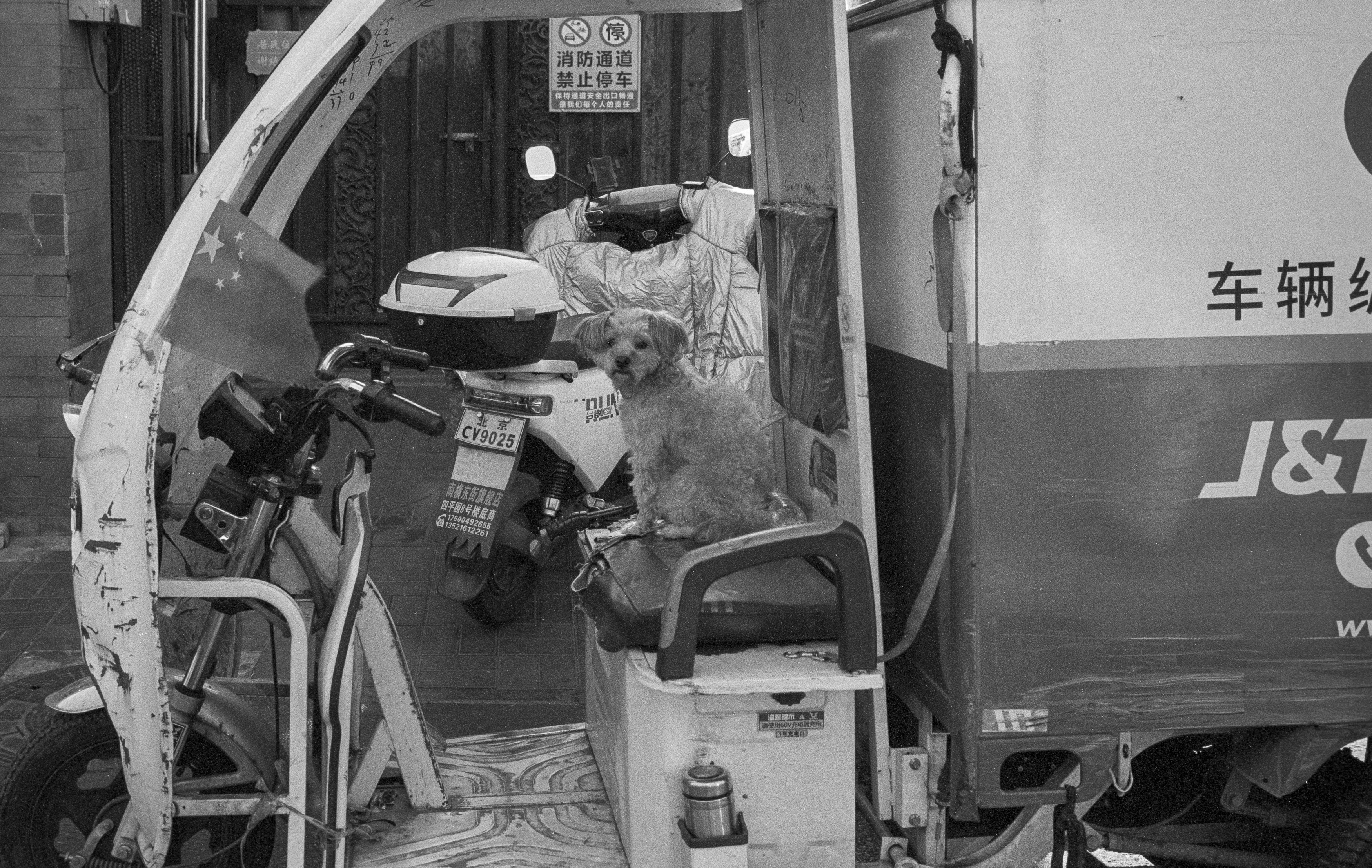
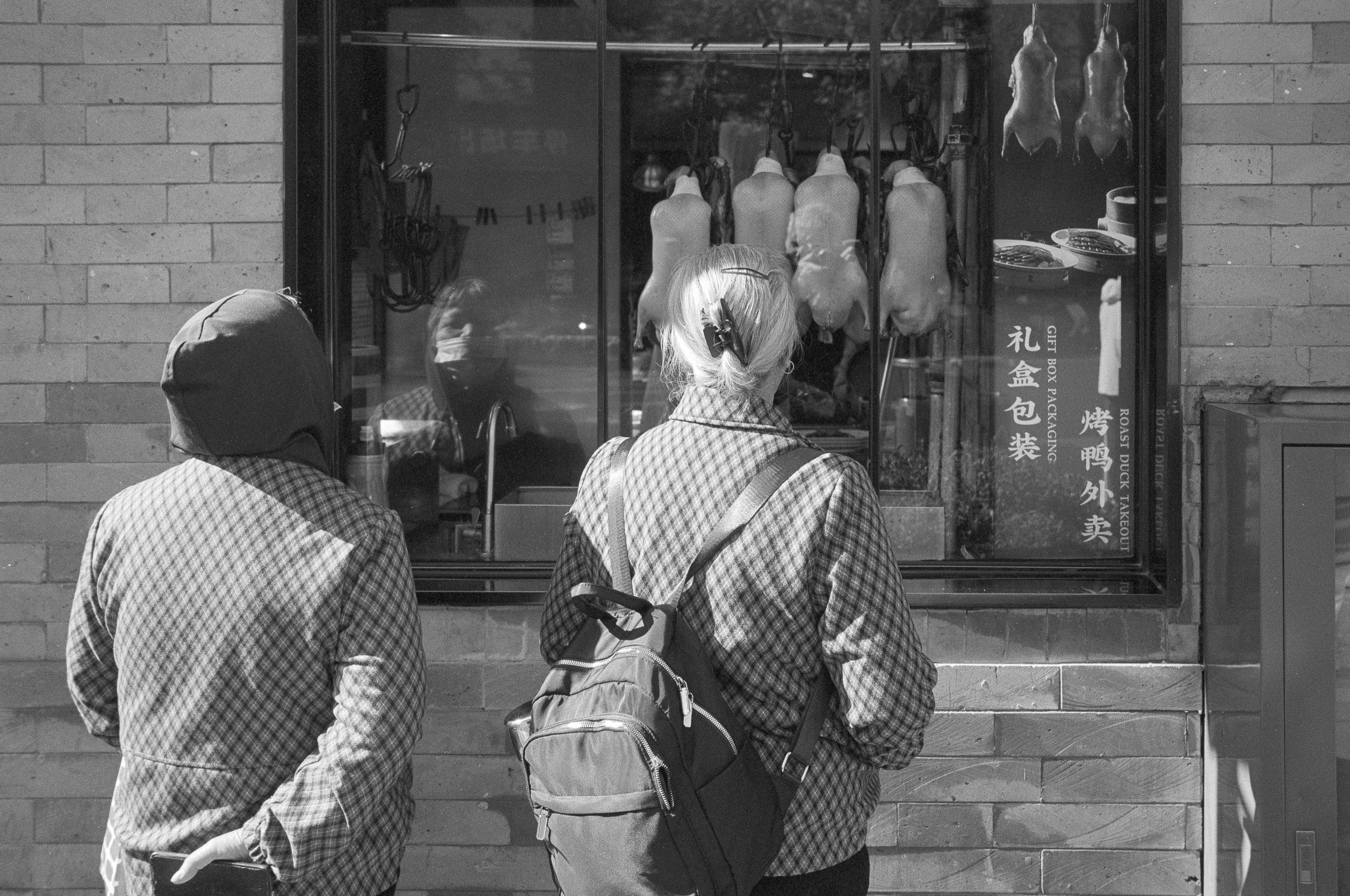
Looking back through the photographs, the images that resonate most aren’t necessarily the obvious landmarks. The iconic view of Tiananmen Square certainly has its place, but the quieter photographs linger longer in memory. Reflections in windows, curious dogs, hanging laundry, market scenes, and people simply going about their day reveal something more interesting than monuments ever could.

Three rolls of film, one camera, and one lens were enough to document a day in Beijing. The limitations of the equipment shaped the experience, encouraging consistency, patience, and a more deliberate way of seeing. No tanks were faced down and no grand acts of protest occurred. There were only conversations, misunderstandings, photographs, and a bicycle ride through one of the world’s most fascinating cities.

Sometimes that’s more than enough.
Is the Nikkor Z 28mm f/2.8 Nikon’s most Boring Lens?

Whenever I visit a new country, I like to check out the second-hand camera scene for potential bargains as souvenirs. On a trip to Shanghai, I went to Xingguang Photographic Equipment City, a sprawling, multi-story mall full of small camera shops selling used gear. Armed with 1000 Renminbi in my WeChat wallet, I hoped to find a unique lens within my budget. I was drawn to the idea of a 135mm, but it was too expensive, so I set my sights on something more modest.

I eventually found Nikon’s 28mm Z f/2.8 SE lens, a lens with a retro design that fits Nikon’s ZF digital camera. It’s affordable but not particularly exciting in quality, as it has a plastic mount and feels more like a cheap throwback than anything premium. However, it was within my budget and looked decent enough. The shopkeepers were friendly and humored my attempts at speaking Chinese, making the experience enjoyable.

Reflecting on the 28mm focal length, I find it somewhat mundane. Back in the film era, 28mm was considered wide, but these days, it’s essentially the default view on smartphone cameras. The world is now saturated with 28mm photos—thanks to the trillions of smartphone shots shared online—creating a visual monotony that’s almost tiresome.

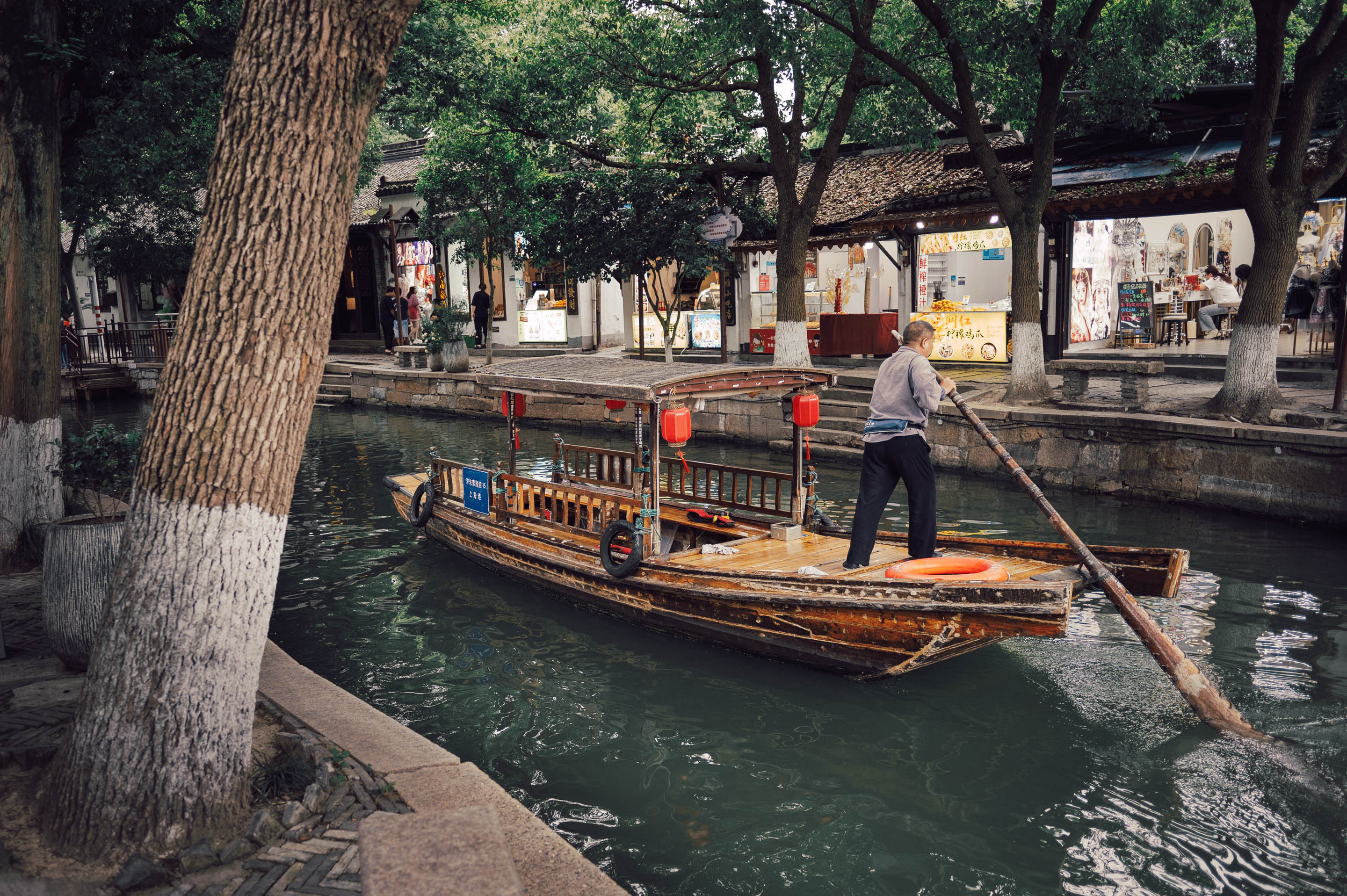
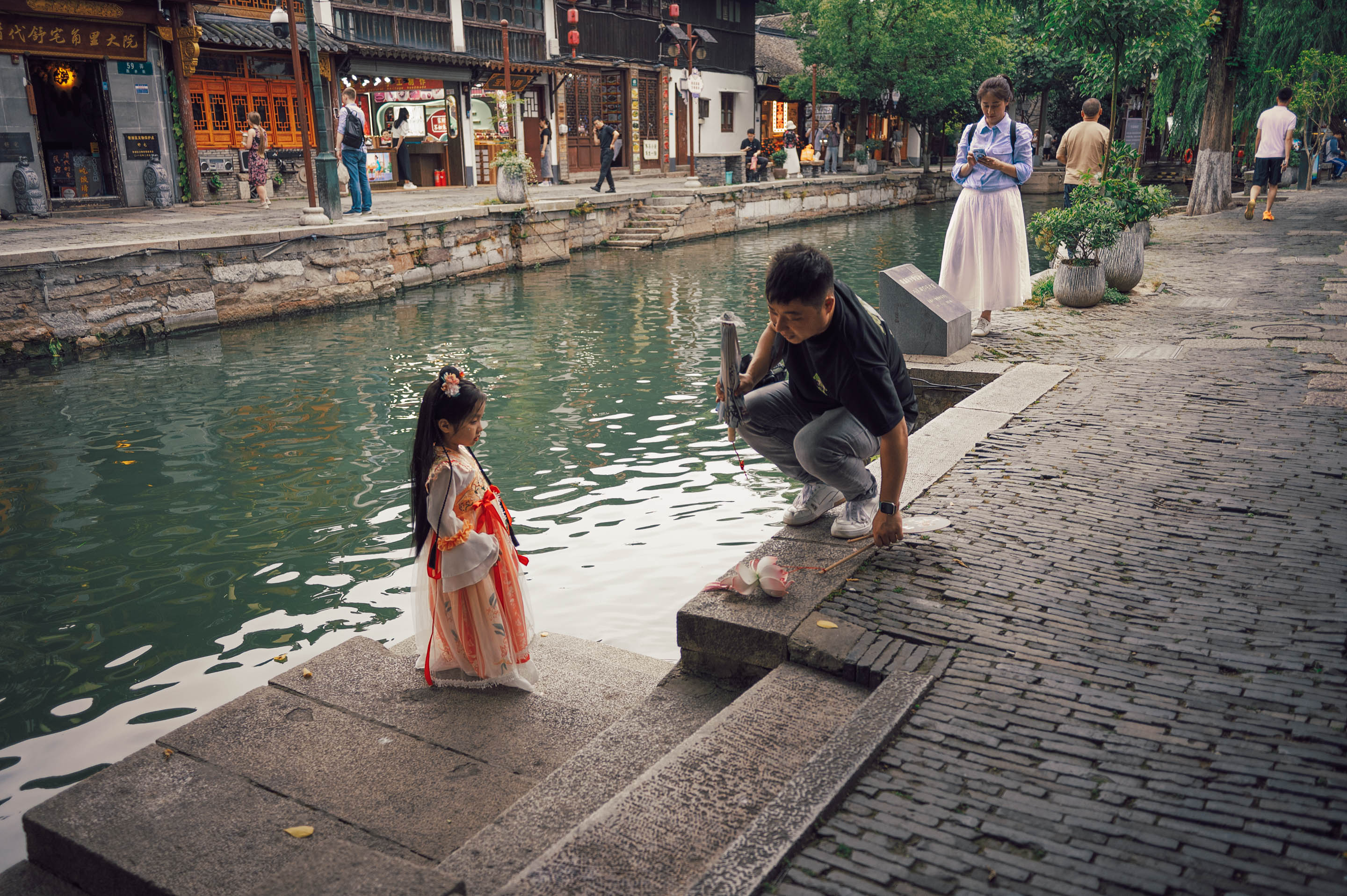
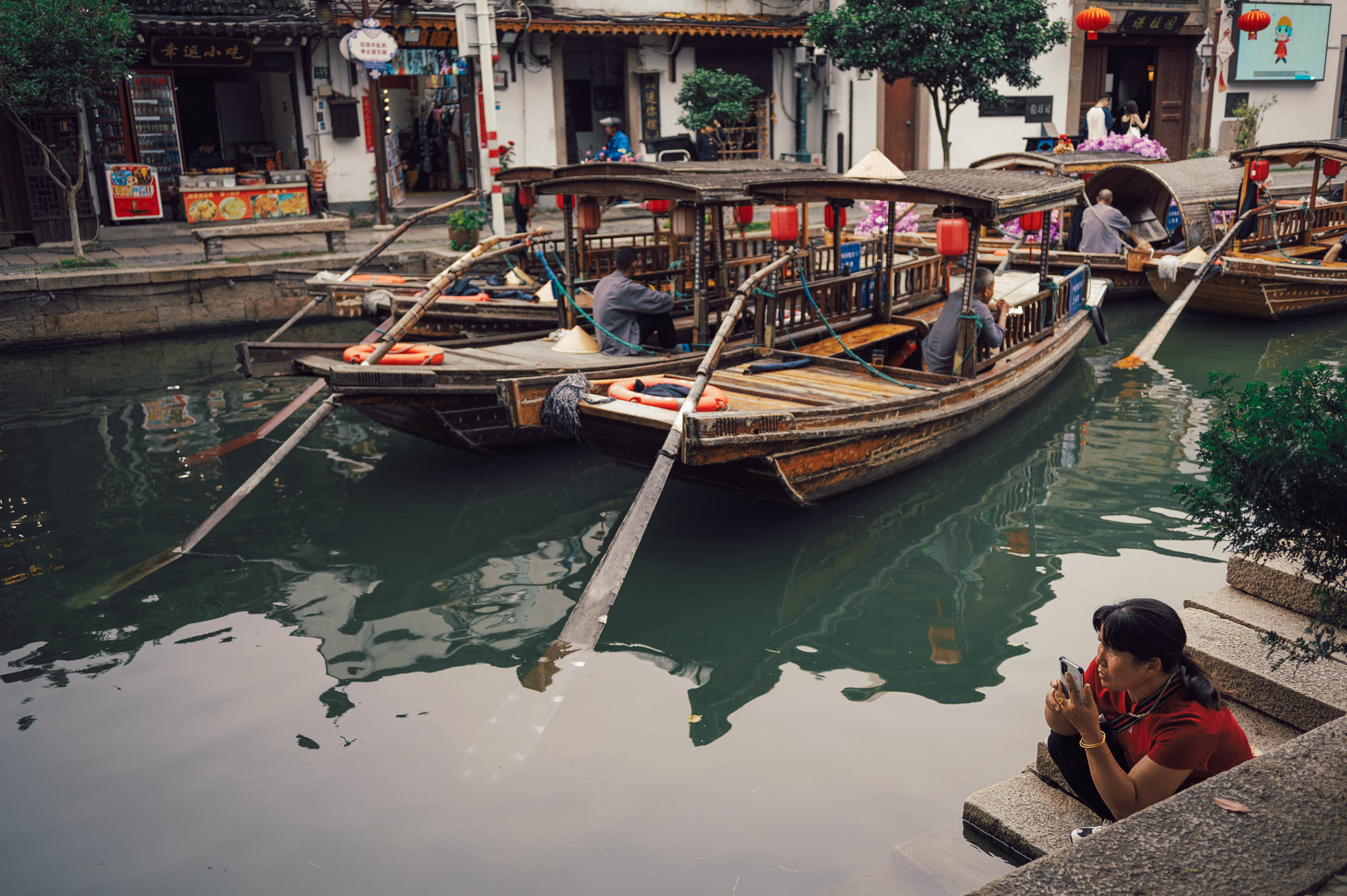
To test the lens, I decided to take it to Zhujiajiao, a historic water town near Shanghai, to see if I could capture something interesting with this “boring uncle” of a focal length.

Serviceable, yes but… Exciting?

When I downloaded the photos from my 28mm lens, I felt a bit disappointed. They felt overfamiliar, like the endless shots of water taxis or gondolas in Venice that we’ve all seen. I started questioning if it was the lens itself or simply my inability to break away from typical tourist shots. Maybe the 28mm field of view kept me stuck in that mode.

The 28mm lens is easy to use, with smooth and quiet focusing, and it focuses closer than my zoom lens at 28mm, which is a nice feature. When focusing close, it handles out-of-focus areas beautifully with soft, creamy bokeh. While it won’t completely blur the background like other lenses, it subtly draws attention to the subject without being overpowering.

That said, the Nikon 28mm Z f/2.8 isn’t perfect—28mm does feel a bit dull. At least, to me. I got some decent shots, but reviewing them feels like scrolling through my phone gallery. My 24-200mm offers more versatility, letting me capture close-ups and control framing better by using its longer focal length to keep distractions out of the frame. With the 28mm, I have to be more mindful of composition, especially on the streets, compared to a 35 or 50mm lens.

After sorting through, I picked a few shots that captured the feel of the place without looking too postcard-like. The dim light drained some color from the scene, and a few images actually worked better in black and white.

I do think this lens is a good lens, maybe even a great one if you consider the price and can get over the plastic mount. I can’t fault it that I find the 28mm field of view a bit dull and perhaps, actually, with more use, I might to appreciate that focal length a little more.

Pet Photography in the Styles of Terry Richardson and Bruce Gilden

You know how it is when you get a new family member and want to capture all those special moments? First day of school, first soccer goal, and so on. Well, it’s the same with puppies. Sure, their moments might be a bit different—I’m pretty sure I never licked myself as a kid, though who knows, maybe I would have if I could. Kids grow up fast, and those moments slip away quickly. And if dogs are truly our best friends, don’t they deserve more photo attention than your last Instagram post of spaghetti bolognese?

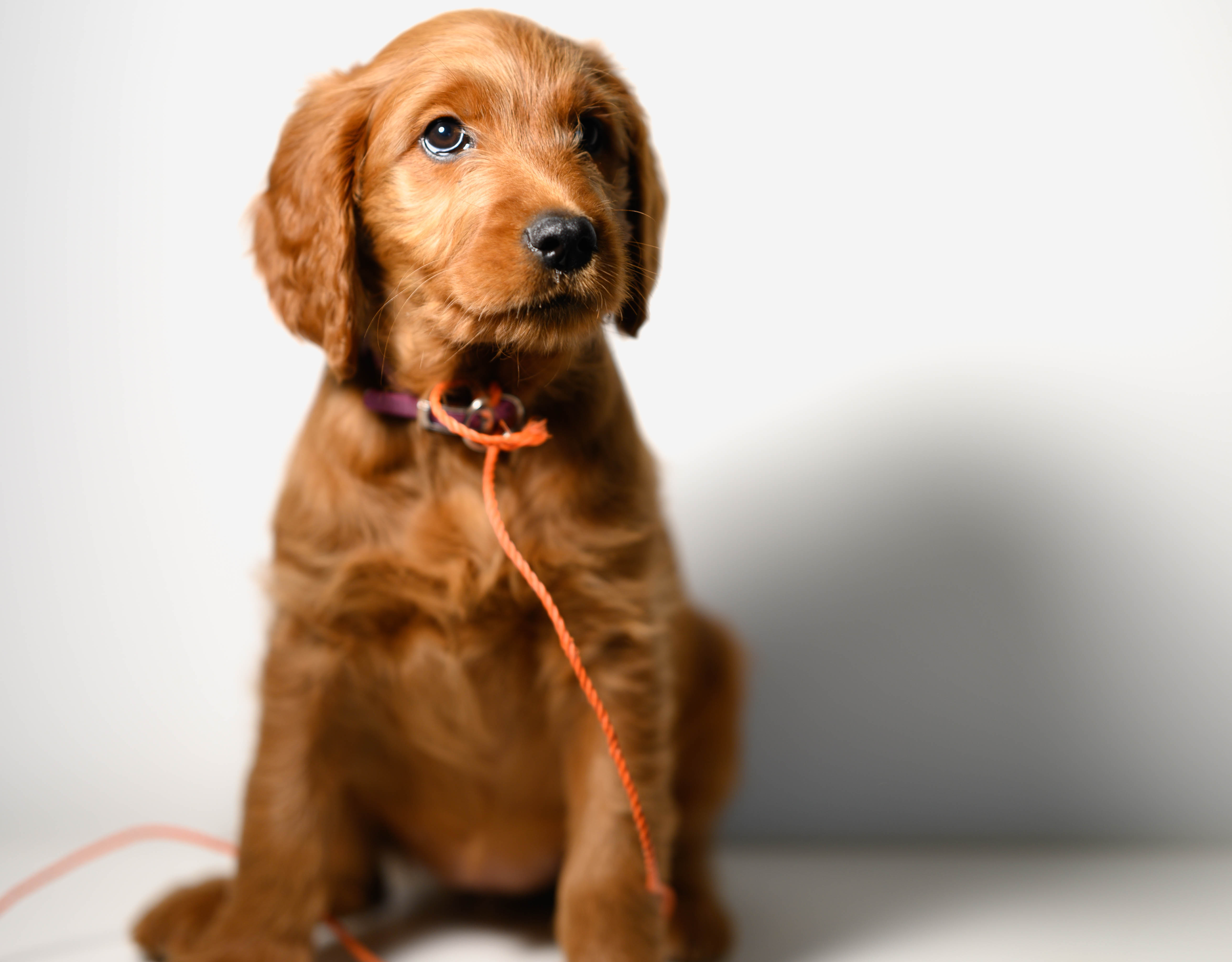
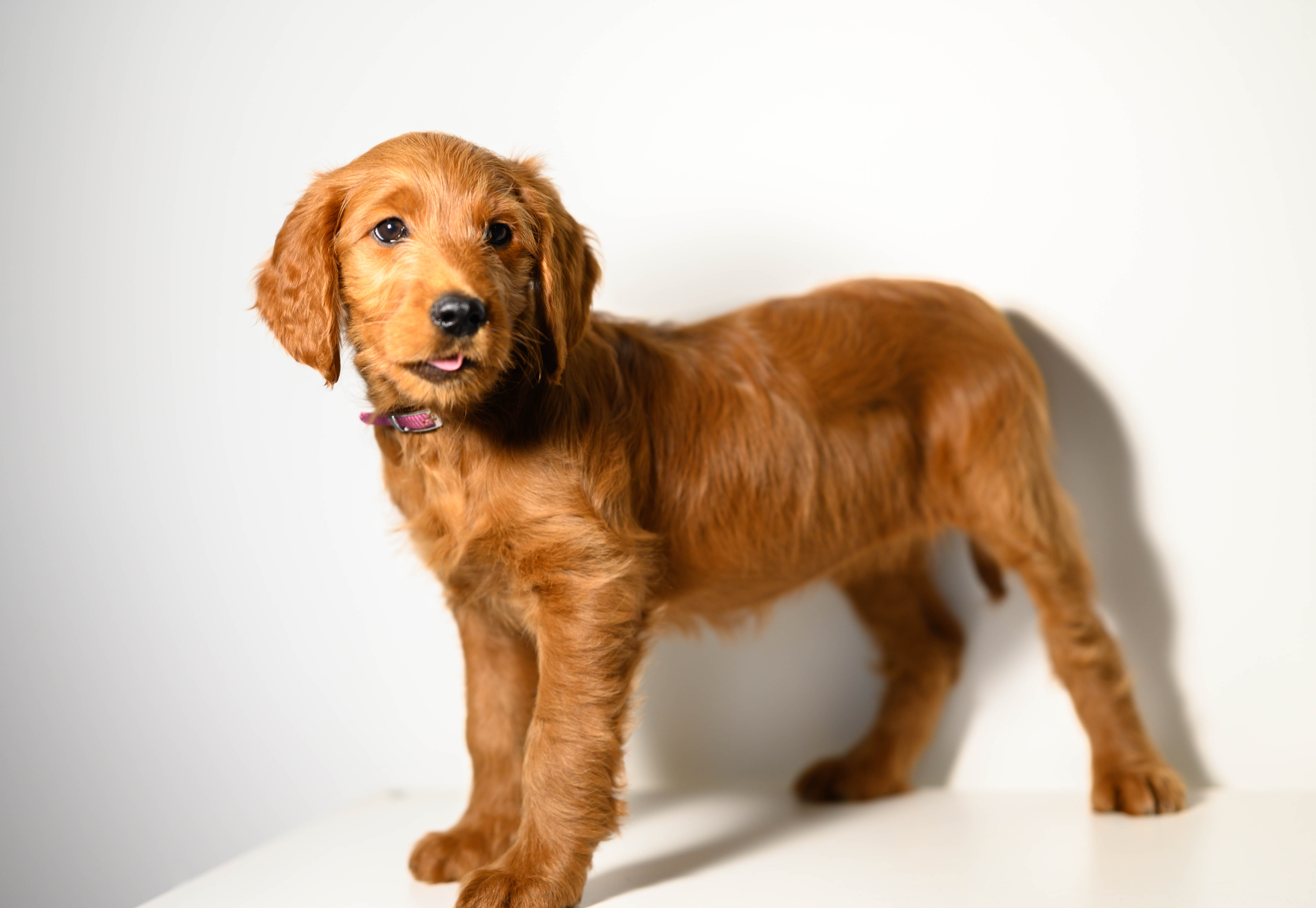
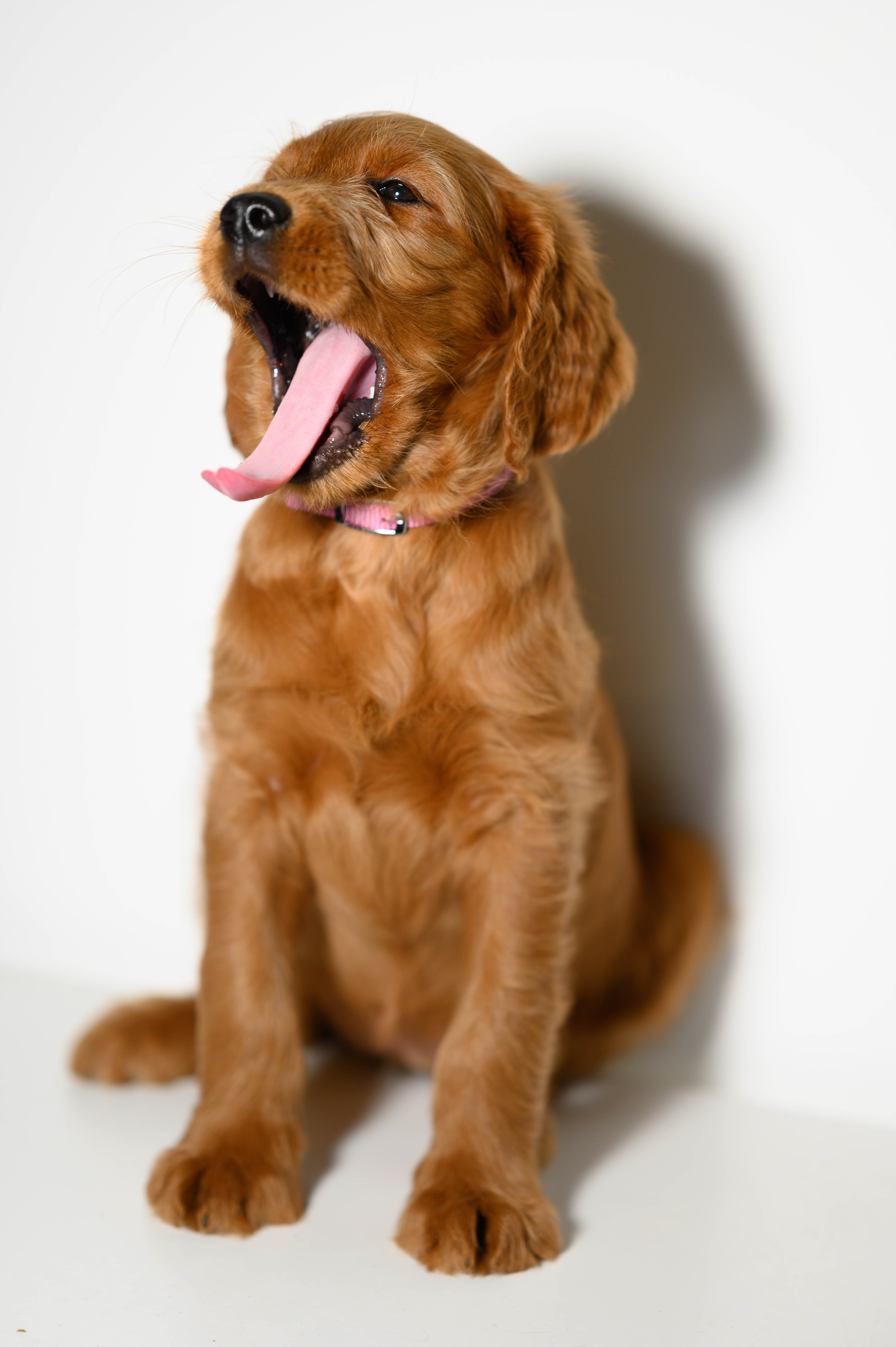
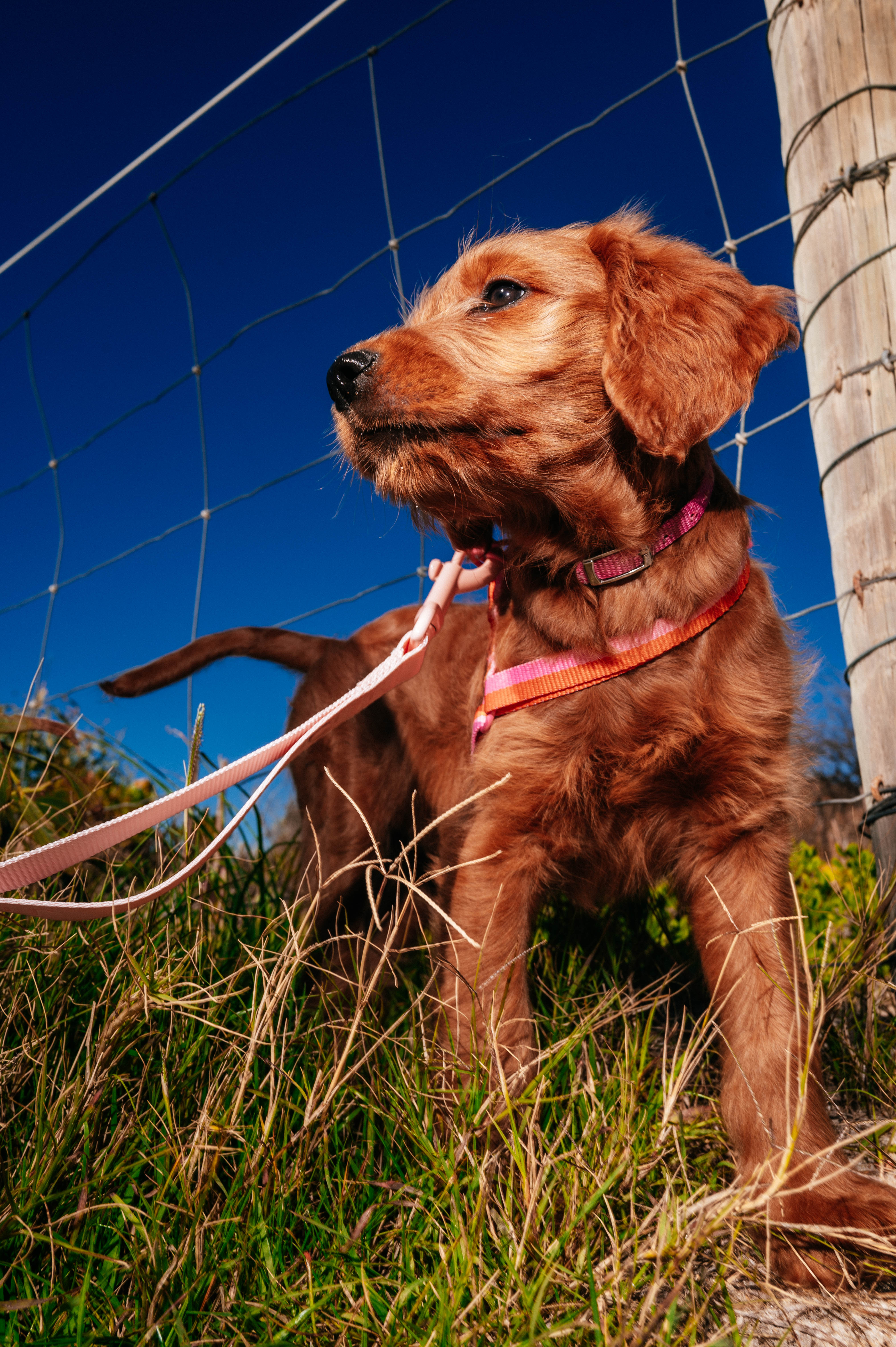
Meet the latest member of our family, Juniper the Groodle. Fresh faced and furry at 14 weeks, it was time to immortalize this little lady. I checked out some pet photography and found it uninspiring. How many photos of dogs in lavender fields do you need? Cute, cuddly, charming—these aren’t the words that inspire me. Instead, I think of artists like Terry Richardson and Bruce Gilden.

Richardson is known for his raw, uncompromising fashion and celebrity photos, stripping away the glamour for a more stark and sometimes harsh look. Gilden, on the other hand, captures New Yorkers in their most unguarded moments, creating shocking, brutal, and even ugly photos. While I don’t want to emulate their exact styles, I do appreciate their approach to challenging traditional aesthetics.

Juniper Meets Terry Richardson

For Juniper the Groodle, I aimed to channel a bit of their spirit. I set up with a flat white wall and used a Zhiyun Molus 60 with a small softbox for lighting. I even enlisted Slothy, a stunt double, to help with the setup while Juniper relaxed. After getting the settings right, I swapped in Juniper and was pleasantly surprised. She could easily outshine supermodels with her lustrous ginger hair and prehensile tongue.

Juniper Meets Bruce Gilden

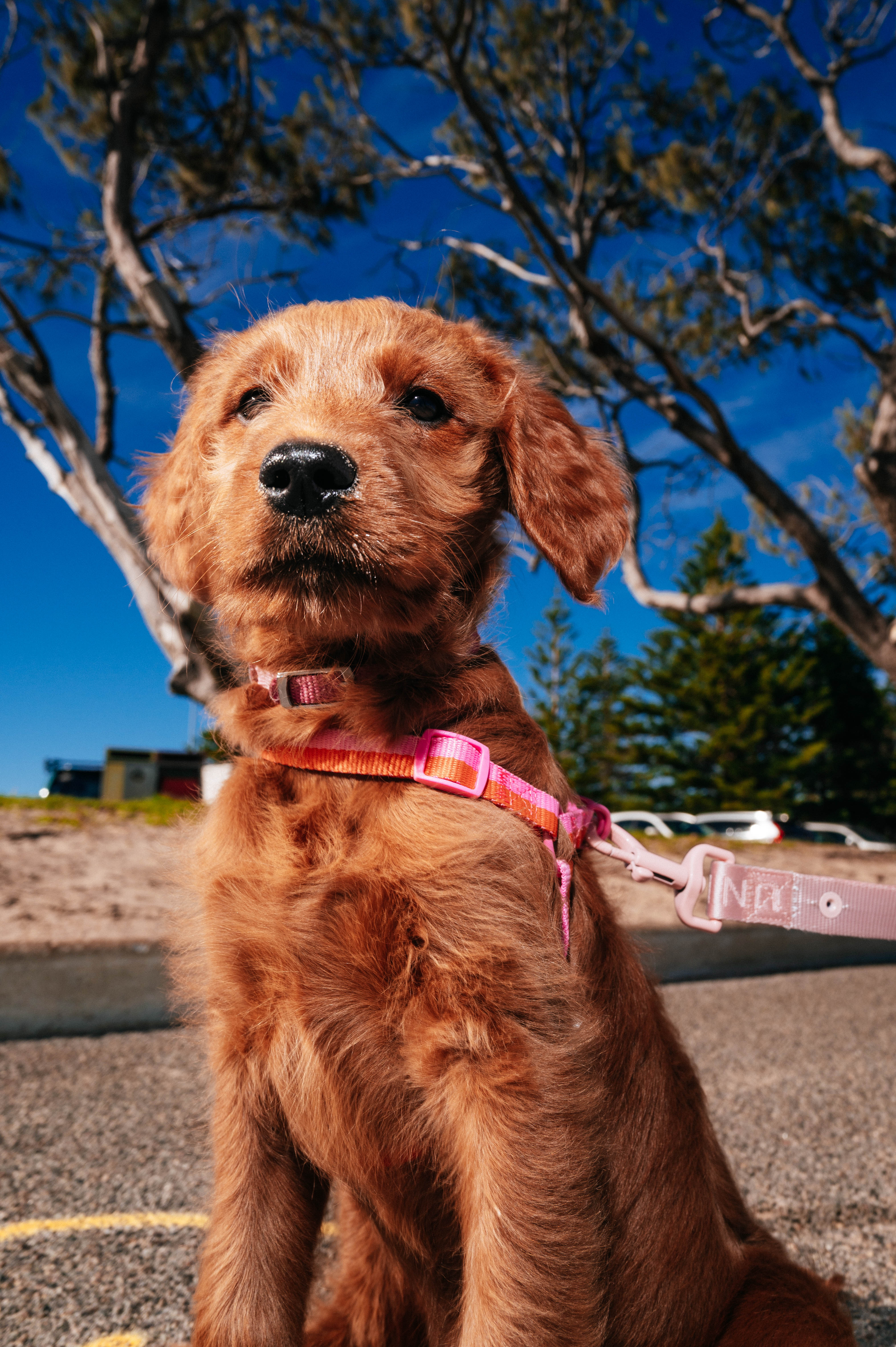
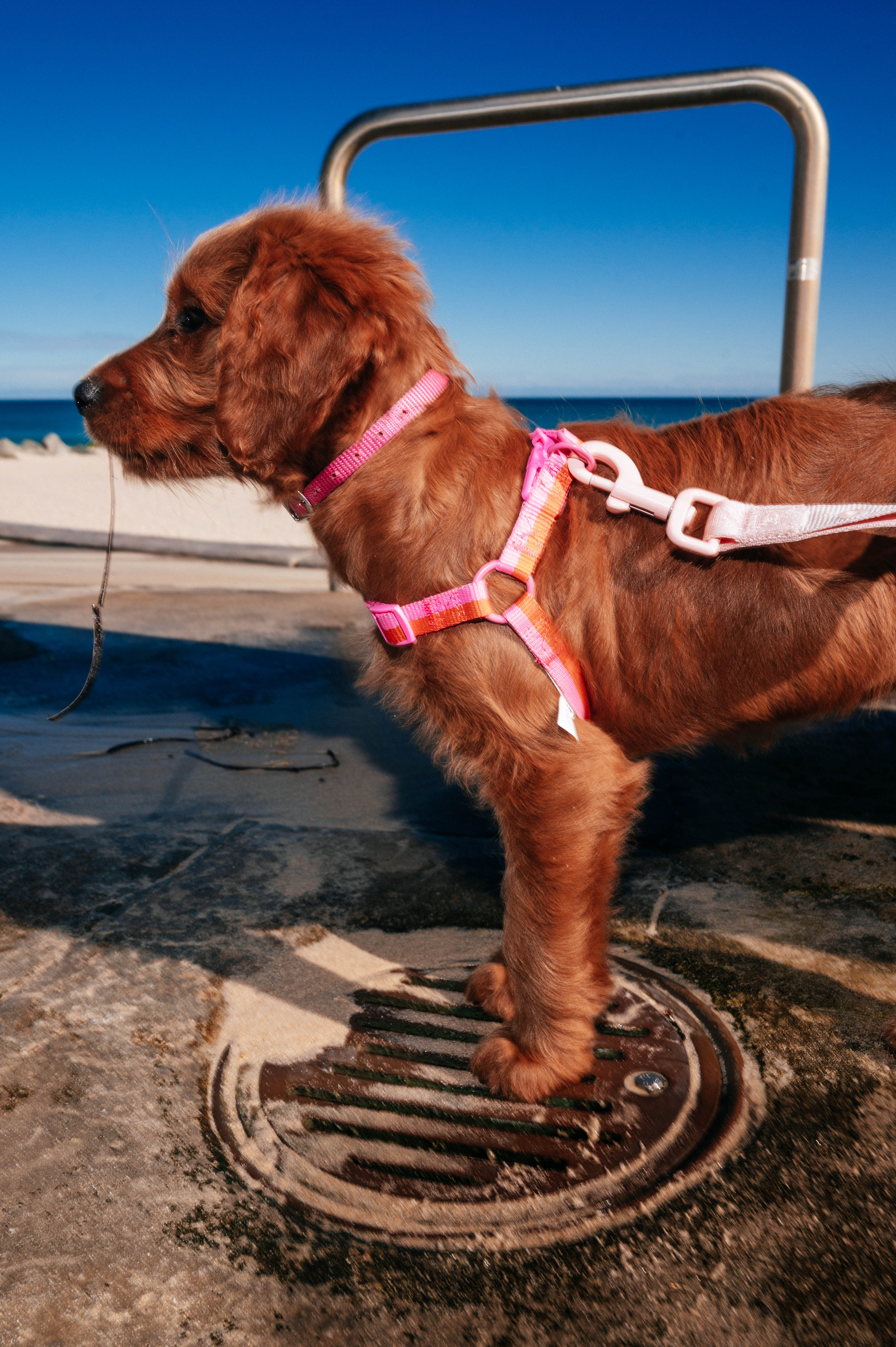
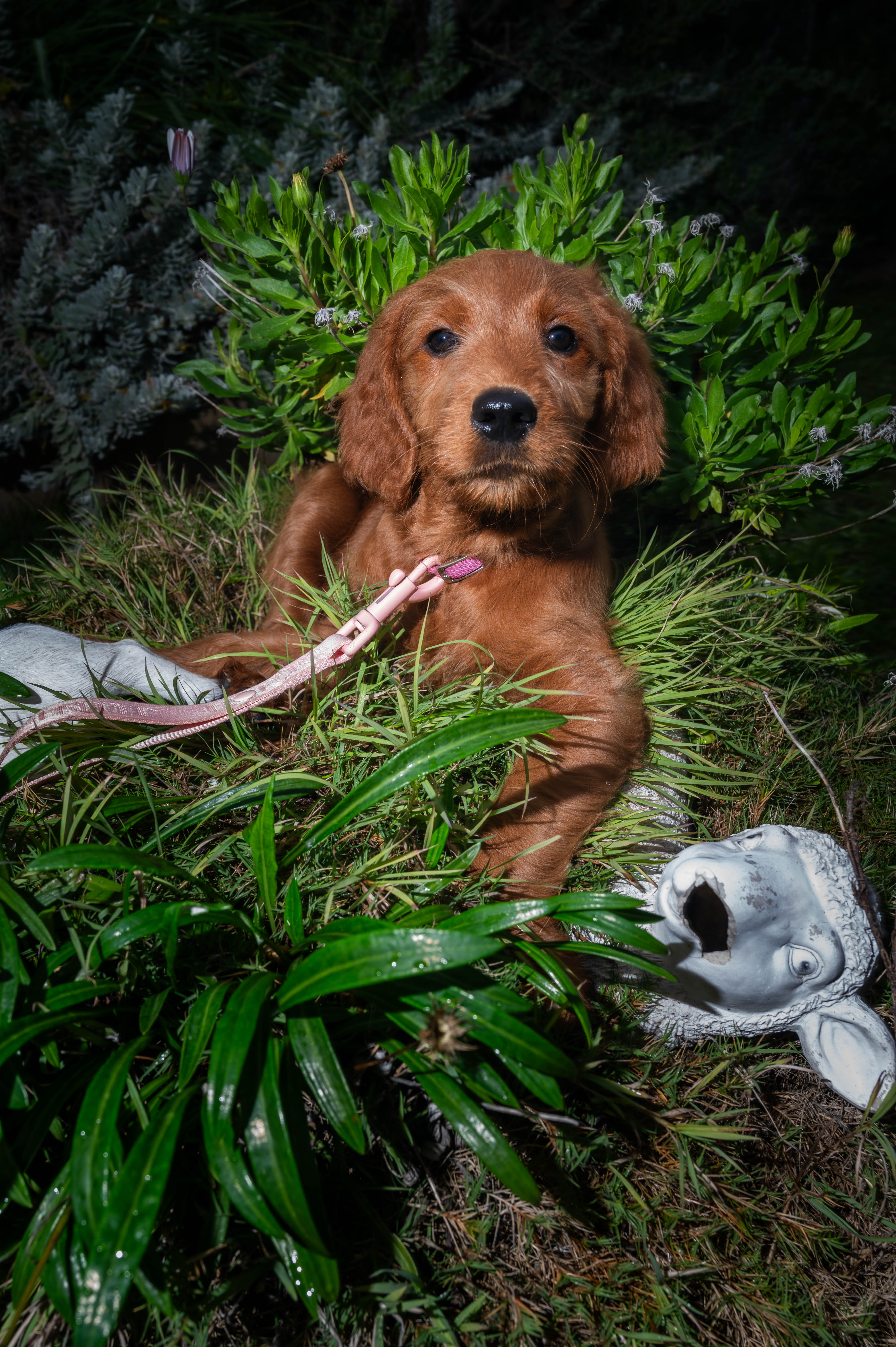
For the Gilden-style shoot, I needed to recreate his gritty look digitally. Using my Nikon Z6 with a 24-50mm lens, I adjusted the aperture to f/8 to capture as much detail as possible while keeping the background dark. I added a neutral density filter to manage the ambient light and used a powerful flash to highlight Juniper against the darkness.

In the end, instead of capturing a marginalized character with my uncompromising lens, it was more like me running backward while Juniper pounced and tugged at the lead, trying to chase the camera like it was some high-tech chew toy.

Juniper isn’t exactly tall, and Gilden’s method involves crouching and shooting from below, holding the flash higher to model the subject. With Juniper’s head just a foot off the ground, the whole process taxed my back and patience, and completely embarrassed my daughter as I backed down the path like a hunched paparazzi at the beach on a Sunday morning. Needless to say, I didn’t get many great shots. In that sense, I guess it was an authentic shoot – Gilden is known for being selective in curating his own work. Usually, I show the whole roll, but in this case, it’s better to showcase only a few that worked.

More Experiments

I tried to recreate the look at home. Gilden loves an eye patch and and a munted-mouthed look. I thought including a prop and providing some peanut butter could promote the masticated gurning that could typify that Gilden Crack Whore Aesthetic. Again, with limited success. Our model, Juniper, wasn’t cooperating, and it seems all the attention has gone to her head. She scampered, jumped, rolled, and did everything except stay put. I was too tired to work with such a privileged, unprofessional model. In the end, I was left with some subpar frames, and the eye patch I’d added for effect was discarded in 15 seconds.

It occurred to me that maybe the best way to get Juniper to behave was to be in the picture myself. So, I did a quick setup early one morning, trying to capture both of us. This approach was more successful, though trying to hold a dog and operate the camera remotely was tricky. I think I managed to capture some of that gritty style I was aiming for, channeling a bit of that “Hoboken Hobo” energy.

Check out the video for how I created a Dragan-style edit that upped the grit and contrast of the image of Juni to reflect the grimy urban streets of New York.

Perhaps I could revisit this scenario when a life time of pain and deprivation has left its indelible mark on her pretty face. In any case, I think I will  keep at this because…  even if I can’t channel the genius of Richardson and Gilden, I can at the very least end up with some slightly different and somewhat distinctive photos. And who knows? Maybe there is some more photographic magic to be mined from this process.