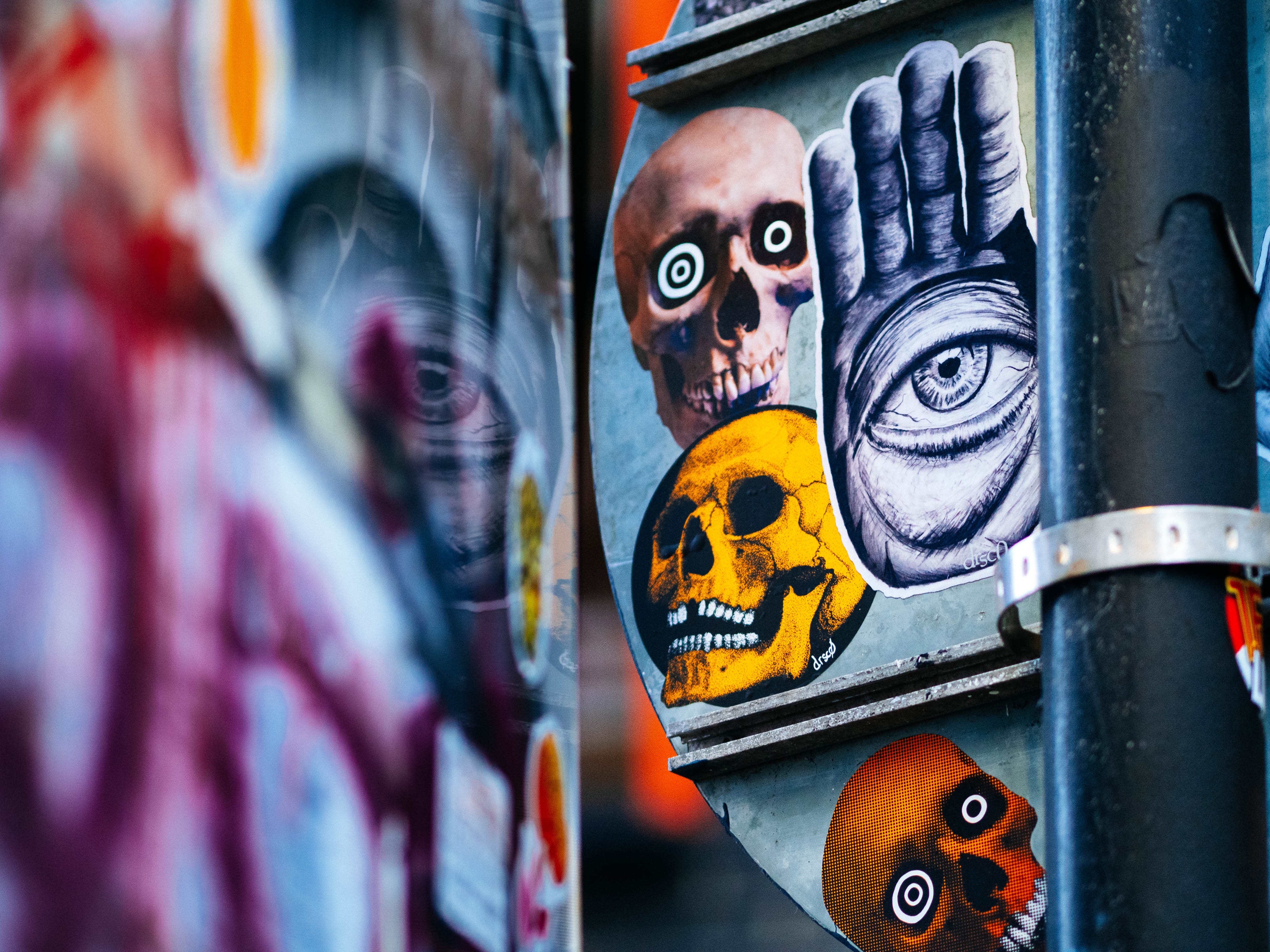
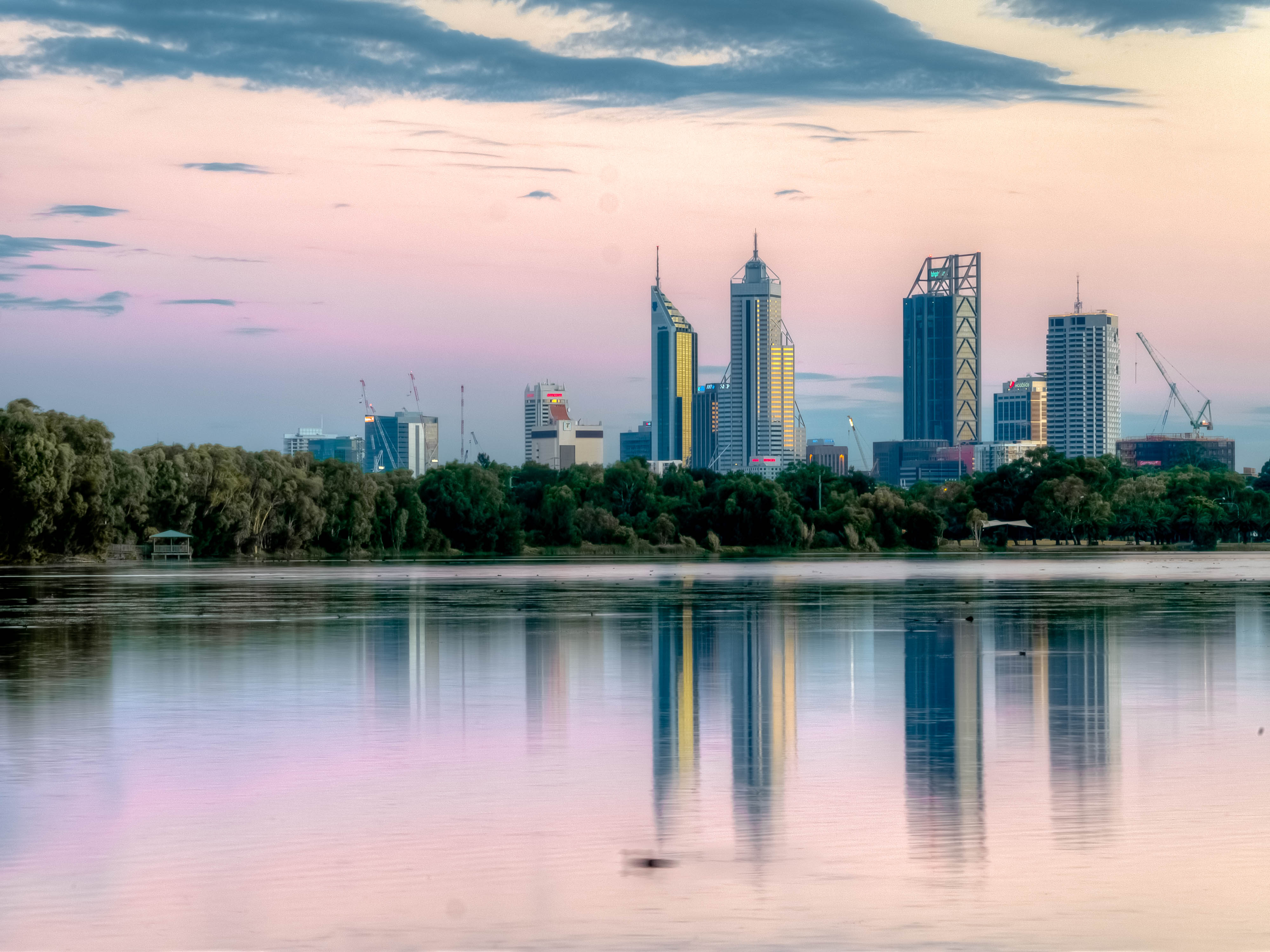
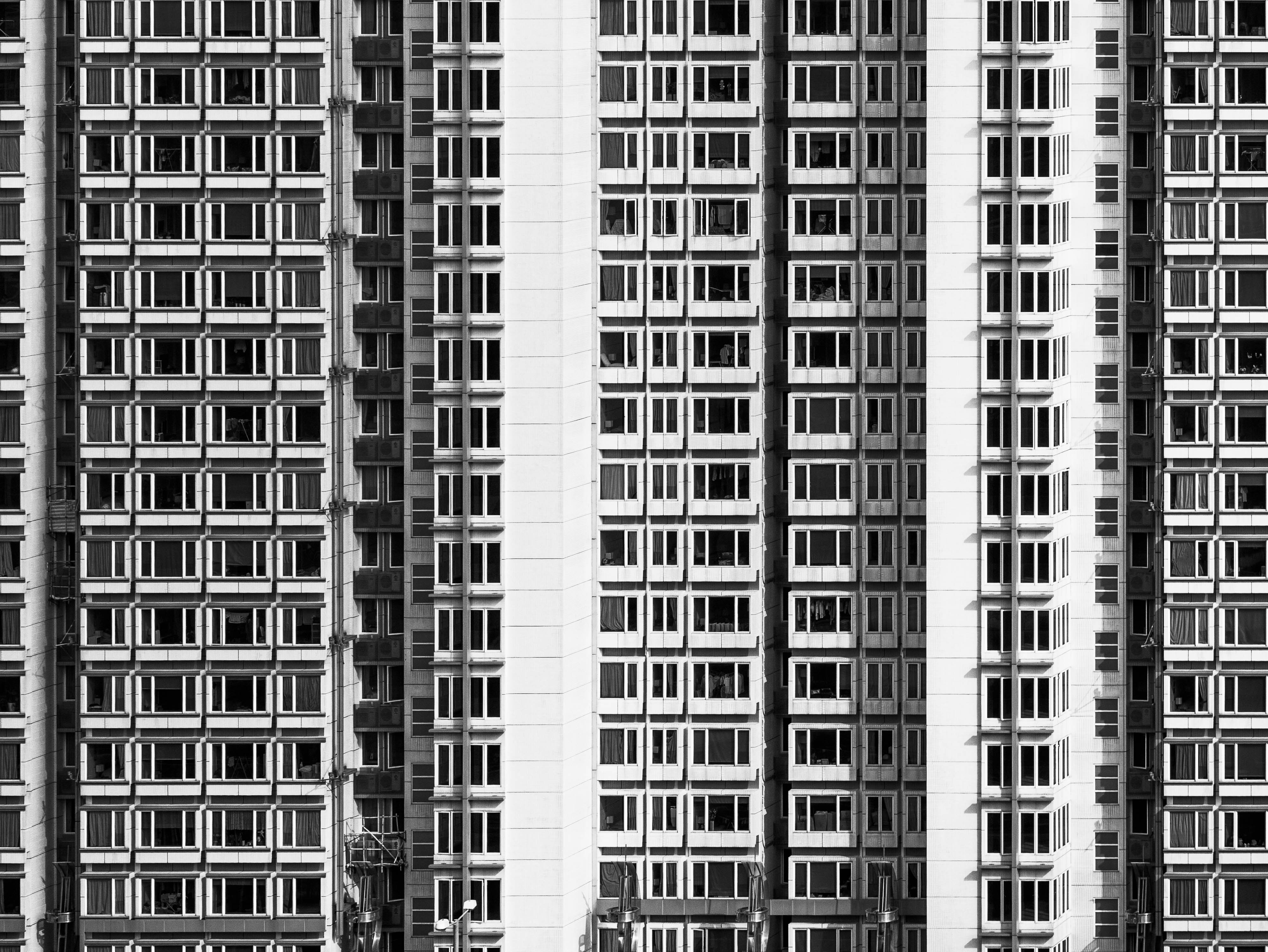
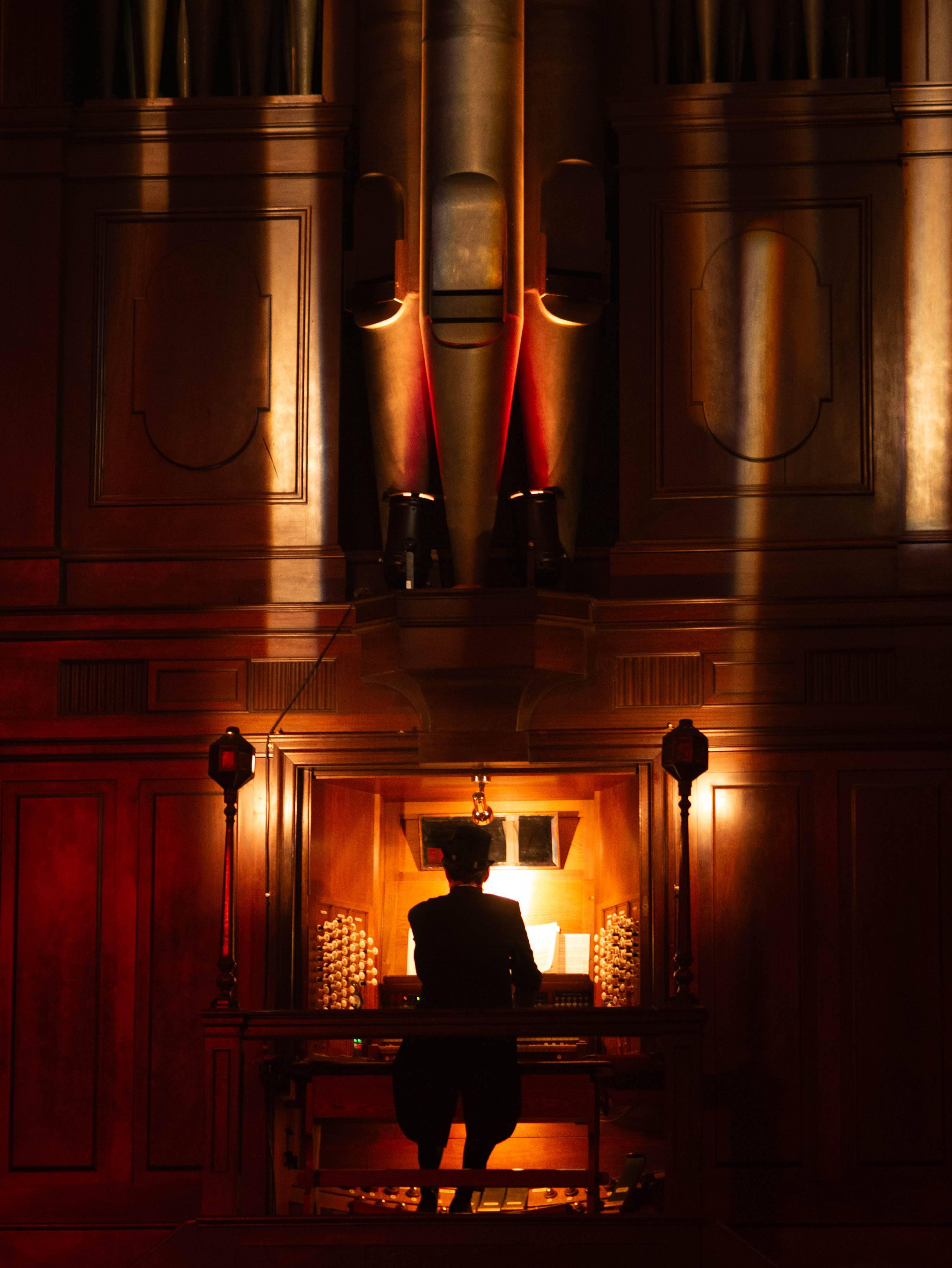
The Nikon AF Nikkor 28mm f/2.8 isn’t exactly a lens that inspires excitement. Twenty-eight millimetres might be a useful focal length, but it hardly sets the photographic world on fire. It’s wide enough to take in the world without making everything look like a Kubrick film, and there’s a good reason these lenses are so common: they’re practical and versatile.
Unfortunately, this particular version has something of a reputation problem. Introduced in 1994, the AF 28mm f/2.8 is generally regarded as a compromise compared with Nikon’s celebrated manual-focus AI-S version, which has an eight-element optical design and remained in production for more than thirty years. The AF has just six elements and is often considered optically inferior, although it’s still regarded as an improvement over the Series E lens that preceded it. The general consensus is that Nikon did better with its 24mm lenses, leaving this 28mm near the bottom of the wide-angle pile.
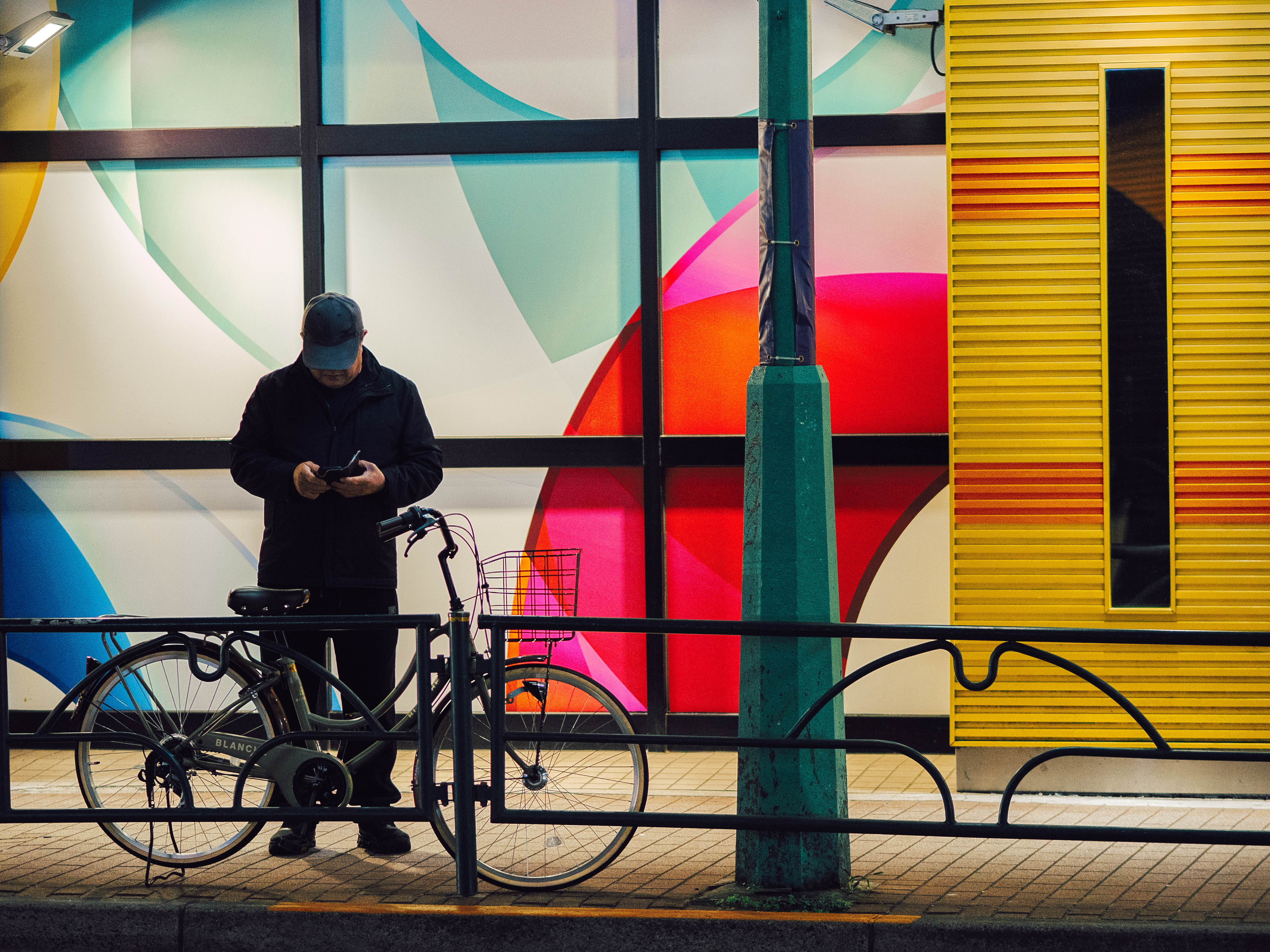
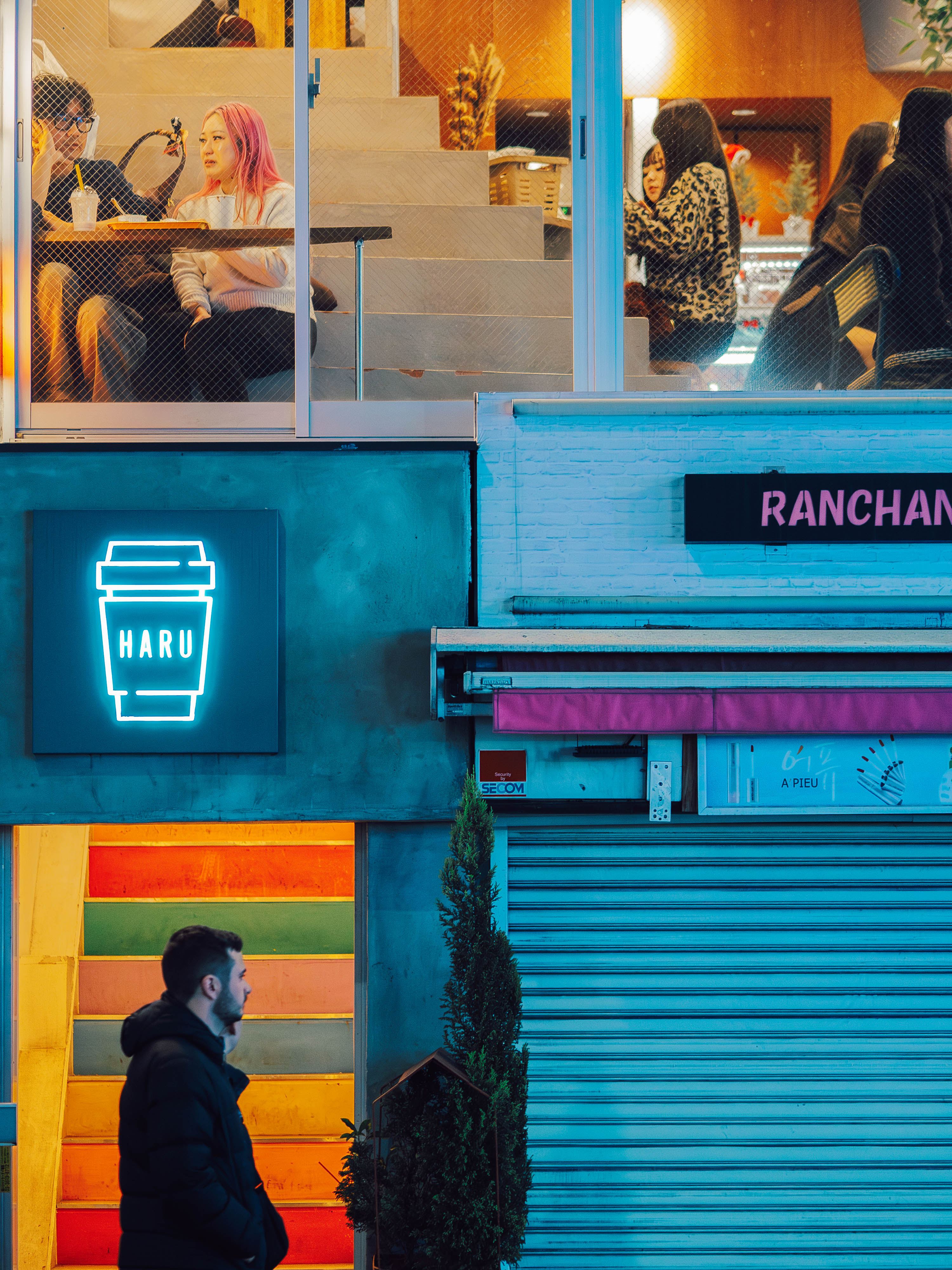
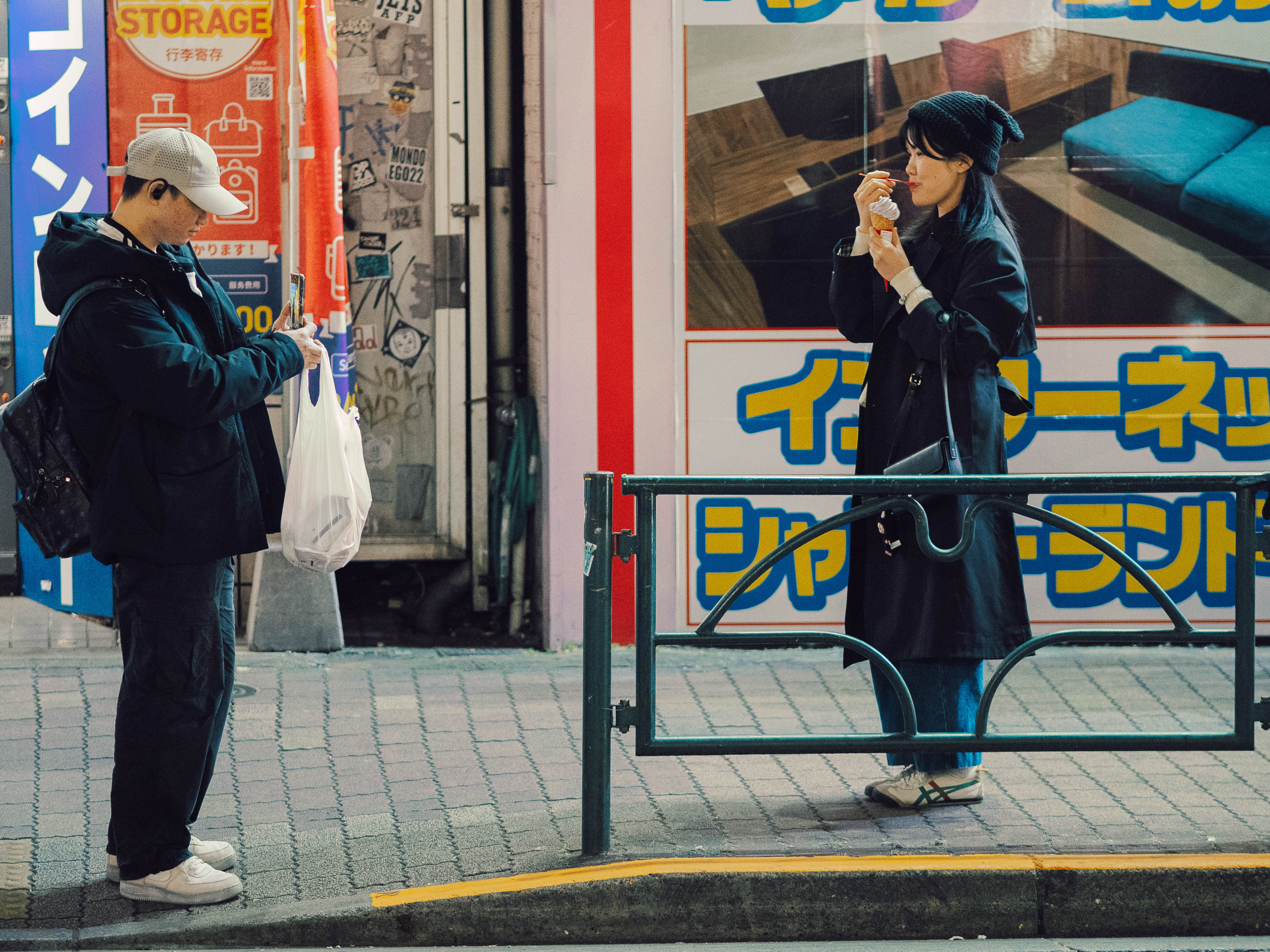
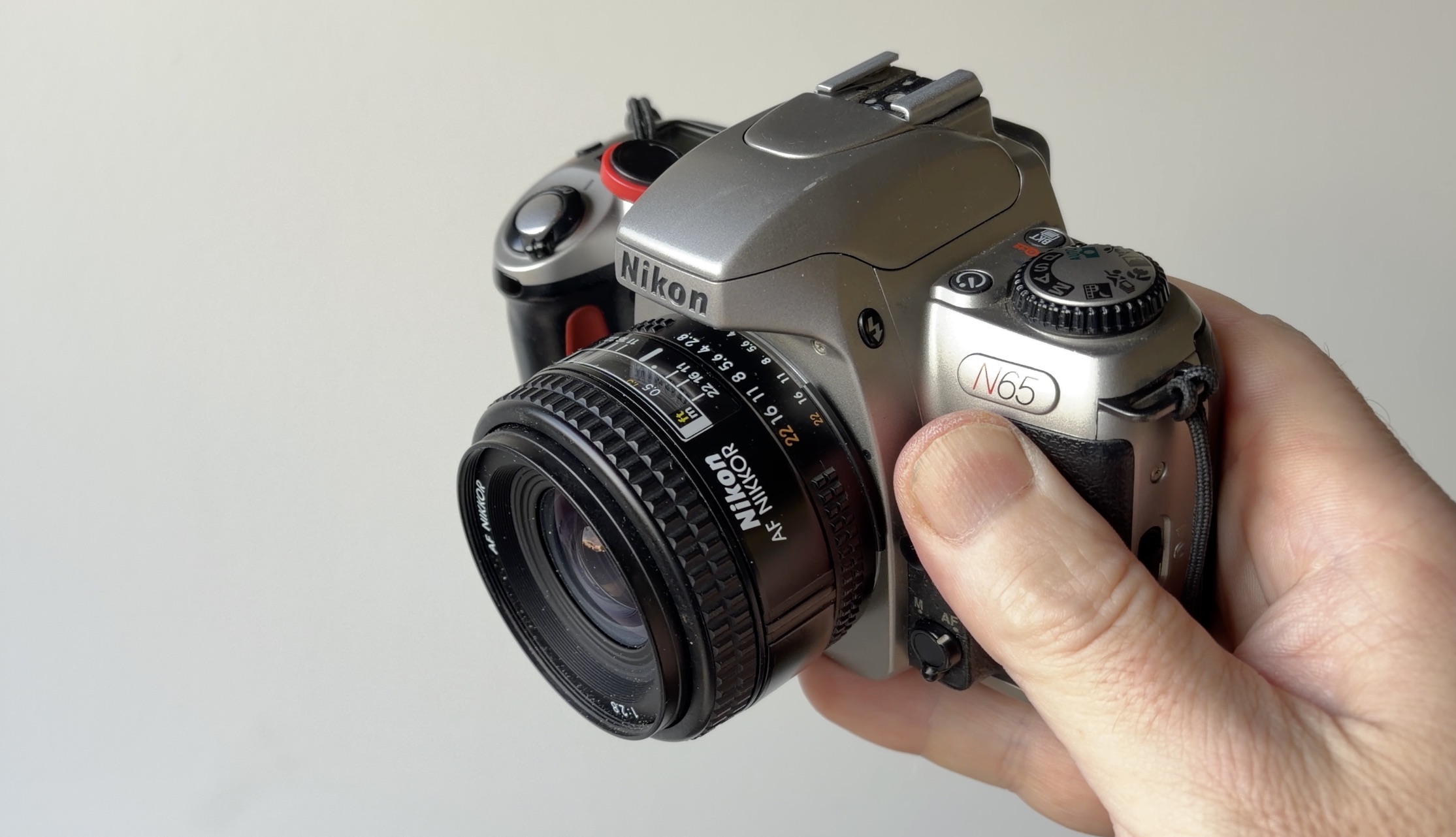
Naturally, I wanted to see whether it was really as bad as its reputation suggested. I bought the lens in Tokyo last year for my Nikon N65 and took it for a walk around Setagaya, travelling along the Oimachi line towards Jiyugaoka. To test its resolving power, I chose Ilford HP5 pushed to ISO 800. Hardly the ideal film for a resolution test, perhaps, but I’ve never been particularly good at following instructions.
A Lens That Doesn’t Want to Make a Scene
Physically, the AF 28mm f/2.8 is about as unremarkable as a lens can be. It’s small, discreet and reasonably solid, with a metal mount and an aperture ring that makes it compatible with a broad range of Nikon cameras. The manual-focus ring is narrow but usable, with a rubberised surface and reasonably smooth movement. It doesn’t feel luxurious, but neither does it seem likely to fall apart.
As an AF lens, it relies on the camera’s screw-drive autofocus motor, so it won’t autofocus on bodies that lack one, including many cheaper DSLRs and Nikon Z-series cameras. Put it on a compatible body such as the N65, however, and it focuses quickly enough to get on with the job. There’s nothing especially exciting about its construction or handling, but that’s part of its appeal: it quietly gets on with things.
The bigger challenge was learning to work with the 28mm focal length. I often wished I could get closer to my subjects, particularly when photographing people across a railway platform or trying to give an individual more presence in a busy scene. Some images needed cropping, while others would have benefited from a different approach to composition. Famous street photographers such as Garry Winogrand and Daido Moriyama have made remarkable photographs with 28mm lenses, but that doesn’t mean I’m automatically going to achieve the same results.
In practice, this feels like a meat-and-potatoes lens: a sensible choice for photojournalists, enthusiasts and anyone wanting something wider than a standard lens. It’s useful, but it requires thought about distance, framing and how much of the surrounding environment belongs in the picture.
The Optical Problems Are Real
When it comes to optical performance, the AF 28mm f/2.8 doesn’t exactly cover itself in glory. Distortion is one of its more obvious shortcomings, particularly in scenes containing straight lines. Software correction helps, but the distortion isn’t uniform, and architectural photography would probably require additional Photoshop work to deal with the remaining moustache-shaped warping.
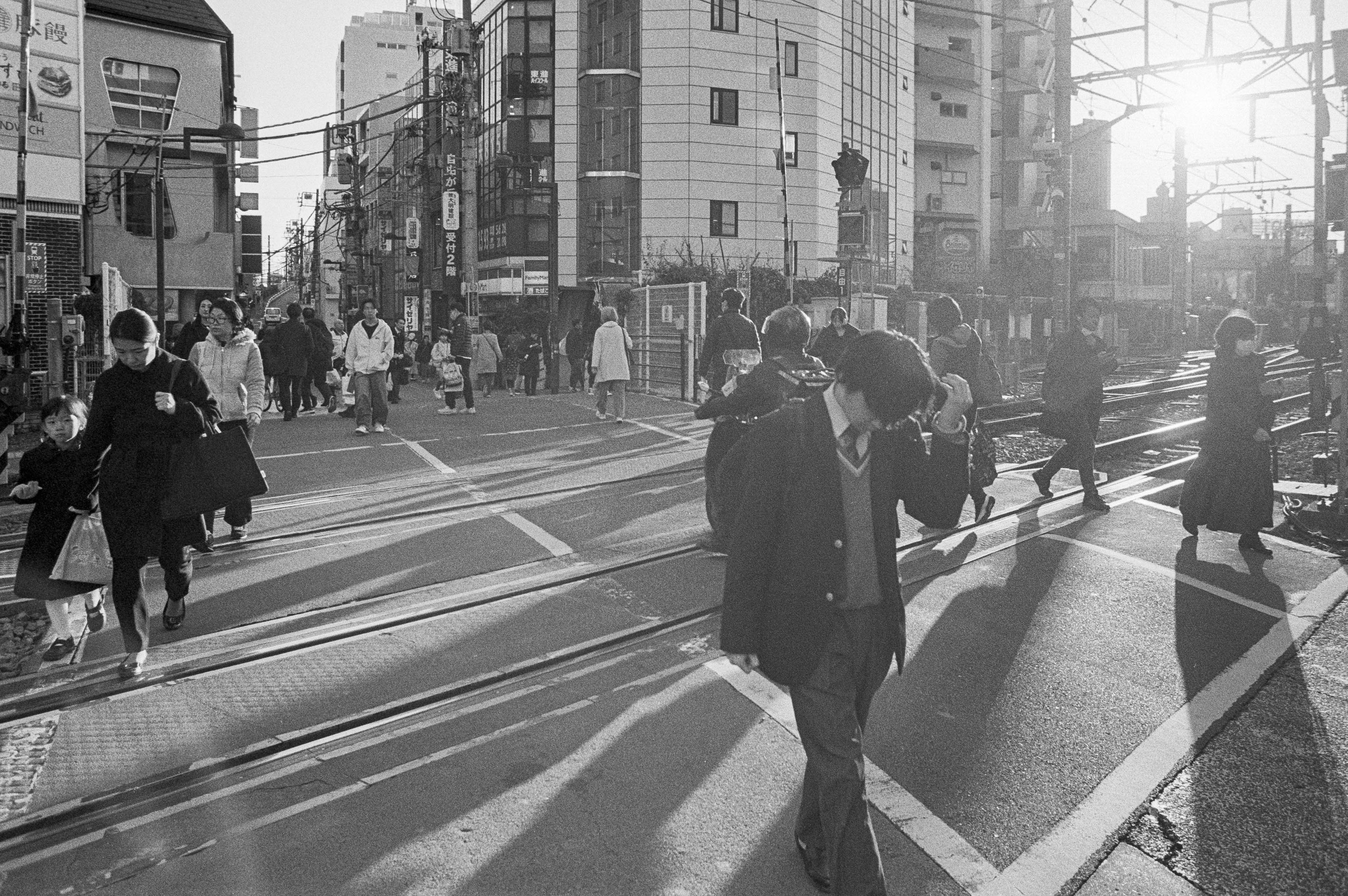
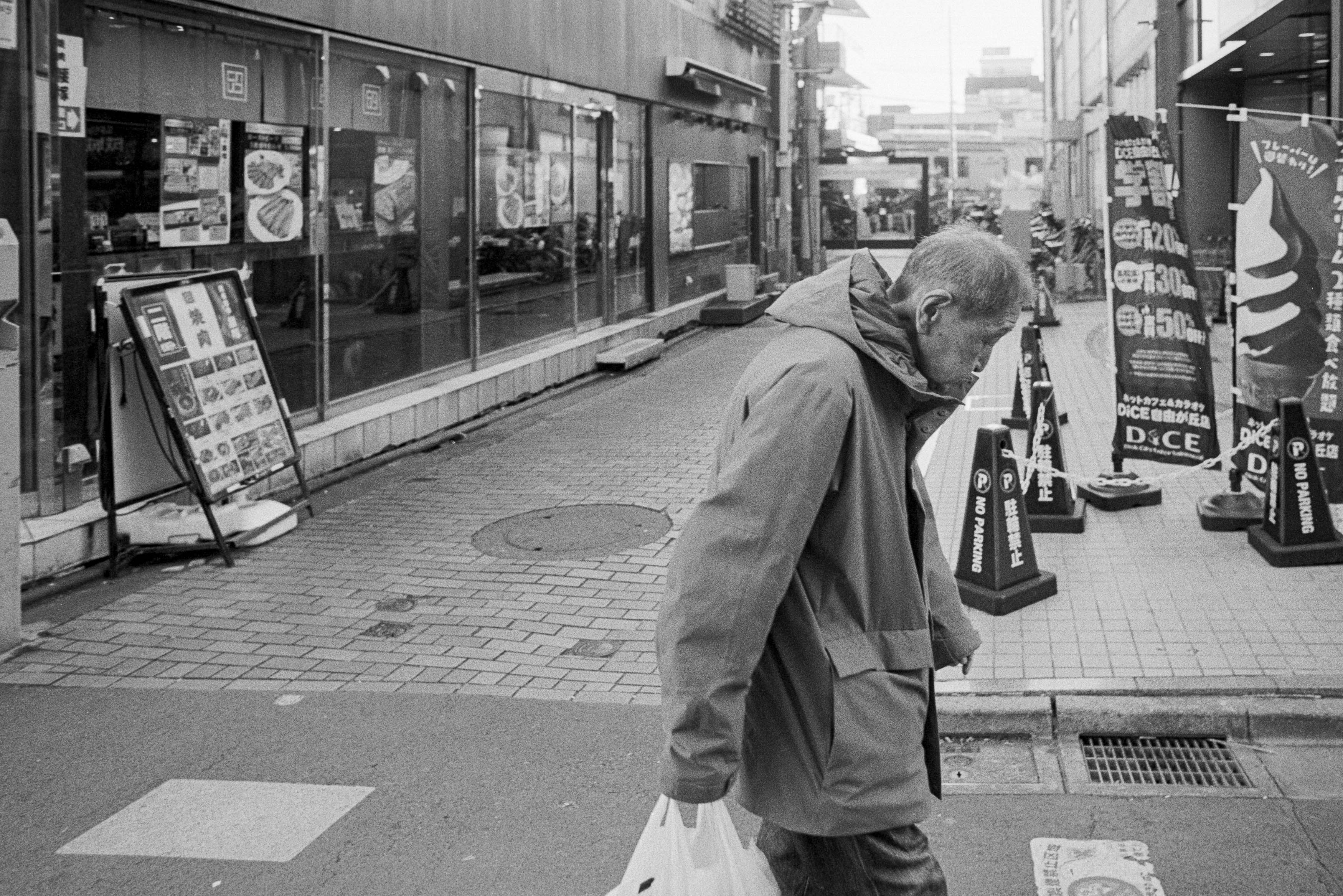
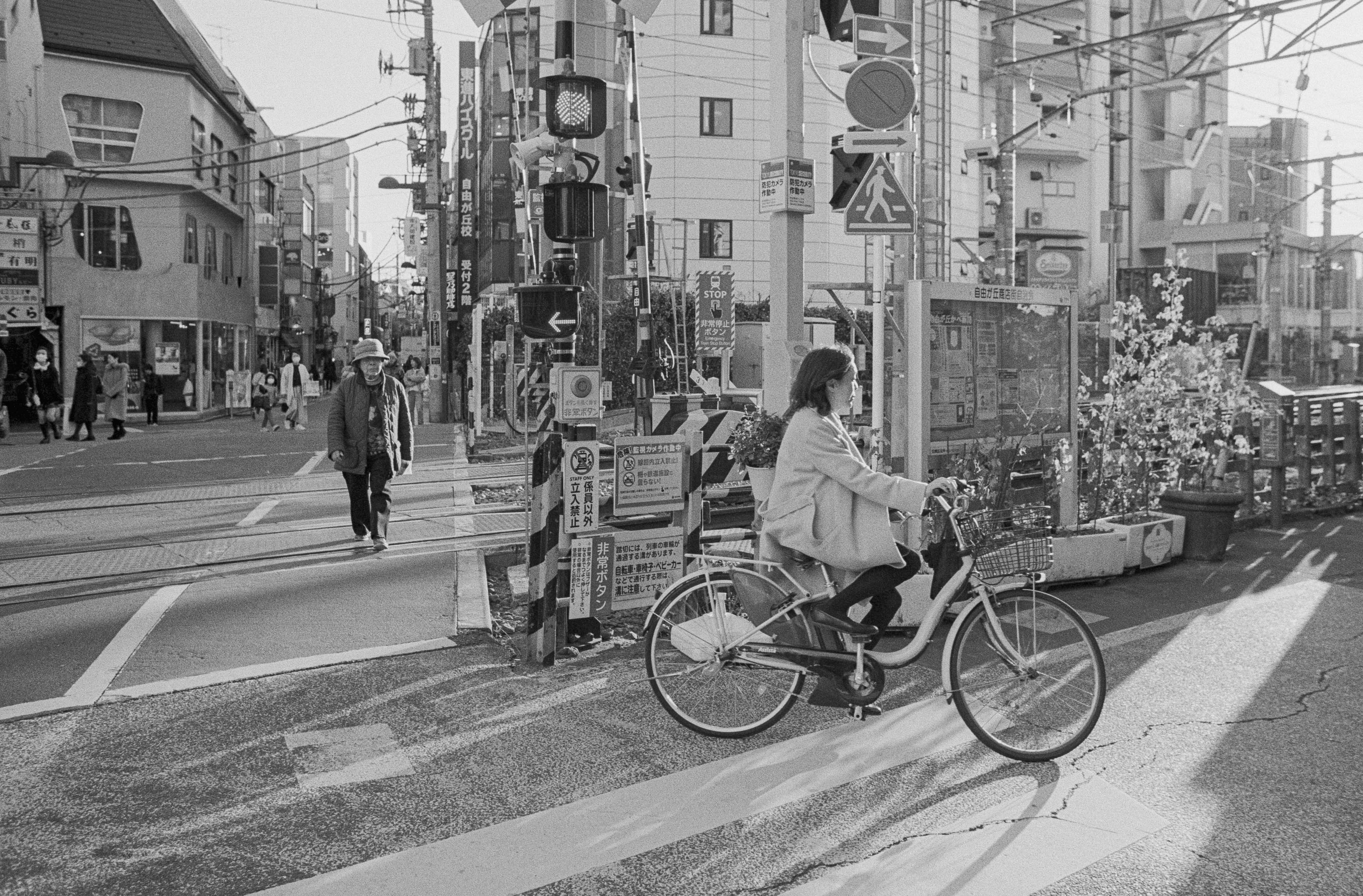
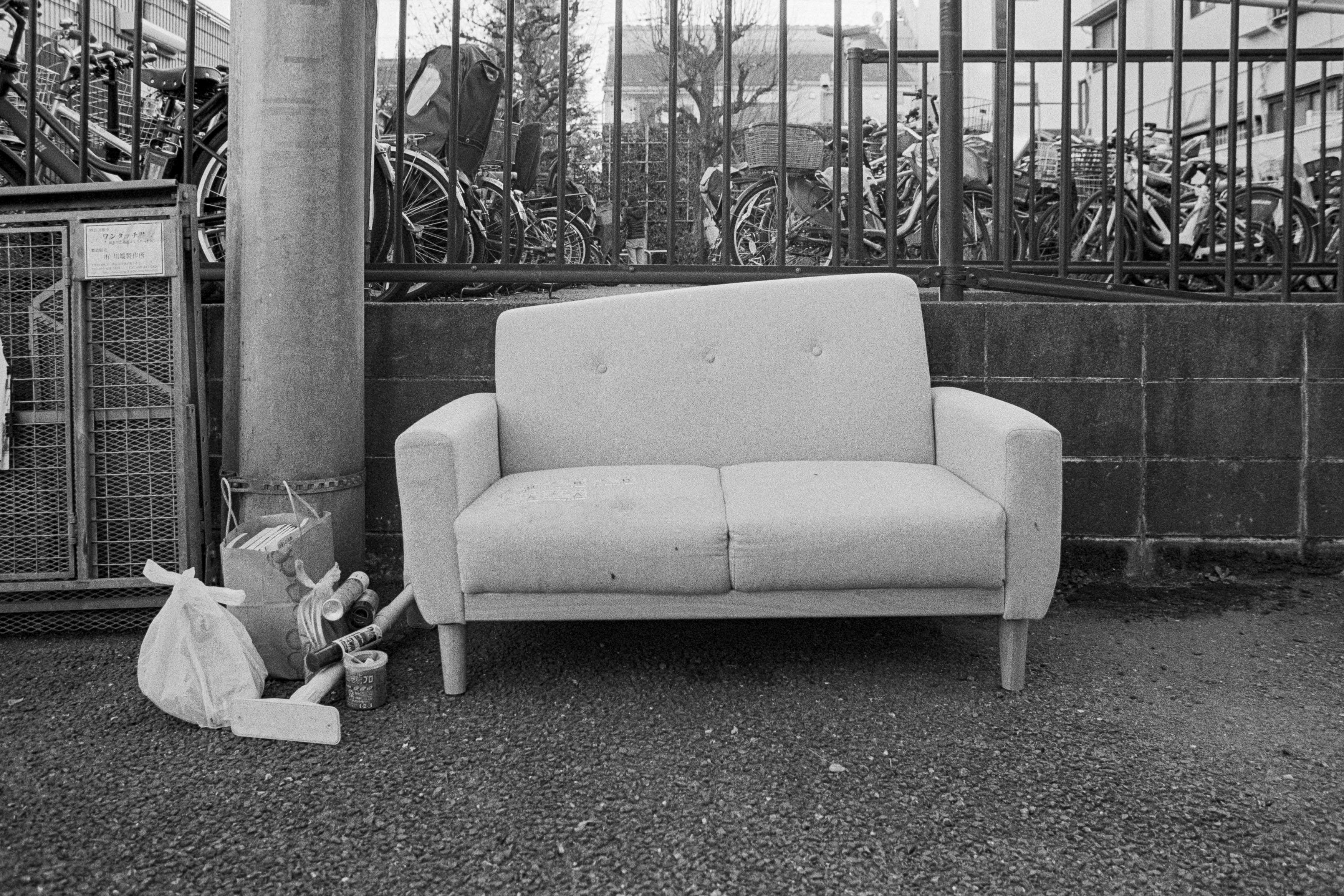
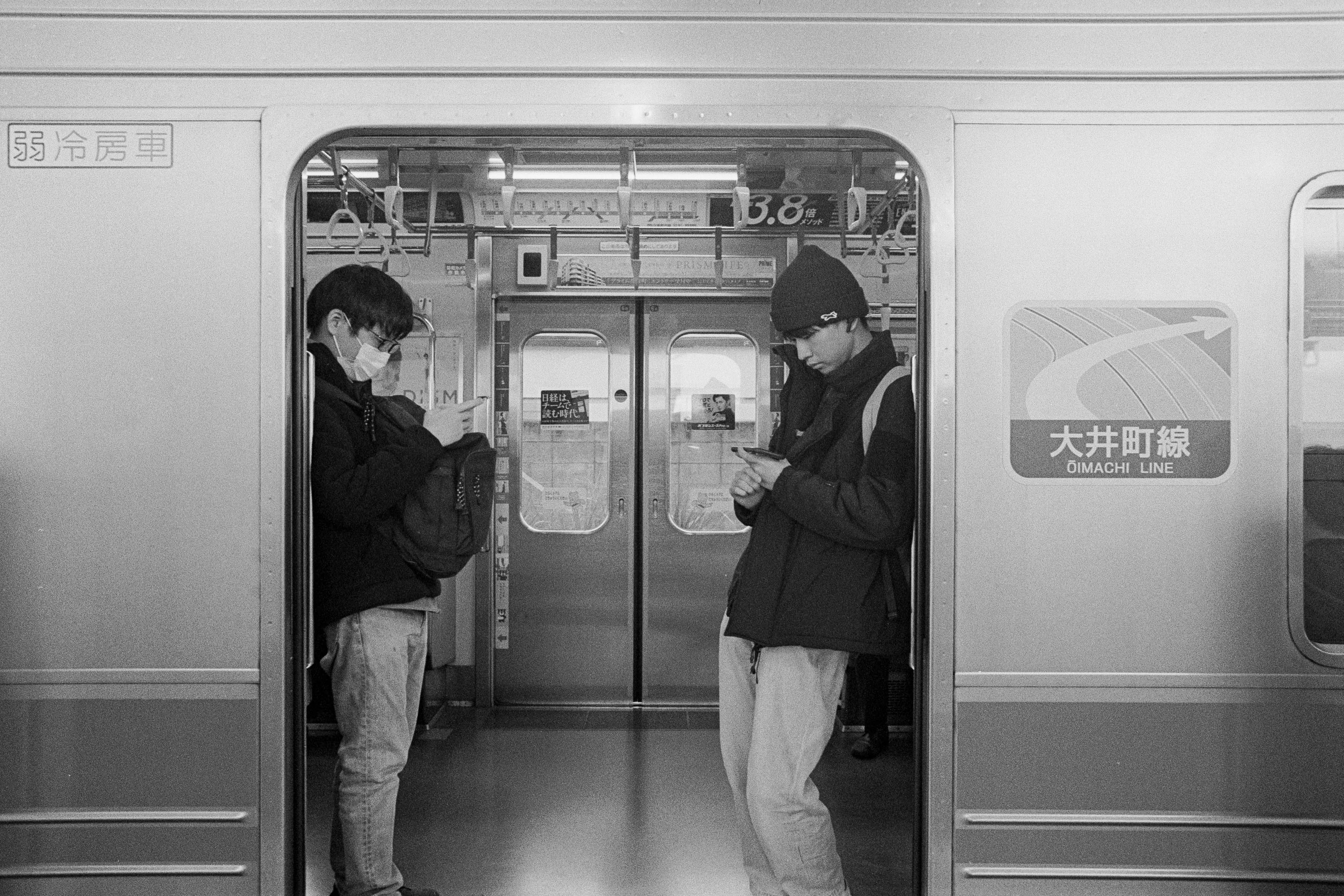
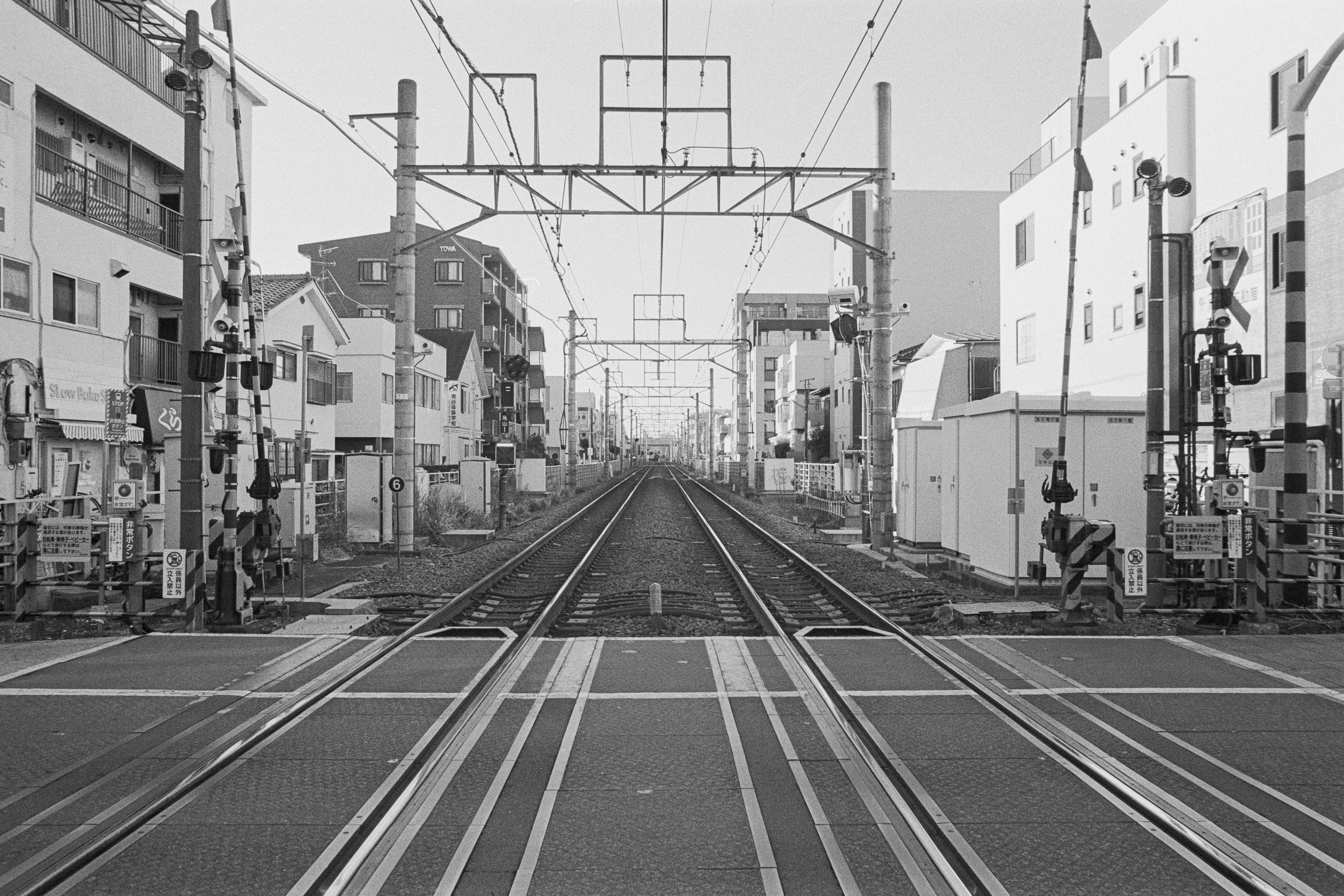
Sharpness is another weakness. At f/2.8, the centre is reasonably sharp, but the corners look as though someone has smeared them with Vaseline. Stopping down improves matters, although the lens really begins to look convincing around f/11, when sharpness becomes more consistent across the frame. That’s hardly ideal if you want modern, clinically sharp results, but it isn’t necessarily the end of the story.
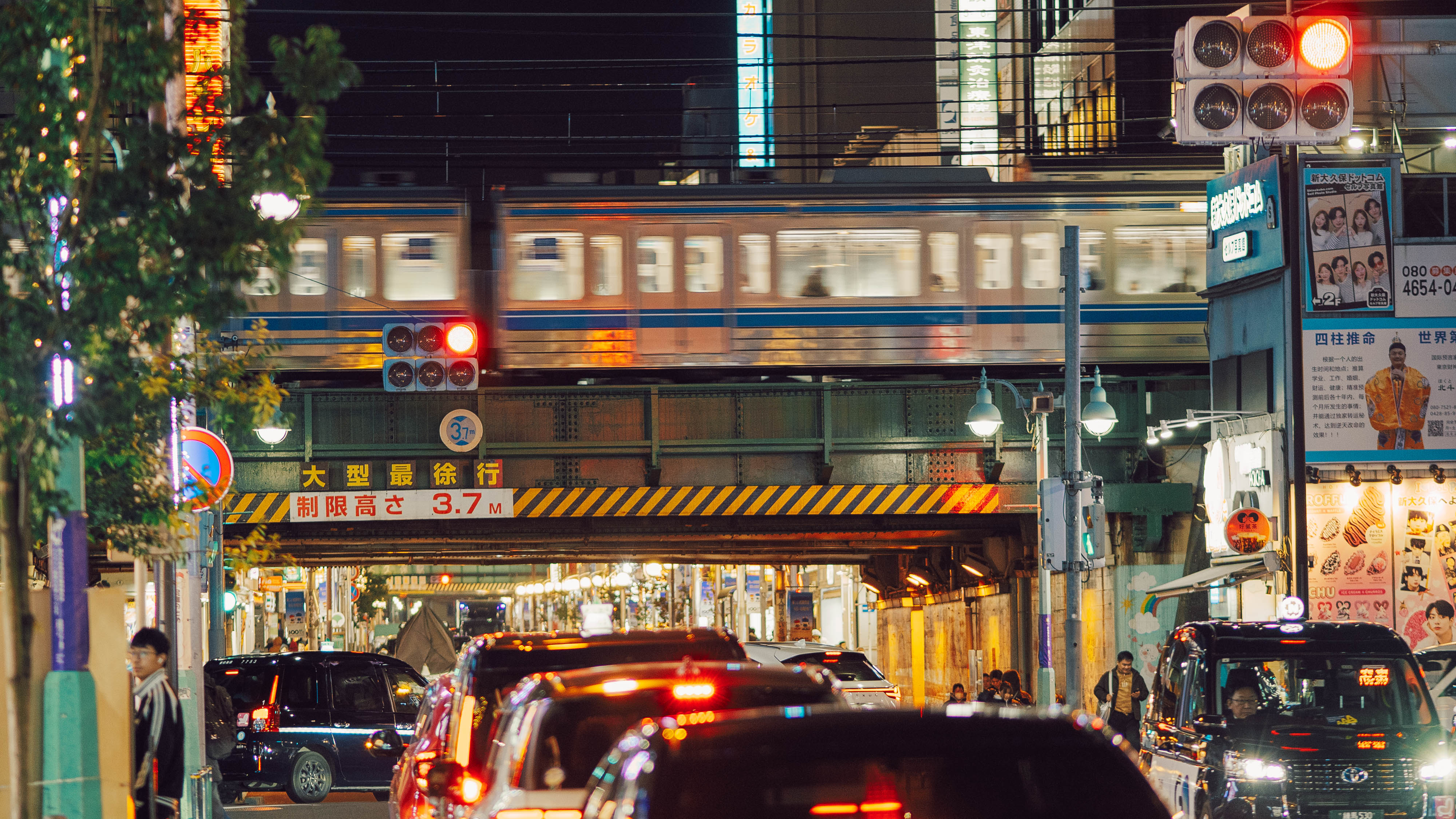
Flare is more complicated. The small, recessed front element helps in ordinary shooting, but pointing the lens directly towards the sun can produce obvious flare, particularly at wider apertures. Whether that’s a problem depends on what you’re trying to achieve. I enjoyed the effects when photographing in the weak winter sunlight around Jiyugaoka. Rather than ruining the photographs, the flare sometimes added atmosphere and made busy scenes more interesting.
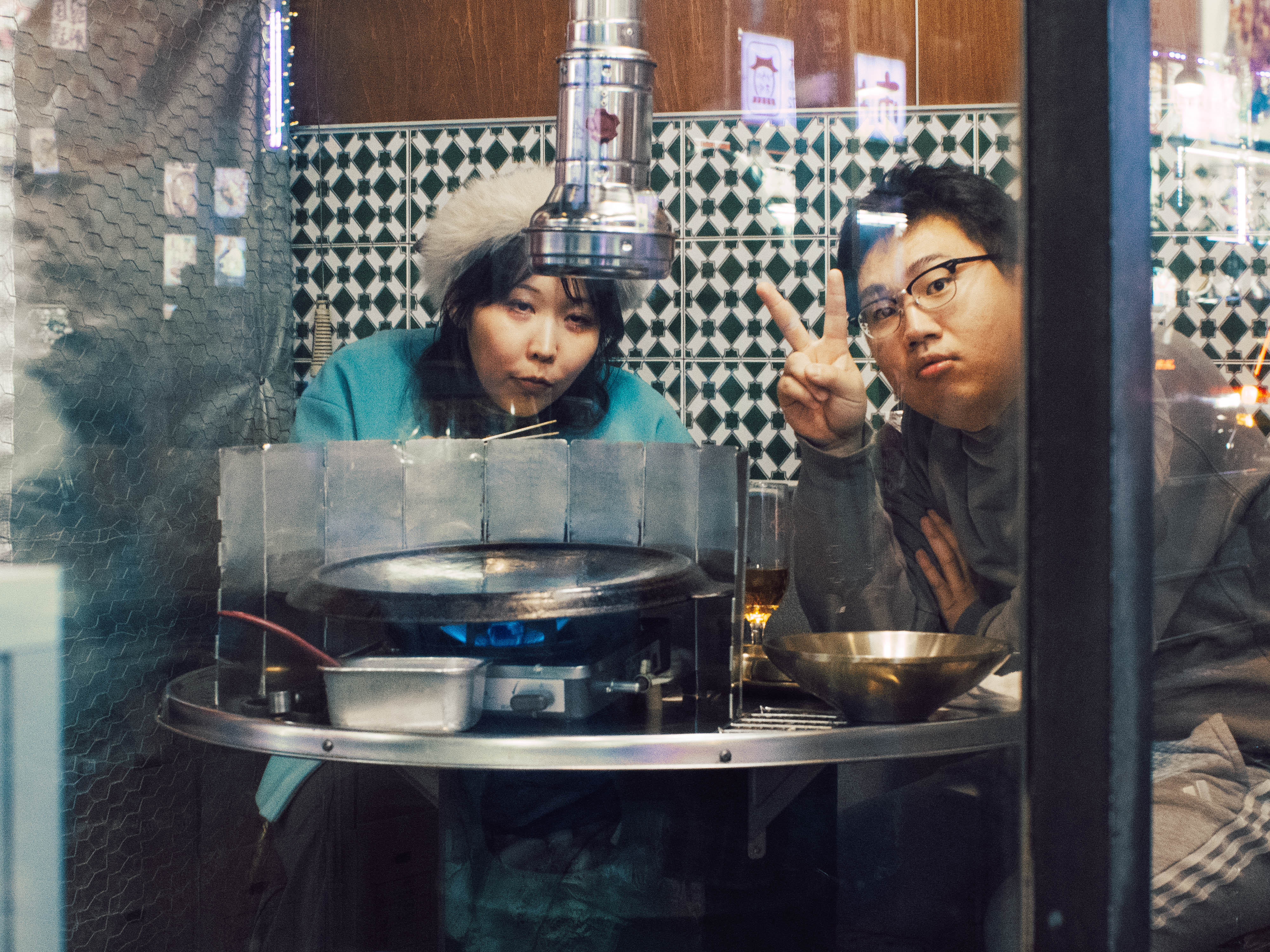
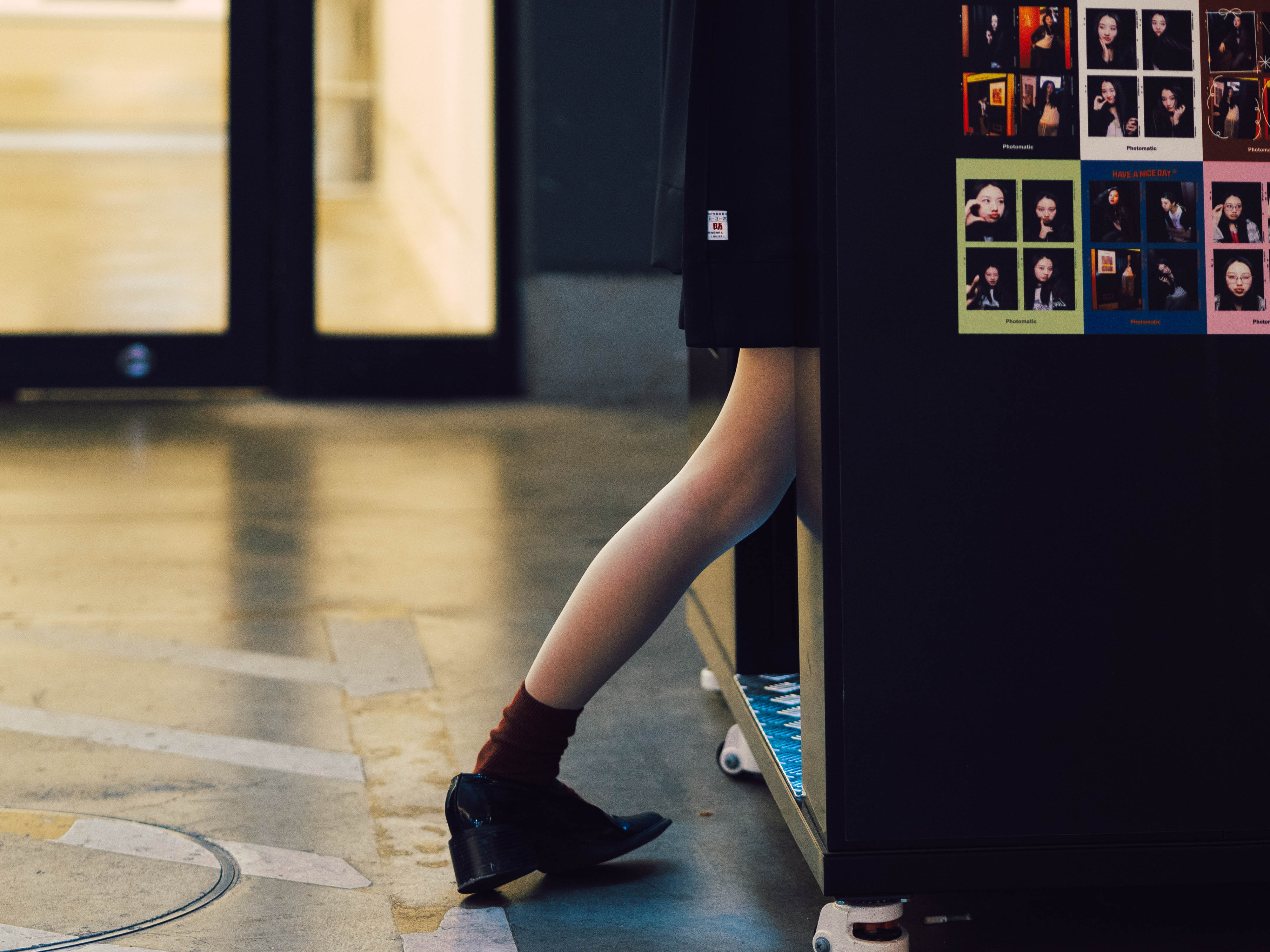
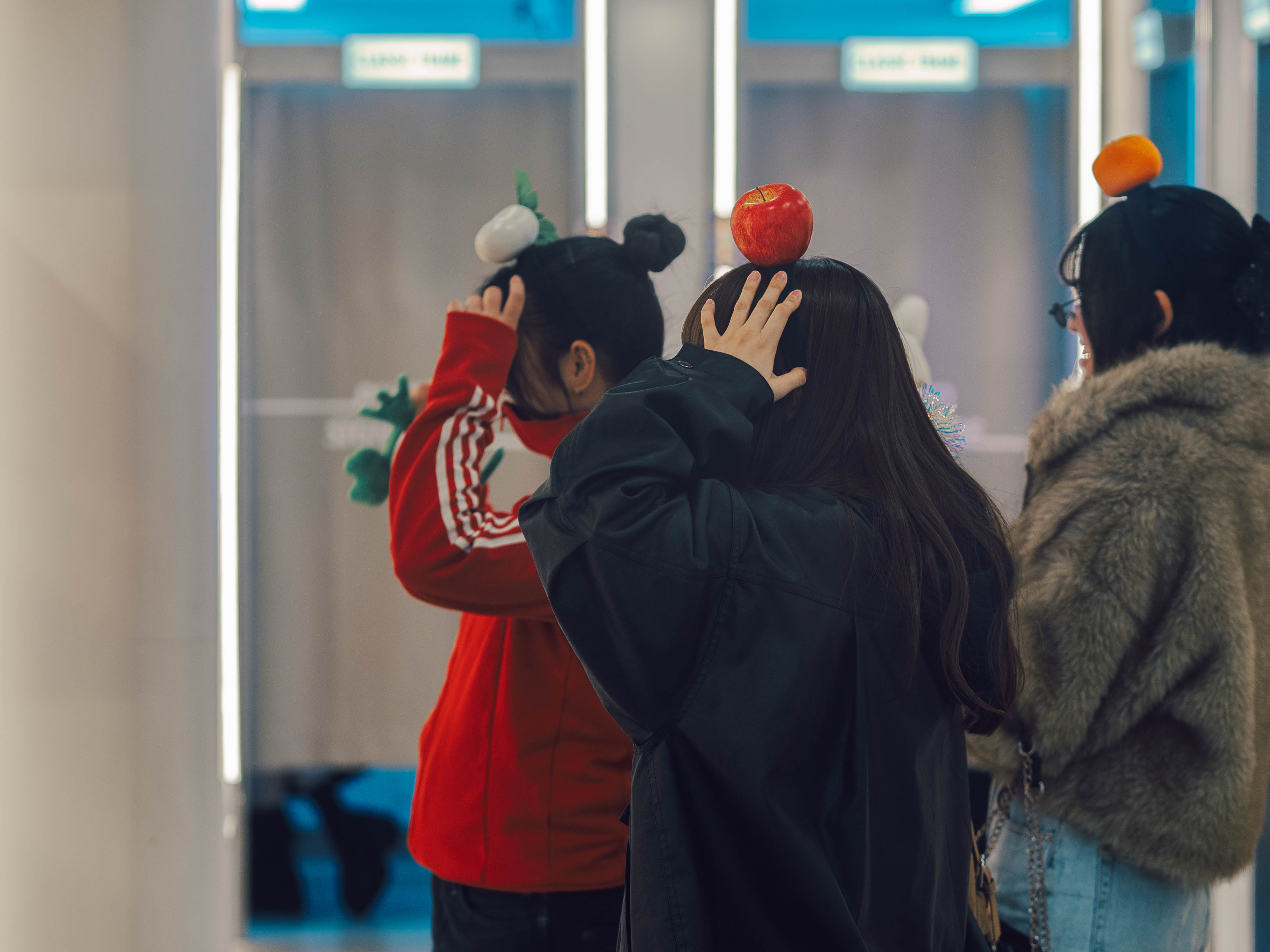
After two rolls of HP5 pushed to ISO 800, I had enough photographs to judge the lens on its own terms. The results weren’t technically impressive in every respect, but they were far from useless. The busier street scenes generally worked best, with people becoming part of the environment rather than isolated subjects. I particularly liked balanced compositions where anonymous figures contributed to the scene and the lighting did more of the work than sharpness ever could. Even a railway crossing proved difficult to resist, although railway crossings are practically cheating when it comes to street photography.
More Than the Sum of Its Parts
So, is the Nikon AF Nikkor 28mm f/2.8 a terrible lens? Optically, there are certainly reasons to criticise it. It’s soft at wider apertures, distortion can be troublesome, and shooting directly into the light reveals its limitations. If technical perfection is the goal, there are better options, including Nikon’s more highly regarded manual-focus 28mm.
Yet I came away feeling more positive about this lens than its reputation might suggest. Once it was on the camera, I stopped worrying about its shortcomings and simply enjoyed taking photographs. I didn’t particularly mind the results either, which is not always something I can say about my own work.
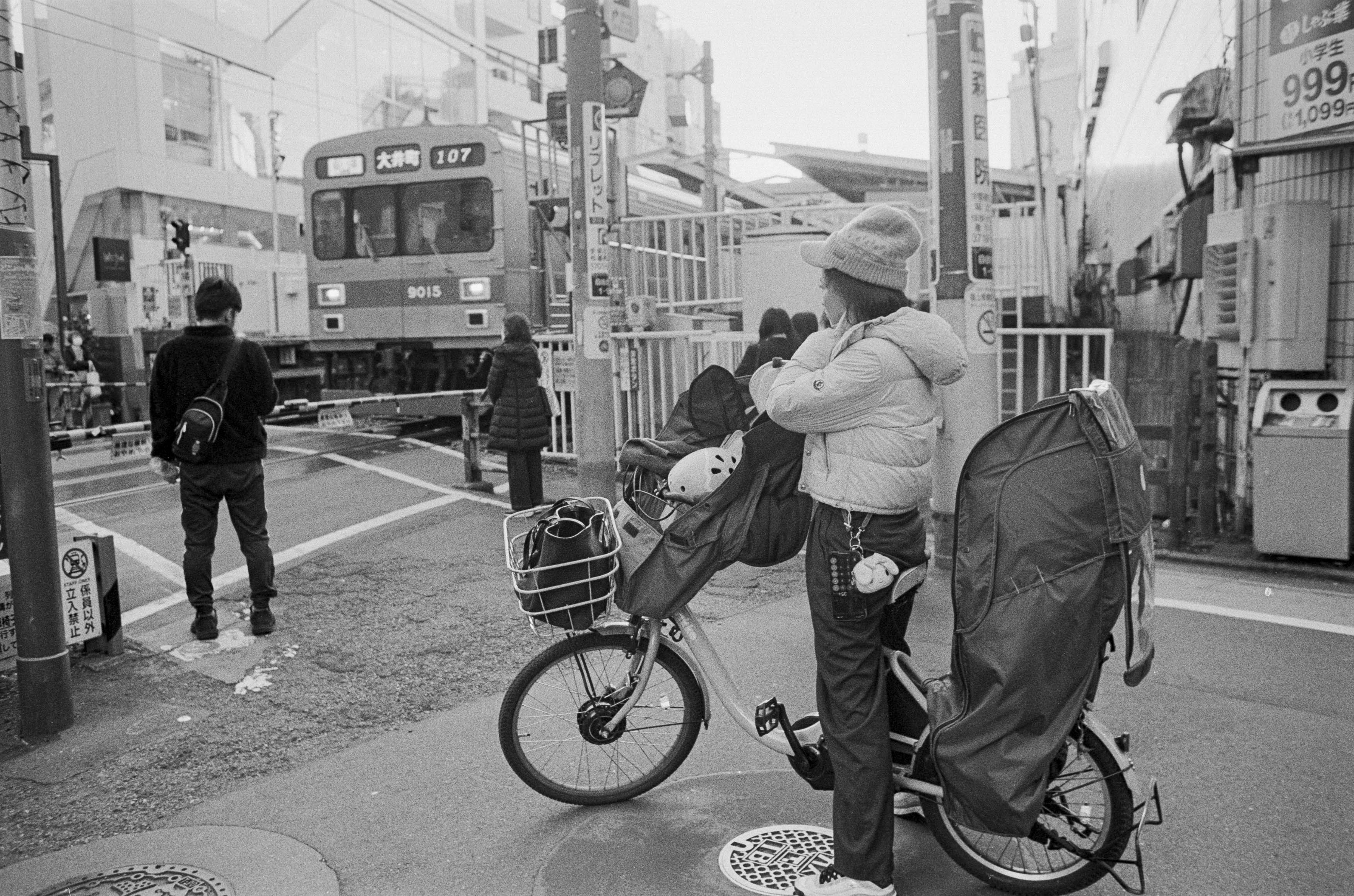
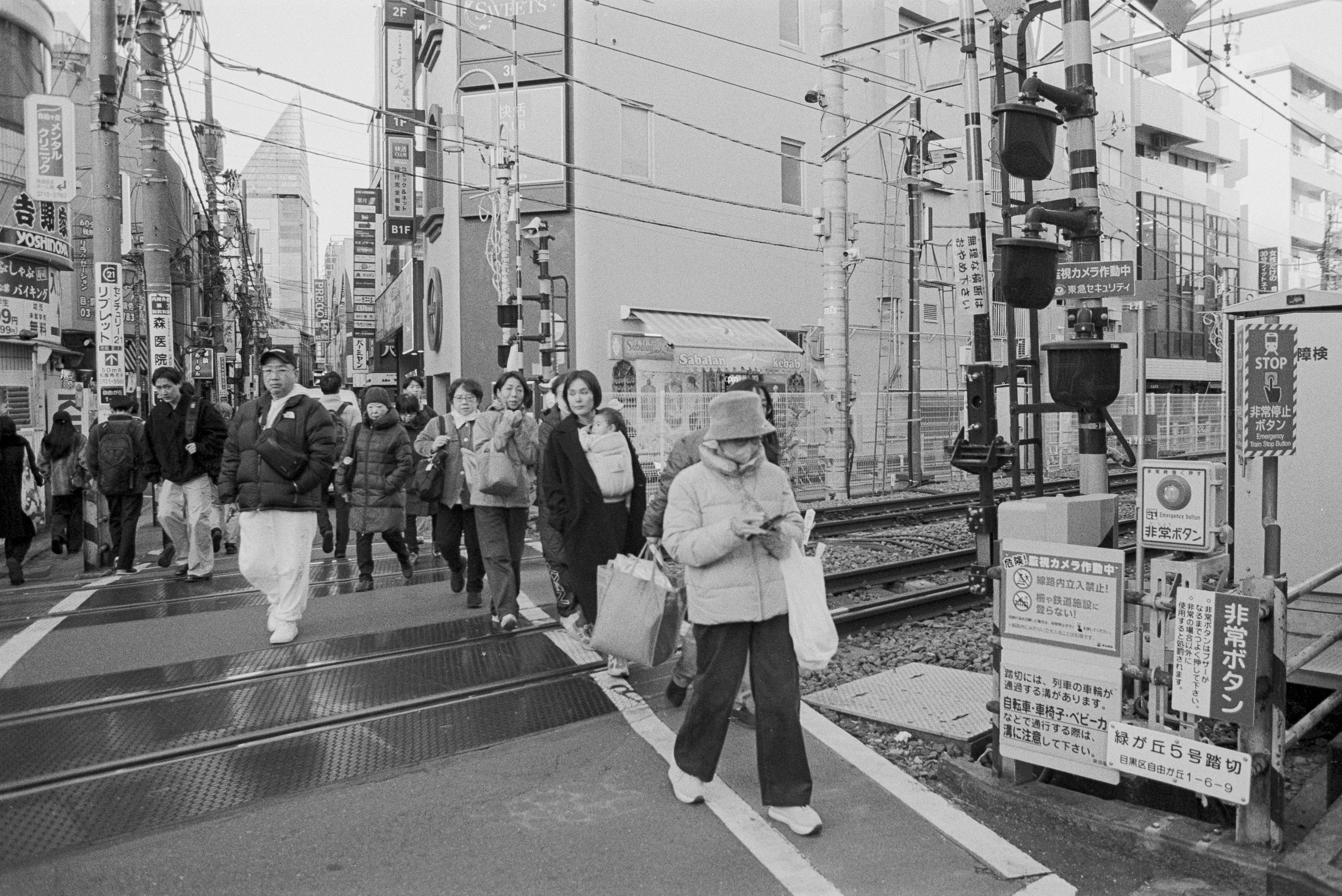
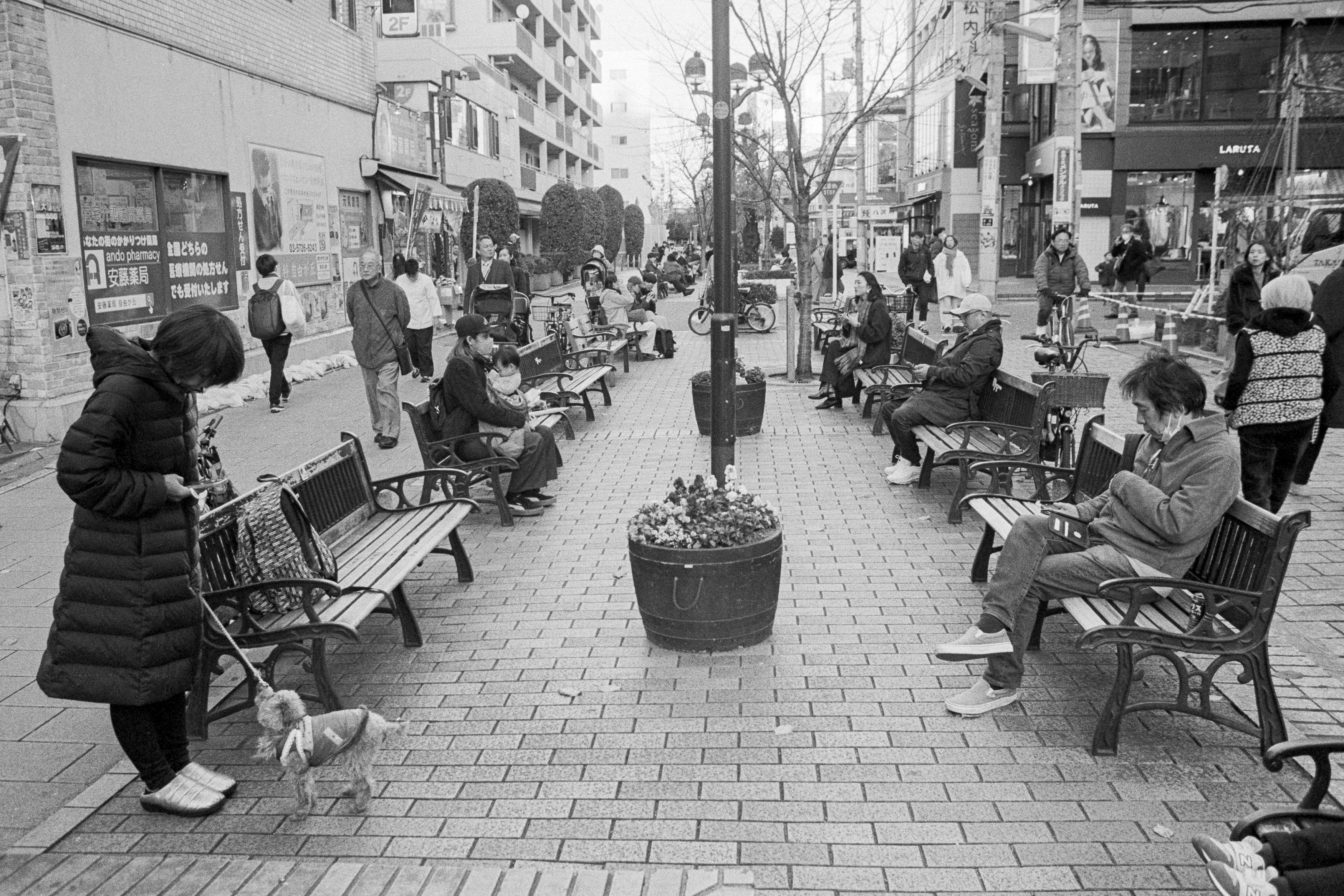
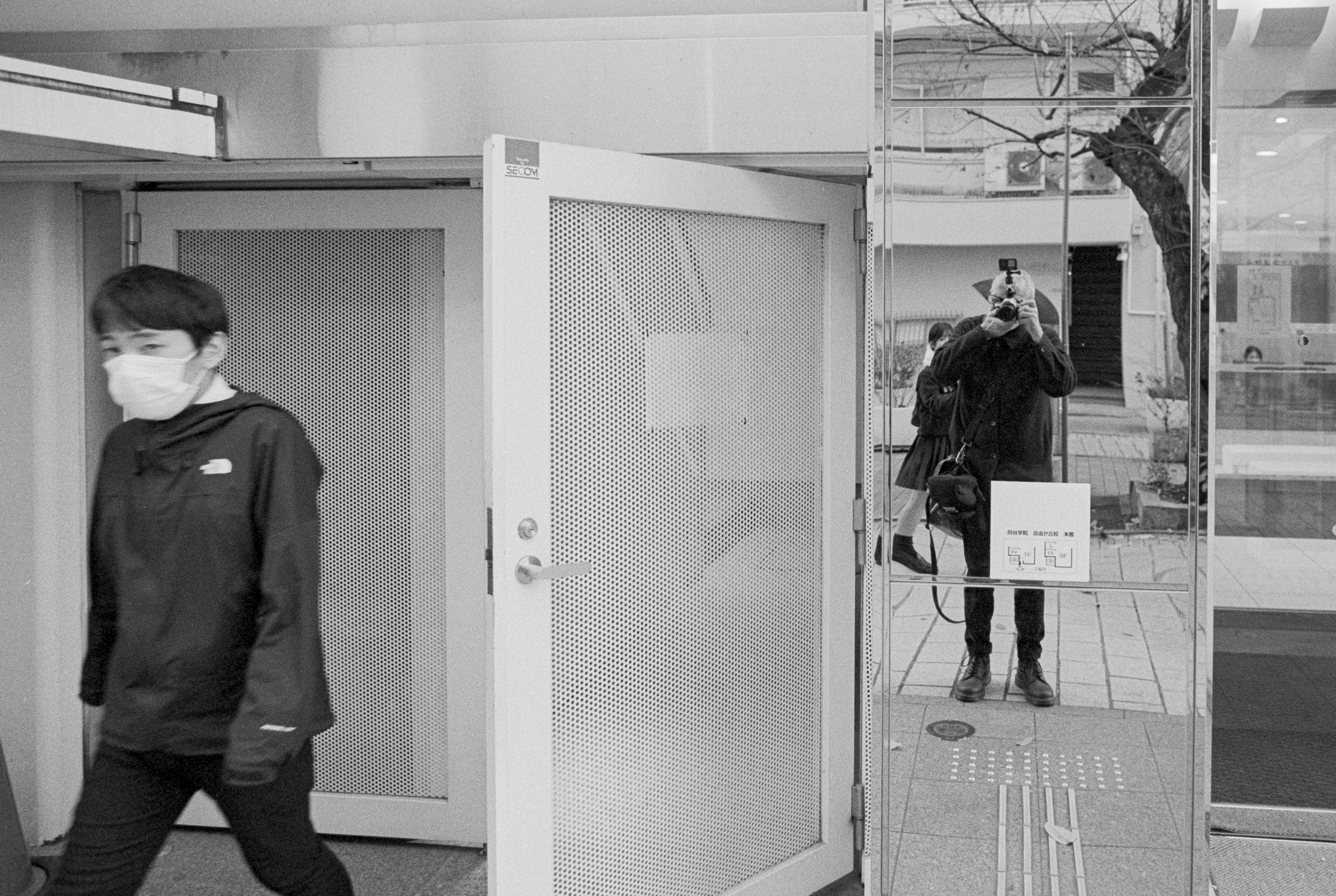
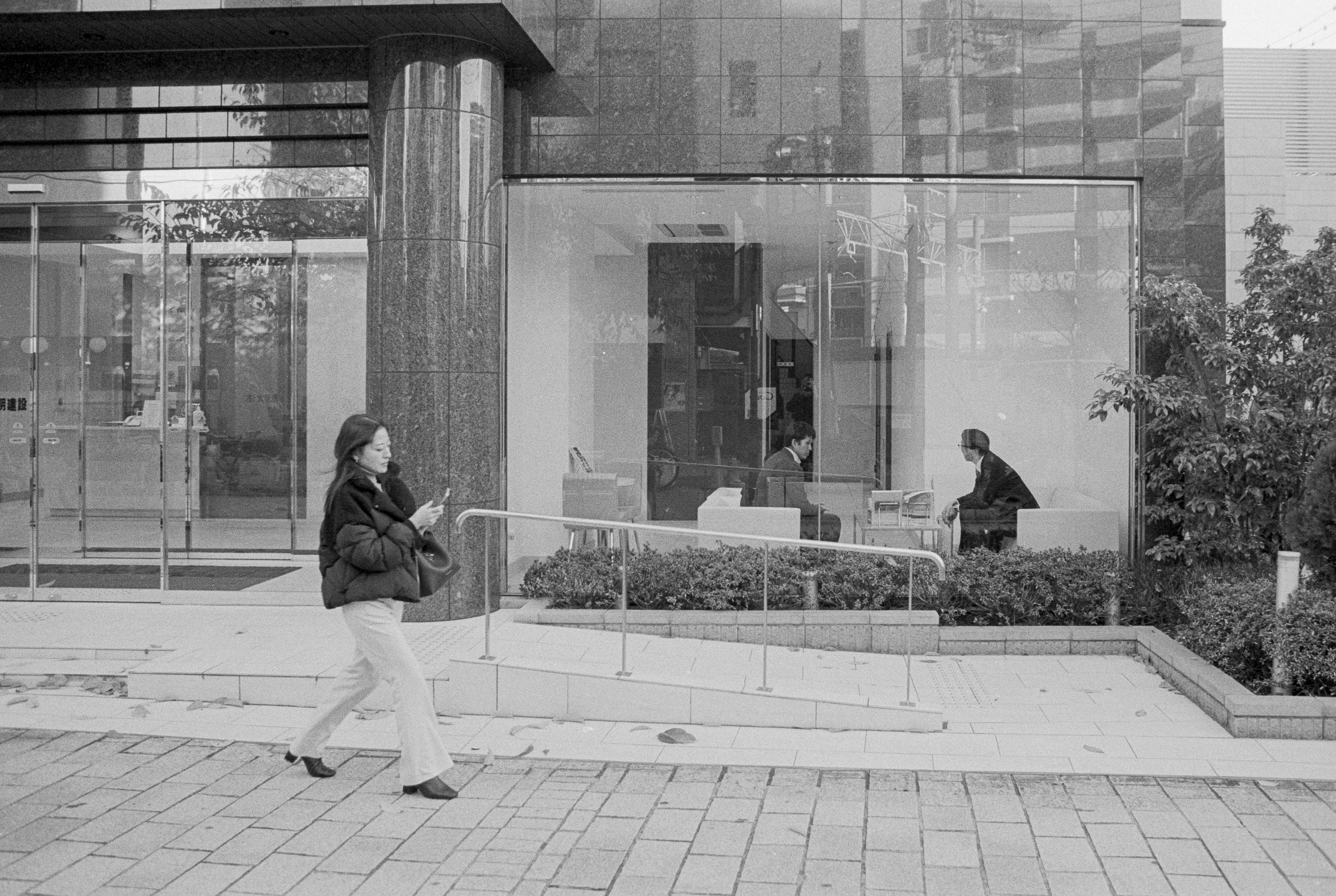
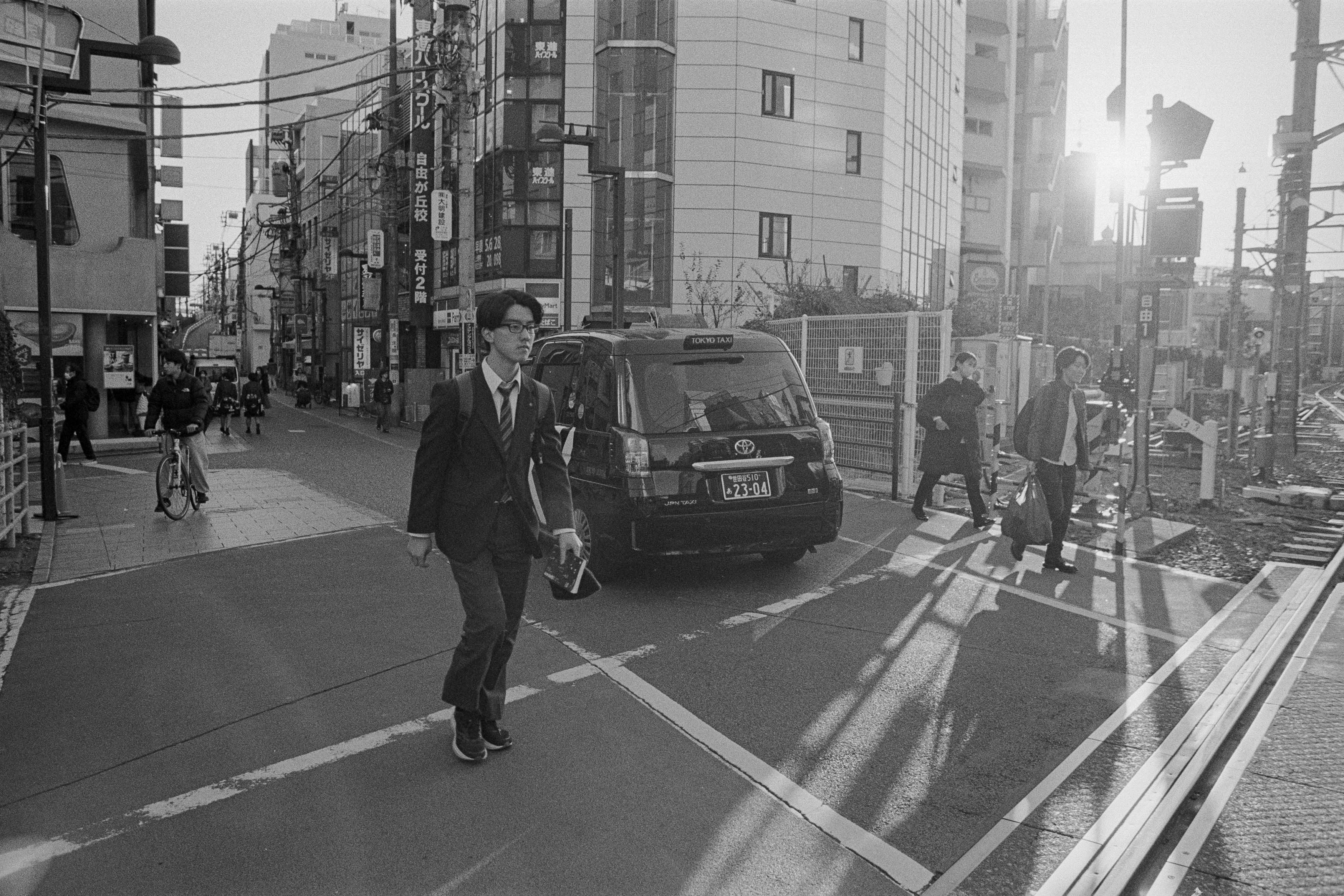
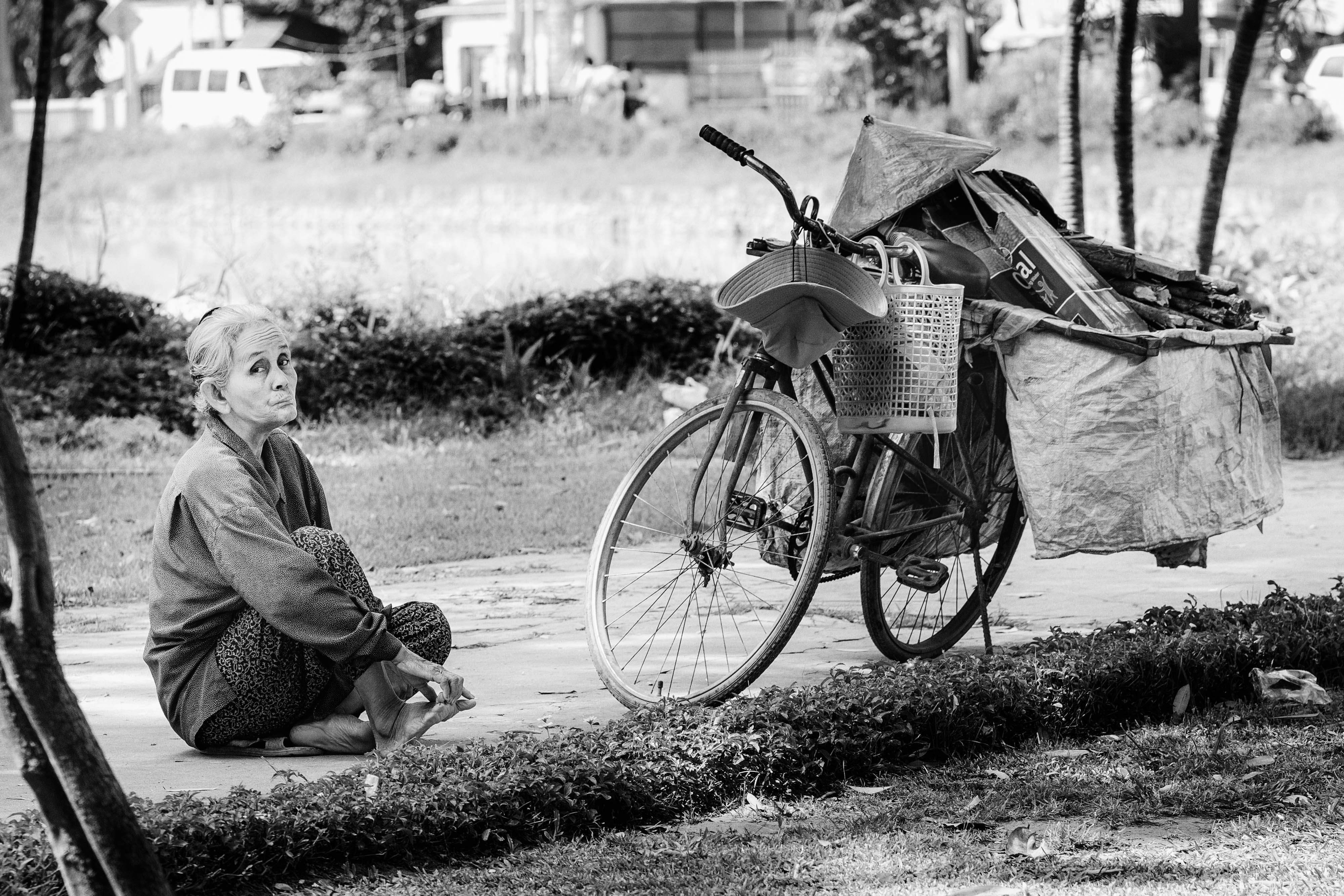
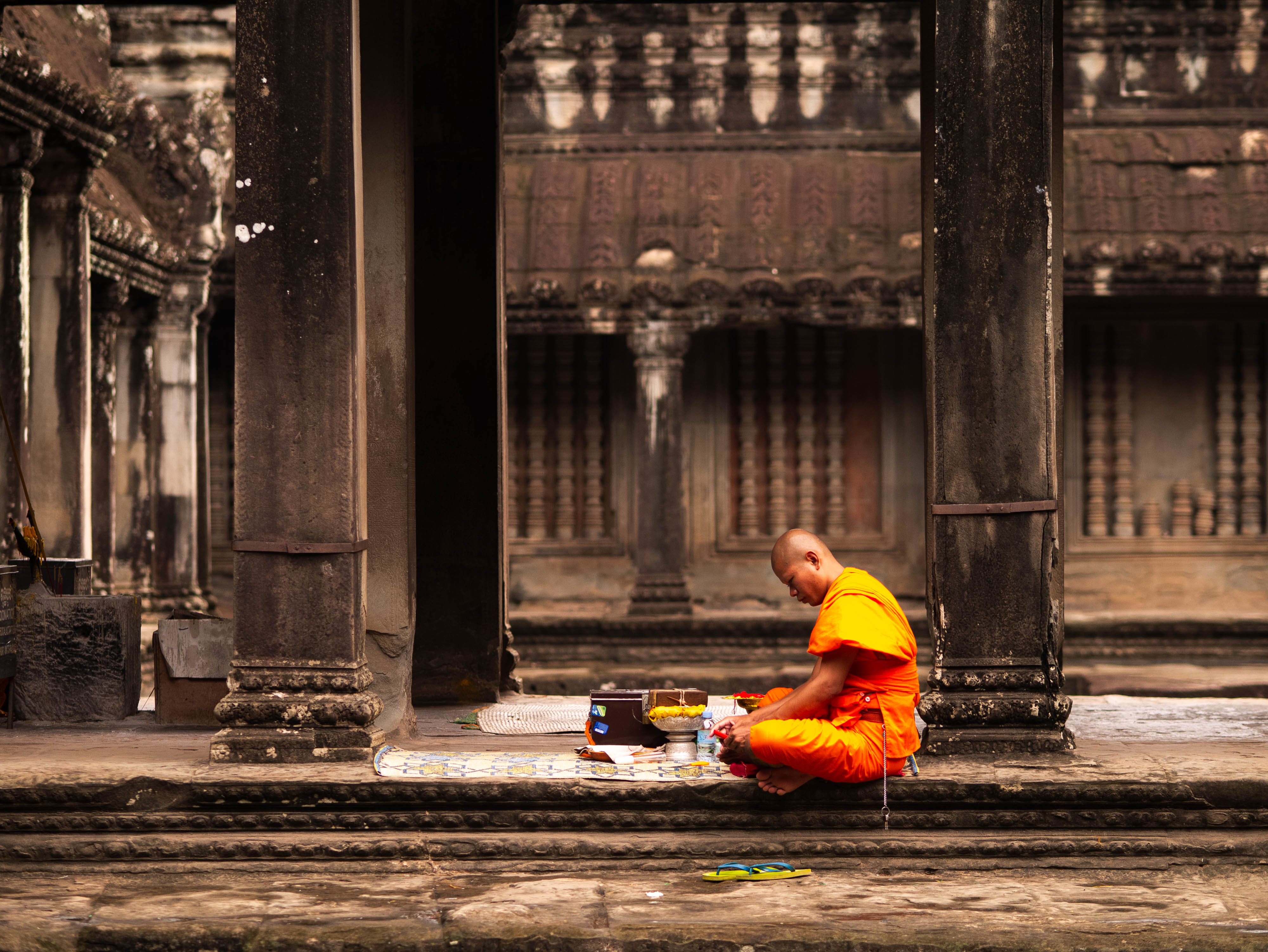
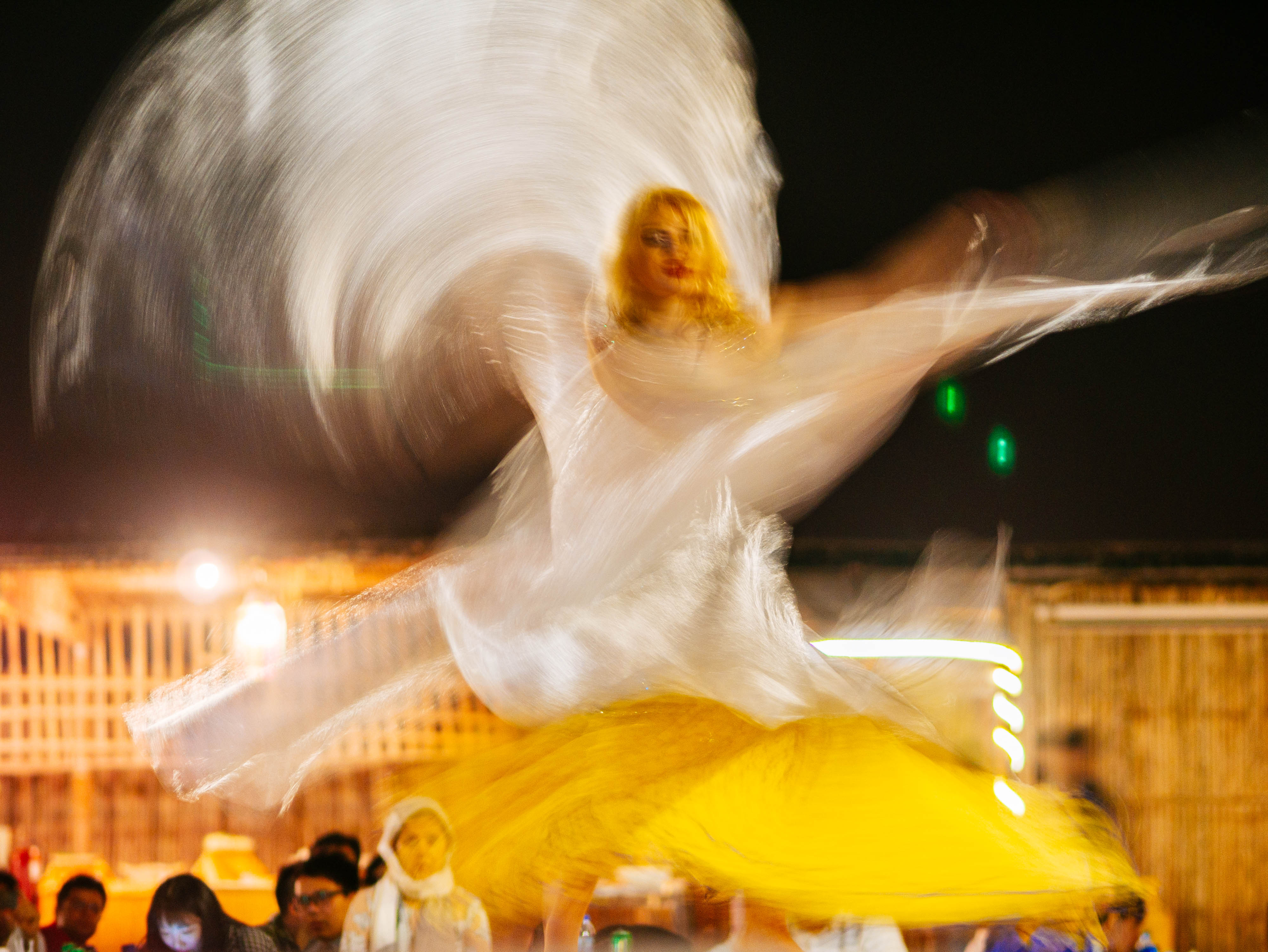
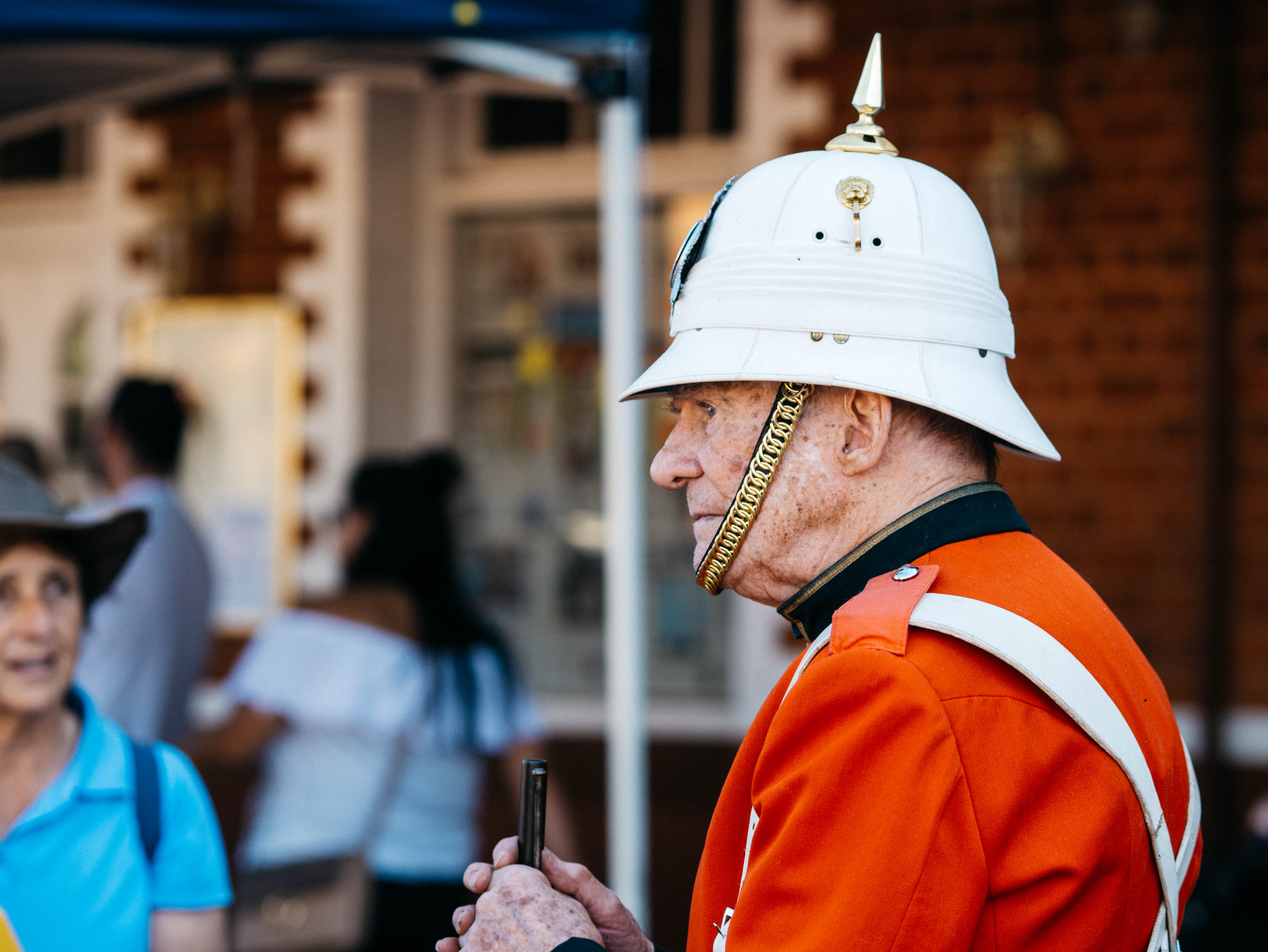
The photos here are evidence that a lens can be imperfect and still produce images worth looking at. Its limitations became part of the experience rather than a reason to abandon it, and the occasional flare or softness could even contribute to a photograph’s character.
We spend a great deal of time comparing specifications, counting optical elements and deciding which lenses deserve our approval. Those things matter, but they don’t always tell us whether we’ll enjoy using a lens or whether it will help us make photographs we like. The AF 28mm f/2.8 may not be Nikon’s finest wide-angle design, but it proved to be an agreeable companion on the streets of Tokyo.
I wouldn’t recommend it as a miracle bargain or pretend its flaws don’t exist. I would, however, suggest that it deserves more consideration than its reputation allows. Sometimes an unassuming, imperfect lens is enough to get you out taking photographs, and that’s a more useful quality than a perfect set of laboratory results. I’ll probably take this one out again, along with the other questionable cameras and lenses that seem to find their way into my collection.