Nikon’s Nikkor Z 24-200mm f/4-6.3 VR and Comparing the Compromises of Superzooms

When you’re standing in a place as spectacular as Phillip Island or Wilsons Promontory in Victoria, Australia, you want a camera setup that can capture everything. Vast coastal landscapes, wildlife on distant horizons, dramatic rock formations, and fleeting travel moments all demand flexibility. At the same time, nobody wants to haul a backpack full of lenses while exploring. That’s where the superzoom comes in.

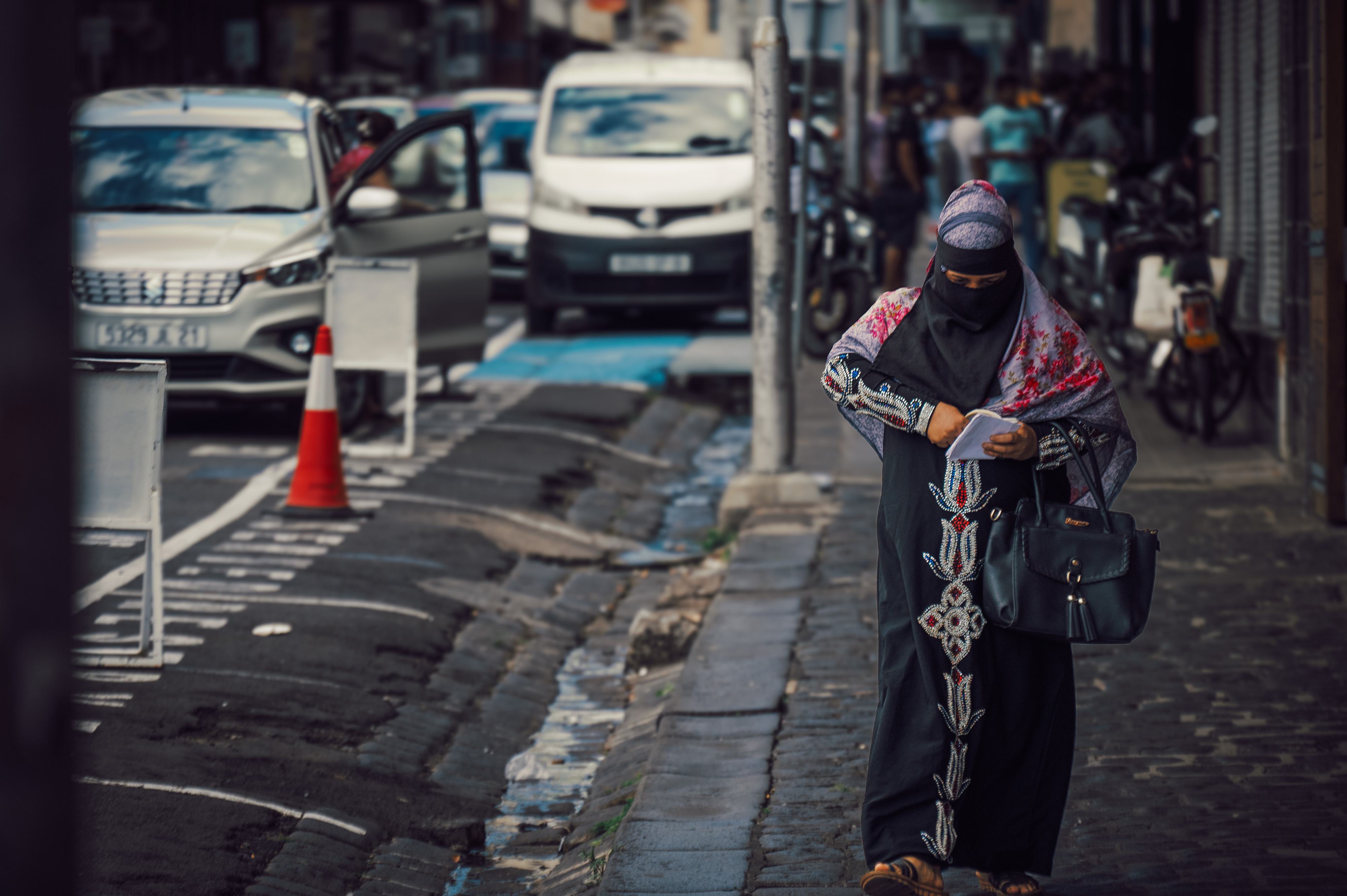
For decades, superzoom lenses have been marketed as the ultimate travel companion: one lens that can do everything from wide-angle landscapes to long telephoto shots. Traditionally, however, that convenience came with a reputation for soft images, slow apertures, and compromised image quality. Modern mirrorless systems promised to change that. When Nikon released the 24-200mm f/4-6.3 for the Z mount system, it seemed like the ideal travel lens. Compact, lightweight, and covering an enormous focal range, it quickly became my most-used lens. Over the past few years it has travelled with me through South Korea, Singapore, Mauritius, and China. For a photographer who values convenience, it appeared to be the perfect solution.

At first glance, the lens performs well. Images are contrasty, flare resistance is respectable, and distortion is largely controlled. Combined with the excellent sensor in the Nikon Z6 and effective image stabilization, it produces photographs that look great when viewed normally. The problem only appeared when I started looking closer.

Cracks in the Superzoom Dream

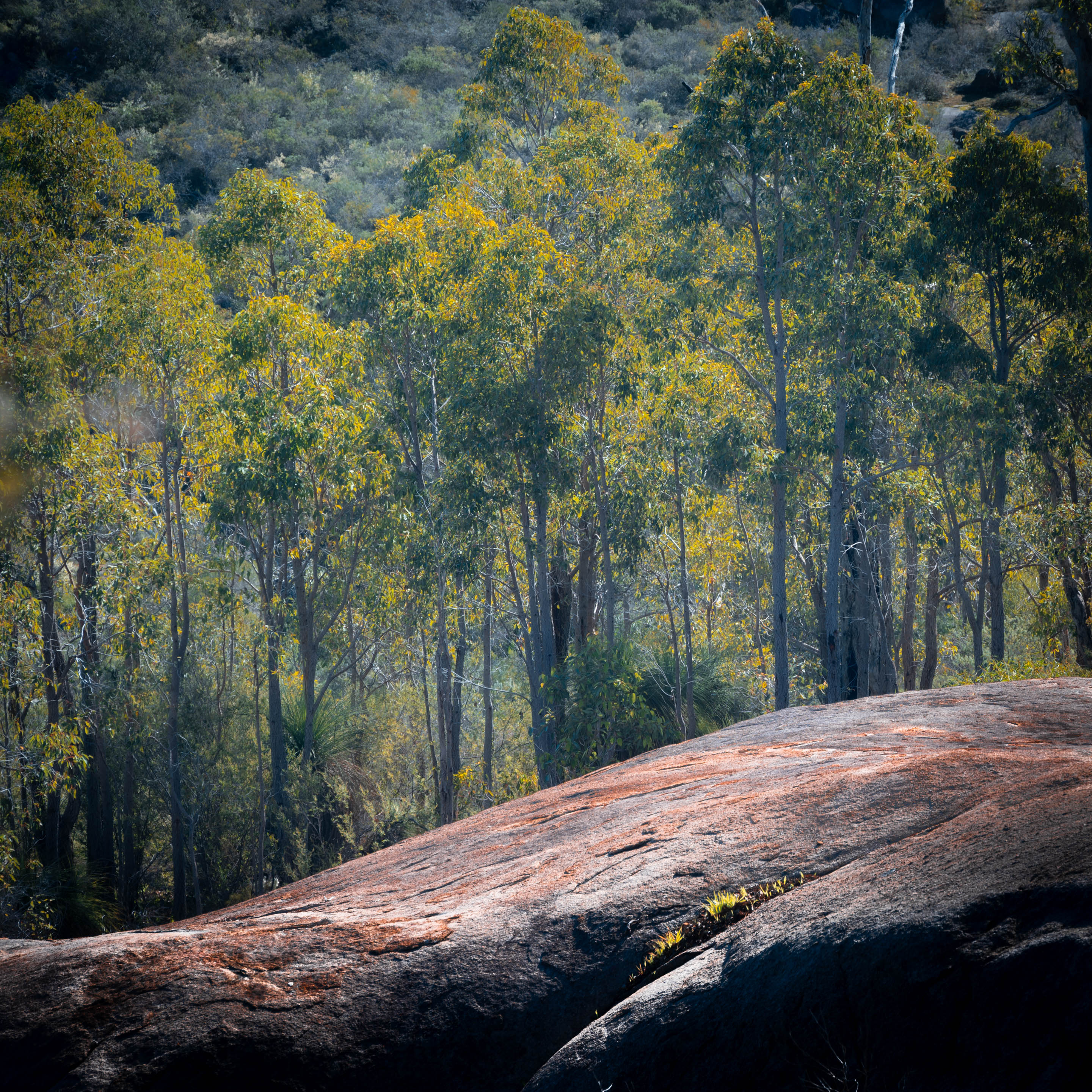
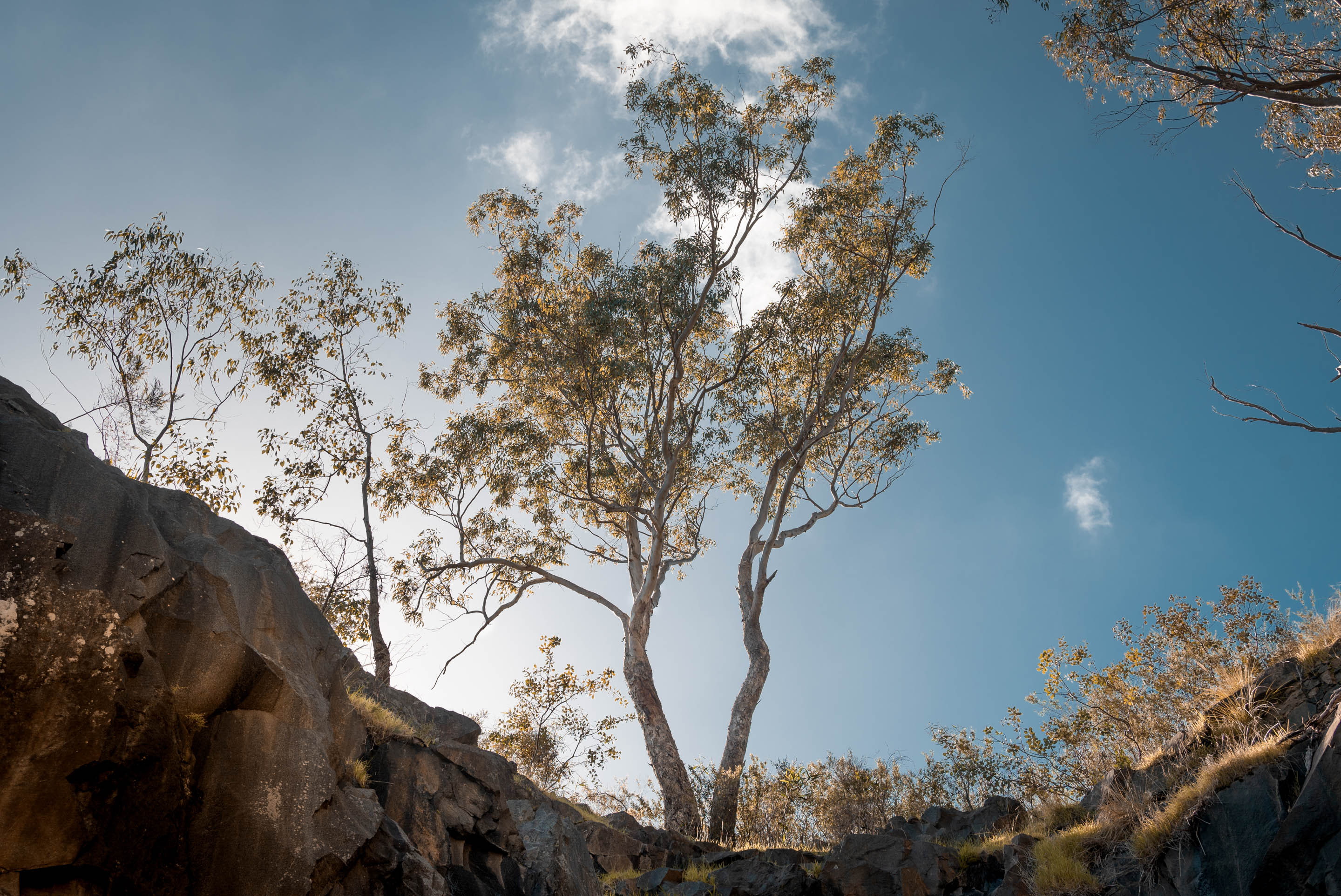
During a trip through Victoria’s southeast coast, using the Nikon Z6 paired with the 24-200mm, I began noticing something strange. Images taken at the longer end of the zoom range, particularly around 200mm and focused at distant subjects, seemed softer than expected. Viewed on a phone or social media feed, the photos looked perfectly acceptable. Zooming in, however, revealed a lack of crisp detail. Rocks, distant landscapes, and fine textures often appeared mushy, even after additional sharpening in post-processing.
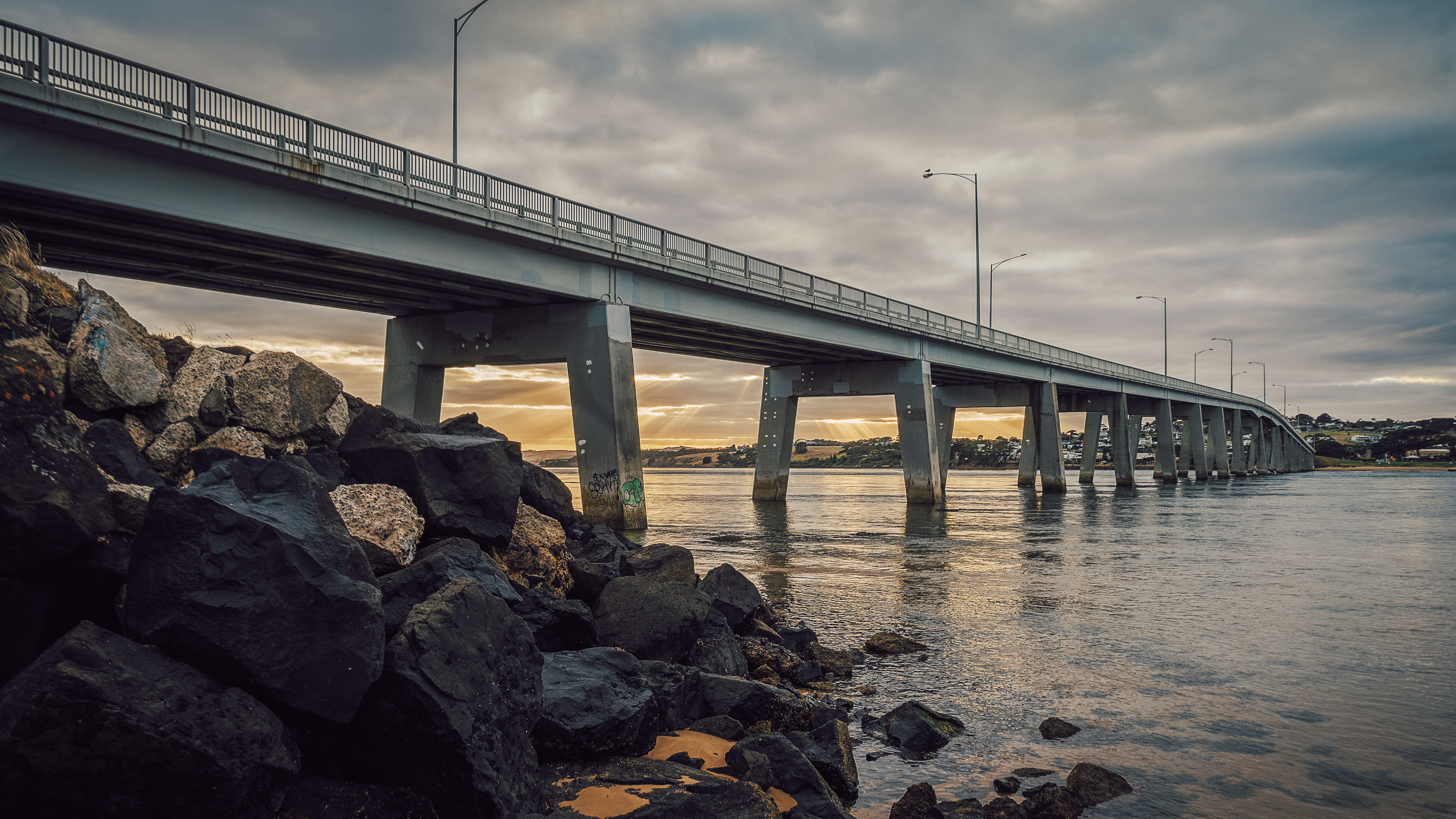
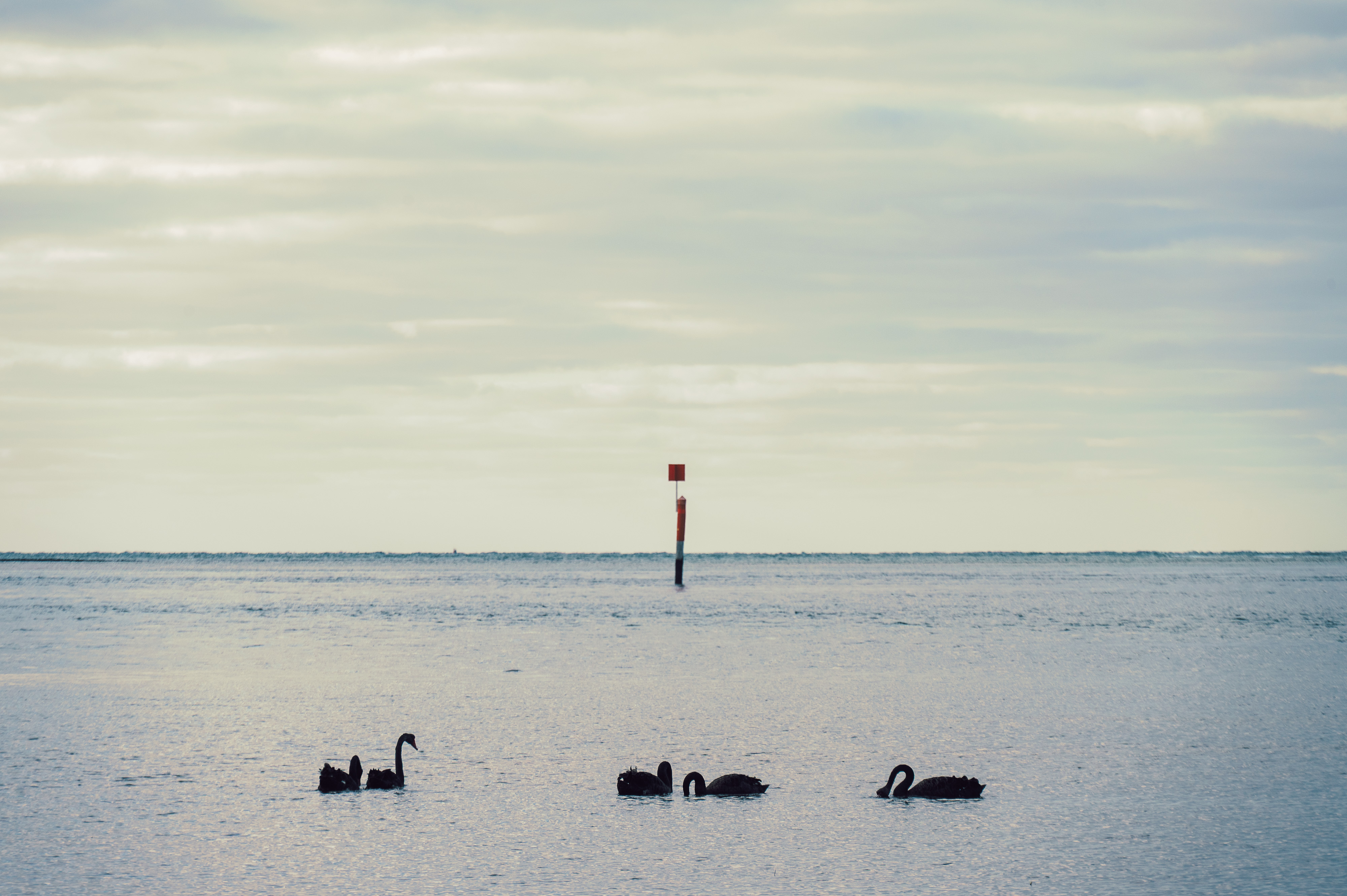
At first I questioned my own technique. Was I introducing camera shake? Was image stabilization failing? Was autofocus missing the mark? Travel photography often involves shooting handheld, and user error is always a possibility. To investigate, I decided to conduct a simple comparison.

Rather than relying on subjective impressions from travel photos, I compared the Nikon Z 24-200mm against a lens I already trusted: the Nikon AF Nikkor 180mm f/2.8D. Despite being an older DSLR-era prime lens, the 180mm has a strong reputation for sharpness. Mounted on the Nikon Z6 via an adapter, it provided a useful benchmark. The test was straightforward. I photographed distant subjects, trees, buildings, chimneys, rooftops, and antennas, comparing equivalent focal lengths while examining the resulting RAW files at high magnification.

A Prime Lens Delivers an Uncomfortable Truth

The results were difficult to ignore. Across multiple images, the older 180mm prime consistently delivered sharper detail and better edge definition. Bark textures, brickwork, foliage, and architectural details all appeared noticeably crisper. The superzoom often showed softness, ghosting, and a lack of fine detail that became increasingly obvious at 300% magnification. Autofocus did occasionally appear slightly inconsistent, but that alone couldn’t explain the difference. Even when focus seemed accurate, the 24-200mm simply wasn’t resolving detail at the same level as the prime.

The real surprise came when I introduced a third lens into the comparison. The Nikon 35-200mm f/3.5-5.6 AI-S dates back to 1985—a period when superzoom lenses were notorious for optical compromises. Today it can often be found on the second-hand market for very little money. Logic suggested that a modern mirrorless zoom should easily outperform a decades-old manual-focus superzoom. Instead, the results were unexpectedly close.

Check out the video above for the examples.

At certain apertures, particularly around f/8, the vintage lens appeared sharper than the modern Nikon Z 24-200mm. Fine details such as tree branches and antennas often showed better definition. Wide open, the differences became smaller and the older lens revealed more chromatic aberration and vignetting, but it remained surprisingly competitive. That raised an uncomfortable question: if a modern mirrorless superzoom can be outperformed by both an older telephoto prime and, in some situations, a forty-year-old superzoom, what exactly are you paying for?

The Real Value of the Nikon 24-200mm

The answer is convenience. The Nikon Z 24-200mm is dramatically smaller and lighter than either of the older lenses. It autofocuses quickly and silently, includes image stabilization, and covers an enormous focal range in a package small enough to carry all day. For travel photography, those advantages matter. When wandering beaches, coastal lookouts, or city streets, there’s enormous value in having a single lens that can capture almost anything without changing gear. The ability to move from a sweeping landscape to a distant wildlife shot in seconds is liberating. The lens may not deliver the ultimate image quality, but it delivers versatility.
Final Thoughts

After all the testing, I still haven’t completely answered my own question. The evidence suggests that my Nikon Z 24-200mm is not especially sharp at longer focal lengths and distances. Whether that’s a characteristic of the design, sample variation, autofocus inconsistencies, or a combination of all three remains unclear. What is clear is that newer technology doesn’t automatically guarantee better optical performance. Older lenses, particularly quality primes, can still outperform modern zooms when absolute sharpness is the goal.

Yet despite its flaws, I’m not getting rid of the 24-200mm. The reality is that most viewers will never notice these issues when images are viewed on social media, phones, or standard screens. For travel photography, the convenience of carrying one lightweight lens often outweighs the pursuit of pixel-perfect sharpness. The Nikon Z 24-200mm may not be the miracle travel lens I once believed it was, but it’s still the lens I reach for most often. And perhaps that’s the ultimate compliment. Even when it falls short of perfection, it’s still the lens that gets taken on the journey.
Photography Roadtrip Part 2 – Capturing Australia’s Great Ocean Road

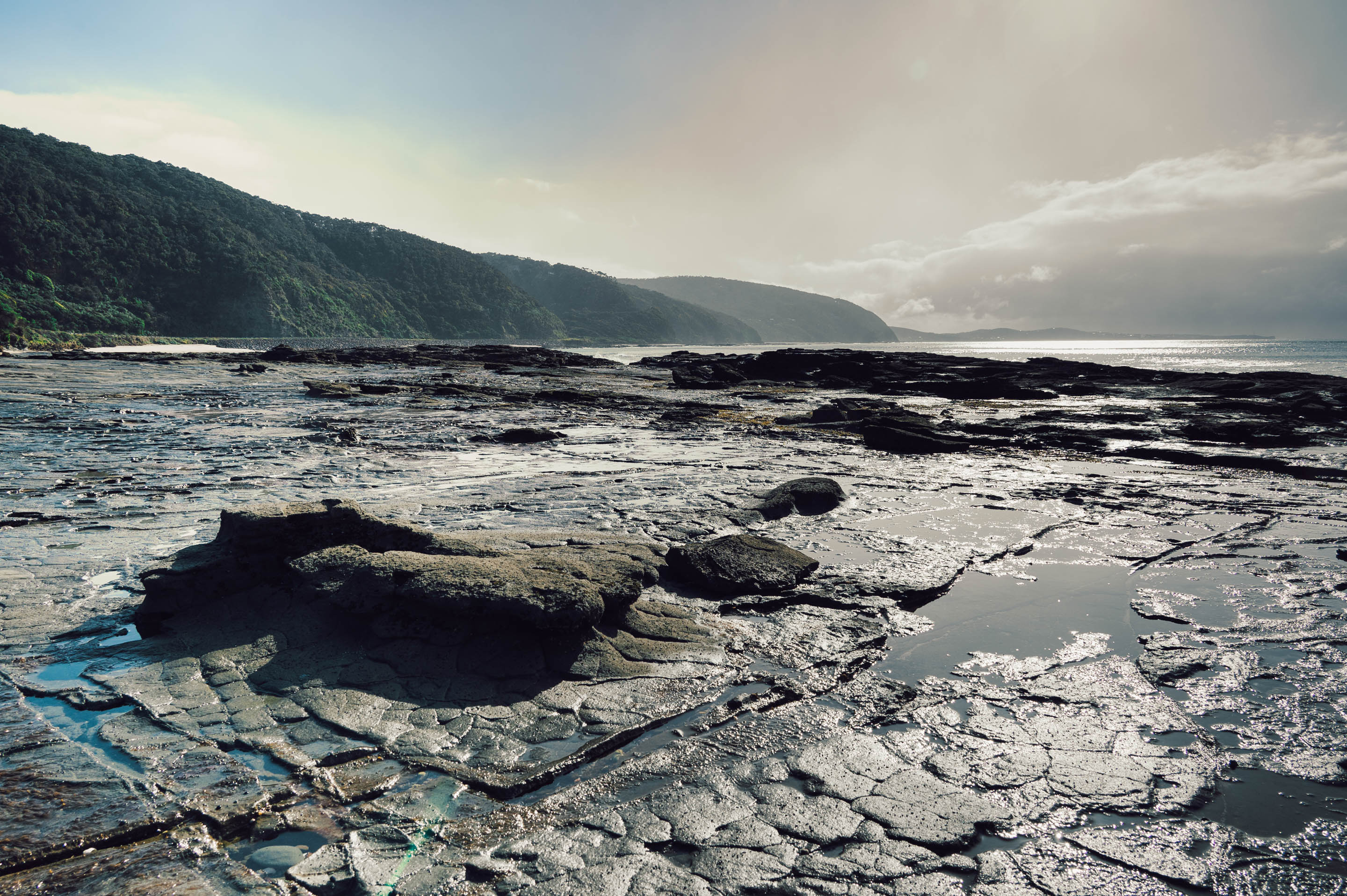
Day Two of my exploration of Victoria, not the royal lady but the rugged Australian shores. Winding along the Great Ocean Road between Aireys Inlet and Port Fairy, I found myself greeted by a sky painted with rainbows and ever-changing conditions. Each stop along the way presented a chance to scan the coastline for unique features, though initially, I felt out of place in the natural world.

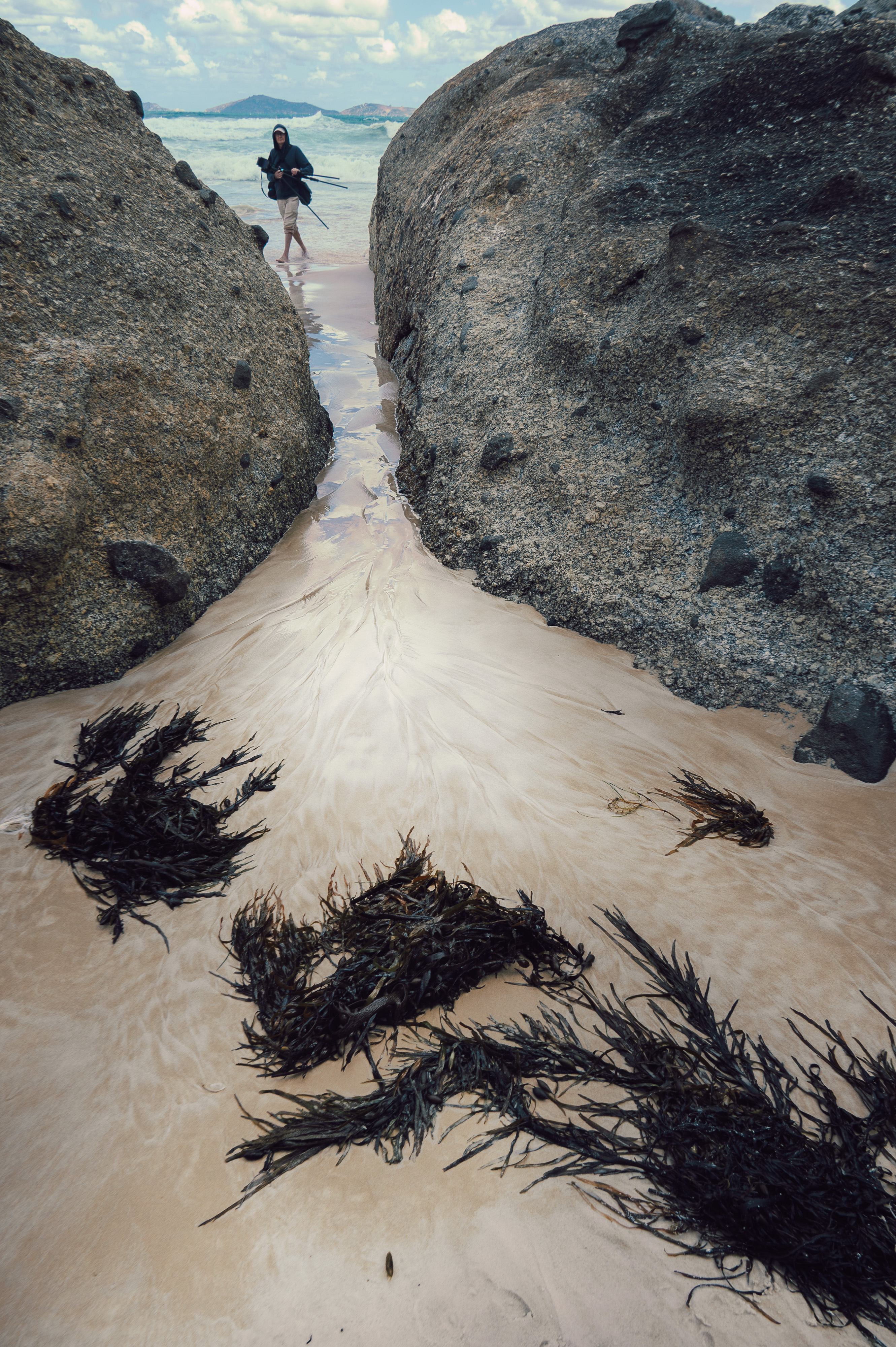
However, as I ventured on, I stumbled upon a lunar-like landscape of rutted rocks and alien vistas that captured my imagination. Shooting into the light yielded some of my favorite photos of the day, showcasing glistening reflections and odd shapes. Moving inland, I explored the lush greenery of Barham Paradise Scenic Reserve with my drone, capturing the undulating beauty of the Victorian countryside.

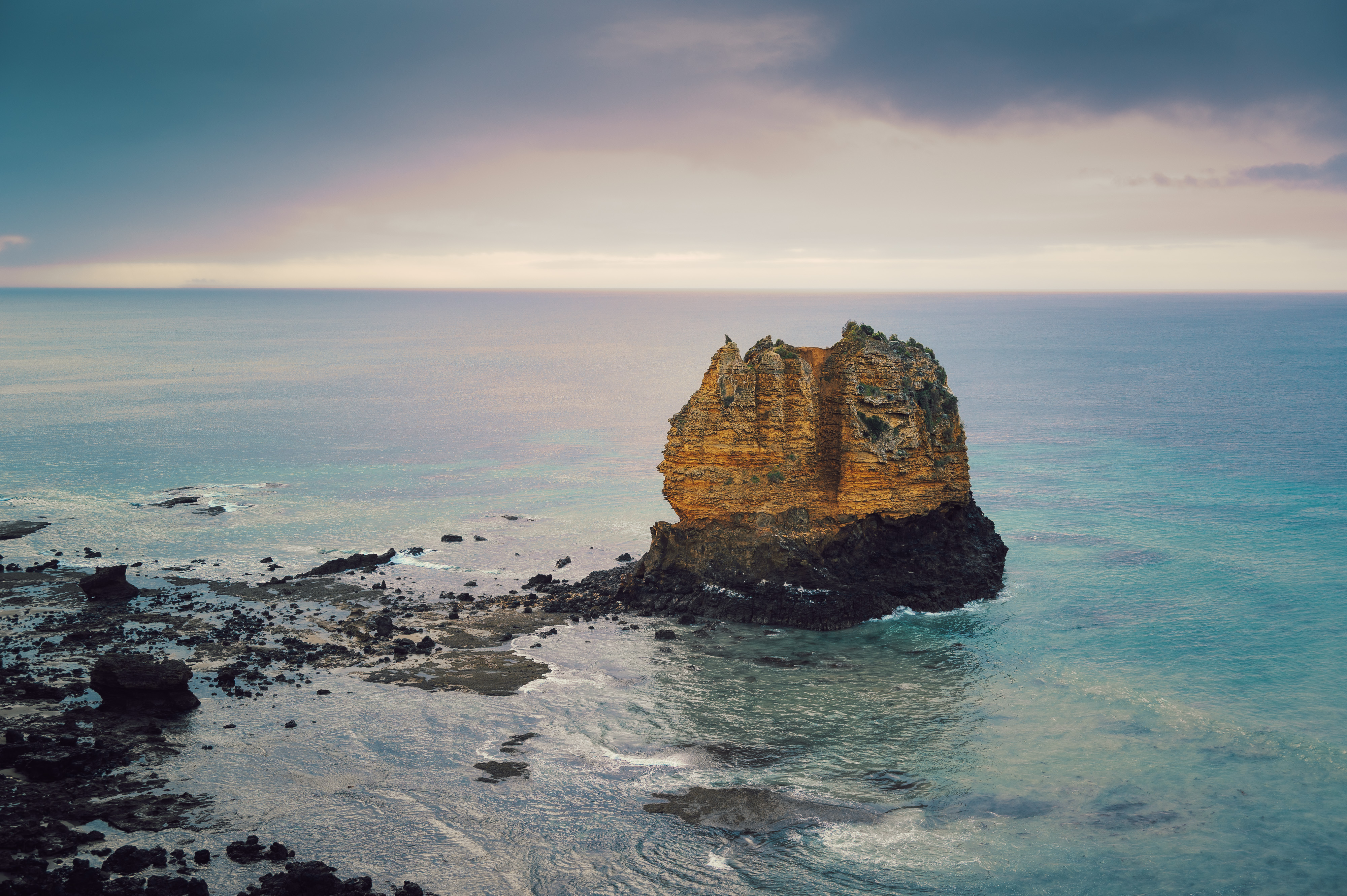
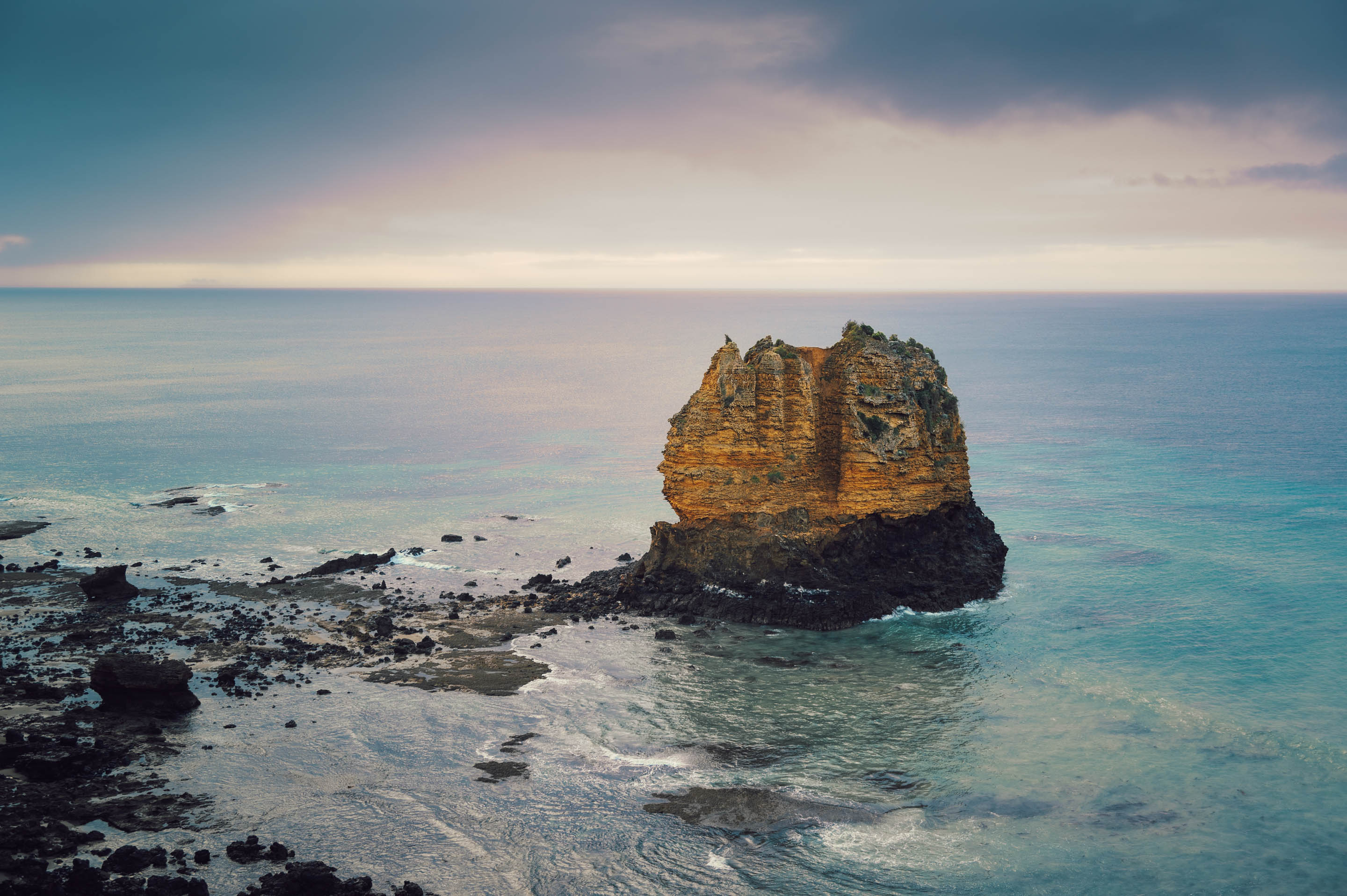
Returning to the coast, the Great Ocean Road revealed its promise and decay, with limestone cliffs battered by the southern ocean. Despite the cliché of photographing the Twelve Apostles, I aimed to bring a unique perspective to the iconic location, acknowledging its imminent erosion and the misnomer of its name.

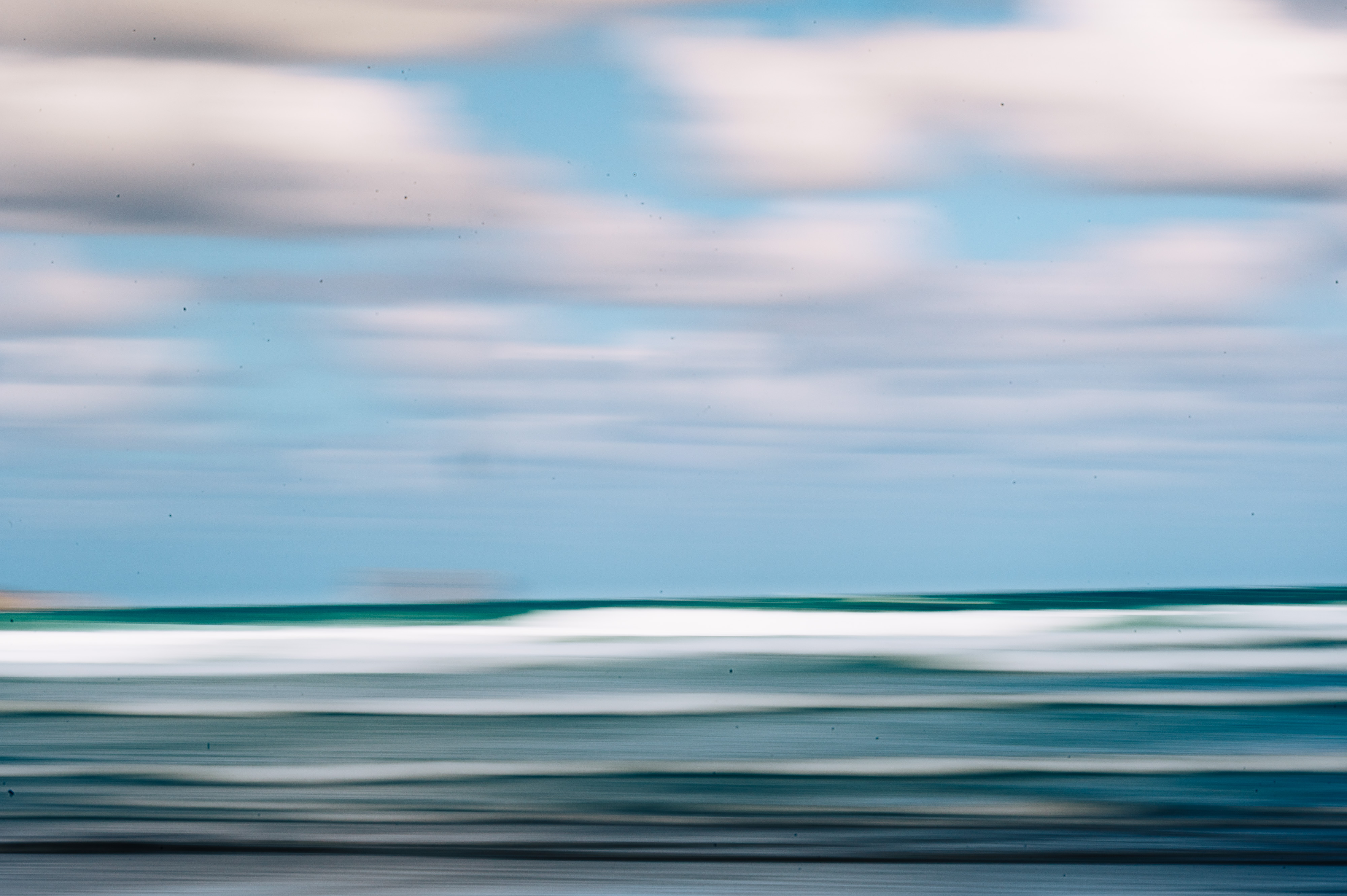
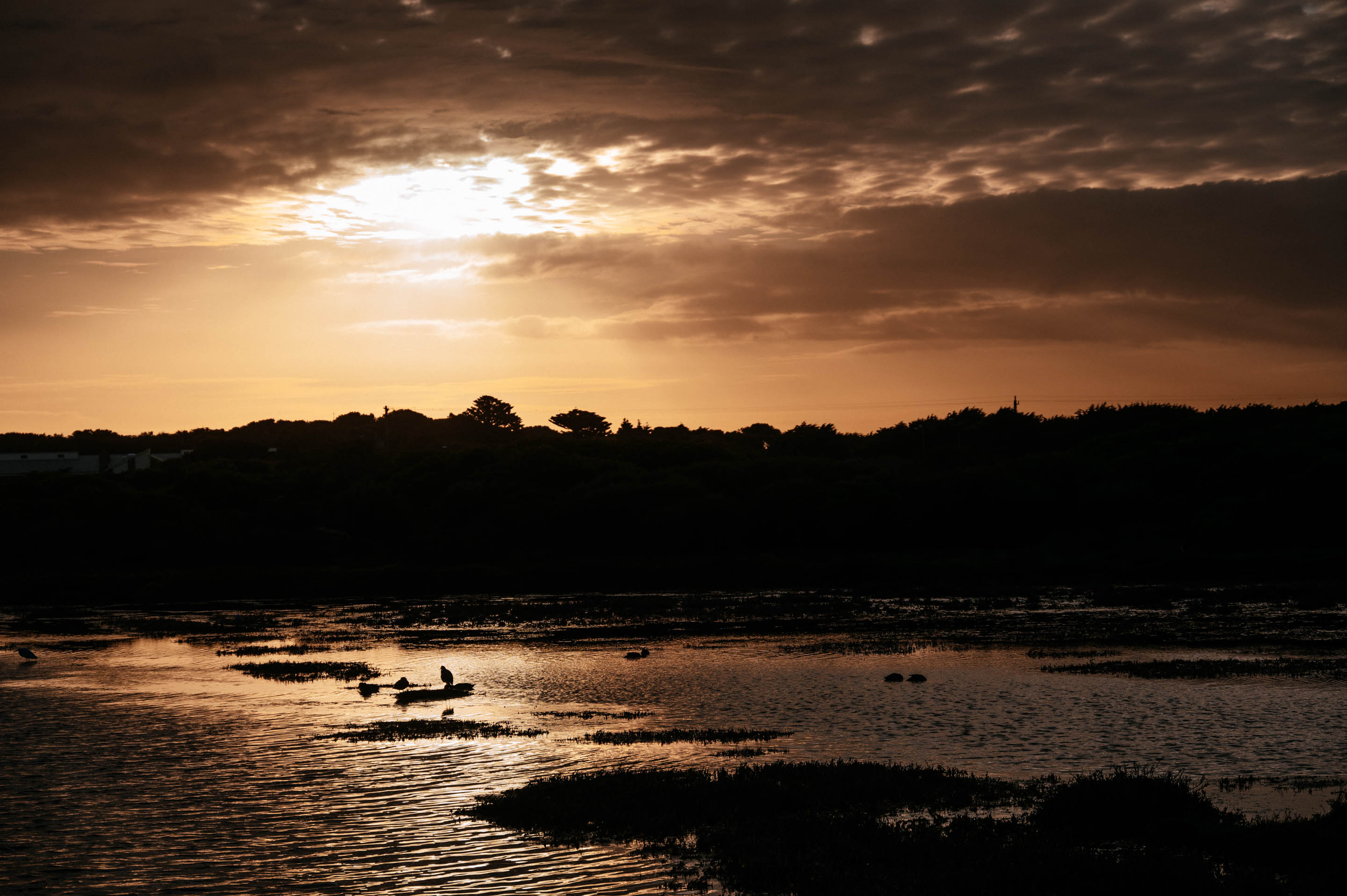
Continuing along the coast, I sought to evoke a sense of the strange and fascinating, rather than merely document the landscape. From silhouetted birds against dreamy backdrops to timeless structures along the shore, each image told its own story.

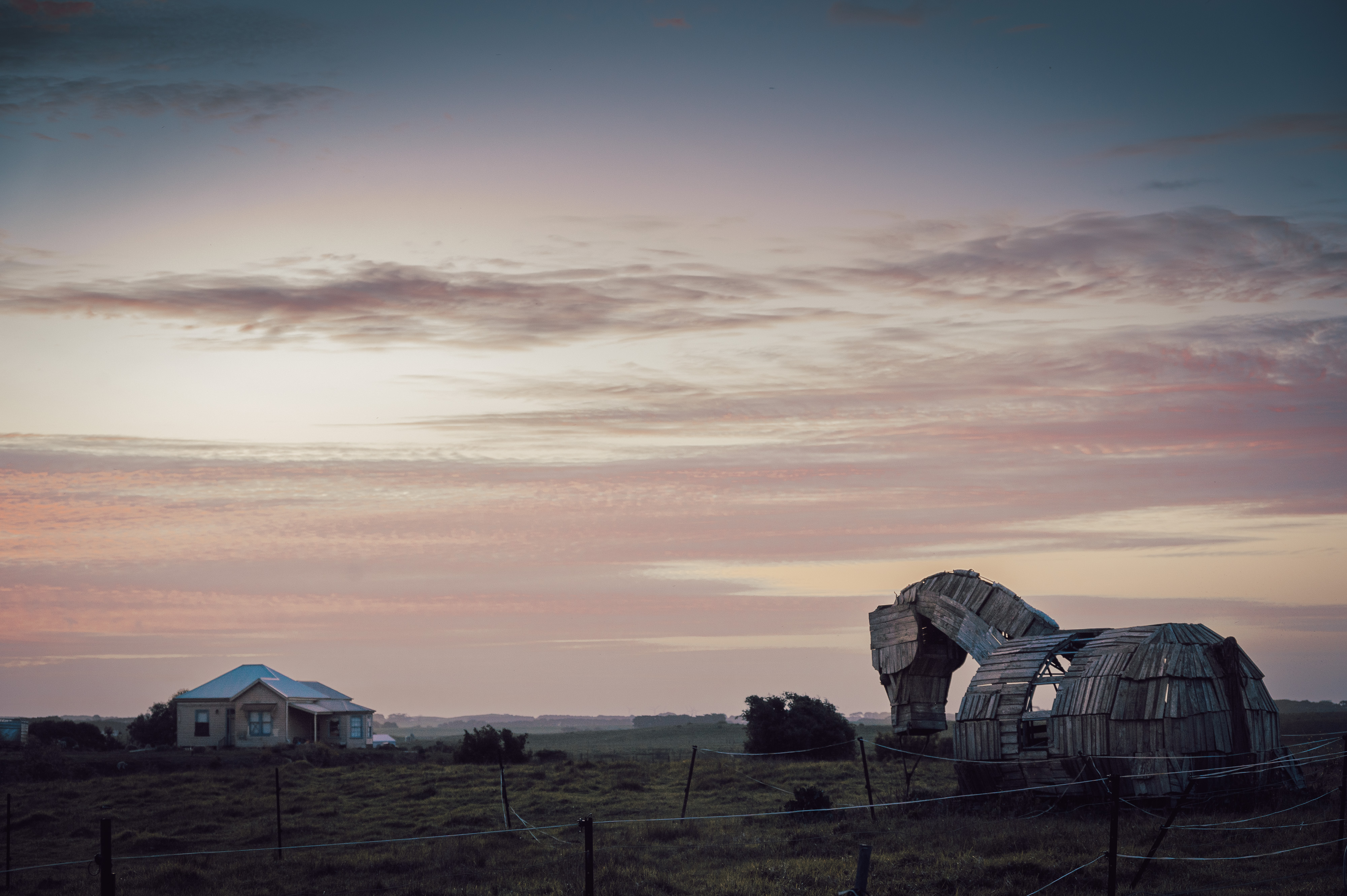
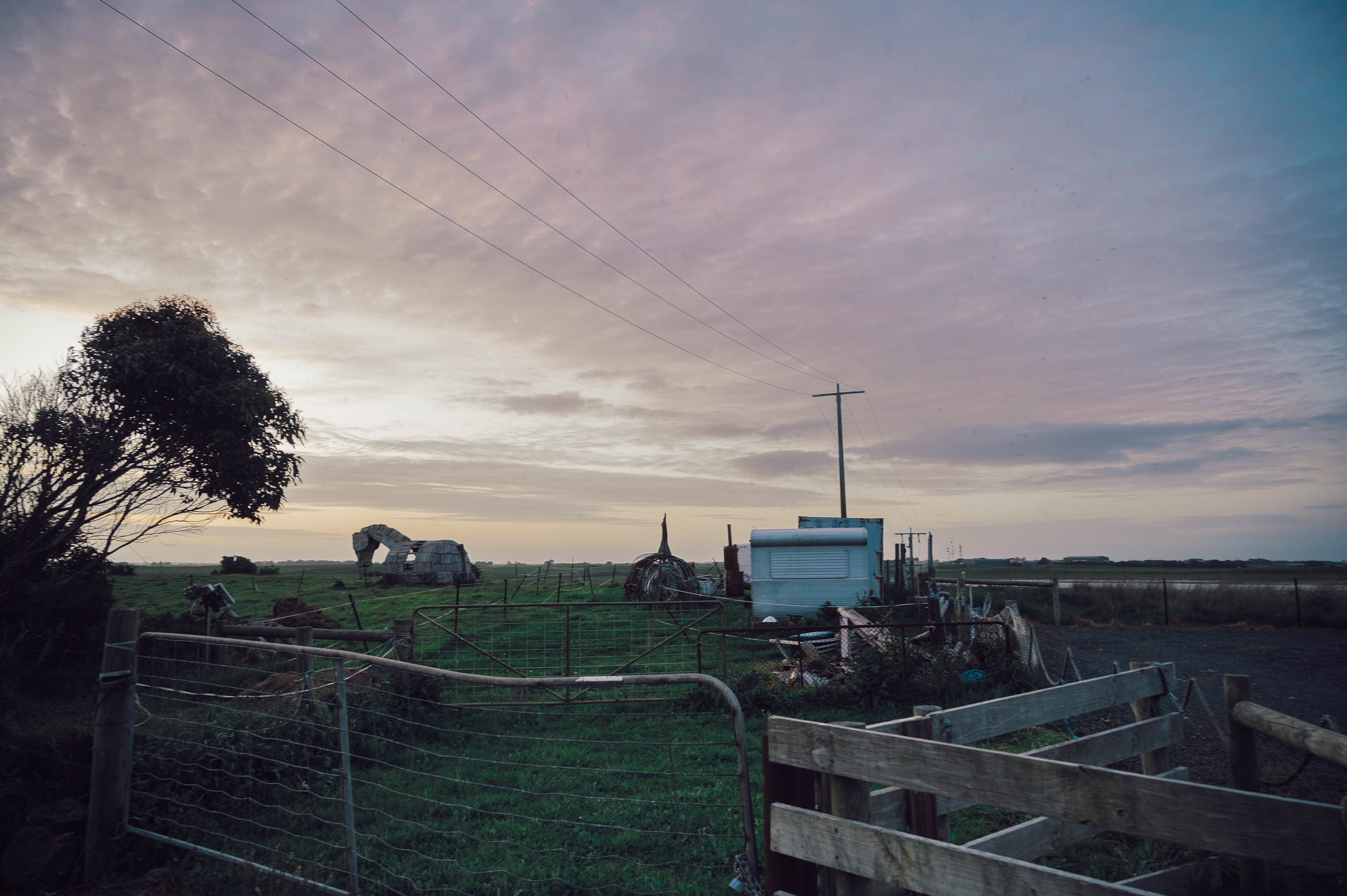
Arriving at Port Fairy, I found a tonal counterpoint to the fierceness of the coastline, with a serene sunset casting its glow over the landscape. Even mundane scenes by the roadside took on mythical proportions, like a Trojan horse abandoned in an Australian landscape.

In conclusion, I didn’t aim to capture the landscape’s majesty in the conventional sense, but rather to invite viewers into a world of ambiguity and intrigue. The best photos were those that sparked curiosity and imagination, leaving room for interpretation and storytelling.

Photography Roadtrip Part 1 – Melbourne to Aireys Inlet

It was finally time for me to escape the urban chaos and embrace the tranquility of rural life. Leaving behind the chilly winter of Perth, I embarked on a quest to capture the beauty of the Victorian countryside near Melbourne, Australia. The adventure began with a flight on Jetstar, the budget brand of Qantas, which was an experience in itself. Despite the discomforts, including watching Harrison Ford in the latest Indiana Jones movie, I landed safely in Melbourne.

From there, I journeyed through Regional Victoria, exploring places like the Great Ocean Road and the Grampians. Along the way, I encountered both mundane and extraordinary sights, from suburban landscapes to ancient-looking steel structures. Despite the initial drizzle and monotony, the scenery eventually opened up to rolling plains and breathtaking sunsets.

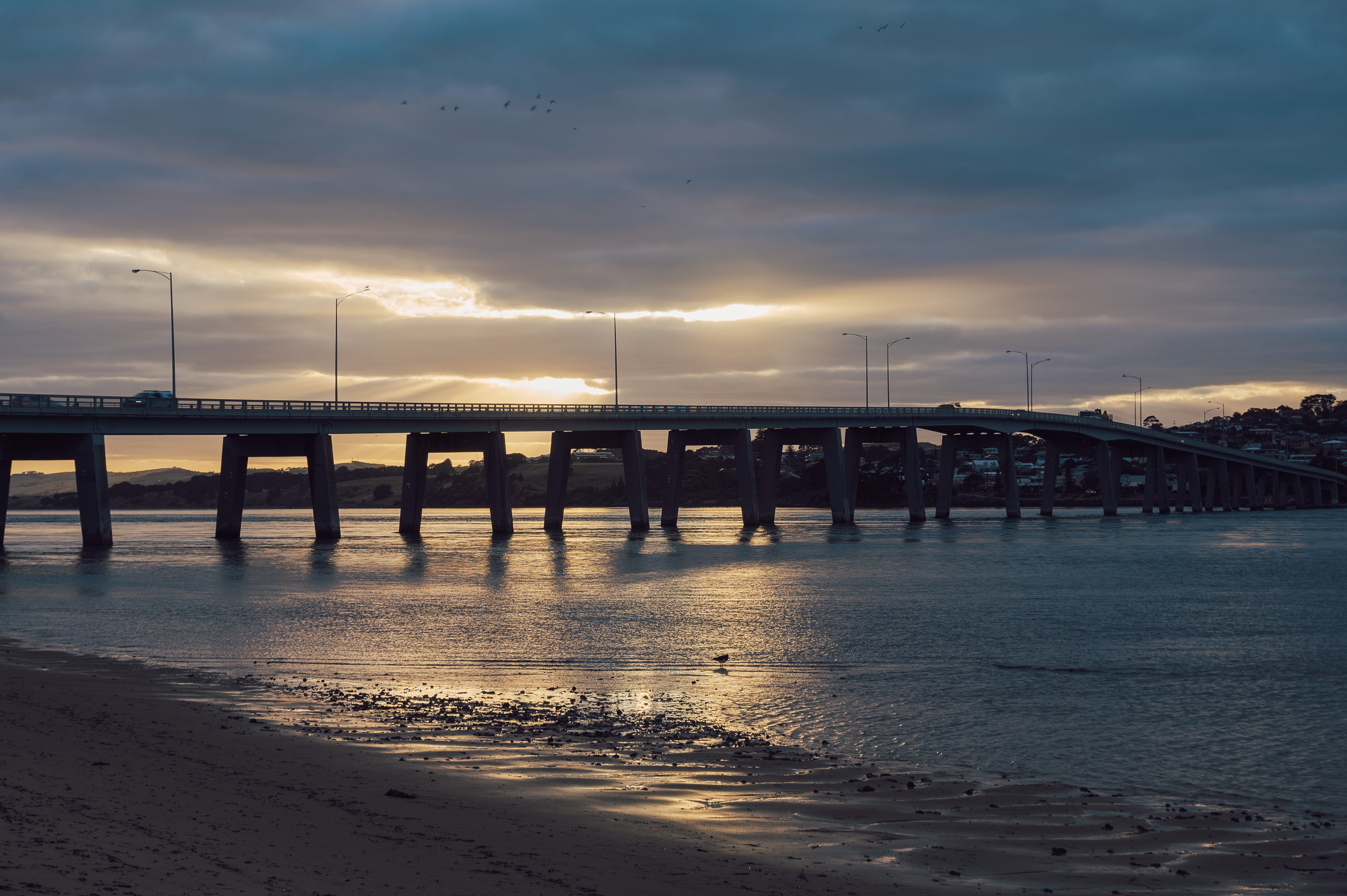
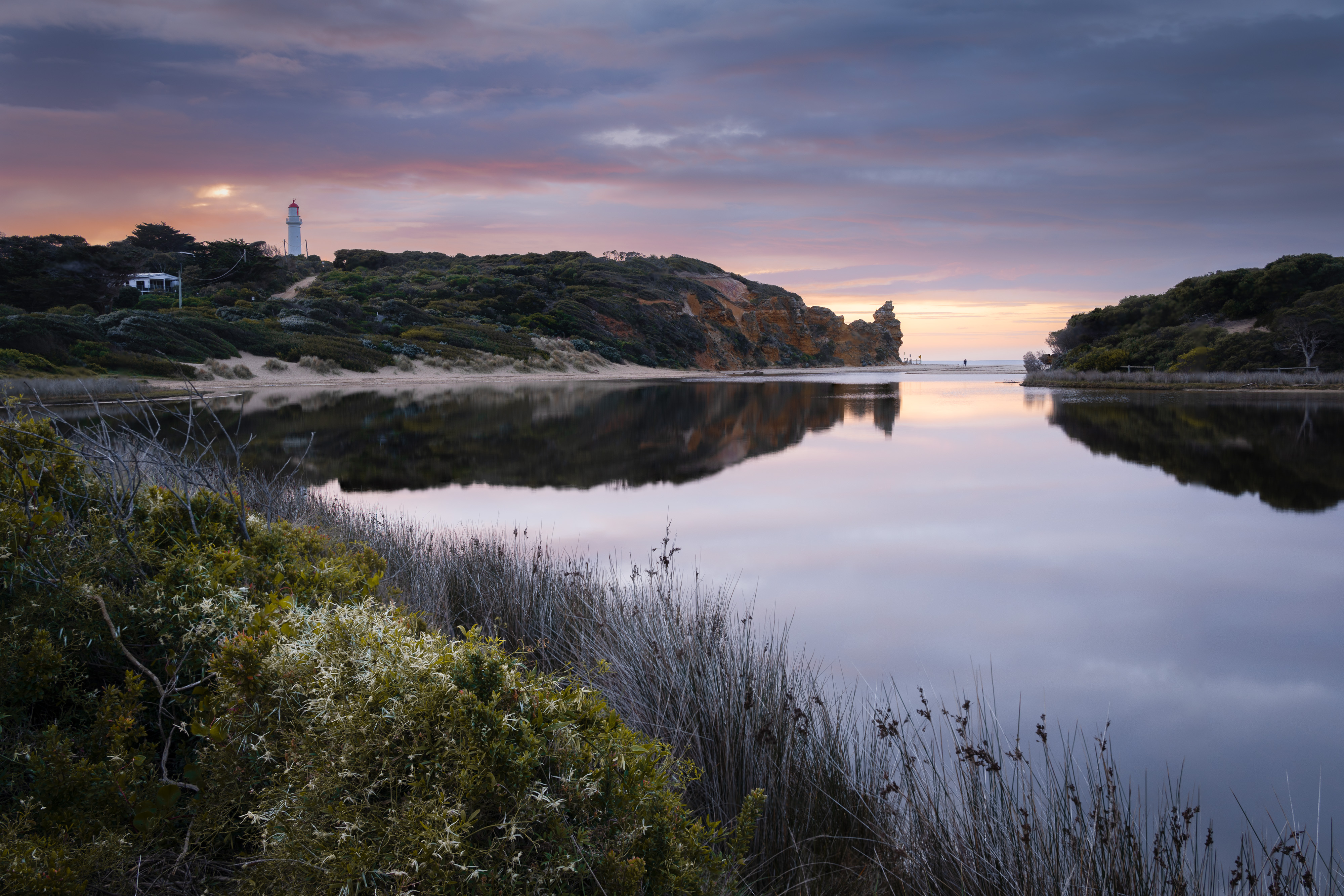
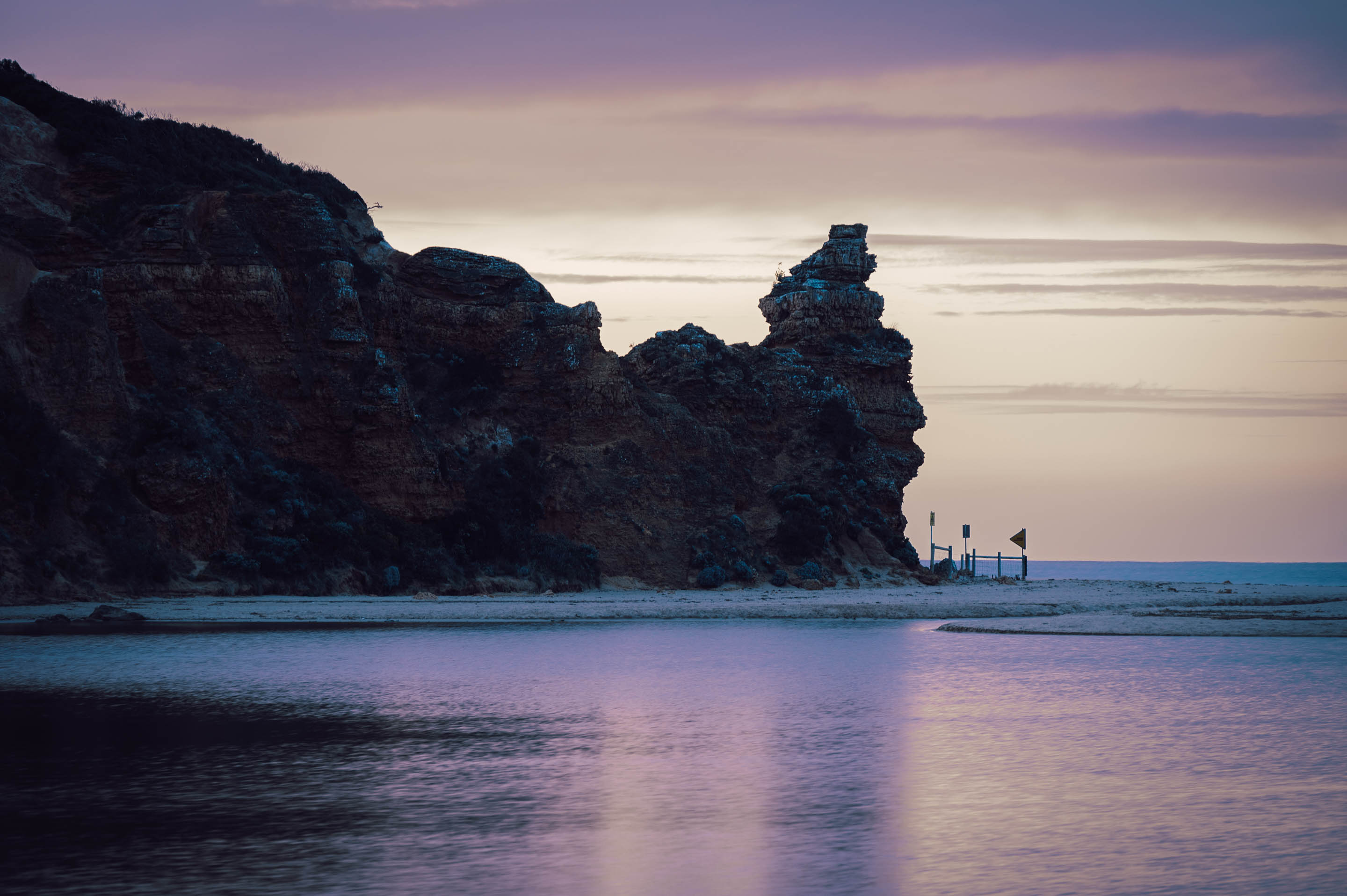
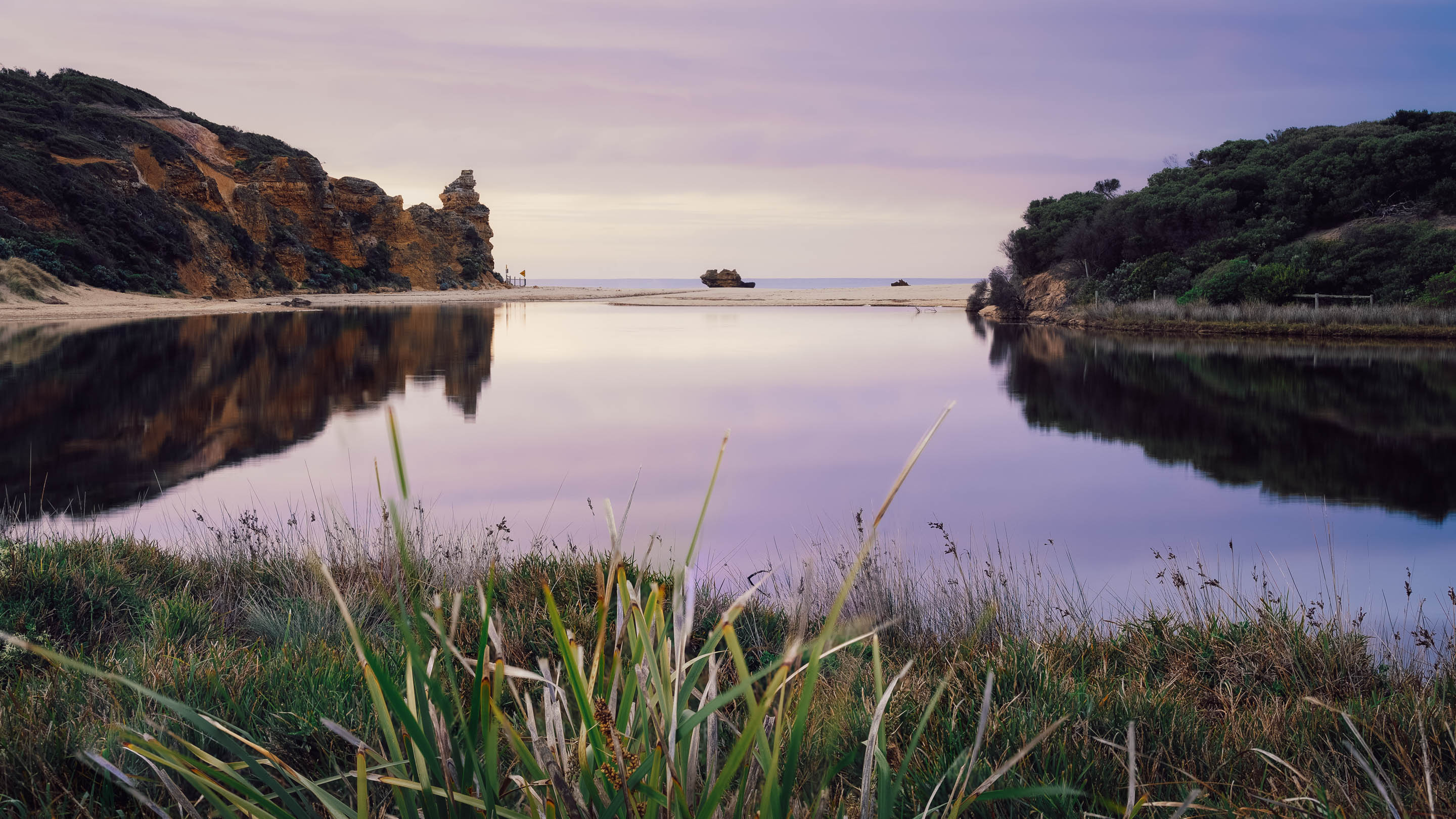
One memorable stop was at Aireys Inlet, where I managed to capture a fleeting moment of beauty during sunrise. Despite my doubts about the composition of my photos, I was content knowing that I had something to show for my efforts. The journey continued, with challenges in balancing elements within the frame and battling the unpredictable weather.

As I wrapped up the first stage of my exploration, I reflected on the difficulties of landscape photography but looked forward to the next leg of my journey along the Great Ocean Road to Port Fairy. Although I can’t promise perfection in my photos, you’re welcome to come along for the ride.

Why I’m not a Landscape Photographer

Landscape photography is a discipline in and of itself and not one I’m particularly familiar with. I’m normally more comfortable on the streets than in the bush. That said, I spend a lot of time watching YouTube videos about landscape photography, so maybe it’s time I came to grips with this strange but fascinating genre of photography.

You might have noticed a few quirks in my approach to the scene, maybe even some choices that seemed a bit off the beaten path.

A Superhuman Feat

Typically, landscape photography involves an early rise, a long hike, and finding that perfect spot for contemplation. But let’s face it, that’s not really my style. I’m not one for meticulous planning or waiting for the perfect conditions. And yes, the weather was lovely, but that doesn’t always make for the best photos, right?

Now, about tripods. Every serious photographer swears by them, but I’ve got my reasons for steering clear. Call it a personal vendetta – to me they are the horrific vehicles of destruction used by alien invaders in HG Wells and John Christopher novels. At the very least they add a lot of weight and awkwardness to the photographic process. And sure, my agility might not rival a mountain goat’s, but that’s just not my vibe.

So, armed with my Nikon Z6 and a polarising filter, I ventured forth. And thank goodness for YouTube, where I can share my mishaps and lessons learned. Lesson number one: relying on in-body image stabilisation for those slow shutter speeds? Yeah, not the best idea.

But amidst the struggles, I managed to salvage a shot or two. It’s all about finding that one gem, even if it feels like picking the tallest jockey on the basketball team.

From Sow’s Ear to Silk Purse

Now, onto the editing phase. As shown in the video, it’s a delicate dance of balancing contrast, toning down those pesky highlights, and adding a touch of warmth. And let’s not forget about injecting some vibrancy into those rocks and dirt – gotta make ’em pop.

And sure, I might have a heavy hand with the edits sometimes, but that’s all part of the process. After a few tweaks here and there, I step back and give it some time to marinate. Because let’s face it, perfection takes time – and maybe a few do-overs.

Let me know what you think of the results. I don’t think landscape photography is my forte. But that’s okay. I find my stride elsewhere, amidst the urban jungle. And if you’ve got your own tales of photographic misadventures, I’m all ears. Because in the end, it’s not about the gear or the accolades. It’s about the journey – the trials, the errors, and the relentless pursuit of that perfect shot.

So here’s to embracing failure, to dreaming big, and to never giving up – even if we’re stumbling along the way. After all, they say greatness lies not in success, but in the trying. And if there’s one thing I’ve been called, it’s trying.