Everyone talks DOWN the Nikon AF Nikkor 28mm f/2.8 BUT…

The Nikon AF Nikkor 28mm f/2.8 isn’t exactly a lens that inspires excitement. Twenty-eight millimetres might be a useful focal length, but it hardly sets the photographic world on fire. It’s wide enough to take in the world without making everything look like a Kubrick film, and there’s a good reason these lenses are so common: they’re practical and versatile.

Unfortunately, this particular version has something of a reputation problem. Introduced in 1994, the AF 28mm f/2.8 is generally regarded as a compromise compared with Nikon’s celebrated manual-focus AI-S version, which has an eight-element optical design and remained in production for more than thirty years. The AF has just six elements and is often considered optically inferior, although it’s still regarded as an improvement over the Series E lens that preceded it. The general consensus is that Nikon did better with its 24mm lenses, leaving this 28mm near the bottom of the wide-angle pile.

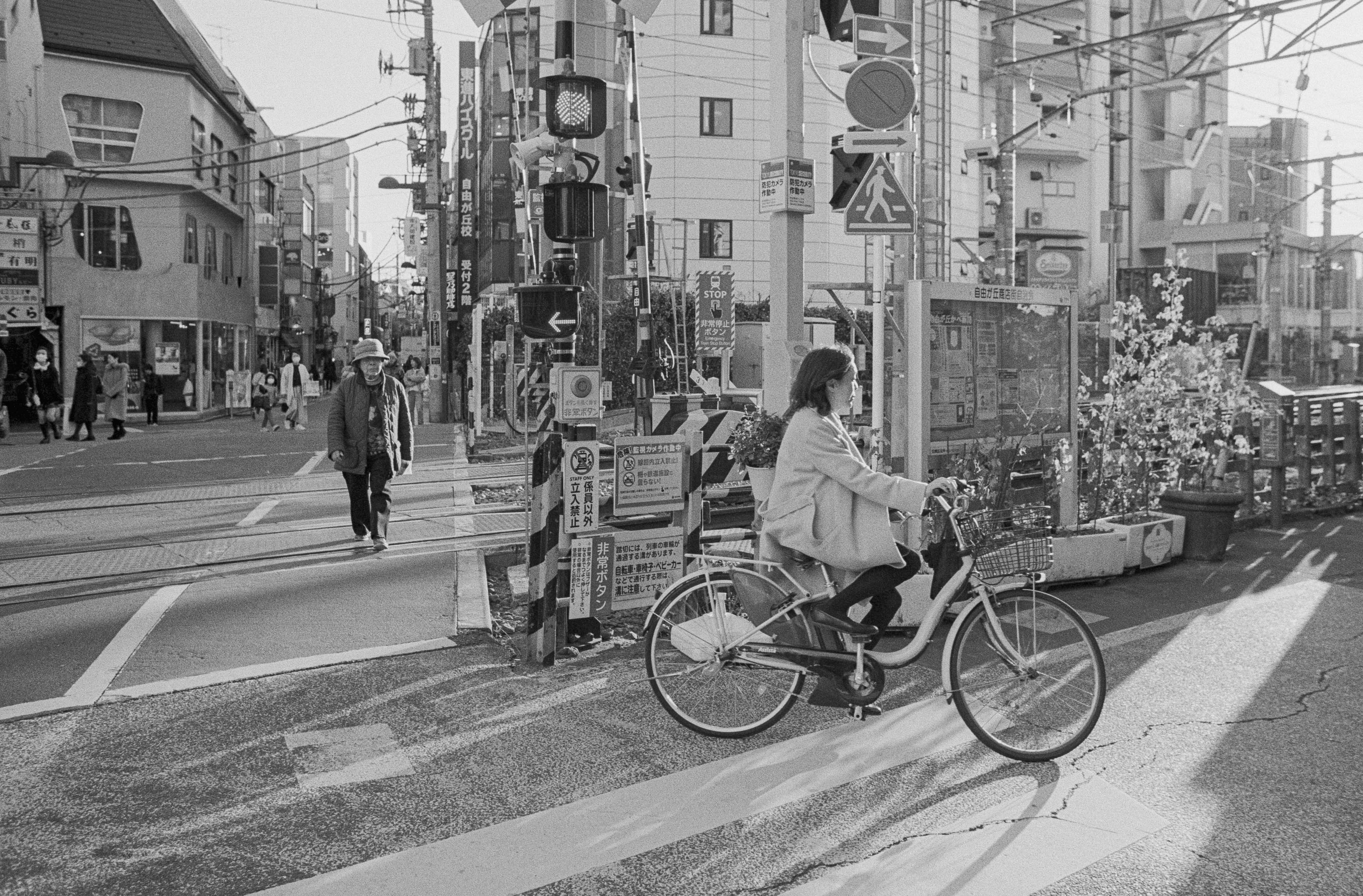
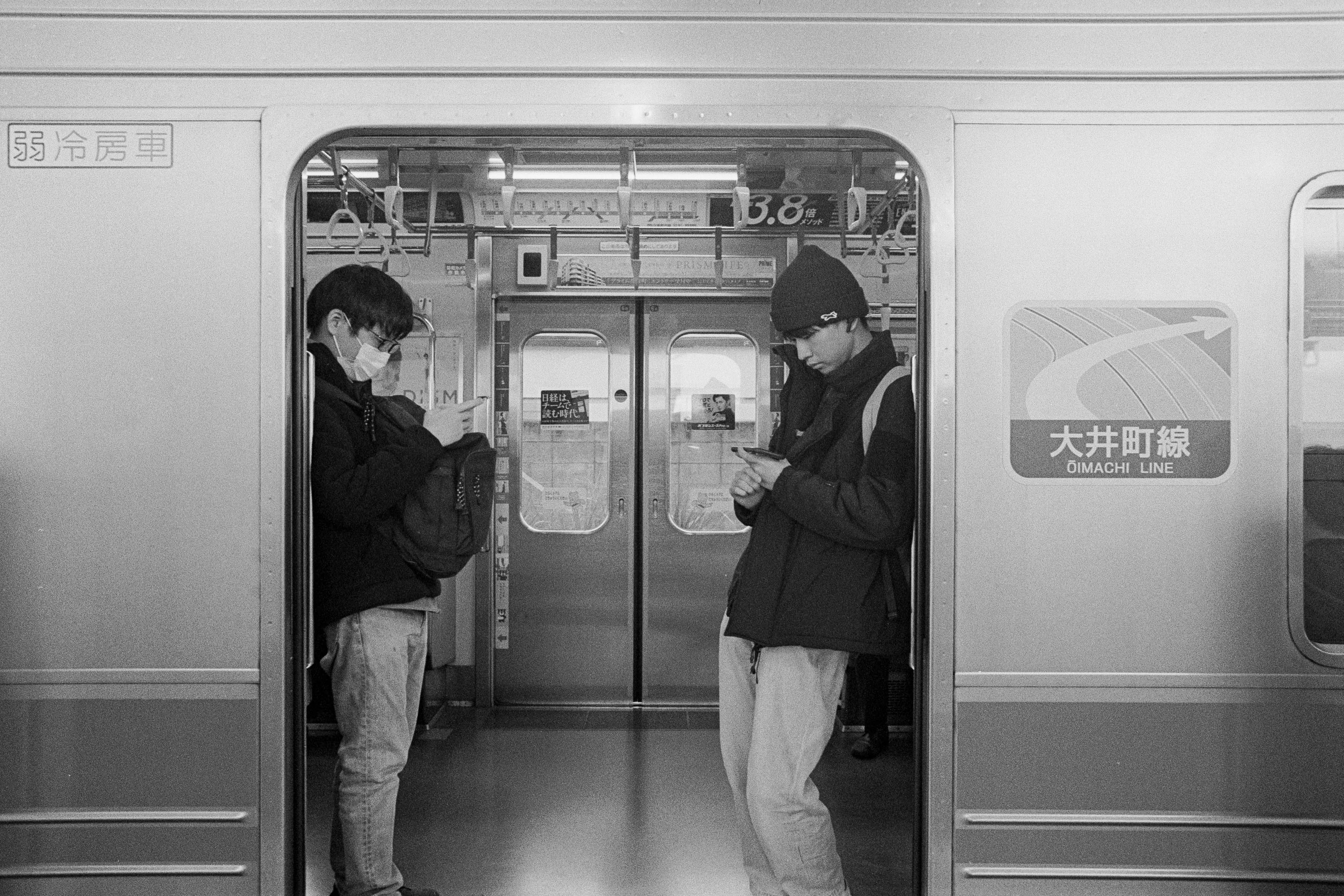
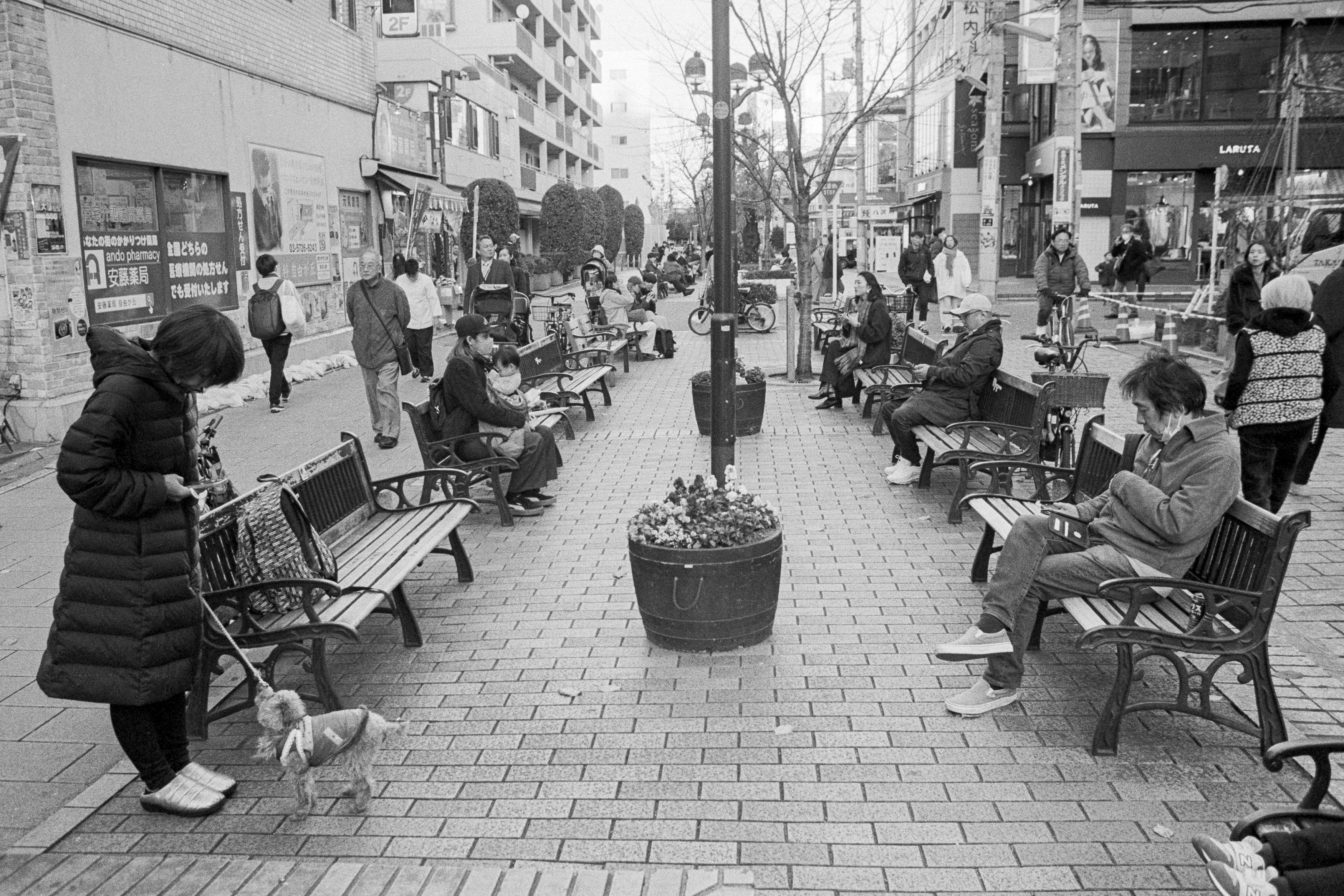
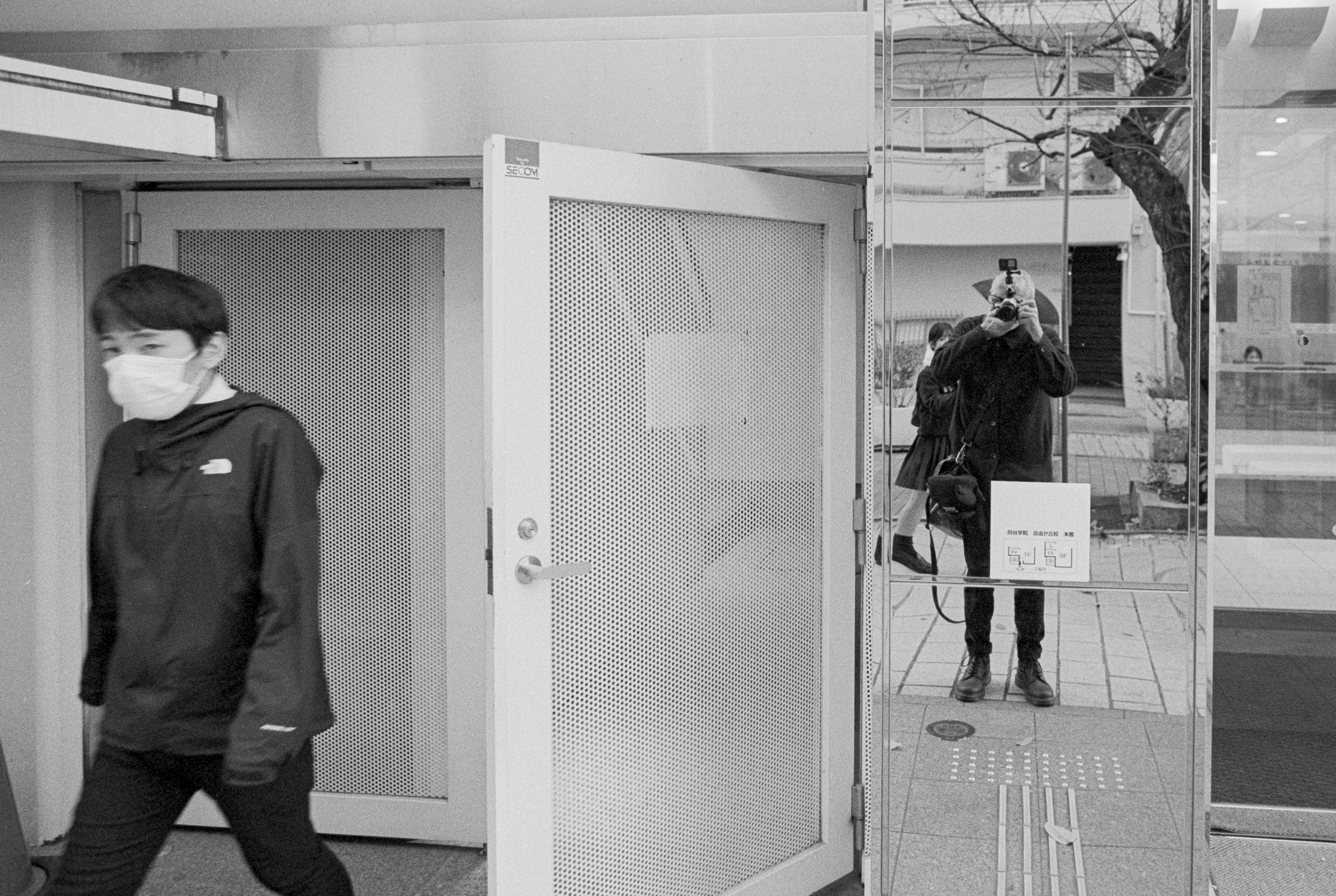
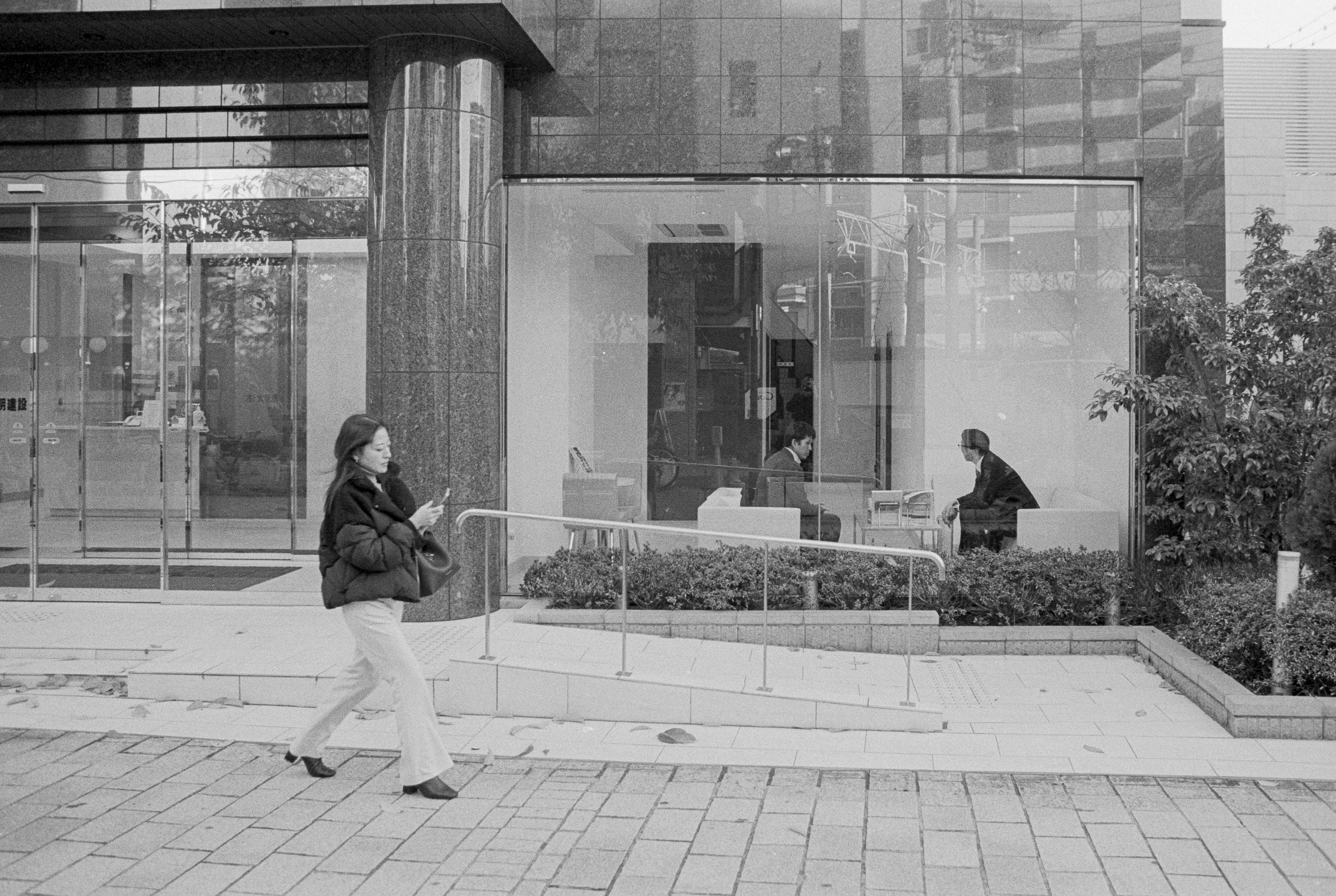
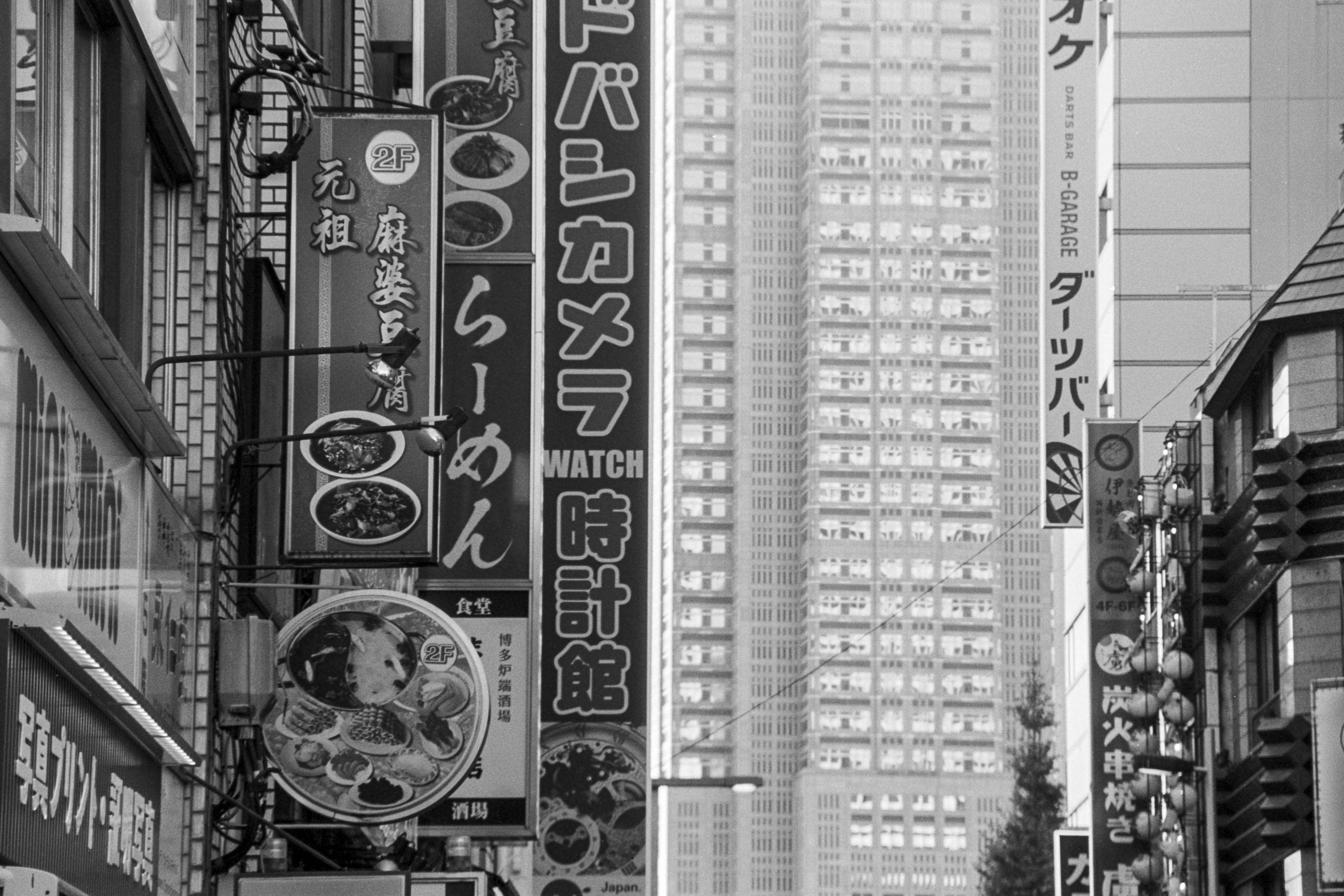
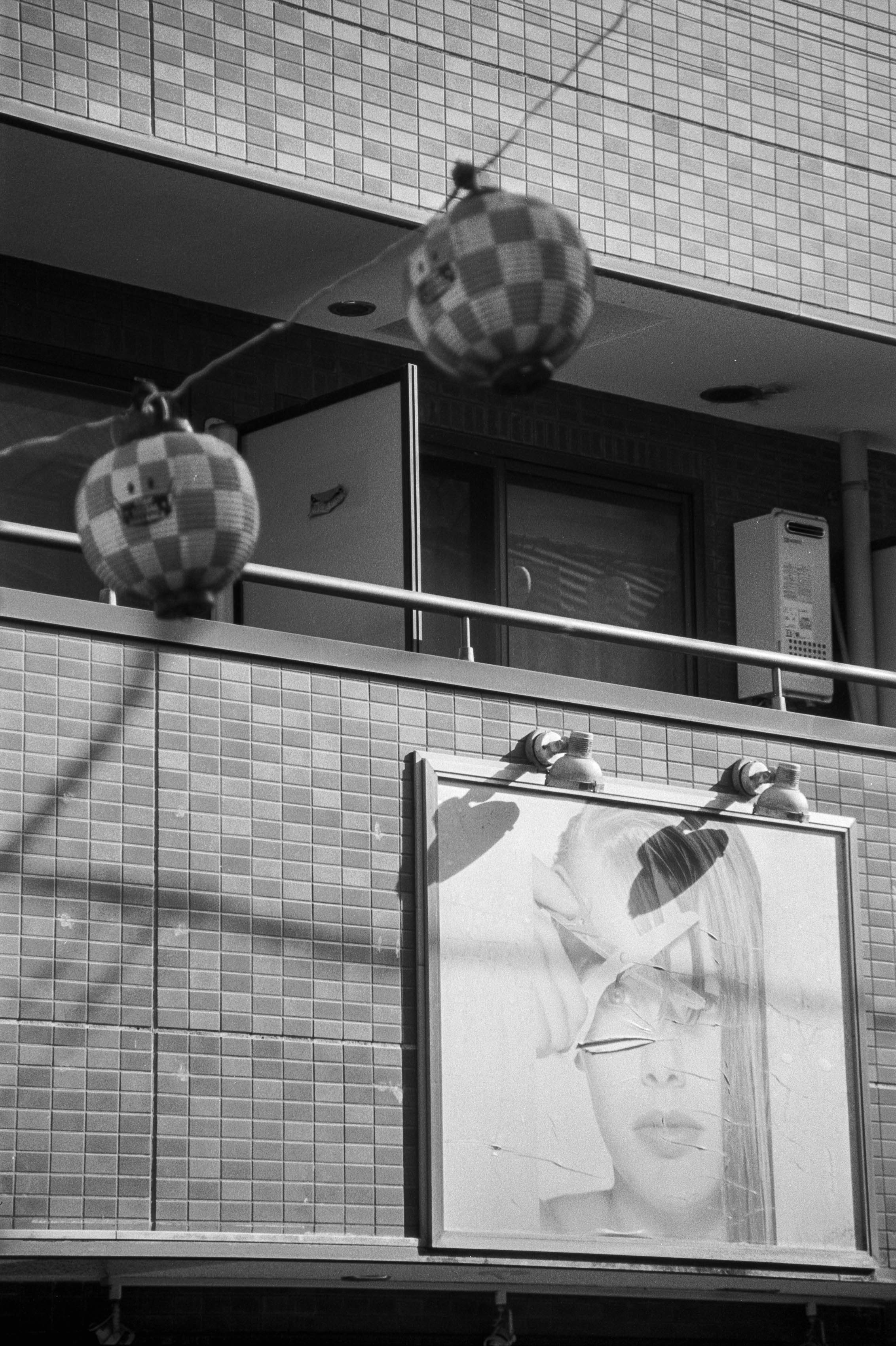
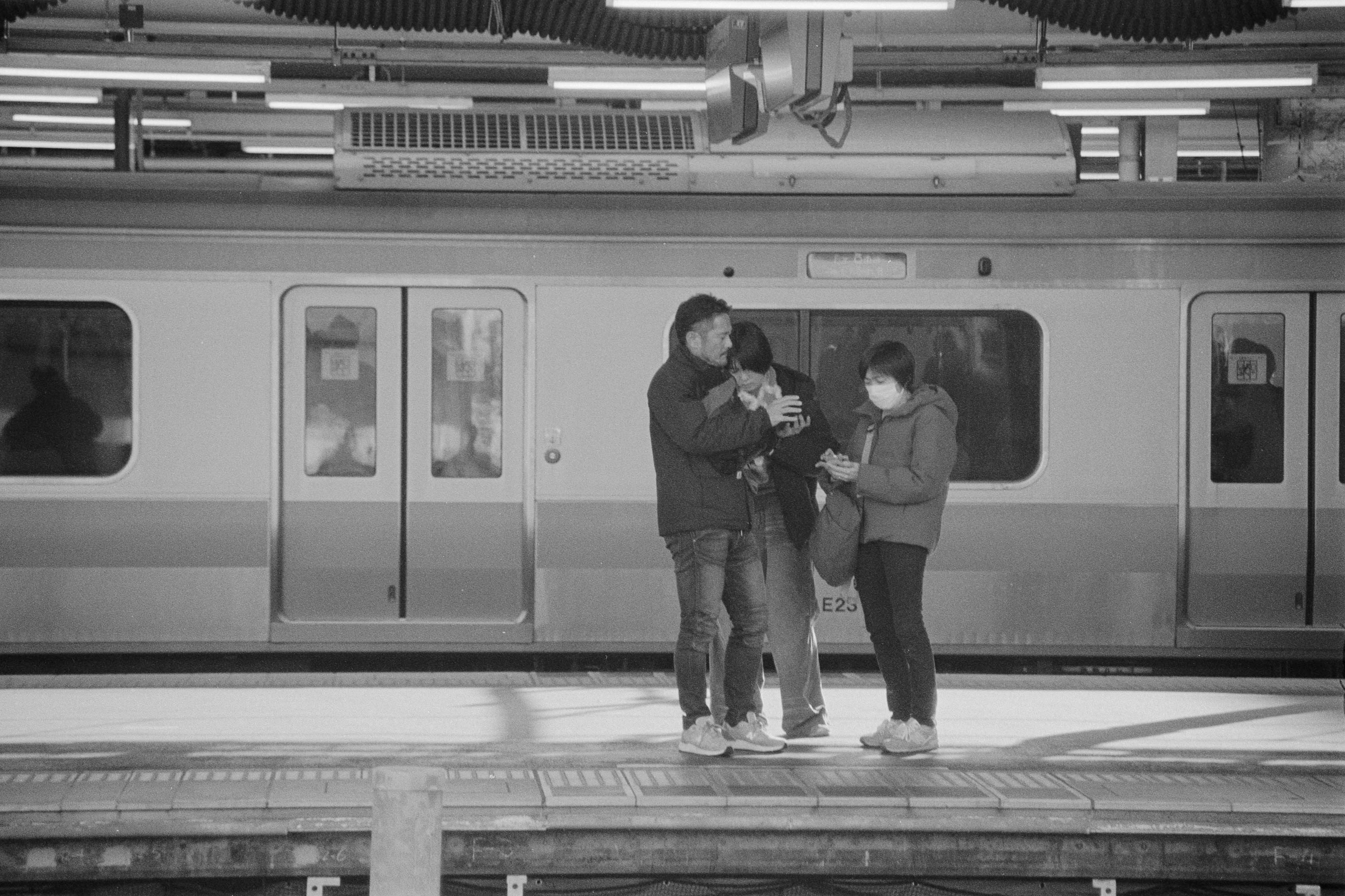
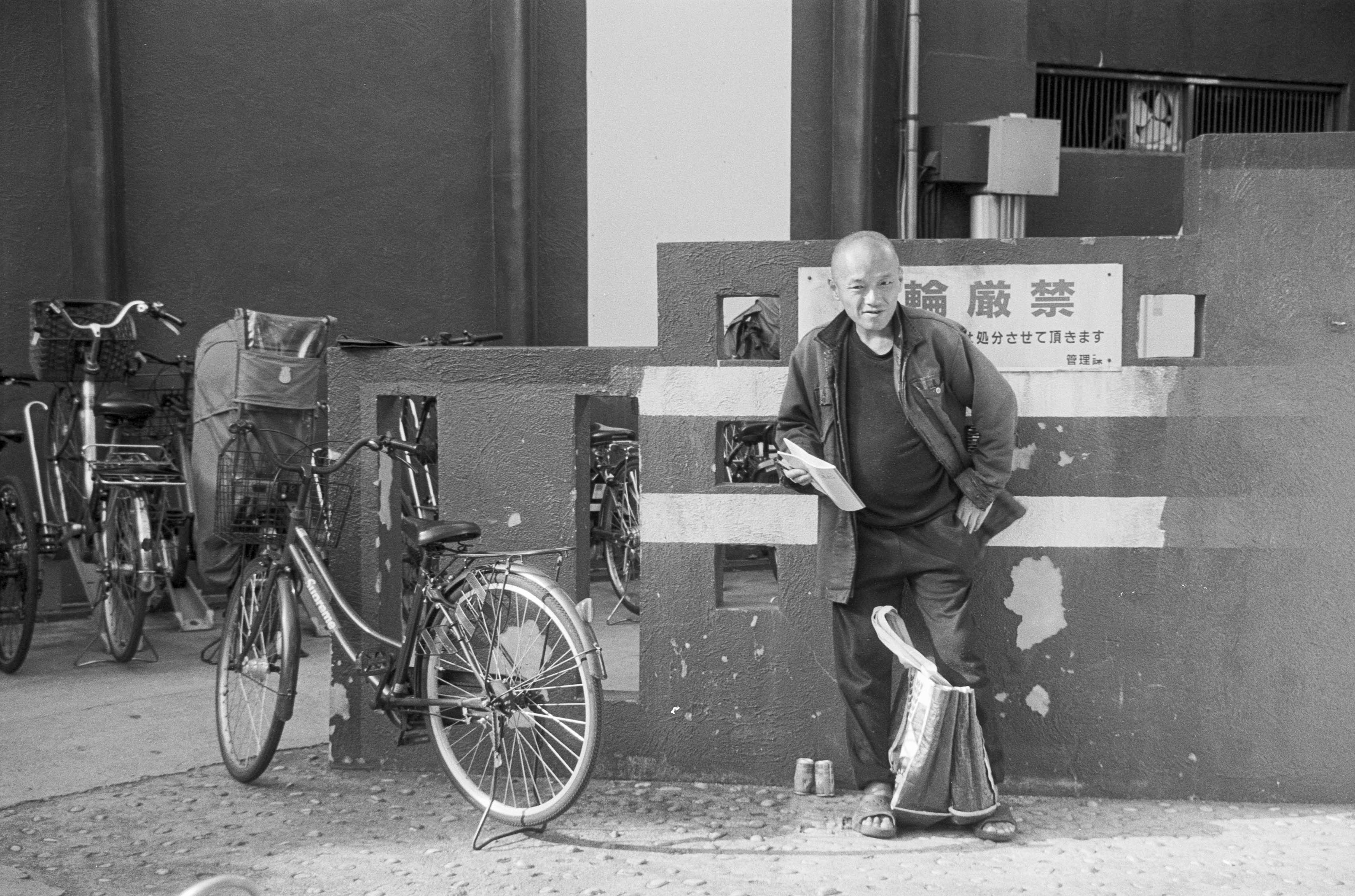
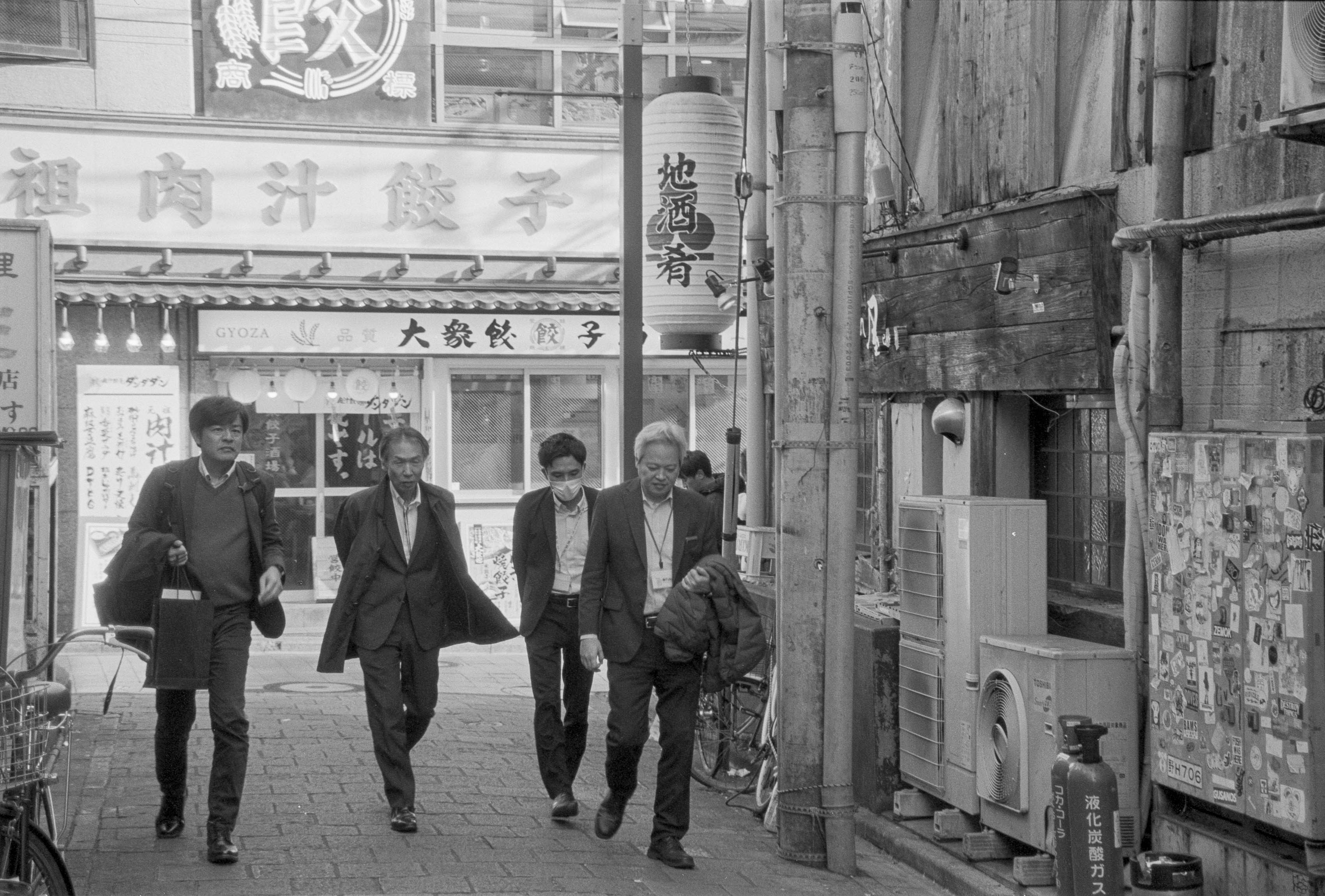
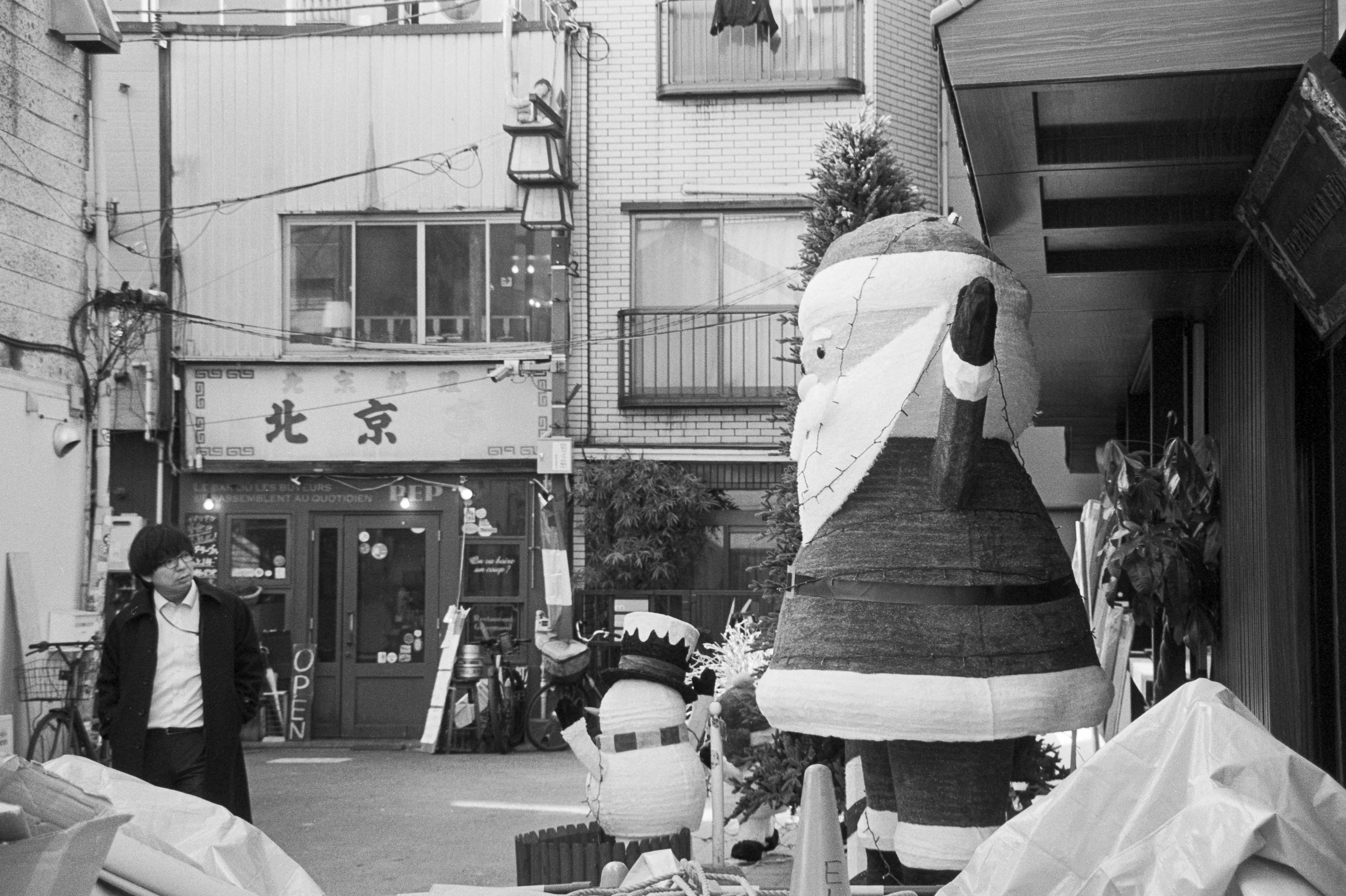
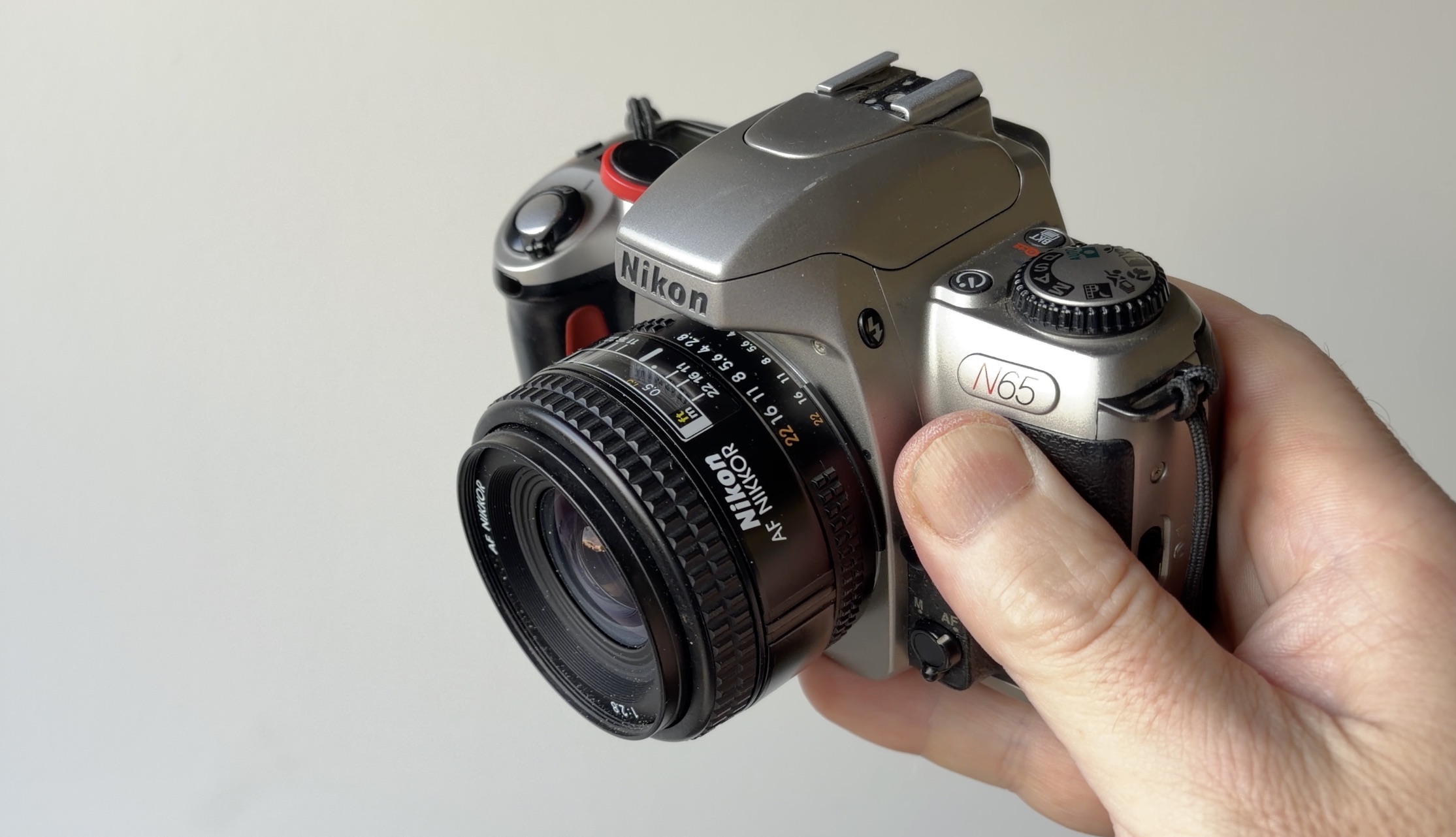
Naturally, I wanted to see whether it was really as bad as its reputation suggested. I bought the lens in Tokyo last year for my Nikon N65 and took it for a walk around Setagaya, travelling along the Oimachi line towards Jiyugaoka. To test its resolving power, I chose Ilford HP5 pushed to ISO 800. Hardly the ideal film for a resolution test, perhaps, but I’ve never been particularly good at following instructions.

A Lens That Doesn’t Want to Make a Scene

Physically, the AF 28mm f/2.8 is about as unremarkable as a lens can be. It’s small, discreet and reasonably solid, with a metal mount and an aperture ring that makes it compatible with a broad range of Nikon cameras. The manual-focus ring is narrow but usable, with a rubberised surface and reasonably smooth movement. It doesn’t feel luxurious, but neither does it seem likely to fall apart.

As an AF lens, it relies on the camera’s screw-drive autofocus motor, so it won’t autofocus on bodies that lack one, including many cheaper DSLRs and Nikon Z-series cameras. Put it on a compatible body such as the N65, however, and it focuses quickly enough to get on with the job. There’s nothing especially exciting about its construction or handling, but that’s part of its appeal: it quietly gets on with things.
The bigger challenge was learning to work with the 28mm focal length. I often wished I could get closer to my subjects, particularly when photographing people across a railway platform or trying to give an individual more presence in a busy scene. Some images needed cropping, while others would have benefited from a different approach to composition. Famous street photographers such as Garry Winogrand and Daido Moriyama have made remarkable photographs with 28mm lenses, but that doesn’t mean I’m automatically going to achieve the same results.

In practice, this feels like a meat-and-potatoes lens: a sensible choice for photojournalists, enthusiasts and anyone wanting something wider than a standard lens. It’s useful, but it requires thought about distance, framing and how much of the surrounding environment belongs in the picture.

The Optical Problems Are Real

When it comes to optical performance, the AF 28mm f/2.8 doesn’t exactly cover itself in glory. Distortion is one of its more obvious shortcomings, particularly in scenes containing straight lines. Software correction helps, but the distortion isn’t uniform, and architectural photography would probably require additional Photoshop work to deal with the remaining moustache-shaped warping.
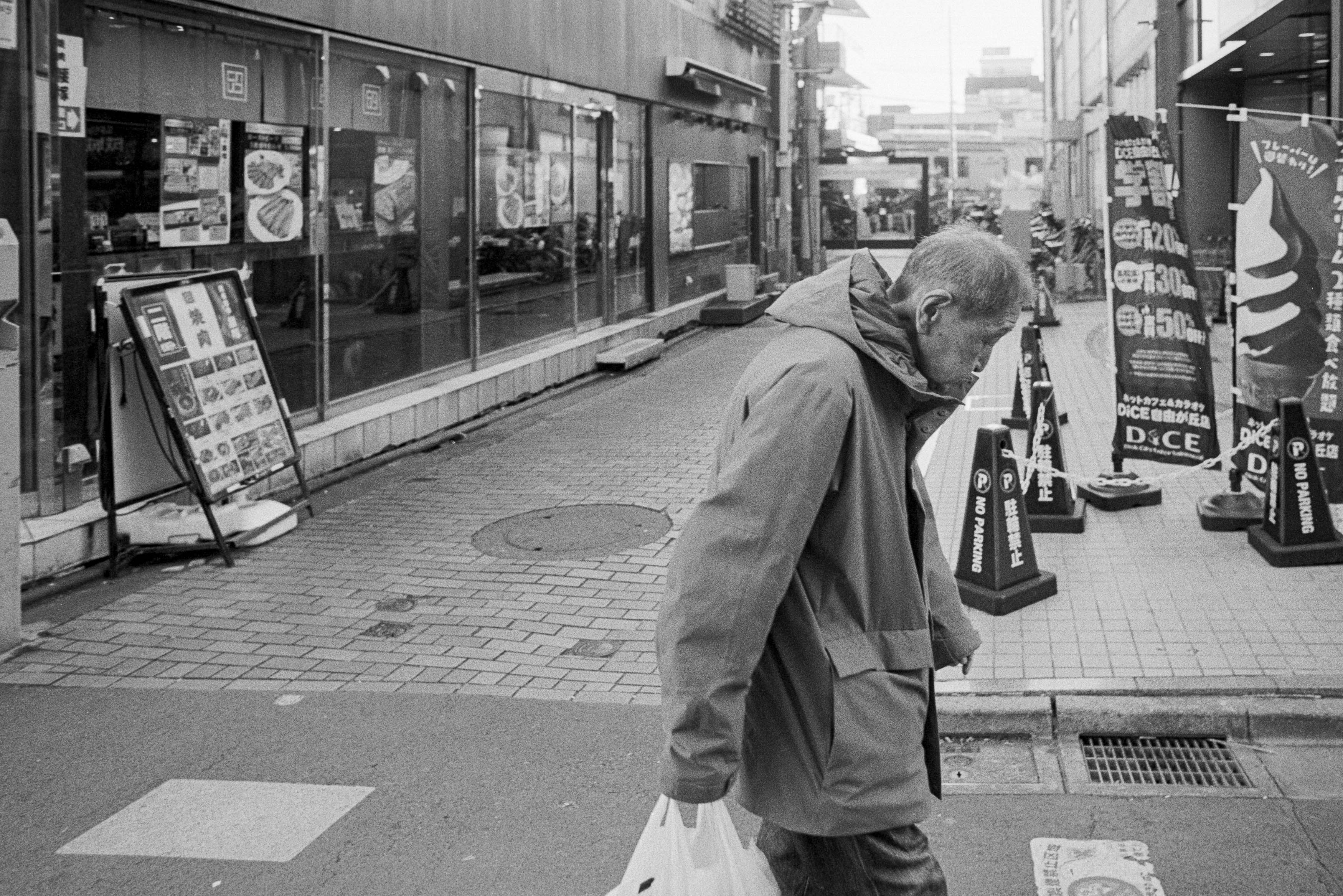
Sharpness is another weakness. At f/2.8, the centre is reasonably sharp, but the corners look as though someone has smeared them with Vaseline. Stopping down improves matters, although the lens really begins to look convincing around f/11, when sharpness becomes more consistent across the frame. That’s hardly ideal if you want modern, clinically sharp results, but it isn’t necessarily the end of the story.

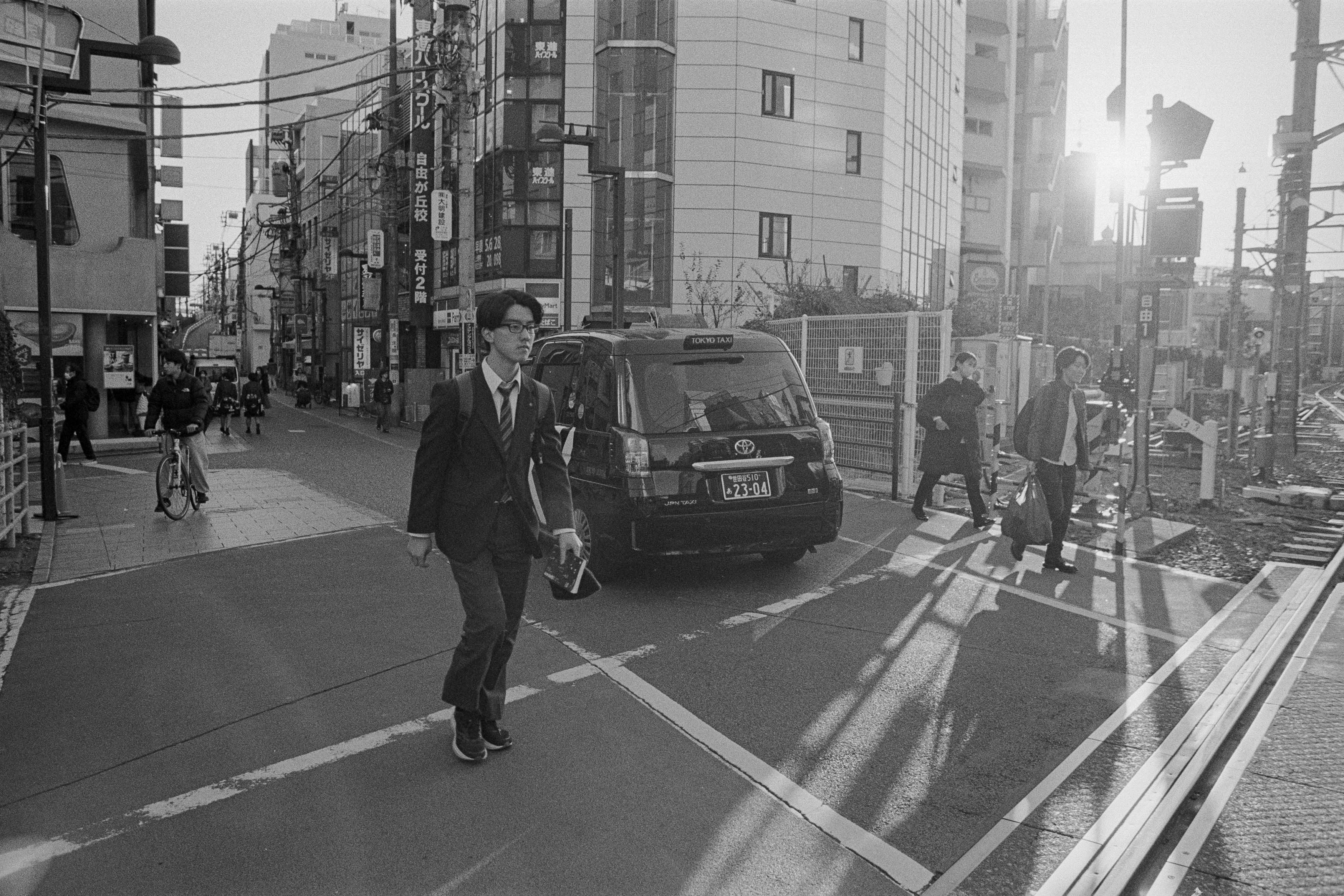
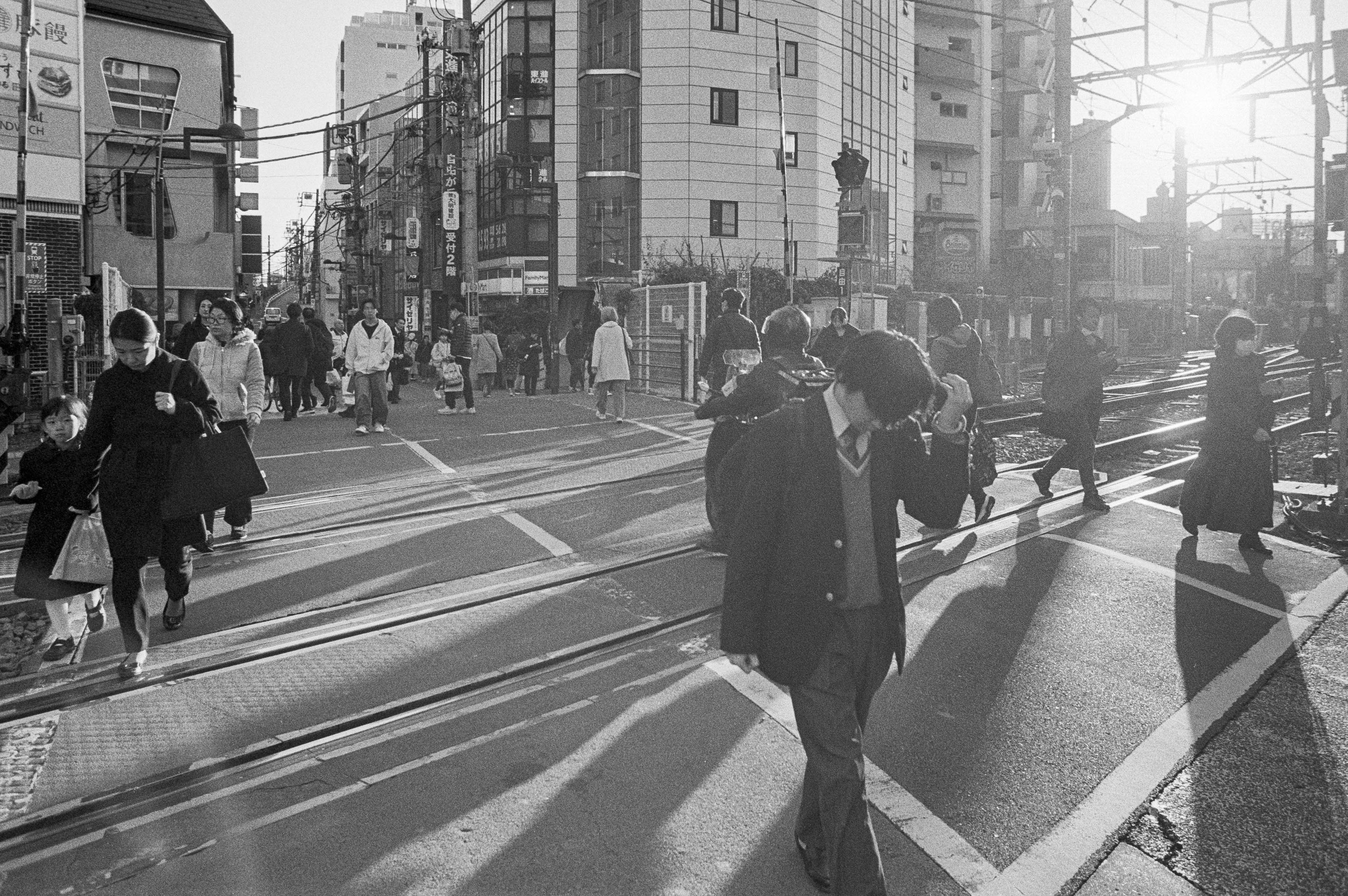
Flare is more complicated. The small, recessed front element helps in ordinary shooting, but pointing the lens directly towards the sun can produce obvious flare, particularly at wider apertures. Whether that’s a problem depends on what you’re trying to achieve. I enjoyed the effects when photographing in the weak winter sunlight around Jiyugaoka. Rather than ruining the photographs, the flare sometimes added atmosphere and made busy scenes more interesting.

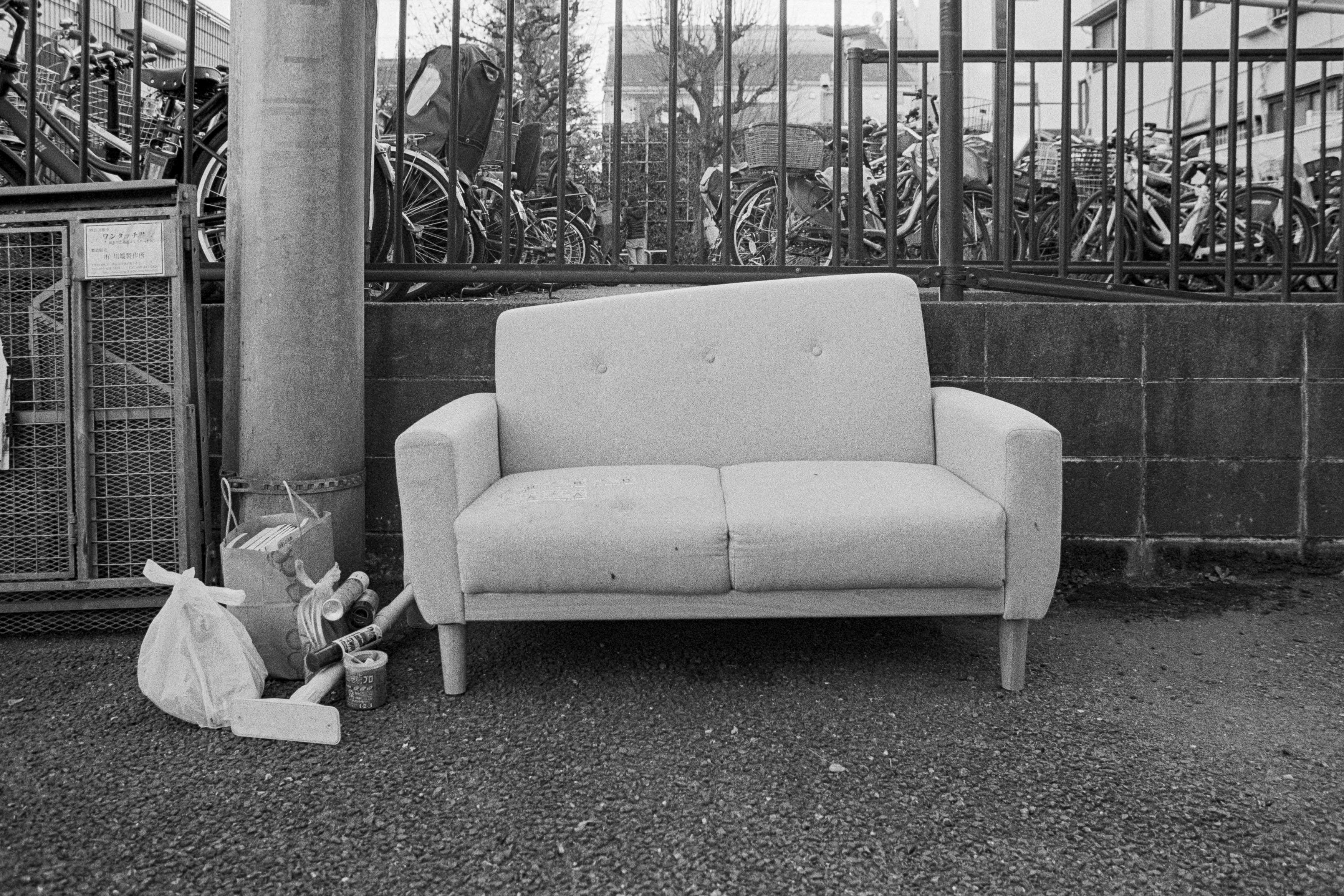
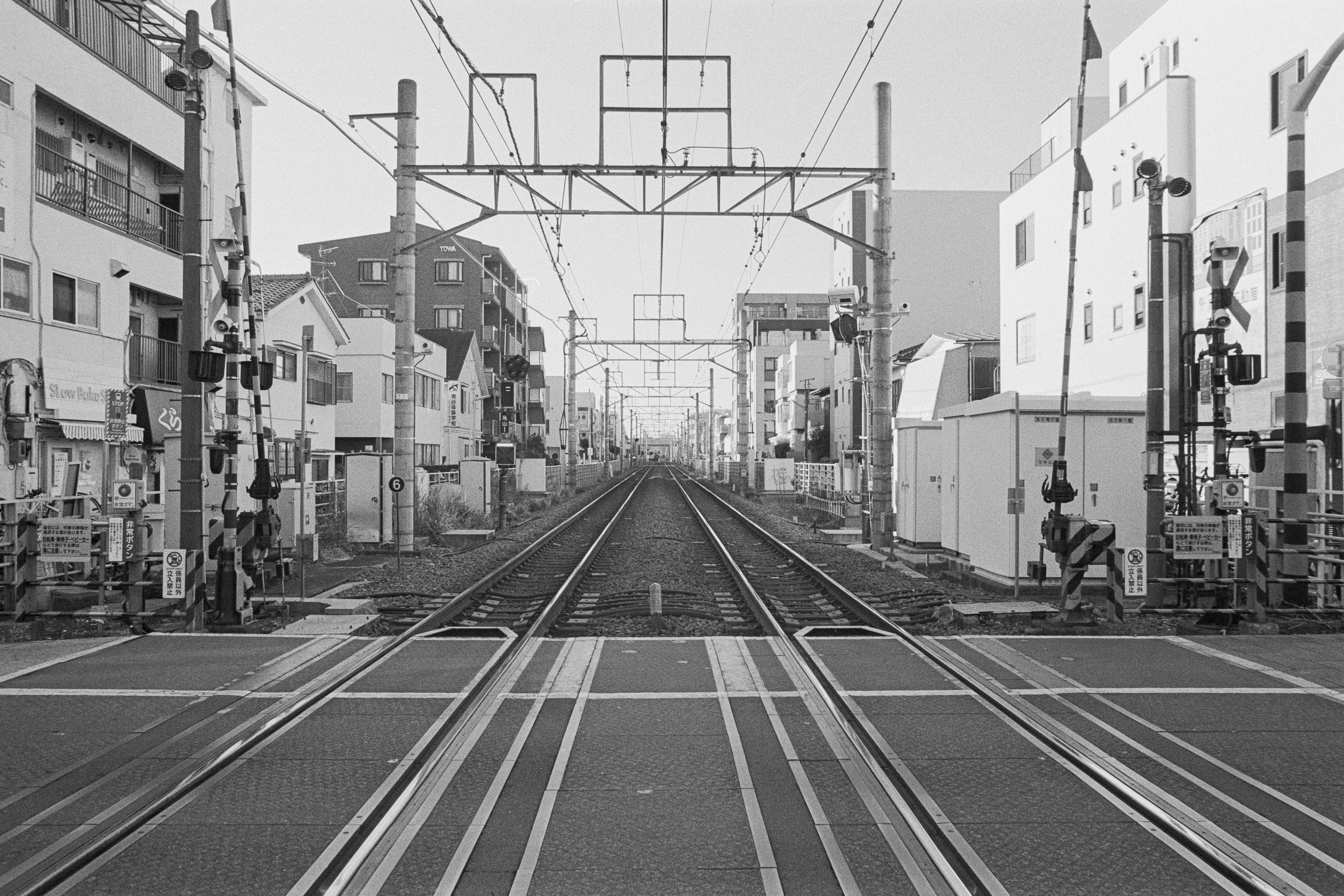
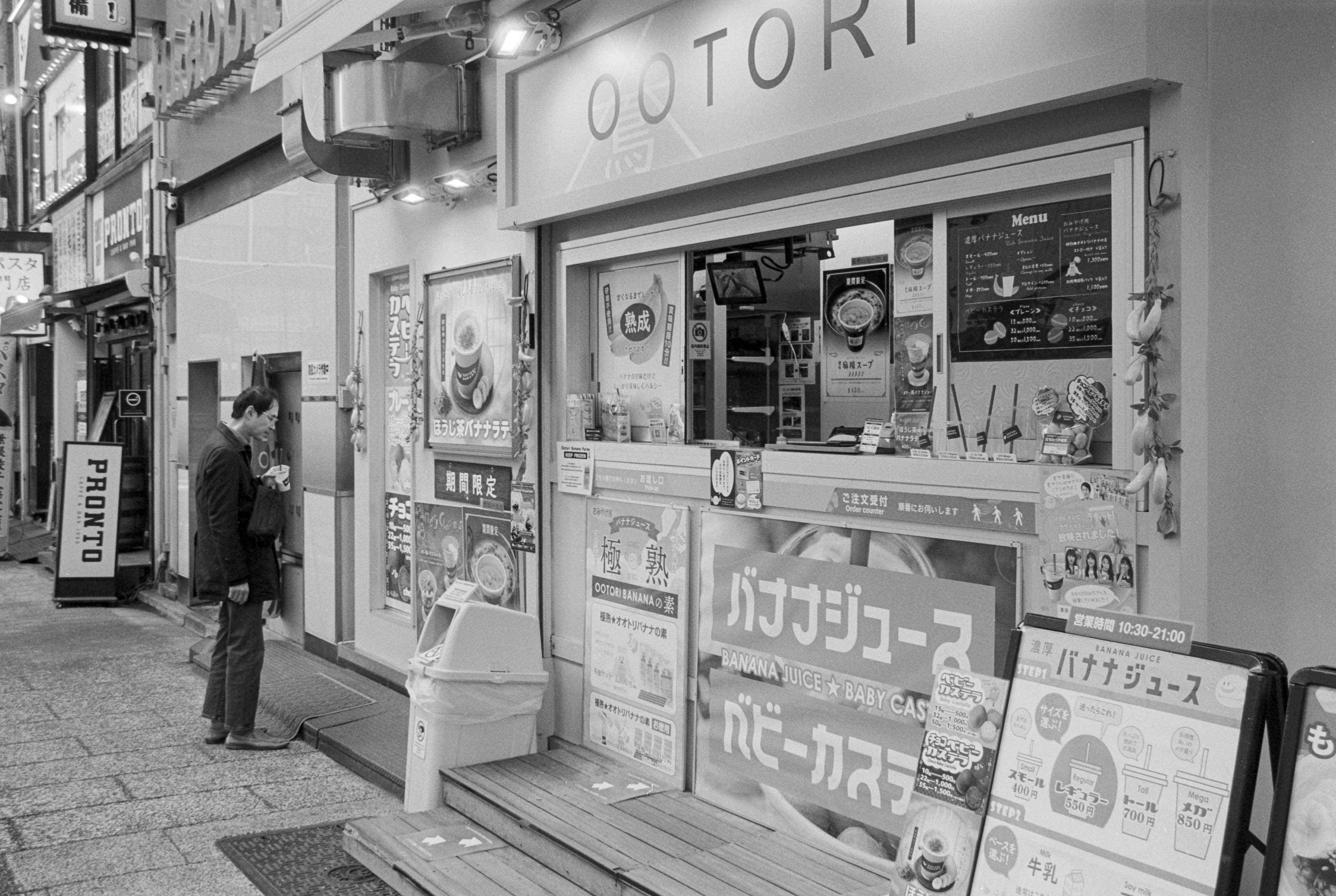
After two rolls of HP5 pushed to ISO 800, I had enough photographs to judge the lens on its own terms. The results weren’t technically impressive in every respect, but they were far from useless. The busier street scenes generally worked best, with people becoming part of the environment rather than isolated subjects. I particularly liked balanced compositions where anonymous figures contributed to the scene and the lighting did more of the work than sharpness ever could. Even a railway crossing proved difficult to resist, although railway crossings are practically cheating when it comes to street photography.

More Than the Sum of Its Parts

So, is the Nikon AF Nikkor 28mm f/2.8 a terrible lens? Optically, there are certainly reasons to criticise it. It’s soft at wider apertures, distortion can be troublesome, and shooting directly into the light reveals its limitations. If technical perfection is the goal, there are better options, including Nikon’s more highly regarded manual-focus 28mm.

Yet I came away feeling more positive about this lens than its reputation might suggest. Once it was on the camera, I stopped worrying about its shortcomings and simply enjoyed taking photographs. I didn’t particularly mind the results either, which is not always something I can say about my own work.
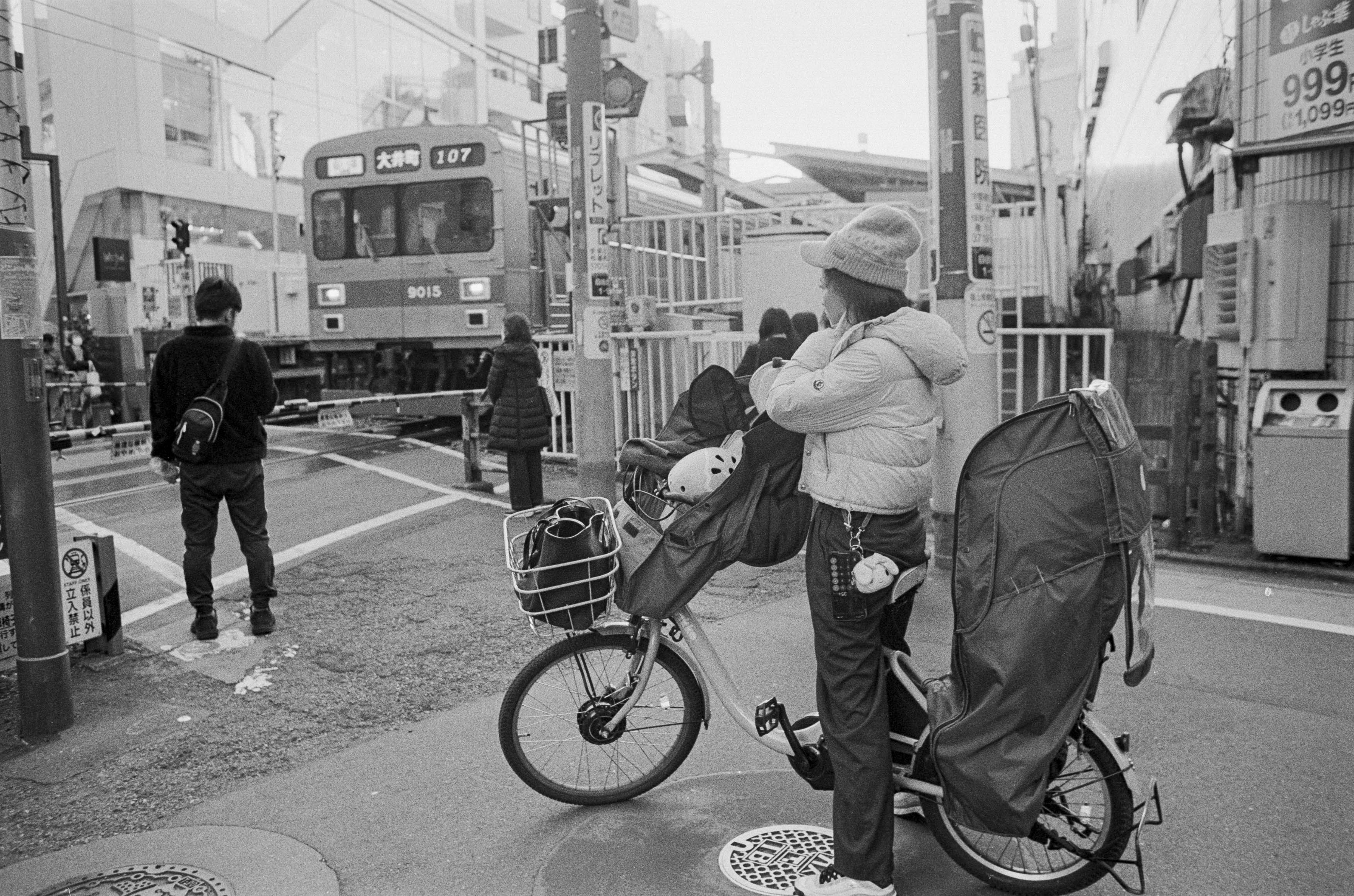
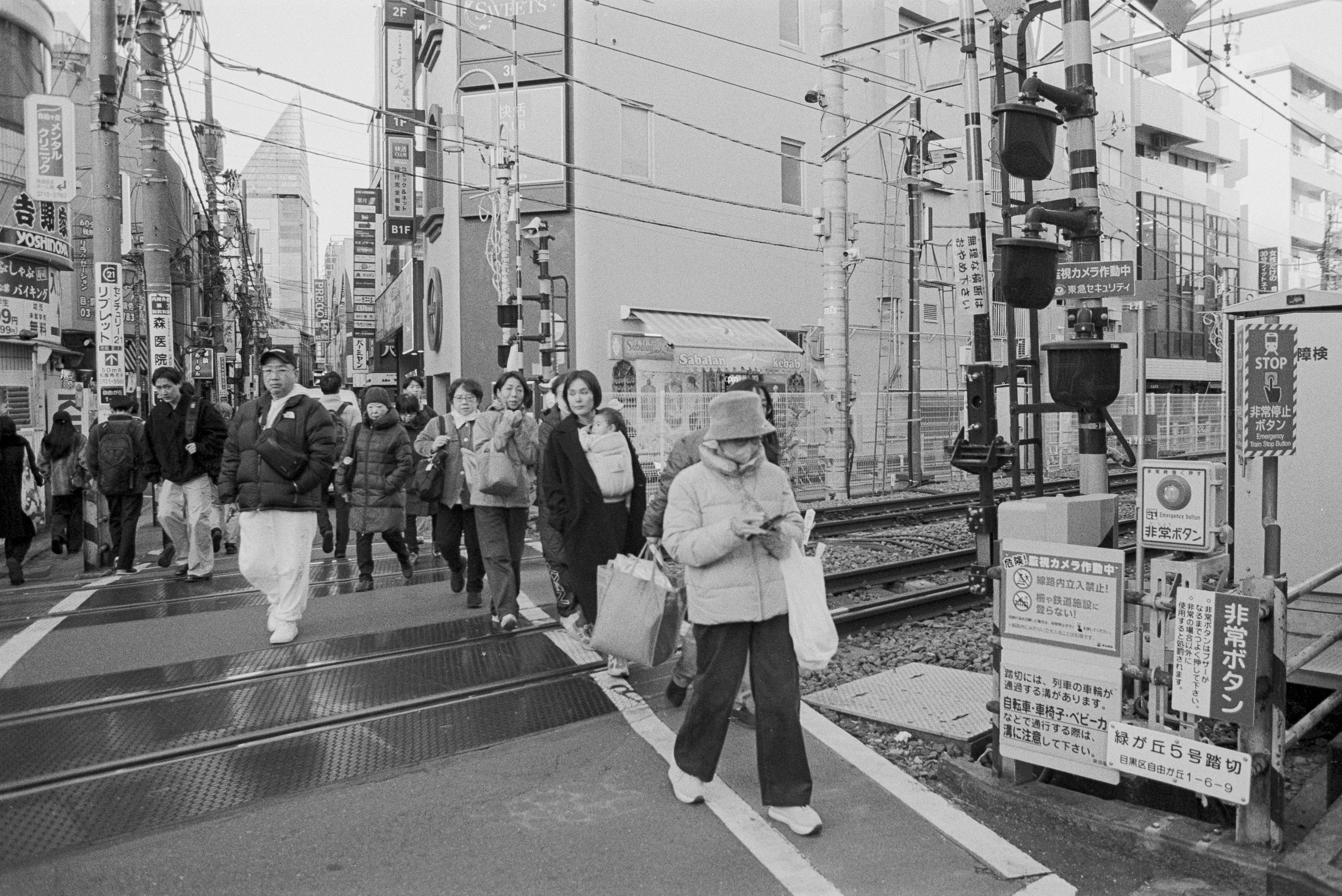
The photos here are evidence that a lens can be imperfect and still produce images worth looking at. Its limitations became part of the experience rather than a reason to abandon it, and the occasional flare or softness could even contribute to a photograph’s character.

We spend a great deal of time comparing specifications, counting optical elements and deciding which lenses deserve our approval. Those things matter, but they don’t always tell us whether we’ll enjoy using a lens or whether it will help us make photographs we like. The AF 28mm f/2.8 may not be Nikon’s finest wide-angle design, but it proved to be an agreeable companion on the streets of Tokyo.

I wouldn’t recommend it as a miracle bargain or pretend its flaws don’t exist. I would, however, suggest that it deserves more consideration than its reputation allows. Sometimes an unassuming, imperfect lens is enough to get you out taking photographs, and that’s a more useful quality than a perfect set of laboratory results. I’ll probably take this one out again, along with the other questionable cameras and lenses that seem to find their way into my collection.

Gettin’ Spooky with Kono Boo! Film

It’s that time of the year again, when children knock on strangers’ doors demanding confectionery, and parents are totally ok with that. Perhaps the Buffy the Vampire Slayer explanation is the best one: real vampires don’t turn up because they find the whole affair rather tacky. And what could be more tacky than a film specifically designed for the Halloween season? Enter Kono Boo!, an experimental 35mm colour film that promises to bring a little seasonal spirit to my photography. Whether that spirit is supernatural or simply the result of a marketing department having a particularly good afternoon remains to be seen.

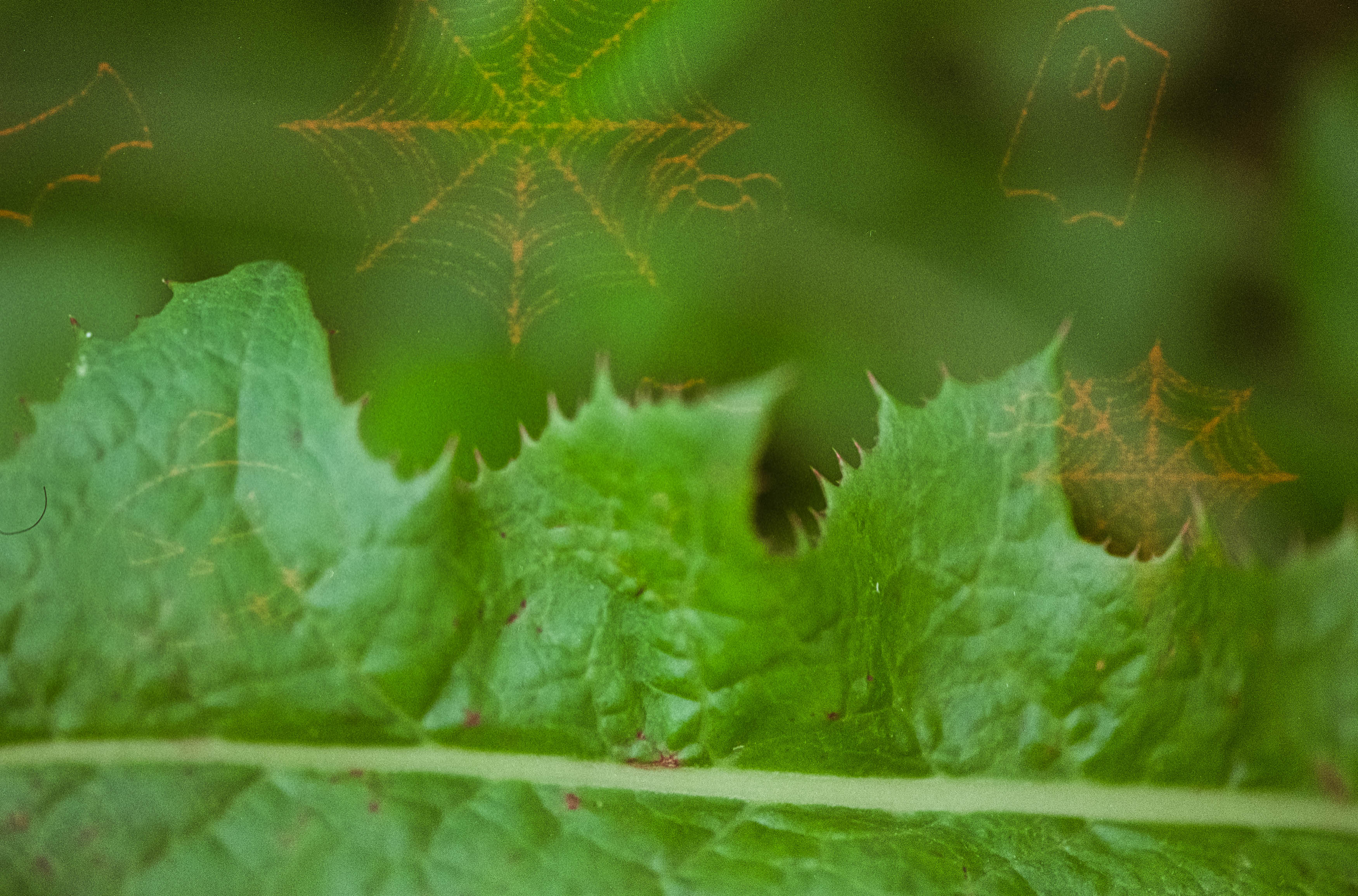
The idea behind Kono Boo! is fairly straightforward. The film is pre-exposed with Halloween-themed graphics, which should appear alongside whatever you photograph, adding a suitably eerie touch to your images. Underneath the novelty, however, we’re dealing with good old Kodak Gold, packaged up in a seasonal disguise and sold at a premium to a population eager to inject a little Halloween hilarity into their otherwise mundane lives. It’s a bright idea, certainly, although perhaps one conceived after a few too many beers at lunch. There’s a sucker born every day, and this time that sucker is me. In fairness, the film was a gift from my daughter, so thanks, Lizzy. Let’s see what we can do with it.

Photographing Halloween in the Australian Spring

There’s one problem with celebrating this Autumnal festival. I’m in Australia, where October means spring. While our northern hemispherical friends are out photographing burnished autumnal foliage, we’re watching hardy wildflowers desperately squeeze through the cracked earth, only to be scorched by the increasingly unforgiving antipodean sun. It’s not exactly the classic Halloween aesthetic, but surely there’s something unsettling lurking in the natural world if I look hard enough. Trees are silent sentries watching the world renew and decay, while flowers are ephemeral seductresses of pollination, giving themselves up to insects before withering into nothingness. If that doesn’t sound vaguely sinister, I don’t know what does.

For this photographic expedition, I’m taking my Nikon N65, a perfectly functional late-model plastic SLR with approximately thirty-year-old electronics slowly rotting inside it. The lens, fortunately, is a little more contemporary: the Nikon AF-S VR Micro-NIKKOR 105mm f/2.8G IF ED. That’s quite a collection of acronyms, but it’s a capable macro lens that should allow me to get up close and personal with the miniature horrors hiding in nature. My local wetlands provide the setting, and I’m hoping that a few creepy plants, cobwebs and unsettling details might provide the perfect subjects for this unusual film stock.

Of course, Halloween itself is a curious tradition. Originally associated with the pagan festival marking the beginning of winter, it was subsequently appropriated by Christianity as the evening before All Saints’ Day. The Christians do love to crash a party. And for those who prefer their religious history with a little Protestant resentment, 31 October is also Reformation Day, commemorating Martin Luther’s famous 95 Theses. Killjoys. Personally, I’m probably more Methodist than Catholic when it comes to handing out treats, and the neighbourhood children shouldn’t expect too much generosity from my doorstep. Nevertheless, I can’t stop everyone else from having their fun, so let’s see whether this festive film can deliver something worth celebrating.

Kodak Gold, Halloween Graphics and Missed Opportunities

The first thing to remember about Kono Boo! is that, beneath its Halloween mask, we’re essentially shooting Kodak Gold. That’s not necessarily a bad thing. Kodak Gold is known for its warm, cheerful colours, which are wonderful for holiday snaps but perhaps a little antithetical to the cold, sinister atmosphere we’re trying to create here. Something grainier, with cooler tones, might have been a more appropriate choice. Orwo NC500 springs to mind, although my previous experience with Ilford Ilfocolor 400 has already provided enough colour-related nightmares to last a lifetime.

Unfortunately, the Halloween graphics don’t really make their presence felt under most conditions. It’s only in darker scenes or areas of high contrast that those pre-exposed designs begin to emerge, and even then, the results can be rather underwhelming. In many of my photographs, the subject itself does most of the heavy lifting, while the Halloween imagery remains frustratingly inconspicuous. The film isn’t entirely without merit, but it certainly requires a little more thought than simply loading a roll and hoping for the best.

One thing that becomes clear during the walk is that I haven’t really optimised my photography for the characteristics of the film. I’ve been approaching it much as I would any other roll of colour negative film, rather than considering how the pre-exposed designs might interact with the composition. Perhaps the real trick is to shoot outdoors at night, using flash with a point-and-shoot camera. The resulting black backgrounds would provide a much better canvas for those cartoonish Halloween graphics, allowing them to stand out instead of disappearing into the scenery. It’s an approach I’ll have to investigate another time.

There are some interesting moments, particularly when I experiment with double exposures. I’ve had plenty of experience with multiple exposures over the years, although most of mine have been accidental, especially when using older medium-format cameras that require the shutter to be cocked between frames. Here, though, the technique offers some intriguing possibilities, and I suspect there’s enough potential to justify a dedicated video in the future.

A Questionable Conclusion

So, have I managed to capture the creepiness of Halloween? Probably not. Has Kono Boo! delivered the scares? Not really. But the experiment has been fun, and I think there’s something to be learned from the experience. Pre-exposed film isn’t necessarily going to do all the work for you, and if you want to make the most of it, you need to consider your subjects, lighting and composition carefully. Otherwise, you’re likely to end up with ordinary photographs wearing a rather unconvincing Halloween costume.

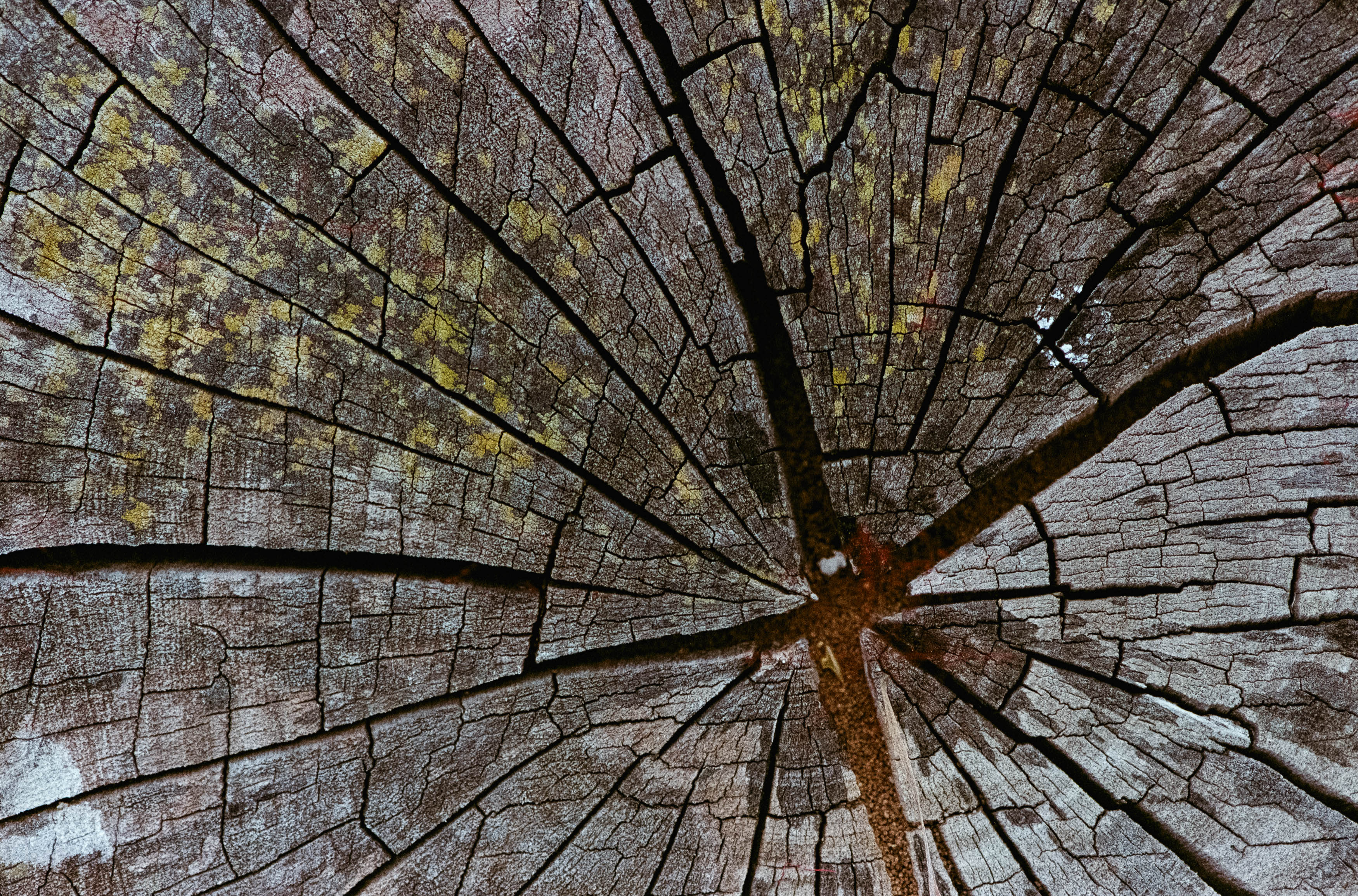
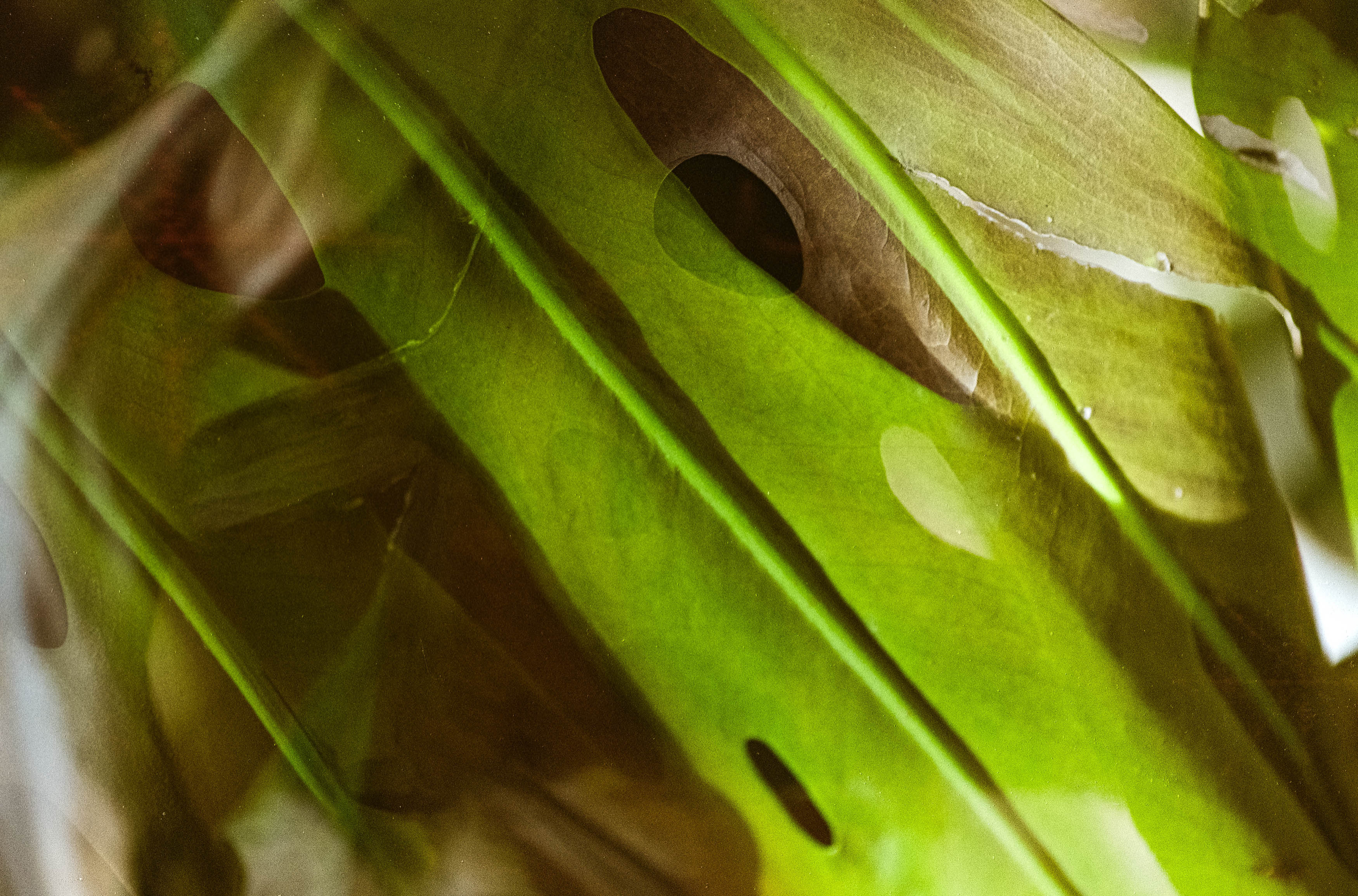
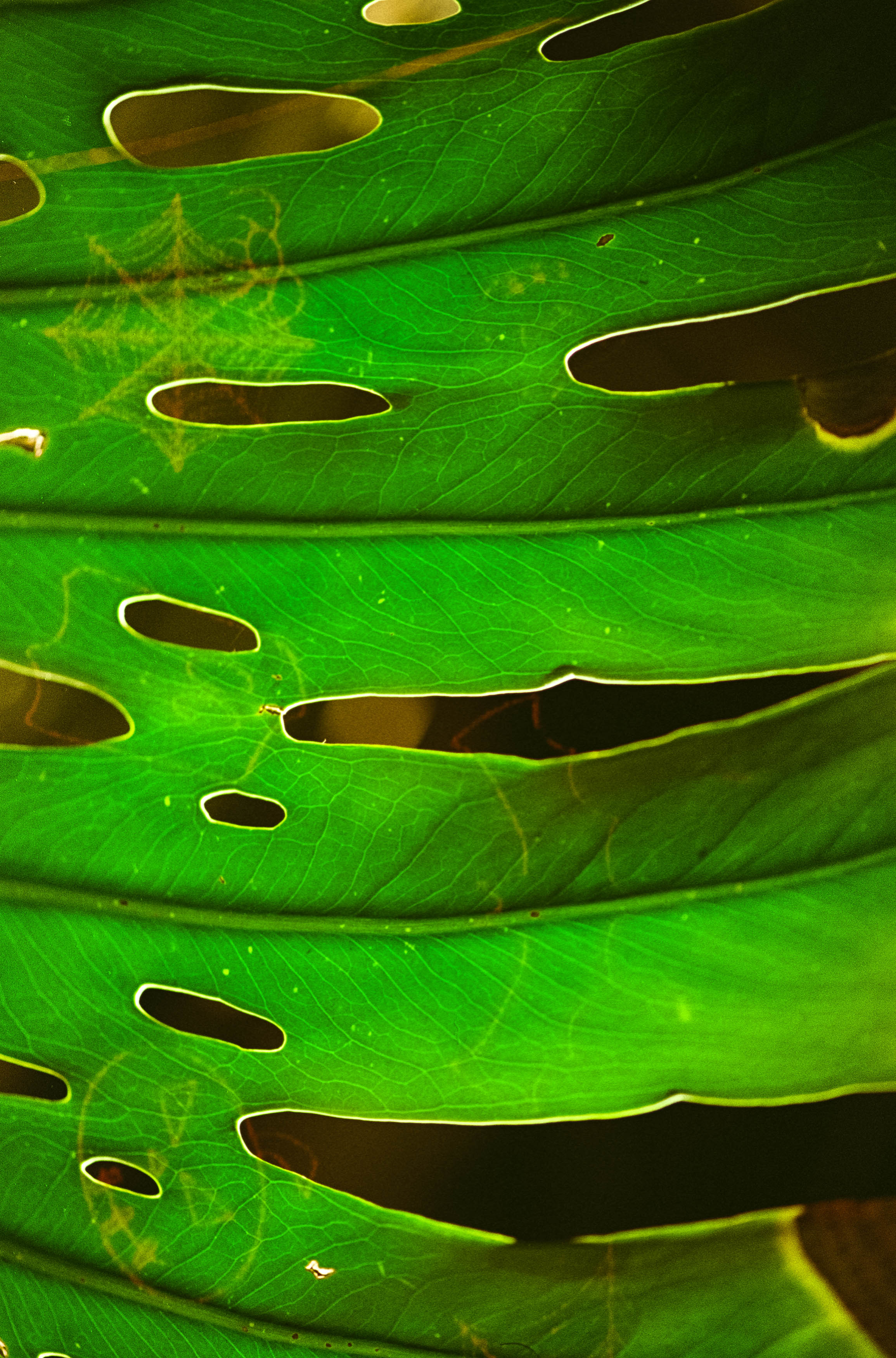
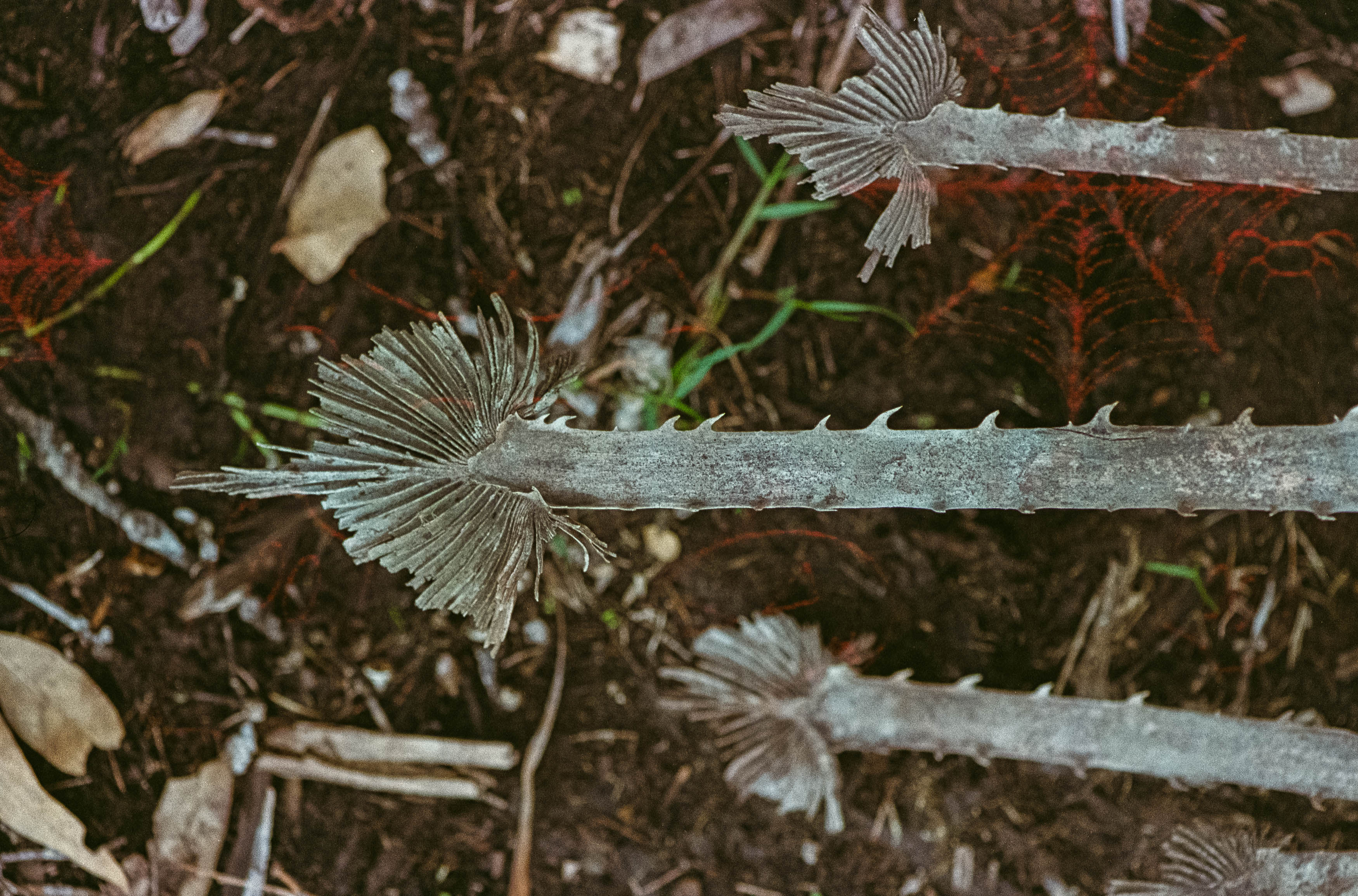
Ultimately, these photographs look more like nature photography than Halloween pictures but perhaps that’s the point. Not everything needs to be terrifying, and sometimes the most interesting images emerge when a photographic experiment doesn’t quite go according to plan. Kono Boo! hasn’t transformed my local wetlands into a landscape of supernatural dread, but it has encouraged me to think differently about pre-exposed film and the way I approach my subjects.

Let me know in the comments whether any of these photographs inspire existential dread. Boredom doesn’t count.

The BEST Cheap Film Camera for Travel? Nikon N65 and Tamron 28-200mm f/3.8-5.6

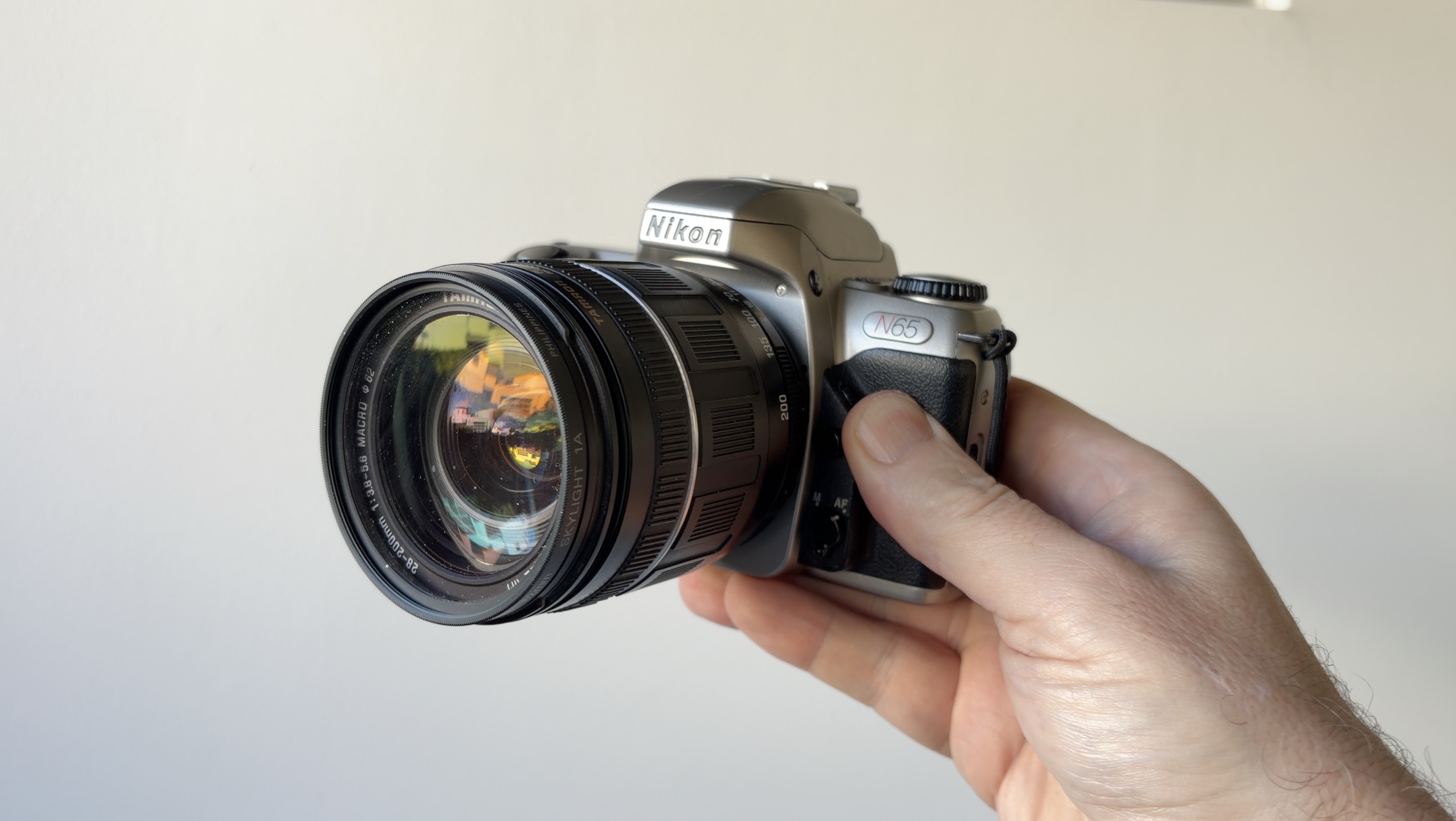
Are the Nikon N65 and Tamron 28-200mm the peaches-and-cream pairing of budget film photography, or do they clash like toothpaste and orange juice? After taking this decidedly unfashionable combination with me to Tokyo, I think I have a pretty good idea of where it sits in the hierarchy of cheap film cameras.

I travel quite a bit for work, and one of the recurring problems is that my camera collection stubbornly refuses to fit into a suitcase. Eventually, there comes a point where you have to accept that I’m taking one camera and one lens, once you have packed essentials such as a toothbrush, passport and your pet iguana. That makes size, weight, versatility and price rather important considerations.

The Nikon N65, also known as the F65 or Nikon U depending on where you live, is hardly the sort of camera that gets the heart racing. It is a late-era film SLR, made from plastic, finished in a rather unfortunate silver colour and generally ignored by photographers in favour of more glamorous cameras. It is, in other words, absolutely perfect for me.

The camera weighs less than 400 grams, yet manages to pack in an impressive collection of features. You get Program, Shutter Priority, Aperture Priority and Manual modes, along with 3D Matrix metering, exposure compensation, shutter speeds up to 1/2000 second, TTL flash and even deliberate double exposures. It is very much a product of the period when manufacturers had essentially perfected the SLR and were busy figuring out how many features they could squeeze into something ordinary people could afford.

Its biggest problem may simply be that it isn’t cool. The silver plastic body looks more like something you’d find in a child’s dressing-up box than around the neck of a serious photographer. There is a black version if you’re particularly concerned about your sartorial reputation, but the N65 isn’t going to impress anybody at a photography exhibition. Fortunately, I have no reputation to protect.

The Tamron Superzoom Problem

The other half of the equation is the Tamron 28-200mm f/3.8-5.6 Macro AF Aspherical XR (IF), a lens whose name contains approximately as many acronyms as some entire camera systems. Tamron was one of the pioneers of the all-in-one zoom, producing a 28-200mm as early as 1992 at a time when achieving that kind of focal range without producing complete optical rubbish was a genuine challenge.

This particular version comes from the later generations of the design and includes aspherical and high-refractive-index elements. It isn’t going to produce the sort of three-dimensional pop that inspires lengthy forum arguments, but it is generally sharp, well corrected and has enough contrast to produce a pleasingly modern-looking image on film.

That’s important because this isn’t really a test of ultimate optical performance. I’m not trying to determine whether the Tamron can defeat a modern professional zoom in a forensic pixel-peeping contest. The whole point is finding the sweet spot between price, size, quality and versatility. A 28-200mm gives me the ability to photograph a cathedral, a street scene or something considerably further away without changing lenses, and that’s enormously useful when travelling.

There are limitations, of course. The relatively slow maximum aperture means this isn’t the lens I’d choose for exploring the darkest corners of Tokyo with ISO 100 film. In those circumstances, a fast 35mm or 50mm prime would be a much better choice. At 200mm, you also need to be careful with camera shake, particularly when shooting slow film such as Kentmere 100.

But when the light is good and I hold the camera properly, the results are more than good enough for my purposes. Some photographs were soft, but that wasn’t necessarily the fault of the lens. At 200mm, a little movement is enough to turn a potentially sharp photograph into something resembling a vague memory of having taken a photograph.

And when everything comes together, the results are surprisingly convincing. Some of the photographs I took in Tokyo was easily sharp enough to have been produced by a much more expensive camera and lens combination, while costing a fraction of the price and weighing considerably less.

The Budget Travel Sweet Spot

Taking the N65 and Tamron together, the entire combination weighs less than about 750 grams. That makes it a remarkably portable package considering the enormous focal-length range it provides. A 28mm isn’t ultra-wide, but it’s wide enough for most street photography without introducing excessive distortion, while 200mm gives you enough reach to isolate details and compress layers in a busy urban environment.

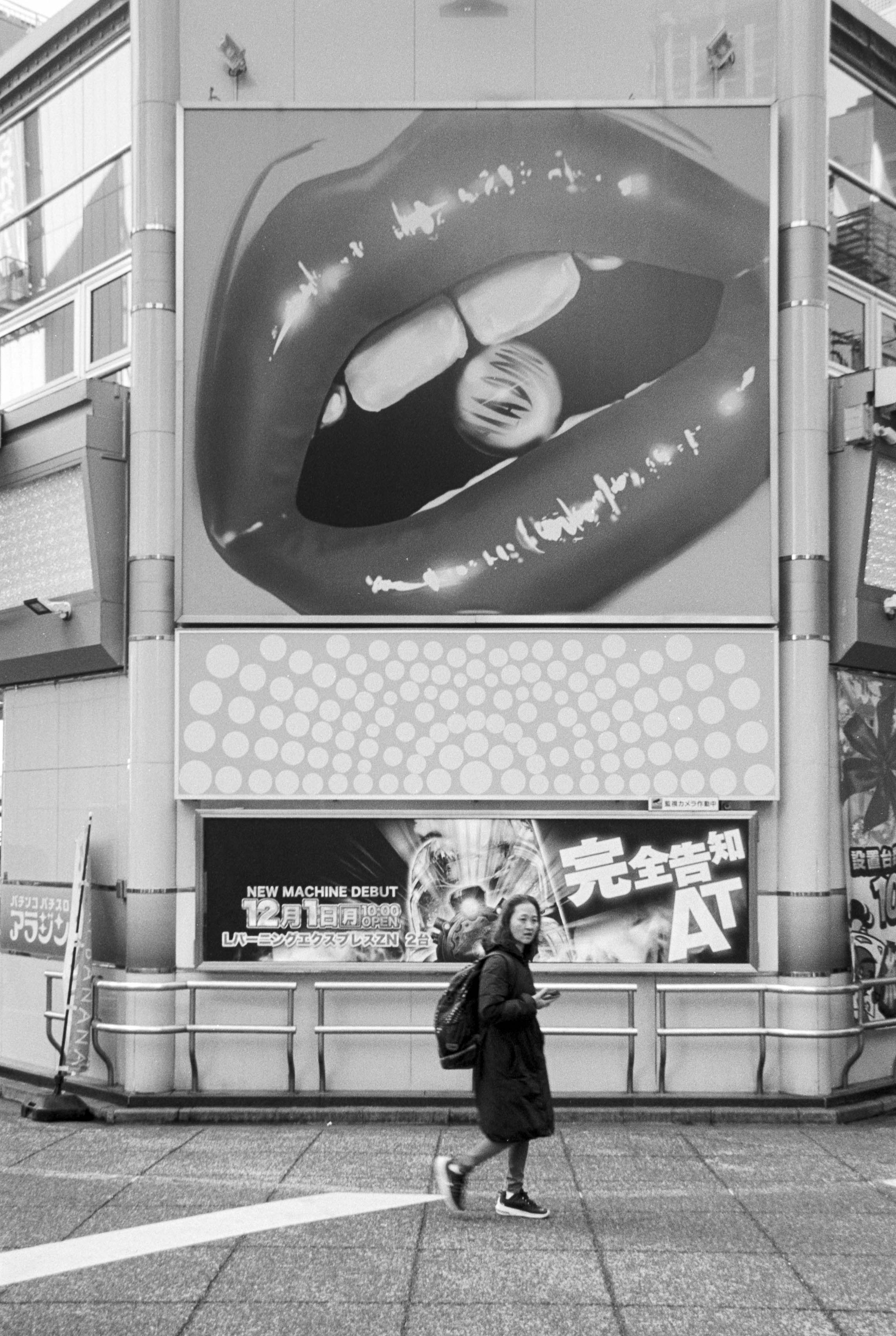
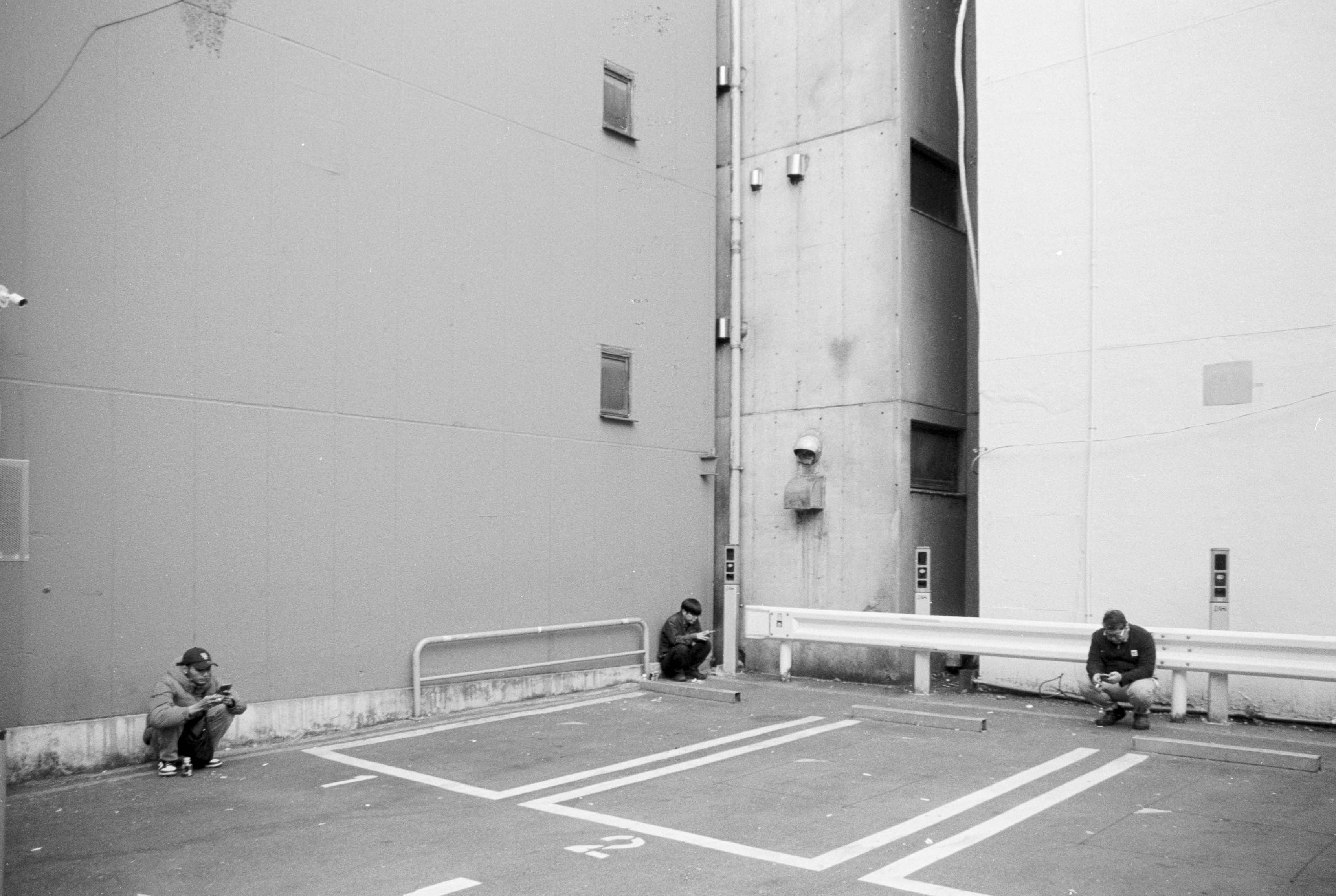
That’s exactly what I found useful in West Shinjuku and Nakano. I wasn’t simply trying to photograph the spectacular parts of Tokyo; I wanted to capture the mixture of business, social life, signage, buildings and random human moments that gives these places their character. The 200mm end of the zoom was particularly useful for compressing layers of windows and billboards, while also allowing me to pick out small moments happening within the chaos.

There are alternatives. Nikon’s F75 and F80 are better cameras and solve some of the N65’s irritating quirks, although they are correspondingly more expensive and, in the case of the F80, heavier. The N65’s Dynamic AF can decide to change focusing behaviour when it detects movement, which isn’t particularly helpful when you’re carefully composing something near the edge of the frame. I also find the inability to override DX film coding frustrating.

There are plenty of alternative lenses, too. Nikon’s 28-105mm and 28-85mm are excellent inexpensive choices if you don’t need the 200mm reach, while the humble 28-80mm can provide a remarkably cheap and lightweight solution. There are equivalent combinations from Canon, Pentax, Minolta and others, so this isn’t necessarily a recommendation that everyone should rush out and buy an N65.

For me, though, this combination hits that elusive golden triangle of heft, price and quality remarkably well. It isn’t perfect, and it certainly isn’t glamorous, but that’s not really the point. If I wanted perfection, I wouldn’t be shooting 25-year-old plastic cameras and cheap black-and-white film in the first place.

The N65 and Tamron 28-200mm are cheap, light, versatile and capable of producing photographs that are more than good enough. More importantly, they let me travel with one camera and one lens without feeling as though I’ve sacrificed the ability to photograph whatever happens to come along. In the end, that’s probably a much more useful quality than being cool.

So, will I be taking this combination on my next holiday? Quite possibly. And if that means leaving the expensive digital camera at home while carrying around a silver plastic Nikon that looks like it escaped from a 2000s department store, so be it. Sometimes the cheap seats have a surprisingly good view.