
What on earth is the Godox C100, and what is it actually good for? That’s what I wanted to find out. At first glance, it’s certainly different from most cameras I’ve used. Godox has pushed the boat out with this one: it’s a simple white rounded block, relatively unobtrusive, sleek and minimalist, yet somehow exactly the sort of device that makes people stare because it doesn’t really look like anything else.
It is, in fact, a digital camera. It’s just a digital camera without a screen for reviewing your photographs. We’re starting to see a few of these toy cameras appearing, with the Kodak Charmera probably being the best-known example. The C100 takes a rather different approach, though. It has a viewfinder, but rather than a tiny squinty scope, half the device is dedicated to a clear window through which you compose your shots.
There’s something wonderfully anachronistic about it. The viewfinder feels like technology from the 1930s, much like my Voigtlander Bessa folding camera, while the LCD overlays inside it bring things forward to the 1980s. And then, buried inside this strange little object, there’s a two-megapixel digital camera — technology from the 2000s.
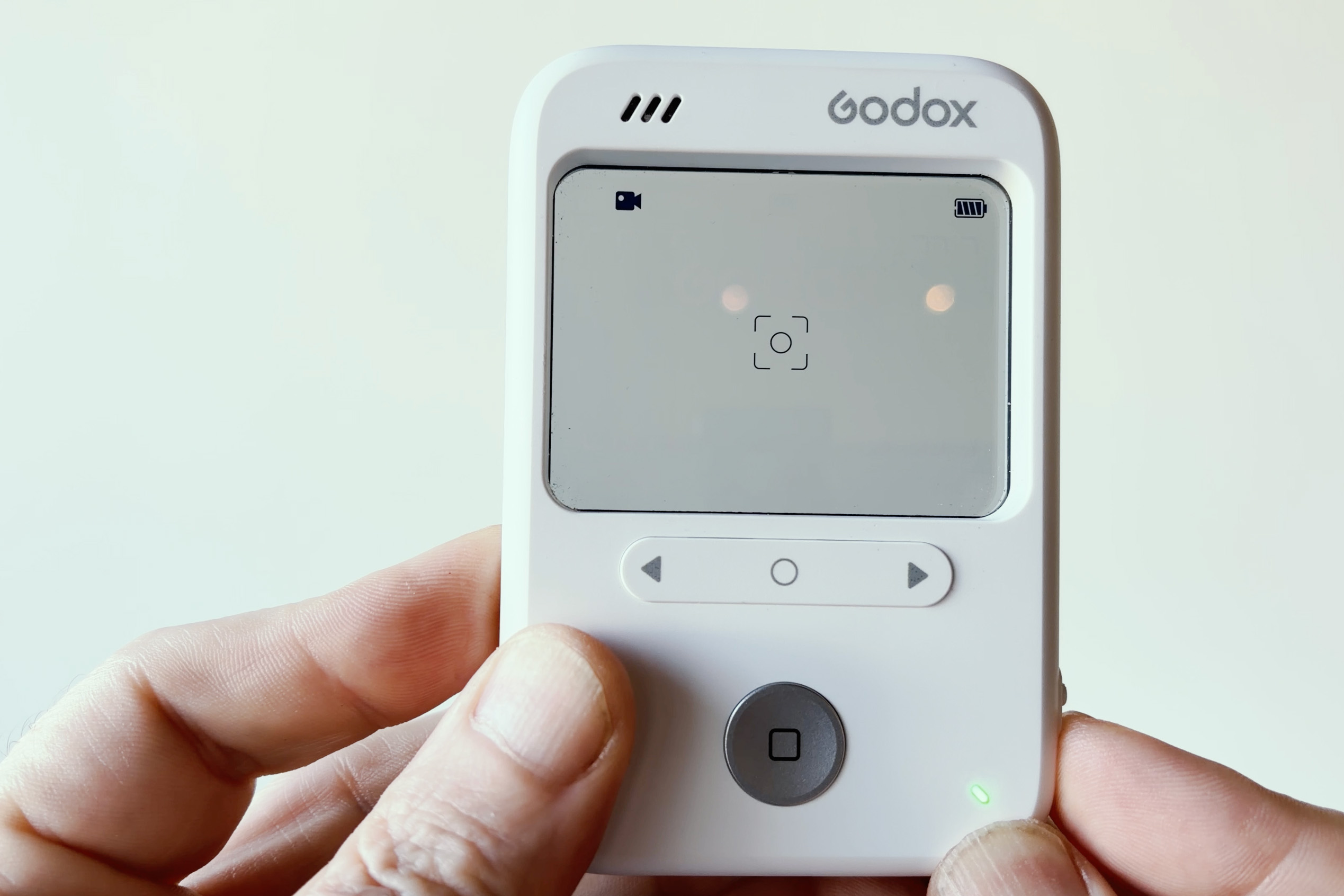
But what is it actually good for? If we’re being honest, the camera technology is basically dash-cam territory. It’s the kind of thing you could use to see who’s robbing the convenience store or taking a dump outside your front door. It does the job, so to speak, but that’s hardly groundbreaking. It also shoots 1080p video at a claimed 29 frames per second, although before you start thinking about replacing your DJI Pocket 4 Pro, remember that this is a toy based on technology designed to help you park your car rather than get you onto the cover of National Geographic.
The more important question, then, is whether it’s actually fun.
Taking the C100 Out Into the World
I took the C100 with me to Europe on a work trip, and when I found myself at Exeter University, I decided to take it for a walk around campus. Despite being tiny and unobtrusive, it isn’t particularly discreet. You have to get used to explaining what that weird little white brick in your hand actually is.
Judging by the reactions I was getting as I wandered around campus, it certainly captured attention. For a generation of students who have probably never taken a photograph on anything other than a phone, it’s a particularly strange-looking object. I found it surprisingly enjoyable for documenting the campus, precisely because it was so limited.

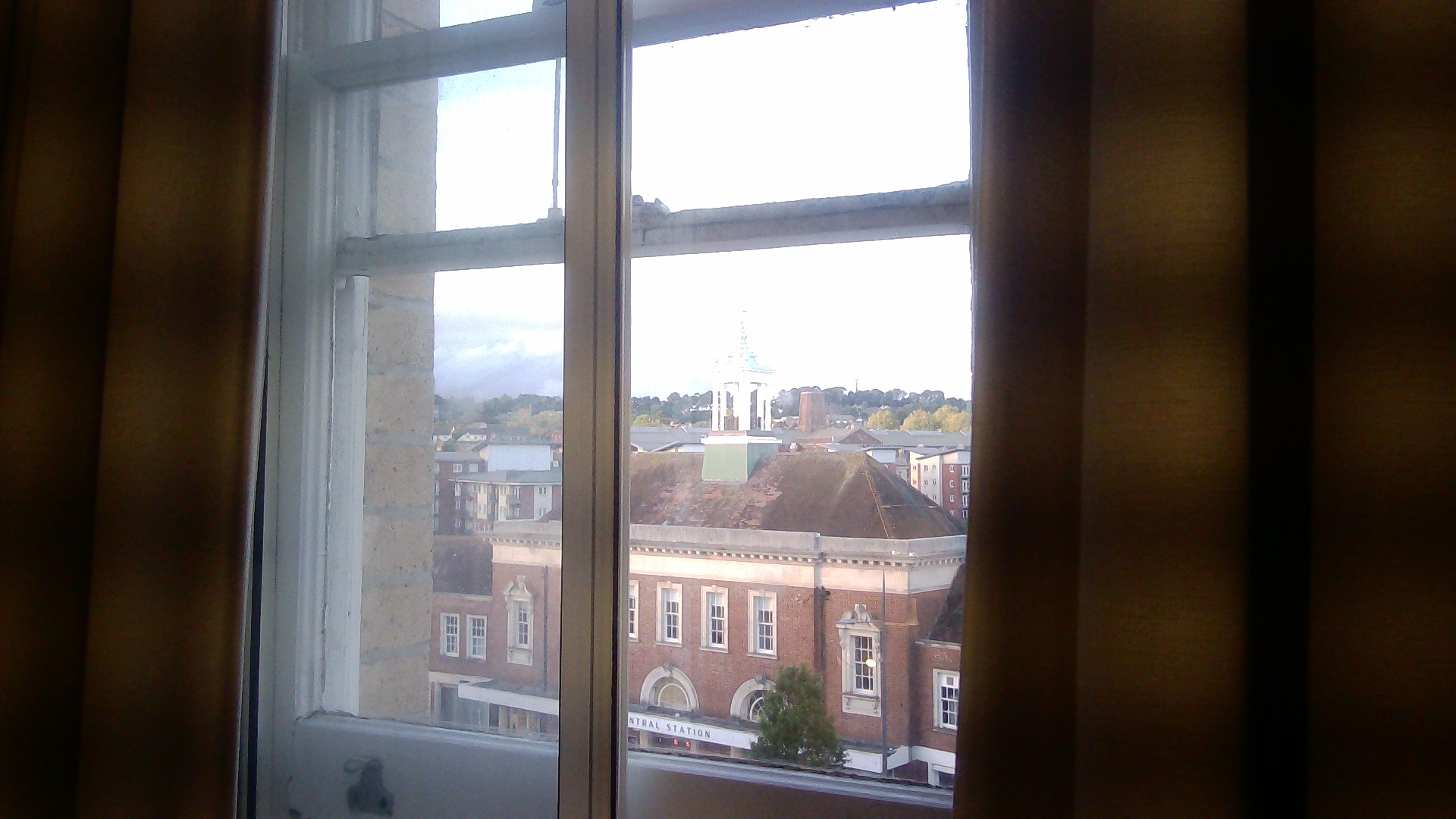
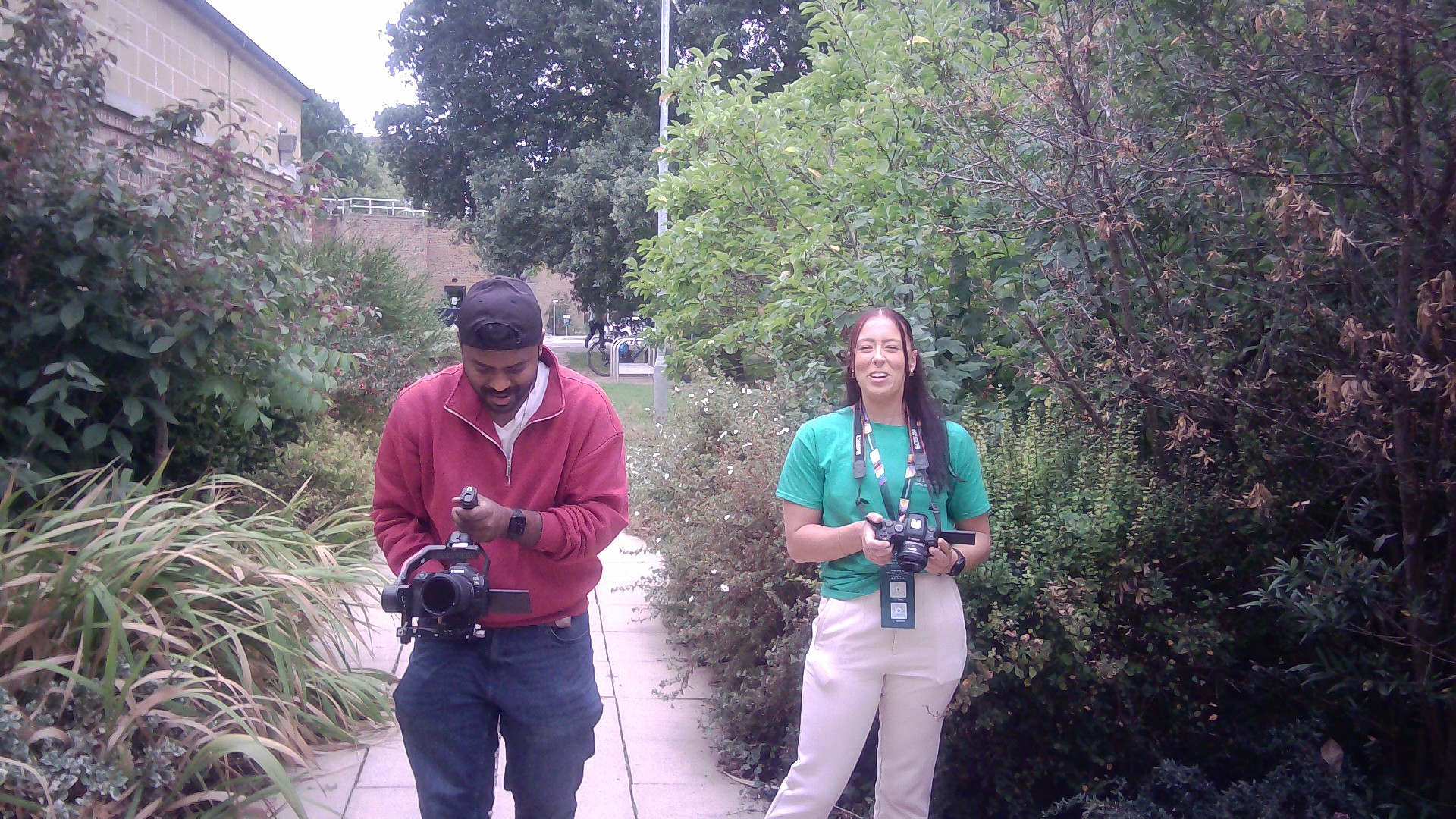

The image quality is, well, you’ve seen it. It isn’t going to replace an Ari Alexa or a Hasselblad X2D. But that isn’t really the point. The quality isn’t necessarily much worse than some old digital point-and-shoots, but the C100 gives you almost no control over the image. There’s no decent lens, no zoom, no aperture control and no shutter control, and you can’t review the image afterwards.
That last part makes things particularly random. You might think holding it out at arm’s length would help you compose your photograph, but it doesn’t really work that way. You have to hold it to your eye, using the frame in the viewfinder to work out what you’re actually photographing.
Operation is extremely simple — simple enough that the instructions fit on the back of the plastic case. There are three modes: still photography, video and, most interestingly, a light meter. You can change the aspect ratio for photographs, although that’s really just an in-camera crop. Video works in much the same way, including a 4:3 option that allows you to recapture some VHS nostalgia.
The quality is not great. The JPEGs are low resolution and heavily compressed, with smeary artefacts, while the video is choppy and suffers from rolling shutter and some fairly aggressive digital stabilisation. This is definitely not a vlogging camera. The good news is that transferring those crappy photographs and videos is completely painless: connect it via USB to your phone or computer and, within seconds, you can post those bilious videos as Instagram reels.
The Surprisingly Useful Light Meter
If the C100 were only a two-megapixel camera and a mediocre video recorder, I’m not sure I’d have much reason to keep it. The third mode, however, changes things considerably. This little white brick is also a light meter, and for me, that’s the real killer feature.
I own several manual film cameras that provide no exposure aids, so I normally have to rely on my eyes, my phone or a proper light meter. My eyes are shot, while using my phone is surprisingly inconvenient. I have to unlock it, open the app, take the reading on a touchscreen and then put the phone away safely again.
My little Sekonic is a much better solution, but dedicated light meters cost considerably more than the C100. I tested the Godox against my phone, the Sekonic and my digital camera’s meter, and it matched them pretty closely. That’s a pretty impressive result for something costing around seventy Australian dollars and weighing just 65 grams.
It isn’t a spot meter; it’s centre-weighted. By pointing the centre LCD frame at different parts of the scene, I can gauge the brightest and darkest areas, which is useful in contrasty situations. The interface lets me cycle through ISO, aperture and shutter speed, locking two settings while calculating the third. For film, I can set the ISO and shutter speed and have the C100 tell me the aperture I need to use.
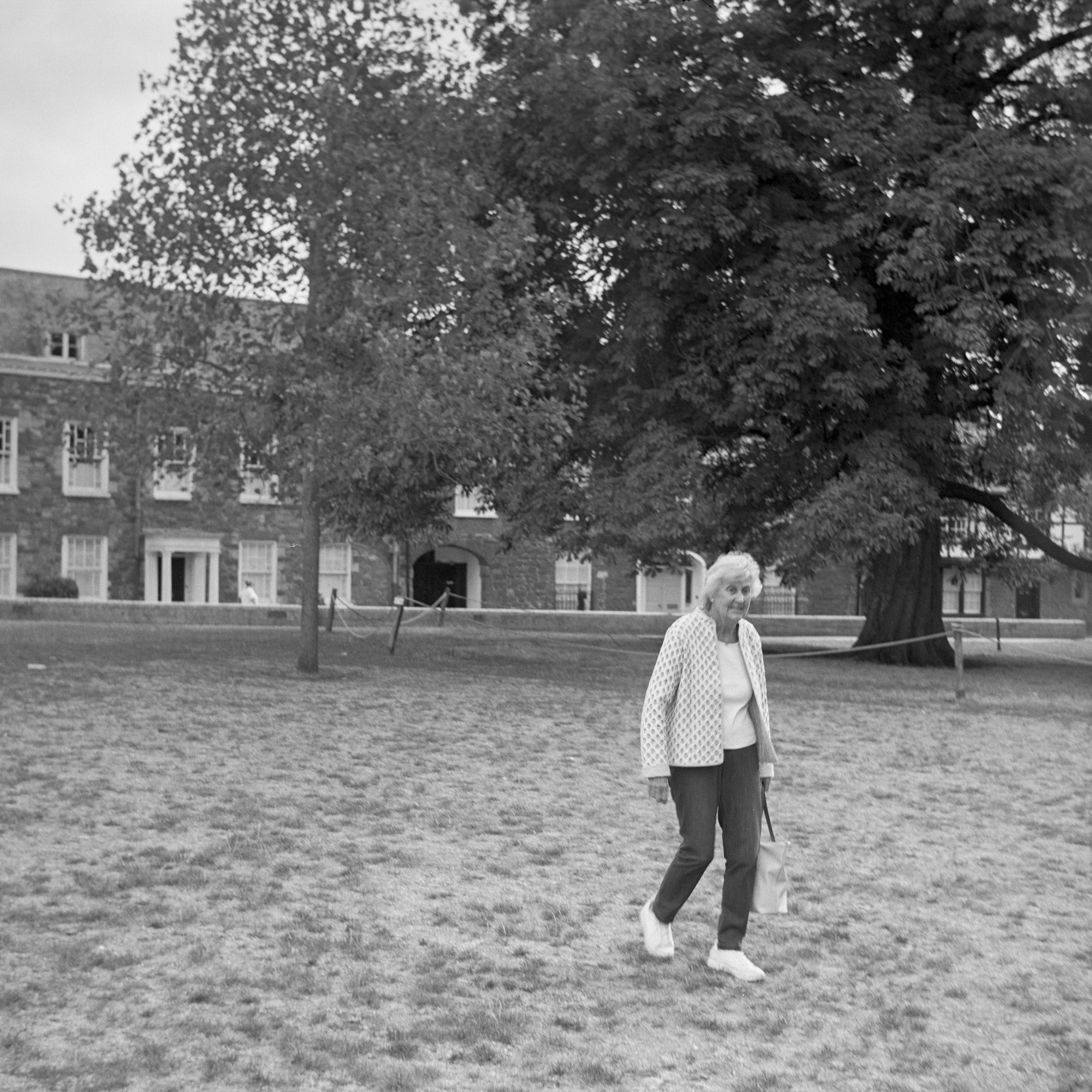
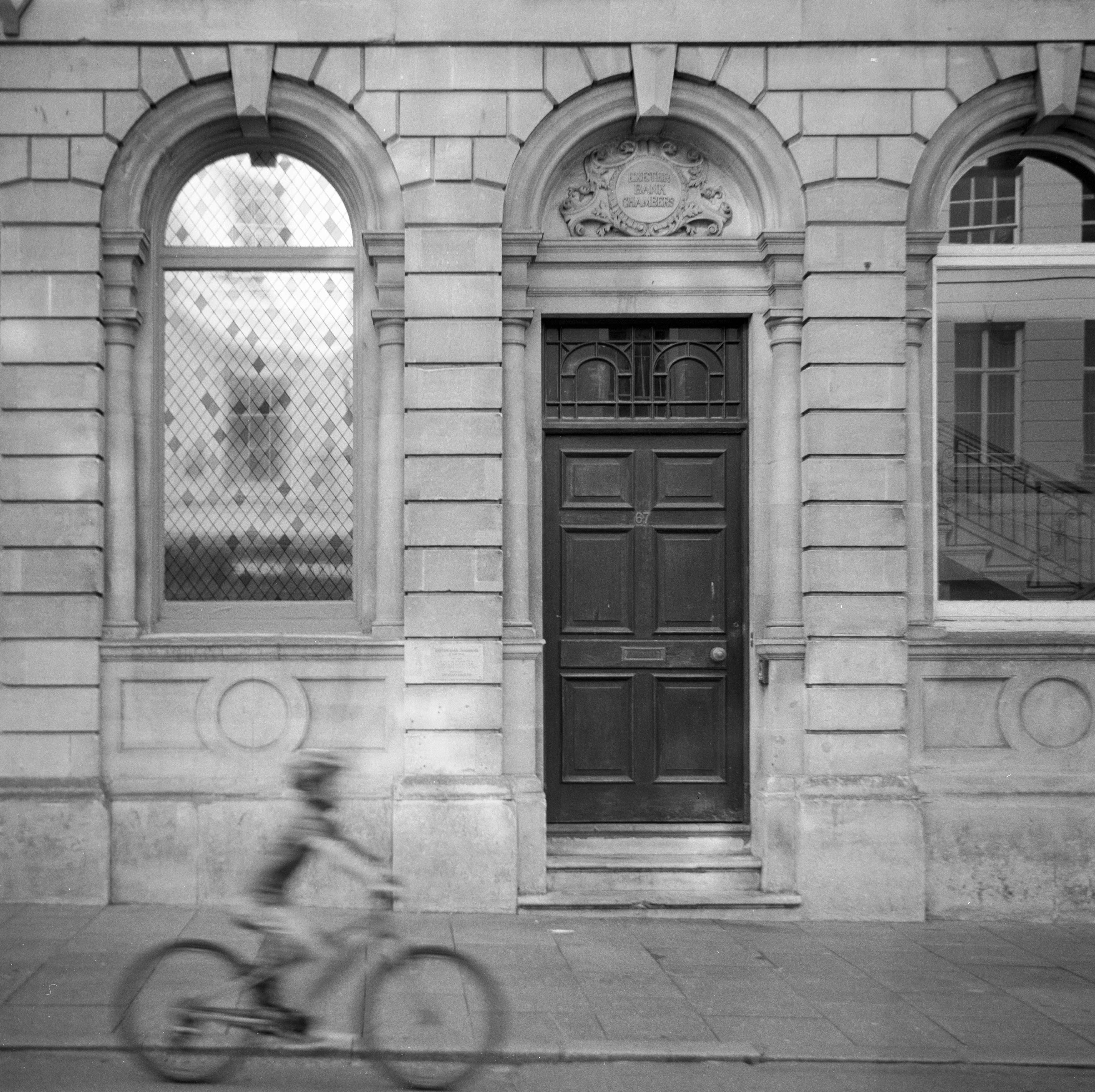
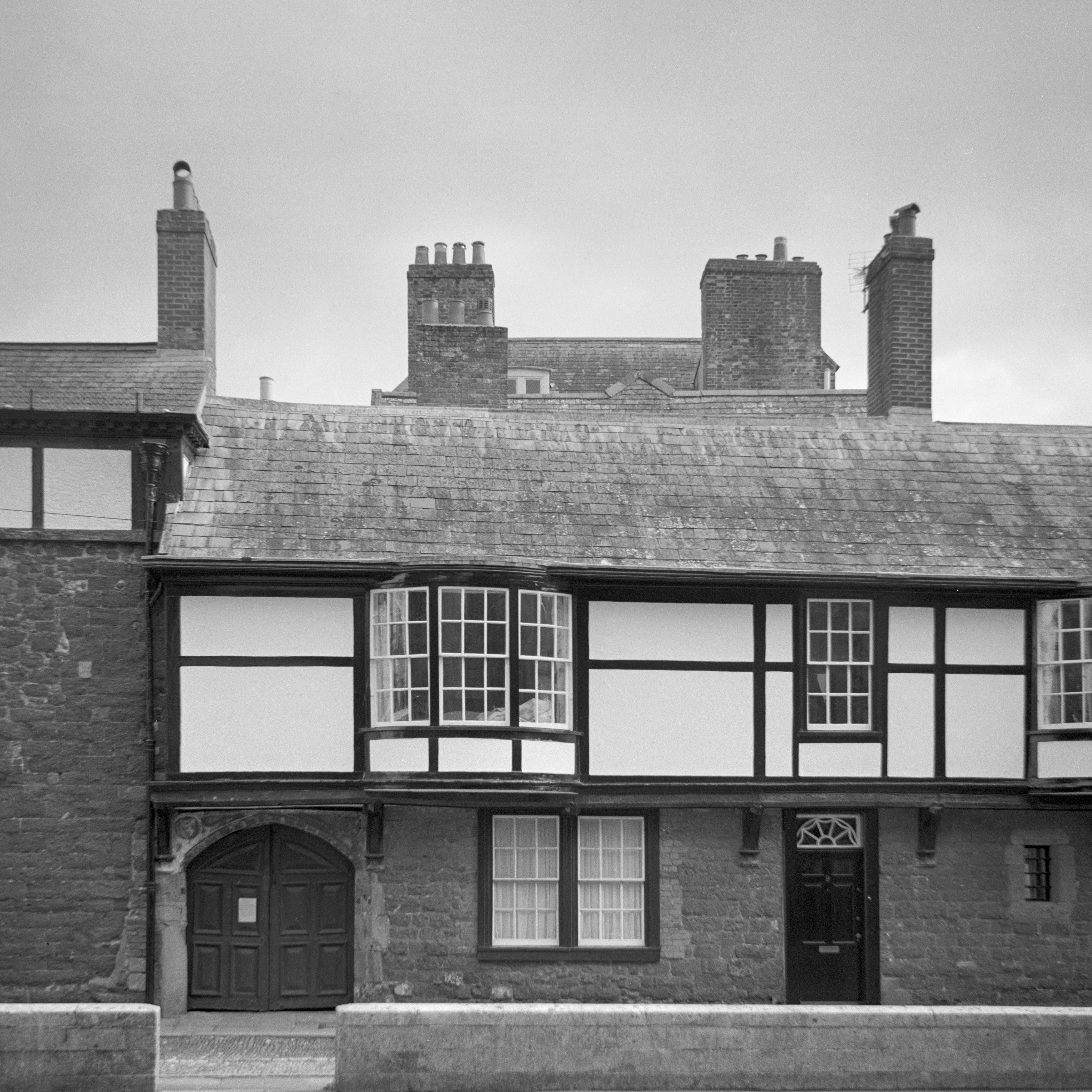
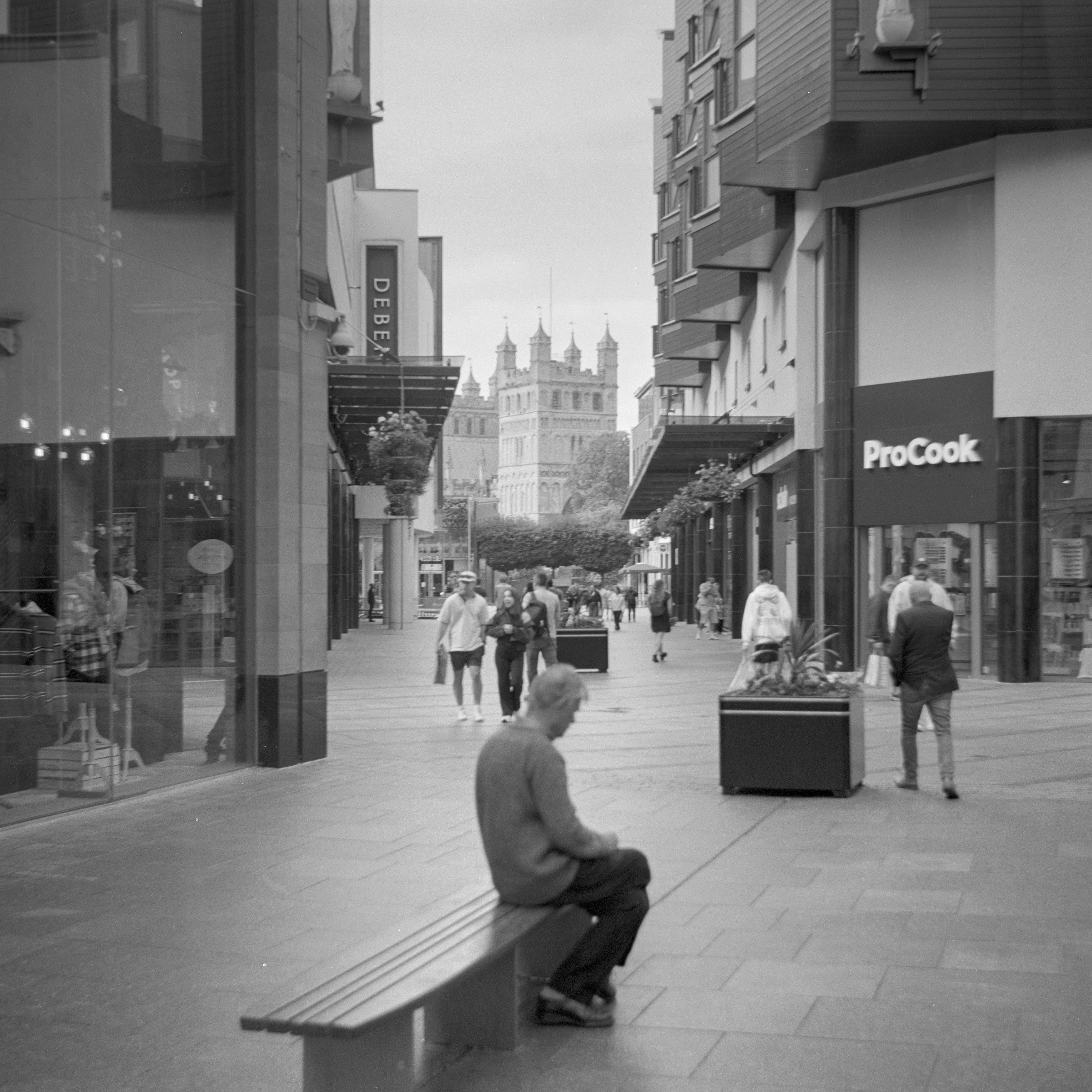
I took the opportunity to put that into practice with my Voigtlander Perkeo 1, loading a roll of Ilford FP4 Plus and heading out to make some proper analogue photographs.


A Toy That I Actually Want to Keep
So that’s the Godox C100. It’s a still camera, a video camera and a light meter, but most of all, it’s fun. If you don’t expect much from it as an imaging device, it will still give you some snapshots to memorialise moments, and the strange little design makes it a pretty good conversation starter.
For me, though, the real value comes from the light meter. If you shoot a lot of film with manual cameras, having a tiny, inexpensive meter that you can simply hang around your neck is genuinely useful. At 65 grams, it’s easy to throw into the bag or wear with a lanyard, and it’s there whenever I need it.
It isn’t perfect. Scrolling through shutter speeds and apertures is a bit of a button fumble compared with the analogue dial on my Sekonic, and I’ve missed shots by pointing the meter slightly too high and exposing for the sky instead of the land. The interface also has some counter-intuitive moments. The camera makes an audible click with every photograph, and the video mode clearly announces when recording starts but goes silent when you stop, meaning there were times when I wasn’t entirely sure what it was doing.
It also switches itself off to preserve battery life, and waking it up requires flicking the side switch off and back into the correct mode. After a few days, I found that the battery had run out, so a few more milliamp hours wouldn’t hurt either.
Those are fairly small complaints about a modest device that punches well above its weight. Yes, it’s a toy, but I was surprised by how much I enjoyed the delayed gratification of taking photographs and video and having to wait to see the results. It was fun, despite those results being almost universally crap.
I do think there’s potential for a more advanced version. Better image quality would obviously help, although that isn’t really what this camera is about. I’d rather see some built-in art filters that could deshittify the photographs a little, perhaps giving them a nostalgic, tobacco-tinged 70s postcard look or gritty black-and-white grain.
I’d also love the light meter to record its settings as metadata, perhaps allowing the readings to be logged alongside the images. That could be genuinely useful for keeping track of the settings I use on film photographs.
Ultimately, I really like the C100. It isn’t a serious imaging device and it doesn’t pretend to be one, but it’s a surprisingly enjoyable little camera with a genuinely useful trick hidden inside. I can see it having a permanent place in my bag as a secondary light meter, and perhaps, at some point, I’ll try to work around its limitations, polish those photographic turds and see if I can actually make some art out of the Godox C100.

