
The Nikon AF Nikkor 50mm f/1.8D is about as unassuming as a camera lens can be. It’s small, lightweight, mostly plastic, and possesses all the visual excitement of a household appliance. Pick it up and you might wonder how something that feels so ordinary has earned such a loyal following among photographers. Yet despite its humble appearance, this little lens has developed a reputation as one of Nikon’s greatest bargains—and after years of using it, I’m inclined to agree.
In a previous review, I described the Nikon 135mm f/2.8 AI-S as perhaps Nikon’s best-value budget lens. The only reason I hesitated was because of this lens. The 50mm f/1.8D has been sitting quietly in the back of my mind, constantly reminding me that true photographic value isn’t always found in rare vintage glass or expensive modern optics.
Like most camera manufacturers, Nikon has produced numerous 50mm lenses over the decades. The AF-D version, introduced in 2002, is essentially an evolution of Nikon’s earlier autofocus designs. Even today, long after the heyday of film photography, it remains available and continues to serve photographers who appreciate its simplicity.
Simplicity is Best
There’s no built-in autofocus motor. Instead, autofocus is driven by the camera body via Nikon’s traditional screw-drive system. This means compatibility is limited on some Nikon cameras, but the lens does include a manual aperture ring and remains easy to use manually. It feels almost refreshingly straightforward in an era of increasingly complex lens designs.
Despite its budget construction, there are some pleasant surprises. The lens uses a metal mount rather than plastic, and its uncomplicated design contributes to its durability. I’ve owned two copies over the years. One was purchased new, while the other arrived attached to a second-hand camera body. Neither has ever given me trouble, and one even survived an accidental drop onto concrete with nothing more than a cosmetic scar.
But durability alone doesn’t make a lens special. The real question is how it performs. To find out, I took the lens on a night-time walk through Hong Kong’s Temple Street Markets, mounted on a Nikon N80 loaded with Ilford HP5 Plus pushed to ISO 1600. It proved to be an excellent travel companion. Small and light enough to disappear into a camera bag, it complements a zoom lens perfectly when light levels drop and a wider aperture becomes useful.



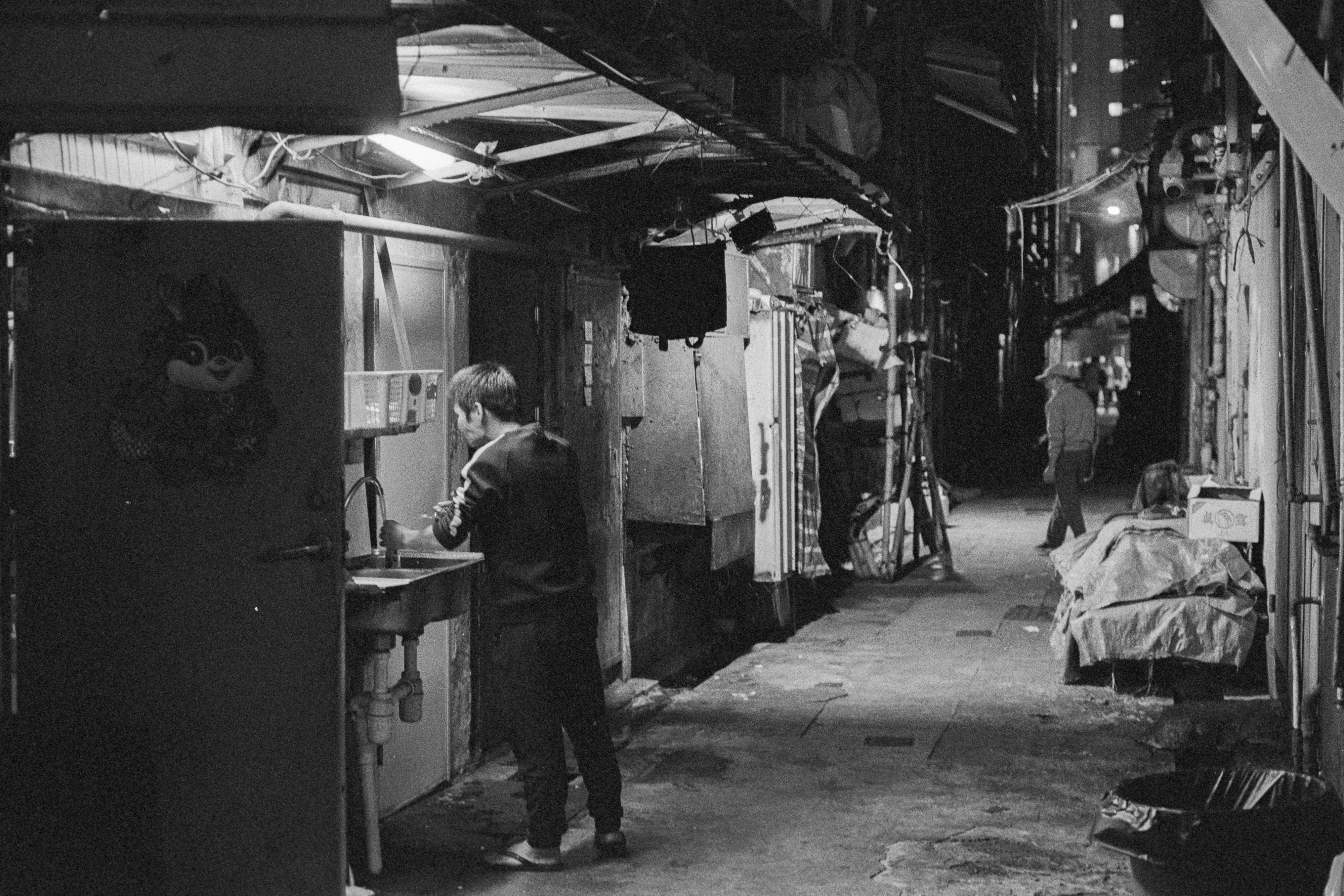





The 50mm focal length itself remains one of photography’s classics. Offering a natural perspective that closely resembles human vision, it allows photographers to isolate subjects without introducing the compressed, voyeuristic feel often associated with longer telephoto lenses. It’s easy to see why masters such as Henri Cartier-Bresson favoured this focal length for so much of their work.
It’s Sharp
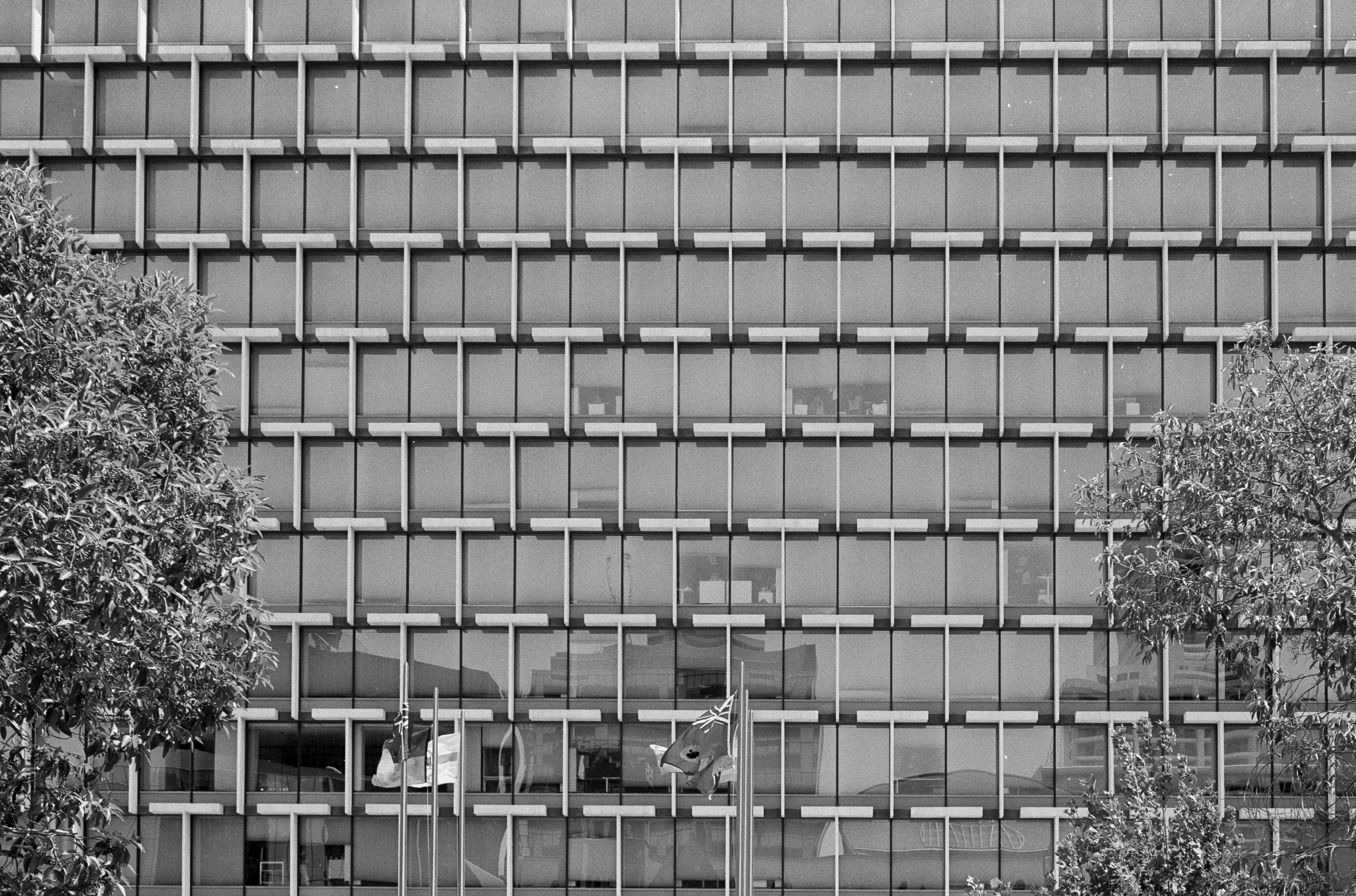
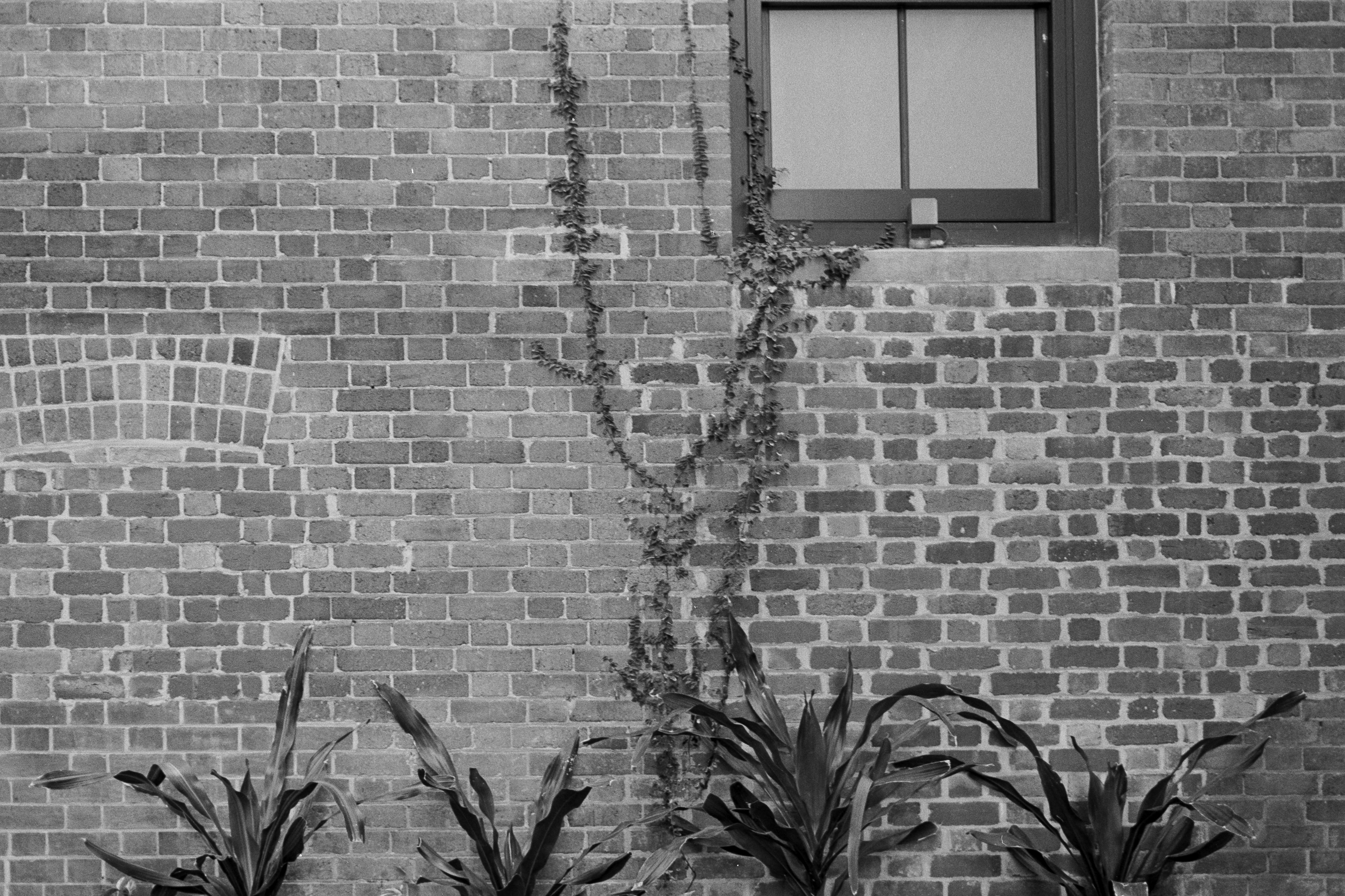
Even without conducting laboratory tests, images consistently appear crisp and detailed. Scanned film photographs reveal excellent central sharpness, with textures and fine details rendered more clearly than the lens’s modest price would suggest. There’s a certain incisiveness to the images that repeatedly catches me by surprise.
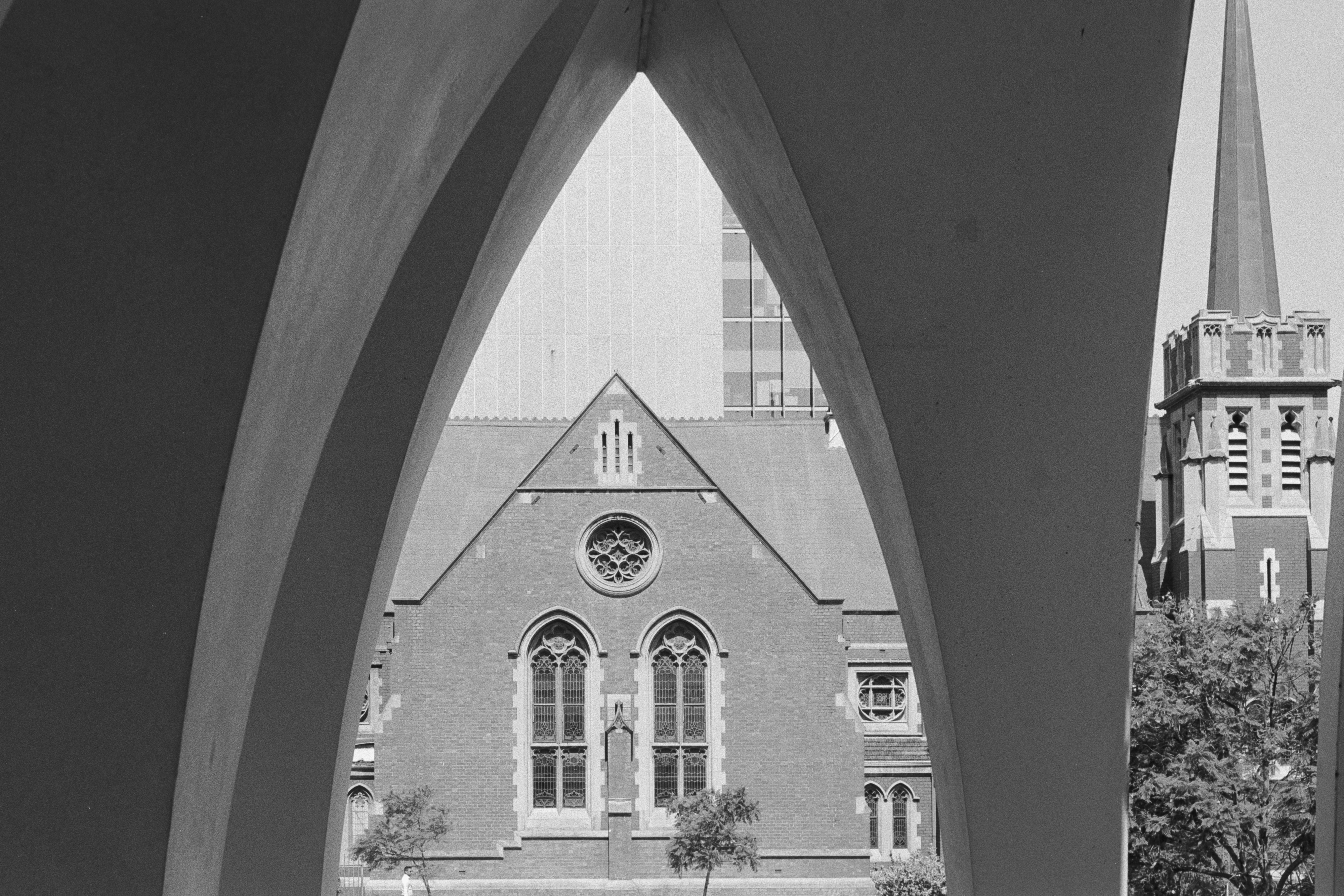
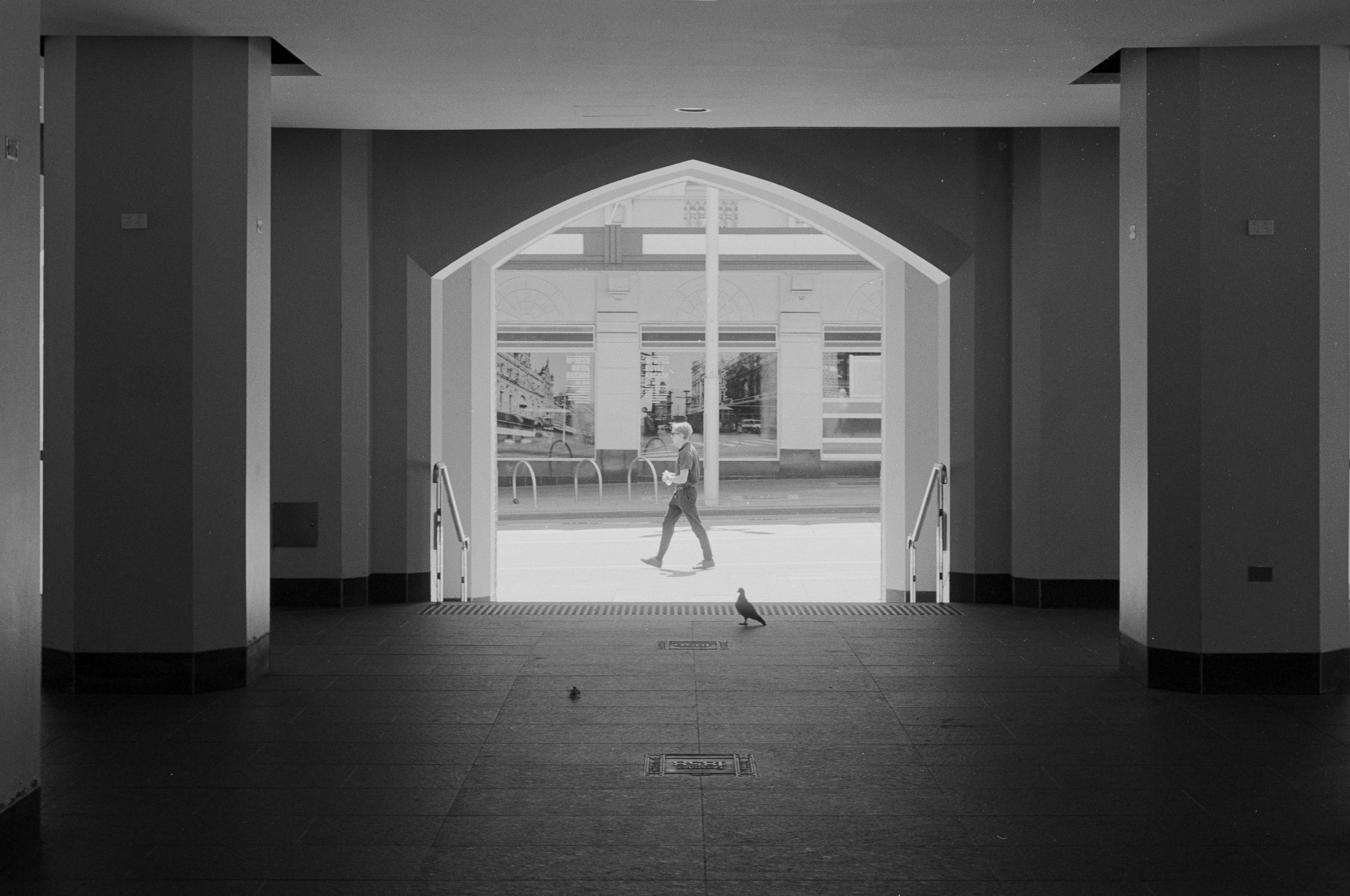
That sharpness continued to impress back home in Perth, this time using slower, finer-grained film under bright Australian sunshine. Stopped down, the lens produces remarkably detailed images. Even wide open at f/1.8, performance remains highly respectable. While it may not compete with the latest premium optics in objective testing, real-world results are consistently satisfying.
A Few Imperfections
Of course, the lens isn’t perfect. Corner performance lags behind the centre, particularly when shot wide open. Some mild vignetting is present, and modern photographers accustomed to flawless edge-to-edge sharpness may notice these shortcomings. Yet these imperfections rarely detract from photographs and can sometimes enhance them by naturally drawing attention toward the subject.
The bokeh is perhaps the lens’s most divisive characteristic. If you’re searching for creamy, dreamlike backgrounds that melt effortlessly into abstraction, this isn’t the lens for you. Out-of-focus highlights can appear somewhat harsh and nervous, particularly in high-contrast situations. Background blur remains perfectly usable, but it lacks the smooth rendering that has become fashionable in modern lens design.
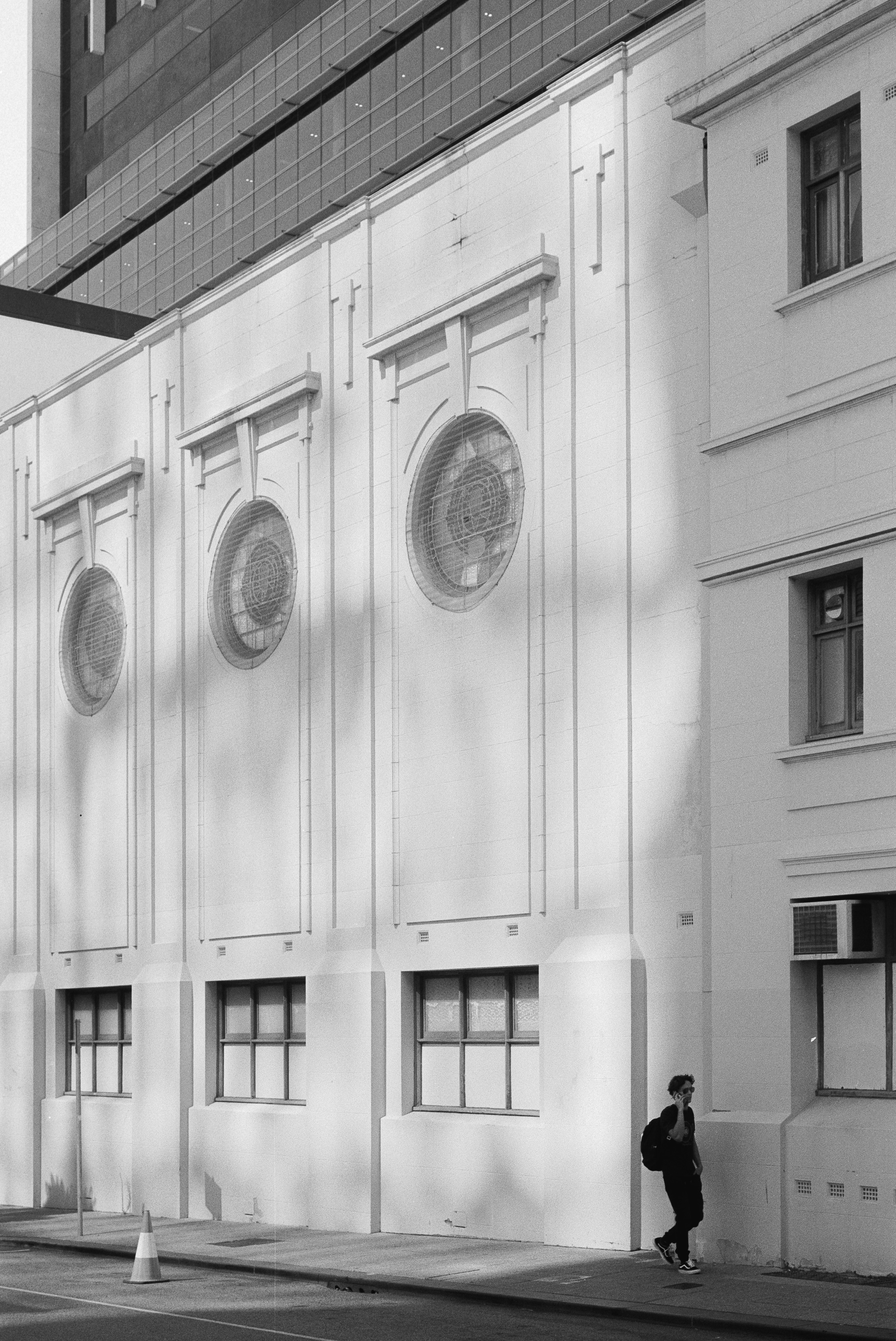
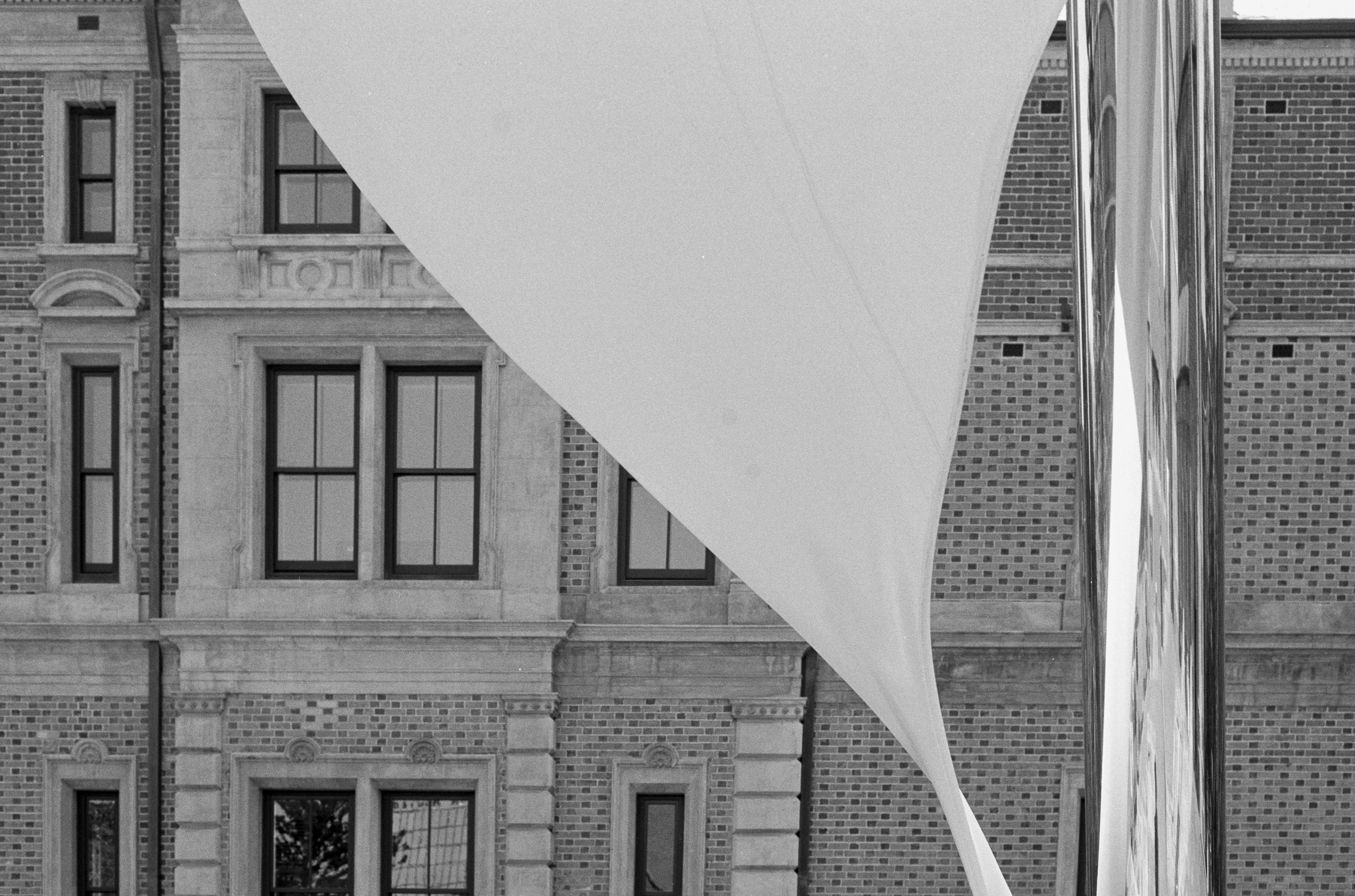
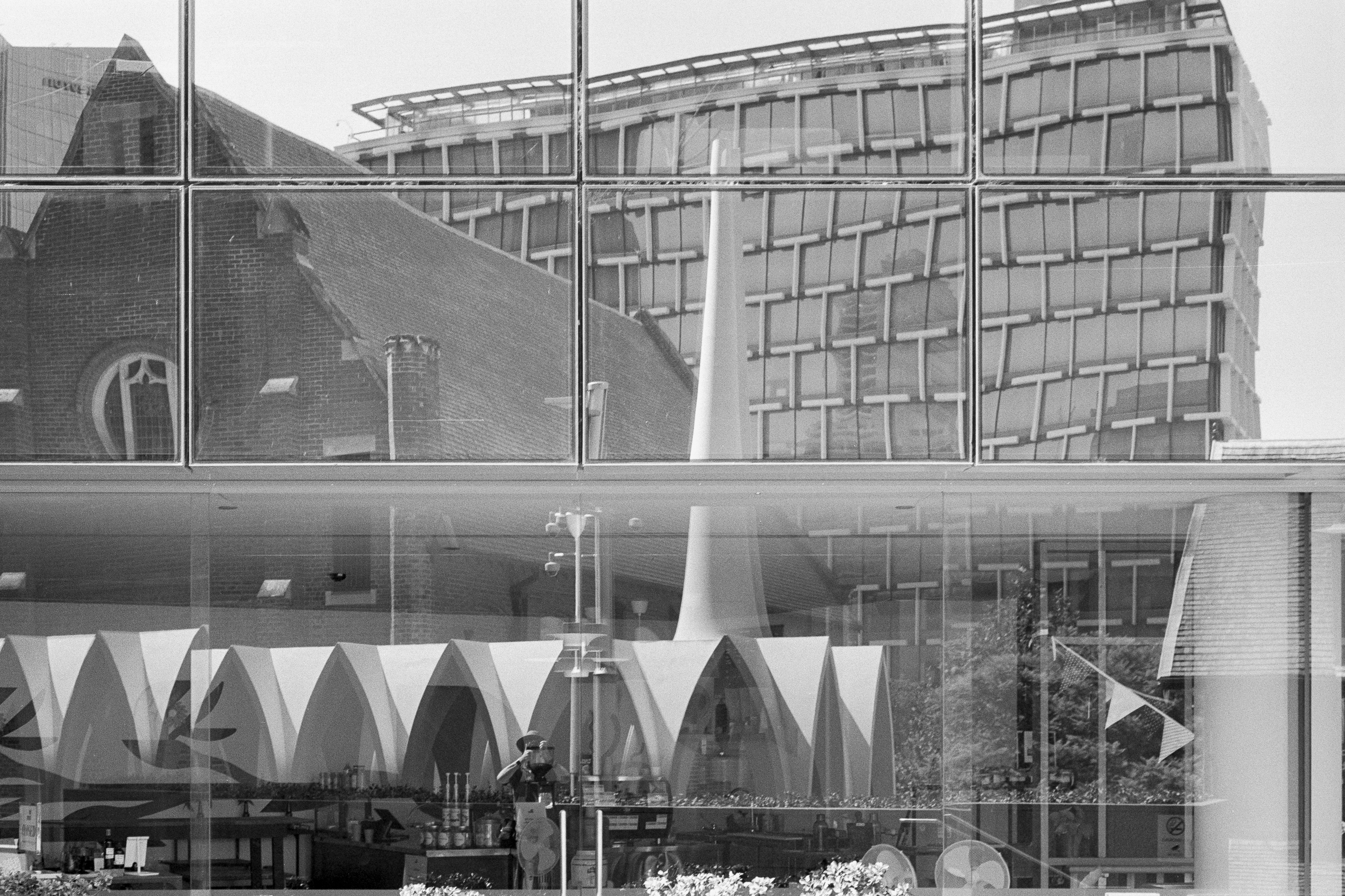
Interestingly, these flaws contribute to the lens’s character. Many contemporary lenses are engineered to eliminate optical imperfections entirely. The result is often technically stunning but emotionally sterile. Corner-to-corner sharpness, perfect correction, and flawless rendering can sometimes come at the expense of personality.
The 50mm f/1.8D feels different. Its images retain a sense of individuality. They’re sharp but not clinical. Imperfect but engaging. The lens seems more interested in helping you create photographs than impressing you with engineering specifications. Its coatings also deserve praise. Contrast remains strong, and flare resistance is surprisingly good. Thanks in part to the deeply recessed front element, I struggled to provoke any serious flare issues during testing.
Ultimately, the Nikon AF Nikkor 50mm f/1.8D isn’t a miracle lens. It won’t leave photographers gasping in amazement, and it certainly won’t challenge the legendary status of Leica’s most celebrated optics. What it does offer is something arguably more valuable: honesty.
It’s a modest lens that quietly gets on with the job. It has flaws, limitations, and quirks, but it also possesses charm, reliability, and surprisingly strong optical performance. In an industry increasingly obsessed with perfection, there’s something refreshing about a lens that embraces being merely very good.
Perhaps that’s why it remains one of Nikon’s finest bargains. Not because it’s perfect, but because it delivers so much photographic enjoyment for so little money.
Whether it’s Nikon’s best-value budget lens or merely the second-best is still open for debate. But one thing is certain: the Nikon AF Nikkor 50mm f/1.8D has earned its place among the great affordable lenses of the film era; and it’s still capable of creating beautiful photographs today.

