The Olympus 75mm f/1.8 has long enjoyed a near-mythical reputation among Micro Four Thirds photographers. Released back in 2012, it quickly became known as one of the sharpest lenses available for the system and remains highly regarded more than a decade later. Having owned mine since 2013, it has been one of the lenses most responsible for convincing me that Micro Four Thirds could deliver truly exceptional image quality in a compact package.
That loyalty was tested recently when the lens developed an autofocus issue. During a trip to Malaysia, I discovered it struggled to focus on distant subjects, rendering it effectively useless for many of the situations where I normally rely on it. While it could still produce attractive close and mid-distance images, a telephoto lens that cannot focus at infinity is severely compromised. After an expensive repair, however, the lens returned to full health, providing the perfect excuse to take it on a fresh adventure and rediscover what makes it so special.
Small Lens, Big Performance
One of the strongest arguments for the Olympus 75mm f/1.8 is that it perfectly demonstrates the strengths of the Micro Four Thirds system. Critics often argue that smaller sensors cannot compete with full-frame cameras when it comes to subject separation and shallow depth of field. This lens challenges that assumption.
With a field of view equivalent to a 150mm lens on full frame and a bright f/1.8 aperture, it produces beautifully blurred backgrounds while remaining remarkably compact. Compared to something like a modern full-frame 135mm f/1.8 lens, the Olympus is dramatically smaller, lighter and less expensive. It offers much of the same creative potential without requiring photographers to carry a heavy camera bag.
Physically, the lens is refreshingly simple. There are no programmable buttons, aperture rings or manual-focus clutches. Instead, Olympus focused on delivering excellent optics in a premium metal body. The lens feels solid and well made, while the focus ring offers a smooth, refined operation. Although it lacks weather sealing, it still feels every bit like a professional-grade product.
Its optical design is surprisingly sophisticated, incorporating specialised glass elements designed to minimise distortion, chromatic aberration and other optical flaws. The result is a lens that combines portability with impressive technical performance.
Why the Image Quality Still Impresses
The Olympus 75mm f/1.8 built much of its reputation on sharpness, and even today it remains one of the sharpest lenses I have ever used. Wide open at f/1.8, images are already impressively detailed, with only slight softness near the edges. By f/2.8, the entire frame becomes razor sharp.
Yet sharpness alone does not explain the appeal of this lens. Many modern lenses are technically excellent, but relatively few possess that elusive quality photographers often describe as character. The Olympus 75mm consistently produces images that feel special, even when it is difficult to identify exactly why.
Colours are rich without appearing exaggerated, and there is a pleasing sense of separation between tones. Skin tones in particular look natural and lifelike, making the lens an excellent choice for portraiture. Distortion is effectively invisible in real-world shooting, allowing it to handle architecture and urban scenes with ease.


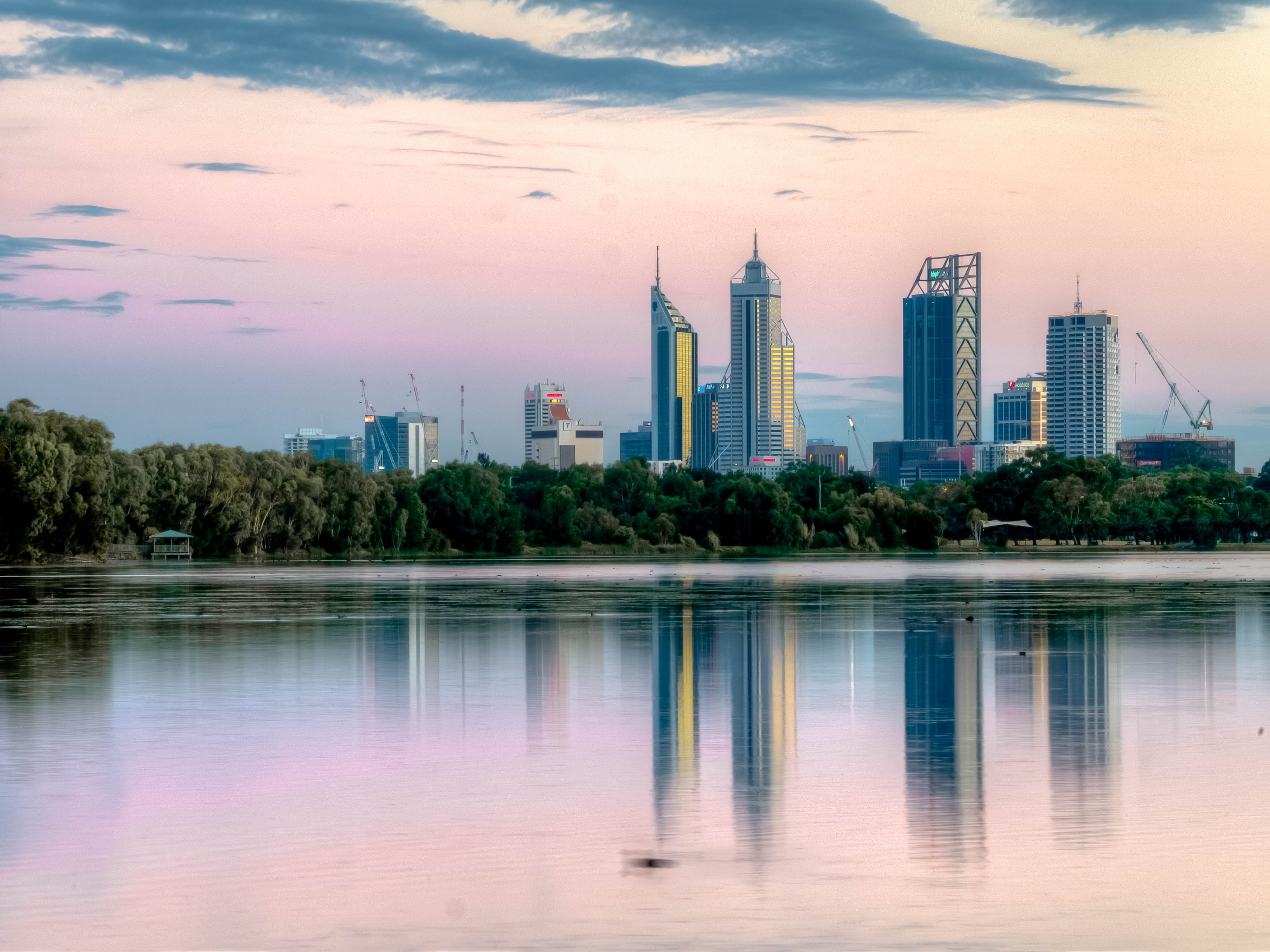







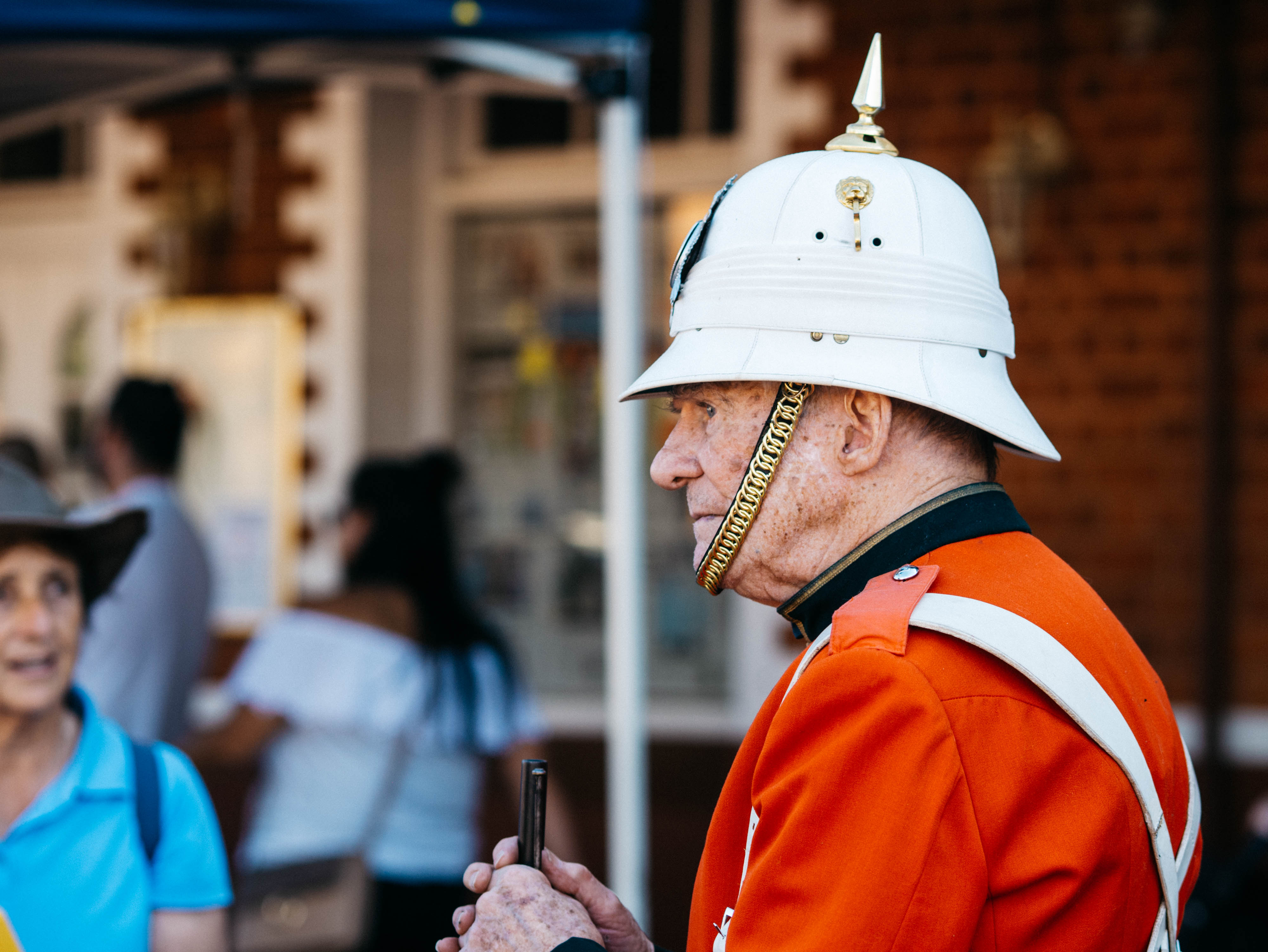
Perhaps most importantly, the lens renders out-of-focus areas beautifully. Background blur appears soft, smooth and natural, helping subjects stand out while still preserving a sense of place. Unlike some lenses that create nervous or distracting bokeh, the Olympus delivers transitions that feel elegant and refined.
A Night in Tokyo with an Unusual Street Lens
To put the repaired lens through its paces, I paired it with the OM System OM-3 during a trip to Tokyo. My destination was Shin-Okubo, the city’s vibrant Korea Town, where I spent an evening exploring the streets with a focal length that most photographers would consider unconventional for street photography.
A 150mm equivalent lens is certainly not the obvious choice for documenting urban life. It limits your field of view and makes it difficult to capture broad scenes or environmental context. However, it also offers advantages that wider lenses cannot match.
The focal length allows photographers to isolate distant subjects and create compositions free from distractions. Rather than immersing viewers in a scene, the lens encourages a more selective and observational style of photography. It becomes a spotting lens, helping you identify moments unfolding across the street and frame them with precision.
This approach works particularly well for candid photography. The extra distance allows subjects to remain natural and unselfconscious while still filling the frame with detail and character. Although it may not suit every photographer’s style, it can produce compelling results for those who enjoy a more detached perspective.







More Than Just Technical Excellence
What keeps drawing me back to the Olympus 75mm f/1.8 is not simply its image quality. Plenty of lenses are sharp. Plenty of lenses have attractive bokeh. What makes this lens special is the way it encourages creativity.
Using it requires a different way of seeing. You quickly learn to look for details, gestures and moments that might be overlooked with wider lenses. The limitations become part of the creative process, forcing you to think differently about composition and storytelling.
Looking back at the photographs from Tokyo, I remember not only the images themselves but also the enjoyment of making them. Even when I knew I was missing wider contextual shots, I found myself embracing the unique perspective this lens provided. Every frame felt deliberate and carefully observed.
There is also that difficult-to-define quality that photographers often refer to as “3D pop.” Whether it comes from the focal length, the aperture or some combination of optical characteristics, the images possess a sense of depth and presence that feels unusually engaging.
That is why, despite the repair cost approaching the value of a good used copy, I never seriously considered replacing it. The Olympus 75mm f/1.8 remains one of the finest lenses available for the Micro Four Thirds system and a perfect example of what the format can achieve. More than a decade after buying it, it continues to earn a place in my camera bag on every trip, and it remains one of the few modern lenses that genuinely excites me every time I use it.