
Superzoom lenses have always promised photographic freedom. One lens, an enormous focal range, and no frantic lens swapping while the perfect shot disappears into the distance. The Nikon AF-S Nikkor 28-300mm f/3.5-5.6G ED VR is one of Nikon’s most ambitious attempts at delivering that promise, offering everything from wide-angle landscapes to substantial telephoto reach in a single package.
But as every photographer knows, versatility usually comes with compromises. The question is whether those compromises matter when you’re actually out using the lens.
Released in 2010 and remaining in Nikon’s lineup for over a decade, the 28-300mm sits somewhere between consumer convenience and professional aspirations. It feels solidly built, with a reassuring mix of metal, glass, and polycarbonate. While it lacks the refinement of Nikon’s professional zooms, it certainly doesn’t feel cheap. The extending zoom barrel is perhaps the biggest reminder that this isn’t a premium workhorse, stretching outward dramatically as you zoom in.
At around 800 grams, it’s not exactly lightweight either. This isn’t the lens you casually slip into a jacket pocket. Instead, it’s designed for photographers who want one lens capable of handling almost any situation they encounter while travelling.
Putting the Lens to the Test in Kenya
The perfect opportunity to test that versatility arrived during a work trip to Kenya. With time split between Nairobi and the coastal region of Diani near Mombasa, the lens would need to handle everything from wildlife photography to beach landscapes.
Mounted on a Nikon Z6 via the FTZ adapter, the 28-300mm accompanied an early morning visit to Nairobi National Park. The appeal of a superzoom becomes immediately obvious in situations like this. Wildlife doesn’t wait while you change lenses, and having focal lengths ranging from moderately wide to substantial telephoto coverage allows you to react quickly to whatever appears in front of you.
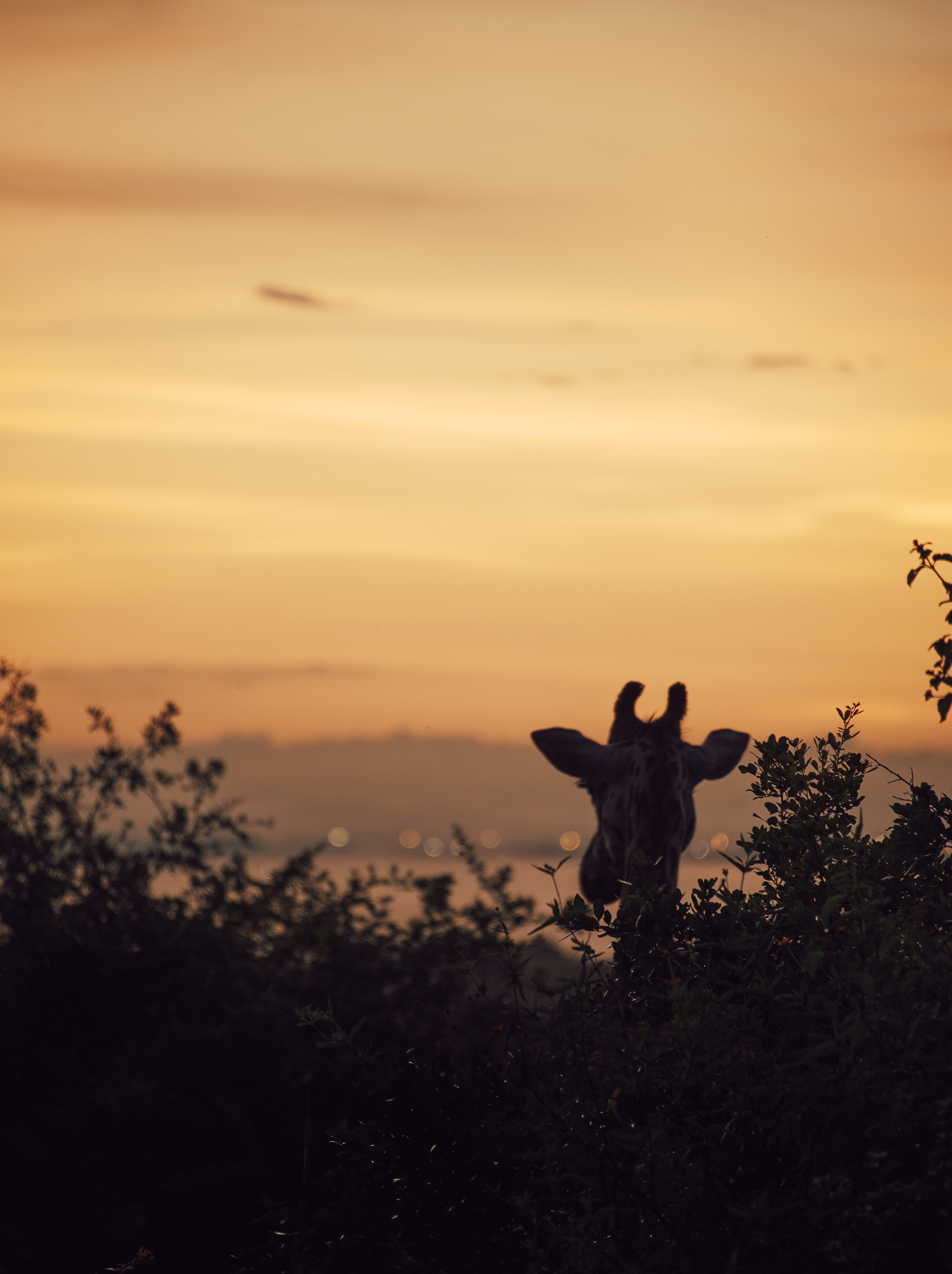


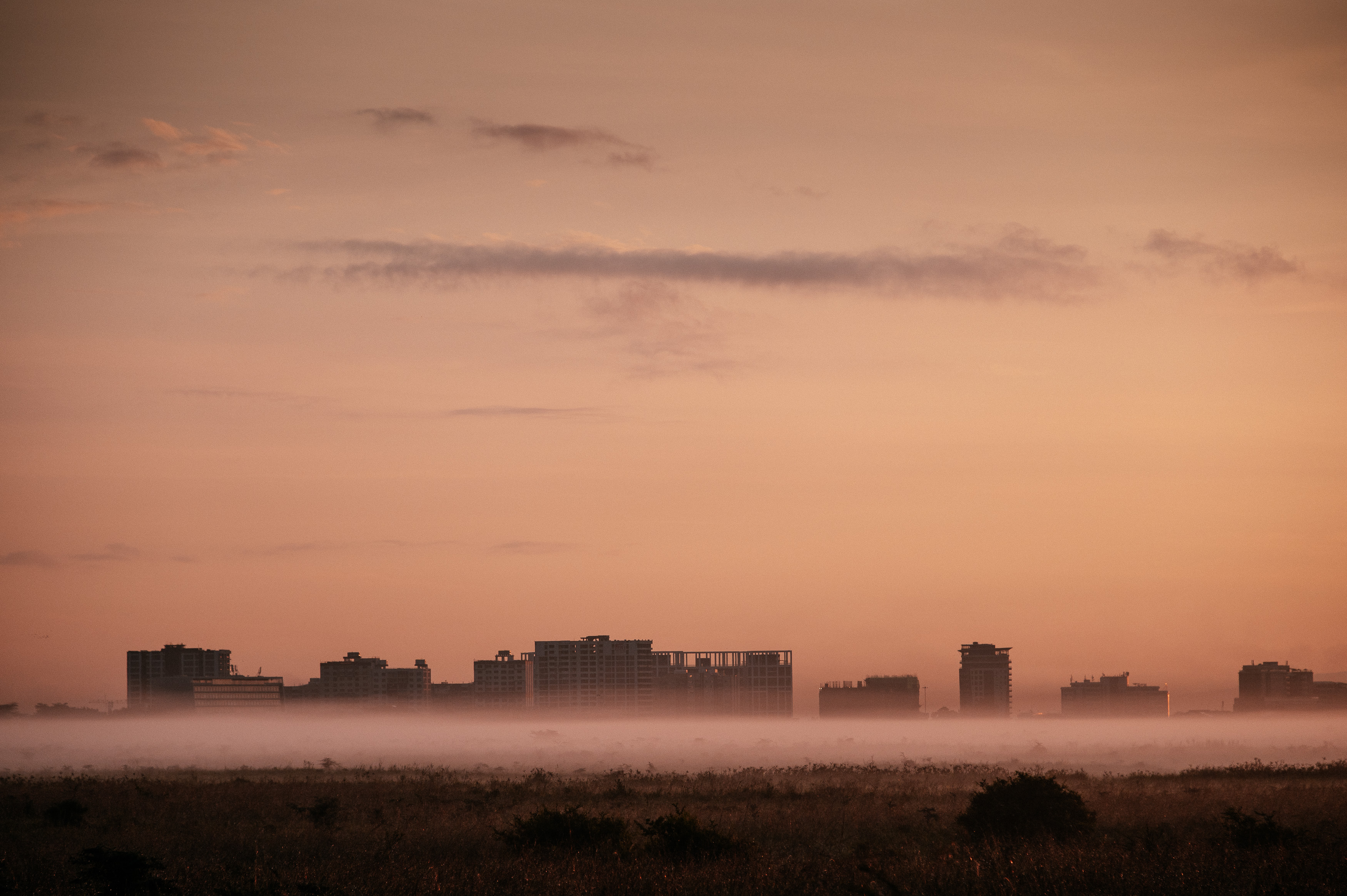

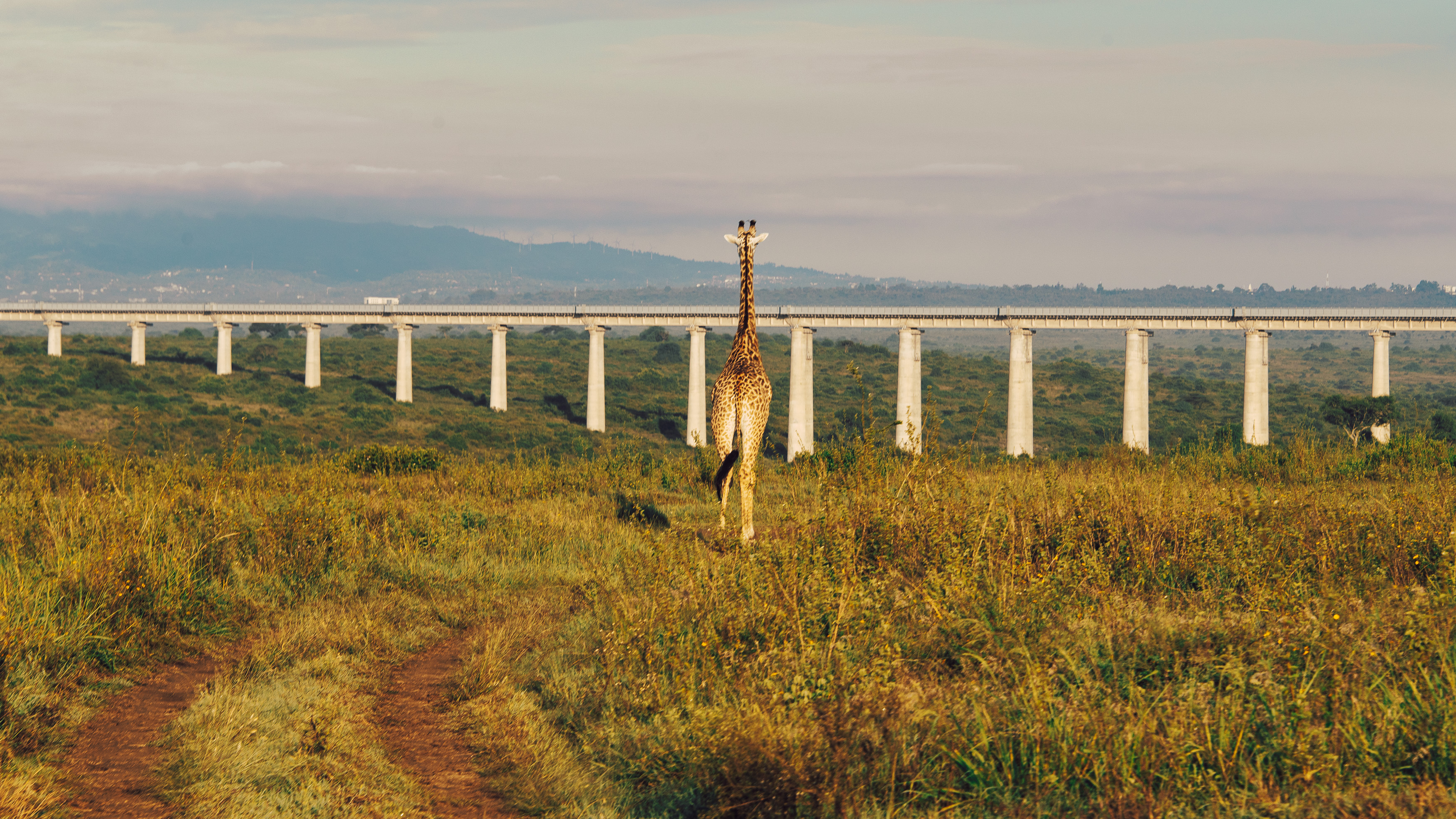

The lens performed exactly as intended. While it couldn’t match the image quality of specialised prime lenses, many of the photographs simply wouldn’t have been possible with a fixed focal length. The ability to zoom from environmental shots to tighter wildlife compositions without changing equipment proved invaluable.
Autofocus performance, however, revealed some of the lens’s age. It’s not painfully slow, but it isn’t particularly quick either, especially at the 300mm end of the zoom range. When focusing from close subjects to distant ones, the lens can take its time finding focus. For relaxed wildlife subjects this wasn’t a major issue, but fast-moving birds or unpredictable animals might expose its limitations.
Video shooters may also find themselves frustrated. Autofocus noise is considerably louder than on modern Nikon Z lenses, and continuous autofocus can occasionally hunt or pulse in a distracting manner. Focus breathing is also quite noticeable, causing the field of view to change significantly as focus shifts.
A Lens That Does Almost Everything
If the Nikon 28-300mm has a defining characteristic, it’s practicality. This is a lens that can tackle almost any photographic situation reasonably well.
One particularly useful feature is its relatively close focusing ability. While it isn’t a true macro lens, the 1:3 reproduction ratio allows for surprisingly detailed close-up shots. Flowers, textures, food, and small objects are all well within its capabilities, adding another layer of versatility to an already flexible design.
Image stabilisation is another major strength. Nikon’s VR system works remarkably well, especially when paired with the excellent high-ISO performance of cameras like the Z6. Handholding at surprisingly slow shutter speeds becomes possible, reducing the need to carry a tripod and reinforcing the lens’s travel-friendly philosophy.
Sharpness is also better than some critics might expect. No, it won’t rival Nikon’s best prime lenses, and pixel peepers using high-resolution cameras will certainly spot differences. Yet for travel photography, social media, prints, and general use, the lens delivers consistently respectable results throughout much of its zoom range.
Perhaps most importantly, it encourages photographers to capture more images simply because the right focal length is always available.
The Trade-Offs Behind the Convenience
Of course, no superzoom escapes the laws of optical compromise.
The Nikon 28-300mm produces images that are competent but often lack a distinctive character. The photographs are accurate and faithful, yet they rarely possess the subject separation, creamy bokeh, or three-dimensional rendering that photographers often associate with premium primes or specialised zooms.





Optical flaws are also present. Vignetting can be quite pronounced, especially at wider apertures and at either end of the zoom range. Distortion is another reality, with barrel distortion at the wide end transitioning into pincushion distortion through much of the telephoto range. Modern software corrections make these issues easy to fix, but they’re impossible to ignore when evaluating the lens on its own merits.
The 28mm wide end can also feel slightly restrictive by modern standards. Many photographers have become accustomed to 24mm as a standard starting point for travel zooms, making 28mm seem just a little too narrow for dramatic landscapes and architecture.
Then there’s the weight. While significantly smaller than carrying multiple lenses, it remains a noticeable burden around the neck during long days of shooting.
Final Thoughts
The Nikon AF-S Nikkor 28-300mm f/3.5-5.6G ED VR is a lens defined by practicality rather than perfection. It isn’t particularly glamorous, and it won’t produce the most beautiful images in your collection. What it does offer is the freedom to capture an enormous range of subjects without constantly swapping lenses.
In Kenya, that flexibility translated into more successful photographs and fewer missed opportunities. While a collection of specialised lenses might have produced technically superior results, they probably wouldn’t have produced as many keepers.
That’s ultimately the appeal of the 28-300mm. It’s not the sharpest lens, the fastest lens, or the most characterful lens. It’s simply the lens that’s already on your camera when the moment happens. For many travel photographers, that may be the most important quality of all.
 Mark McMahon