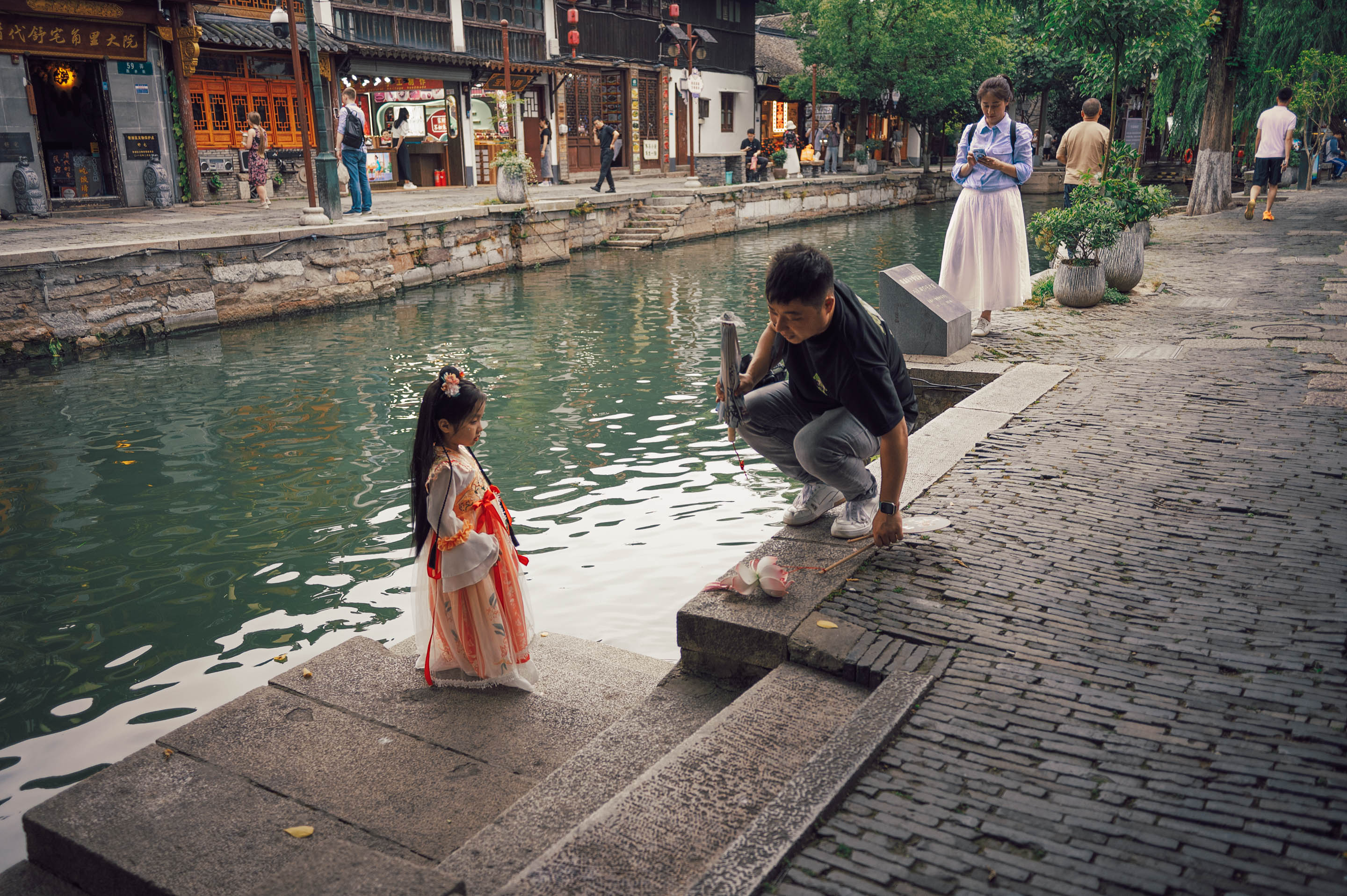
Some cameras impress immediately with their specifications. Others earn their reputation through rarity, luxury or eye-watering prices on the second-hand market. The Canon Sure Shot Classic 120 does none of those things, and that’s exactly why it has become one of my favourite film point-and-shoot cameras.
On paper, there’s nothing particularly extraordinary here. The 38-120mm zoom isn’t especially wide or especially long, the maximum aperture of f/4.5 isn’t going to work miracles in low light, and the plastic construction certainly won’t convince anyone they’re holding a premium collector’s item. Yet after using countless compact film cameras over the years, I keep coming back to this one.
Canon’s decision to call it the “Classic” feels surprisingly appropriate. Yes, the silver body and black trim give it a hint of old rangefinder styling, but the real reason it deserves the name is because it captures what makes a classic camera: reliability, simplicity and an ability to disappear into the background while you focus on making photographs.
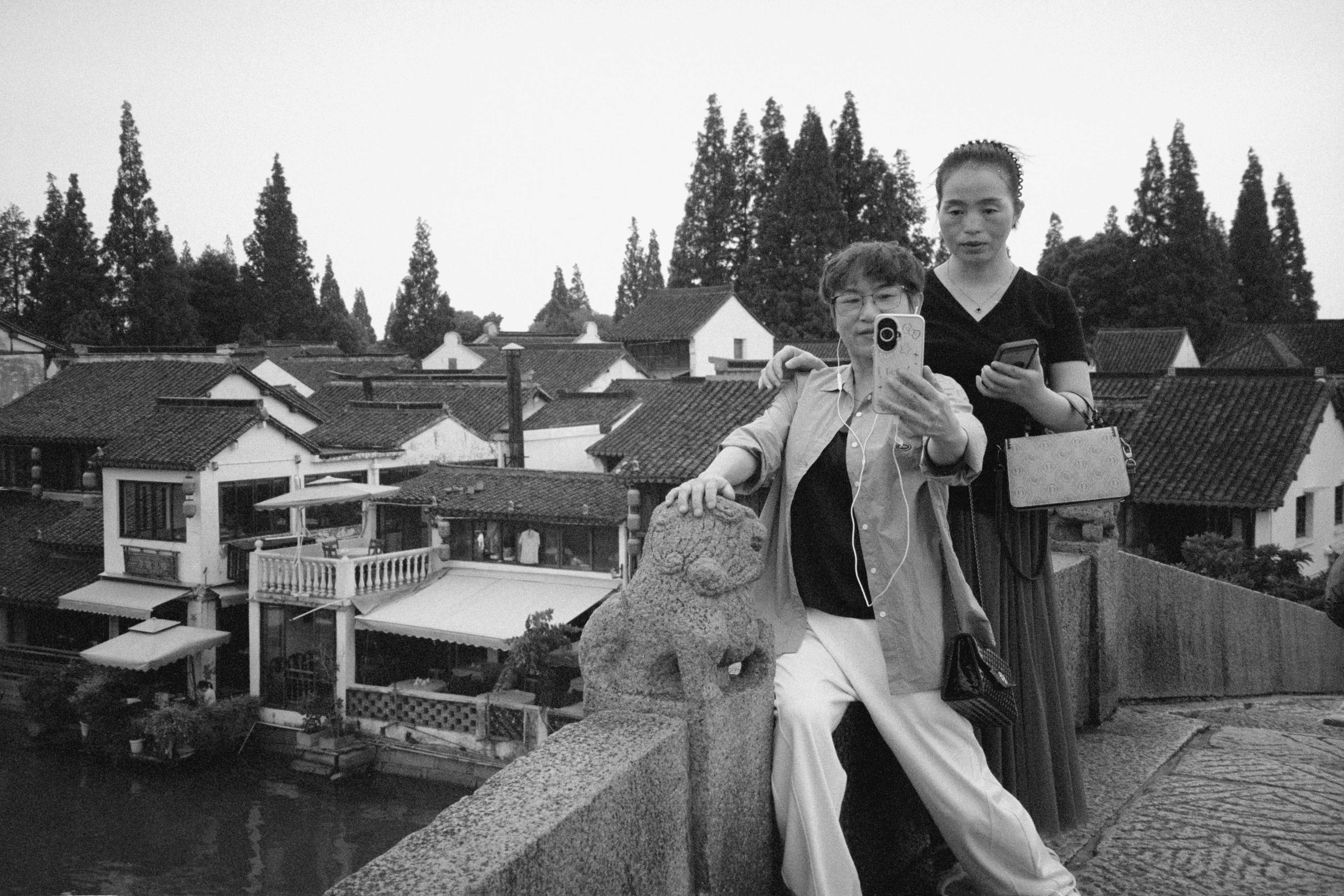
To see how well it performs in the real world, I took it to two very different locations. The first was the ancient water town of Zhujiajiao near Shanghai, where narrow alleyways and canals provided the perfect setting for some gritty black-and-white photography using pushed Ilford Delta 400. Later, I swapped to Kodak ColorPlus 200 for a gentle walk through suburban Tokyo, giving the camera a chance to show how it handled colour and everyday scenes.
Clever Design Without Getting in the Way
Although the specifications aren’t headline-grabbing, Canon quietly packed plenty of technology into the Sure Shot Classic 120. The lens incorporates an aspherical element to improve sharpness, while the autofocus system uses sophisticated multi-point focusing that simply works without demanding your attention.
That’s really the defining characteristic of this camera. Rather than forcing you to think about autofocus modes, metering systems or exposure calculations, it quietly makes sensible decisions on your behalf. You lift it to your eye, compose your image and press the shutter. Most of the time, that’s all there is to it.
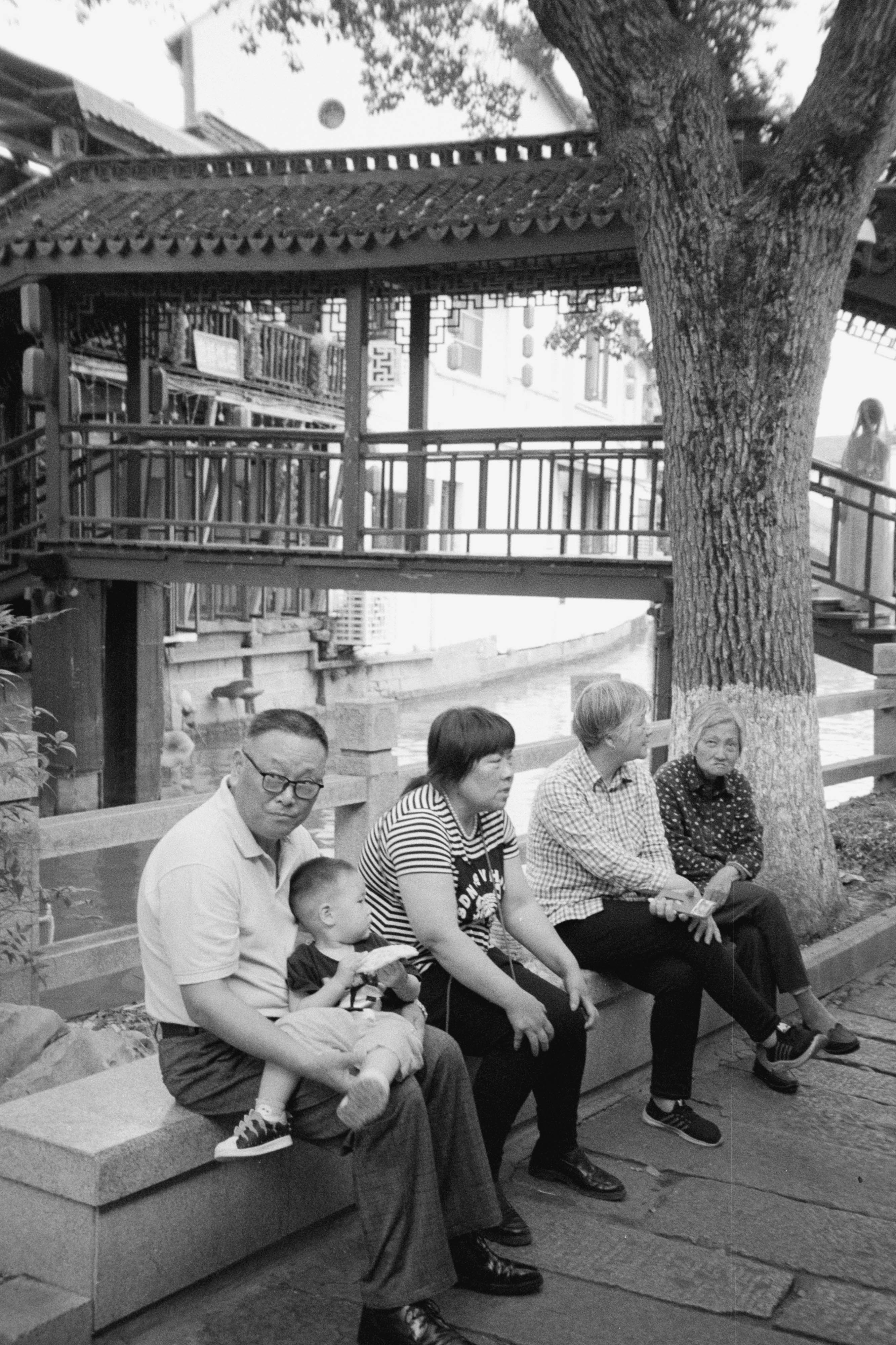

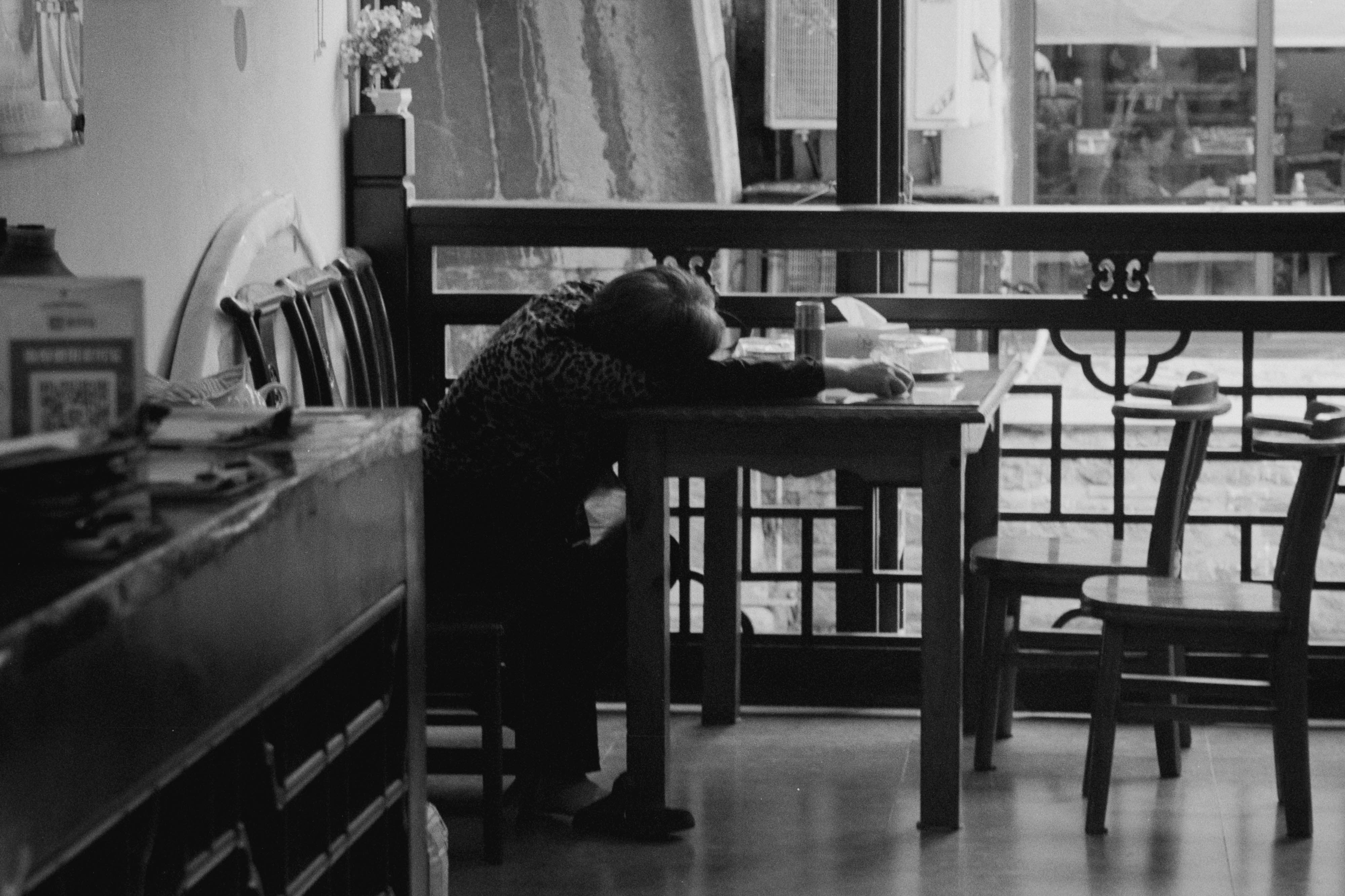
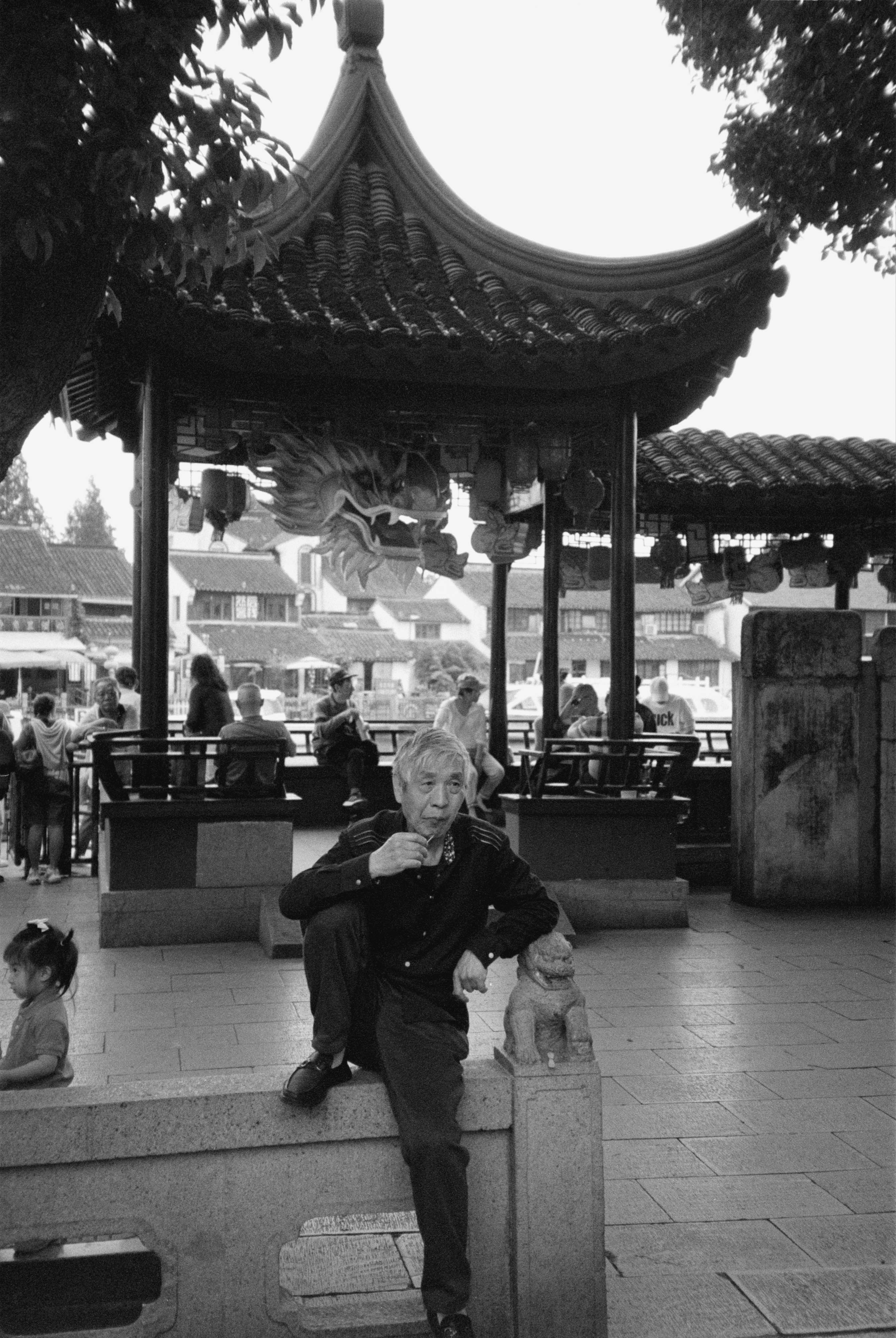
There are still enough manual options to satisfy photographers who like a little control. Various scene modes, spot metering, flash settings and custom memory options are available if you want them, but they’re tucked away rather than dominating the experience. One particularly thoughtful feature is the ability to save flash preferences in the Personal mode, allowing the camera to remember that you prefer shooting without flash instead of forcing you to disable it every single time you power it on.
The physical design also deserves praise. Instead of relying on ageing rubber buttons that have become soft and unreliable over the decades, Canon fitted a tactile rotary dial that makes changing modes quick and satisfying. It feels surprisingly modern, and it reinforces the idea that this is a camera designed to encourage photography rather than menu navigation.
Even the sports mode is more responsive than many competing point-and-shoots from the era. While nobody will be photographing professional sport with this camera, it avoids the frustrating shutter lag that plagues many compact film cameras and makes spontaneous photography much more enjoyable.
Better Image Quality Than You Might Expect
Ultimately, clever engineering only matters if the photographs look good, and fortunately this is where the Canon Sure Shot Classic 120 continues to impress.
The black-and-white images from Zhujiajiao demonstrated that the camera handles contrast and detail remarkably well, even when shooting pushed film in difficult lighting conditions. Switching to Kodak ColorPlus 200 in Tokyo revealed a camera with a refreshingly neutral rendering. It doesn’t exaggerate colours or attempt to create a signature look. Instead, it quietly records scenes much as they appear, allowing the character of the film stock to come through.




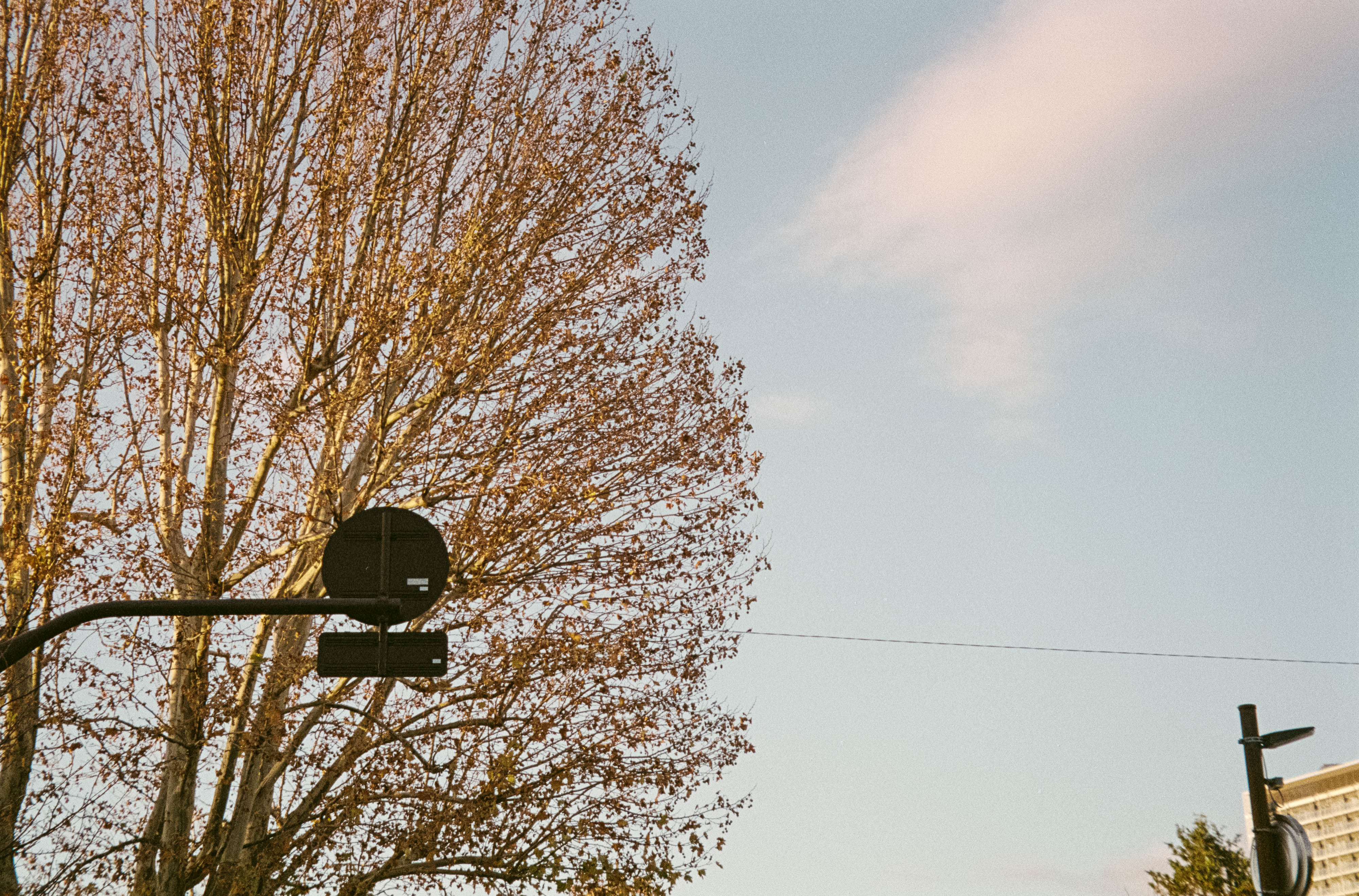
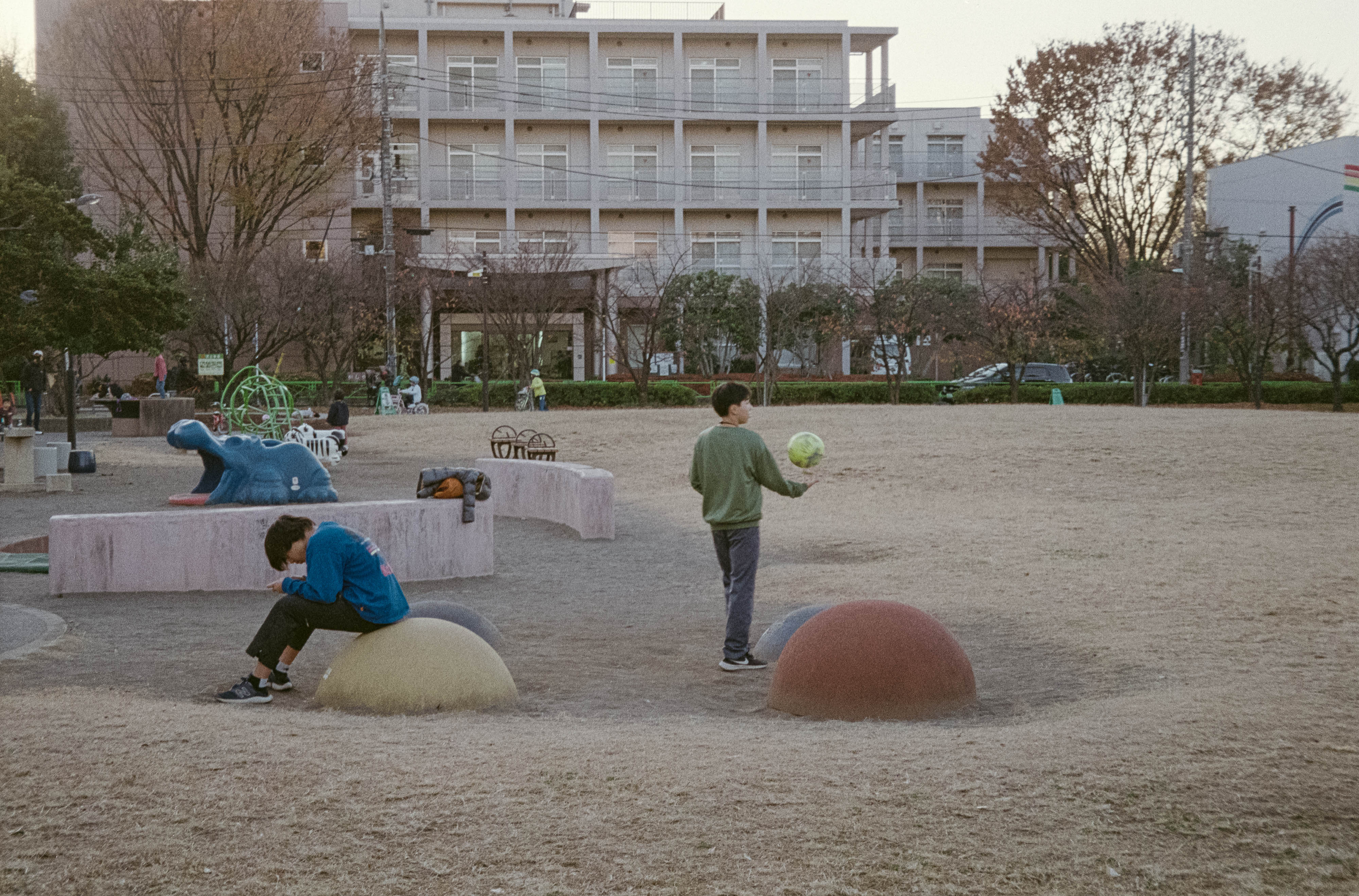
Sharpness is more than respectable across most of the frame, even if the corners soften slightly at times. Distortion can appear depending on focal length, although it is generally modest and easily corrected during scanning or editing. Telephoto shots also perform better than expected, with camera shake proving less problematic than the relatively slow maximum aperture might suggest.
One pleasant surprise is the quality of the out-of-focus rendering. Nobody buys a compact zoom expecting creamy medium-format bokeh, but the background blur is often smoother than many competing point-and-shoots. That subtle quality helps subjects stand out naturally, particularly in close-up photographs where harsh or nervous backgrounds can easily overwhelm the image.
Rather than producing spectacular photographs through technical brilliance, the Canon simply delivers consistently good results. It rarely gets in your way, and that’s often more valuable than chasing perfection.
The Toyota Corolla of Film Cameras
The analogy that keeps coming back to me is the Toyota Corolla. Nobody dreams about owning one as a poster car, yet millions of people appreciate them because they start every morning, get the job done and ask very little in return.
That’s exactly how I feel about the Canon Sure Shot Classic 120. It isn’t luxurious like a Contax T2, nor is it surrounded by the hype that inflates the prices of cameras such as the Olympus Mju series. Instead, it occupies a sweet spot where it’s affordable enough to carry everywhere, robust enough to trust while travelling and capable enough that you rarely feel you’re compromising.
Over time it has become one of my most-used film cameras, not because it’s technically the best, but because I know it will reliably produce photographs I’m happy with. Whether it’s accompanying me as a secondary camera on overseas trips or simply documenting everyday life closer to home, it consistently earns its place in my bag.
The best camera is often said to be the one you have with you, but that only works if the camera itself is enjoyable to use. Some compact cameras waste film, miss focus or respond so slowly that they miss the decisive moment entirely. The Canon Sure Shot Classic 120 avoids those frustrations. It offers enough flexibility, enough image quality and enough reliability that I genuinely enjoy taking it out.
No, it isn’t perfect. Then again, neither am I. What it is, however, is a dependable travel companion that quietly captures the moments I want to remember without demanding attention for itself. For an everyday film point-and-shoot, that’s about the highest compliment I can give it, and it’s exactly why it remains my favourite in the collection.