
I recently found myself in Shanghai and, somehow, my photographic ambitions got completely Shanghai’d. No, I didn’t wake up aboard a cargo ship with a mysterious hangover, a stranger called Tatiana and a rash that required medical attention. My downfall was much less dramatic but arguably far more predictable. I bought a new lens and then made the fatal decision to pair it with a film stock I’d never heard of.
If you’ve spent any time reading this blog, you’ll know I recently picked up a Leica M2. Yes, I’ve become one of those people. The reality, however, is that I’m nowhere near good enough to justify owning it. Then again, I couldn’t justify the price of a genuine Leica 35mm lens either, so I went hunting for something a little more attainable.
That search led me to Shanghai’s famous Xing Guang Photographic Equipment Market, where I found exactly what I wanted: a second-hand Voigtlander Nokton 35mm f/1.5. There were two versions available—a cheaper black model and a slightly more expensive silver brass version. Naturally, I bought the prettier one.
There’s a wonderful Chinese idiom, xin xue lai chao, which literally describes blood rushing to your head. It’s the perfect expression for those moments when logic quietly packs its bags and shiny objects take control. The silver brass Nokton looked absolutely perfect mounted on the Leica M2 and, if we’re being honest, sometimes that’s reason enough.
A Great Lens Meets a Very Bad Idea
To be fair, the lens itself never let me down. The Voigtlander Nokton 35mm f/1.5 belongs to the company’s “Vintage” line, although the name is slightly misleading because the vintage aspect refers more to the styling than the optical performance. Thanks to modern aspherical elements, this isn’t a dreamy character lens with swirly bokeh and soft corners. Instead, it’s impressively sharp while still retaining enough personality to stop images feeling overly clinical.
What impressed me most was just how compact it is. It balances beautifully on the Leica, the build quality feels superb and the focus tab makes manual focusing intuitive. The focus throw is short enough to move from close focus to infinity in one smooth motion, and the lens itself focuses down to half a metre, even if the M2’s rangefinder can’t quite keep up.
In many ways, this is probably a lens that shines just as brightly on a modern mirrorless camera as it does on film. It feels capable of resolving far more detail than most film stocks can actually record. Unfortunately, none of that mattered because, flushed with the excitement of my new purchase, I made another questionable decision.
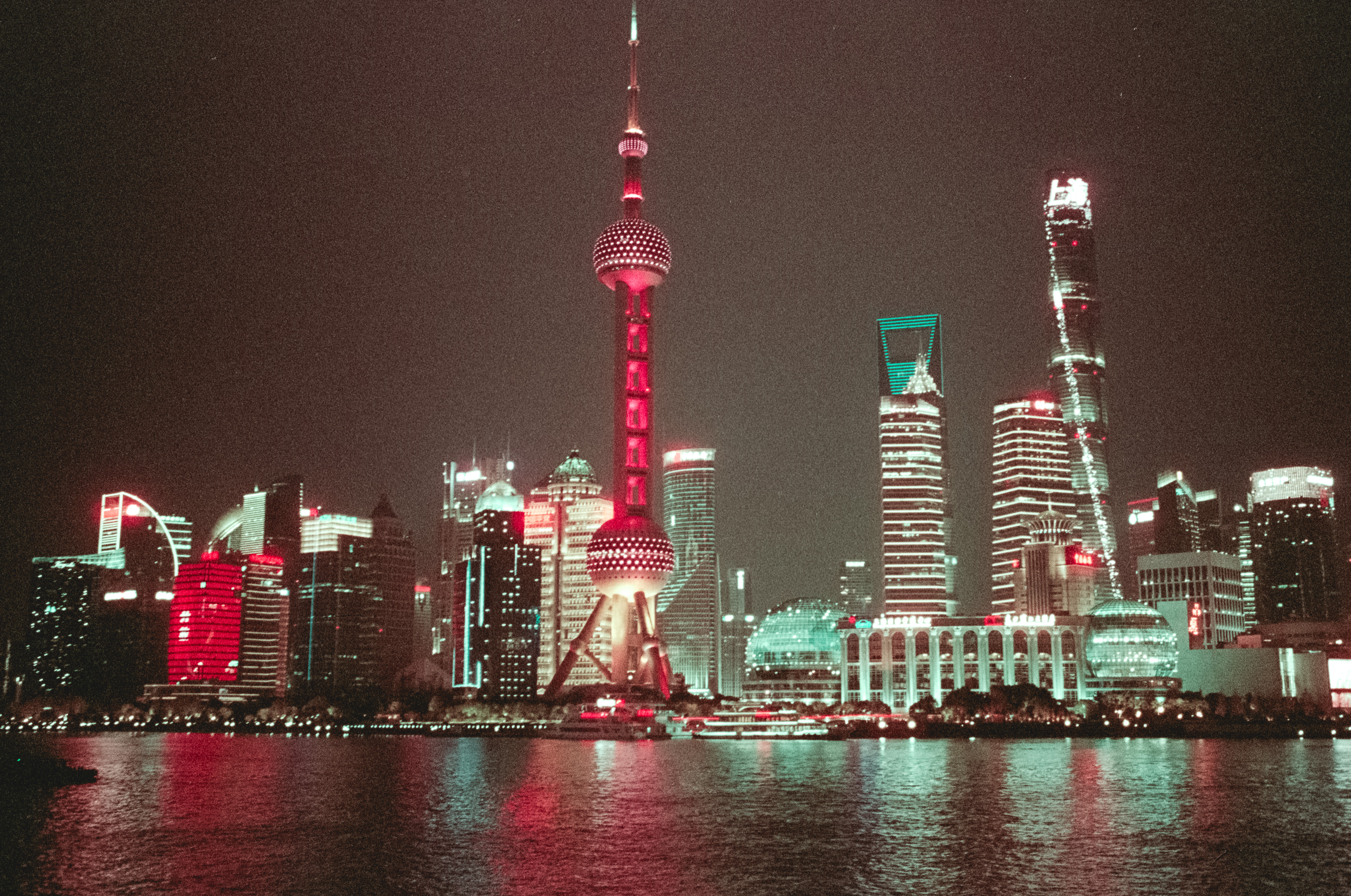
Walking past a local film shop, I spotted a rerolled stock called Iron Bridge 800T. Judging by the packaging, it appeared to be Kodak Vision3 500T with the remjet layer already removed, promising all the cinematic goodness of CineStill 800T without the hassle of removing remjet yourself during processing. It sounded like the perfect companion for a night on the Bund, photographing the Shanghai skyline across the Huangpu River with glowing city lights and those famous red halations around bright highlights.
As it turned out, the theory was considerably more impressive than the results.
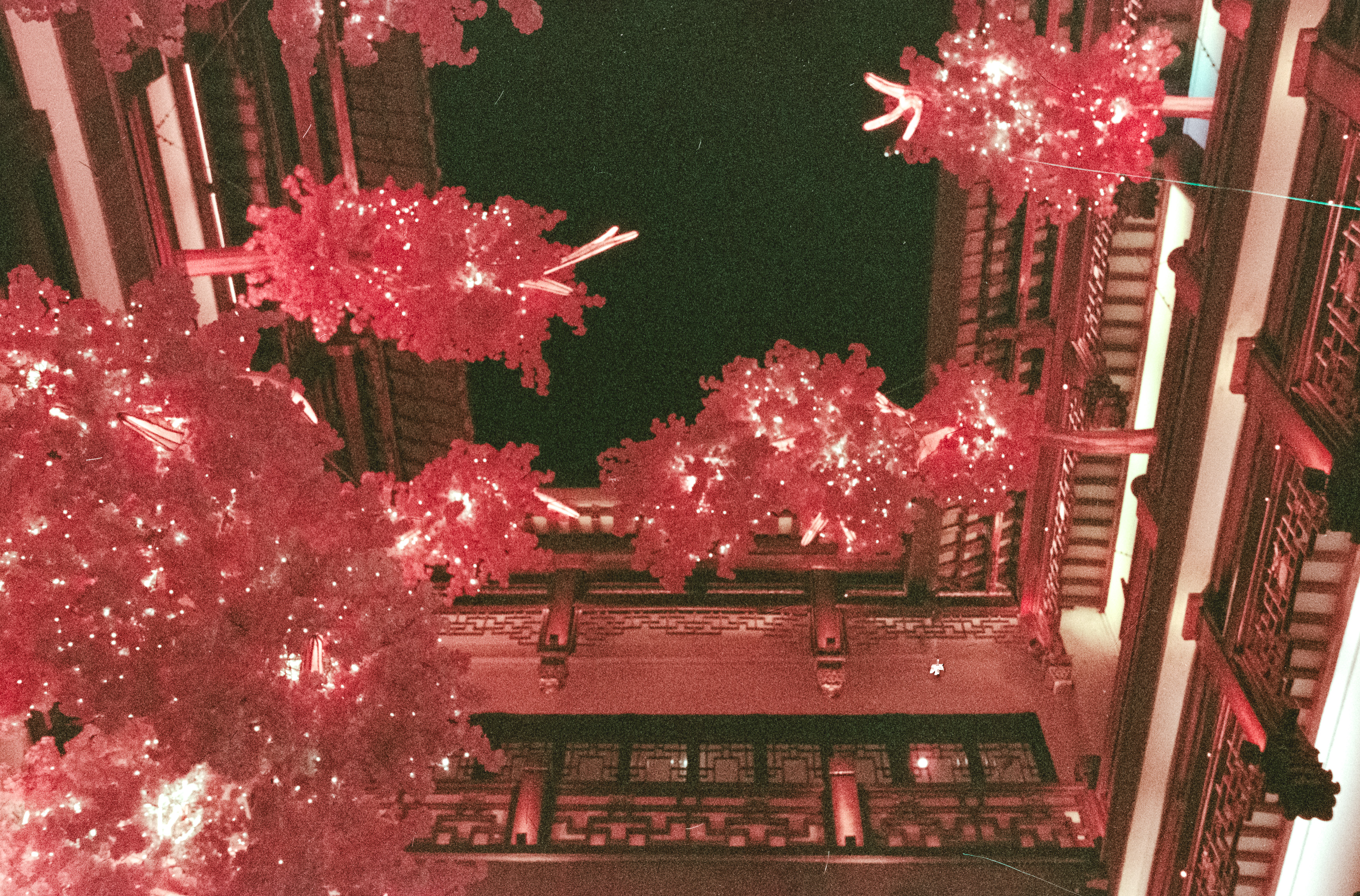
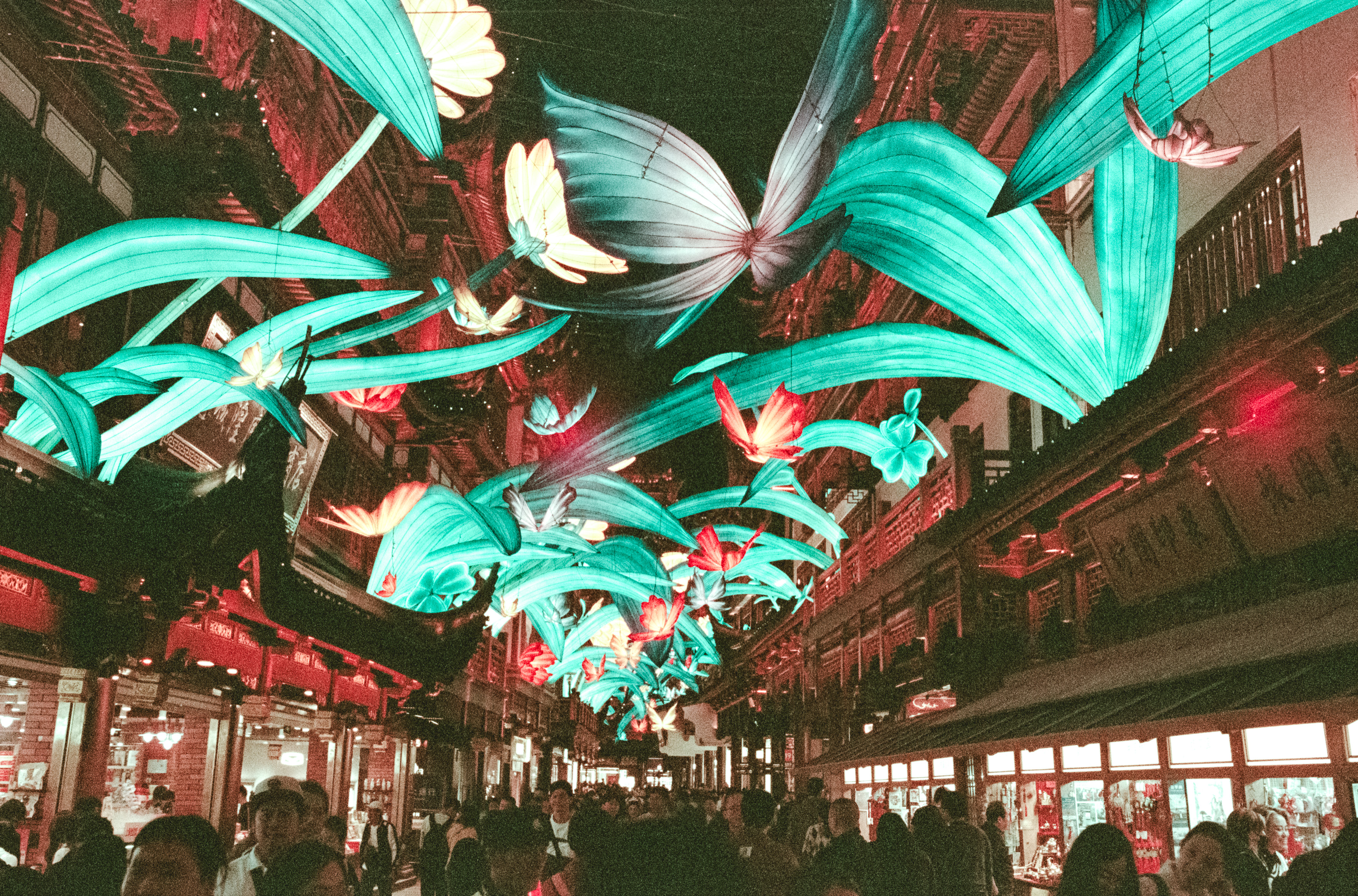

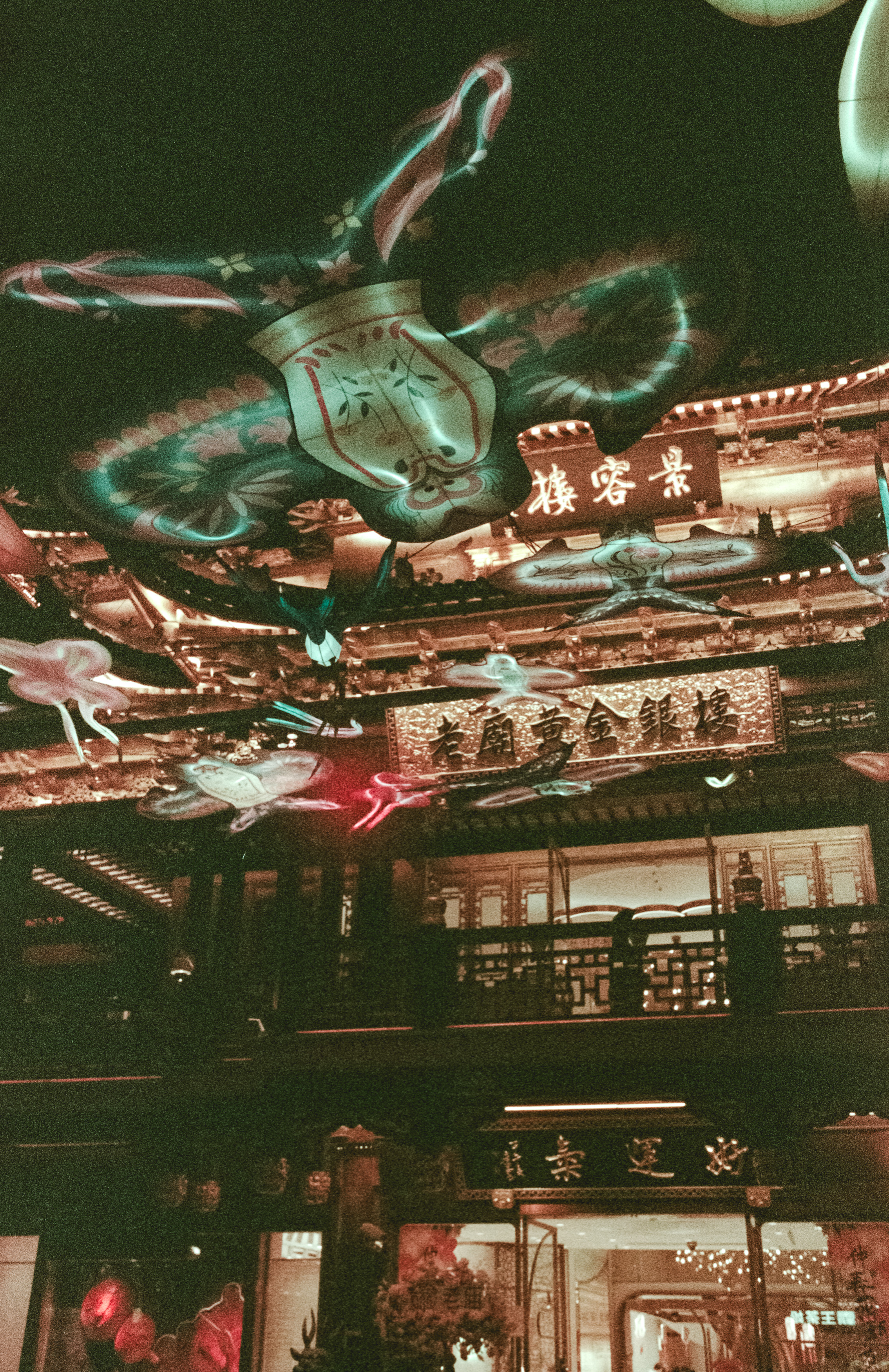
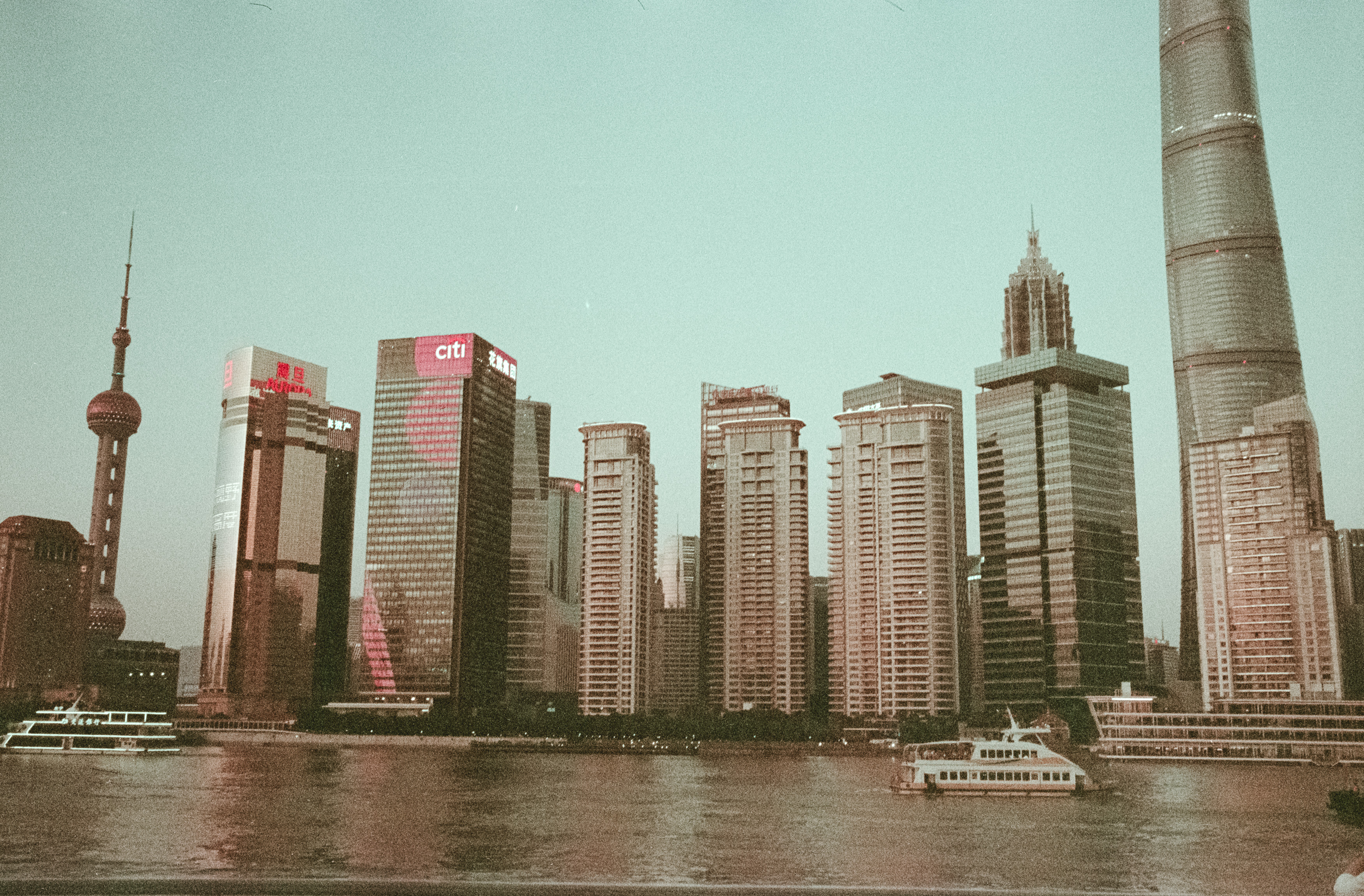
Grain, Halation and Disappointment
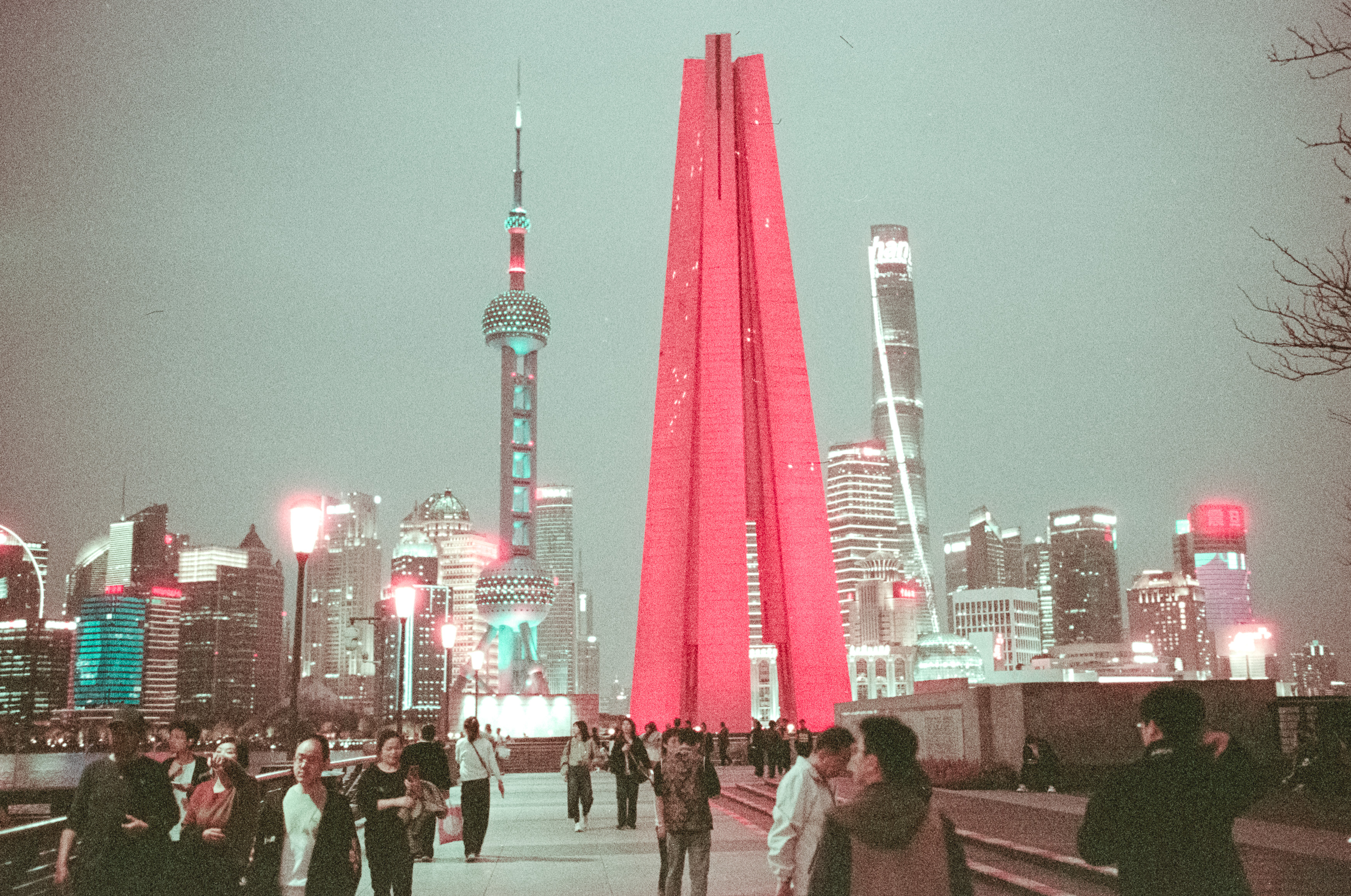
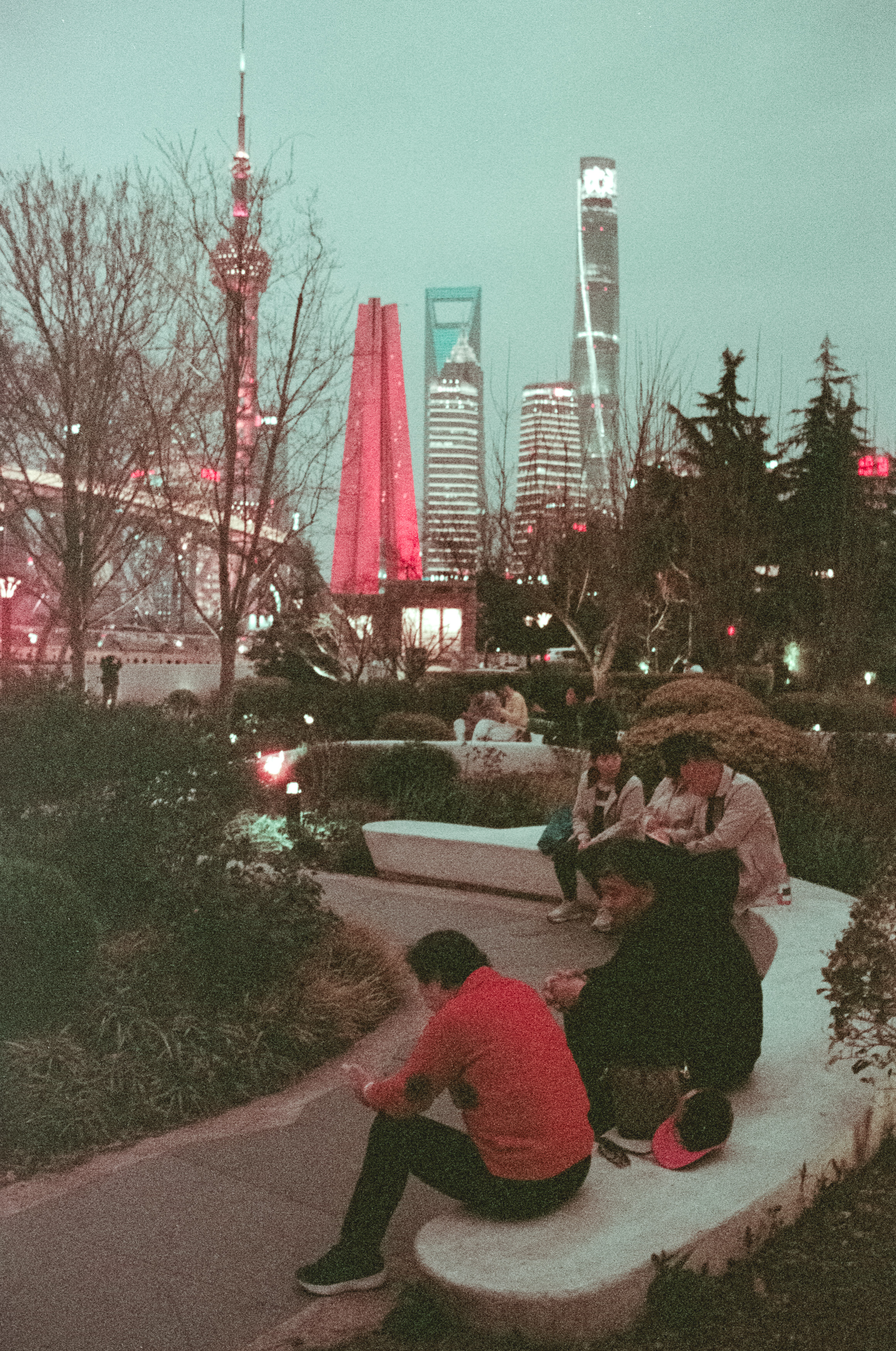
The halation certainly arrived, but so did the grain. Lots of grain. Instead of clean, cinematic negatives, I ended up with photographs drenched in teal shadows, pink highlights and enough texture to make sandpaper seem positively smooth. The images definitely had atmosphere, although not quite the atmosphere I’d hoped for.
To be clear, I don’t think the lens deserves any blame here. If anything, it simply exposed every weakness of the film. The Nokton was producing exactly the sort of sharp, modern images I’d bought it for, but the Iron Bridge stock buried those qualities beneath heavy grain and dramatic colour shifts.
A few weeks later I took the same lens to Kenya while visiting the Gazi Female Community Project, where I spent some time planting mangroves before wandering around with a roll of Kodak Gold 200. Mangrove forests aren’t naturally the most photogenic places—unless tangled roots happen to be your artistic obsession—but the difference was immediately obvious. The colours were cleaner, the negatives sharper and the personality of the lens finally began to emerge.
Even photographs of old fishing boats, hardly the world’s most original subject matter, demonstrated what the Voigtlander was capable of. The Shanghai results had suggested the lens lacked something, but the Kenya negatives proved the opposite. It wasn’t the Nokton that had failed me at all.
Of course, I didn’t know that at the time. The following day I loaded a second roll and headed further north along the Bund towards Waibaidu Bridge, fully expecting redemption. What I got instead was remarkable consistency, because the second roll looked every bit as grainy, pink and teal as the first.


When Failure Becomes Part of the Story
At this point, I’m fairly convinced Iron Bridge 800T is simply expired film, whether the packaging admits it or not. The excessive grain, dramatic colour shifts and muddy shadows seem difficult to explain any other way. My chemistry was fresh, I’d processed Kodak Gold successfully afterwards using exactly the same workflow, and I’d even exposed the film conservatively, often treating it as ISO 500 rather than the advertised 800.
For a while I wasn’t even sure these photographs deserved a video or a blog post. They certainly weren’t the showcase I’d imagined for a new lens, and I briefly considered quietly pretending the whole experiment had never happened. Thankfully, time has a habit of softening disappointment.
The more I revisited the negatives, the more those strange pink highlights and blue washes began to grow on me. They’re still technically flawed, but they somehow capture a mood I never intended to create. What initially felt like failure slowly became something closer to accidental artistry.
Of course, if you’re interested in buying a print, I’ll happily explain that they’re an intentional exploration of Shanghai’s electric urban landscape, complete with a lengthy discussion of postmodern semiotics and the dialectical relationship between synthetic colour and twenty-first-century city life. Otherwise, we can simply admit what really happened: I bought a beautiful lens, paired it with questionable film and accidentally created something far more memorable than I’d planned.
Photography rarely goes exactly as expected, but that’s part of what keeps it interesting. Sometimes the failures teach you more than the successes, and sometimes the pictures you almost threw away end up telling the best story of all.

