
Let’s talk about 135mm lenses.
Not the legendary, collector-grade optics that command eye-watering prices on the second-hand market. I’m talking about the humble, often-overlooked 135mm lenses gathering dust in the lower reaches of eBay listings, sitting somewhere between “well used” and “please check photos carefully.”
For reasons I don’t entirely understand, old 135mm lenses seem to have fallen out of fashion. Perhaps they’re caught in an awkward middle ground. They’re a little too long for everyday portrait work, a little too short for serious wildlife photography, and in an era dominated by versatile zooms, they can seem somewhat impractical.
After all, modern zoom lenses offer tremendous convenience. When you can’t physically move closer or further away—or simply don’t want to—being able to adjust your framing with a twist of the zoom ring is undeniably useful. For sports or action photography, a zoom lens is usually the obvious choice.
But there’s still something appealing about a dedicated telephoto prime.
The Nikon 135mm f/2.8 AI-S, introduced in 1981, represents the culmination of Nikon’s long-running line of manual-focus 135mm lenses. While it shares its optical formula with the earlier AI version, Nikon improved the lens coatings, giving it excellent contrast and resistance to flare. The fact that it remained in production for over two decades speaks volumes about its popularity and capability.
Back in the 1980s, serious photographers often preferred primes over zooms because zoom technology simply hadn’t reached the quality levels we take for granted today. Prime lenses were typically faster, lighter, and optically superior.
Even now, those advantages remain relevant. At 425 grams, the 135mm f/2.8 AI-S is compact enough to carry comfortably while still feeling reassuringly solid. It embodies the best of Nikon’s manual-focus era: metal construction, smooth mechanical operation, and a tactile quality that’s increasingly rare in modern lenses.
One particularly thoughtful feature is the built-in retractable lens hood. As someone who regularly forgets to pack lens hoods, having one permanently attached is a welcome convenience.
Taking a 135mm to Tokyo
When I picked up my copy in Japan, I wasn’t entirely sure what role it would play in my photography. I had purchased it from a used camera store in Tokyo for around 17,000 yen—a reasonable price for a lens that, despite its “B” grade condition, turned out to be mechanically excellent and optically clean.
Naturally, I decided to test it in one of the busiest places imaginable: Shibuya.
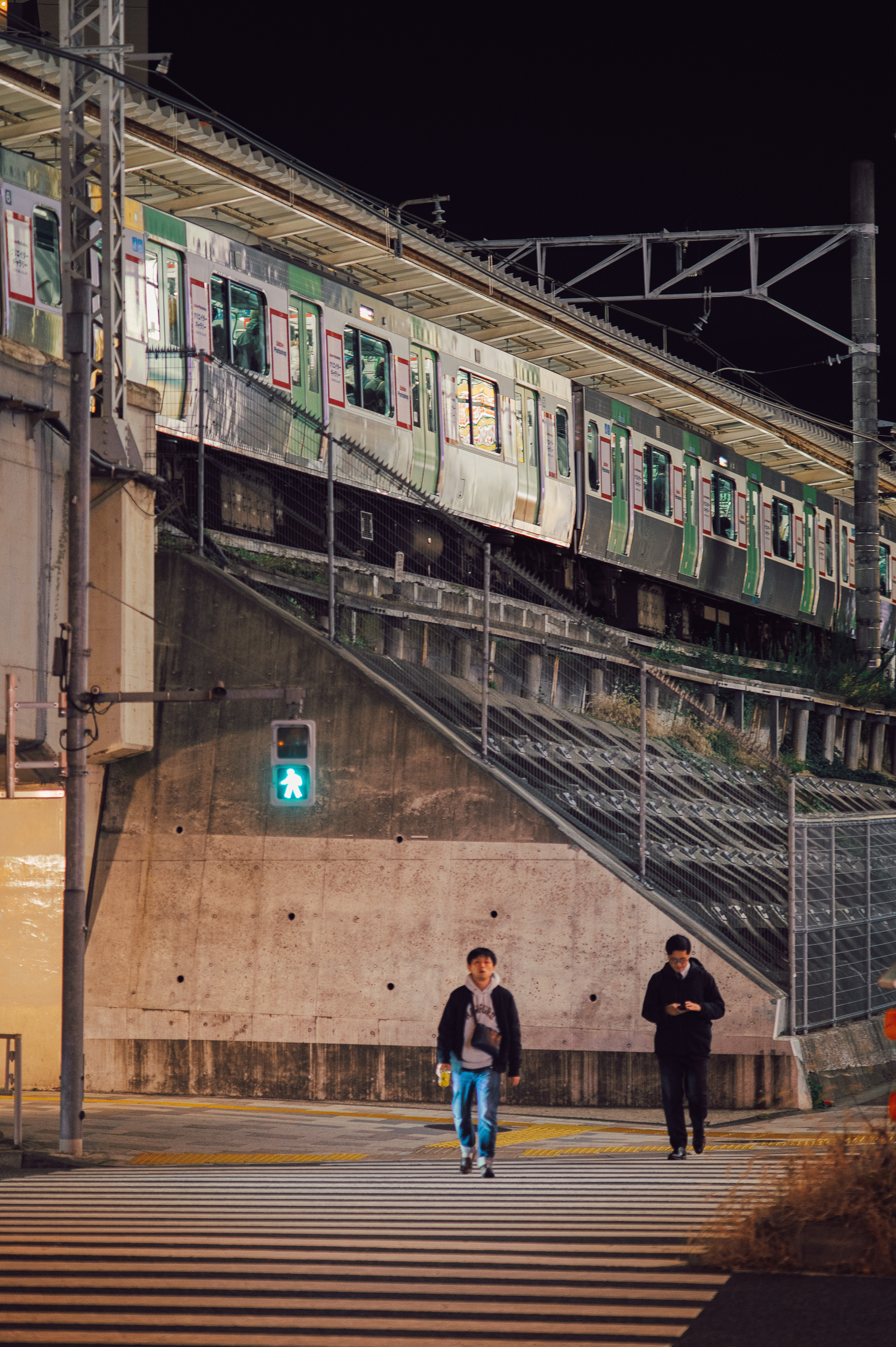
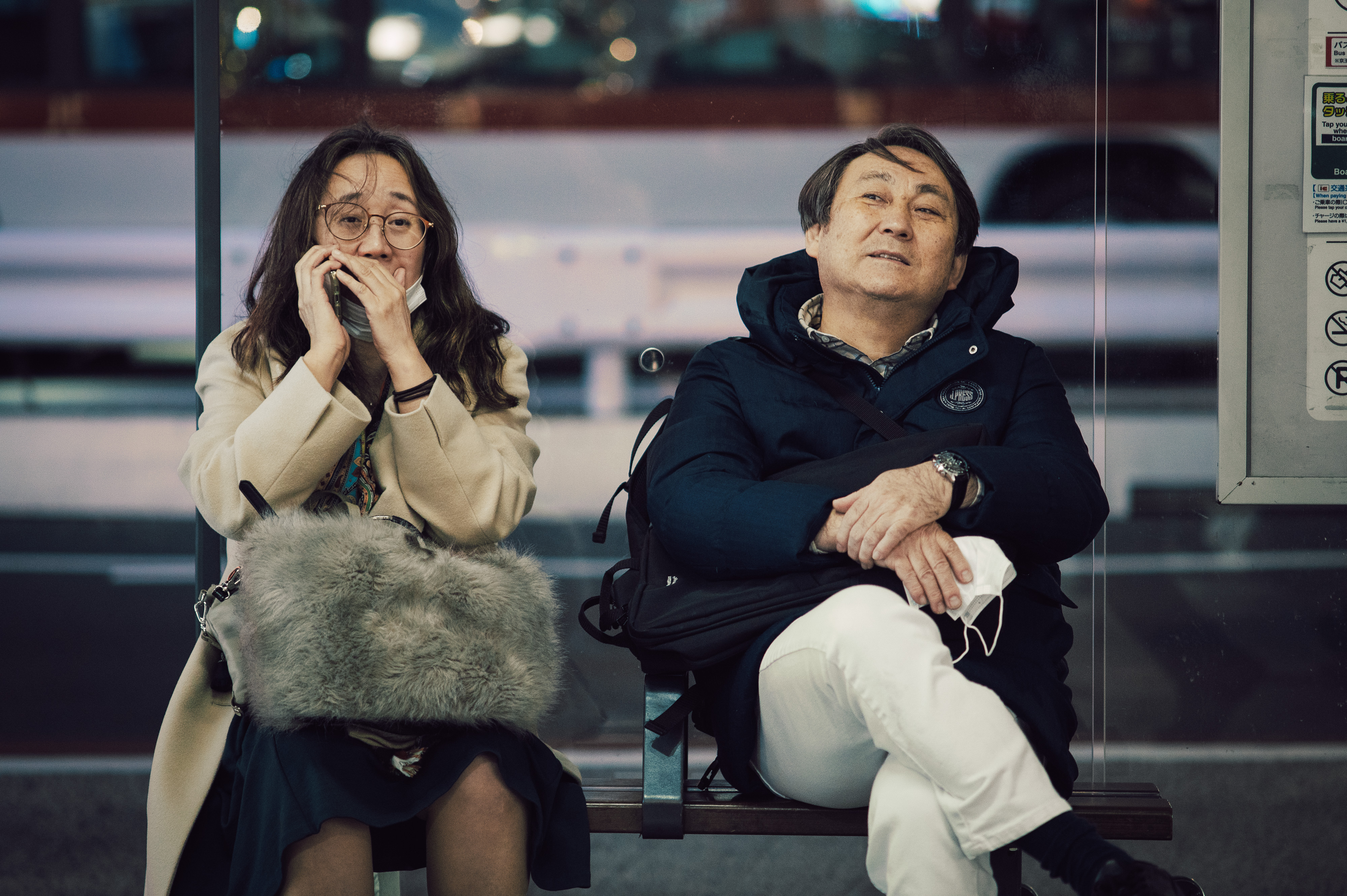
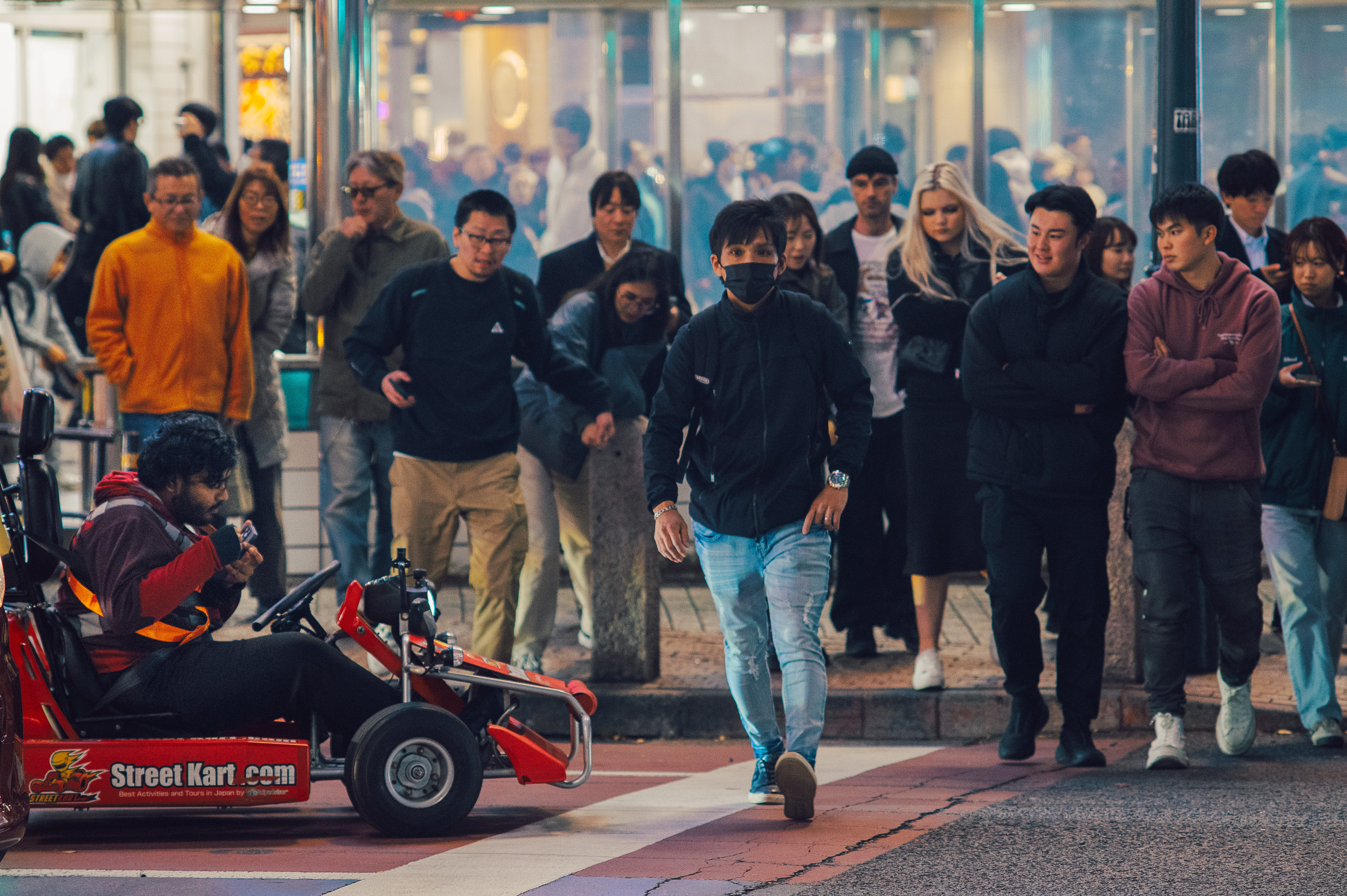


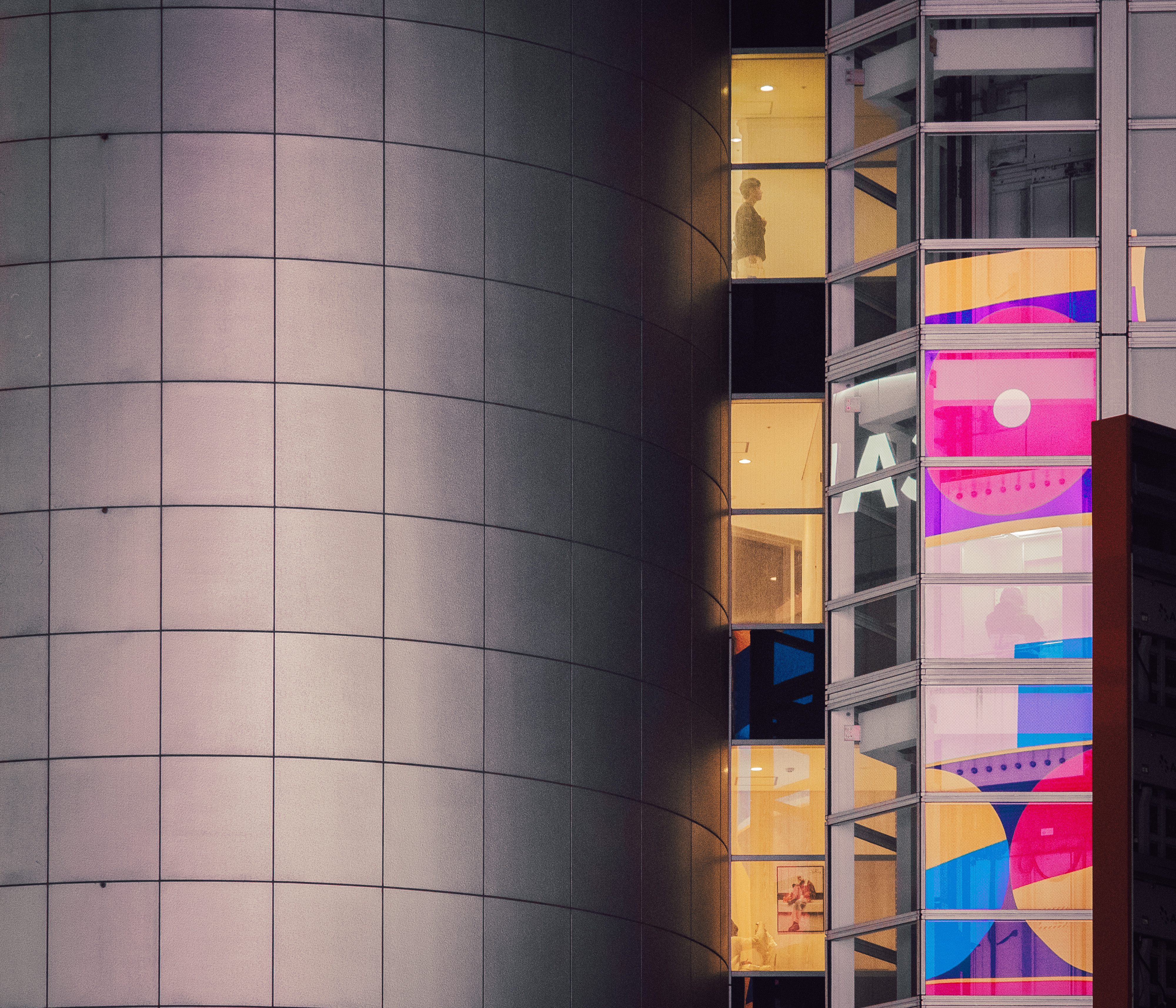

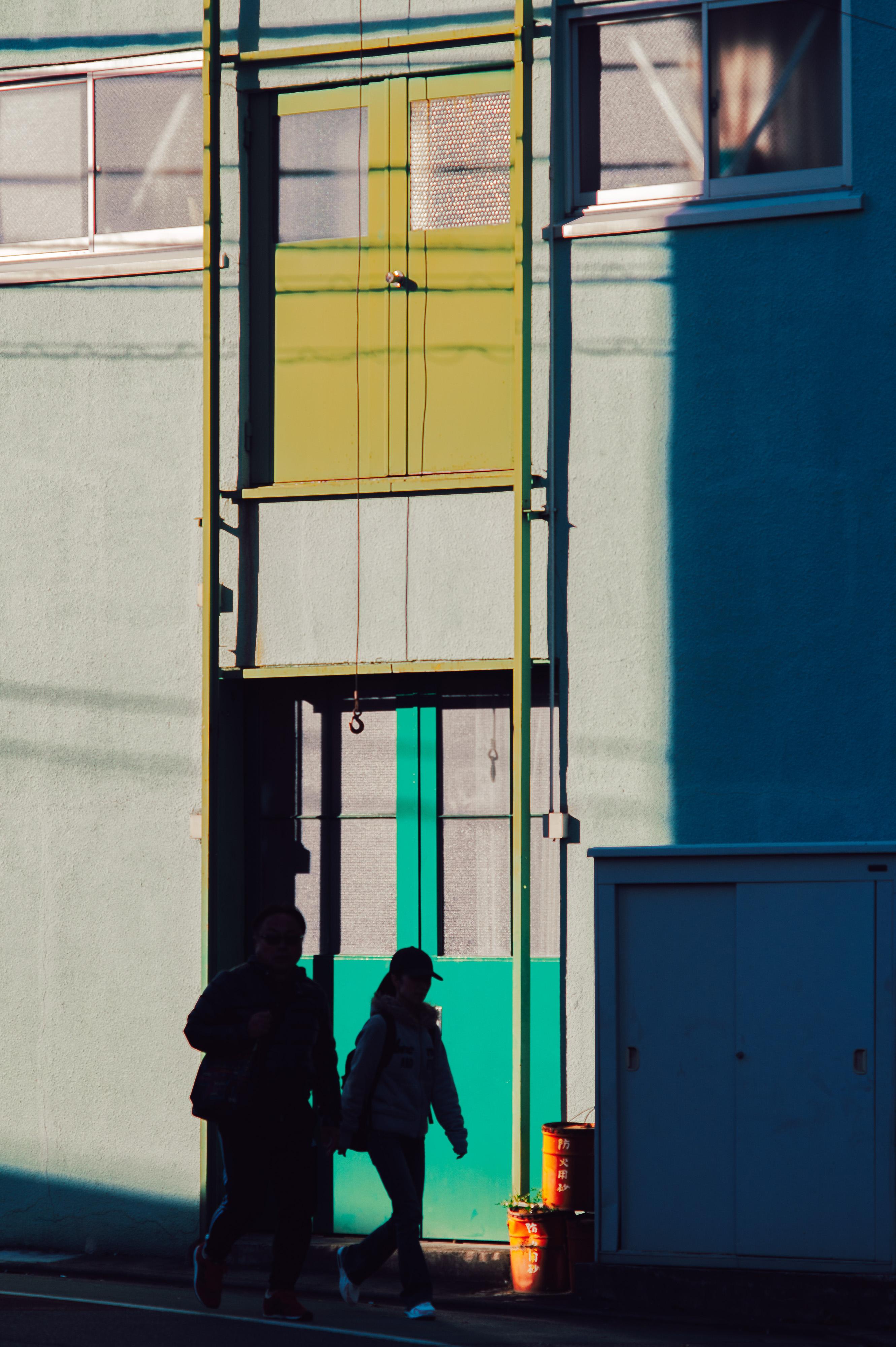
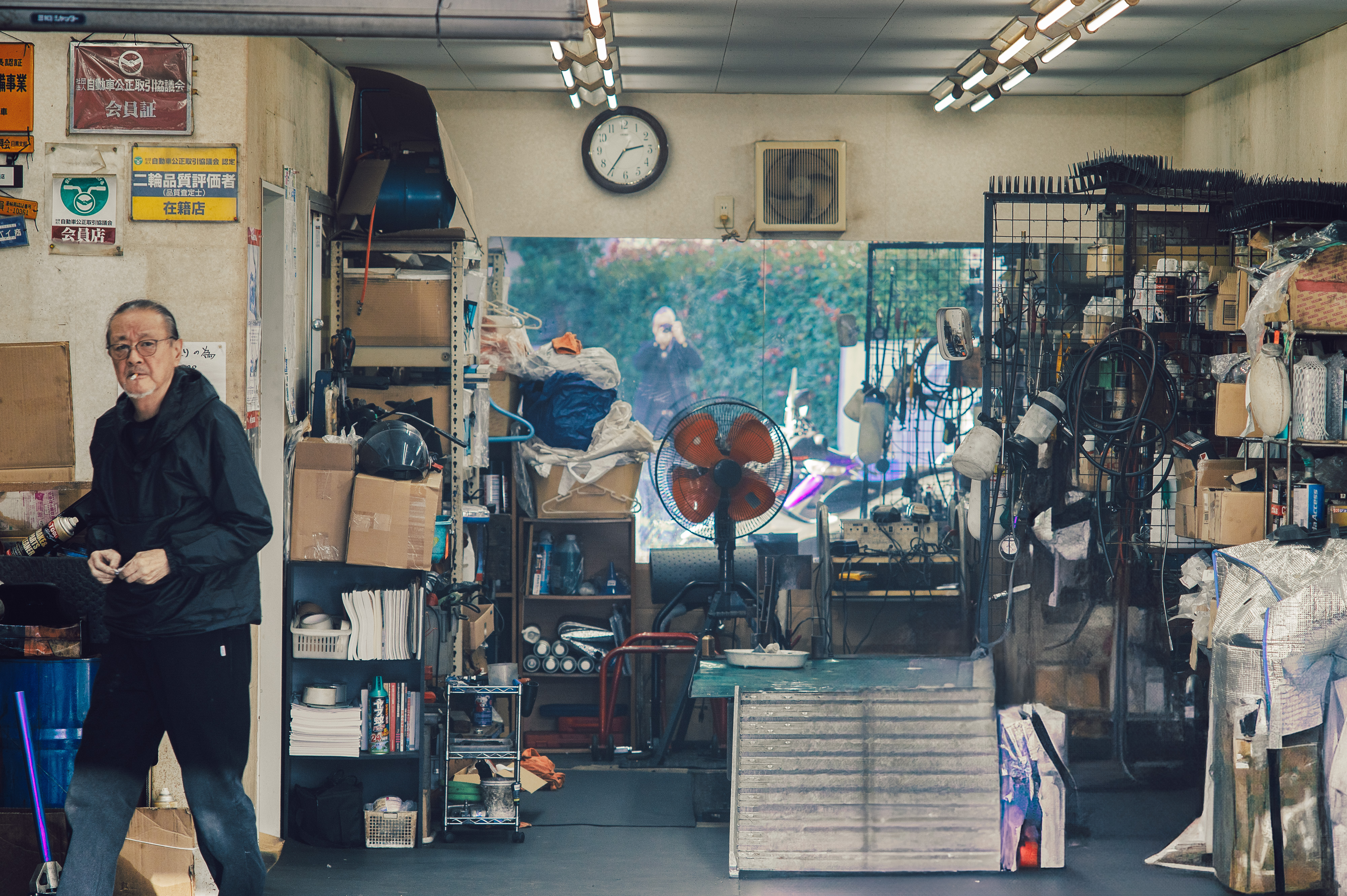
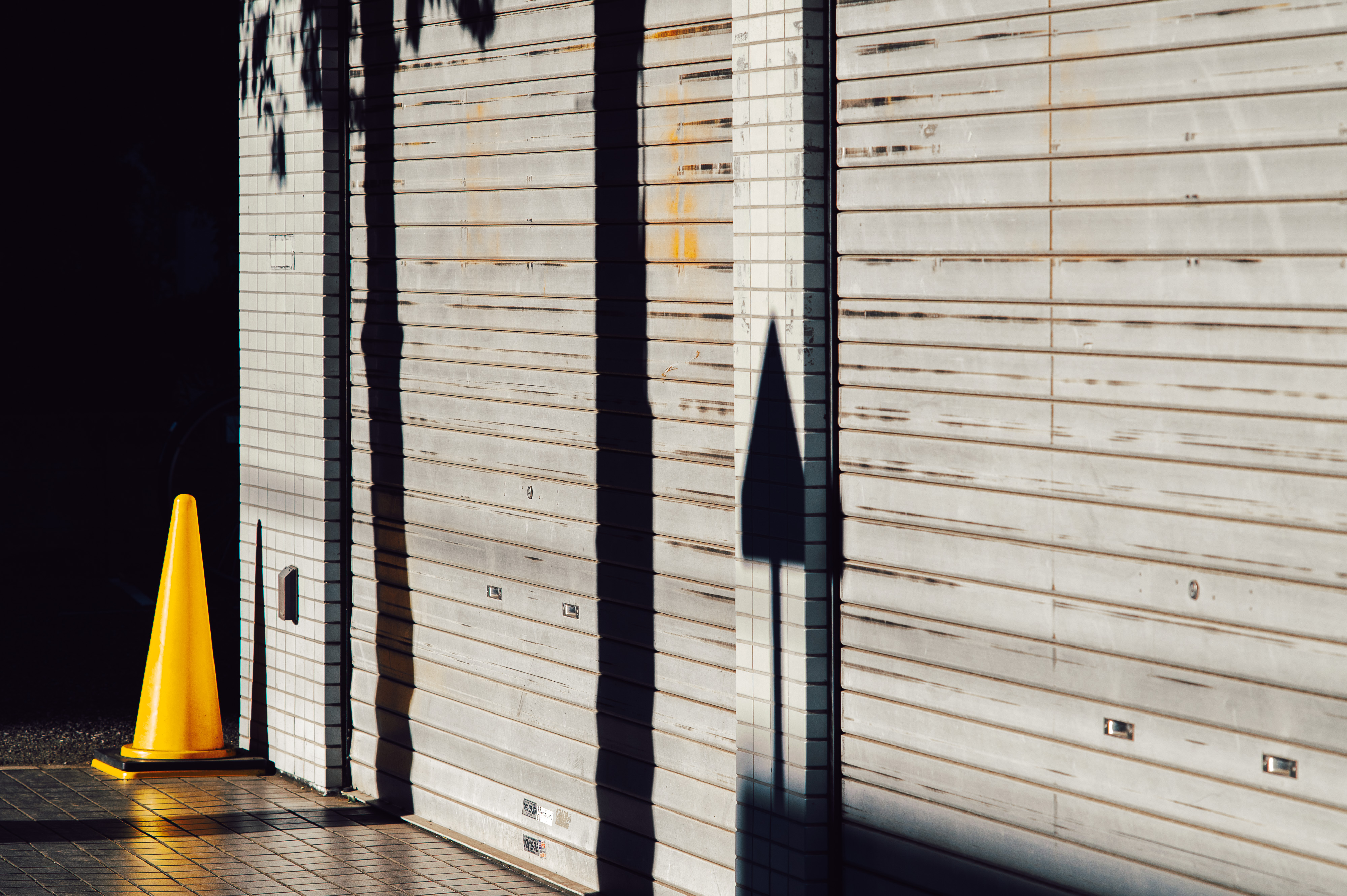

Using a 135mm lens on crowded city streets presents challenges. There were certainly moments when I wished I had a 35mm lens attached instead. Yet the longer focal length offered a completely different way of seeing the city.
Rather than photographing the whole scene, I found myself isolating details, extracting individual moments from the chaos, and capturing candid portraits from a comfortable distance. The lens allowed me to pick out visual fragments that might otherwise have been lost amid the noise and activity.
Its relatively fast f/2.8 aperture also proved valuable after dark. Tokyo’s neon-lit streets became a playground for selective focus, with subjects emerging from backgrounds rendered into soft, creamy blur.
Of course, that shallow depth of field can be both a blessing and a curse. At 135mm, maintaining critical focus becomes more demanding, especially when photographing moving subjects. There were plenty of occasions where I had to accept that only part of a scene would be perfectly sharp. But when everything came together, the results had a distinctive look that justified the effort.
Digital and Film Performance
While most of my initial testing took place on a Nikon Z6 via an adapter, I wanted to see how the lens performed in its natural habitat: on film. Back in Perth, I loaded a roll of Kentmere 100 into my Nikon FE and spent a sunny summer day photographing Hillarys Boat Harbour.

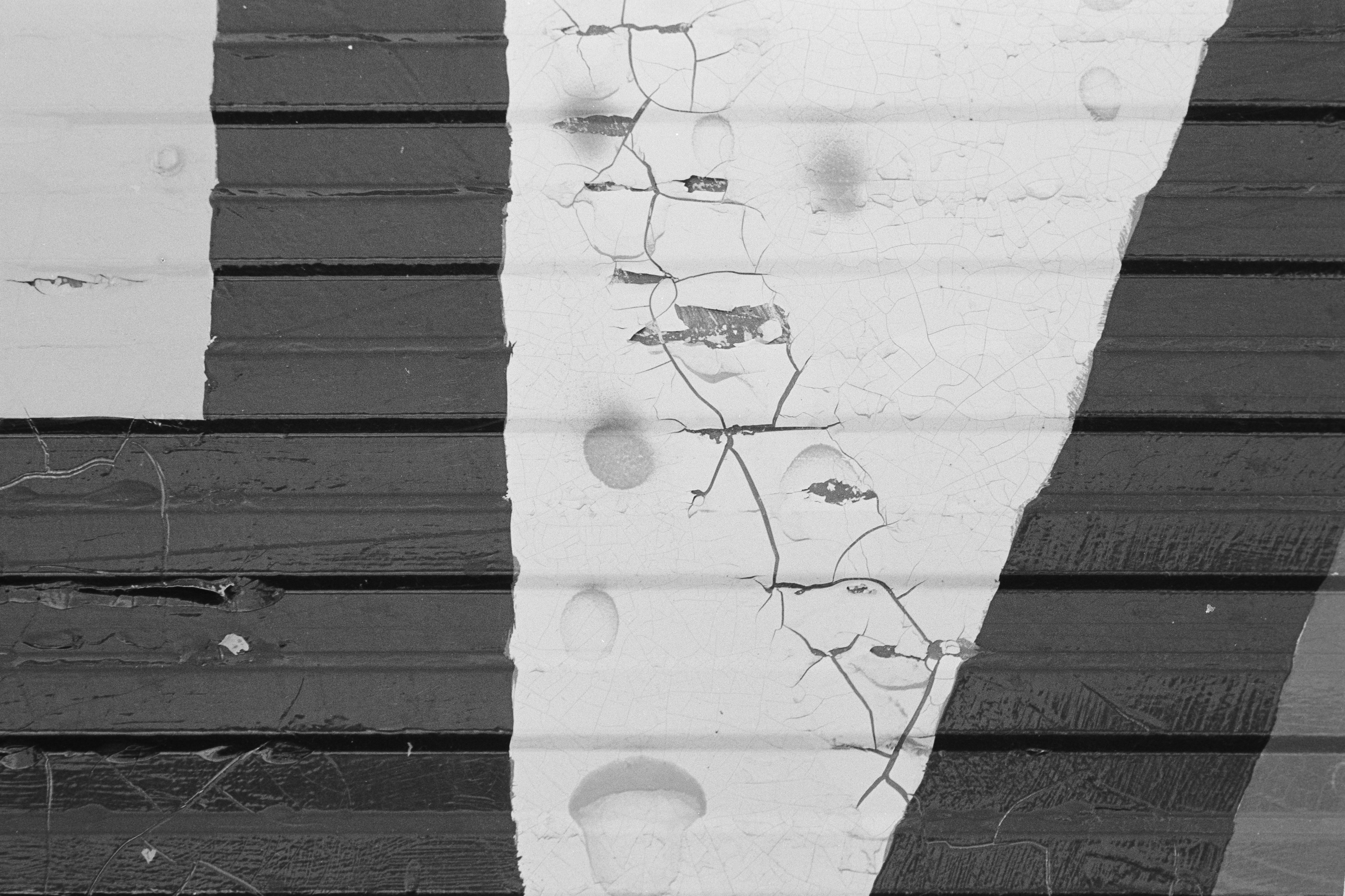
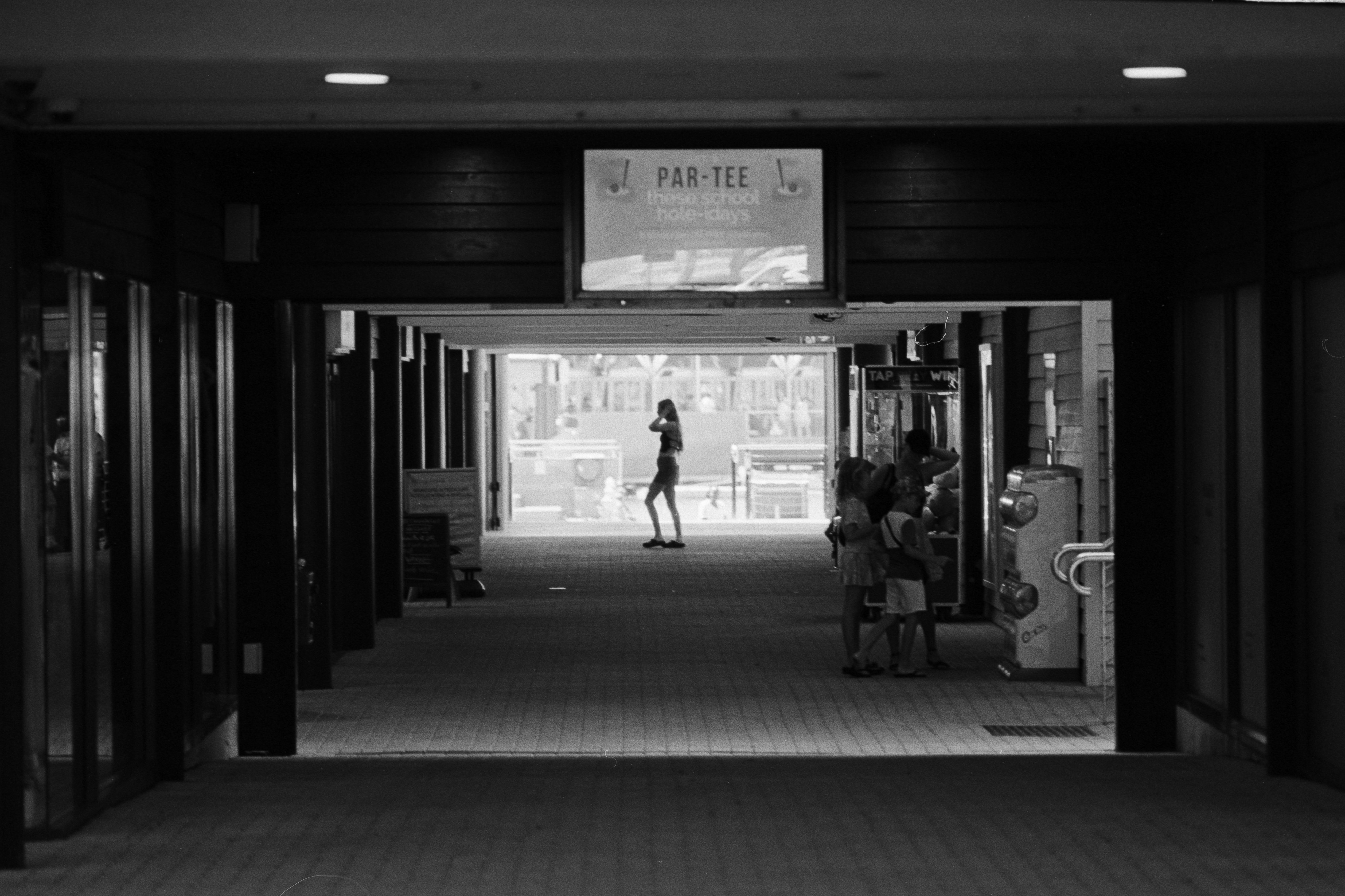
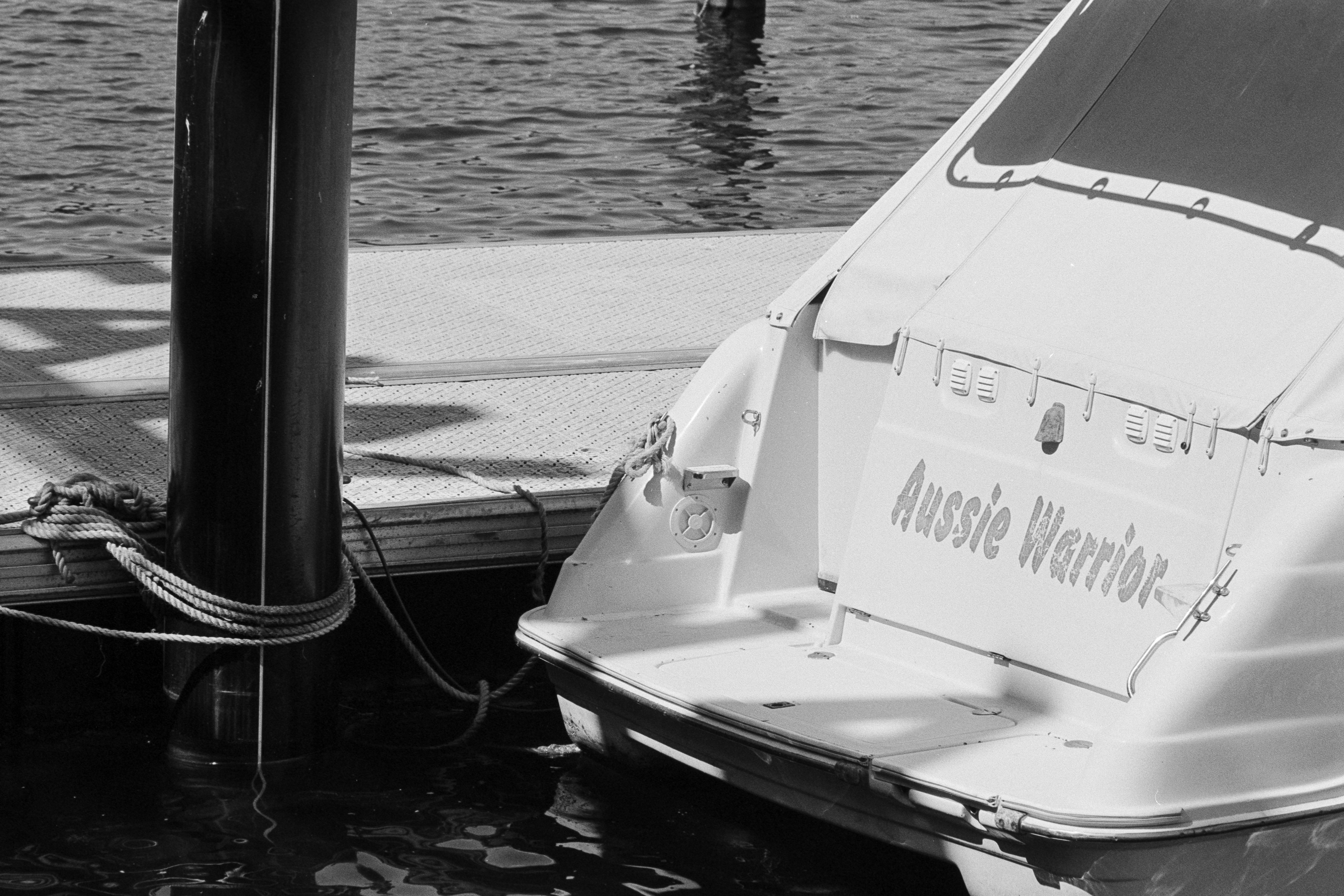
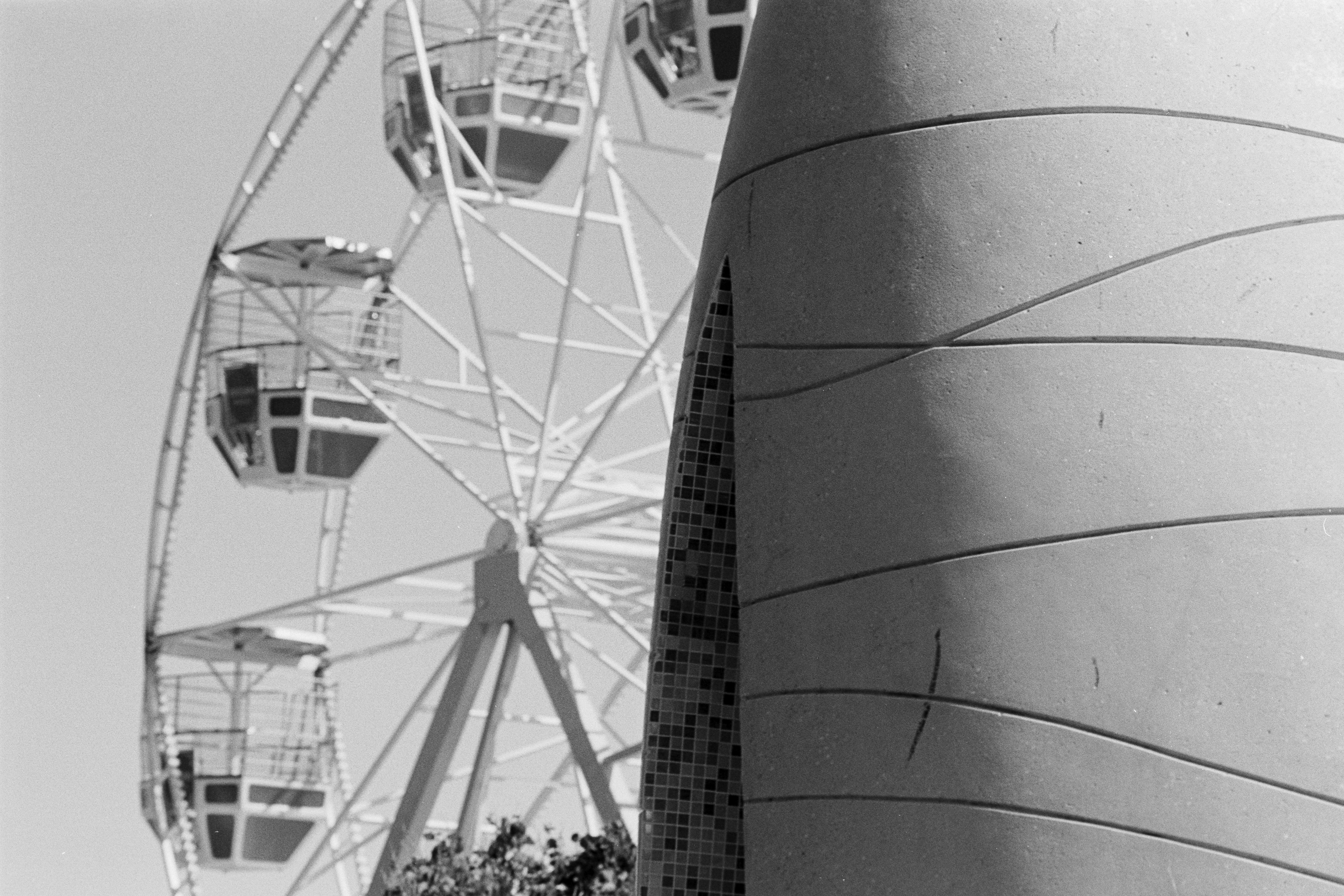
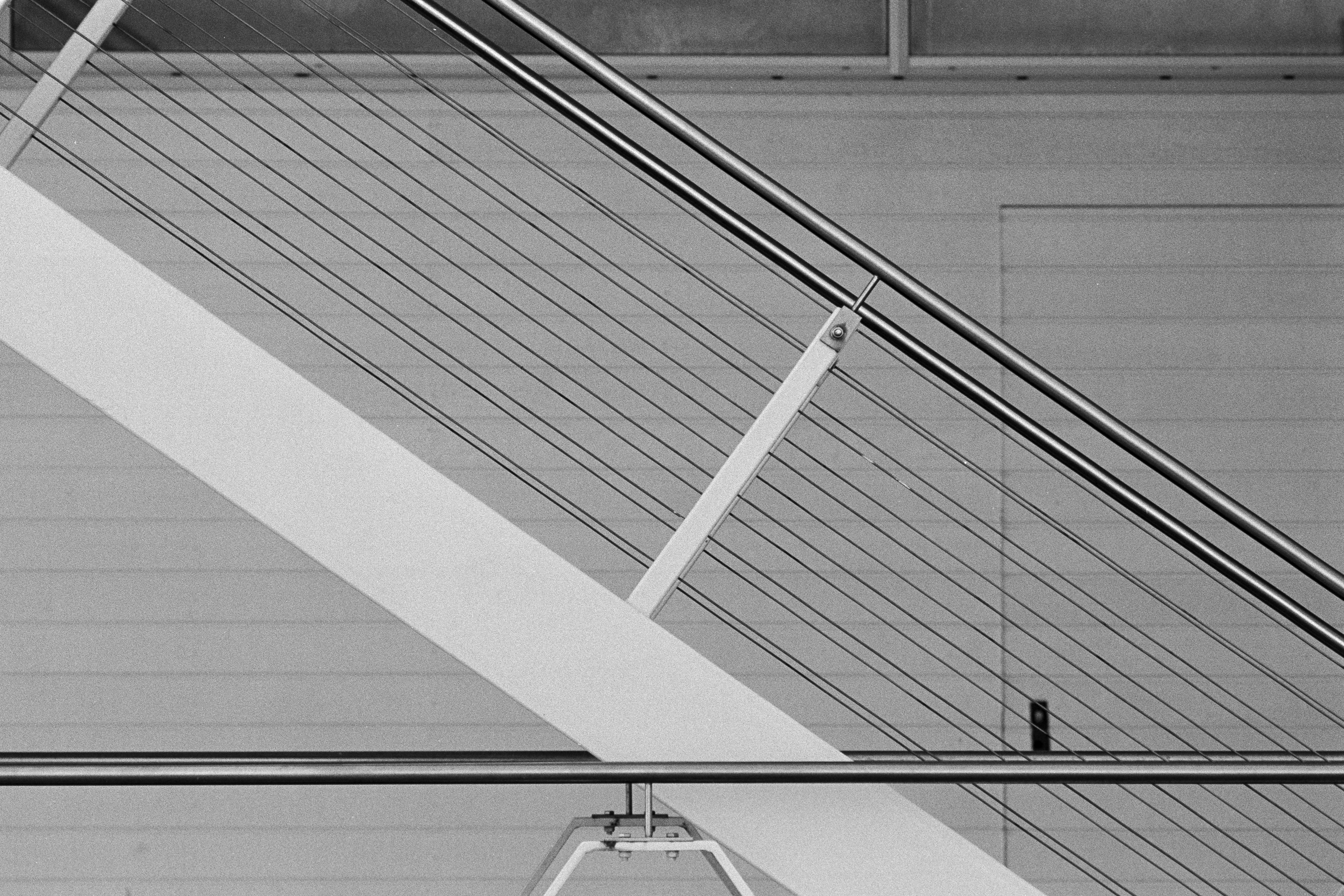
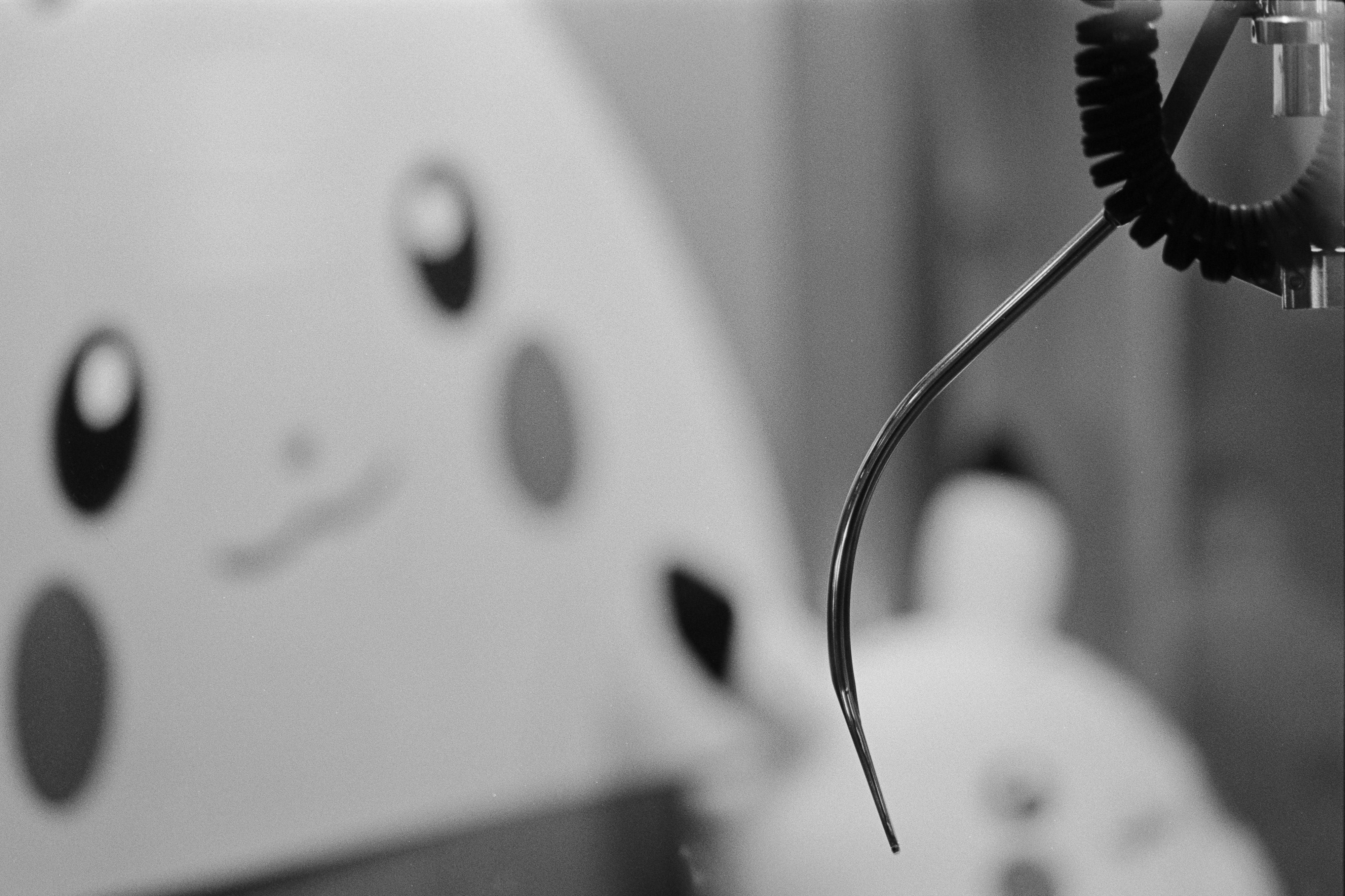
The results confirmed my impressions from Tokyo. The lens is sharp—more than sharp enough for real-world photography. I’m not interested in pixel-peeping competitions or laboratory measurements, but the images displayed excellent detail and clarity. The bright Australian sunlight allowed me to work at comfortable shutter speeds, while the improved coatings and built-in hood kept flare well under control.
Optically, the lens performs admirably across the board. Vignetting is visible at wider apertures but largely disappears by around f/5.6. Distortion is virtually nonexistent, chromatic aberration is minimal, and highlight blooming is remarkably well controlled for a lens of this vintage.
Most importantly, the out-of-focus rendering is beautiful. The combination of focal length and aperture produces smooth, pleasing background blur that helps subjects stand apart from their surroundings.
The Value Proposition
When discussions turn to Nikon’s classic medium telephoto lenses, the 105mm f/2.5 usually receives the lion’s share of attention. It has earned a near-mythical reputation among photographers, and deservedly so. But the 135mm f/2.8 offers something compelling: exceptional value.
It’s often available for significantly less money than the famous 105mm while delivering excellent image quality, slightly greater subject compression, and equally attractive bokeh. The longer focal length creates a distinct look that many photographers may actually prefer. In fact, here’s the secret that doesn’t get mentioned often enough: most manual-focus 135mm lenses from major manufacturers are excellent.
Whether you’re looking at Nikon, Canon, Pentax, Minolta, or Olympus, these moderate telephoto lenses benefited from relatively straightforward optical designs that manufacturers had refined for decades. As a result, even affordable examples tend to perform surprisingly well.
Final Thoughts
The Nikon 135mm f/2.8 AI-S has quickly become one of my favourite lenses. Part of that comes down to image quality. Part of it comes down to the beautifully engineered manual-focus experience. But perhaps the biggest factor is simply the value it offers.
It’s a lens that reminds me why vintage photography gear remains so appealing. For a relatively modest investment, you get a beautifully made optic capable of producing images with character, sharpness, and personality.
In a world obsessed with the latest and greatest equipment, the humble 135mm remains one of photography’s best-kept secrets. And for that reason alone, it’s worth another look.

