Pet Photography in the Styles of Terry Richardson and Bruce Gilden

You know how it is when you get a new family member and want to capture all those special moments? First day of school, first soccer goal, and so on. Well, it’s the same with puppies. Sure, their moments might be a bit different—I’m pretty sure I never licked myself as a kid, though who knows, maybe I would have if I could. Kids grow up fast, and those moments slip away quickly. And if dogs are truly our best friends, don’t they deserve more photo attention than your last Instagram post of spaghetti bolognese?

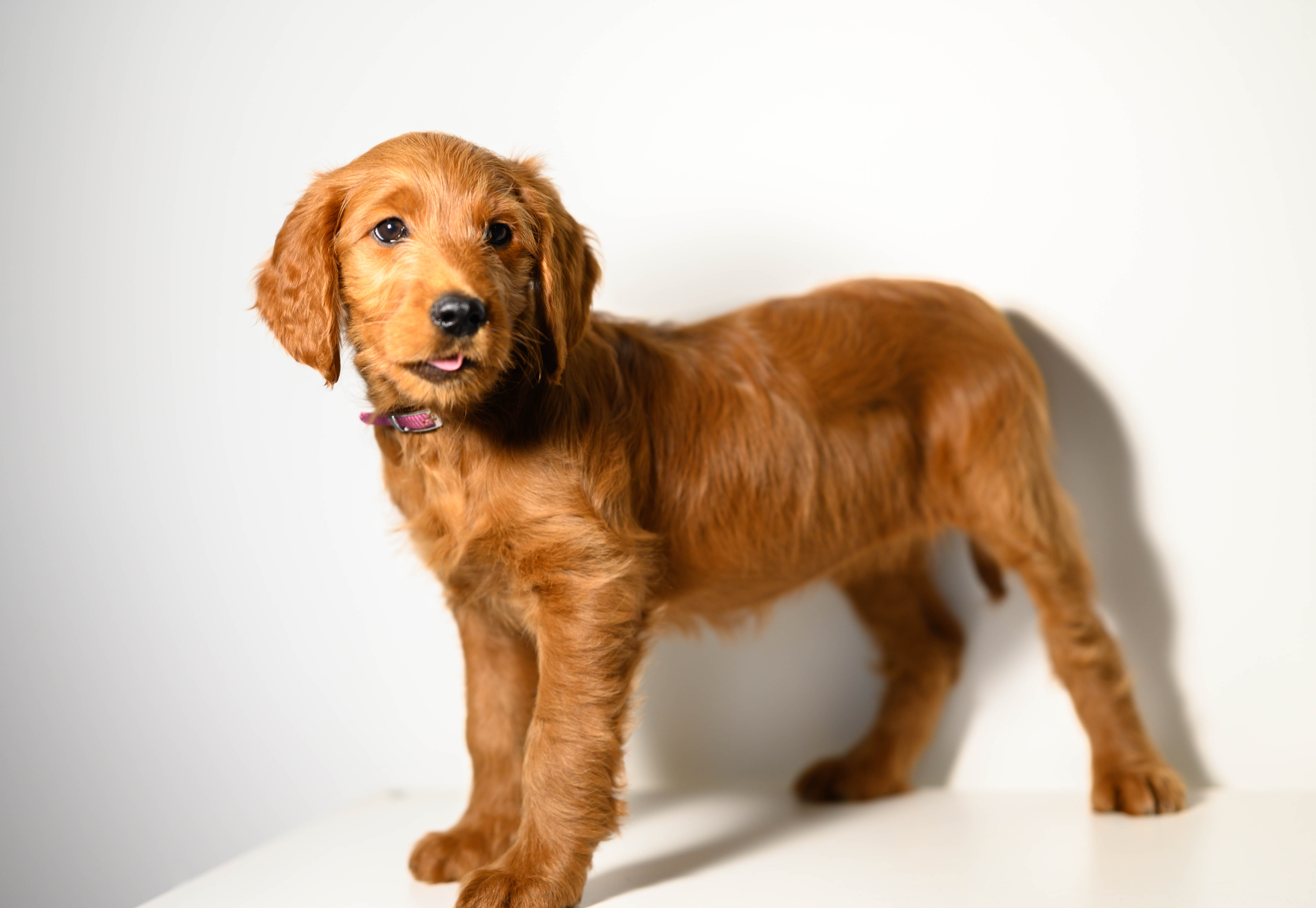
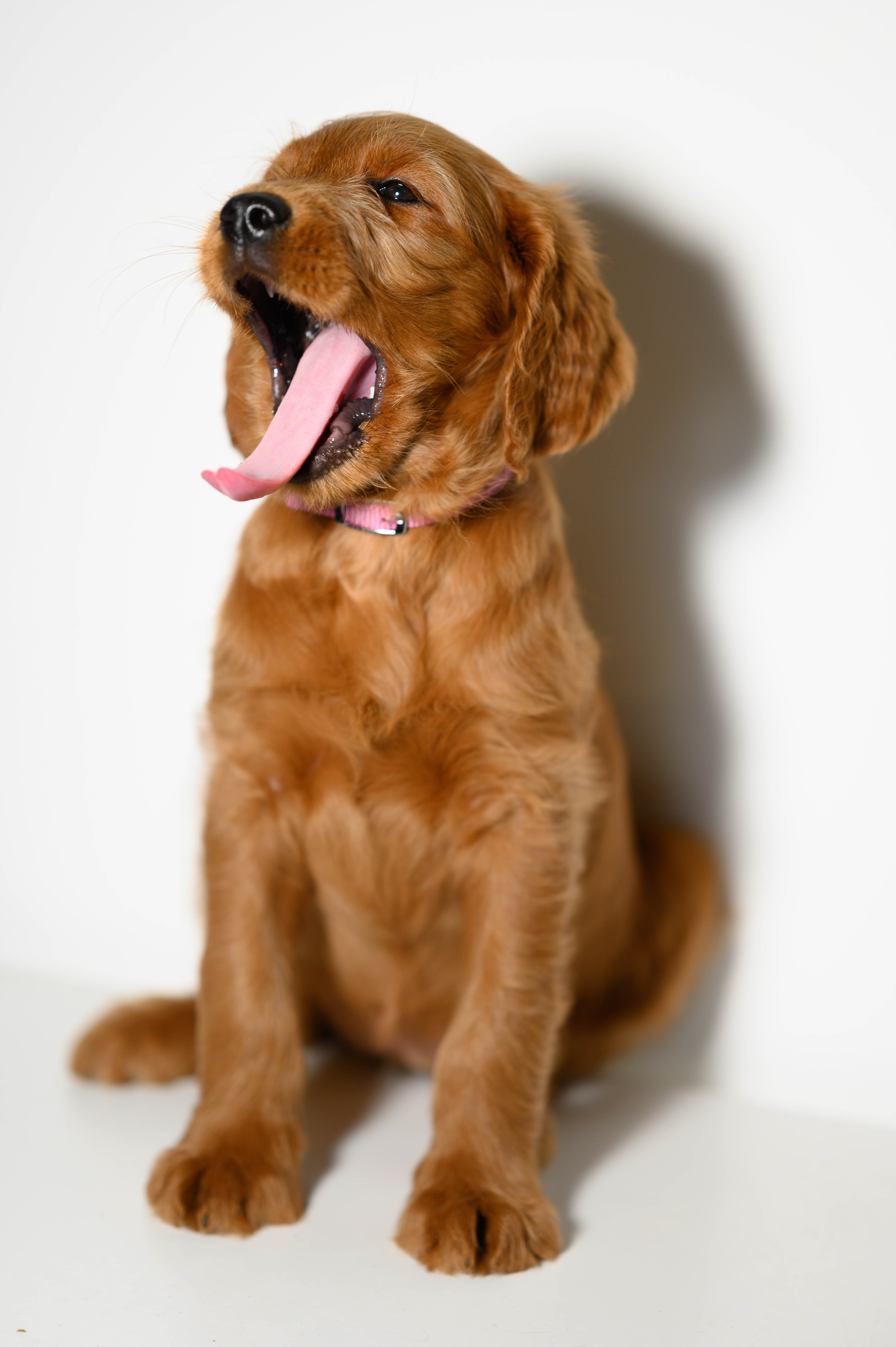
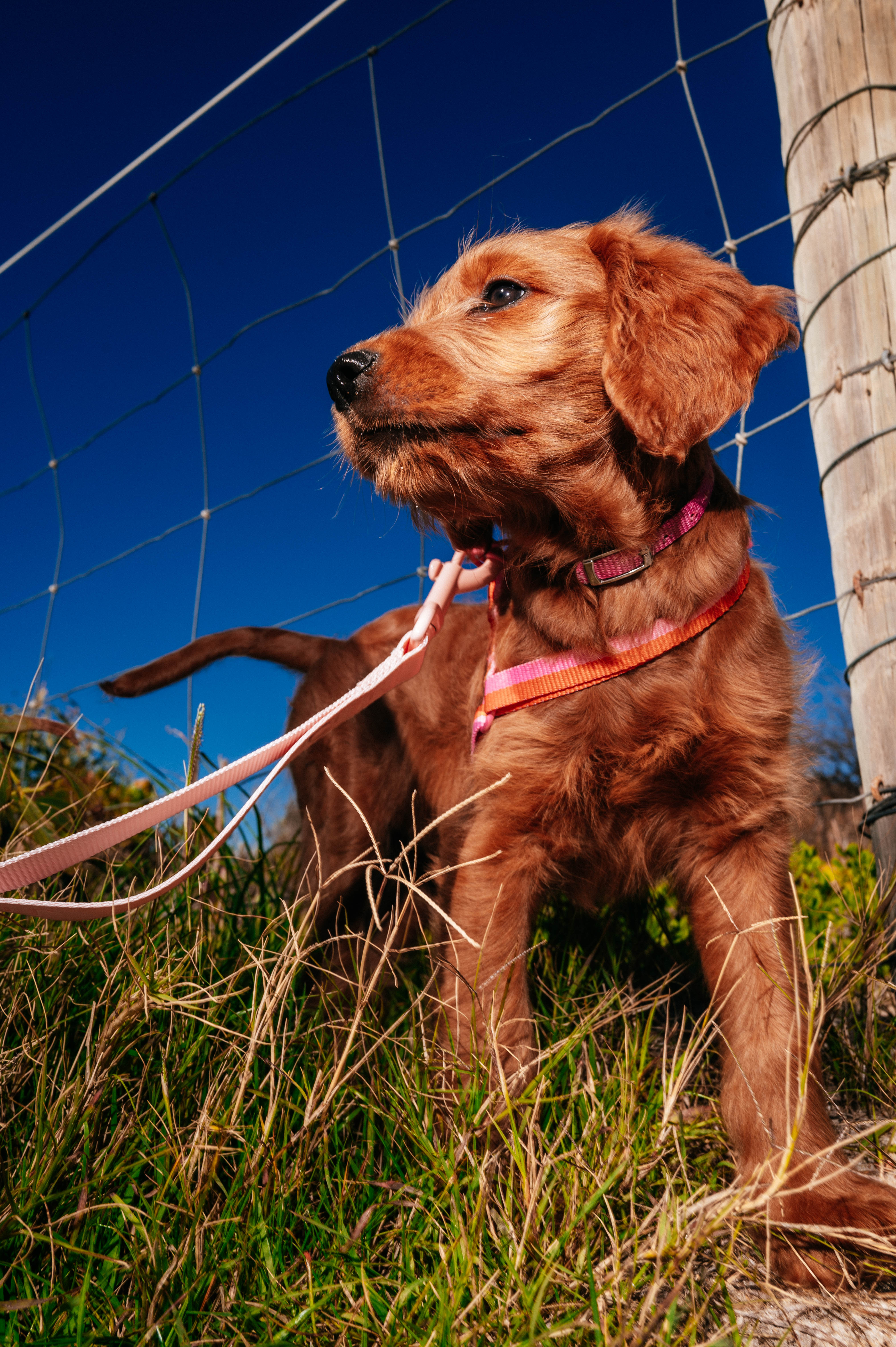
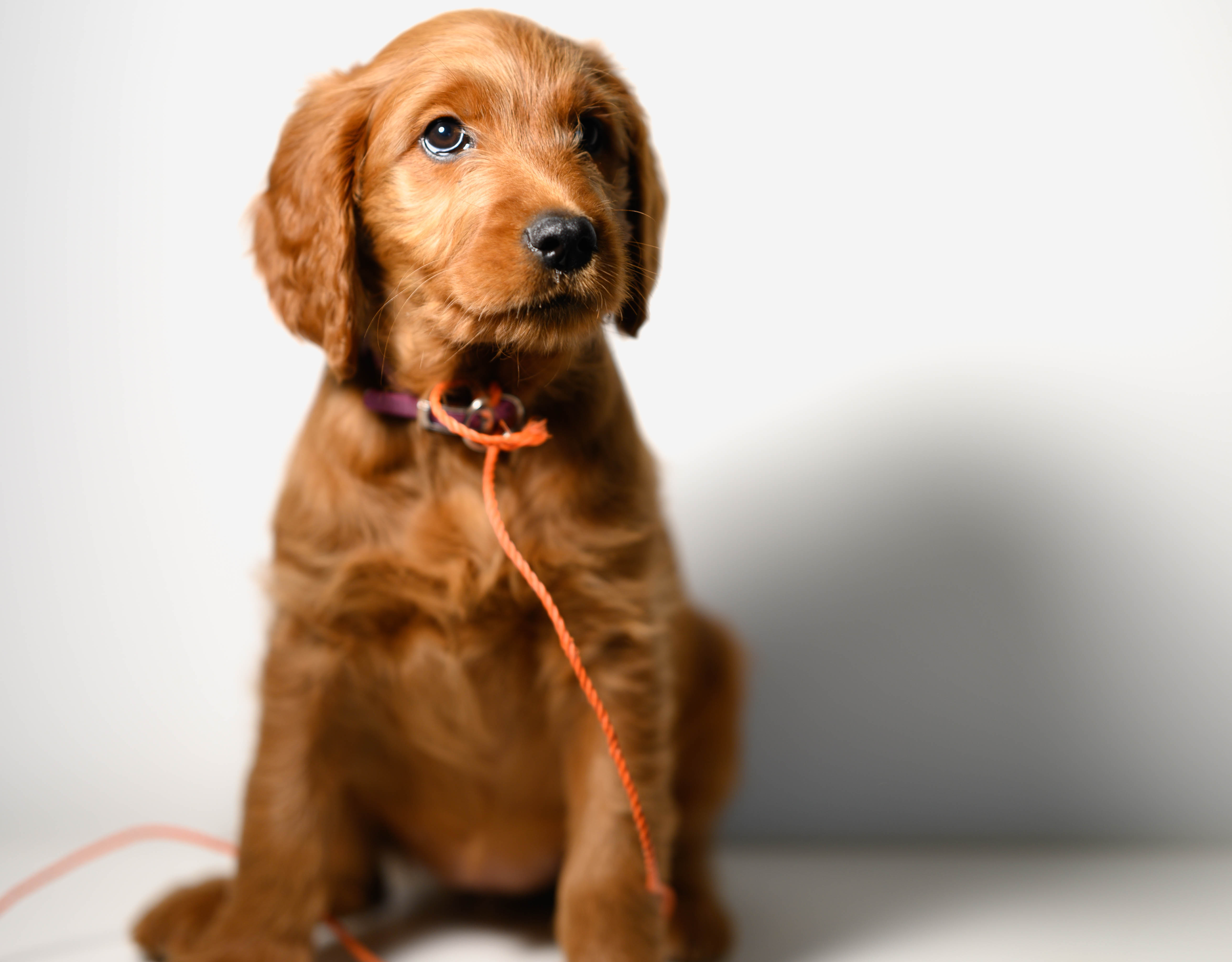
Meet the latest member of our family, Juniper the Groodle. Fresh faced and furry at 14 weeks, it was time to immortalize this little lady. I checked out some pet photography and found it uninspiring. How many photos of dogs in lavender fields do you need? Cute, cuddly, charming—these aren’t the words that inspire me. Instead, I think of artists like Terry Richardson and Bruce Gilden.

Richardson is known for his raw, uncompromising fashion and celebrity photos, stripping away the glamour for a more stark and sometimes harsh look. Gilden, on the other hand, captures New Yorkers in their most unguarded moments, creating shocking, brutal, and even ugly photos. While I don’t want to emulate their exact styles, I do appreciate their approach to challenging traditional aesthetics.

Juniper Meets Terry Richardson

For Juniper the Groodle, I aimed to channel a bit of their spirit. I set up with a flat white wall and used a Zhiyun Molus 60 with a small softbox for lighting. I even enlisted Slothy, a stunt double, to help with the setup while Juniper relaxed. After getting the settings right, I swapped in Juniper and was pleasantly surprised. She could easily outshine supermodels with her lustrous ginger hair and prehensile tongue.
Juniper Meets Bruce Gilden

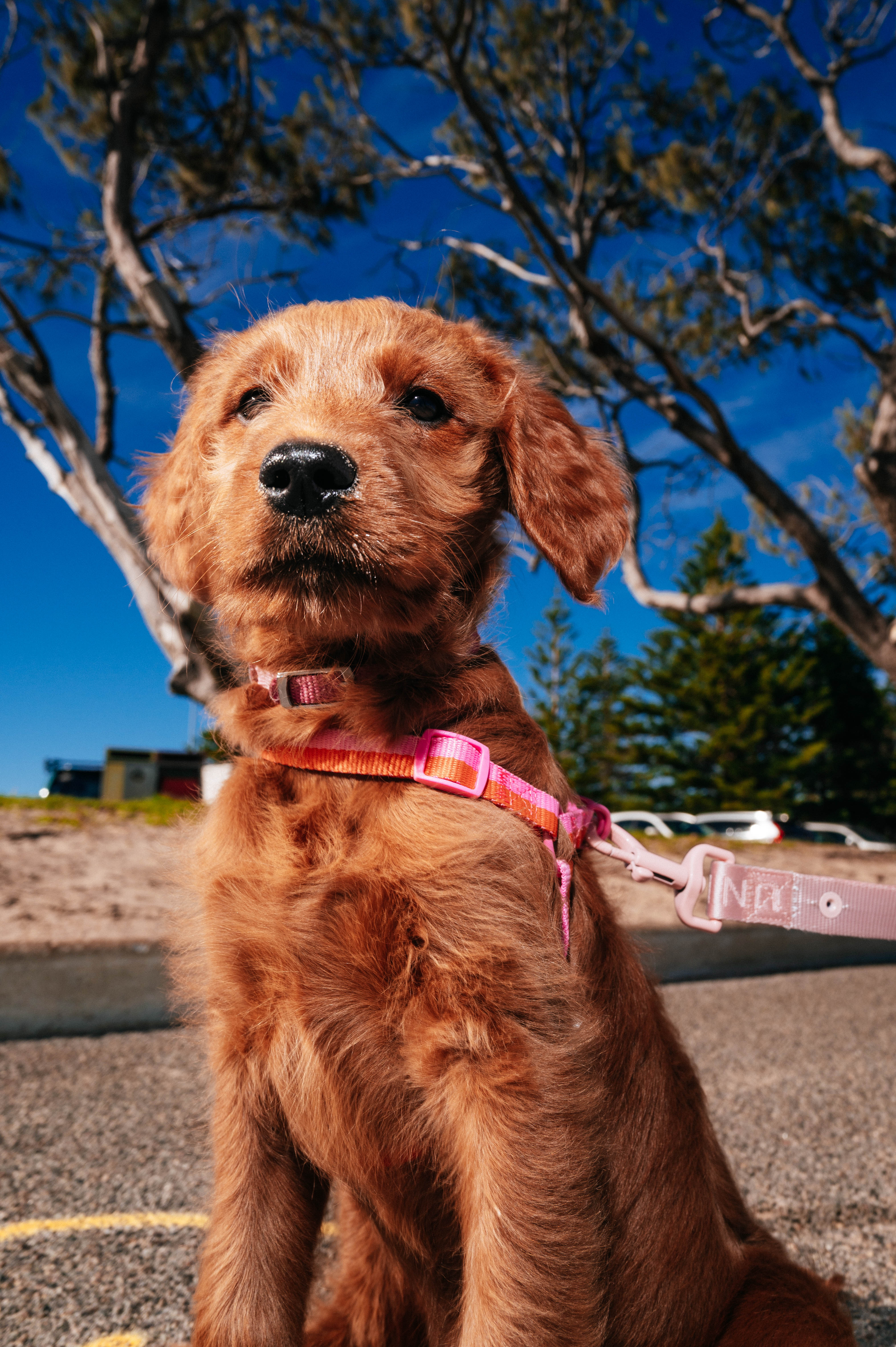
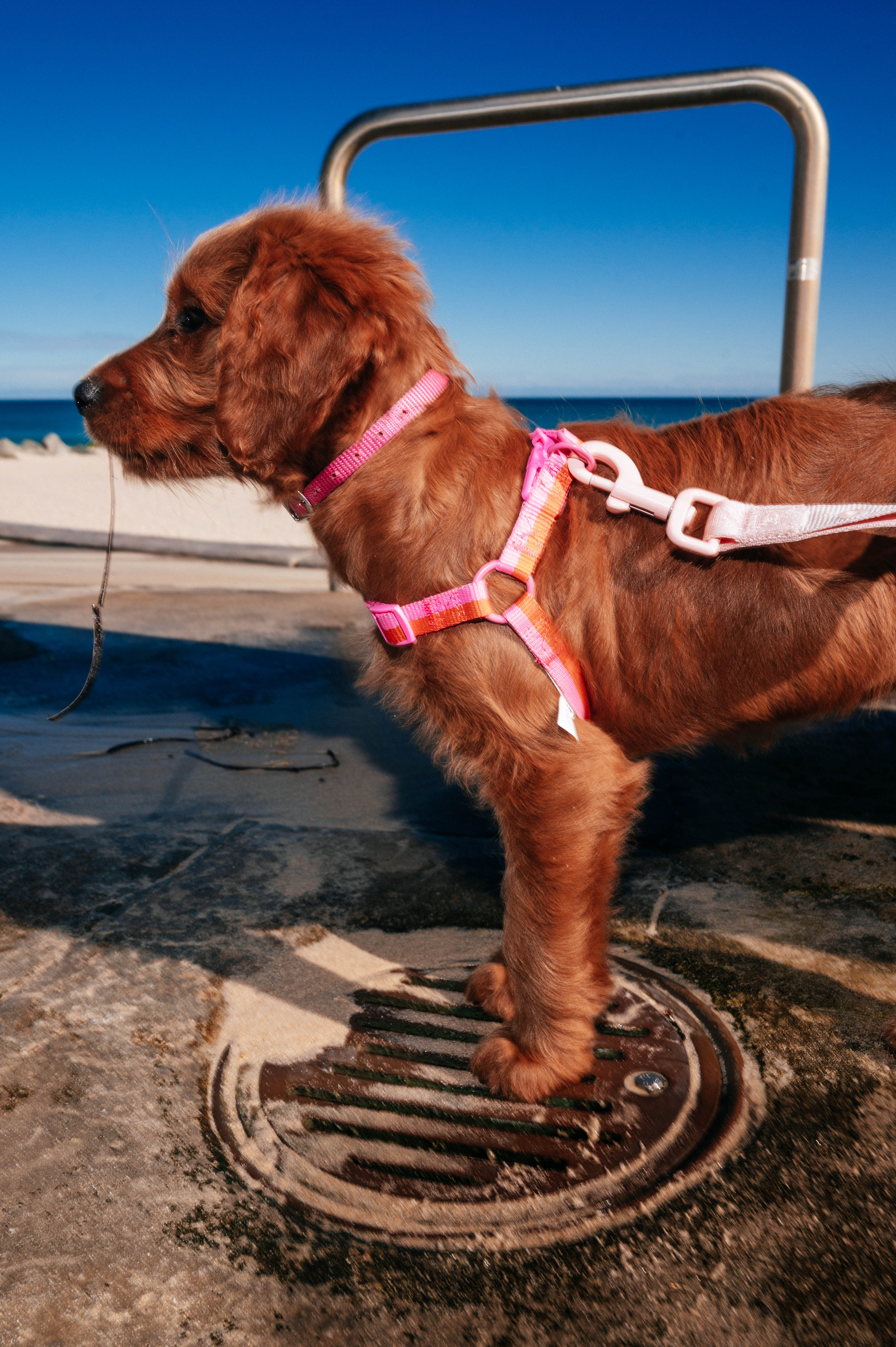
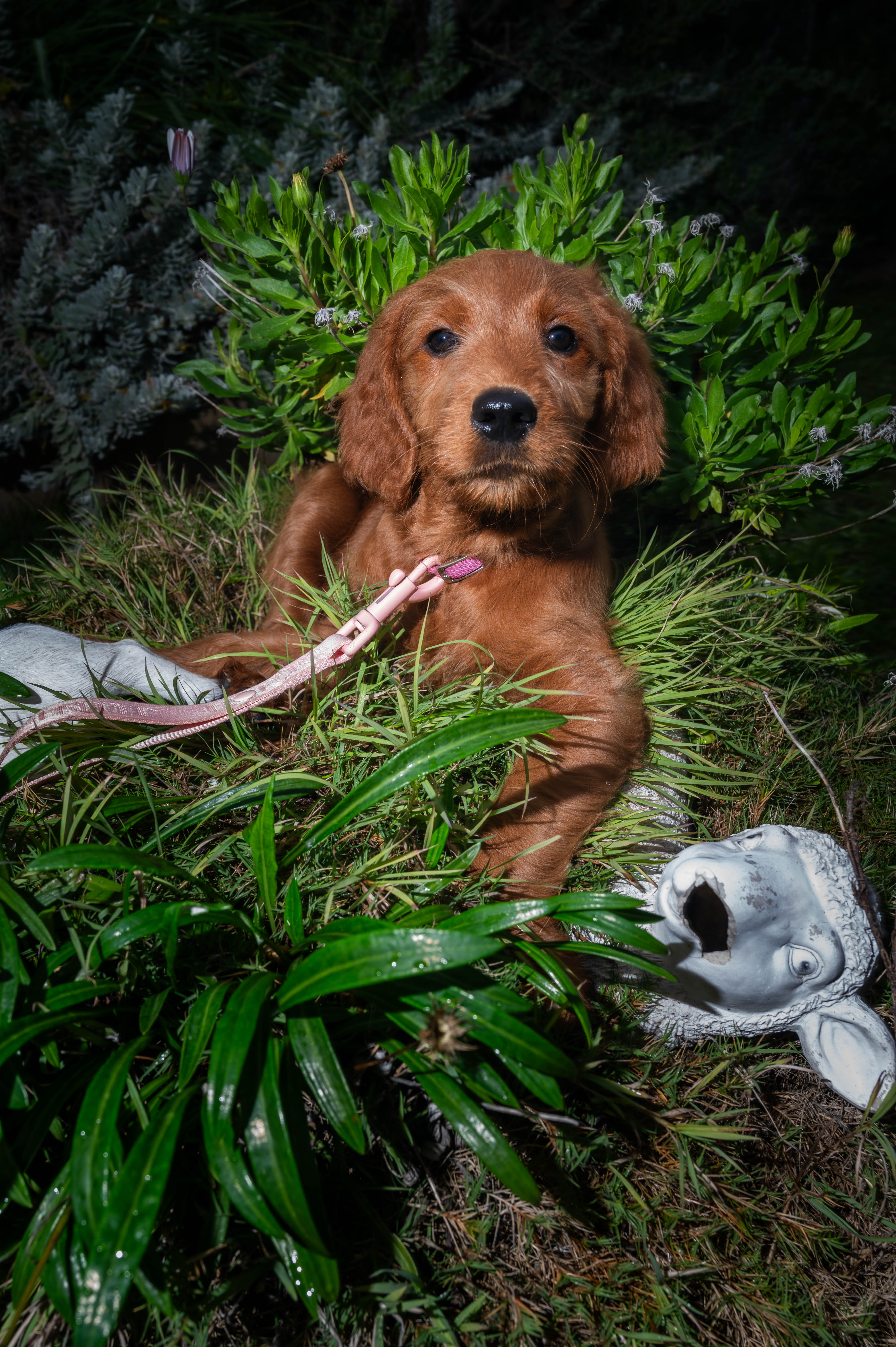
For the Gilden-style shoot, I needed to recreate his gritty look digitally. Using my Nikon Z6 with a 24-50mm lens, I adjusted the aperture to f/8 to capture as much detail as possible while keeping the background dark. I added a neutral density filter to manage the ambient light and used a powerful flash to highlight Juniper against the darkness.

In the end, instead of capturing a marginalized character with my uncompromising lens, it was more like me running backward while Juniper pounced and tugged at the lead, trying to chase the camera like it was some high-tech chew toy.

Juniper isn’t exactly tall, and Gilden’s method involves crouching and shooting from below, holding the flash higher to model the subject. With Juniper’s head just a foot off the ground, the whole process taxed my back and patience, and completely embarrassed my daughter as I backed down the path like a hunched paparazzi at the beach on a Sunday morning. Needless to say, I didn’t get many great shots. In that sense, I guess it was an authentic shoot – Gilden is known for being selective in curating his own work. Usually, I show the whole roll, but in this case, it’s better to showcase only a few that worked.

More Experiments

I tried to recreate the look at home. Gilden loves an eye patch and and a munted-mouthed look. I thought including a prop and providing some peanut butter could promote the masticated gurning that could typify that Gilden Crack Whore Aesthetic. Again, with limited success. Our model, Juniper, wasn’t cooperating, and it seems all the attention has gone to her head. She scampered, jumped, rolled, and did everything except stay put. I was too tired to work with such a privileged, unprofessional model. In the end, I was left with some subpar frames, and the eye patch I’d added for effect was discarded in 15 seconds.
It occurred to me that maybe the best way to get Juniper to behave was to be in the picture myself. So, I did a quick setup early one morning, trying to capture both of us. This approach was more successful, though trying to hold a dog and operate the camera remotely was tricky. I think I managed to capture some of that gritty style I was aiming for, channeling a bit of that “Hoboken Hobo” energy.

Check out the video for how I created a Dragan-style edit that upped the grit and contrast of the image of Juni to reflect the grimy urban streets of New York.

Perhaps I could revisit this scenario when a life time of pain and deprivation has left its indelible mark on her pretty face. In any case, I think I will  keep at this because…  even if I can’t channel the genius of Richardson and Gilden, I can at the very least end up with some slightly different and somewhat distinctive photos. And who knows? Maybe there is some more photographic magic to be mined from this process.
Photography Roadtrip Part 2 – Capturing Australia’s Great Ocean Road

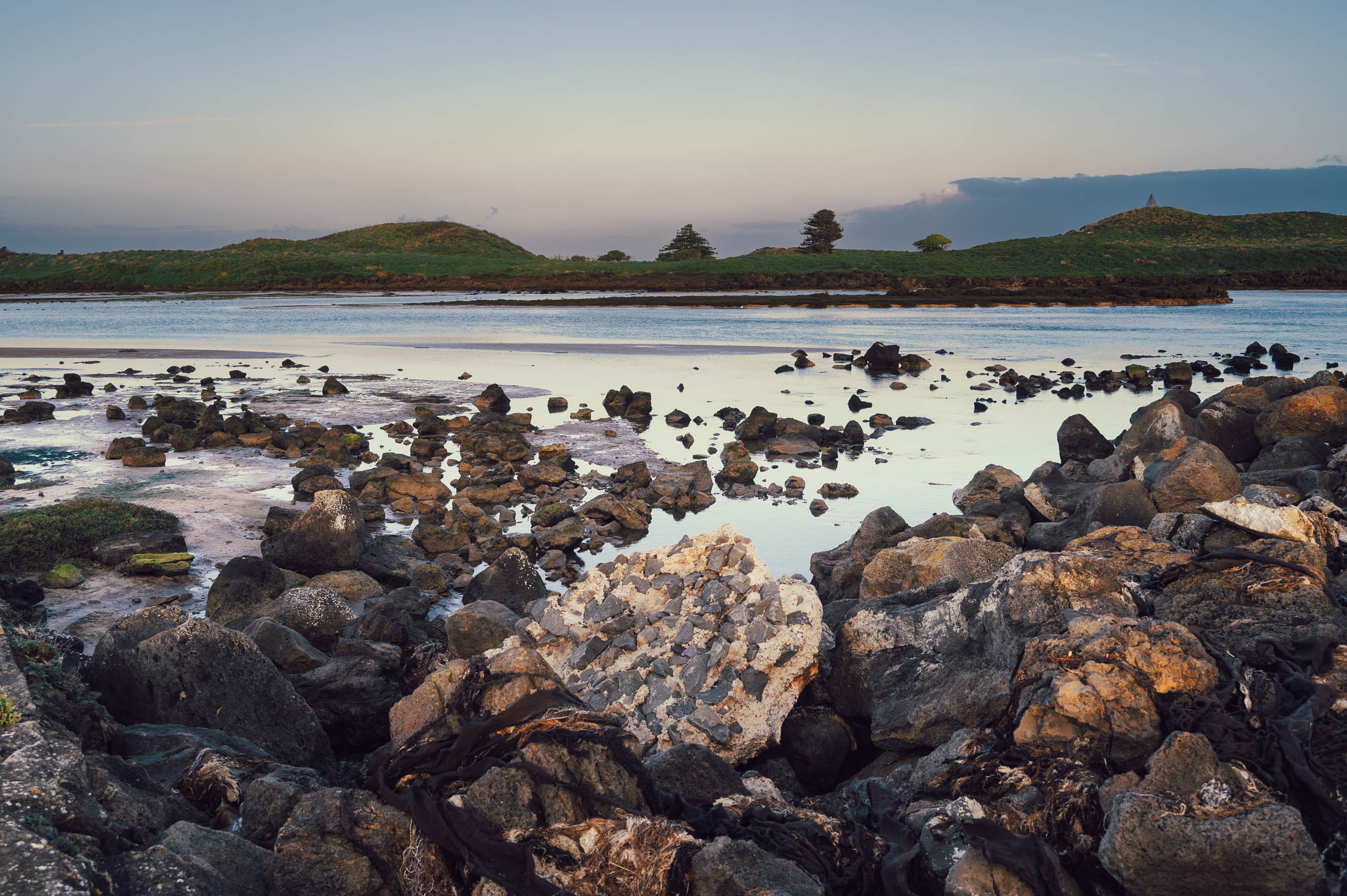
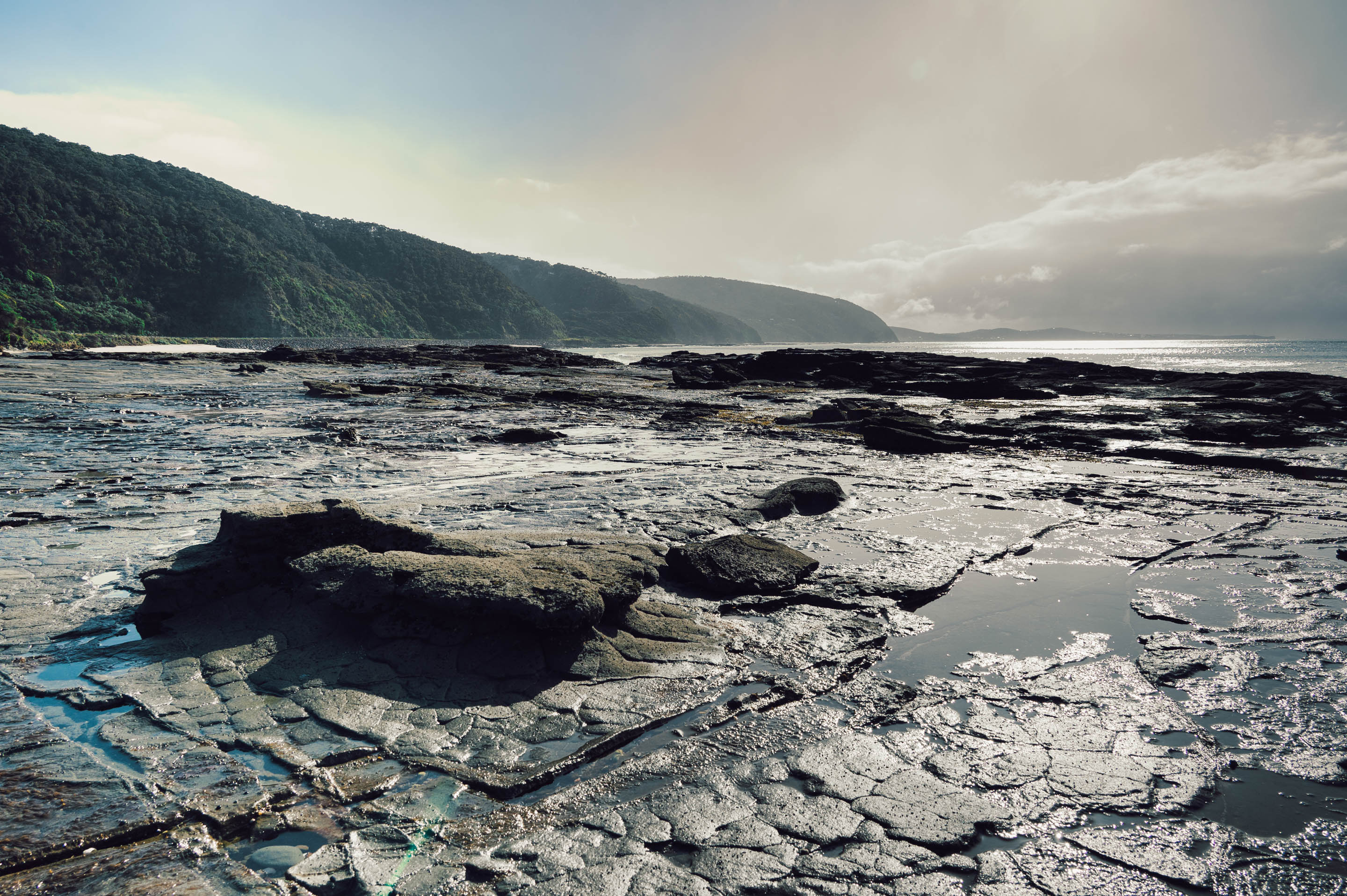
Day Two of my exploration of Victoria, not the royal lady but the rugged Australian shores. Winding along the Great Ocean Road between Aireys Inlet and Port Fairy, I found myself greeted by a sky painted with rainbows and ever-changing conditions. Each stop along the way presented a chance to scan the coastline for unique features, though initially, I felt out of place in the natural world.

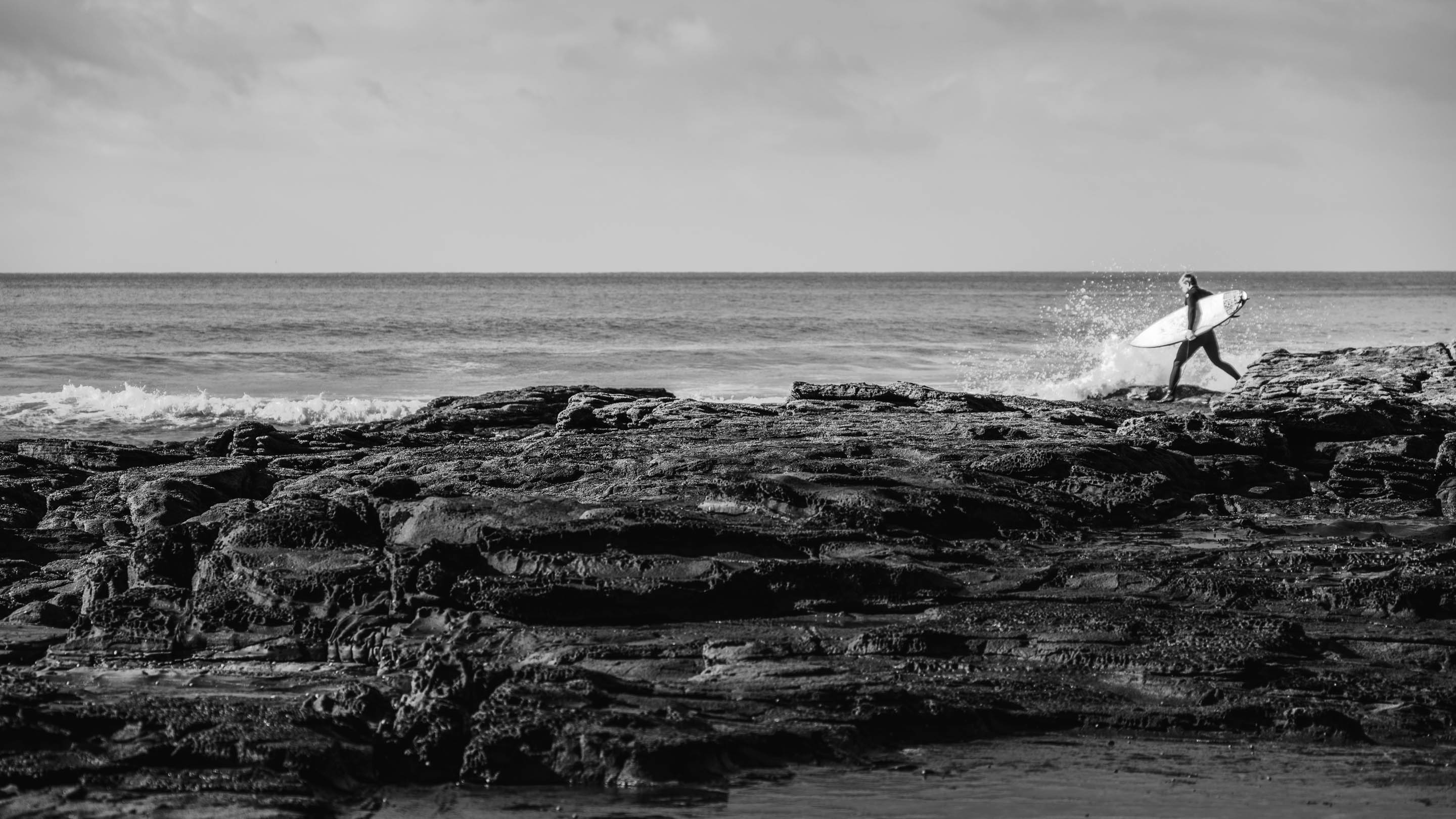
However, as I ventured on, I stumbled upon a lunar-like landscape of rutted rocks and alien vistas that captured my imagination. Shooting into the light yielded some of my favorite photos of the day, showcasing glistening reflections and odd shapes. Moving inland, I explored the lush greenery of Barham Paradise Scenic Reserve with my drone, capturing the undulating beauty of the Victorian countryside.

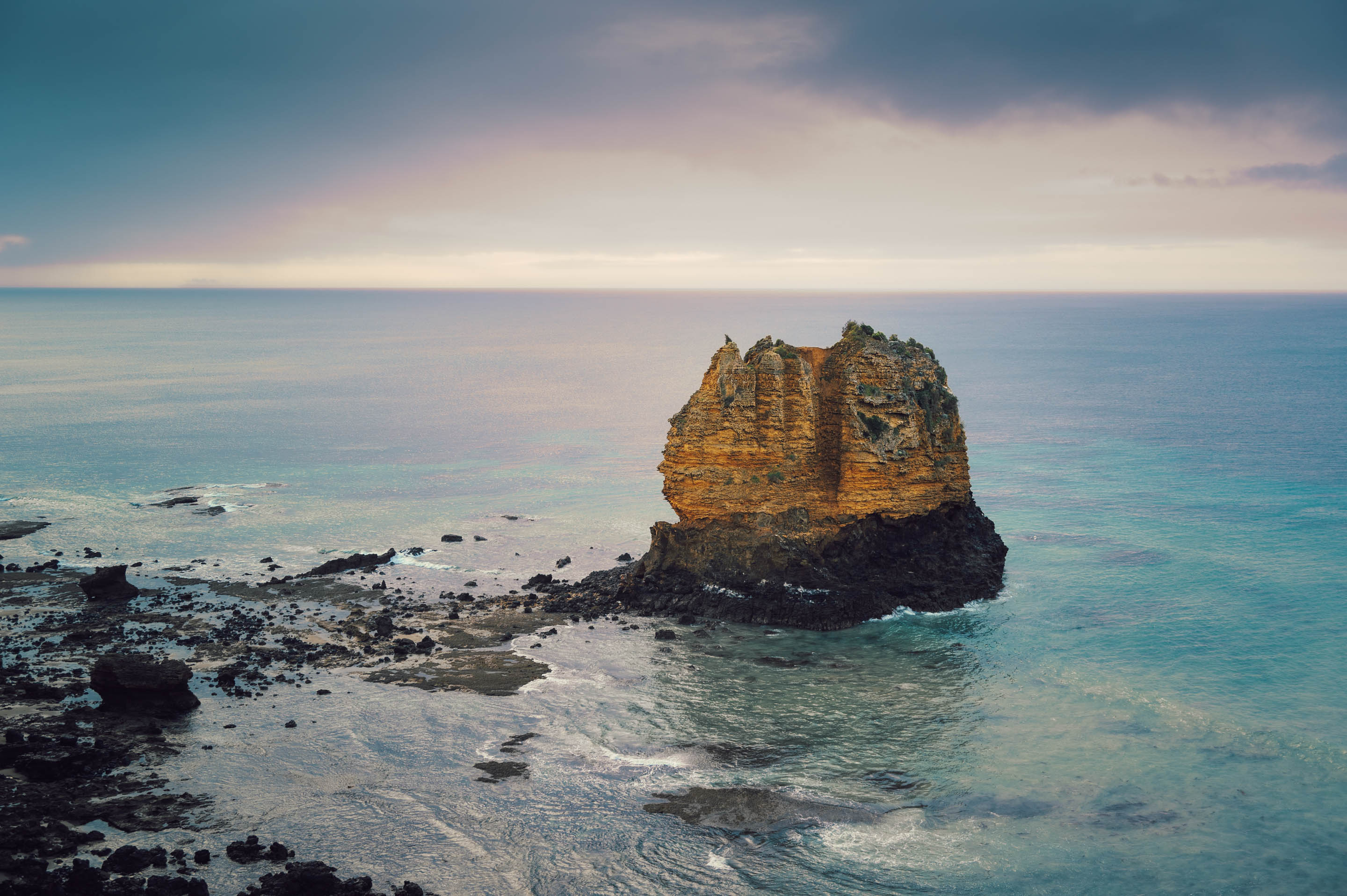
Returning to the coast, the Great Ocean Road revealed its promise and decay, with limestone cliffs battered by the southern ocean. Despite the cliché of photographing the Twelve Apostles, I aimed to bring a unique perspective to the iconic location, acknowledging its imminent erosion and the misnomer of its name.

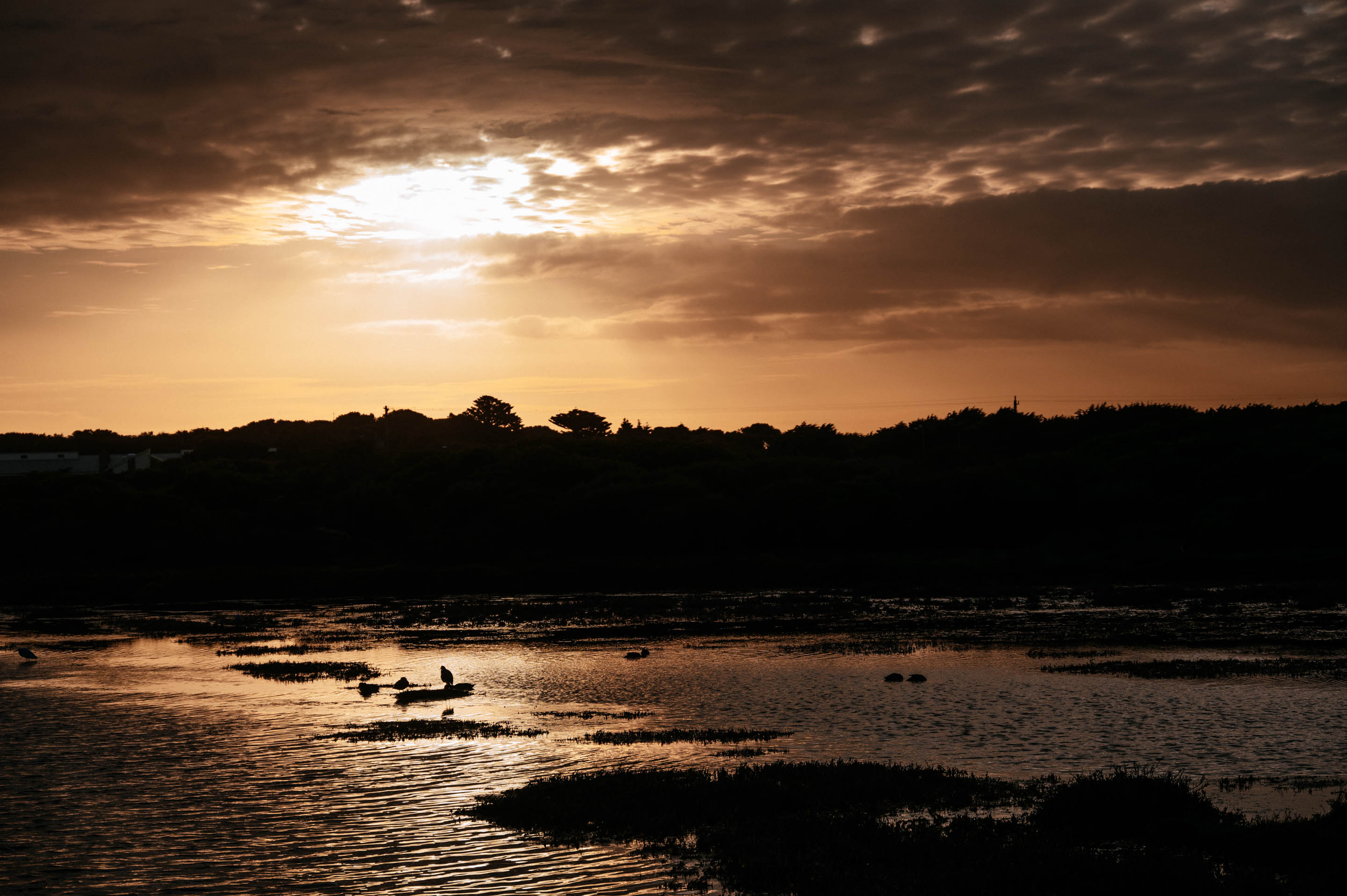
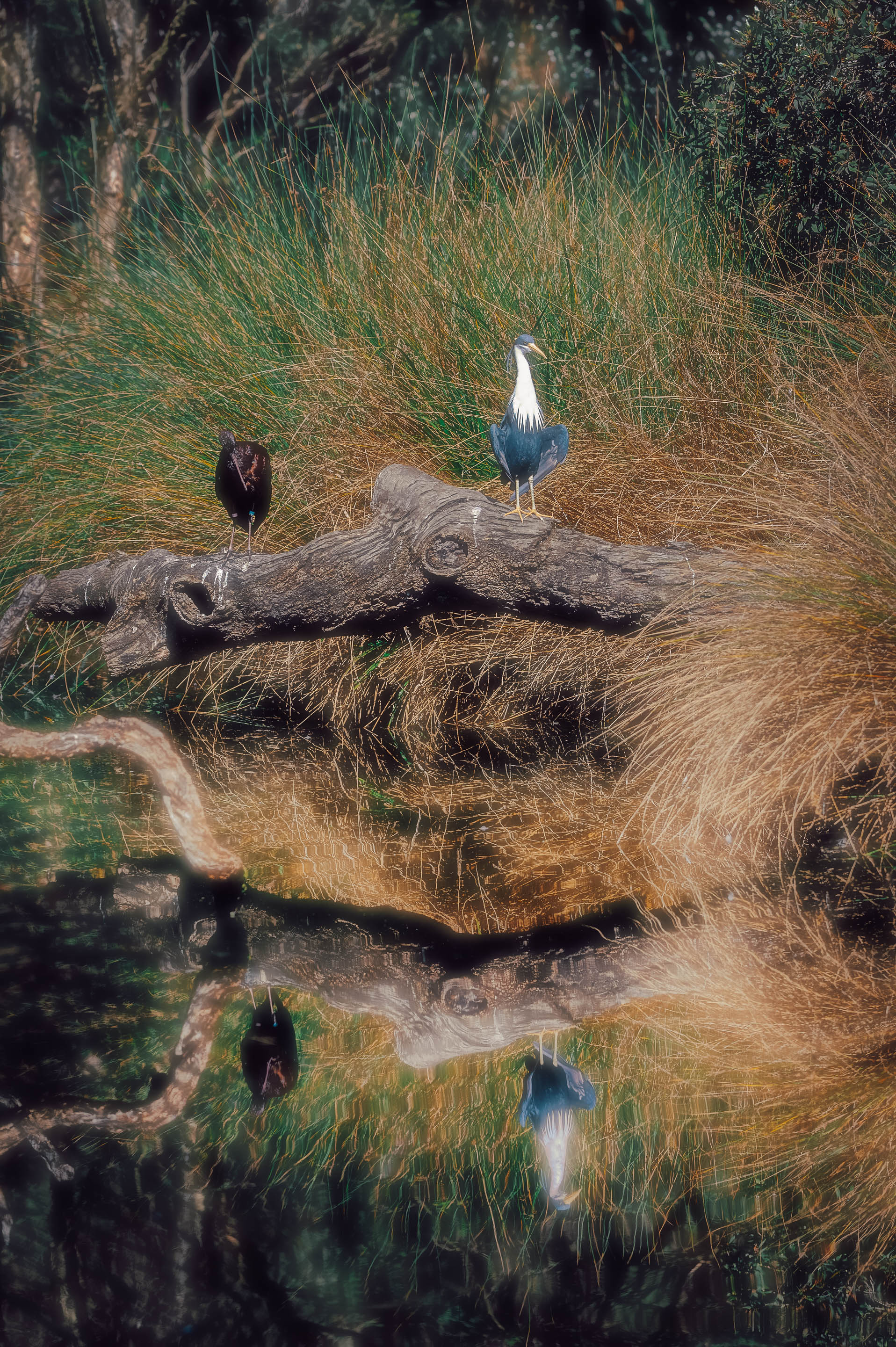
Continuing along the coast, I sought to evoke a sense of the strange and fascinating, rather than merely document the landscape. From silhouetted birds against dreamy backdrops to timeless structures along the shore, each image told its own story.

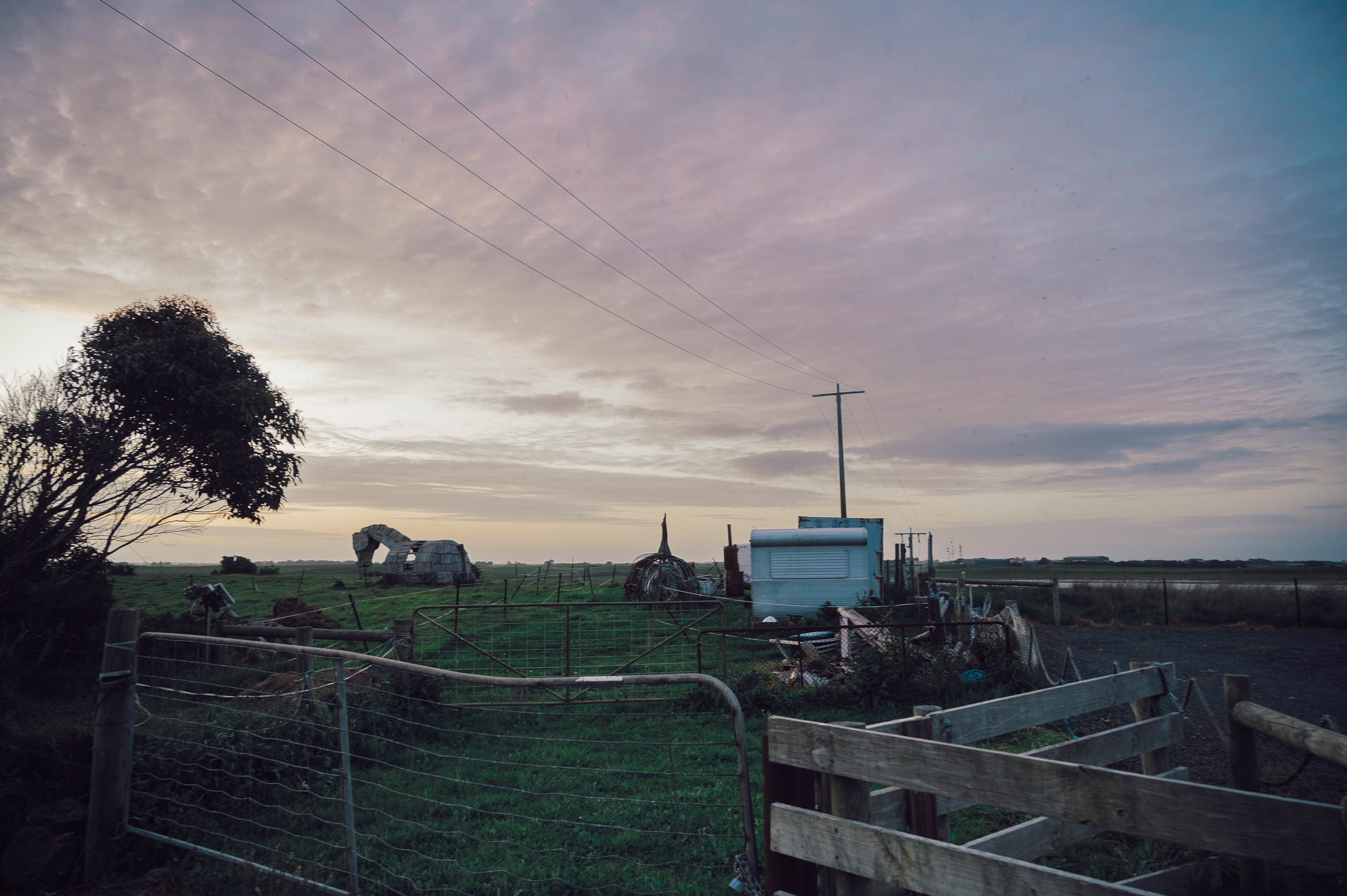
Arriving at Port Fairy, I found a tonal counterpoint to the fierceness of the coastline, with a serene sunset casting its glow over the landscape. Even mundane scenes by the roadside took on mythical proportions, like a Trojan horse abandoned in an Australian landscape.

In conclusion, I didn’t aim to capture the landscape’s majesty in the conventional sense, but rather to invite viewers into a world of ambiguity and intrigue. The best photos were those that sparked curiosity and imagination, leaving room for interpretation and storytelling.

Photography Roadtrip Part 1 – Melbourne to Aireys Inlet

It was finally time for me to escape the urban chaos and embrace the tranquility of rural life. Leaving behind the chilly winter of Perth, I embarked on a quest to capture the beauty of the Victorian countryside near Melbourne, Australia. The adventure began with a flight on Jetstar, the budget brand of Qantas, which was an experience in itself. Despite the discomforts, including watching Harrison Ford in the latest Indiana Jones movie, I landed safely in Melbourne.

From there, I journeyed through Regional Victoria, exploring places like the Great Ocean Road and the Grampians. Along the way, I encountered both mundane and extraordinary sights, from suburban landscapes to ancient-looking steel structures. Despite the initial drizzle and monotony, the scenery eventually opened up to rolling plains and breathtaking sunsets.

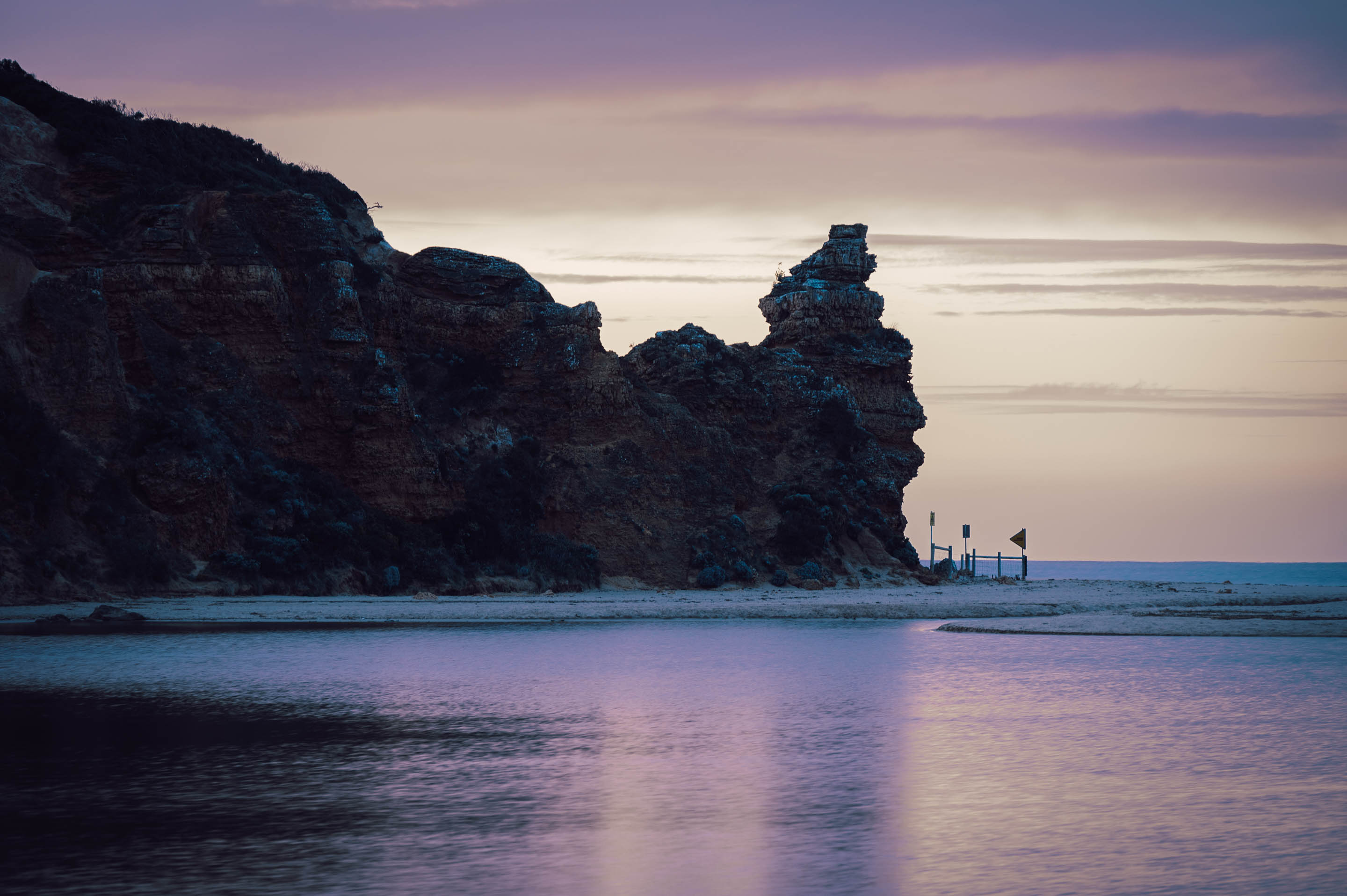
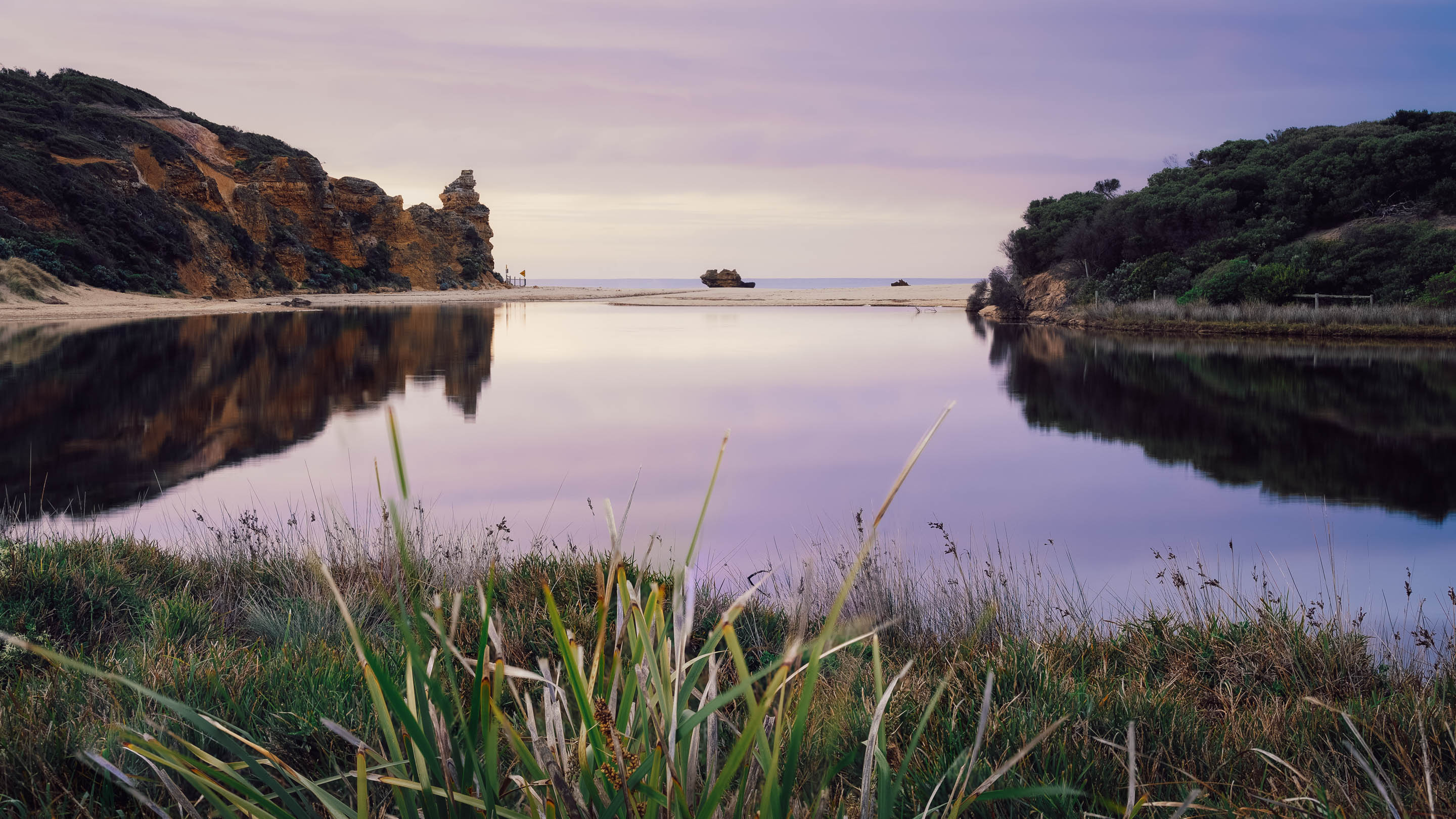
One memorable stop was at Aireys Inlet, where I managed to capture a fleeting moment of beauty during sunrise. Despite my doubts about the composition of my photos, I was content knowing that I had something to show for my efforts. The journey continued, with challenges in balancing elements within the frame and battling the unpredictable weather.

As I wrapped up the first stage of my exploration, I reflected on the difficulties of landscape photography but looked forward to the next leg of my journey along the Great Ocean Road to Port Fairy. Although I can’t promise perfection in my photos, you’re welcome to come along for the ride.

The Trials and Tribulations of Shooting Expired Film

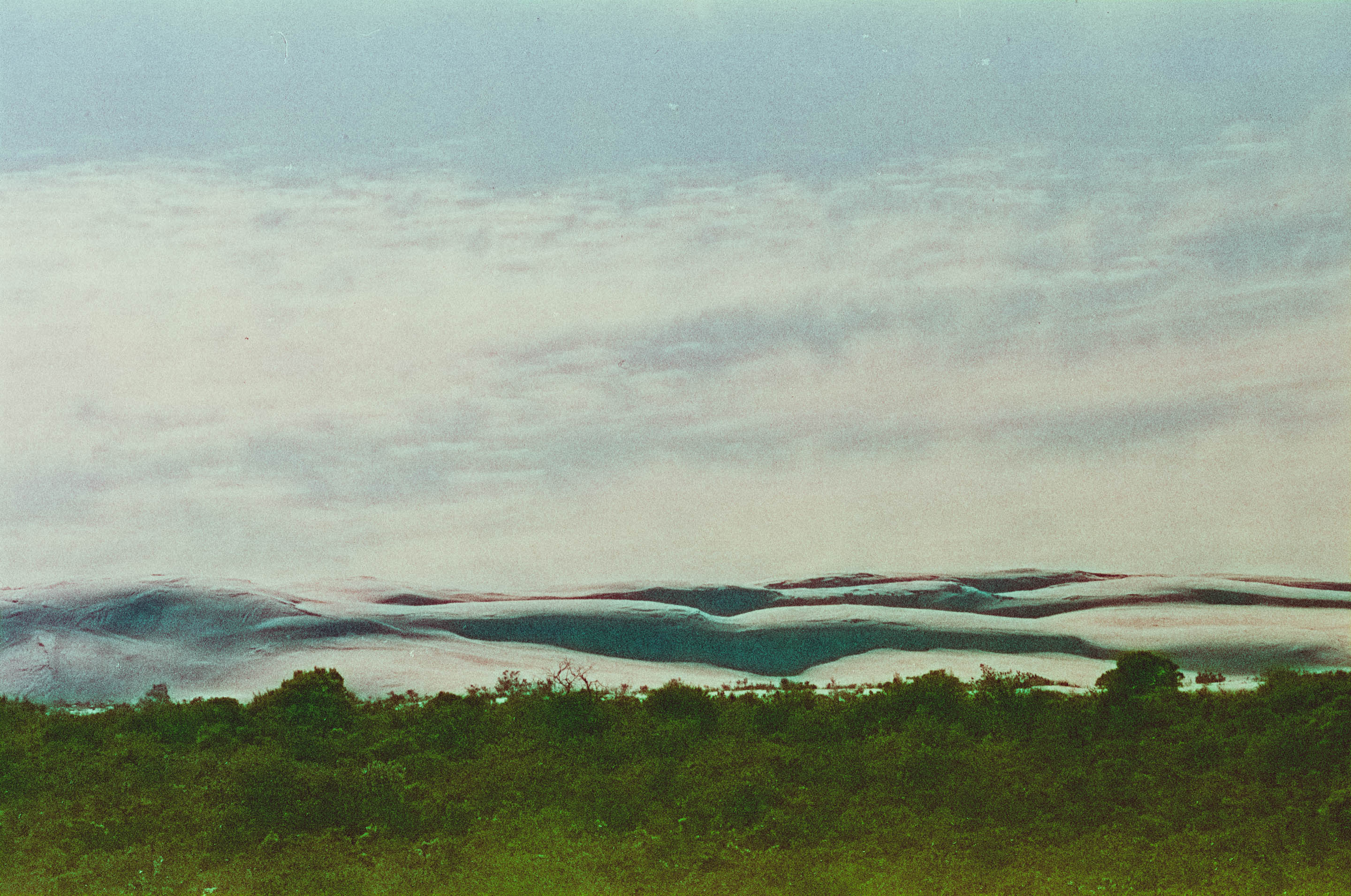
So, I decided to embark on a little experiment to truly grasp the essence of expired film. My approach? A head-to-head comparison, using the same lens but different cameras. First up was my modern Nikon Z 6, followed by the classic Nikon F100, a relic from the film era. Loaded with a roll of Konica VX200 Super with an expiration date of 2007, I ventured out from Perth, hoping for some magical results beyond the capabilities of my trusty 24-megapixel Z 6.

I meticulously followed the guidelines for shooting expired film, adjusting the ISO to 80 for the 16-year-old film. As I ventured into the desolate landscape north of Perth, I aimed to capture the raw beauty of sand dunes and grass trees, focusing my creativity on the scenery before me.

Equipped with my Nikon 70-200mm f/2.8 zoom lens, renowned for its quality despite its hefty size, I set out to capture the scene with both digital and film cameras. The digital shot, while technically fine, lacked the depth and soul I wanted. However, the film photo… well, let’s just say it fell short of expectations.

Despite my initial excitement, the film results were underwhelming. Attempting to salvage them through post-processing proved futile, resembling a chaotic endeavor akin to artistic desperation. With each frame, my hope dwindled but I remained optimistic for the next outing.

As I eagerly shot frame after frame during my morning dog walk, the reality of the film’s condition became evident. The sickly green fog of the film base and the ghostly impressions on the negatives were inescapable. Nevertheless, I appreciated whatever semblance of imagery I managed to extract.

Reflecting on this experiment, perhaps more light or different approaches could yield better results with my remaining expired rolls. Yet, it’s clear that these photos won’t be gracing any magazine covers.

In the end, I’ll tuck away these disappointing outcomes as lessons learned, alongside other creative misfires in my basement archive. And who knows, maybe there’s a salvageable gem buried somewhere within the failed attempts.

First Impressions of the Nikon Z 180-600mm f/5.6-6.3 VR

So, I finally got my hands on Nikon’s latest zoom telephoto lens, the 180-600mm f/5.6-6.3 Z. The big question is: is it a wildlife warrior, slicing through the wilderness to capture distant action, or just a hefty fella trying to compensate for its lack of sporting prowess?

Let’s start with the unboxing, which was honestly a bit underwhelming. All you get is the lens, some cardboard, and the usual paperwork. The lens case is a joke, more like a napkin than anything protective. It’s not exactly travel-friendly, to say the least.

But enough about the packaging, let’s talk about the lens itself. It’s big, no doubt about it, but compared to its competitors, it’s not that intimidating. Plus, it doesn’t extend when you zoom, which is a plus. As for ergonomics, it feels solid in my hands, though it’s definitely on the heavier side. Still, it’s manageable without a tripod, thanks to its balance and design.

The zoom range is impressive, and the short throw of the zoom ring makes it easy to adjust quickly. Overall, it’s a well-designed lens that’s comfortable to use, even handheld.

But the real test is in the field, or in my case, at the zoo. Hey, I’m not about to go traipsing through the wilderness. So, off I went to capture some wildlife action, and let me tell you, this lens didn’t disappoint.

How Good is the Lens?

After surviving various landscapes from the African savannah to the frozen Antarctic tundra, I’m here to share my wildlife photography adventures with you. I did find myself surrounded by children more than animals, though. Mixed feelings about zoos aside, Perth Zoo isn’t too bad, offering enrichment for its inhabitants, even if it’s with plastic containers instead of TV sets showing David Attenborough documentaries.

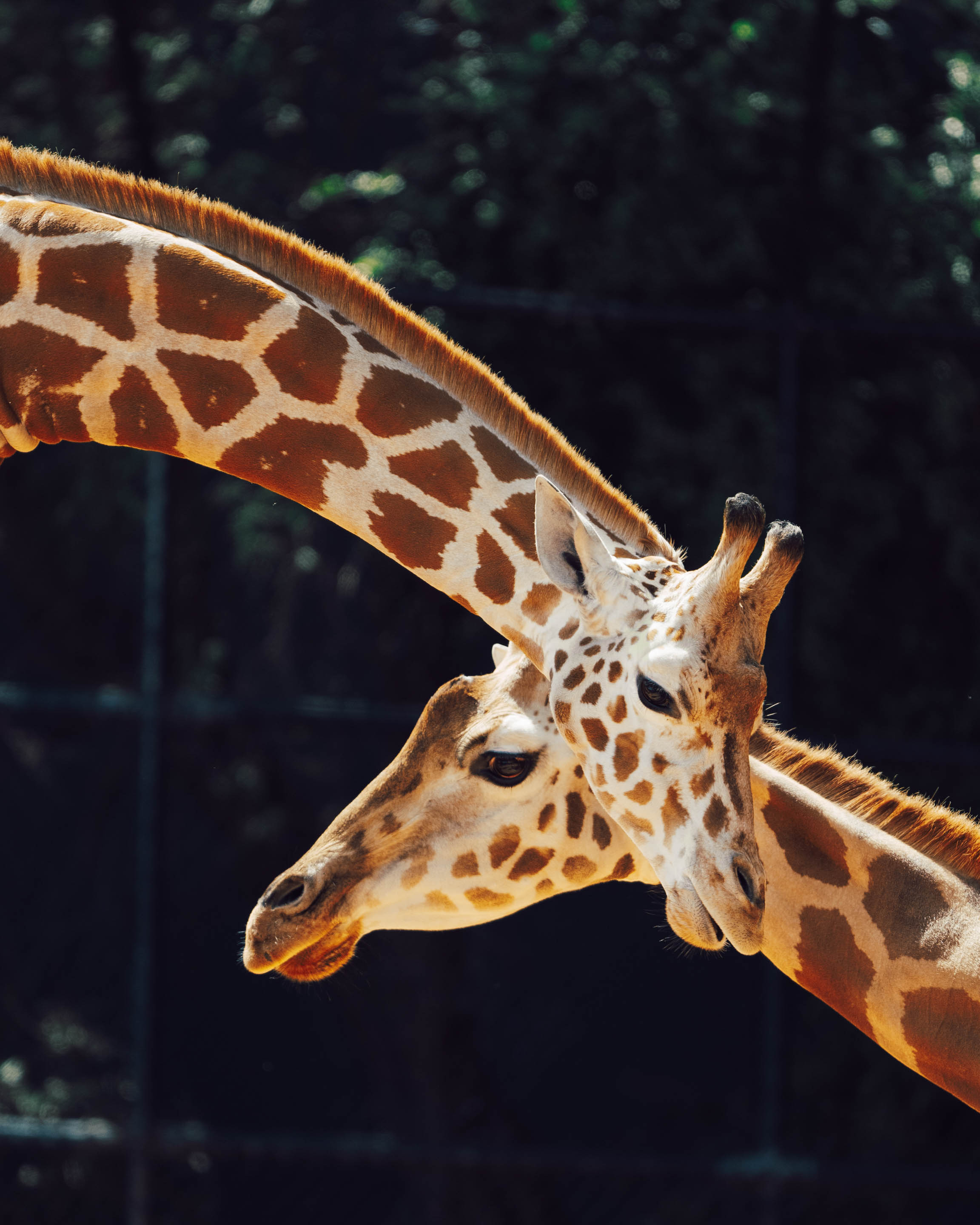
But enough about zoos, let’s talk lenses. The Nikon Z 180-600mm proved to be a reliable companion during my zoo excursion. Comfortably hanging it around my shoulder for hours, I was able to shoot handheld or on a railing with ease. The images turned out sharp and vibrant, as seen in the giraffe example. While I did some editing, minimal adjustments were needed thanks to the lens’s performance.

Telephoto lenses often lack flexibility in tight situations, but the ability to zoom with this lens was invaluable. Despite its smaller aperture, ranging from f/5.6 to f/6.3, I was pleasantly surprised by the results, even at high ISOs. My favorite shot, taken at ISO 11,400, showcased the lens’s sharpness and the Z 6 sensor’s ability to handle detail even at high ISOs. While extracting detail from white fur was challenging, overall, I’m impressed with the lens’s performance.

Still a Challenge

So, let me dive into the nitty-gritty of my experience with the Nikon Z 180-600mm lens. Focusing was the biggest hurdle I faced, and it’s not entirely the lens’s fault. The Z 6 camera, despite firmware updates, showed its first-generation mirrorless roots with its unreliable autofocus. I found myself constantly switching between autofocus modes, particularly struggling with pinpointing focus on small subjects at 600mm.

Once I got focus right, though, the results were stunning. The sharpness of the lens was apparent, perhaps even too sharp for my taste. I often find modern photography produces images that feel clinically perfect but lack soul. Shooting through glass or fences impacted image quality at times, but the lens still delivered impressive detail.

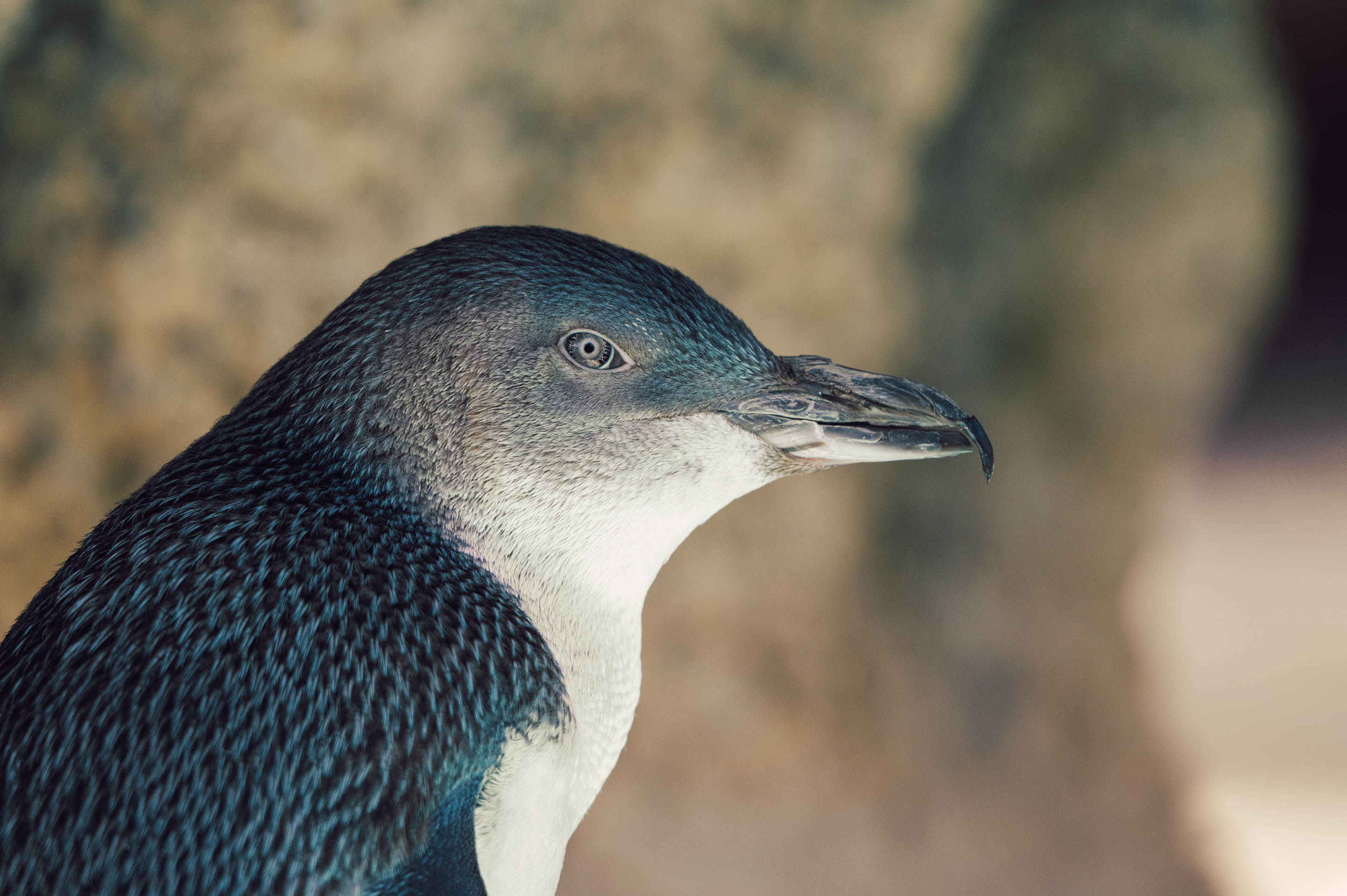
However, I did encounter situations where the contrast and crispness felt a bit overpowering. I had to employ post-processing techniques like the Orton effect to soften the harshness. Despite this, the lens still managed to maintain character, producing smooth bokeh and delivering sharpness where needed, like capturing the intricate details of a penguin’s iris.

While I’m not a wildlife photographer per se, I purchased this lens for my ongoing telephoto project focusing on ships along the Perth coast. It offers a significant reach and excellent stabilization, allowing me to capture stunning seascapes handheld. At $3k Australian dollars, it’s not cheap, but considering its performance and versatility, it’s a worthy investment.

In conclusion, this lens isn’t perfect, but it’s pretty darn close. I can see it becoming my go-to companion for capturing distant ships on the horizon—a testament to its sharpness, size, and overall performance.

Why I’m not a Landscape Photographer

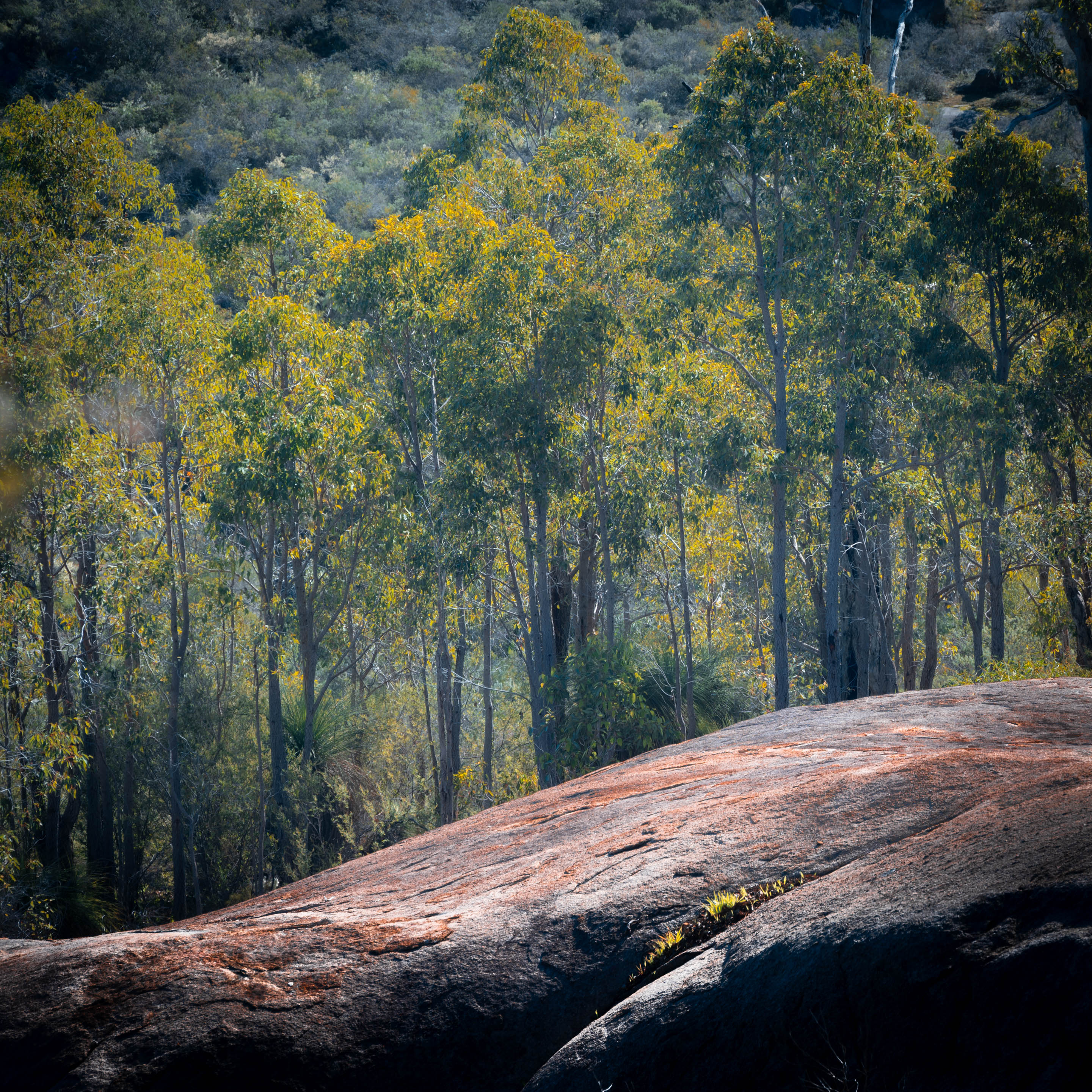
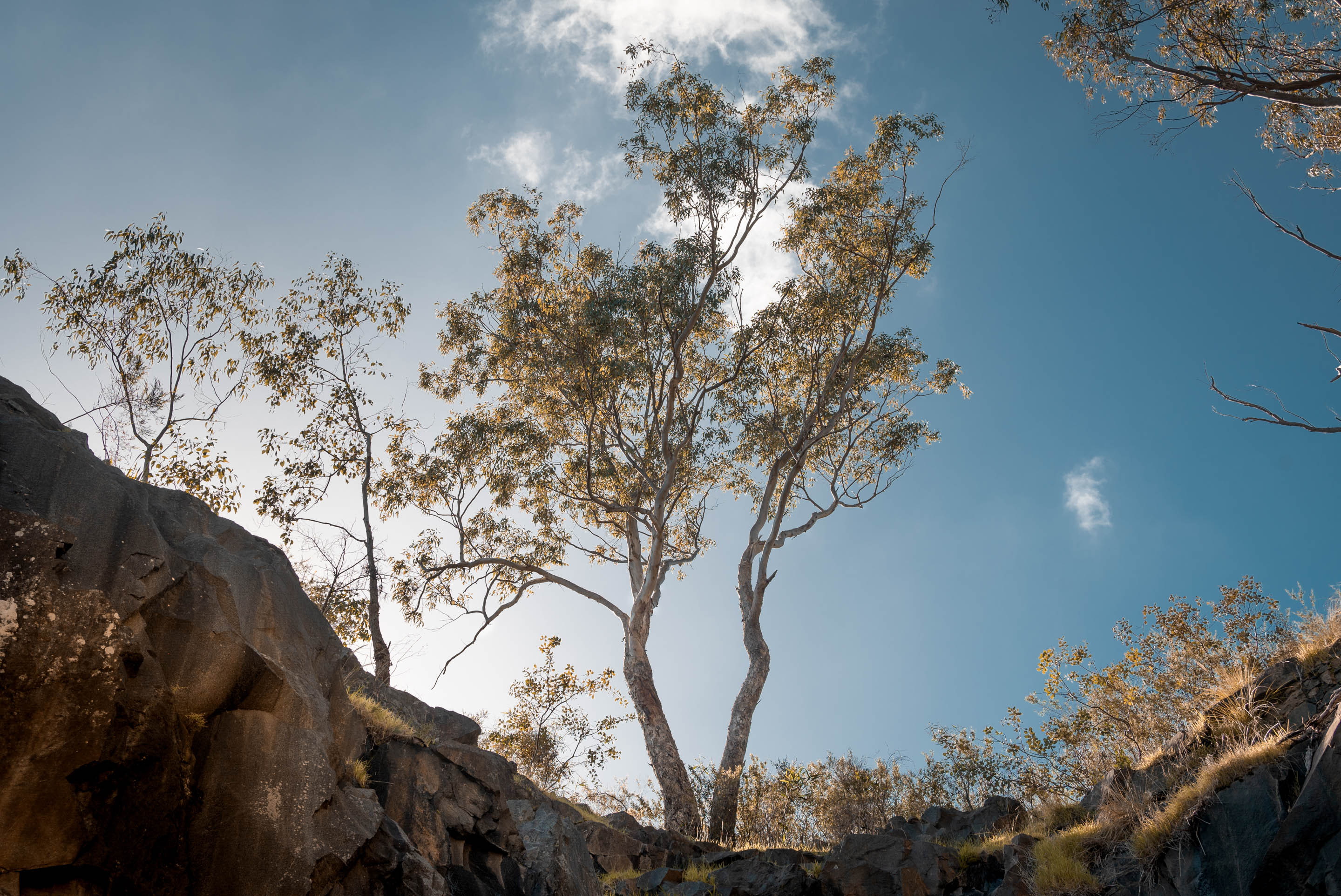
Landscape photography is a discipline in and of itself and not one I’m particularly familiar with. I’m normally more comfortable on the streets than in the bush. That said, I spend a lot of time watching YouTube videos about landscape photography, so maybe it’s time I came to grips with this strange but fascinating genre of photography.

You might have noticed a few quirks in my approach to the scene, maybe even some choices that seemed a bit off the beaten path.

A Superhuman Feat

Typically, landscape photography involves an early rise, a long hike, and finding that perfect spot for contemplation. But let’s face it, that’s not really my style. I’m not one for meticulous planning or waiting for the perfect conditions. And yes, the weather was lovely, but that doesn’t always make for the best photos, right?

Now, about tripods. Every serious photographer swears by them, but I’ve got my reasons for steering clear. Call it a personal vendetta – to me they are the horrific vehicles of destruction used by alien invaders in HG Wells and John Christopher novels. At the very least they add a lot of weight and awkwardness to the photographic process. And sure, my agility might not rival a mountain goat’s, but that’s just not my vibe.

So, armed with my Nikon Z6 and a polarising filter, I ventured forth. And thank goodness for YouTube, where I can share my mishaps and lessons learned. Lesson number one: relying on in-body image stabilisation for those slow shutter speeds? Yeah, not the best idea.

But amidst the struggles, I managed to salvage a shot or two. It’s all about finding that one gem, even if it feels like picking the tallest jockey on the basketball team.

From Sow’s Ear to Silk Purse

Now, onto the editing phase. As shown in the video, it’s a delicate dance of balancing contrast, toning down those pesky highlights, and adding a touch of warmth. And let’s not forget about injecting some vibrancy into those rocks and dirt – gotta make ’em pop.

And sure, I might have a heavy hand with the edits sometimes, but that’s all part of the process. After a few tweaks here and there, I step back and give it some time to marinate. Because let’s face it, perfection takes time – and maybe a few do-overs.
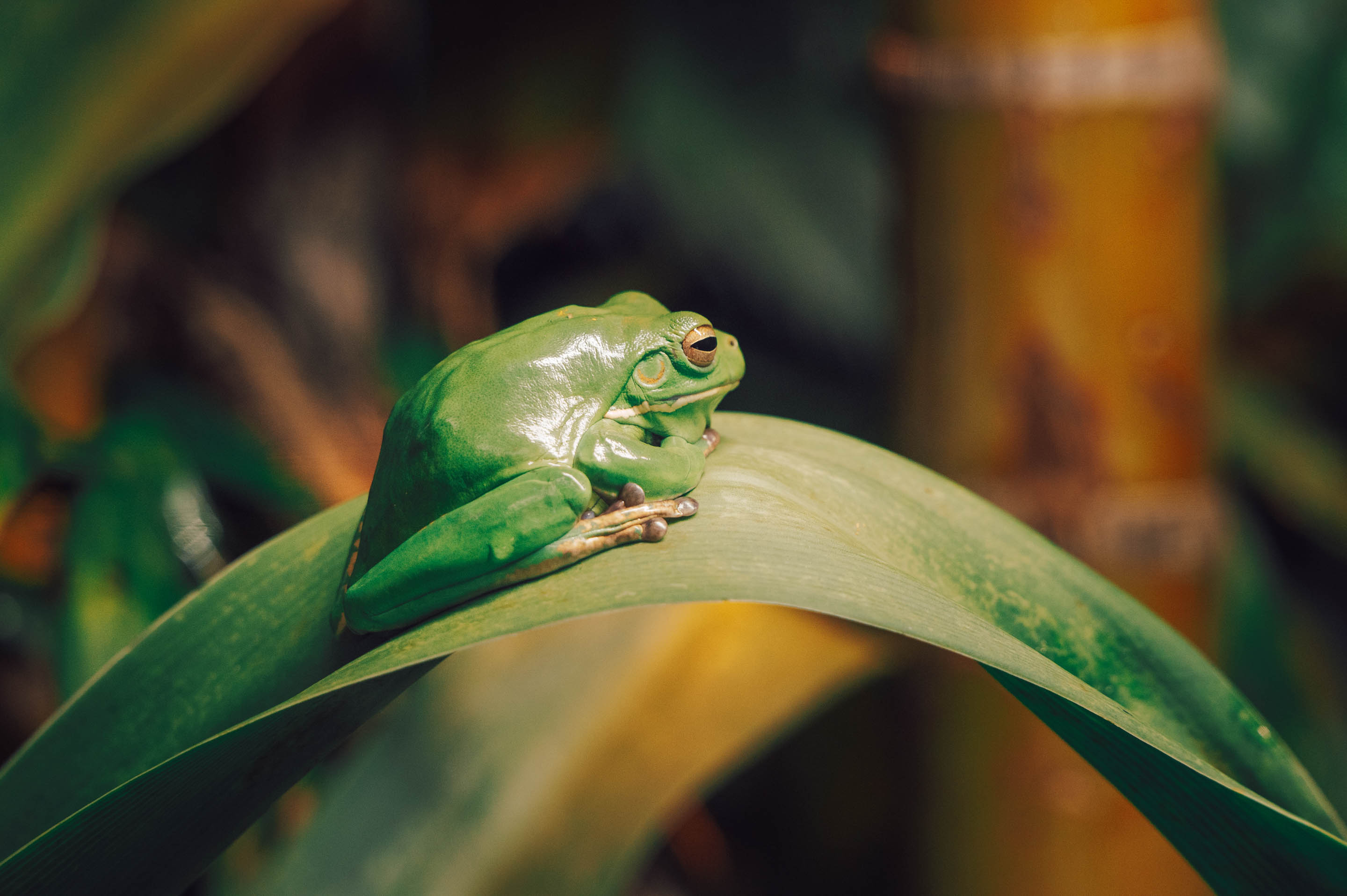
Let me know what you think of the results. I don’t think landscape photography is my forte. But that’s okay. I find my stride elsewhere, amidst the urban jungle. And if you’ve got your own tales of photographic misadventures, I’m all ears. Because in the end, it’s not about the gear or the accolades. It’s about the journey – the trials, the errors, and the relentless pursuit of that perfect shot.

So here’s to embracing failure, to dreaming big, and to never giving up – even if we’re stumbling along the way. After all, they say greatness lies not in success, but in the trying. And if there’s one thing I’ve been called, it’s trying.