
Whenever I visit a new country, I like to check out the second-hand camera scene for potential bargains as souvenirs. On a trip to Shanghai, I went to Xingguang Photographic Equipment City, a sprawling, multi-story mall full of small camera shops selling used gear. Armed with 1000 Renminbi in my WeChat wallet, I hoped to find a unique lens within my budget. I was drawn to the idea of a 135mm, but it was too expensive, so I set my sights on something more modest.
I eventually found Nikon’s 28mm Z f/2.8 SE lens, a lens with a retro design that fits Nikon’s ZF digital camera. It’s affordable but not particularly exciting in quality, as it has a plastic mount and feels more like a cheap throwback than anything premium. However, it was within my budget and looked decent enough. The shopkeepers were friendly and humored my attempts at speaking Chinese, making the experience enjoyable.
Reflecting on the 28mm focal length, I find it somewhat mundane. Back in the film era, 28mm was considered wide, but these days, it’s essentially the default view on smartphone cameras. The world is now saturated with 28mm photos—thanks to the trillions of smartphone shots shared online—creating a visual monotony that’s almost tiresome.
To test the lens, I decided to take it to Zhujiajiao, a historic water town near Shanghai, to see if I could capture something interesting with this “boring uncle” of a focal length.
Serviceable, yes but… Exciting?
When I downloaded the photos from my 28mm lens, I felt a bit disappointed. They felt overfamiliar, like the endless shots of water taxis or gondolas in Venice that we’ve all seen. I started questioning if it was the lens itself or simply my inability to break away from typical tourist shots. Maybe the 28mm field of view kept me stuck in that mode.
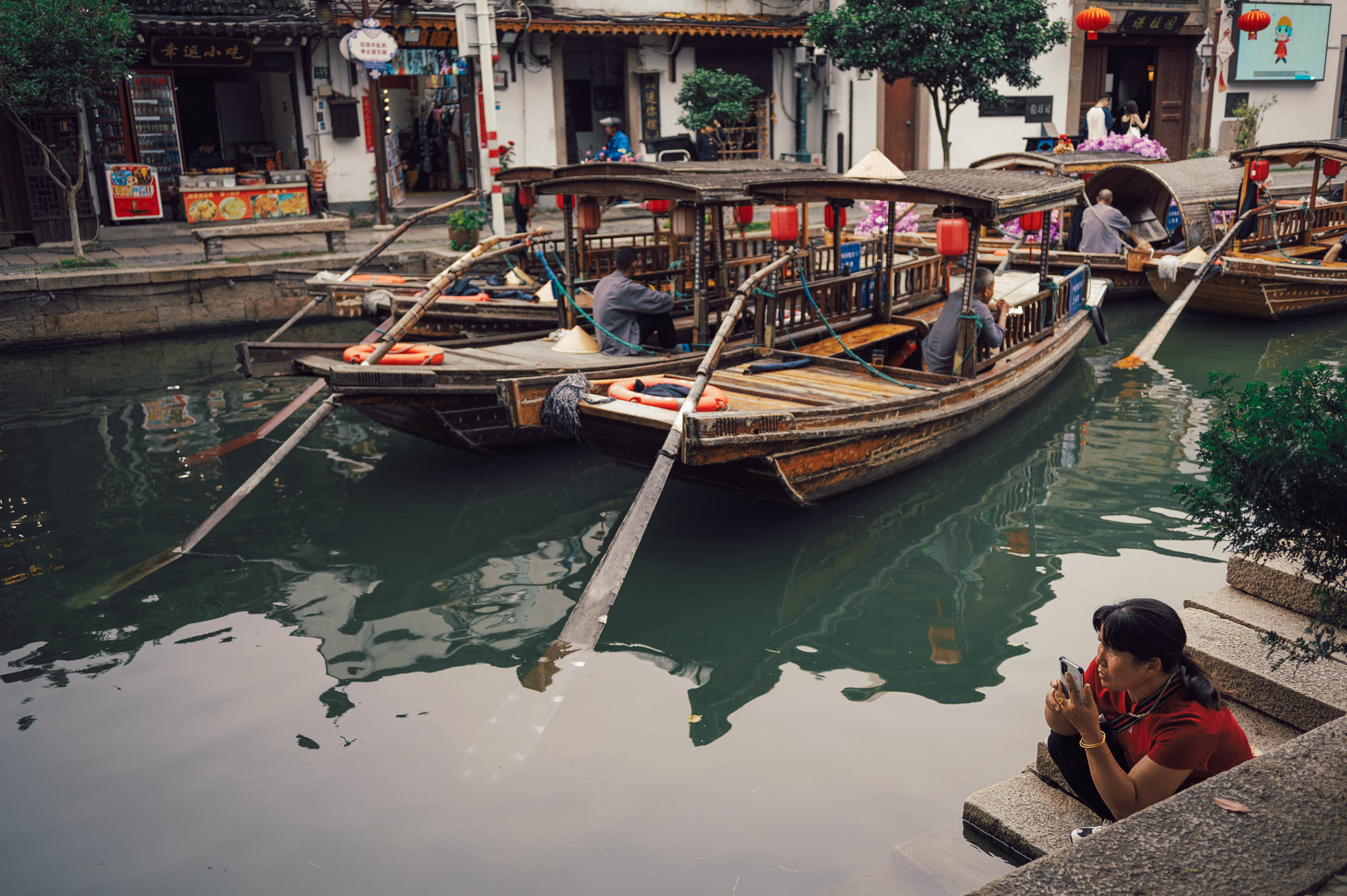
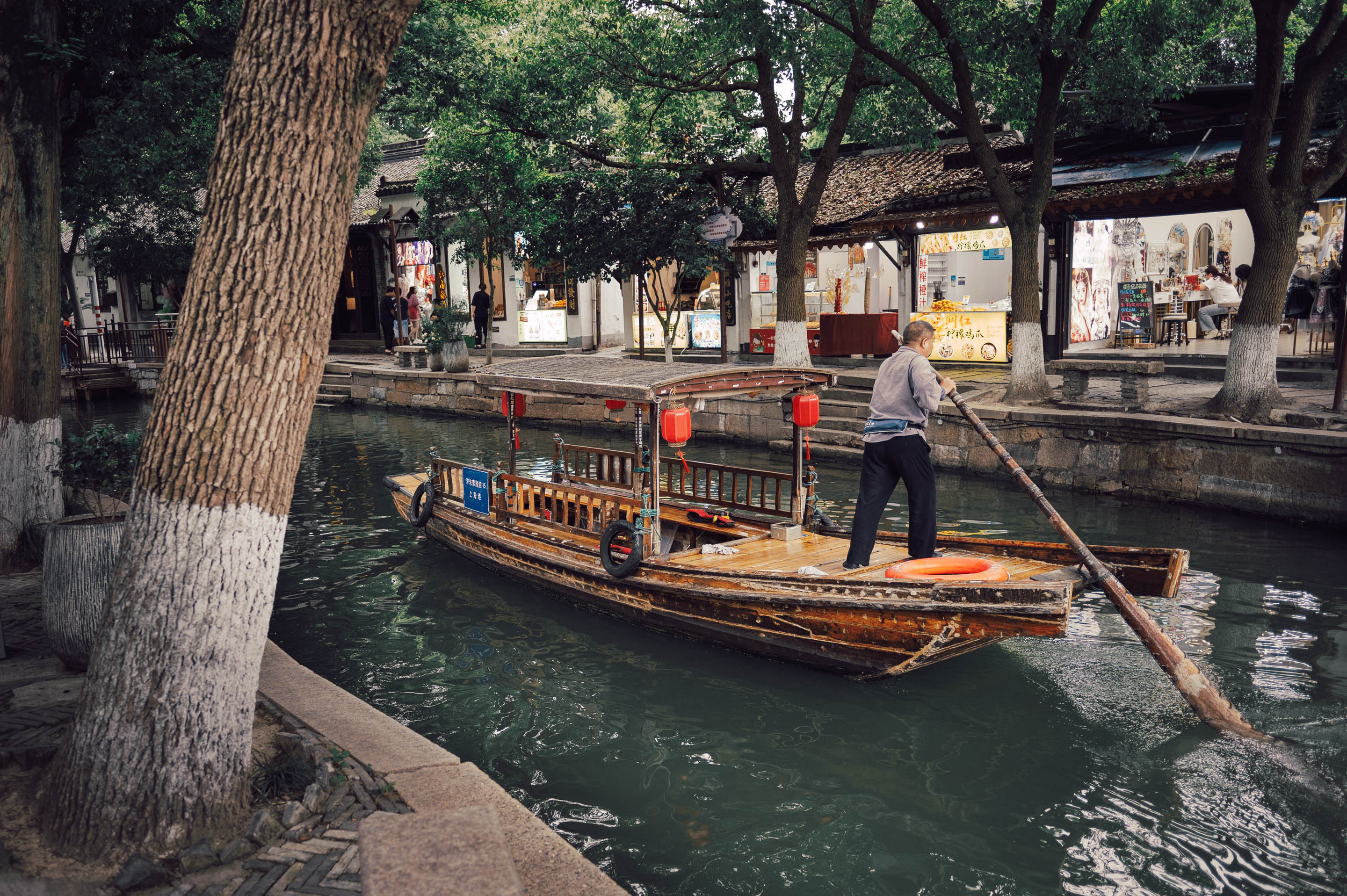
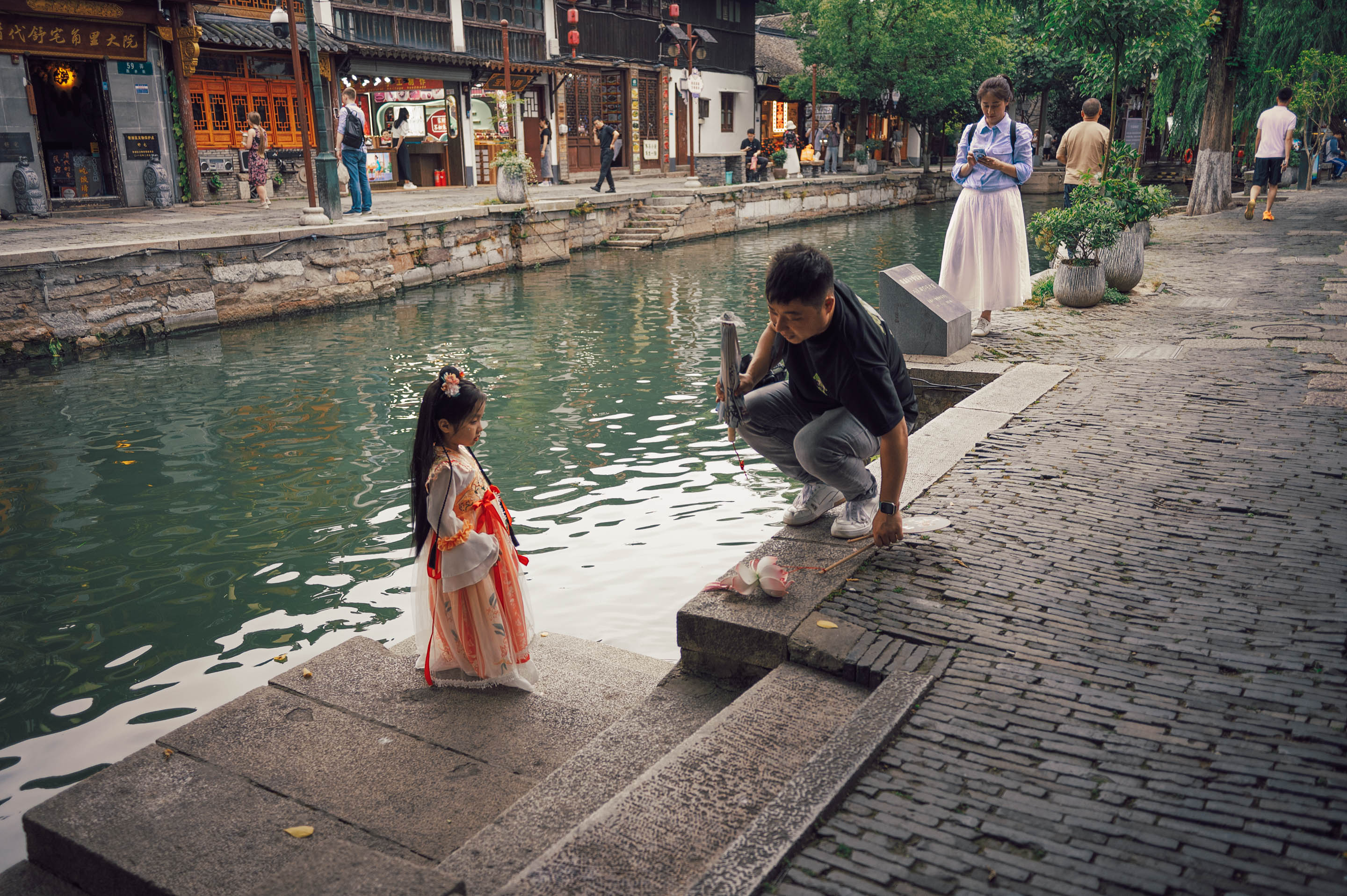


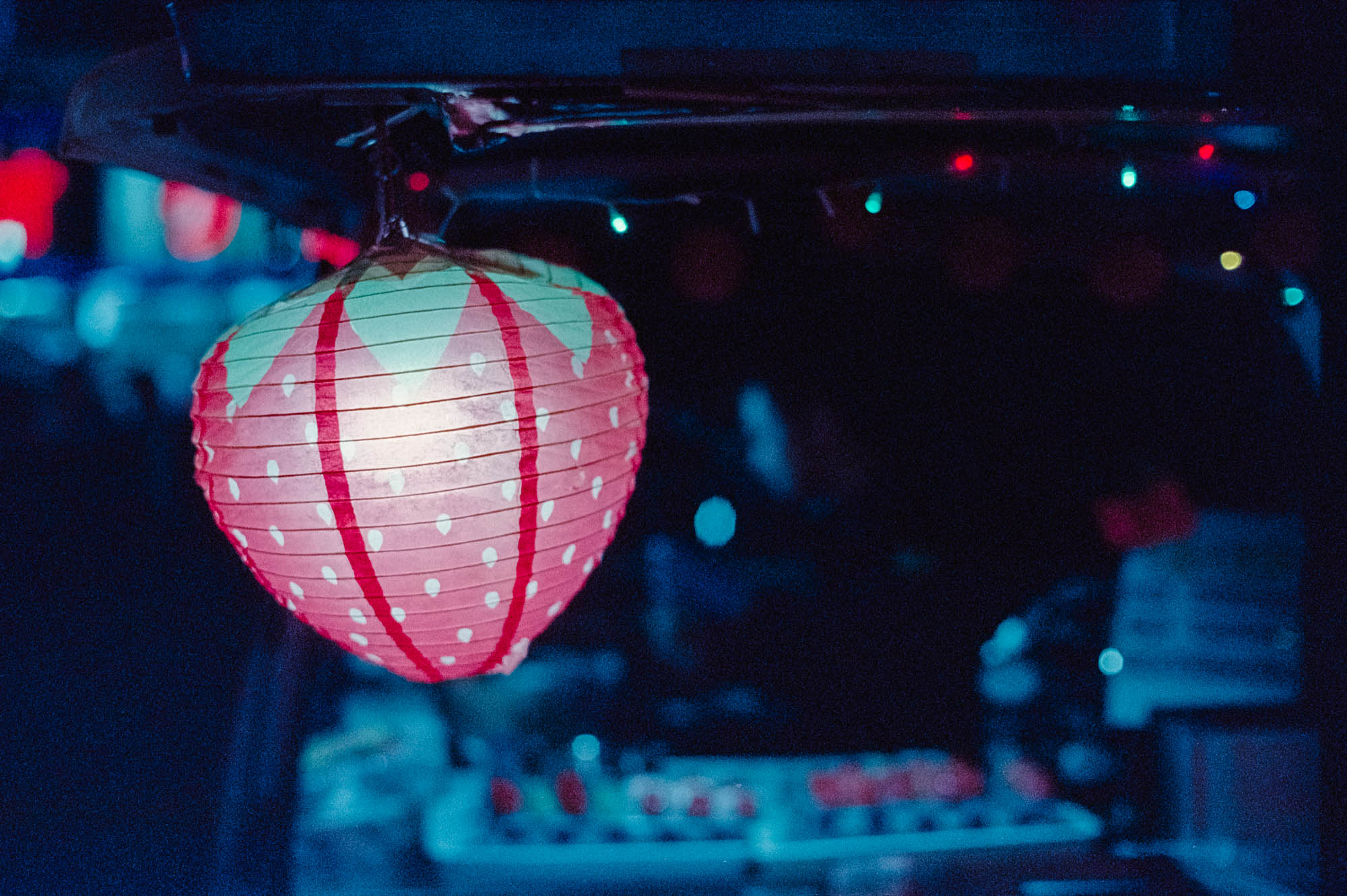
The 28mm lens is easy to use, with smooth and quiet focusing, and it focuses closer than my zoom lens at 28mm, which is a nice feature. When focusing close, it handles out-of-focus areas beautifully with soft, creamy bokeh. While it won’t completely blur the background like other lenses, it subtly draws attention to the subject without being overpowering.
That said, the Nikon 28mm Z f/2.8 isn’t perfect—28mm does feel a bit dull. At least, to me. I got some decent shots, but reviewing them feels like scrolling through my phone gallery. My 24-200mm offers more versatility, letting me capture close-ups and control framing better by using its longer focal length to keep distractions out of the frame. With the 28mm, I have to be more mindful of composition, especially on the streets, compared to a 35 or 50mm lens.
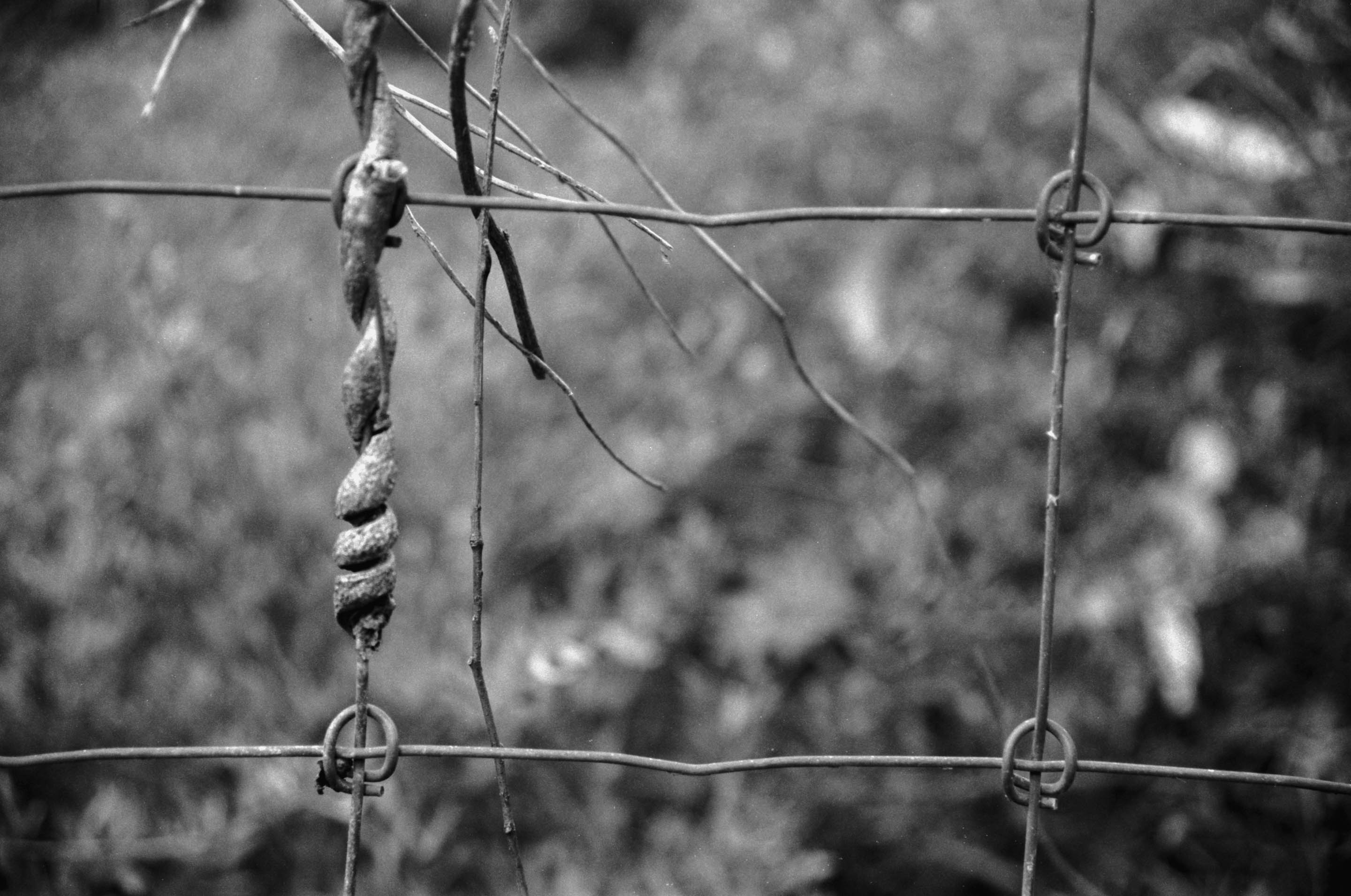
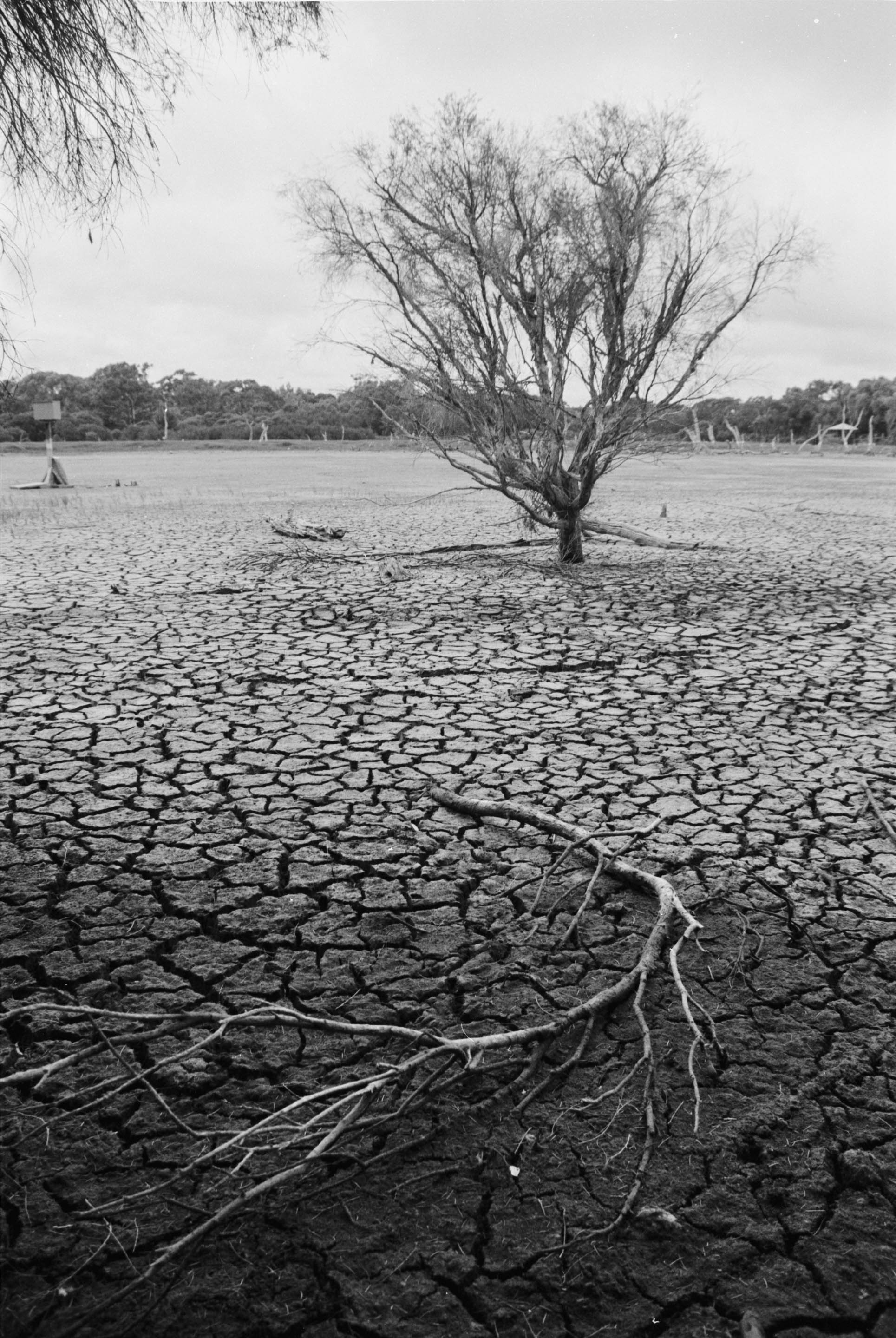
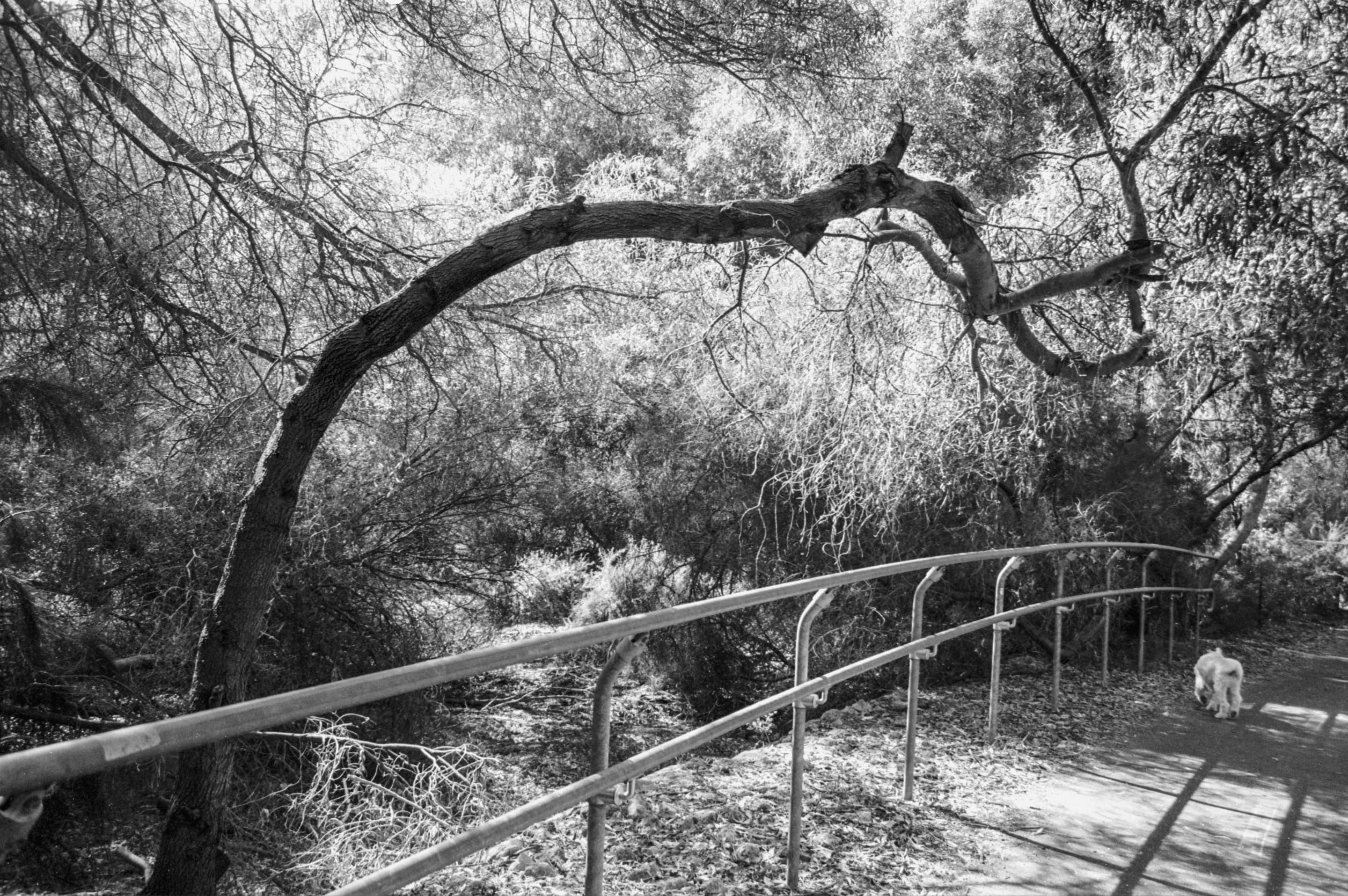
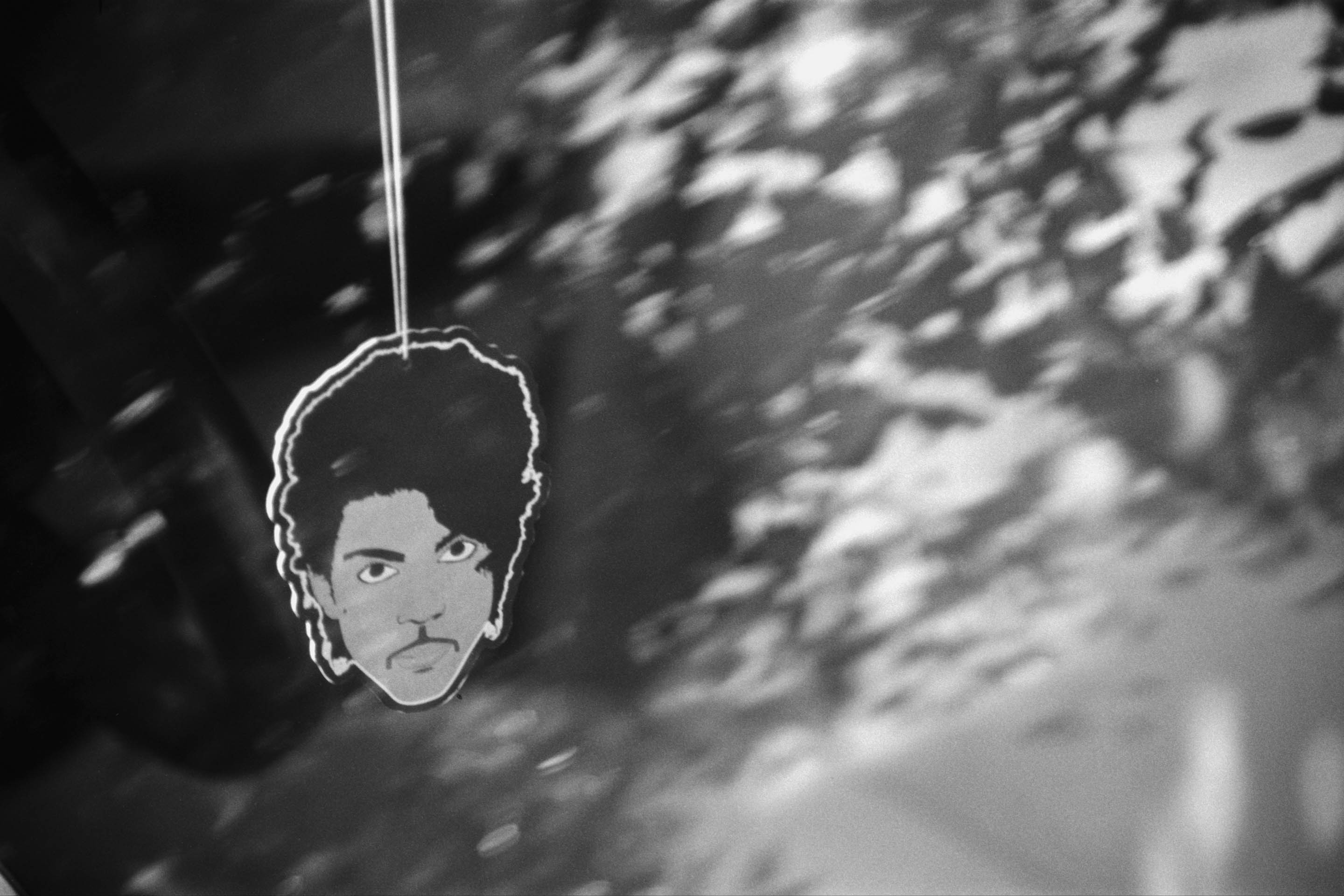
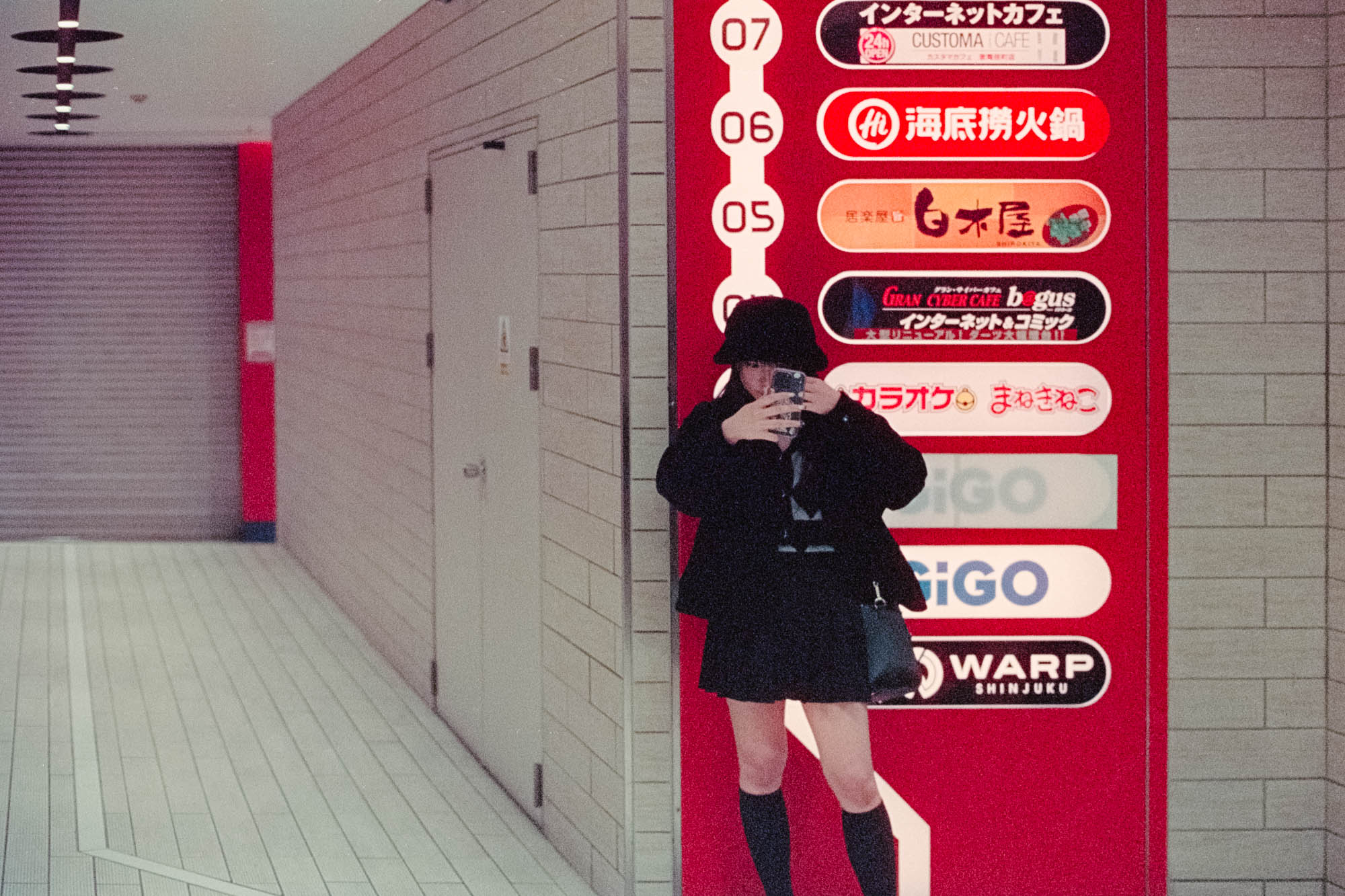
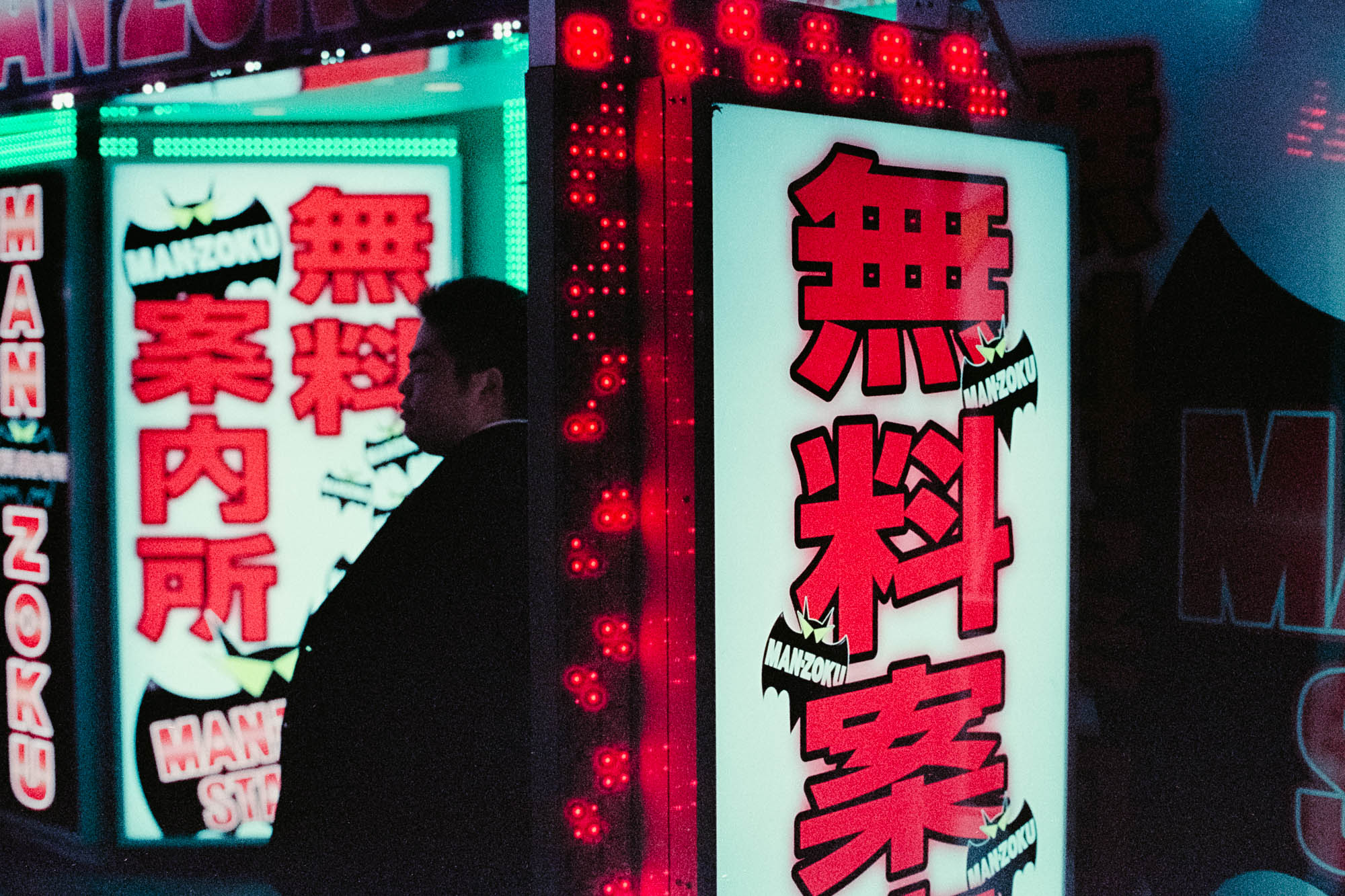
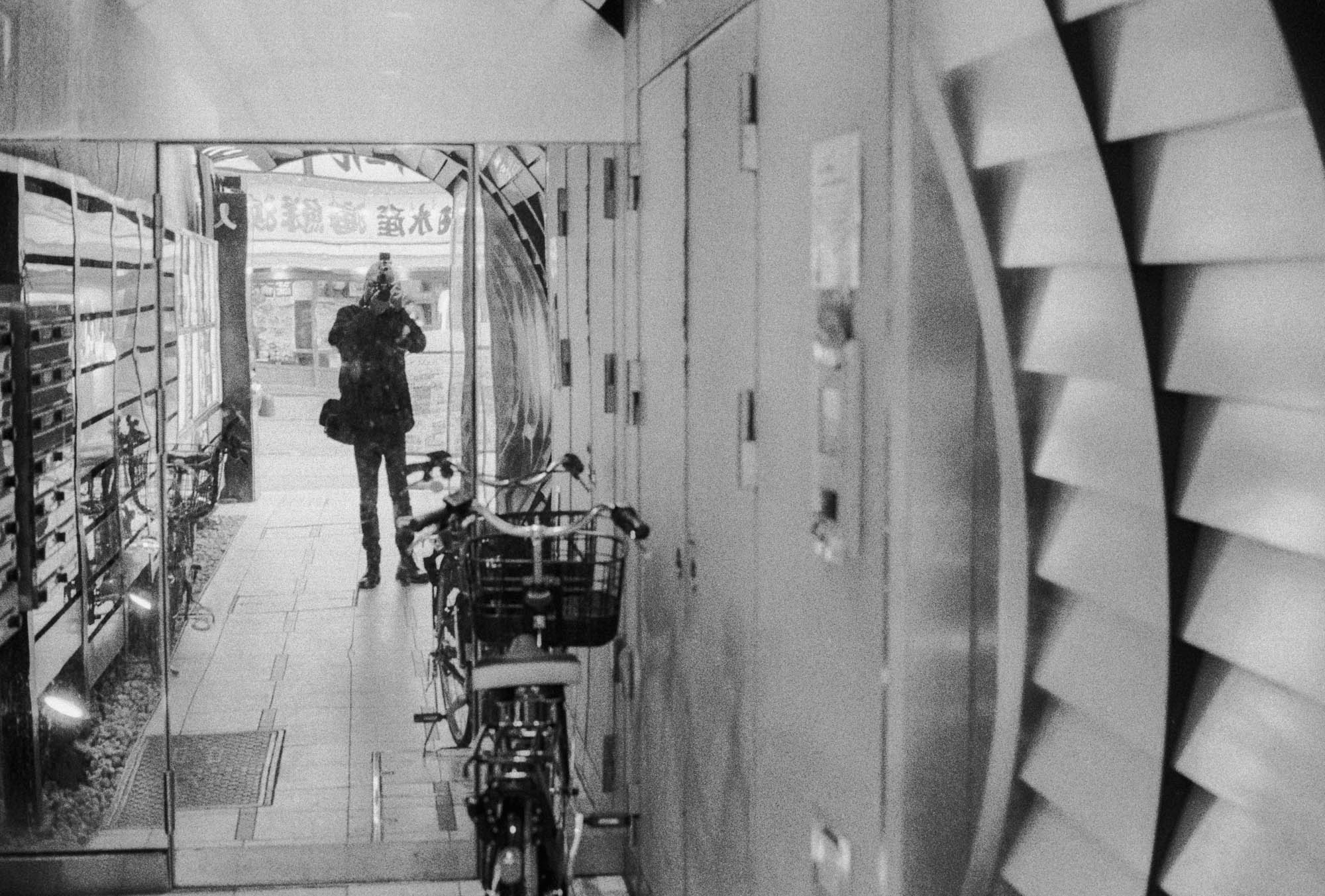
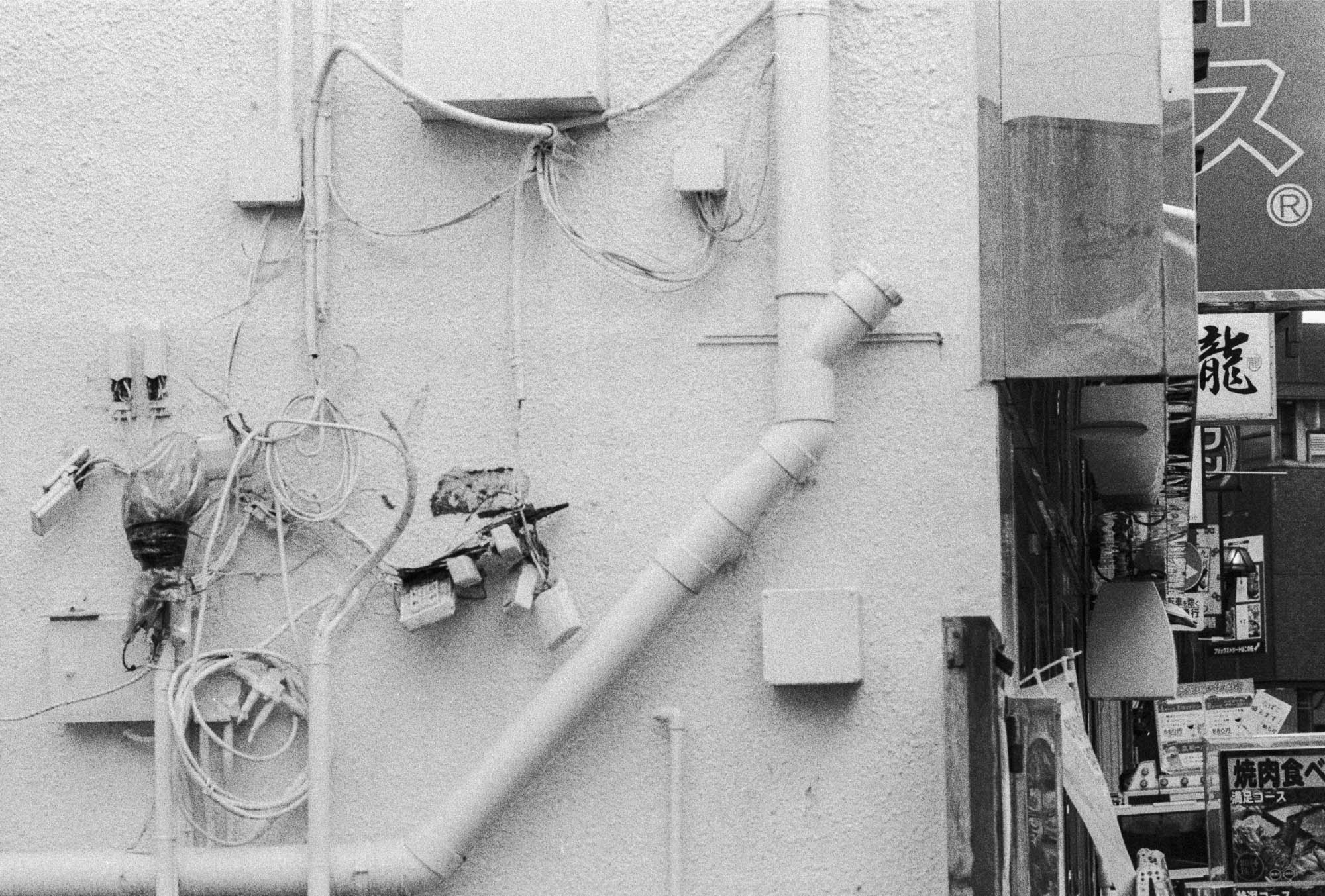
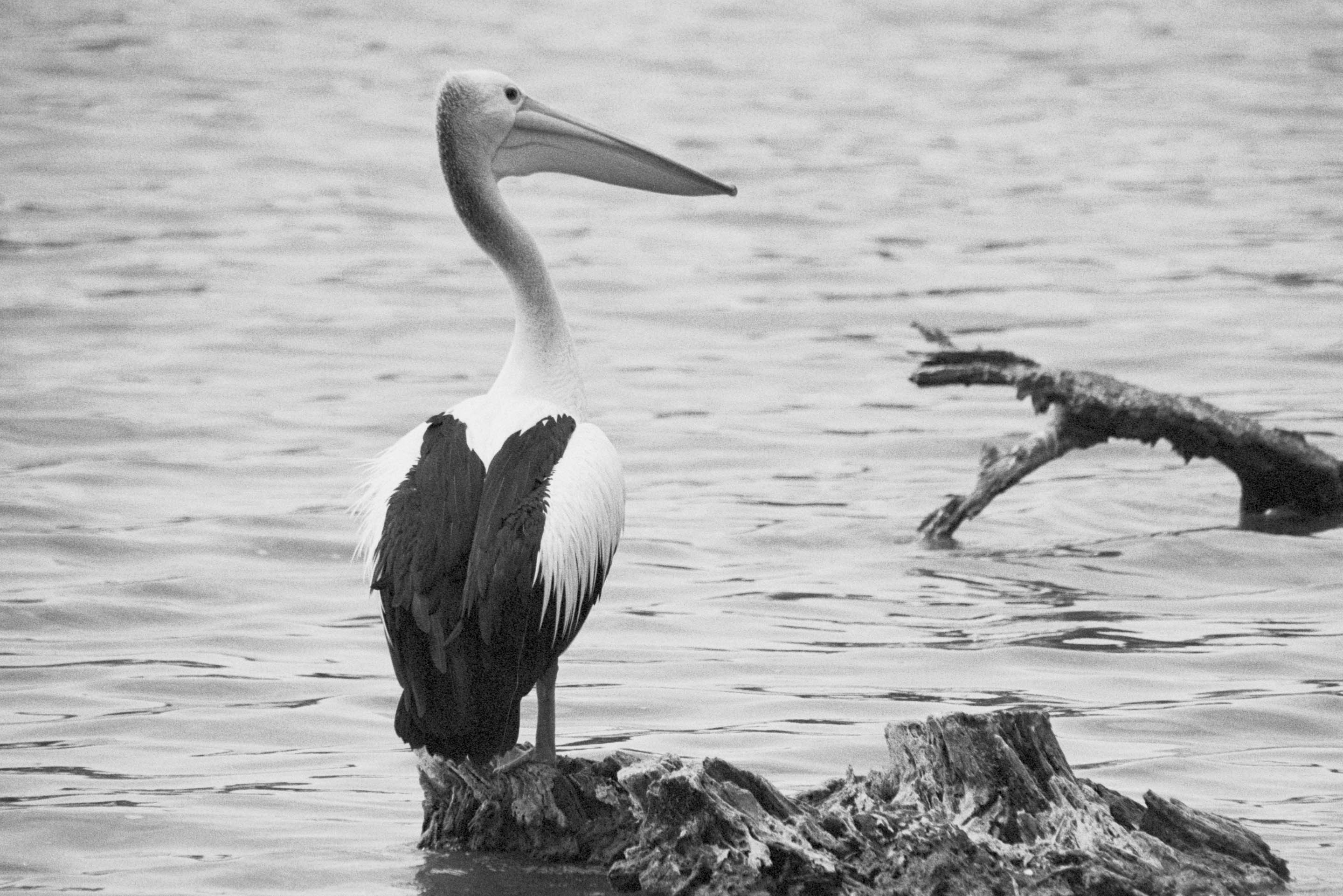
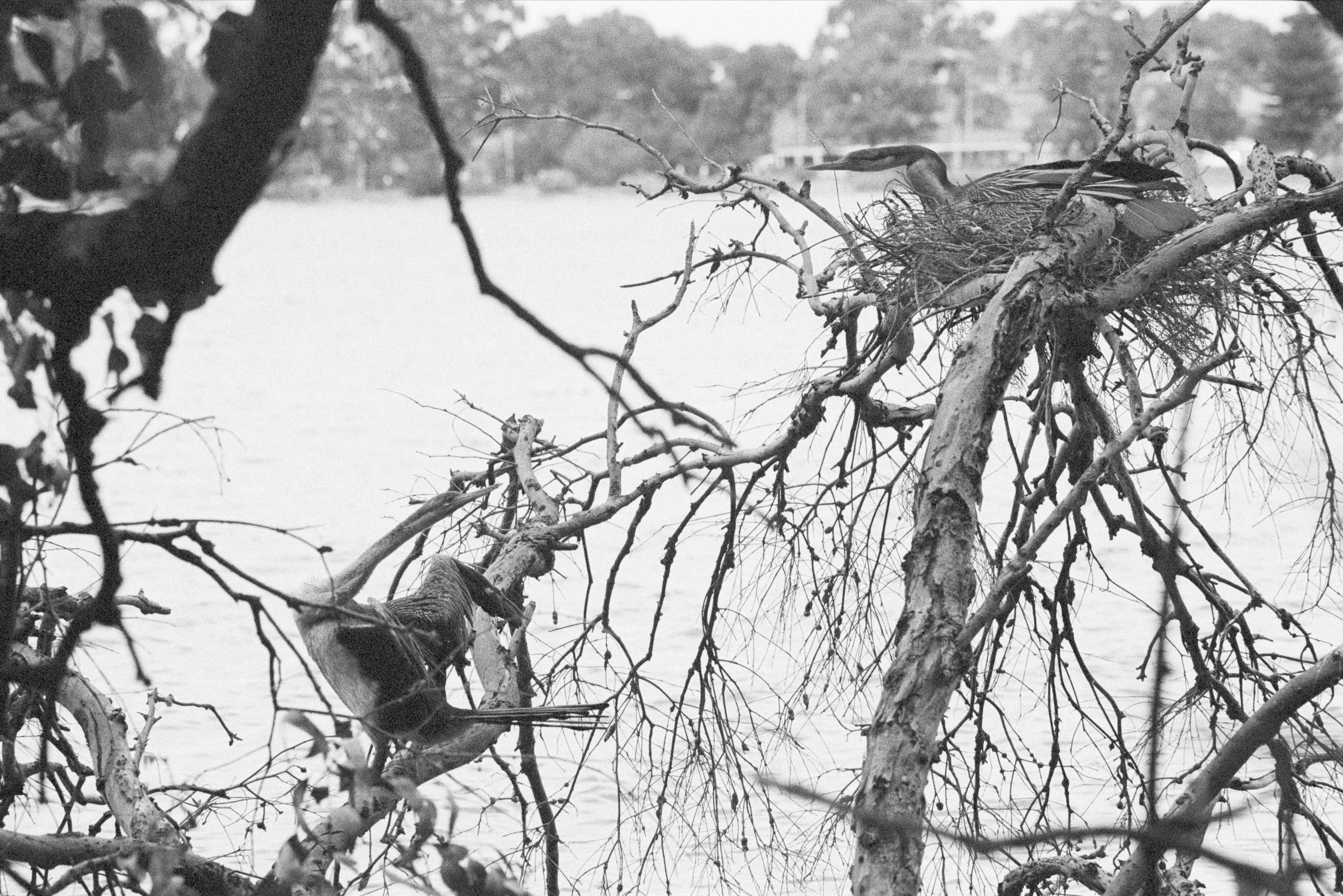
After sorting through, I picked a few shots that captured the feel of the place without looking too postcard-like. The dim light drained some color from the scene, and a few images actually worked better in black and white.
I do think this lens is a good lens, maybe even a great one if you consider the price and can get over the plastic mount. I can’t fault it that I find the 28mm field of view a bit dull and perhaps, actually, with more use, I might to appreciate that focal length a little more.

























 Mark McMahon