
So, I finally got my hands on Nikon’s latest zoom telephoto lens, the 180-600mm f/5.6-6.3 Z. The big question is: is it a wildlife warrior, slicing through the wilderness to capture distant action, or just a hefty fella trying to compensate for its lack of sporting prowess?
Let’s start with the unboxing, which was honestly a bit underwhelming. All you get is the lens, some cardboard, and the usual paperwork. The lens case is a joke, more like a napkin than anything protective. It’s not exactly travel-friendly, to say the least.
But enough about the packaging, let’s talk about the lens itself. It’s big, no doubt about it, but compared to its competitors, it’s not that intimidating. Plus, it doesn’t extend when you zoom, which is a plus. As for ergonomics, it feels solid in my hands, though it’s definitely on the heavier side. Still, it’s manageable without a tripod, thanks to its balance and design.
The zoom range is impressive, and the short throw of the zoom ring makes it easy to adjust quickly. Overall, it’s a well-designed lens that’s comfortable to use, even handheld.
But the real test is in the field, or in my case, at the zoo. Hey, I’m not about to go traipsing through the wilderness. So, off I went to capture some wildlife action, and let me tell you, this lens didn’t disappoint.
How Good is the Lens?
After surviving various landscapes from the African savannah to the frozen Antarctic tundra, I’m here to share my wildlife photography adventures with you. I did find myself surrounded by children more than animals, though. Mixed feelings about zoos aside, Perth Zoo isn’t too bad, offering enrichment for its inhabitants, even if it’s with plastic containers instead of TV sets showing David Attenborough documentaries.
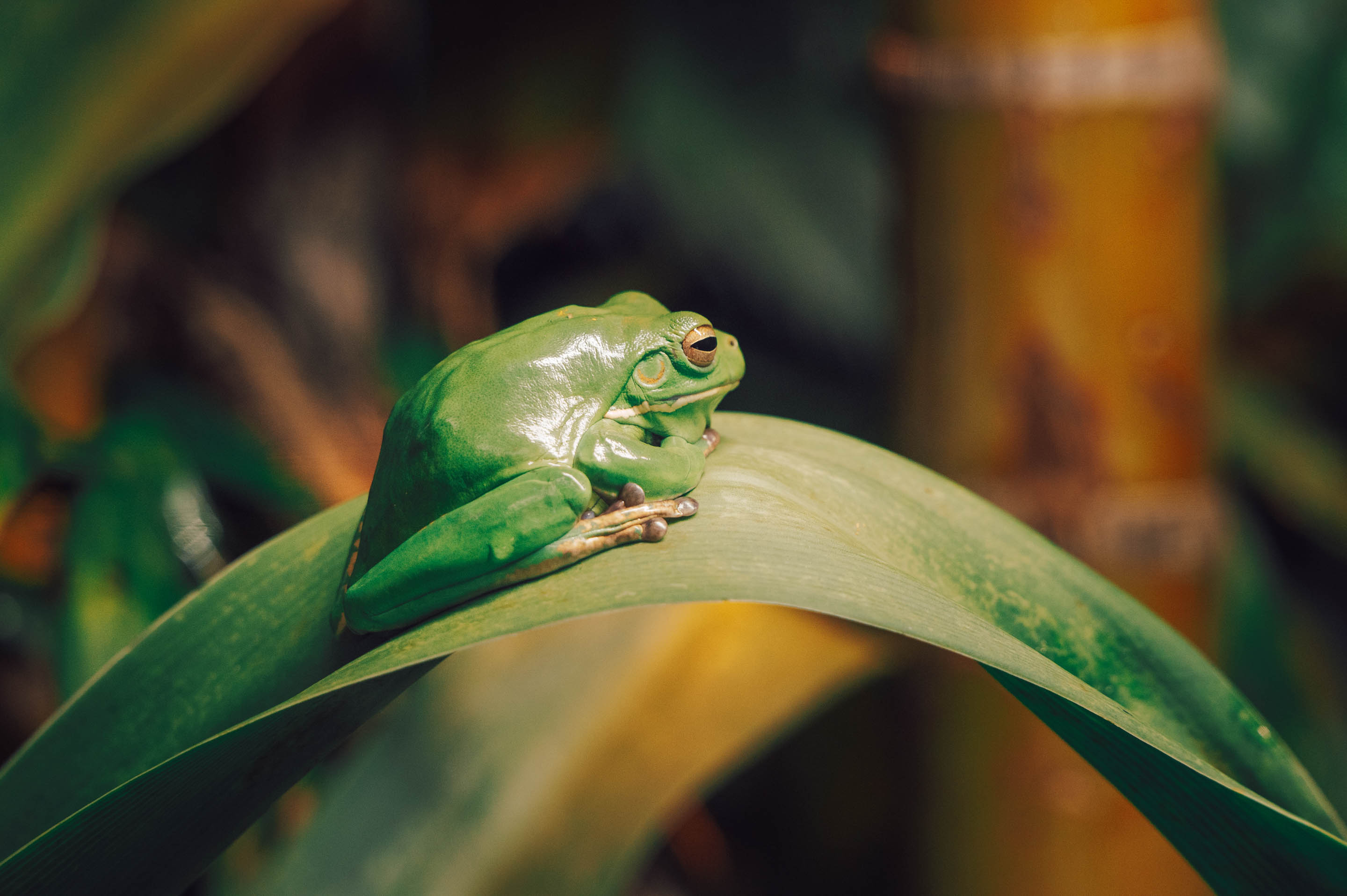

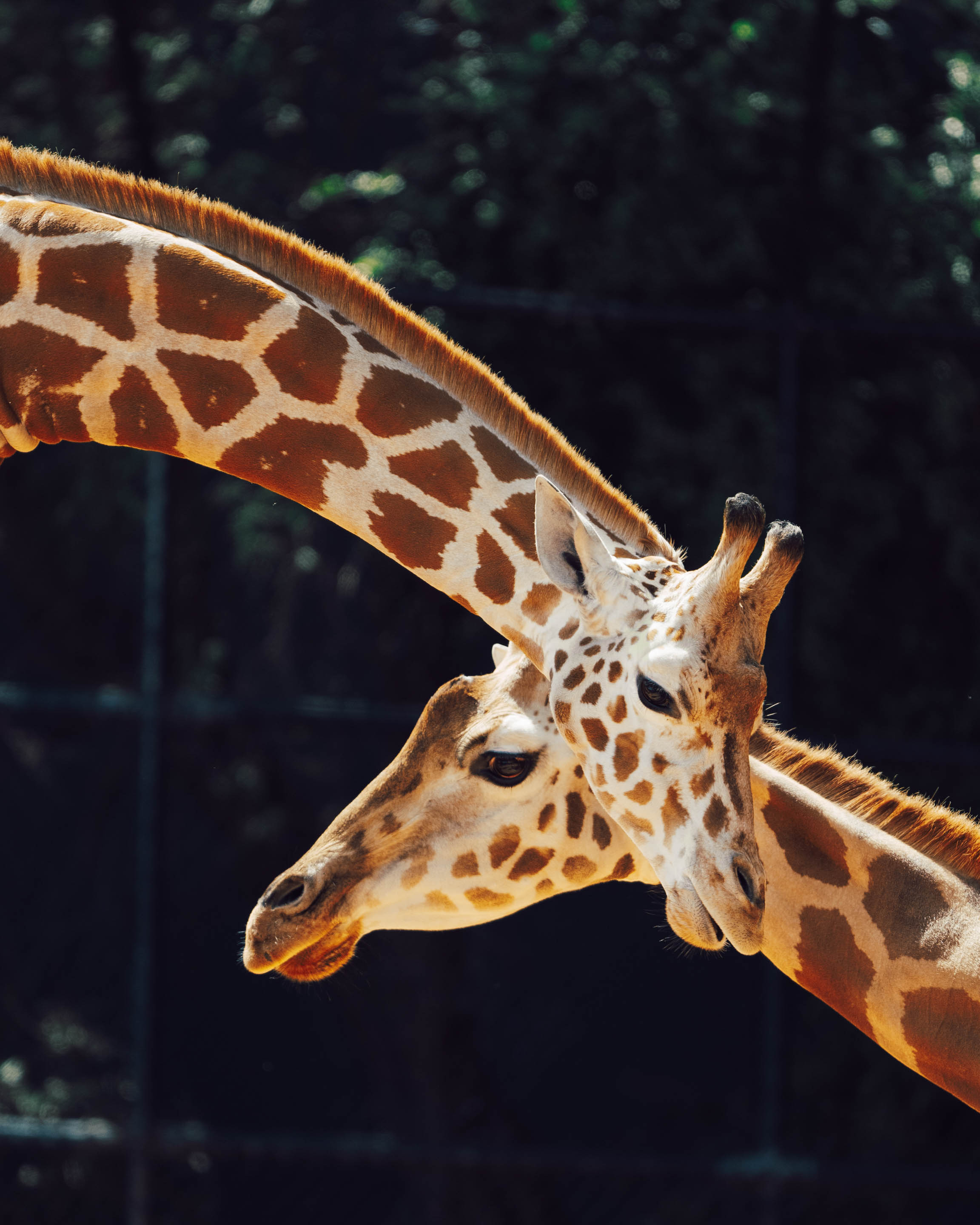

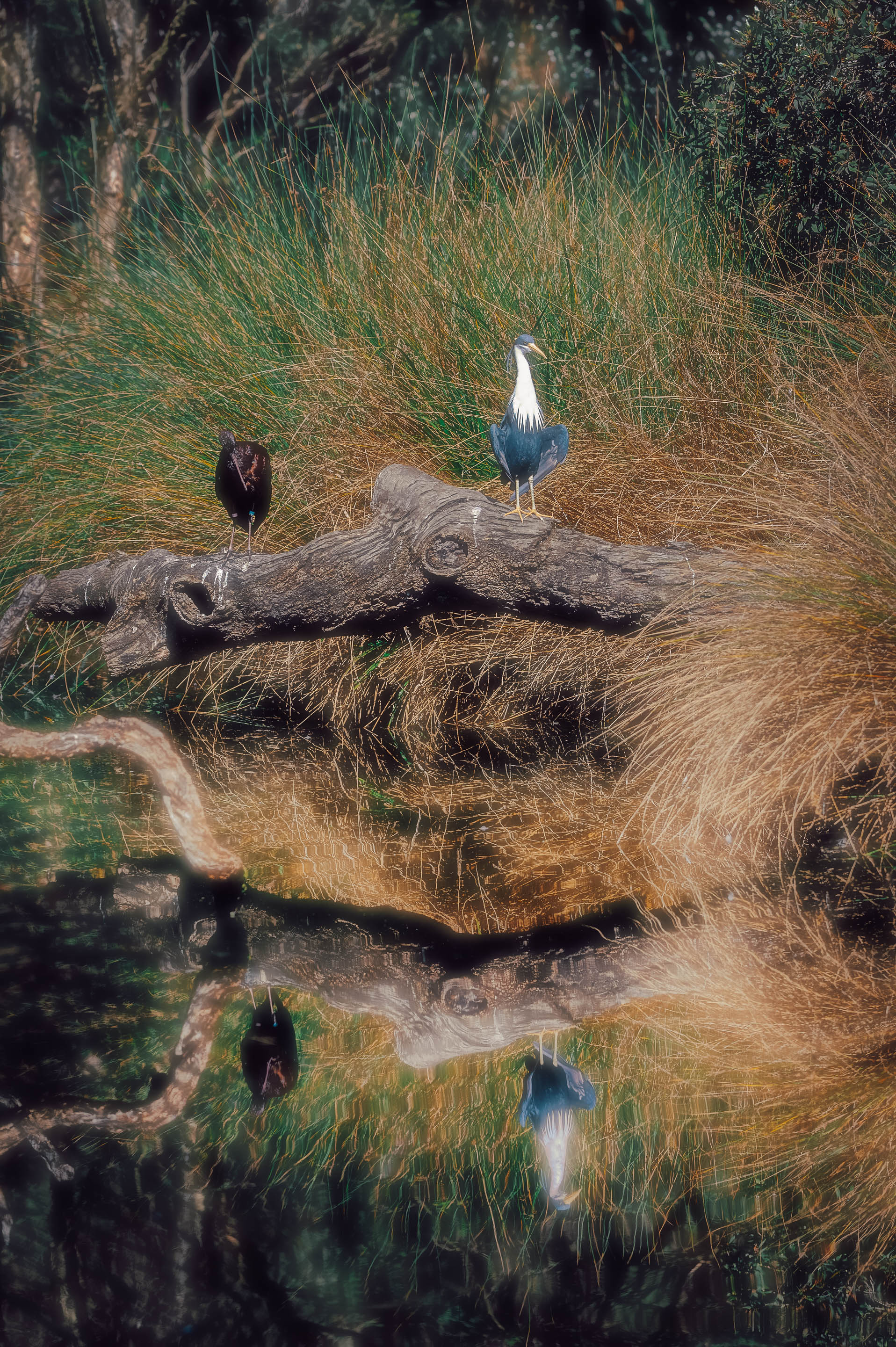

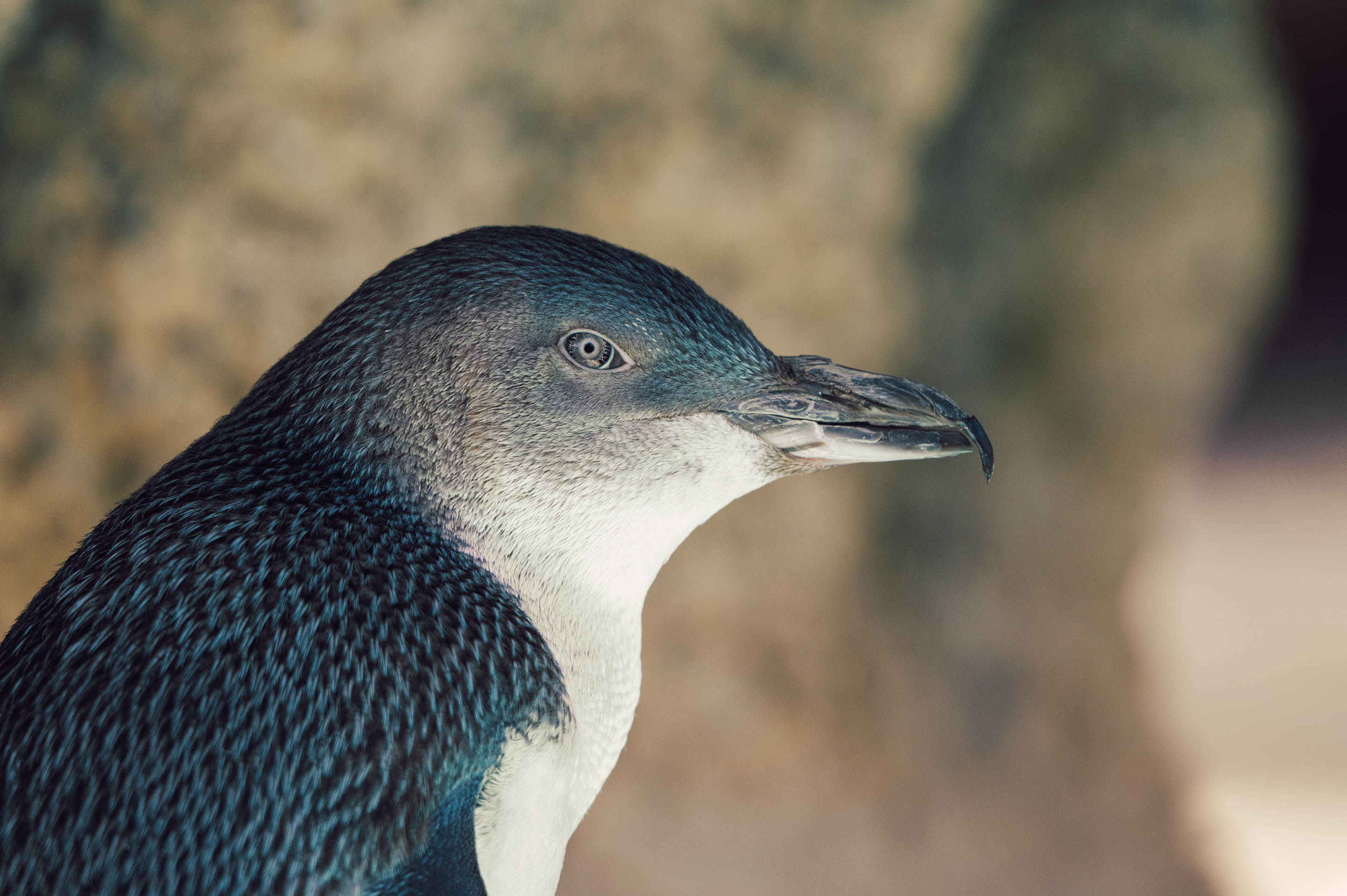
But enough about zoos, let’s talk lenses. The Nikon Z 180-600mm proved to be a reliable companion during my zoo excursion. Comfortably hanging it around my shoulder for hours, I was able to shoot handheld or on a railing with ease. The images turned out sharp and vibrant, as seen in the giraffe example. While I did some editing, minimal adjustments were needed thanks to the lens’s performance.
Telephoto lenses often lack flexibility in tight situations, but the ability to zoom with this lens was invaluable. Despite its smaller aperture, ranging from f/5.6 to f/6.3, I was pleasantly surprised by the results, even at high ISOs. My favorite shot, taken at ISO 11,400, showcased the lens’s sharpness and the Z 6 sensor’s ability to handle detail even at high ISOs. While extracting detail from white fur was challenging, overall, I’m impressed with the lens’s performance.
Still a Challenge
So, let me dive into the nitty-gritty of my experience with the Nikon Z 180-600mm lens. Focusing was the biggest hurdle I faced, and it’s not entirely the lens’s fault. The Z 6 camera, despite firmware updates, showed its first-generation mirrorless roots with its unreliable autofocus. I found myself constantly switching between autofocus modes, particularly struggling with pinpointing focus on small subjects at 600mm.
Once I got focus right, though, the results were stunning. The sharpness of the lens was apparent, perhaps even too sharp for my taste. I often find modern photography produces images that feel clinically perfect but lack soul. Shooting through glass or fences impacted image quality at times, but the lens still delivered impressive detail.
However, I did encounter situations where the contrast and crispness felt a bit overpowering. I had to employ post-processing techniques like the Orton effect to soften the harshness. Despite this, the lens still managed to maintain character, producing smooth bokeh and delivering sharpness where needed, like capturing the intricate details of a penguin’s iris.
While I’m not a wildlife photographer per se, I purchased this lens for my ongoing telephoto project focusing on ships along the Perth coast. It offers a significant reach and excellent stabilization, allowing me to capture stunning seascapes handheld. At $3k Australian dollars, it’s not cheap, but considering its performance and versatility, it’s a worthy investment.
In conclusion, this lens isn’t perfect, but it’s pretty darn close. I can see it becoming my go-to companion for capturing distant ships on the horizon—a testament to its sharpness, size, and overall performance.
 Mark McMahon