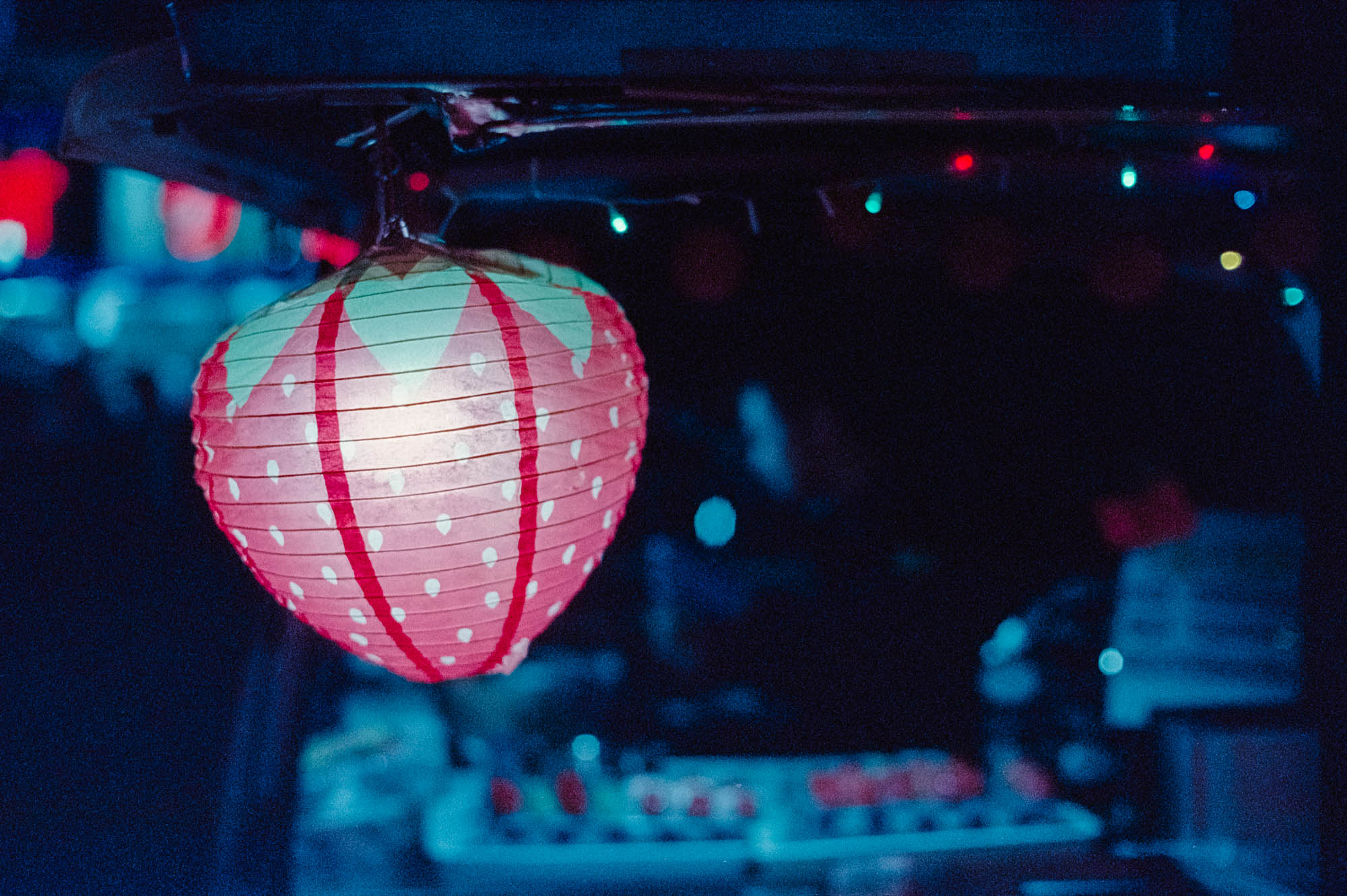
The Nikon L35 AD and Exploring the Concept of Light in Photography

Let There Be Light

Let’s embark on a journey into the heart of one of photography’s most captivating elements: light. Ah, yes, light—the ethereal essence that dances upon the canvas of our visual narratives, weaving tales of brilliance and shadow, of illumination and obscurity. But what truly defines this enigmatic force?

Allow me to shed some light on the matter—pun intended. We all know light is the radiant energy manifested in the form of electromagnetic radiation, with wavelengths spanning from 380 to 750 nanometers, perceptible to the human eye. However, let us not confine ourselves rigid constraints of scientific definition. Let’s delve into the realm of poetry, where light becomes glancing, gleaming, glimmering, and beyond – and that’s just the G words.

Light shifts and changes. While our friends in the northern hemisphere find themselves enveloped in the cloak of darkness, here in my corner of the world, we find ourselves basking in the relentless embrace of summer’s scorching sun, leaving the venerable Sunny 16 rule in faded tatters. Here it goes up to 22.

Light and the Nikon L35AD

The Nikon L35AD is a date-back edition of the esteemed Nikon L35AF. This camera deserves a full review but let us not be hasty; today, our focus lies solely on its ability to harness that most precious of commodities—light.

Don’t expect an objective and scientific treatment of the subject here, though. There’s nothing objective about film. Film imbues each frame with a unique character, a personality all its own. In the case of my chosen film, Kodak Ultramax, we have a medium contrast stock, suitable for a myriad of conditions. However, as the astute among you may have already discerned, there were… complications. Yes, complications stemming from my own hubris.


There might have been a few errors during the development process. The results were a bit underdeveloped resulting in thin negatives. But I don’t blame the Nikon L35AD here. There error was in the one factor I could control – me.

Direction, Intensity, Quality, and Continuity: A Quest for the Perfect Light

So let’s try to break this concept down. Light has direction, intensity, quality, and continuity. Direction is probably the most obvious. As a young photographer, I was often reminded to shoot with the light at our backs, bathing our subjects in a soft, even glow. But that simplicity belies the true complexity of light’s nuances. Shoot from the side, you get more dimensionality and with the light behind your subject you get all the fun of silhouettes and halos.

Intensity, too, plays a pivotal role in shaping our photography. From the blistering radiance of the Australian sun to the gentle caress of cloud-filtered light, each variation presents its own unique challenges and opportunities. But sheer intensity isn’t everything. Whether crisp and clear or soft and diffused, the quality of light infuses our images with a palpable sense of atmosphere.

Finally, continuity. This often overlooked dimension of light isn’t so much about the light itself as the scene. Shadows dance across the landscape, reflections shimmer upon the water’s surface, and every object becomes a player in the grand symphony of illumination. How things in the scene, reflect, block and break up the light is a key component of being able to play with it.

Embrace the Light: A Call to Arms

In the end, whatever conditions you find yourself in, cast aside the shackles of convention and venture forth into the boundless realm of photographic exploration and embrace light. Let’s revel in the myriad possibilities that light presents, bending it to our will, shaping it to suit our vision. In the end, it is not the rules that define us, but our willingness to challenge them—to forge our own path in pursuit of luminous enlightenment.

So go forth, and may the light illuminate your path as you capture the world’s wonders through the lens of your camera.

A Review of the Nikon 50mm f/1.2 AI-S in Shinjuku

Meet One of Nikon’s Longest Produced Lenses

Let’s dive right in, shall we? We’re talking about a particular gem in the realm of camera lenses: the Nikon 50mm f/1.2 AI-S. Now, this isn’t just any 50mm lens; it’s a certified light bucket. Back in 1978, when it first hit the scene, it promised to suck in light like a black hole without leaving your photos in a pit of despair. But does it still hold up in today’s unforgiving photographic landscape?

As the neon lights of Tokyo’s Shinjuku district flickered to life, I found myself armed with my trusty Nikon FE paired with the venerable Nikon 50mm f/1.2 AI-S lens. Venturing into the bustling streets, I was eager for a night off from my teaching responsibilities, ready to immerse myself in the vibrant energy of the city. I found camaraderie in the unlikeliest of places, forging bonds with newfound friends who shared a passion for exploration and discourse. As the night unfolded, I couldn’t help but marvel at the serendipitous moments captured through the lens of my Nikon FE, each frame a testament to the spontaneity and vibrancy of Shinjuku’s streets.

A Dance with Film and Light

Despite the film’s lack of objective reference for white balance, I embarked on a journey of post-processing exploration, extracting the raw beauty of the night through the lens of Lightroom. Amidst the chaos of the city, the Nikon 50mm f/1.2 AI-S lens stood as a stalwart companion, capturing moments with its timeless design and solid construction.

As I scanned the negatives, I marveled at the smorgasbord of colors and textures captured by the lens. From the vibrant hues of neon signs to the subtle interplay of light and shadow, each image told a story of urban life illuminated by the glow of the night. While some may dismiss the imperfections of the film as shortcomings, I embraced them as part of the charm, adding depth and character to my photographic narrative.

Nikon 50mm on Generic 800T Motion Picture Film

A Lens with Character

The Nikon 50mm f/1.2 AI-S lens boasts a rich history spanning over four decades, embodying a blend of craftsmanship and character. Despite its imperfections, this lens possesses a unique charm that transcends technical limitations. Its wide aperture renders scenes with a delicate balance of sharpness and softness, akin to an artistic brushstroke painting the canvas of the night. However, its quirks, from vignetting to chromatic aberration, add to its allure, transforming mundane scenes into ethereal compositions.

Delving deeper into the lens’s optical design, I discovered its simplicity belied its complexity. With seven optical elements arranged in six groups, the lens exhibited a traditional spherical design that harkened back to a bygone era of photography. Yet, its longevity and durability spoke to its enduring appeal, standing the test of time amidst advancements in technology. While modern lenses may boast technical superiority, the Nikon 50mm f/1.2 AI-S lens remained a timeless icon, revered by photographers for its distinctive character and versatility.

The Next Day, Shot with Ilford HP5 Pushed to 1600 ISO

Testament to a Legend

While modern optics may boast technical superiority, the Nikon 50mm f/1.2 AI-S lens stands as a testament to craftsmanship and individuality. Its imperfections become its strengths, offering photographers a tool to craft images imbued with personality and depth. From the glow of neon lights to the subtleties of the night, this lens embraces the art of photography, inviting exploration and creativity. As the world moves towards newer technologies, this lens remains a beacon of tradition and innovation, challenging photographers to see beyond perfection and embrace the beauty of imperfection.

In conclusion, Nikon’s 50mm f/1.2 AI-S lens may not be a flawless masterpiece, but it is undeniably an icon of photographic history. Its burnished brass and glass tell a story of craftsmanship and character, inviting photographers to embrace the quirks of analog photography in a digital age. So, as I reflect on my journey through the streets of Shinjuku, I can’t help but appreciate the timeless allure of this legendary lens, knowing that its legacy will continue to inspire photographers for generations to come.