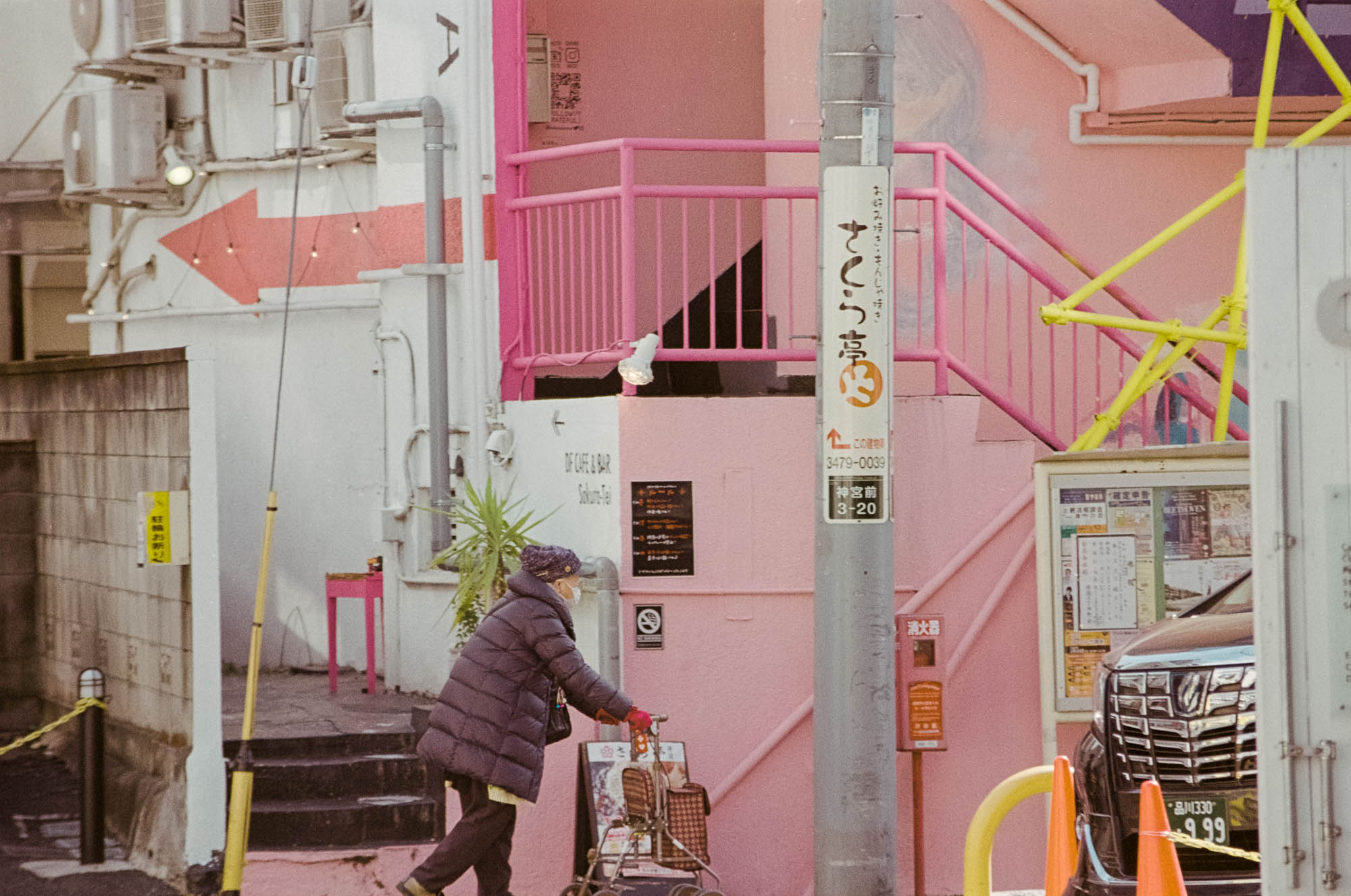
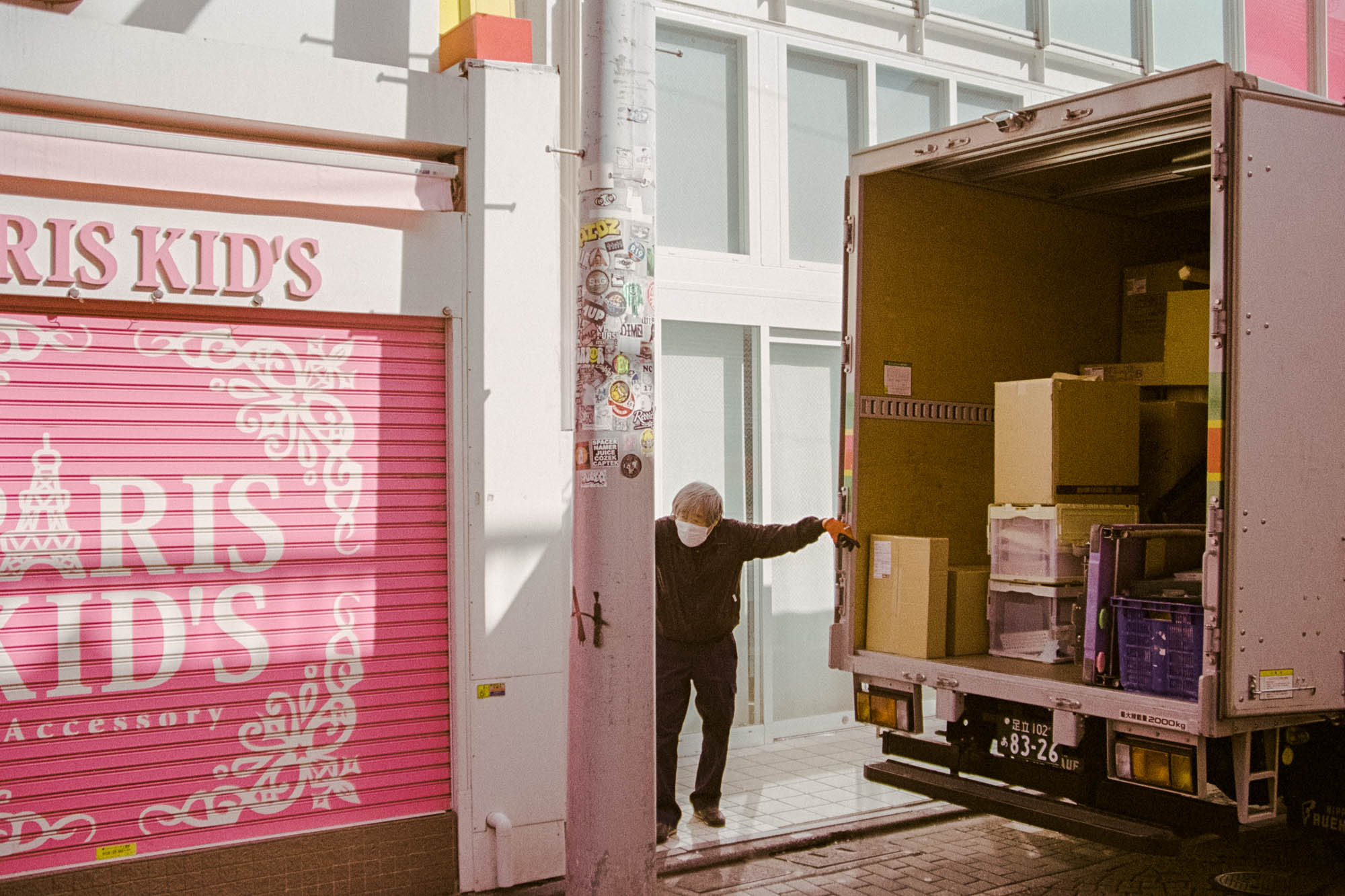
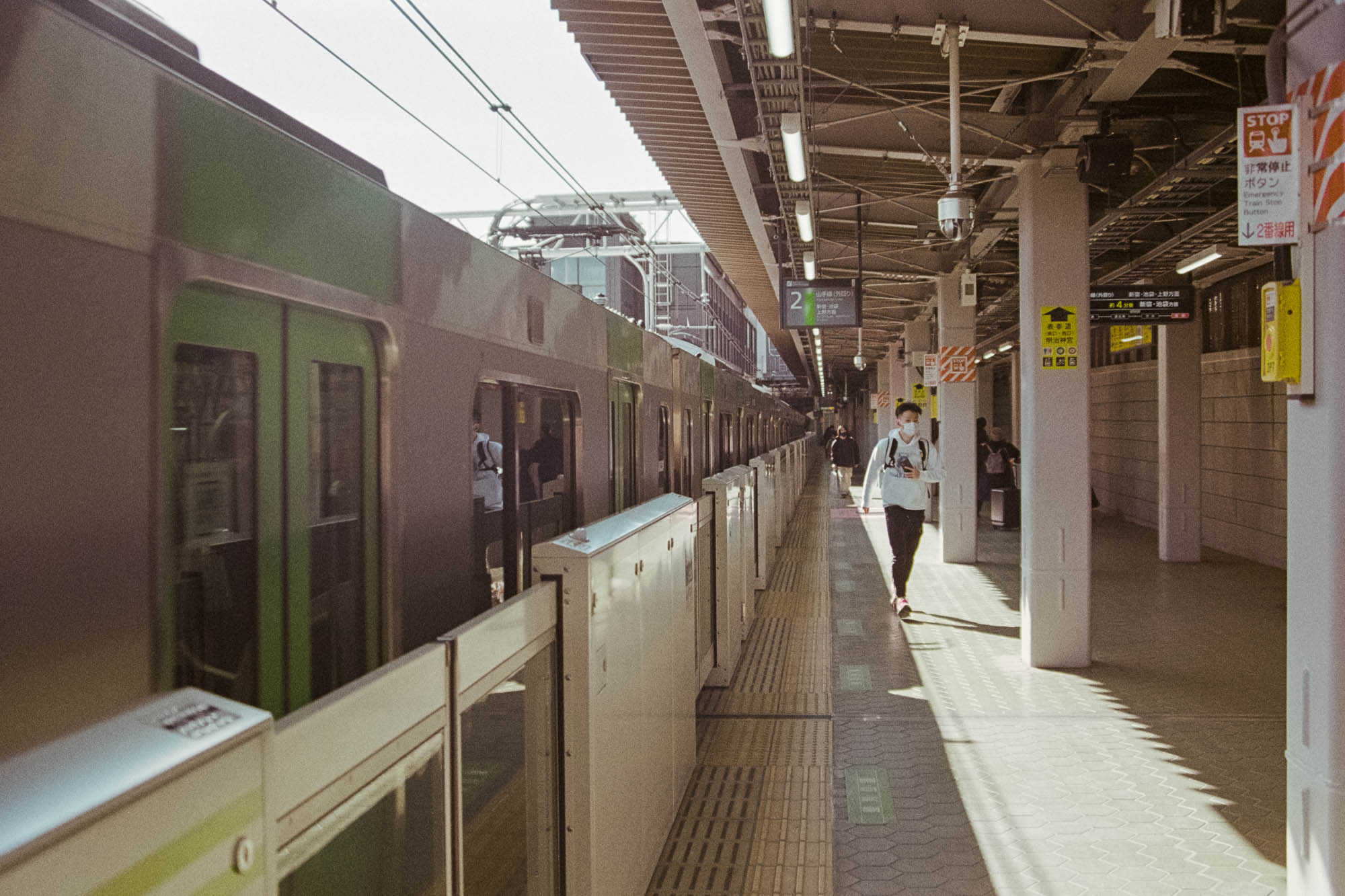
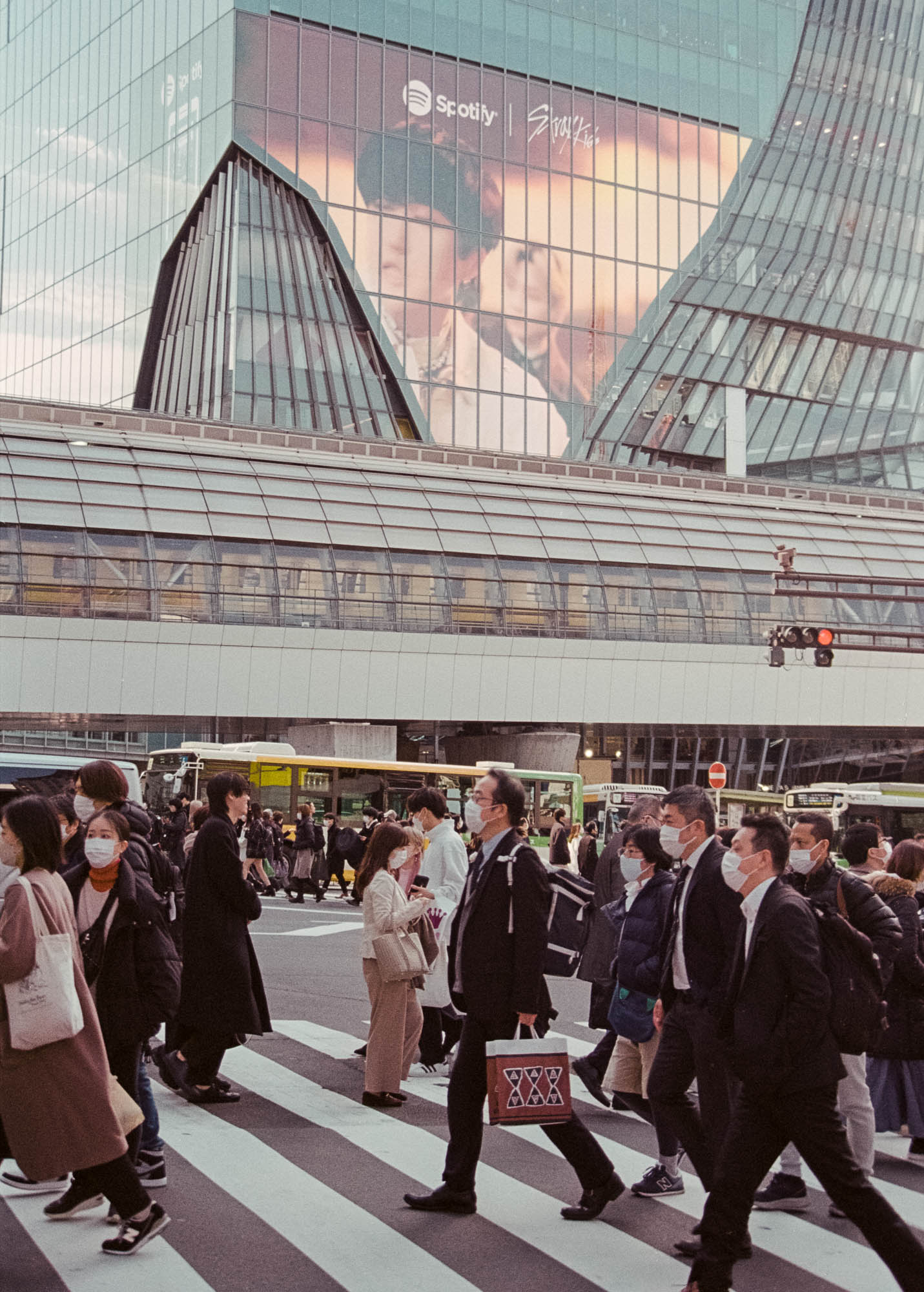
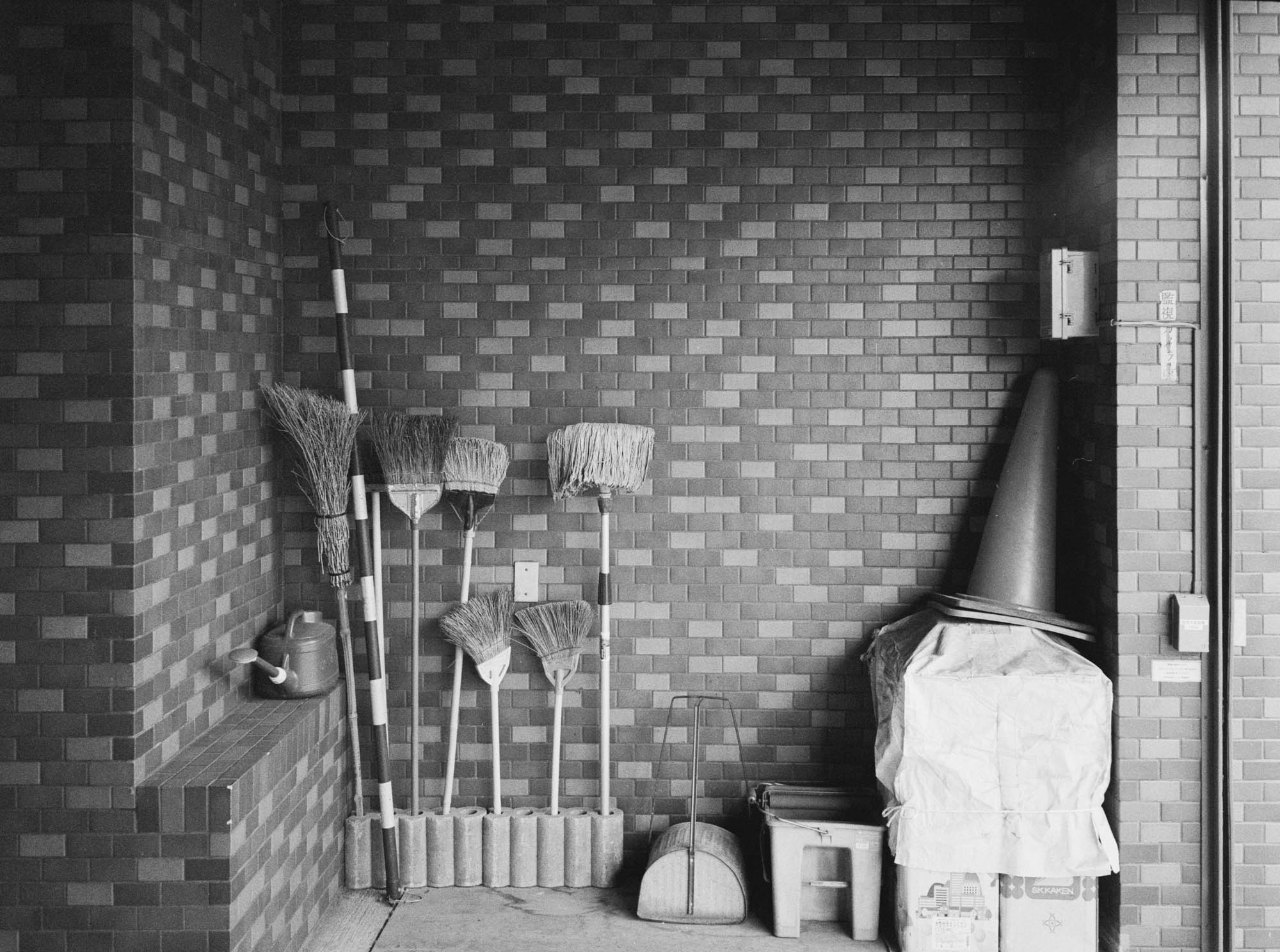
1950s Voiglander Perkeo 1 meets 21st Century Singapore

What is the Perkeo?

The word perkeo means pygmy and while probably neither of these terms are very politically correct, those were different times and I don’t think the pygmy hippopotamus is going to sue my YouTUBE channel for being sizist.

Still, it’s small, it’s cute, it unfolds and in that sense it’s a delight. This particular camera had been gathering dust for a while before being gifted to me by someone who’d been following my photography. I’ve had this for around six years now and I have used it well.

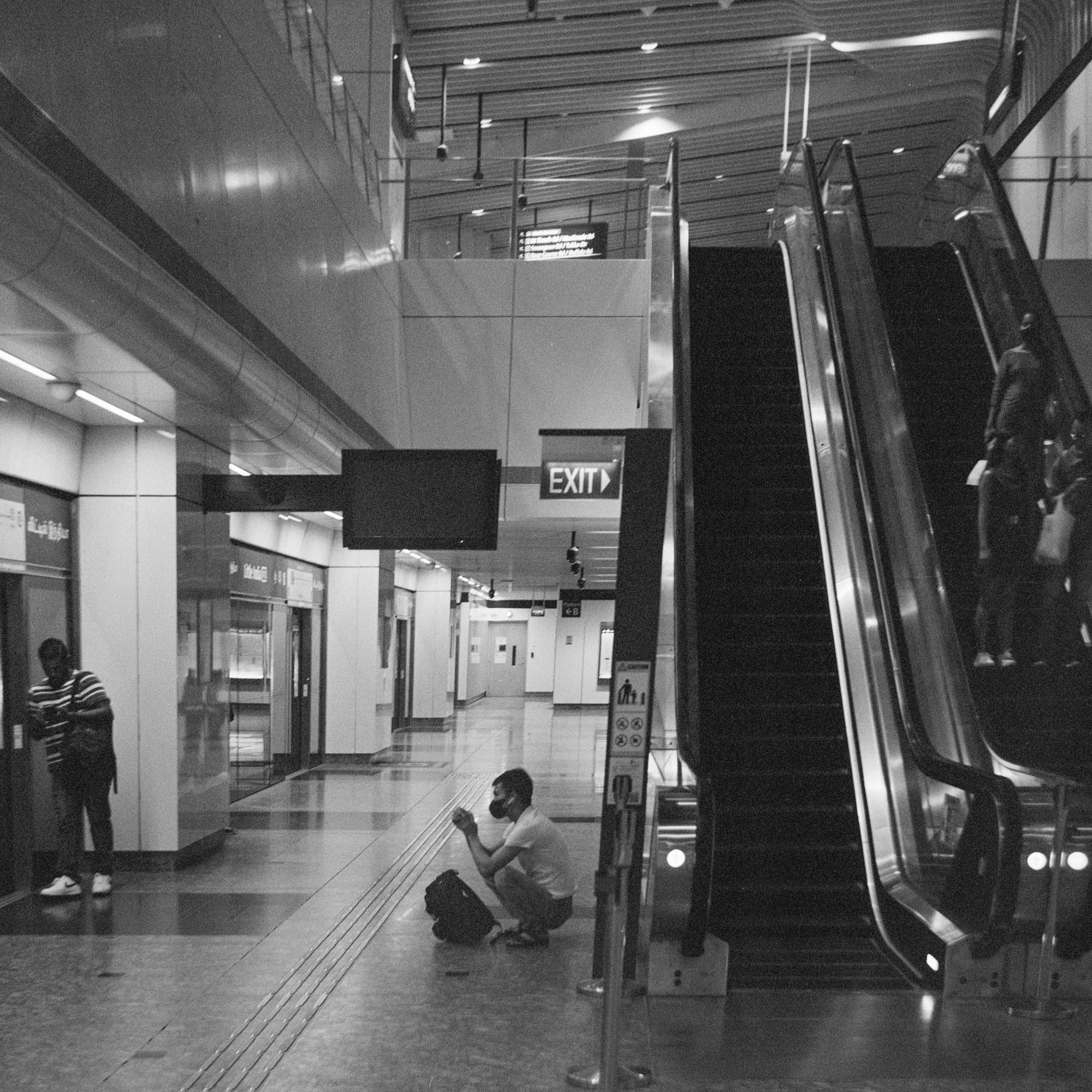
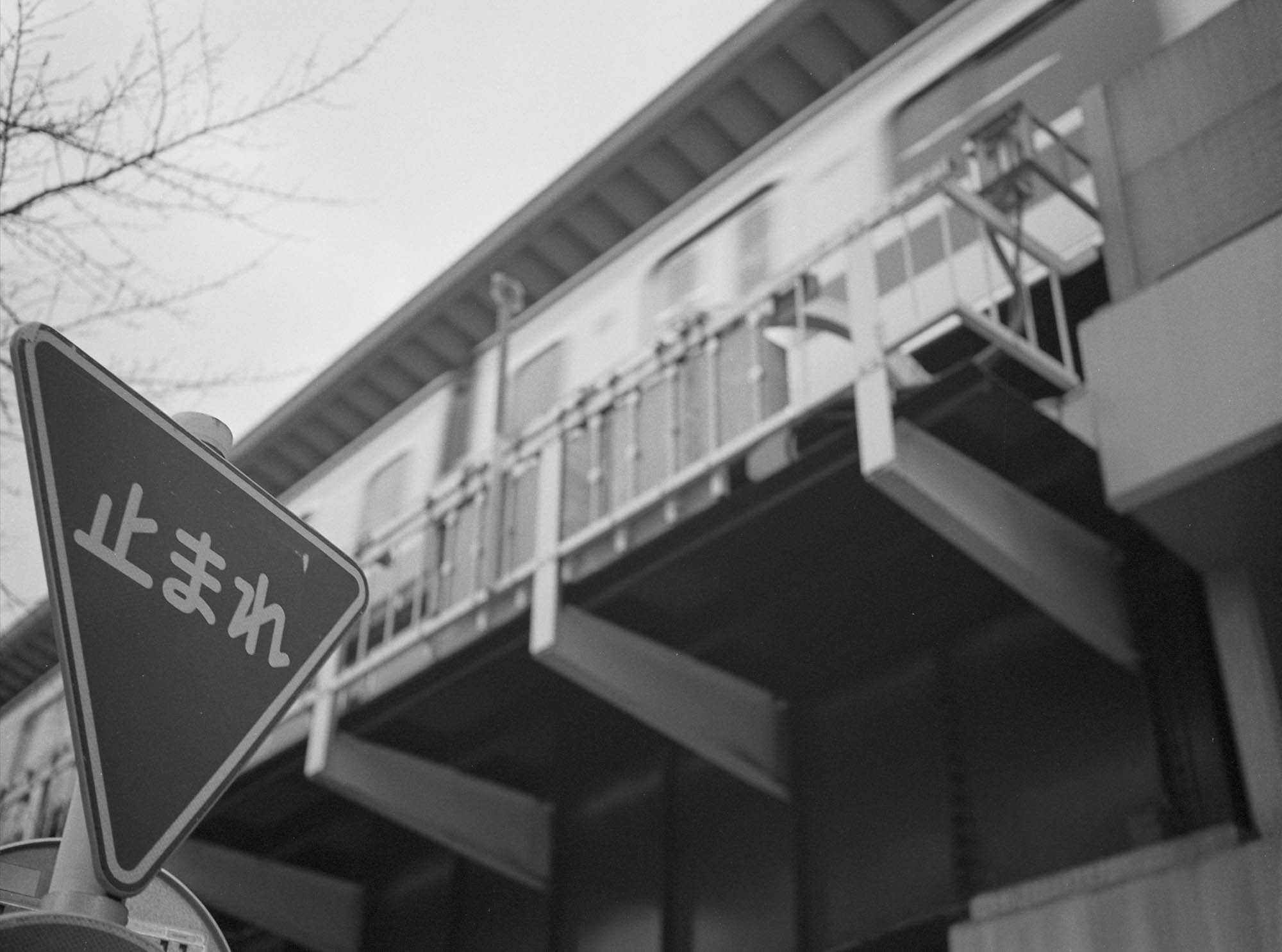
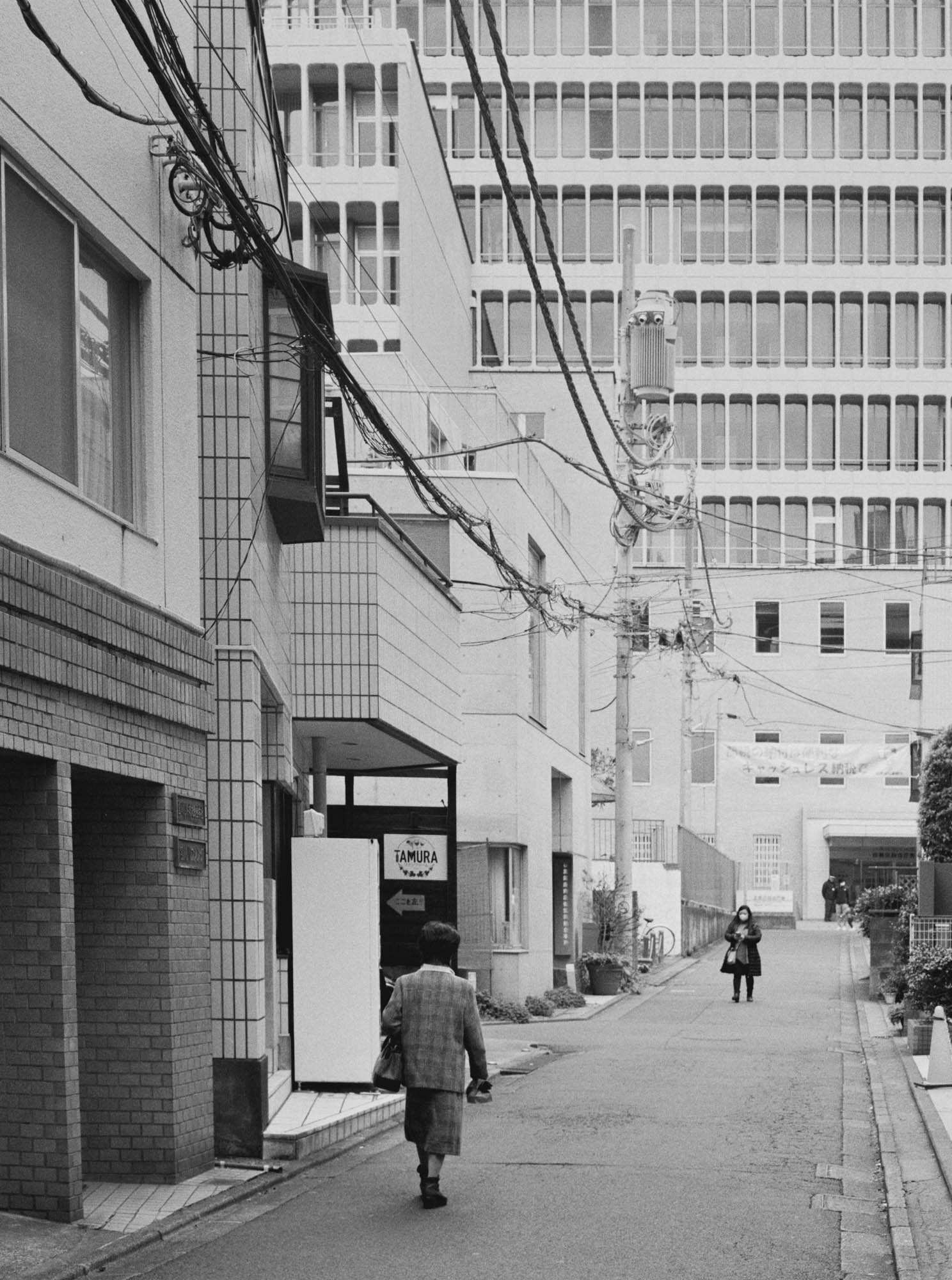
Most recently I found myself in Singapore for work and I had the option of either settling into another round of tiger beer with colleagues or taking the Perkeo with me for a brief walk from Bugis to Little India. I had two rolls of Ilford HP5 pushed to ISO 1600 and a fierce determination to find interesting subjects and pockets of light to illuminate them.

One of the cool things about Singapore is the different styles and cultures you can find in such a small area. It was just a short train ride from Promenade to Bugis Junction, where the stark modernity of Marina Bay gave way to a much more human and slightly chaotic street culture.

About the Camera

So what about the Voigtlander Perkeo 1? As the name suggests, this was the first version of the camera – it was superseded by the  Perkeo 2 and the Perkeo E. There were over 100,000 copies of the Perkeo 1 made and there were a few iterations. This particular version came with some tweaks to the original, such as the ability to close off the red frame advance window and a clever automatic locking mechanism to prevent double exposure.

So far that’s two rounds to Voigtlander against my human error but unfortunately it’s not a foolproof camera. It’s fiddly. Firstly, this is manual medium format camera. No surprises there. It dates back to the early 1950s when 120 film was the dominant format. So, larger roll film that can be a bit annoying to load in and out but you do end up with those gorgeous 6×6 square medium format negatives.

Capturing images on that film, though, can be a bit challenging. Most of the cool stuff sits on the lens. That’s because it has a leaf shutter built into it rather than a cloth or metal mechanism at the focal plane. The good side of that is that you have everything available right there and the flash can synchronise at every shutter speed. The bad side is that you find yourself having to make micro-adjustments with your fingernails for the shutter speed and aperture.

The shutter speed ranges from 1/250th to 1/25th of a second, or not very fast to not very slow, though it does have a bulb mode that you can use if you want to put it on a tripod. The aperture range goes from a not too small f/16 to a not very wide f/4.5.

I wouldn’t worry about the lack of wide aperture. One of the quirks of medium format is that because of the physical image size, for a given focal length you end up a with a commensurately narrower depth of field. That’s not just true of film. The sensor of your full-frame 35mm camera allows you to obtain that creamy bokeh in ways that your iPhone just can’t because of the miniscule chip inside it. Trust me, it’s all about physics. That or  phases of the moon working on the tides, which in turn are making a butterfly in China flap its wings.

In any case, f/1.8 would be impractical here. If it opened up wider than around f/3.5 then the focal plane would be perilously thin. And that’s made worse because you have no focusing aids in the camera. You have to rely on your ability to judge distance … in feet since this is basically a relic of the imperial system.

For a camera like this, f/4.5 is probably about as wide as you can go while still being able to make sure your point of focus will be sharp. So don’t worry about the lack of wide aperture.

And I do say that but of course I was shooting at night. And I soon found out that the further away from Bugis I got, the deader and darker the streets became. Fortunately I’m a brave boy and armed with another roll of Ilford HP5, I tried to squeeze a final few frames before heading home.
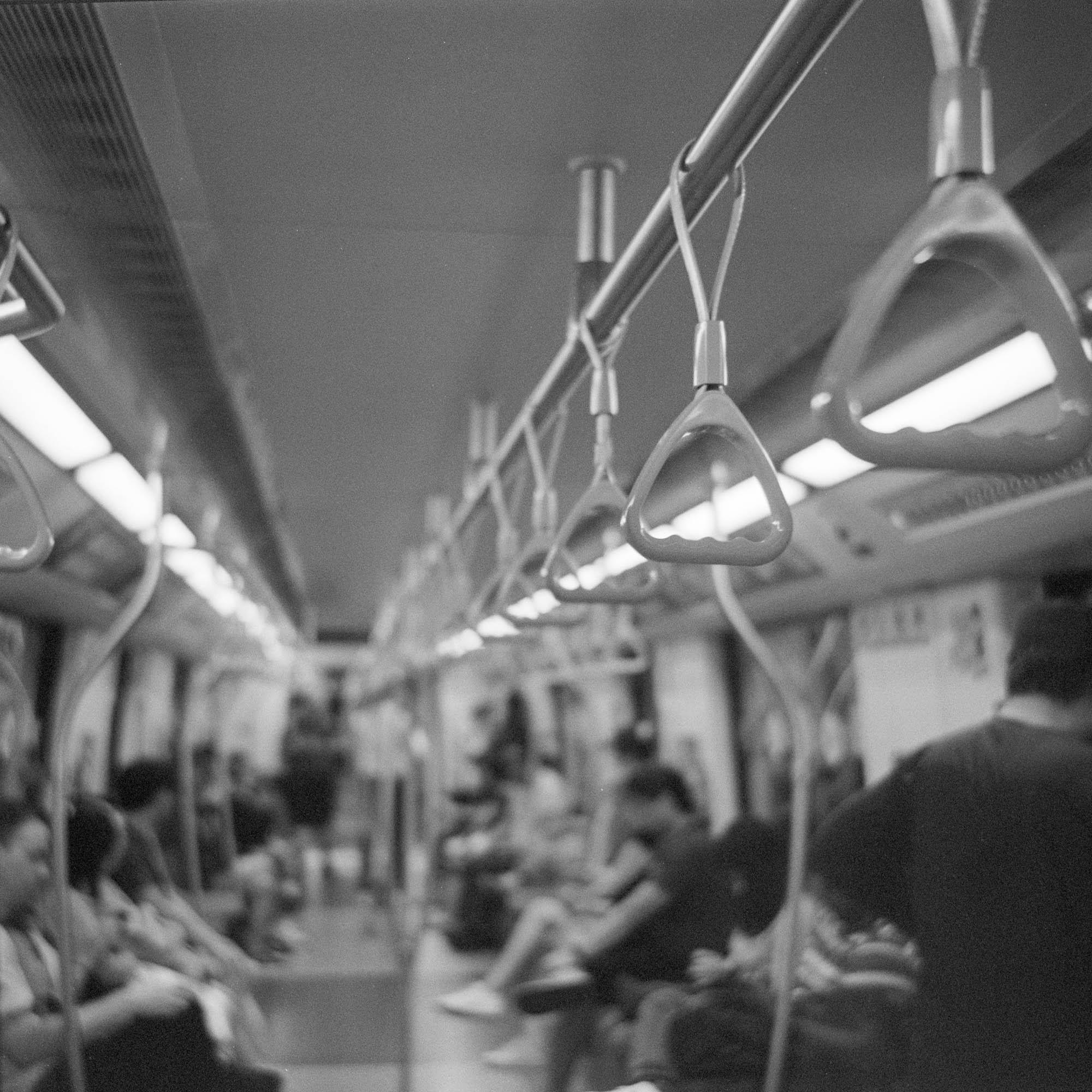
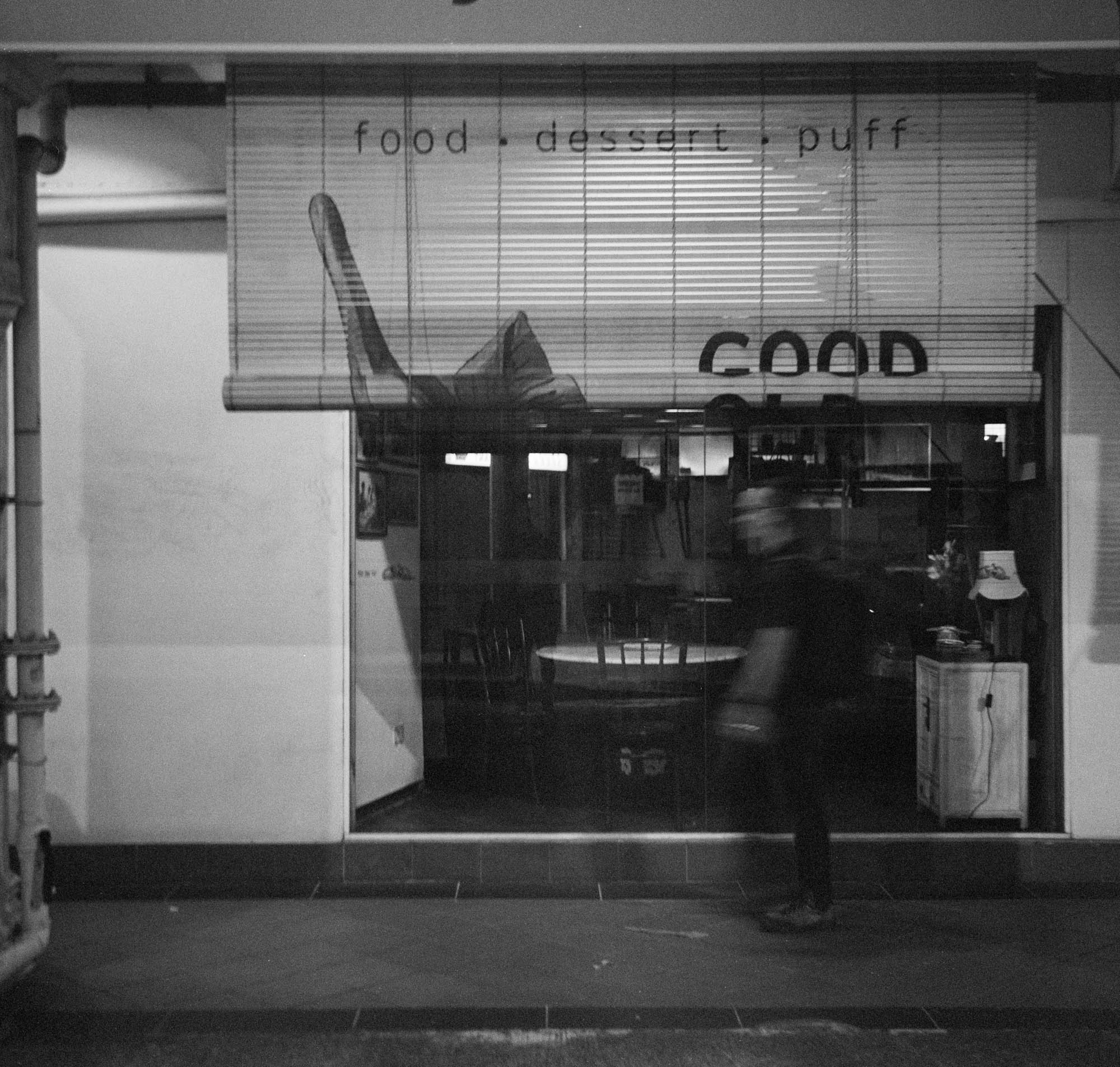
What about the Results?

As you can probably guess from those photos,  while I made my way to the Little India MRT, the opportunities thinned out just as the people did.

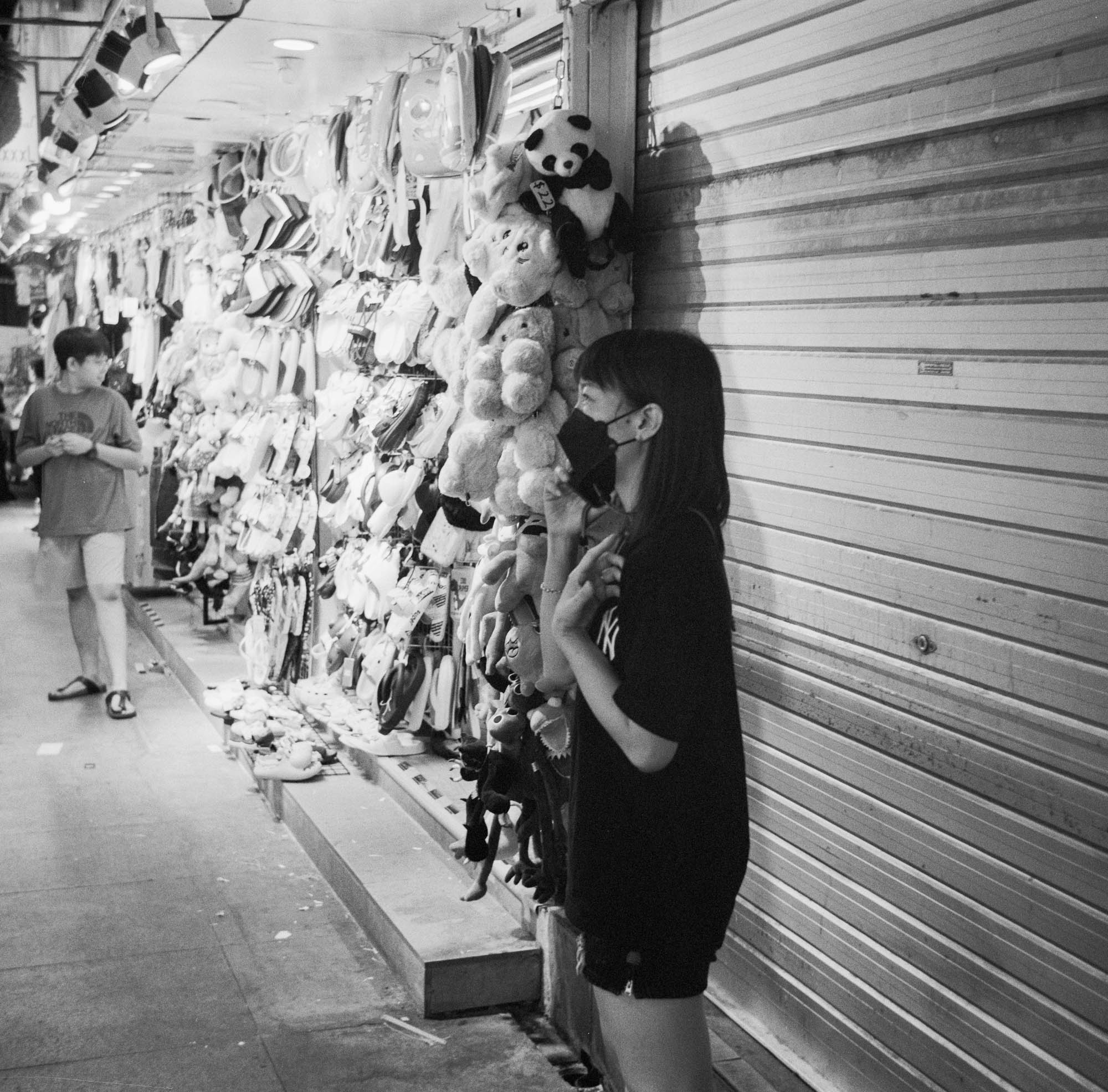
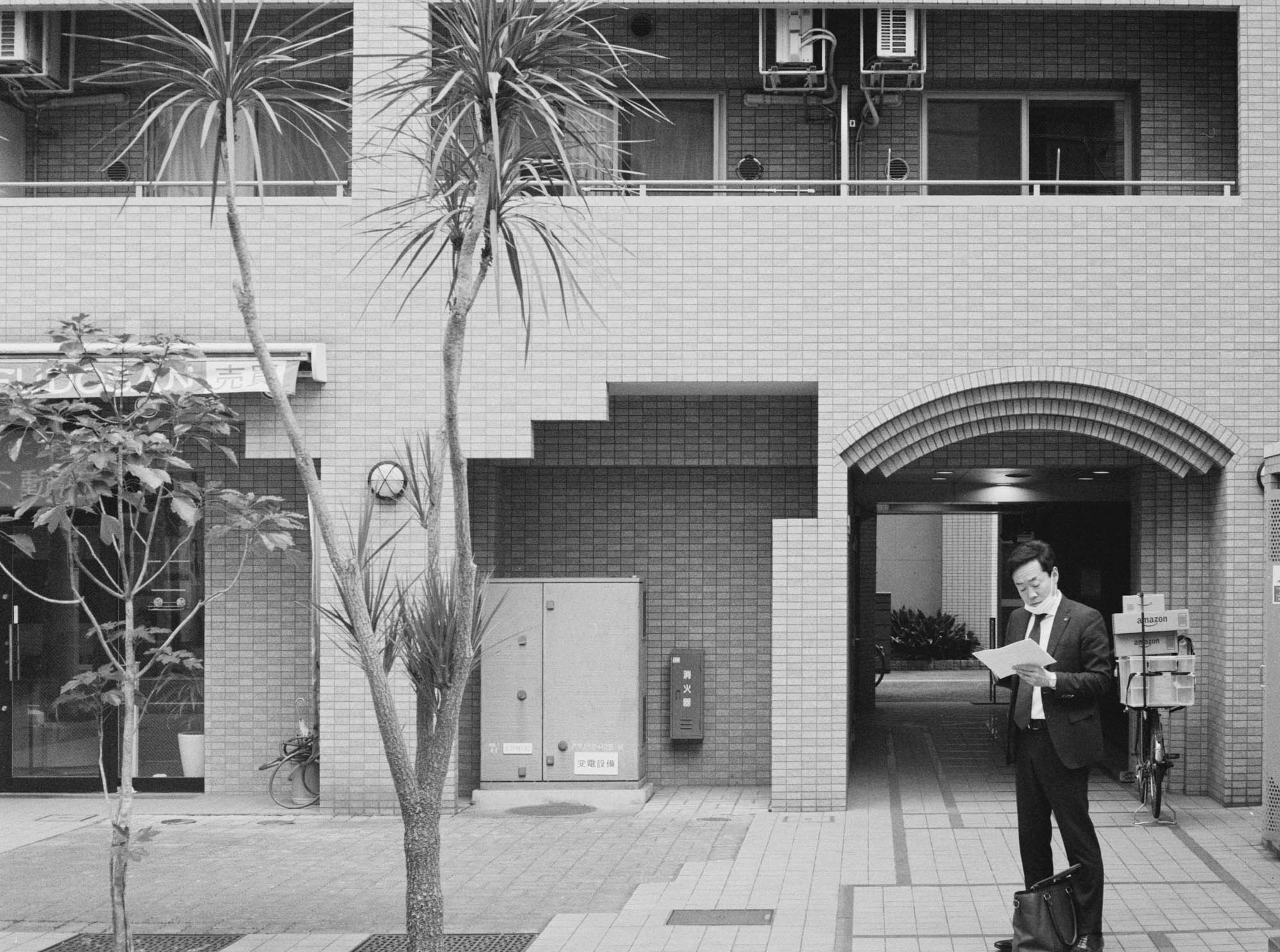
Overall I didn’t come away with lots of portfolio shots. I think the better shots were the ones that had people in them. I did hang around a couple of locations for people to walk by and in some cases, that took a long time.

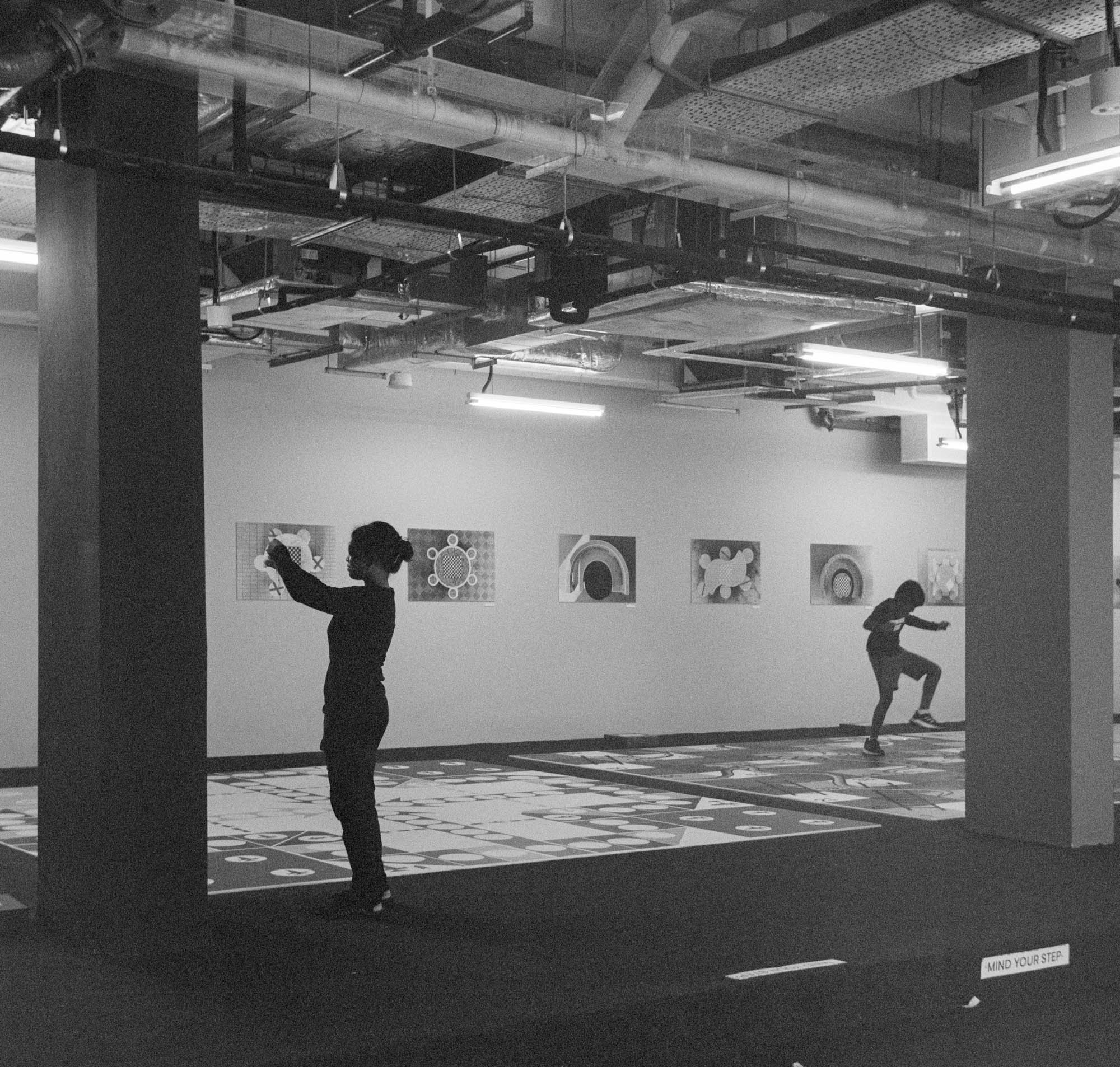
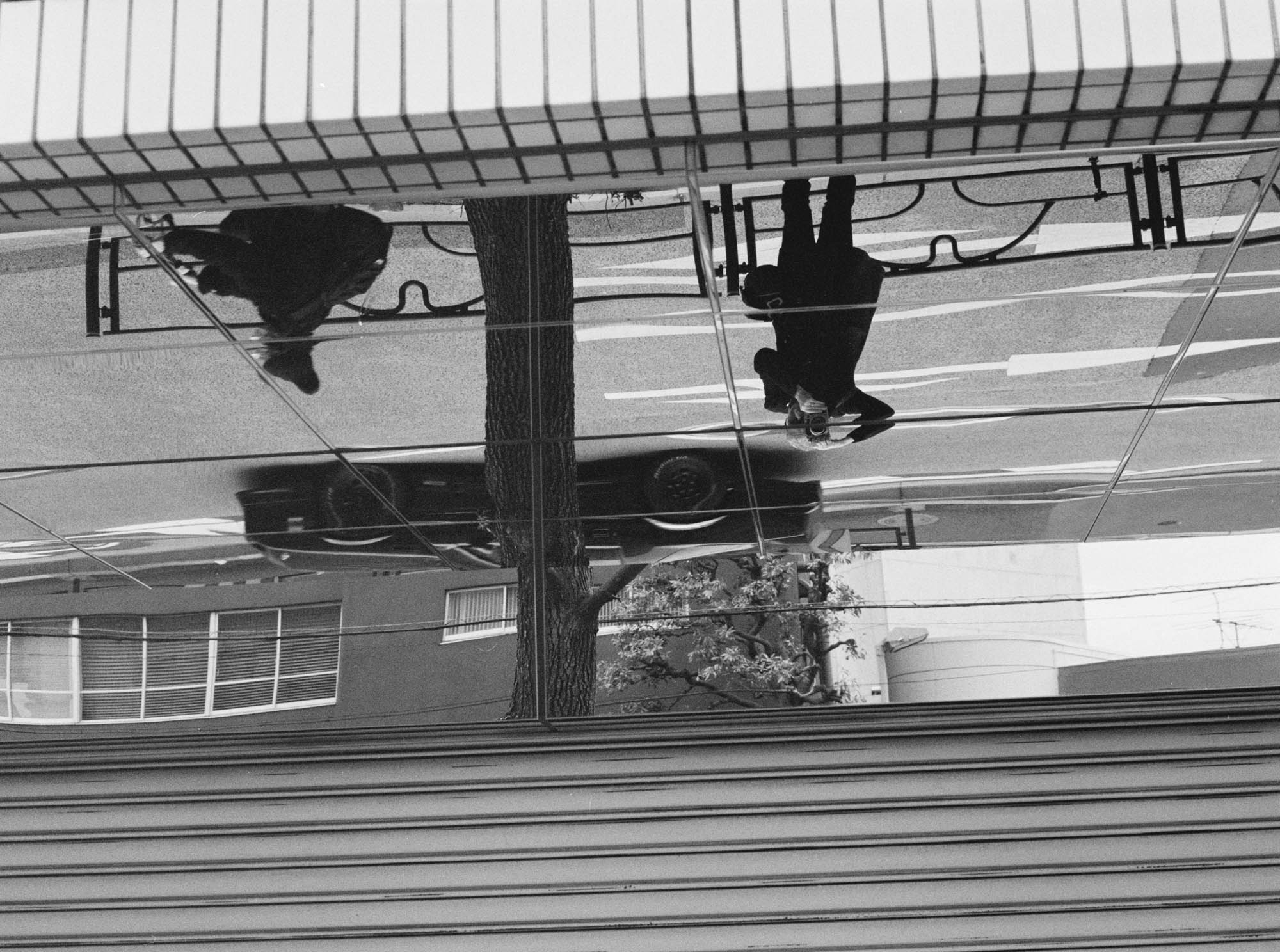
And I’m not very patient. So apologies that instead of a fascinating street character, you end up with some random dude carrying a plastic shopping bag. Though I did find the poses of the people inside the building intriguing, if a little baffling.

But none of these photos are going to get me into Magnum. It was possibly a combination of the weeknight evening and my desperation to cram some creativity into a busy work schedule that’s to blame. And while shooting film at night with a nearly 70 year old camera was always going to be a challenge, I can’t really blame the technology.

Why I love the Voigtlander Perkeo.

In decent light, the Perkeo didn’t let me down at all. It’s sharp where it needs to be but still gives a nice characterful low contrast look that mitigates some of the issues of shooting ISO 1600. The fact that it’s medium format means the grain isn’t so noticeable and of course you do get that 3d pop when you shoot something fairly close wide open.

It has travelled the world with me, from Vancouver to Dubai, Estonia to Hangzhou. In fact I dropped it on the ground in Amsterdam once, leaving lovely big dent in the lens cover. Seriously, I don’t deserve good things.

It’s small but substantial, weighing in at 525g and if you’re patient enough to use an external meter and are comfortable with the square format, it takes some great shots. Even if you’re like me and too lazy to use a tripod or meter for exposure you can get good pictures from it – you just have to accept that not every photo is going to be a keeper.

So have you used one of these? If not, then it’s definitely worth seeking one out. I have a couple of other folding cameras – an Agfa Isolette and an even older Voigtlander Bessa that produces amazing 6×9 negatives, but this is probably the sweet spot in terms of size, quality and yes, even ease of use.

Perhaps not the greatest low light camera in the world but a gem nonetheless.

Testing the Nikon Ai Zoom Nikkor 35-200mm f/3.5-4.5S on the Streets of Tokyo

It was late February (not the 30th) and I was in Tokyo and wanted to go out and take some street photos on film. The classic choice of lens for this kind of photography would be something small and moderately wide. Maybe jump on the Diane Ar Bus with a 35mm or the get my Cartier Bress on with a slightly narrower 50mm.

But I didn’t do that. Instead I picked a monstrous old manual metal and glass 35-200mm zoom lens. Today we’re going to explore why.

A Marvelous Lens…

Was it the logical choice for the street? Probably not. But why do I find myself using this more than just about any other manual focus lens I own? It’s an optical marvel.

Before you spit vehemently on the floor at the description of a manual superzoom lens as a marvel, you have to cast your mind back to those bleak days of the early 80s when the optical imaging world was disrupted by the introduction of zoom lenses. It was a tumultuous time for lens manufacturing. Autofocus was starting to get its clumsy foot in the door and zooms were becoming more commonplace. After all, who doesn’t want a lens that gives you great versatility and ease of use?

In 1982 the longest zoom that Nikon could offer was a 50-135mm f/3.5. In the subsequent years, this range extended to 35-105 and 35-135mm. So you could see how they were incrementally improving things over time.

This particular  lens was released in 1985 after what was by all accounts a long and tortuous process to design and refine it to achieve its 5.7x zoom range. That was the same year that Nikon released its first retail autofocus SLR the Nikon F-501. While the Nikon L35AF in 1983 had shown the potential of autofocus in compact cameras, it wasn’t  mainstream at that point and the 501 was released at the same time as the manual focus F-301 which was probably more popular.

No autofocus but a very large zoom range. And In that context, when this lens was released, it was probably already a little out of date, while still being overly ambitious at the same time.

… But a Compromise

The result is a compromise but isn’t everything in life a compromise? You’re always going to struggle fitting your baby bassinet in your Bugatti Veron and if you’ve ever actually owned a pocketknife you’ll understand the limits of your corkscrew and scissors. Of course, that tool for getting the stones out of horse’s hooves is 100% fit for purpose even if that’s a purpose you’ll never need.

While the zoom range is great, it doesn’t go wider than 35mm.

The maximum aperture is 3.5 at the wide end and it’s variable to 4.5 at the long end. So not the worst but it’s not very fast.

It CAN focus as close as 0.27m or 0.86ft, giving a decent if not quite macro 1:4 life size reproduction. Annoyingly, that’s only at the 35mm end, accessible by a ring that increases the distance from the focal plane. Effectively a built in extension tube. It would be nice to have had it at the longer end to give you more working distance.

It does have amazing build quality. Really amazing. You could bludgeon your baby with it and given you might need to, to actually squeeze him into your Bugatti, that’s a selling point in itself. In any case, if you dropped it on your toes you’d be much more worried about your toes than the lens.

It weighs 740g or 1.63lbs for you imperials and that’s heavy but it is surprisingly compact. It has a 62mm filter thread which is actually quite small and probably smaller than most modern superzooms.

Compare it to Nikon’s modern 24-200mm Z lens and it still holds its own when you think that it’s nearly 40 years later. Well ok, it might teeter a bit.

While it is reasonably balances on my Nikon FE it’s not exactly discreet. The push-pull zoom itself is a compromise. I do have a couple of these style lenses and once you’ve had practice, it’s actually possible to zoom and focus in one action but this lens is bigger and much stiffer and more clumsy.

But it is what it is and I guess that’s going to be the theme of this review. But if it is what it is, then what is it? With all these compromises, is it good enough? To find out, I took the camera on a walk from Harajuku to Shibuya on a cold February day in Tokyo

From Harajuku…

It Is What It Is

Is this the swiss army knife of lenses or am I expecting too much? You can’t open a bottle of wine with it OR get the stones out of horses’ hooves. But can you take good pictures?

Earlier, I called this an optical marvel. There is a lot of lens crammed in here. Realistically, the marvel is that they managed to create it and it not be totally horrible. With 17 elements in 13 groups all working together to minimise aberration and field curvature at the various zoom lengths, it should have the light transmission qualities of a lump of coal.

But somehow light manages to reach the film plane and while this isn’t a 50mm f/1.2 Z lens, that lens can’t shoot 35 mm or 85mm or 135mm or 200mm. You get the idea.

It does distort but that’s very fixable and I have and no problems bending those lines back to right angles in post. F/3.5 is slow but you could see, on a winter’s day, it was still quite usable with 200 ISO Kodak Colorplus. The corners are soft wide open and diffraction creeps in by f/11 but at it’s rare that I’m going to want to shoot f/22 anyway.

I call it a Marvel and if there’s a downside to that, using it is the creative equivalent of watching a Marvel movie. You get a bit of comedy, romance, fantasy and action, and that’s even before I’ve taken the photo, just with trying to compose, zoom and focus with it is a drama. It’s not a shoot from the hip Arthouse experience though you could probably push a roll of HP5 in there if you want that black and white Zac Snyder aesthetic.

Perhaps my biggest complaint is that it is a bit like Captain Marvel. Overpowered but leaden and dull as a result, and I guess it ends up being a bit unsatisfying because it never quite lives up to its own ambition.

… to Shibuya

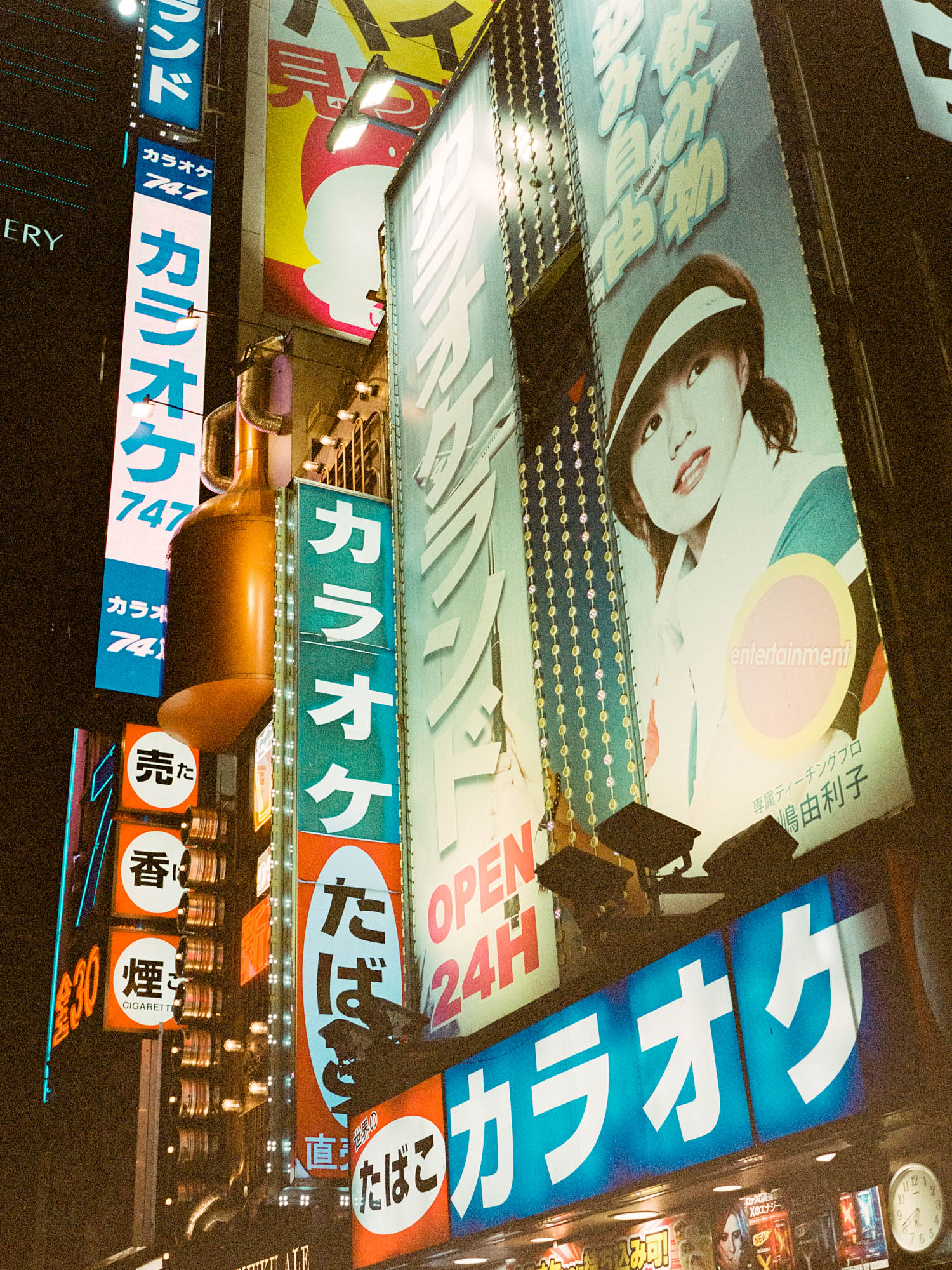
You can see that the best photos are the ones where I’ve had time to think through a composition to take in a street scene, capture close-up detail, or narrow the frame to point out details or find angles in the architecture. The strength of this lens is it’s versatility not it’s sharpness.
Great for the Price

In doing some research on this lens from people who actually know what they’re talking about, I found Nikon’s own review in which the words ‘relatively’ and ‘satisfactory’ both appear 6 times. That probably tells you something; and that’s coming from Nikon’s own PR machine.

It was never Nikon’s most successful lens but that might be because this hefty lens came with a hefty price-tag. As of 1996 this was still selling for US$1,290 and while it’s long discontinued now, that’s a testament to the engineering that went into it and the fact that there weren’t any great alternatives. As early as 1983 Tamron did have a 35-210mm lens available but from everything I’ve read, if that one’s a Marvel, it’s much more Carol Danvers than Nick Fury. For 15% of the original asking price you can now pick up an excellent quality copy and leave it on your camera. So why even bother to slum it in the 3rd party ghetto.

Ultimately, I’ve never heard anyone complain about the image quality. People don’t look at my photos and say, ‘oh, did you use a Nikon AI Zoom Nikkor 35-200mm f/3.5-4.5S’. They might say, ‘did you really take a photo of that.’ But that one’s on me, not the lens.

To me it’s sharp enough and when I look through my Lightroom catalogue it’s probably my most used lens. The reason for that may well be because I lack any sense of aesthetic intent as a photographer. I’m not getting up before sunrise to capture that perfect 20mm landscape, or using it exclusively for shallow depth of field portraits or sports photography.

This is the lens that I put on when I’m indecisive or feeling lazy. It’s a great travel lens and it’s also the one that I’ll stick on my camera when I’m just out walking the dog or don’t have any sense of what photographic opportunities might be out there. For me, that’s most of the time.

But let me know your thoughts. What’s your most versatile lens? Would you use a bloated beast like this or do you prefer to just take a wide prime locked to f/8 and zone focusing to capture the decisive moment?

Three Rolls of Film with the Fuji GA645Zi in Tokyo Japan

The Fuji GA645Zi is my favourite and least liked camera. I call him Harvey after Harvey Weinstein. Big, ugly and powerful, promising you the world but more likely to leave you traumatised with your creative ambitions in tatters. This article will explain why.

You have to hand it to Fujifilm for bucking trends. Throughout the last decades of the film era, while Canon and Nikon were squeezing the last juice out of the 35mm SLR industry, companies like Fuji and Mamiya knew that the value of film lay in the quality and dynamic range of the medium and continued to innovate with larger format offerings that gave great quality while minimising the size. These days everyone lusts after the Mamiya 7 series of medium format rangefinders and this little device is a little neglected but in the 90s Fujifilm had a complete range of medium format cameras.

It’s 90s pedigree is unmistakable. Think boy bands, roller blading and the Rachel haircut. The same design sensibility carries through with its ‘champagne’ coloured plastic. You saw it on your Dad’s Honda Accord and you see it here… sleek and spangly, promising opulance like a knock off burberry handbag.

In the end, this is never going to win a camera beauty contest in the same way that a sumo wrestler isn’t going to be crowned Miss Universe. Its size alone makes this look gauche and clumsy. But as I keep protesting, looks aren’t everything. How does it perform?

Roll One

For the first roll, I shot Ilford Pan F Plus 50, which is a wonderful sharp film but in the dark wintry streets of Nakameguro perhaps was not the best idea.

You can probably tell that it has a sharp lens. With ten elements in ten groups, it has quite a complex design but with two limitations. Firstly, it’s has a measly 1.6x zoom range of 55-90mm. That makes it equivalent to 34-56mm in 35mm terms or ‘not very wide to not very long’ in human vernacular, and it moves in four steps rather than allowing you to zoom seamlessly.

Secondly, it struggles with a slow maximum aperture of F/4.5-6.9 through the zoom range. So Ilford Pan F 50 is probably not the best choice. Ultimately, it’s a point and shoot with all of the trade-offs that come with it.

It takes a while to start up and is not particularly responsive. It certainly gives you more control than a regular point and shoot, though, having two aperture priority modes, with the AS maintaining normal metered exposure so you can use flash for fill light rather than as a replacement for light. You can also shoot manual with it, though that’s an awkward process and I tend not to. Most of the time I leave it on Program mode, which is basically automatic but with the advantage of still requiring you to manually pop-up the flash. That works for me because of my biggest frustrations of most 35mm point-and-shoots is their tendency to default to autoflash when you turn them on.

It has autofocus too, obviously, and for the most part it works well. Again, it’s just like a regular point-and-shoot, where you focus on the centre of the frame with a half press and then recompose before releasing the shutter. It’s not fool proof, at least not for a fool like me. It misses focus occasionally. It does have one great feature, though, in that it let’s you know the general distance in the viewfinder before you take the shot. That gives you the chance to check beforehand and the fact that I find myself looking at it most of the time is probably a good indication that you need to be careful. It is still a step up from a regular point and shoot where you never know how it’s going to come out. It can also manually focus, which is kind of pointless here, since there’s no feedback to tell you whether you’re subject is sharp or not. You have to guess the distance and it’s so slow as not be not worth it most of the time. The only time I really see myself using this is if I want to shoot a set distance and I can’t move the camera because it’s on a tripod, or if I have to focus on infinity through glass and am worried about reflections tricking the focus.

So it is an awkward creature in many respects. Both frustratingly automatic and irritatingly quirky. Being a viewfinder camera, I have shot more than a few frames with the lens cap on. It actually does have a lens cap sensor that you can turn on that I didn’t even know that until I started to digging through the manual for the camera specs  for this video. You have to push up the zoom lever and turn the camera mode dial to the ISO setting. Not very intuitive. You can also turn the beep on by using the ISO setting with self timer but I just leave it off . And I promise you, I’ll completely forget how to change these settings after having published this.

Another quirky feature of this camera is the vertical viewfinder. Being 6×4.5, it’s pretty much a half frame camera, fitting two portrait images in a 6×9 frame. The best thing about this design, honestly, is the grip and the shutter button. The camera feels good in your hand, despite its size and I found my finger naturally fell on the button, even if I had to rotate it to do a normal landscape photo.

And you can use this camera quite well one-handed but it is fiddly. I did drop this in the centre of Shibuya several years ago but that was more because I was relying on a generic wrist strap purchased on ebay that broke on me than a problem with the grip. It survived well but learn from my mistakes here, kids, do not attach a flimsy Aliexpress wrist strap to your Leica M11.

So Harvey is something of a clumsy leviathan of a point and shoot and that’s not something you typically want with you when you’re out on the street. In dim light with slow film you’re battling with the exposure triangle, particularly  at the modest 55mm equivalent long end with its f/6.9 maximum aperture.

But what if we change film and actually give it a fighting chance? Can I do proper street photography with it?

Roll Two

The second roll was more successful and no prizes for guessing that HP5 at 1600 is my preferred combination for this kind of photography. Being medium format, even when pushed two stops, the grain is small and refined and black and white streets lend themselves to a bit of grit anyway.

There are those that would argue that 6×4.5 isn’t true medium format. But a 6×4.5 is still 2.6 times the frame size of 35mm so that’s more than two and a half times the megapixels in today’s currency.

You still have room to crop but I find I’m less likely to do that than with my square frame medium format cameras. Here you have a 4×3 ratio that is exactly the same as my micro four thirds camera, and much more flexible than a square format. If you crop a 6×6 frame for horizontal or portrait orientation you lose the benefits of the larger real estate anyway. You could certainly go bigger but if you were 6×9 you’d need a bigger camera with a bigger lens and you would only get 8 frames. I do have a 6×9 camera but don’t use it as often just because of cost of consumables. Film has gone up in price and while we all have to make sacrifices to fund our hobbies my wife told me that apparently my kids still need at least one functioning kidney each to survive.

So this can be more economical on film but you do miss out on a little bit on that medium format ‘look’, where even with a moderate aperture and focal length you can throw out the background to get that soft blur and 3d pop. The out-of-focus areas are actually quite dreamy with this lens but with all of the compromises of the smaller frame and slow lens, combined with the focusing distance of 1m, you are limited to shooting people no closer than waist high, which doesn’t often make for a dramatic portrait, even though it could be a great tool for corporate head shots.

But if you want a studio camera, get a Hasselblad or Mamiya RZ. This a point and shoot. A point and shoot with one huge difference. It’s sharp. The lens resolves detail with surgical precision that can beat any 35mm camera and lens combination. With this in your hand, you’re really carrying with an analogue powerhouse.

Roll Three

I was not done yet. I had one final roll of film to go. Now for some Tokyo night photography, this time using Kodak Portra 800 Colour Negative film.

I was surprised how well I was able to shoot at night. I love 800 speed colour film, though most of the time, its cost puts me off using it. Perhaps it would not have fared so well in the darker corners of Tokyo but in the bright lights of Shinjuku, I was still able to do hand-held street photography quite comfortably.

Recommendations

As I said, at the beginning, I am ambivalent about this camera. I find the shooting experience to be the same as shooting with a regular point-and-shoot. The small viewfinder, slow response, lack of feedback and overall plasticky feel of the camera body gives me a sense of remoteness from the experience and to use a well worn cliché using it doesn’t ‘spark joy’ the way some of my other old cameras do.

And yet, I find myself using it more than any other medium format camera I own. While not exactly pocketable, it is compact, convenient, and once you get to know its quirks, using it as an auto-everything photo maker can be quite liberating. This has been with me around the world since I first got it in 2015 and I’ve taken some great shots with it.  The good thing about it being so ugly is I never feel that I’m going to get mugged while I carry it through some of the sketchier parts of town. Straight after the safe streets of Tokyo, I took it through the chaos of the Pettah region of Colombo and it drew only the occasional glance of confusion or mild disdain. And I’m used to that.

That doesn’t mean I’m relaxed about Harvey, though. Everything’s electronic and I suspect I’m living on borrowed time. Like a lot of automatic zoom cameras of the era, many of the parts are fragile and there are lots of stories about ribbon circuits in particular flexing and breaking after long-term use. That will kill the zoom mechanism eventually and one of the known problems with this is the cable that connects through the back of the camera to the LCD makes it difficult to read the frame counter when it wears out.

The fact that there you can buy new generic replacement ribbon cable parts for this camera is probably the best indication that it’s a ticking time bomb. Even if you can source the parts, though you will have a hard time getting it fixed. I bought this camera for AU$650 eight years ago but now the price has jumped up so much that I’d hesitate to replace it if it broke.

Would I recommend it to others? In some situations, yes, and in others no. As I wrote, I’m ambivalent. And you know the old joke about ambivalence. What’s the difference between ignorance, apathy, and ambivalence? I don’t know and I don’t care one way or the other.

That’s not true about this camera. Whether I’d suggest this camera to others, is not a straight yes or no. This is a camera that has some limitations and requires you to get to know it to use it properly. But once you do you can be stunned by the results and it inspires anything other than apathy. Just carrying it labels you as a 90s icon, it’s champagne accents perfectly complementing the frosted tips of your bleached blond hair as you cut a swathe through the crowd at that Fresh Prince concert to capture those classic hip hop poses on celluloid.

I know that I for one can’t help but get a little bit jiggy with it when I try to squeeze it into the pockets of my cargo pants while I’m out on the streets of Tokyo.