
One Yashica 635 Twin Lens Reflex Camera, One Roll of Kodak Gold 200 Film, and One Clumsy Photographer. The stage is set for a comedy of errors. Picture it: a sunny day, a camera in hand, and me, the clumsy protagonist, eager to capture the world through the lens of my trusty Yashica 635. Little did I know, a series of misadventures awaited.
Now, let me preface this tale by admitting my limited experience with this particular camera. While I’ve owned it for some time, our relationship has been more acquaintanceship than intimacy. And let me tell you, befriending a TLR (Twin Lens Reflex) camera is akin to navigating a labyrinth blindfolded. The handling is unlike anything I’ve encountered before—akin to trying to juggle flaming torches while riding a unicycle. If that sounds like an excuse, well, it probably is. But hey, let’s laugh at my foibles together, because trust me, if you haven’t wrestled with a TLR, you’re bound to stumble along the way too.
The journey begins innocently enough, the sun setting as I embark on my photographic escapade. Two shots down, and all seems well. But with the encroaching darkness, I failed to anticipate my utter ineptitude with this camera in low light conditions.
Armed with a tripod but sans tripod mount, I stumble through the dusk, it’s a scene straight out of a slapstick comedy—minus the laugh track. As I fumbled through the darkness I realised there’s a lesson to be learned amidst the chaos. Or at least that’s what I tell myself to salvage a shred of dignity from this debacle.

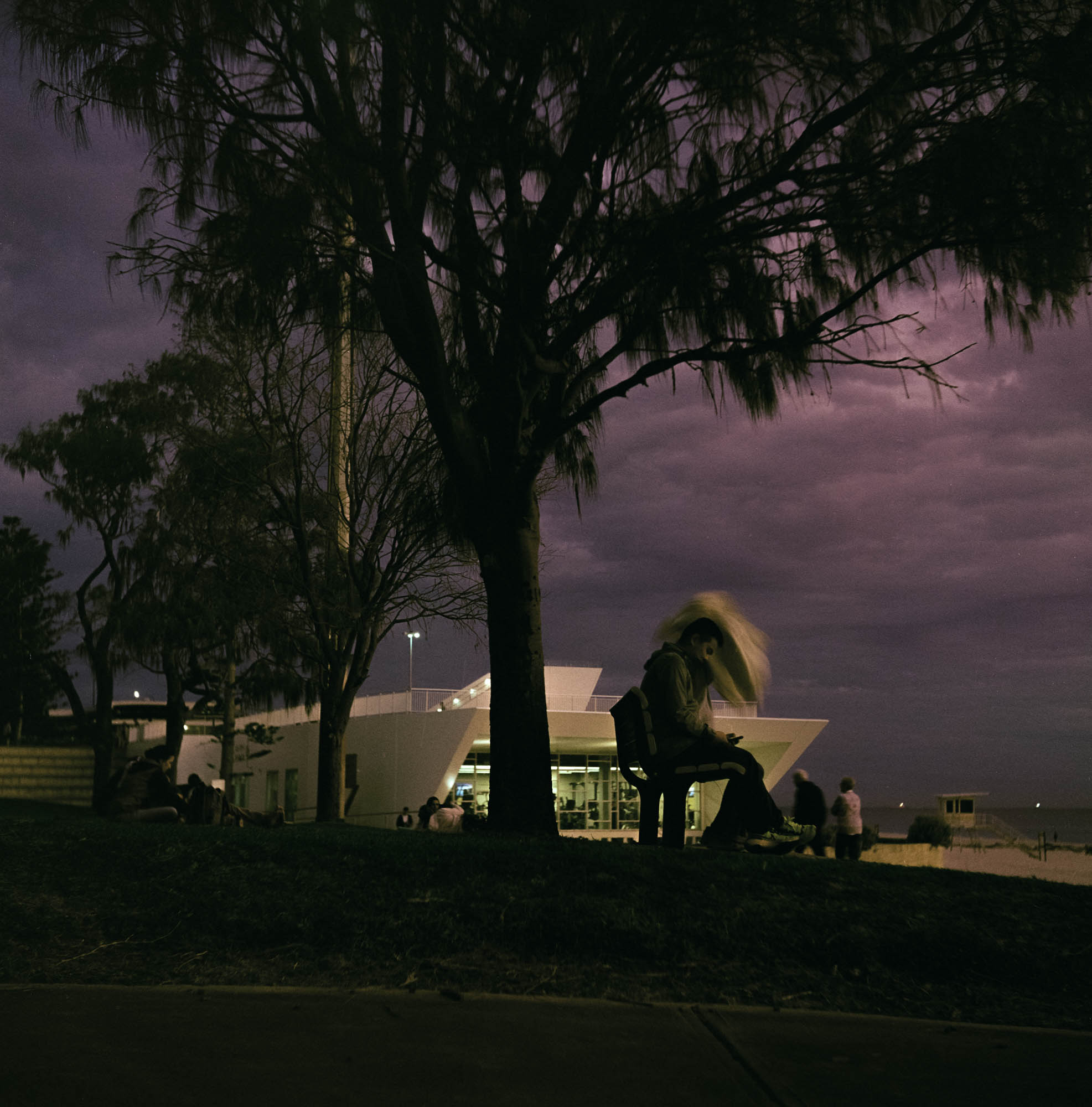
The Yashica 635
Now, let’s talk about the star of the show: the Yashica 635. Picture it as the middle child between the illustrious Rolleiflex and the humble Lubitel or Seagull. It may not boast the prestige of its elder siblings, but it holds its own in the quirky world of TLRs.
Dating back to 1958, this camera boasts a unique feature: the ability to shoot 35mm film with the help of an adapter—a rare gem for collectors, indeed. But beyond its novelty, the 635 operates like most TLRs, with its dual lenses and intricate mechanics.
Ah, but here’s where the fun begins—or rather, the frustration. You see, unlike modern SLRs with their handy prisms, TLRs present a topsy-turvy world. What you see through the viewfinder is but a mirror image of reality, leading to a dizzying dance of lefts and rights as I strive to frame the perfect shot.
But fear not, for science offers solace in the form of habituation. Yes, dear viewer, with time and practice, even the most topsy-turvy of worlds becomes familiar terrain. Just ask any psychology student who’s endured the “upside-down goggles” experiment—though I suspect their misadventures pale in comparison to mine.
Undeterred by my initial failures, I venture forth once more, this time bathed in the forgiving light of day. And lo and behold, progress! Though not without its hiccups, my second outing with the Yashica yields glimpses of its true character—quirks and all.
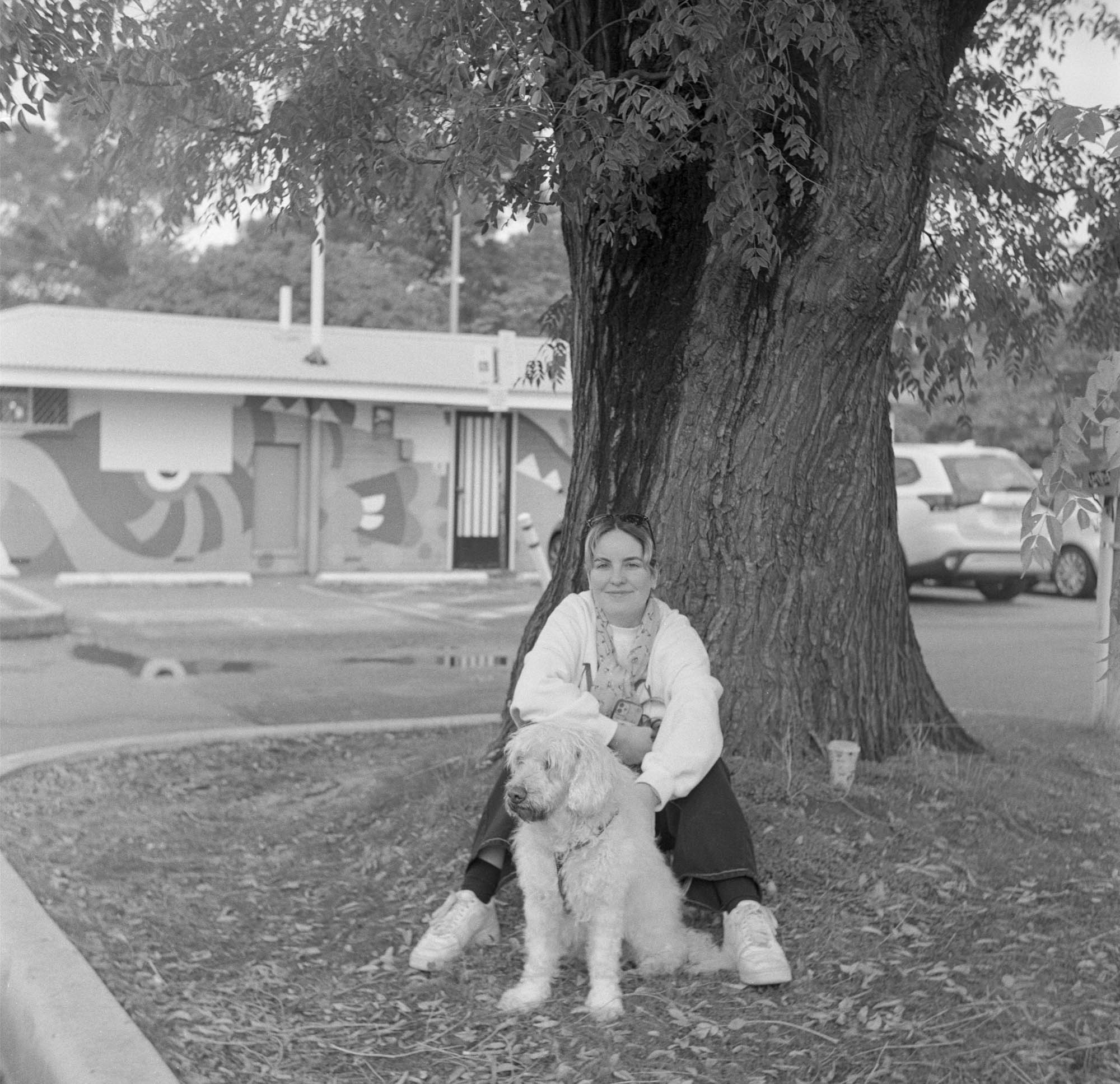
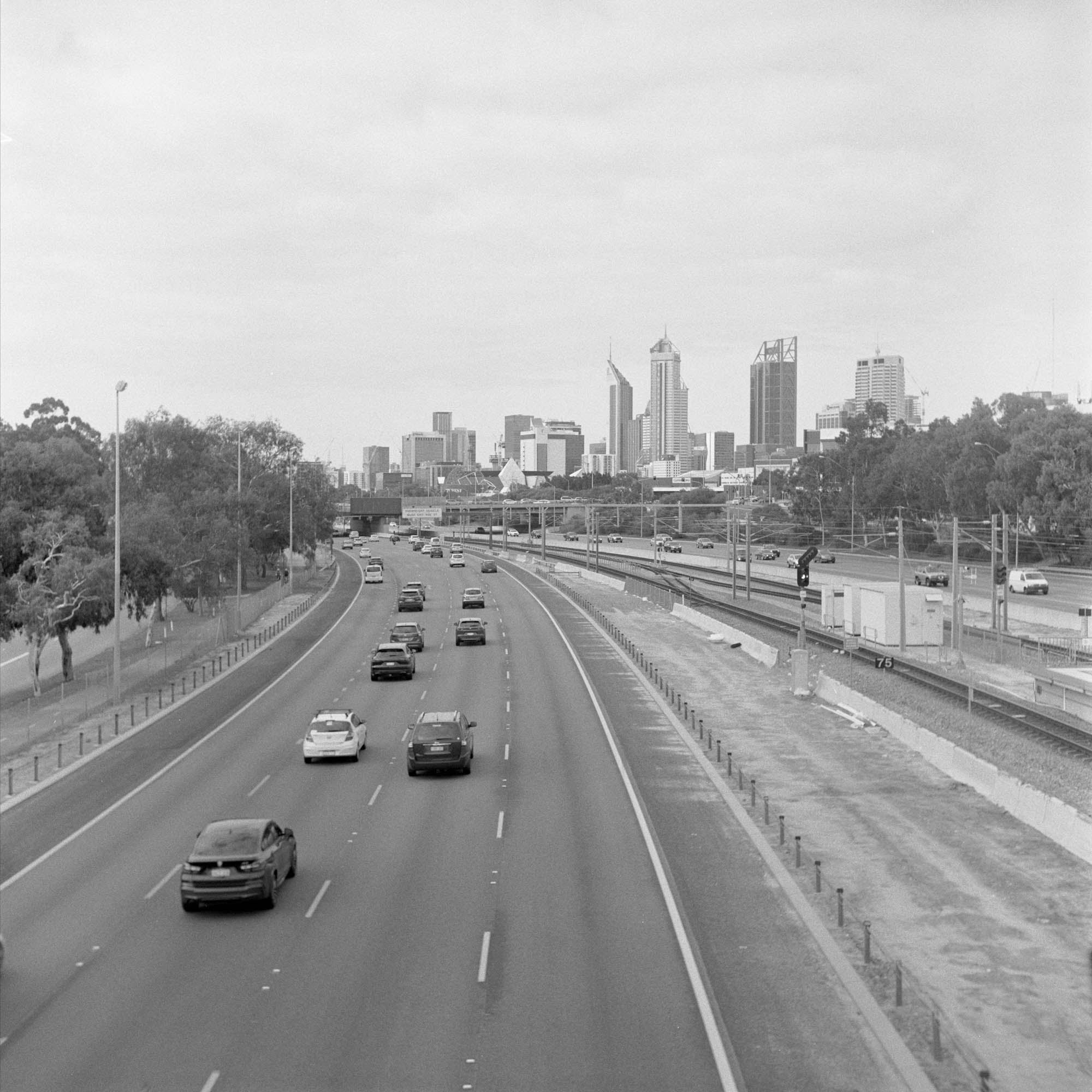
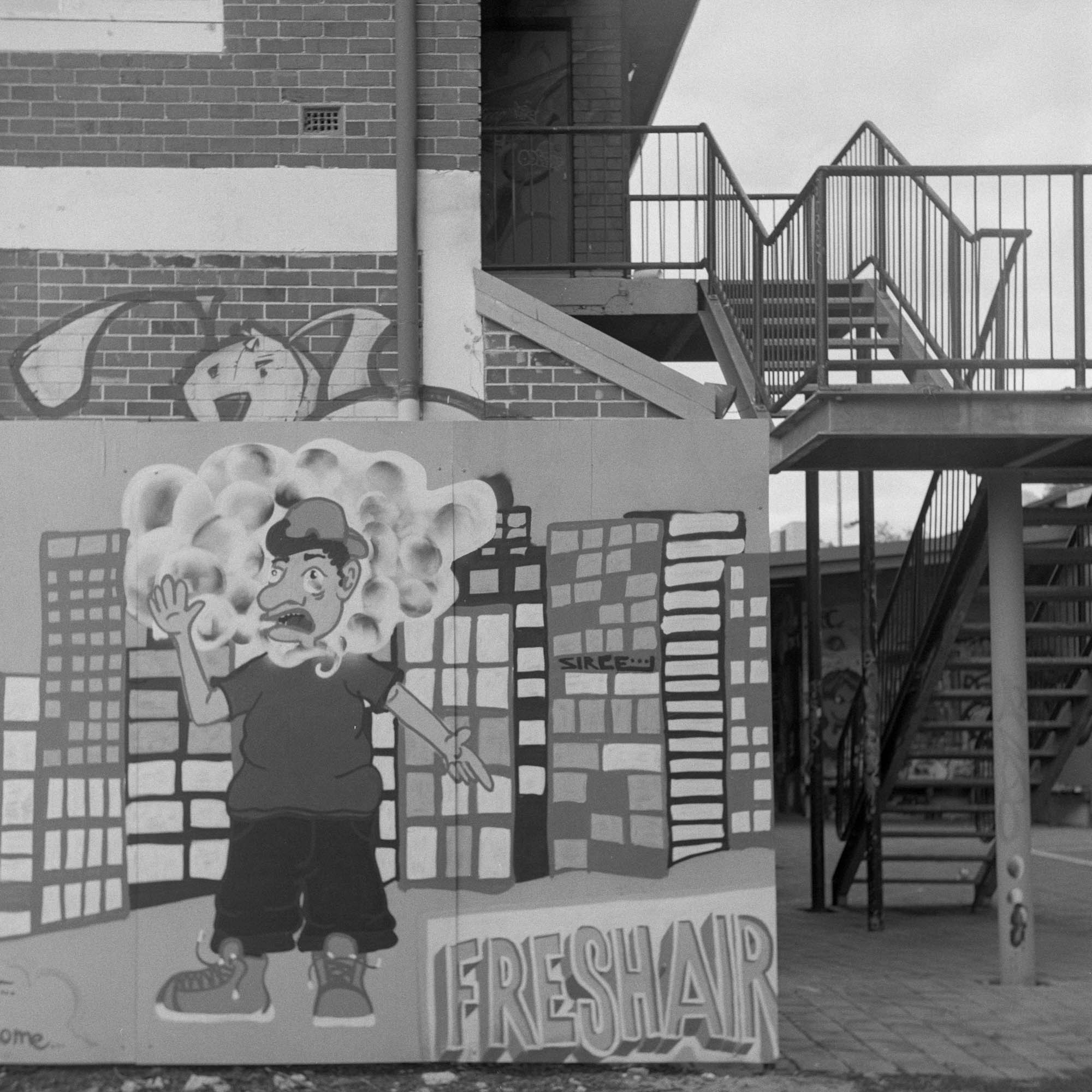


A Flawed but Beautiful Camera
Let’s not overlook its flaws. From film loading mishaps to the peril of double exposures, the 635 is not without its challenges. Yet, amidst the chaos lies beauty, because when it sings, medium format magic awaits, with its dreamy bokeh and timeless allure.
And let us not forget the charm of street photography with a TLR—unobtrusive, nostalgic, and occasionally mistaken for a relic of days gone by. For in a world of sleek digital wonders, there’s a certain romance to be found in the mechanical embrace of a Yashica.
But I digress. Let us return to the heart of the matter: the joy of failure. For in our missteps lie the seeds of growth, the kernels of wisdom waiting to be harvested. So here’s to the Yashica 635 and all who dare to dance with her—a flawed beauty in a world of perfection.
As Winston Churchill once said, “Success is not final, failure is not fatal, and it’s the courage to continue that counts.” So here’s to courage, to laughter, and to many more misadventures behind the lens.
 Mark McMahon