Testing the Nikon F55/N55 and 28-80mm Kit Lens as a Travel Camera in Shanghai

Ah, the allure of the Leica M6, a camera to flaunt wealth and artistic prowess alike. But why bother with ostentation when you can blend in with the proletariat using a humble companion like the Nikon N55? Sure, you won’t garner as many admiring glances, but the stares you do receive may be tinged with curiosity or bemusement, which, let’s face it, is attention nonetheless.

Let me regale you with the tale of my photographic escapades through the bustling streets of Shanghai, armed not with a Leica but with the unassuming Nikon N55 and a curious film stock mysteriously labeled as 800T, procured from the upscale online emporium that is Ali Express. With this unassuming combination in hand, I embarked on a journey to capture the essence of the city.

As I peered through the viewfinder of the N55, a sense of anticipation mingled with uncertainty. Something seemed amiss – the exposure appeared off-kilter, suggesting a potential mismatch between the film speed and the camera’s settings. Despite this initial hiccup, I resolved to soldier on, embracing the idiosyncrasies of the N55, which stubbornly refused to recognize DX codes, leaving me with no option but to compensate for the overexposure manually.

Undeterred by technical hiccups, I ventured forth into the labyrinthine streets of Shanghai’s historic neighborhoods, where brighter conditions finally afforded me the opportunity for more favorable shooting conditions. The results, while not without their flaws, offered glimpses of everyday life in this vibrant city – from the hustle and bustle of the marketplace to the quiet serenity of a secluded alleyway.

Now, let’s delve into the enigma that was the 800T film. Despite my initial reservations about its origins and processing, it performed admirably, even when subjected to a two-stop overexposure. A cautious approach to development paid dividends, yielding clean, balanced negatives that belied the film’s budget-friendly origins.

Yet, amidst the mundane scenes captured on film, a few moments stood out like diamonds in the rough – a fleeting glimpse of Chinese line dancing in a sunlit square, the mesmerizing interplay of light and shadow on the city’s architectural facades, and the endearing charm of canine companions frolicking in a local park. These ephemeral encounters served as poignant reminders of the richness of life, transcending mere visual aesthetics.

The Nikon N55 and 28-80mm f/3.3-5.6G

But what of the N55 itself? Despite its plastic construction and finicky autofocus, it proved to be a stalwart travel companion, compact enough to slip into carry-on luggage yet robust enough to withstand the rigors of urban exploration. Its quirks and limitations only added to its charm, serving as a testament to the resilience of analog photography in an increasingly digital age.

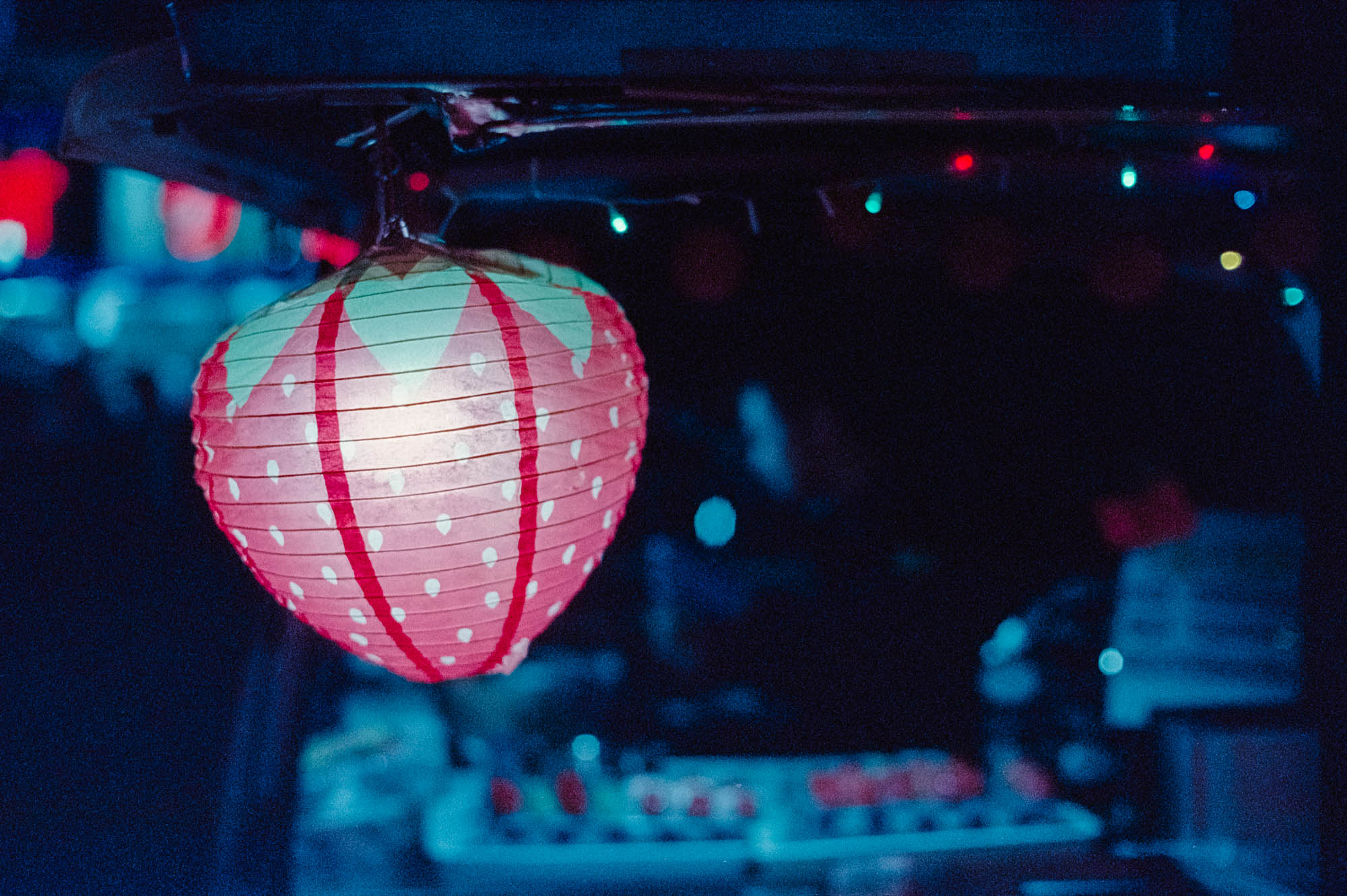
A new roll of film, this time some Kodak Colorplus 200 and while it didn’t give me those same classic Cinestill halations or cinematic tones, it was more than able to capture the veracity of the streets with its muted palate.


And let us not overlook the unsung hero of this photographic odyssey – the 28-80mm kit lens. Despite its modest specifications, it delivered surprisingly sharp and contrasty images, a testament to the craftsmanship of its optics. In the hands of a skilled photographer, it transformed mundane scenes into captivating vignettes, elevating the humble N55 to new heights of artistic expression.

Great for Travel

In the end, the Nikon N55 may not have the cachet of a Leica or the technical prowess of a modern DSLR, but it more than held its own in capturing the essence of Shanghai’s bustling streets. It’s small and light so it won’t break your back on a long day of shooting. It’s cheap and even cheaper looking so no-one is going to mug you for it. Its kit lens is surprisingly sharp and it’s quick, smooth, and responsive. So, if you find yourself in need of a reliable travel companion, look no further than this unassuming gem of a camera – the Nikon N55.

A Review of the Nikon 50mm f/1.2 AI-S in Shinjuku

Meet One of Nikon’s Longest Produced Lenses

Let’s dive right in, shall we? We’re talking about a particular gem in the realm of camera lenses: the Nikon 50mm f/1.2 AI-S. Now, this isn’t just any 50mm lens; it’s a certified light bucket. Back in 1978, when it first hit the scene, it promised to suck in light like a black hole without leaving your photos in a pit of despair. But does it still hold up in today’s unforgiving photographic landscape?

As the neon lights of Tokyo’s Shinjuku district flickered to life, I found myself armed with my trusty Nikon FE paired with the venerable Nikon 50mm f/1.2 AI-S lens. Venturing into the bustling streets, I was eager for a night off from my teaching responsibilities, ready to immerse myself in the vibrant energy of the city. I found camaraderie in the unlikeliest of places, forging bonds with newfound friends who shared a passion for exploration and discourse. As the night unfolded, I couldn’t help but marvel at the serendipitous moments captured through the lens of my Nikon FE, each frame a testament to the spontaneity and vibrancy of Shinjuku’s streets.

A Dance with Film and Light

Despite the film’s lack of objective reference for white balance, I embarked on a journey of post-processing exploration, extracting the raw beauty of the night through the lens of Lightroom. Amidst the chaos of the city, the Nikon 50mm f/1.2 AI-S lens stood as a stalwart companion, capturing moments with its timeless design and solid construction.

As I scanned the negatives, I marveled at the smorgasbord of colors and textures captured by the lens. From the vibrant hues of neon signs to the subtle interplay of light and shadow, each image told a story of urban life illuminated by the glow of the night. While some may dismiss the imperfections of the film as shortcomings, I embraced them as part of the charm, adding depth and character to my photographic narrative.

Nikon 50mm on Generic 800T Motion Picture Film

A Lens with Character

The Nikon 50mm f/1.2 AI-S lens boasts a rich history spanning over four decades, embodying a blend of craftsmanship and character. Despite its imperfections, this lens possesses a unique charm that transcends technical limitations. Its wide aperture renders scenes with a delicate balance of sharpness and softness, akin to an artistic brushstroke painting the canvas of the night. However, its quirks, from vignetting to chromatic aberration, add to its allure, transforming mundane scenes into ethereal compositions.

Delving deeper into the lens’s optical design, I discovered its simplicity belied its complexity. With seven optical elements arranged in six groups, the lens exhibited a traditional spherical design that harkened back to a bygone era of photography. Yet, its longevity and durability spoke to its enduring appeal, standing the test of time amidst advancements in technology. While modern lenses may boast technical superiority, the Nikon 50mm f/1.2 AI-S lens remained a timeless icon, revered by photographers for its distinctive character and versatility.

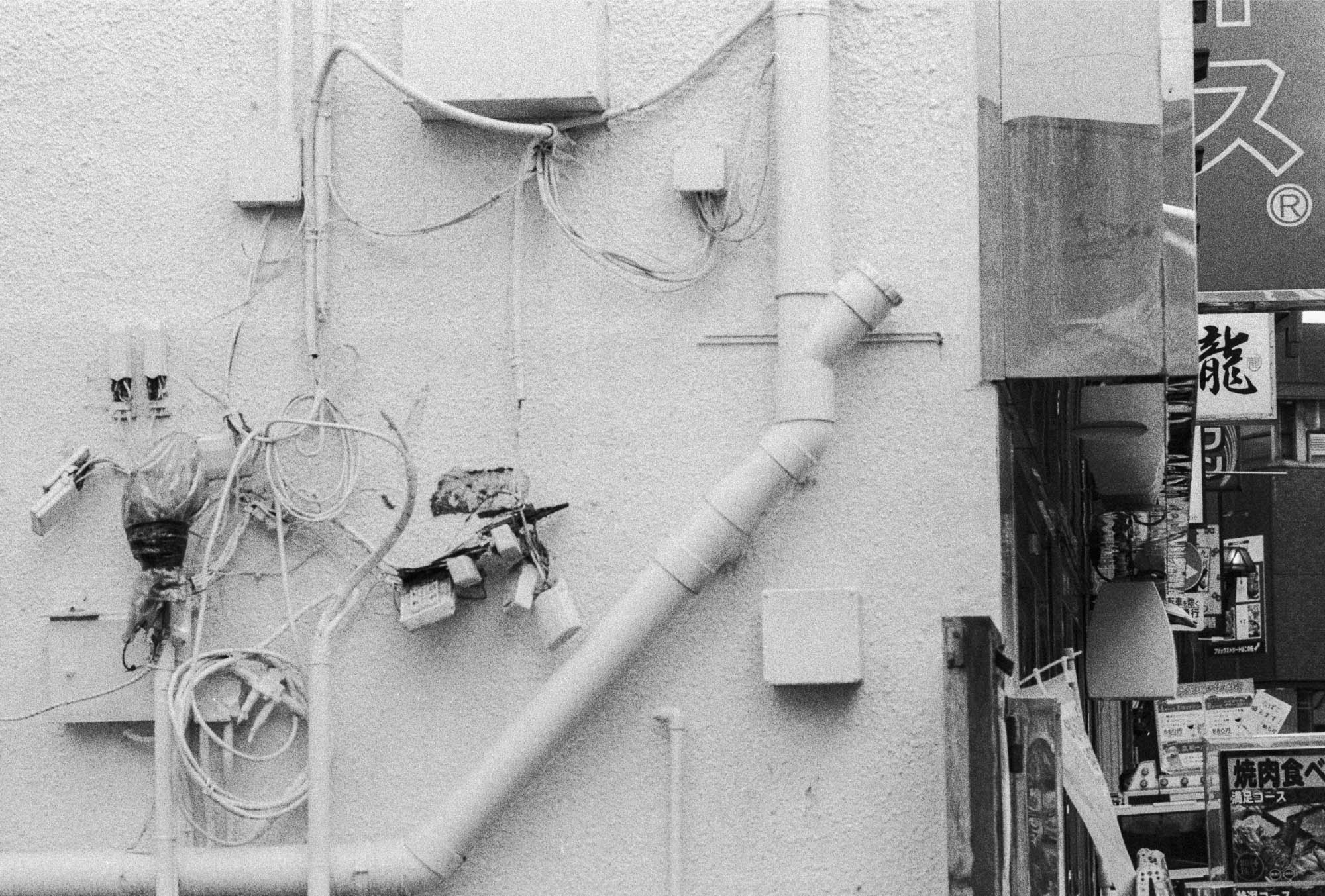
The Next Day, Shot with Ilford HP5 Pushed to 1600 ISO

Testament to a Legend

While modern optics may boast technical superiority, the Nikon 50mm f/1.2 AI-S lens stands as a testament to craftsmanship and individuality. Its imperfections become its strengths, offering photographers a tool to craft images imbued with personality and depth. From the glow of neon lights to the subtleties of the night, this lens embraces the art of photography, inviting exploration and creativity. As the world moves towards newer technologies, this lens remains a beacon of tradition and innovation, challenging photographers to see beyond perfection and embrace the beauty of imperfection.

In conclusion, Nikon’s 50mm f/1.2 AI-S lens may not be a flawless masterpiece, but it is undeniably an icon of photographic history. Its burnished brass and glass tell a story of craftsmanship and character, inviting photographers to embrace the quirks of analog photography in a digital age. So, as I reflect on my journey through the streets of Shinjuku, I can’t help but appreciate the timeless allure of this legendary lens, knowing that its legacy will continue to inspire photographers for generations to come.