
What is the Perkeo?
The word perkeo means pygmy and while probably neither of these terms are very politically correct, those were different times and I don’t think the pygmy hippopotamus is going to sue my YouTUBE channel for being sizist.
Still, it’s small, it’s cute, it unfolds and in that sense it’s a delight. This particular camera had been gathering dust for a while before being gifted to me by someone who’d been following my photography. I’ve had this for around six years now and I have used it well.
Most recently I found myself in Singapore for work and I had the option of either settling into another round of tiger beer with colleagues or taking the Perkeo with me for a brief walk from Bugis to Little India. I had two rolls of Ilford HP5 pushed to ISO 1600 and a fierce determination to find interesting subjects and pockets of light to illuminate them.
One of the cool things about Singapore is the different styles and cultures you can find in such a small area. It was just a short train ride from Promenade to Bugis Junction, where the stark modernity of Marina Bay gave way to a much more human and slightly chaotic street culture.
About the Camera
So what about the Voigtlander Perkeo 1? As the name suggests, this was the first version of the camera – it was superseded by the Perkeo 2 and the Perkeo E. There were over 100,000 copies of the Perkeo 1 made and there were a few iterations. This particular version came with some tweaks to the original, such as the ability to close off the red frame advance window and a clever automatic locking mechanism to prevent double exposure.
So far that’s two rounds to Voigtlander against my human error but unfortunately it’s not a foolproof camera. It’s fiddly. Firstly, this is manual medium format camera. No surprises there. It dates back to the early 1950s when 120 film was the dominant format. So, larger roll film that can be a bit annoying to load in and out but you do end up with those gorgeous 6×6 square medium format negatives.
Capturing images on that film, though, can be a bit challenging. Most of the cool stuff sits on the lens. That’s because it has a leaf shutter built into it rather than a cloth or metal mechanism at the focal plane. The good side of that is that you have everything available right there and the flash can synchronise at every shutter speed. The bad side is that you find yourself having to make micro-adjustments with your fingernails for the shutter speed and aperture.
The shutter speed ranges from 1/250th to 1/25th of a second, or not very fast to not very slow, though it does have a bulb mode that you can use if you want to put it on a tripod. The aperture range goes from a not too small f/16 to a not very wide f/4.5.
I wouldn’t worry about the lack of wide aperture. One of the quirks of medium format is that because of the physical image size, for a given focal length you end up a with a commensurately narrower depth of field. That’s not just true of film. The sensor of your full-frame 35mm camera allows you to obtain that creamy bokeh in ways that your iPhone just can’t because of the miniscule chip inside it. Trust me, it’s all about physics. That or phases of the moon working on the tides, which in turn are making a butterfly in China flap its wings.
In any case, f/1.8 would be impractical here. If it opened up wider than around f/3.5 then the focal plane would be perilously thin. And that’s made worse because you have no focusing aids in the camera. You have to rely on your ability to judge distance … in feet since this is basically a relic of the imperial system.
For a camera like this, f/4.5 is probably about as wide as you can go while still being able to make sure your point of focus will be sharp. So don’t worry about the lack of wide aperture.
And I do say that but of course I was shooting at night. And I soon found out that the further away from Bugis I got, the deader and darker the streets became. Fortunately I’m a brave boy and armed with another roll of Ilford HP5, I tried to squeeze a final few frames before heading home.
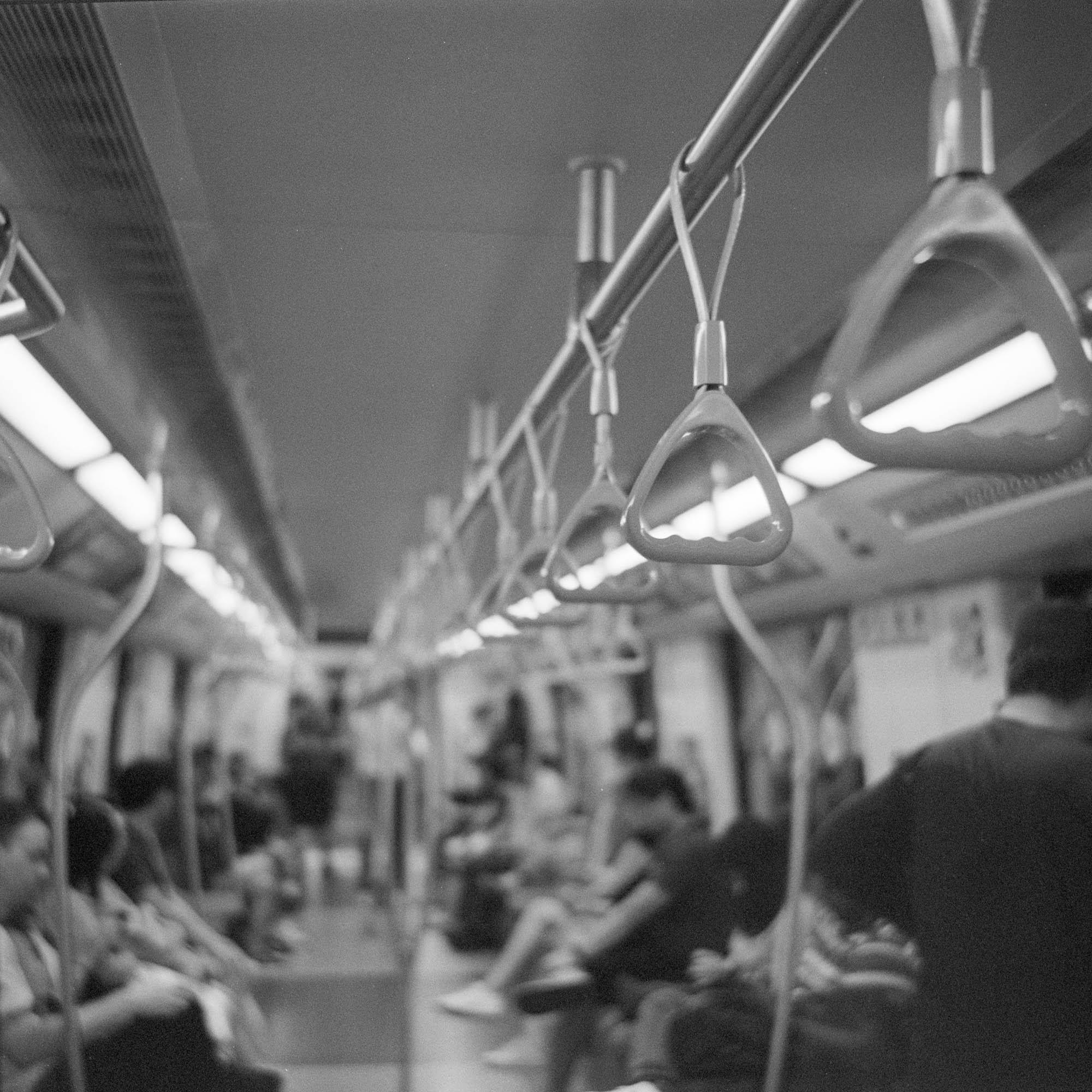
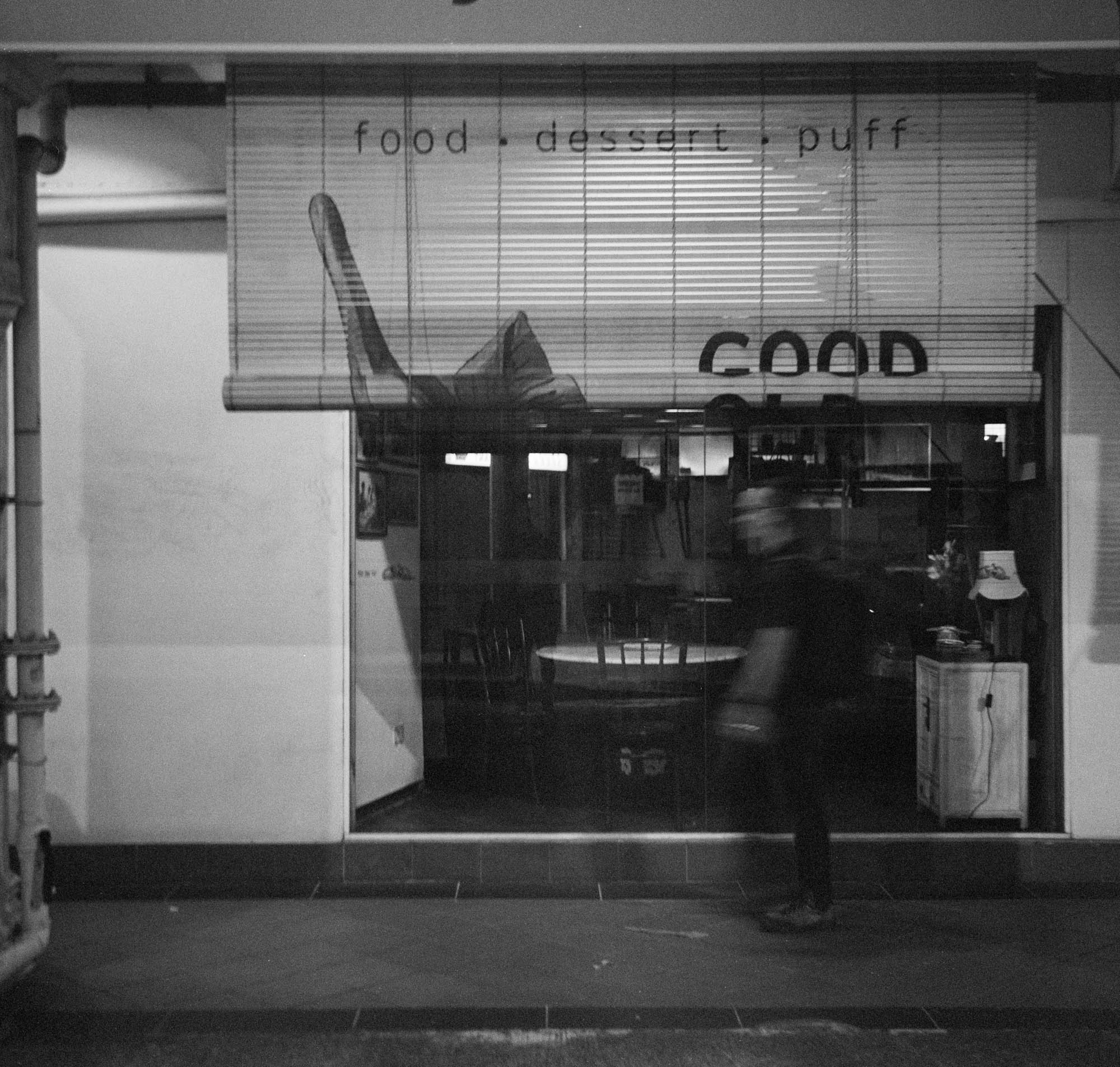
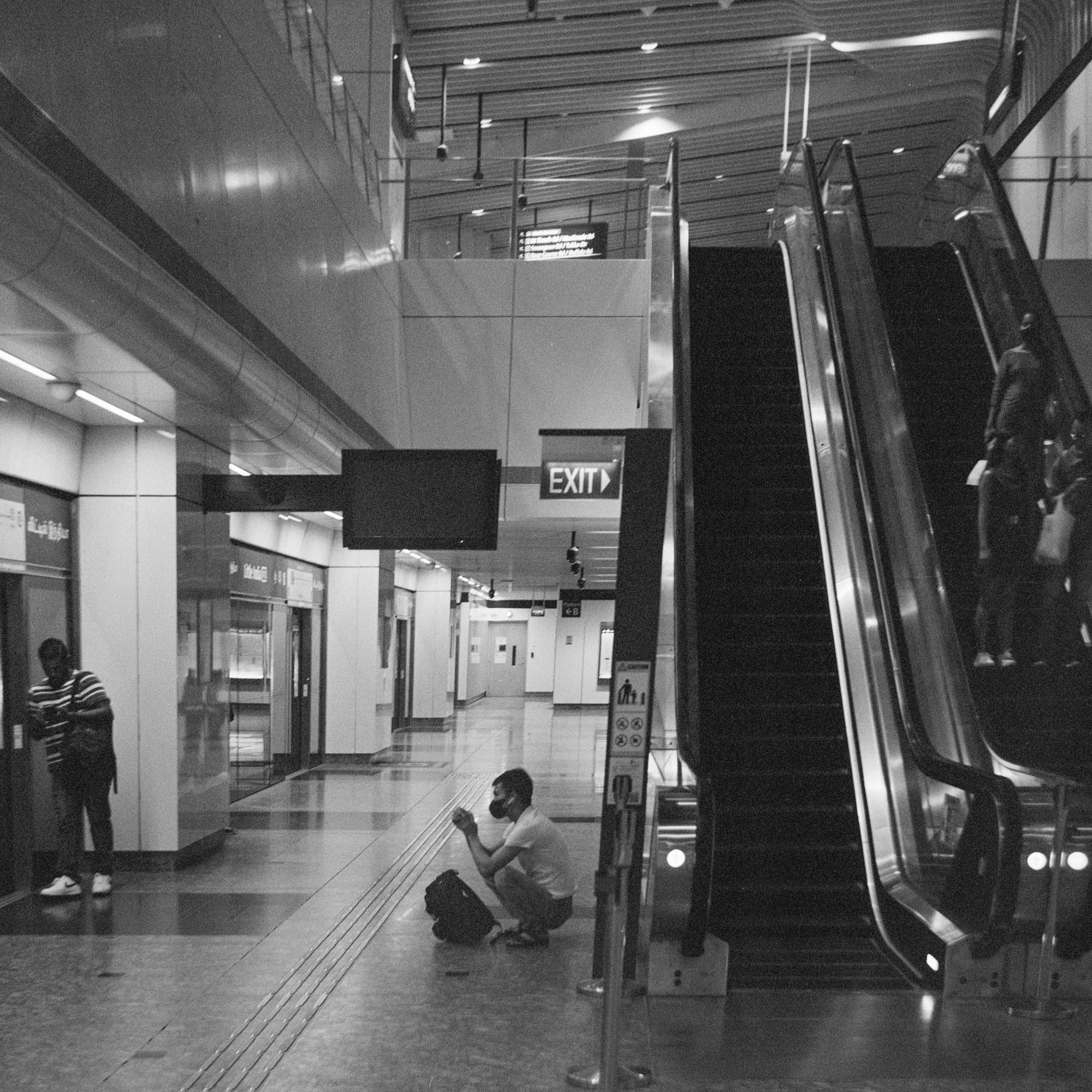


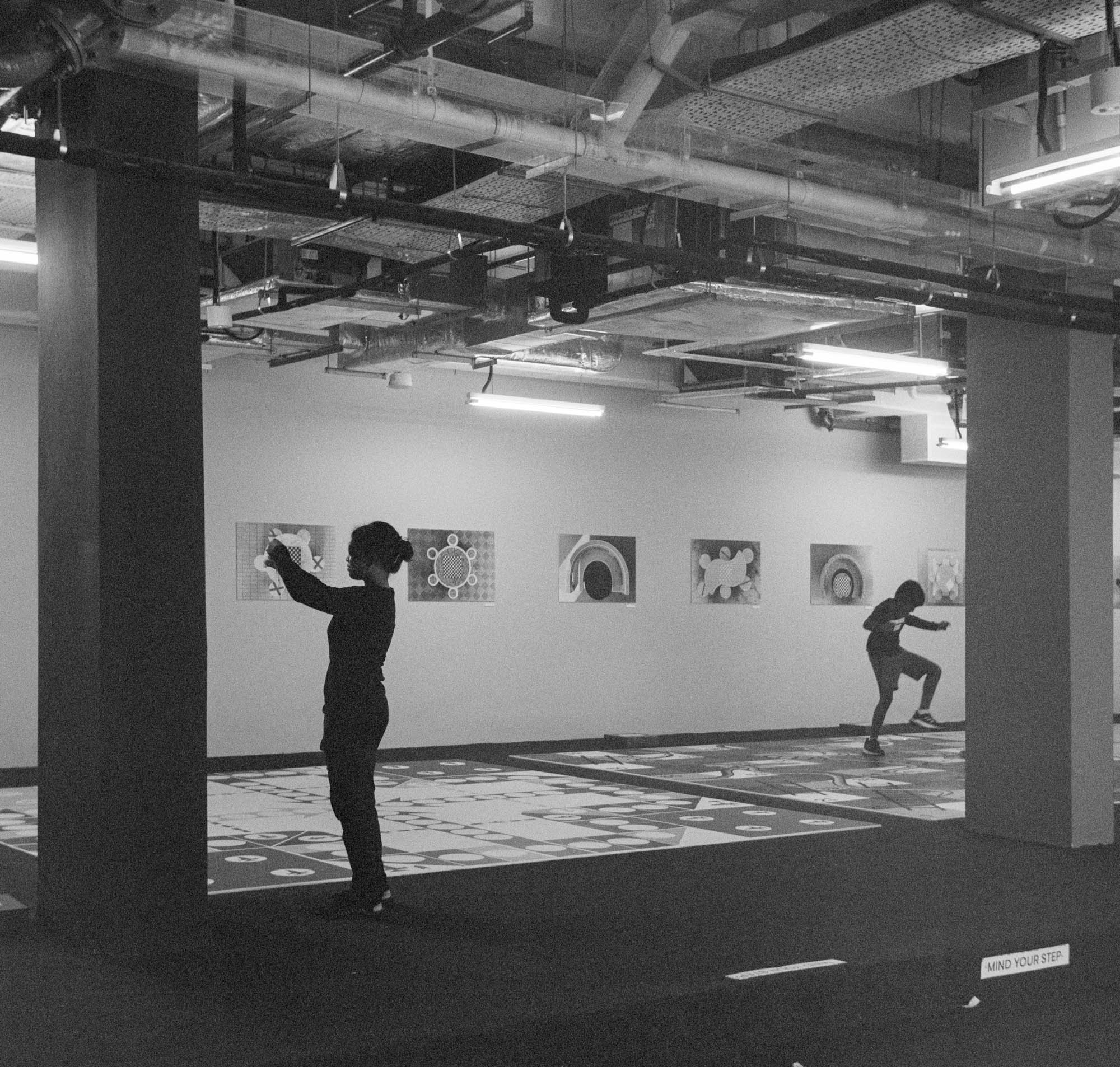
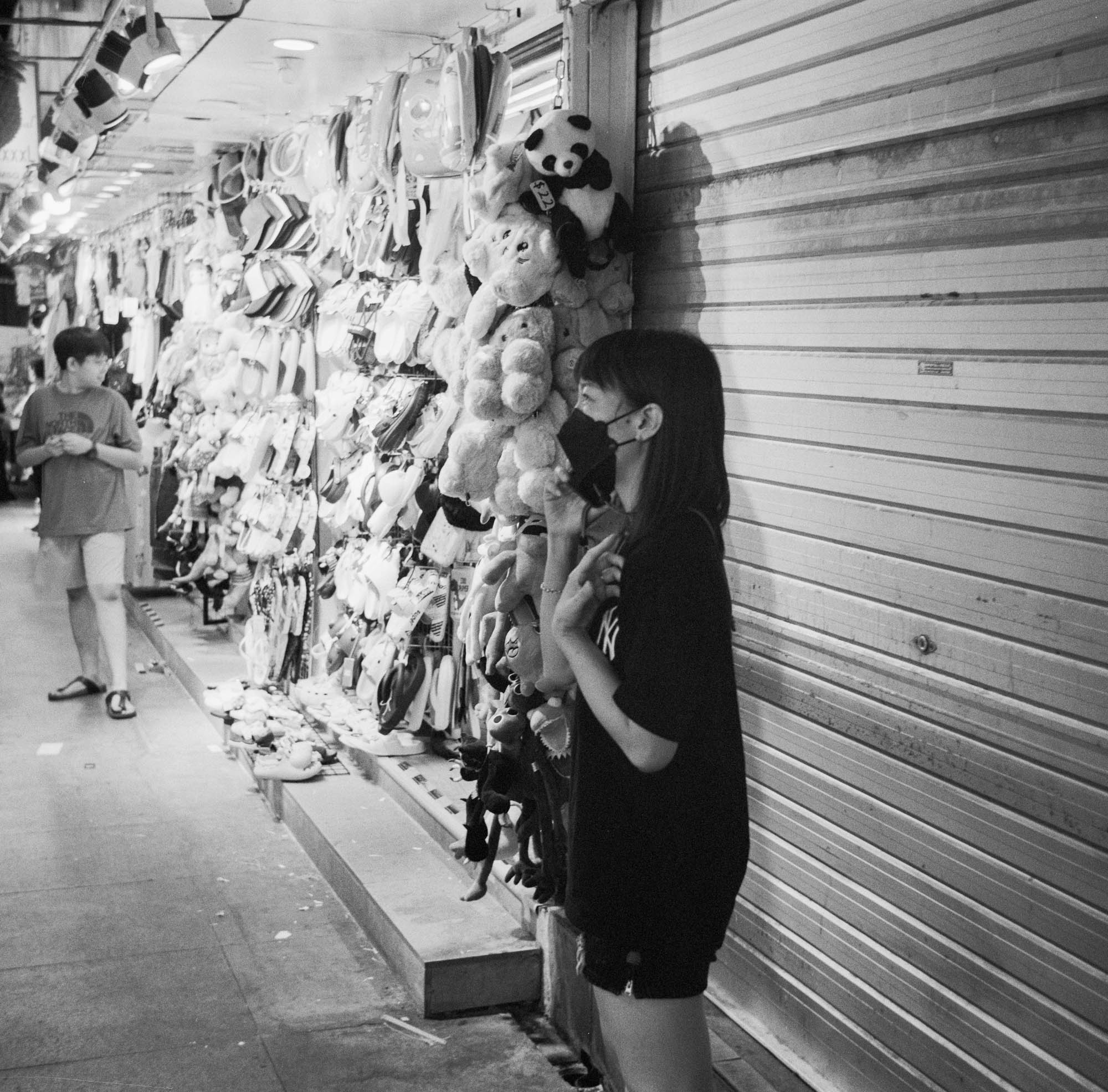

What about the Results?
As you can probably guess from those photos, while I made my way to the Little India MRT, the opportunities thinned out just as the people did.
Overall I didn’t come away with lots of portfolio shots. I think the better shots were the ones that had people in them. I did hang around a couple of locations for people to walk by and in some cases, that took a long time.
And I’m not very patient. So apologies that instead of a fascinating street character, you end up with some random dude carrying a plastic shopping bag. Though I did find the poses of the people inside the building intriguing, if a little baffling.
But none of these photos are going to get me into Magnum. It was possibly a combination of the weeknight evening and my desperation to cram some creativity into a busy work schedule that’s to blame. And while shooting film at night with a nearly 70 year old camera was always going to be a challenge, I can’t really blame the technology.
Why I love the Voigtlander Perkeo.
In decent light, the Perkeo didn’t let me down at all. It’s sharp where it needs to be but still gives a nice characterful low contrast look that mitigates some of the issues of shooting ISO 1600. The fact that it’s medium format means the grain isn’t so noticeable and of course you do get that 3d pop when you shoot something fairly close wide open.
It has travelled the world with me, from Vancouver to Dubai, Estonia to Hangzhou. In fact I dropped it on the ground in Amsterdam once, leaving lovely big dent in the lens cover. Seriously, I don’t deserve good things.
It’s small but substantial, weighing in at 525g and if you’re patient enough to use an external meter and are comfortable with the square format, it takes some great shots. Even if you’re like me and too lazy to use a tripod or meter for exposure you can get good pictures from it – you just have to accept that not every photo is going to be a keeper.
So have you used one of these? If not, then it’s definitely worth seeking one out. I have a couple of other folding cameras – an Agfa Isolette and an even older Voigtlander Bessa that produces amazing 6×9 negatives, but this is probably the sweet spot in terms of size, quality and yes, even ease of use.
Perhaps not the greatest low light camera in the world but a gem nonetheless.
 Mark McMahon