
I will begin this article with a quick disclaimer. I am NOT a wildlife photographer.
Wildlife photography requires lightning sharp reflexes and a good knowledge of your subject matter. My reflexes are like molasses and while I know my camera pretty well, I’m not used to wielding a long lens. And my understanding of wildlife reflects both my ignorance and complete lack of interest in anything remotely resembling ‘nature’.
I’ve spent my whole life avoiding birds and plants. There’s something about birds in particular. The way they fix you with those beadie little eyes. That quiet prehistoric malevolence, you know they’re just waiting for a chance to attack. I’ve seen the Hitchcock movie.
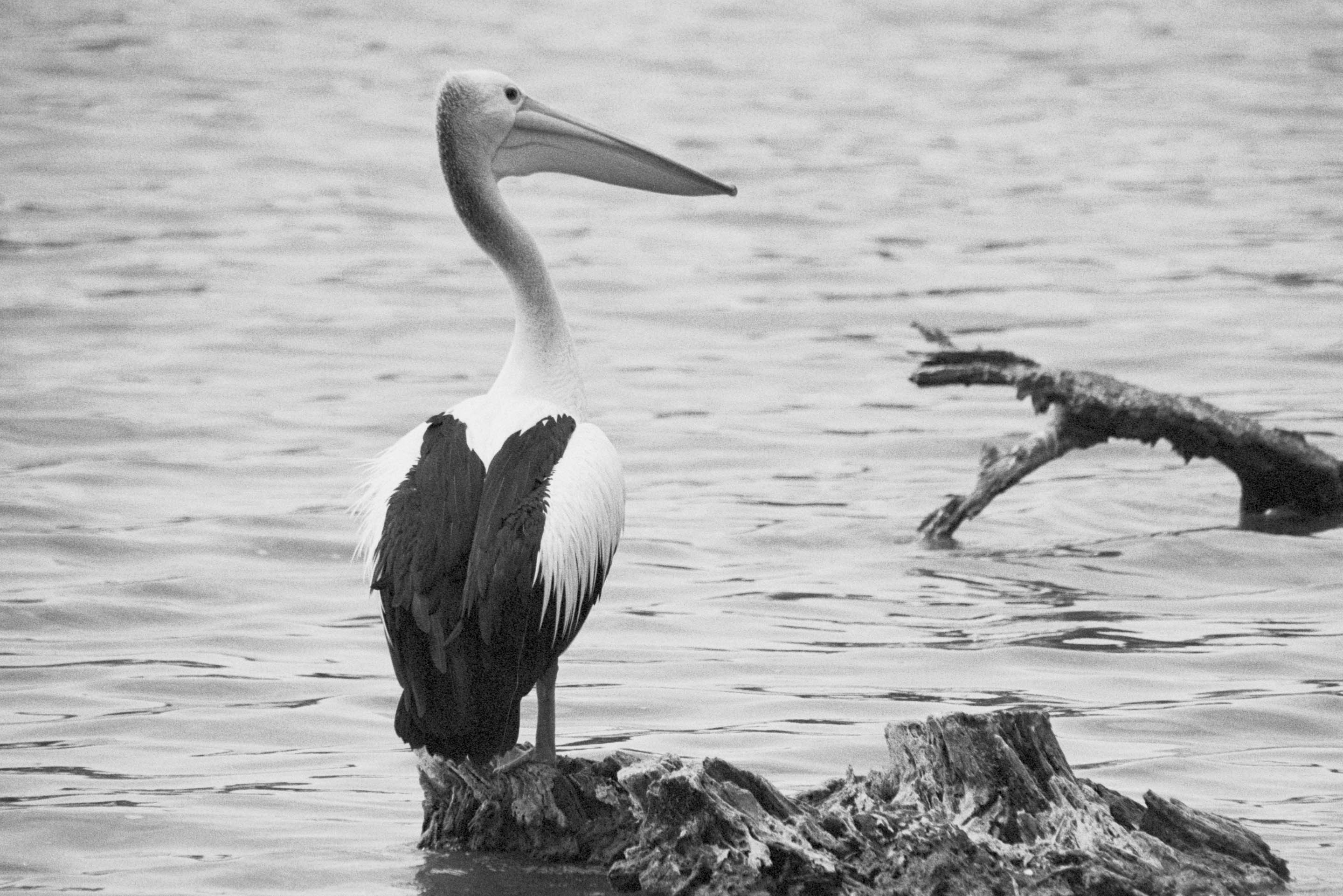
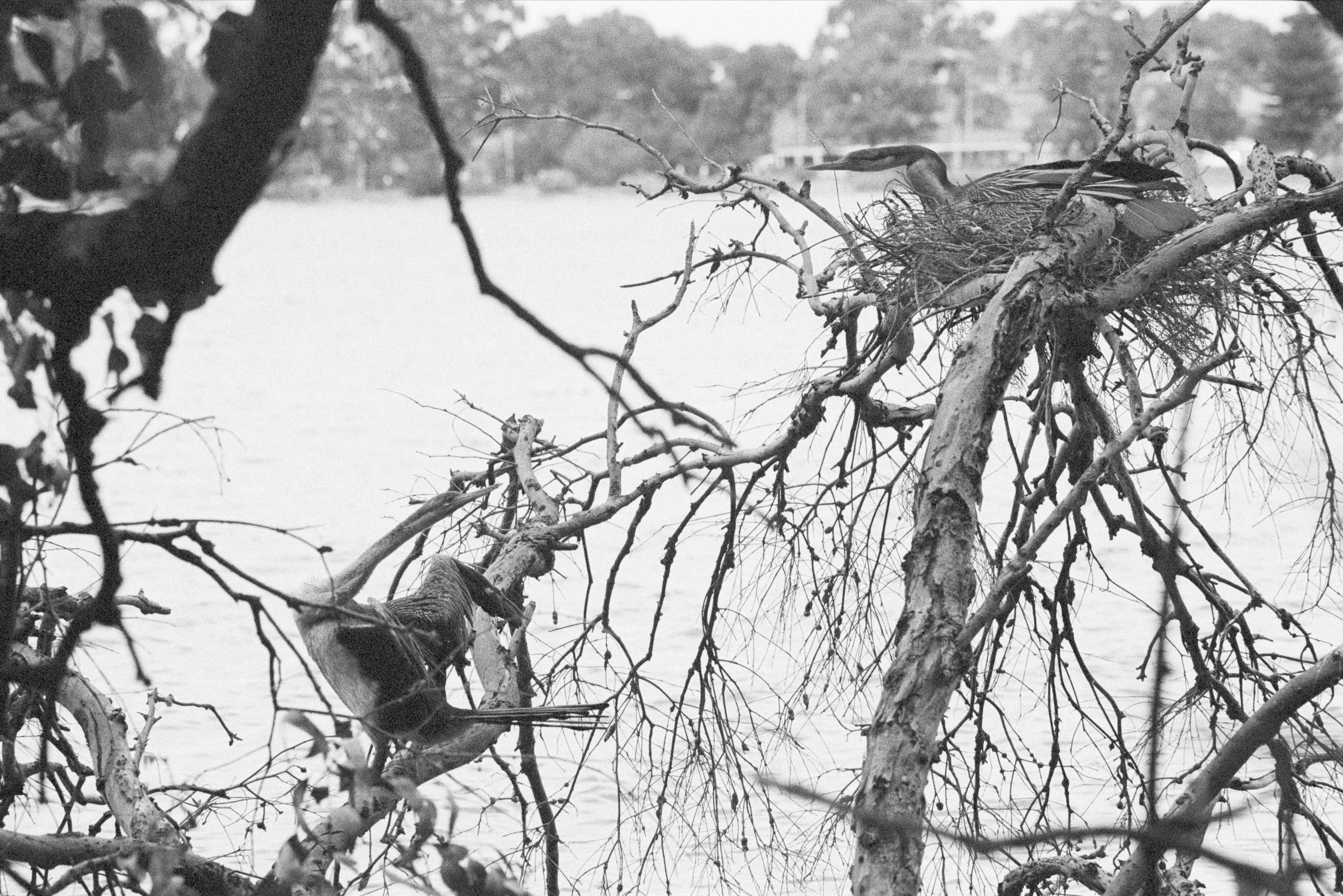
So moderate your expectations before you settle in. It’s not that I’m dismissive of the genre. There is definitely something special about wildlife photographers and I love experiencing their forays through nature, vicariously at least, on YouTUBE. There’s something calming about the way they can just sit there in a hide waiting for something to happen while munching on their apples and egg and cress sandwiches. Sure I can slash through the undergrowth with my sigma like it’s a machete and I am the right age and gender – and actually my wife can make a pretty mean salad roll but I have neither knowledge, nor patience, so I’ll leave the flora and fauna philosophy to those far more experienced than I am. Instead, I will just describe my own personal experience using a Sigma 170-500mm f/5-6.3 DG APO lens, trying to capture the wildlife of Lake Monger in Perth, Western Australia.
About the Sigma 170-500mm f/5-6.3 DG APO
So what can we say about the Sigma 170-500mm f/5-6.3? Firstly… yes, it’s slow. It has an aperture smaller than the eye of a needle and it focuses glacially, loping backwards and forwards like me trying to learn to samba.
But it’s sharp enough when it finally finds its subject. The lens is apochromatic, which is what scientists say to sound cool and basically means that the glass elements focus in such a way that the individual colours don’t smear to create that horrible colour fringing you see in some high contrast scenarios, like shooting leaves with the sun behind them. All made possible by an aspherical lens and three special low dispersion or SLD lenses. But let’s forget the spec sheet, what’s it like in the hand?
Well yes, it’s big. Robust and manly in appearance with hard plastic ridges and a sense of purpose, that purpose being ‘I’m going to be as indiscreet as possible as I try to take photos through the motel window to blackmail you with later’. It’s not one to take to your daughter’s netball game.
It also trombones badly when you want reach and with no focus lock, it suffers badly from zoom creep when hanging down. Insert gratuitous penis joke here.
Anyway, it’s not a discreet lens, which is a shame because it’s surprisingly light. About 1.3 kilos, I was able to sling it over my shoulder happily for a couple of hours and handhold all of my shots.
Pros and Cons
One negative is obviously the size and it has an 86mm filter thread so if I were to buy a polariser for this thing it would probably cost as much as the lens itself.
The small aperture combines with another negative – It doesn’t have Vibration Reduction. That means if you’re zoomed in to 500mm you’re probably going to want to shoot at a shutter speed of 1/1000th of a second. The way I dealt with that was I shot Ilford HP5 pushed to ISO 1600 on a sunny day so it wasn’t an issue. It also brought a bit of contrast and crunch to the images that probably added to the perceptual sharpness.
That said, I’d say the sharpness of this lens is already a pro. While it’s not going to even approach the sharpness of a Nikon 70-200 f/2.8, that doesn’t have the focal range that this does. Same with a 300-500mm focal length. You get the reach but you’re stuck if you want to rack back to something closer. And you can forget carrying both of those out into the field with you. That’s not even considering the cost of two high end zooms.
This lens gets mixed reviews. If you look online you’ll find people saying not sharp beyond 300mm. Others say, use a sturdy tripod and find critical focus of a slow moving subject and it’s a razor. I tend to side with the latter. But it highlights the fact that you need good technique to be able to get the most out of this or any other vintage long telephoto zoom for that matter.
One thing’s for sure, It’s a dream on the Nikon N65. It’s like the camera this lens was made for each other, particularly with include an MB-17 battery grip accessory. I didn’t have it with me on the day and I probably should have – the grip makes you look a bit pro, whereas this just looks kinda daft. I didn’t really feel I needed it, though, and it made for a lighter and leas threatening set up.




Recommendation
Should you get this lens? Sure, if you can find it at a good price. I worry a bit that this blog is turning into a forum for me to brag about how cheap I am but it probably pays to be patient if you’re looking. It’s a solid lens but the bulk, build quality, screw focusing and lack of VR mean it doesn’t always get the love it deserves and you might find it cheap. For me in 2022 that was around AU$200, though it tends to go for more on eBay.
As for wildlife photography… I’d like to get better at it. I DO need to develop a bit more patience, though. Give me 30 years and I mightget there.
When I do, God help me, I’ll be one of ‘those’ photographers. I’ve actually been eying of a beige tactical vest on Ali Express that I’m sure is designed for people who want to shoot up high schools but I can really see myself slipping a lens cap, spare battery and muesli bar into the pockets and hunting down that perfect sea egret. I just plan to keep challenging myself. I do think trying other genres, even if you’re not good at them is how you grow as a photographer.
If you do want to witness my growth (and I’m not talking about lens size here) then keep reading this blog and subscribe to me here and on YouTube.
 Mark McMahon