
It was the first day of a new year and everyone else was at the beach. What better way to spend a morning than take the dogs to the local industrial area and shoot some Kodacolor 100 film that expired in the Year 2000?
Kodacolor 100
How can you really evaluate a film that expired 20 years ago? It’s like judging french pastry by eating a 3 week old croissant.
Or my sandwich making after I found my daughter’s school lunch in her old bag 3 years after she moved to Melbourne for university. Yes, that did happen. And no, I didn’t eat it. But I did shoot this film.
I couldn’t find out very much about Kodacolor 100. Wikipedia mentions a Kodacolor Gold 100 film that was discontinued in 1997 but the only listing for 100 speed Kodacolor that wasn’t Gold was a film they stopped making in 1963.
So this is kind of a mystery box. But that would be true anyway given you’re unlikely to really know the personal history of any roll of expired film you buy. I can only guess that this is a consumer-grade film. Since it doesn’t have the Gold moniker, maybe it’s a little more neutral in terms of colours.
My deep forensic analysis, otherwise known as reading the back the box, told me that this was made in the USA, perhaps for an overseas market given the funny writing in red.
Could it be a bit more like Colorplus or maybe Pro Image 100? The same speed, low grain, punchy colours? Pro Image is made for an overseas market, supposedly tolerant to heat and humidity so that would make sense if this was a similar formula.
Please if you know anything about this film, let me know.
In any case, I very much doubt it’s quite the same 20 years later. I developed it in fresh Cinestill CS41 chemistry and the film base came out a strange greeny colour with a bit of fogging but as you can see, I managed to get usable images from it.
Street Photography with a Nikon F100 and a 24-85mm f/3.5-4.5 VR Lens
Before we move on, though, let’s talk about the camera and lens. One of the reasons I was using a Nikon F100 is because I trust its matrix metering and I knew that I’d get at least consistent exposure. The other reason is that for once I didn’t need a particularly compact setup. The lack of people meant I wasn’t drawing attention to myself as some kind of potential pervert, private investigator or beardy analogue hipster.
The Nikon 24-85mm lens is a mixed offering. It’s sharp and the built in vibration reduction saves you several stops of light with still or slow moving subjects. That is useful when your ISO 100 film is effectively ISO 25. But it’s not the best film lens, largely because it does distort wildly. Straight out of the camera, the results are horrible: pincushioning at one end of the zoom range; barrel distortion at the other. It’s easily corrected in Lightroom. It’s a fiddly manual process but fortunately the distortion is quite regular. Of course, that’s not going to help you if you print in the darkroom. If that’s part of your process, though, you’ve already gone way too far down the dark rabbithole of film and are probably lost to the real world.
I did follow the ‘overexpose one stop per decade’ rule and 2 stops overexposure did seem about right. My scanning process is always a manual one. I don’t use Negative Lab Pro, though I probably should. I just scan as a raw image and then invert and adjust colours in Lightroom. I do have a bad habit of trying to ‘correct’ film when I scan it and if I find myself having to get into split toning then that’s usually a sign that I don’t have confidence in the film colours or I’ve exposed or developed wrong.
There didn’t really seem to be any sweet spot for correction here, so… what you see is pretty much want you get.





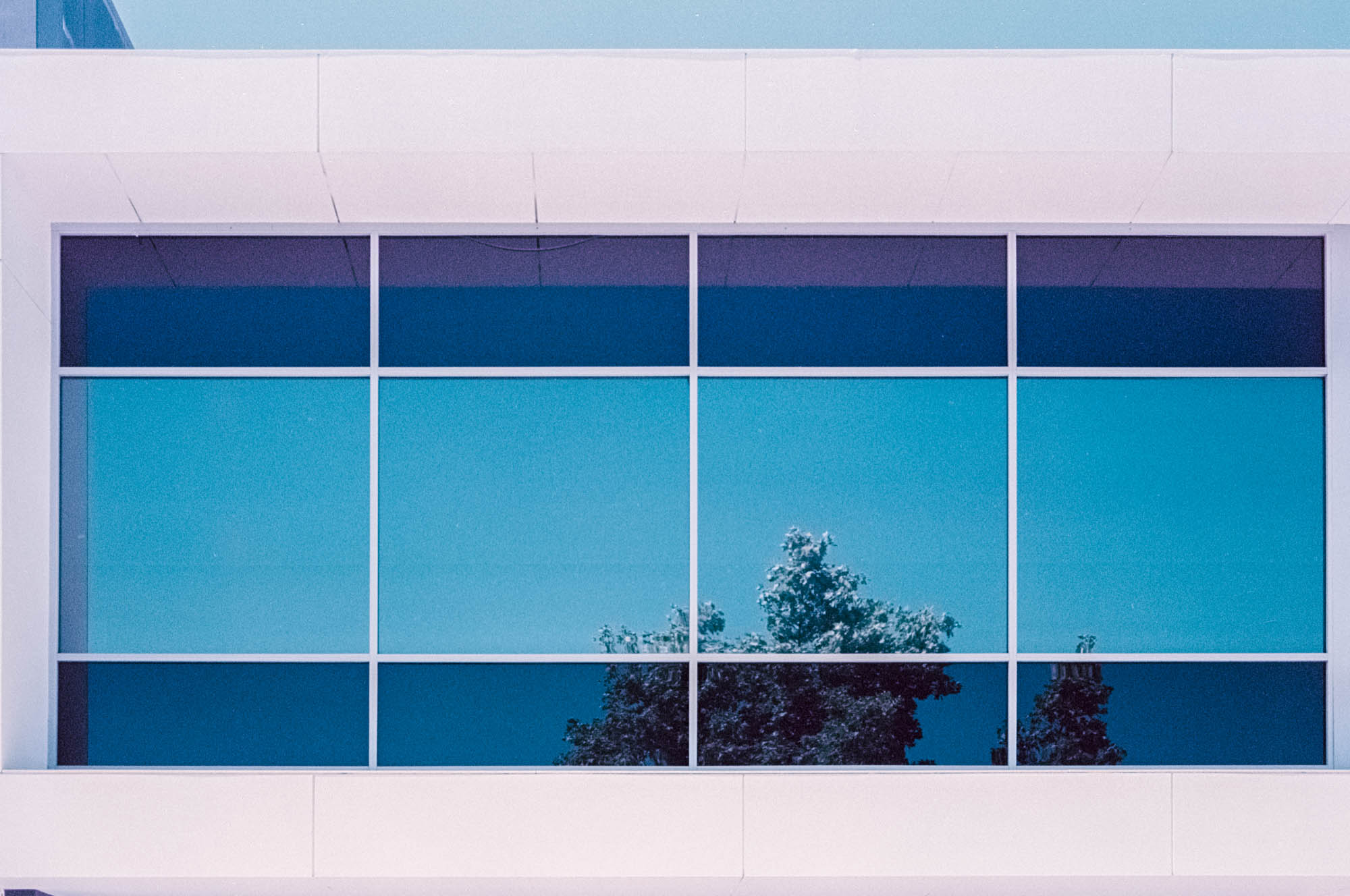


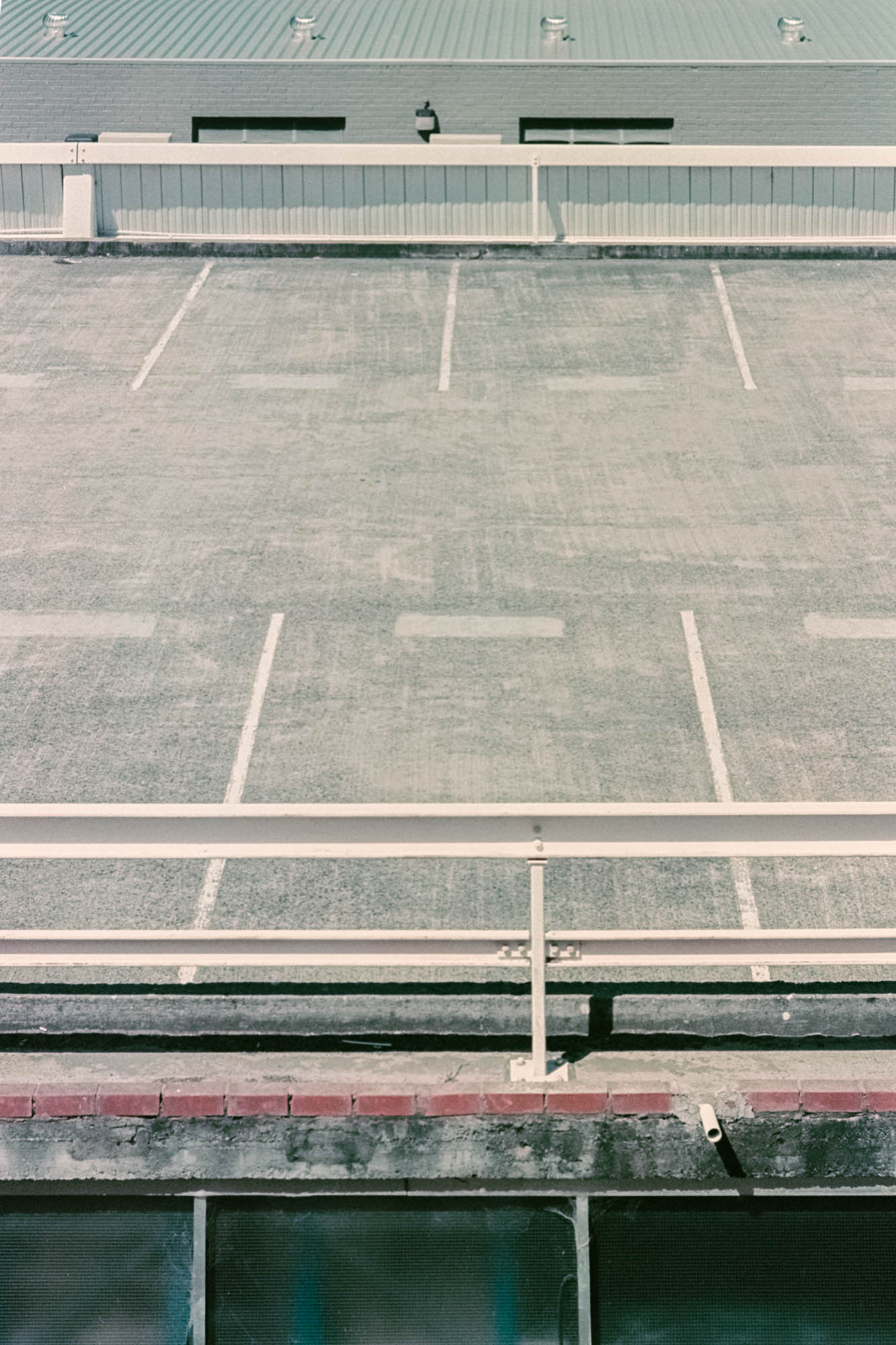
I don’t mind the results. Many of the photos had nice, albeit not very natural tones. Balancing out the white in the barbed wire photo gave the sky a beautiful azure quality and I liked some of the pastelly greens that I got from foliage. That’s not the same green as I saw or got from the video though.
I was lucky to be gifted this roll along with a few other random ones by my brother in law who found a shop in Spain selling expired film. The first one didn’t turn out but more fool me for exposing at box speed. That was Agfa Vista anyway and I loathe that film with a passion even when it’s in date, so no great loss there. But this roll turned out interesting!
Am I a convert to the world of expired film? No, I didn’t find God in in the grain of my Kodacolor any more than I did in the burn pattern of the toast I had this morning. You’ll see from the telegraph pole image that I did find religion, though. Not MY religion, let’s face it. At Victory Life, God loves everyone, unless you’re gay in which case you’re an abomination.
Personally, if I really wanted to indulge a remote and unobtainable religious fantasy you’d find me peering in the windows of a Leica store. That’s a good enough alter to worship at until the celestial spaghetti monster arrives to deliver me from the industrial wasteland to a magical land where unicorns poo rainbows and 58mm Noct Z lenses. I do suspect I’m headed down the elevator to the basement where they keep the Casios and Kodak Disc cameras, though.
I’ve really never seen the appeal of expired film. It seems like you’re paying a huge premium for that Lomo aesthetic and if I want to take bad photos I can do that perfectly adequately myself without having to resort to a 40 year old roll of overpriced pantomatic.
But this was fun and arguably well up to the task of capturing the beauty of bin bags and barbed wire. There’s something strangely calming about the minimalism of urban landscapes and the weird colours kind of complimented rather than distracted from that. I’d love to read your comments. Let me know if you thought any of the photos were noteworthy. Seriously, I think I’ve taken some of the best photos so far this year. Not a hard call, since it’s January but I’m worried I’ve peaked early. It’ll probably be 11 months of disappointment here on in.
 Mark McMahon