
Ultra wide angle lenses can provide a unique and dramatic look to photography but they make composition so challenging!
On a recent photowalk around Leeman, Western Australia, I settled on one film camera, a primitive Canon P rangefinder, and a Voigtländer 15mm Super Wide-Heliar f/4.5 LTM lens, to try to capture the beauty of the coastline. The light was harsh, the scenery barren, and I struggled to fill the frame.
The Problem of Choice
I find too much choice can induce anxiety. I don’t mean the kind of anxiety where I have to cover my social ineptitude by feigning interest in others and sustaining interactions though awkward cliched conversation. I am referring to decision anxiety. When faced with a myriad of cameras and lenses, I have difficulty settling on one combination. It’s the equivalent of standing helplessly in the supermarket with a cos one hand and an iceberg on the other, unable to decide which lettuce would go best on my burger.
I could just shoot digital and pack a superzoom with the goal of not having to miss any photographic opportunity but the advantage of limiting yourself to a small range of gear is that it can often help stimulate creativity. All tools have affordances and constraints – things you can do with them and things you can’t. A wide angle lens is great to be able to capture a broad field of view but they can make a scene look empty if you do not have foreground interest and it can be very difficult to remove distractions from within the frame.
Limiting yourself can be liberating in that it forces you to think in different ways. In particular it helps to stimulate divergent and convergent thinking.
Psychologist J. P. Guilford created the terms convergent and divergent thinking in 1956 in his research into Creativity. Divergent Thinking involves brainstorming for many possible answers to a question, while convergent thinking focuses on reaching one well-defined answer or solution to a problem.
They both have their uses.
You’d think that a high level of affordances, promotes divergent thinking. There’s a reason why normal people buy modern full frame digital cameras and honking wide aperture zooms. You can pretty much shoot in the dark at high shutter speeds with high ISOs and even if you can’t, your in body stabilisation will make up for your trembling trigger finger.
There are constraints too too. A bigger sensor will give better low light performance at the expense of size, weight and depth of focus. Your phone on the other hand is tiny and always with you but you’re not going to get those gorgeous bokeh bubbles behind your awkward bathroom selfie.
Convergent thinking is about narrowing things down. In most cases, it’s about finding the optimal solution to achieve your goal. But it can also be about working creatively within the few affordances of what you have. In film photography it’s about deliberately putting up road blocks and having to find ways to overcome them.
Cameras, Lenses and Film
There is a lot you can not do with a Canon P, or any 1960s rangefinder, for that matter. Do not try to focus closer than one metre or capture anything that happens in a brief moment; or even expose properly without having to guess or carry an external light meter.
What it does buy you is the cachet of carrying around a piece of industrial jewellery that makes you almost as cool as a Leica shooter, meaning you’re instantly classified as a lawyer, doctor, or just geriatric hipster. Or hipster wannabe since it’s obvious you can’t actually afford that new M6.
And then there’s the lens. By choosing 15mm you are really limiting your options, particularly in the desolate nothingness that is the Australian seascape.
For that reason, I do find 15mm too wide for me with landscapes. It worked when I shot the Pinnacles Desert. It made it look bigger than it is. The Australian Summer is already big and empty, however, and 15mm gives you nothing to look at.
Then there’s the film. I’m probably in the minority here but I think sometimes Australian summers look best in black and white. While we can have amazing sunrises and sunsets in Australia, they only last about half an hour and the rest of the time you are dealing mostly with bright sunshine, empty skies and sparse vegetation. Leeman is a unique place and well worth capturing but you tell me if the final images make the best use of the wide field of view.


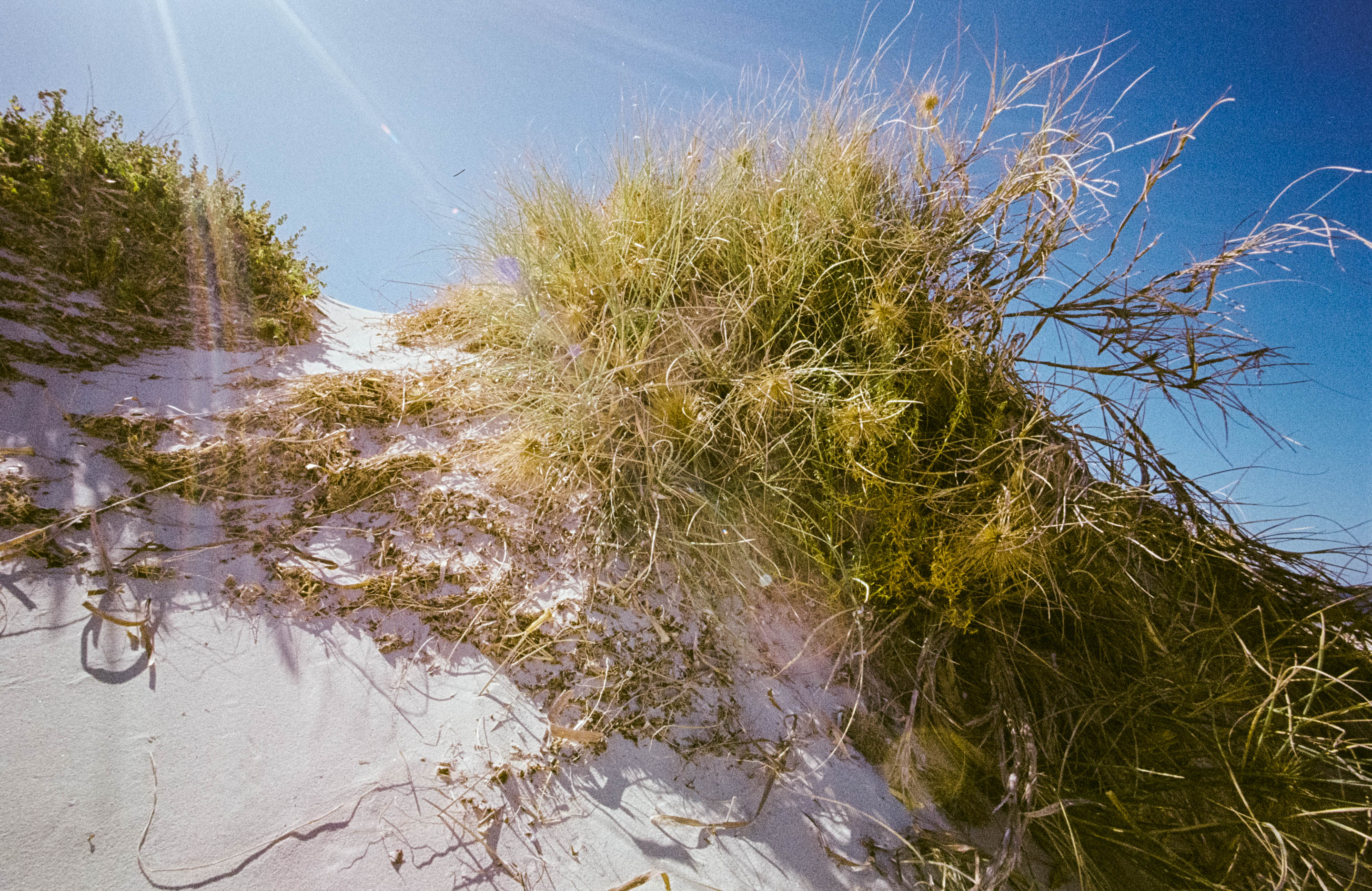
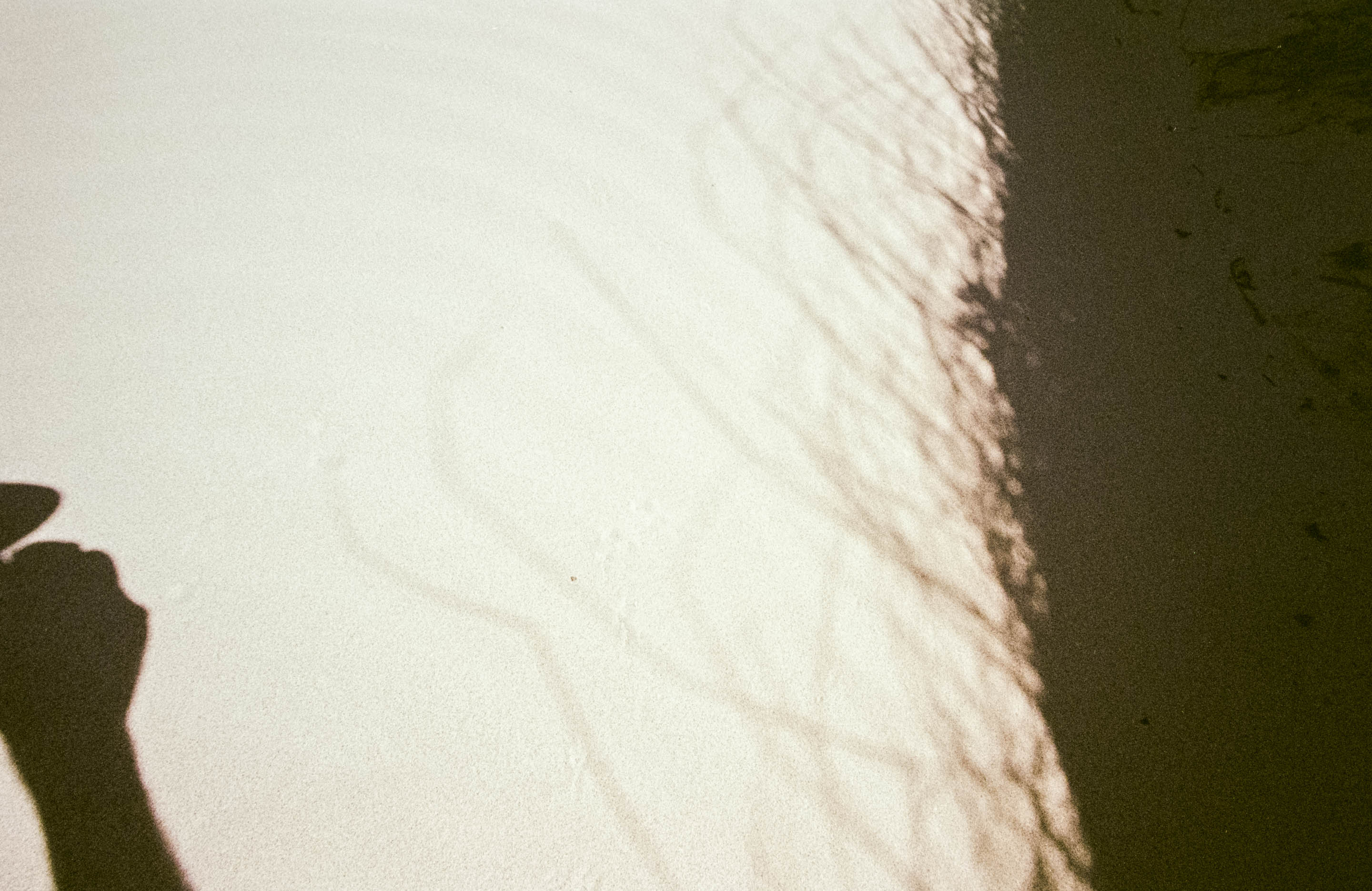


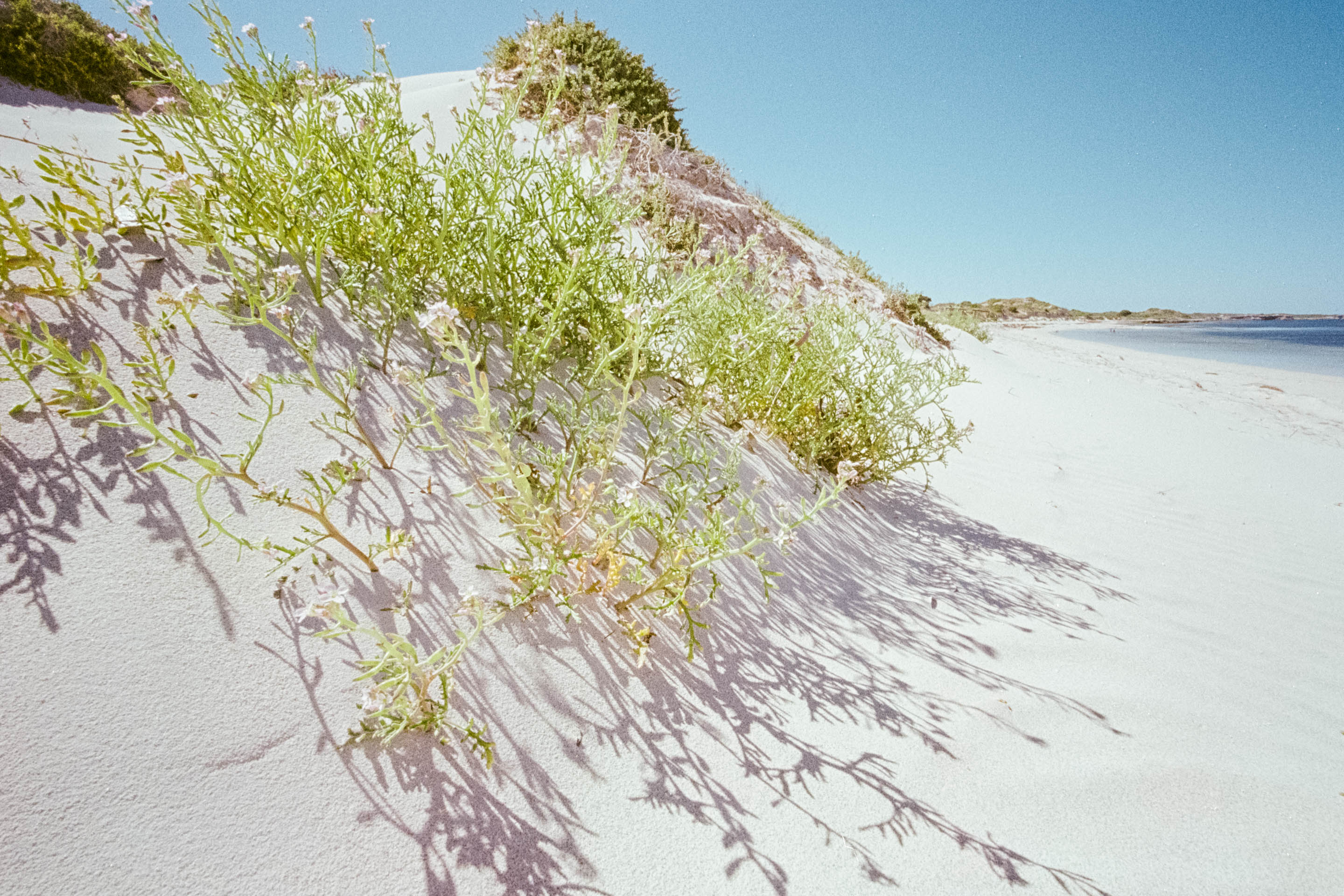

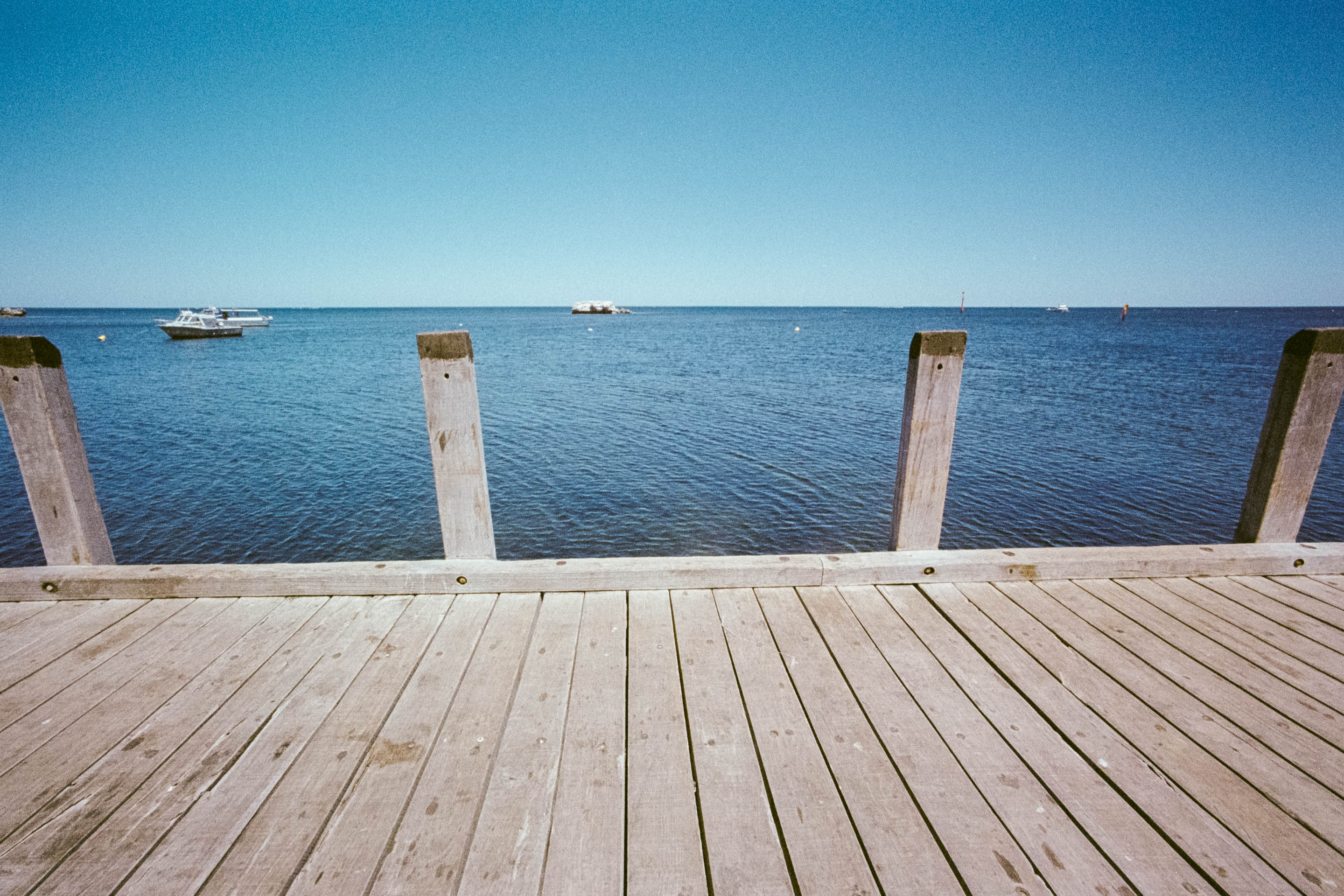
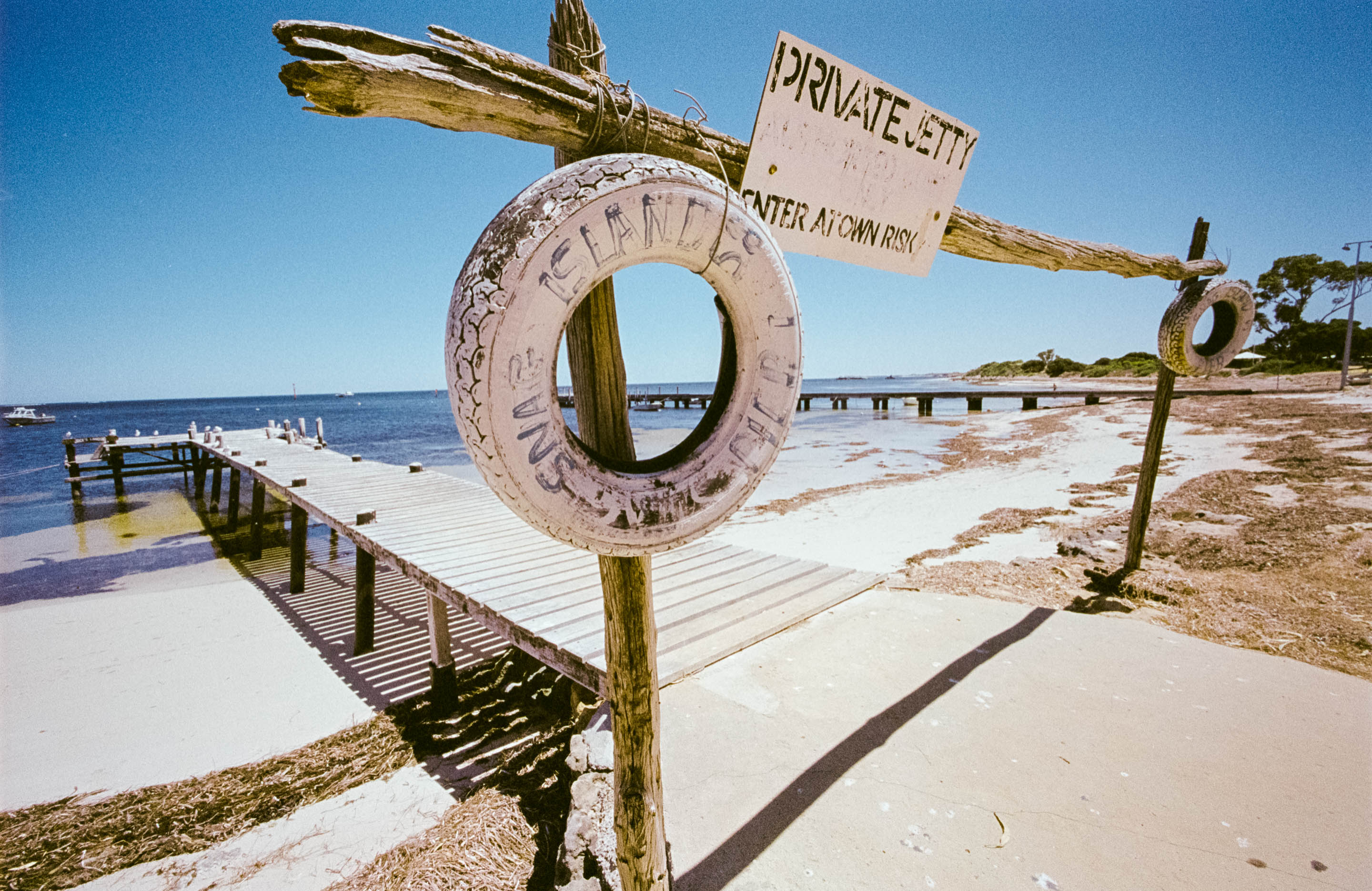

Of course, I chose Kodak Colorplus 200 which is possibly the blandest colour film but also the cheapest. Given the current state of film prices at the moment, admittedly, that doesn’t mean very much. It is like being the least annoying character in an Adam Sandler movie.
Ultimately, it was an interesting experience. But it was a challenging one and I remain unconvinced that, at least in this case, the constraints promoted the kind of divergent thinking that made for anything particularly innovative.
It also did not help that every nearly every photo included the accidental inclusion of my hat, my feet, my shadow etc in the corner of the frame.
To sum up. affordances and constraints are good. They promote the kind of convergent and divergent thinking that stimulate creativity and help direct it towards an optimal solution. But constraints ain’t easy. The reason I ended up going to the foreshore was just to find something to stick in the foreground, other than my toes or the shadow of my GoPro. A good jetty can be a saviour to a wide-angle photographer.
 Mark McMahon